Media Audience Theories & Theorists
0.0(0)
 Studied by 3 people
0.0(0)
 Call with Kai
 Learn
Learn Practice Test
 Spaced Repetition
 Match
Match Flashcards
 Knowt Play
Card Sorting
1/4

Earn XP
Description and Tags
Study Analytics
Name | Mastery | Learn | Test | Matching | Spaced | Call with Kai |
|---|
No study sessions yet.
5 Terms
1
New cards
Bandura
- the media can influence people directly
- media representations of aggression or violent behaviour can lead to imitation
- due to social networks, people can be influence by media messages without being exposed to them
- different media have different effects e.g., the 'new' media offers opportunities for self-directness
- This is shown through the Bobo Doll in which a child was shown a video of an adult punching a bobo doll and then when the child was given one,
- the media can influence people directly
- media representations of aggression or violent behaviour can lead to imitation
- due to social networks, people can be influence by media messages without being exposed to them
- different media have different effects e.g., the 'new' media offers opportunities for self-directness
- This is shown through the Bobo Doll in which a child was shown a video of an adult punching a bobo doll and then when the child was given one,
Effects Debate

2
New cards
Gerbner
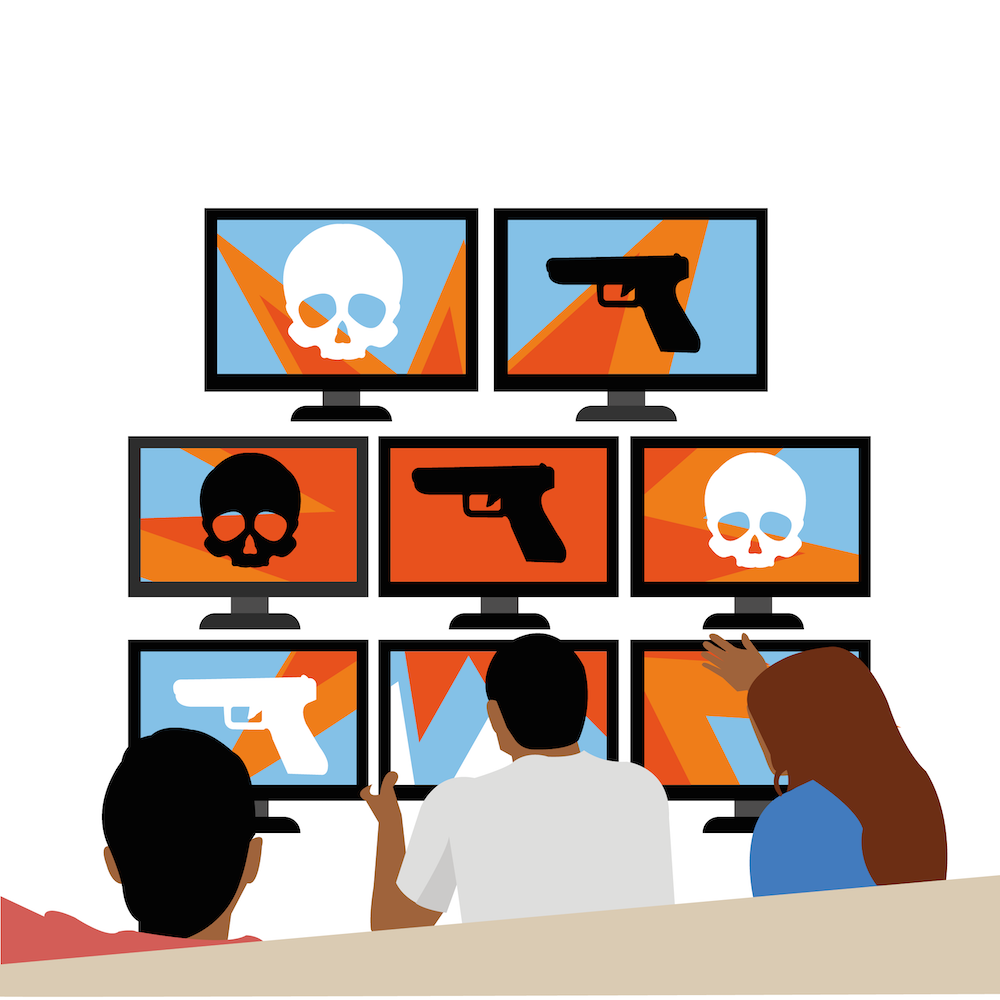
- exposure to television over long periods of time cultivates standard roles and behaviour
- mean world syndrome (a cynical mistrusting attitude towards others following prolonged exposure to TV violence)
- heavy TV viewing led to mainstreaming (a common outlook on the world based on TV)
- exposure to television over long periods of time cultivates standard roles and behaviour
- mean world syndrome (a cynical mistrusting attitude towards others following prolonged exposure to TV violence)
- heavy TV viewing led to mainstreaming (a common outlook on the world based on TV)
Cultivation Theory
3
New cards
Stuart Hall
- encoding-decoding model argues media producers encode preferred meanings into text that the audiences reads in different ways:
- dominant-hegemonic (a preferred reading - accepts messages and the ideas behind it)
- negotiated (accepts the ideas and understands them but disagrees with the message conveyed and negotiates the meaning to fit with their values)
- oppositional (reader reject both the overt message and the underlying ideologies)
- encoding-decoding model argues media producers encode preferred meanings into text that the audiences reads in different ways:
- dominant-hegemonic (a preferred reading - accepts messages and the ideas behind it)
- negotiated (accepts the ideas and understands them but disagrees with the message conveyed and negotiates the meaning to fit with their values)
- oppositional (reader reject both the overt message and the underlying ideologies)
Reception Theory

4
New cards
Henry Jenkins
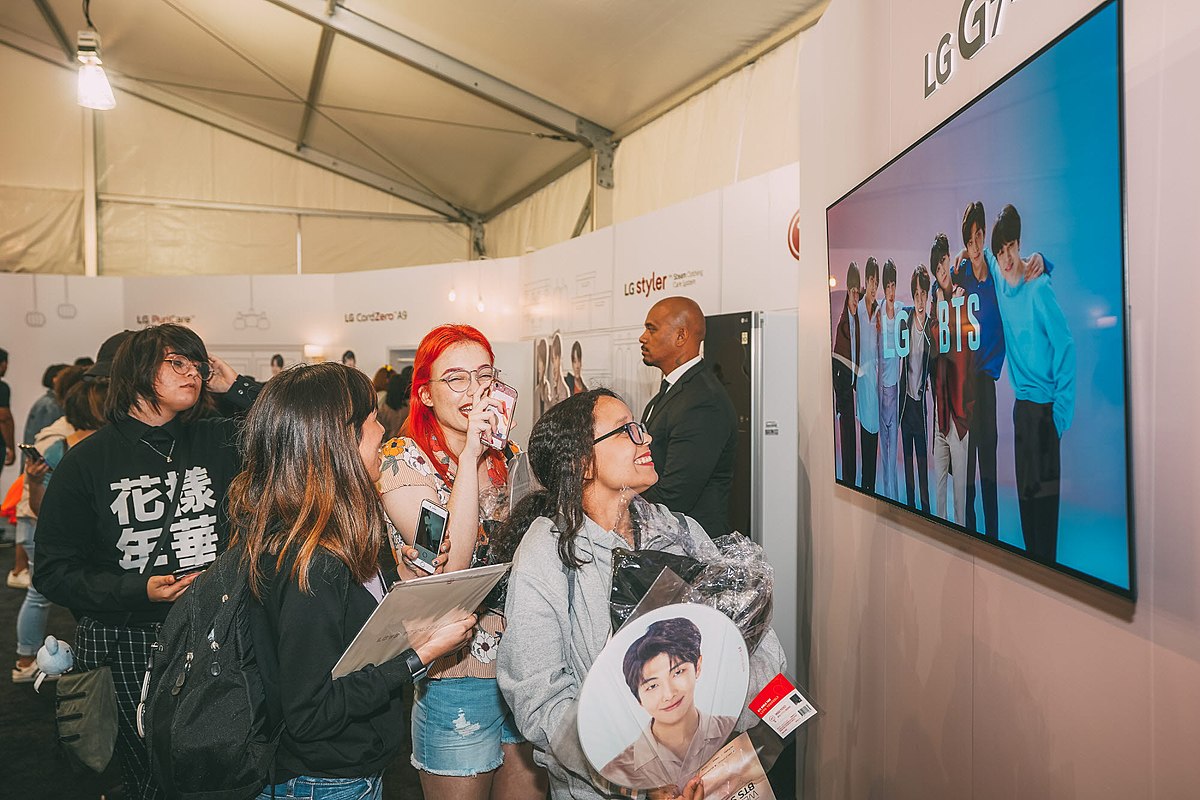
- fans acts as textual poachers (taking elements from media texts to create their own culture)
- the development of 'new' media has accelerated participatory culture in which audiences are active participants rather than passive consumers
- an audience will create online communities, produce new creations, collaborate to solve problems and shape the flow of media which generates collective intelligence
- this therefore implies convergence is a cultural process rather than a technological one
- fans acts as textual poachers (taking elements from media texts to create their own culture)
- the development of 'new' media has accelerated participatory culture in which audiences are active participants rather than passive consumers
- an audience will create online communities, produce new creations, collaborate to solve problems and shape the flow of media which generates collective intelligence
- this therefore implies convergence is a cultural process rather than a technological one
Fandom Theory
5
New cards
Clay Shirky
- due to technological changes, every consumer is now a producer
- traditional media producers would 'filter then publish' whereas new media 'publishes then filters'
- amateur producers have different motivations to professional producers (more emotional, passionate and creative)
this creates a cognitive surplus which means that there is a project which some much time and talent that no traditional media could compare
- the mass audience's predictable behaviour is gone, and it varies across different sites, with some creating, some synthesising and some consuming
- the old media created a mass audience whereas the new media provides a platform for people to produce for each other
- due to technological changes, every consumer is now a producer
- traditional media producers would 'filter then publish' whereas new media 'publishes then filters'
- amateur producers have different motivations to professional producers (more emotional, passionate and creative)
this creates a cognitive surplus which means that there is a project which some much time and talent that no traditional media could compare
- the mass audience's predictable behaviour is gone, and it varies across different sites, with some creating, some synthesising and some consuming
- the old media created a mass audience whereas the new media provides a platform for people to produce for each other
End Of Audience Theory
 Note
Note  Flashcards (45)