Ornithology Quiz 1
 Studied by 1 person
 Call Kai
 Learn
Learn Practice Test
 Spaced Repetition
 Match
Match Flashcards
 Knowt Play
1/75

There's no tags or description
Looks like no tags are added yet.
Name | Mastery | Learn | Test | Matching | Spaced | Call with Kai |
|---|
No analytics yet
Send a link to your students to track their progress
76 Terms
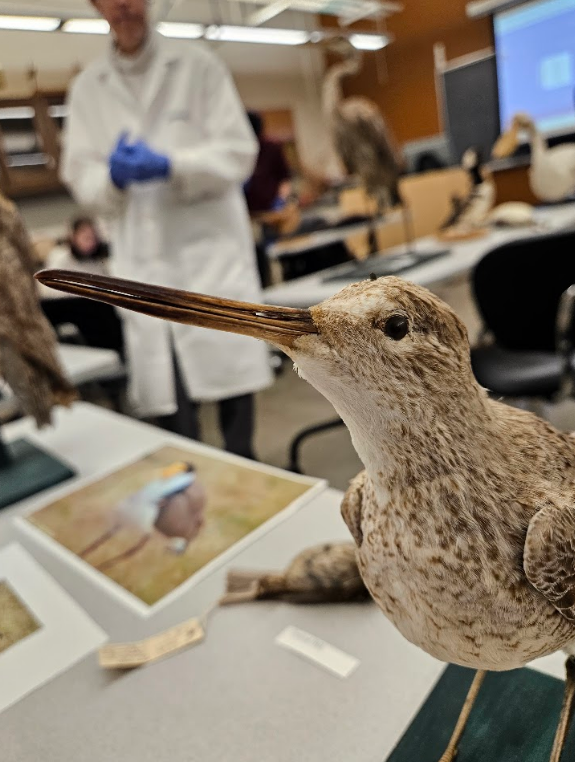
Long Bill
bill is longer than the head
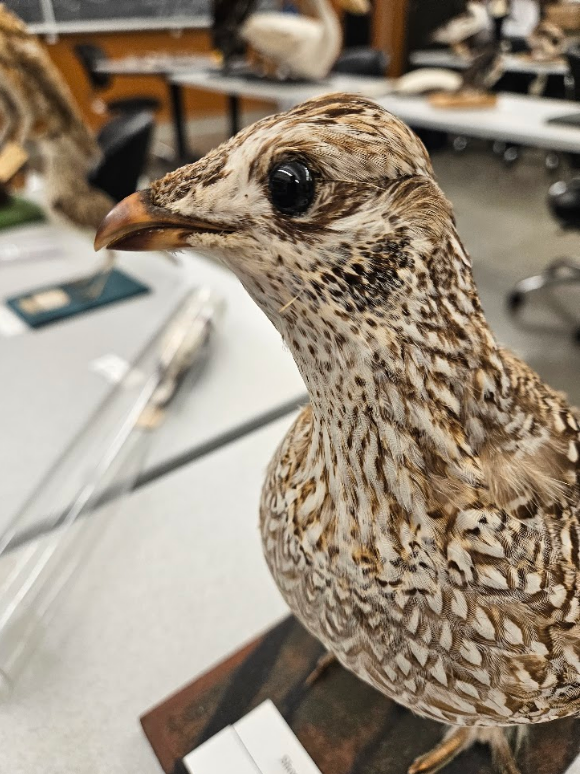
Short Bill
bill is shorter than the head
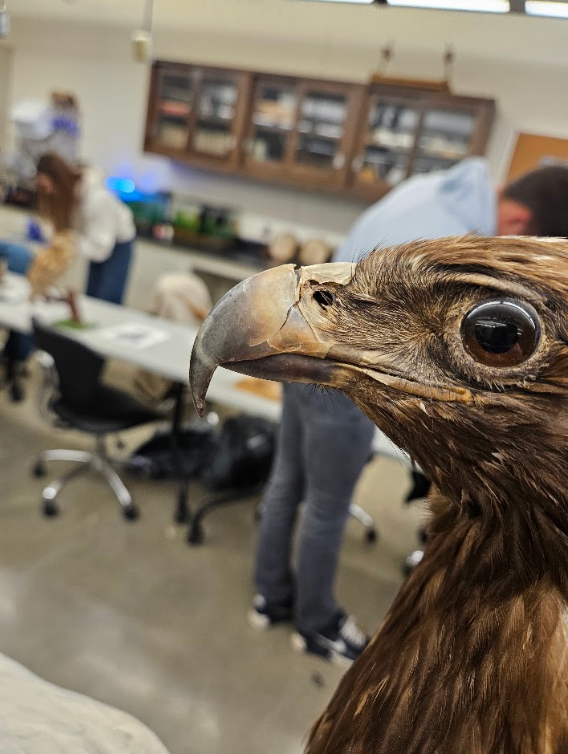
Hooked Bill
upper mandible is longer than the lower and is hooked over
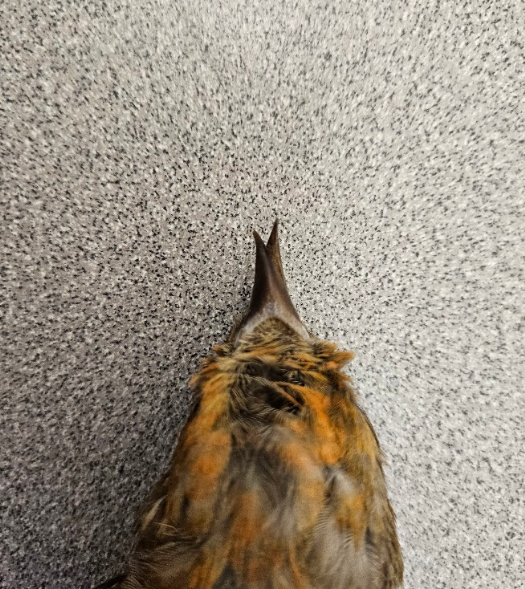
Crossed Bill
the tips of the mandibles cross each other
Compressed Bill
the bill for a good part of its length is higher than wide
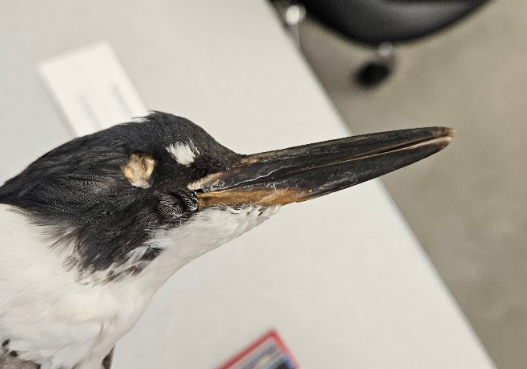
Depressed Bill
the bill is wider than high
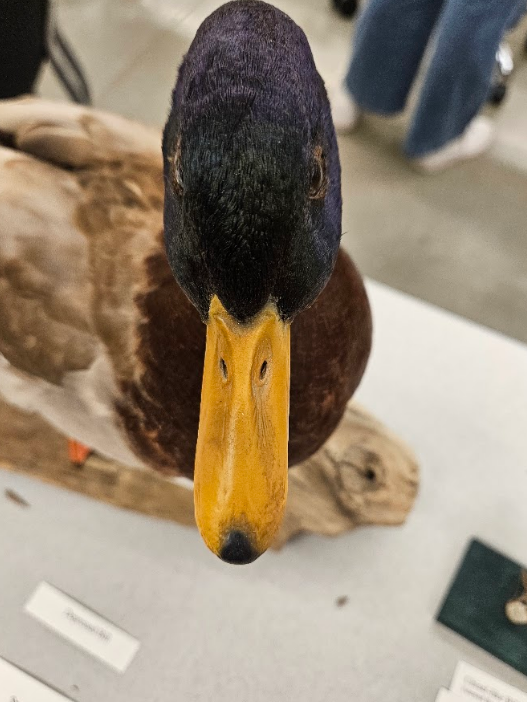
Stout Bill
the bill is visibly high and wide
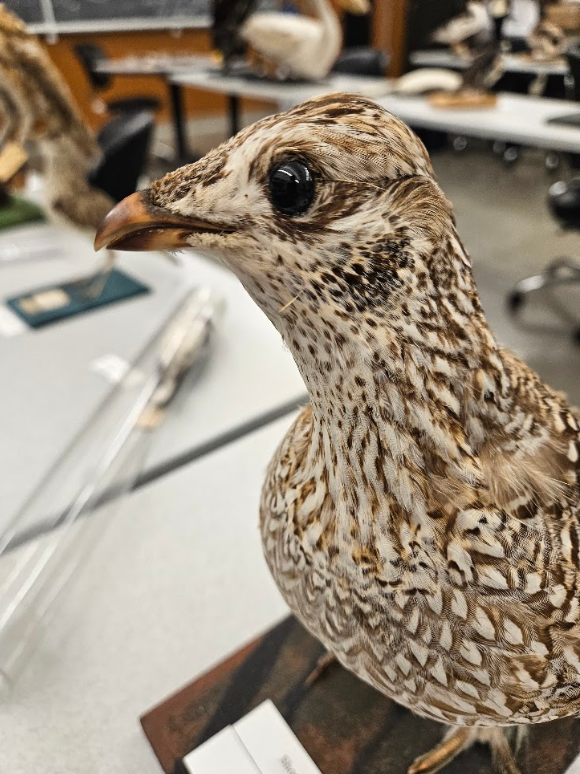
Terete Bill
the bill is generally circular, either in cross section or when viewed anteriorly
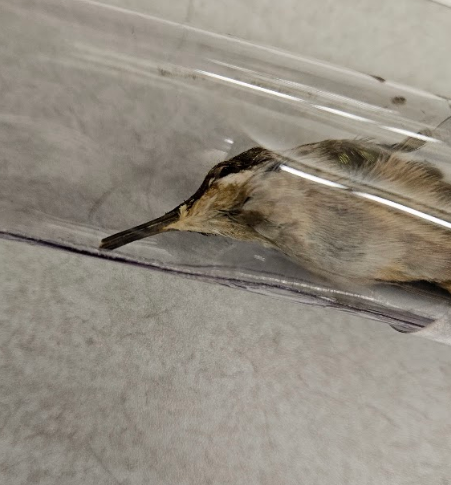
Straight Bill
the line that is formed when the mandibles close (the commissure) is in line with the head
Recurved Bill
the bill curves upwards
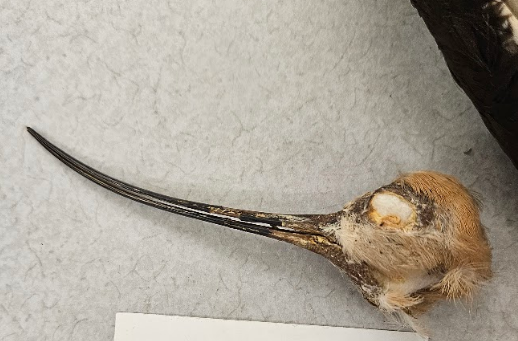
Decurved Bill
the bill curves downwards
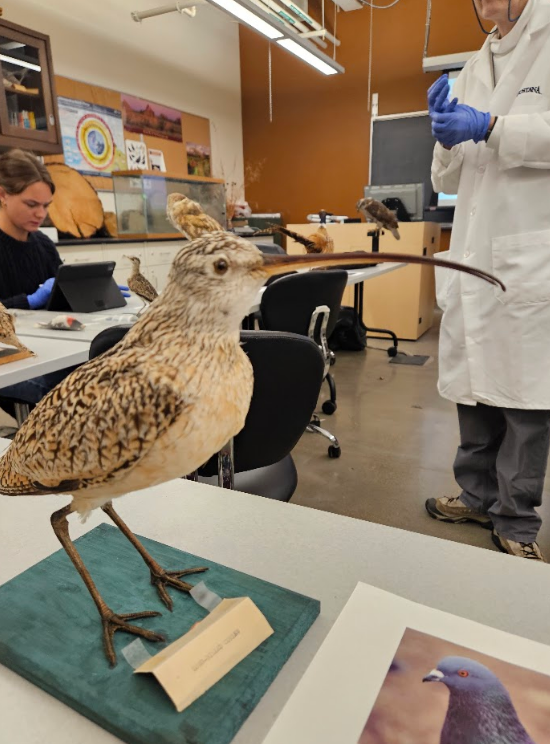
Bent Bill
the bill is deflected at an angle (usually down)
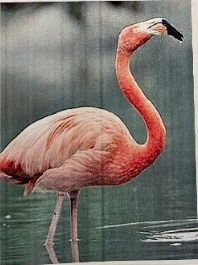
Swollen Bill
sides of the mandibles are circular; and nostrils are on top of beak
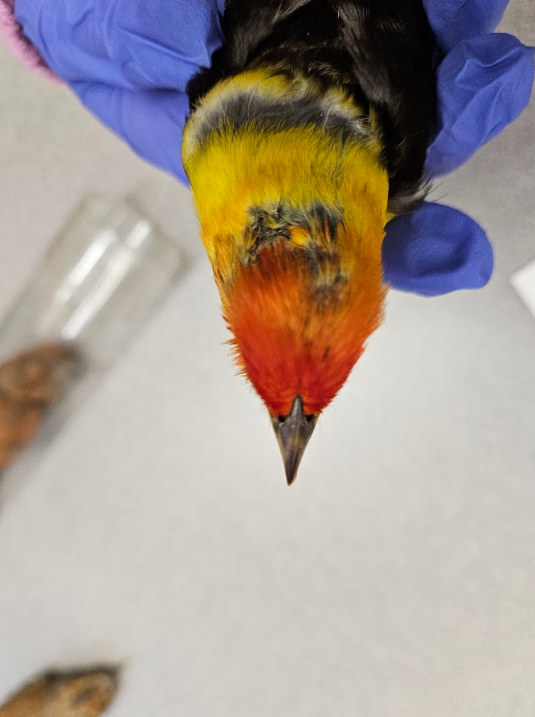
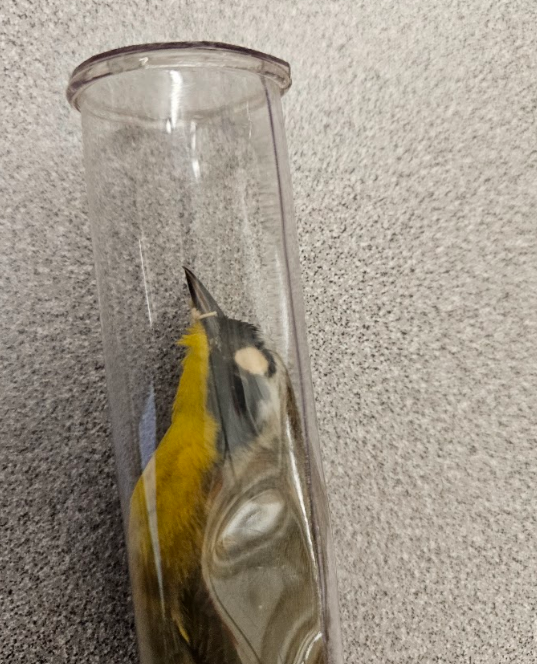
Acute Bill
the bill tapers to a sharp point
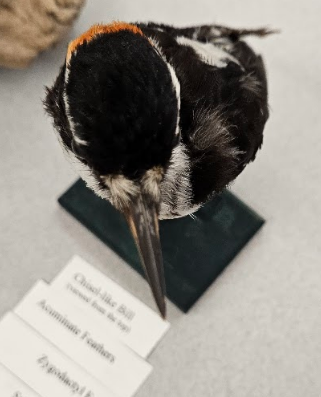
Chiesal-like Bill
the tip of the bill is cut at an angle
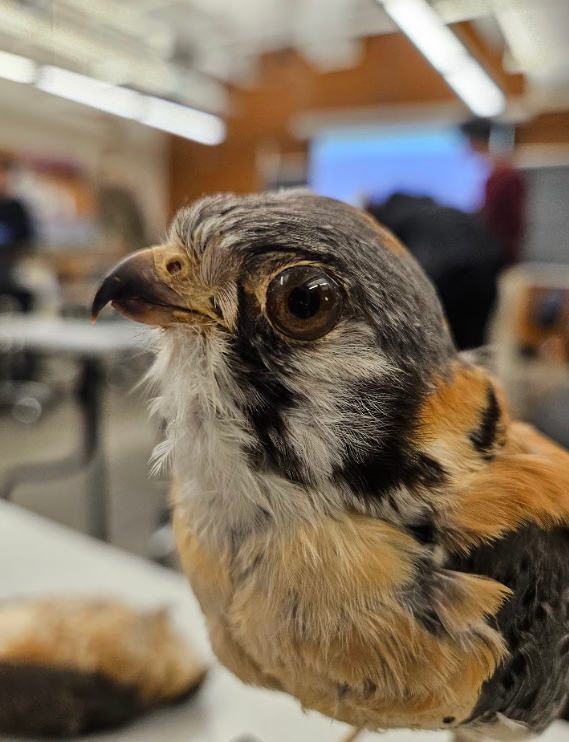
Toothed Bill
the upper mandibular tomium (sharp cutting edge) had a tooth or teeth
Serrate Bill
the bill has saw-like tomia (mock teeth)
Gibbous Bill
the bill has a pronounced hump
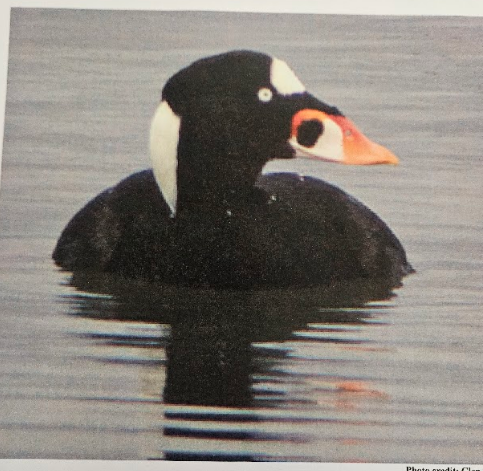
Spatulate or Spoon-Shaped Bill
the bill is wider towards the tip
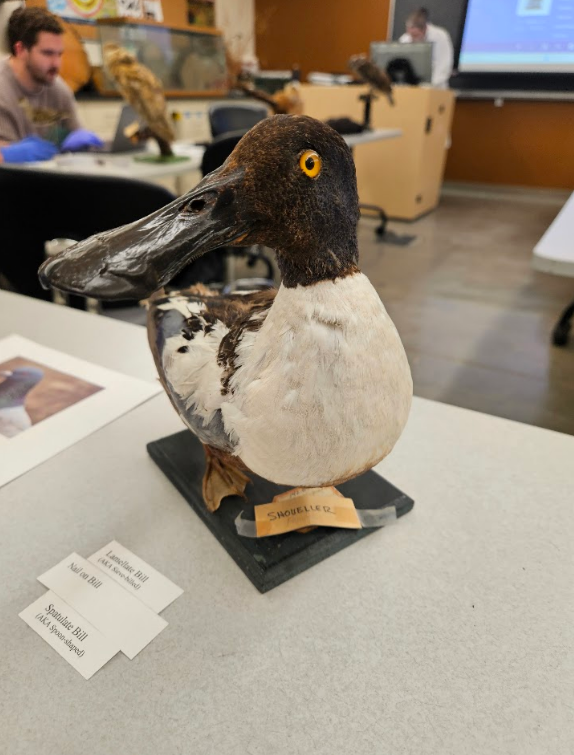
Notched Bill
the bill has a nick in the tomia of 1 or both mandibles (usually the tip of the upper mandible)
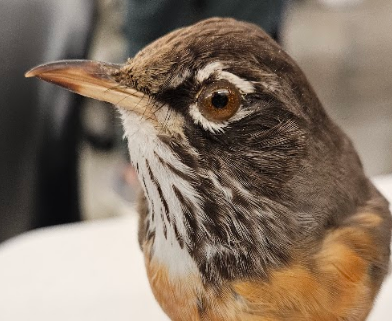
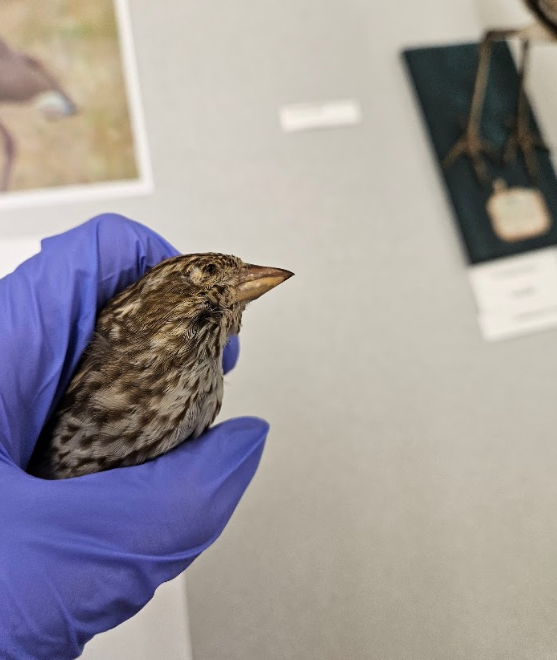
Conical Bill
the bill has the shape of the cone
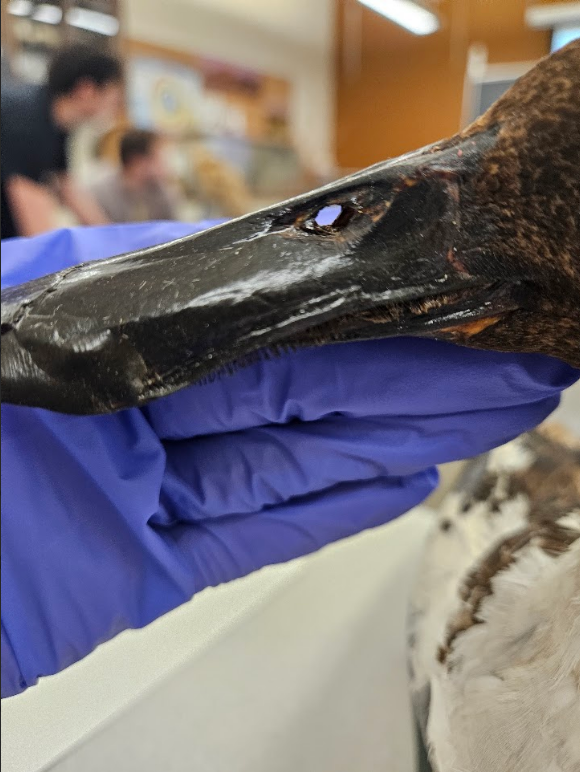
Lamellate or Sieve-Billed
the mandibles have a series of tooth-like ridges just within the tomia
Angulated Commissure
the commissure forms an angle at the point where the tomium proper (sharpest spot of the tomia) meets the rictus (corner of their mouth)
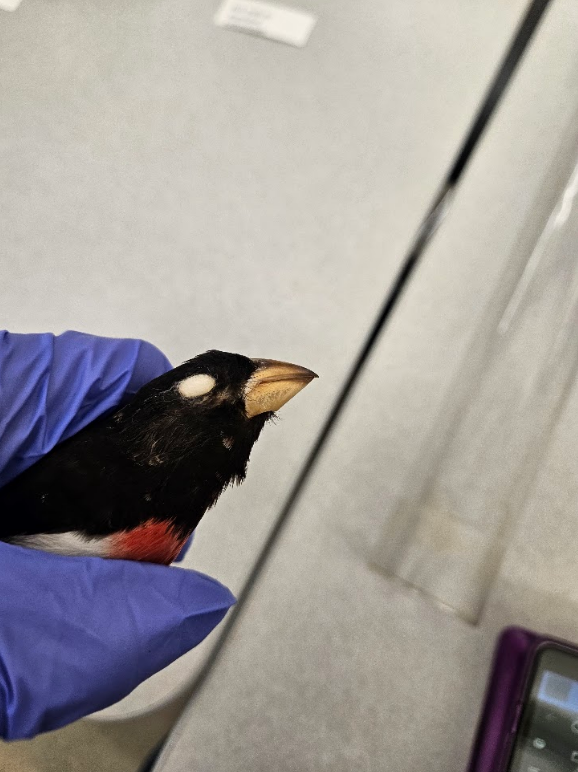
Gular Sac
the chin and gular region are distended (swollen)
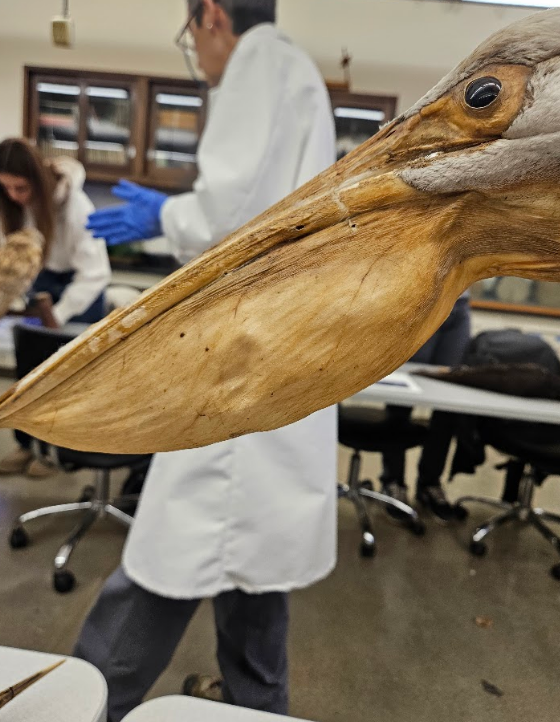
Imperforate Nostrils
the nostrils are separated from each other by the septum
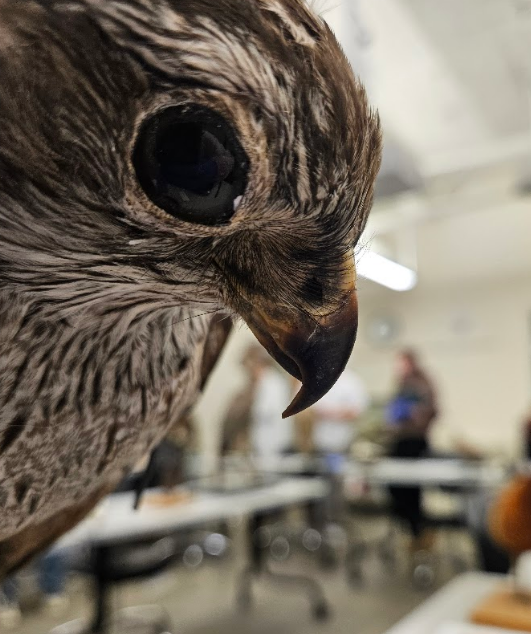
Perforate Nostrils
nostrils without a medial septum
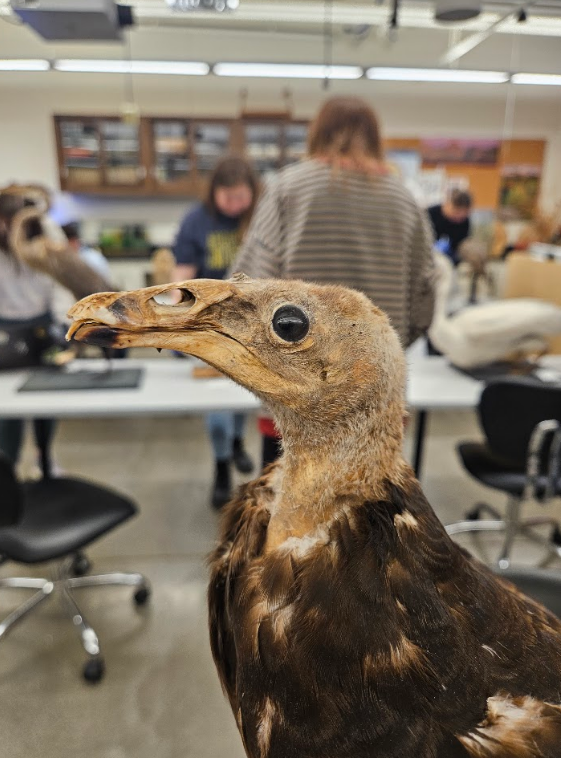
Tubular Nostrils
nostrils that are in the ends of short prolongations of the base of the upper mandible
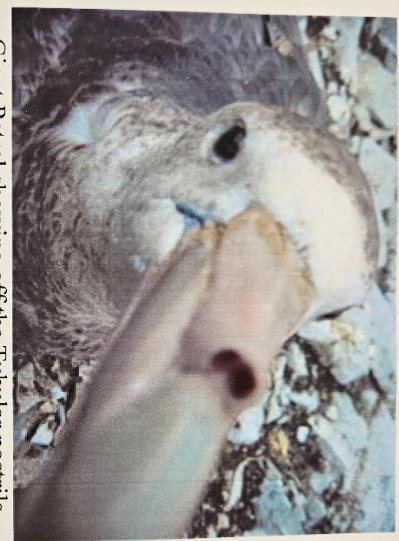
Operculate Nostrils
nostril openings are partly covered by an operculum (can be membranous or fleshy)
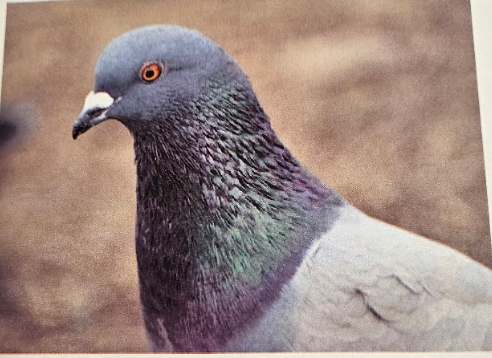
Linear, Oval, or Circular Nostrils
nostril openings are thus shaped
Bony Tubercles
small bones that can be seen in the nostrils (mainly in falcons)
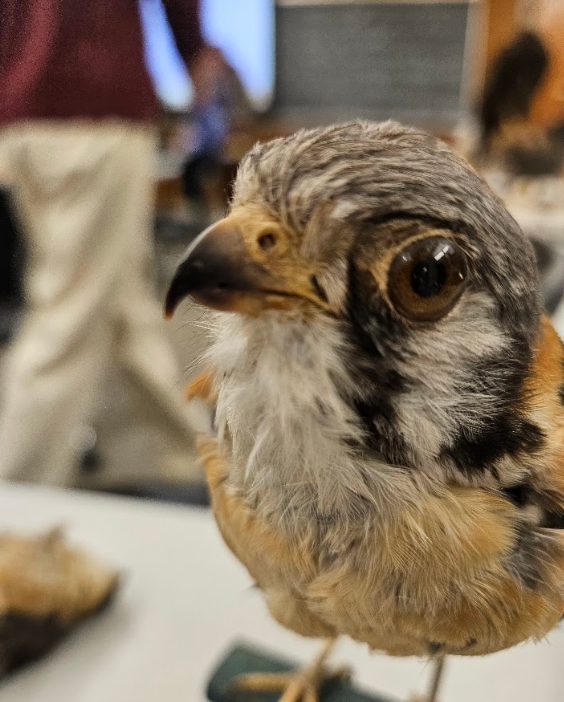
Cere Bill
the distal (far from center) end of the upper mandible may be horny & the proximal (close to center) portion may be thick and soft
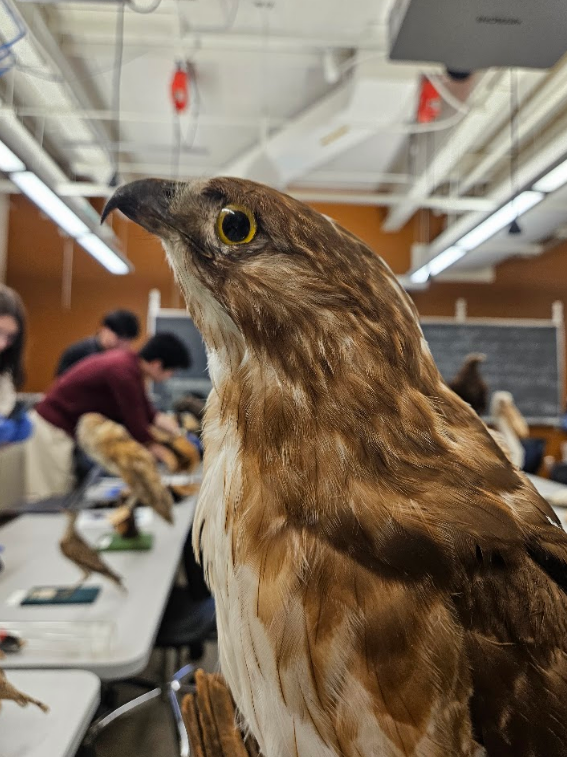
Nail Bill
the tip of the upper or both mandibles may be visibly harder and set off in grooves
Long Tail
when the tail is longer than the trunk
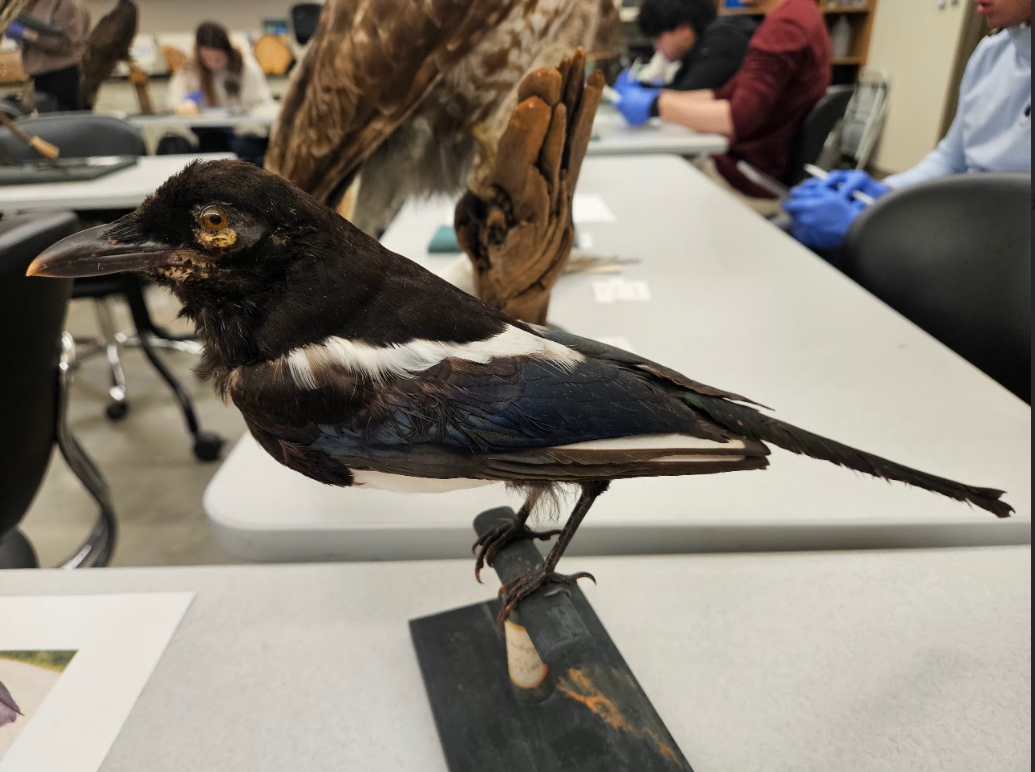
Short Tail
when the tail is either the length of or shorter than the trunk
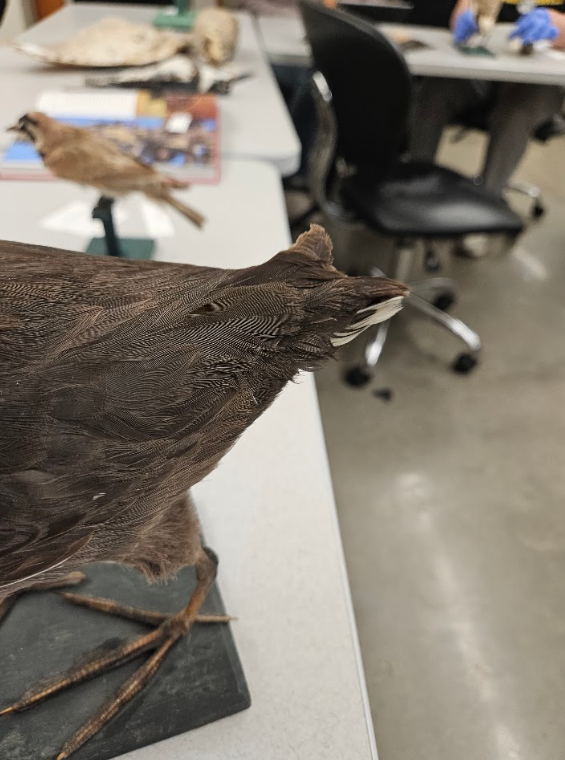
Square Tail
the rectrices (tail feathers) are all the same length
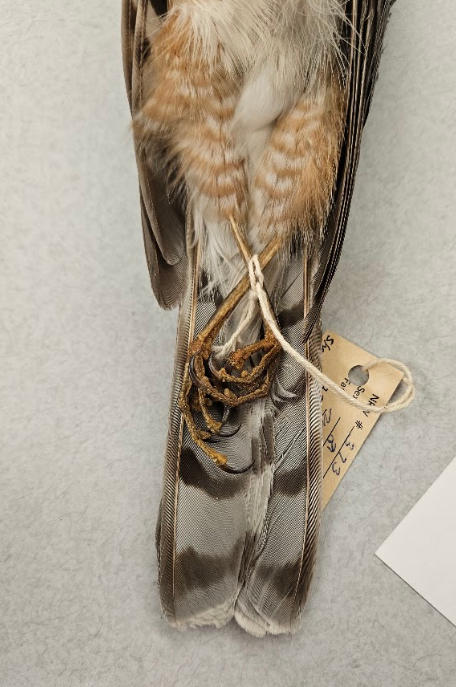
Rounded Tail
the rectrices shorten from the inside to the outside (SLIGHT GRADUATIONS)
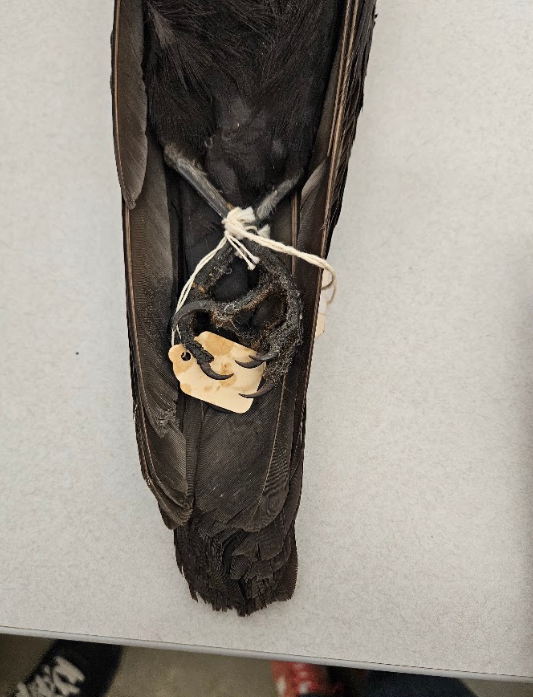
Graduated Tail
the rectrices shorten from the inside to the outside (ABRUBT GRADUATIONS)
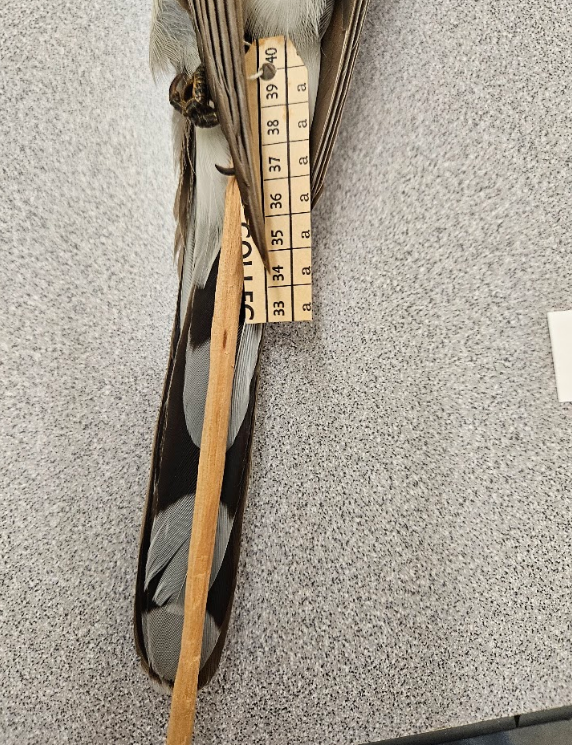
Point or Acute Tail
the middle rectrices are much longer than the others
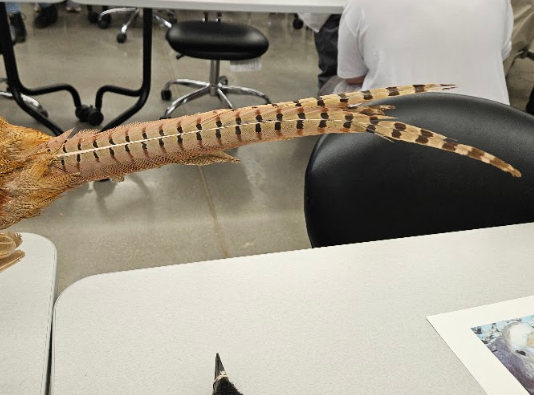
Emarginate Tail
the rectrices increase in length from the middle to the outermost pair (SLIGHT GRADUATIONS)
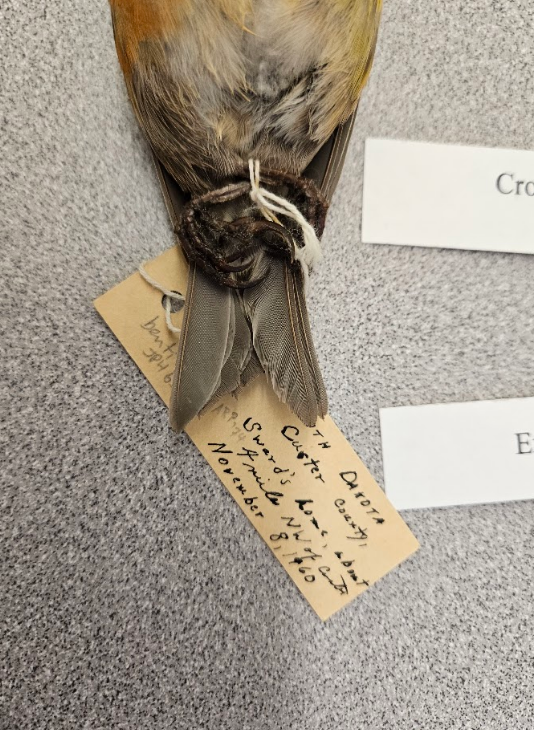
Forked Tail
the rectrices increase in length from the middle to the outermost pair (ABRUBT GRADUATIONS)
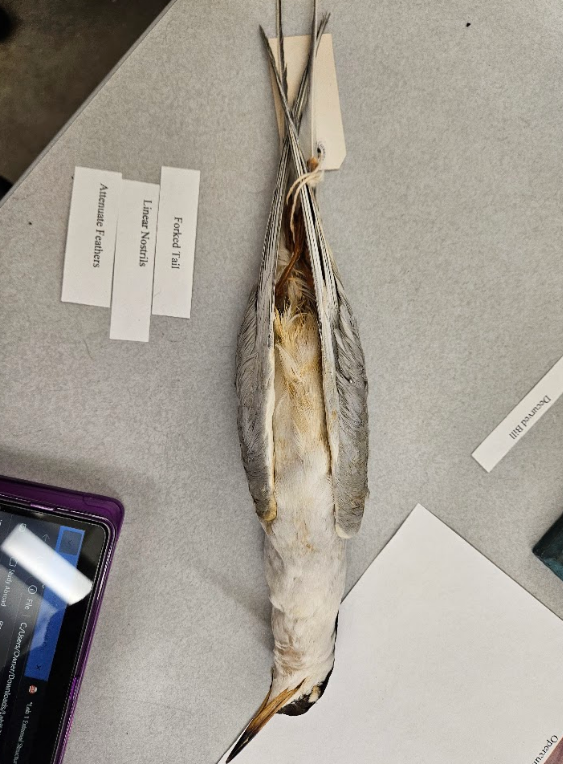
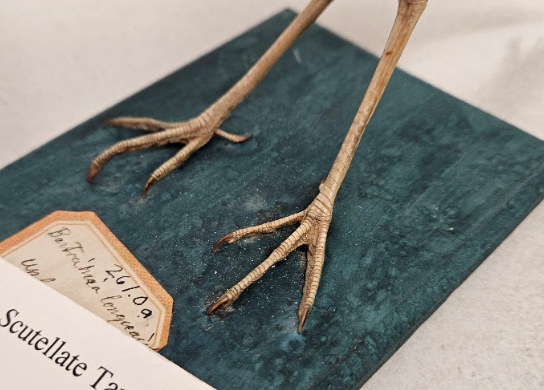
Scutellate Feet
visible layer of skin is cut up into overlapping scales
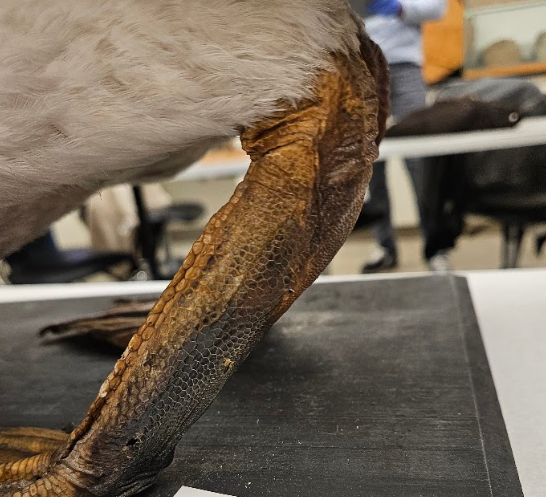
Reticulate Feet
visible layer of skin is cut up into small irregular plates
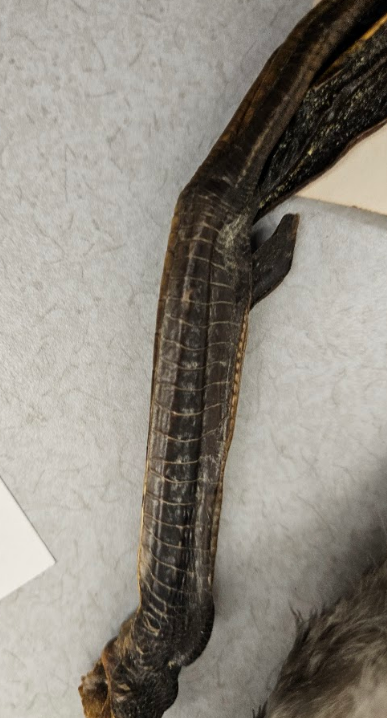
Serrate Feet
the visible layer of plates have serrations
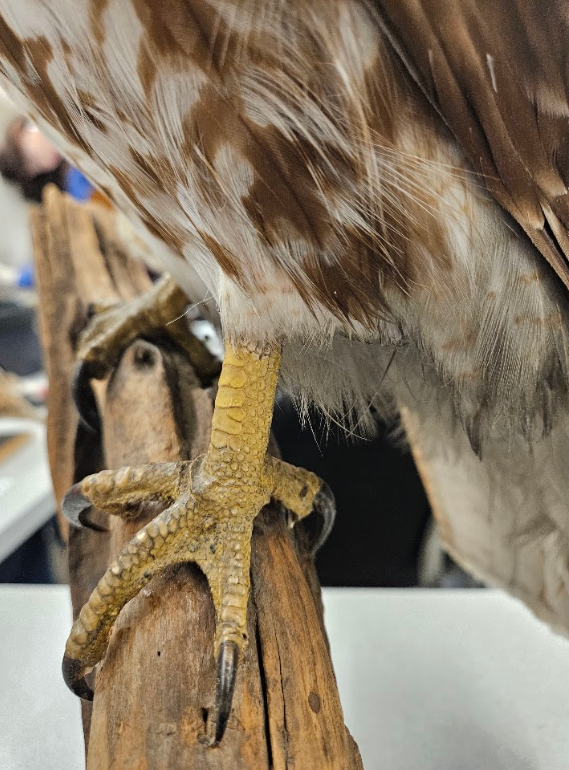
Scutellate-reticulate
scutellate (large scales) in front and reticulate (small scales) in back
Booted Feet
the visible layer of the tarsus is without scales or plates
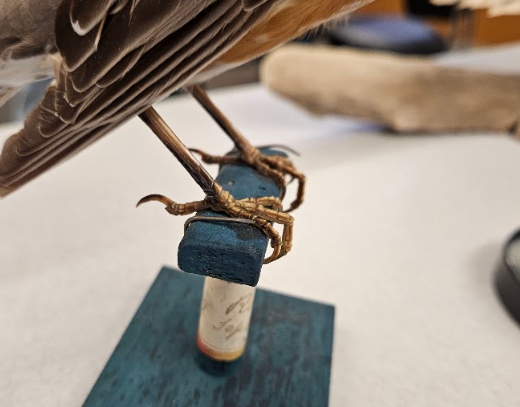
Scutellate-booted Feet
the tarsus is scutellate (large scales) in front and booted (feathered) behind
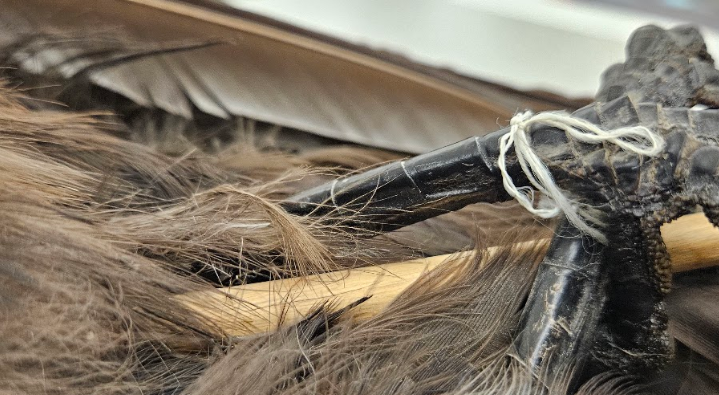
Spurred Feet
the backside of the tarsus forms a spur
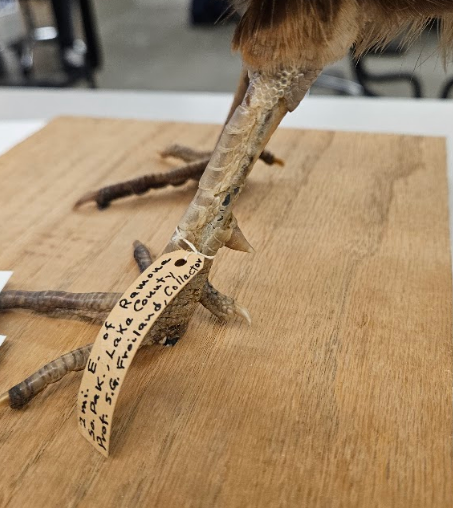
Rounded in Front Feet
flattened sides converging to a sharp ridge behind
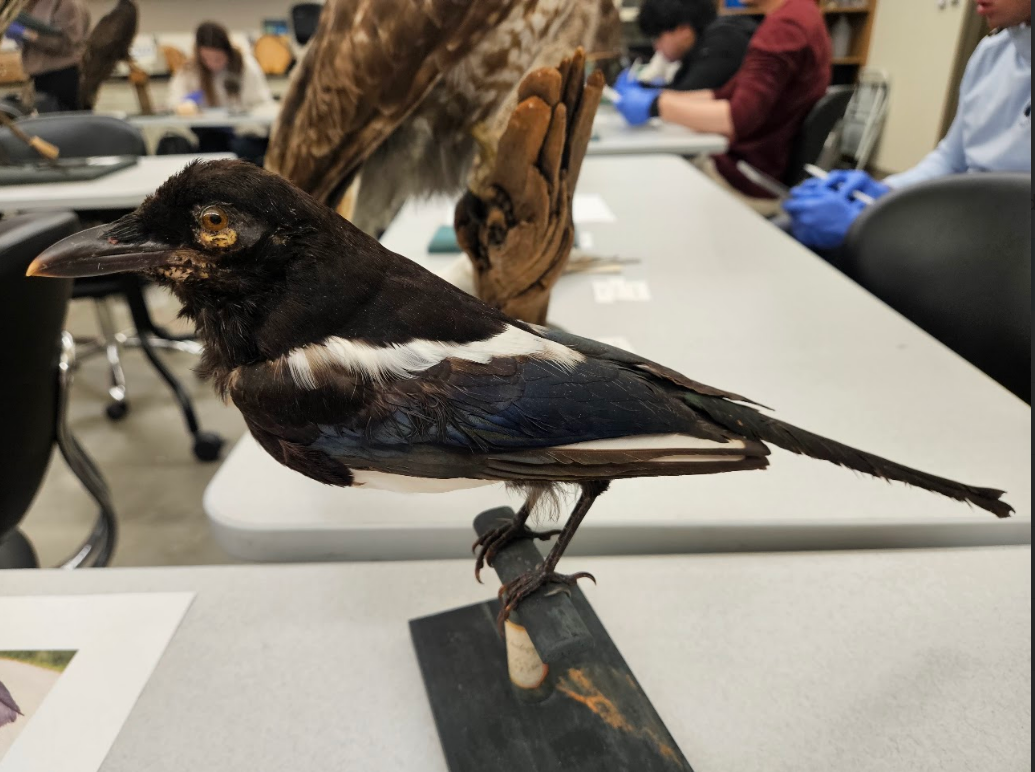
Rounded in Front and Behind Feet
tarsus is rounded on both sides
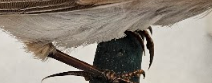
Compressed Feet
tarsus is very flat on both sides with sharp edges in front and behind
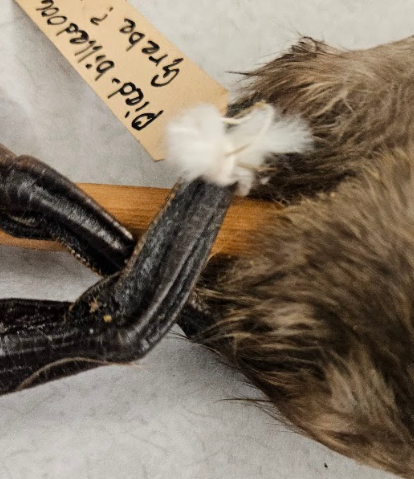
Incumbent Toes
hallux (big toe) is at the same level of the other toes
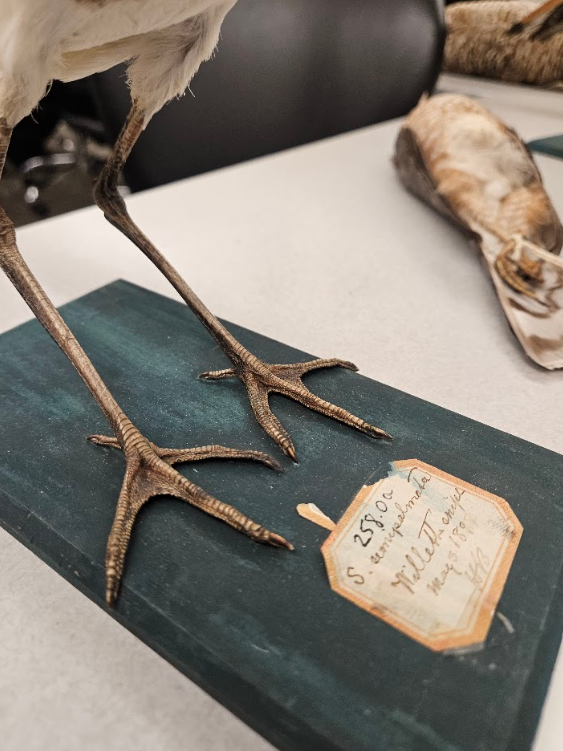
Elevated Toes
hallux is inserted so high on the metatarsus that its tip doesn’t reach the ground
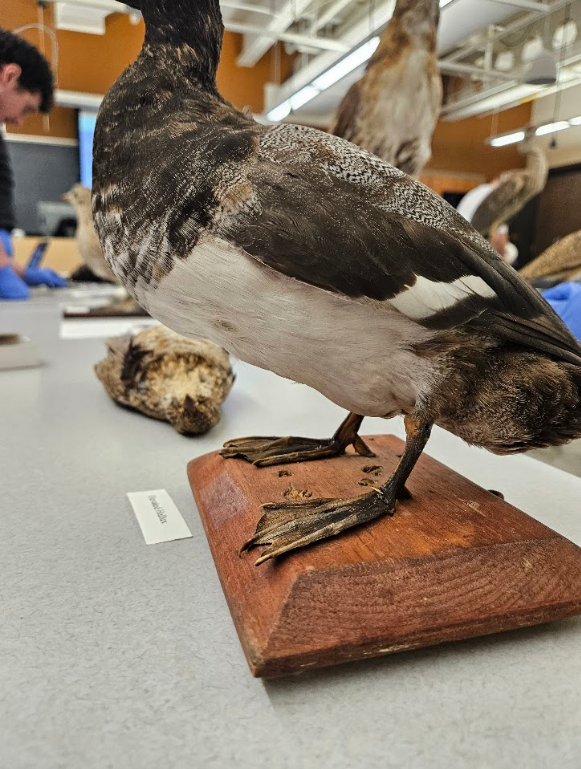
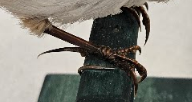
Acute Nails
nails are extremely curved and sharp-pointed
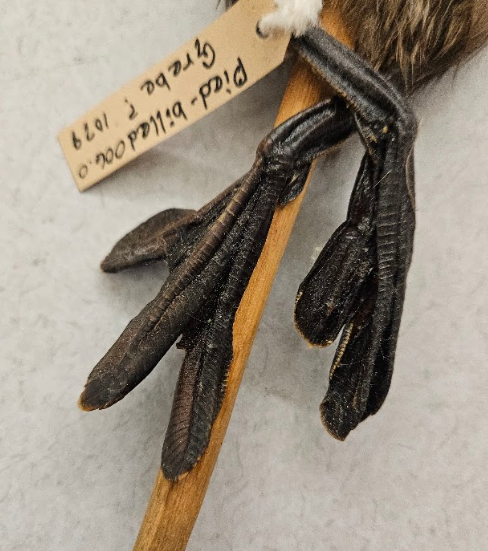
Obtuse Nails
nails are less curved and have blunt points
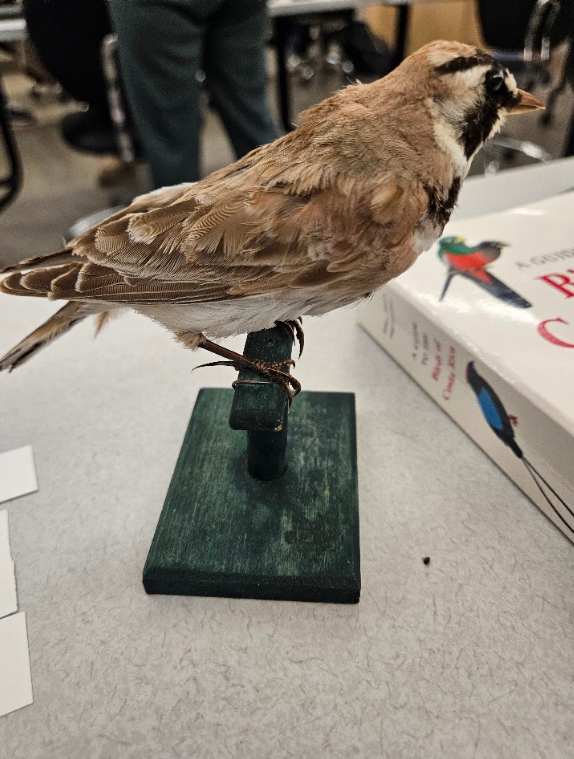
Lengthened Nails
nails are straight and elongated but sharp-pointed
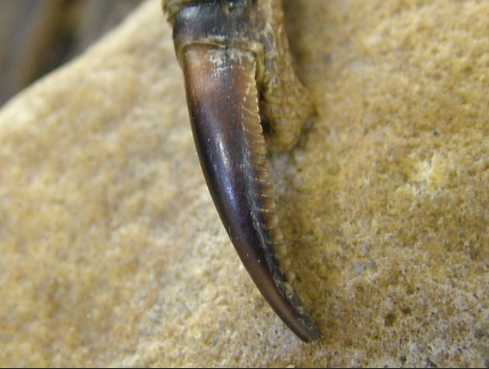
Pectinate Nails
nails have serrated edges
Flattened Nails
nails are flattened and broadened; resemble a human finger nail
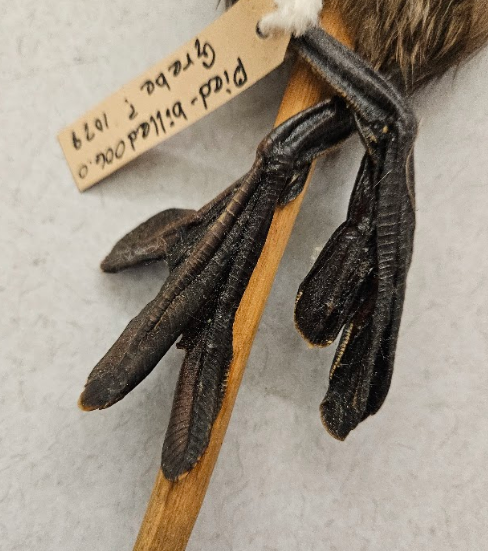
Anisodactyl Feet
hallux is behind and other 3 toes are in front
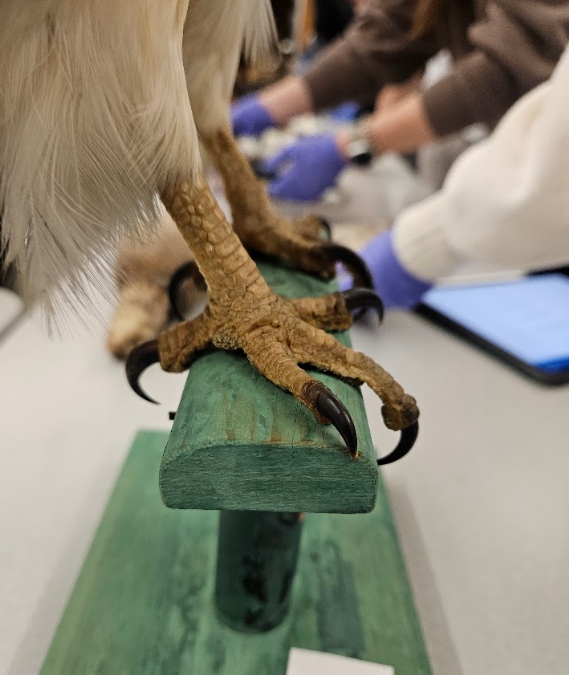
Syndactyl Feet
third and fourth toes (outer and middle) are united for most of their length & have a broad sole in common
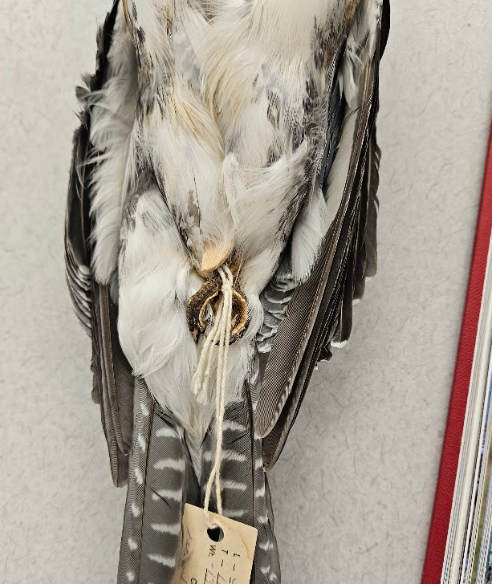
Zygodactyl Feet
the toes are arranged in pairs; second and third toes are in front, the fourth and hallux behind
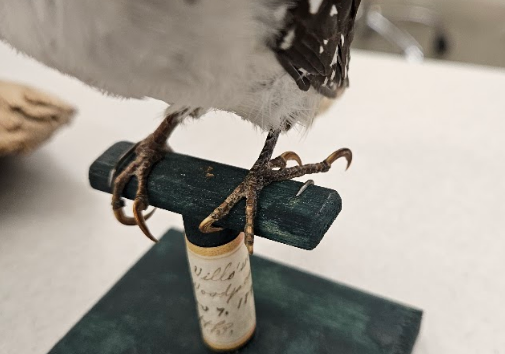
Heterodactyl Feet
toes are arranged in pairs, third and fourth toes go in front, second and hallux behind
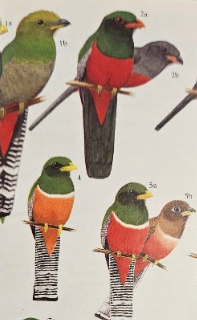
Pamprodactyl Feet
all four toes are in front, the hallux being turned around towards the front
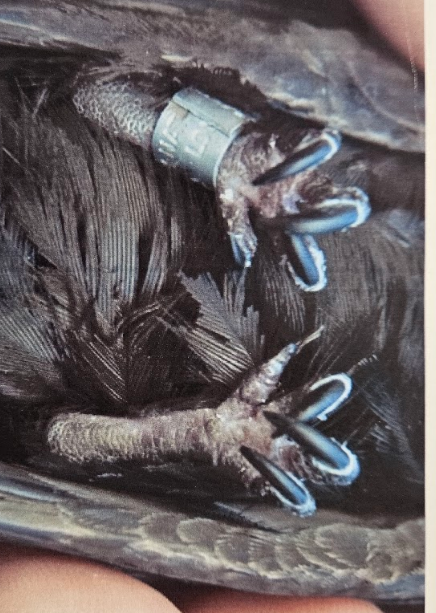
Raptorial Feet
the toes are deeply cleft, with large, strong, sharply curved nails
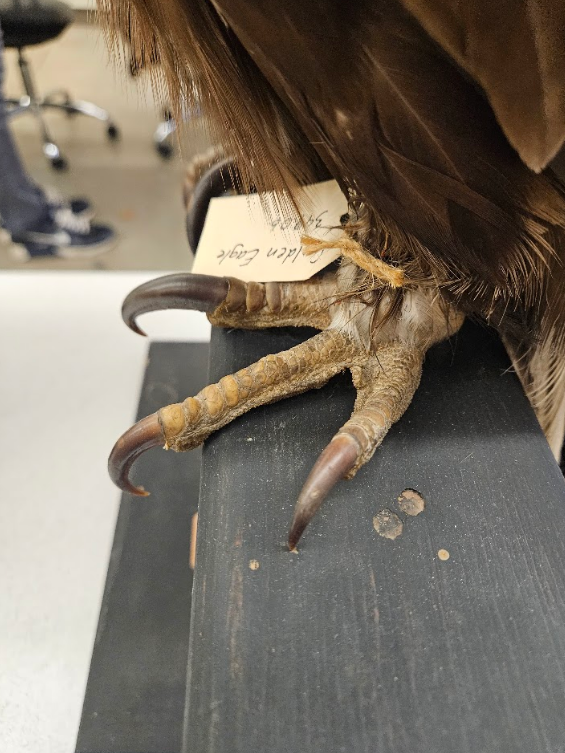
Semipalmate Feet
half-webbed; anterior toes are joined part way by a small webbing
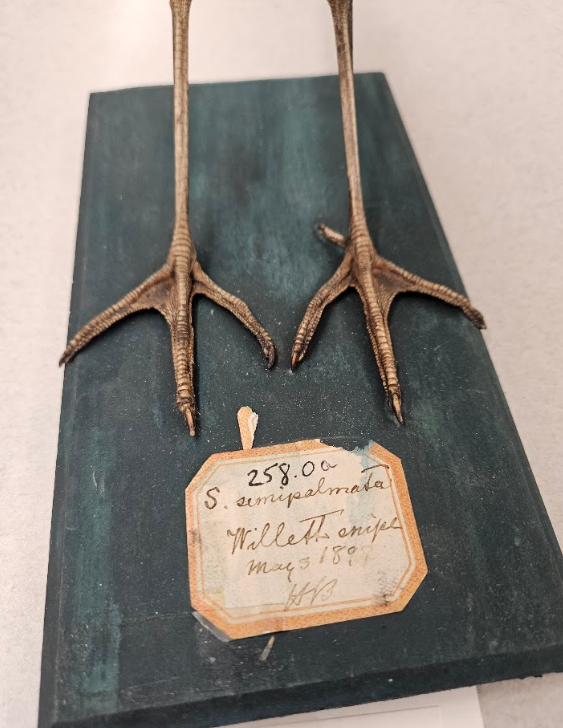
Totipalmate Feet
fully-webbed; all four toes are united by ample webs
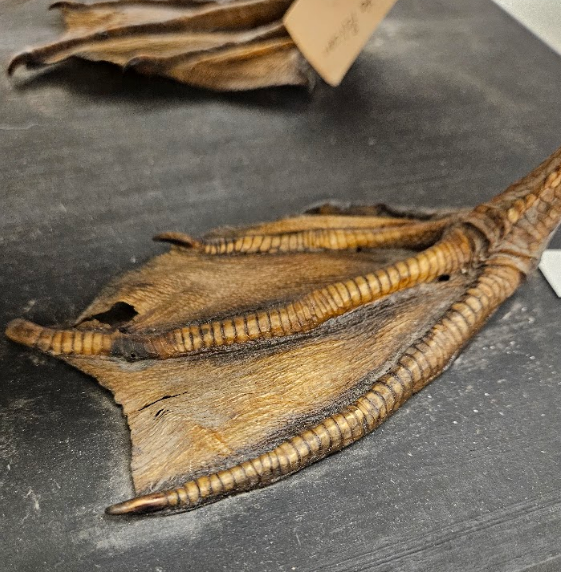
Palmate Feet
webbed; front toes are united by ample webs
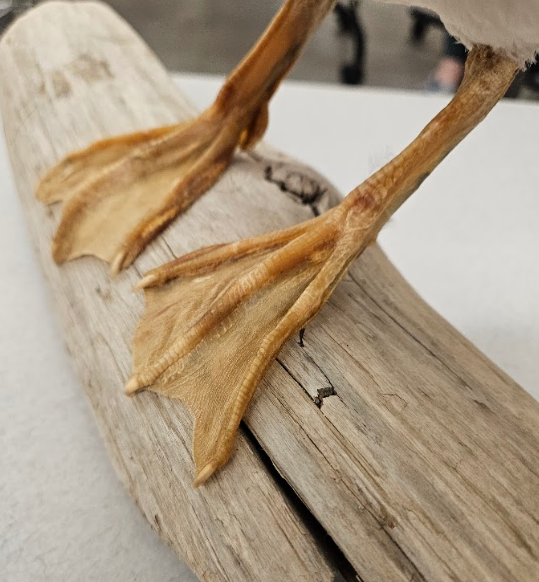
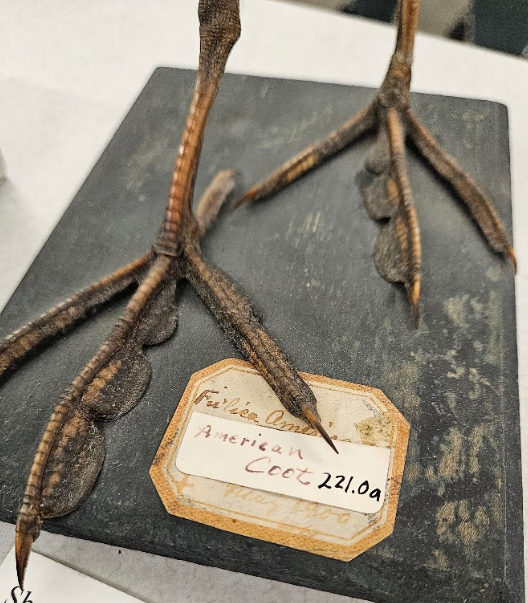
Lobate Feet
lobed; a swimming foot with a series of lateral lobes on the toes; can sometimes be palmate but the hallux may bear a lobe
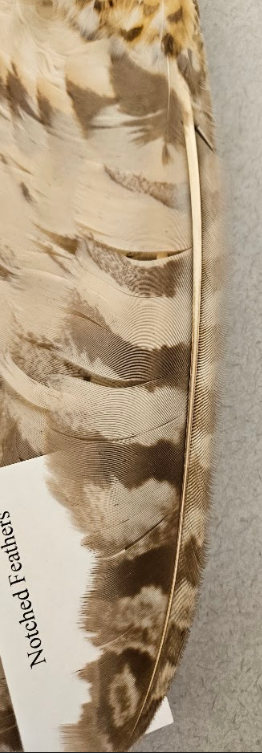
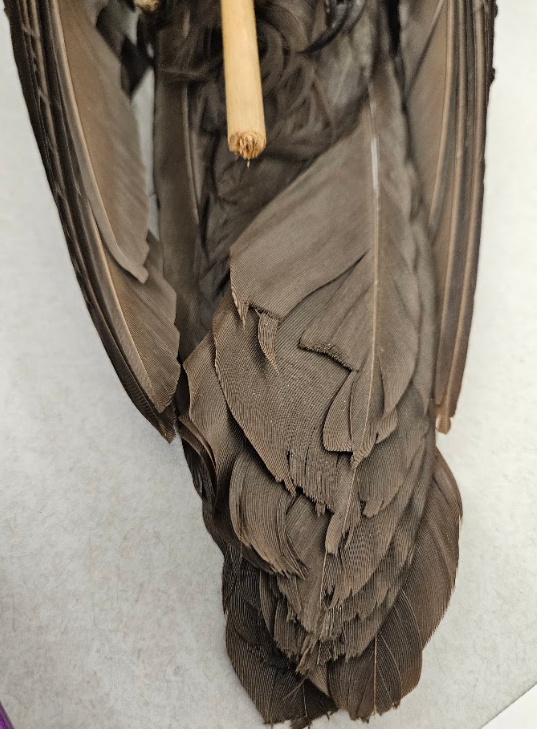
Notched Plumage
vane of the contour feather is incised toward the end
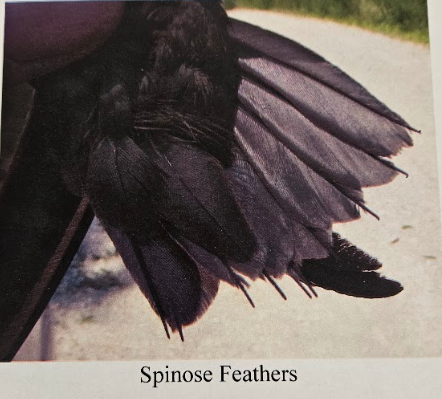
Spinose Plumage
shaft of the contour feather is prolonged distally without barbs
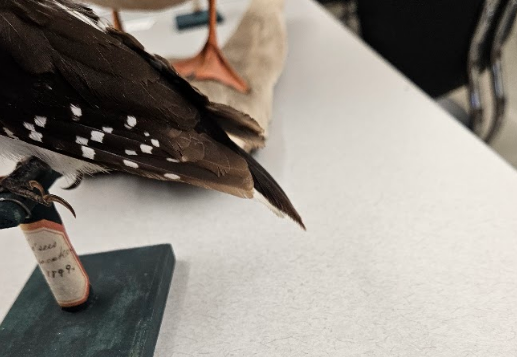
Acuminate Plumage
contour feather ends in as sharp point
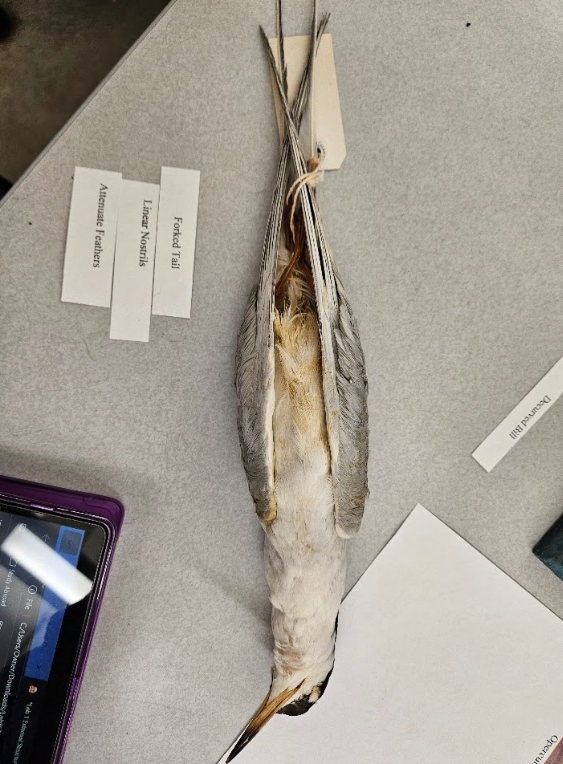
Attenuate Plumage
contour feather is long and extremely narrow
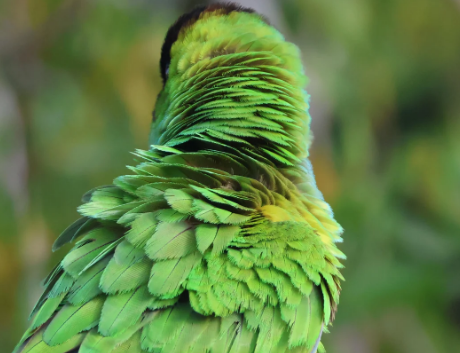
Broad Plumage
the contour feather is extremely wide
Speculum
patch of distinctive color located on the secondary flight feathers of the wings
Bristle-like Plumage
stiff and lack branching structures that serve as protection
Rictal Bristles
specialized feathers located around the beak of birds
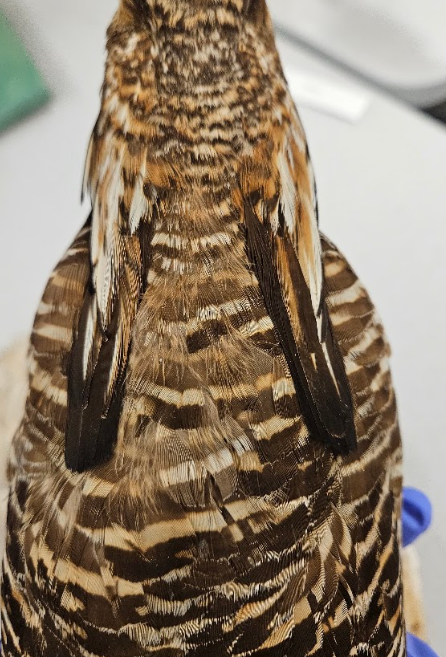
Pinnae
stick straight up when “excited”
 Note
Note  Flashcards (20)