HSPA Glossary of Medical Terms A-C
 Call Kai
 Learn
Learn Practice Test
 Spaced Repetition
 Match
Match Flashcards
 Knowt Play
1/94

There's no tags or description
Looks like no tags are added yet.
Name | Mastery | Learn | Test | Matching | Spaced | Call with Kai |
|---|
No analytics yet
Send a link to your students to track their progress
95 Terms
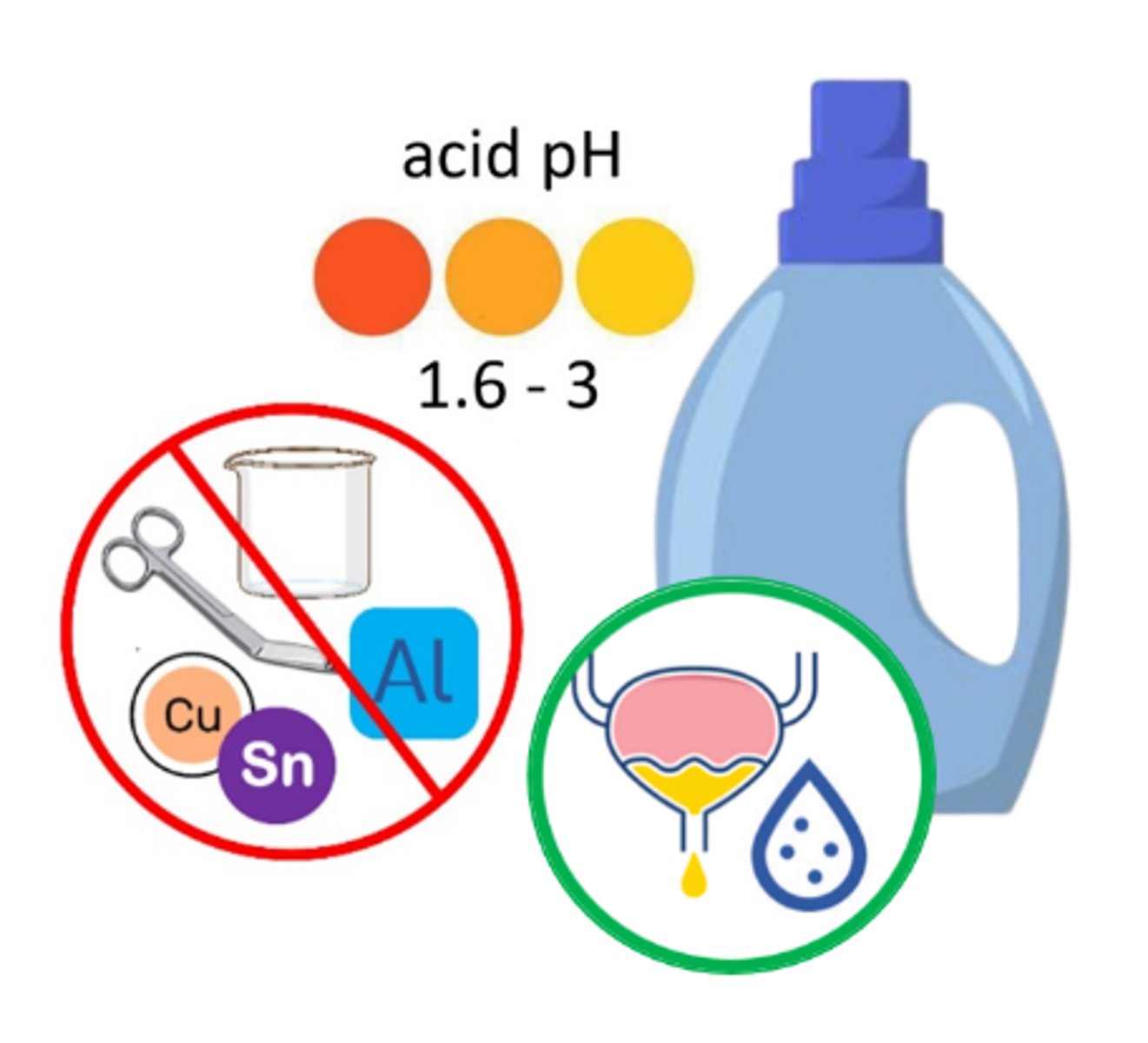
acidic detergents (n)
detergents with a pH of 1.6-3 that are excellent for removing mineral deposits (hard water, urine, scale)
action level (AL) (n)
the level of exposure to a harmful substance or other hazard at which an employer must take required precautions to protect the workers, typically one half of the permissible exposure limit (PEL)
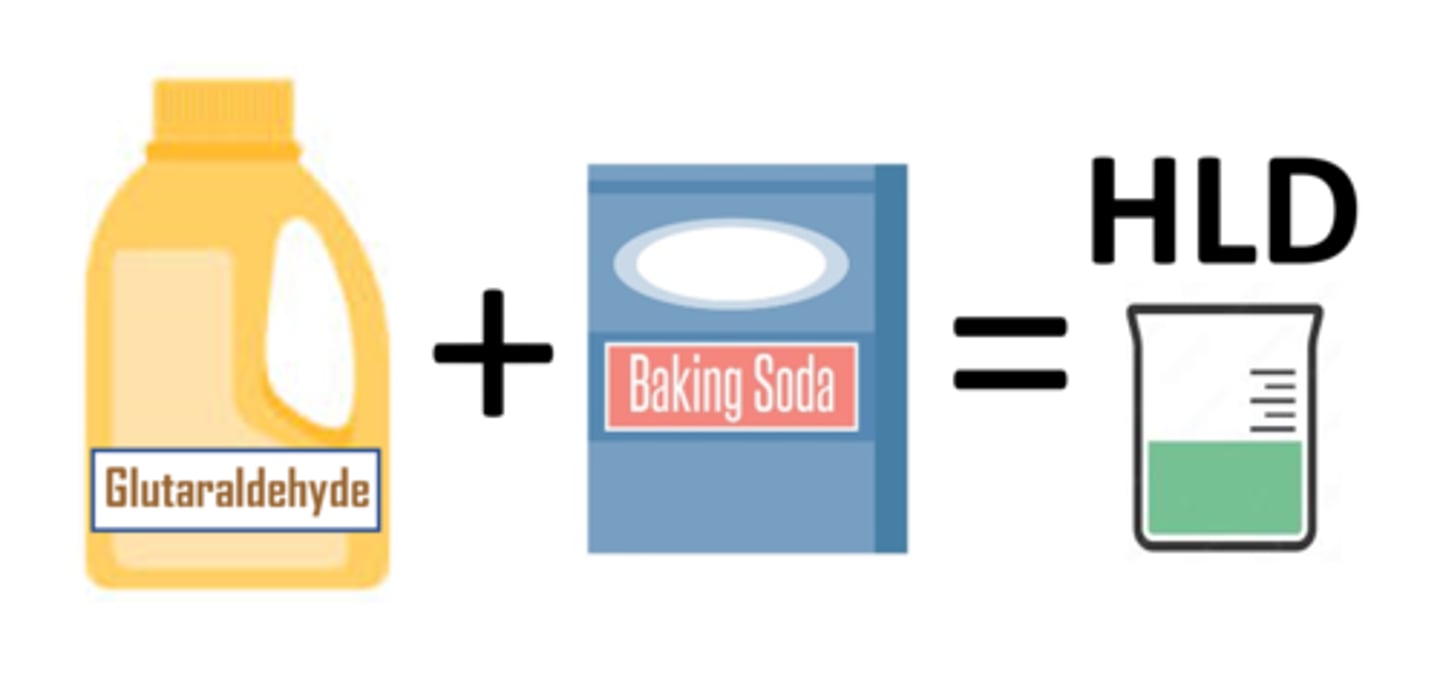
activation (n)
a process by which a solution is combined with an activating chemical before use (i.e. glutaraldehyde solutions)
adaptability (n)
the system is compatible with existing healthcare practices

aeration (n)
a process in which sterilized packages are subjected to moving air to facilitate removal of toxic residues after exposure to a sterilant (such as EO)

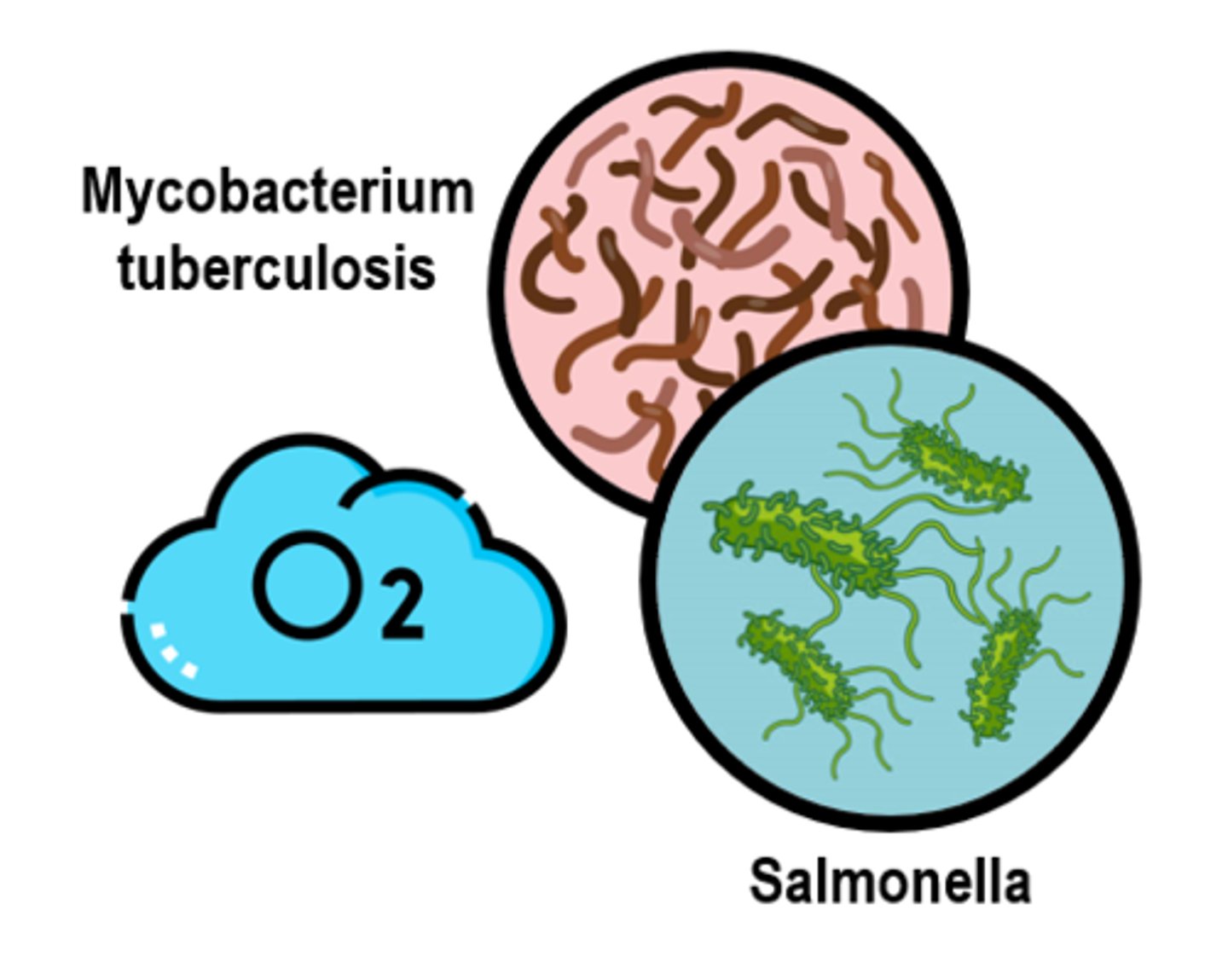
aerobic (adj)
bacteria that require the presence of air or free oxygen to live
aerosol (n)
a suspension of ultramicroscopic liquid particles in air or gas; a spray

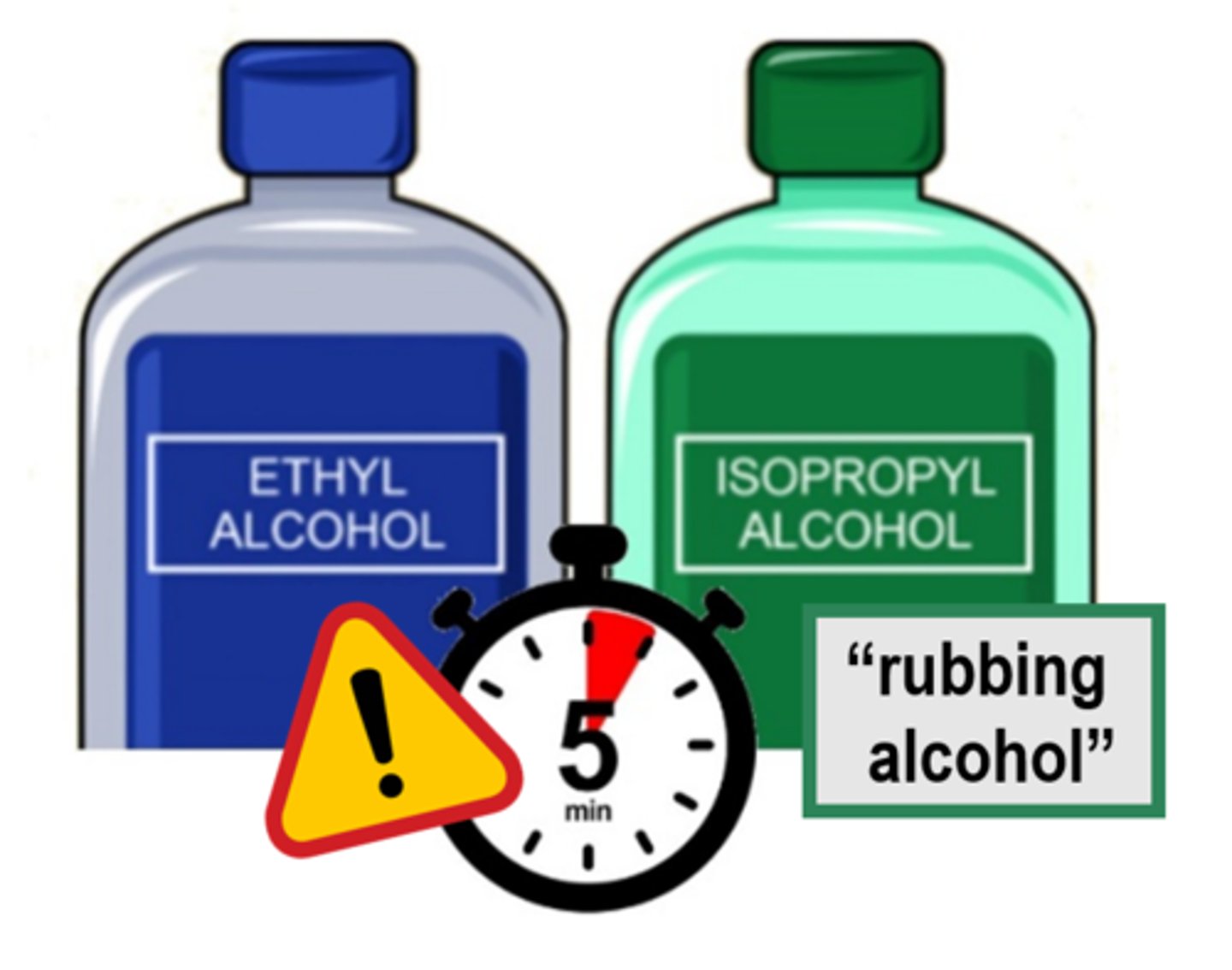
alcohol (ethyl or isopropyl) (n)
a low- to intermediate- level disinfectant & antiseptic that disinfects well but evaporates quickly (requires at least 5 minutes of wet contact time)
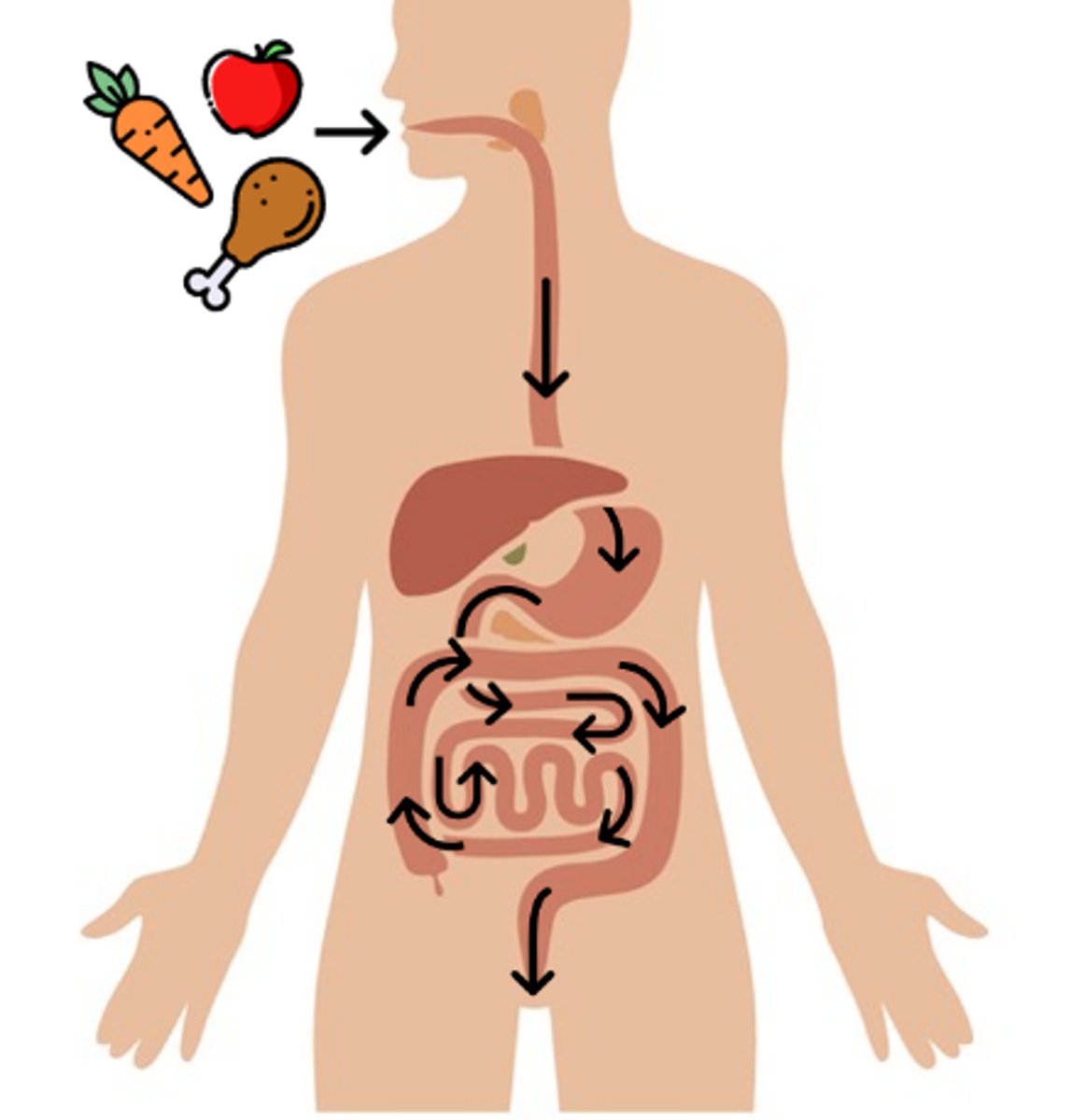
alimentary canal (n)
the pathway that food takes through the digestive system, also called the digestive tract
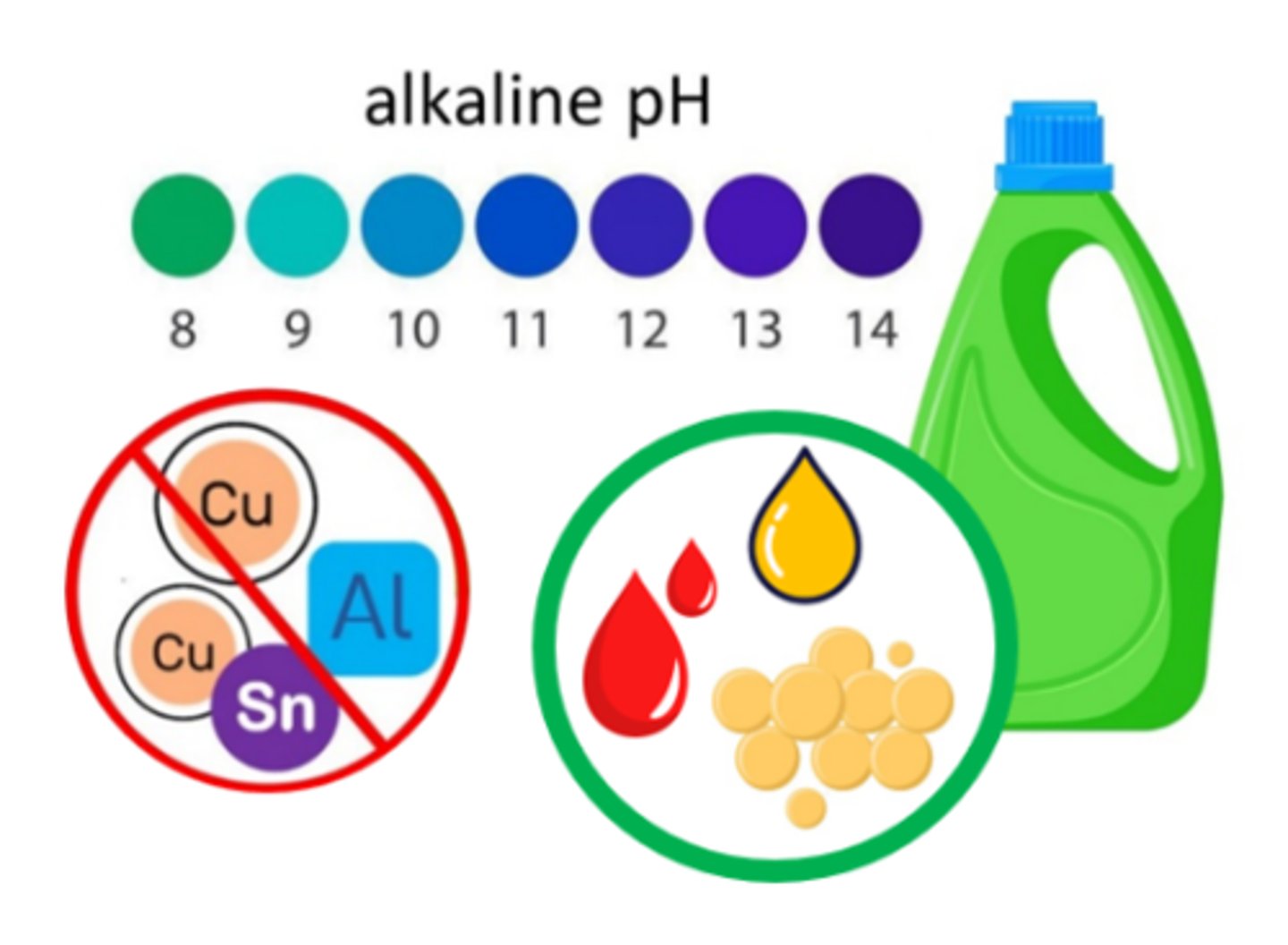
alkaline detergents (n)
detergents with a pH of 8-14 that are highly effective at removing organic soils (blood, fat, oils)
alkylation (n)
the chemical reaction that kills microbes during ethylene oxide (EO) sterilization (deactivating them by replacing hydrogen atoms with alkyl groups, which prevents cellular metabolism & replication)

amylase enzymes (n)
enzymes that catalyze (change) starches into sugars

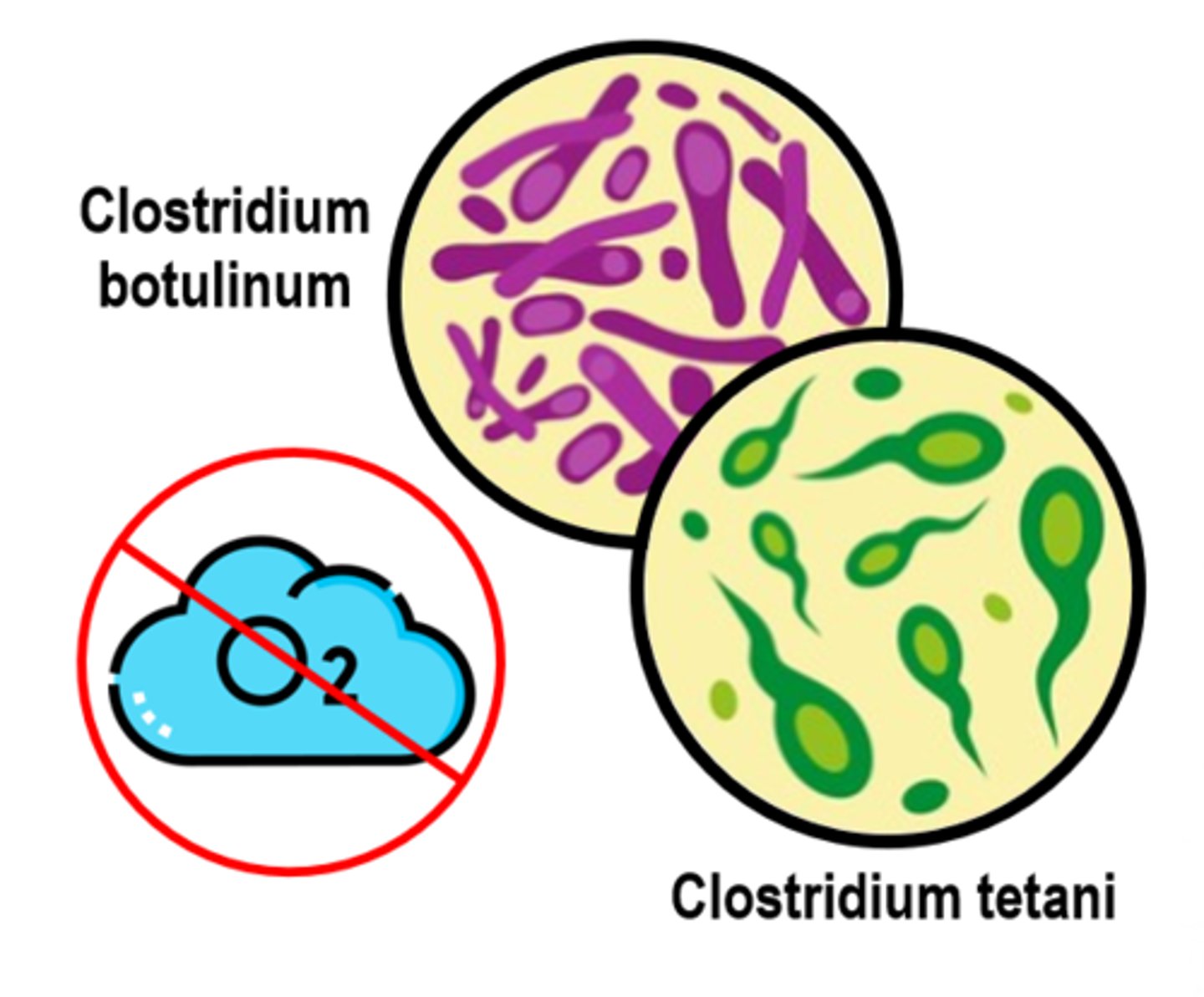
anaerobic (adj)
bacteria that can live without atmospheric oxygen
anatomy (n)
the study of the structure & relationship between body parts
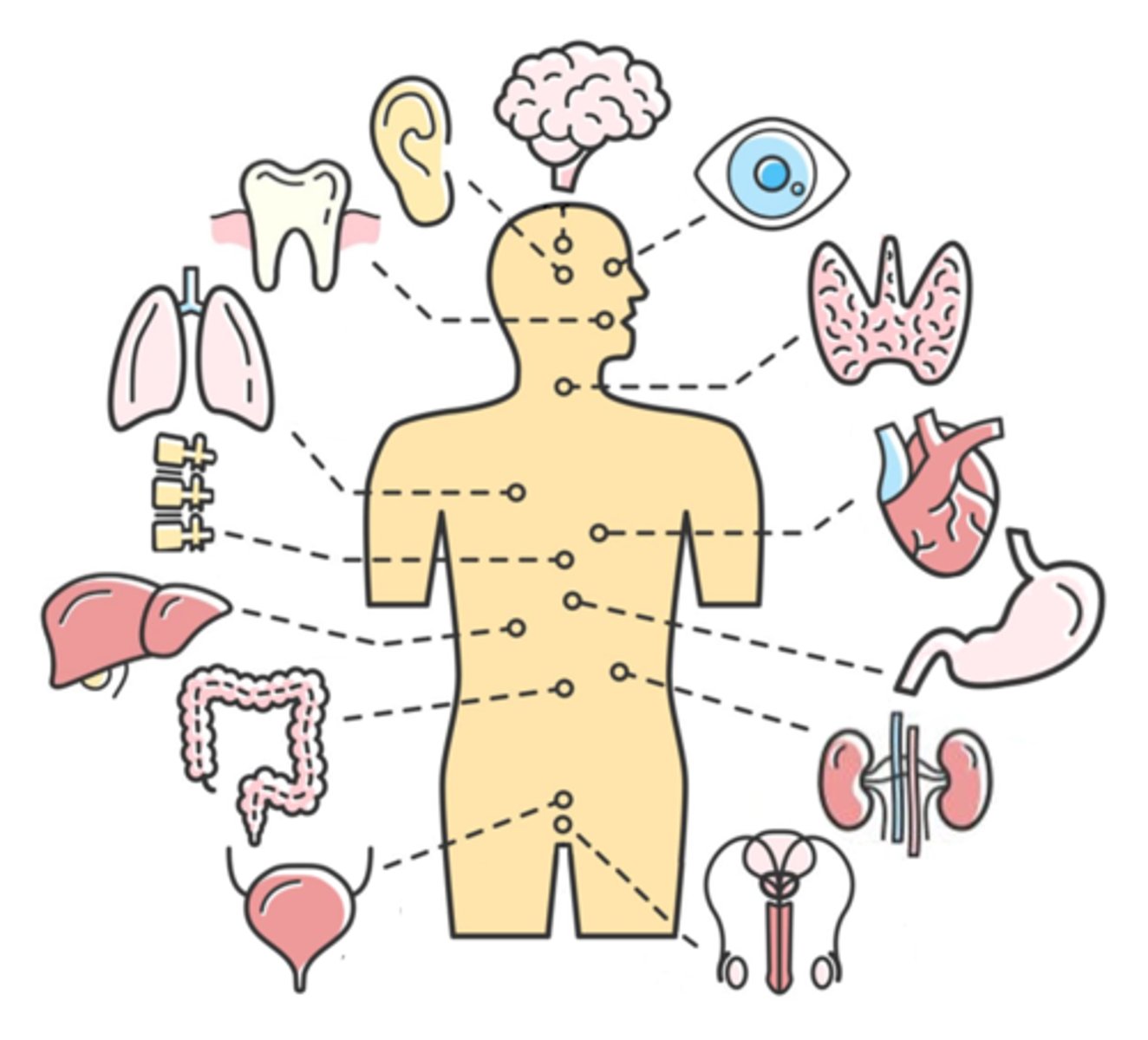
ancillary departments (n)
healthcare departments that provide supplemental care to support a patient's overall diagnosis & treatment (ICU, ED, PICU, L&D, etc.)

antiseptic (n)
a disinfecting agent used only on animate (living) tissue
approval (n)
the system must be cleared by or registered with the appropriate regulatory agencies

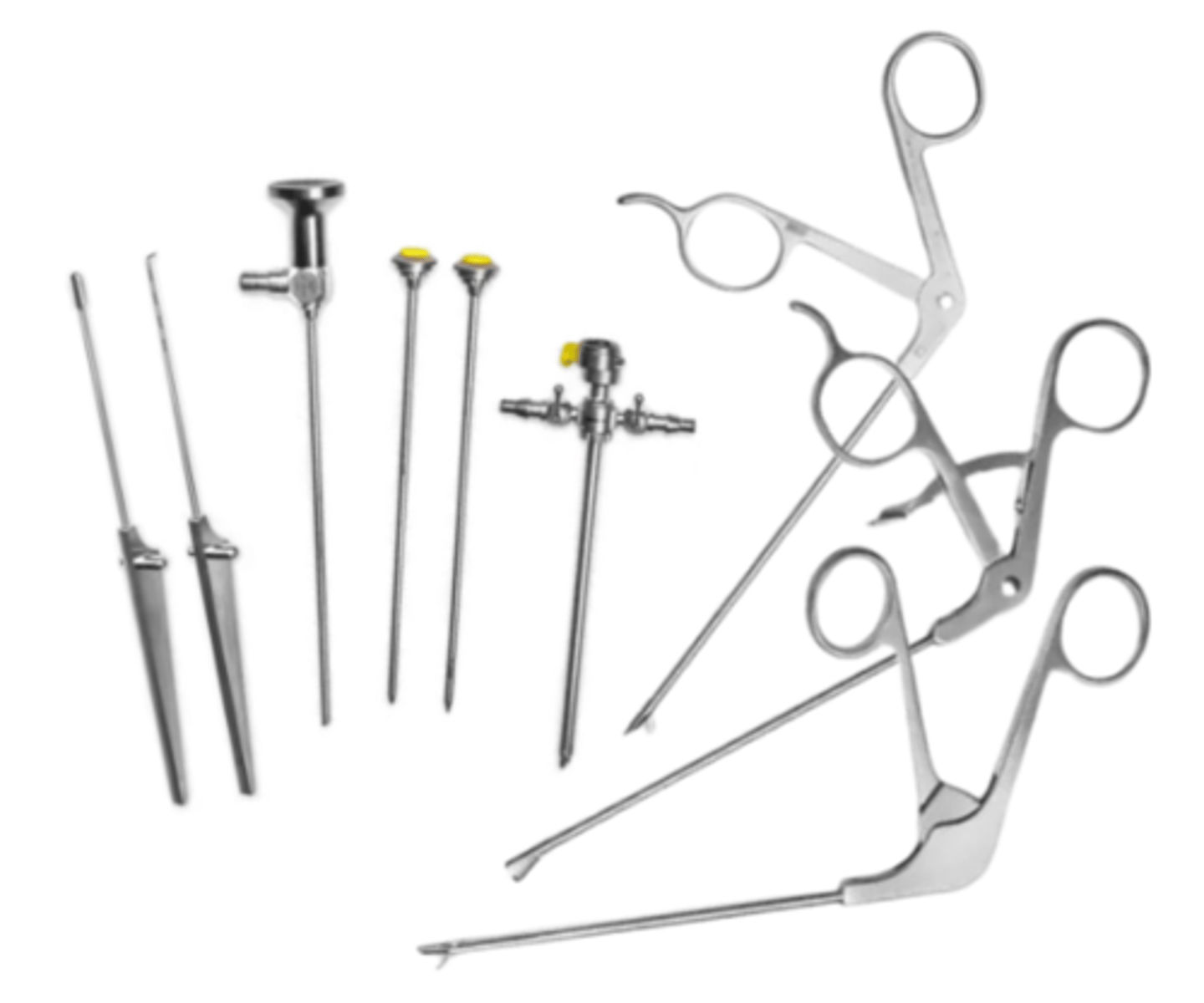
arthroscopic instruments (n)
instruments used for endoscopic procedures performed on joints (much smaller than other endoscopic instruments)
asepsis (n)
the absence of microorganisms that cause disease
asepsis (medical) (n)
clean technique; procedures performed to reduce the number of microorganisms and minimize their spread
asepsis (surgical) (n)
sterile technique; procedures performed to eliminate the presence of all microorganisms and/or prevent the introduction of microorganisms to an area

aseptic technique (n)
any activity or procedure that prevents infection or breaks the chain of infection
asset management / tracking systems (n)
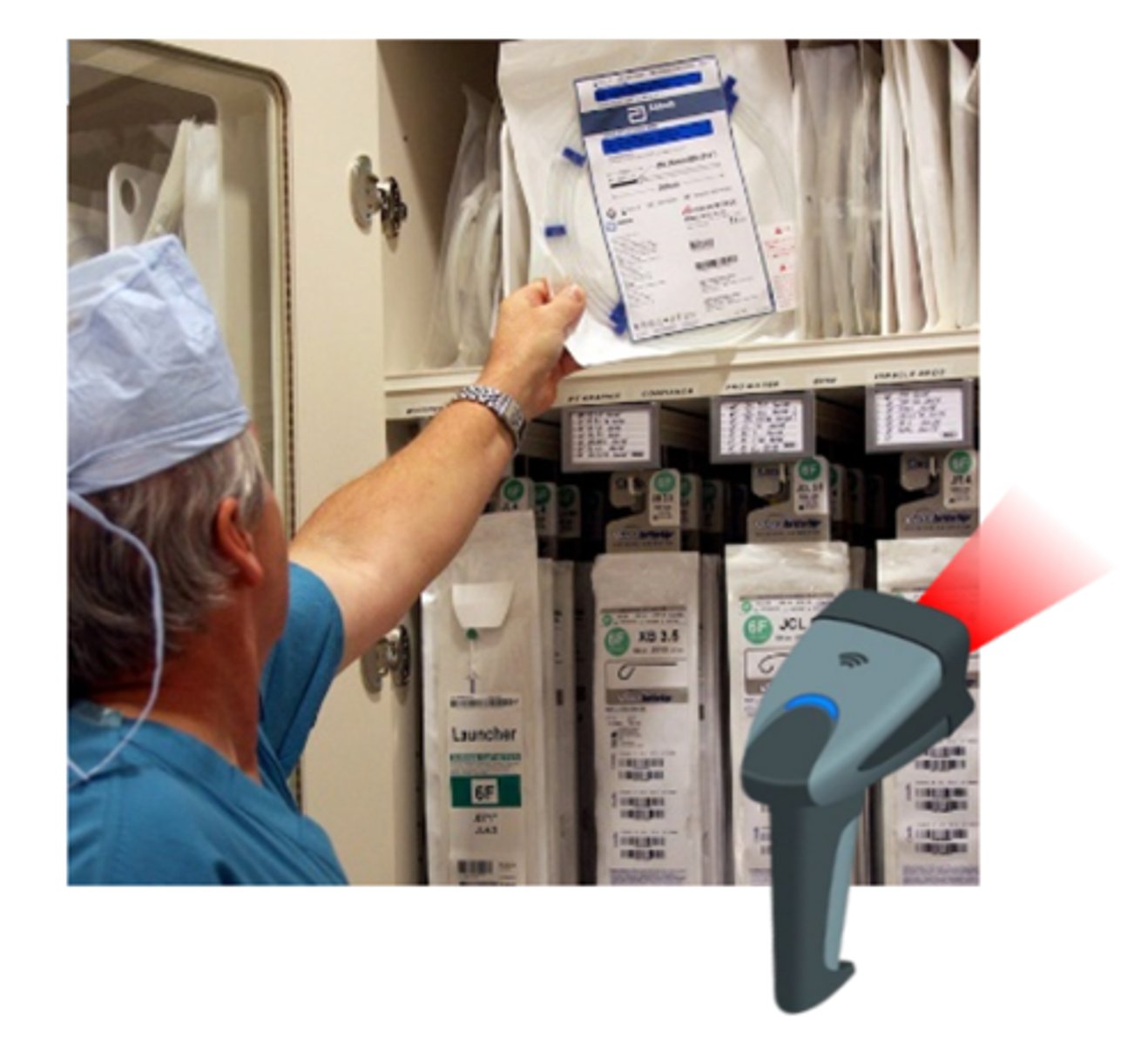
computerized systems that manage the use, processing, & location of medical equipment

attitude (n)
emotions that cause a person to react to people and/or situations in a predetermined way

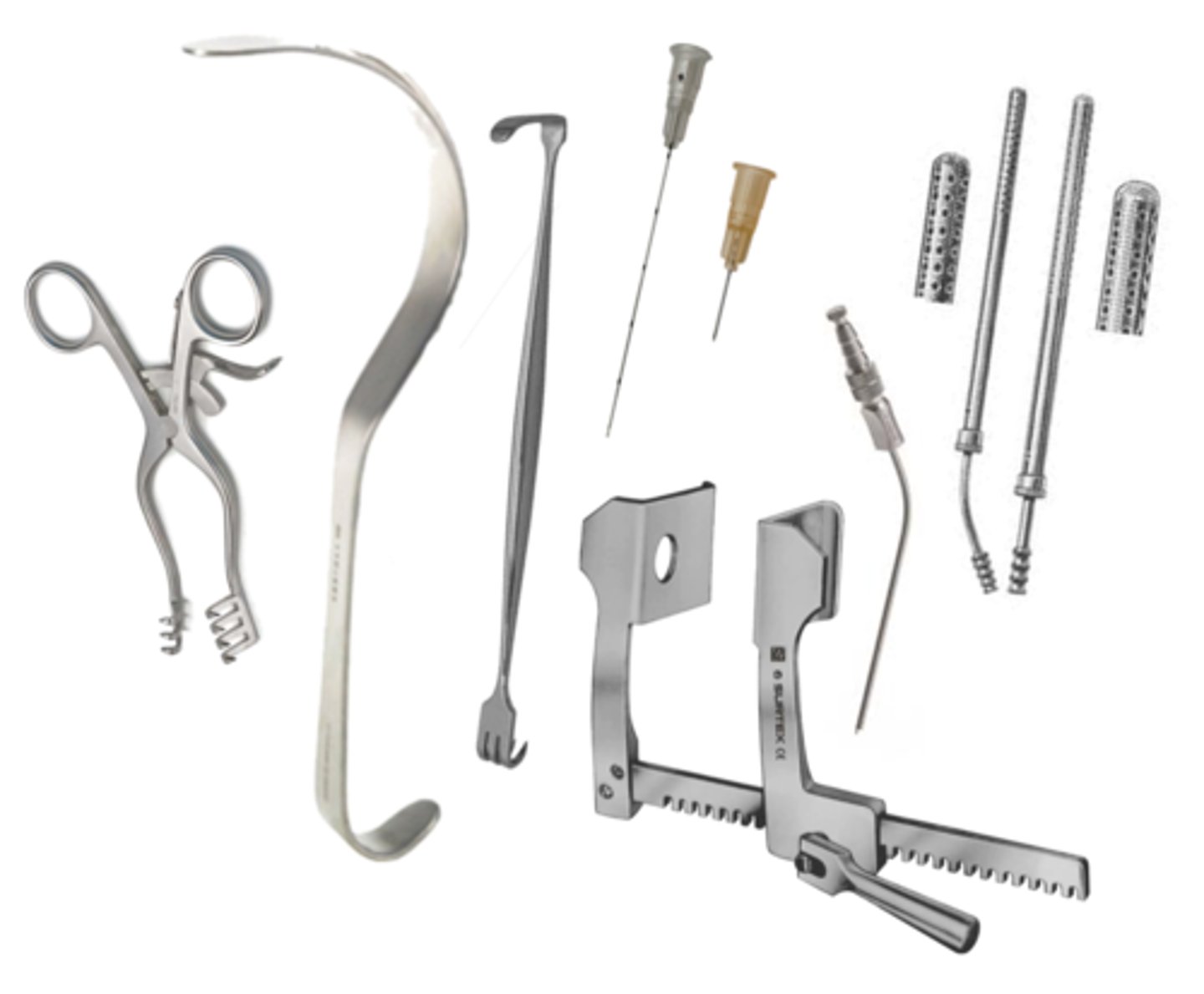
austenitic (300 series) stainless steel (n)
a softer, more malleable steel that is non-magnetic, cannot be heat-hardened, & is more corrosion-resistant than martensitic (400 series) stainless steel (used for retractors, cannulas, rib spreaders, & suction devices)
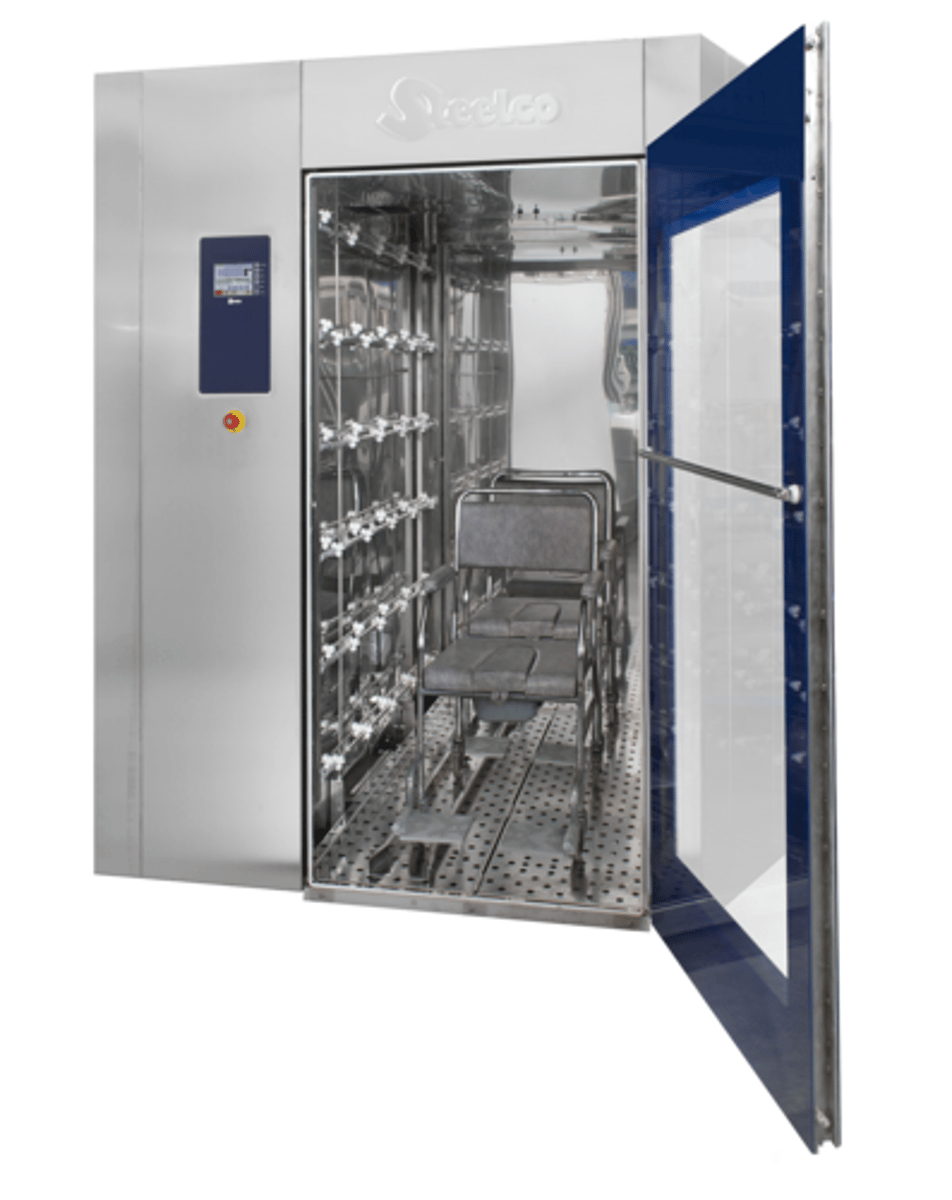
automated cart washers (n)
mechanical cleaners initially designed to clean carts, but some can process rigid containers & other items; similar to automated instrument washers, but work on a larger scale
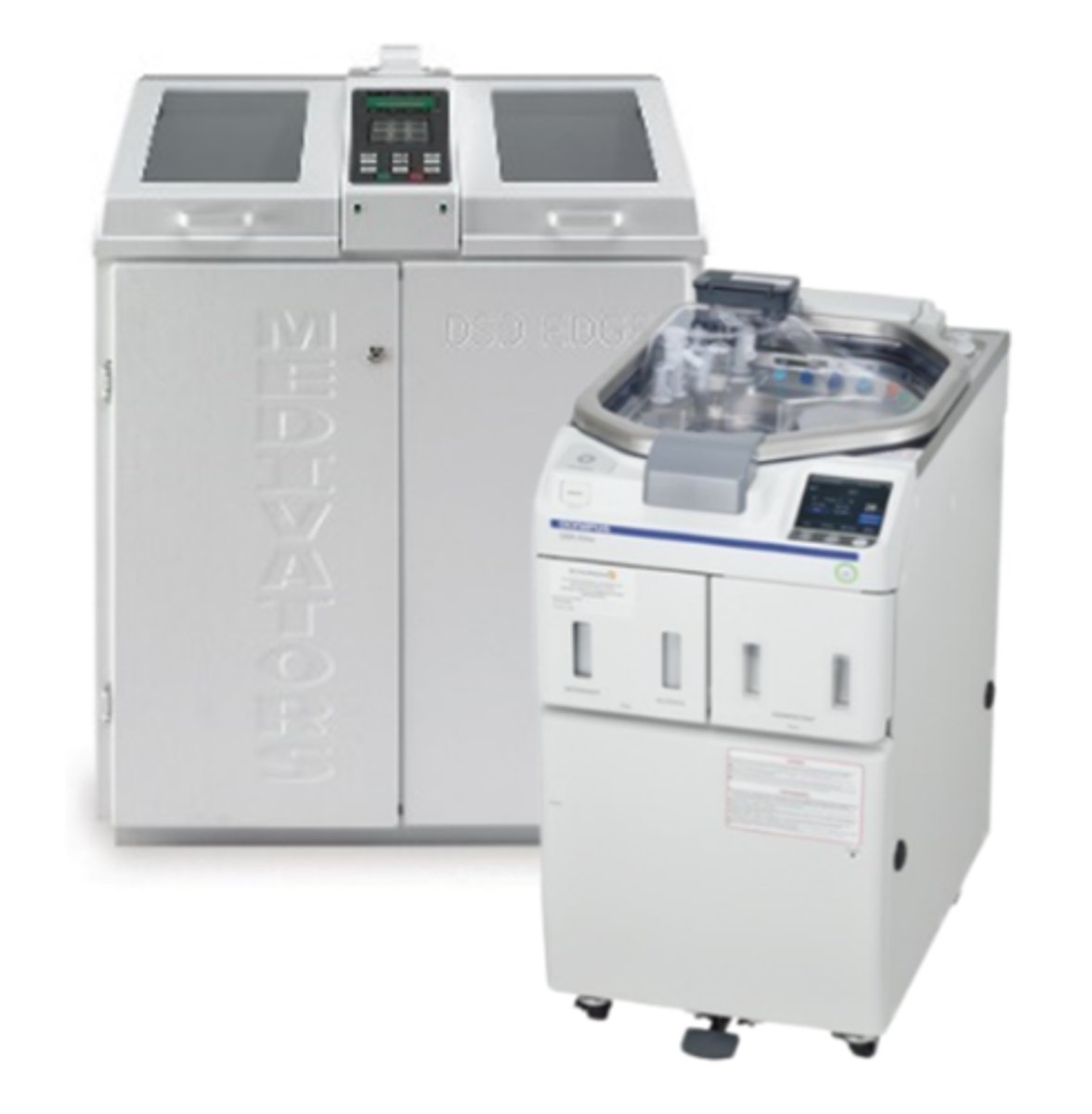
automated endoscope reprocessor (AER) (n)
a mechanical cleaner that processes flexible endoscopes & some TEE probes, making the disinfection process simpler & safer (though some manual reprocessing is unavoidable due to endoscope design limitations)
automated supply replenishment system (n)
a computerized inventory replenishment system in which items removed from inventory are automatically identified & tracked, & orders are generated at scheduled times for all items at or below their reorder point
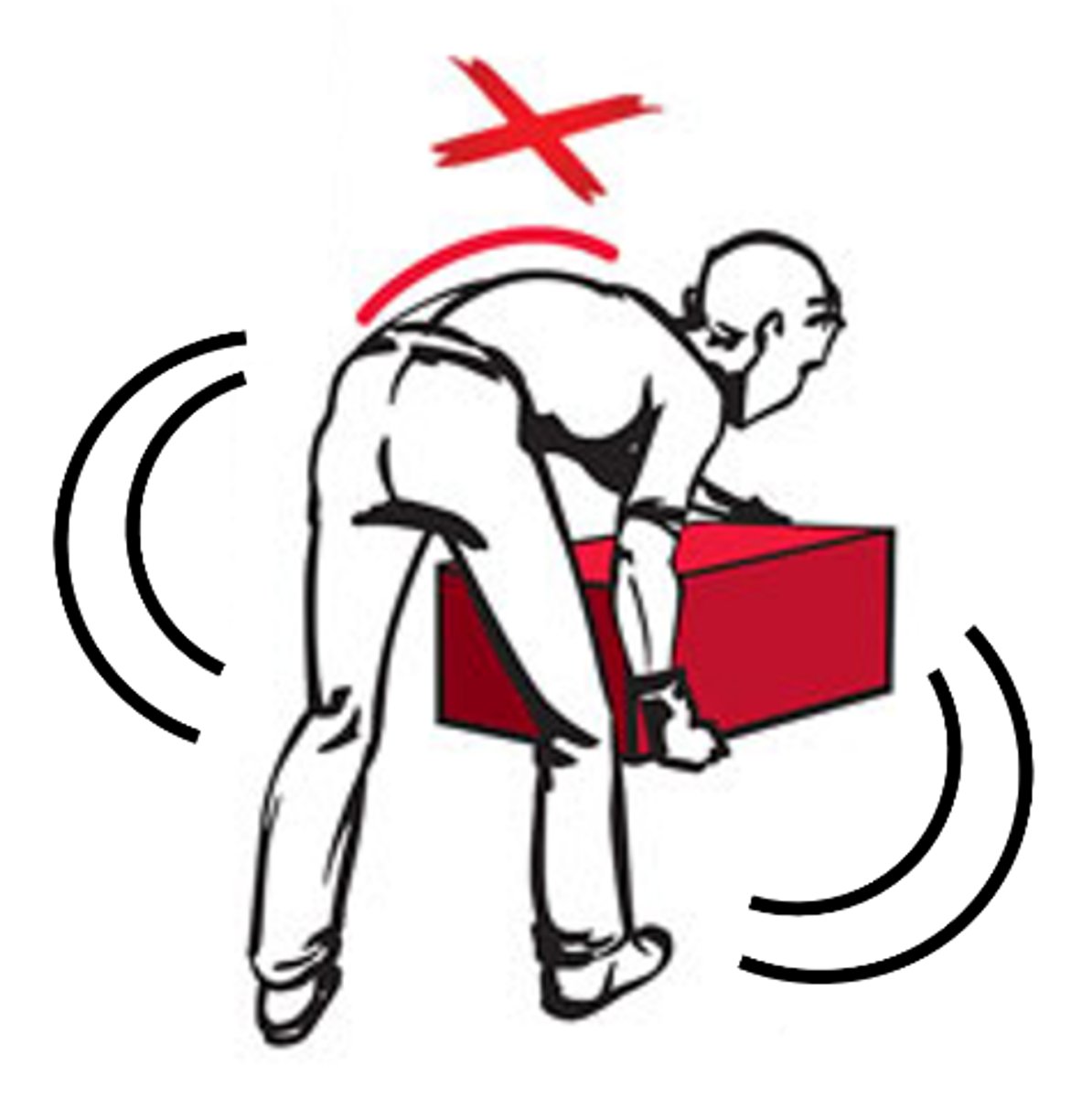
awkward positions (n)
positions or movements that place unnatural stress on the body, such as reaching or twisting while lifting (ergonomic stressor)
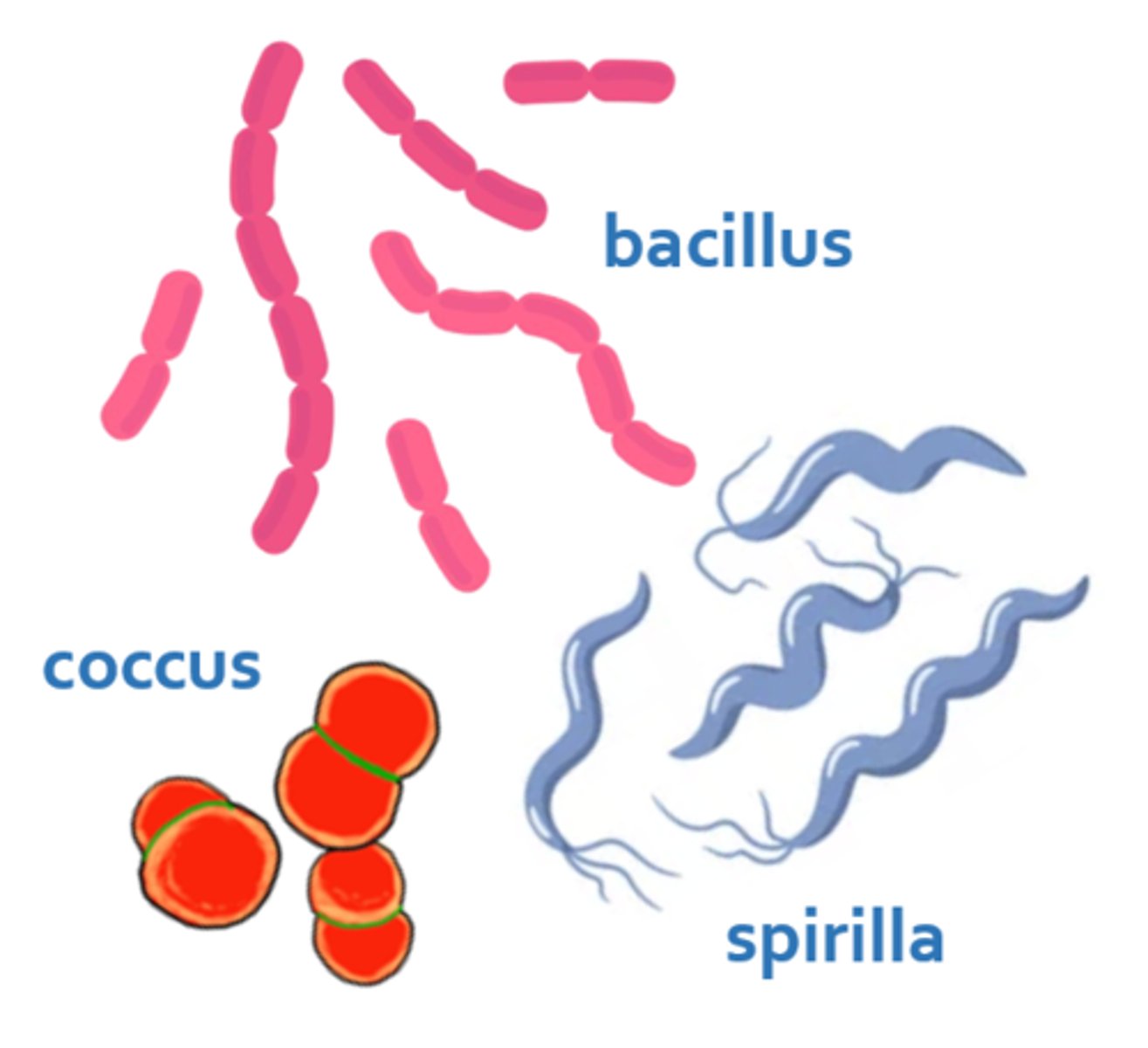
bacteria (n)
single-celled, plant-like microbes that reproduce by splitting, are measured by microns, & are classified by their shape, color change, & oxygen needs
bactericidal (adj)
relating to the destruction of bacteria

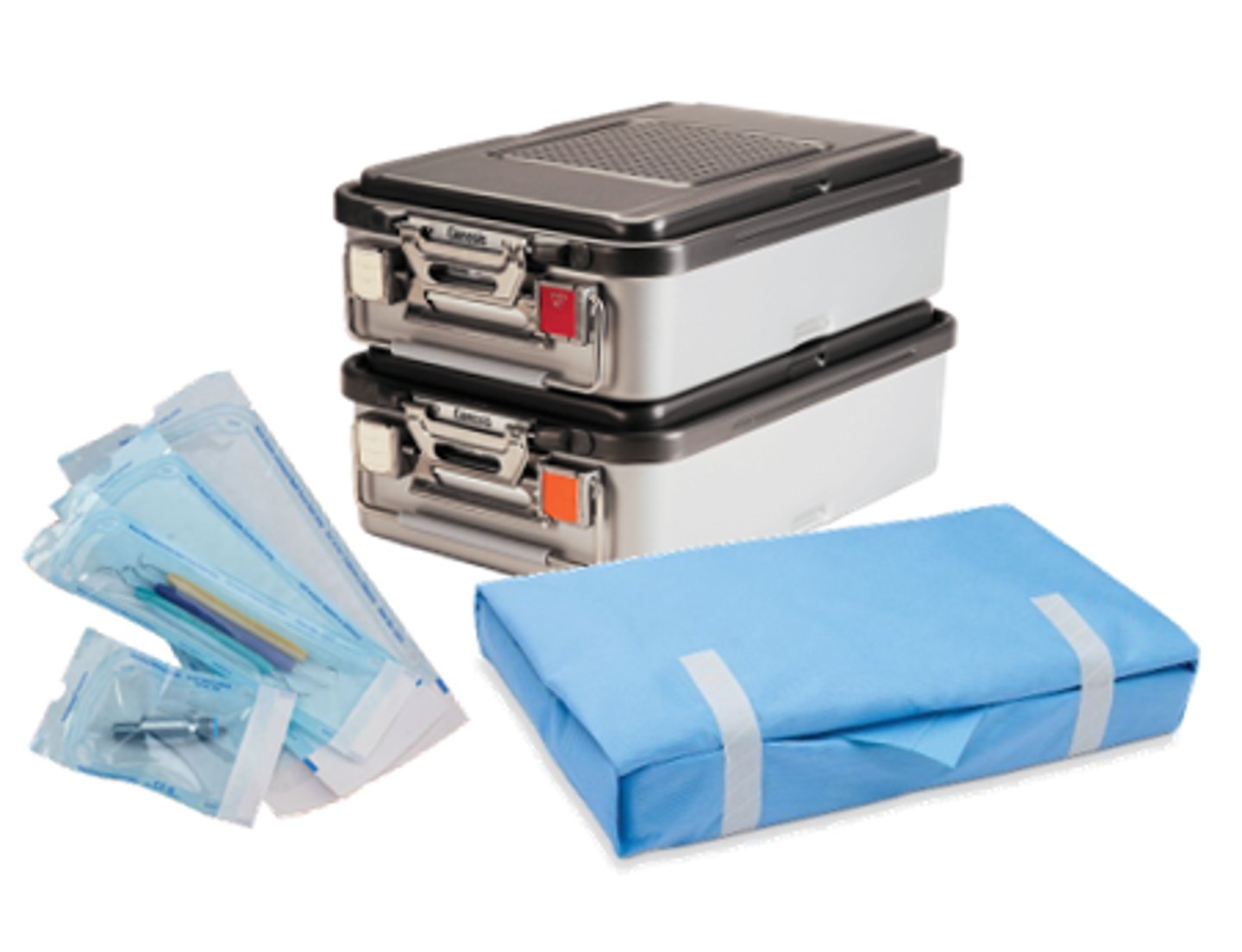
barrier packaging (n)
packaging that provides a barrier from microorganisms and allows for aseptic presentation of items at the point of use
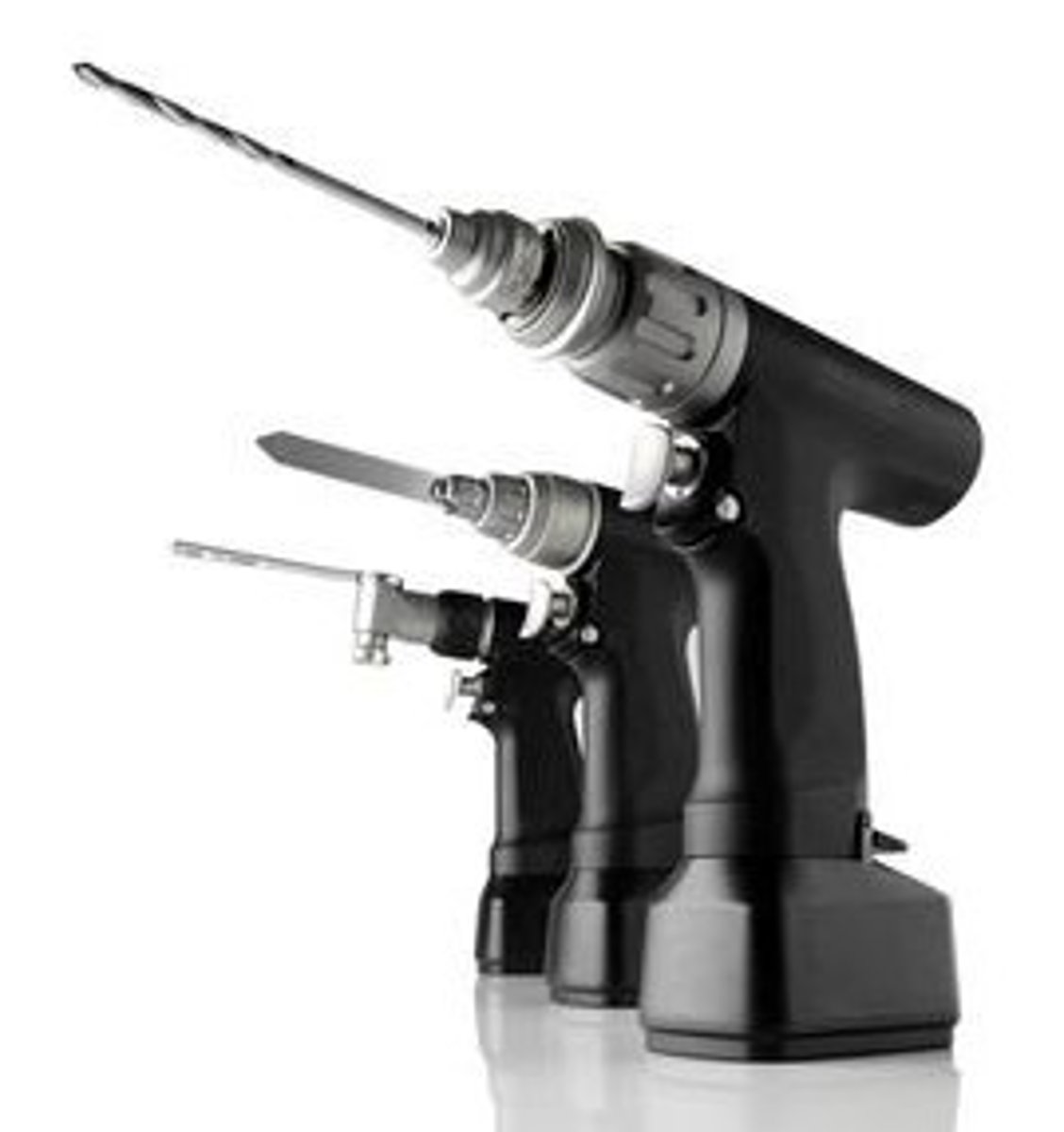
battery-powered instruments (n)
cord-free instruments (powered by batteries) that work well for procedures done on larger, denser bones (ex: total hip & knee replacements); batteries & chargers are specific to each system & not interchangeable
best practice (n)
a method or technique that has consistently shown results superior to those achieved by other means

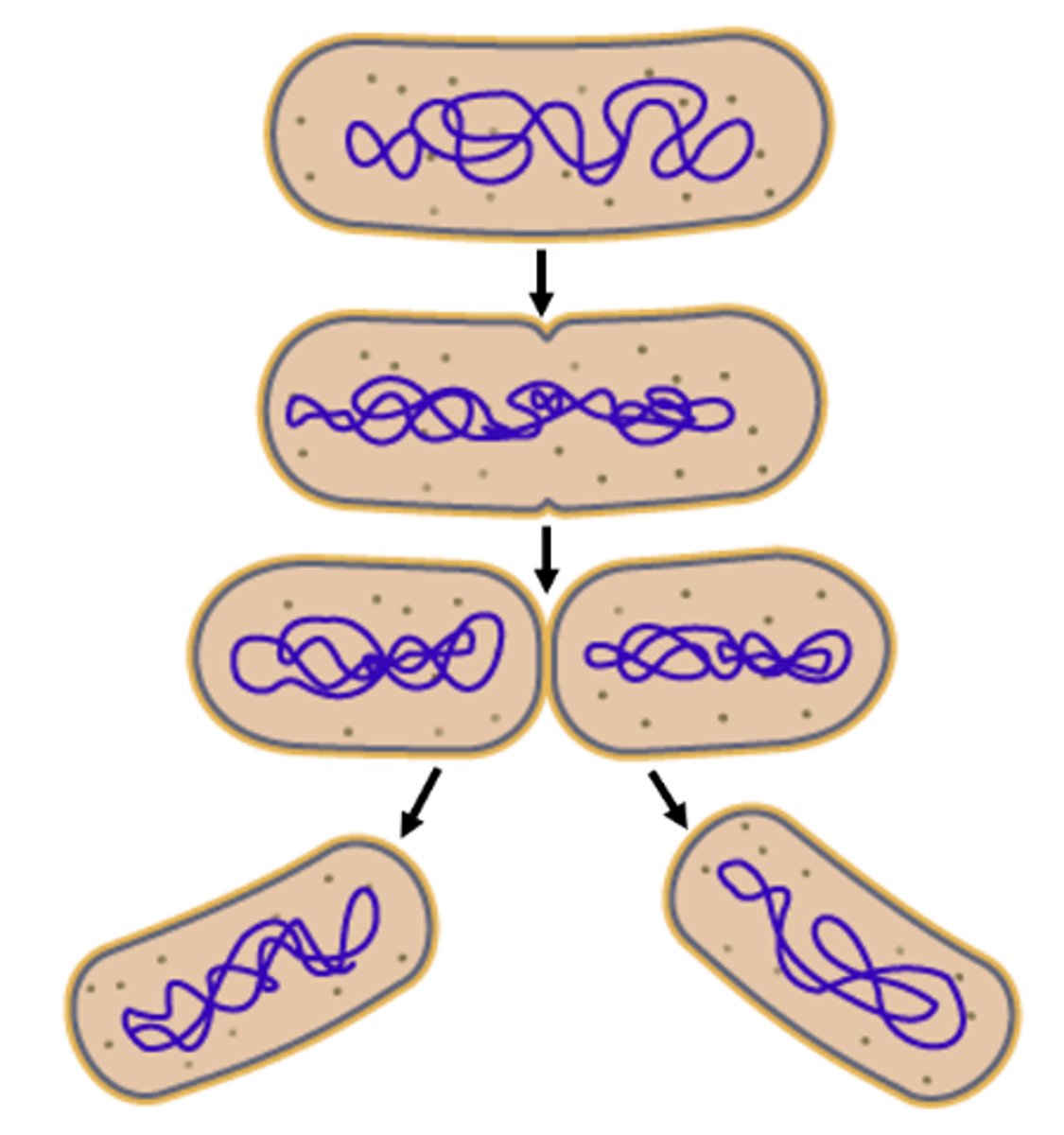
binary fission (n)
the typical method of bacterial reproduction in which a cell divides into two equal parts
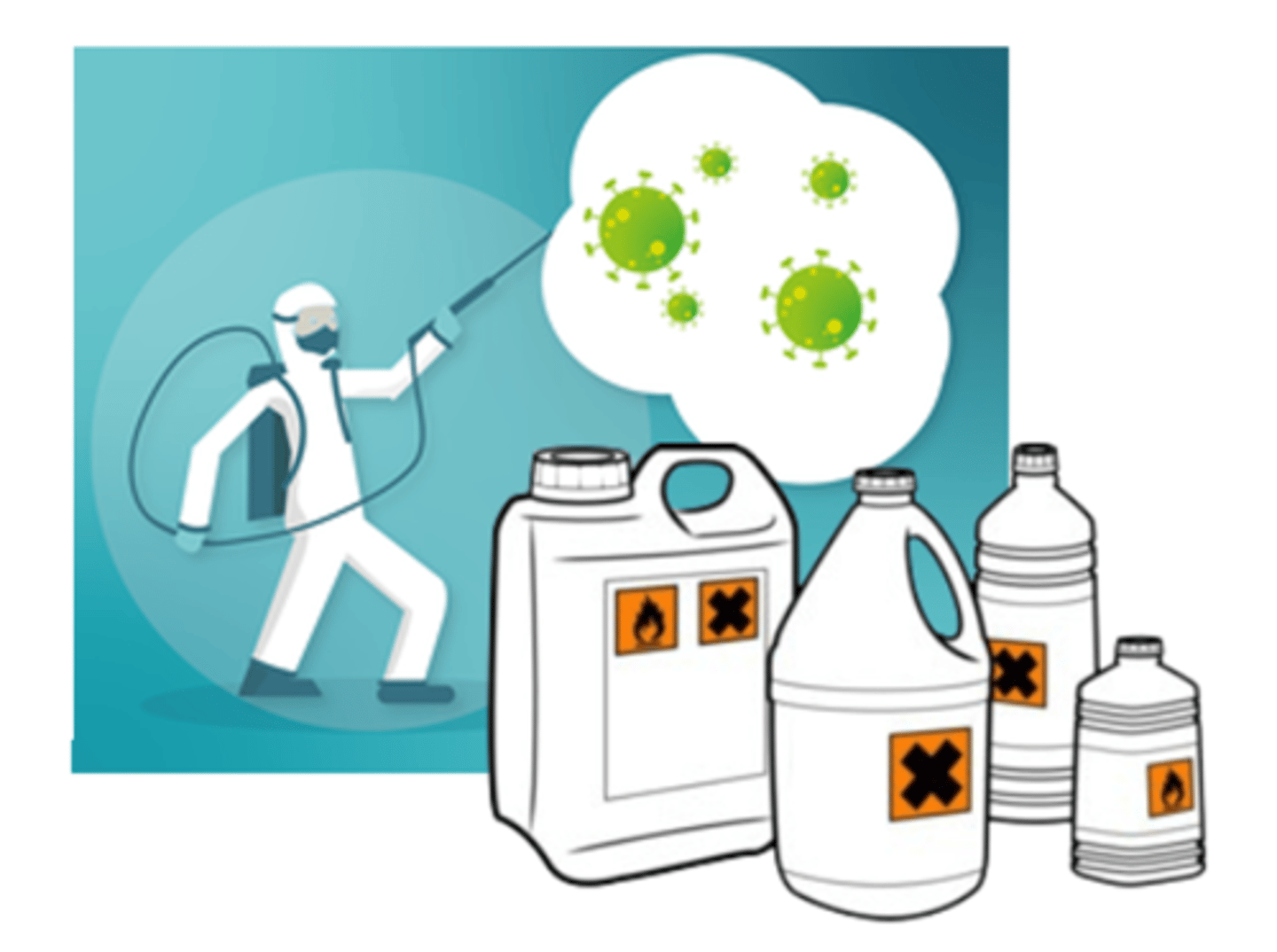
bioburden (n)
the number of microorganisms on a contaminated object; also called bioload or microbial load

biocidal (adj)
able to kill or control the growth of living organisms

biocide (n)
a substance or microorganism that kills or controls the growth of living organisms
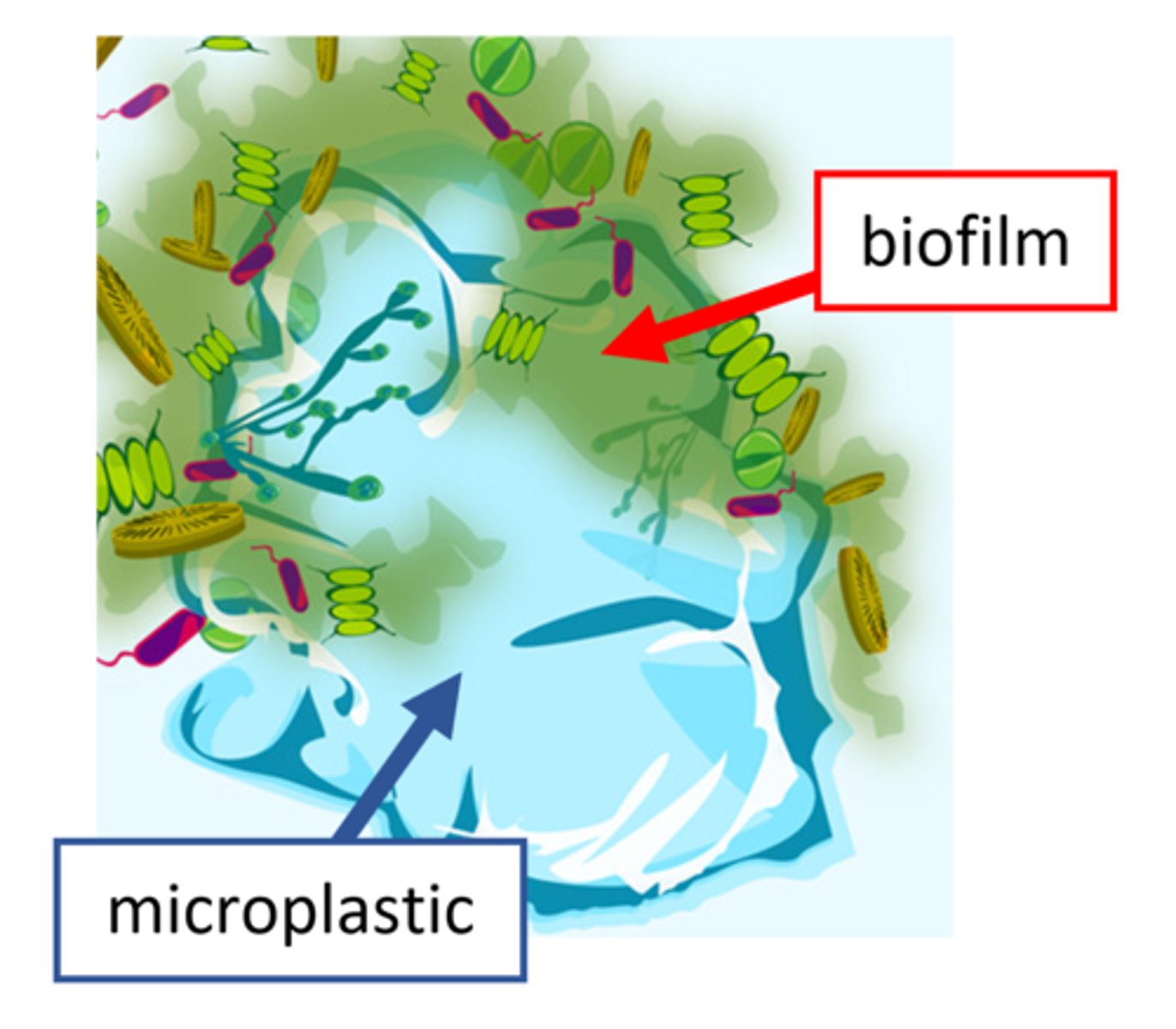
biofilm (n)
a collection of microorganisms that attach to surfaces & each other to form a colony, which produces a protective gel that's very difficult to penetrate with detergents & disinfectants
biohazard signage (n)
notices posted in easily-seen locations that alert people in the area about the presence of harmful bacteria, viruses, or other dangerous biohazardous agents or organisms
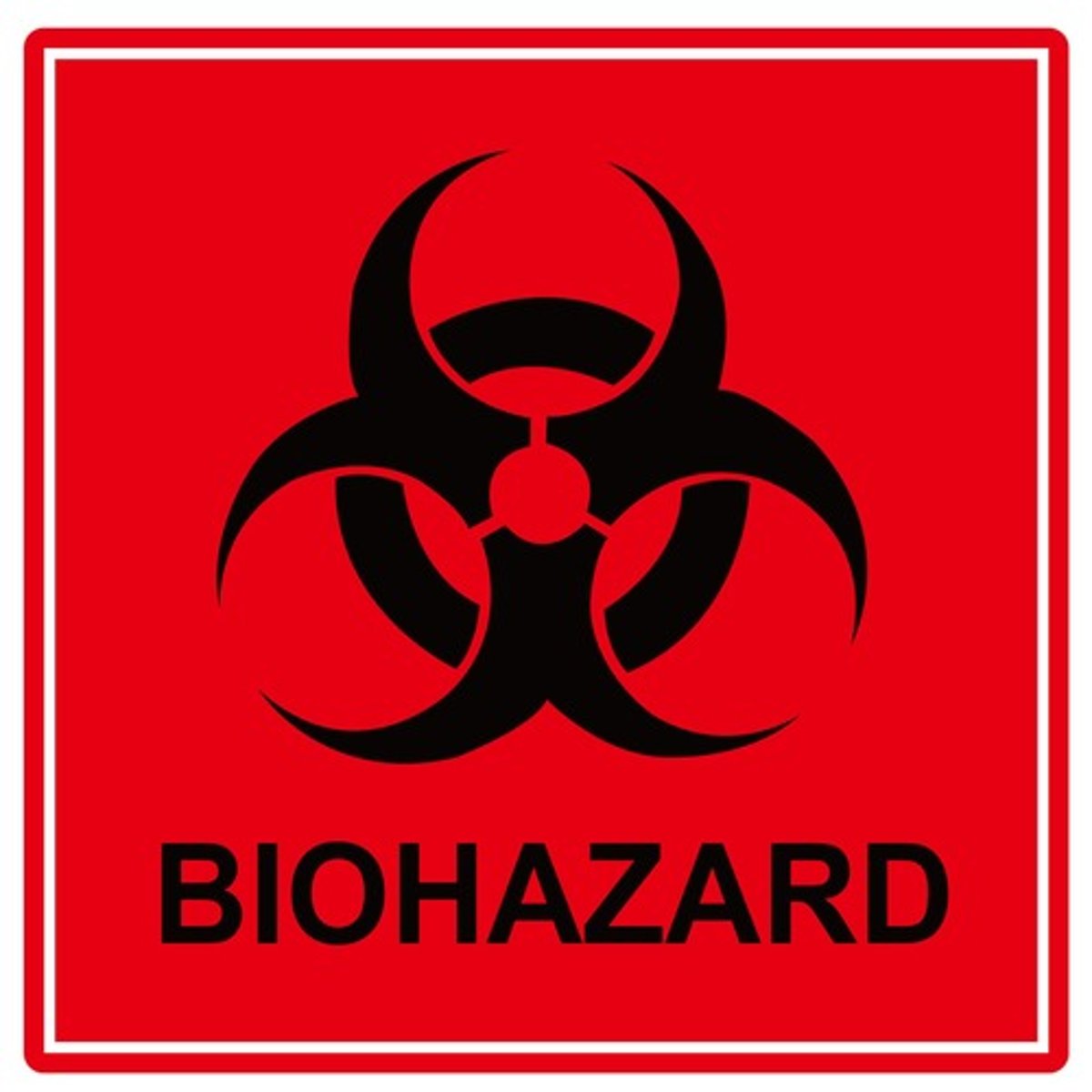
biohazardous waste (n)
waste containing infectious agents that present a risk or potential risk to human health

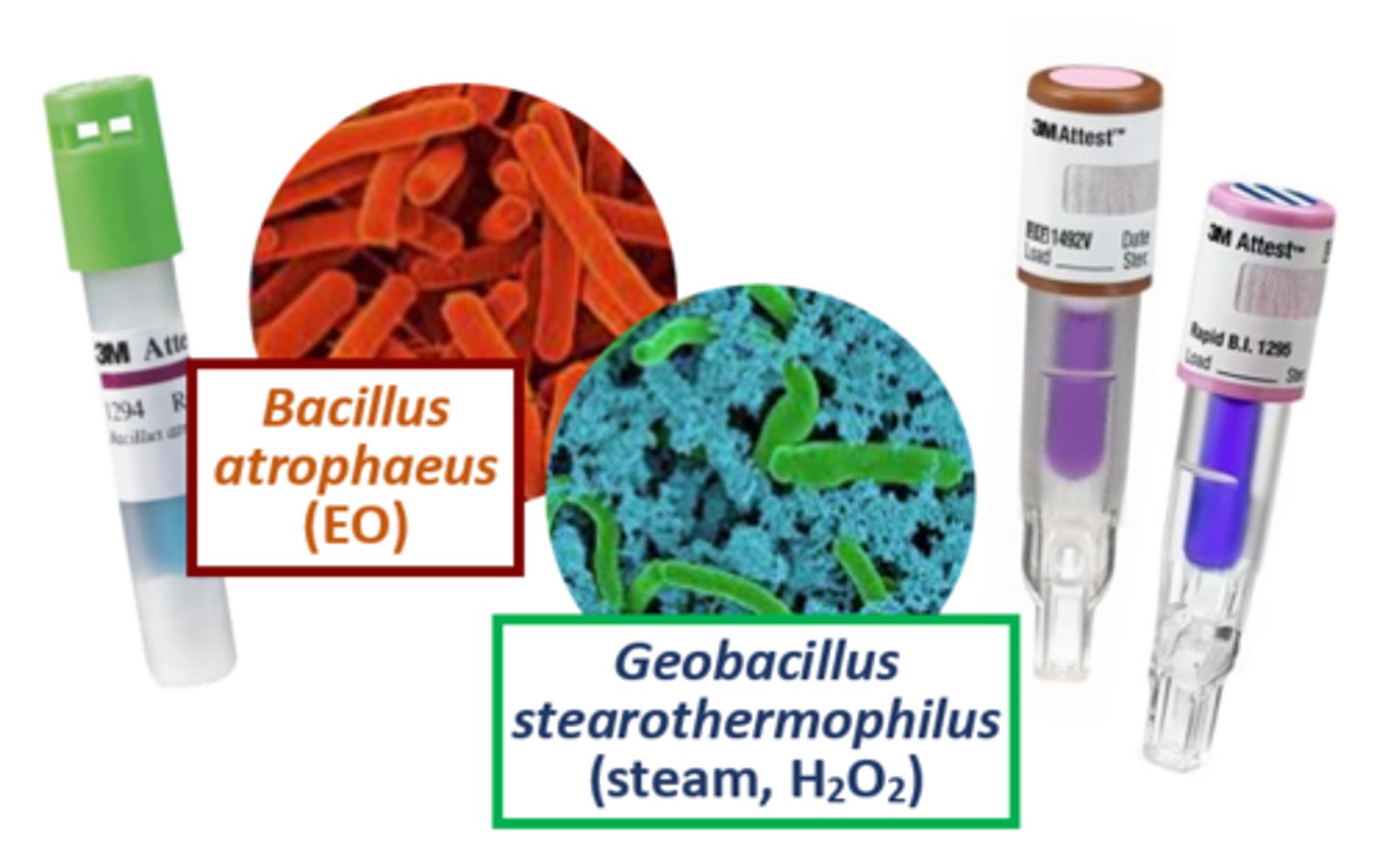
biological indicator (n)
a device that monitors sterilization parameters by using viable microbes (usually bacterial spores) with a known resistance to a specific sterilant (the microbe used depends on the sterilization method)
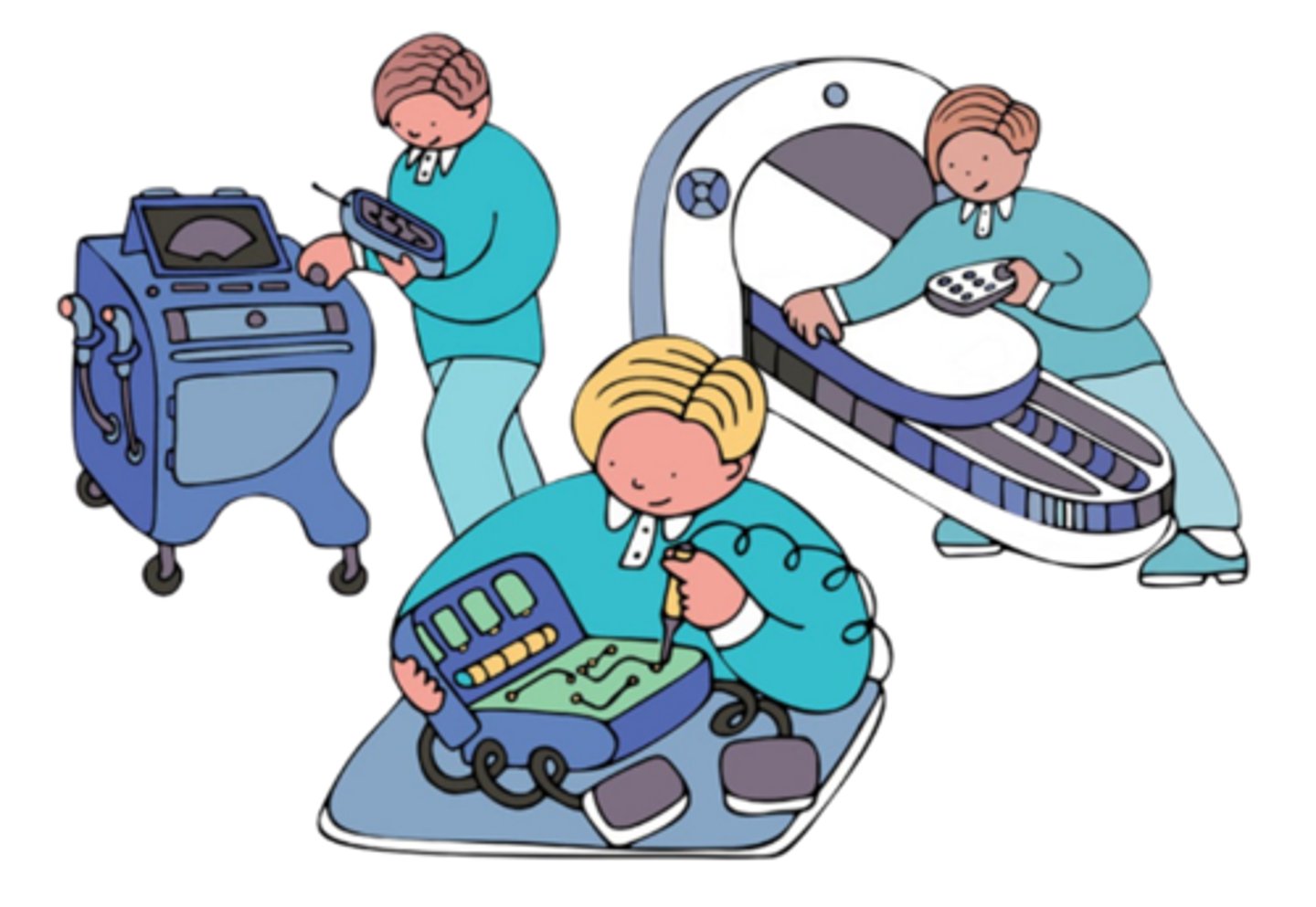
Biomedical/Clinical Engineering Department (Biomed) (n)
the healthcare department that partners with the SPD in managing patient care equipment, responsible for performing safety inspections & function tests
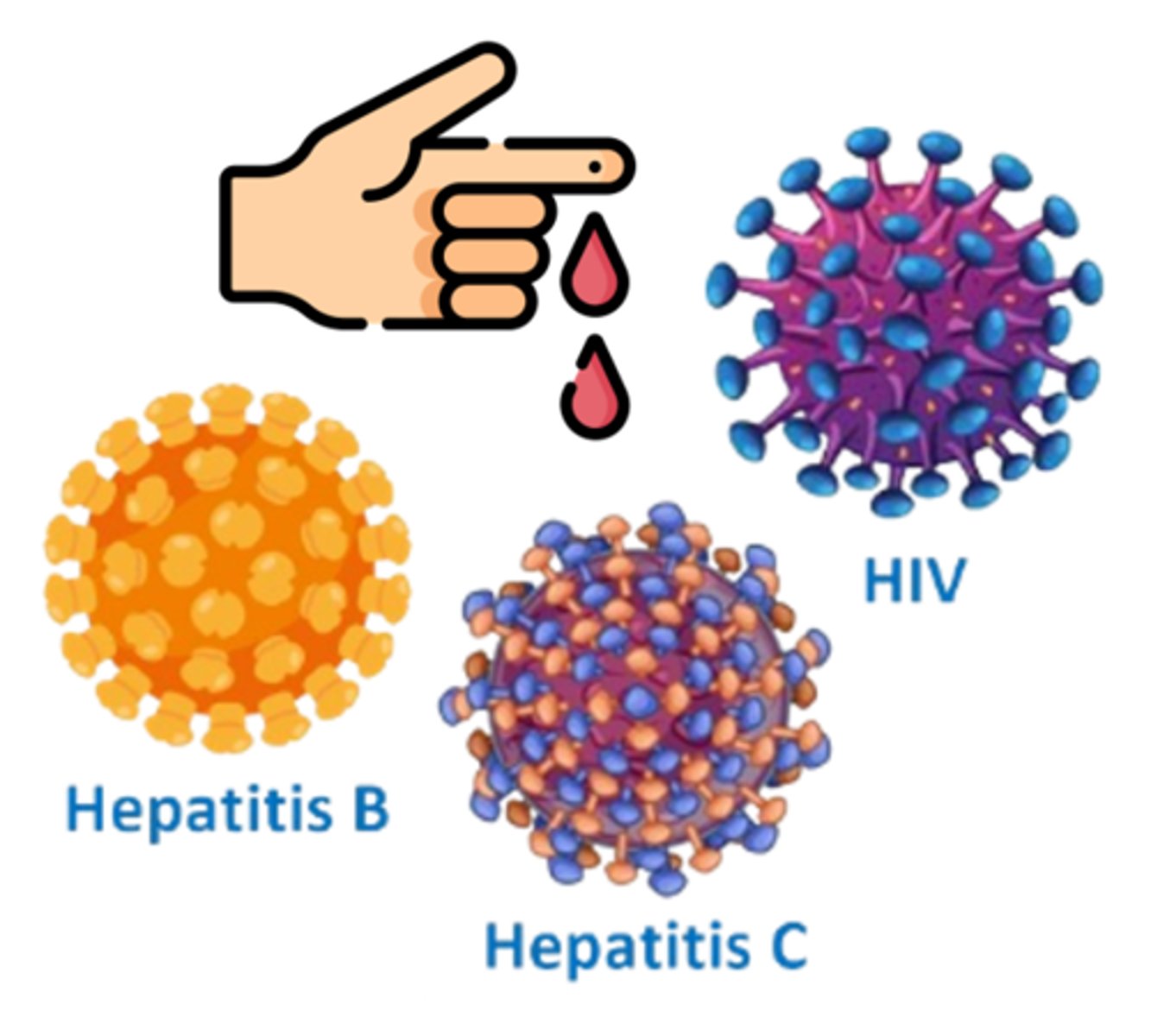
bloodborne pathogen (n)
an infectious microorganism that is present in human blood & can only spread through blood-to-blood contact
Bloodborne Pathogens Standard (n)
a regulation developed by OSHA that requires employers to protect workers from exposure to bloodborne diseases
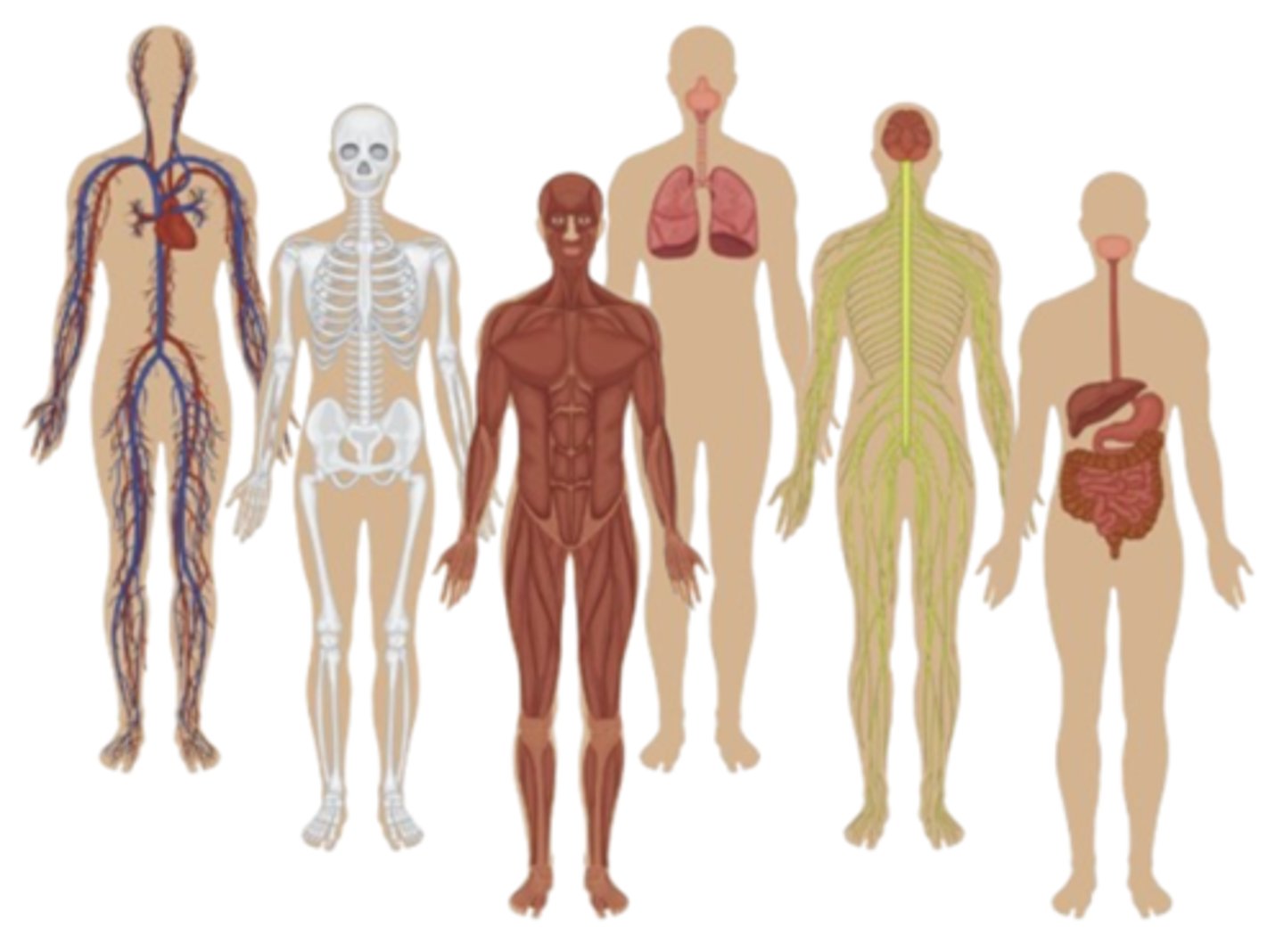
body system (n)
a group of organs that work together to carry out a specific activity
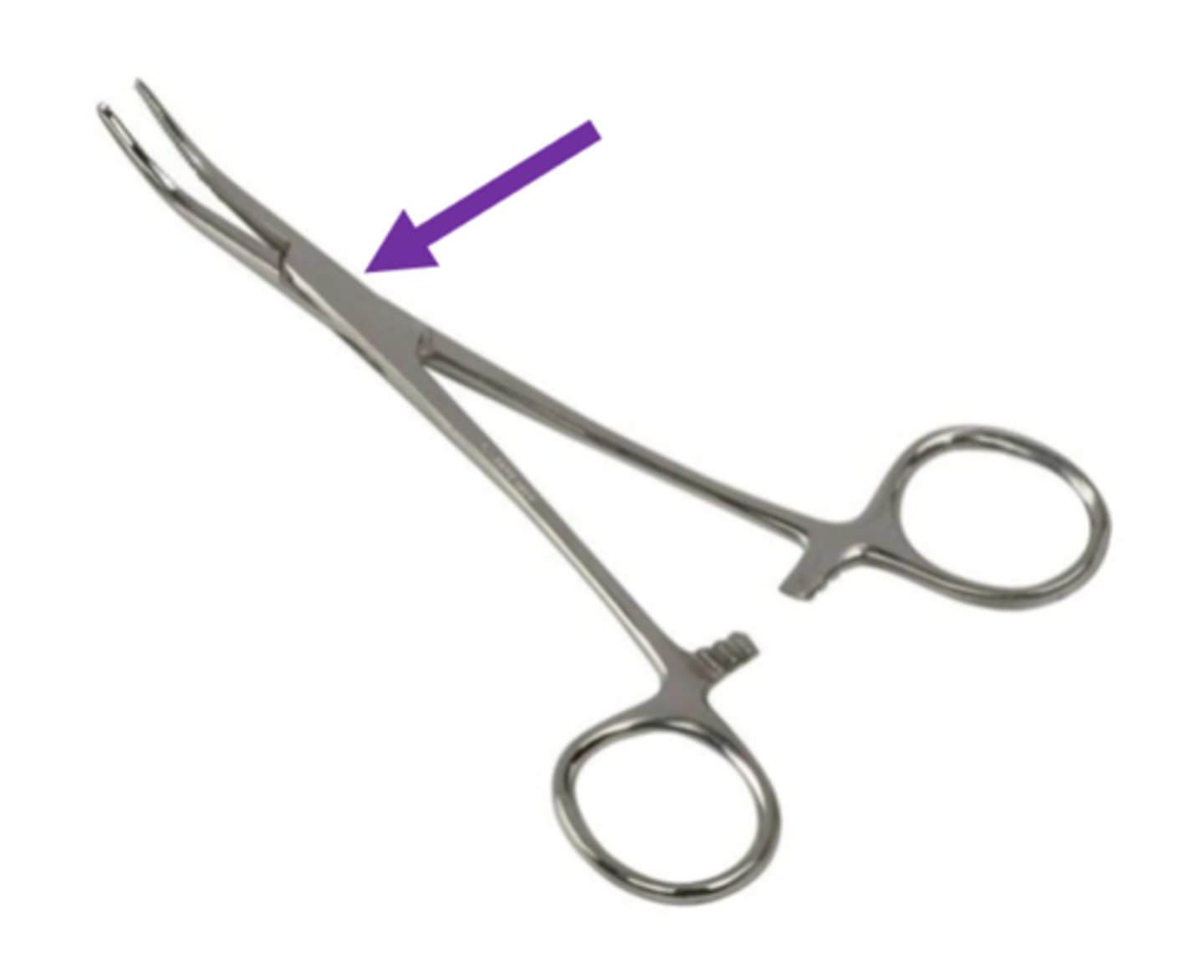
box lock (n)
the point where the two jaws or blades of an instrument connect & pivot (turn)
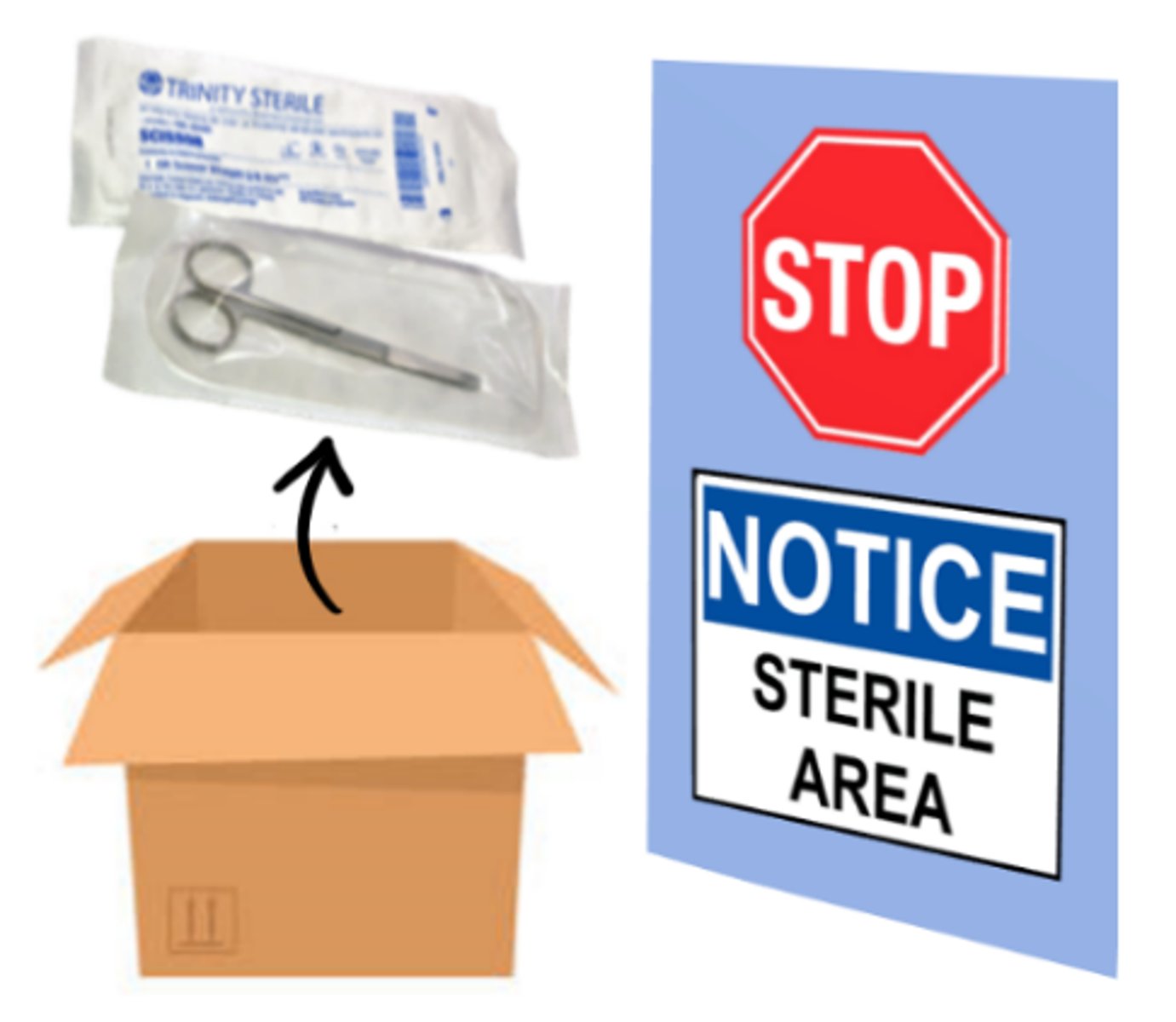
break-out (n)
the process of removing commercially-sterilized items from their shipping containers in an area adjacent to the storage area, preventing contamination present on the containers from being introduced into sterile storage
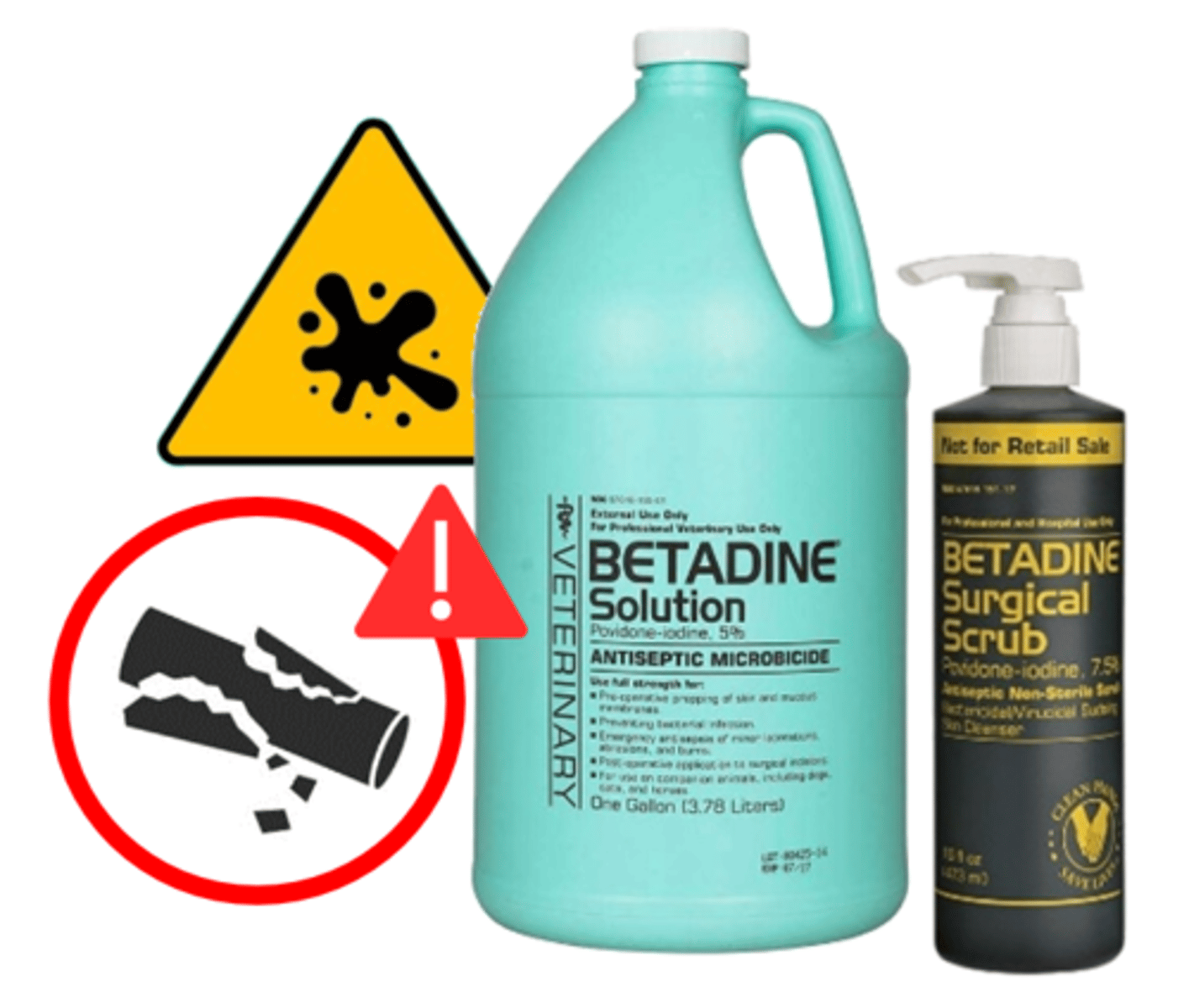
buffered iodine (n)
a chemical used as a general antiseptic or disinfectant (i.e. povidone-iodine) that should not be used in instrument cleaning because it's corrosive & will stain
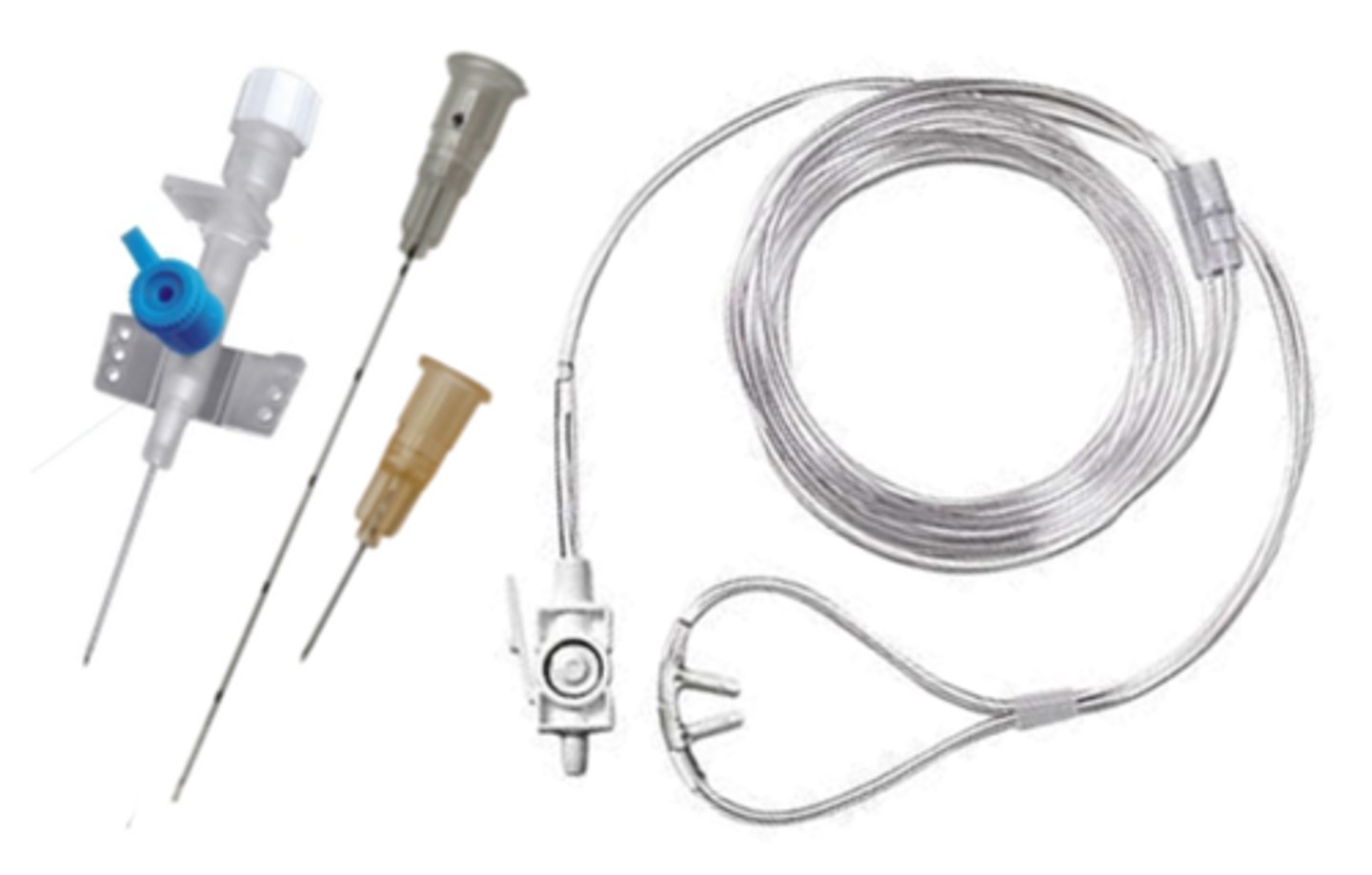
cannulas (n)
surgical instruments with a hollow barrel (lumen) through their center, often inserted for drainage (300 series)
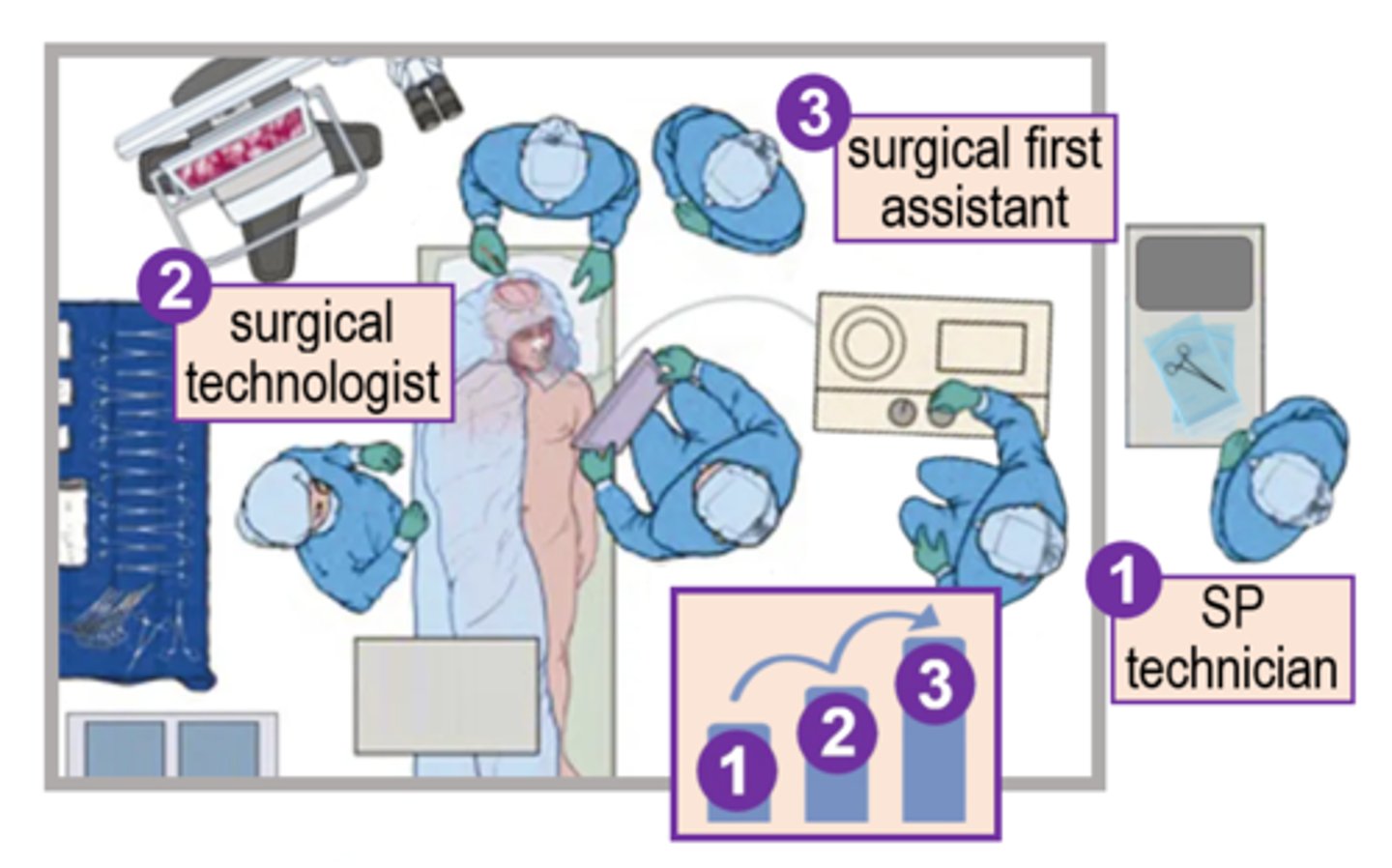
career pathway (n)
a long-term plan with specific steps to help an employee advance in their industry, typically involving a series of related jobs that require increasing levels of education and/or training
carrier (n)
a person with an infectious disease who displays no symptoms but can still transmit the disease to others

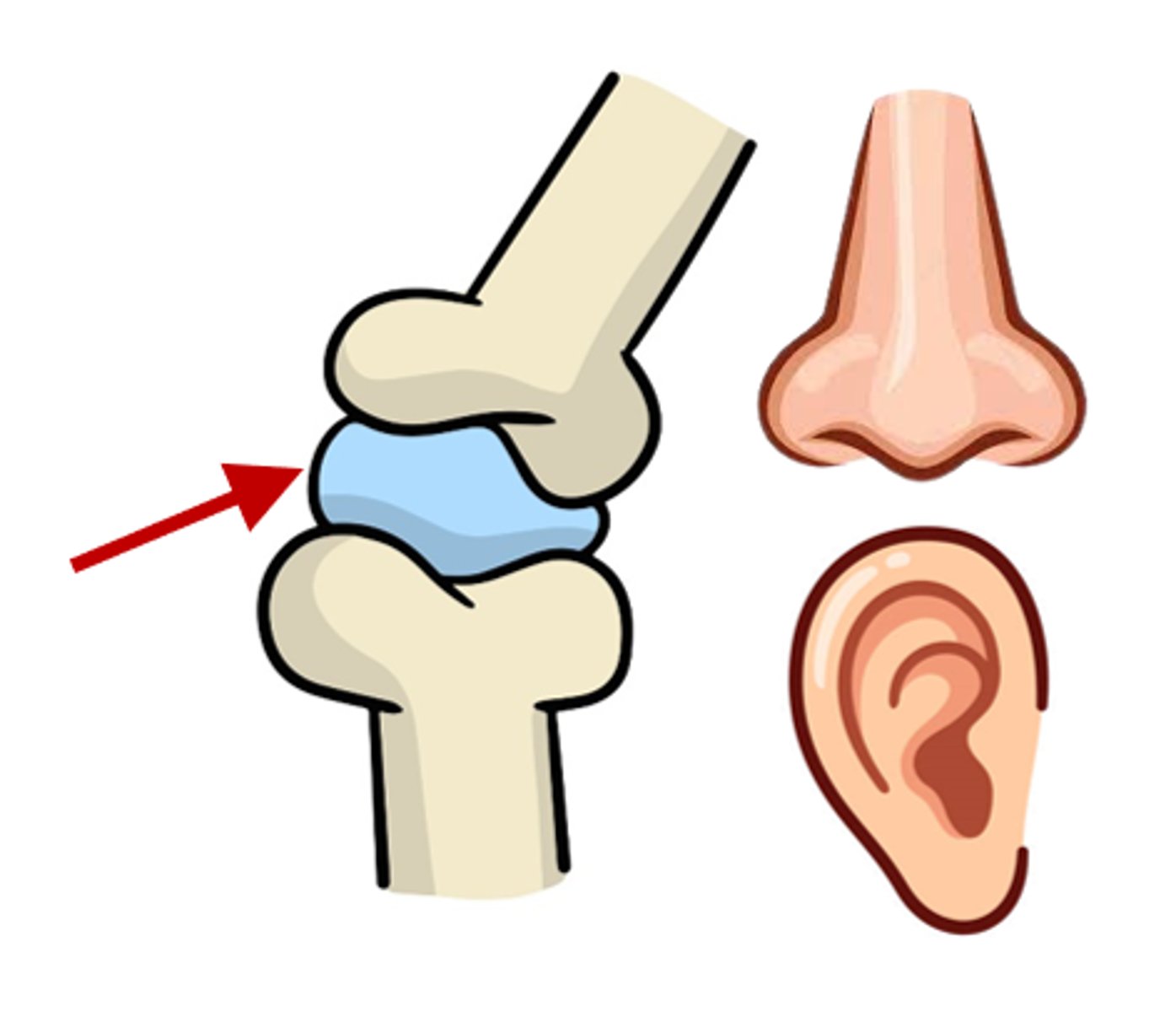
cartilage (n)
a type of flexible connective tissue that provides a framework for the body
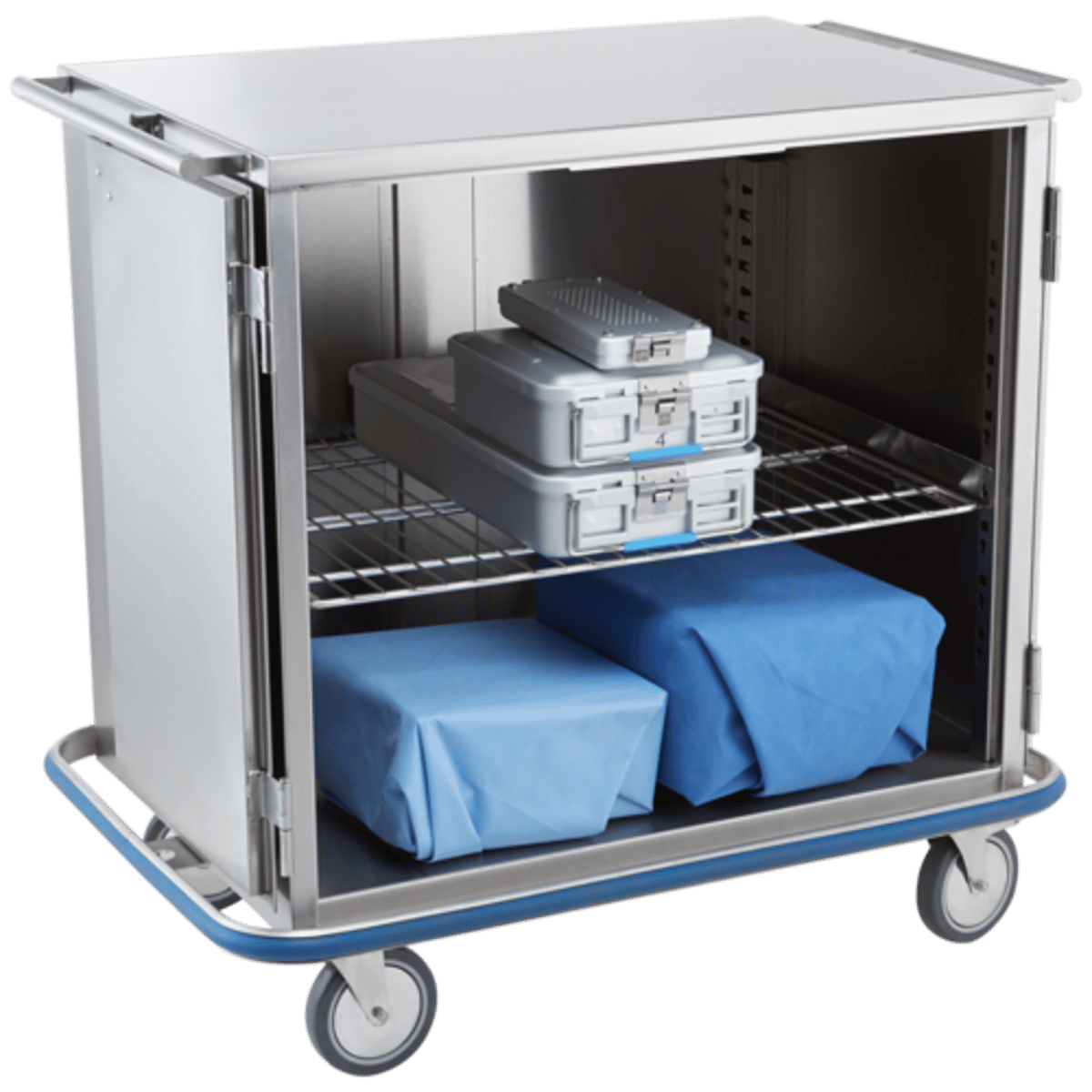
case cart (n)
a cart prepared for an individual procedure; it usually contains all instruments, supplies, & utensils needed for that procedure
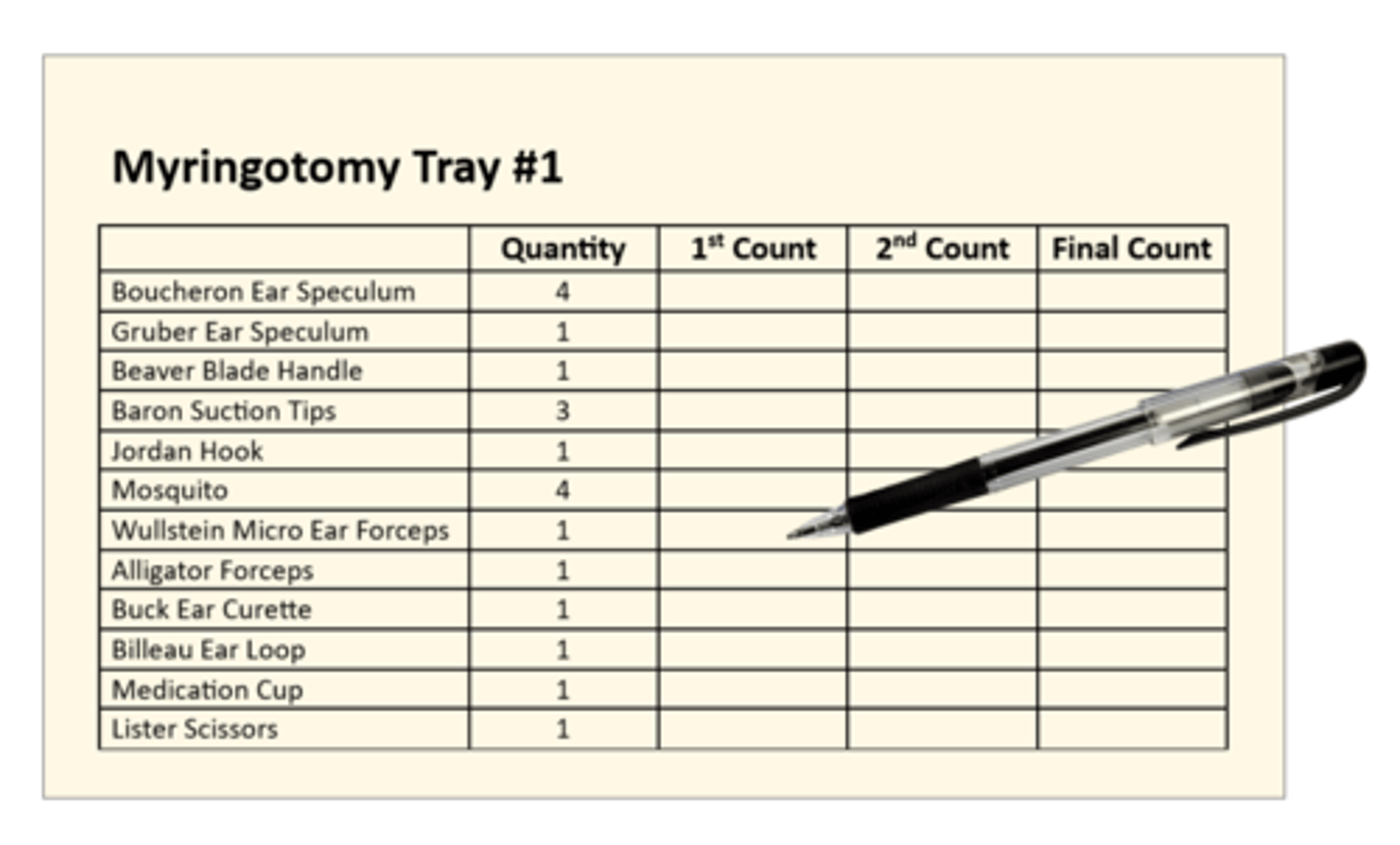
case cart pull sheet (count sheet, pick list) (n)
a list of specific supplies, utensils, & instruments for a specific procedure; SP technicians use these lists to assemble the items needed for individual procedures
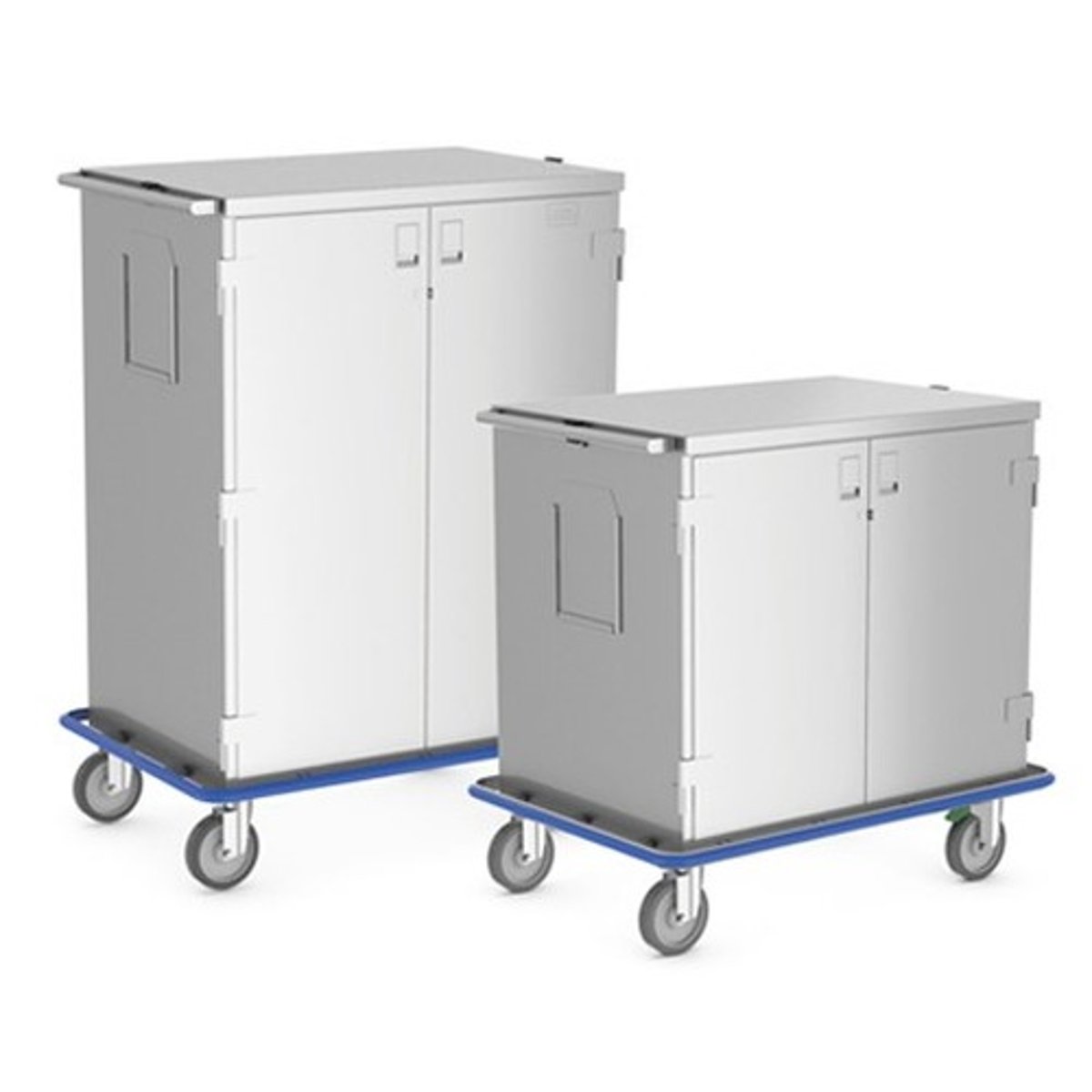
case cart system (n)
an inventory control system for products/equipment typically used in an OR that involves use of an enclosed or covered cart (generally prepared for one surgical case & not used for general supply replenishment)
causative agent (n)
a microorganism (pathogen) that causes an infectious disease (chain of infection element #1)

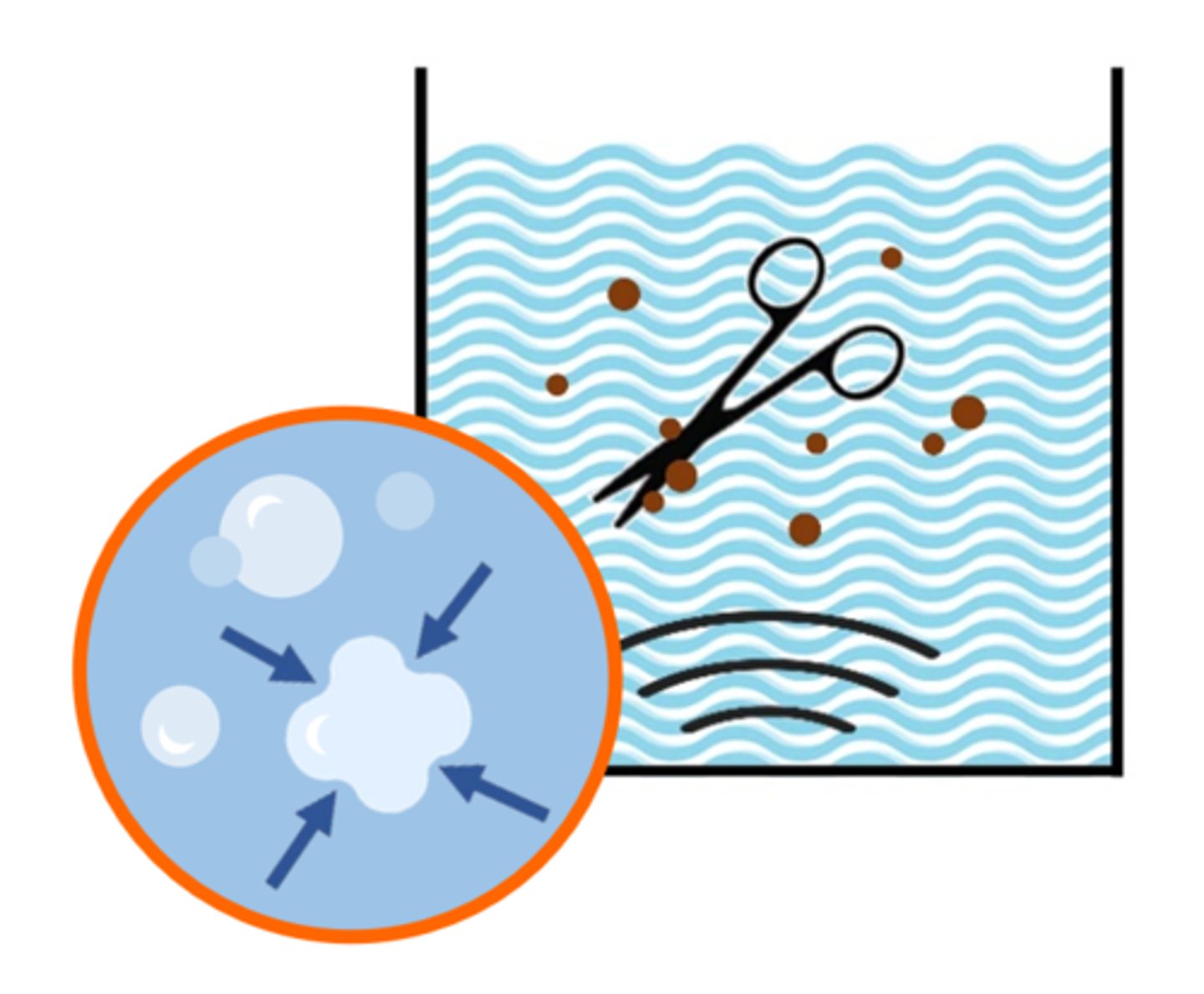
cavitation (n)
the process used by an ultrasonic cleaner in which low-pressure bubbles collapse (implode) & dislodge soil from instruments
cell (n)
the basic unit of all living organisms (plants, animals, protozoa, & bacteria), capable of performing all basic functions of life

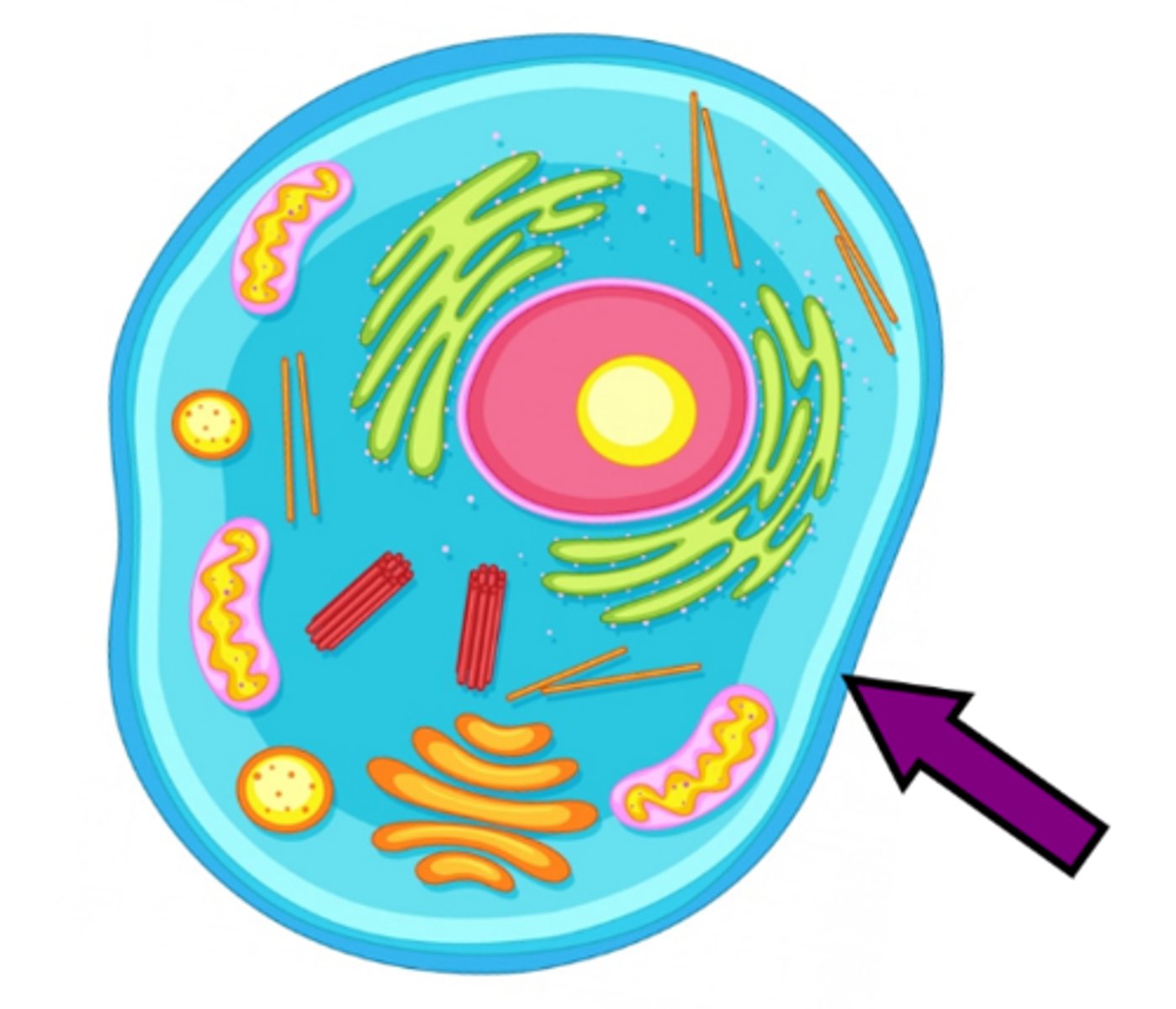
cell membrane (n)
the outer covering of a cell that allows some liquids & gases to enter & leave the cell
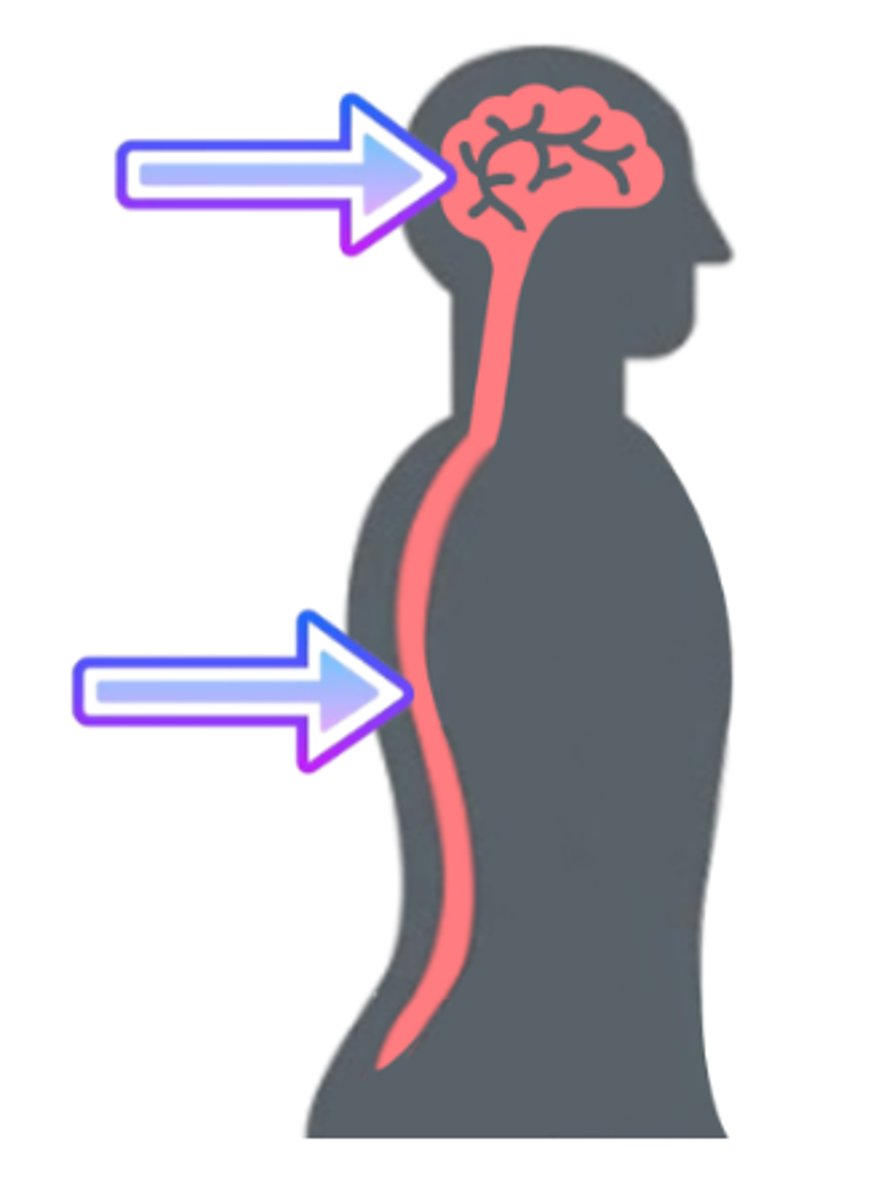
central nervous system (CNS) (n)
the part of the nervous system that includes the brain & spinal cord
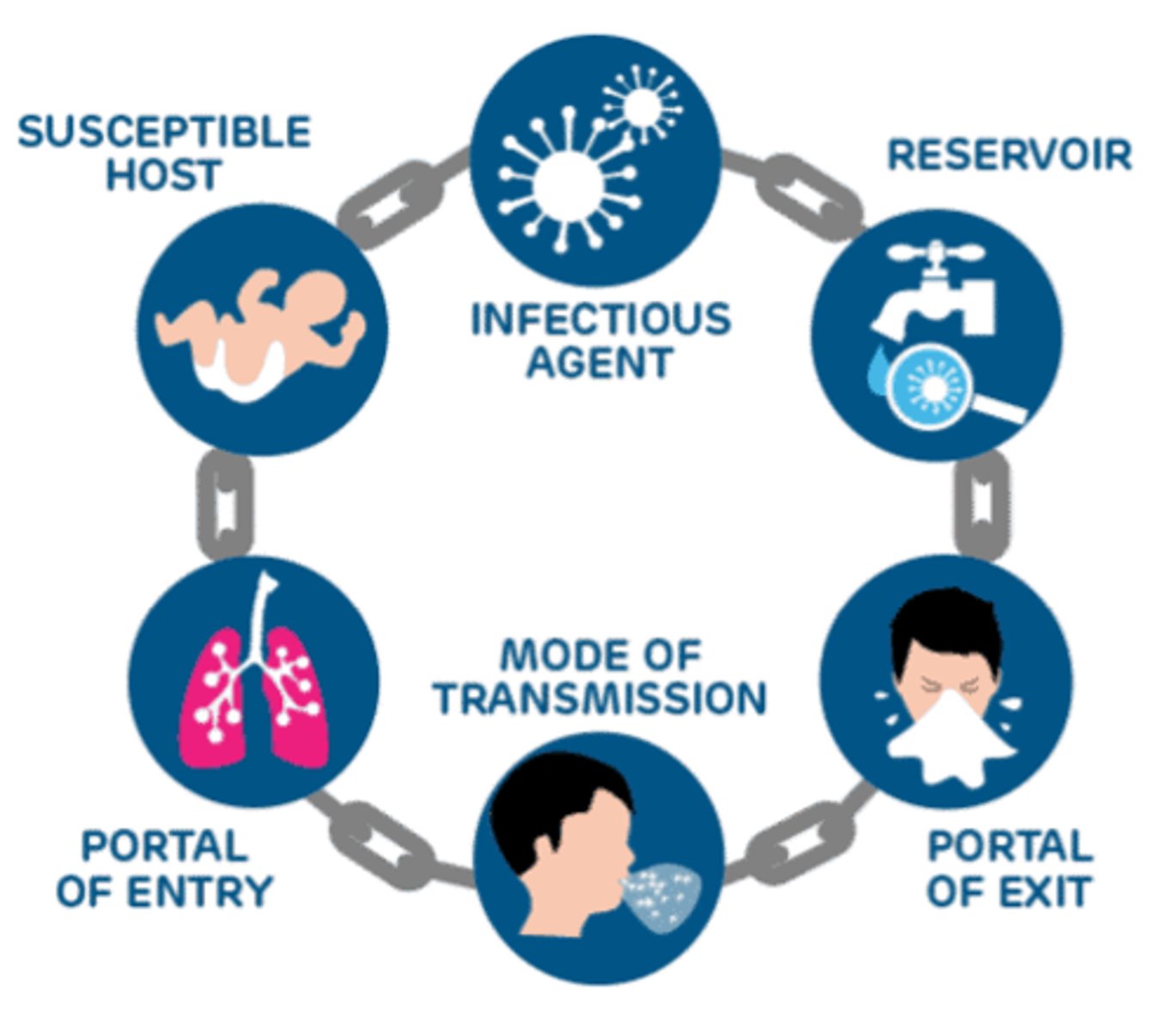
chain of infection (n)
the six-step process of an infection spreading from one host to the next
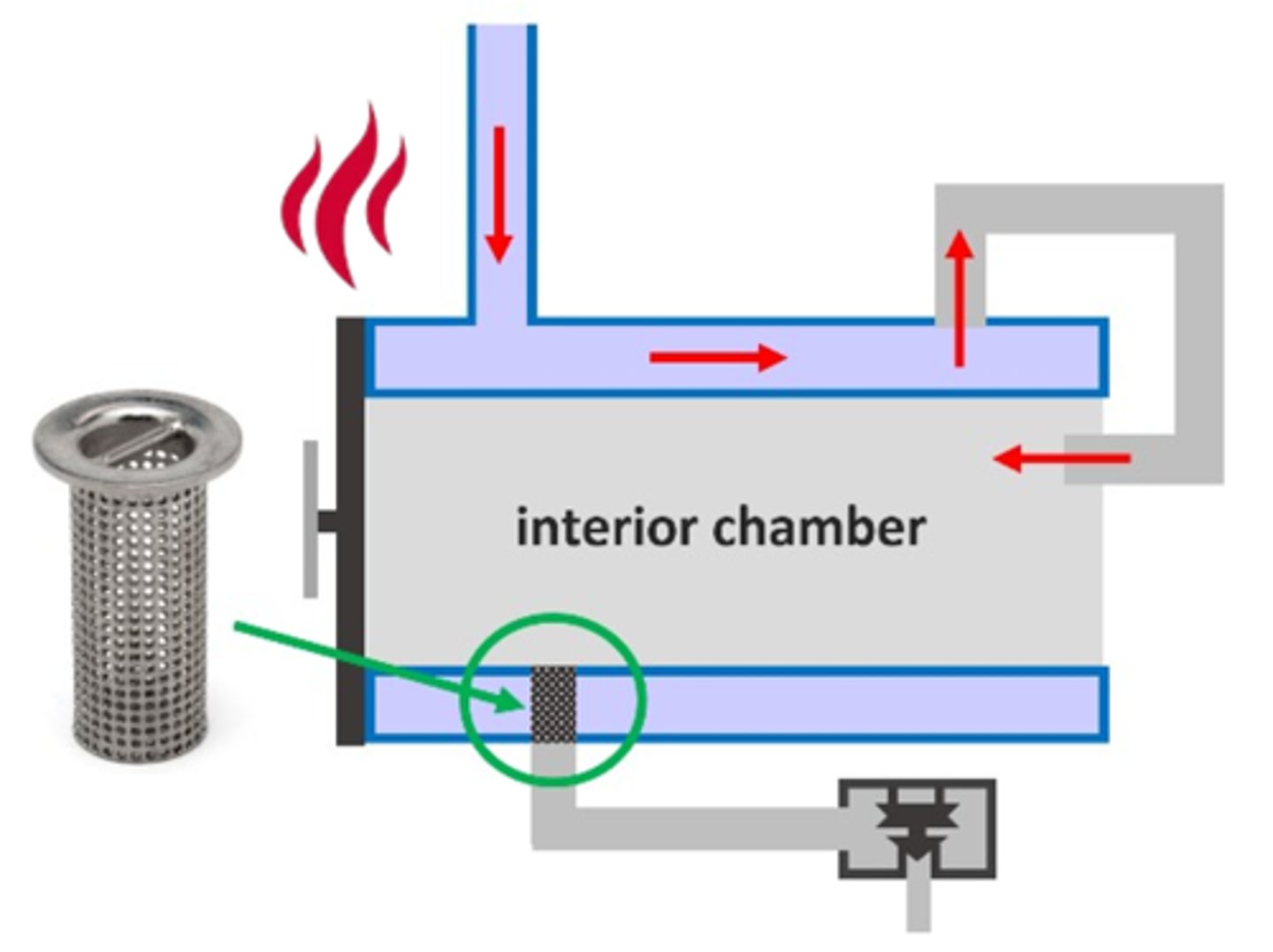
chamber drain screen (n)
a screen located on the floor of a steam sterilizer that catches debris as steam & air exit the interior chamber
chelating agents (n)
chemicals that hold hard water minerals in solution & prevent soap/ detergent from reacting with the minerals

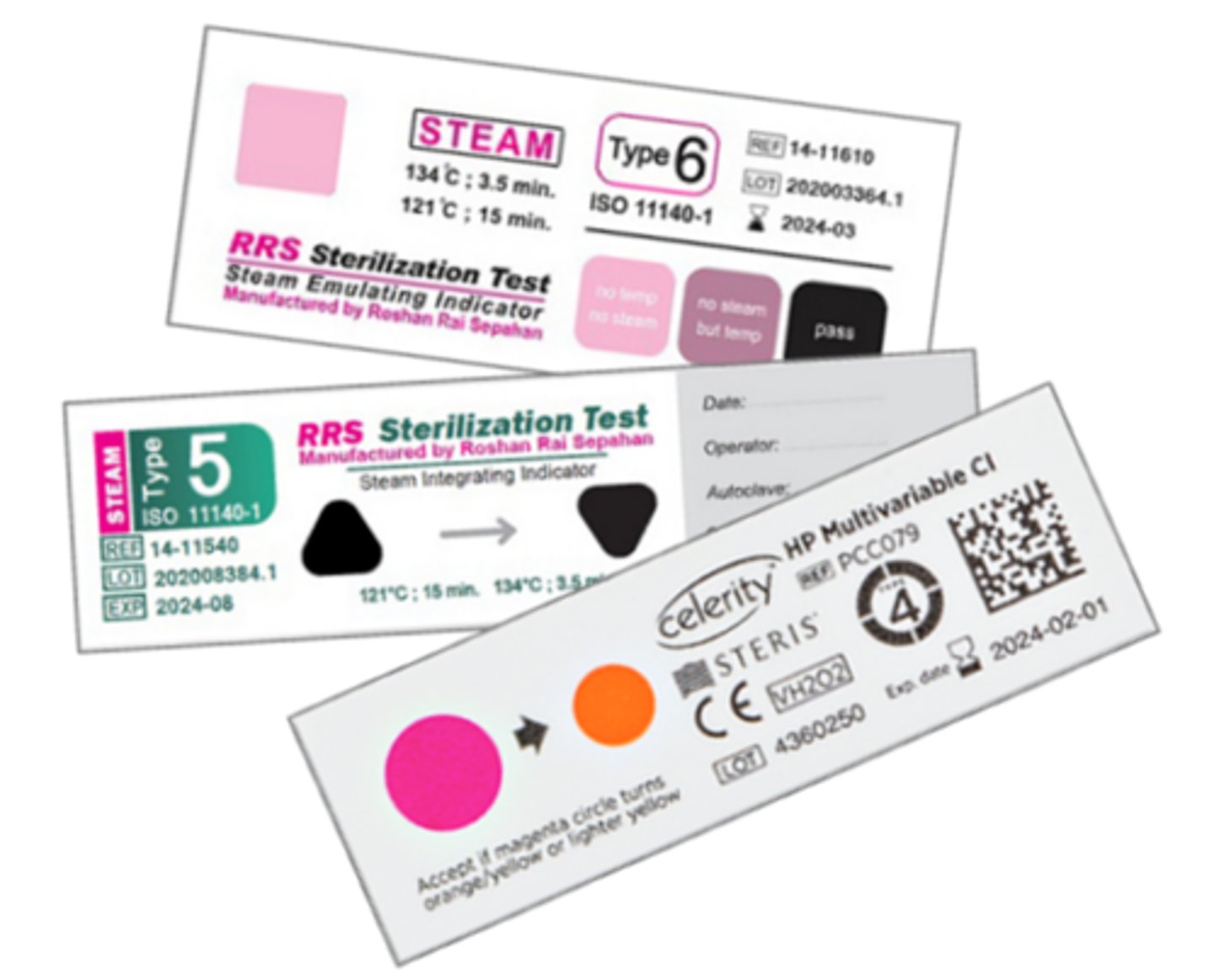
chemical indicators (CIs) (n)
small, disposable devices used to monitor sterilization that change color when sterilization parameters are successfully met
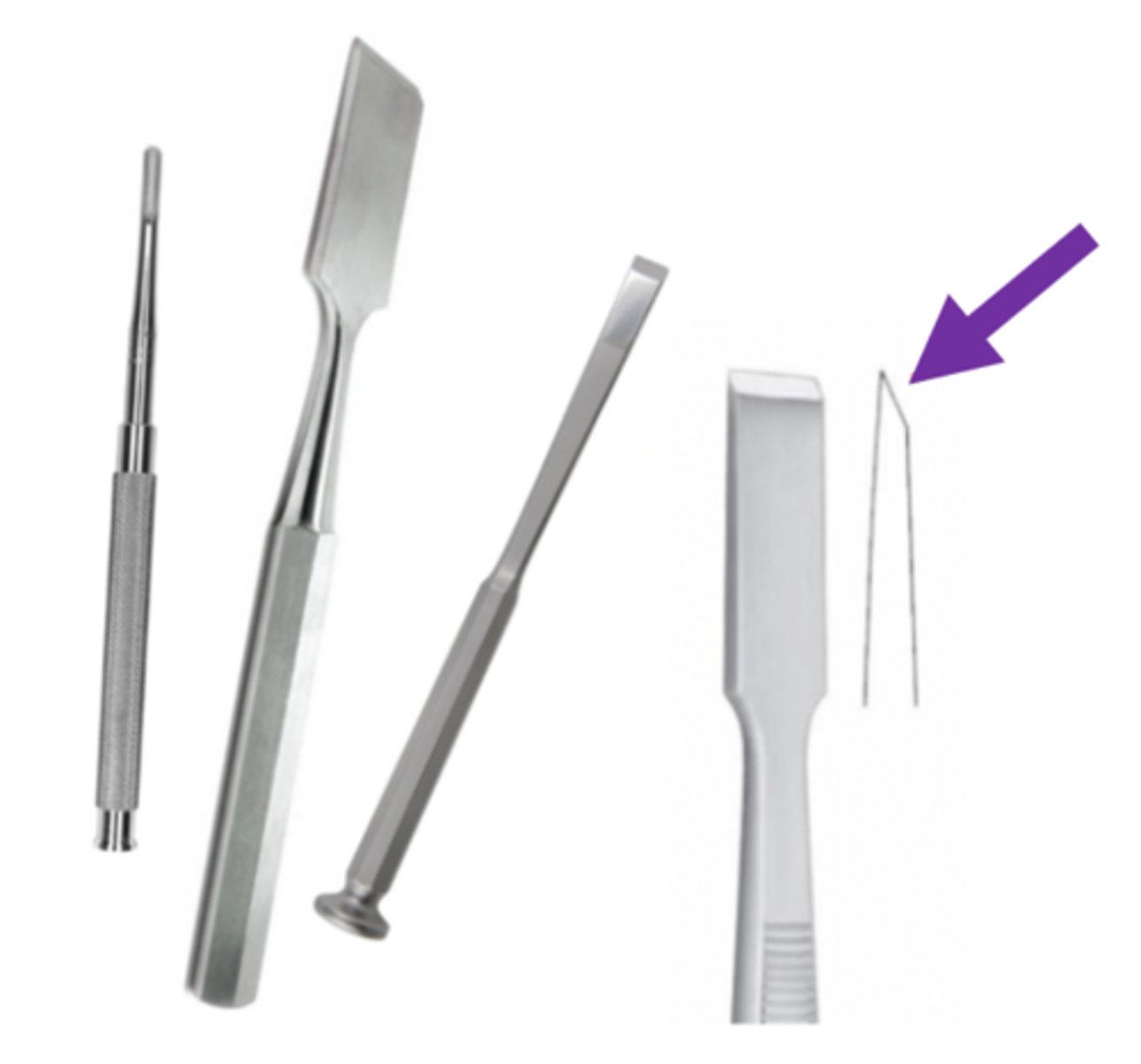
chisels (n)
wedge-shaped instruments used to cut or shape bone (400 series)
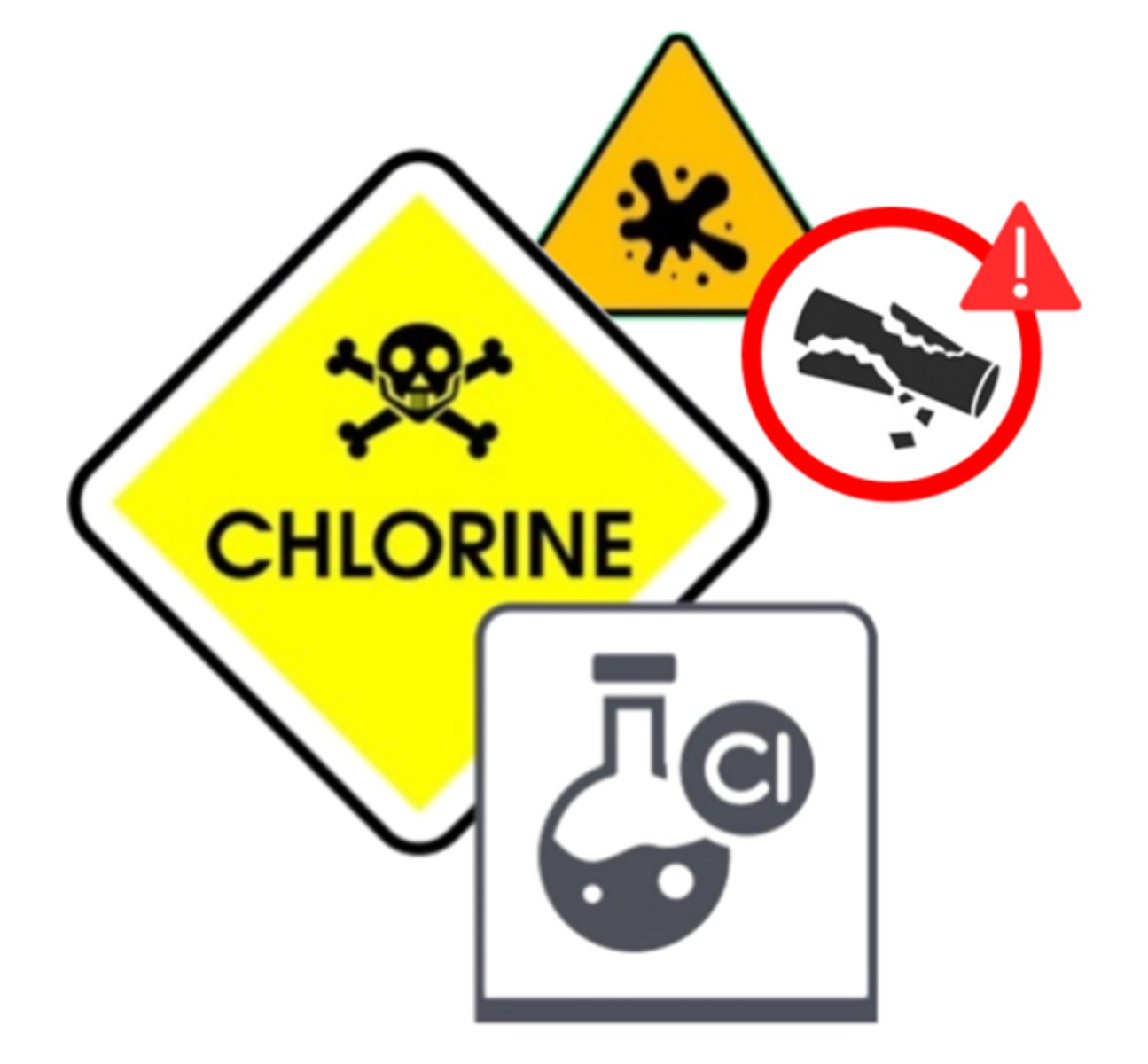
chlorine (n)
an intermediate-level disinfectant commonly used for water/sewage treatment & biohazard cleanup; not used for instrument cleaning because it can corrode metals & stain some materials (part of halogen family)
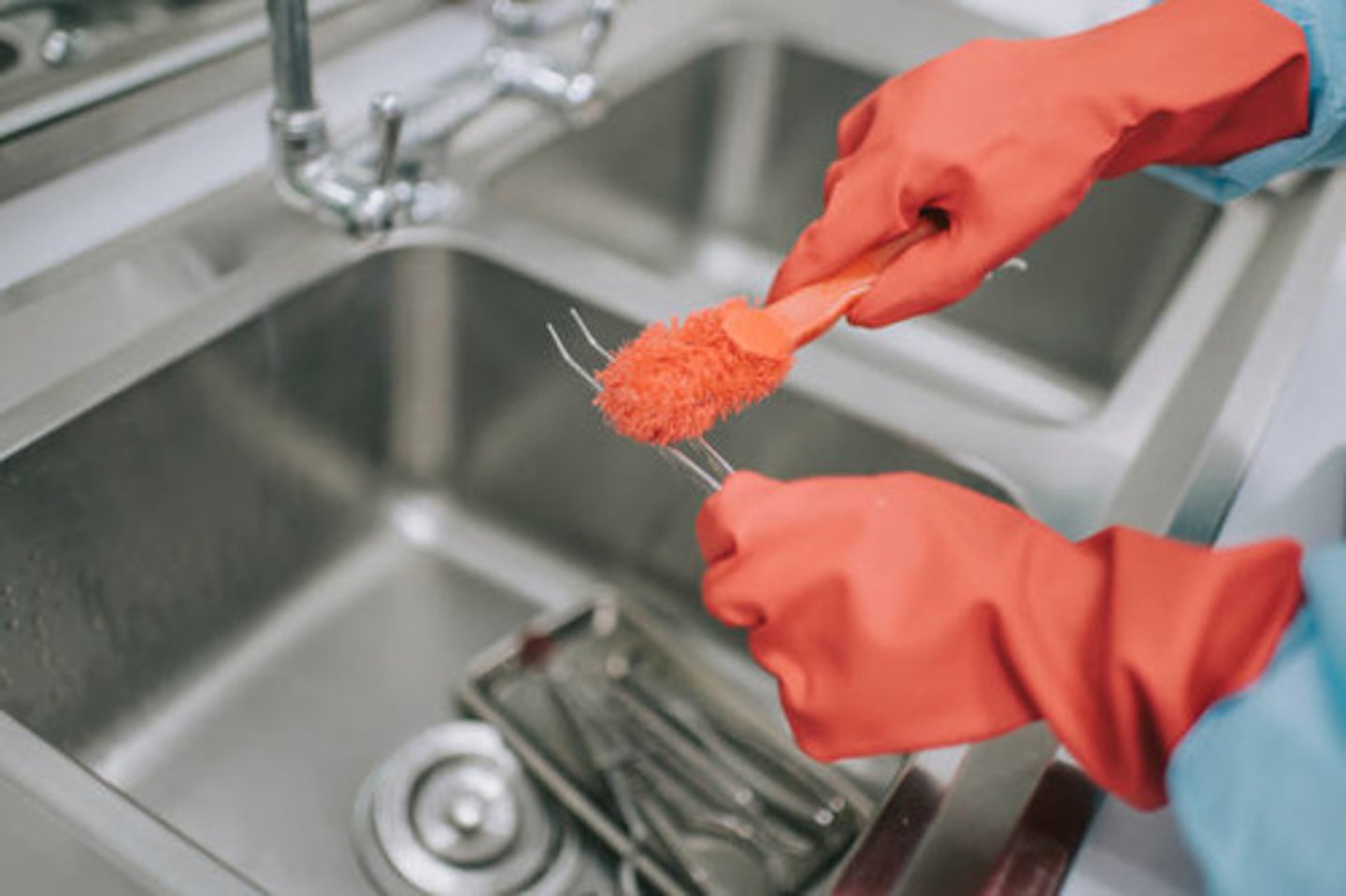
cleaning (n)
the removal of all visible & non-visible soil & any other foreign material from medical devices being processed
closed shelving (n)
storage shelving with closed doors that protects sterile packaging from multiple environmental & physical challenges (dust, traffic airflow, etc.)

clique (n)
an exclusive group of individuals who intentionally exclude others (informal employee group)

clinical information systems (n)
computerized systems that capture data directly related to patient care (patient registration, electronic medical records, diagnostic services, etc.)

closed-ended questions (n)
questions that can be answered with a very brief response, often just one or two words (yes/no, true/false, etc.)

cloud computing (n)
the practice of storing regularly used data on multiple servers that can be accessed through the internet

coaching (n)
a system of reinforcement used to encourage proper work behaviors, with positive reinforcement for appropriate behaviors & negative reinforcement for inappropriate behaviors (formal communication)

colonization (n)
a process that occurs when microorganisms live on or in a host organism but do not invade tissues or cause damage
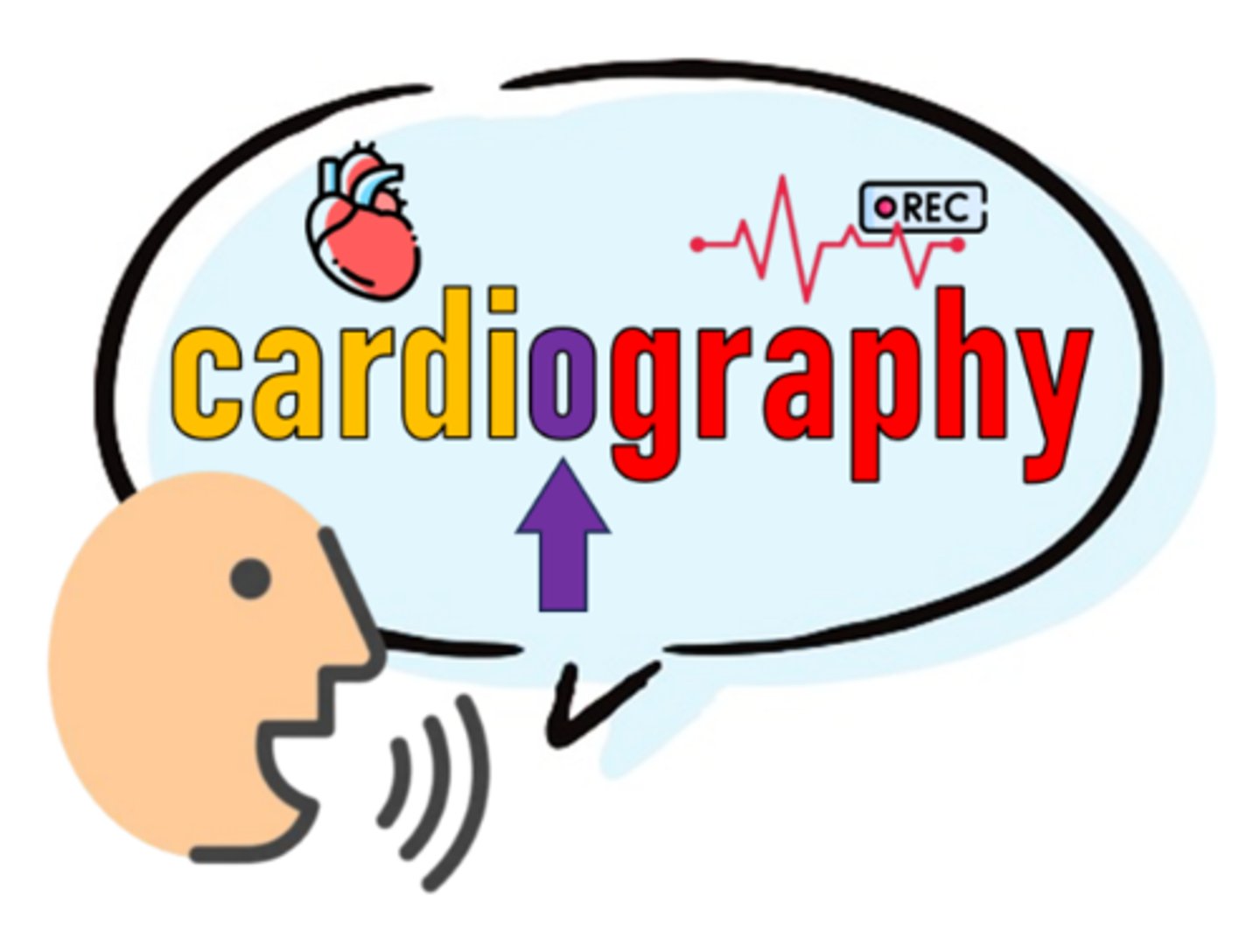
combining vowel (n)
a letter (usually "o") that is sometimes added after a root to help with pronunciation of medical terminology
combustible (adj)
able to catch fire & burn easily, highly flammable

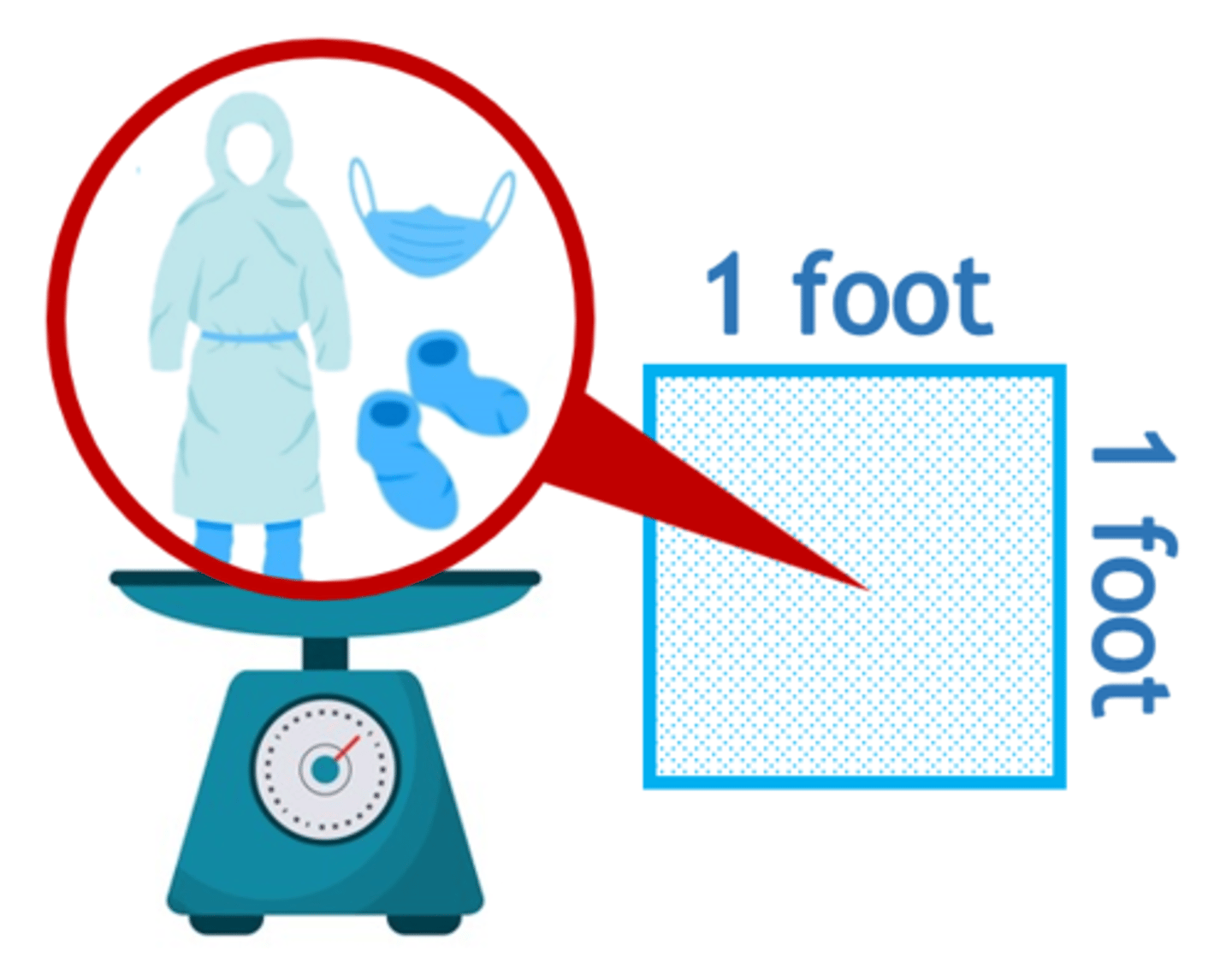
combustible load (n)
the weight of combustible materials per square foot of area where the materials are located
commercially sterilized packaging symbols (n)
symbols used by manufacturers to convey important product information on the labels of presterilized packages

communication (n)
the process of transmitting information & understanding from one person to another by use of words & non-verbal expressions (body language, gestures)

competencies (competency records) (n)
records that provide evidence that an employee understands specific tasks & is qualified to perform them

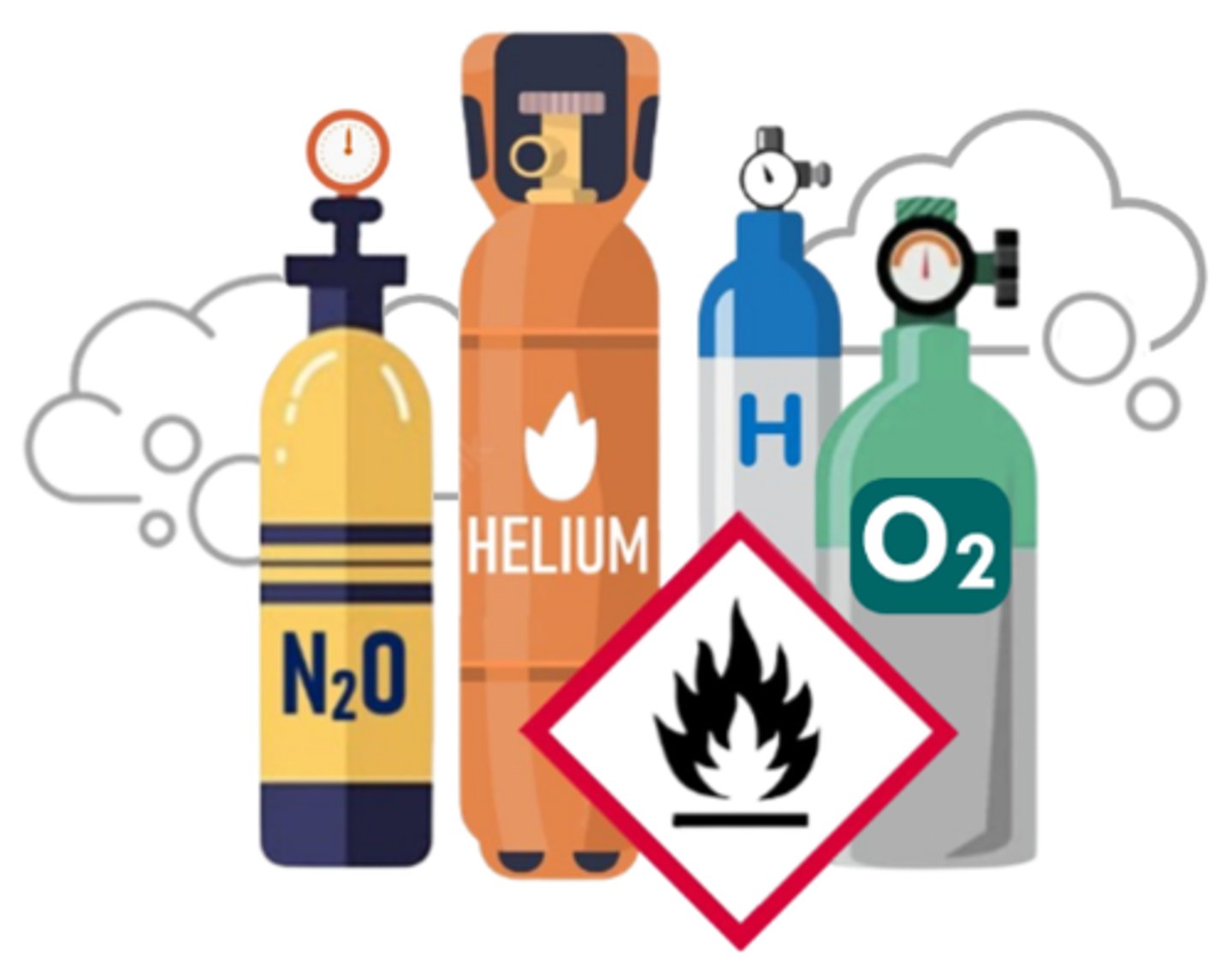
compressed gas cylinders (n)
containers of medical gas (oxygen, nitrous oxide, helium, nitrogen, etc.) dispensed for direct patient care & treatment or for use as equipment components
conditioning (n)
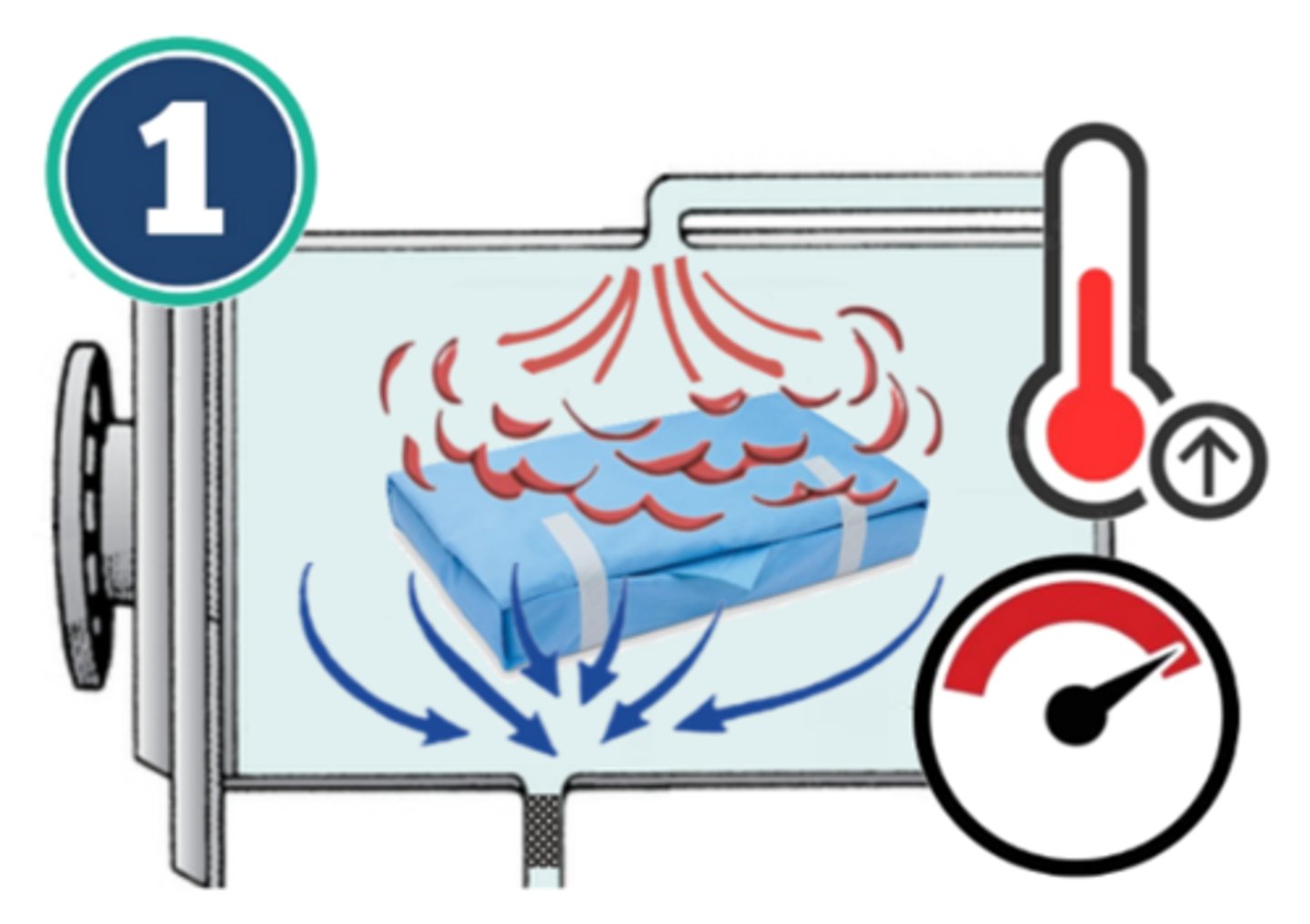
the first phase of a steam sterilization cycle; as steam enters the interior chamber & air is displaced through the drain, pressure & steam temperature begin to rise
consignment inventory (n)
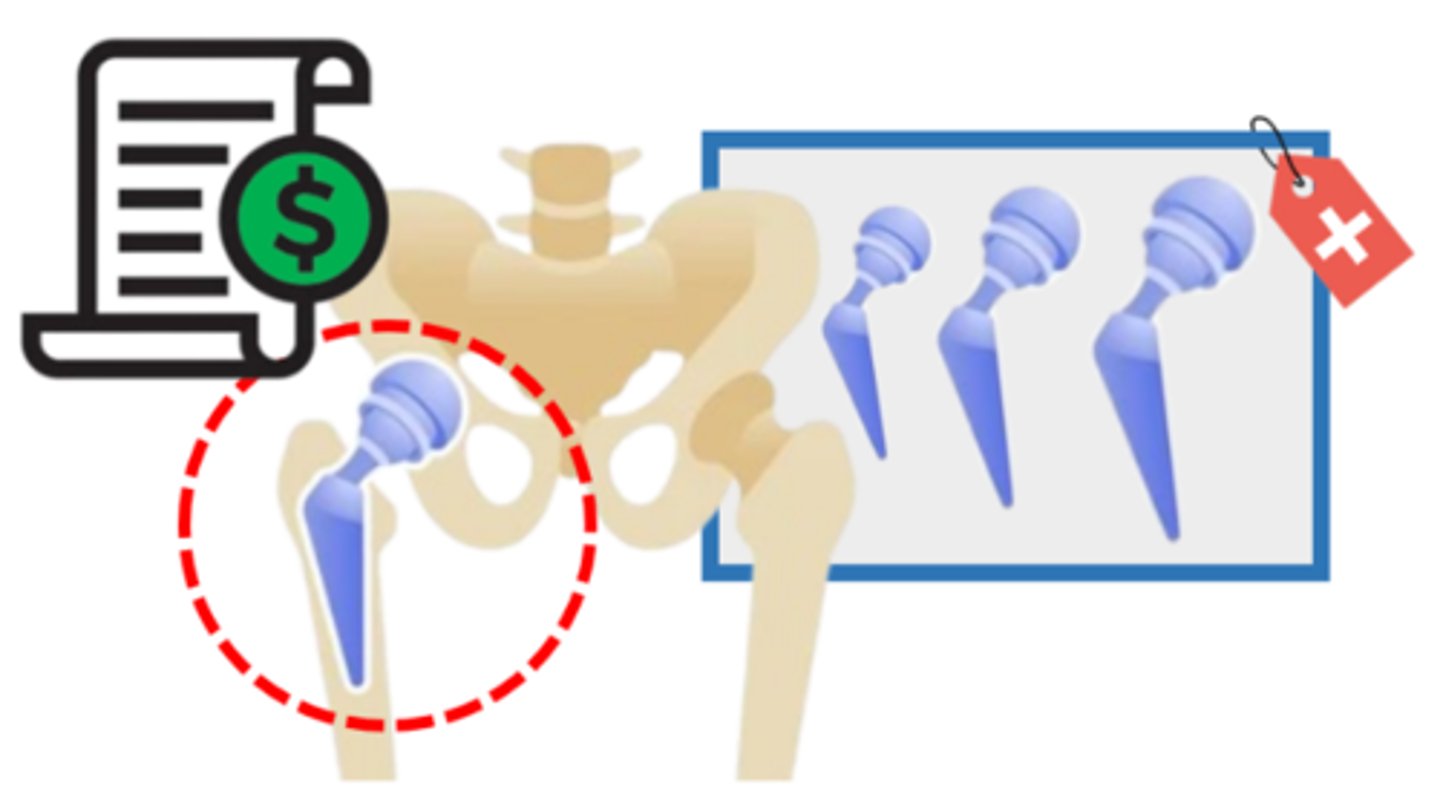
an inventory system where items are provided to a healthcare facility by a vendor but not charged to the facility until they are used
consumable inventory (n)
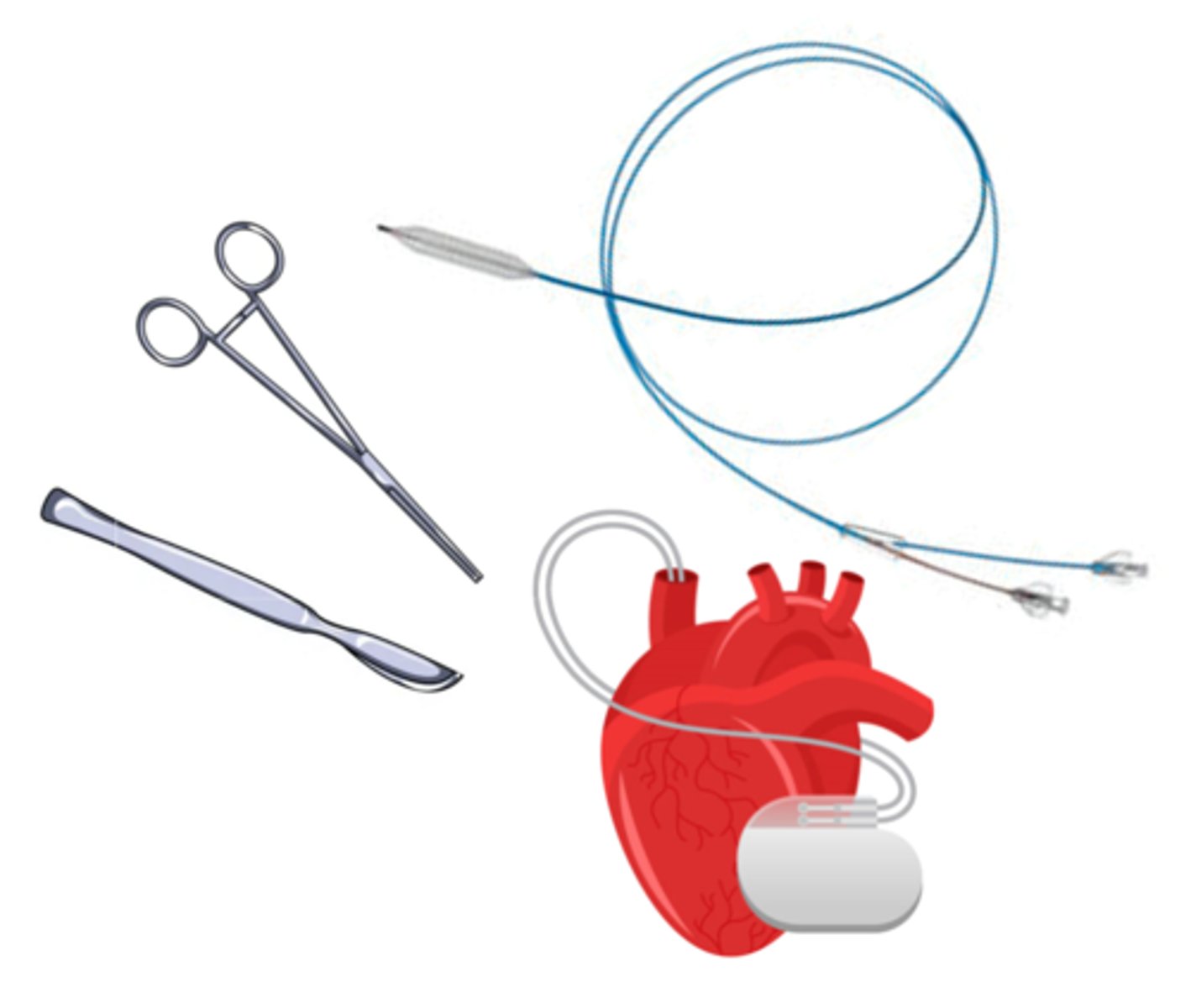
items that are consumed (used) as healthcare services are provided to patients (wrapping supplies, processing chemicals, etc.)

contact (n)
the direct exposure of steam to the entire surface of the device being sterilized, essential for proper sterilization & the most common reason for sterilization failure

contact stress (n)
continuous pressure between the body & a sharp edge (ergonomic stressor)

contamination (n)
the state of being soiled by contact with infectious organisms or other materials

Continuous Quality Improvement (CQI) (n)
a quality assurance program that follows a scientific approach, applying statistical methods to improve work processes
critical items (n)
instruments or devices introduced directly into the bloodstream or other sterile areas of the body; must be sterilized before use
critical water (n)
water that is extensively treated to ensure that microorganisms & any organic or inorganic materials are removed

cross-functional team (n)
a group of employees from different departments within a facility that works together to resolve operating problems (formal employee group)

curriculum vitae (CV) (n)
an in-depth academic summary of an individual's experience, skills, & accomplishments, typically provided by professionals with extensive experience

customer (internal) (n)
the physicians, nurses, & other professional personnel served by SP staff
cytoplasm (n)
the clear, jelly-like substance that fills a cell (the material between the cell membrane & nucleus)