Unit 2 Gradesavers
 Call Kai
 Learn
Learn Practice Test
 Spaced Repetition
 Match
Match Flashcards
 Knowt Play
1/56

There's no tags or description
Looks like no tags are added yet.
Name | Mastery | Learn | Test | Matching | Spaced | Call with Kai | Chat |
|---|
No analytics yet
Send a link to your students to track their progress
57 Terms
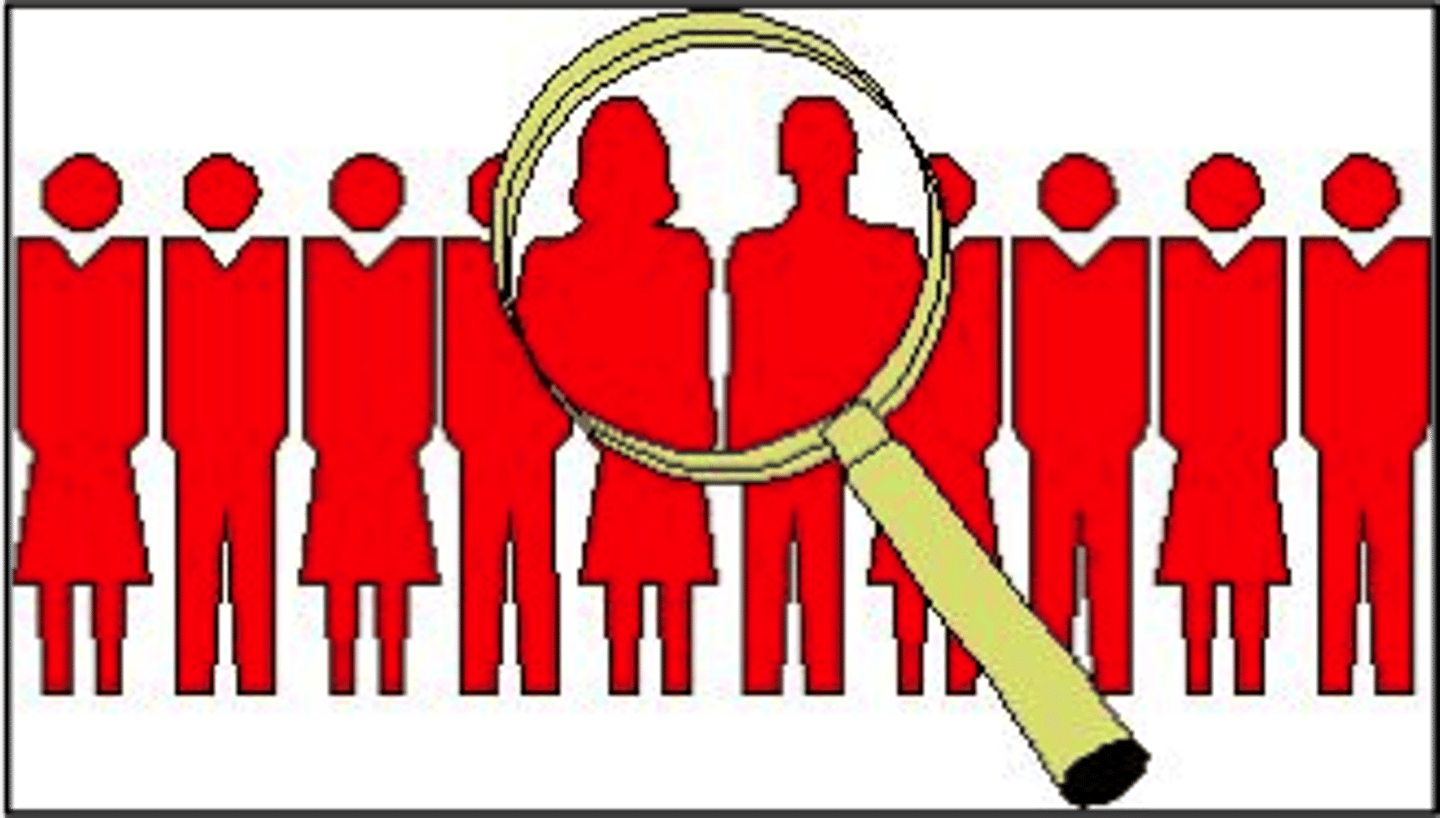
Demography
A demographic refers to distinct characteristics of a population. Researchers use demographic analysis to analyze whole societies or just groups of people. Some examples of demographics are age, sex, education, nationality, ethnicity, or religion, to name a few.
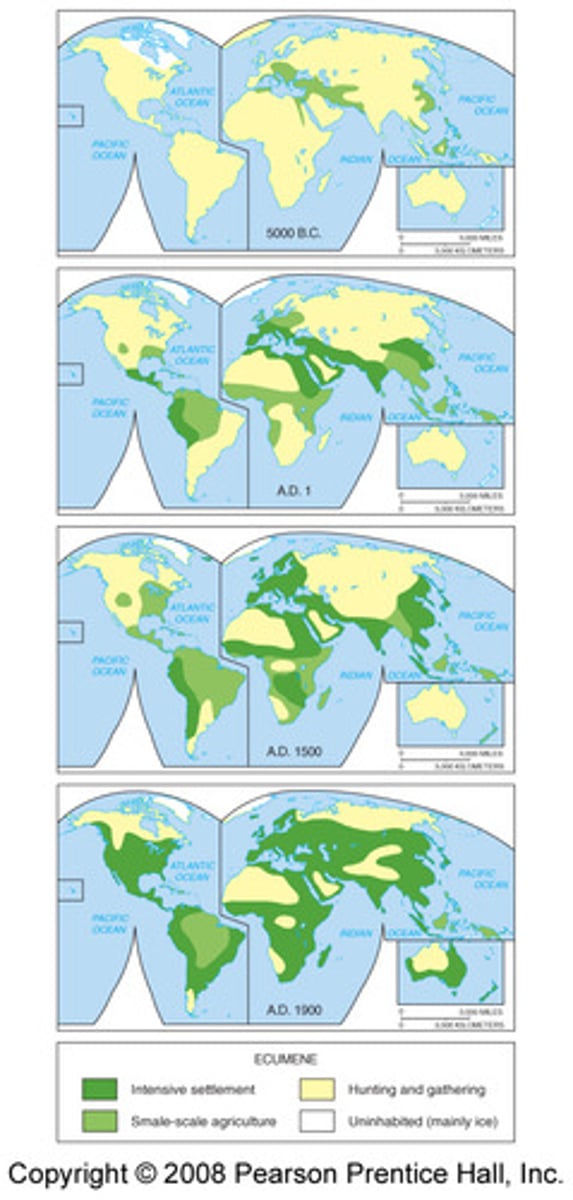
Ecumene
The portion of Earth's surface occupied by permanent human settlement. An example of an ecumene would be urban areas or cities with dense populations. These areas are characterized by high levels of human habitation, infrastructure, and economic activity.
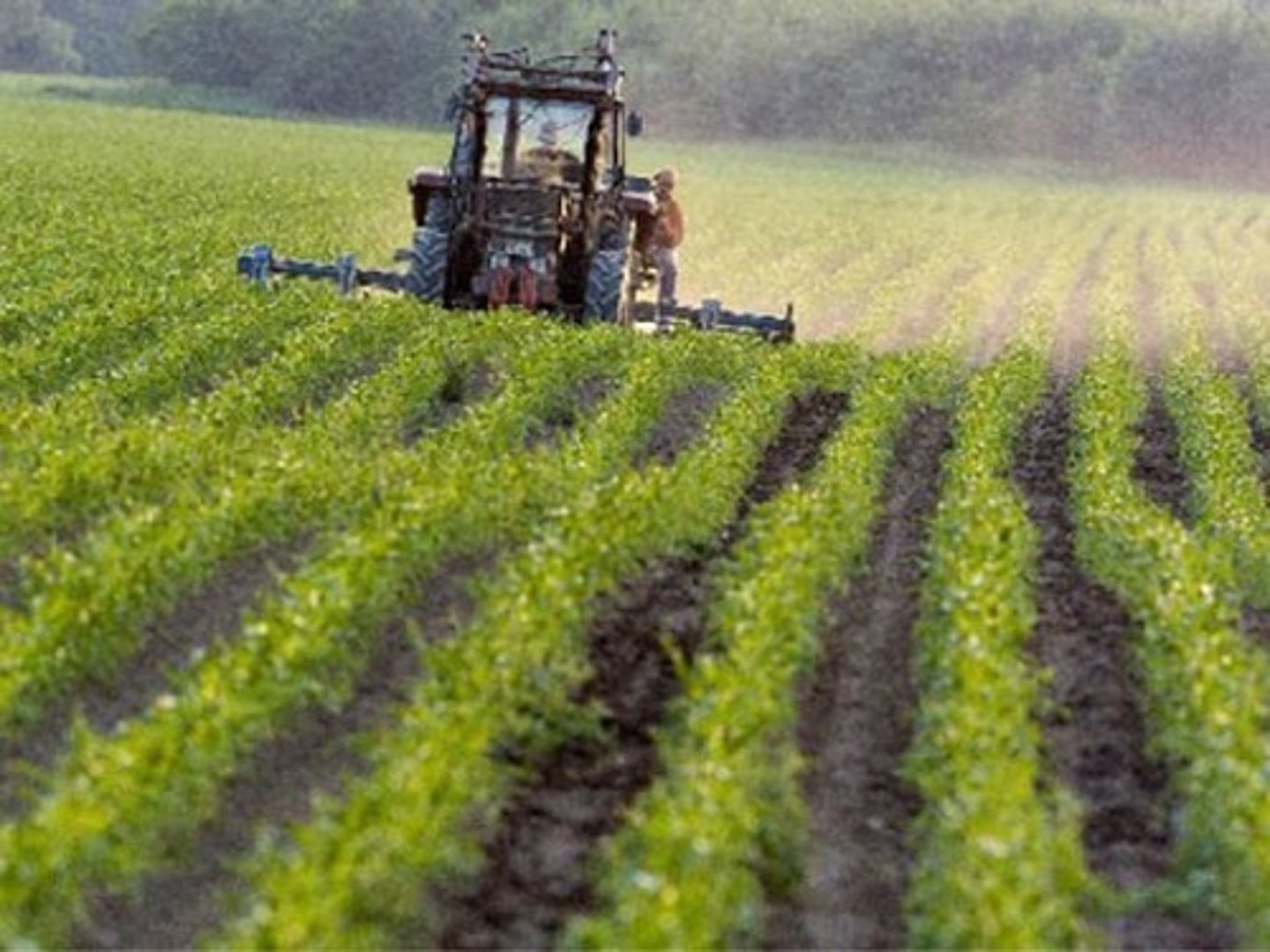
Arable Land
Land suitable for growing crops. Examples of arable land include: Fields: Arable land can include fields of wheat, corn, soybeans or other crops that help sustain life.
Arithmetic Density
The total number of people divided by the total land area. An example of arithmetic density would be calculating the population density of a city by dividing the total population of that city by its total land area, resulting in a figure like "2,500 people per square mile" - meaning there are an average of 2,500 people living in every square mile of the city.
Physiological Density
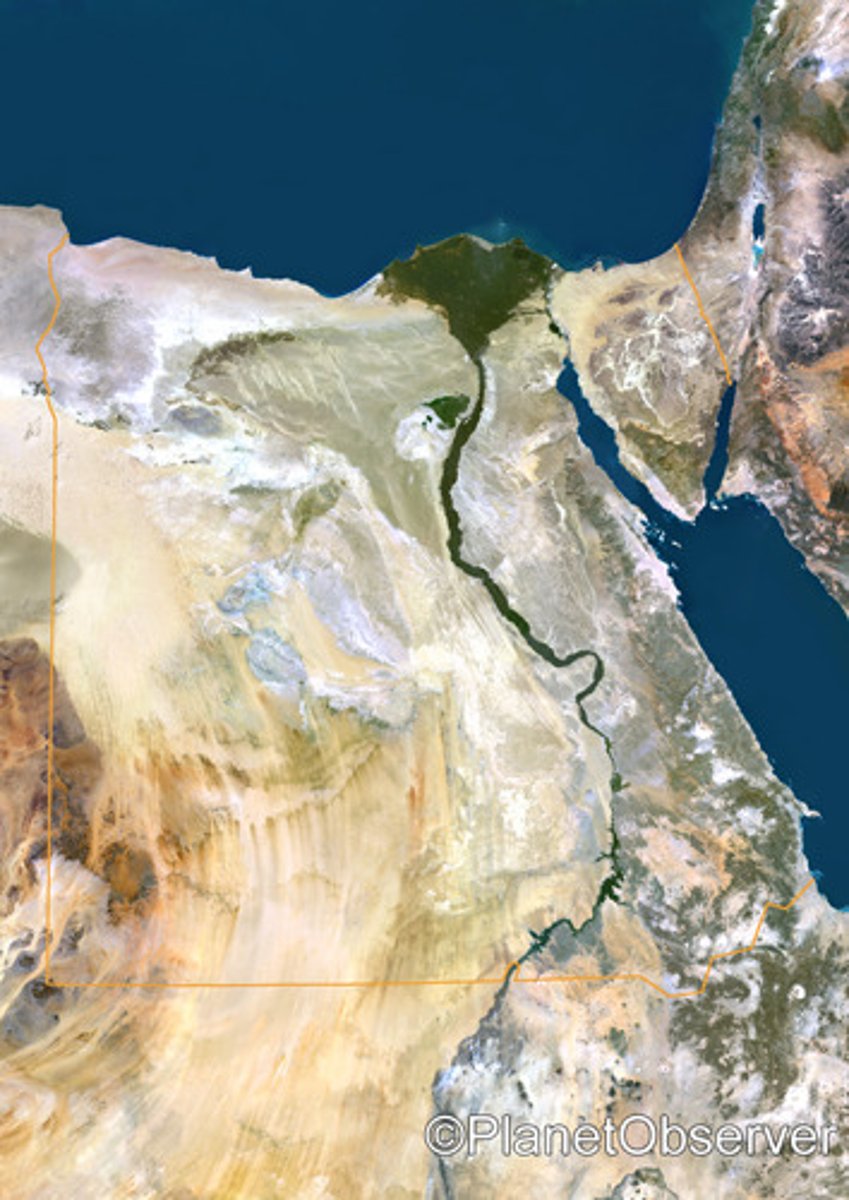
The number of people per unit of area of arable land, which is land suitable for agriculture. A prime example of physiological density is Egypt, where a large population is concentrated along the narrow Nile River valley, meaning most people rely on a small area of arable land for sustenance. While Egypt may not have a high overall population density when considering the entire landmass, its physiological density is very high due to the limited arable land.
Agricultural Density
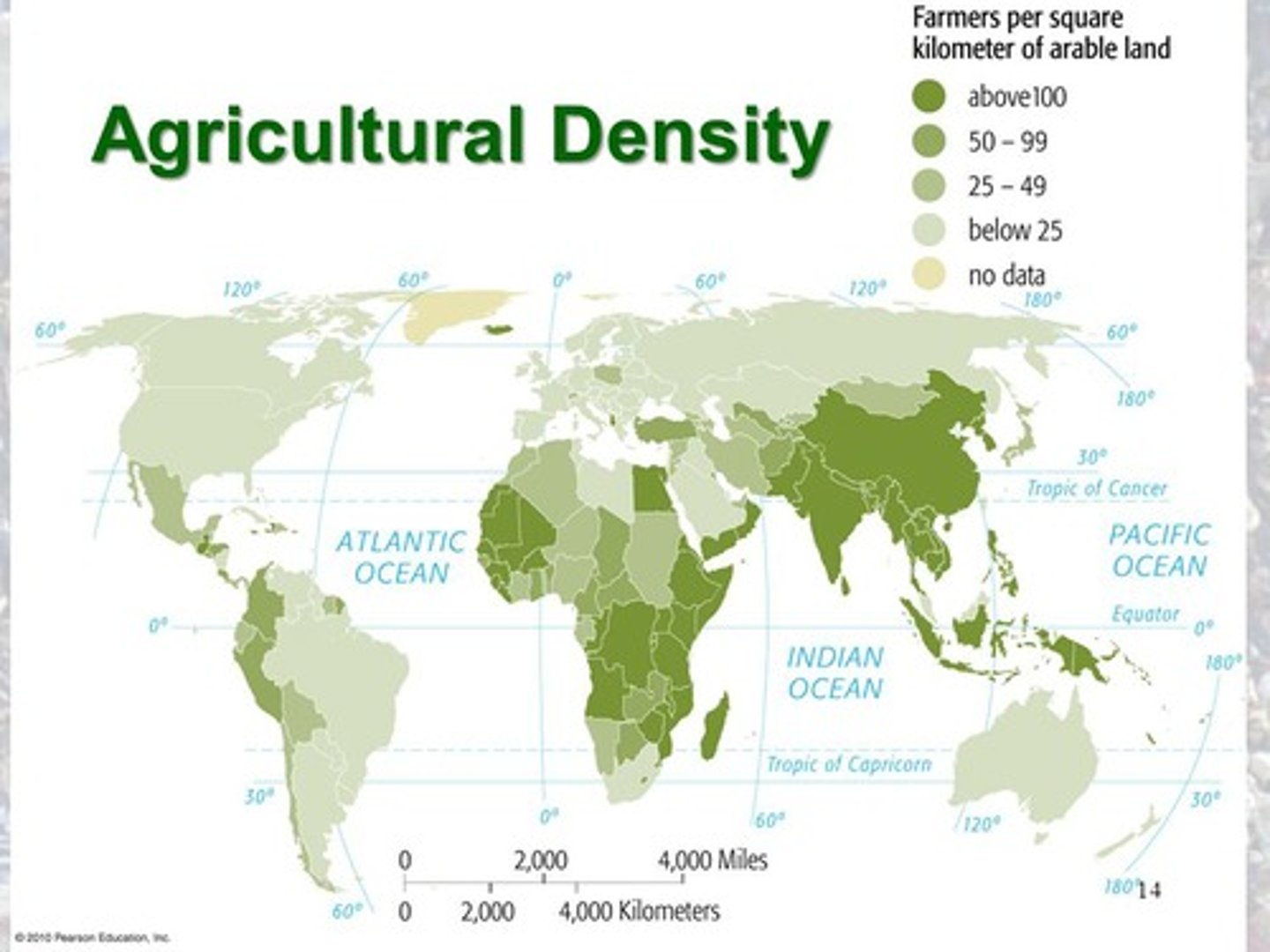
The ratio of the number of farmers to the total amount of land suitable for agriculture. An example of agricultural density would be a country like Egypt, where a large portion of the population relies on a relatively small area of arable land for farming, resulting in a high number of farmers per square kilometer of farmable land, signifying a high agricultural density compared to a country like the United States with a larger landmass and fewer farmers per unit of arable land; essentially, Egypt has a higher "pressure" to produce food from its available farmland due to its high agricultural density.
Social Stratification
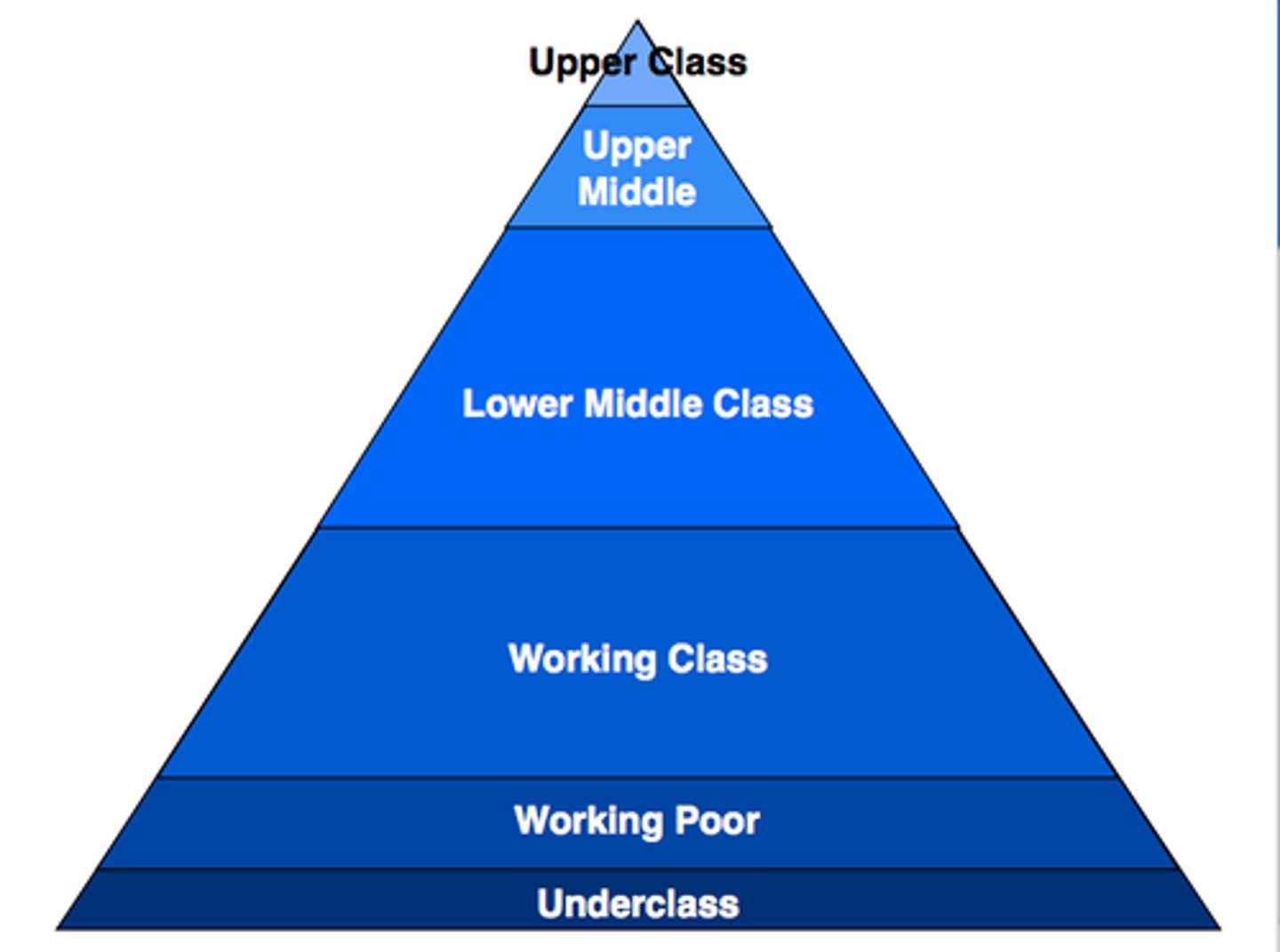
The division of society into groups arranged in a social hierarchy. Examples of Social Stratification include Apartheid in South Africa: A system where people were categorized and segregated based on race, with the white population holding significant power over the non-white population. Also, The modern class system in the United States: Where individuals are categorized into social classes based on factors like income, education, and occupation, with the upper class having greater access to resources and opportunities compared to the lower class. Also, Slavery: A historical system where people are considered property and have no social mobility. Finally, the Feudal systems in medieval Europe:
Where society was divided into nobility, clergy, and commoners, with each group having different rights and responsibilities.
Overpopulation
The number of people in an area exceeds the capacity of the environment to support life at a decent standard of living. Strain on resources: Overpopulation can lead to a strain on resources like water, arable land, and forests. For example, in Kenya, the growing population has led to water scarcity and soil degradation.
Food shortages: Overpopulation can lead to food shortages. For example, in developing countries, farmers may not be able to produce enough food for themselves and for sale.
Poverty and inequality: Overpopulation can exacerbate poverty and inequality. For example, in Kenya, limited employment opportunities cannot keep pace with the growing labor force.
Human suffering: Overpopulation can lead to human suffering. For example, in Pakistan, people are forced to live in dangerous areas due to overpopulation.
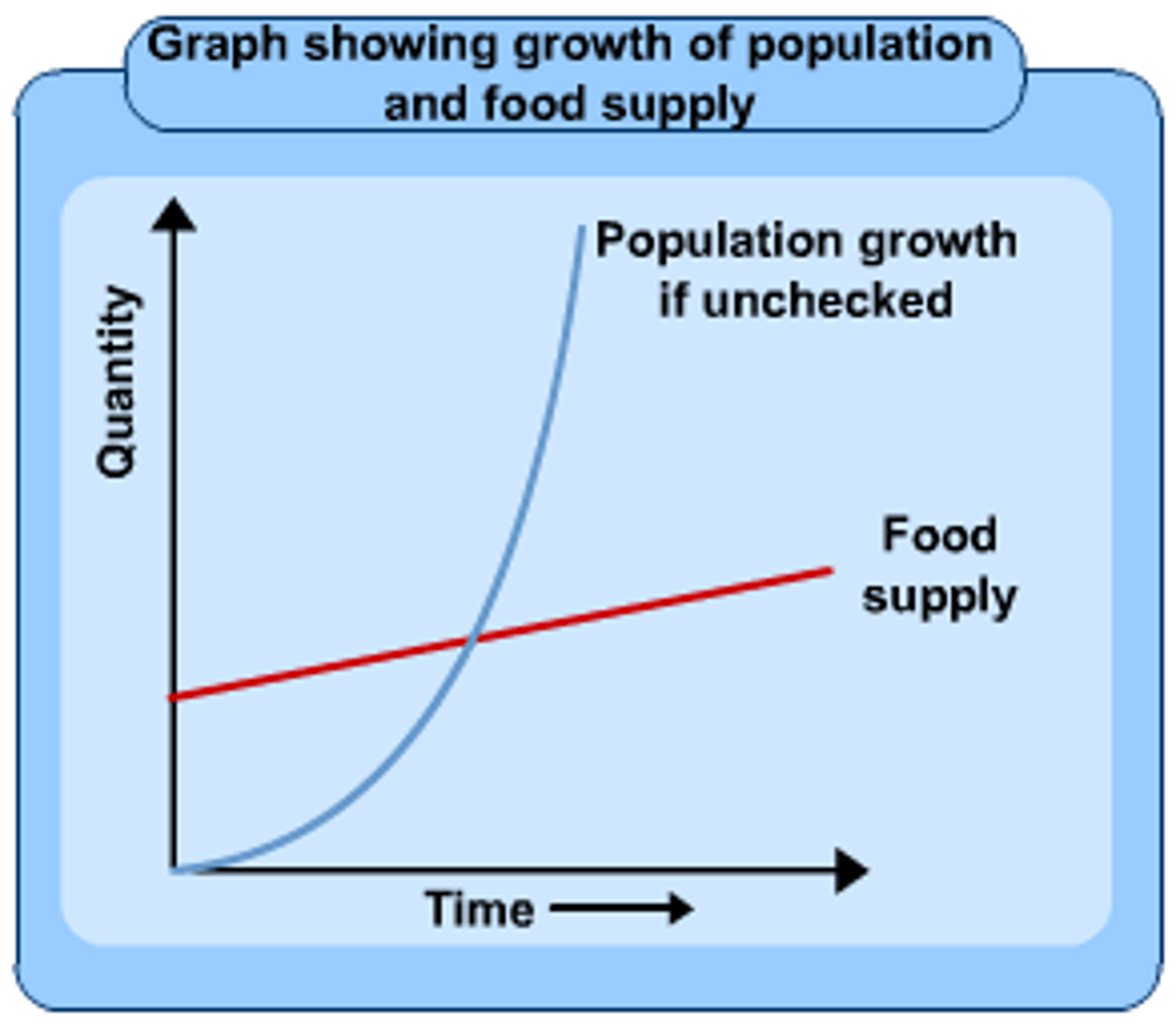
Carrying Capacity
Largest number of individuals of a population that an environment can support. A classic example of carrying capacity is a pasture with cattle, where the maximum number of cattle that can be sustained by the available grass represents the carrying capacity; if too many cattle graze in the area, they will overgraze and the pasture can no longer support the population, illustrating how exceeding carrying capacity can lead to negative consequences for the population.
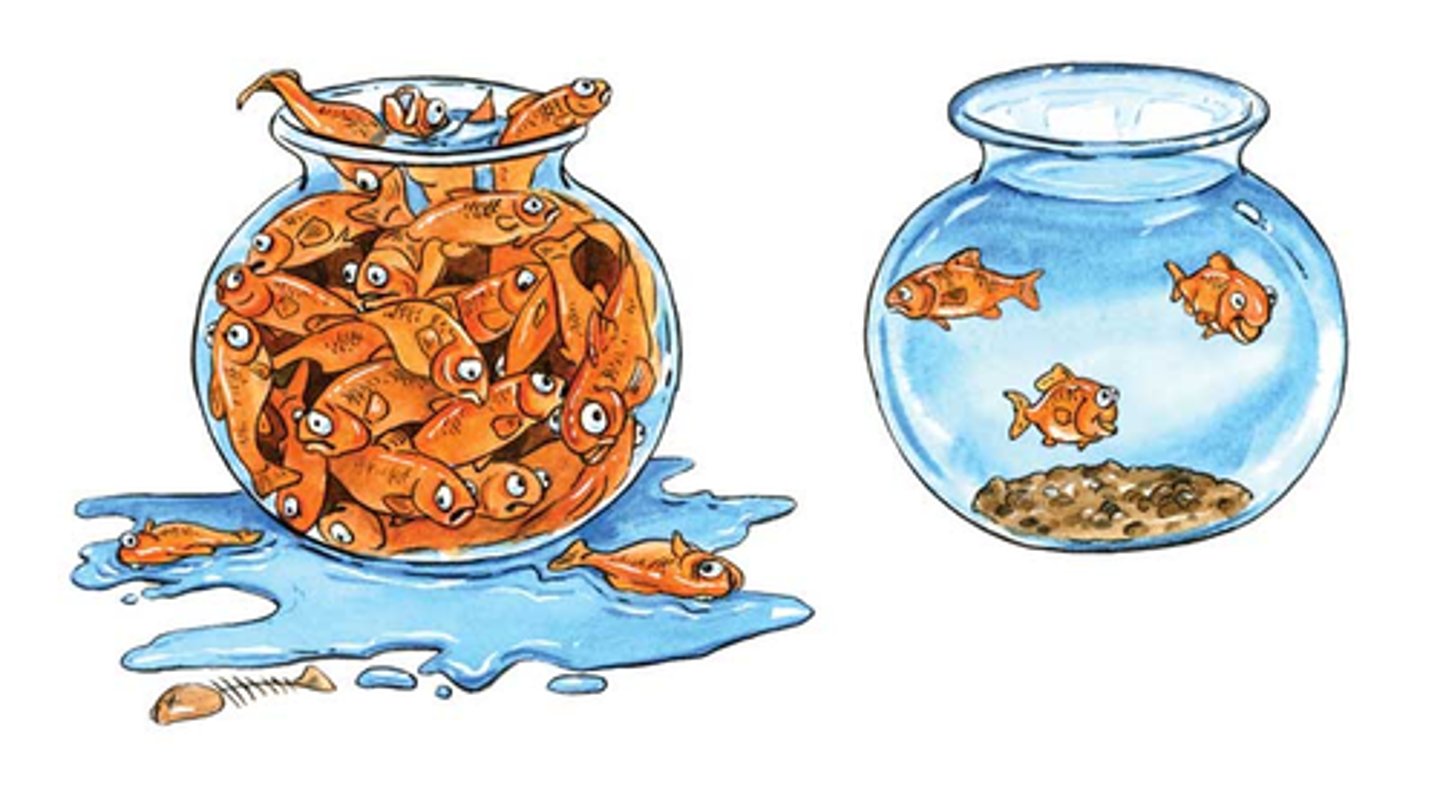
Redistricting
The redrawing of congressional and other legislative district lines following the census, to accommodate population shifts and keep districts as equal as possible in population. For example, In the U.S. all members of the U.S. House of Representatives and the state legislatures are elected by people living in the legislative districts. The district boundaries are redrawn every 10 years based on the population counts of the United States census.
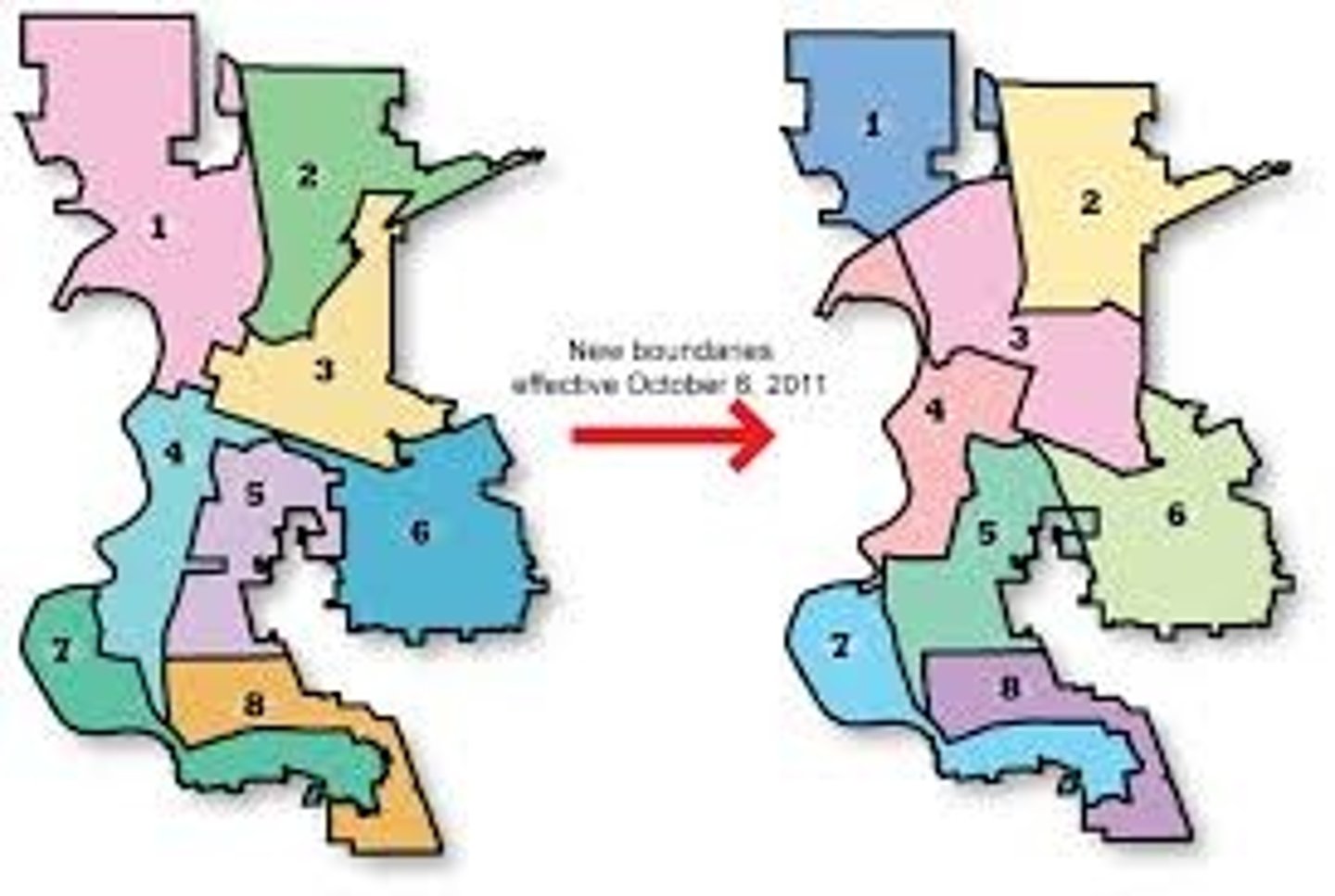
Population Pyramid
A bar graph representing the distribution of population by age and sex. A typical example of a population pyramid would be a graphical representation showing a wide base with a large number of young people, tapering towards the top with a smaller number of elderly people, which is usually seen in developing countries with high birth rates and high mortality rates
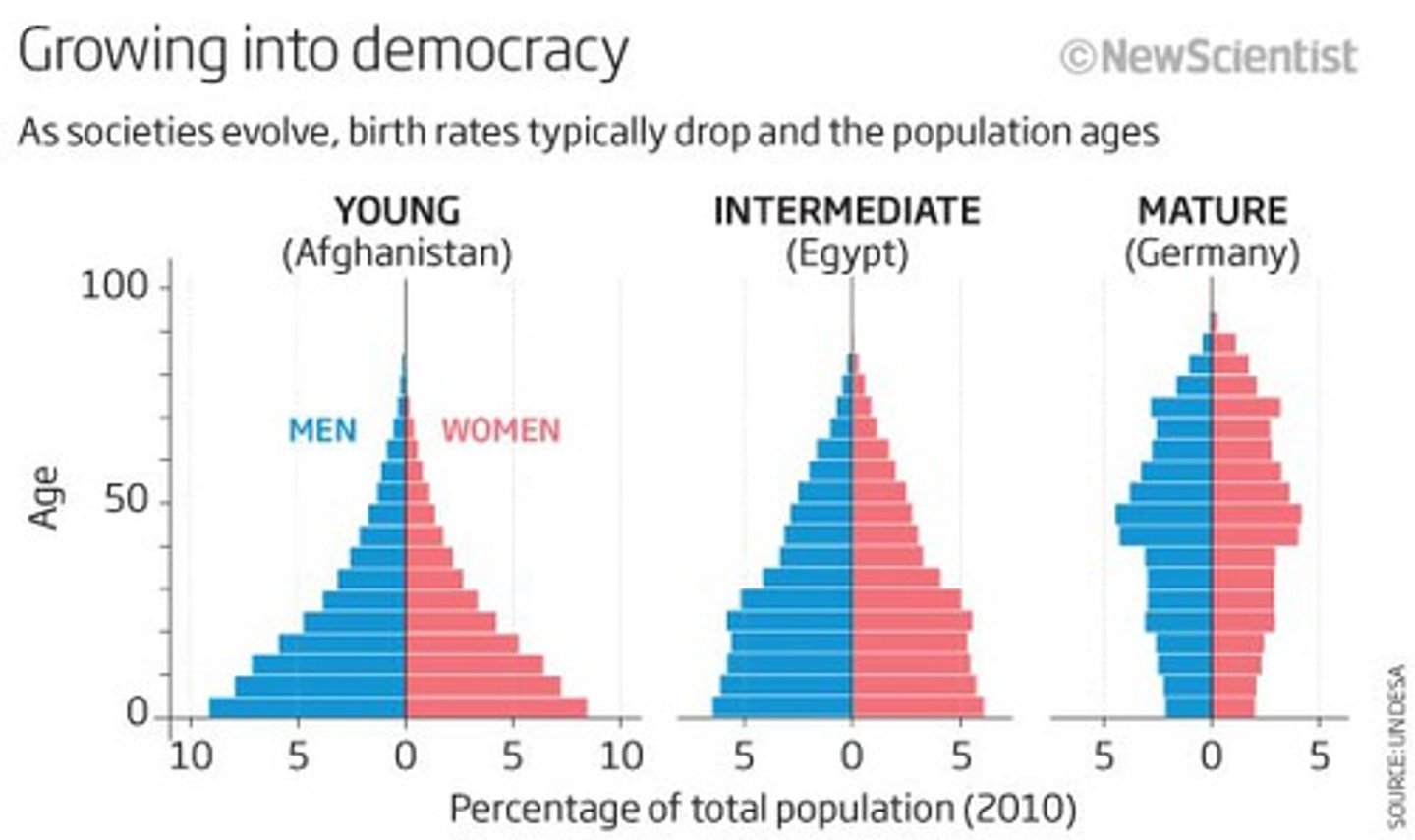
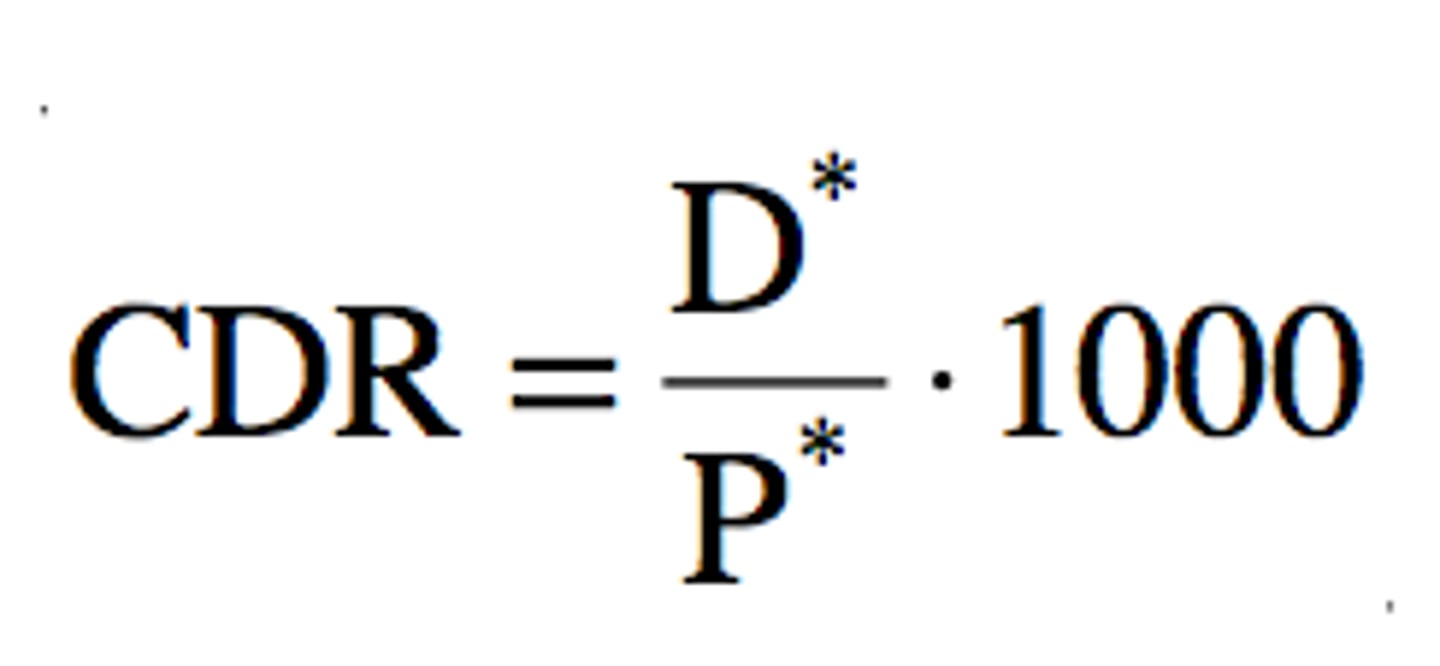
Crude Death Rate (CDR)
The total number of deaths in a year for every 1,000 people alive in the society. The crude death rate in Hertford County, North Carolina from 1991 to 1995 was 11.9 deaths per 1,000 people per year. This was calculated by dividing the 1,336 deaths by the sum of the estimated mid-year populations of 1991-1995.
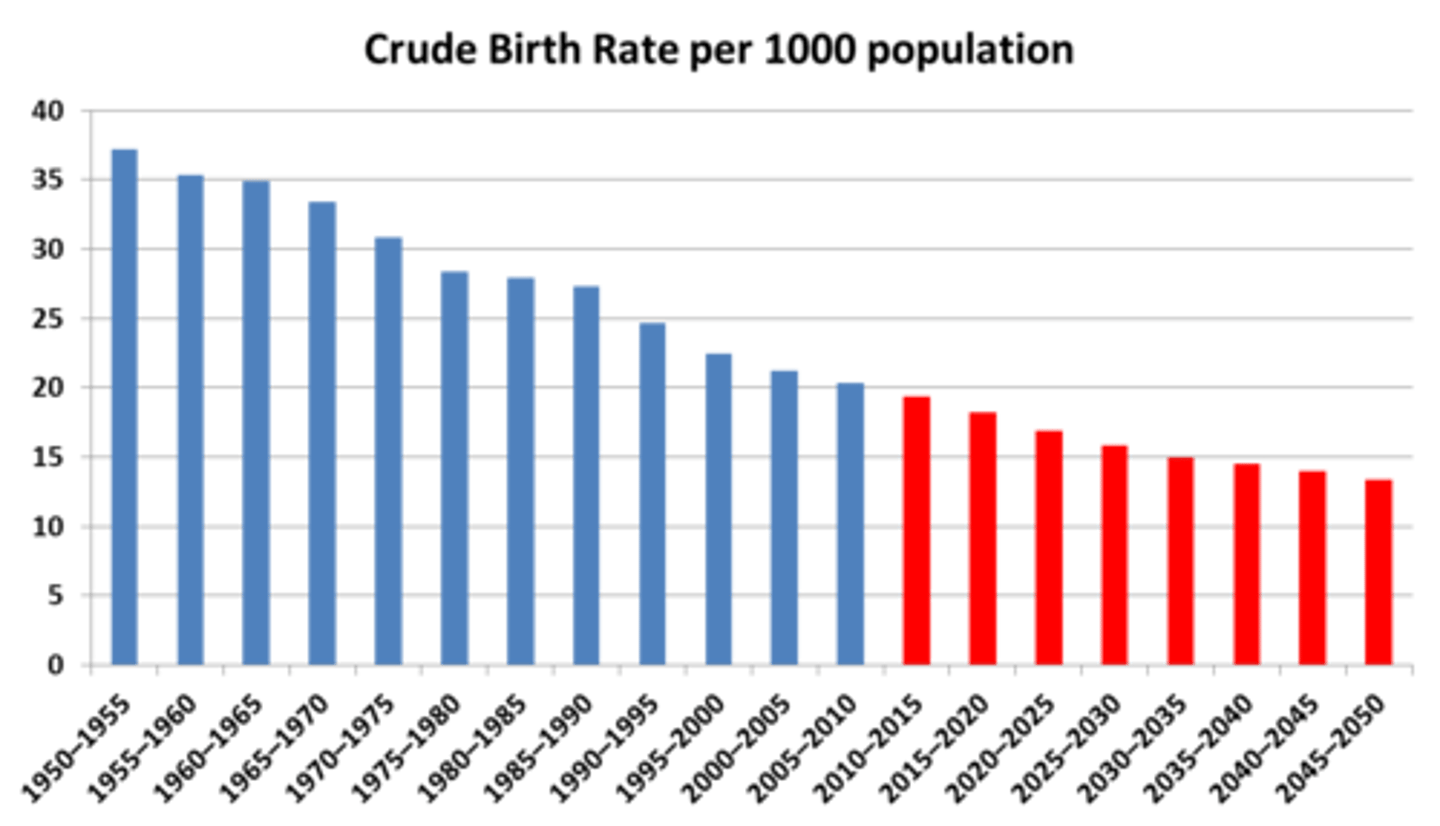
Crude Birth Rate (CBR)
The total number of live births in a year for every 1,000 people alive in the society. For Example, if a country has a population of 1 million people and 15,000 babies were born in a year, the crude birth rate would be calculated as 15 births per 1,000 people, as you divide the number of births (15,000) by the population (1 million) and multiply by 1,000; essentially meaning for every 1,000 people, 15 babies were born that year.
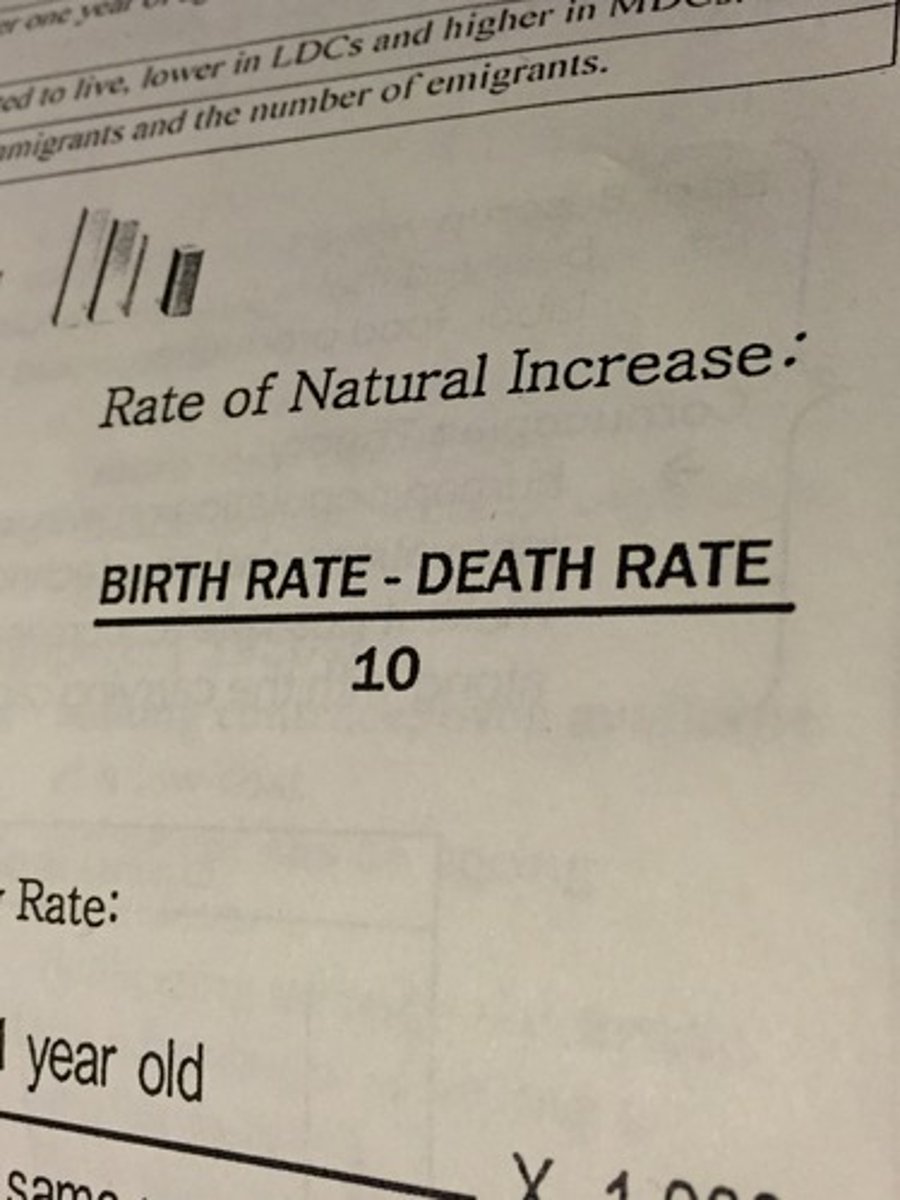
Natural Increase Rate (NIR)
The percentage growth of a population in a year, computed as the crude birth rate minus the crude death rate. For Example, a country with a birth rate of 20 per 1,000 people and a death rate of 5 per 1,000 people, resulting in a natural increase rate of 15 per 1,000, or 1.5% - meaning the population is naturally growing by 1.5% due to more births than deaths; this is calculated by subtracting the death rate from the birth rate.
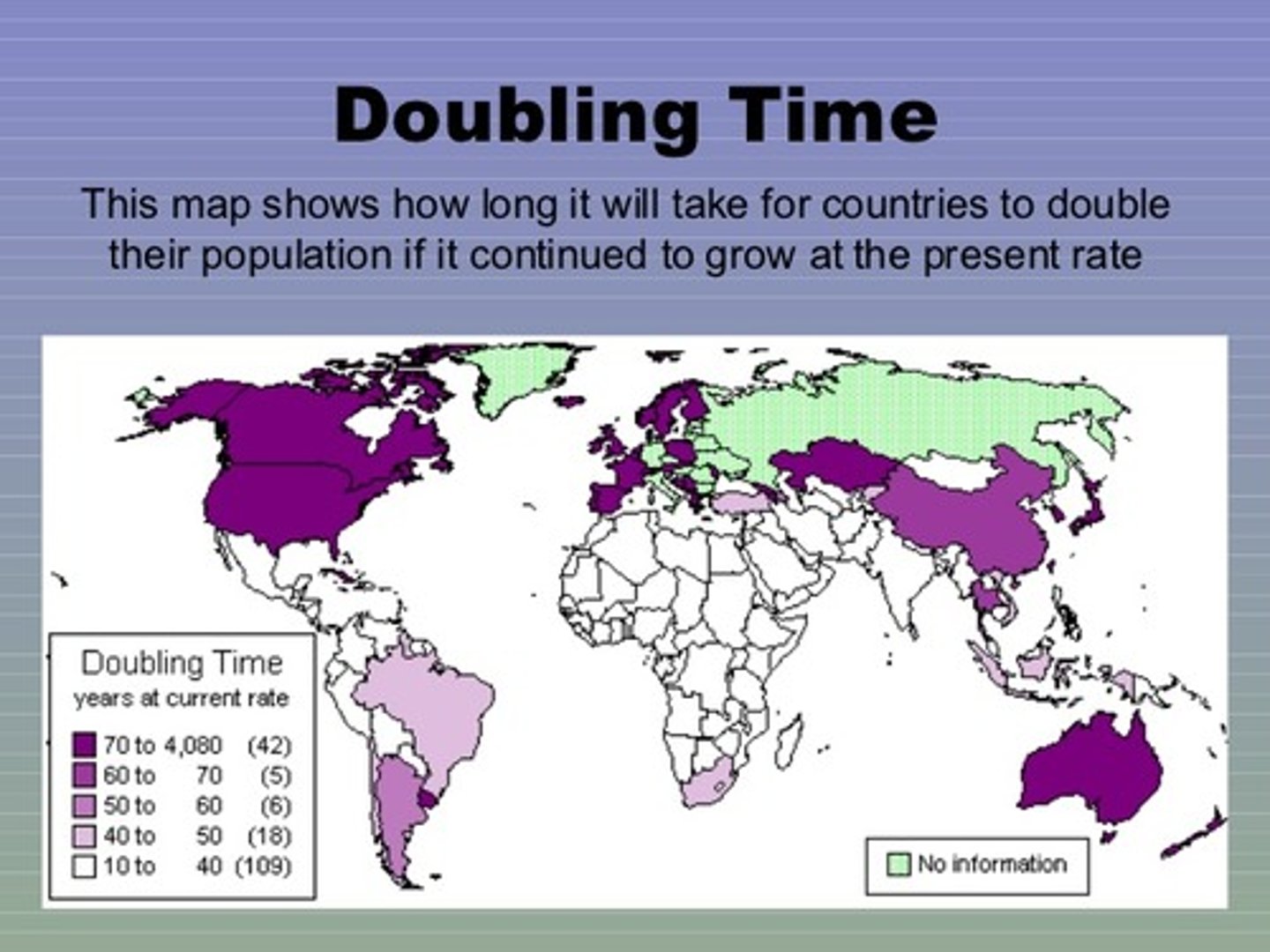
Doubling Time
The number of years needed to double a population, assuming a constant rate of natural increase. For example, if the population of a growing city takes 10 years to double from 100,000 to 200,000 inhabitants and its growth remains exponential, then in the next 10 years the population will double to 400,000 and 10 years after that to 800,000 and so on.
Mortality
A statistical measurement of the number of deaths in a population over a specific period of time. It's usually expressed as the number of deaths per 1,000 people per year. Lung cancer mortality rate: If 25 people die from lung cancer in a population of 30,000 in one year, the mortality rate is 83 per 100,000. Disease-specific mortality rate: If 100 people die from a disease out of a population of 1,000 who have the disease, the mortality rate is 10%.
Total Fertility Rate (TFR)
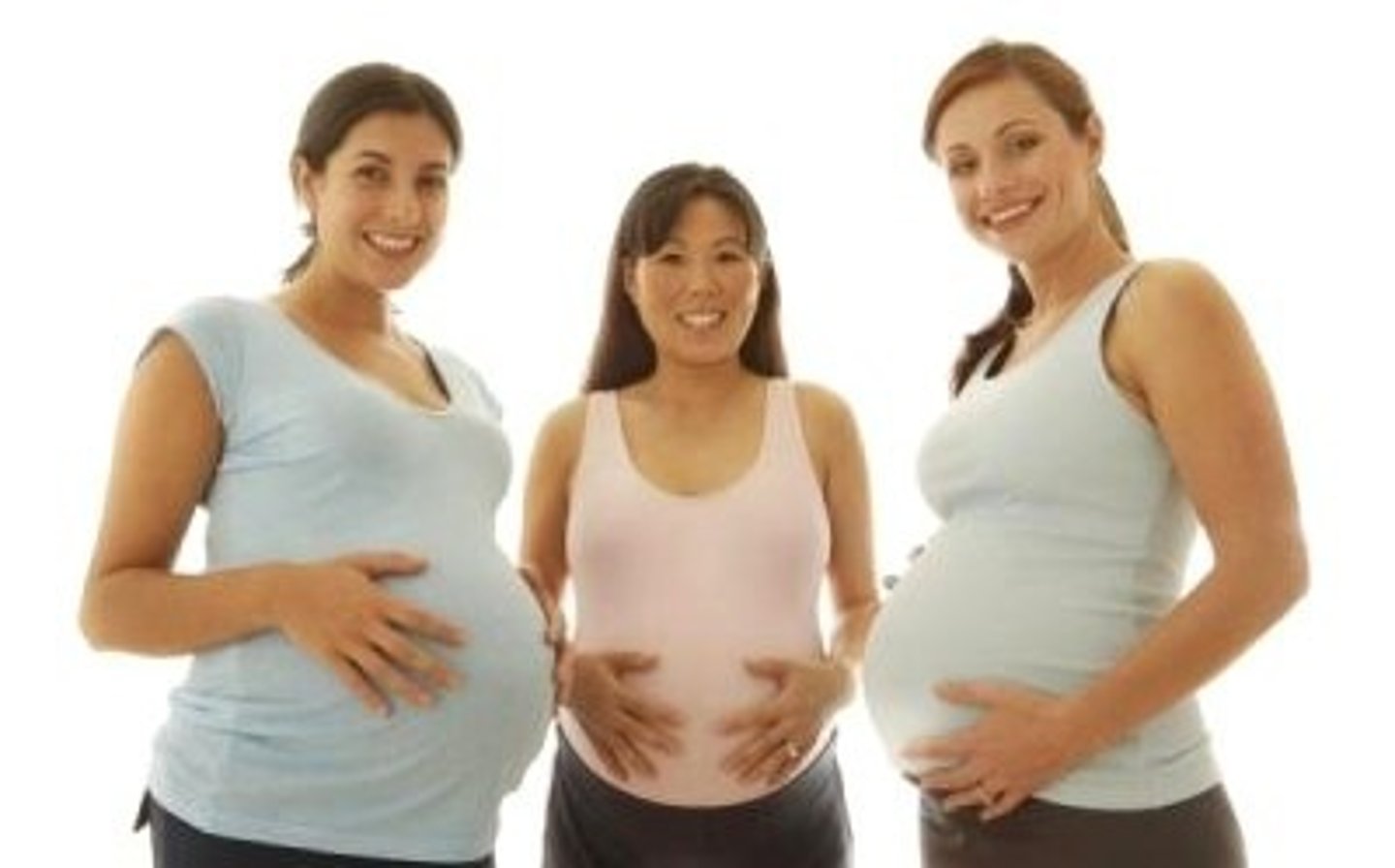
An estimate of the average number of children born to each female in her childbearing years. TFRs vary widely across the world, and are influenced by a number of factors, including:
Education: Women with more education tend to have fewer children. Economic development: Fertility rates are generally lower in developed countries and higher in least developed countries. Access to contraceptives: Fertility rates are higher in countries where women have less access to contraceptives.
Infant Mortality Rate (IMR)
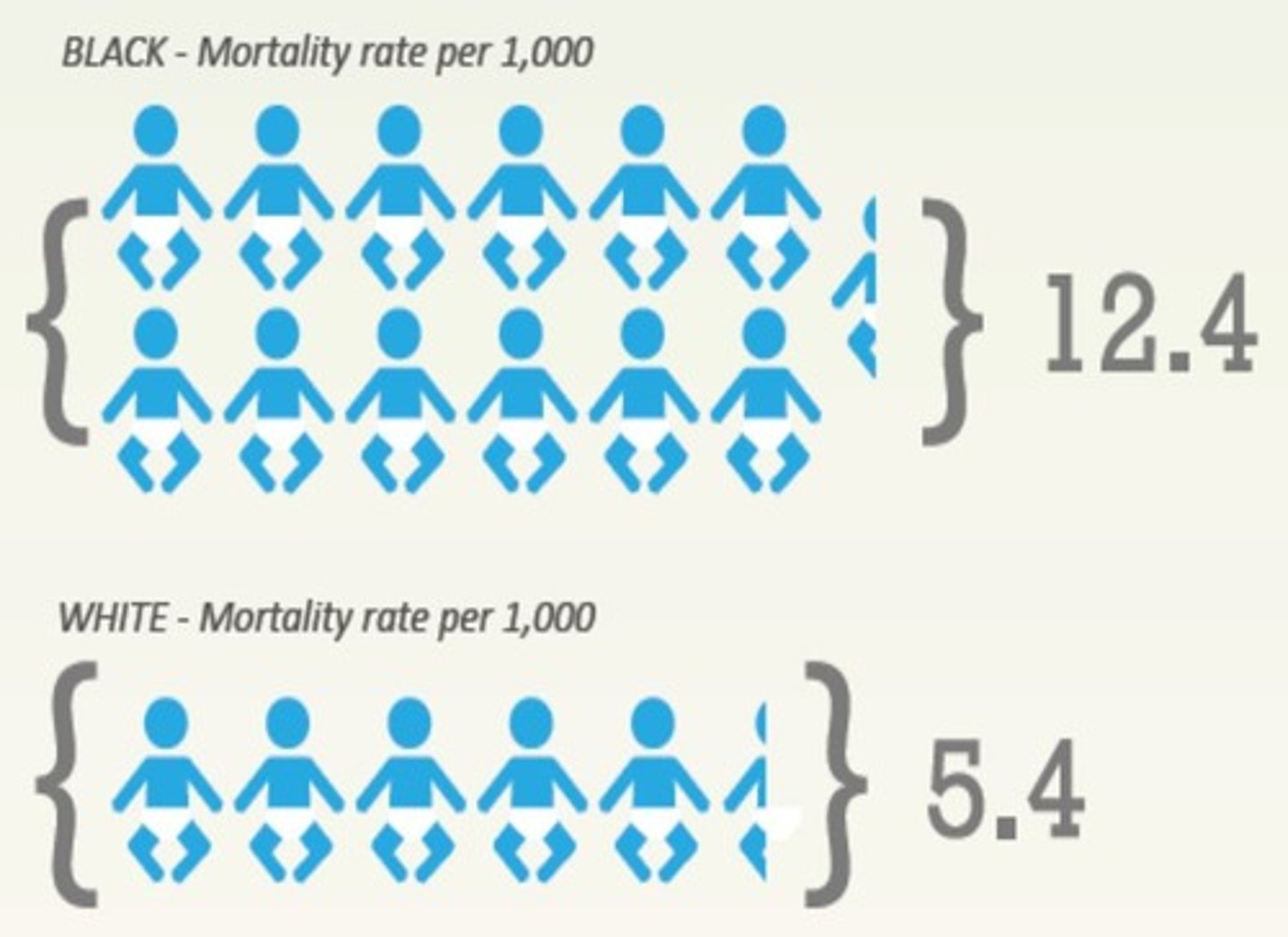
The total number of deaths in a year among infants under 1 year old for every 1,000 live births in a society. Birth weight:
The risk of dying during infancy is associated with a child's size at birth, particularly during the first months of life.
Sub-Saharan Africa: In many parts of Sub-Saharan Africa, the IMR is as high as one hundred per thousand births.
Developed world: In almost all of the developed world, the IMR is less than ten per thousand births.
Armenia: In 2021, Armenia's IMR was 12.47 deaths per 1,000 live births, with 14.02 deaths per 1,000 live births for males and 10.78 deaths per 1,000 live births for females.
Life Expectancy
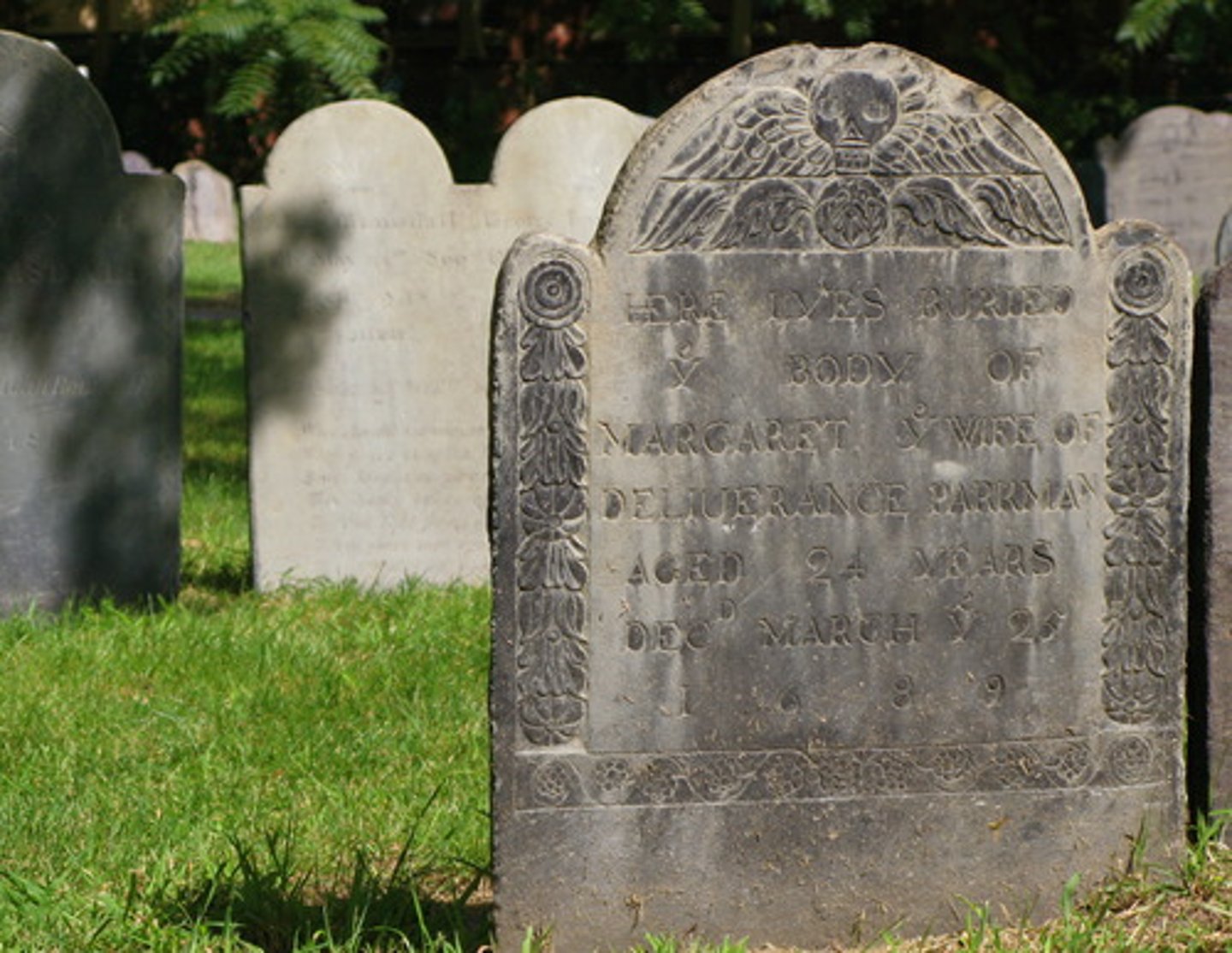
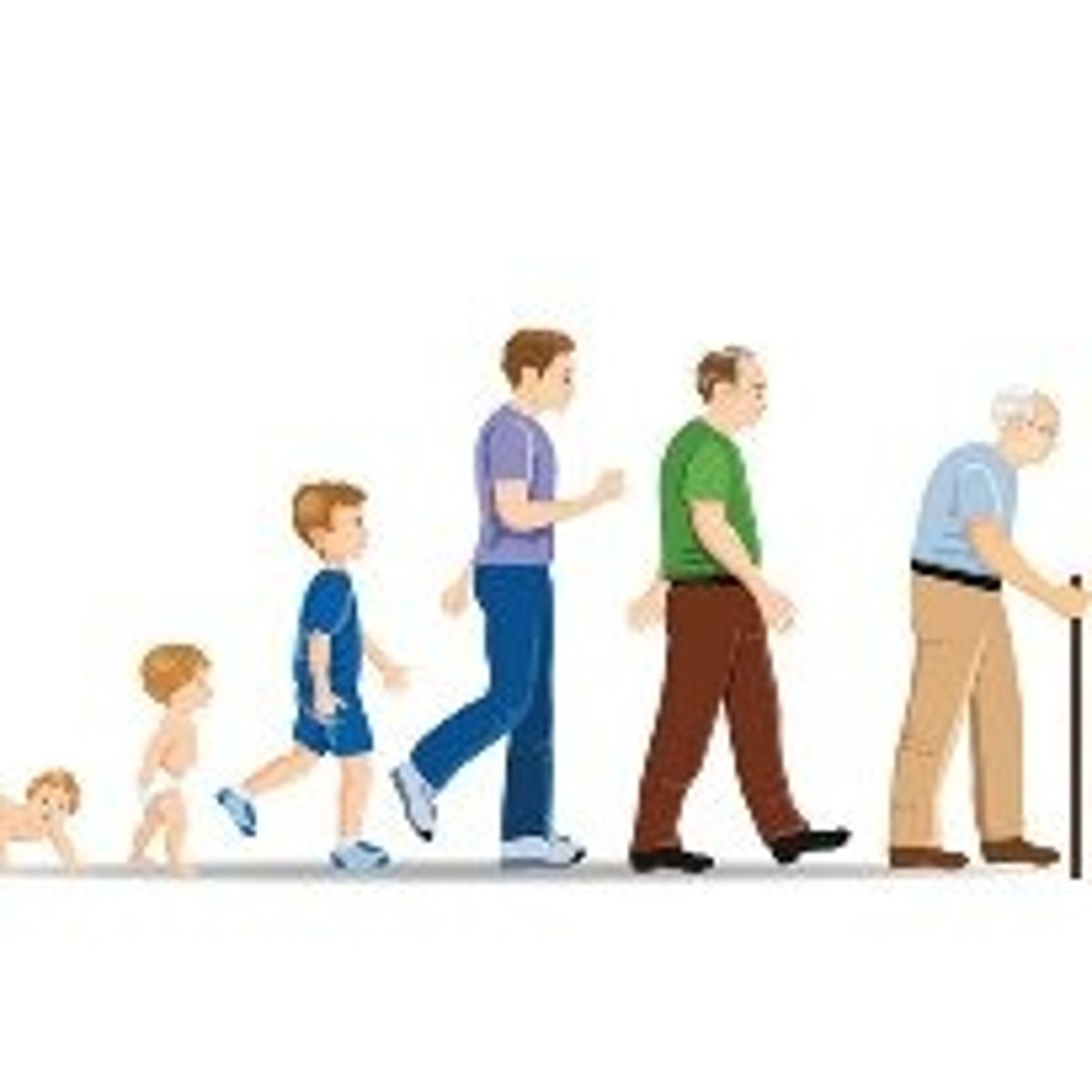
A figure indicating how long, on average, a person may be expected to live. Japan: In 2020, Japan's life expectancy was 85.03 years, meaning the average person in Japan lived to be around 85 years old. United States: In 2021, the life expectancy for a baby born in the US was estimated to be about 76 years.
Sub-Saharan countries: People living in Sub-Saharan countries have a life expectancy of less than 50 years.
Emigration
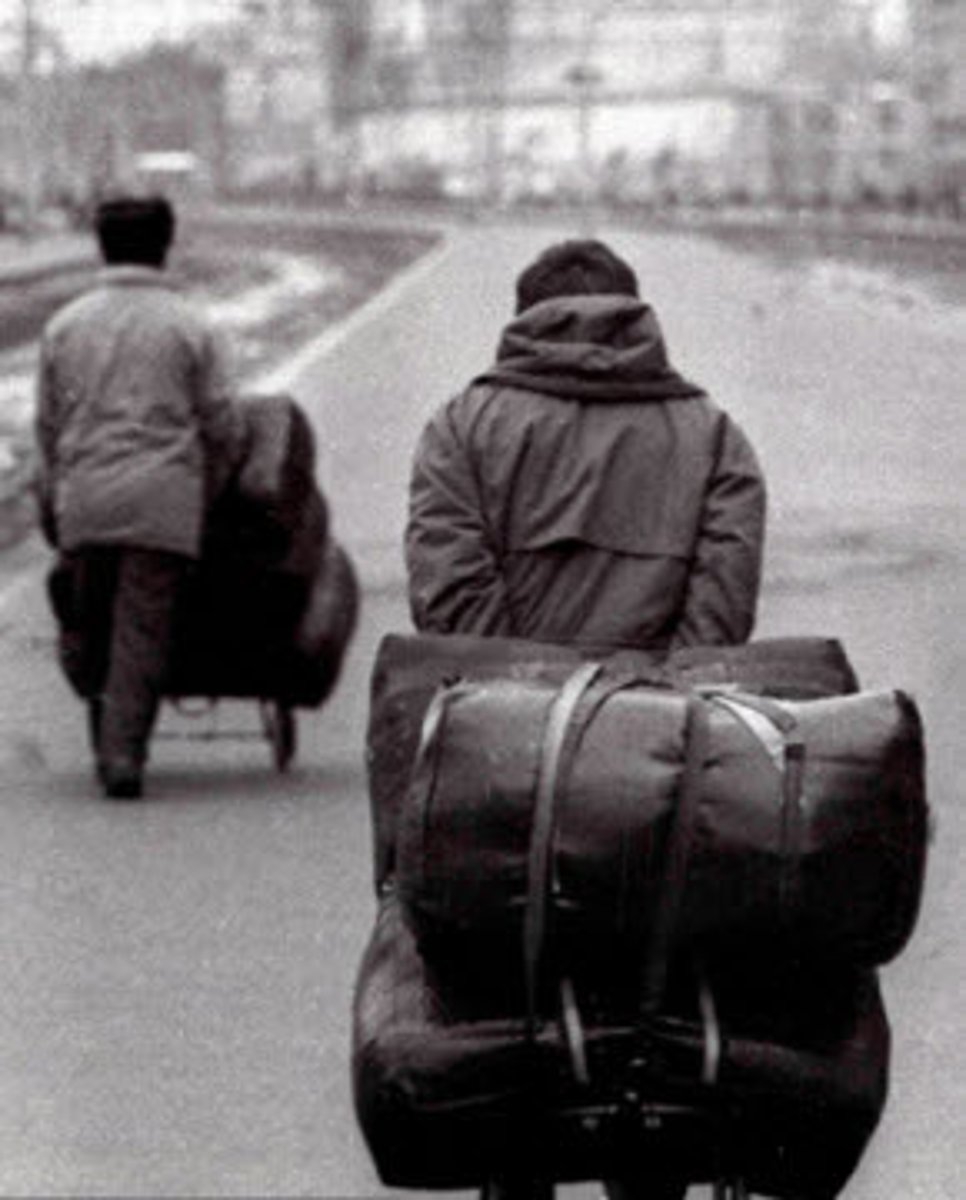
The process of LEAVING one's country of origin in order to settle in another country permanently. Emigration can be voluntary or involuntary. For example, people may choose to emigrate for better job opportunities, education, or quality of life. On the other hand, people may be forced to emigrate due to political reasons, war, or persecution. Irish Potato Famine
Between 1845 and 1849, nearly 1.5 million people emigrated from Ireland, primarily to the United States, in search of a better life. Filipinos: As of 2015, about 10% of the Filipino population was living outside of the country.
Immigration
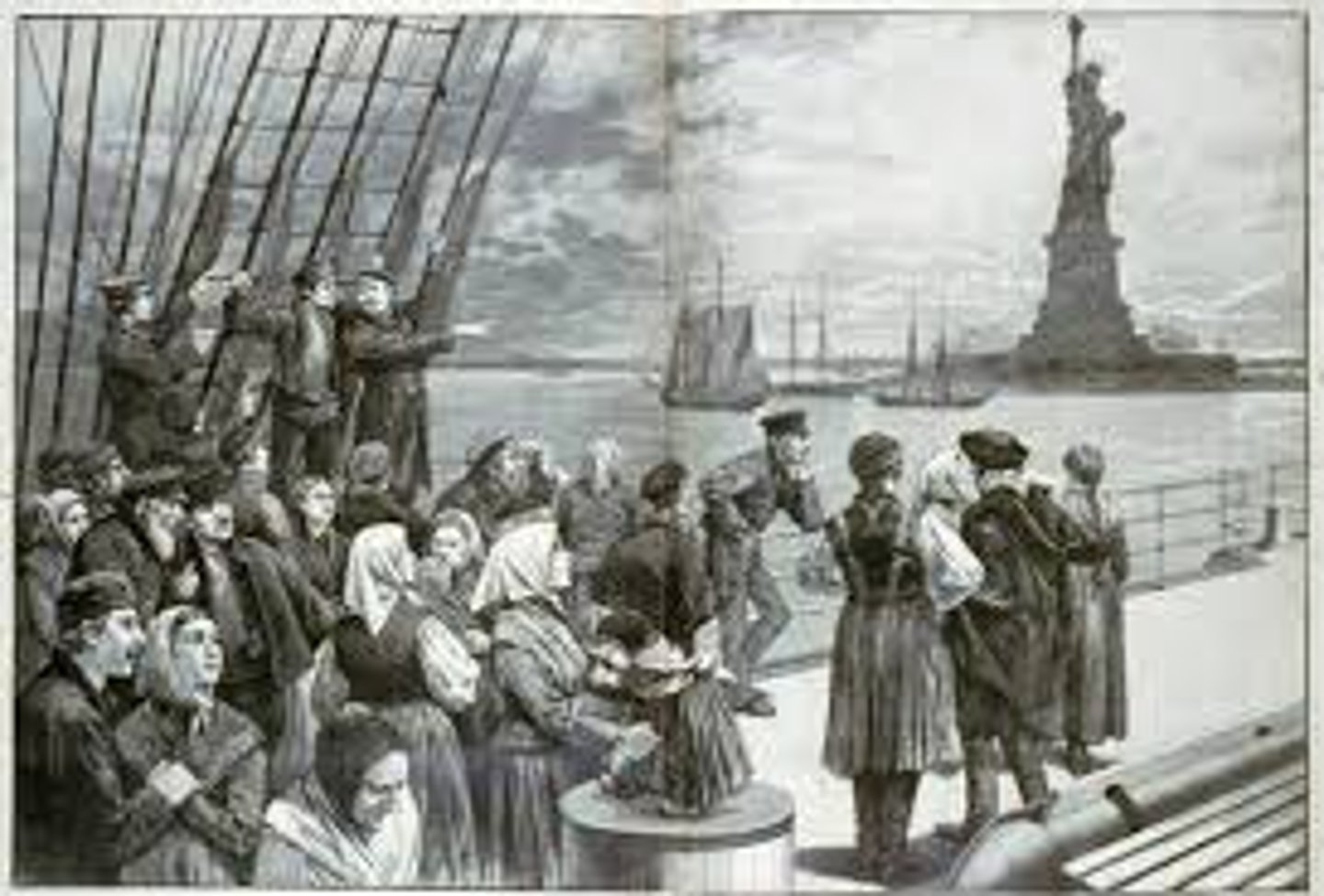
Immigration is people ENTERING another country for permanent settlement. People may immigrate for a variety of reasons, including: employment opportunities, to escape a violent conflict, environmental factors, educational purposes, and to reunite with family. Moving for a job: Someone who moves to the United States from Mexico to seek a better quality of life and find employment. Foreign exchange student: An Italian student who moves to the United States for a foreign exchange program.
Demographic Transition Model (DTM)
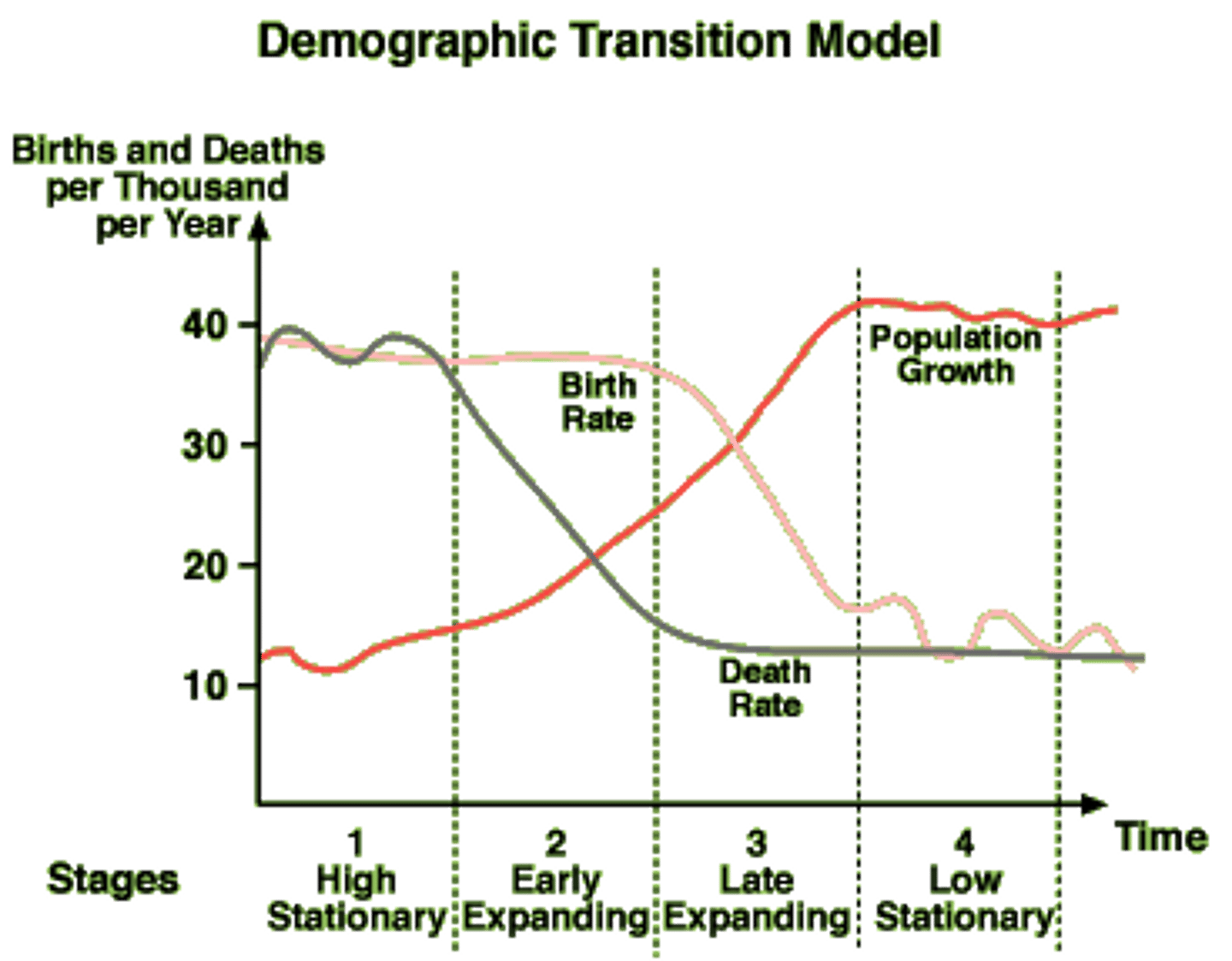
This model shows five typical stages of population change that countries experience as they modernize.
Stage 1: Most of the world was in this stage before the Industrial Revolution. Birth and death rates are high, so the population is stable but can fluctuate due to events like wars or pandemics. Stage 2: Death rates decrease, especially among children, while birth rates remain high, leading to rapid population growth. Many developing countries are in this stage today. Stage 3: Birth rates gradually decrease, and population growth slows. This is often due to improved economic conditions, access to contraception, and increased status for women. Most developing countries are in this stage. Stage 4: Birth and death rates are low, stabilizing the population. Most developed countries are in this stage. Stage 5: A possible stage where fertility rates fall below replacement level, and the elderly population is larger than the young population.
Epidemiological Transition Model (ETM)
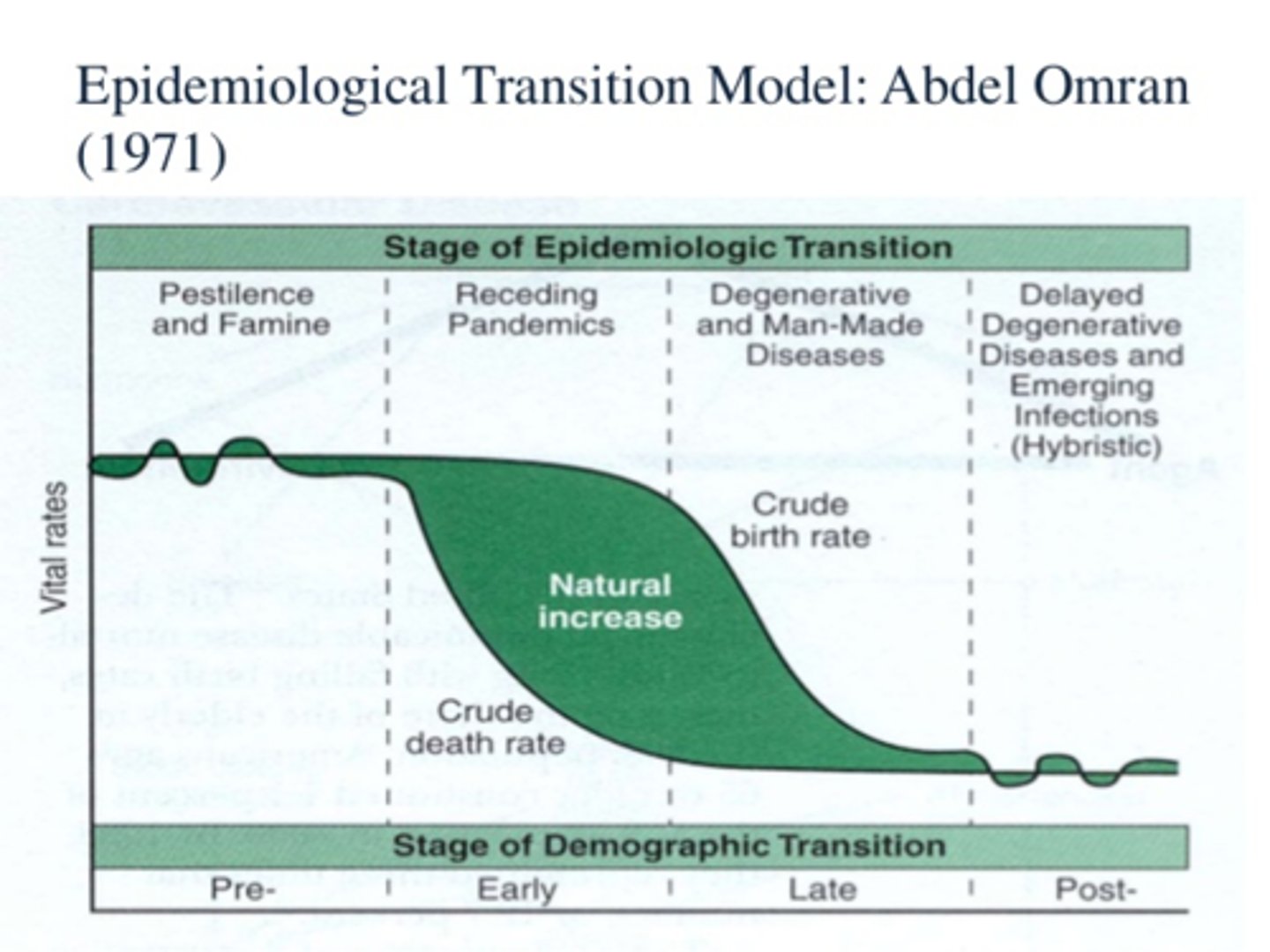
A model that explains the changing death rates and more common causes of death within societies. For example, the discovery of penicillin in 1928 is an example of the second epidemiological transition, when infections were replaced by degenerative diseases as the leading cause of death.
Pandemic
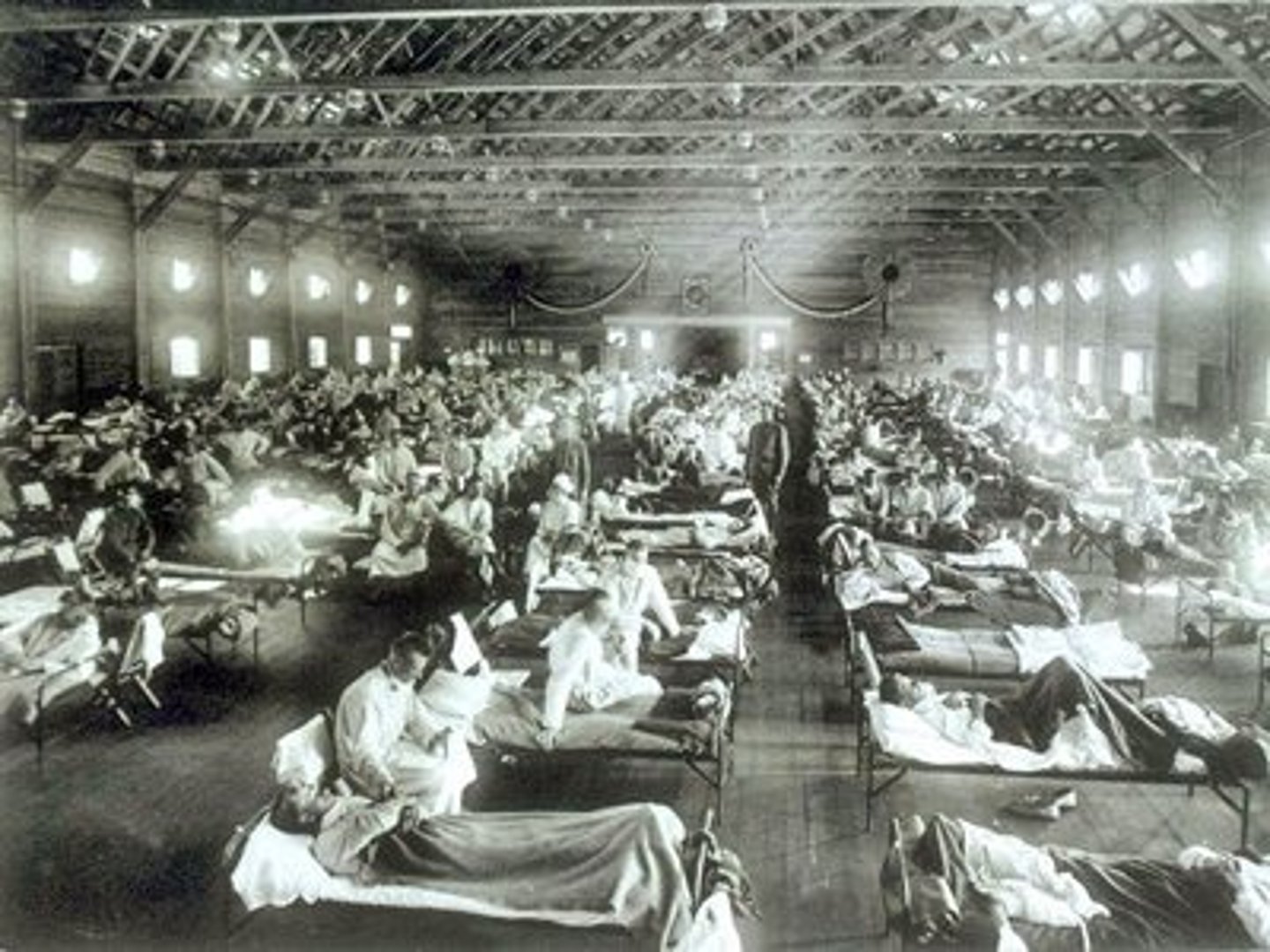
Disease that occurs over a wide geographic area and affects a very high proportion of the population. The 1918 Spanish flu pandemic: The 1918 Spanish influenza outbreak is still said to be one of the worst pandemics in recent history. This meets the definition of a pandemic as roughly one-third of the world's population was infected with this flu virus. The global death toll was estimated at more than 50 million people, with about 675,000 deaths in the U.S. The first cases were reported in Kansas, and as hundreds of thousands of U.S. troops were deployed during World War I, the virus began to spread. The 2009 swine flu pandemic: The flu strain that caused this outbreak, H1N1, was first identified in the U.S. in April 2009. It was characterized by an unusual combination of influenza viruses that had never before been seen in humans, and it began to spread around the globe quickly. On June 11, 2009, the WHO made the announcement that the Swine Flu outbreak had met the definition of a pandemic. By October, the U.S. started administering a vaccine to protect against this unique strain of the virus. The pandemic was considered over by August 2010, and by that time close to 285,000 people around the world had died.
Zero Population Growth
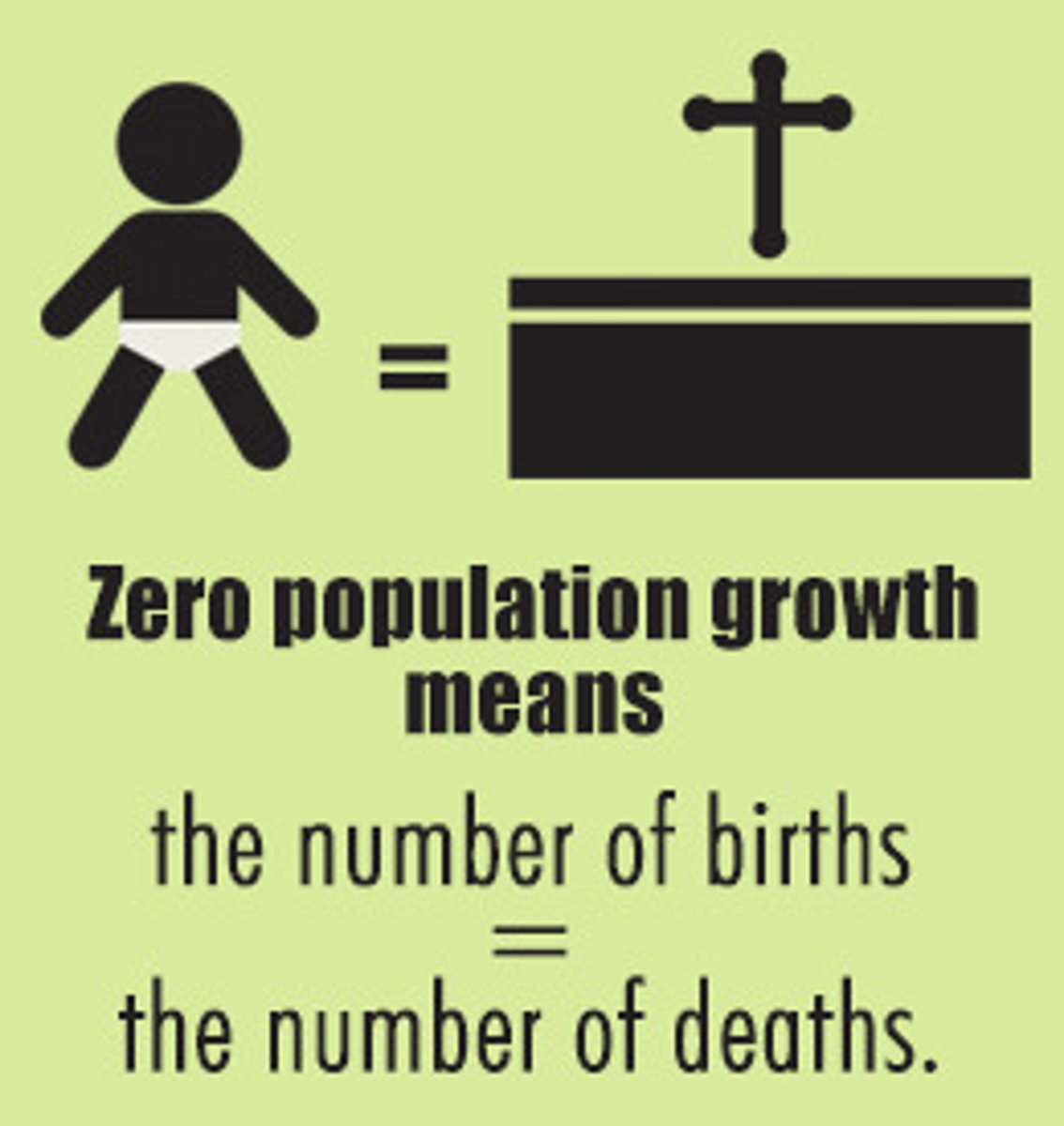
When the number of births plus immigrants equals the number of deaths plus emigrants in a given period, resulting in no net population change. Countries like Japan, Italy, and Sweden are often cited as examples that are close to achieving zero population growth due to low birth rates and stable death rates.
Neo-Malthusians
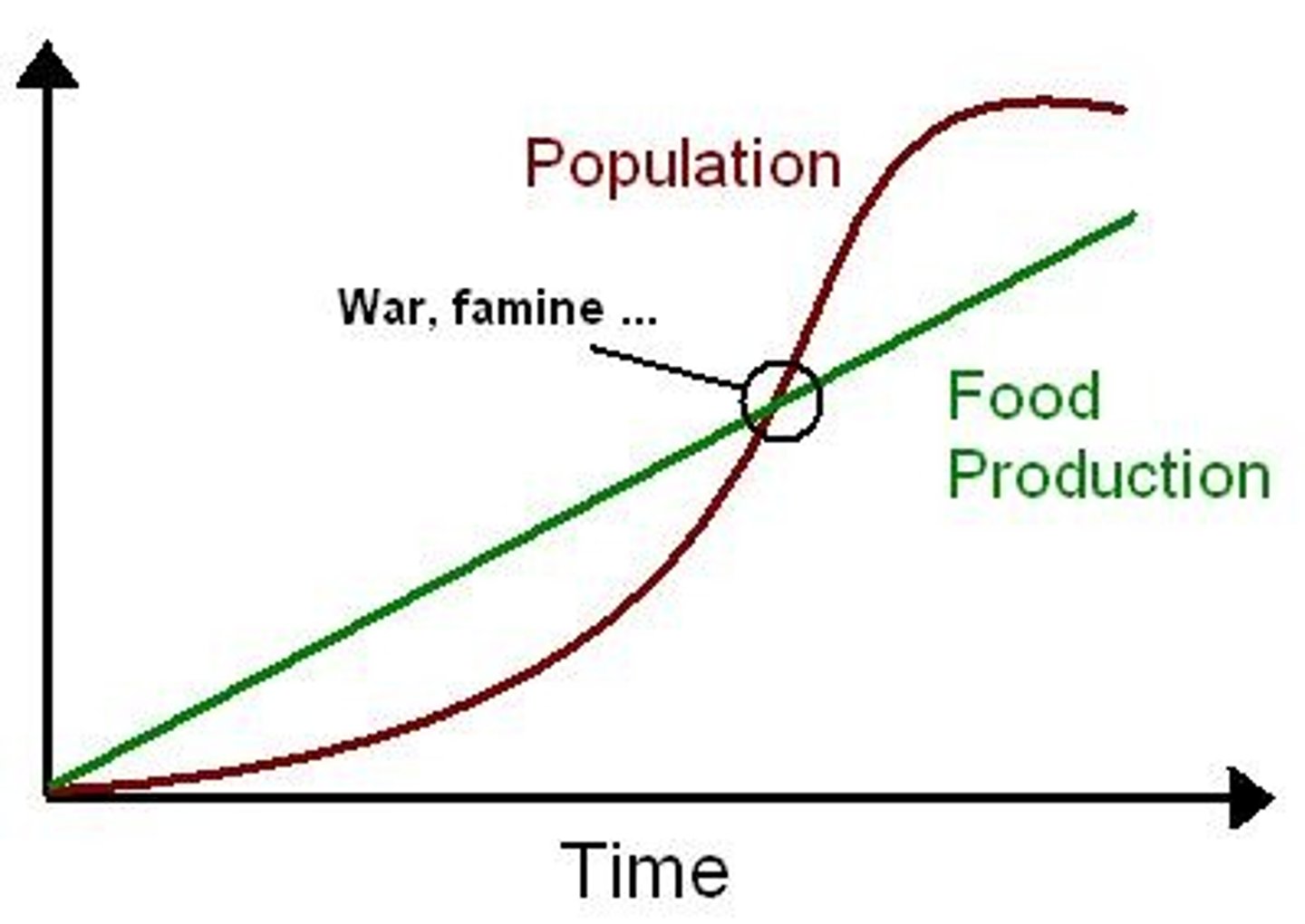
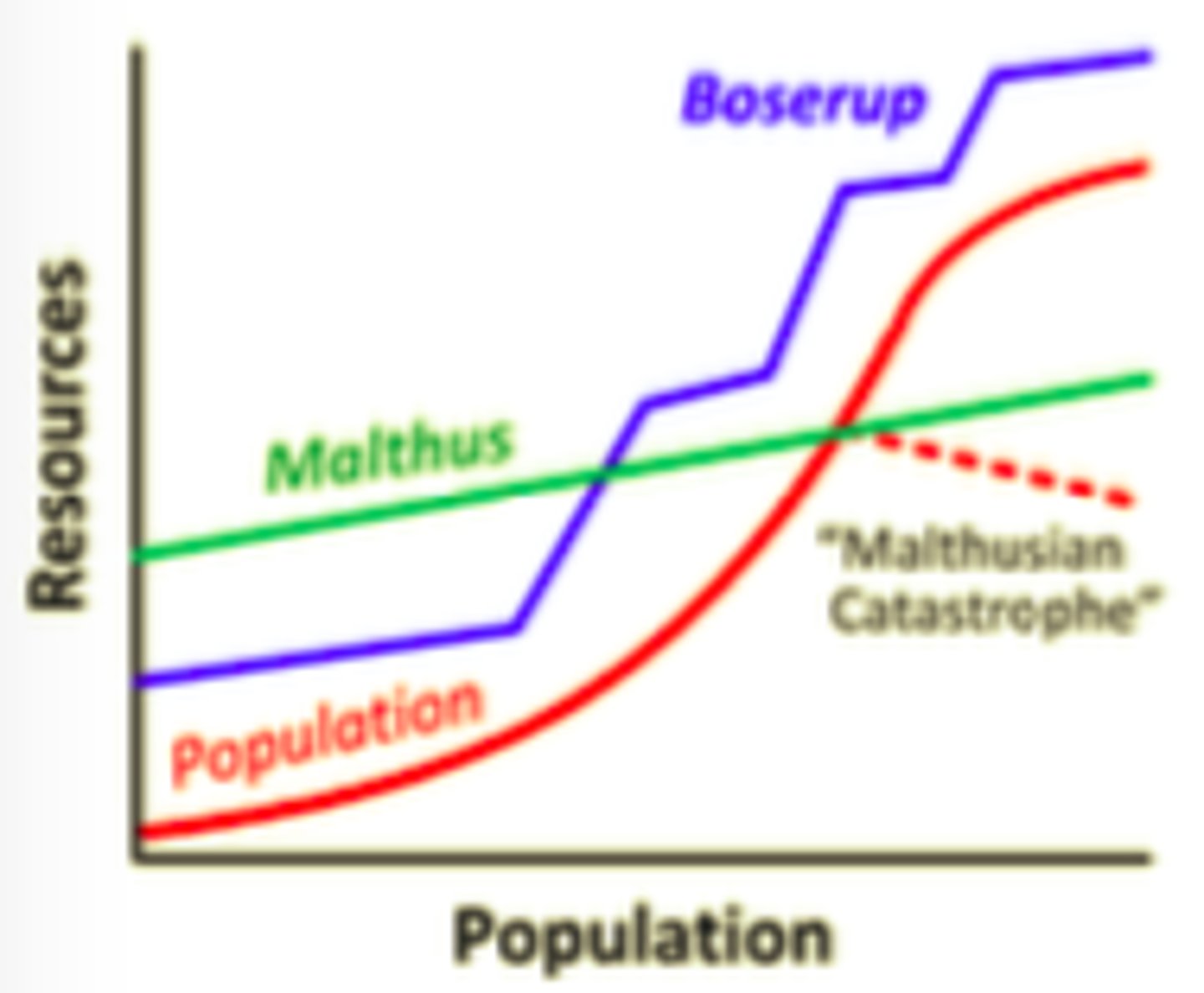
They argue that population growth is a serious problem currently and an even greater threat for the future. On a regional scale, places like the Sahel region in Africa, the transition between the Sahara and the grasslands, could represent a Malthusian scenario. The regions population is expected to triple over the next 30 years and is suffering with political instability, poverty, food shortages, and dramatic climate change. Neo-Malthusians point out continued population growth will lead to the depletion of non-renewable resources such as petroleum and metals, pollution of air and water, and shortages of food. These issues could lead to social, political, economic, and environmental catastrophe.
Malthus Critic
A point of view that states the amount of food is not fixed; we can grow more. A prominent example of a Malthus critic is Julian Simon, who argued that human ingenuity and technological advancements would consistently outpace population growth, leading to increased resource availability and disproving Malthus's predictions of inevitable resource scarcity due to overpopulation; he documented this through empirical data, highlighting the "positive" aspects of population growth in terms of innovation and problem-solving. Simon believed that human innovation would constantly find solutions to resource limitations, like developing new food production methods or energy sources.
Boserup Theory
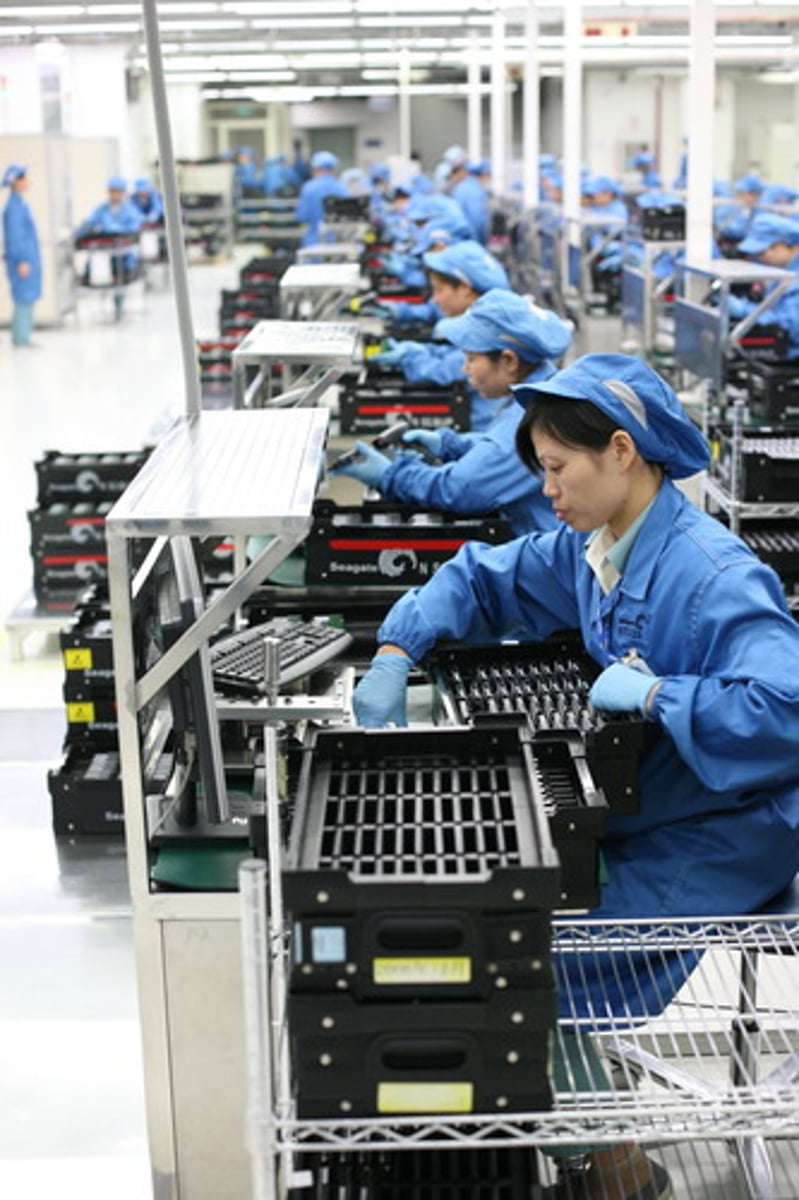
Developed by Ester Boserup. The more people there are, the more hands there are to work, rather than just more mouths to feed. Boserup also argued that as population increases, more pressure is placed on the existing agricultural system, which stimulates invention resulting in more food production.
Anti-natalist Policy
A government policy that discourages more births in the population (one-child policy, birth control, sterilization). The Chinese government introduced the anti natalist policy "later, longer, fewer" in 1972. It encouraged parents to get married later in life, wait longer between children, and as a result, have fewer children. China also instituted the anti-natalist One-child policy in 1979. Parents who had more than one child were subject to fines.

Pro-natalist Policy
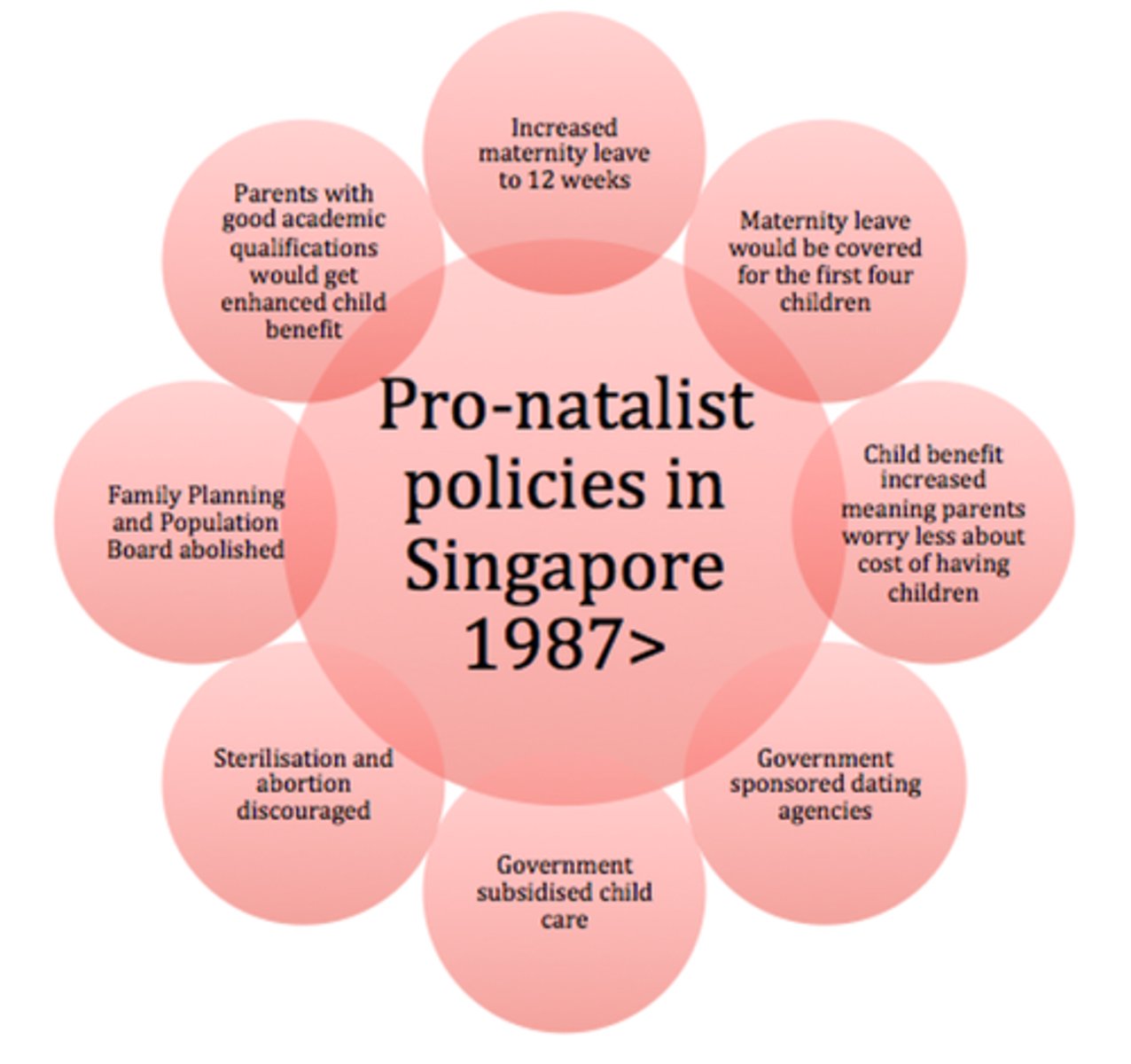
A government policy that encourages more births in the population to increase the fertility rate. For example, countries will provide paid time off from jobs held by mothers, free childcare, and family discounts on services like healthcare and education. Other countries like Denmark, Singapore, Russia, and Italy have advertising campaigns to encourage families to have more children and express family and national pride.
Ravenstein's Laws of Migration
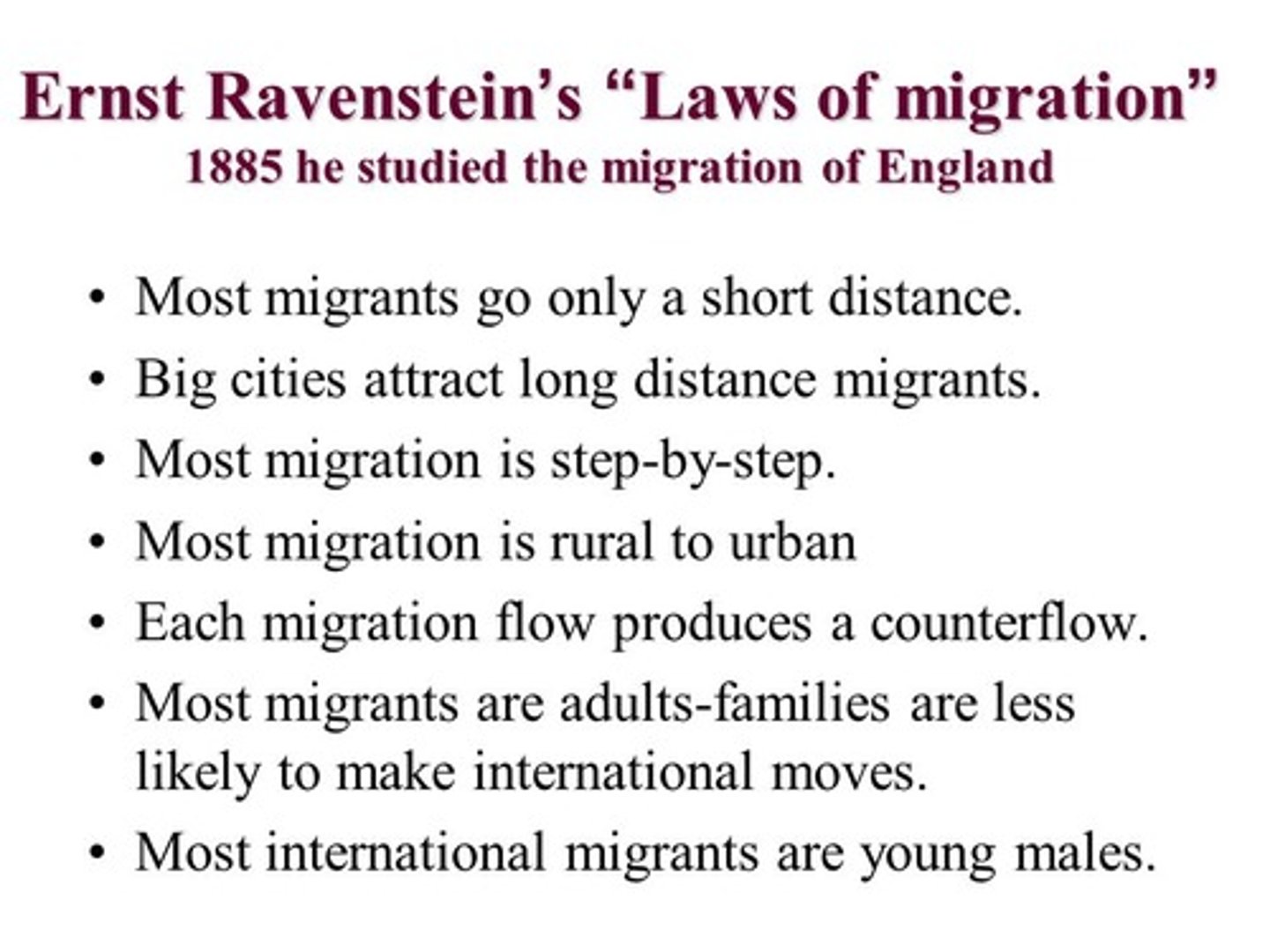
A set of 11 "laws" that can be organized into three groups: the reasons why migrants move, the distance they typically move, and their characteristics. Short-distance migration: Most people migrate only a short distance, often staying within their own country. Step migration: Migrants often move in stages, from a rural area to a nearby town, then to a bigger city.
Urban centers as migration destinations: Long-distance migrants tend to move towards large cities. Counter-migration: For every migration flow, there is a corresponding counter-flow of people moving in the opposite direction. Rural to urban migration: Most migration happens from rural areas to urban areas.
Dependency Ratio
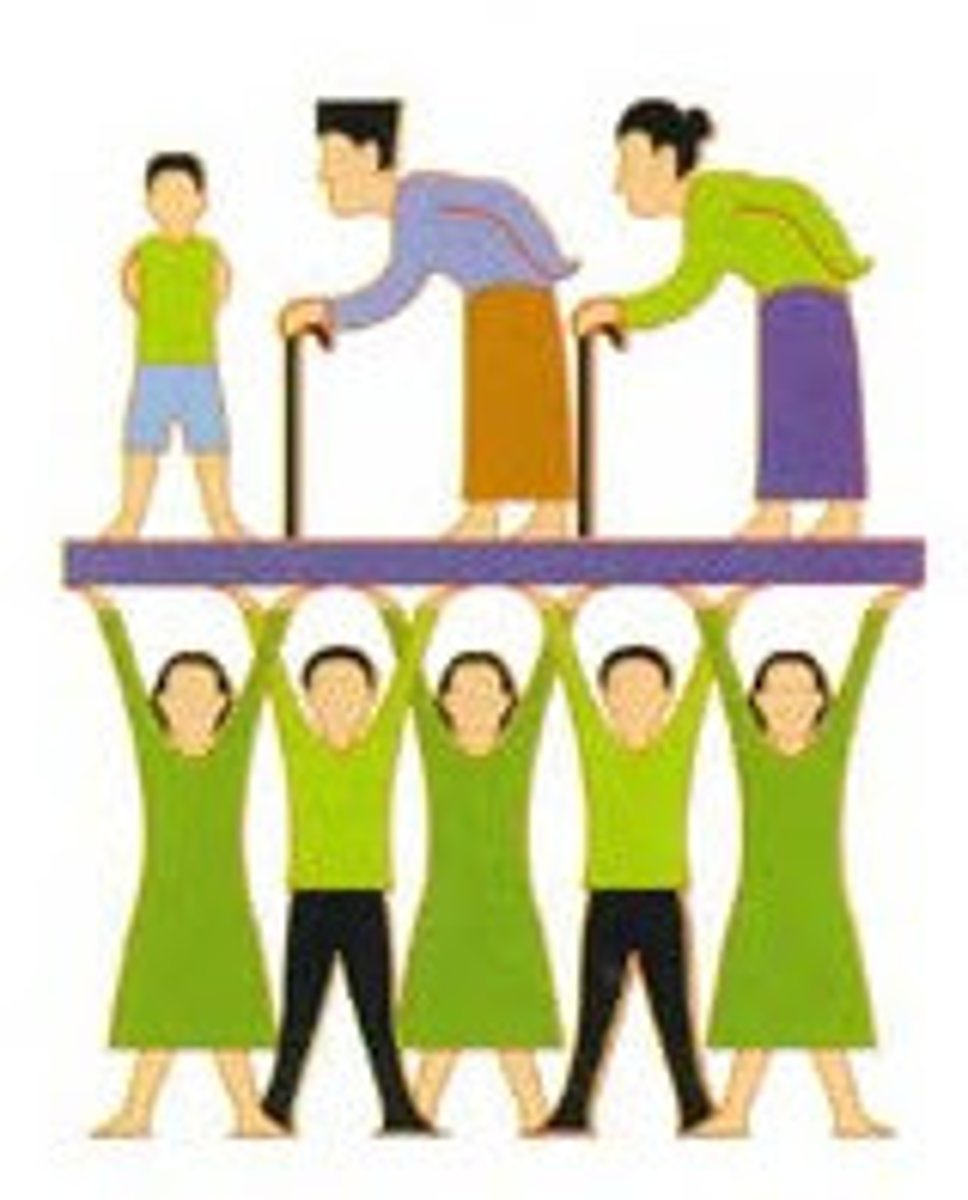
The number of people under age 15 and over age 64 compared to the number of people active in the labor force. For example, assume that a country has a population of 1,000 people, and there are 250 children under the age of 15, 500 people between the ages of 15 and 64, and 250 people aged 65 and older. The youth dependency ratio is 50%, or 250/500. West Virginia: If West Virginia has a total dependency ratio of 65.5, this means that there are 65 children and seniors for every 100 working-age adults.
Japan: In 2022, Japan's age dependency ratio was 71.1%, which is higher than the global average of 40.1%
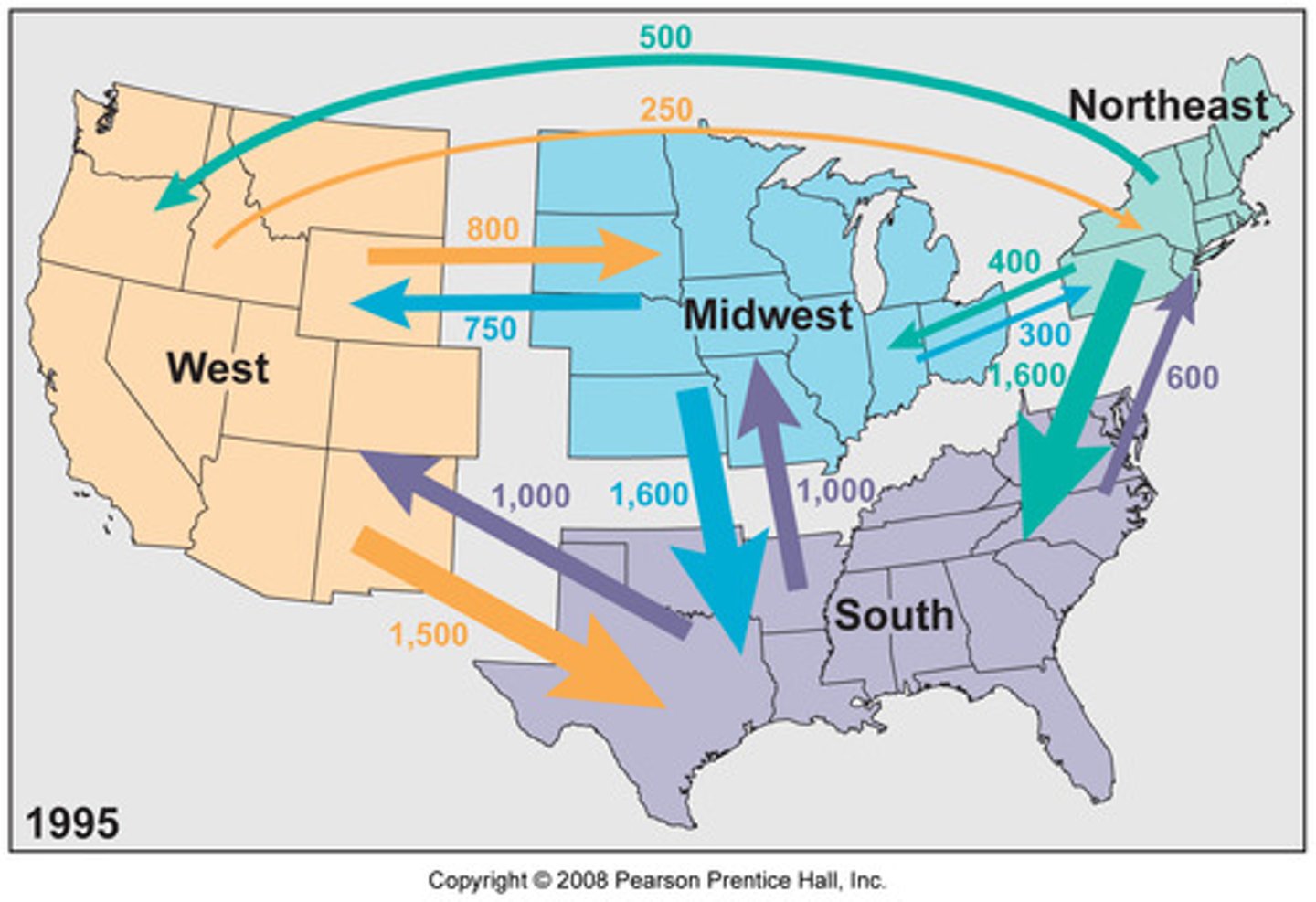
Migration
the permanent or semipermanent relocation of people from one place to another. The Great Migration: Between the 1910s and 1970s, around six million African Americans moved from the American South to the North, Midwest, and West. The Syrian Civil War: More than five million Syrians have fled the country since the start of the Syrian Civil War in 2011.
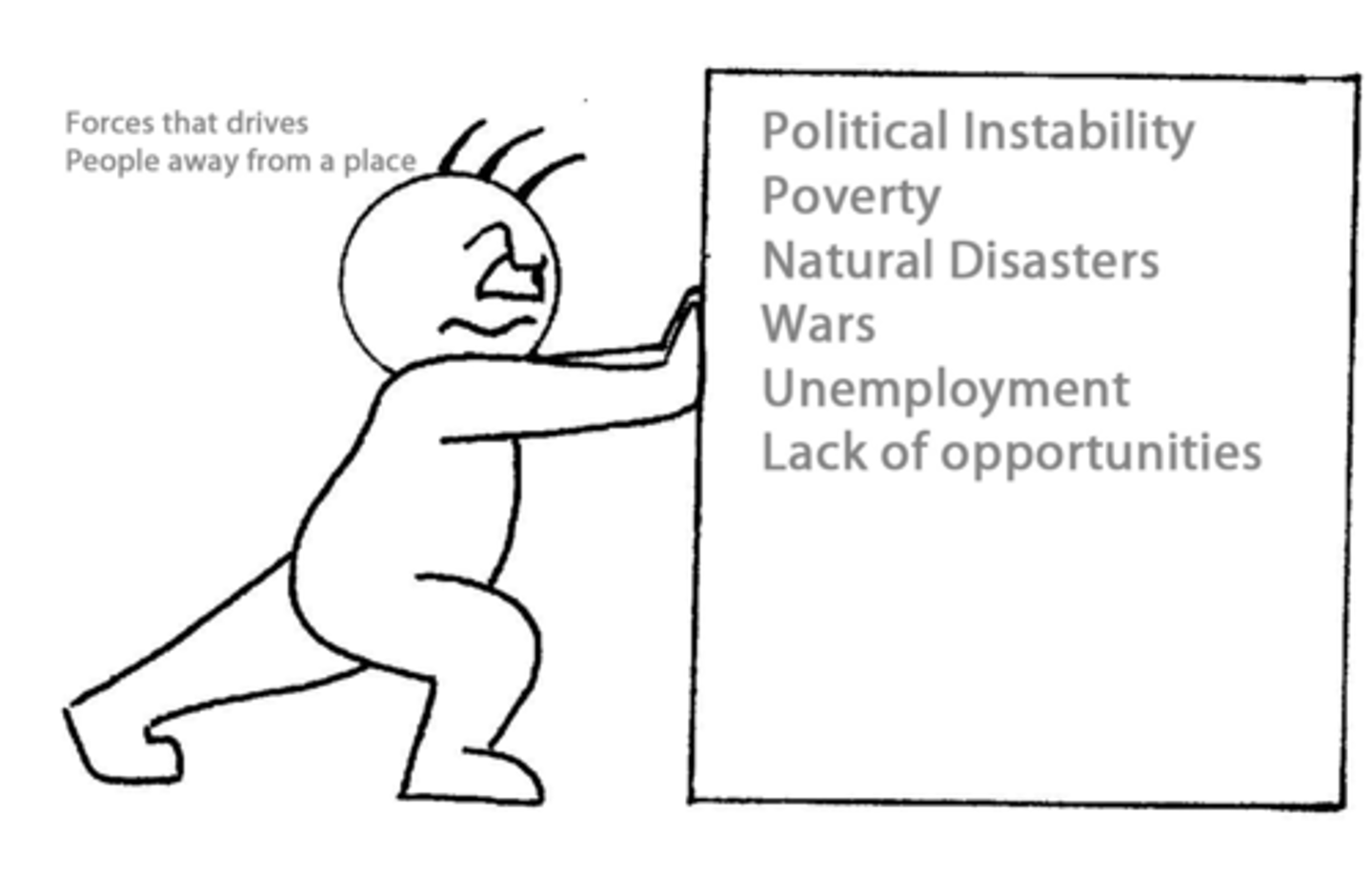
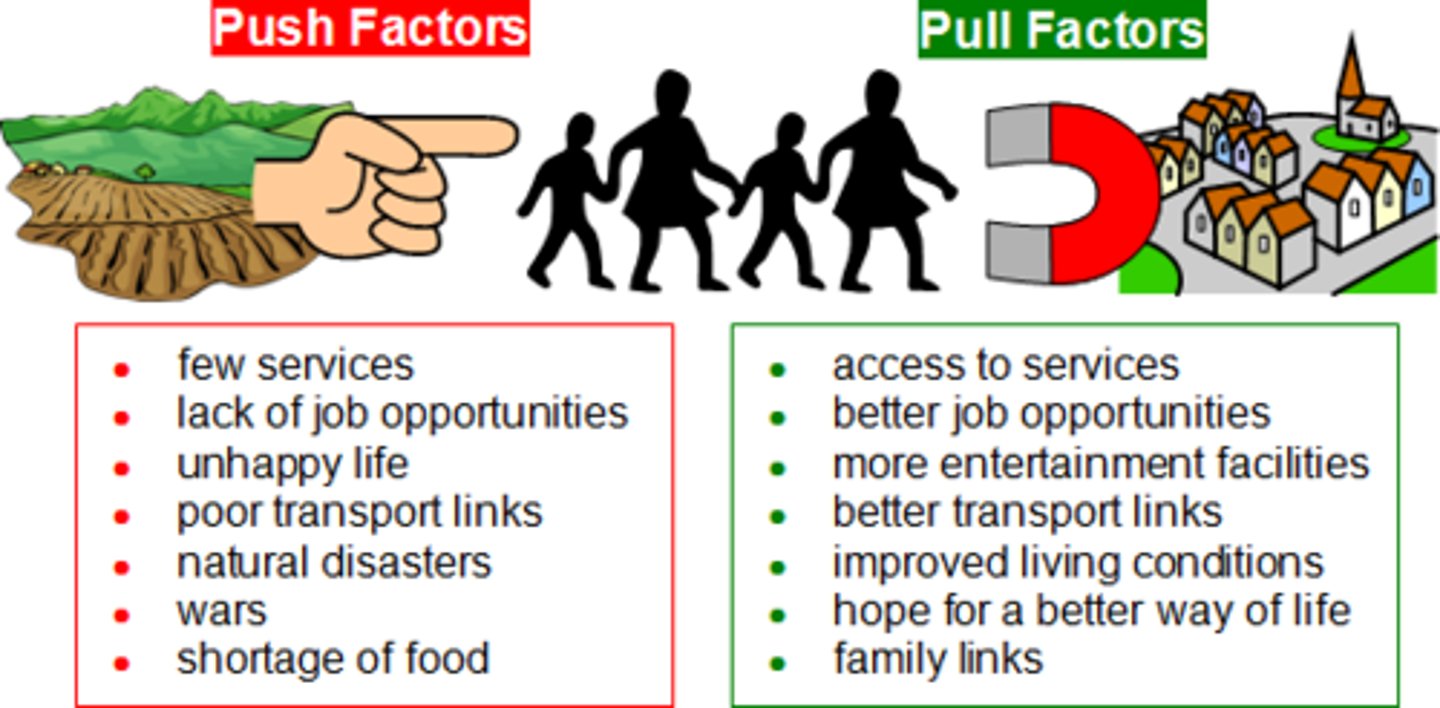
Push Factors
negative circumstances, events, or conditions present where they live that compels a person to leave. Poverty: Lack of money or financial hardships Lack of opportunities: Not enough jobs or opportunities Political fear: Political grievances, persecution, or political conflicts Poor medical care: Lack of access to good medical care Natural disasters: Floods, droughts, or other natural disasters Workplace safety: High risk of injury or death on the job, especially in hazardous industries
Pull Factors
A factor that draws or attracts people to another location. Examples of pull factors include: better job opportunities, higher wages, access to quality education, political stability, religious freedom, attractive climate, better healthcare, and a higher standard of living; essentially, anything that attracts people to migrate to a new location due to positive aspects of that place compared to their current one.
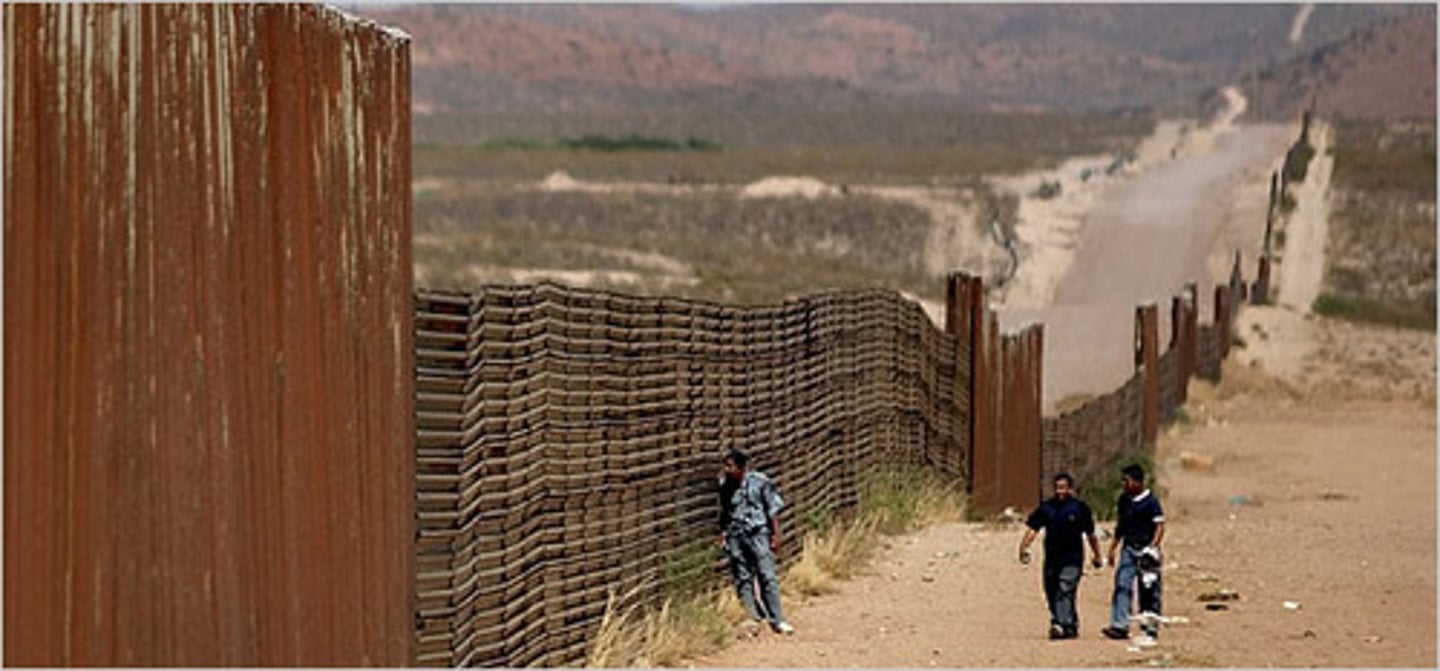
Intervening Obstacle
An environmental or cultural feature of the landscape that hinders migration. Physical barriers: Natural features like mountains, rivers, oceans, or deserts can act as physical obstacles to movement.
Political barriers: Government restrictions like visa requirements, border controls, or political instability can hinder migration.
Cultural barriers: Differences in language, customs, or social norms can create obstacles for migrants.
Economic barriers: Lack of finances or job opportunities in the destination area can also act as an intervening obstacle.
Intervening Opportunities
The presence of a nearer opportunity that greatly diminishes the attractiveness of sites farther away. Migrants may encounter opportunities en route that disrupt their original migration plan. An example of an intervening opportunity would be a migrant planning to travel to a large city for a job, but finding a better job offer with similar pay in a smaller town closer to their current location, causing them to settle there instead of continuing to their original destination.
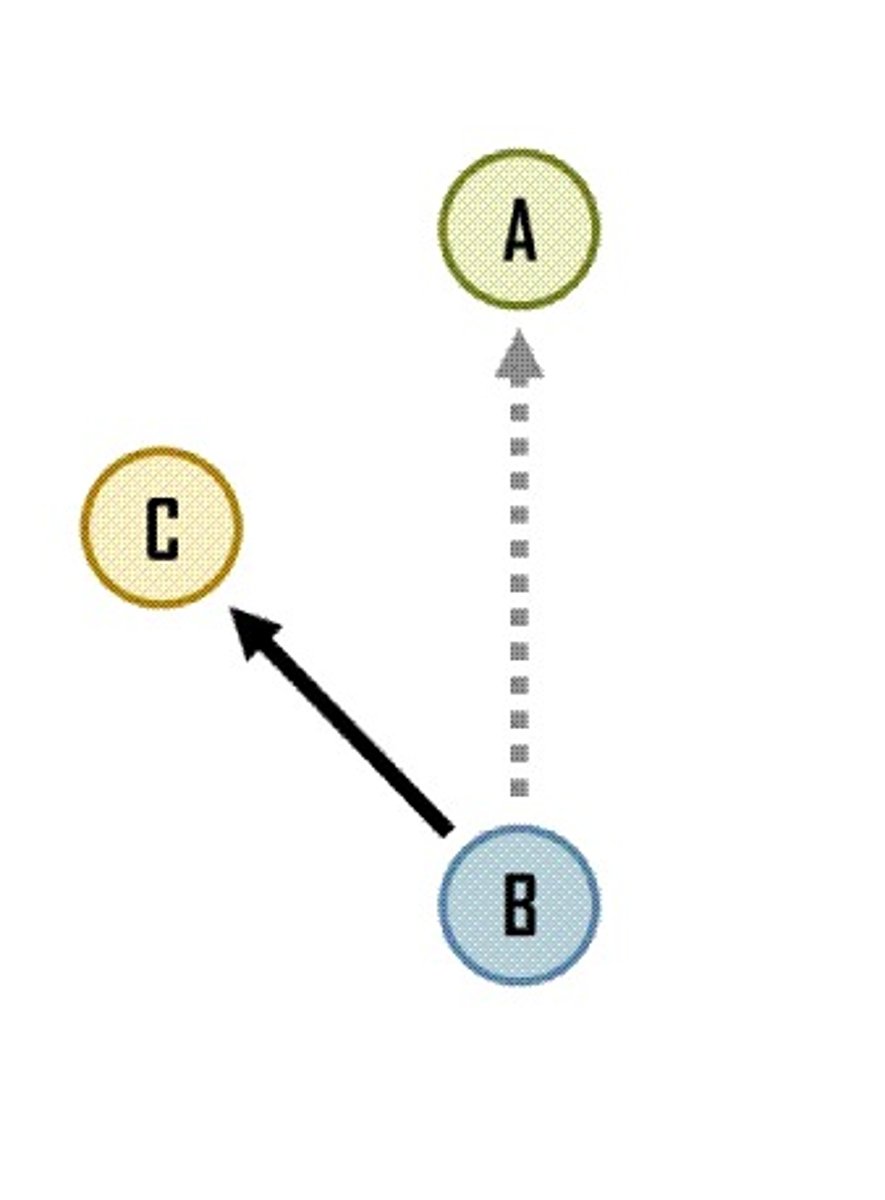
Counter Migration
The idea that each migration flow produces a movement in the opposite direction. For example, when a person has immigrated, become financially stable, and received and education, they returns to their original country to be with family or get a job.

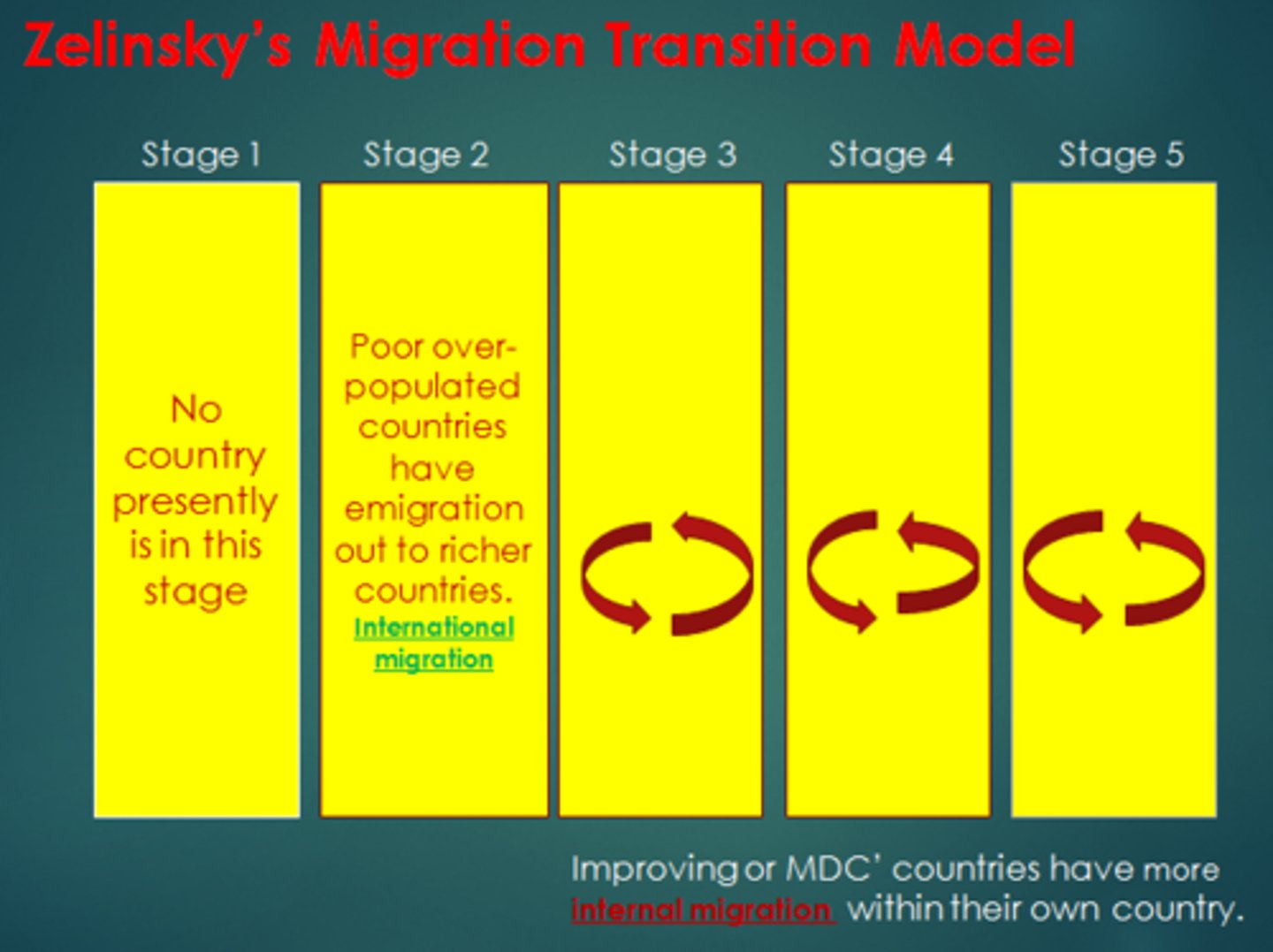
Migration Transition
Change in the migration pattern in a society that results from industrialization, population growth, and other social and economic changes that also produce the demographic transition. The migration of white Americans from the northeast and Midwest to the West and South: During the 1960s and 1970s, many white, middle-class Americans moved from the older northeastern and midwestern states to the south and the west coast. This migration was due to the declining economy in the northern industrial states, which were known as the Rust Belt. The migration of Moroccans to Europe: In 1965, about 30,000 Moroccans were living in Europe, mostly in France. By 1972, this number had increased tenfold to an estimated 300,000. The migration of Jews from Morocco: In the second half of the nineteenth century, Moroccan Jews began to migrate to Gibraltar, London, Manchester, and Marseilles. After the creation of the state of Israel in 1948, there was a mass migration of Jews from Morocco.
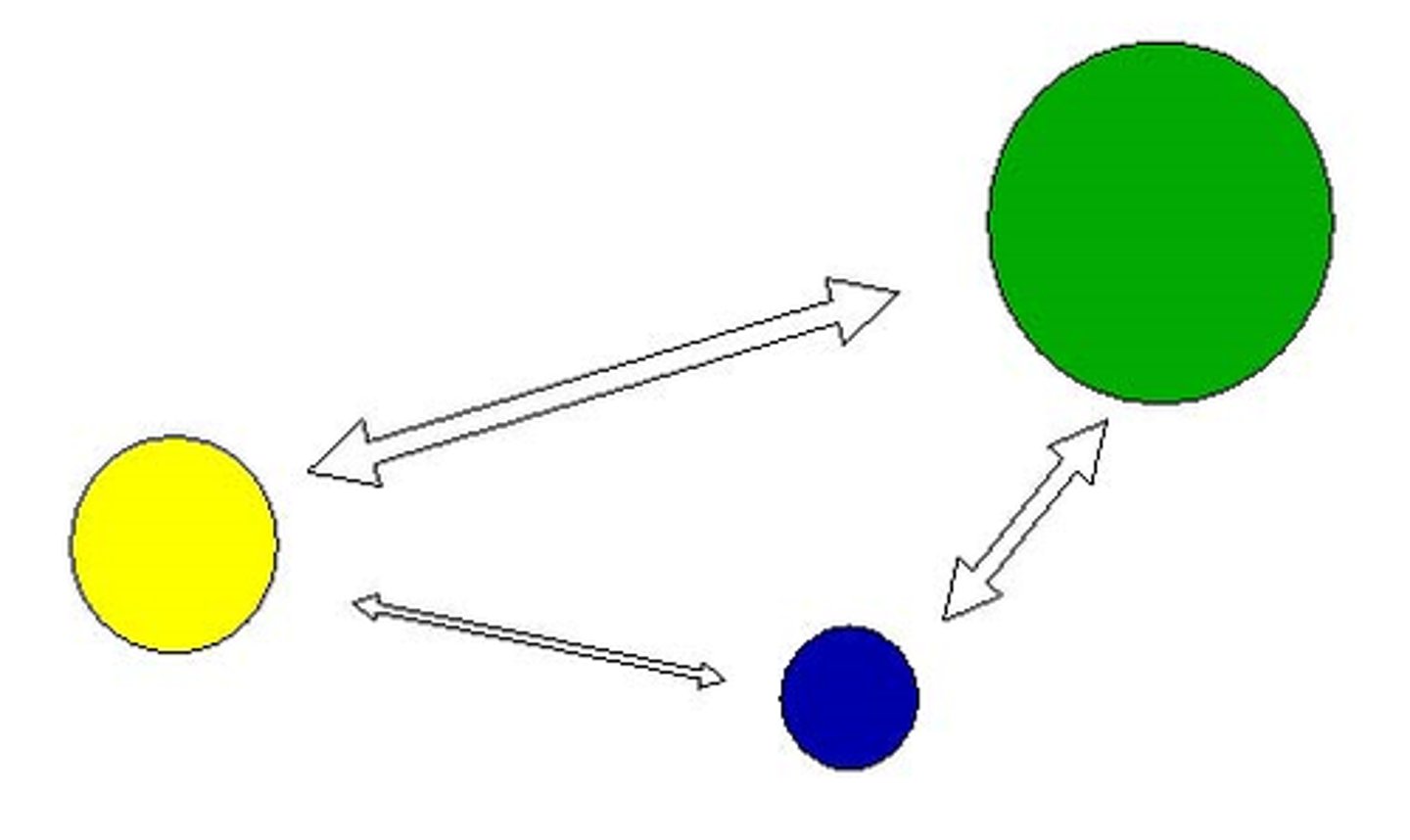
Gravity Model
A concept that explains the interaction between two places based on their population size and the distance between them, essentially suggesting that larger populations and shorter distances lead to greater interaction. For example, the interaction between New York City and Los Angeles compared to the interaction between New York City and Mexico City; even though the distances are similar, New York City will have a stronger interaction with Mexico City due to its significantly larger population, highlighting how population size plays a bigger role than distance alone in determining interaction between two places.
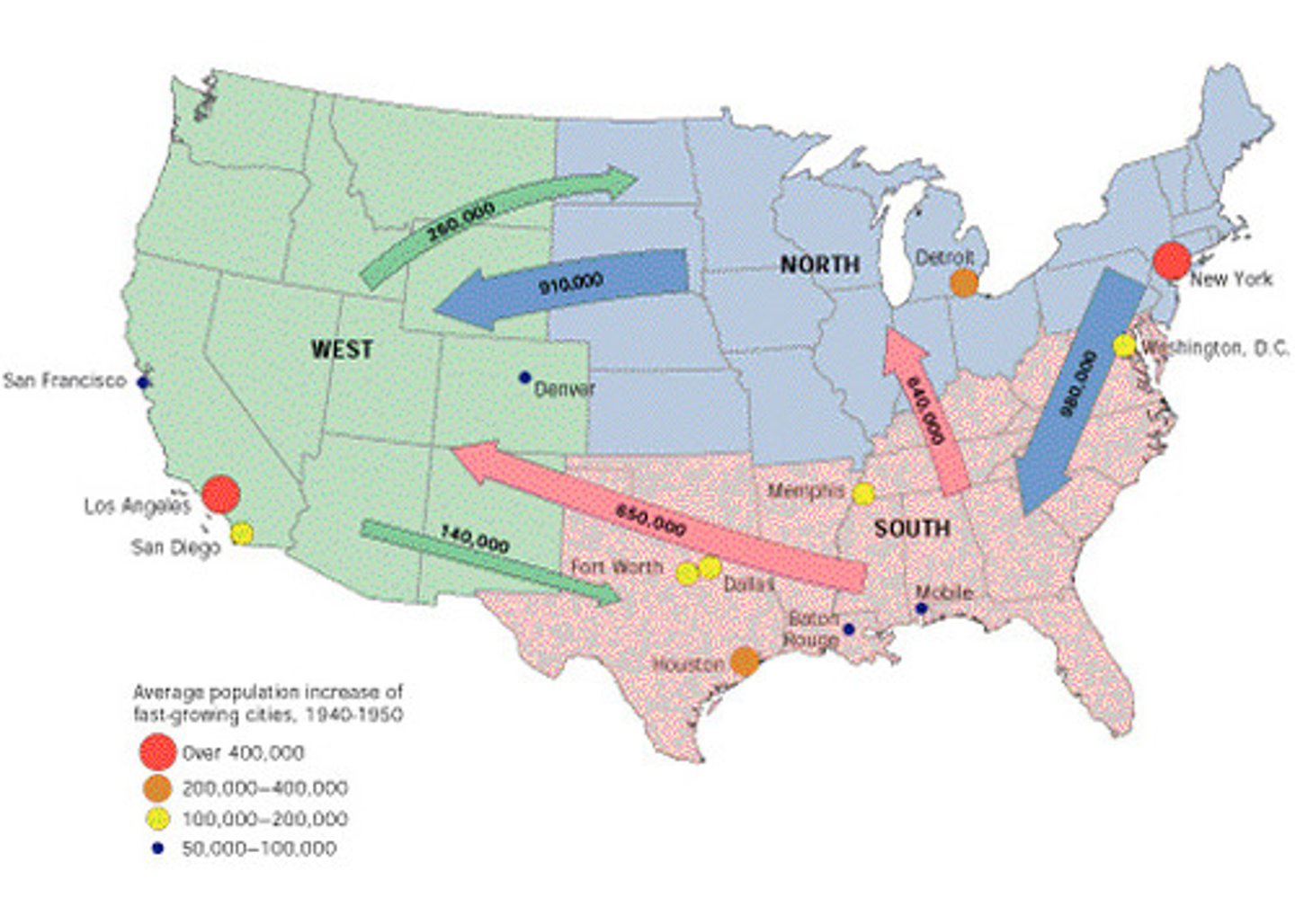
Internal Migration
Permanent movement within the same country. For example, someone moving from a rural area in the Midwest of the United States to a major city on the East Coast, like moving from a small town in Iowa to Chicago, Illinois, as this movement occurs within the same country, signifying internal migration.
Voluntary Migration
Permanent movement undertaken by choice. For example, a young person from a developing country choosing to move to a developed country for better job opportunities, like a Mexican citizen migrating to the United States to work in construction, as they are actively choosing to make this move for economic reasons.
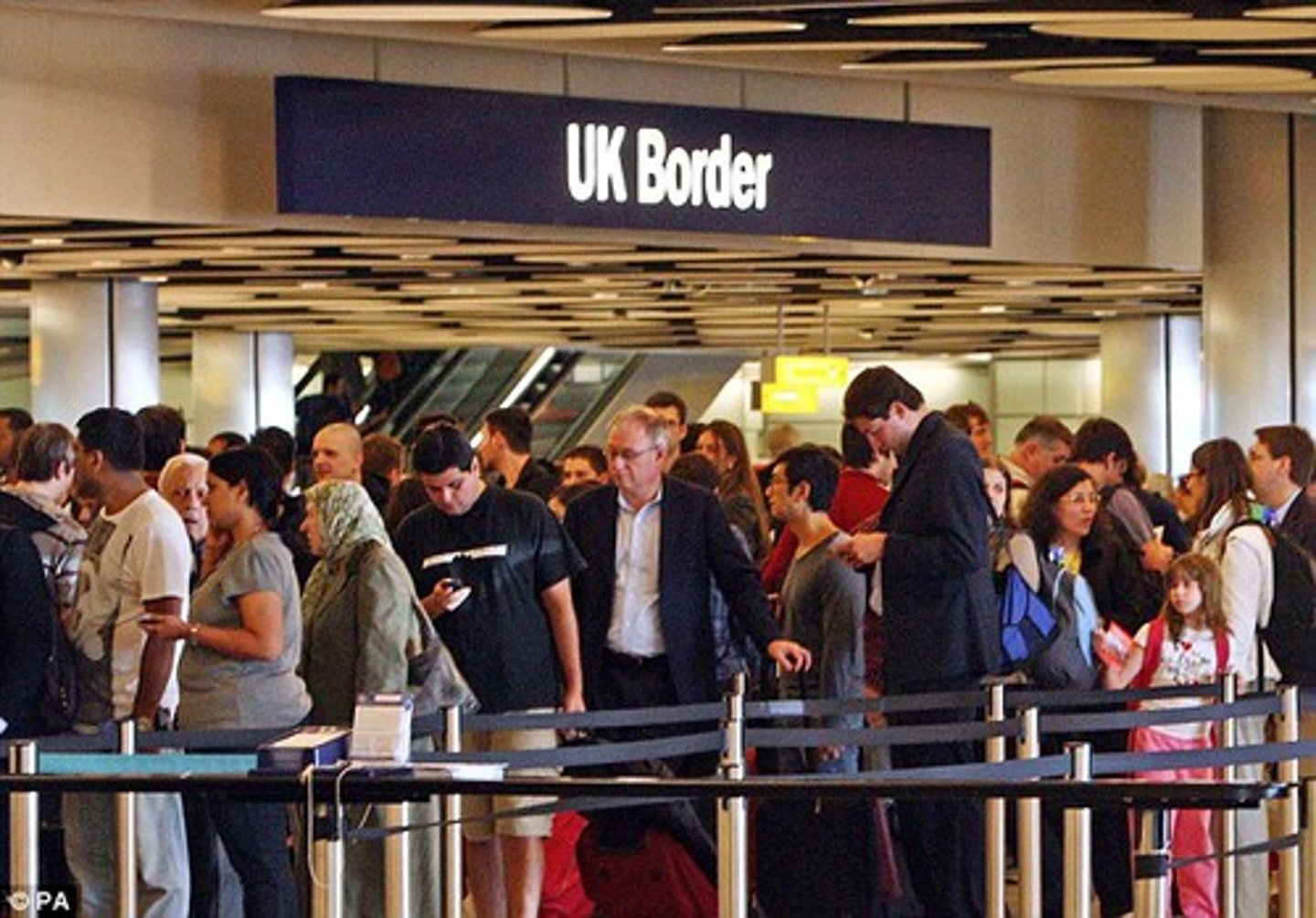
Forced Migration
migration that is involuntary, meaning migrants have no choice but to move. For example, the displacement of Syrian refugees fleeing the ongoing civil war in their country, where people are forced to leave their homes due to threats to their lives and cannot safely return, often seeking asylum in neighboring countries.
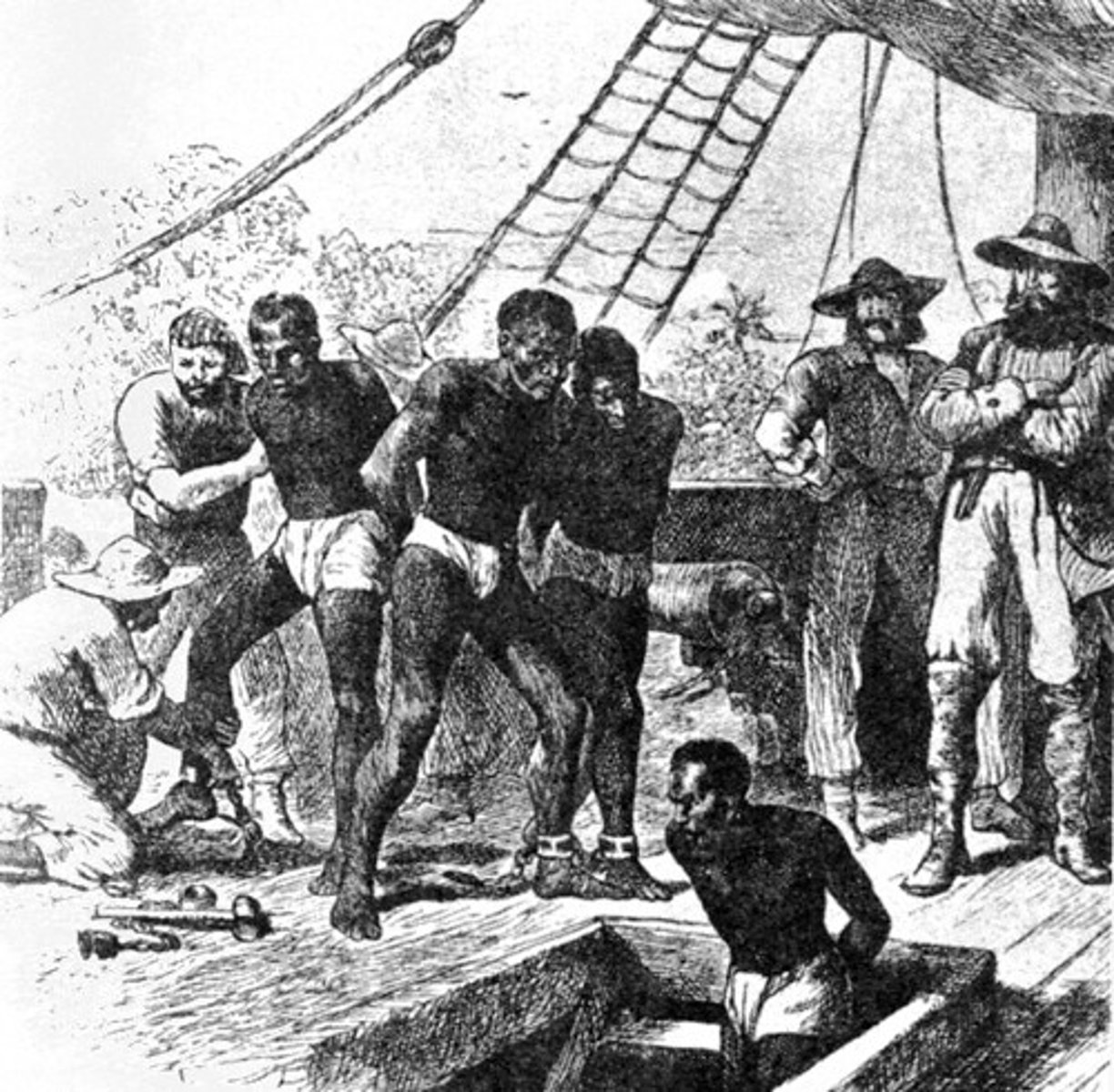
Chain Migration
migration of people to a specific location because relatives or members of the same nationality previously migrated there. For example, when a Mexican individual migrates to the United States and establishes themselves, then subsequently sponsors their family members from Mexico to join them in the same location, leading to a pattern where more people from the same community follow the same path to migrate to the same area; essentially creating a "chain" of migration from one place to another based on established connections
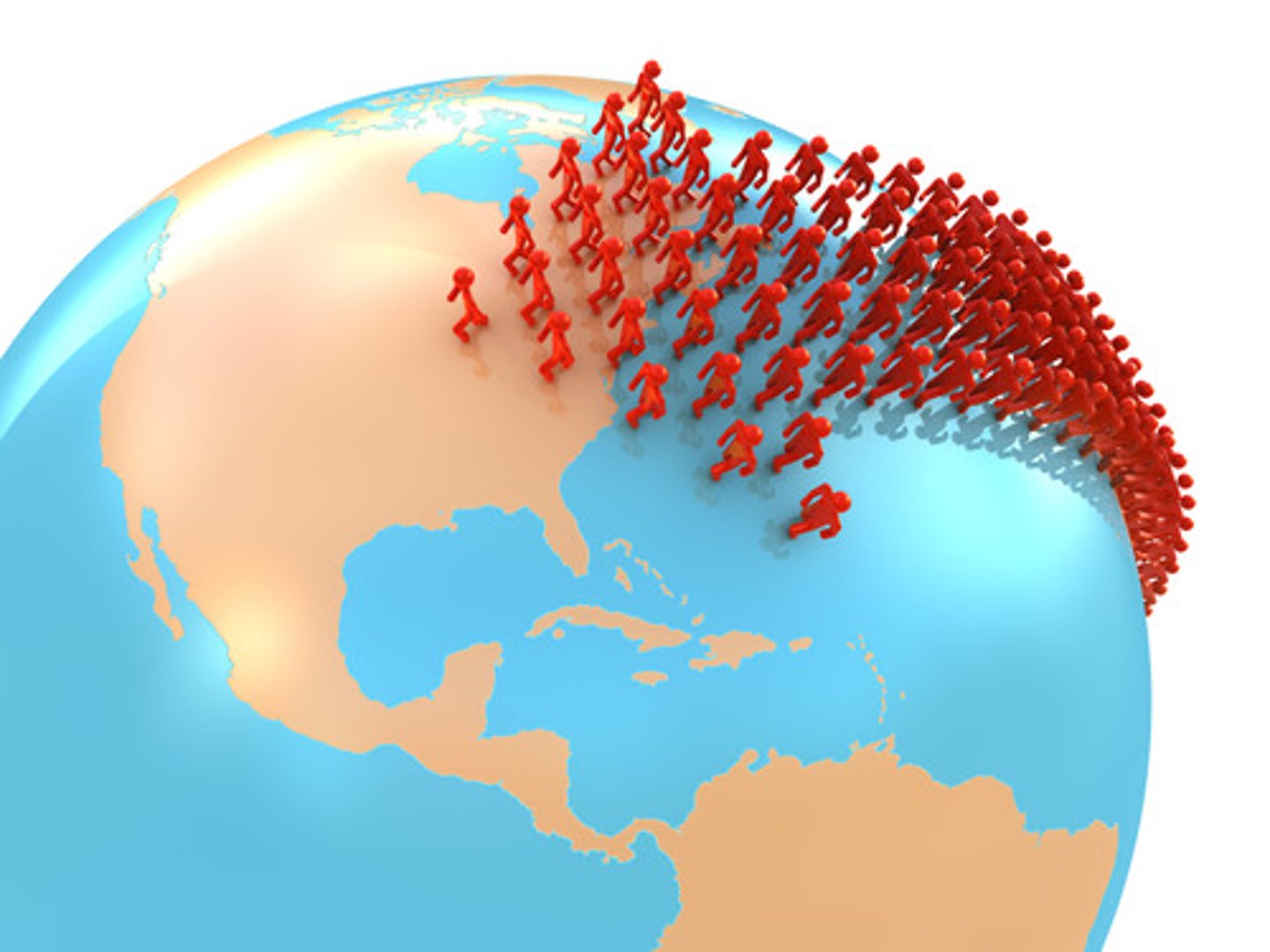
Step Migration
a process in which migrants reach their eventual destination through a series of smaller moves. For example, a farmer from a rural village moving to a nearby town for work, then eventually migrating to a larger city for further career advancement, essentially progressing through a series of stages to reach their final destination; essentially moving from a small village to a larger town and finally to a major metropolis, each step providing a stepping stone to the next level of opportunity.
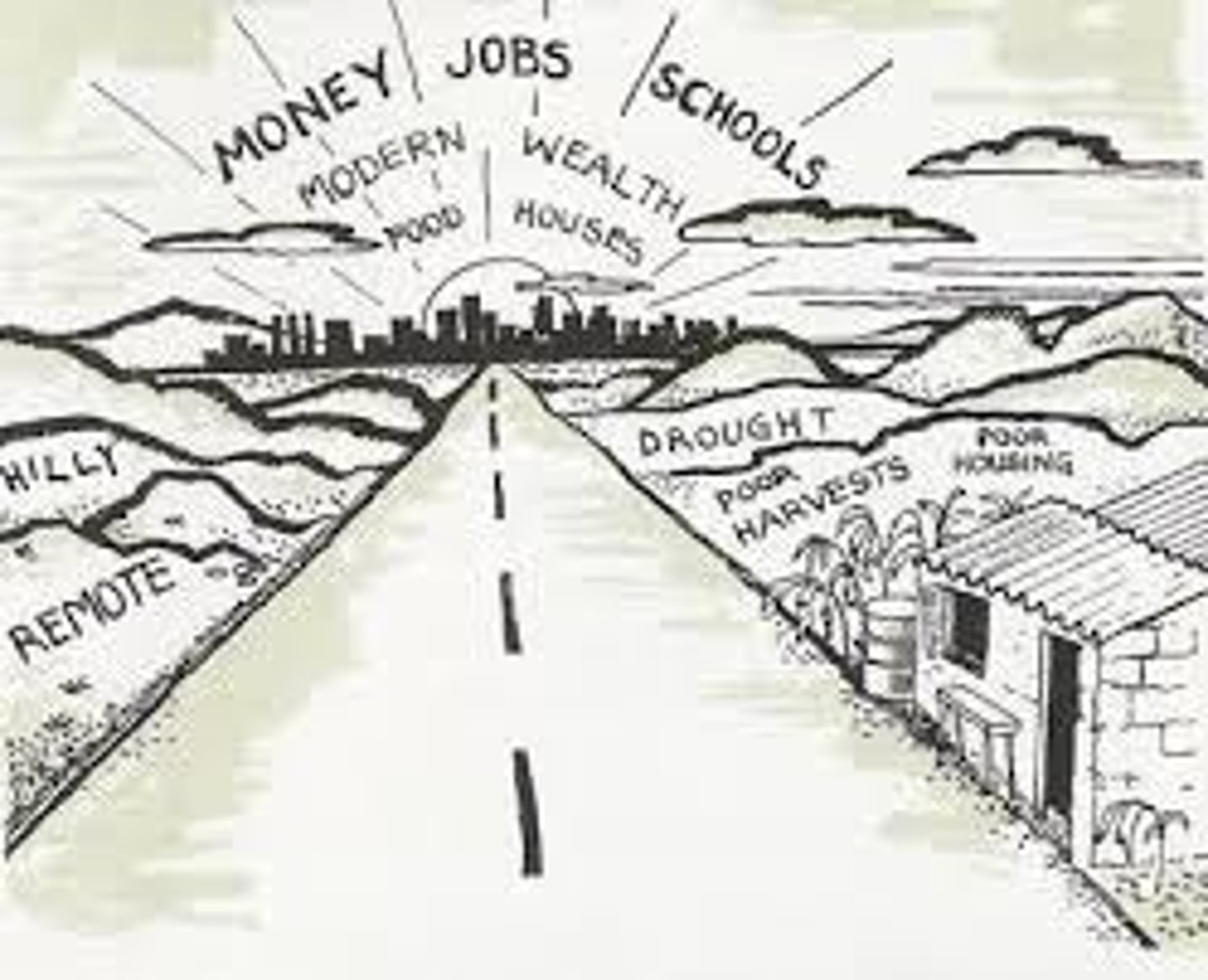
Rural-to-Urban Migration
The movement of people from the countryside to the city. This includes migrations both within countries - rural residents of India moving to cities like Mumbai, for example, - and between countries- rural residents of Syria moving to cities in Germany.
Refugee
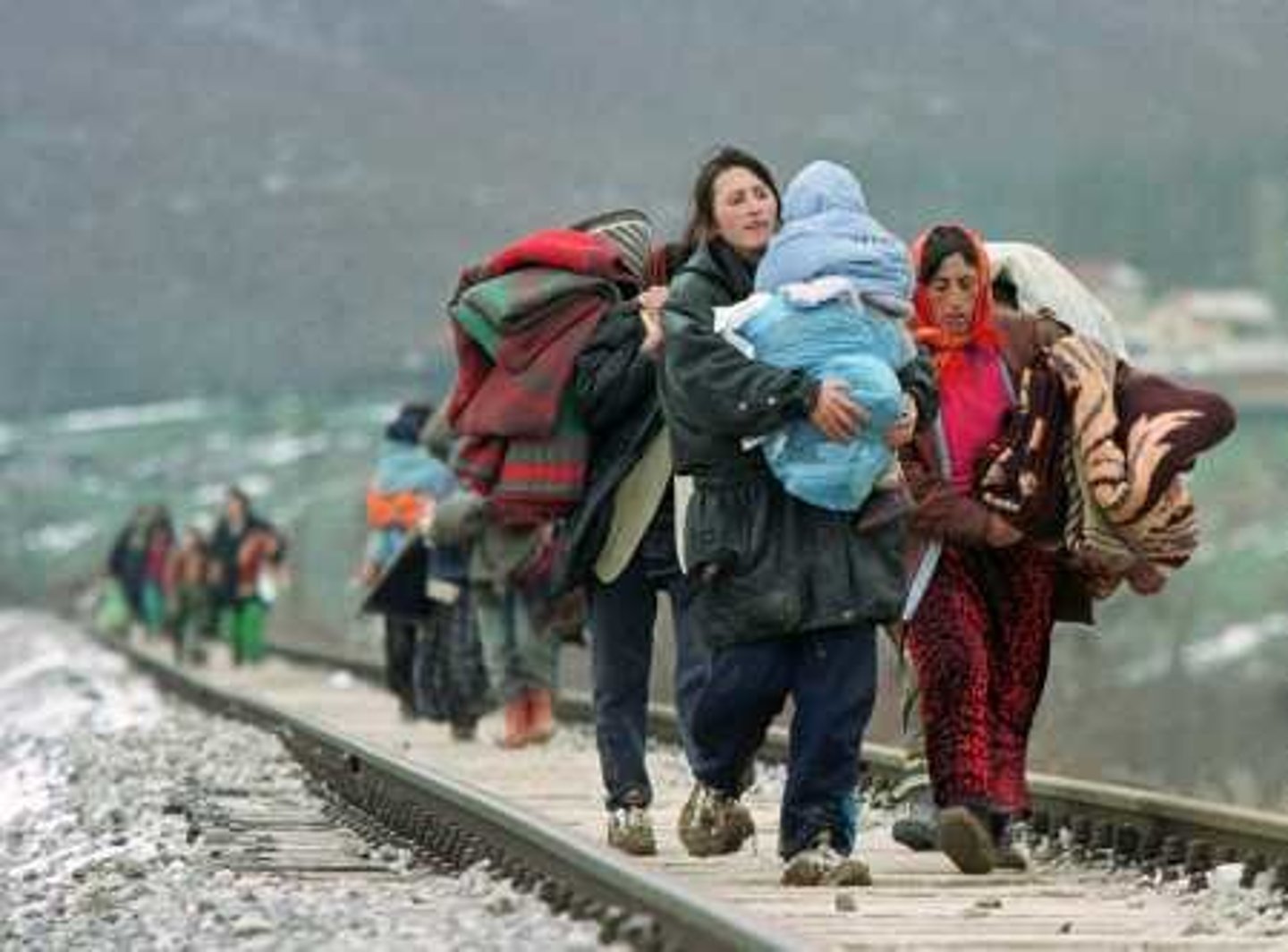
A person who has been forced to leave their country and crosses international borders in order to escape war, persecution, or natural disaster. For example, Afghan refugees after the Taliban takeover: Individuals who fled Afghanistan to other countries due to fear of political repression and instability.
Internally Displaced Person (IDP)
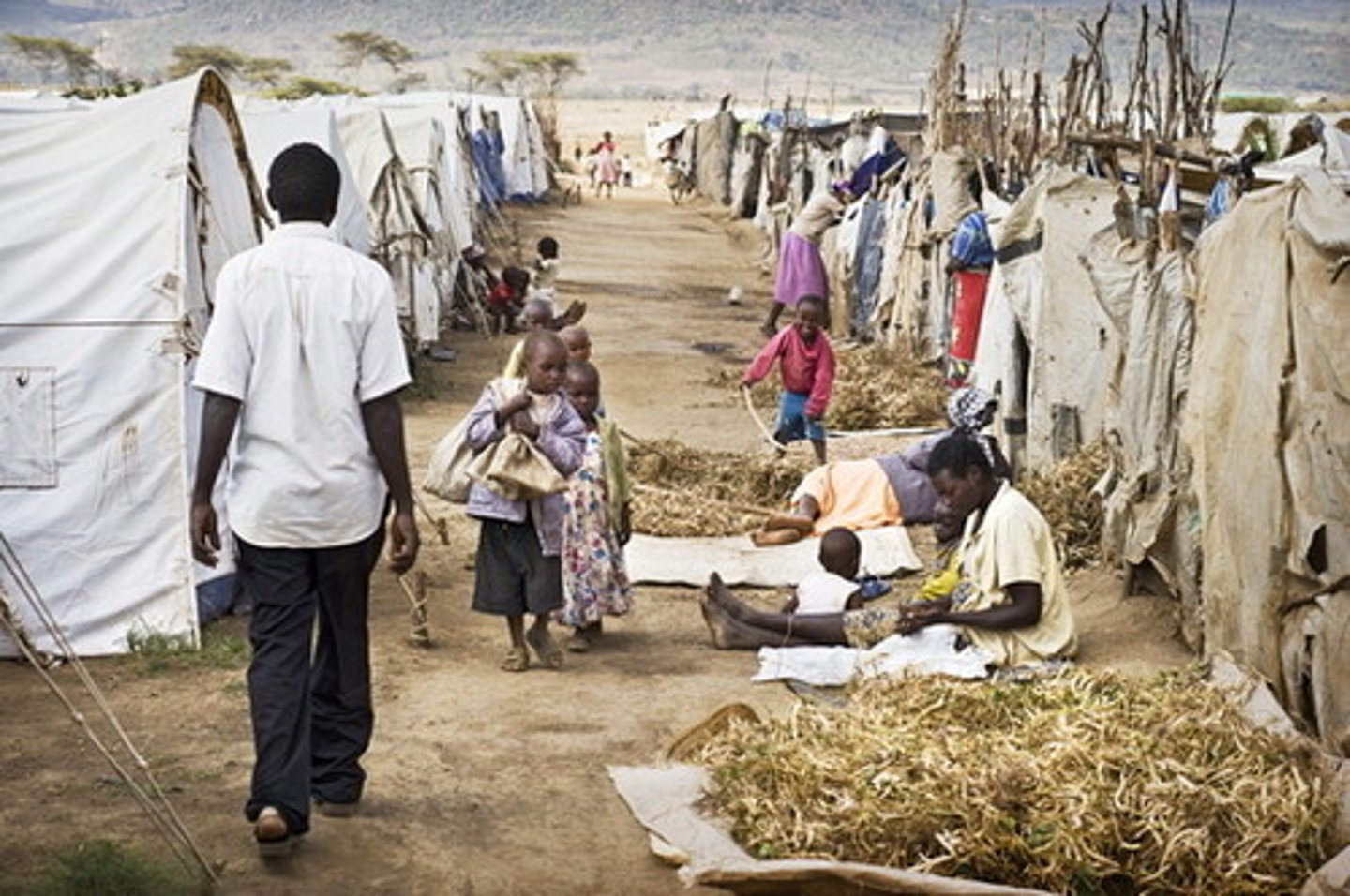
Someone who is forced to flee his or her home but who remains within his or her country's borders. For example, a Syrian citizen who has fled their home in Aleppo due to the ongoing civil war but remains within the borders of Syria; they are forced to move within their own country to escape conflict, not crossing an international border like a refugee would do.
Asylum Seekers
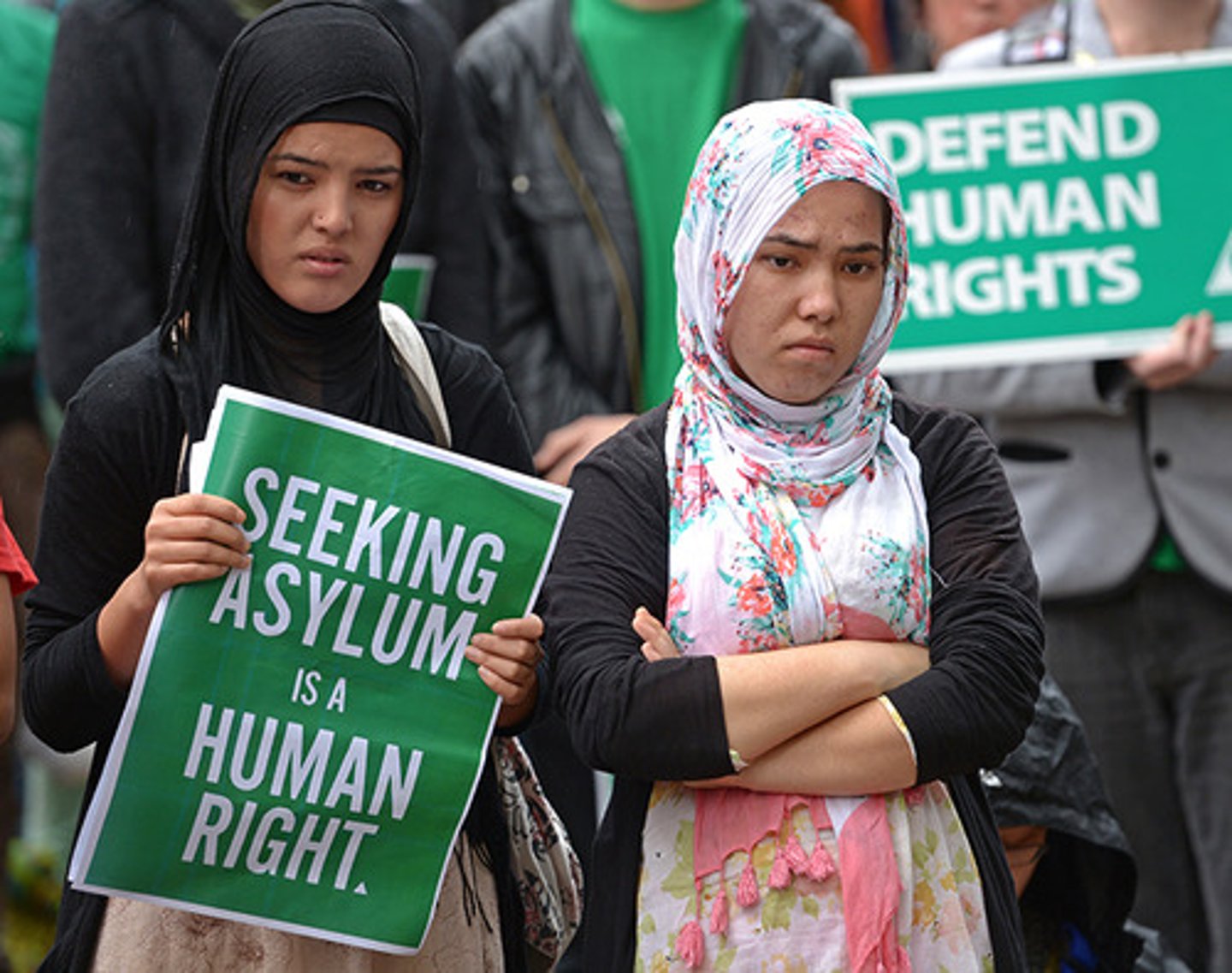
Protection granted by one country to an immigrant from another country who has a legitimate fear of harm or death if he or she returns. If granted, these individuals receive protection and special status from the government of the receiving country. For example, a person fleeing their home country due to political persecution, such as a journalist leaving a country where the government actively suppresses dissent and is seeking refuge in another country where they can safely practice their profession.
Transnational Migration
When people move from one country to another, or internationally rather than internally. For example, the movement of Mexican migrants to the United States, where they maintain strong ties to their home country through remittances, cultural practices, and frequent visits back and forth, creating a significant "Mexican diaspora" in the US

Transhumance
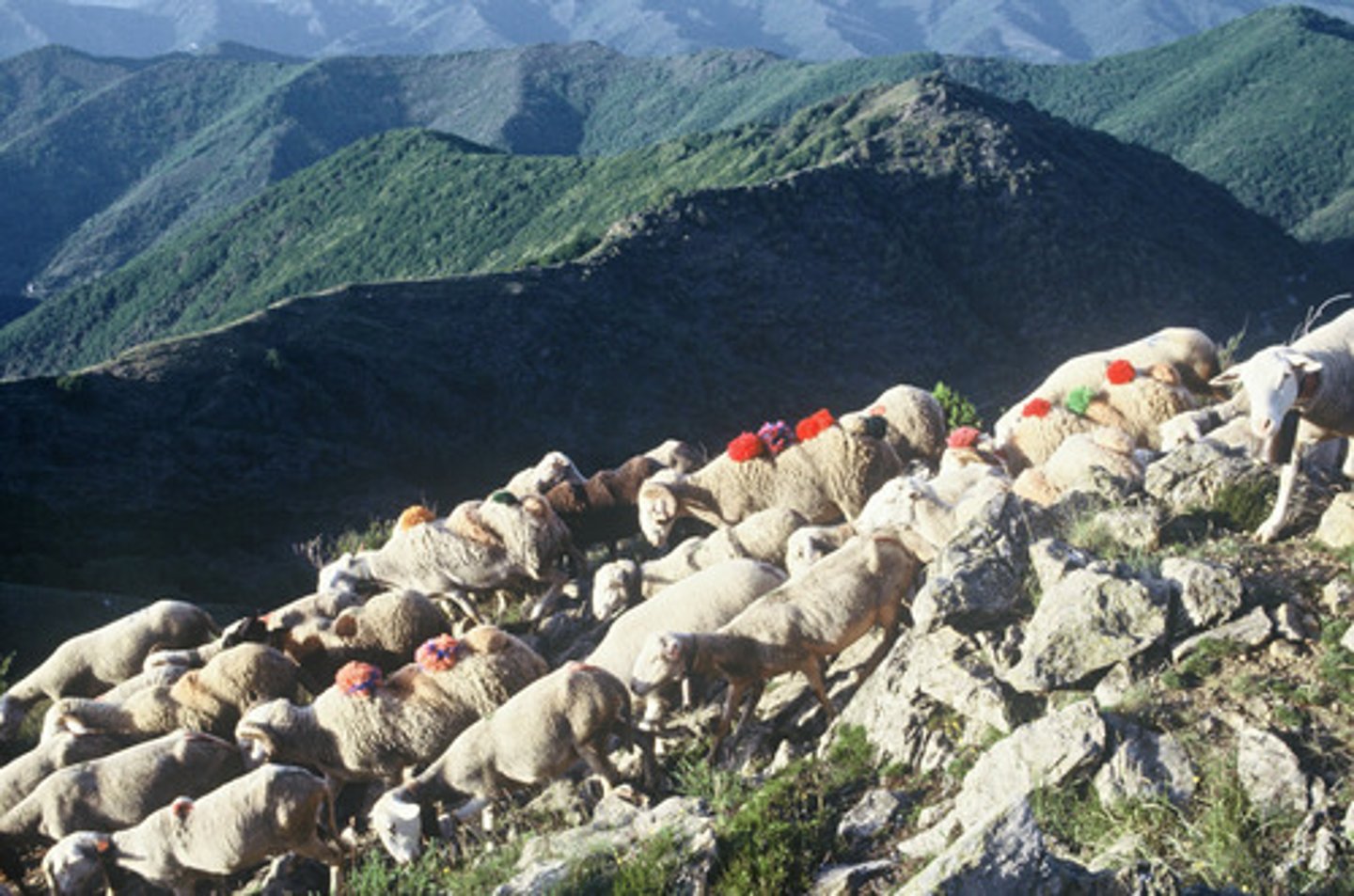
the process of herders moving with their animals to different pastures during different seasons. For example, the seasonal movement of livestock herds in the Alps, where herders move their animals to higher mountain pastures during the summer months and then back down to valley pastures in the winter when the weather becomes colder; essentially, migrating between high altitude grazing lands in summer and lower altitude grazing lands in winter.
Guest Workers
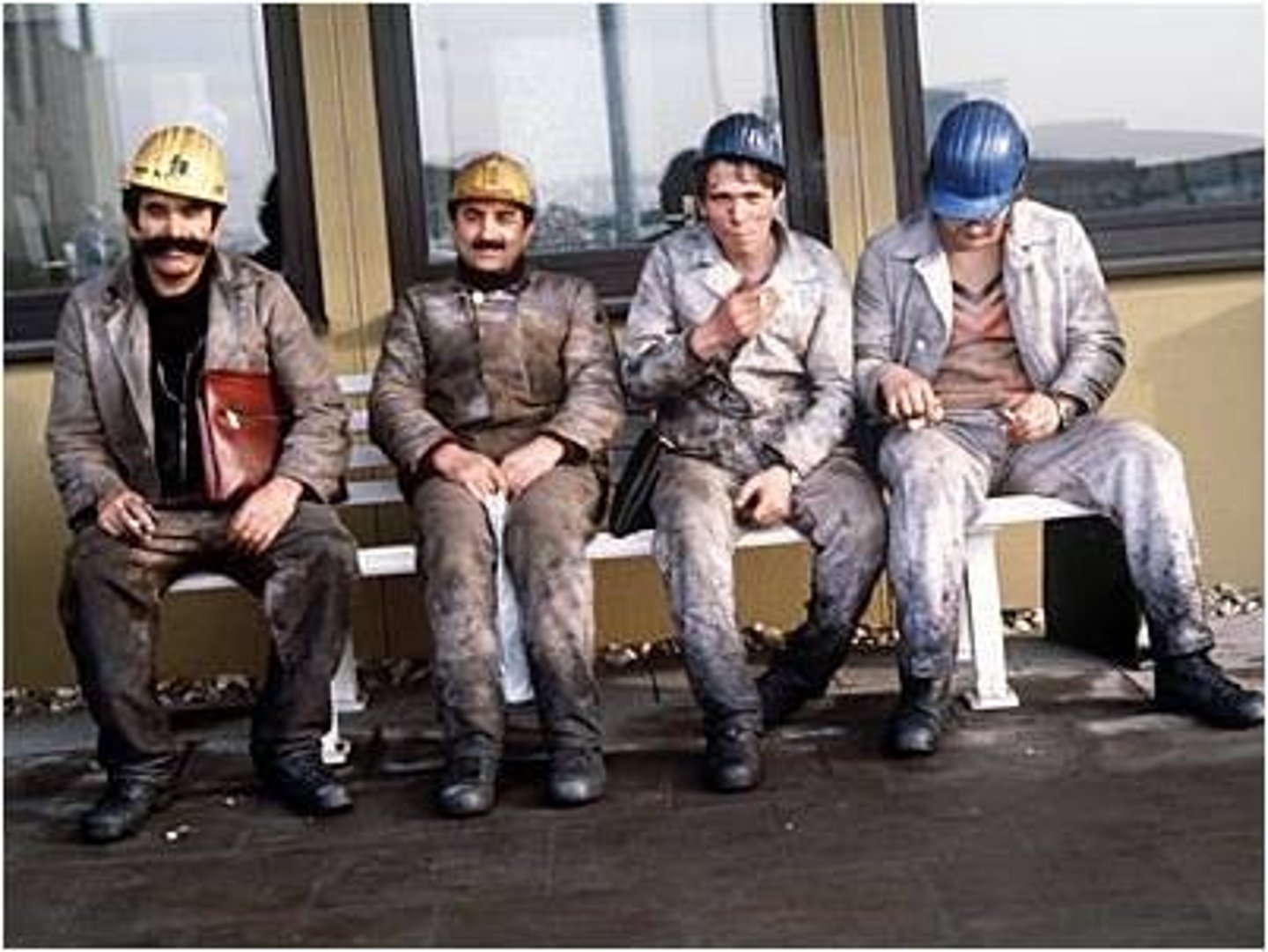
transnational migrants who relocate to a new country to provide labor that isn't available locally. Most are unskilled jobs such as agricultural work or manual labor. For example, the "Gastarbeiter" program in West Germany, where large numbers of Turkish workers were recruited for temporary labor positions in the post-WWII era, with many eventually settling permanently in Germany due to changing immigration laws. Also, Mexican workers are brought in seasonally to the US to work in agriculture, particularly in the Southwest.
Guest Worker Policies
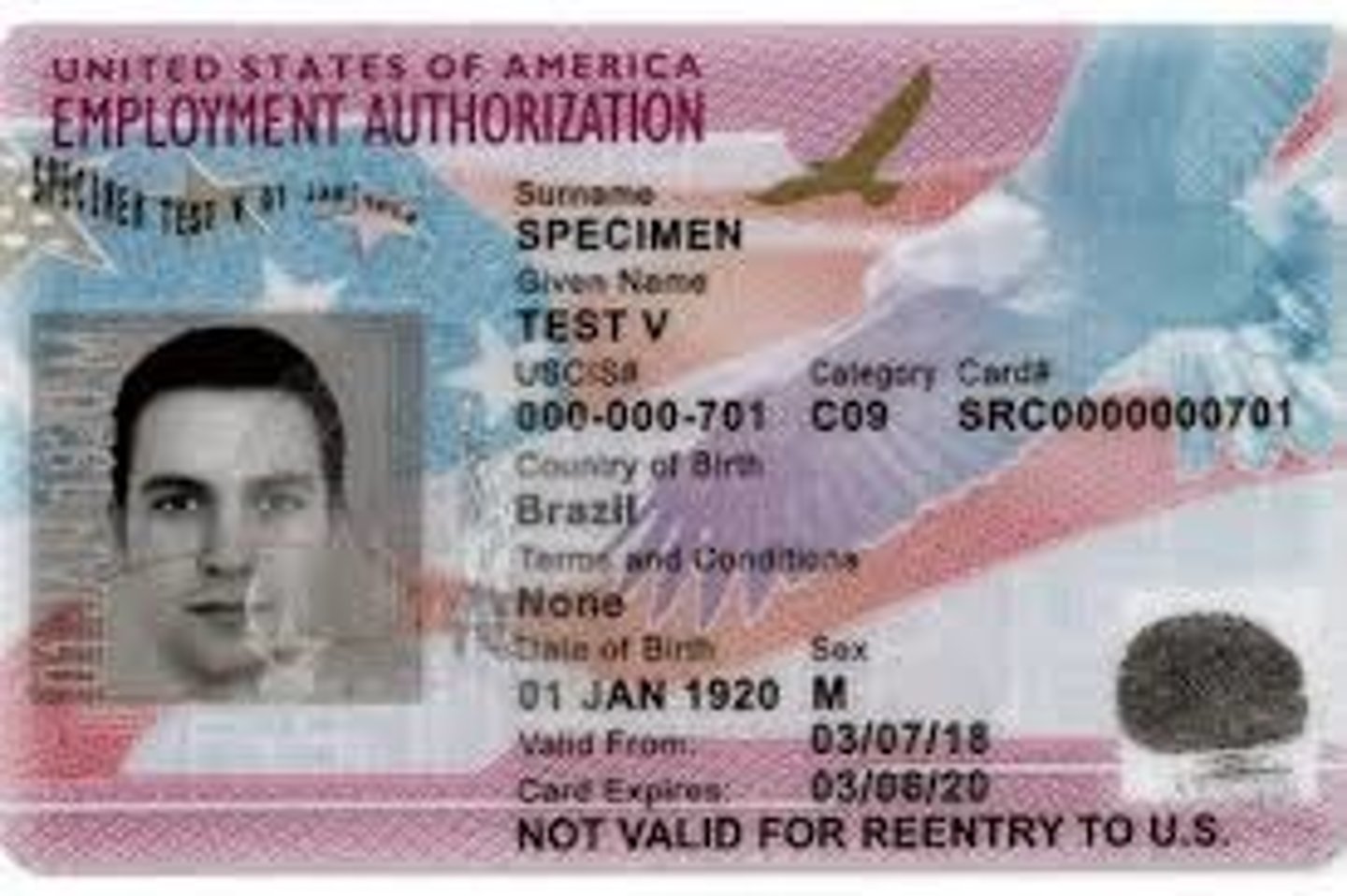
These regulate the number of workers who can temporarily enter each country to work in specific industries for a defined amount of time. For example, the "Bracero Program" in the United States, which allowed Mexican workers to temporarily migrate to the US for agricultural labor, particularly during harvest seasons, with specific stipulations regarding their work visas and conditions.
Brain Drain
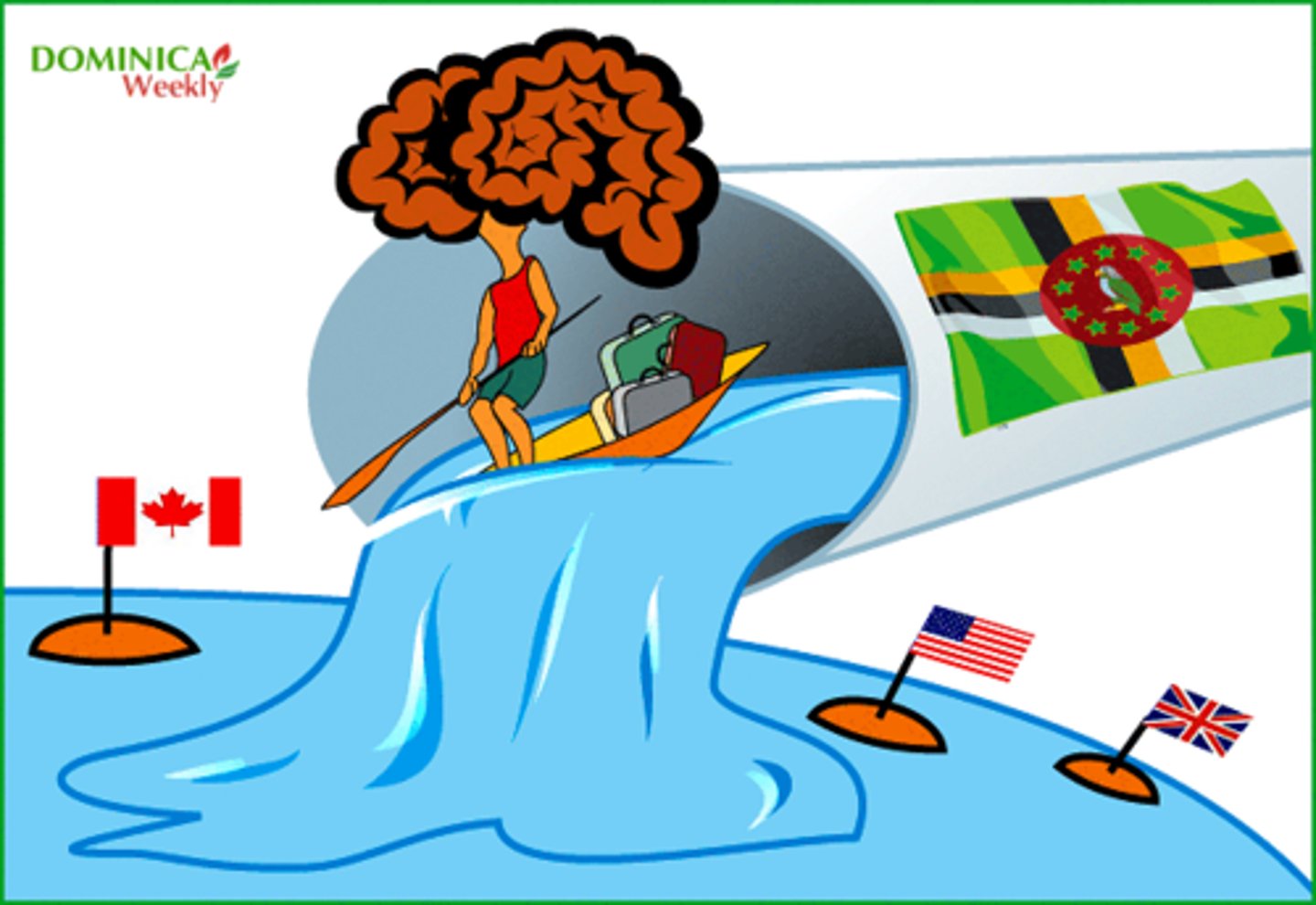
When migration out of a country is made up of many highly skilled people. For example, students from around the world enter the United States or Great Britain to study medicine, engineering, or other fields and often decide to stay, rather than return to the land of their birth.
Xenophobia
A strong dislike of people of another culture. For example, a government policy that heavily restricts immigration from a specific country based on the citizens' ethnicity or nationality, effectively discriminating against them and creating a hostile environment for newcomers.
Remittances
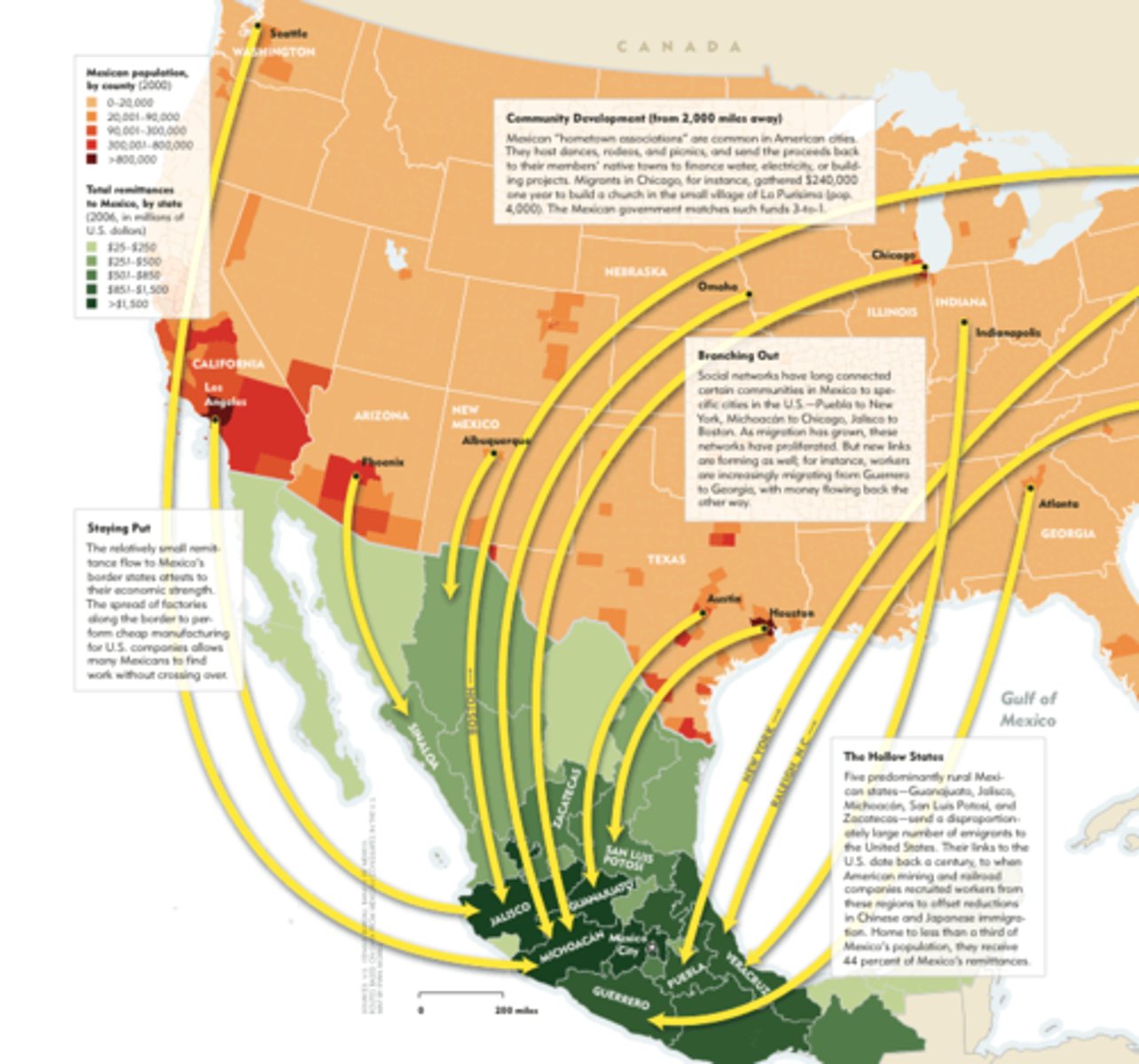
Money sent home by migrant workers to individuals (usually relatives) in their country of origin. For example, a Mexican worker sending a portion of their paycheck earned in the United States back to their family in Mexico.
Ethnic Enclaves
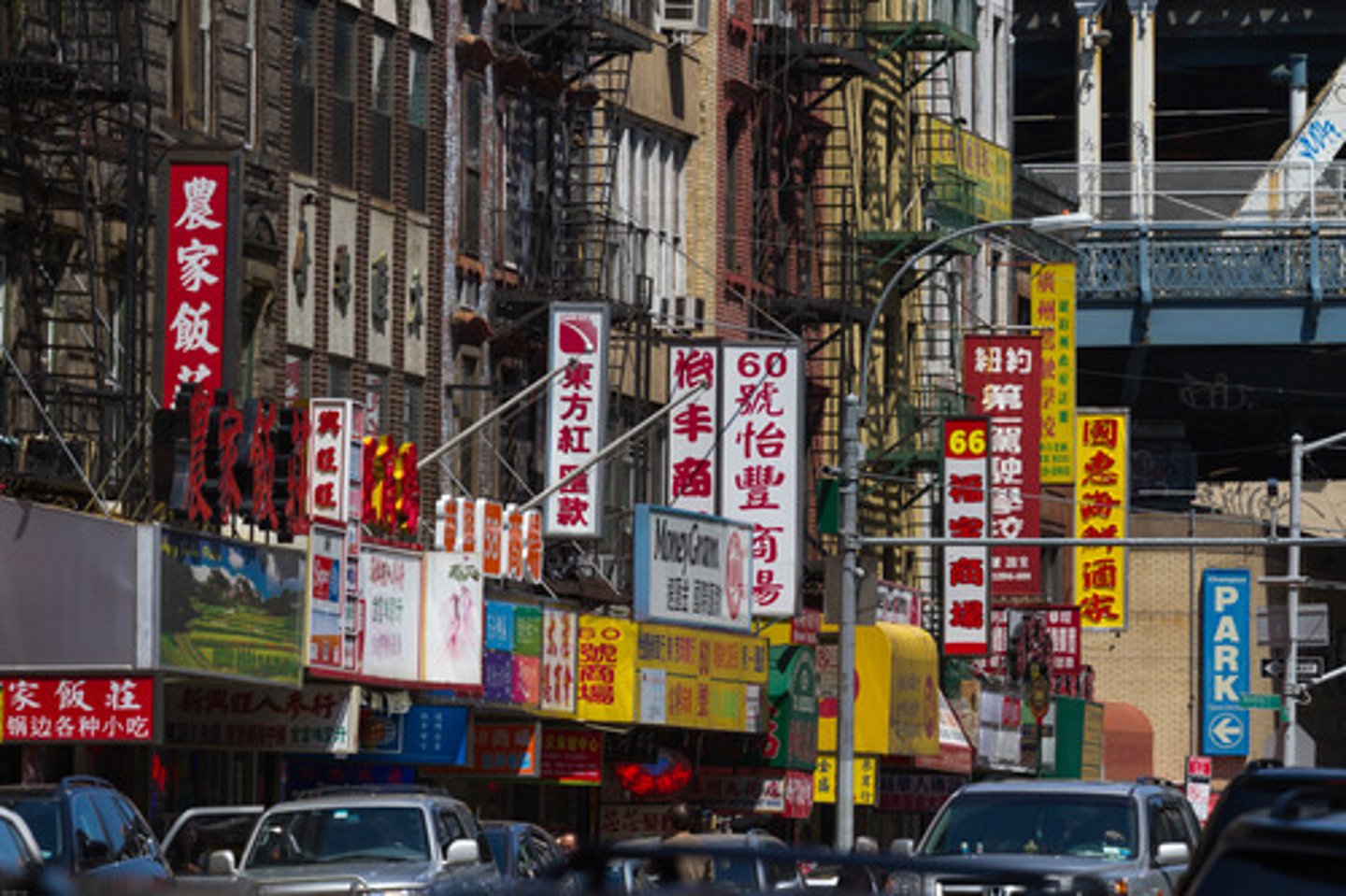
Neighborhoods filled primarily with people of the same ethnic group, such as "little Italy" or "Chinatown". These add to the cultural richness of the countries in which they develop.