Finals Exam Archeology
 Studied by 0 people
 Call with Kai
 Learn
Learn Practice Test
 Spaced Repetition
 Match
Match Flashcards
 Knowt Play
1/16

There's no tags or description
Looks like no tags are added yet.
Name | Mastery | Learn | Test | Matching | Spaced | Call with Kai |
|---|
No analytics yet
Send a link to your students to track their progress
17 Terms
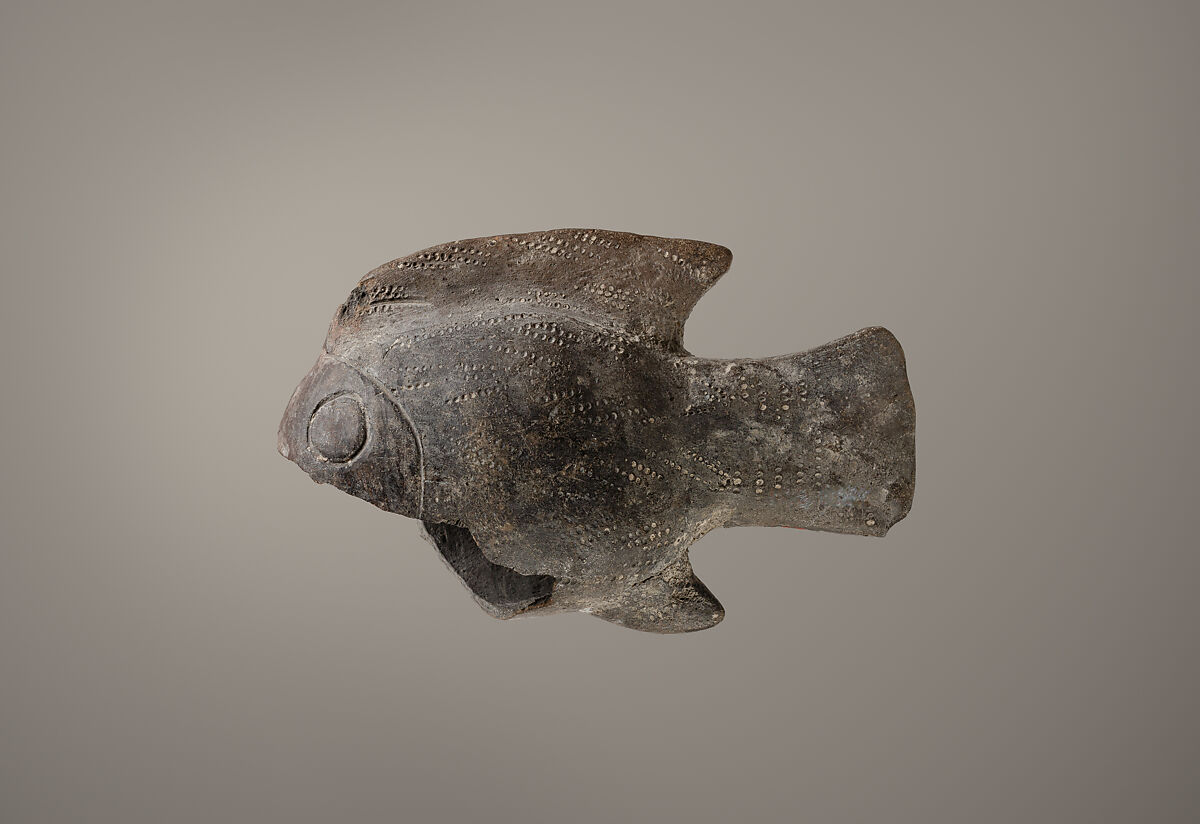
Date: Second Intermediate Period
Material: Clay
Provenance: University College London
Function/Meaning: Burial gift with rebirth and regeneration and it functioned as a container for valuables.
Significance: Cultural marker for middle bronze age.
Tell el-Yahudiyeh ware Juglet
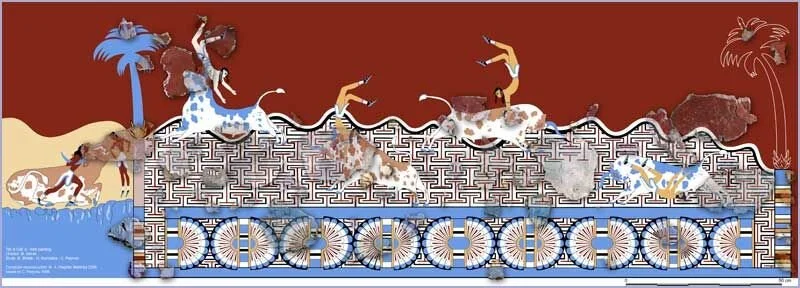
Bull Fresco
Date: 18th Dynasty
Material: Lime Plaster
Provenance: Tell El dabs
Function/Meaning: depicted a sacred ritual and symbolized strength
Significance: Linked Aegean art to Egyptian new kingdom palaces.
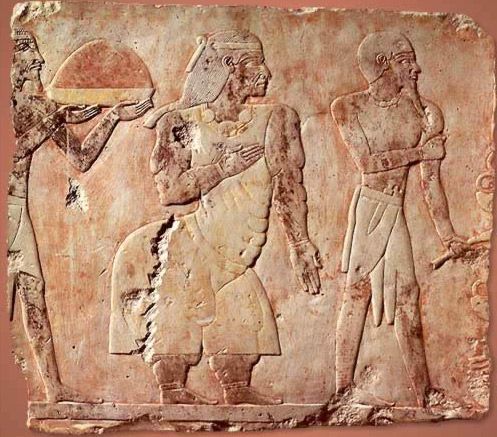
Relief of Queen of Punt
Date: 18 Dynasty, New Kingdom
Material: Painted Limestone
Provenance: Mortuary Temple of Hatshepsut
Function/Meaning: Documents the foreign people that Queen of Punt met and it functions as a legitimization to her reign.
Significance: Showcases Hatshepsut political power and proof of Punt.
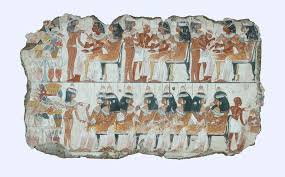
Banquet Scenes, Tomb of Nebamun
Date: 18th Dynasty
Material: Painted Plaster on Mudbrick wall
Provenance: Theban Necropolis
Meaning/Function: Shows Nebuns life and celebrates it in a great banquet hall and functions to ensure Nebun has an enjoyment of feasting in the afterlife.
Significance: Provides the most vivid depictions of the New Kingdom elite leisure.
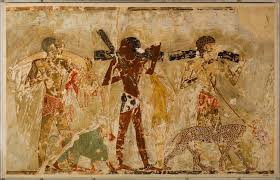
Tribute Scene, Tomb of Rekhmire
Date: 18th Dynasty
Material: Painted Plaster
Provenance: Theban Necropolis
Meaning and Function: It symbolizes Egypt's access to rare sources, and functions as a commemoration for Rekhmire's administrative role overseeing tribute so he has prosperity in the afterlife.
Significance: Showed Egypt's diplomatic and economic interactions with foreign land.
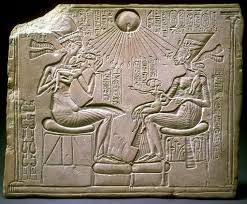
Altar Stele of Akhenaten and Family, Berlin
Date: 18th Dynasty
Material: Limestone carved in Sunken Relief
Provenance: Amarna
Meaning and Function: Shows family receiving life giving rays, showing bond between royal family and sole god. Functions as an intermediary between humanity and the aten.
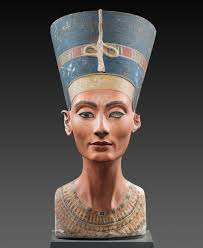
Bust of nefertiti:
Date: 18th Dynasty
Material: Painted Limestone
Provenance: Amarna
Meaning and Function: Embodiment of beauty and royal authority as well as divine femininity. Functions as a sculptors model for teaching or replicating.
Significance: Shows the refined naturalism of Amarna Art.
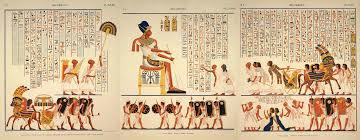
Battle of Qadesh Scene (Luxor)
Date: 19th Dynasty
Material: Carved and painted Sandstone
Provenance: Nubia, temple of ramses the II
Function/meaning: Depict Ramses II receiving tribute and leading military and shows his warrior king. Functions as a way to glorify the king and legitimize him for visitors of nubia.
Significance: Celebrates Ramses II political power and military power and reinforces the ideology of showing him being victorious.
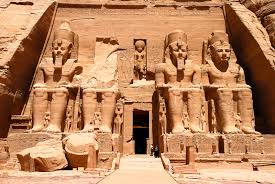
Abu Simbel
Date: 19th Dynasty
Material: Rock-Cut Sandstone temple facade
Provenance: Abu Simbel Nubia
Function/Meaning: Was to honor Ramses II and the gods and portray Ramses as a divine ruler whose power radiated over Egypt and Nubia.
Greatest monumental statements of the New Kingdom Ideology.
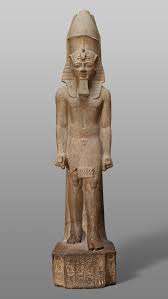
Colossal Statue Of Ramses II (Memphis)
Date: 19th Dynasty
Material: Carved Sandstone
Provenance: Luxor Temple
Function and meaning: Represents Ramses as a divine ruler and youthful and embodies royal power. Functions such as monumentalizing the king's presence at the temple entrance.
Significance: Exemplifies the colossal royal portraiture of the new kingdom, emphasizing RAmesses II’s political dominance.
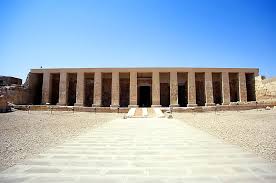
Temple of Seti I, Abydos
Date: 19 Dynasty
Material: Limestone and Sandstone
Provenance: Abydos
Function and meaning: A devotion to the gods and especially Osiris. Function is a mortuary and cult temple for seti I for offerings.
Significance: Provides some of the finest relief carvings of the New Kingdom.
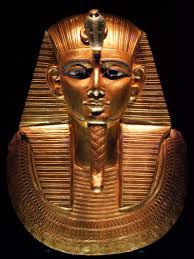
Funerary Mask of Psusennes
Date: 21st Dynasty
Material: Solid Gold with lapis lazuli and obsidian
Provenance: Tanis - Tomb of Psusennes I
Meaning/Function: Displays Psusennes in his true idealized divine form, functions to protect the king's face and identity in the afterlife.
Significance: One of the finest royal masks and shows the true Egyptian craftsmanship and wealth that resigned there.
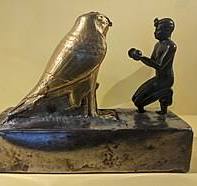
Taharqa offering nw Vases to Horus
Date: 25th Dynasty
Material: Bronze and Gold
Provenance: Temple of Hemen at Hibis
Function/Meaning: Demonstrates Taharqa kneeling before the falcon god hemen which demonstrates his piety and divine sanction. It functions as a temple offering statues.
Significance: Embodies the religious and political ideology of the Kushite 25th Dynasty.
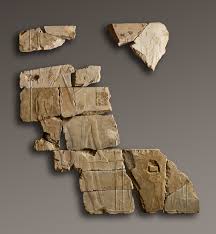
Gateway Relief, Palace of Apries
Date: 26th Dynasty
Material: Limestone relief
Provenance: Palace of Apries, memphis
Meaning/Function: Shows king Apries performing a ritual act of royal power and divine legitimacy before gods. Functions as assertion to royal ideology.
Significance: Rare piece of material examples of late period royal palace decoration.
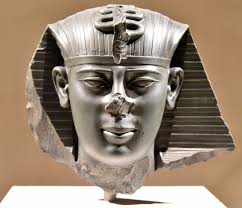
Head Amasis (Berlin)
Date: 26th Dynasty
Material: Granodiroite
Provenance: Memphis, Egypt - Louvre
Meaning/Function: Portrays how Amasis was portrayed and functioned as part of a larger royal statue placed in a temple.
Significance: Exemplifies the 26th Dynasties revival of classical Old Kingdom Styles to legitimize Saite Rule
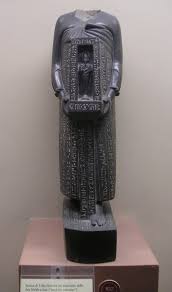
Statue of Udjahhorenet
Date: Late period, 26th-27th Dynasty
Material: Schist
Provenance: Sais
Function/Meaning: Shows Udjahhorenet as a pious official presenting a shrine containing a divine figure. Functions as a way to serve as a temple statue that he could be in worship forever.
Significance: Most important contemporary accounts of Egypt's Transition to Persian Rule.
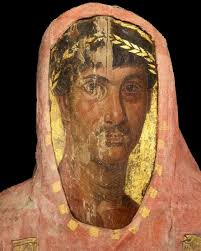
Mummy of Herakleides
Date: Roman Period in Egypt
Material: wax on linen cartonnage with gold leaf
Provenance: Roman Egypt
Function/Meaning: Lifelike realism to preserve his identity for eternity presenting him as divine. Face of the mummy to ensure recognition.
Significance: Shows the fusion of Roman Portrait naturalism with Egyptian funerary religion.
 Note
Note  Flashcards (23)