(4) Germanic Kingdoms: Notable People / Figures (inc. Religious Figures, Writers, Artists, etc.) and Notable Works
 Studied by 0 people
 Call Kai
 Learn
Learn Practice Test
 Spaced Repetition
 Match
Match Flashcards
 Knowt Play
1/30

Earn XP
Description and Tags
Includes both Frankish (Merovingian and Carolingian) and Anglo-Saxon (Heptarchy) Kingdoms as well as other Germanic Kingdoms
Name | Mastery | Learn | Test | Matching | Spaced | Call with Kai |
|---|
No analytics yet
Send a link to your students to track their progress
31 Terms
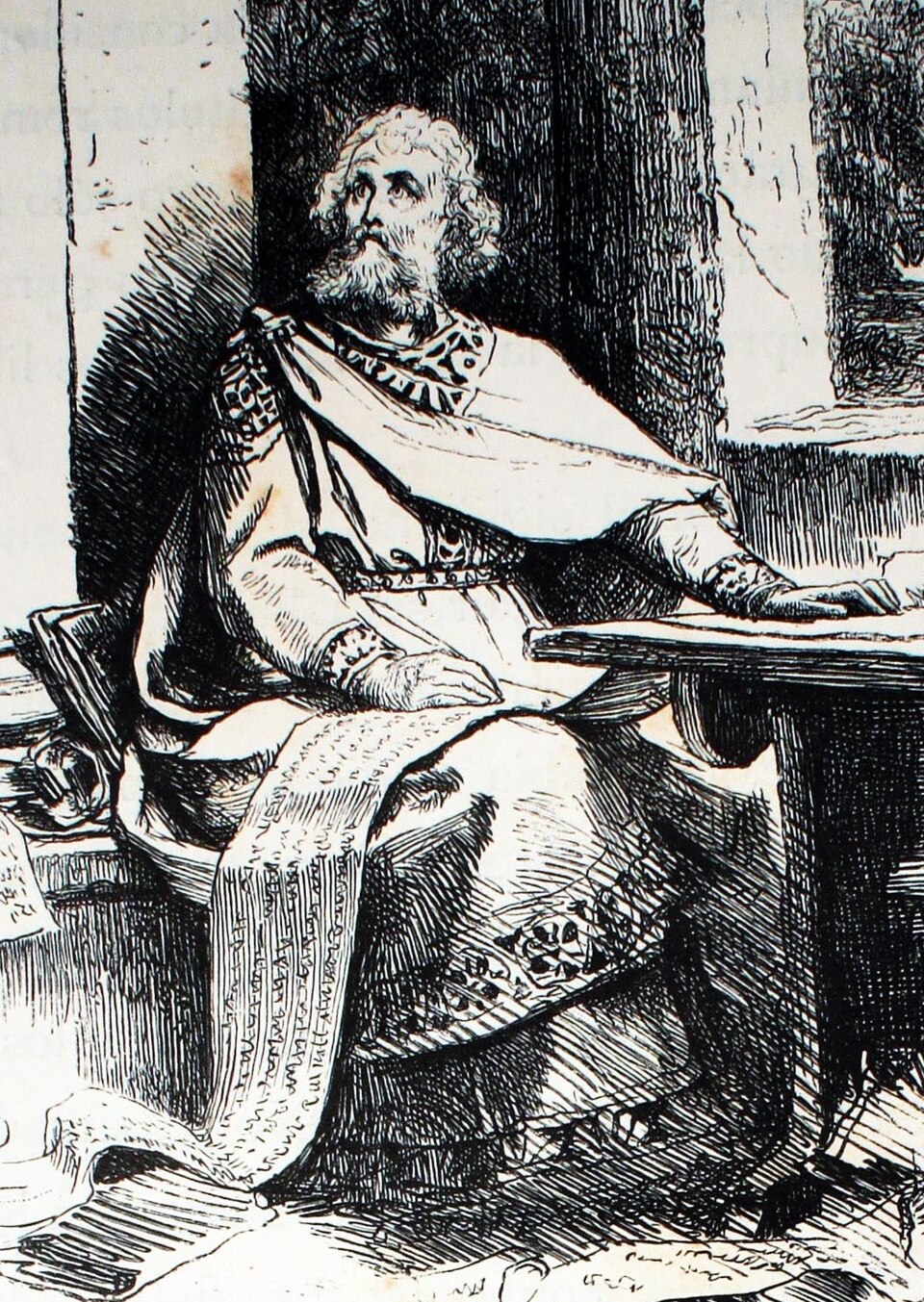
311 - 383 - Ulfilas (All Facts)
First Gothic Bishop and Preacher
He translated (most of) the Bible into the Gothic language
In so doing, he had to create a new and holy version of the Gothic language since some Christian ideas could only be conveyed by adapting Latin words for use as part of Gothic vocabulary
Additionally, he had to expand the Gothic alphabet, since its script was inadequate
He converted many Goths to Christianity, albeit they absorbed Arian Christianity
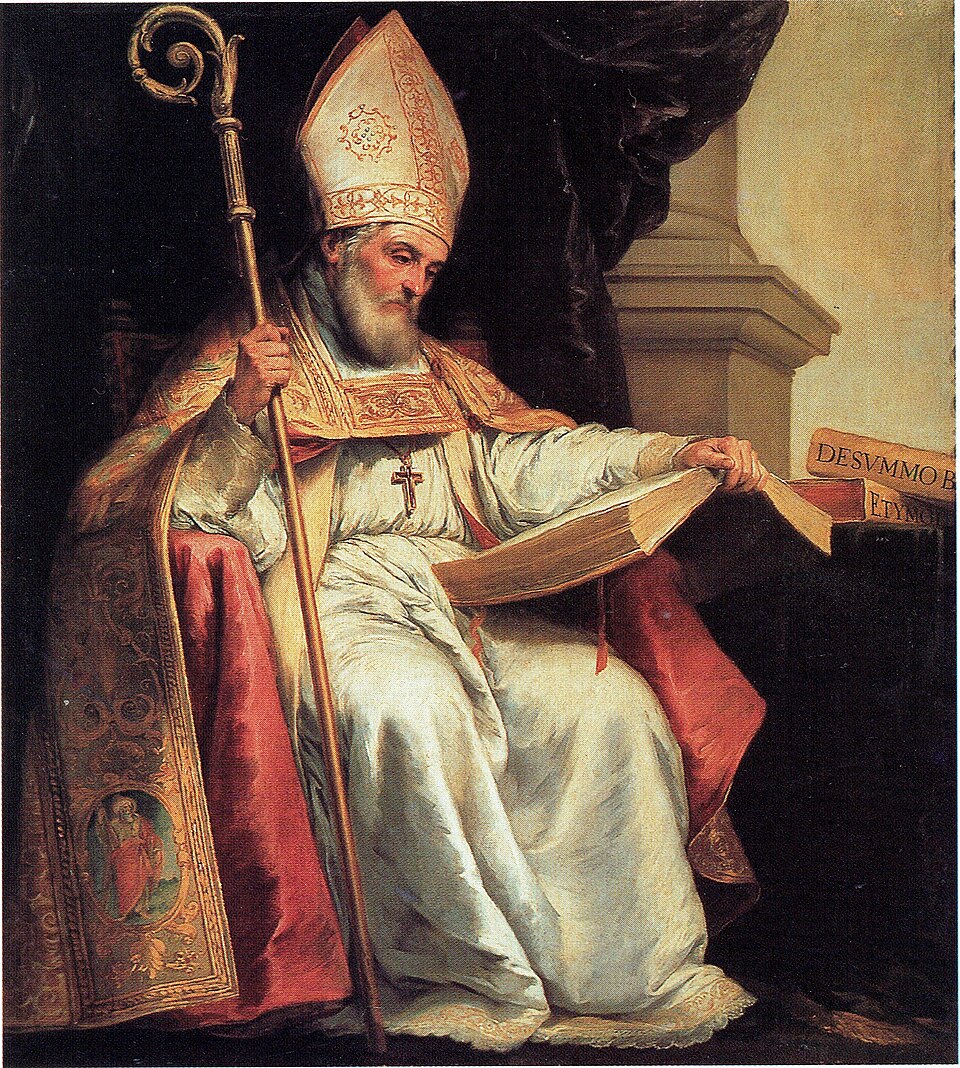
560 - 636 - Isidore of Seville (All Facts)
Bishop of Seville in Visigothic Spain
Considered the most learned scholar of his age
He wrote many books, including
A dictionary of synonyms
A treatise on astronomy and physical geography
Histories
Theological works
He was a renowned teacher and proposed a liberal curriculum that attempted to embrace all learning
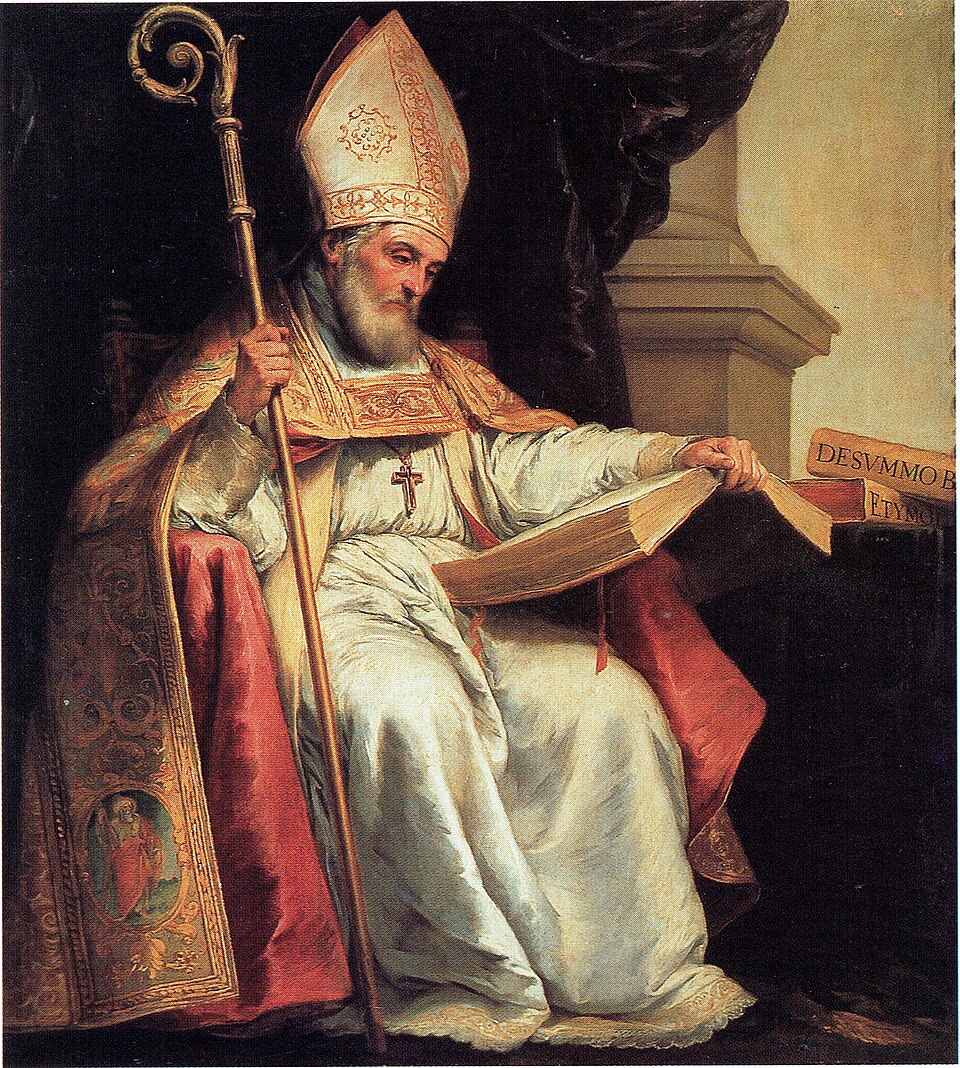
560 - 636 - Isidore of Seville: Etymologies (All Facts)
Work which shows that the nature of all things can be derived from tracing their names back to the original roots and forms
Embracing all contemporary knowledge, it is an incomparable book by an unrivaled intellect
657 - 684 - St. Caedmon of Whitby (All Facts)
One of the first English poets
He was an untutored herdsmen
He used the meter and diction of old English pagan verse to compose poems on biblical and religious themes at the Monastery of Whitby
Of his many works, the most famous is the nine-line “Hymn on the Creation”
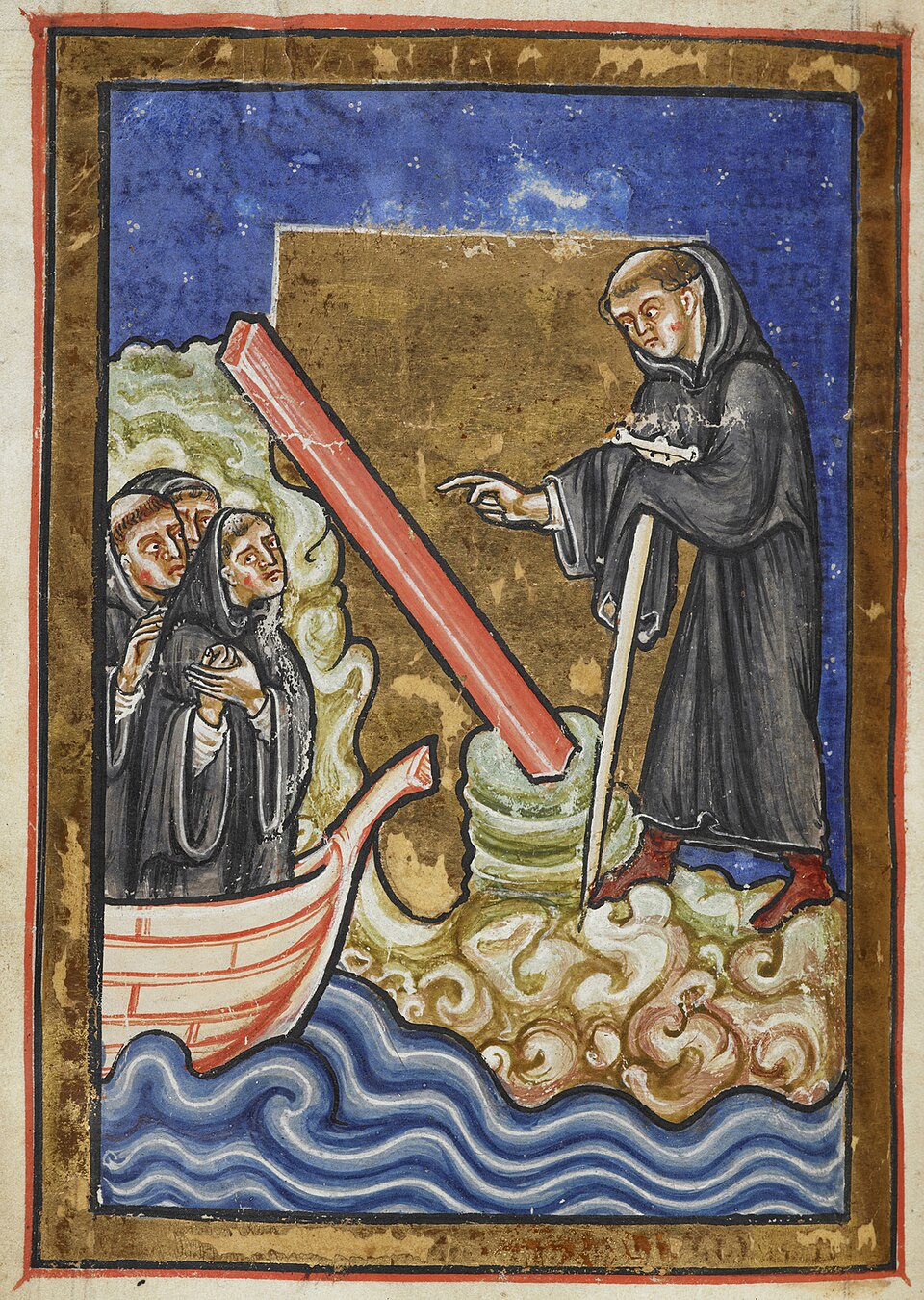
634 - 687 - St. Cuthbert (All Facts)
Bishop of Lindisfarne
Hermit who lived on the Farne Islands
He
Was initially a noble soldier
Entered the Melrose Abbey
Lived in Ripon for a time, where he worked tirelessly preaching and healing plague-victims before returning to Melrose Abbey
Moved on to the monastery of Lindisfarne, where he became its bishop
Moved on to choose a life of hermitage on a remote island where King Ecgfrith of Northumbria had persuaded him to become a bishop
Upon becoming a bishop with zeal, he fell ill and died two years later
Was venerated as saint shortly after his death
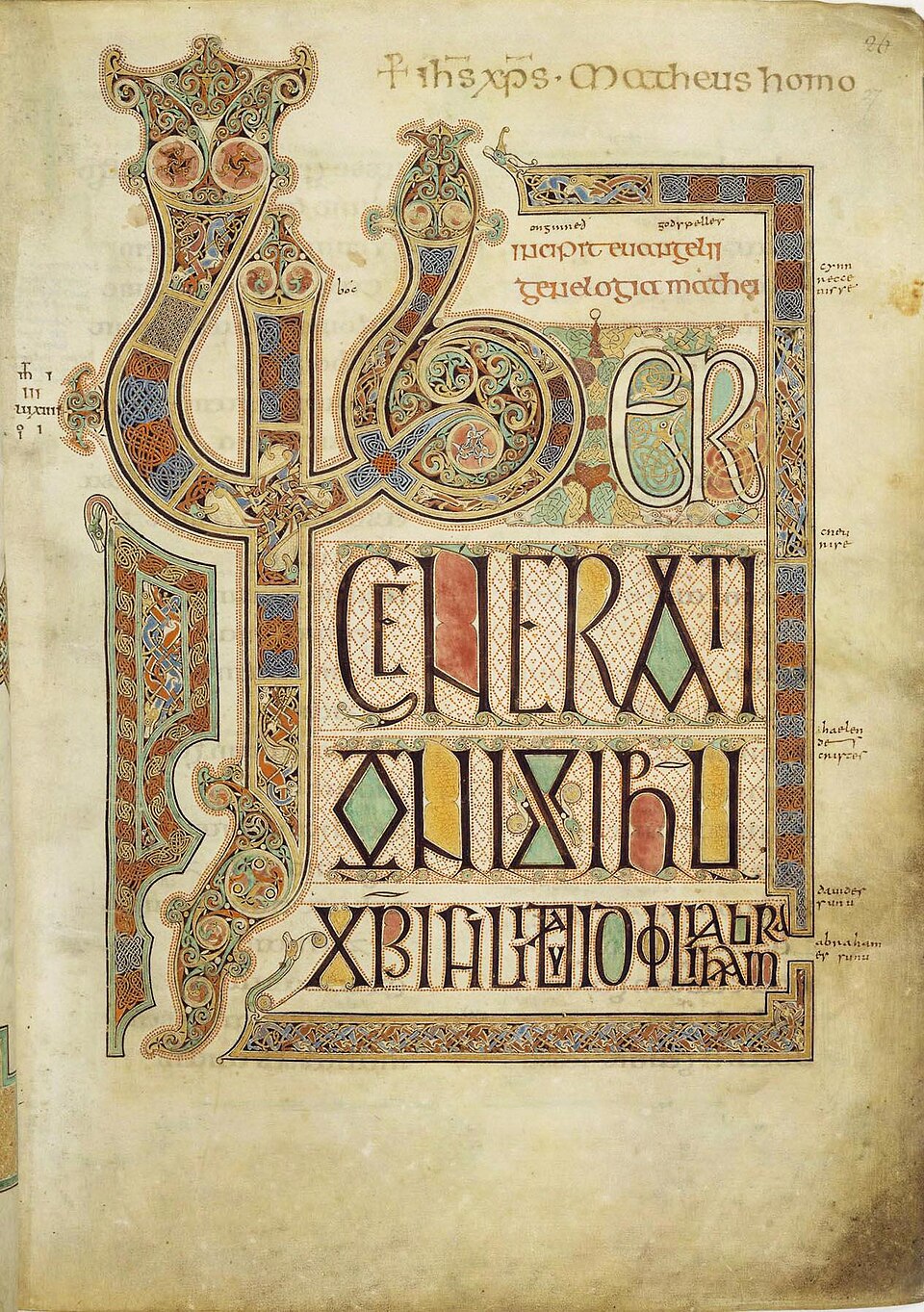
654 - 722 - St. Eadfrith of Lindisfarne (All Facts)
Bishop of Lindisfarne
Credited with authoring the Lindisfarne Gospels, the finest of all the Anglo-Saxon “illuminated manuscripts”
639 - 729 - St. Egbert of Ripon (All Facts)
Bishop of Ripon
He was born in the Kingdom of Northumbria
He was famous for winning over the monks and monasteries of Iona in accepting the Roman (Byzantine) custom of Easter
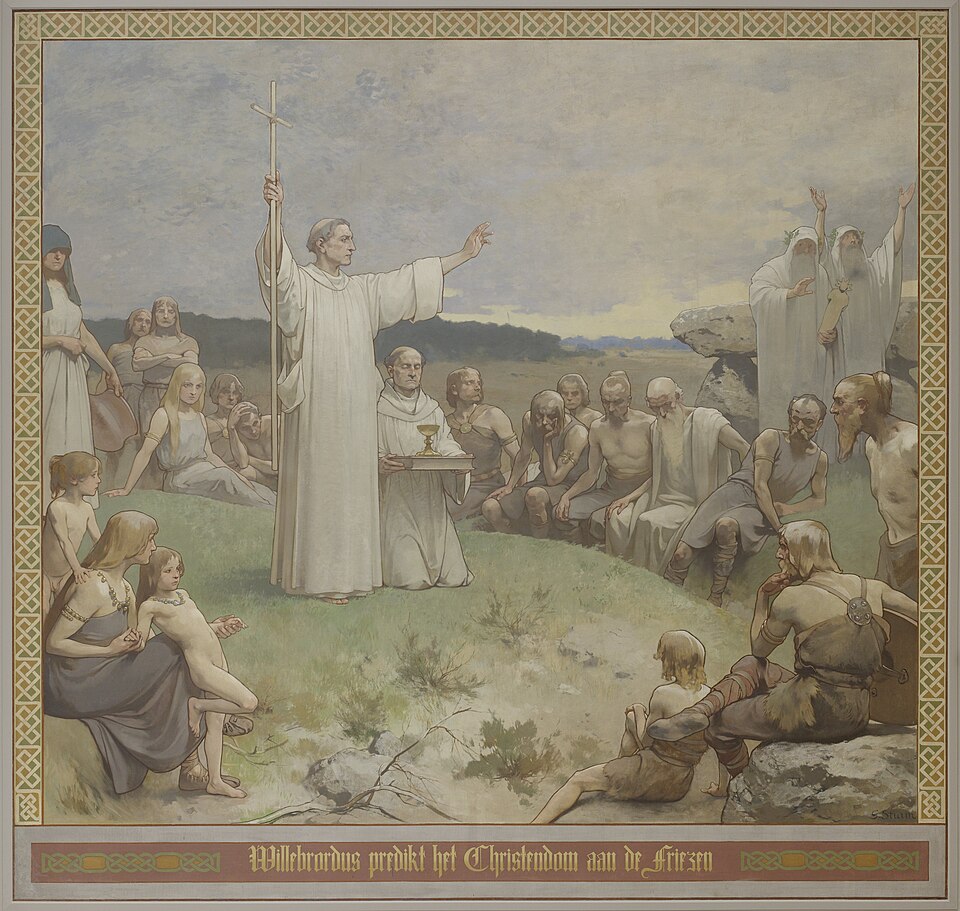
658 - 739 - St. Willibrord (All Facts)
Northumbrian Monk
With help from the Franks, he evangelized to the heathen Frisians
Founded the Abbey of Echternach
He died there
Traveled to Rome to meet with Pope / St. Sergius, where he was consecrated by the pope as the (first) bishop of Utrecht (modern-day Netherlands) to serve his recently converted Frisians
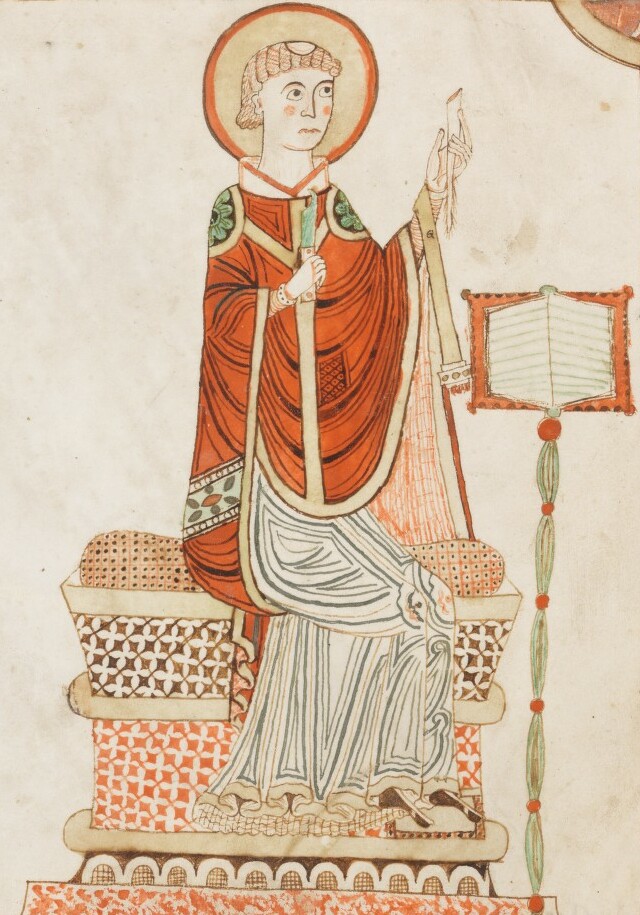
673 - 735 - St. Bede (All Facts)
He is considered the greatest scholar in Anglo-Saxon history
He is considered the father of English history
He devoted his life to
The study of scripture
Commentaries on the bible
An important treatise on chronology which dates history from the time of the birth of Christ or AD
An earlier and shorter version of this treatise brought a charge of heresy against him
He wrote
A history of the Abbots of Jarrow
A biography of St. Cuthbert of Lindisfarne
Monk from Jarrow in Northumbria
Taught until his death where he died giving his final lecture
Taught his pupils to learn quickly because one does not know how long they will live before God takes them away from this life
When he was only seven, his family entrusted him with monastic life
He and the abbot were the only monks to survive an outbreak of plague at Jarrow
At age 19 he became deacon
At age 30 he became priest
He only left his monastery on brief visits to Lindisfarne and York, but never left Northumbria
He was perhaps the greatest product of a time of cultural flowering in the field of scholarship, sculpture, and manuscript illumination, which have developed in Northumbria under the combined influence of the Roman Church and of Celtic monasticism from Ireland
673 - 735 - St. Bede: History of the English Church and People (All Facts)
Major source of information on England between 597 and 731, which drew on wide sources and created a work of literary and historical value
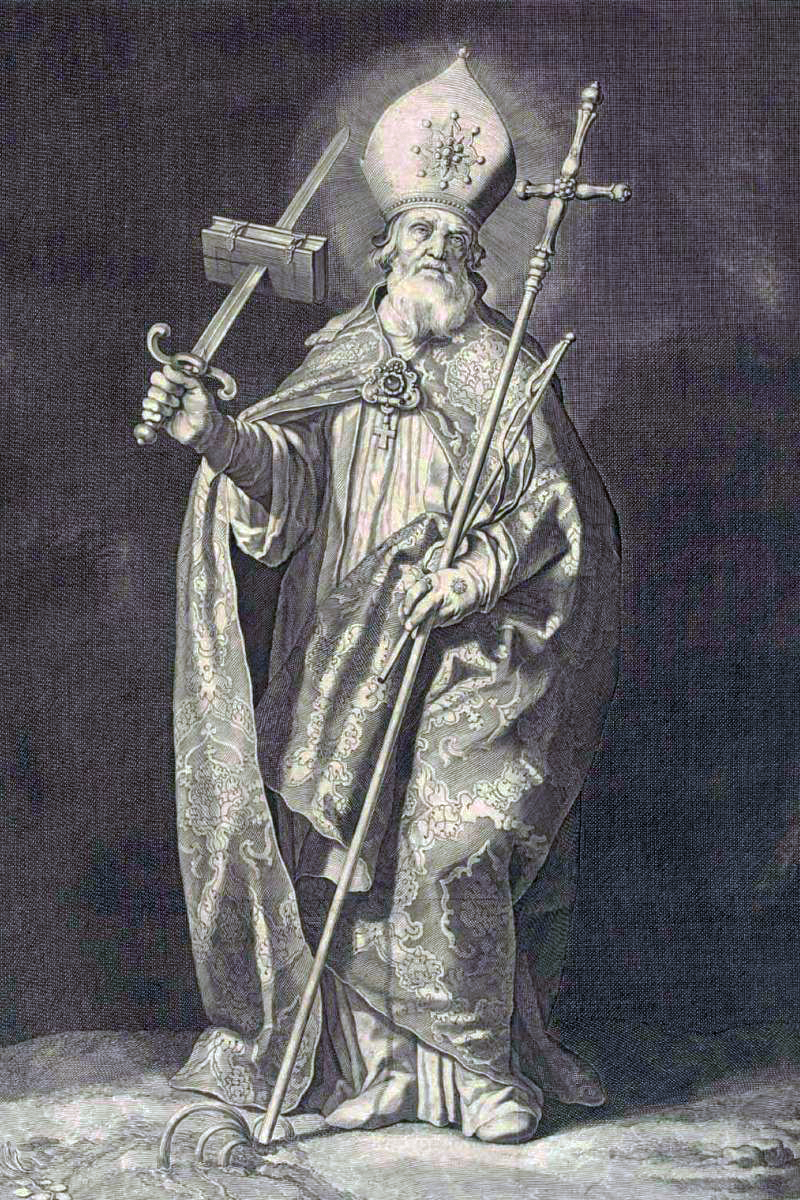
675 - 754 - St. Boniface / Wilfrid (All Facts)
Benedictine West Saxon Monk sent by Pope / St. Gregory II who gave him his saintly name, to evangelize to the heathens in Germany
He was ordained as bishop of Germany by Pope / St. Gregory II and then was sent back to Germany to continue his work of conversion
He worked to convert much of southern Germany to Christianity and he received protection from Charles Martel of the Kingdom of Francia
When he embarked on yet another evangelical mission to the unevangelized tribes of northeastern Frisia (in modern-day Netherlands), he was killed by the heathen tribes there
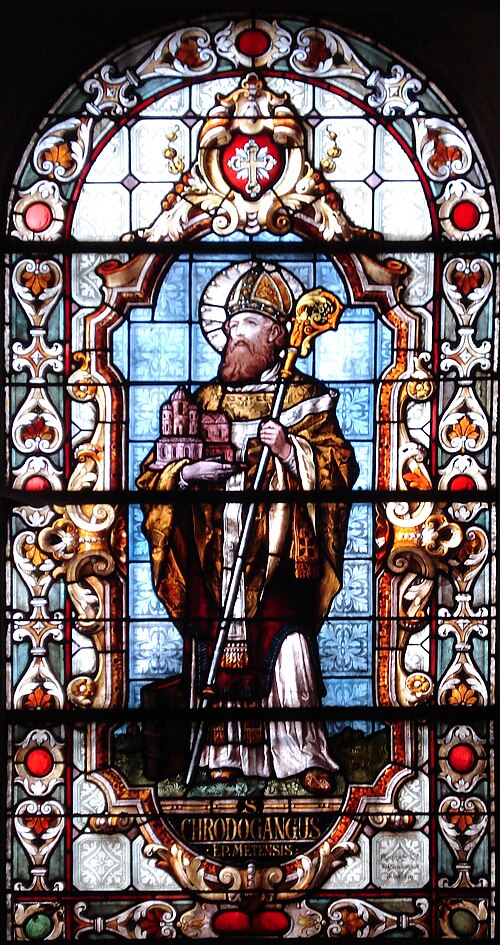
712 - 766 - St. Chrodegang (All Facts)
Bishop of Metz
He essentially reorganized the corrupt Frankish church
Initially, he was the chancellor under Charles Martel
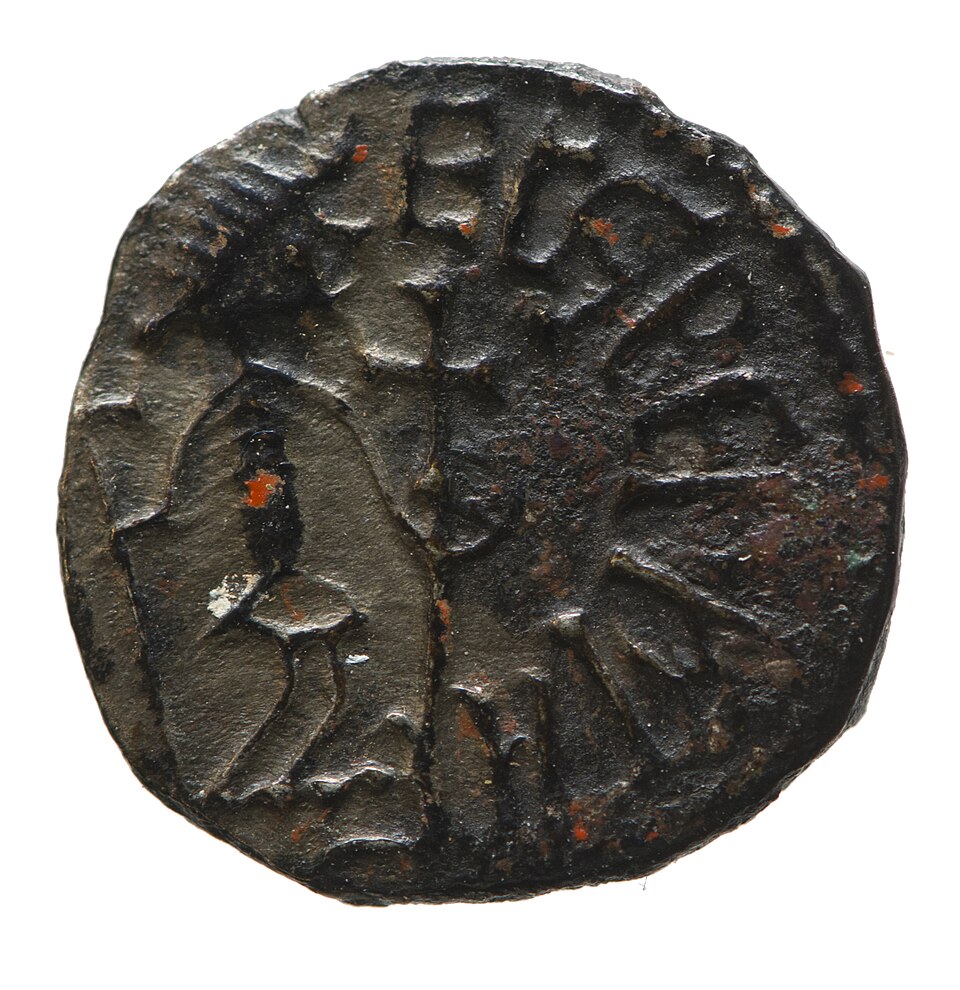
732 - 766 - St. Ecgbert (All Facts)
Archbishop of York
He was a member of the Northumbrian royal family
He made York a renowned center of learning
He founded a library in York
766 - 780 - Aethelbert (All Facts)
Archbishop of York
He greatly enhanced the library there
He put his pupil Alcuin in charge of the cathedral school there
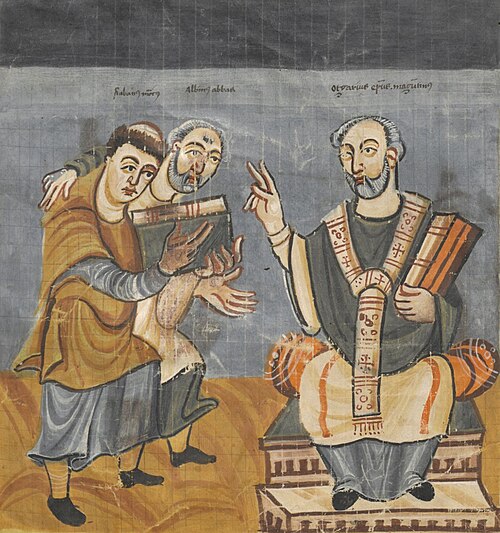
735 - 804 - Alcuin (All Facts)
Anglo-Latin Writer and Cleric
Hey was a key scholar in the Carolingian Renaissance
He was known for his humanistic outlook and for pioneering Anglo-Saxon humanism
He was amongst a number of scholars at Charlemagne’s “Court of Aachen”
He encouraged the study of the liberal arts
Learned Scholar and Monk from York in the Kingdom of Northumbria
He was born in Northumbria
He was educated in York
He took charge of York’s Cathedral School and became its leading scholar
Even after he left to work with Charlemagne and his institutions, he never forgot about this school
He wrote a long poem in praise of this school’s saints and bishops
He was remembered for his having been chief advisor to Charlemagne
His life was transformed after he had met Charlemagne in Parma
Charlemagne was said to have been impressed by the namesake’s piety and scholarship so much so that he persuaded him join the group of leading scholars at the Frankish court
He took charge of the Palace School (of Aachen)
He advised Charlemagne notably on religious issues
He was granted permission by Charlemagne to send some of his pupils in Aachen back to York to acquire books they needed from there
He even revised the liturgy of the Frankish court, which then was carried throughout the Carolingian Empire
As a result of his connection with Charlemagne, broader political and cultural connections were developed between the Frankish and Anglo-Saxon Kingdoms
Thus, the highly developed culture of the Kingdom of Northumbria influenced scholarship on the European continent
He published a treatise on musicography called “De Musica,” in which he expounded the theories of his time
He wrote a letter to Aethelred, King of Northumbria, suggesting that the Vikings and their raids came because they were a part of God’s judgement on the Anglo-Saxons for the emergence of widespread fornication
He created a new edition of the Vulgate Bible
He was given the Abbey of St. Martin of Tours by Charlemagne
He died there
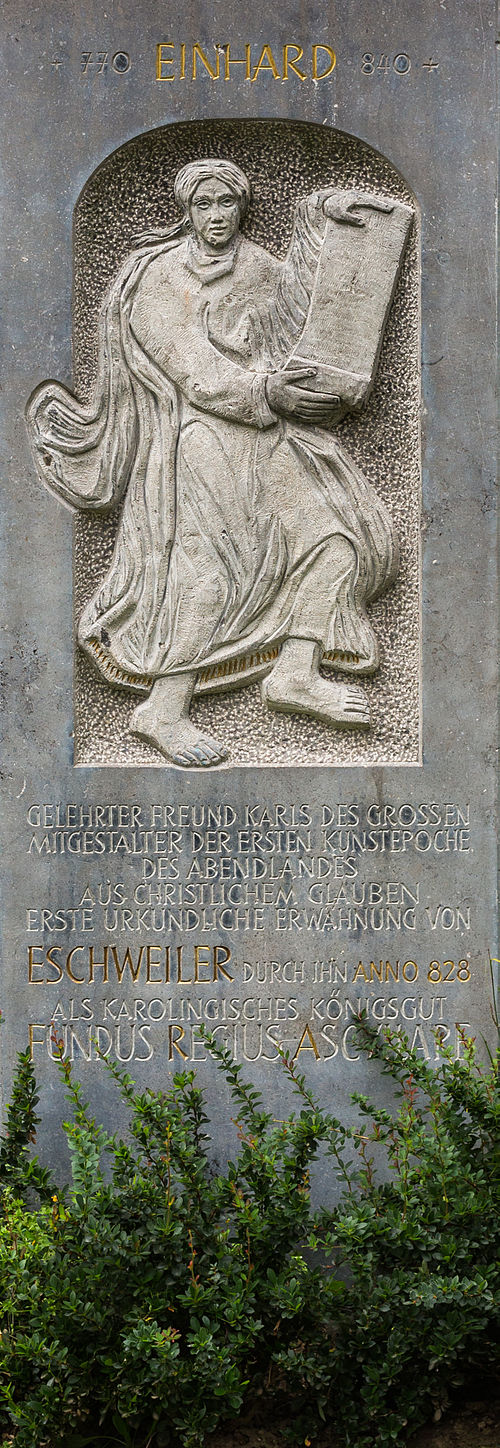
775 - 840 - Einhard (All Facts)
Frankish scholar, courtier, builder, and monk during the Carolingian Renaissance
He was from the Rhineland
He spent 40 years in the royal service at Aachen
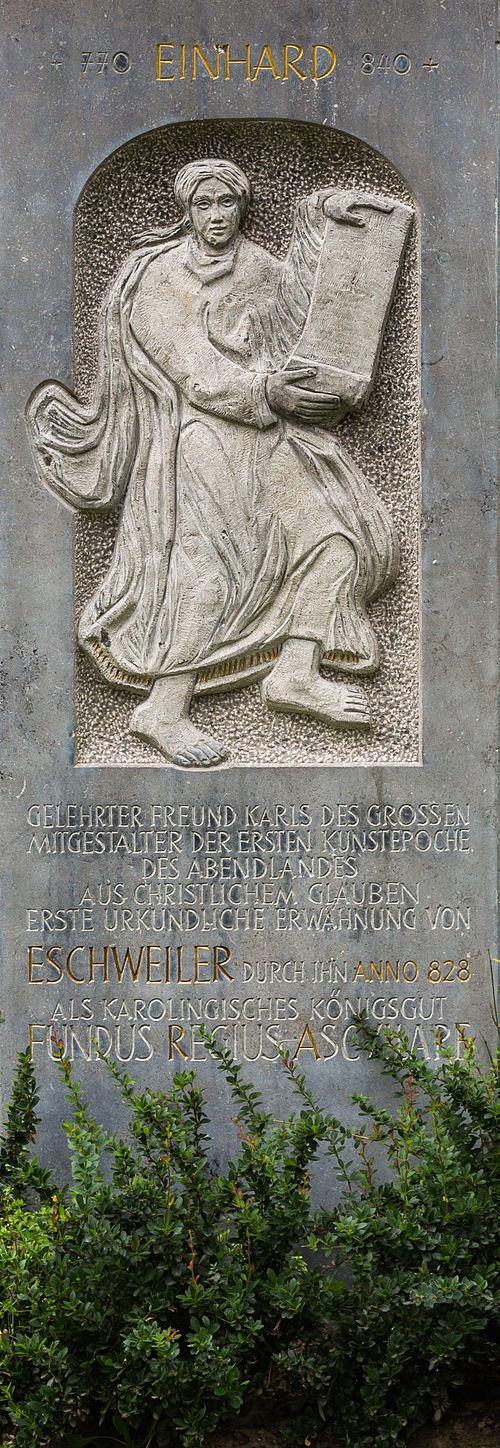
775 - 840 - Einhard: Vita Caroli Magni (All Facts)
Biography of Charlemagne
It was a brilliant portrait of the great mean
It was written in both political and personal terms
Work which was unusually down-to-earth and secular in its portrayal of the emperor
Work which was modeled on the style of Suetonius, the Roman writer
800s - Cynewulf (All Facts)
Anglo-Saxon Poet
Some of his poems were published in the “Exeter Book”
One of his most famous poems was “The Dream of the Rood,” about the Crucifixion
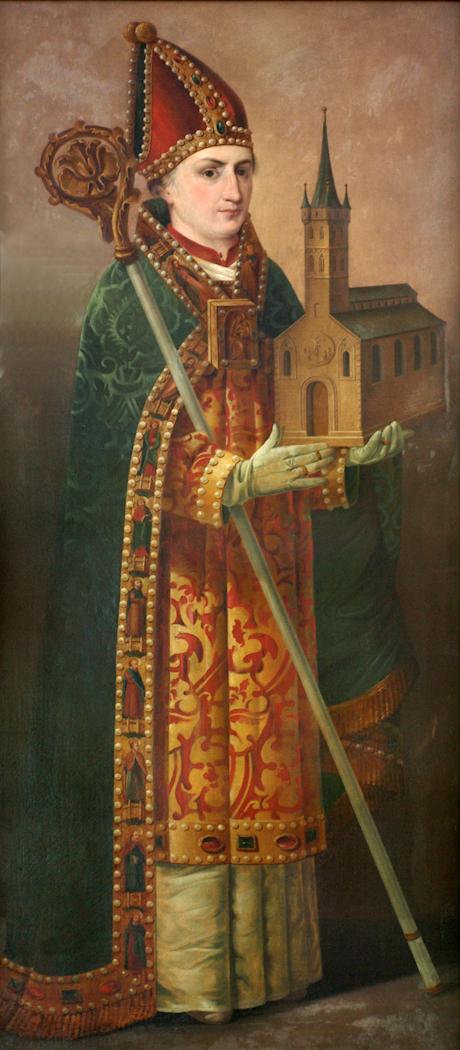
801 - 865 - St. Ansgar (All Facts)
Frankish Monk
Bishop of Hamburg
He was appointed by Pope Gregory IV to Christianize all the northern peoples of Europe
He became known as the "Apostle of the North" because of his travels and missionary mandate to bring Christianity to Northern Europe
He was taken by Harald Klak to evangelize to the Danes
He fled Hamburg after its church was destroyed and the town was sacked by the Vikings
He continued his missionary work to the Danes as well as the Swedish in Bremen
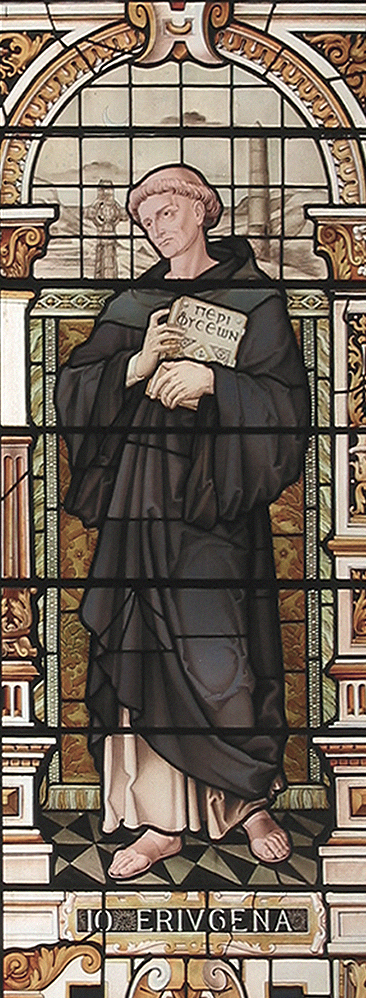
815 - 877 - John Scotus Eriugena (All Facts)
Irish Writer and Philosopher during / under the Carolingian / Holy Roman Empire during the reign of Charles II, whose court he had visited
Despite his offensive works to many at the time, he continued to be favored at the court of Charles II, for his knowledge of the Greek language was unparalleled and his reputation as a scholar came to save him from severe penalties
He was one of the most original thinkers of his time
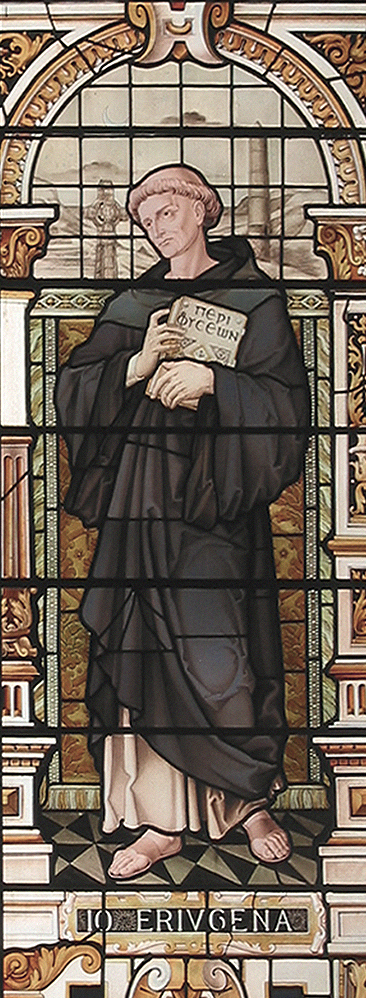
815 - 877 - John Scotus Eriugena: De Divina Praedestinatione (All Facts)
Work which asserted that man has complete free will, the freedom to choose between good and evil
Work which refutes the extreme (pre-Calvinist) views of Gottschalk, a monk who rejected the notion of divine redemption
Work which offended many at the time
808 - 868 - Gottschalk (All Facts)
Saxon monk and theologian
He was a pre-Calvinist who rejected the notions of free will and divine redemption
His views are condemned in John Scouts Eriugena’s work “Da Divina Praedestinatione”
800s - 909 - Asser (All Facts)
Welsh Monk
He is famous for his biography of “Alfred the Great”
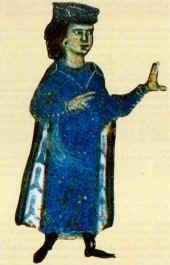
875 - 918 - William, Duke of Aquitaine (All Facts)
Founded Cluny Abbey (the monastery of Cluny)
850 - 927 - St. Berno (All Facts)
1st Abbot and Founder of Cluny Abbey
He was initially a Benedictine monk who has started a monastery in the Jura, but when that became too small, he persuaded William, Duke of Aquitaine and count of Macon, to give him a hunting lodge at Cluny in Francia, which he then won a unique charter for to turn into an abbey, Cluny Abbey
It was put under the direct authority of the pope, but the pope could only intervene in cases of “great disorder” amongst Cluny monks
Otherwise, Cluny was to be free of interference from both princes and pontiffs
He established a monastic life devoted to prayer and religious services
His “vow of silence” encouraged meditation
External work and labor were almost entirely forbidden
Book production was restricted to religious works
His spiritual leadership caused him to be the abbot of several other monasteries
840 - 930 - Hucbald (All Facts)
Benedictine Monk, music theorist, poet, composer, teacher, and hagiographer
He was the first composer to use letters to denote pitch
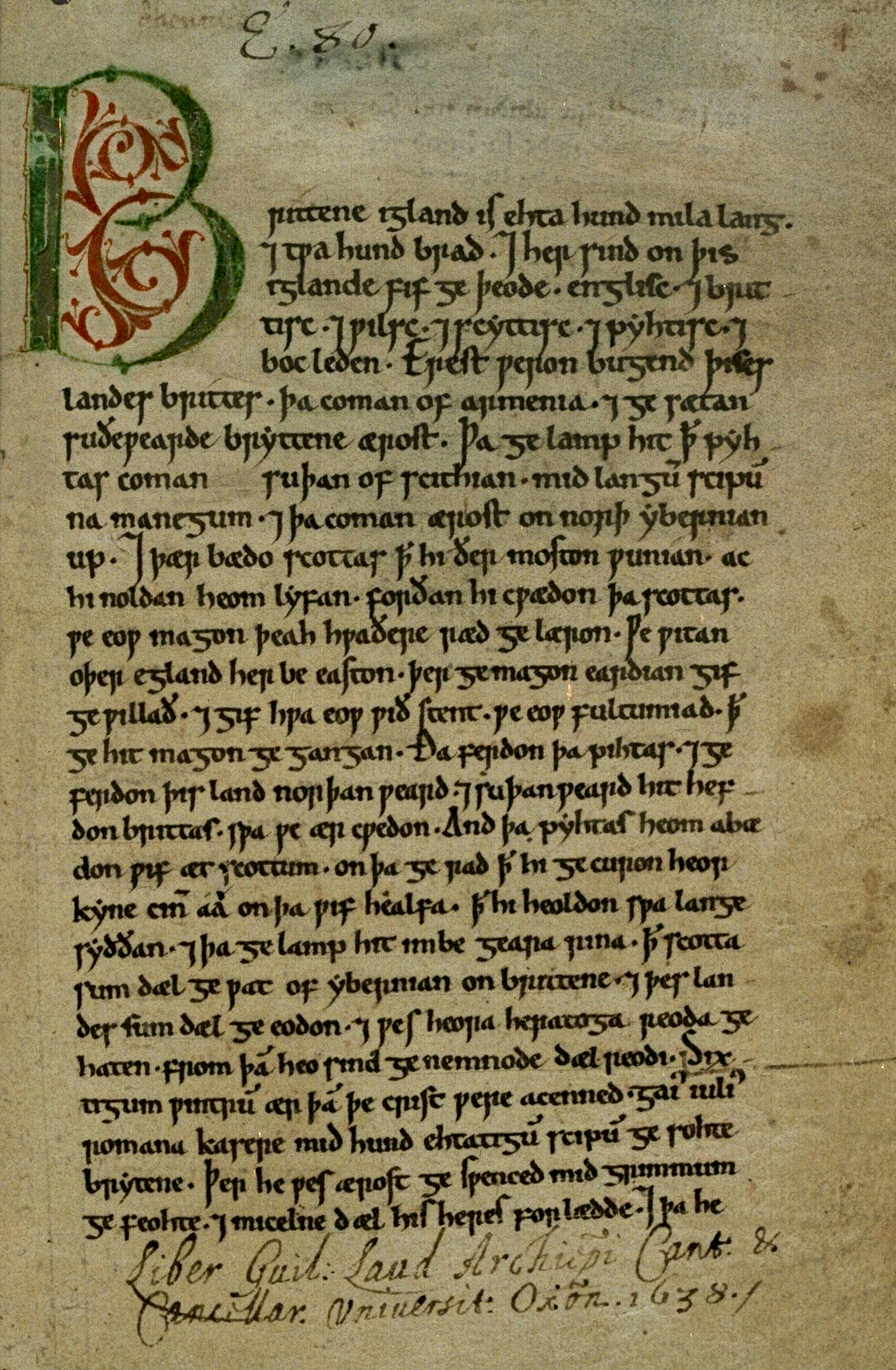
870s - Anglo-Saxon Chronicle (All Facts)
A history of the namesake group that was written and published anonymously during the reign of Alfred the Great
Its plain narrative style best represented the vernacular literarure in both prose and verse that was created within the Anglo-Saxon and Frankish Kingdoms
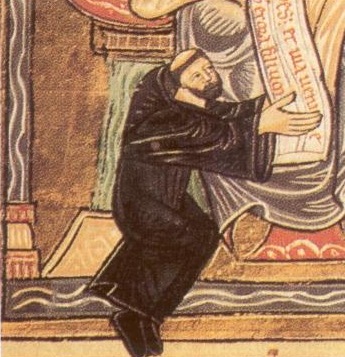
878 - 942 - St. Odo (All Facts)
2nd Abbot of Cluny Abbey
During his fifteen years in office, he made Cluny Abbey one of the most influential monasteries in Europe
Italian monasteries like Monte Cassino had become deeply influenced by the practices at Cluny Abbey
He got Pope John X to confirm the unusual charter
He persuaded Pope Leo VII to allow him to bring the other monasteries under the direct control of Cluny Abbey
After that, he expanded the network of satellite monasteries
Thus, his succeeding elected abbot inherited the world’s largest monastic order up to that point
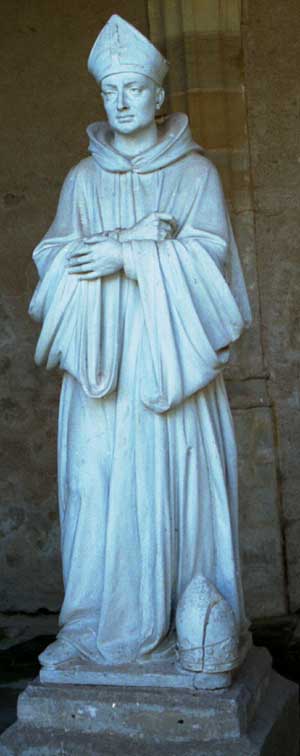
906 - 994 - St. Maiolus (All Facts)
4th Abbot of Cluny Abbey
He was captured with a large caravan in the Great St. Bernard Pass in the Alps by Arab pirates
Local monks had raised a random to secure his release, but this did not end the affair
The monks under him put pressure on Otto the Great to use his army to repel the Arab pirates from Cluny once and for all
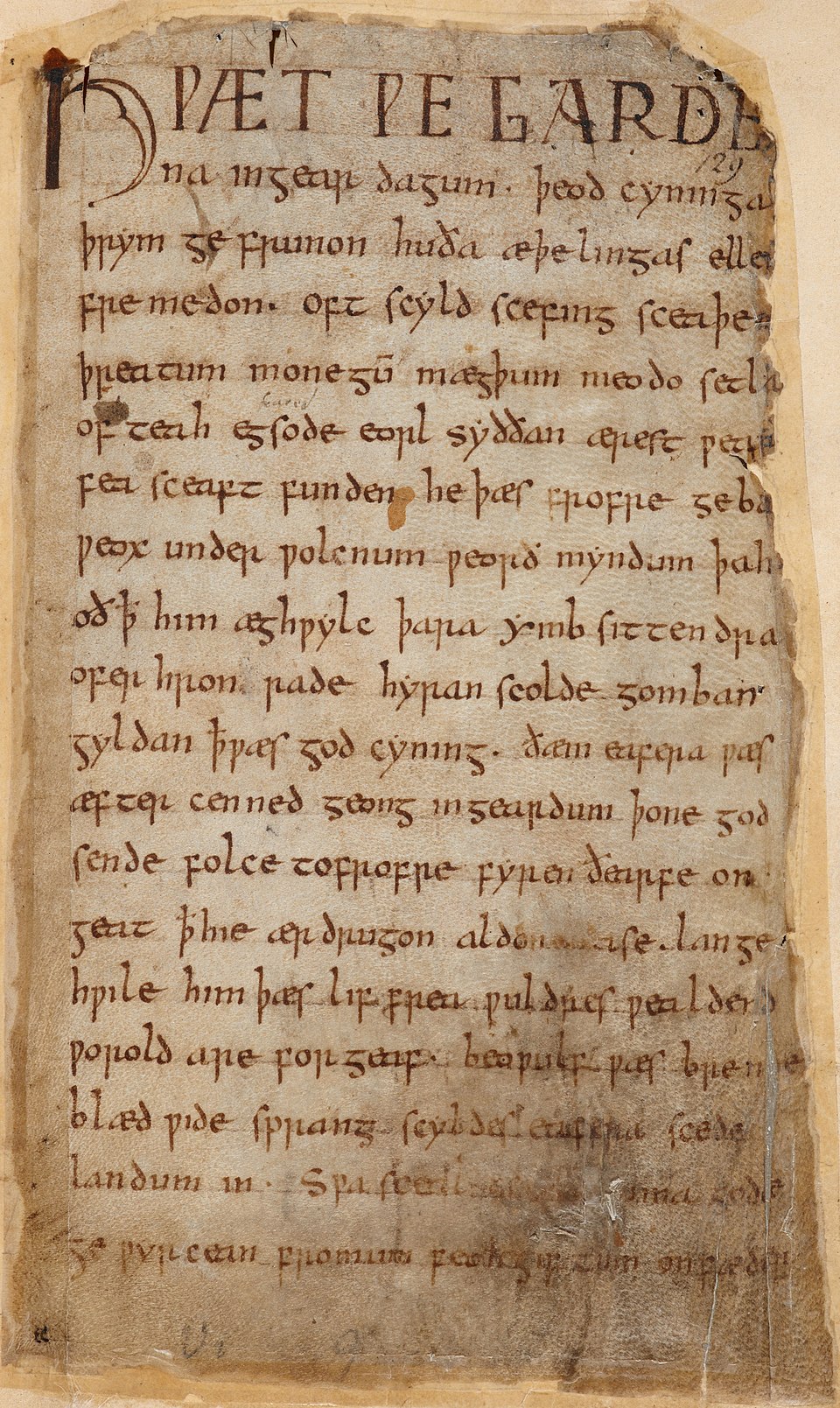
700s - 1000s - Anonymous: Beowulf (All Facts)
The greatest extant Anglo-Saxon epic poem
It is a vivid narrative of a warrior’s struggles against dragons and sea monsters
It is based on north European heroic legends
Elements of moral and religious significance were added onto it by later Christian writers and editors
 Note
Note  Flashcards (22)