Urinary system
 Call Kai
 Learn
Learn Practice Test
 Spaced Repetition
 Match
Match Flashcards
 Knowt Play
1/91

There's no tags or description
Looks like no tags are added yet.
Name | Mastery | Learn | Test | Matching | Spaced | Call with Kai |
|---|
No analytics yet
Send a link to your students to track their progress
92 Terms
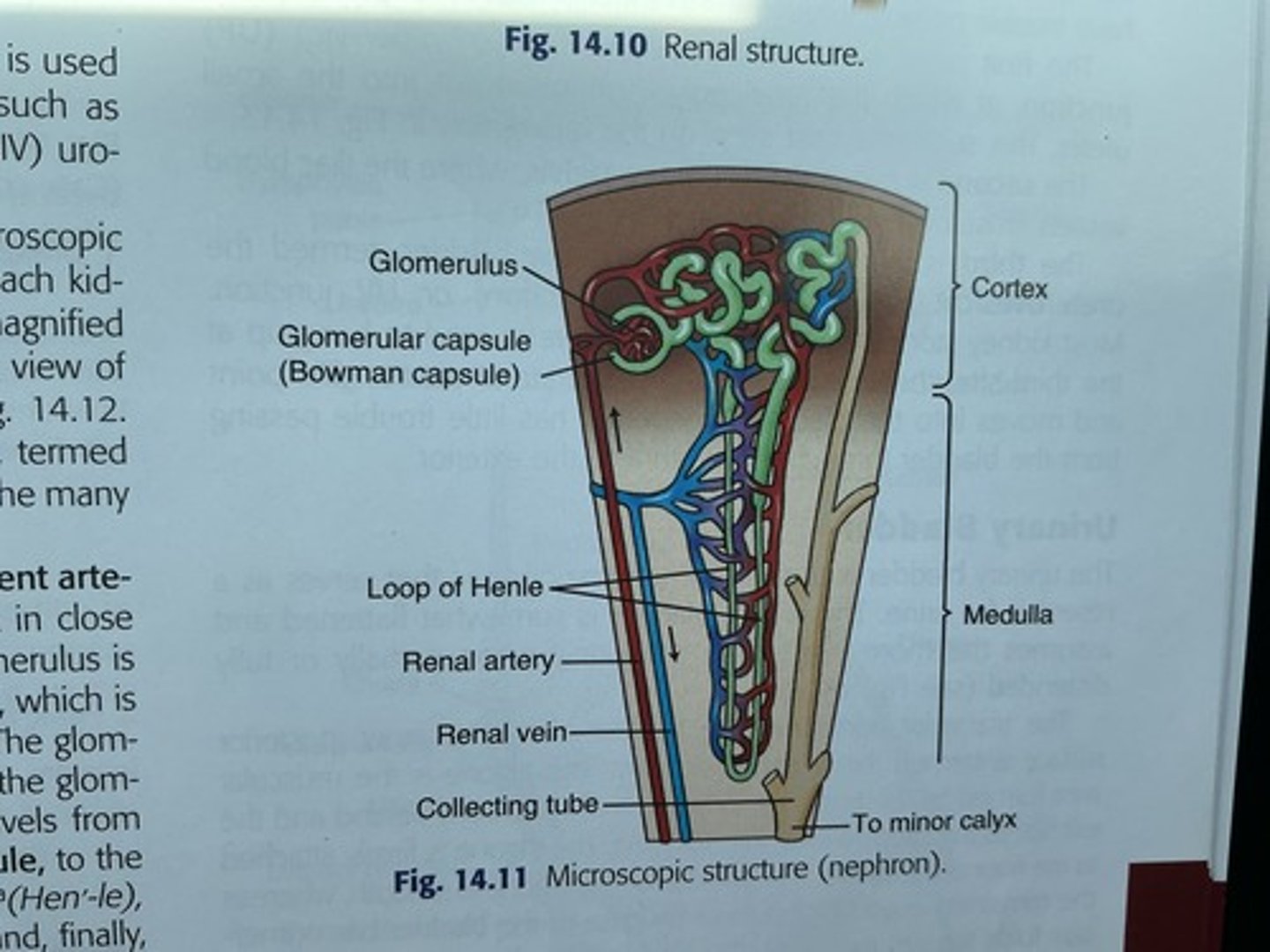
What is the functional and structural unit of the kidney?
Nephron
Three functions of the kidney during urinary production
- removes nitrogenous wastes
- regulate water levels in the body
- regulate acid-base balance and electrolyte levels of the blood (recycling of red blood cells)
What position best demonstrates mobility of kidneys?
Upright
Where do the kidneys normally lie?
Halfway between xiphoid process and iliac crest
T12-L3
The ______ urethra is approximately 3.5 cm long.
Prostatic
The ______ urethra extends from the penoscrotal junction to the external medius.
Penile
The innermost layer of the ureters is the
Mucosa
The urine formation process begins with
Glomerular filtration
Retrograde urethrograms are most effective in evaluating the posterior urethra, whereas the voiding cystourethrogram provides optimal visualization of the anterior urethra
False
Indications for an RUG include
Weak urinary stream
U.S. Food and Drug Administration regulations require all fluoroscopy units to be equipped with accumulative time or device that typically alerts the operator every ______ minutes of the length of time the patient has been exposed.
5
During an RUG examination, the patient is positioned in a ____ degree to ______ degree right posterior oblique position.
35; 45
RUG and VCUG complications include:
pain, minor hematuria and urinary tract infection
Signs and symptoms of urethral structure include
Weak urinary stream and post void dribbling
________ is it chronic inflammatory disease that affects the genital skin and causes destructive scarring in the urethra?
Balantitis xerotica obliterans
Extravasation of contrast above the urogenital diaphragm only is consistent with a type ________ urethral injury
II
Urinary consists of
Two kidneys, two ureters, one urinary bladder and one urethra
The kidneys filter _______, control ______ ________ and balance
Blood; BP; PH
The kidneys and ureters lie in the
Retroperitoneal space but it's not within the peritoneal sac
Which kidney is slightly lower due to the liver
Right
The ureter lies ____ to kidney
Anterior
The urethra connects the urinary bladder to the
Exterior
The kidneys are angled 30 degrees because of the
Midline location of vertebral column and the psoas muscles
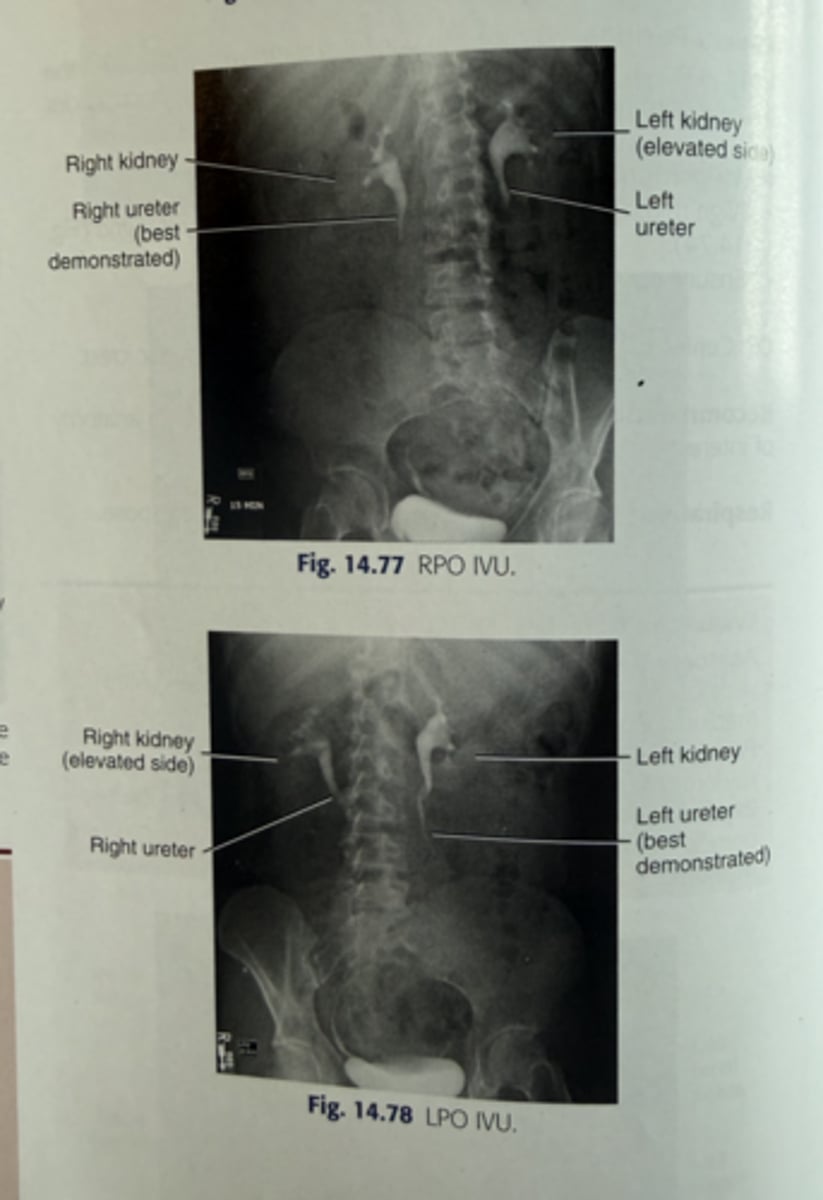
30 degree angle for an RPO and LPO of kidneys to ,are each kidney __________ to IR
Parallel
Each kidney is surrounded by
Adipose Capsule or perirenal fat
An RPO position we are seeing the _____ kidney and the ureter moves out of superimposition of spine
Left
When the patient expires and is placed supine the kidneys normally lie halfway between
Xiphoid and iliac crest
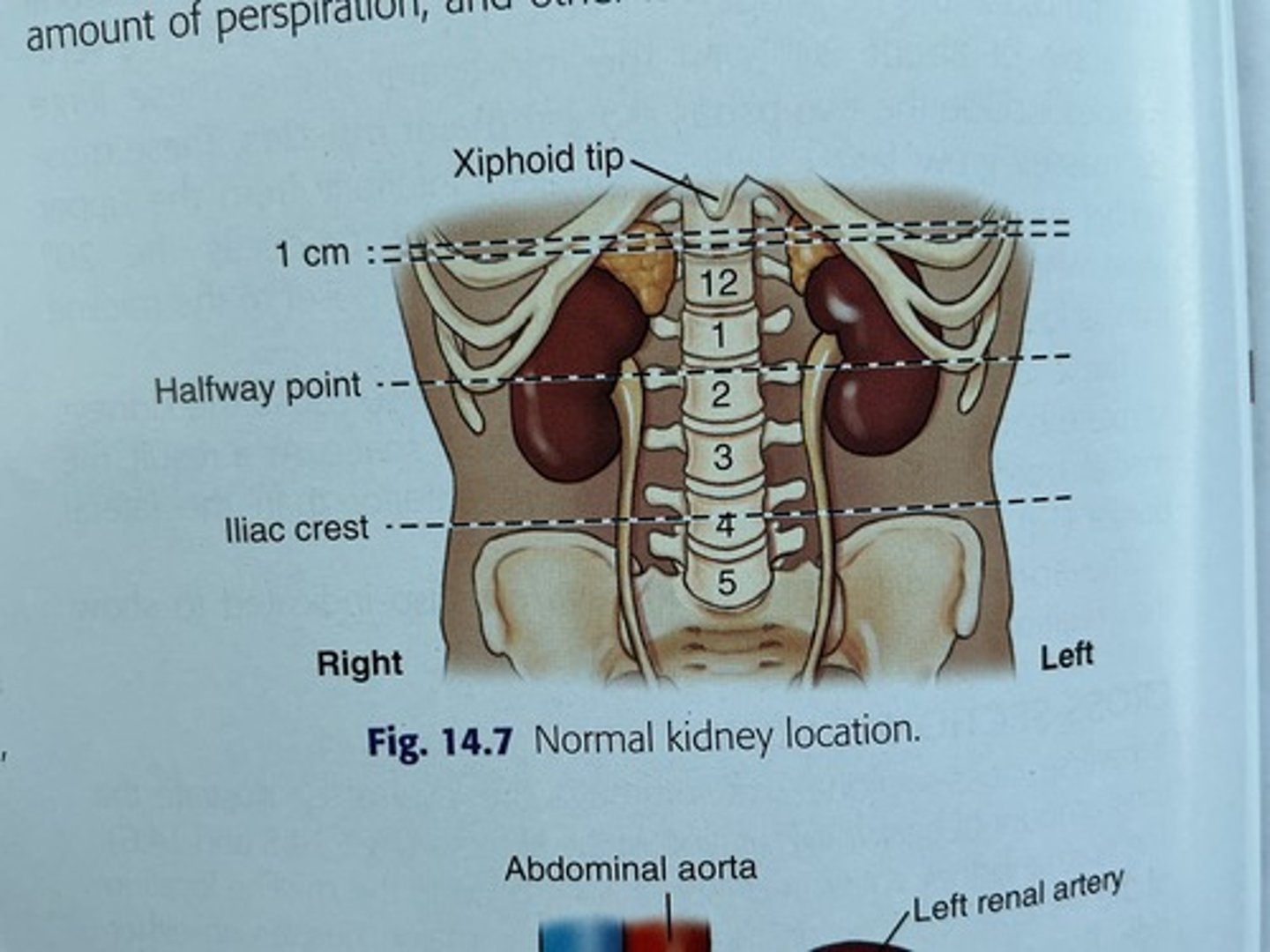
Nephropoptosis
When upright kidneys drop more than 2 inches
Primary function of urinary system
Production of urine and it's elimination
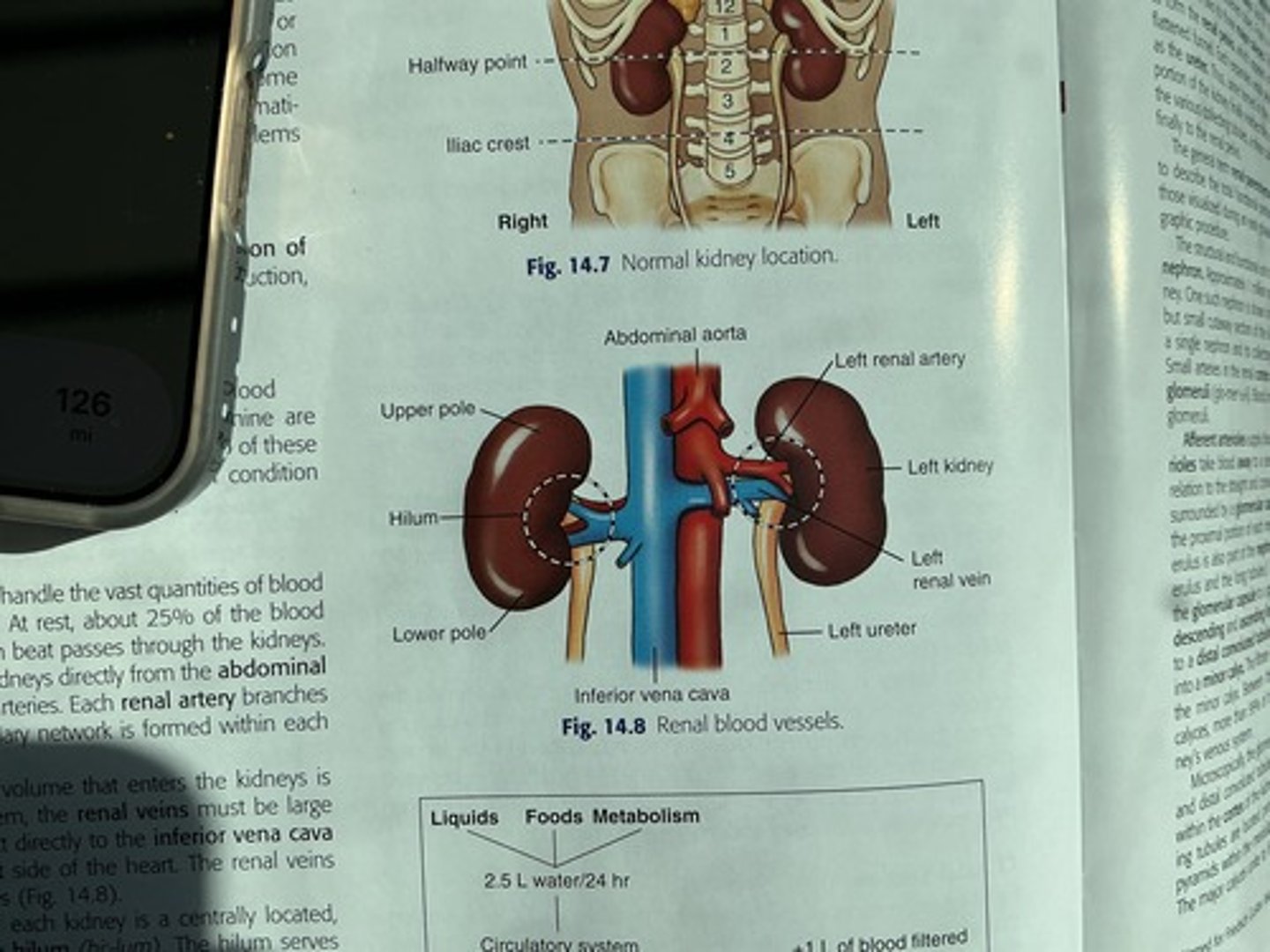
Arterial blood is received by the kidneys directly from the ________ _______ via left and right ______ ________
Abdominal aorta; renal arteries
Renal veins connect directly to the _____ ______ _____ to return blood to the right side of the heart
Inferior vena cava
Along the medial quarter of each kidney is essentially located longitudinal fissure termed the
Hilum
The Hilum serves to
Transmit the renal artery, renal vein, lymphatics, nerves, and ureter
If the kidney shows up dark, the kidney is not being
Vascularized
Outer covering of kidney
Renal capsule
Lower pole and
Upper pole
The cortex is where the filtration of
Blood haooens
Medulla
Urine concentration happens
Have renal pyramids: collecting ducts
Renal column
Dip of cortex between medulla
Renal pyramids
Collection of tubules that converge at an opening called the renal papilla
Minor calyces form renal papilla and converge to
Major calyx
Major calyces form renal
Pelvis
Renal parenchyma
Total functional portions of the kidneys
The functional area that creates urine
Kindey
Glomerulus
Pressure difference
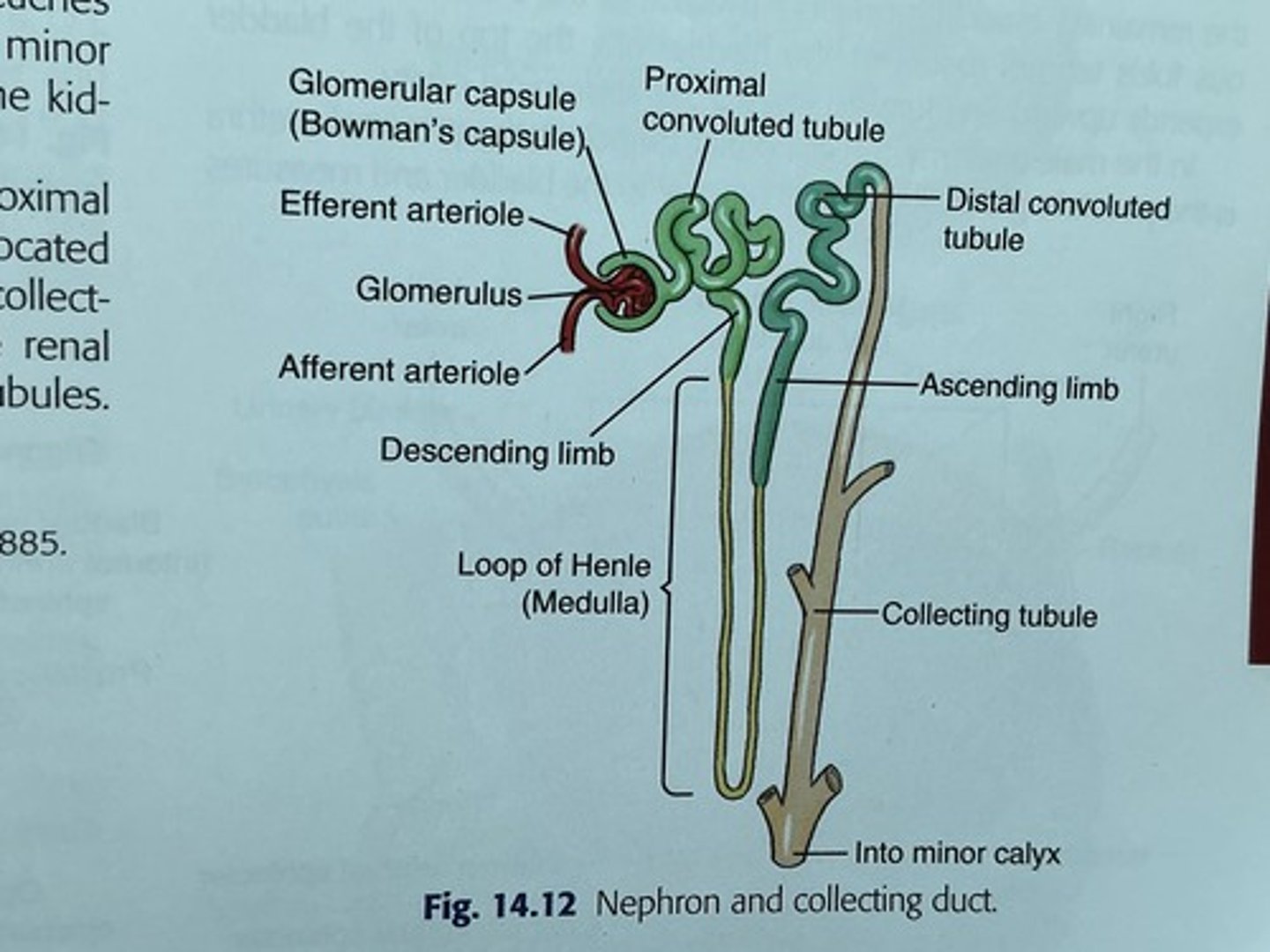
Small arteries in the renal cortex form, tiny capillary tufts termed
Glomeruli
Afferent arterioles supply blood to the
glomeruli
Efferent arterioles take blood _____ from secondary capillary network in close relation to the straight and convulated tubules
away
Glomerulus capsule ——> proximal convulated tubule —> descending an ascending loop of Henle —> distal convulated tubule —> collecting tubule —> minor calyx
Waste pathway (when hits minor calyx then its termed urine)
Ureters
Allow transport from kidney to urinary bladder; where stones are
Slow _______ waves and gravity force urine down the ureters into the bladder
Peristaltic
3 natural indentations (constriction points):
1) Ureteropelvic junction (UVP): Which the renal pelvis funnels down into the small ureter
2) brim of the pelvis: where the iliac blood vessels cross over the ureters
3) ureterovesical junction (UVJ): Where the ureter connects into bladder (where most stones hang out)
Define urinary bladder
Musculomembranous sac that serves as a reservoir for urine
Voiding
Retention of urine
Retention of the urine in the bladder is maintained through the involuntarily controlled ______ _________ _________ and voluntarily controlled _________ ________ ________
Internal urethral sphincter (IUS) Neck of bladder
External urethral sphincter (EUS) more distal
The female EUS is more elaborate than males and composed of three areas that include
1) urethral sphincter 2) compressor urethrae 3) urethrovaginalis sphincter
When the EUS relaxes, normally voiding happens under _______ control
Voluntary
Weakening or damage to the EUS can lead to involuntary urination called
Incontinence
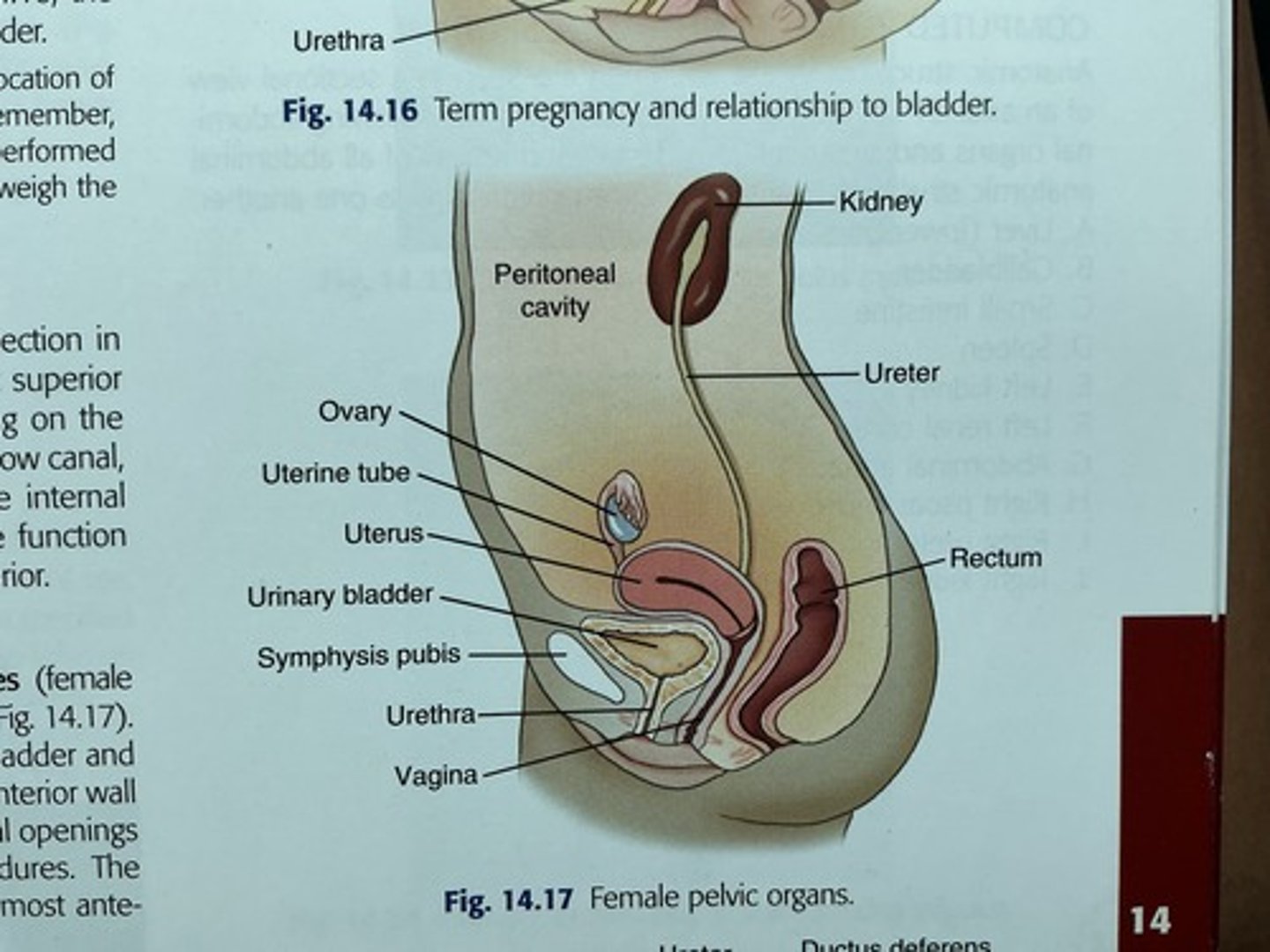
Female pelvic organs
Male pelvic organs
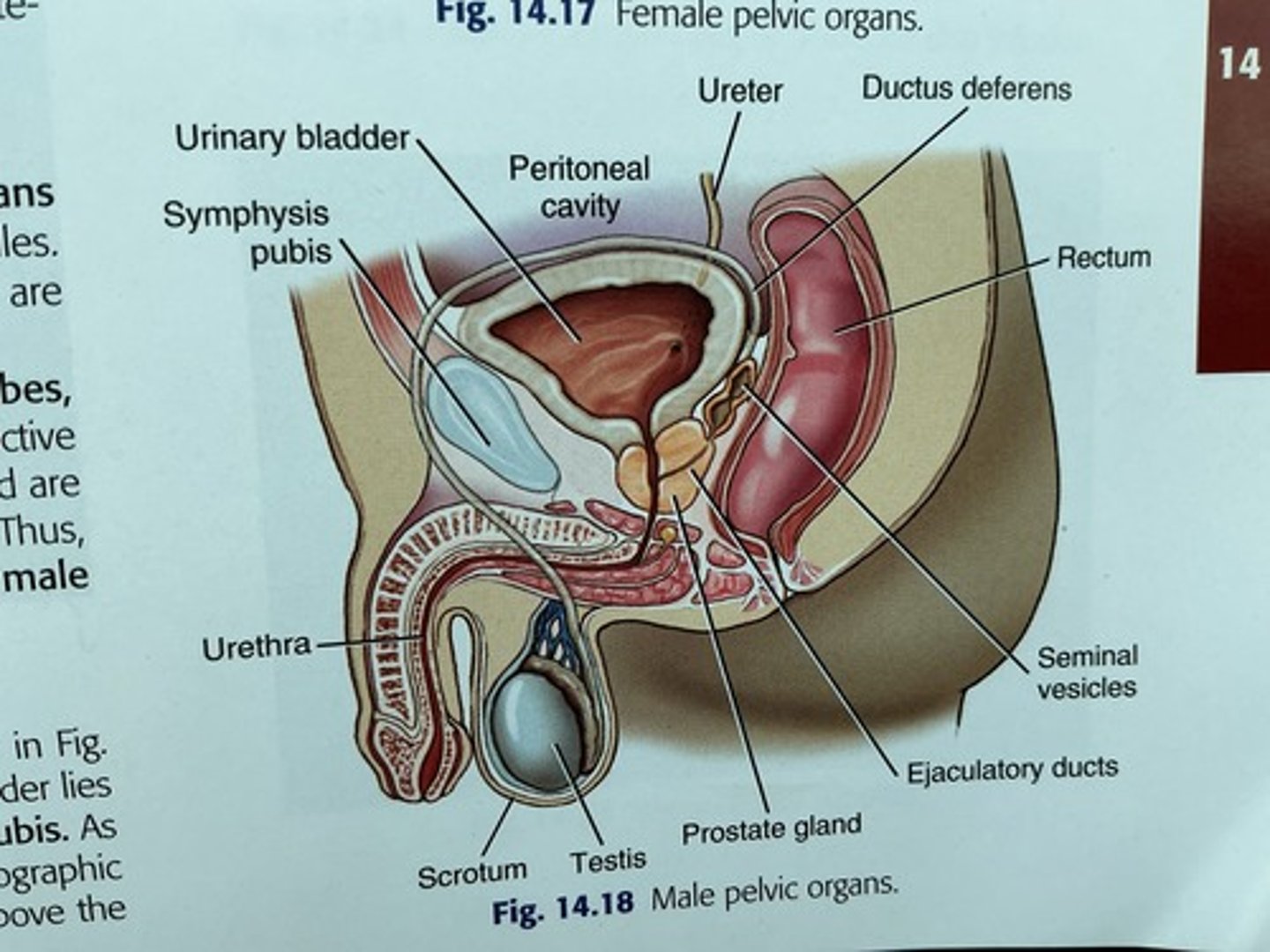
The urinary bladder, urethra, and male reproductive organs are
Infraperitoneal (inferior to peritoneal cavity)
Intravenous (Excretory) urography (IVU) prep:
NPO 8 hours
Bowel prep
Void prior to exam
Verify: contrast indications + signed consent
If pt has urinary catheter: close it!
Iodinated contrast
Water soluble
Triodinated
Ionic
Dissolved in water
Anion (-)
Cation (+)
Non ionic
Non-ionizing elements
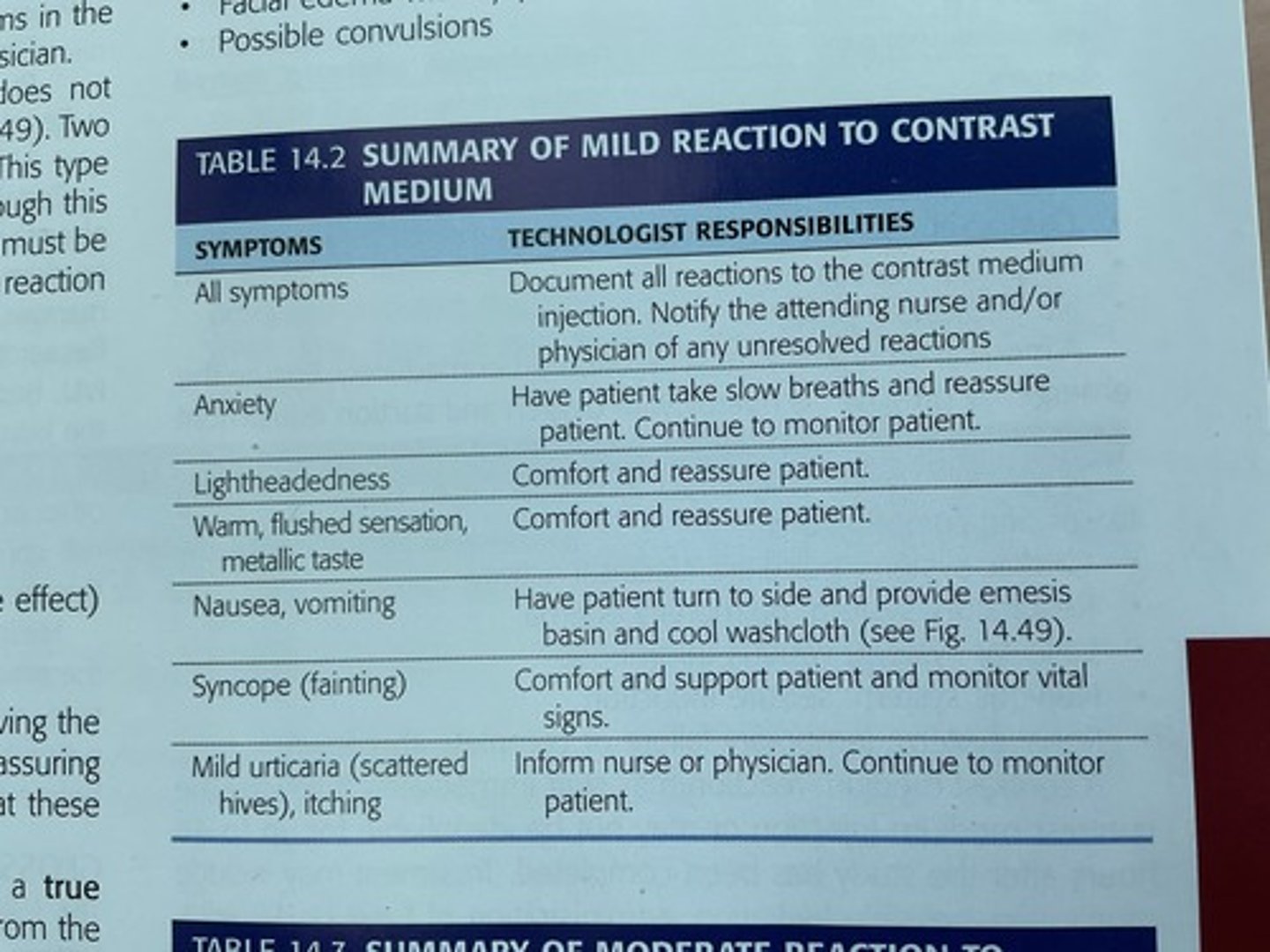
Summary of mild reactions to contrast, medium
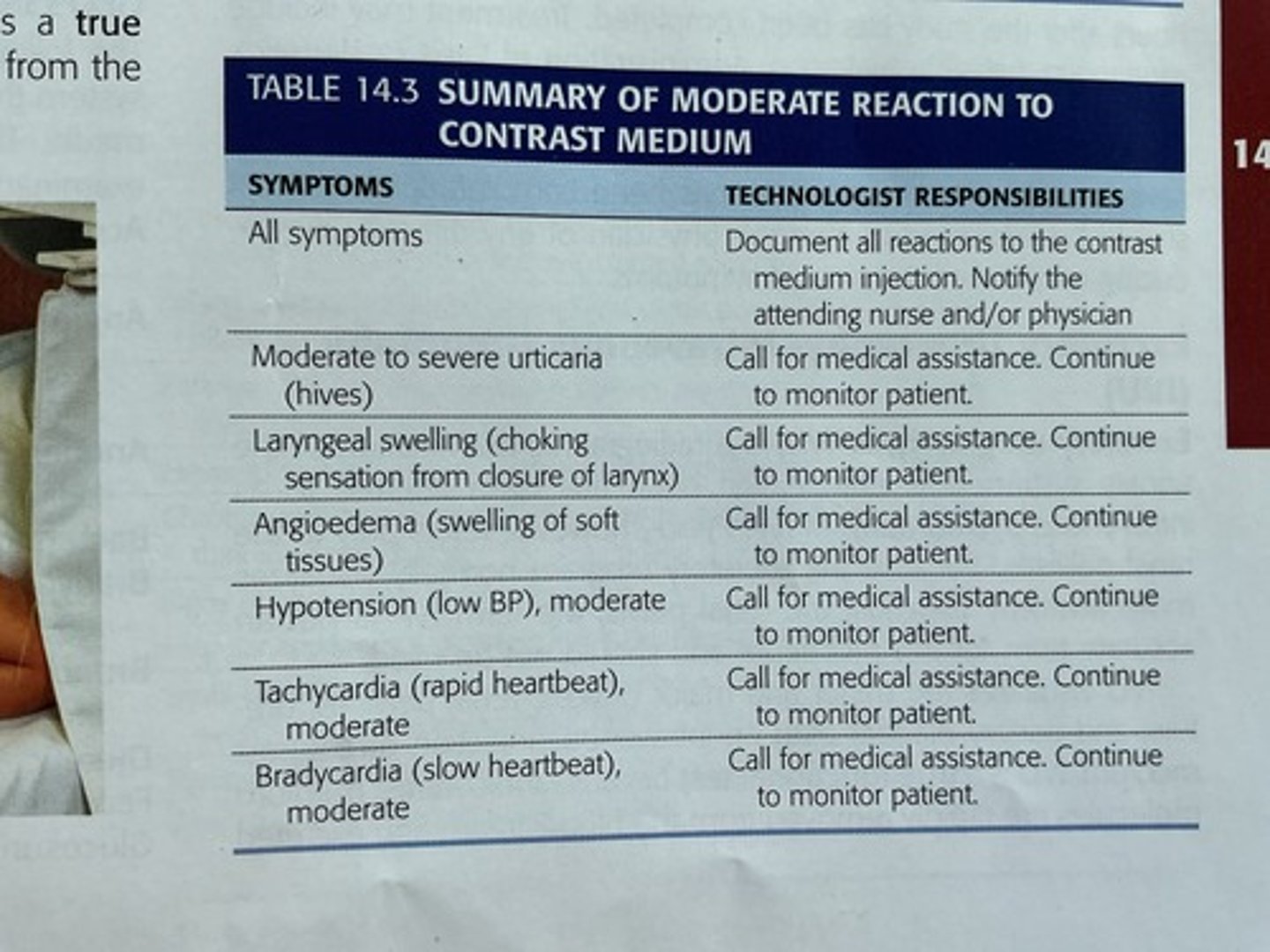
Summary of moderate reaction to contrast medium
Summary of severe reaction to contrast medium
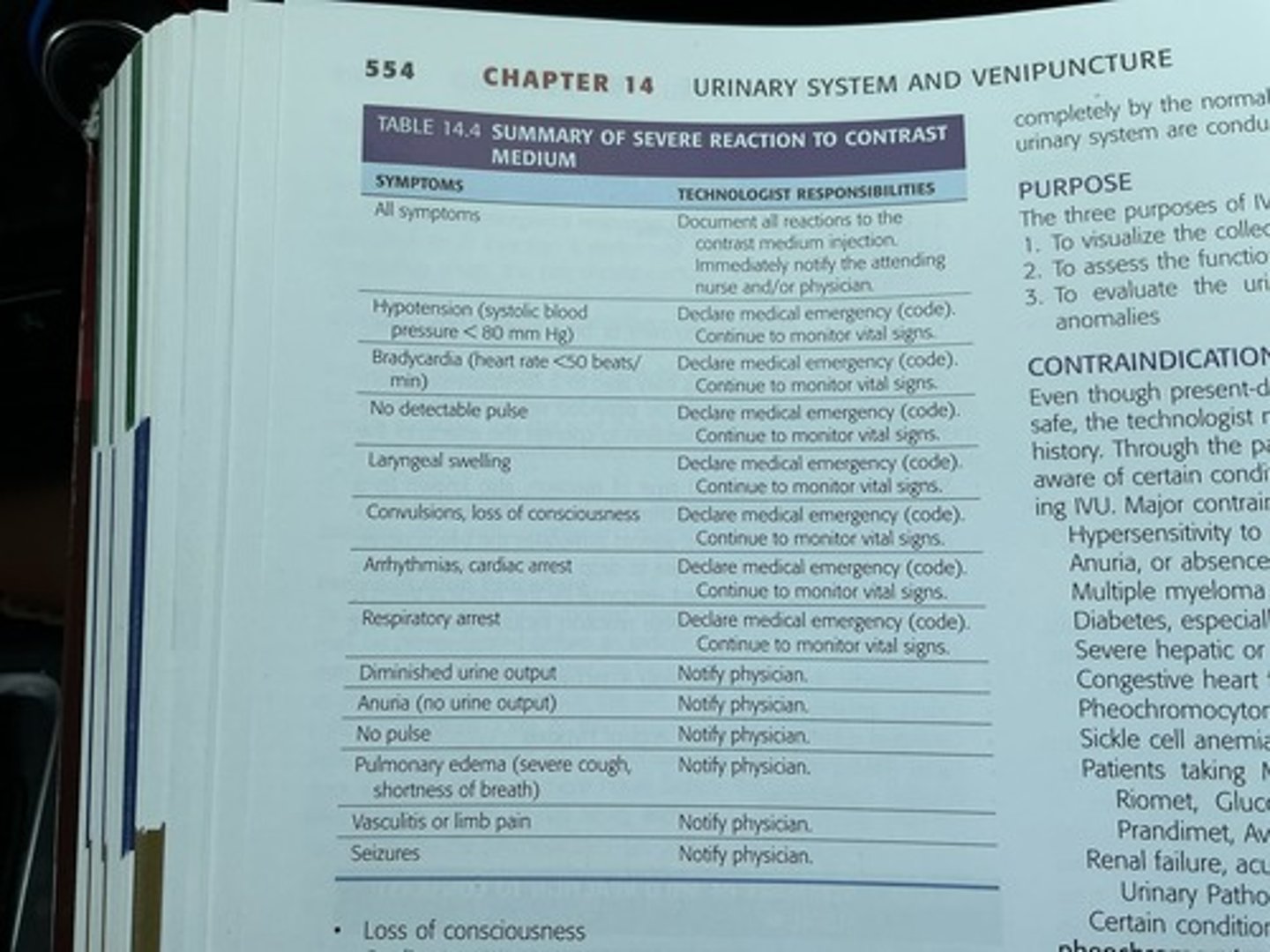
Pt screening
ACR manual pg. 510
Normal Blood urea nitrogen (BUN) levels
8-25 mg/ 100 mL
Normal Creatinine levels
0.6-1.5 mg/dL
Normal Estimated Glomerular Filtration Rate (eGFR) in adults:
60 mL/min or greater
eGFR ACR manual pg. 37-38 and pg. 44
Metamorfin (ACR manual pg. 44)
Category one and category two
IVU is a ______ study
Functional
IVU protocol
Pt clinical history taken, Scout, nephragram, 5 min then 10 min timed images, 20 min obliques (RPO, LPO) + post void (after pt voids)
Nephrogram
Radiographs taken early in the series
1 min post injection
CR for nephrogram
Between xiphoid and iliac crest
Shows "flushing" of kidneys
IVU patient prep
-NPO 8 hours
- Void prior to exam
- check contraindications and informed consent
- if have catheter then close it!
- bowel cleansing + enema morning of
IVU routine
AP scout (KUB)
Nephrogram ( 1 min. after injection) CR: halfway beytween xiphoid + iliac crest
AP (5min. & 10-15min.)
RPO & LPO (20min.) 30 degrees oblique and CR: between vertebral column and iliac crest
AP postvoid upright (CR: 1" below iliac crest) make sure entire bladder is in image
Special: AP ureteric compression
Cystography
Urine bladder imaging
Retrograde Cystography procedure
Insert urinary catheter
Hang iodinated contrast on IV pole with extension tubing
Allow gravity to fill the bladder
10-15 degree caudal tube angle
CR at 2 inches superior to symphysis pubis
RPO/LPO: 45- 60 posterior oblique
2 inches superior to symphysis pubis + 2 inches medial to upside ASIS
- structural exam
Retrograde Urography (endoscopy) p.562
- non-functional
Treatments for retrograde Urography:
Catheter insertion
Stent placement
Other
VCUG
Functional study of urethra and ability to urinate
After routine cystogaphy
Routine cystography
Remove catheter and image while the patient voids
VCUG Clinical Indications
- trauma
- incontinece
- posterior urethral valves ( small leaflets of tissue + slit like openings that impede flows)
VCUG Positions
supine or erect
- women: AP or slight
- men: 30 degrees RPO
post void AP might be requested
Staghorn calculi
Stones that occupy the entire collecting system
Fills the renal pelvis
Know diff between RPO and LPO IVU
IVU patient prep
-NPO 8 hours
-void prior to exam
-check contraindications and informed consent
-if has catheter then close it!
-bowel cleansing and enema morning of
Metformin (Glucophage)
Biguanide (oral antidiabetic)oral anti-hyperglycemic agent to treat patients with non-insulin-dependent diabetes mellitus
Metformin limitation
<30 eGFR Discontinue Metformin for 48 hours after ERCP

