Vulnerability Remediation - CompTIA Security+ SY0-701 - 4.3
 Call Kai
 Learn
Learn Practice Test
 Spaced Repetition
 Match
Match Flashcards
 Knowt Play
1/7

There's no tags or description
Looks like no tags are added yet.
Name | Mastery | Learn | Test | Matching | Spaced | Call with Kai |
|---|
No analytics yet
Send a link to your students to track their progress
8 Terms
Patching
• The most common mitigation technique
- We know the vulnerability exists
- We have a patch file to install
• Scheduled vulnerability/patch notices
- Monthly, quarterly
• Unscheduled patches
- Zero day, often urgent
• This is an ongoing process
- The patches keep coming
- An easy way to prevent most exploits
Insurance
Cybersecurity insurance coverage
- Lost revenue
- Data recovery costs
- Money lost to phishing
- Privacy lawsuit costs
Doesn't cover everything
- Intentional acts, funds transfers, etc
Ransomware has increased popularity of cybersecutiy liability insurance
- Applies to every organization
Segmentation
Limit the score of an exploit
- Separate devices into their own networks/VLANs
A breach would have limited scope
- It's not as bas as it could be
Can't patch?
- Disconnect from the world
- Air gaps may be required
Use internal NGFW's
- Block unwanted/unnecessary traffic between VLANs
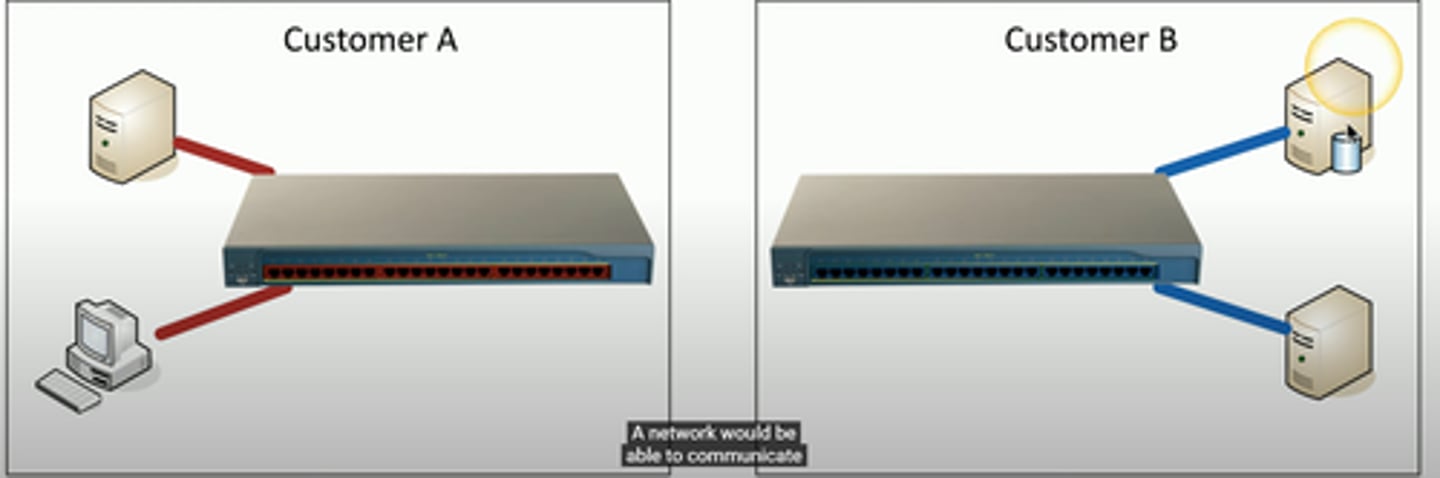
Physical segmentation
• Separate devices
- Multiple units, separate infrastructure
Compensating Controls
• Optimal security methods may not be available
- Can't deploy a patch right now
- No internal firewalls
• Compensate in other ways
- Disable the problematic service
- Revoke access to the application
- Limit external access
- Modify internal security controls and software firewalls
• Provide coverage until a patch is deployed
- Or similar optimal security response
Exceptions and exemptions
• Removing the vulnerability is optimal
- But not everything can be patched
• A balancing act
- Provide the service, but also protect the data and
systems
• Not all vulnerabilities share the same severity
- May require local login, physical access, or other criteria
• An exception may be an option
- Usually a formal process to approve
Validation of remediation
• The vulnerability is now patched
- Does the patch really stop the exploit?
- Did you patch all vulnerable systems?
• Rescanning
- Perform an extensive vulnerability scan
• Audit
- Check remediated systems to ensure the patch
was successfully deployed
• Verification
- Manually confirm the security of the system
Reporting
Ongoing checks are required
- New vulnerabilites are continuously discovered
- Difficult (or impossible) to manage without automation
- Manual checks would be time consuming
Continuous reporting
- Number or identified vulnerabilities
- Systems patched vs unpatched
- New threat notifications
- Errors, exceptions and exemptions

