AMSCO AP World History Modern- Unit 9
 Call Kai
 Learn
Learn Practice Test
 Spaced Repetition
 Match
Match Flashcards
 Knowt Play
1/84

There's no tags or description
Looks like no tags are added yet.
Name | Mastery | Learn | Test | Matching | Spaced | Call with Kai |
|---|
No analytics yet
Send a link to your students to track their progress
85 Terms
Green Revolution
Rapid diffusion of new agricultural technology, especially new high-yield seeds and fertilizers.
Emerged in the mid-20th century as a response to hunger, particularly in developing countries.
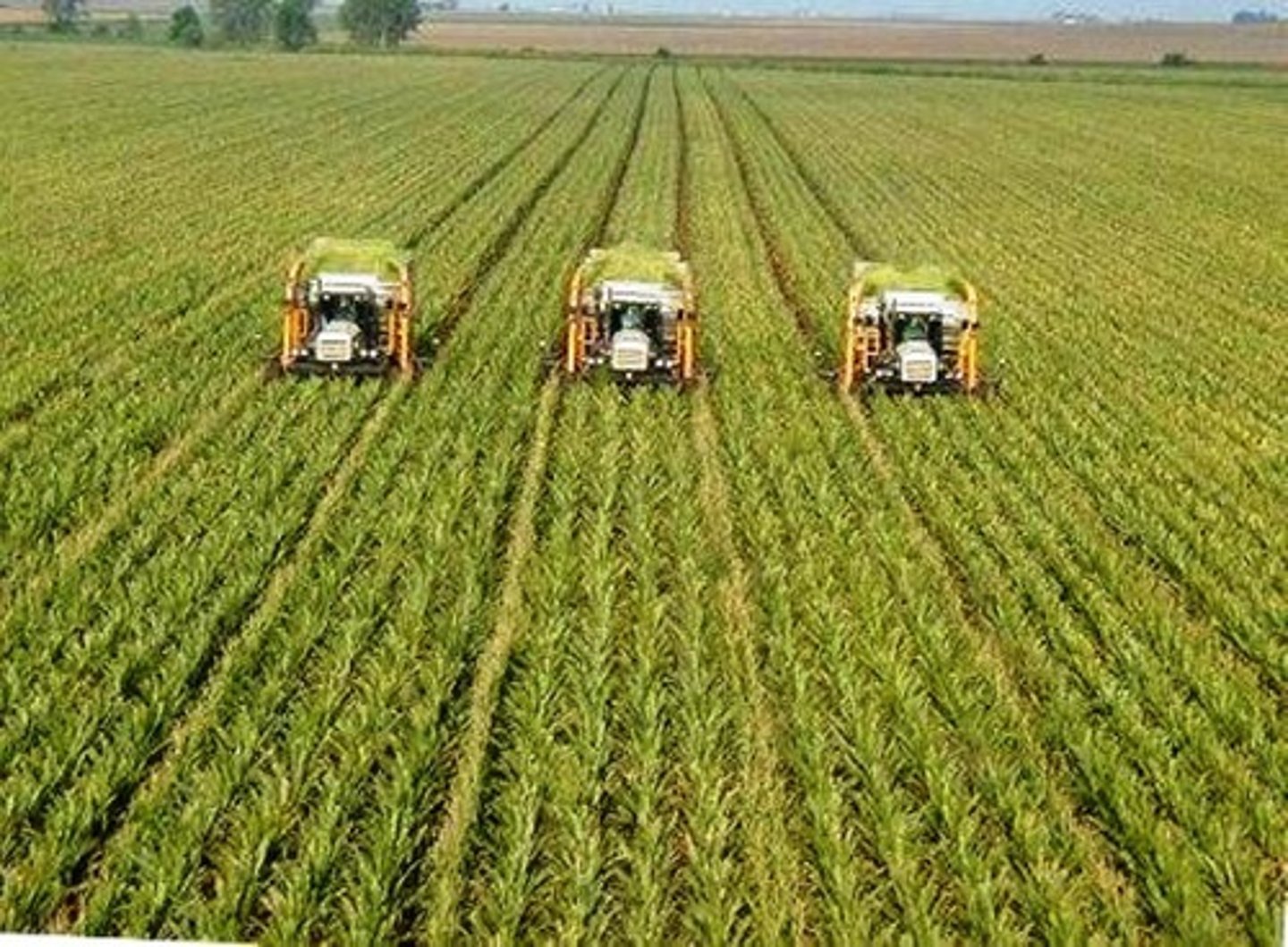
Scientists developed new high-yield and pest-resistant varieties of wheat, rice, and other grains through crossbreeding and genetic engineering.
Farmers adopted these new varieties along with increased use of irrigation, fertilizers, and pesticides to boost agricultural productivity.
The Green Revolution led to a significant increase in crop acreage globally, particularly for grains like wheat and rice.
Despite its successes, the Green Revolution faced challenges:
Many small farmers couldn't afford the expensive inputs like fertilizers and pesticides, leading to increased inequality as larger landowners benefitted more.
Mechanization reduced the need for farm labor, leading to unemployment in rural areas.
Heavy use of chemicals caused environmental degradation and soil erosion, threatening long-term sustainability.
genetic engineering
Process of making changes in the DNA code of living organisms

shipping containers
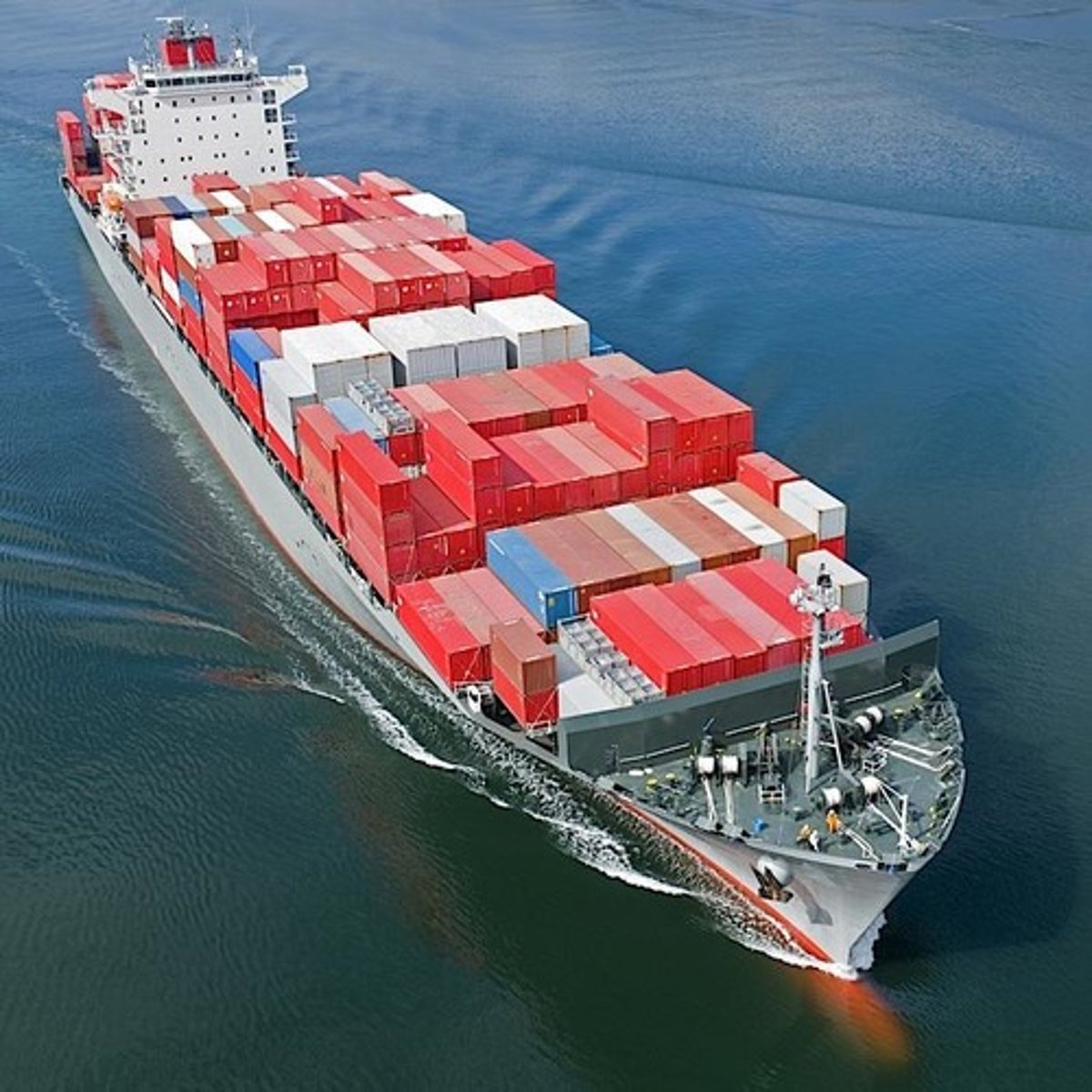
large metal boxes used to store goods on ships; can be easily removed from ships to a train or semi truck trailer
Standardized shipping containers streamlined global trade, enabling goods to be transported more efficiently via ships, trucks, and trains.
antibiotic
a medicine used to save lives because it destroys harmful bacteria and cures infections
The passage briefly mentions the discovery of penicillin by Alexander Fleming in 1928, marking the beginning of the antibiotic era.Antibiotics revolutionized medicine by effectively treating bacterial infections, saving countless lives, particularly during World War II.
Post-war, antibiotics became widely used in civilian healthcare, combating a range of illnesses and significantly improving survival rates

birth control
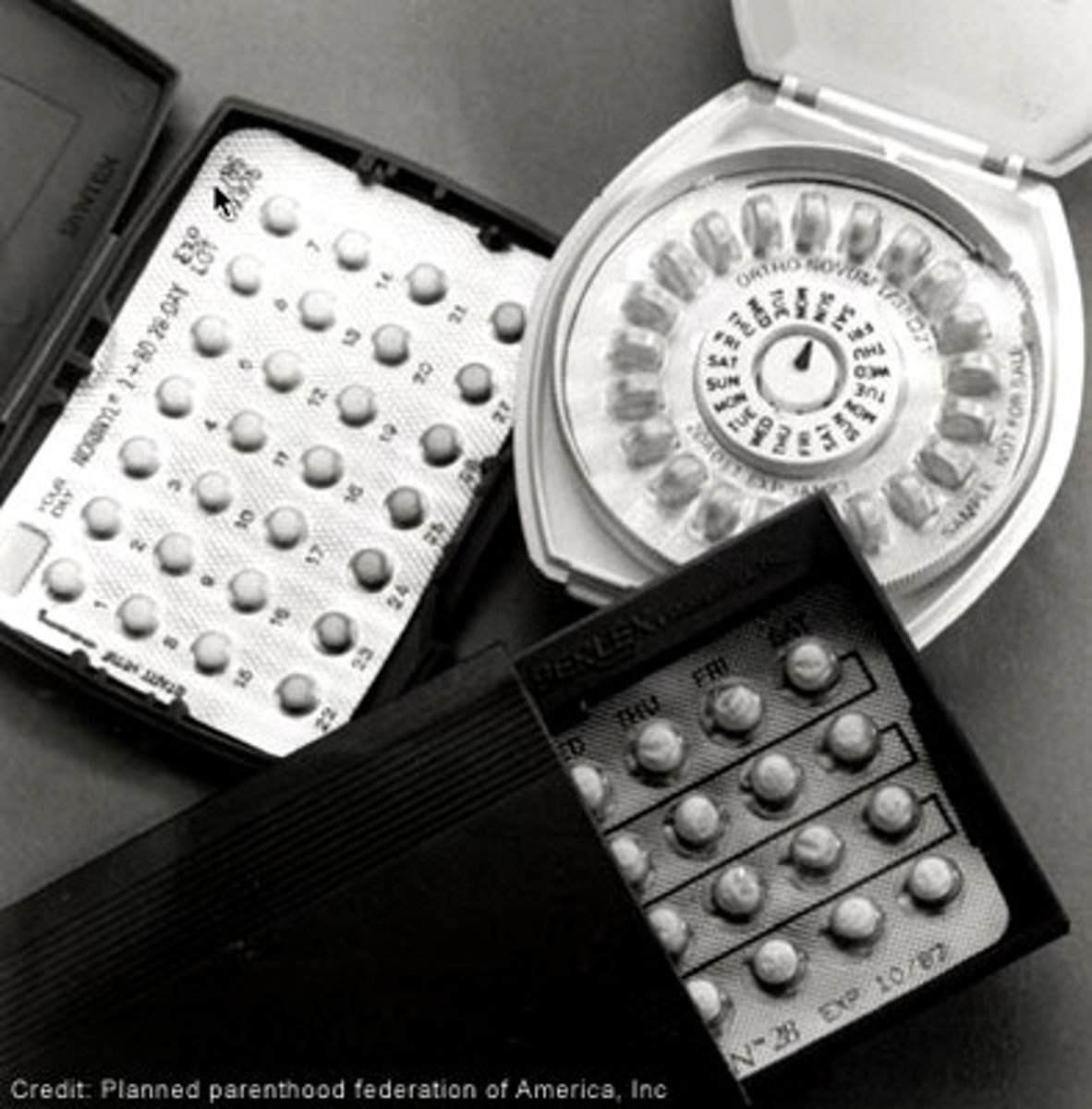
Any method used to reduce births, including celibacy, delayed marriage, contraception; devices or medication that prevent implantation of fertilized zygotes, and induced abortions
AMsco: In the early 1950s, scientist Gregory Pincus developed the birth control pill, providing a more reliable method of contraception compared to existing barrier methods.
The U.S. government approved the birth control pill for widespread use in 1960.
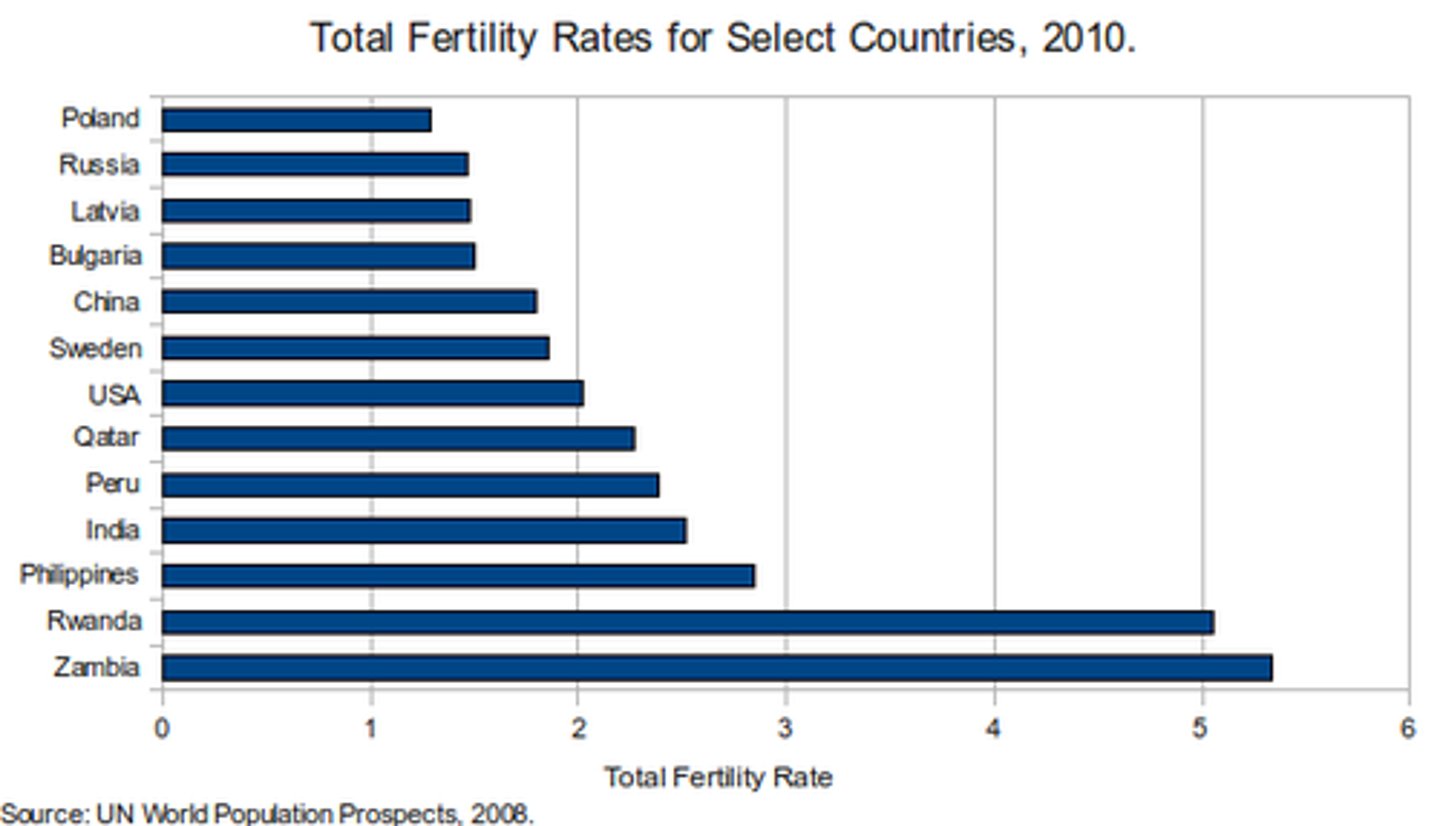
Birth control methods, including the pill, contributed to a decline in fertility rates globally, reshaping sexual practices and gender roles.
fertility rates
Average number of children a woman will have during her childbearing years which occur between the ages of 15 and 44
vaccine
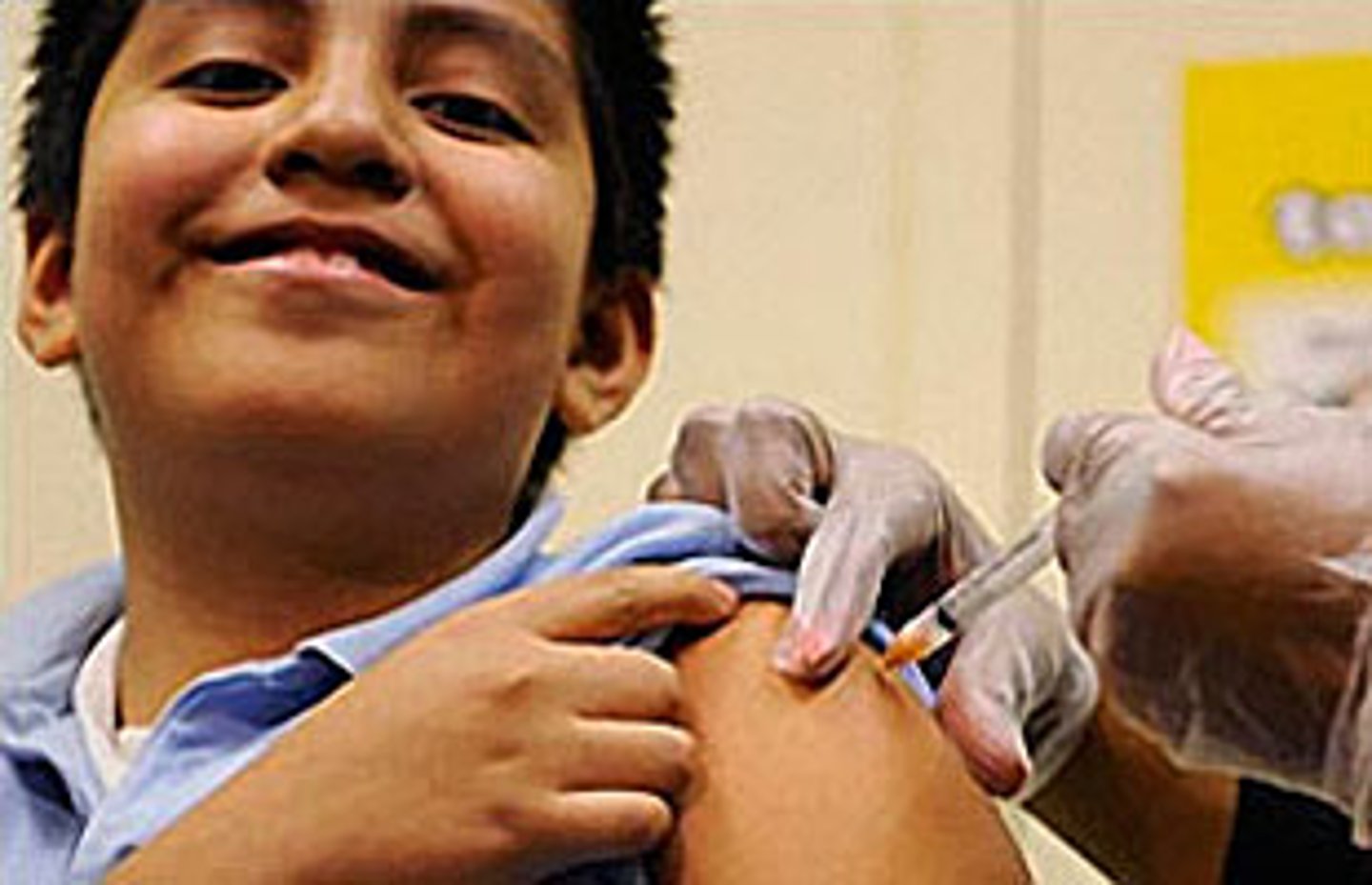
A harmless variant or derivative of a pathogen that stimulates a host's immune system to mount defenses against the pathogen
am: Vaccines have been around since 1796 but saw significant development and distribution after 1900.
They played a crucial role in preventing deadly diseases such as polio, measles, and smallpox.
Vaccines are available for various diseases like mumps, tetanus, diphtheria, and whooping cough.
As of the 21st century, vaccines were estimated to prevent around 3 million deaths annually, according to the World Health Organization (WHO).
However, better vaccination coverage could save an additional 1.5 million lives annually, with some people still unable to access vaccines due to living in remote areas
Reduction of Diseases After 1900:
Advances in science, medicine, and public health measures, implemented by governments, led to a drastic reduction in illnesses and deaths from many diseases after 1900.
Pandemics, such as smallpox, which had plagued ancient civilizations and killed millions yearly until the 1960s, were effectively controlled through global vaccination campaigns, notably by the World Health Organization (WHO).
Pandemic
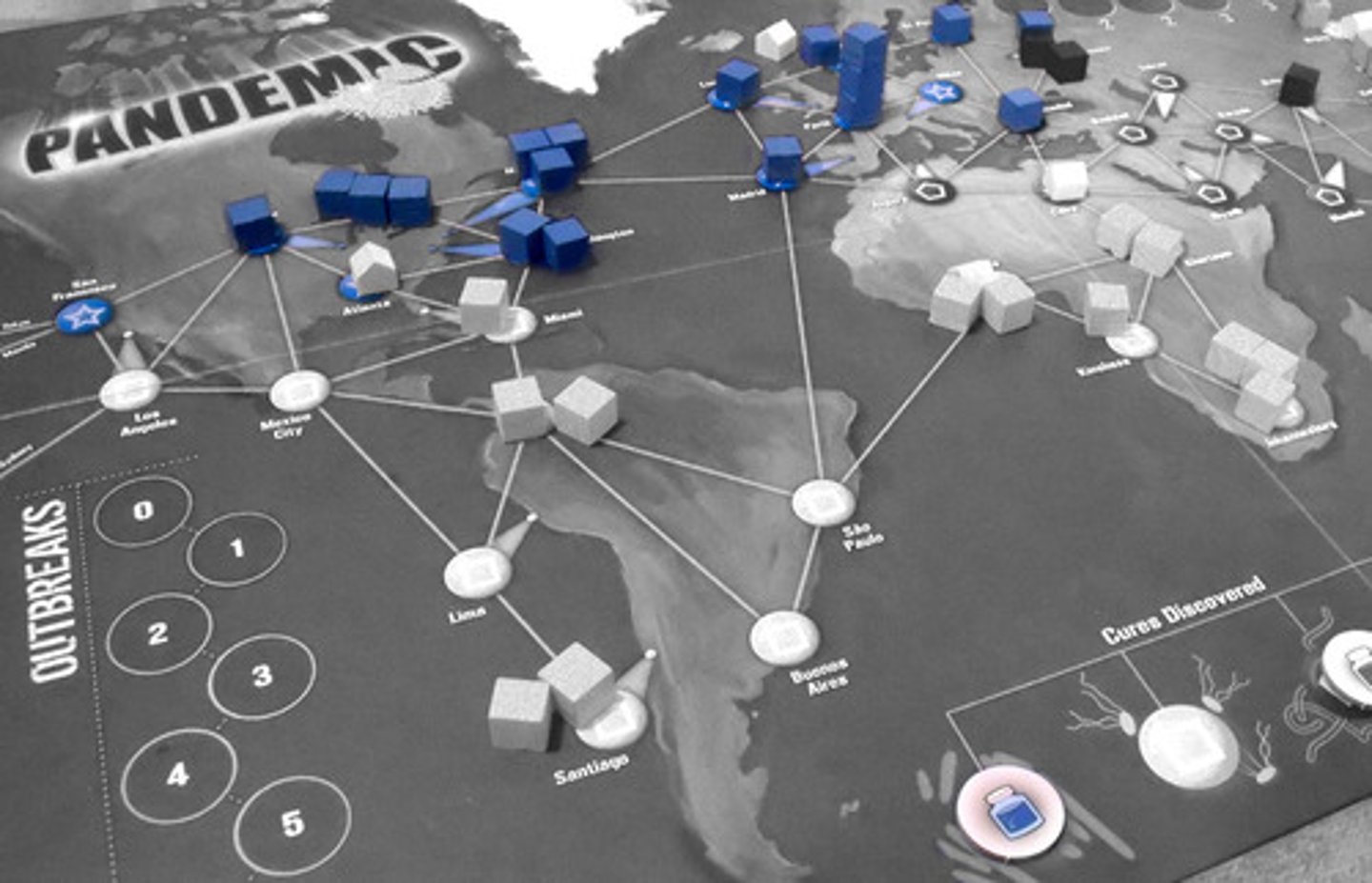
Disease that occurs over a wide geographic area and affects a very high proportion of the population.
The passage mentions the influenza pandemic of 1918, which emerged as World War I was ending and caused significant social disruption.
The influenza pandemic resulted in more deaths than those from the war itself, highlighting the threat posed by infectious diseases.
The medical community redirected its efforts towards combating infectious diseases following the influenza pandemic, underscoring the importance of addressing global health threats.
1918 Influenza Pandemic:
The 1918 influenza pandemic infected a quarter of all Americans and one-fifth of the world's population, killing approximately 20 million people worldwide.
It had devastating effects, particularly among young adults aged 20 to 40, and reduced life expectancy in the United States by 10 years.
Similar to the Bubonic Plague, the flu spread along trade routes and with military troops.
Doctors Without Boarders
is a secular humanitarian-aid non-government organization that deals with armed conflicts, epidemics, and natural disasters.
am: Organizations like Doctors Without Borders treat millions of people annually, utilizing preventive approaches such as distributing insecticide-treated mosquito ne

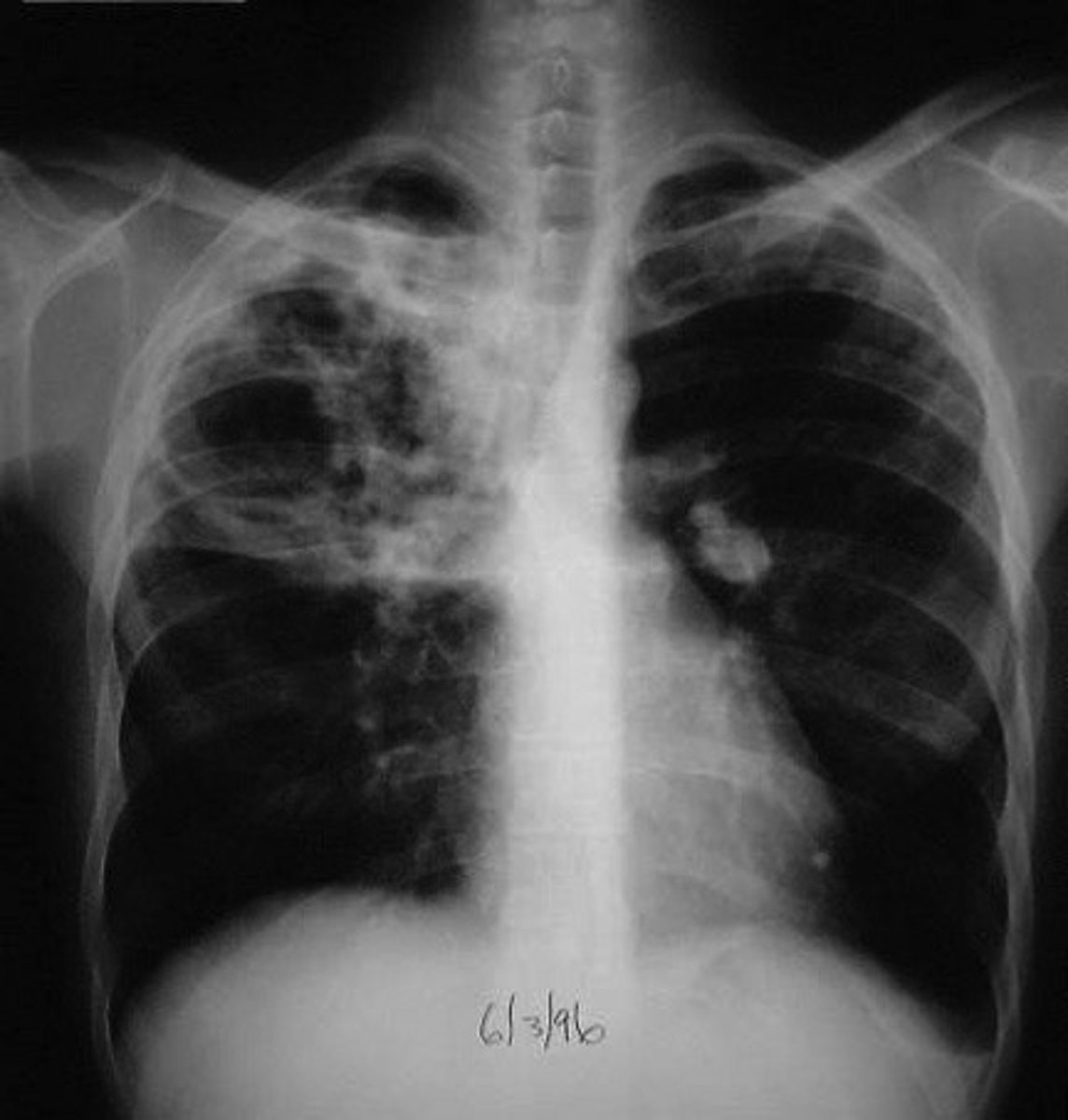
Tuberculosis
An infectious disease that may affect almost all tissues of the body, especially the lungs
am: TB is an airborne infection affecting the lungs, commonly spread through coughs and sneezes.
Effective drug treatments were developed after 1946, involving antibiotics and rest.
The emergence of drug-resistant strains of TB in the early 21st century has posed challenges, particularly in prisons and other crowded settings.
The World Health Organization initiated a global campaign against tuberculosis in the 2010s to address the increasing number of infections.
Cholera
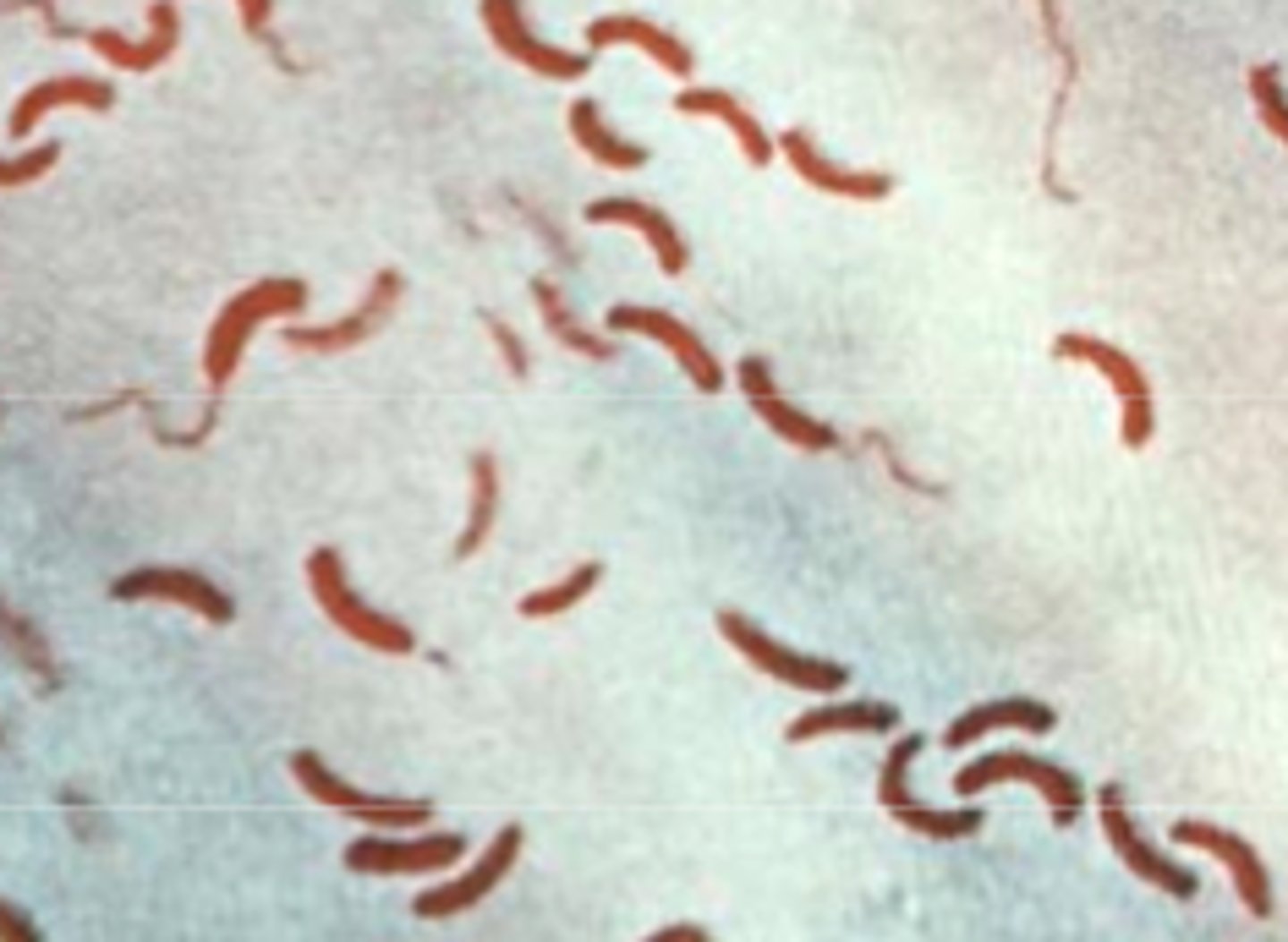
an acute intestinal infection caused by ingestion of contaminated water or food
holera is a bacterial disease transmitted through contaminated water, causing tens of thousands of deaths annually, primarily in developing countries.
Prevention methods include boiling or chlorinating drinking water, practicing proper hygiene, and quickly rehydrating infected individuals.
Although cholera vaccines are available, they are not a substitute for preventive measures, and the disease can be fatal if not promptly treated.
Albert Sabin
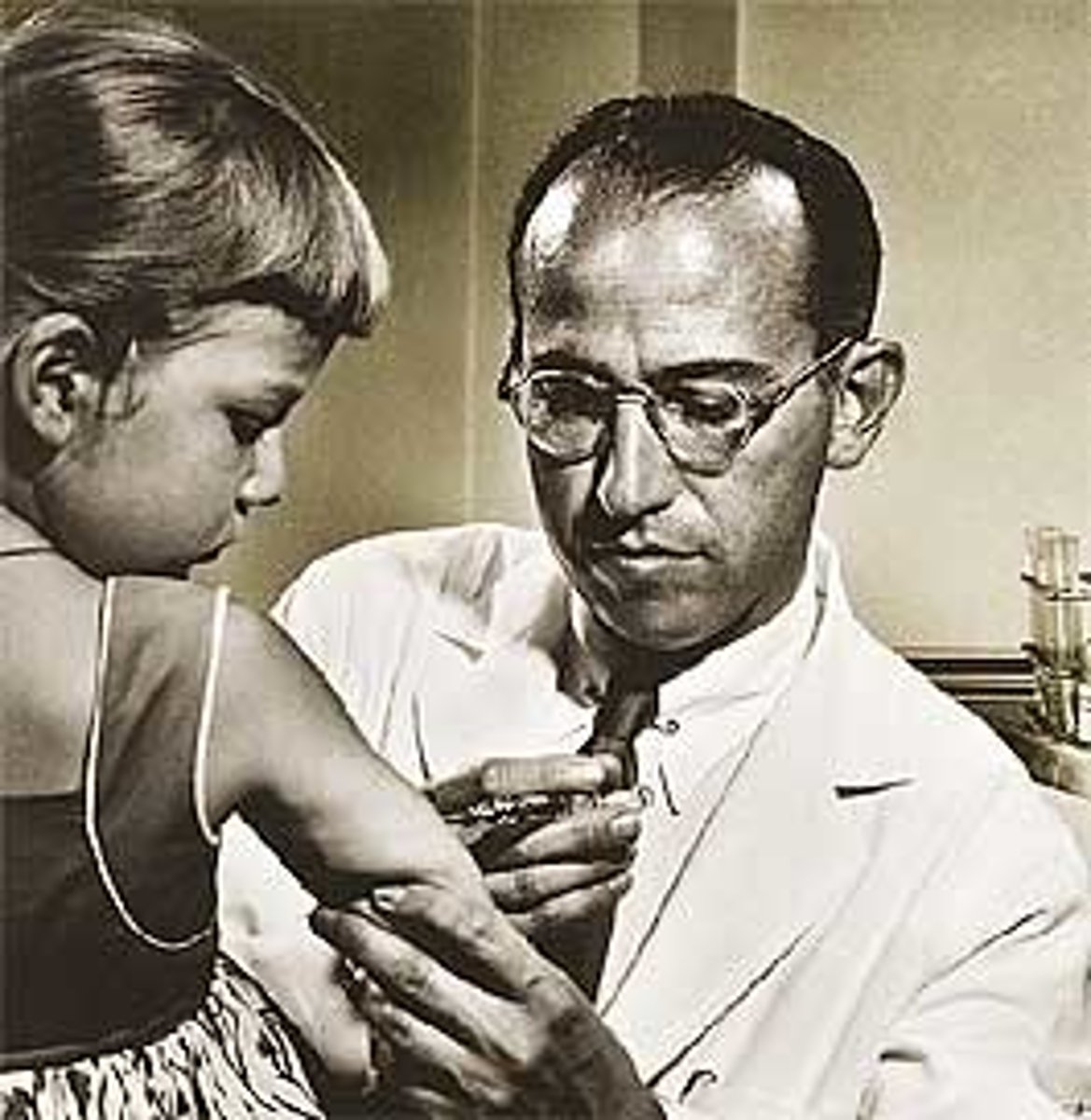
Developed an even better, oral vaccine for polio and used it to allow for the eradication of polio.
Polio
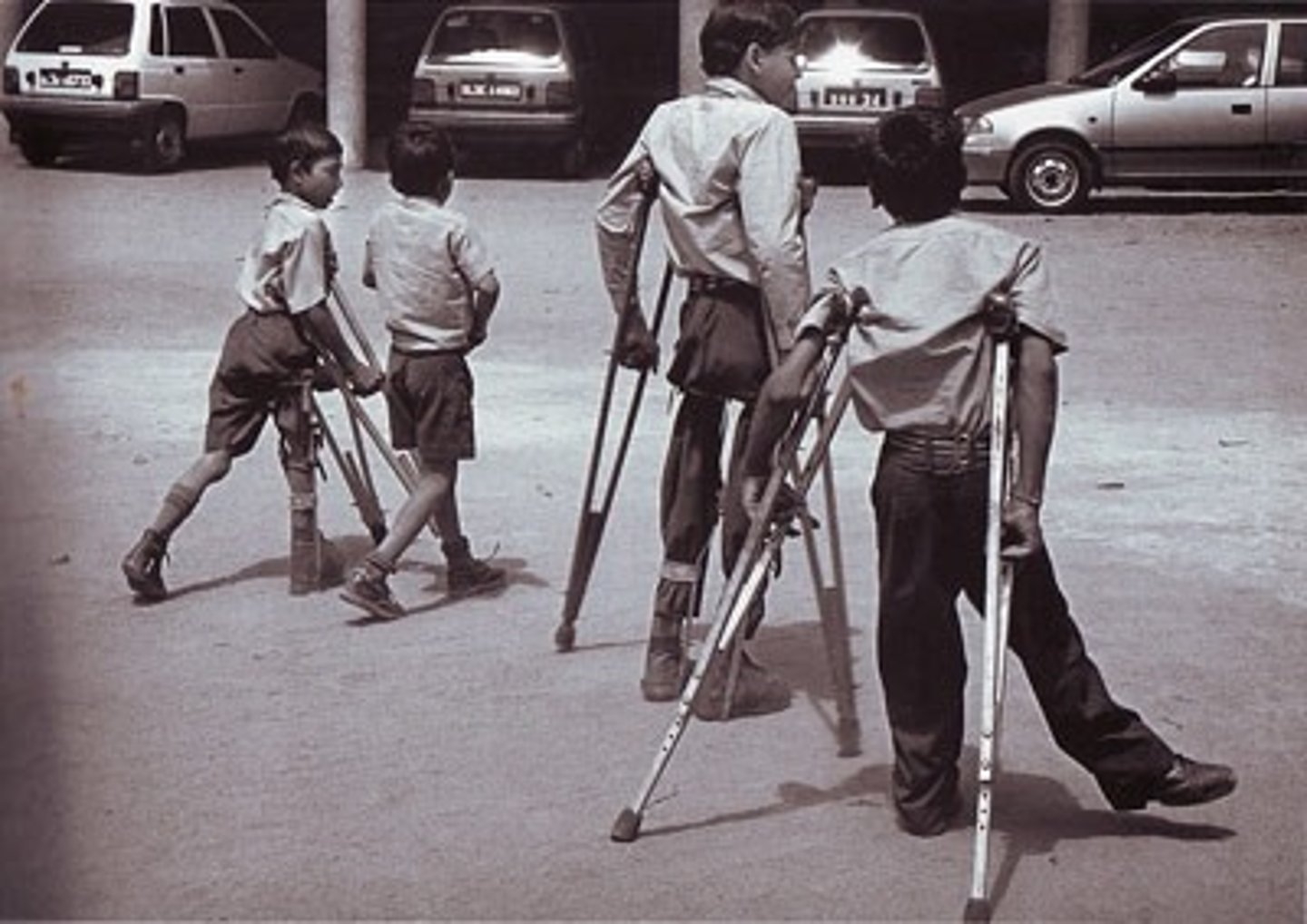
A highly contagious infectious disease of the spinal cord caused by a filterable virus.
Polio, a disease transmitted through water contaminated with a virus found in fecal matter, was once a significant global health threat, infecting 100,000 new people annually.
Jonas Salk developed an injectable polio vaccine that proved effective, announced on April 12, 1955, followed by an oral vaccine developed by Albert Sabin six years later.
Vaccines became central to a global public health campaign to eradicate polio, with joint efforts from governments, private organizations, and United Nations agencies starting in 1988.
The campaign successfully eliminated polio in most countries within 30 years, although challenges remain in conflict-affected regions like Pakistan and Afghanistan, where administering vaccines is difficult due to war and social unrest.
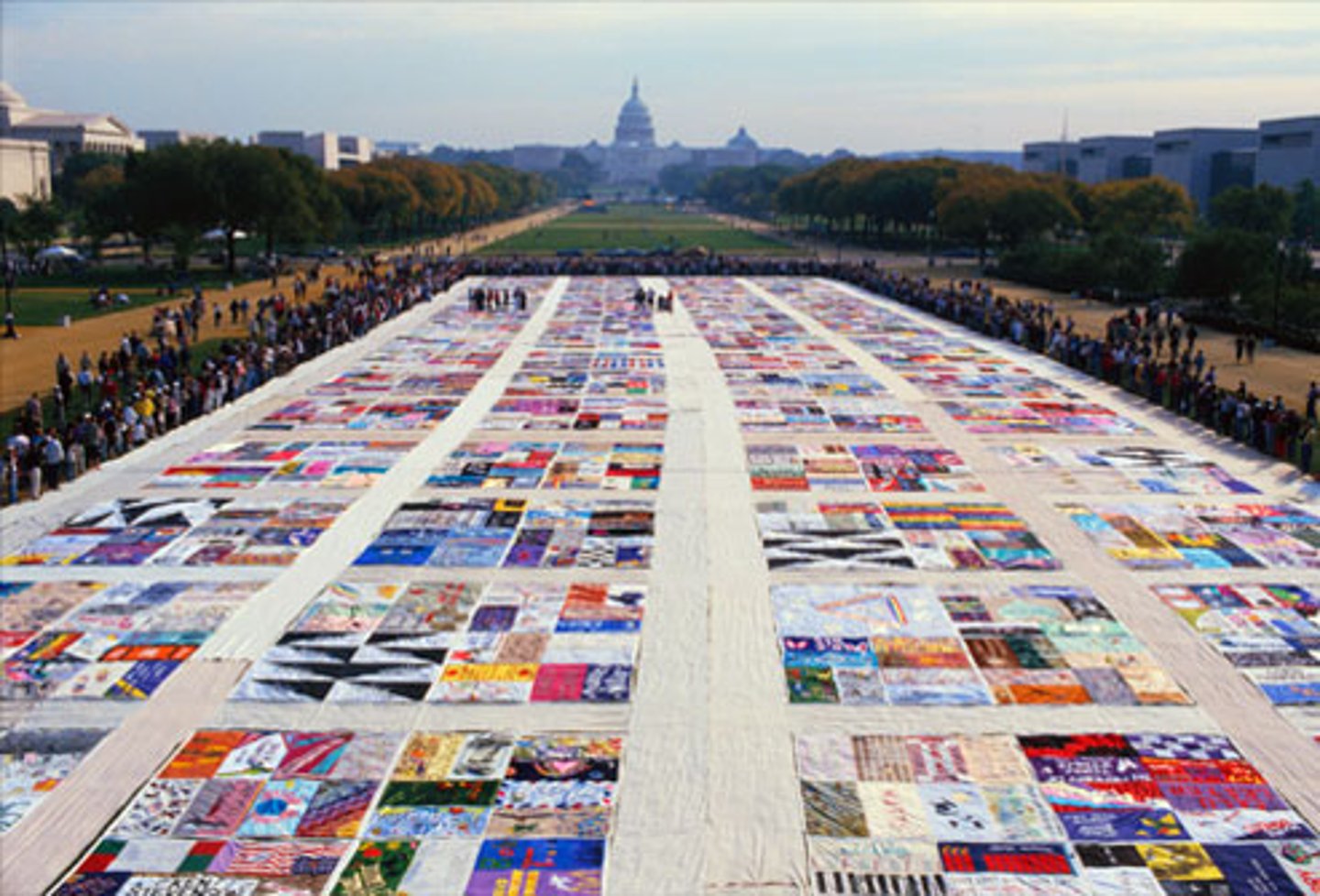
acquired immunodeficiency syndrome (AIDS)
The most advanced, and fatal, stage of an HIV infection.
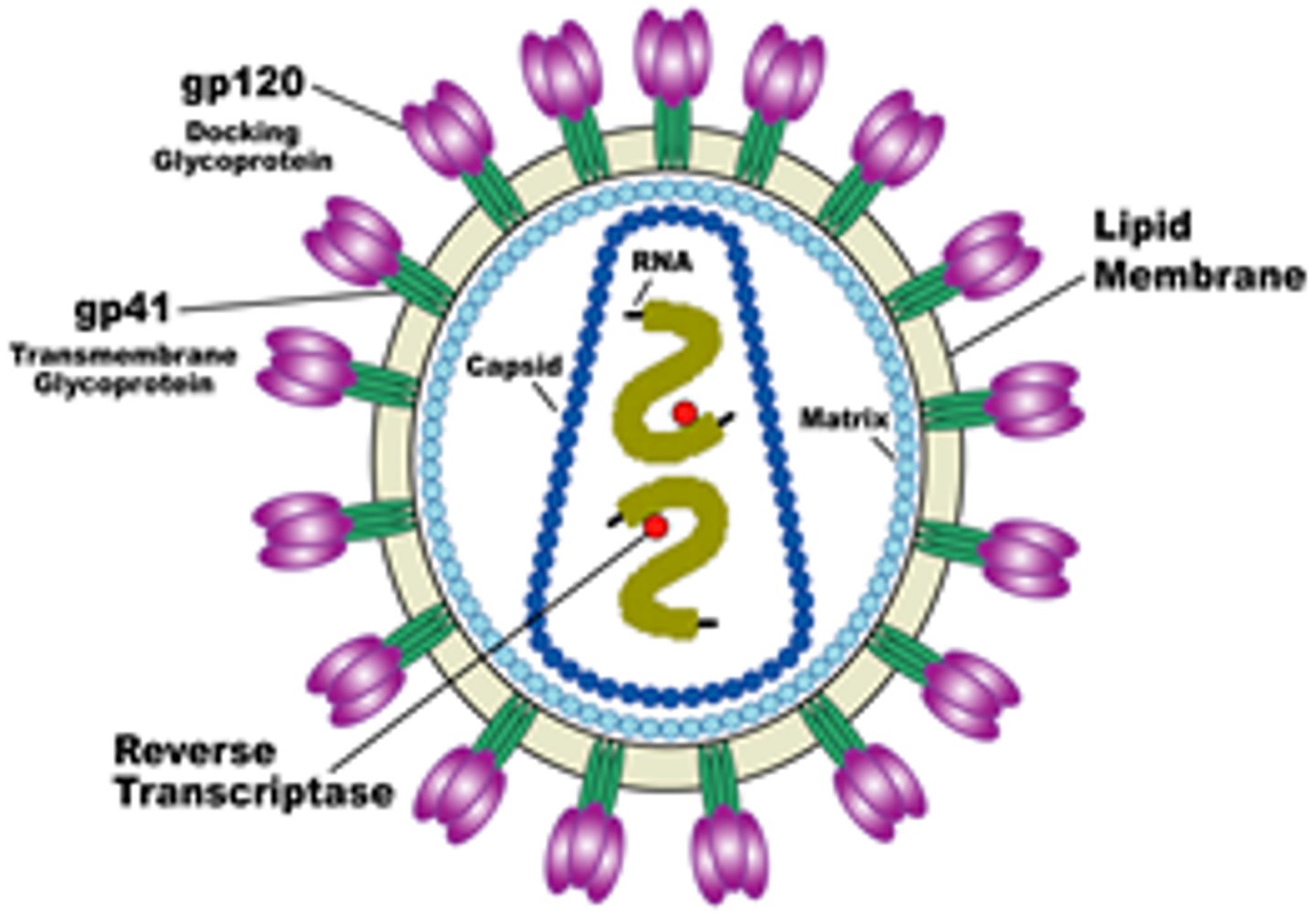
HIV
human immunodeficiency virus
Between 1981 and 2014, the HIV/AIDS epidemic caused social disruption, claiming the lives of more than 25 million people worldwide.
HIV weakens the immune system, making individuals more susceptible to other illnesses, and is transmitted through bodily fluids like blood and semen.
Initially associated with homosexual men and drug addicts, HIV/AIDS research faced funding challenges, and many early victims succumbed to the disease.
While antiretroviral drugs were developed in the mid-1990s to treat HIV, access to treatment was limited, especially in poor countries, although Brazil implemented a successful free treatment program.
Despite increased funding for prevention and treatment after 2000, HIV/AIDS remains a significant global health issue, with about 40 million people living with HIV globally, many lacking access to healthcare.
Ebola
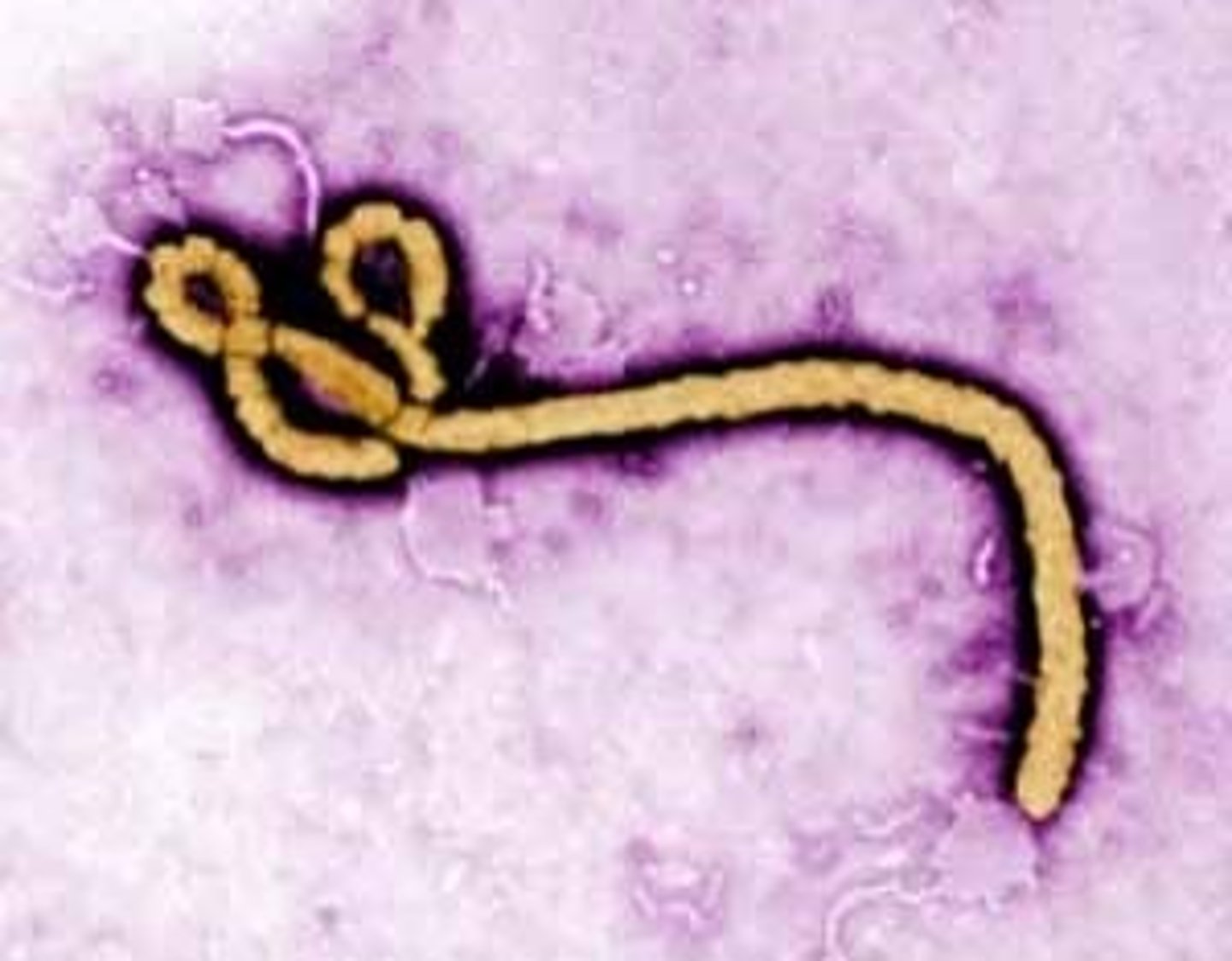
Ebola, a deadly disease caused by a virus, was discovered in the Congo in 1976 and primarily infects African fruit bats, humans, and other primates.
Human transmission occurs through exposure to infected fluids, leading to extensive bleeding, organ failure, and death for the majority of infected individuals.
A massive outbreak in West Africa in 2014 caused global fear, but a coordinated public health effort led by the World Health Organization (WHO) contained and ended the outbreak.
The response to Ebola demonstrated international cooperation and the ability of countries to confront public health emergencies effectively.
heart disease
An abnormal organic condition of the heart or of circulation.
Conditions such as heart disease and Alzheimer's, which become more prevalent as people live longer, also contribute to the burden of disease.
Heart disease is linked to lifestyle, genetics, and increased longevity.
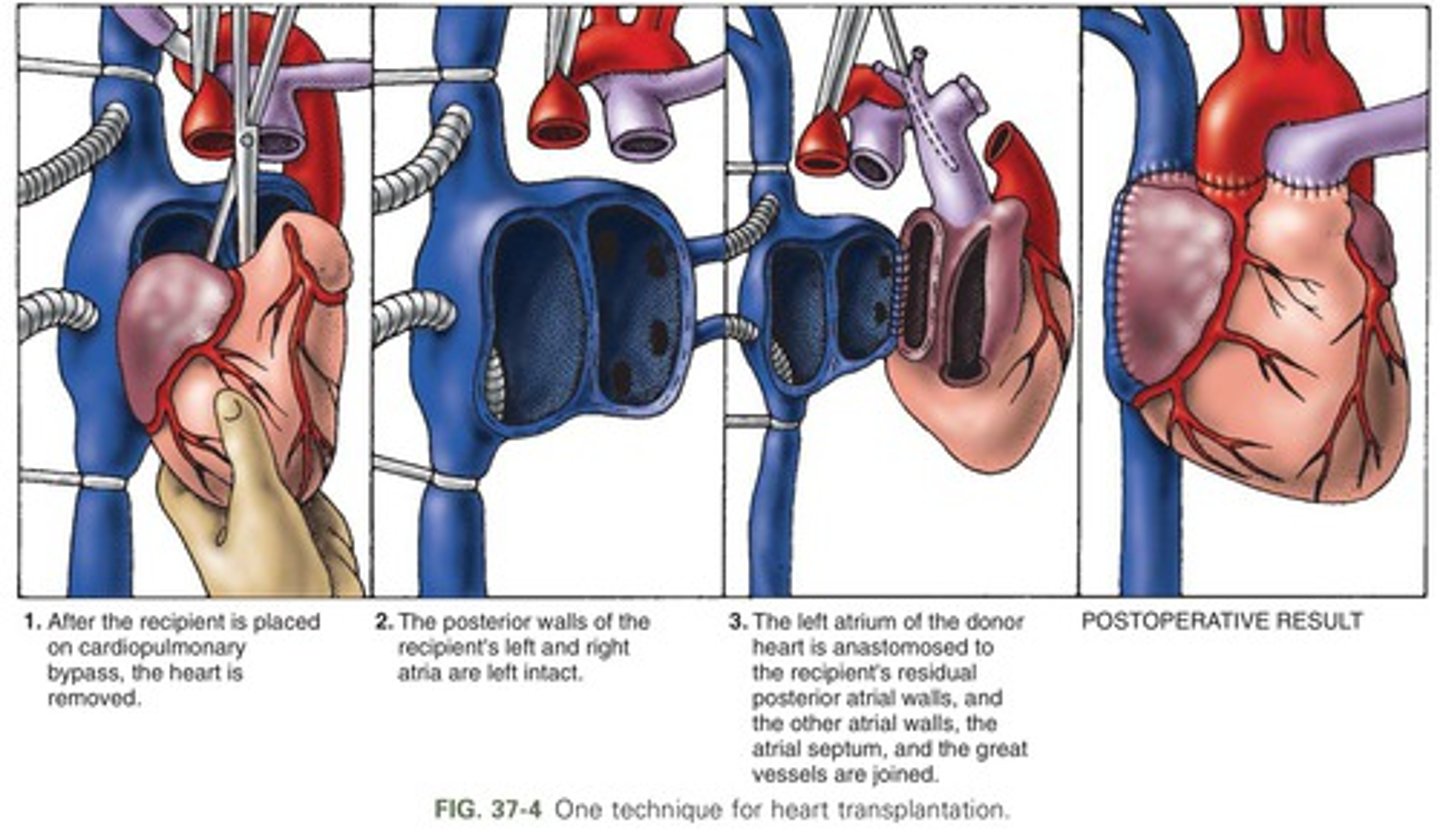
Major advancements in fighting heart disease include heart transplants, first performed by Christiaan Barnard in 1967, and the development of artificial hearts, such as those designed by Robert Jarvik, used temporarily until a compatible human heart is available.
Less invasive procedures, such as valve replacement, artery stenting, and medication development to reduce blood conditions leading to heart disease, have also been developed.
People with heart disease in the 2000s lived longer than those in the 1970s, reflecting advancements in treatment and management.

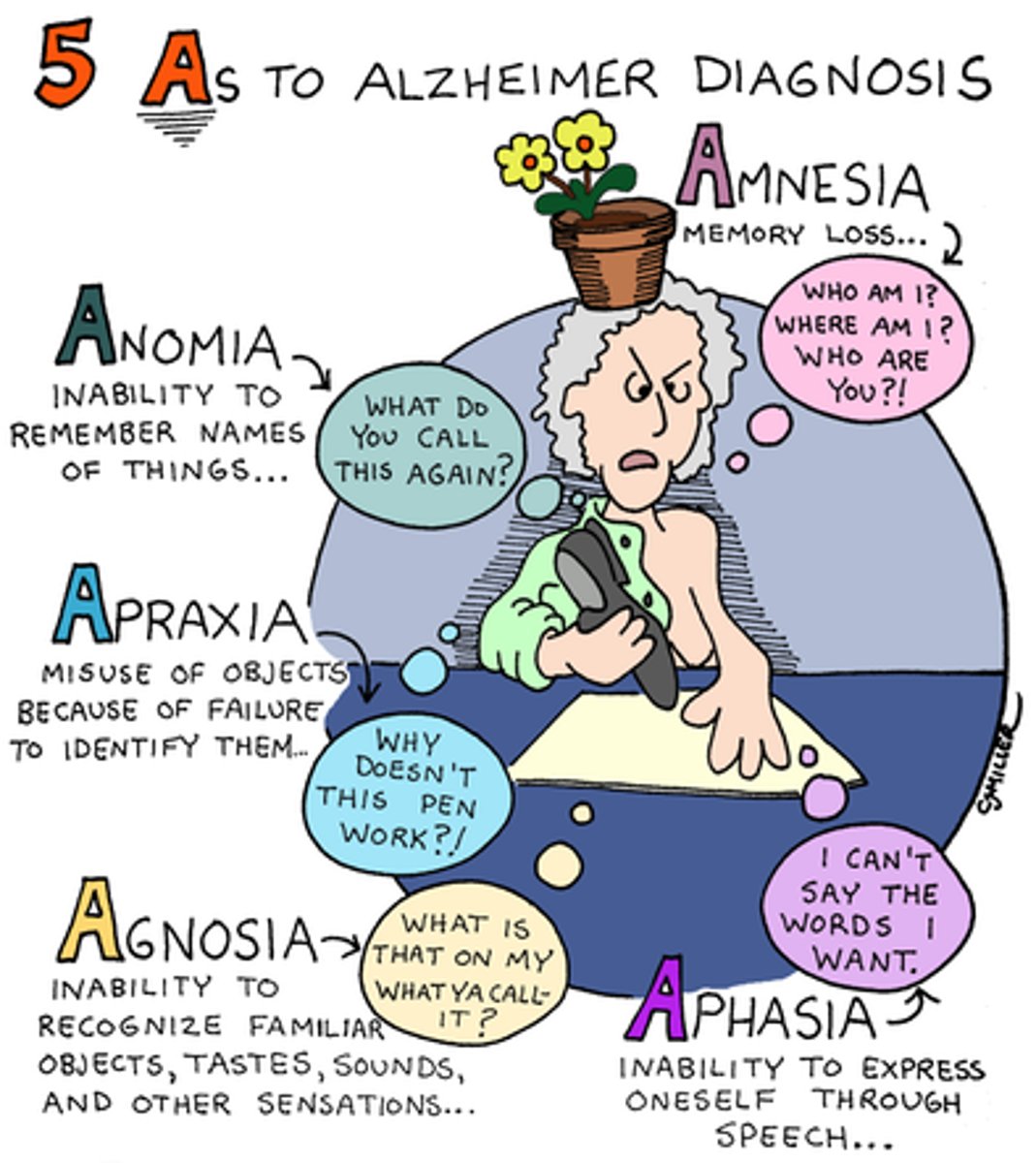
Alzheimer 's disease
Alzheimer's disease, a form of dementia affecting the elderly and some middle-aged individuals, has become a growing concern with increased longevity.
Patients progressively lose their memory and cognitive functions, eventually leading to a stage where they may not recognize loved ones.
Researchers continue to search for a cure for Alzheimer's disease due to its significant impact on patients' quality of life and mortality.
Conditions such as heart disease and Alzheimer's, which become more prevalent as people live longer, also contribute to the burden of disease.
artificial heart
a pump designed to fit into the human chest cavity and perform the heart's function of pumping blood around the body

heart transplant
the surgical replacement of a diseased heart with a healthy one
Green Party
A minor party dedicated to the environment, social justice, nonviolence, and the foreign policy of nonintervention. Ralph Nader ran as the Green party's nominee in 2000.

Green Belt Movement
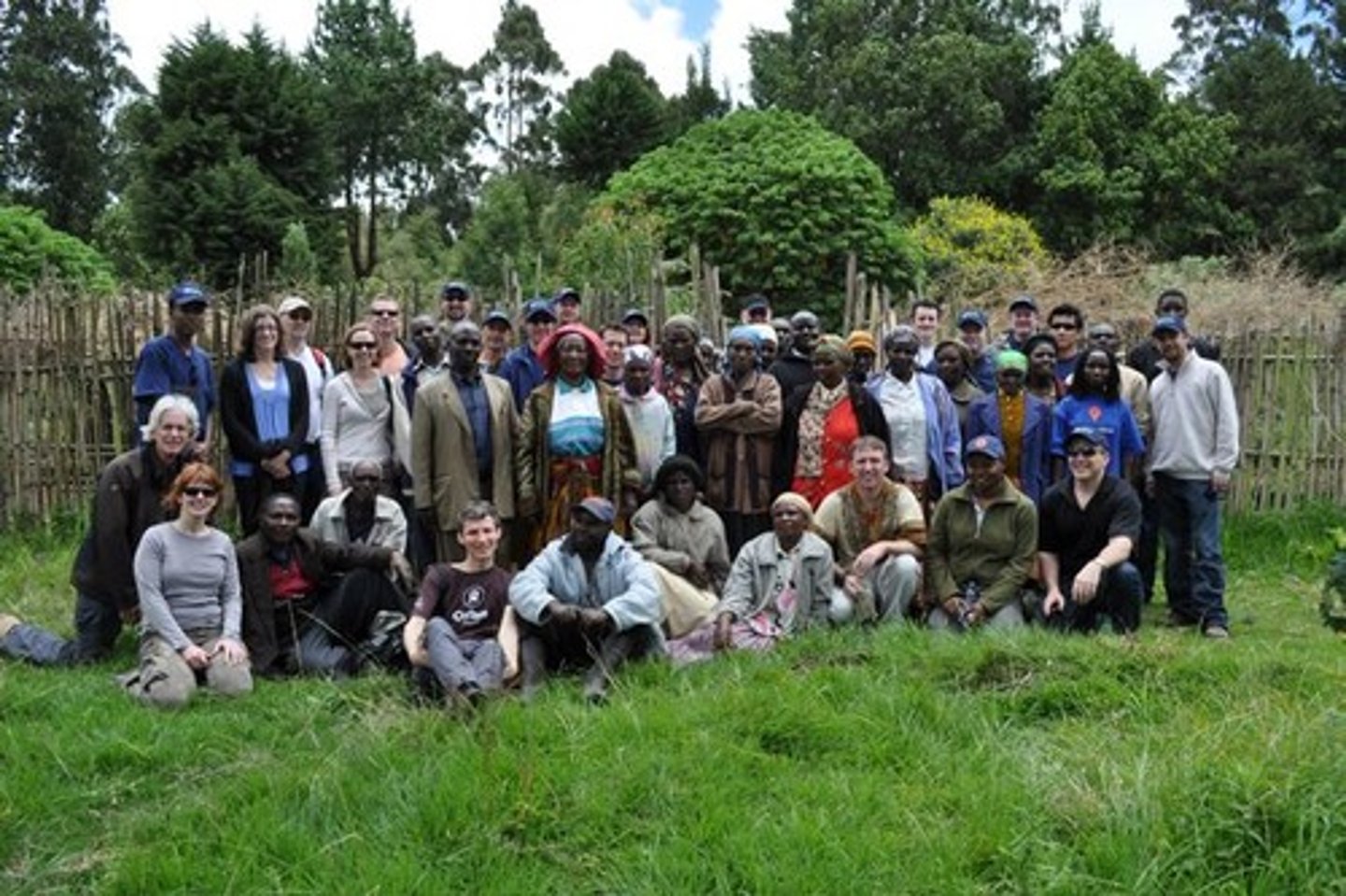
Kenyan movement focusing on preventing further deforestation.
Movement had planted more than 51 million trees in Kenya. The trees help to preserve ecosystems and lessen the effects of greenhouse gases. Planting trees also created employment and the improved soil quality.
deforestation
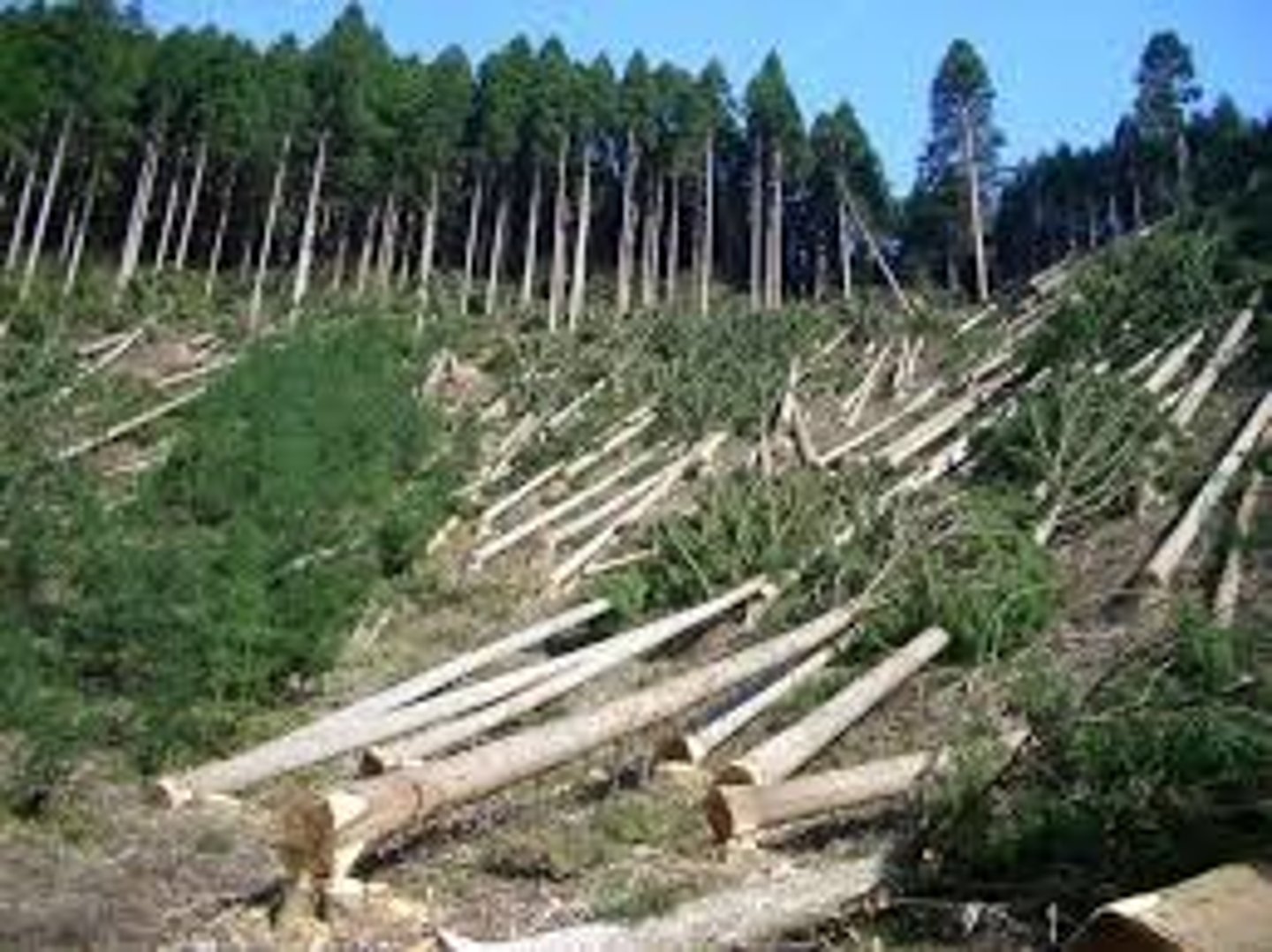
Deforestation refers to the loss of Earth's trees due to cutting them down to make way for agriculture.
The expansion of agricultural lands led to the removal of natural vegetation cover, resulting in deforestation, soil erosion, and habitat loss for various plant and animal species.
desertification
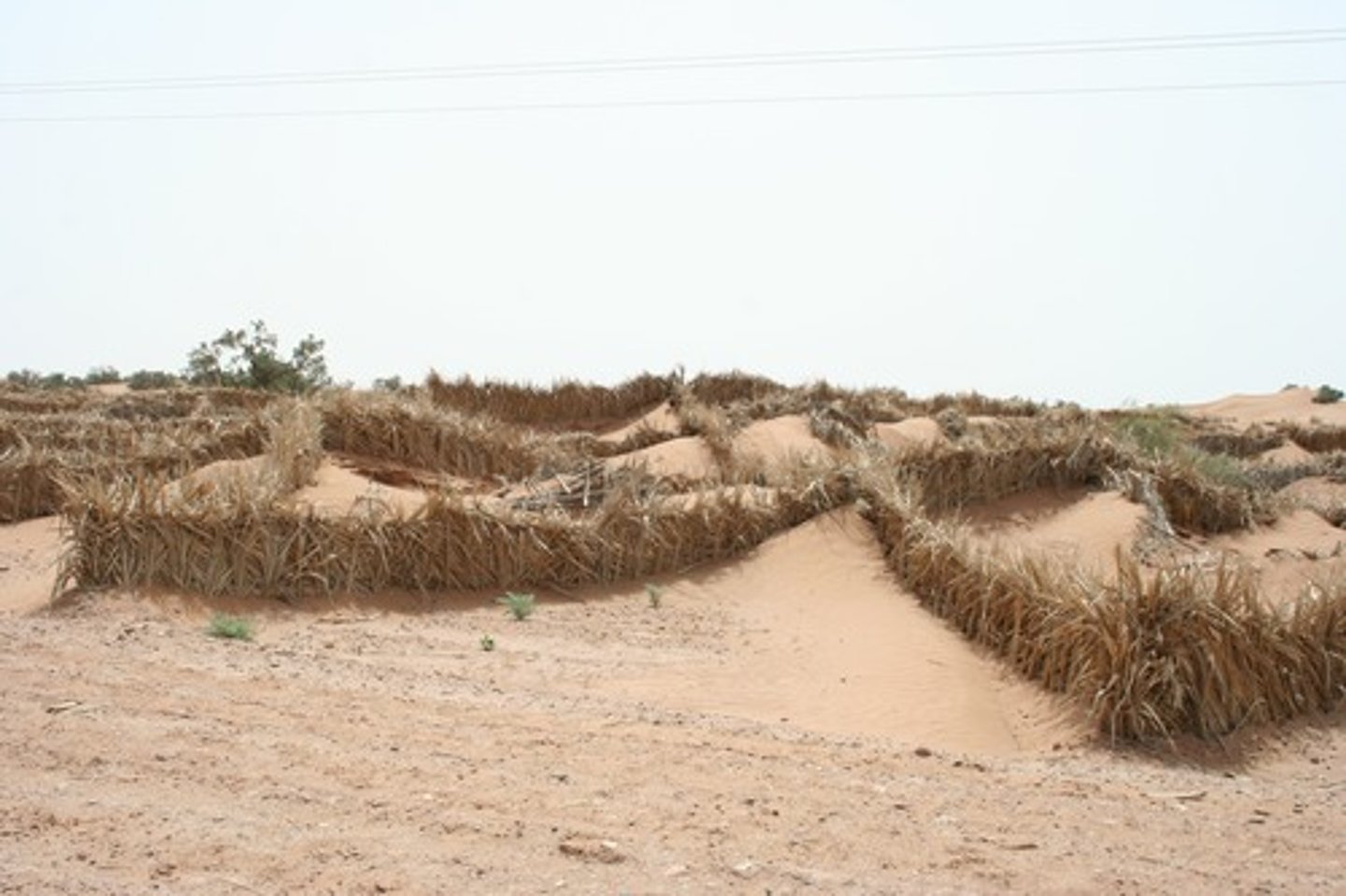
Desertification occurs when natural vegetation cover is removed through the expansion and intensive use of agricultural lands in arid and semi-arid regions.
This process exacerbates soil degradation and leads to the spread of desert-like conditions.
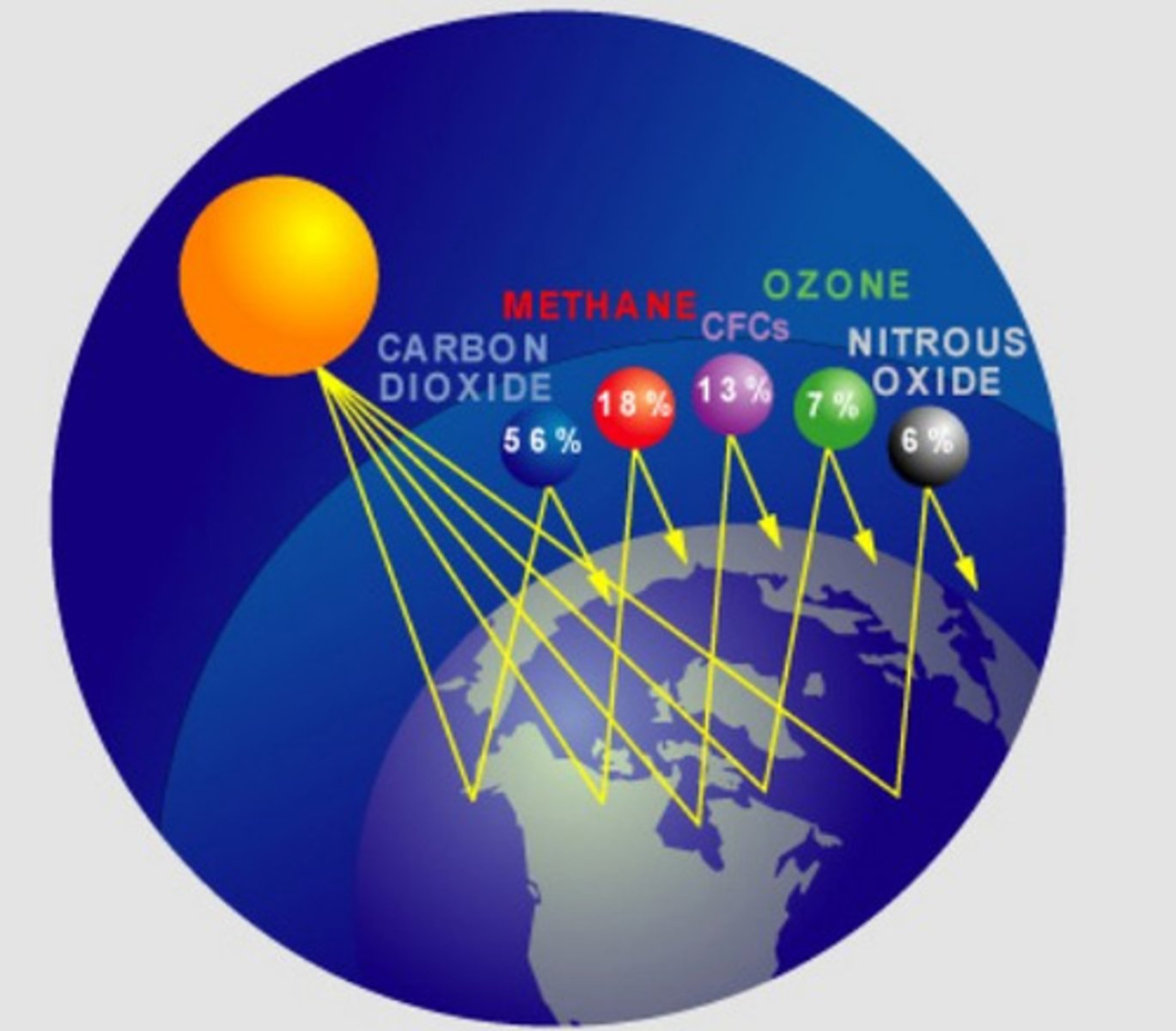
greenhouse gases
Gases such as carbon dioxide, methane, nitrous oxide, water vapor, and ozone in the atmosphere which are involved in the greenhouse effect.
fossil fuels
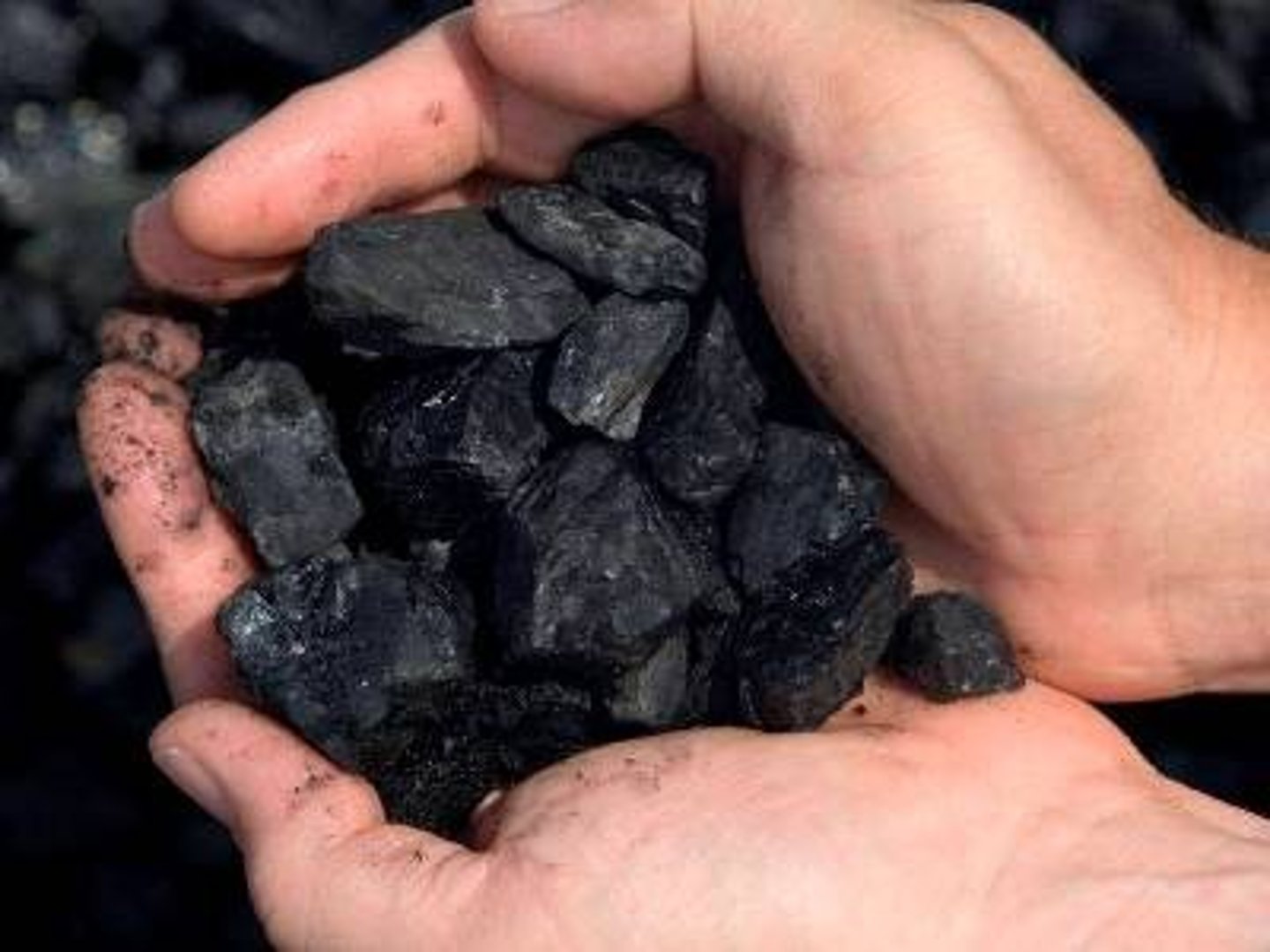
Coal, oil, natural gas, and other fuels that are ancient remains of plants and animals.
Fossil fuels are nonrenewable resources contributing to air pollution and greenhouse gas emissions, while nuclear power has its own hazards, such as radiation leaks and the storage of nuclear waste.
Petroleum extraction, which began in earnest in the mid-1800s, has led to the use of about half of the earth's finite petroleum resources.
With growing urban and industrial populations, experts predict that the remaining half could be used up within the next few decades, leading to resource depletion.
Coal reserves, while lasting longer, could also be depleted if used to compensate for the loss of petroleum.
water scarcity
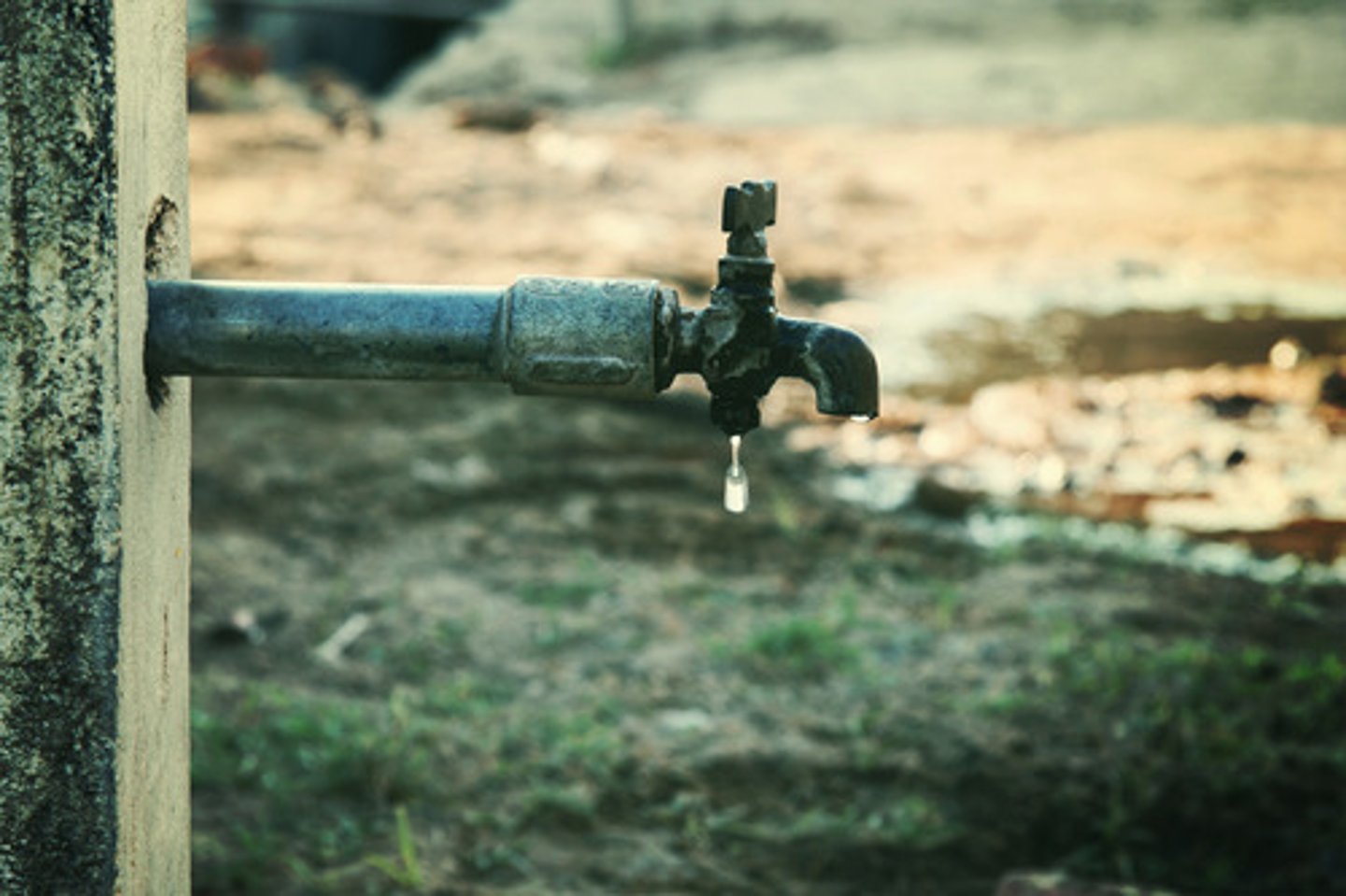
not having access to enough clean water supplies
Human agricultural, industrial, and commercial activities have contributed to the increased consumption of the world's freshwater resources.
Growing populations and expanding economic activities place greater pressure on freshwater sources, leading to scarcity and competition for water resources.
Water scarcity affects 31 countries, with over 1 billion people lacking clean, accessible drinking water.
Corporate interests often exploit and deplete water sources, exacerbating scarcity issues.
Water scarcity disproportionately affects women and children in developing countries, who bear the primary responsibility for water collection, impacting education and economic opportunities.
renewable energy
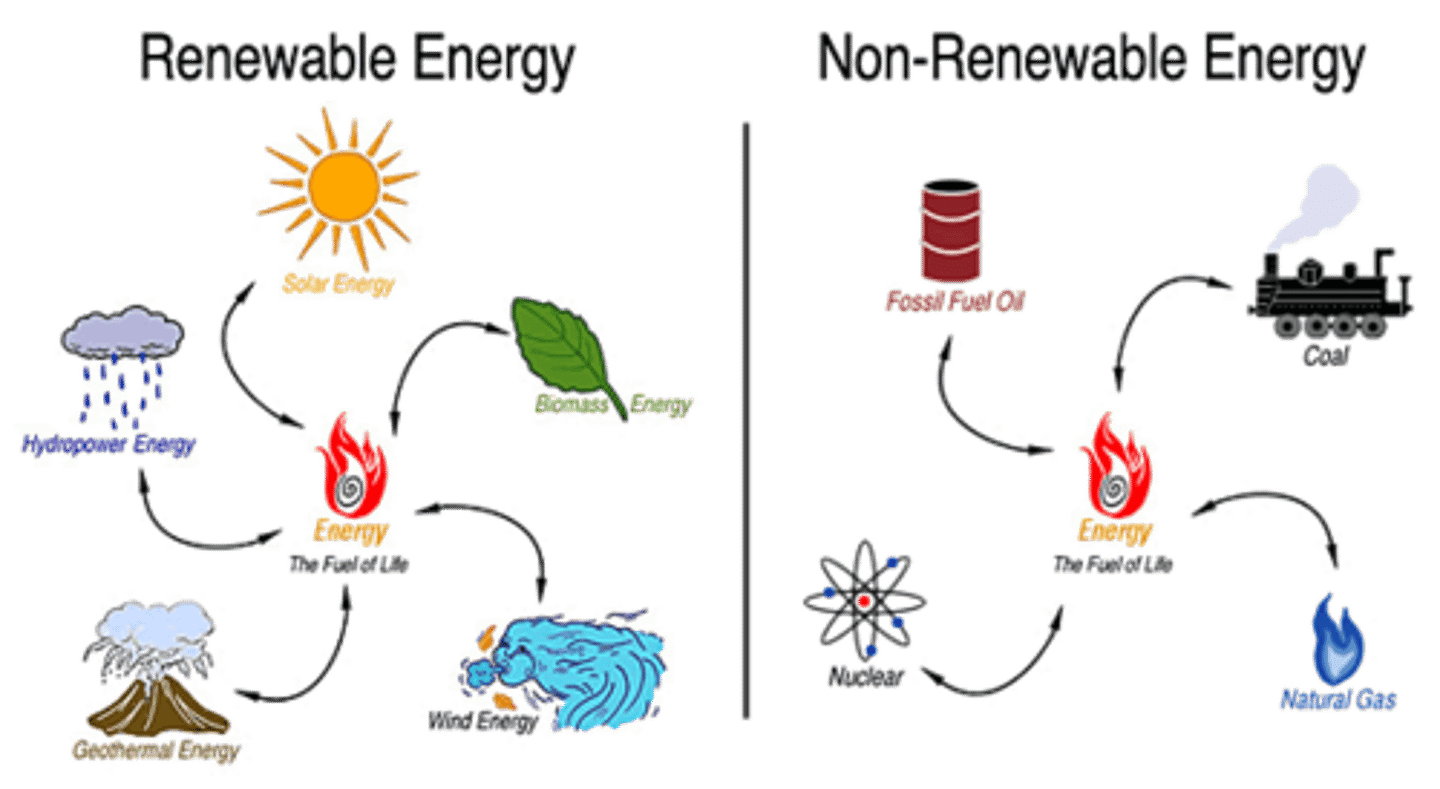
A resource that has a theoretically unlimited supply and is not depleted when used by humans.
Renewable resources like wind and solar power are gradually being adopted, but they still account for a small fraction (5 percent) of global energy output.
Despite their potential, renewable energy sources have not yet reached widespread adoption due to various factors such as infrastructure limitations and intermittency.
global warming
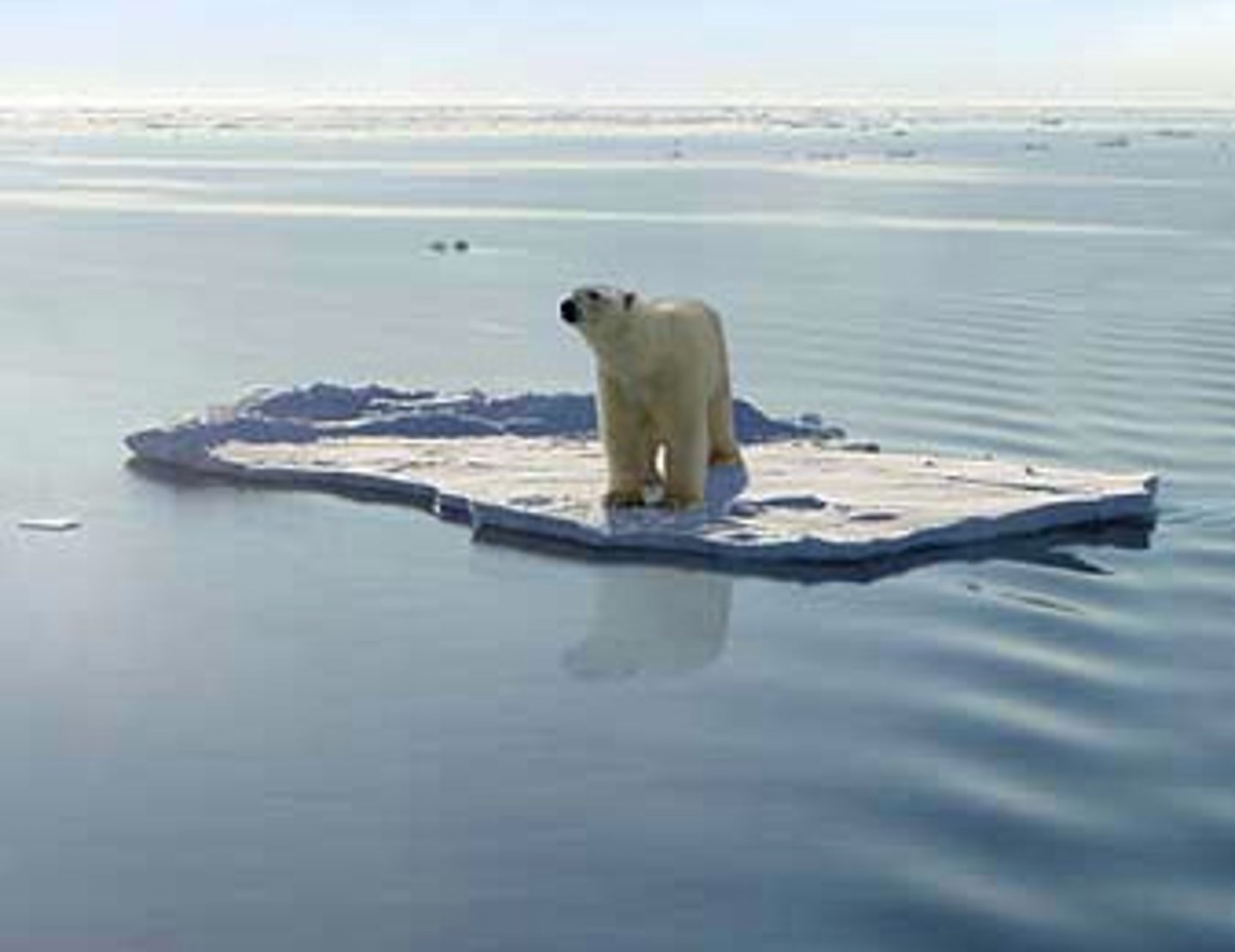
An increase in the average temperature of the earth's atmosphere (especially a sustained increase that causes climatic changes)
carbon footprint
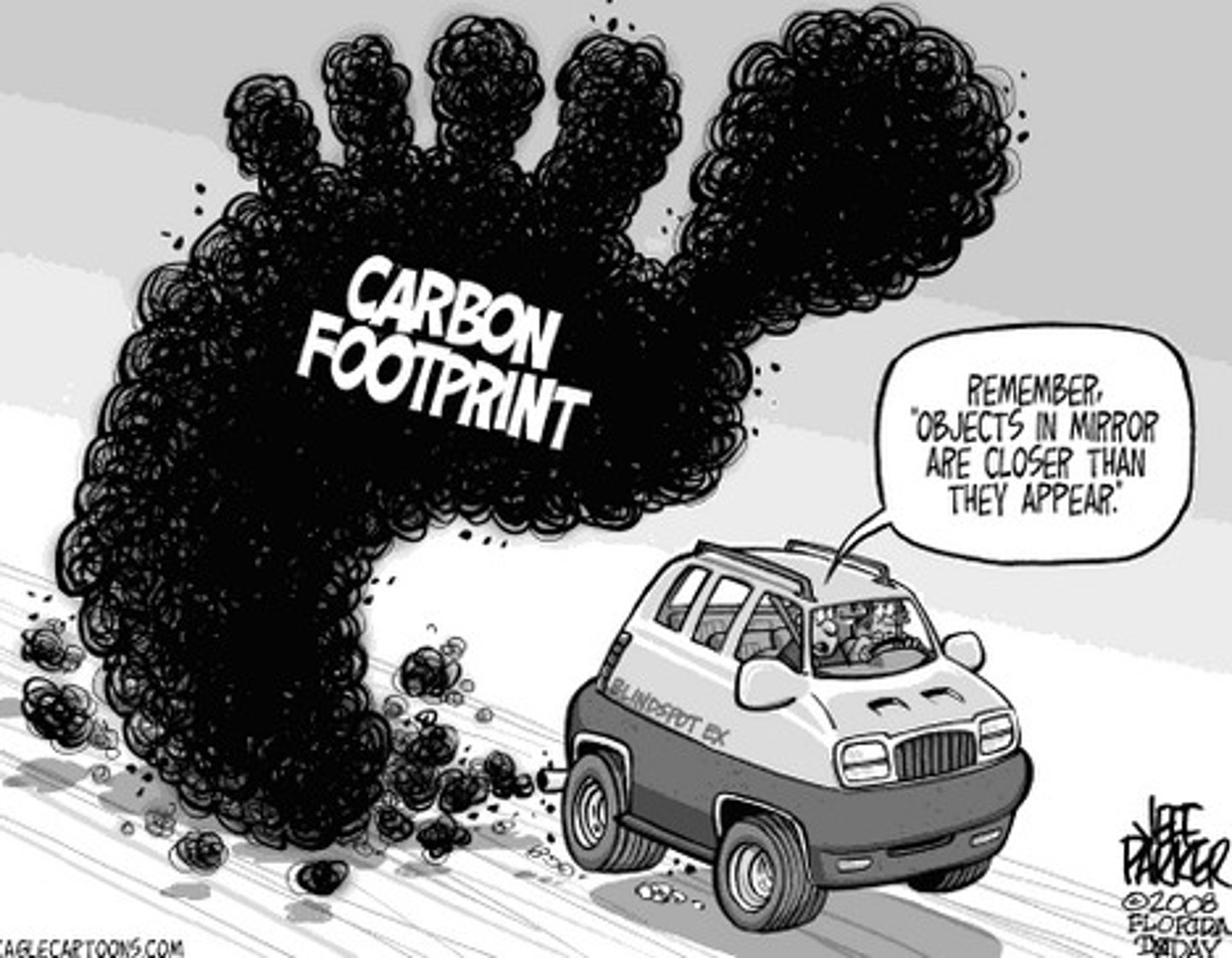
the total carbon dioxide emissions produced by an individual, group, or location
Anthropocene
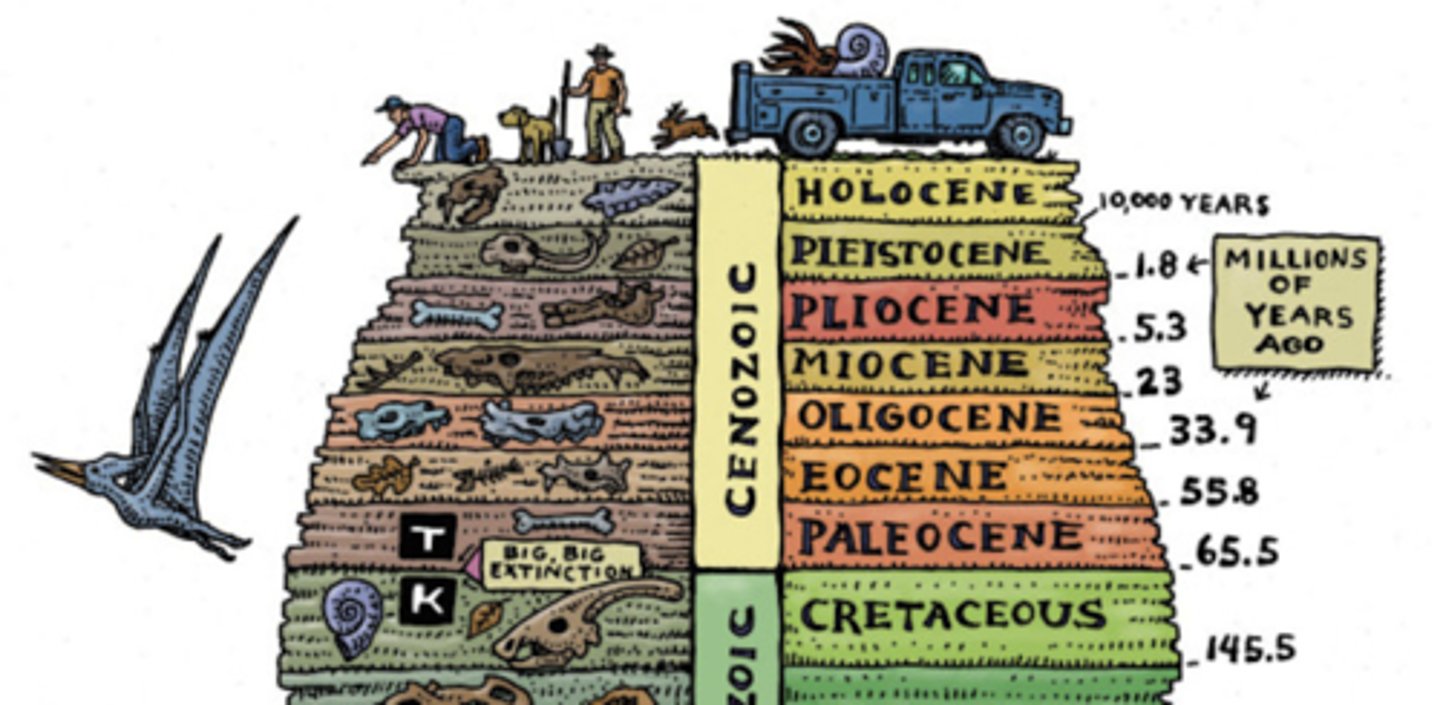
Some scientists argue that human activities have had such a significant impact on the planet that we have entered a new geological epoch called the Anthropocene, meaning "new man."
This term reflects the idea that humans are now the dominant force shaping Earth's climate and environment.
In 2019, a panel of scientists voted to approve the name Anthropocene, acknowledging humanity's profound influence on the planet.
Kyoto Protocol
controlling global warming by setting greenhouse gas emissions targets for developed countries
Therefore, developed countries must take the lead in restricting their use of fossil fuels. Kyoto The first major international agreement to reduce carbon emissions was the Kyoto Protocol, signed in 1997. Developed nations in Western Europe, along with the United States, argued that developing countries, such as China, India, Russia, and Brazil, needed to curb their rapidly increasing output of carbon dioxide. However, the United States refused to ratify it, and China and India were not required to agree to the strictest terms of the protocol.
Paris Agreement
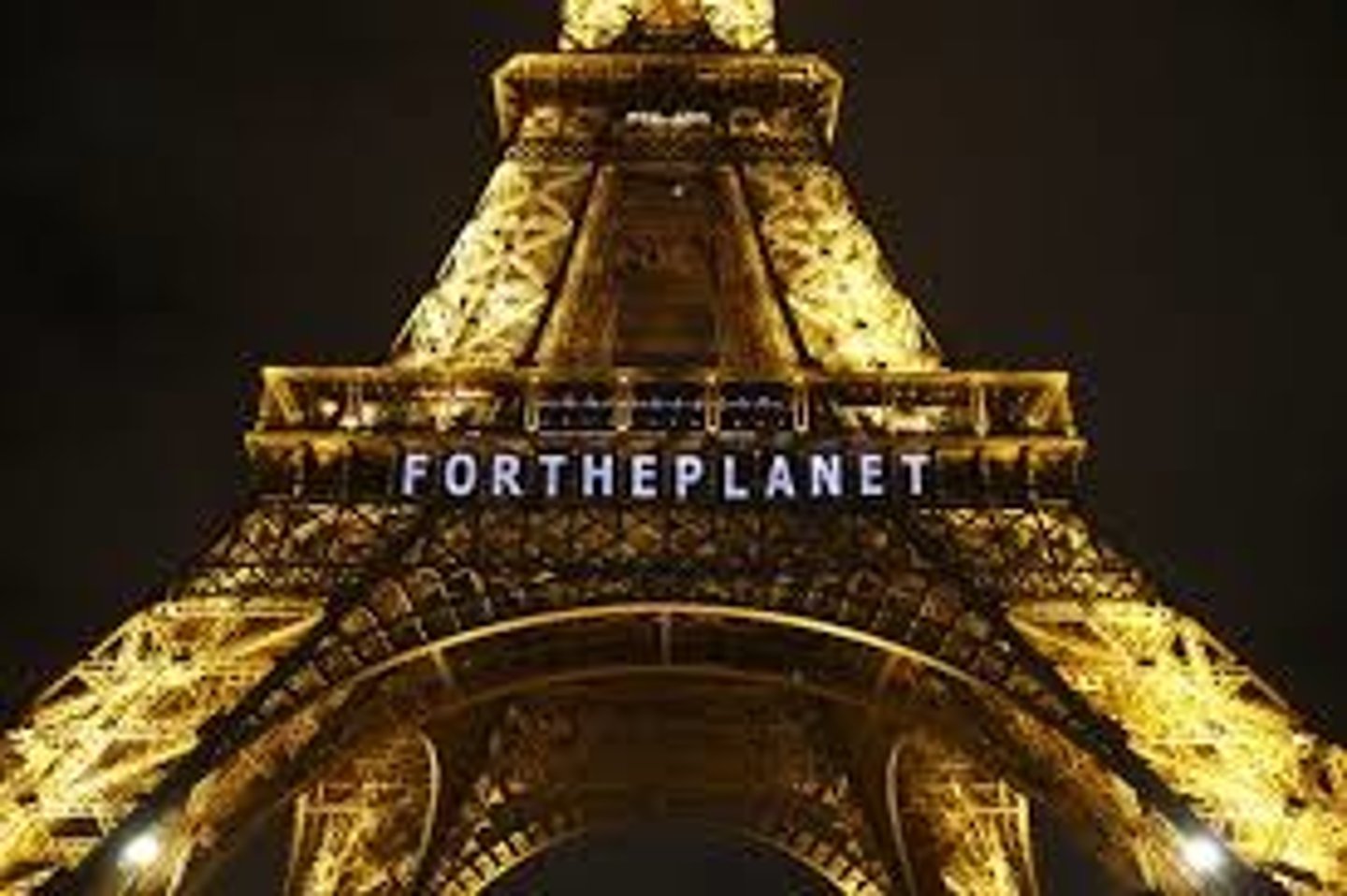
Most recent global agreement on climate change was result of COP 21 in Paris
In 2015, 195 countries signed the Paris Agreement, a global deal aimed at combatting global warming.
The agreement received support from leaders of both the United States and China, among others.
However, in 2017, President Donald Trump announced the United States' intention to withdraw from the agreement.
economic liberalization
the process of limiting the power of the state over private property and market forces
conomic liberalization, exemplified by the relaxation of trade restrictions in countries like India during the 1990s, opened up economies to international trade and investment.
Leaders such as Reagan and Thatcher advocated for free markets, characterized by minimal government intervention and reliance on supply and demand dynamics.
However, critics argued that globalization led to labor exploitation and environmental degradation, as corporations took advantage of lower wages, taxes, and regulations in other countries.

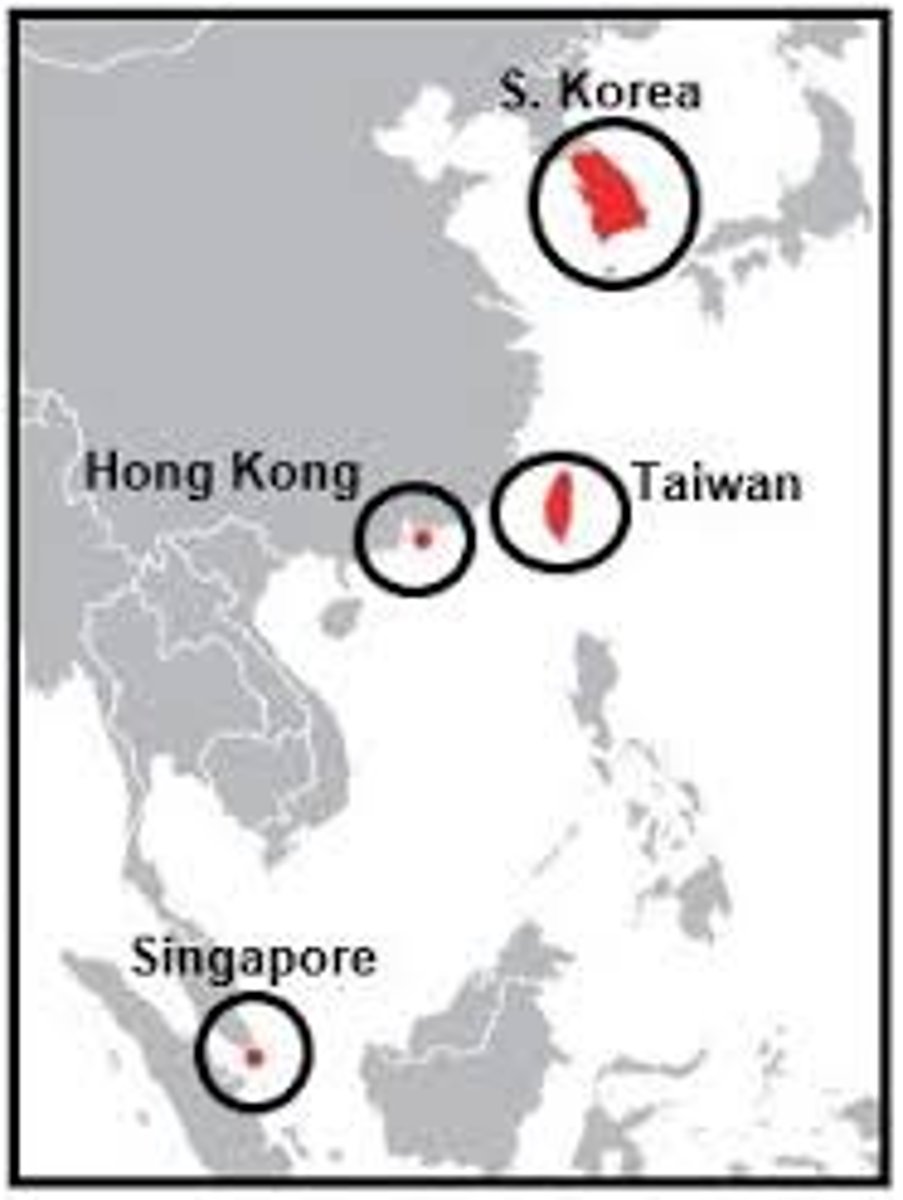
Asian Tigers
Collective name for South Korea, Taiwan, Hong Kong, and Singapore-nations that became economic powers in the 1970s and 1980s.
NAFTA
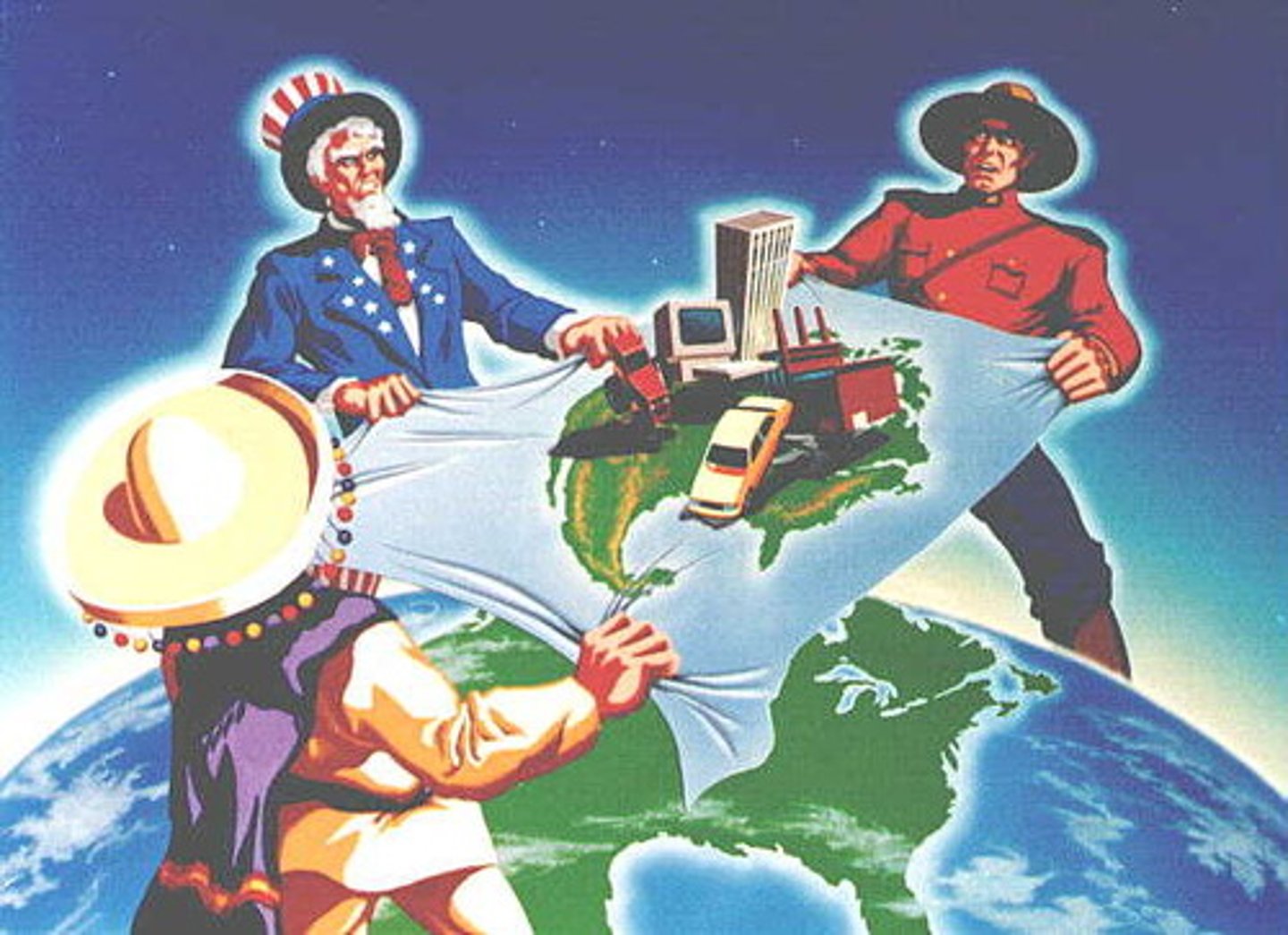
North American Free Trade Agreement
A trade agreement between Canada, the United States and Mexico that encourages free trade between these North American countries.
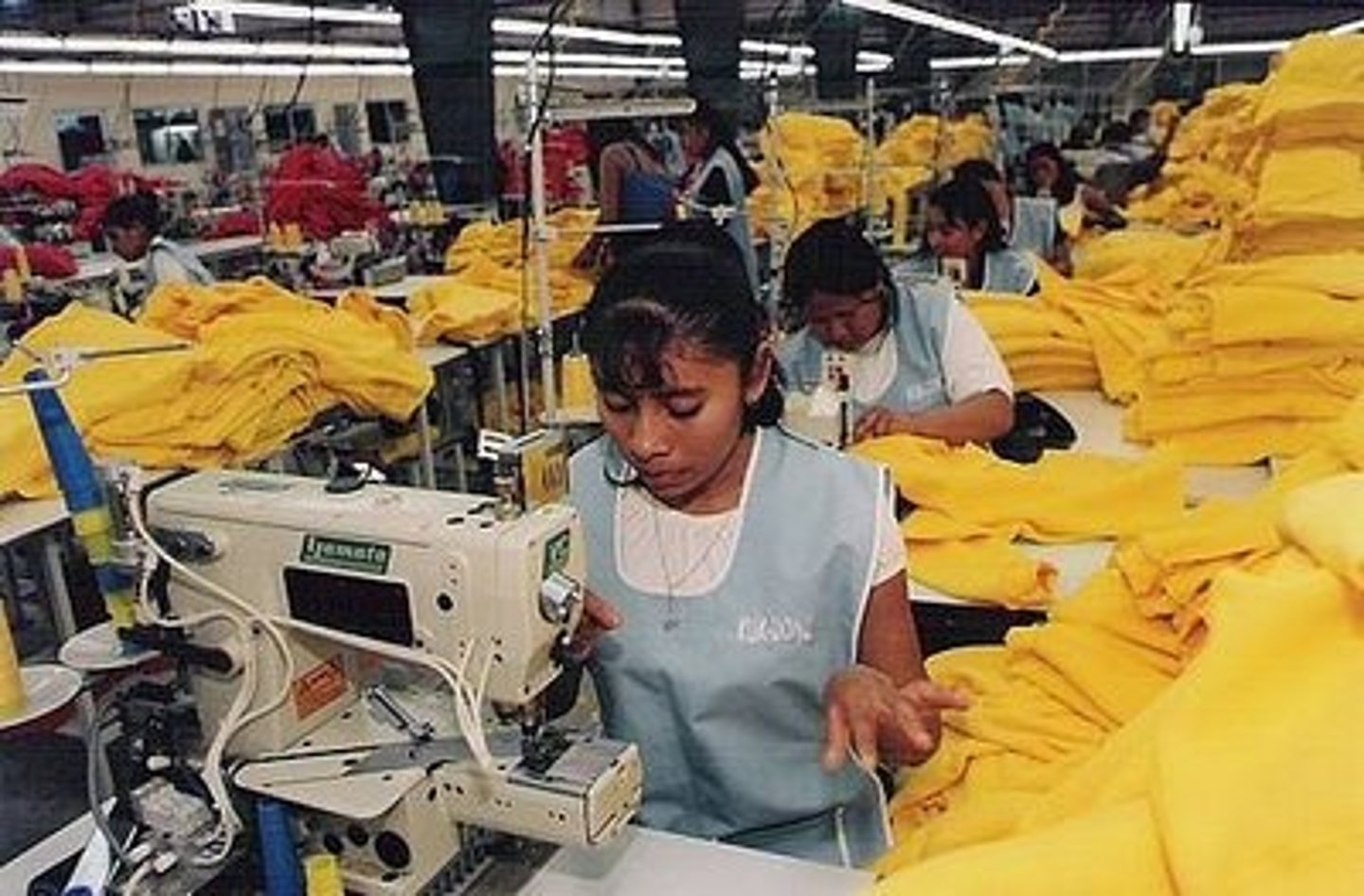
Maquiladora
Factories built by US companies in Mexico near the US border to take advantage of much lower labor costs in Mexico.
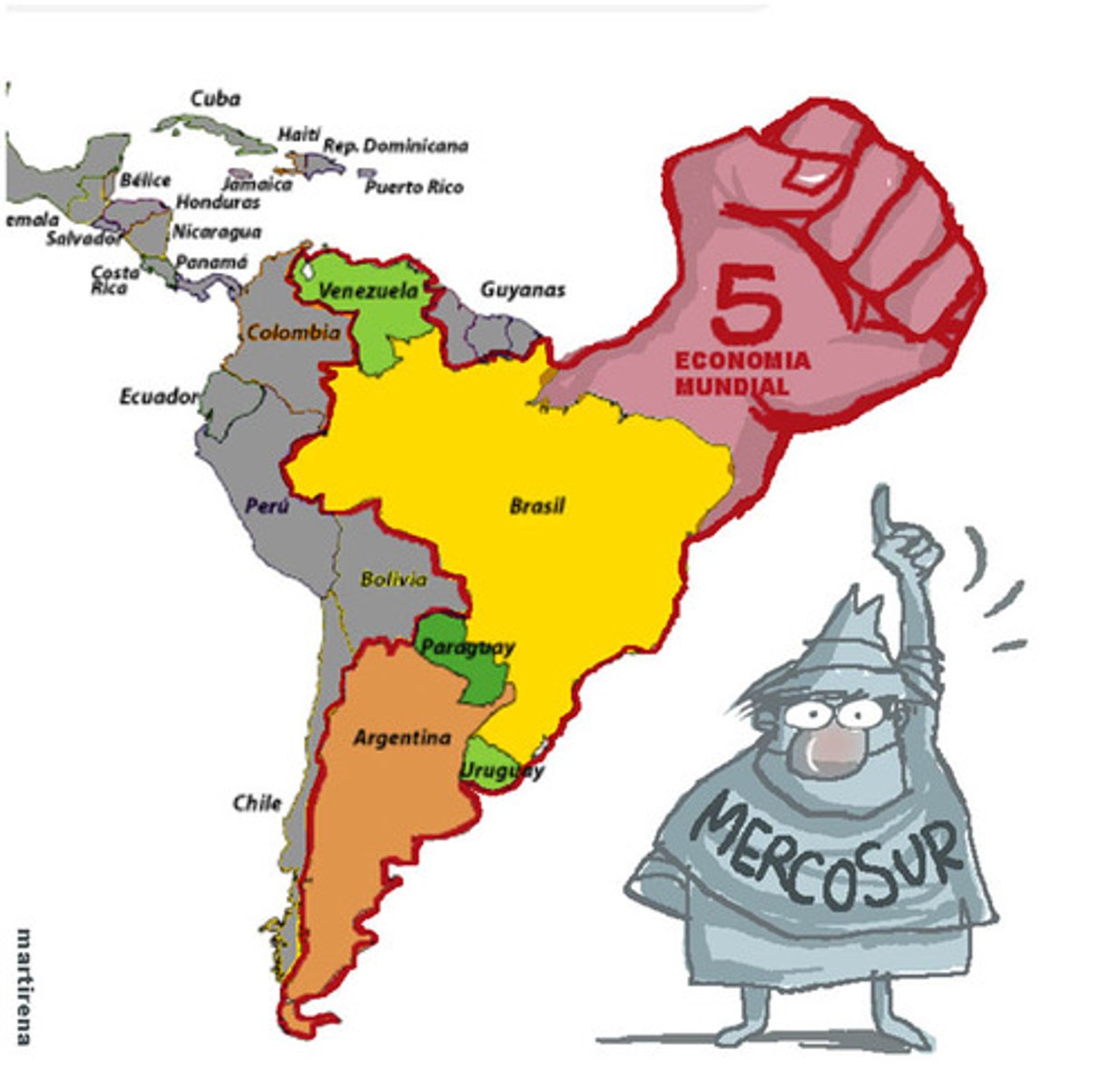
Mercosur
Pact among Argentina, Brazil, Paraguay, and Uruguay to establish a free trade area
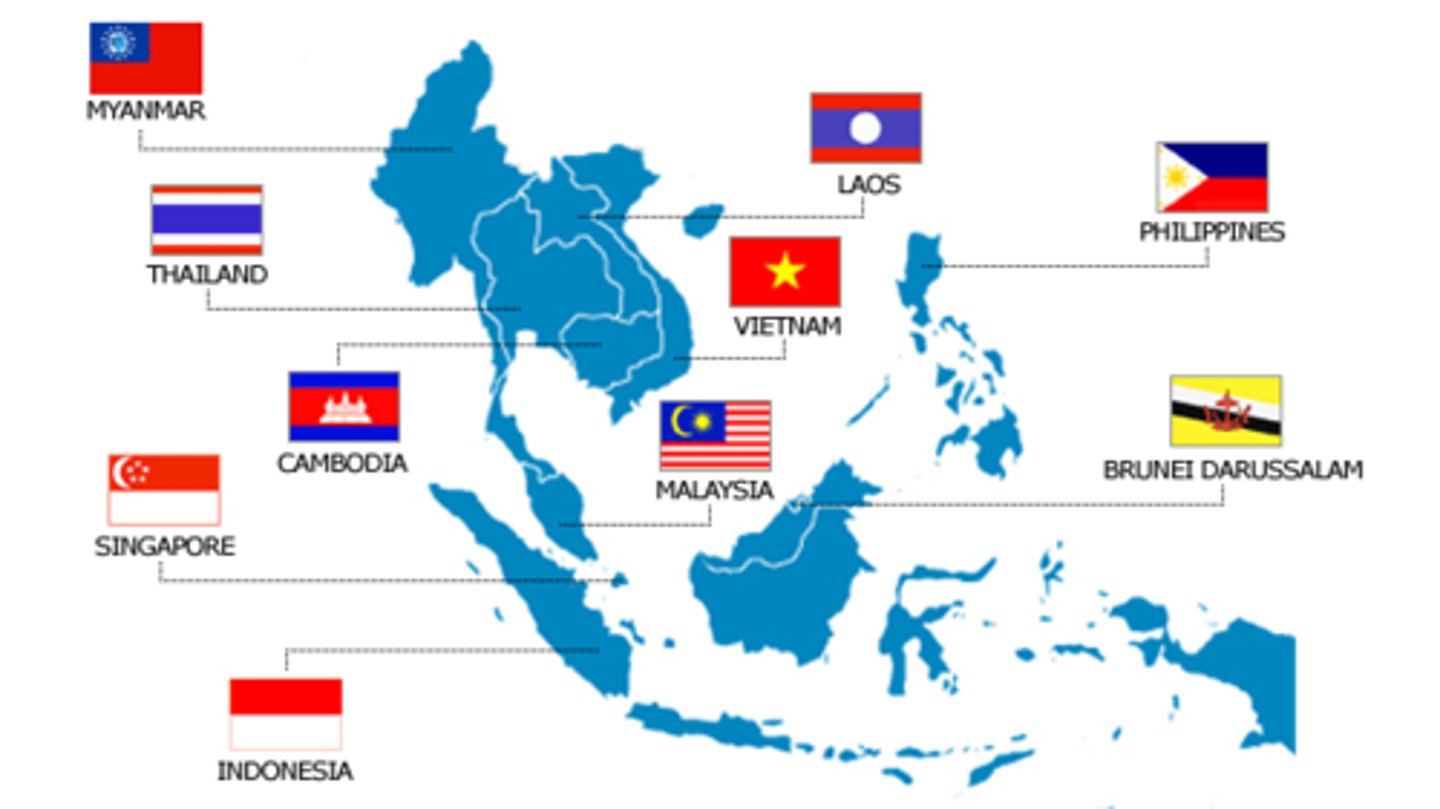
Association of Southeast Asian Nations (ASEAN)
a trade alliance that promotes trade and economic integration among member nations in Southeast Asia
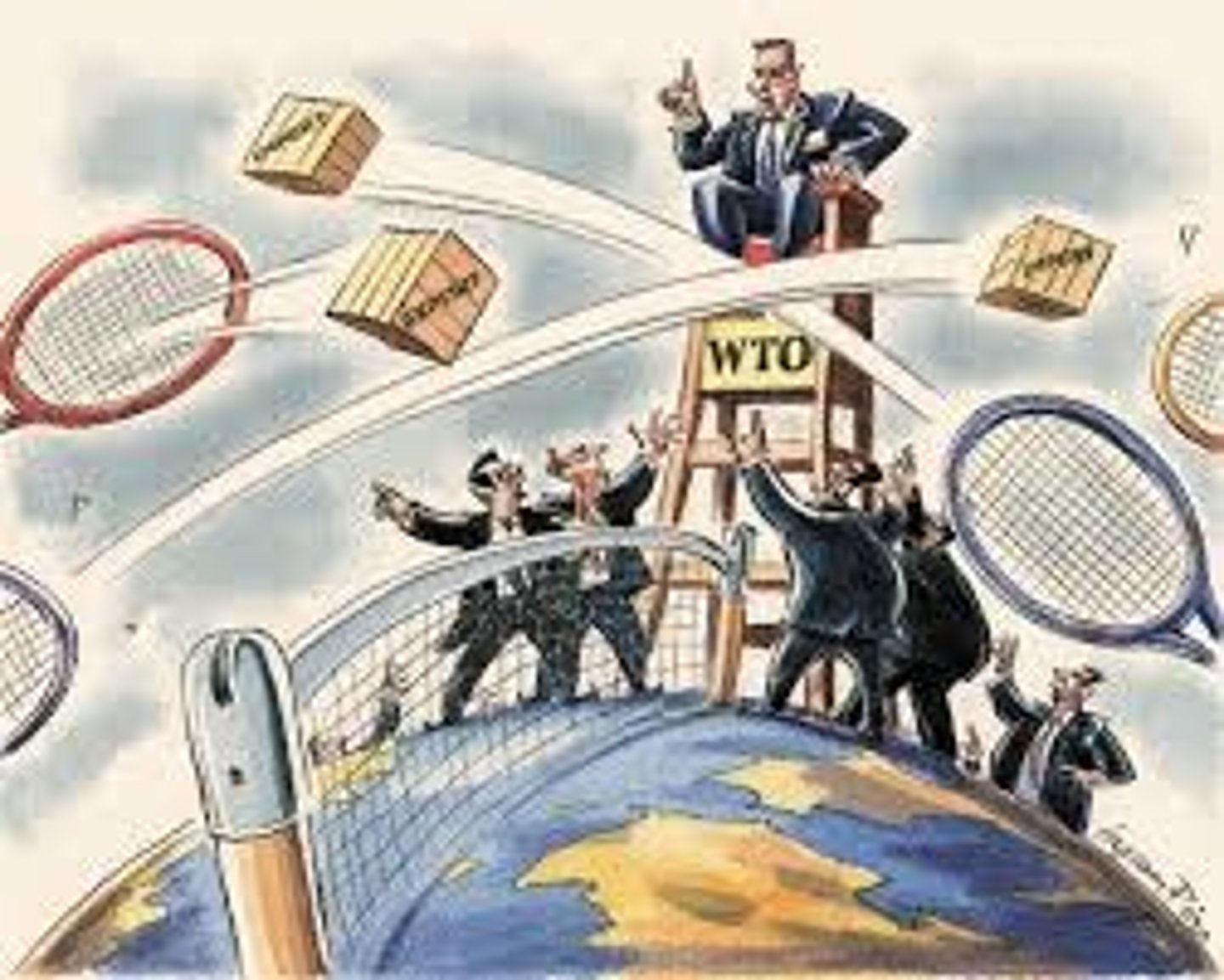
General Agreement on Tariffs and Trade (GATT)
a 1948 agreement that established an international forum for negotiating mutual reductions in trade restrictions
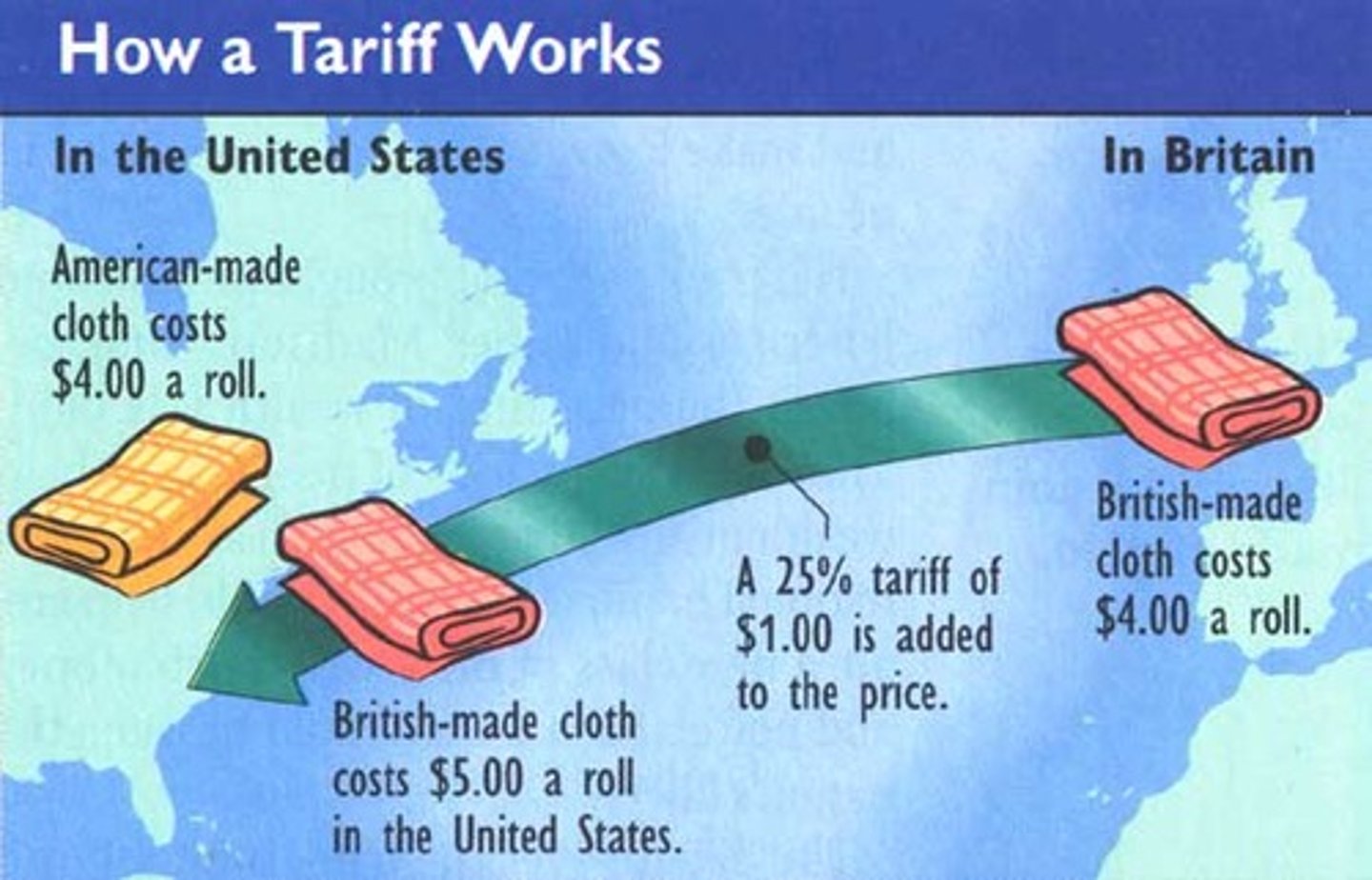
Protective Tariff
A tax on imported goods that raises the price of imports so people will buy domestic goods
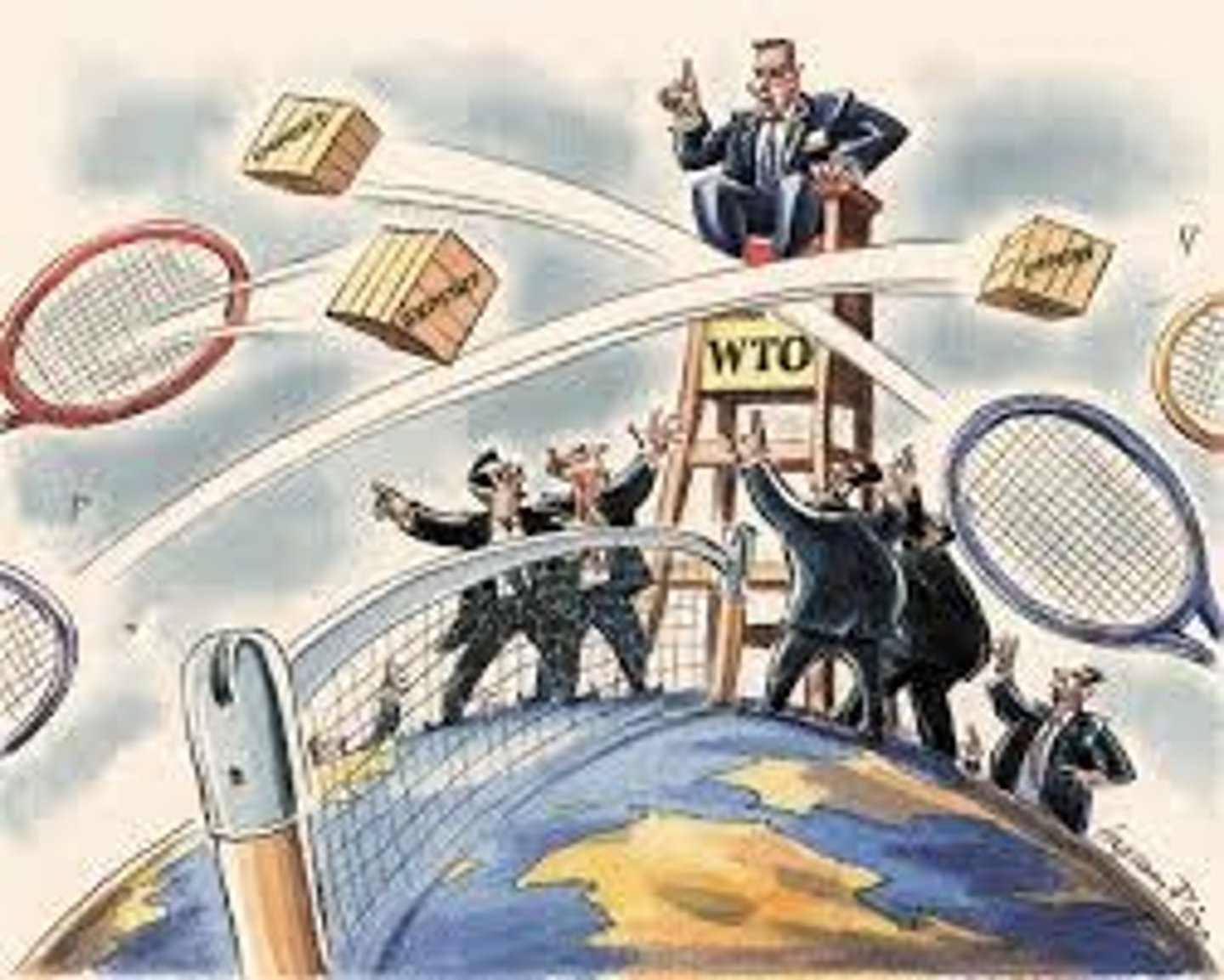
World Trade Organization (WTO)
a trade organization that replaced the old General Agreement on Tariffs and Trade (GATT)
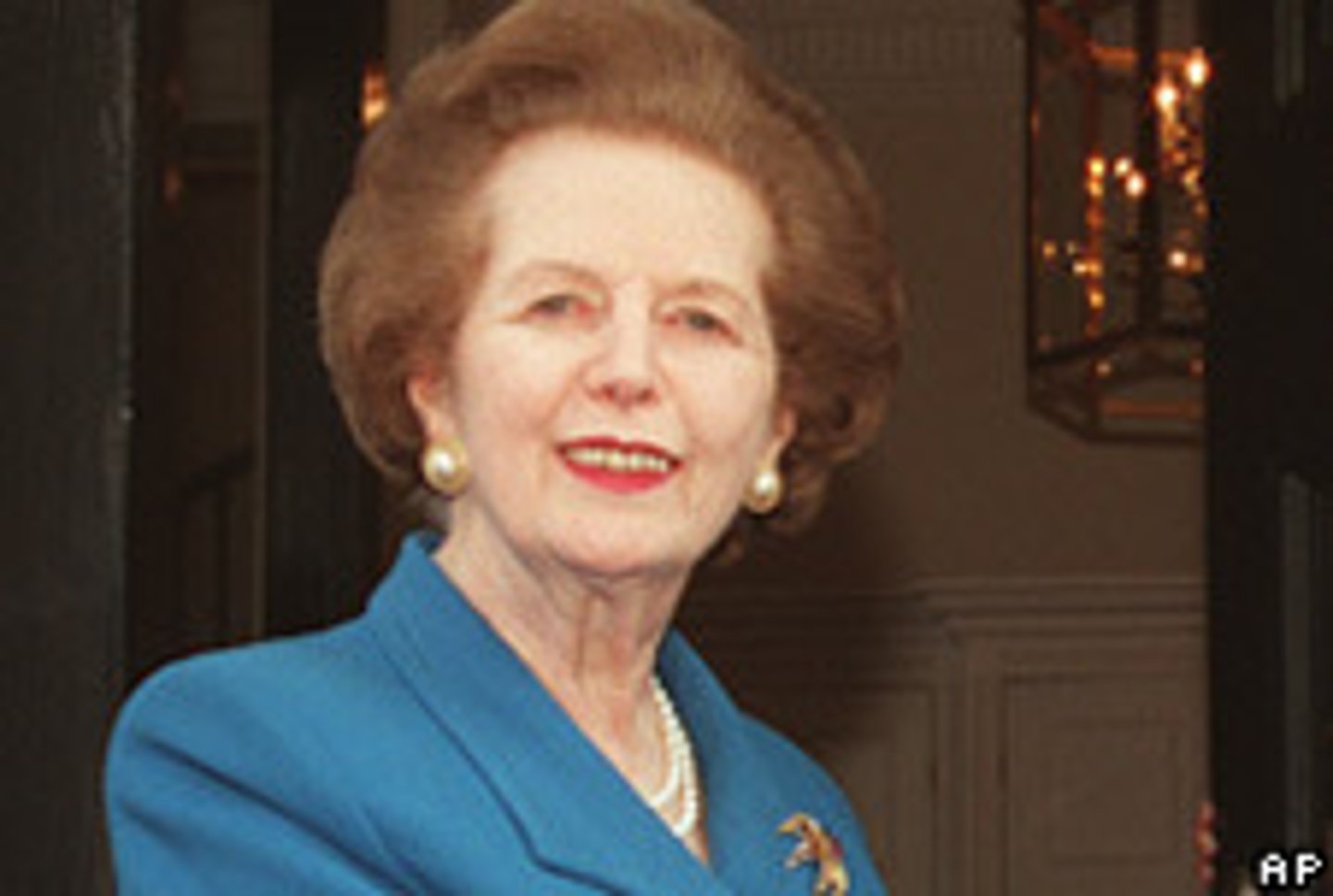
Margaret Thatcher
leader of conservatives in Great Britain who came to power. Pledged to limit social welfare, restrict union power, and end inflation. Formed Thatcherism, in which her economic policy was termed, and improved the British economic situation. She dominated British politics in 1980s, and her government tried to replace local property taxes with a flat-rate tax payable by every adult. Her popularity fell, and resigned.
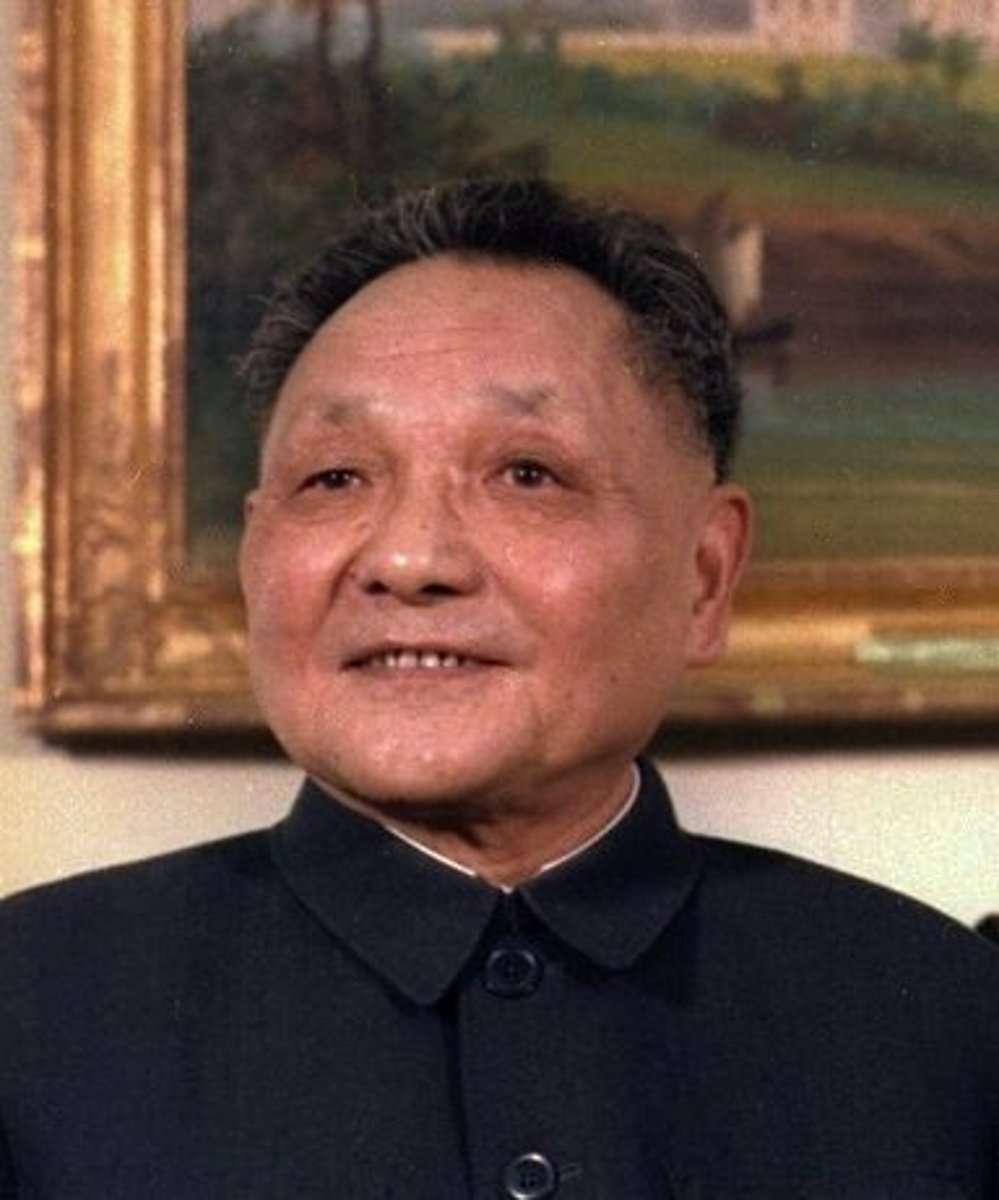
Deng Xiaoping
Communist Party leader who forced Chinese economic reforms after the death of Mao Zedong.
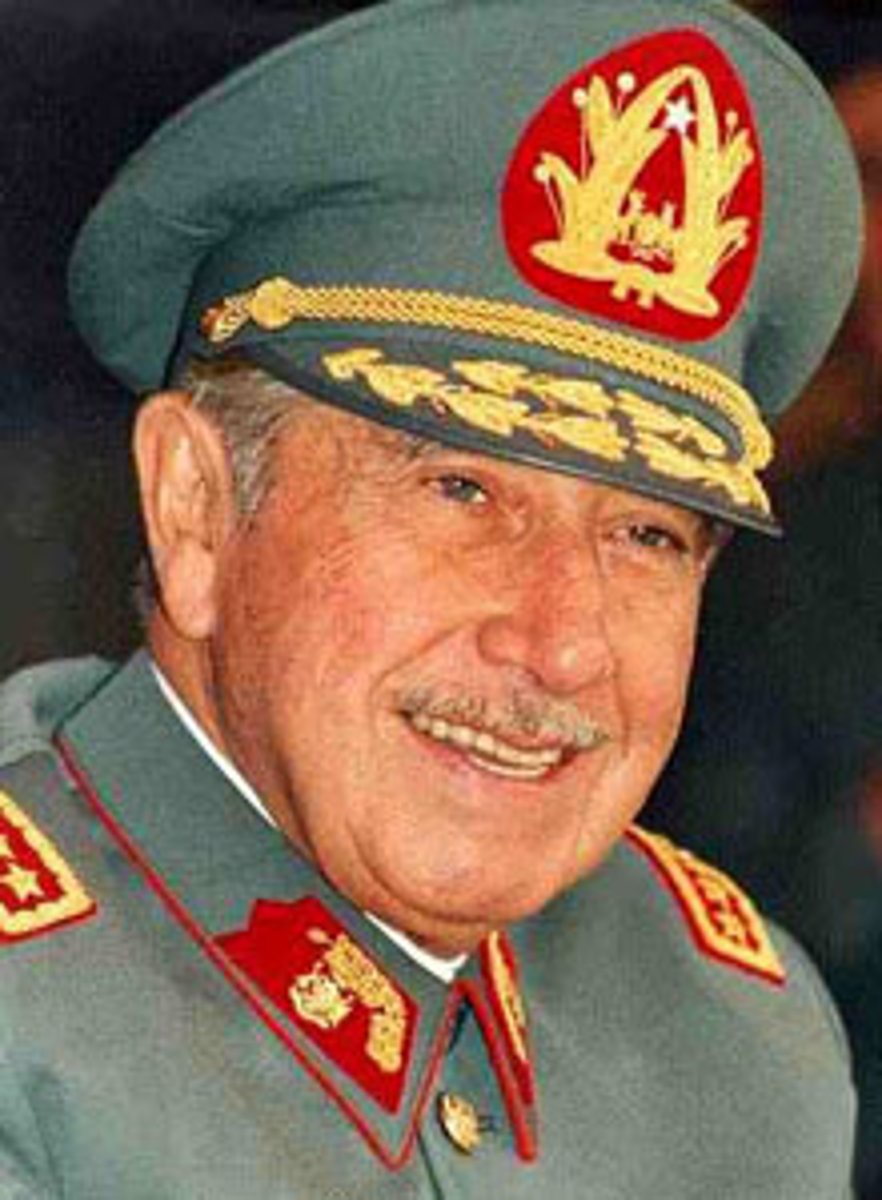
Augusto Pinochet
Chilean militar leader who in a coup deposed Salvador Allende - communist, elected leader - created one party rule dictatorship - ruled w/ iron fist - human rights abuses
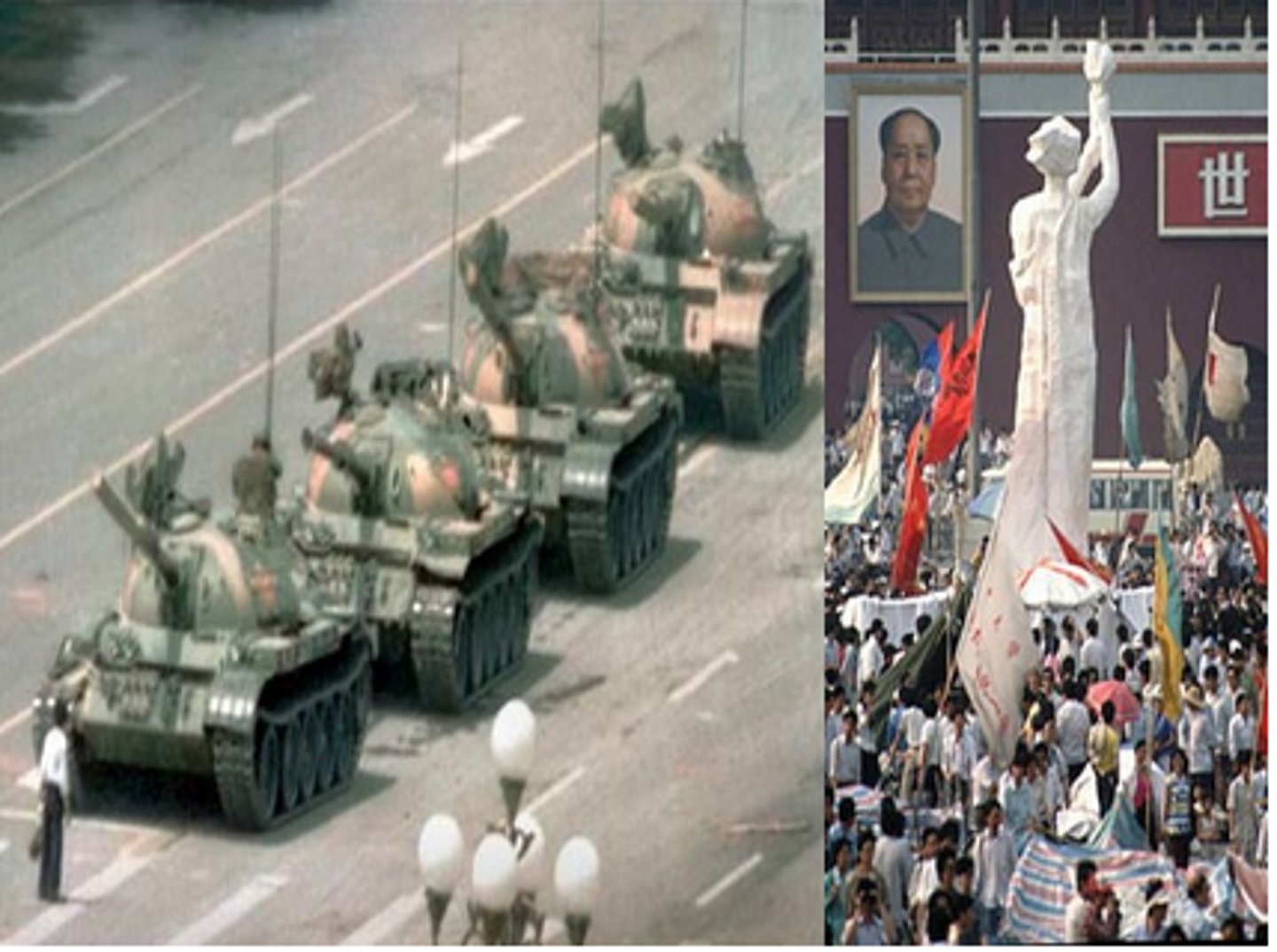
Tiananmen Square
Site in Beijing where Chinese students and workers gathered to demand greater political openness in 1989. The demonstration was crushed by Chinese military with great loss of life.
knowledge economy
a society no longer based primarily on the production of material goods but instead on the production of knowledge

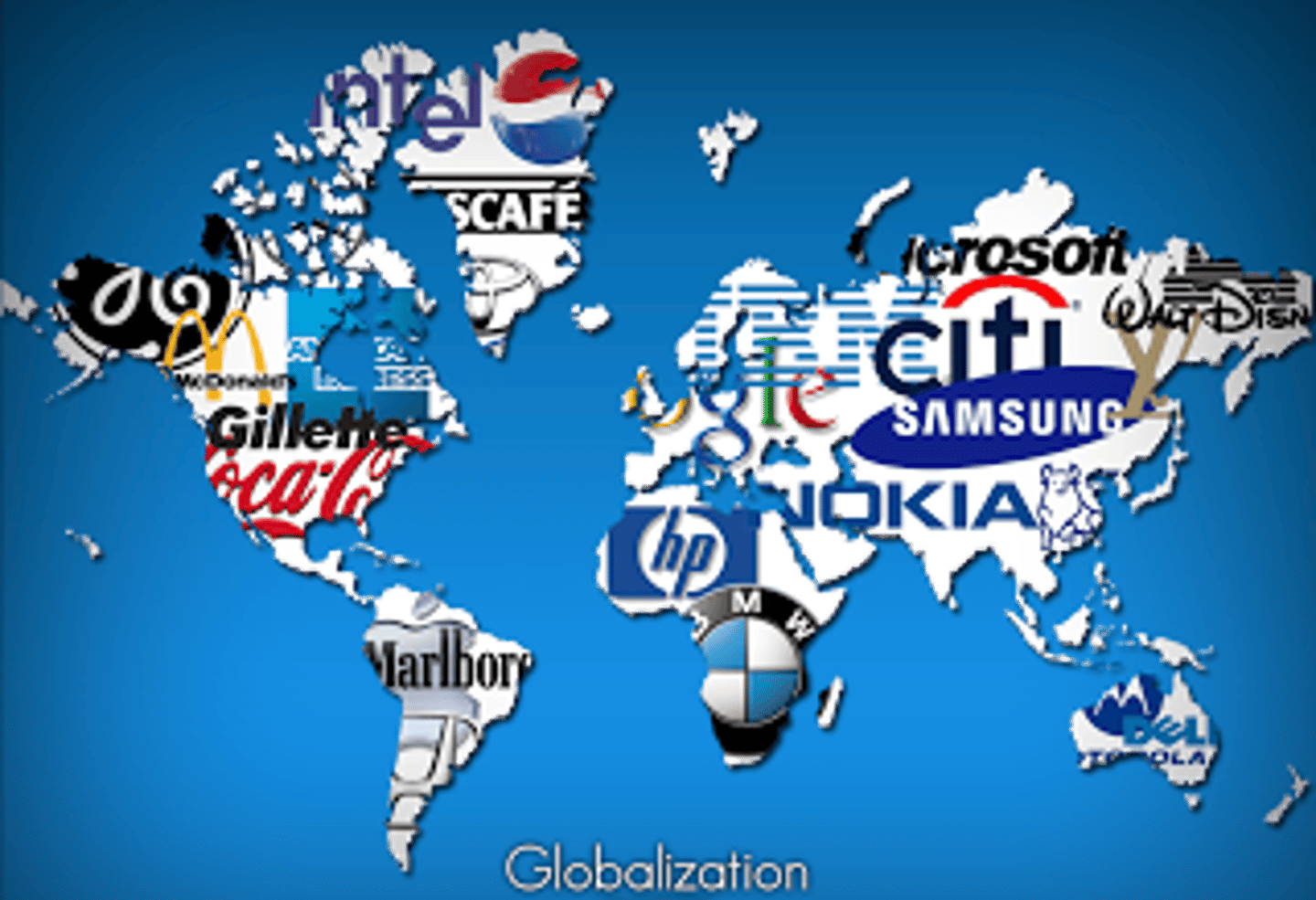
multinational corporation
An organization that manufactures and markets products in many different countries and has multinational stock ownership and multinational management
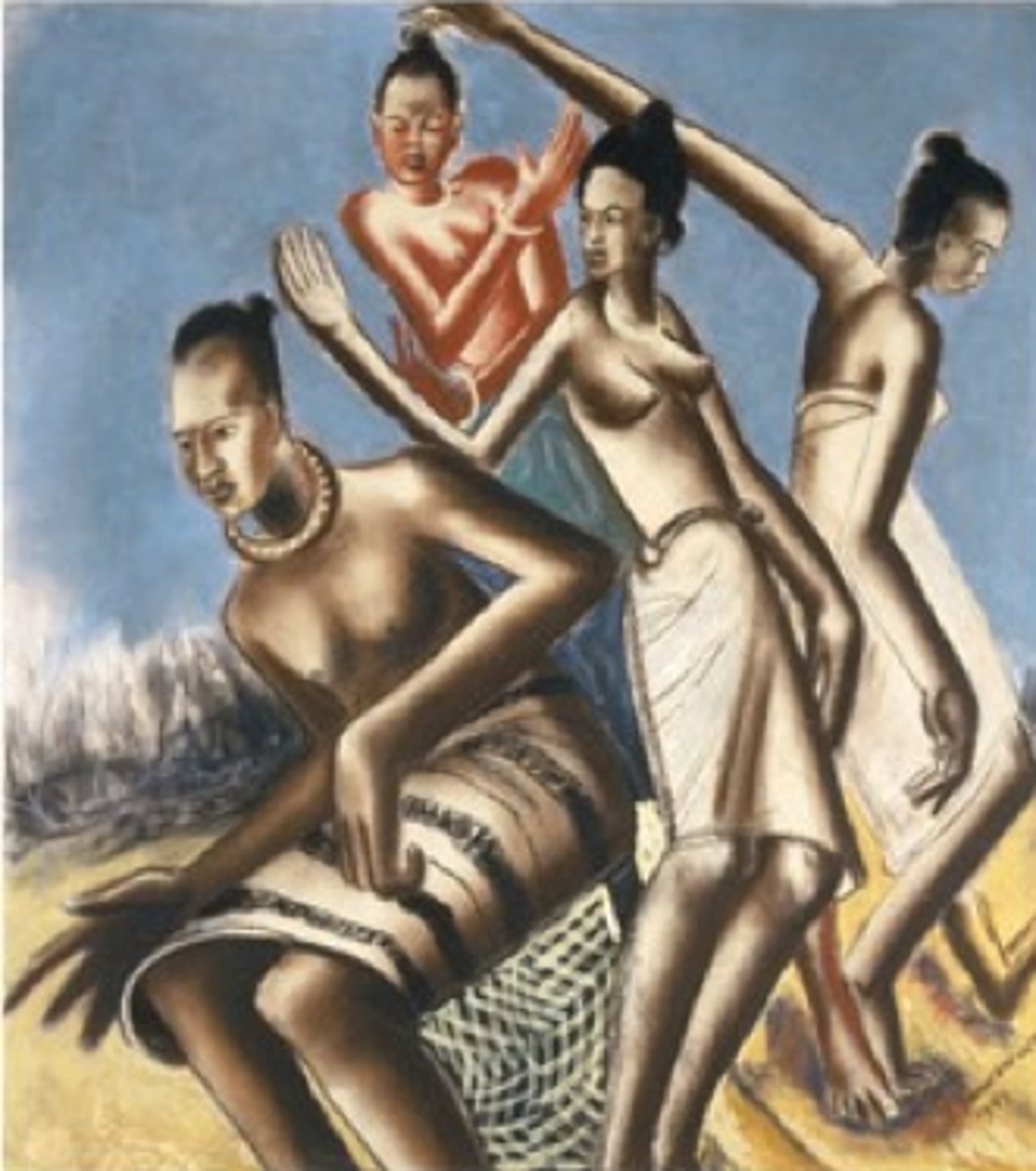
Negritude
Literary movement in Africa; attempted to combat racial stereotypes of African culture; celebrated the beauty of black skin and African physique; associated with origins of African nationalist movements.
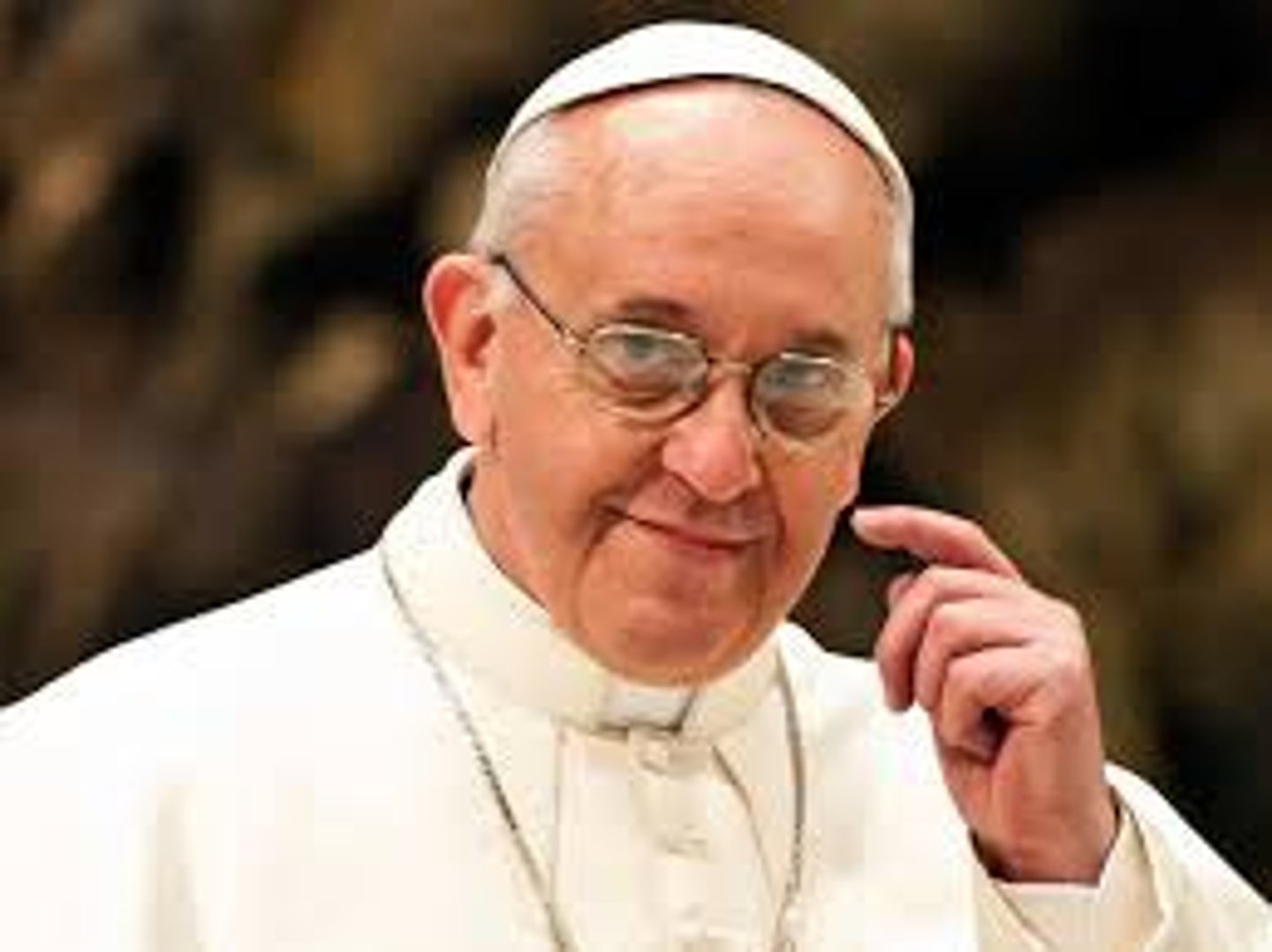
Pope Francis
He is the current Bishop of Rome and head of the Catholic Church
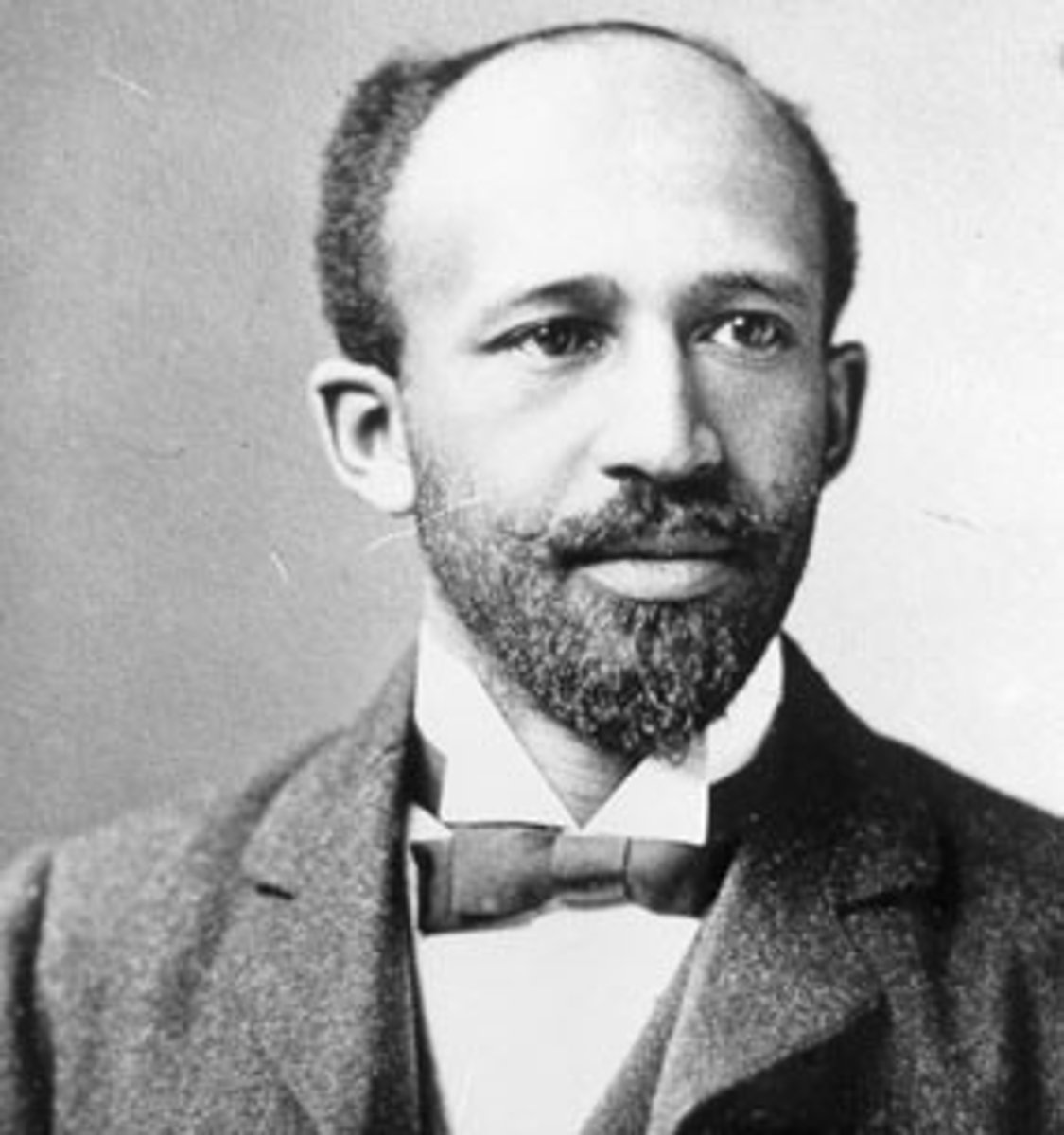
W. E. B. DuBois (1868-1963)
A black orator and essayist. Helped found the National Association for the Advancement of Colored People (NAACP). He disagreed with Booker T. Washington's theories, and took a militant position on race relations.
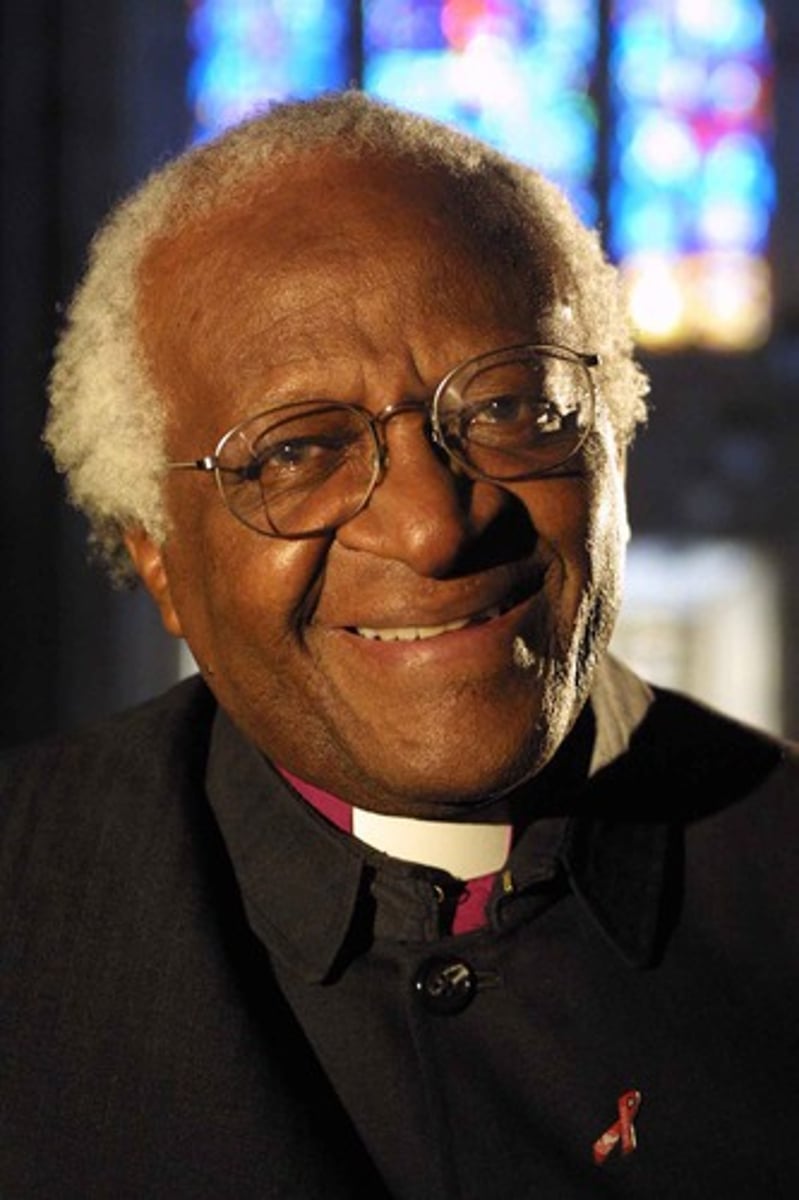
Desmond Tutu
This man was the leading spokesman of passive resistance to apartheid in the 1980's. He was awarded the Nobel Peace Prize in 1983 for his attempts to replace apartheid with a racially equal South African society.
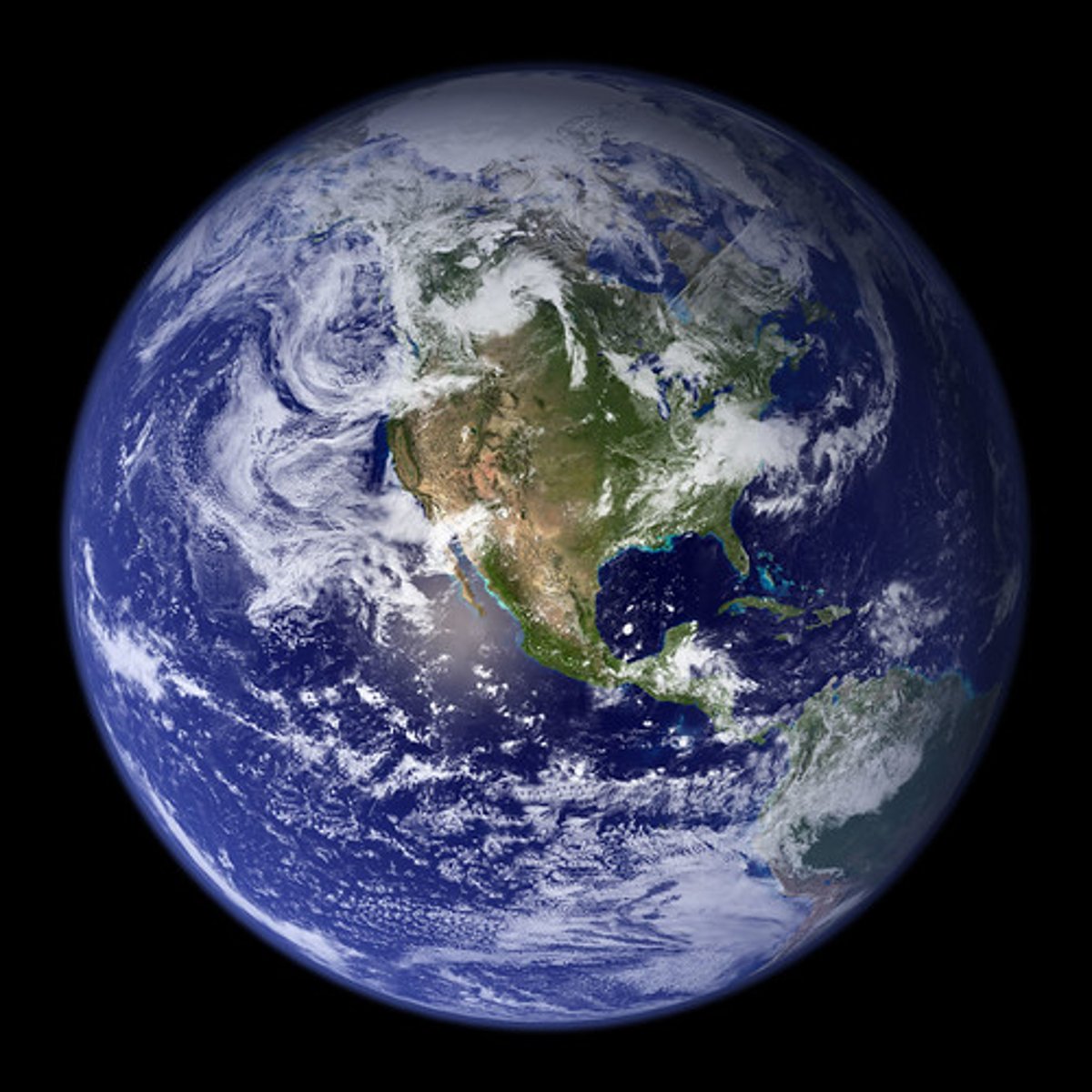
Earth Day
A holiday conceived of by environmental activist and Senator Gaylord Nelson to encourage support for and increase awareness of environmental concerns; first celebrated on March 22, 1970
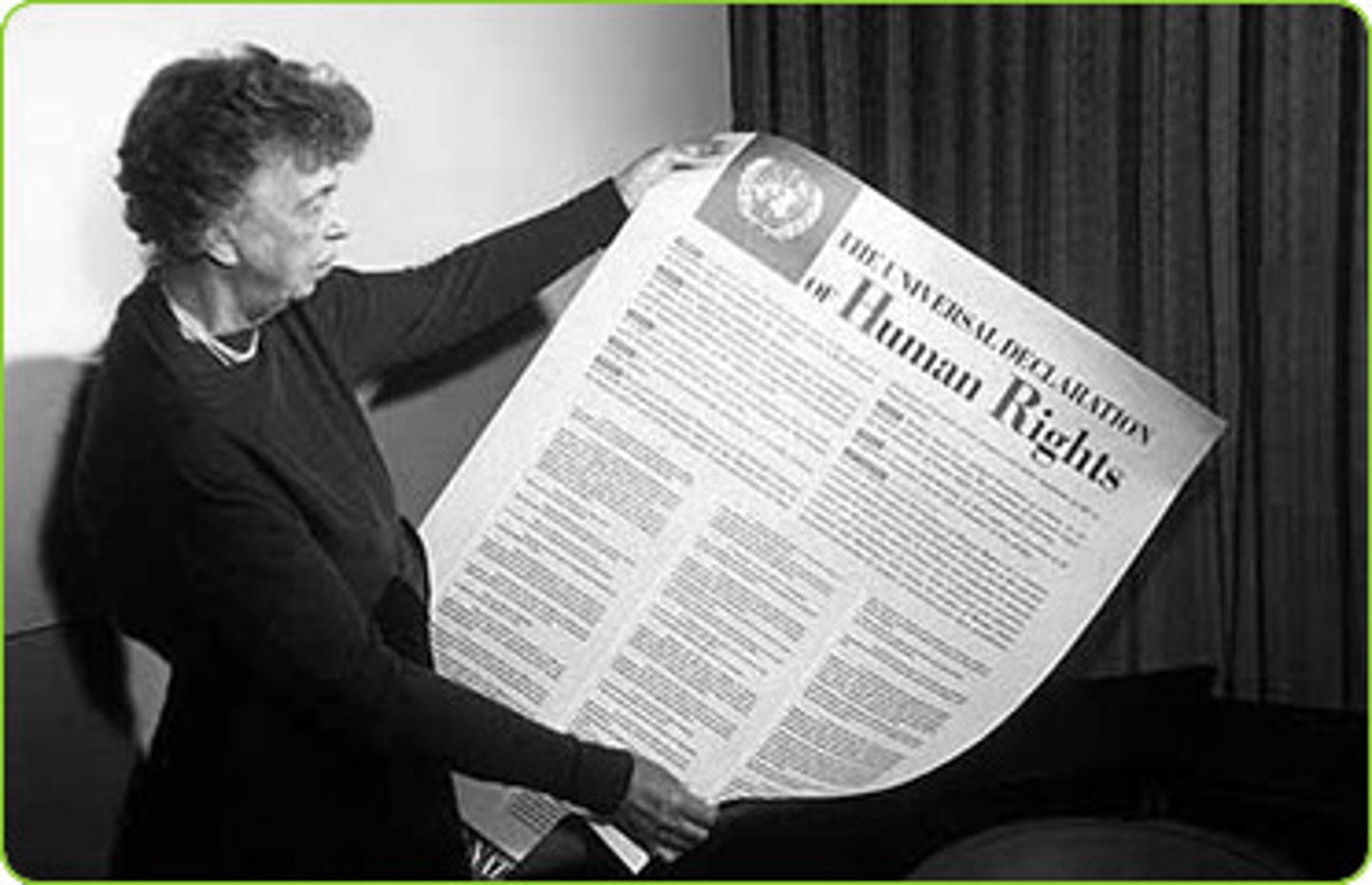
Universal Declaration of Human Rights
A 1946 United Nations covenant binding signatory nations to the observance of specified rights.
UNICEF
An agency of the United Nations responsible for programs to aid education and the health of children and mothers in developing countries
International Court of Justice
a court established to settle disputes between members of the United Nations

human rights
the basic rights to which all people are entitled as human beings
Refugees
People who are forced to migrate from their home country and cannot return for fear of persecution because of their race, religion, nationality, membership in a social group, or political opinion.
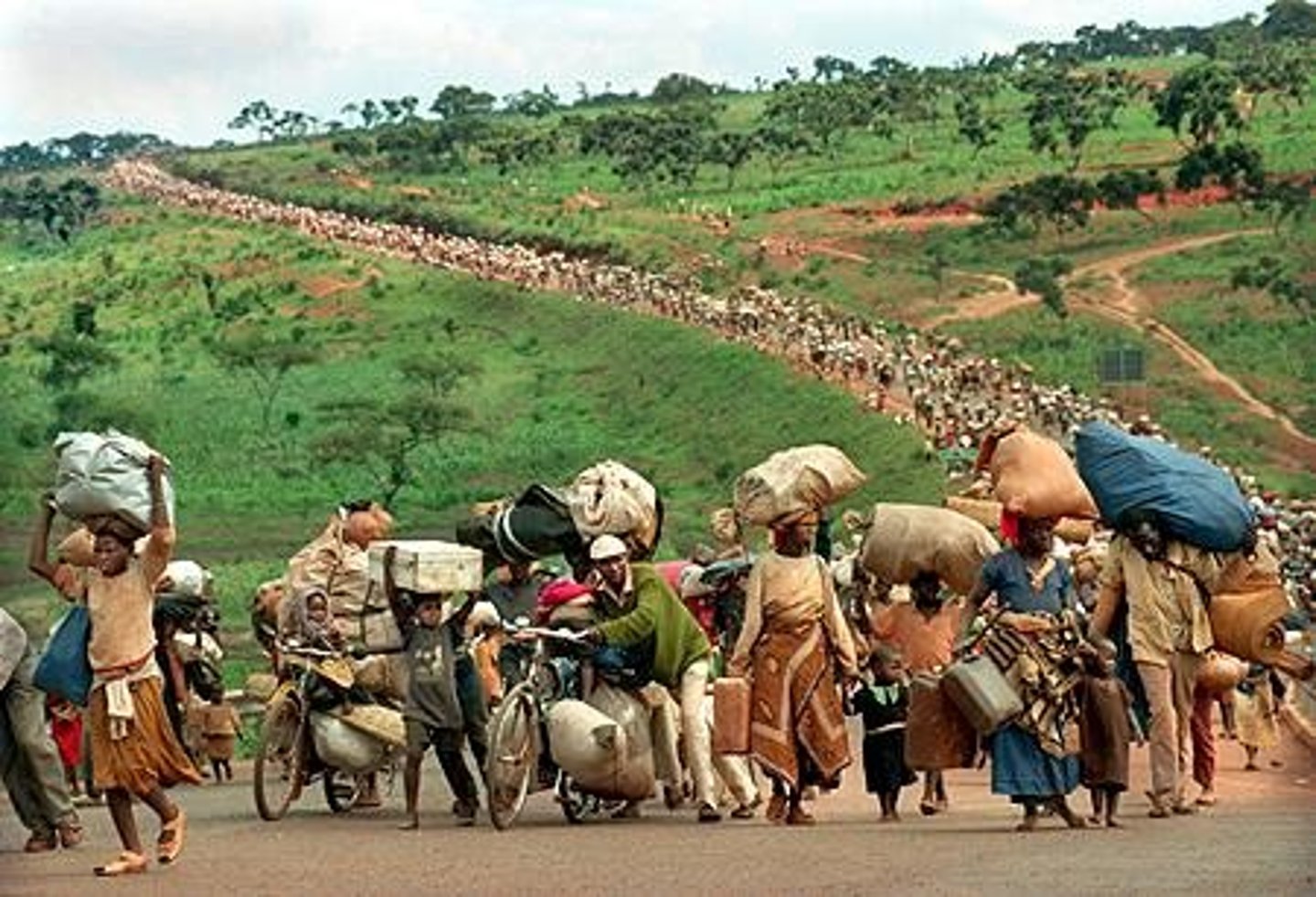
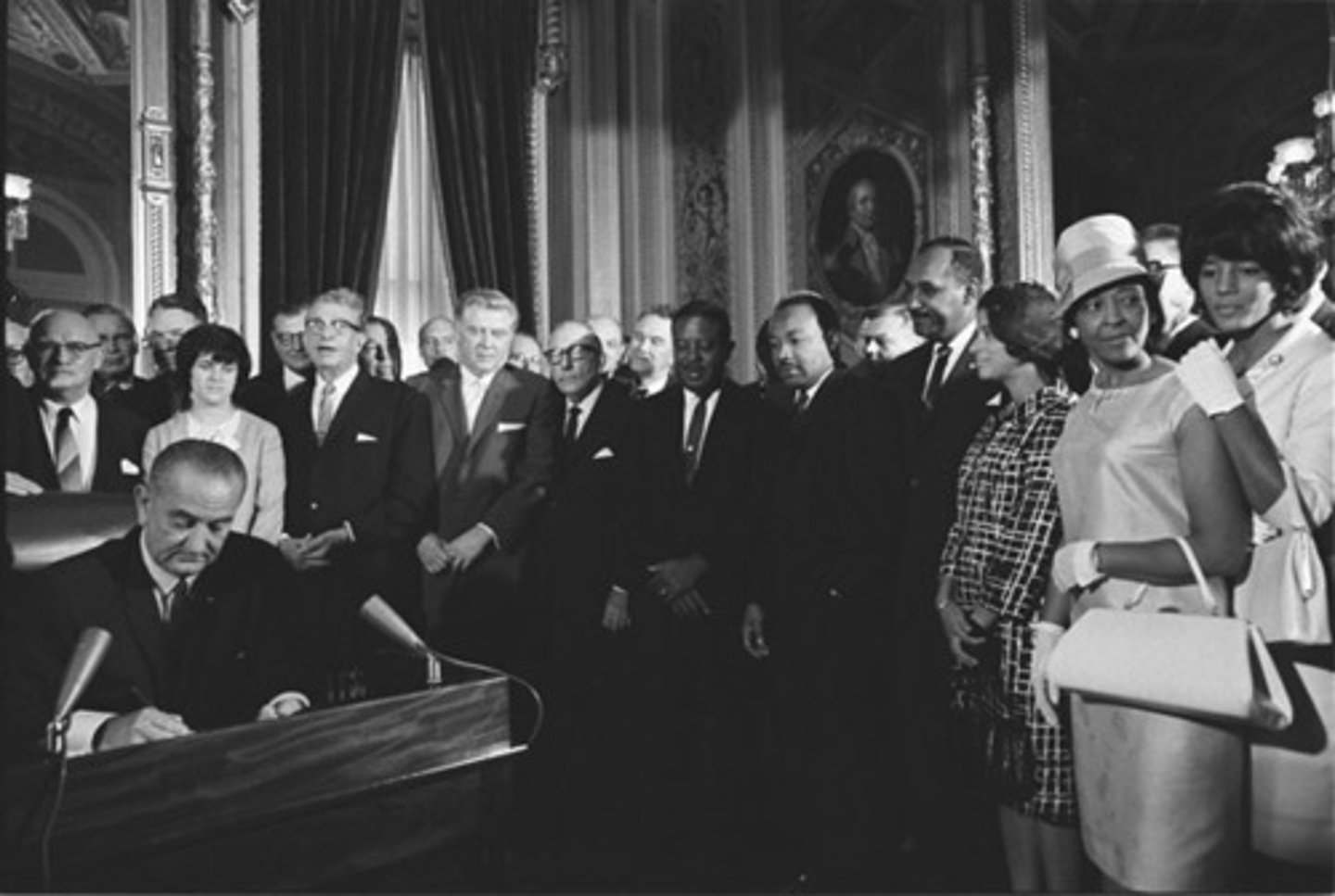
Civil Rights Act
outlawed discrimination based on race, color, religion, sex, or national origin
Voting Rights Act
law that banned literacy tests and empowered the federal government to oversee voter registration
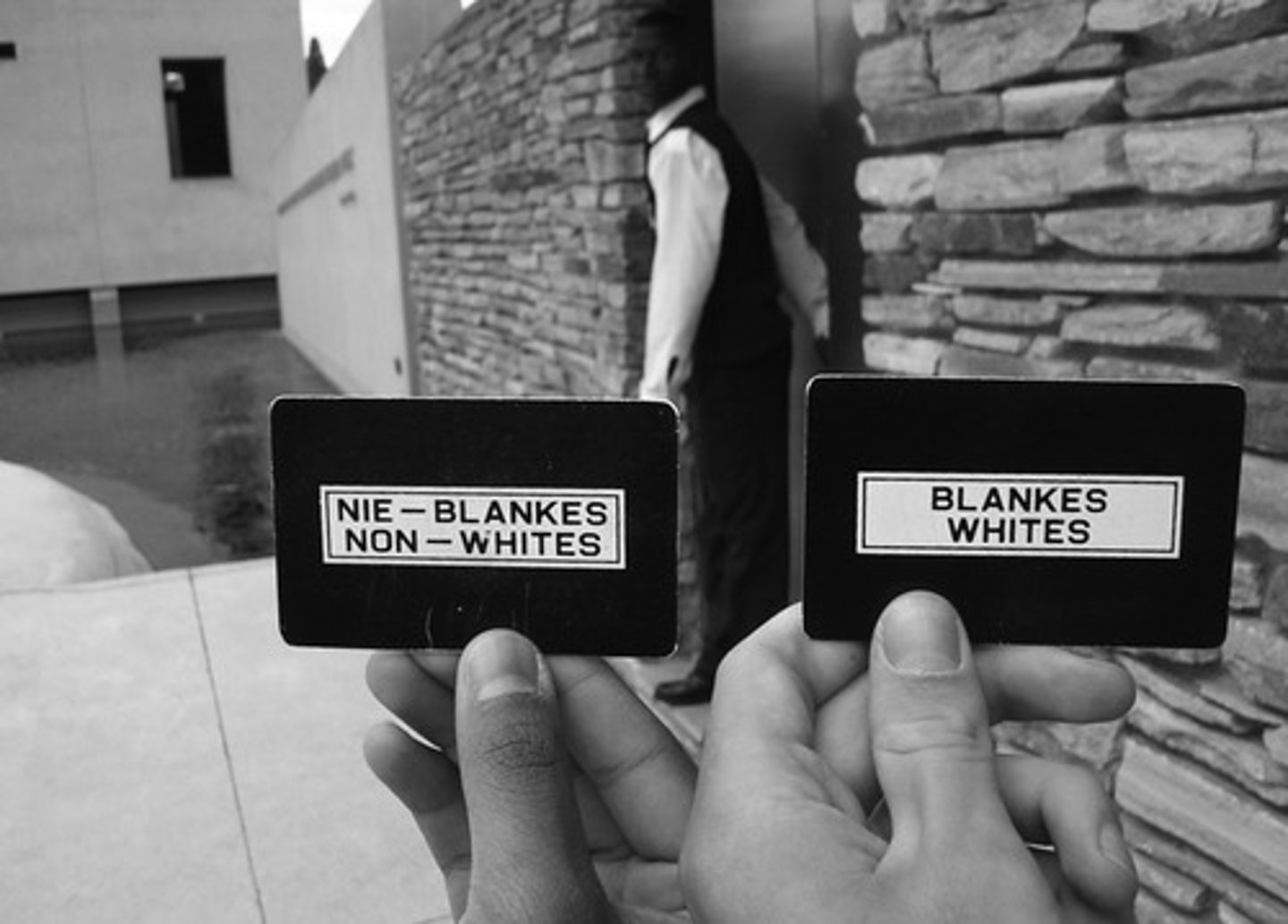
Apartheid
Laws (no longer in effect) in South Africa that physically separated different races into different geographic areas.
African National Congress (ANC)
the main organization that opposed apartheid and pushed for majority rule in South Africa; later a political party

Pariah State
a country which is diplomatically and economically isolated by the global community because its behavior violates international norms

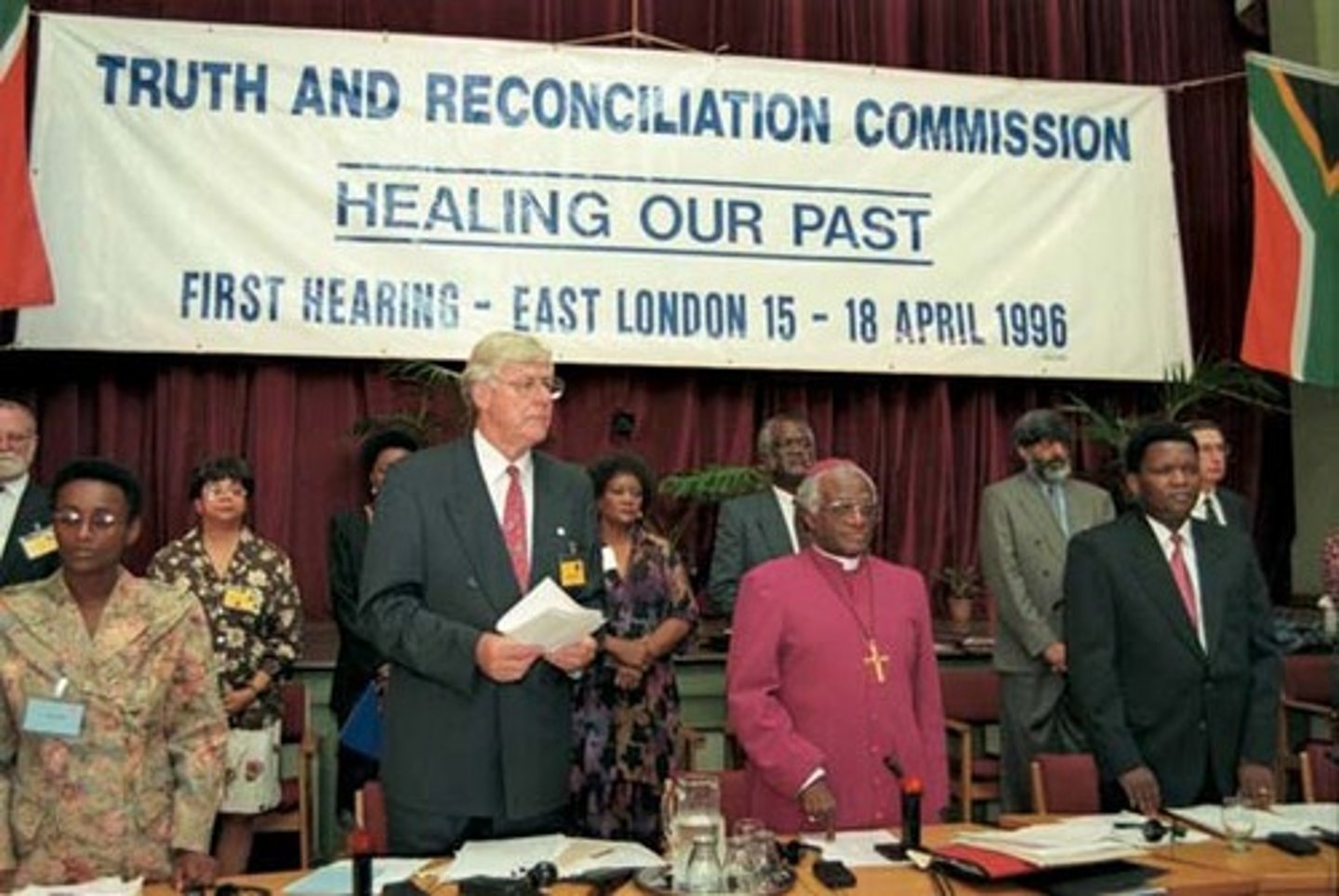
Truth and Reconciliation Commission (TRC)
1998, peaceful means of people voicing their opinions to the government
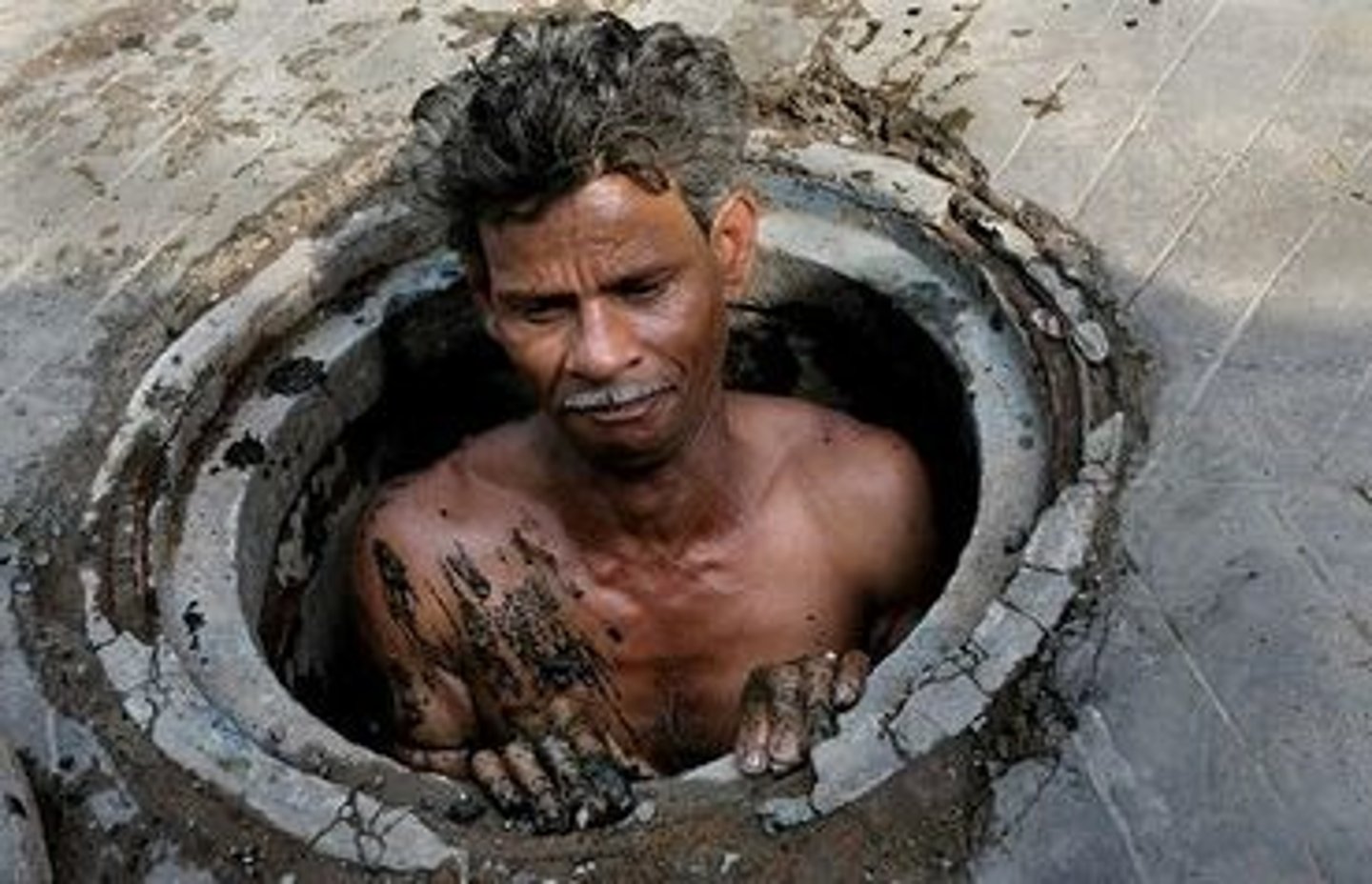
Dalits
Members of India's "lowest" caste; literally, "broken people." Also called "Untouchables."
popular culture
Culture found in a large, heterogeneous society that shares certain habits despite differences in other personal characteristics.
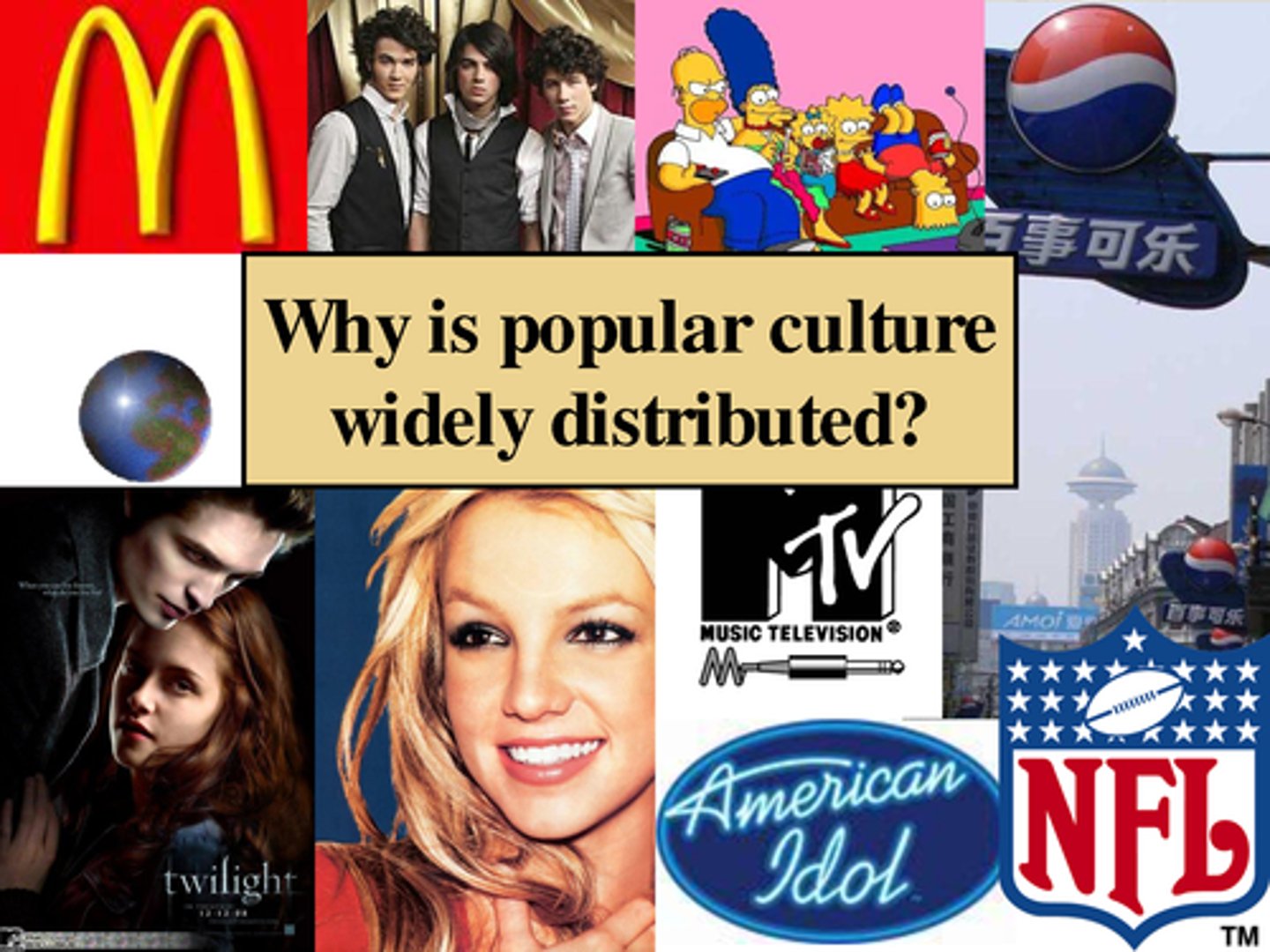
Americanization
Belief that assimilating immigrants into American society would make them more loyal citizens
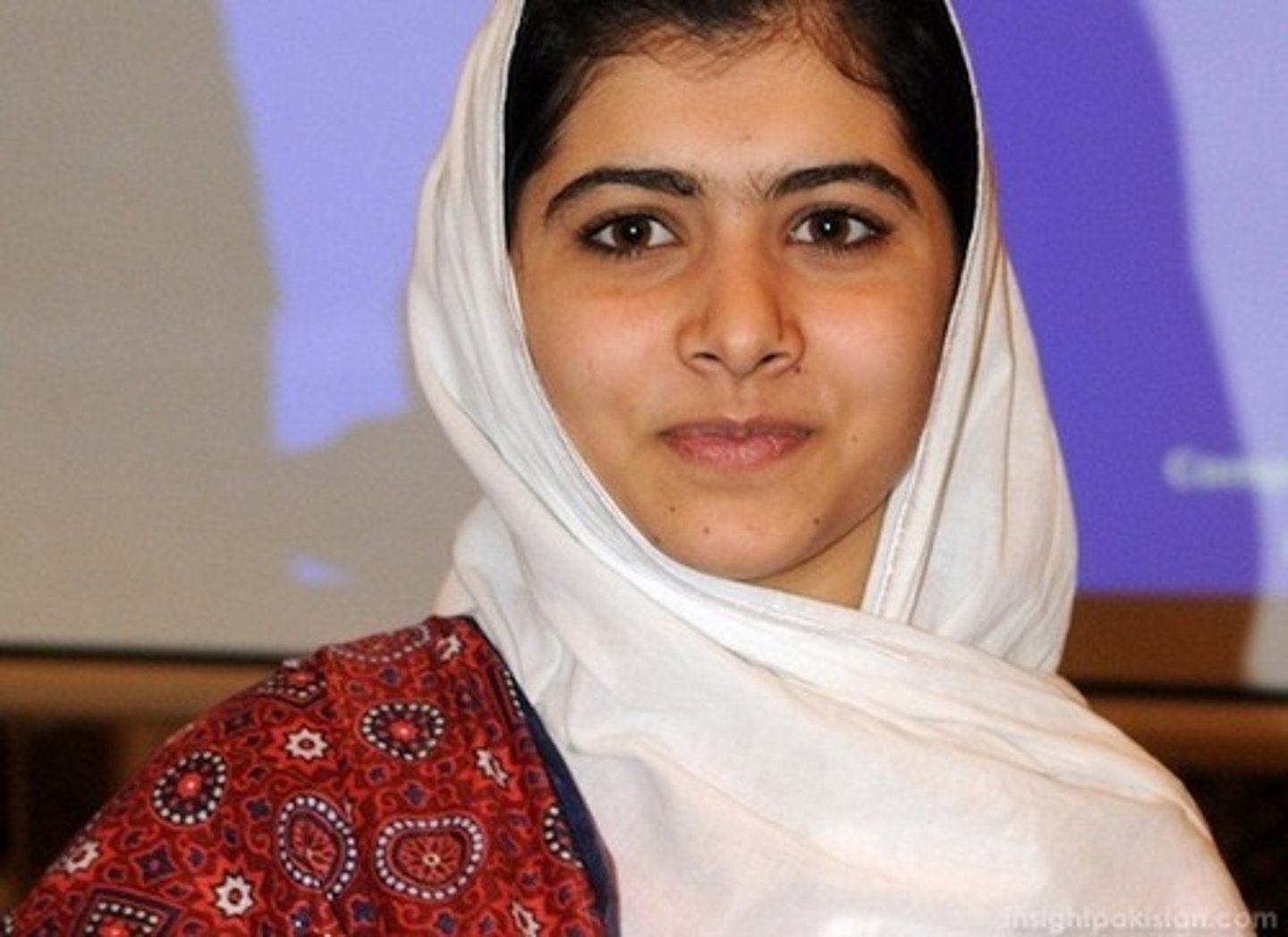
Malala Yousafzai
A Pakistani activist for female education and the youngest-ever Nobel Prize laureate.
throwaway culture
rejection of a circular model of production in which everything is used and reused

global brand
a brand marketed under the same name in multiple countries with similar and centrally coordinated marketing programs

Online Commerce
The buying and selling of goods and services, or the transmitting of funds or data, over an electronic network, primarily the Internet. These business transactions occur either business-to-business, business-to-consumer, consumer-to-consumer or consumer-to-business.

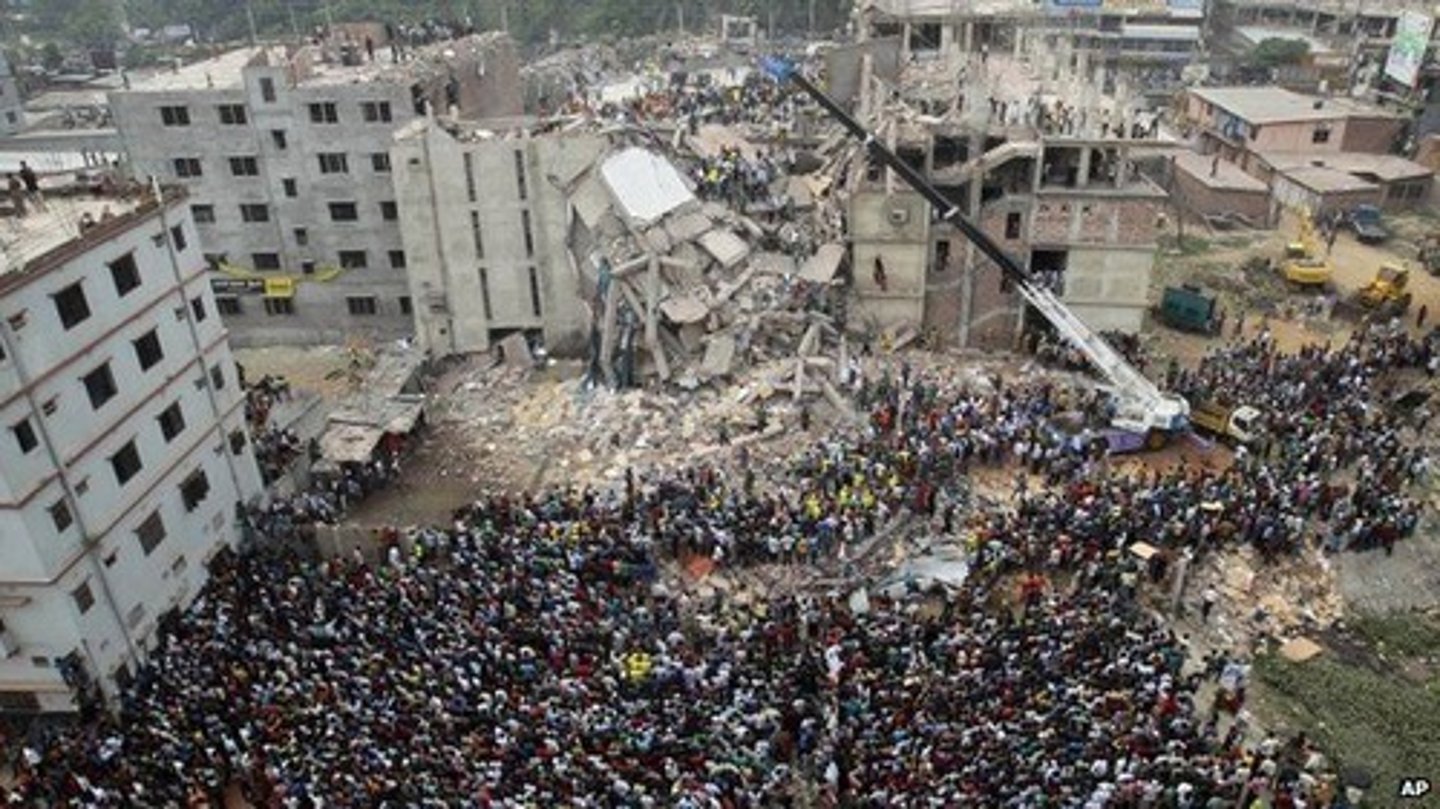
Rana Plaza
- April 2013, an 8 story building, Rana Plaza, collapsed in Bangladesh injuring 2,000 and killing 1,129 people
- many of these workers were poorly paid and working in less than desirable working conditions
- the building was originally a 5 story building but they added 3 floors without legal permits
- this event called the worlds attention to problems and challenges that continue today
there are steps that can be done to prevent catastrophes like this, but these choices also can have a back-lashing effect
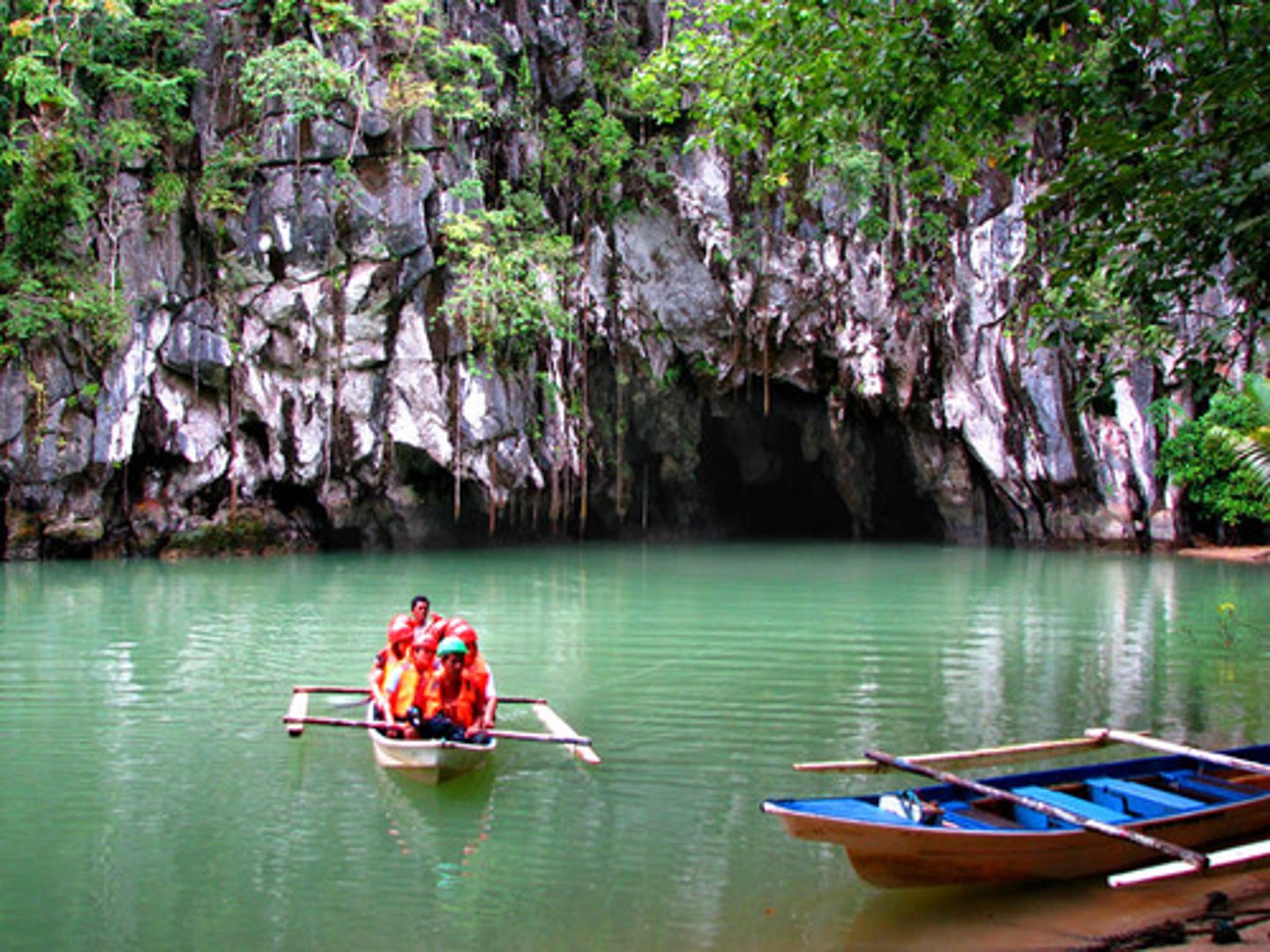
Ecotourism
the practice and business of recreational travel based on concern for the environment
fair trade
Alternative to international trade that emphasizes small businesses and worker owned and democratically run cooperatives and requires employers to pay workers fair wages, permit union organizing, and comply with minimum environmental and safety standards.

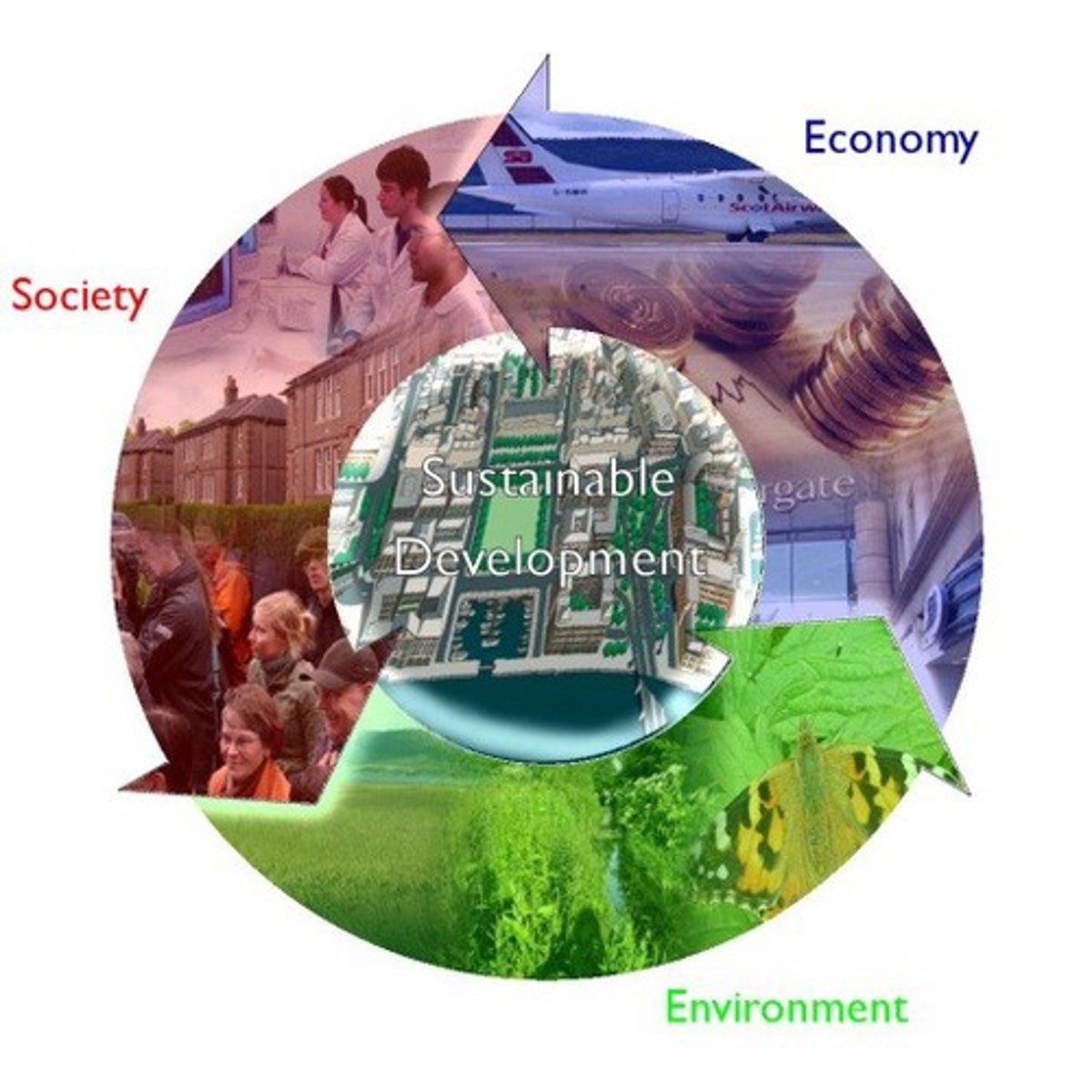
sustainable development
Development that meets the needs of the present without compromising the ability of future generations to meet their own needs.
Brexit
a term for the potential or hypothetical departure of the United Kingdom from the European Union.

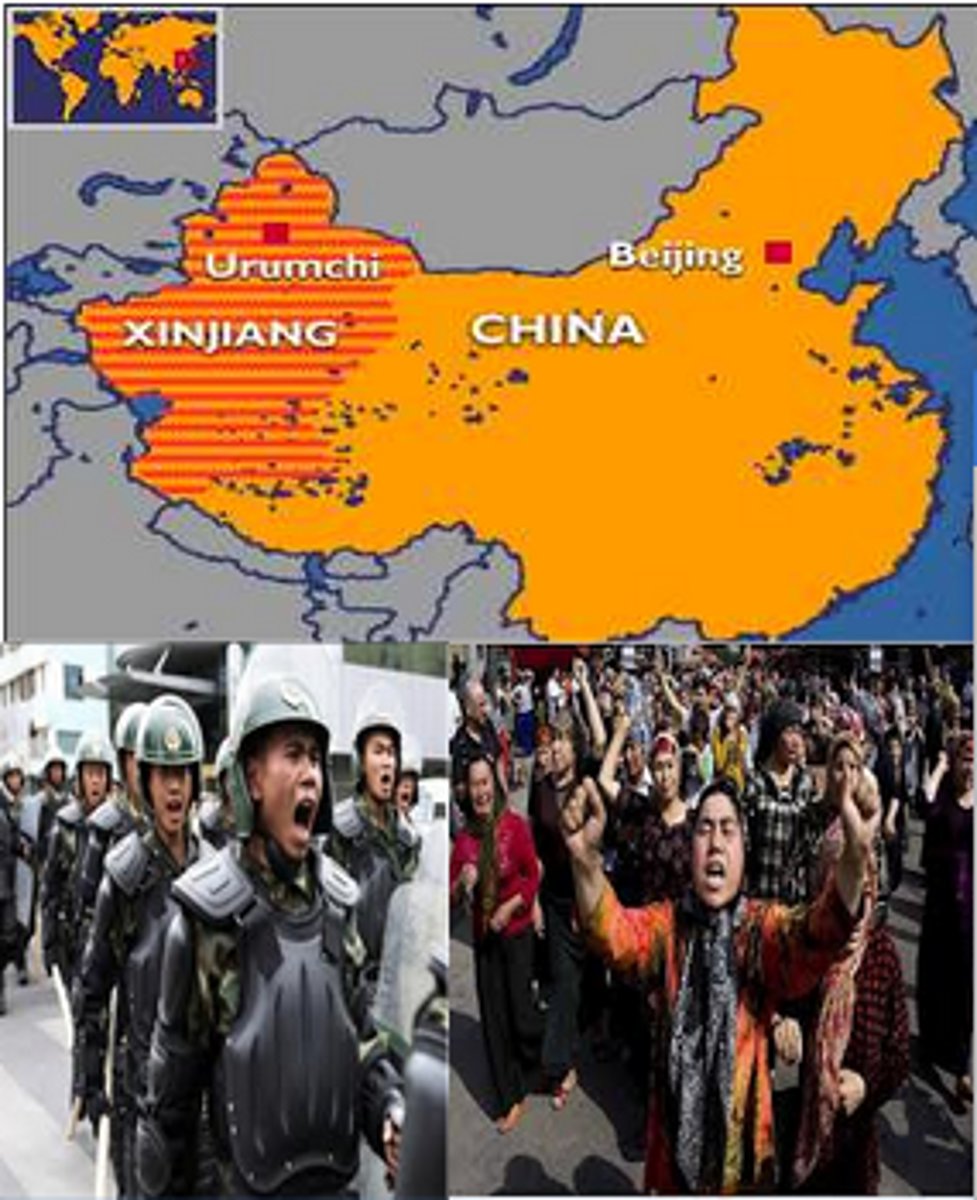
Uighurs
A group of Turkic-speakers who controlled their own centralized empire from 744 to 840 in Mongolia and Central Asia.
World Bank
A specialized agency of the United Nations that makes loans to countries for economic development, trade promotion, and debt consolidation. Its formal name is the International Bank for Reconstruction and Development.

International Monetary Foundation
Regulates worldwide commerce

World Food Program (WFP)
Provides direct food aid and food for work interventions during shocks
-Vulnerability Analysis and Mapping (VAM), country offices involved with market price data collection and analysis-Intervention choices can be limited by major donors (donation of staple foods vs cash for livelihood-type programming) -Works with national decision-makers to shape food security policy for future responses

UNESCO
United Nations Educational, Scientific, and Cultural Organization
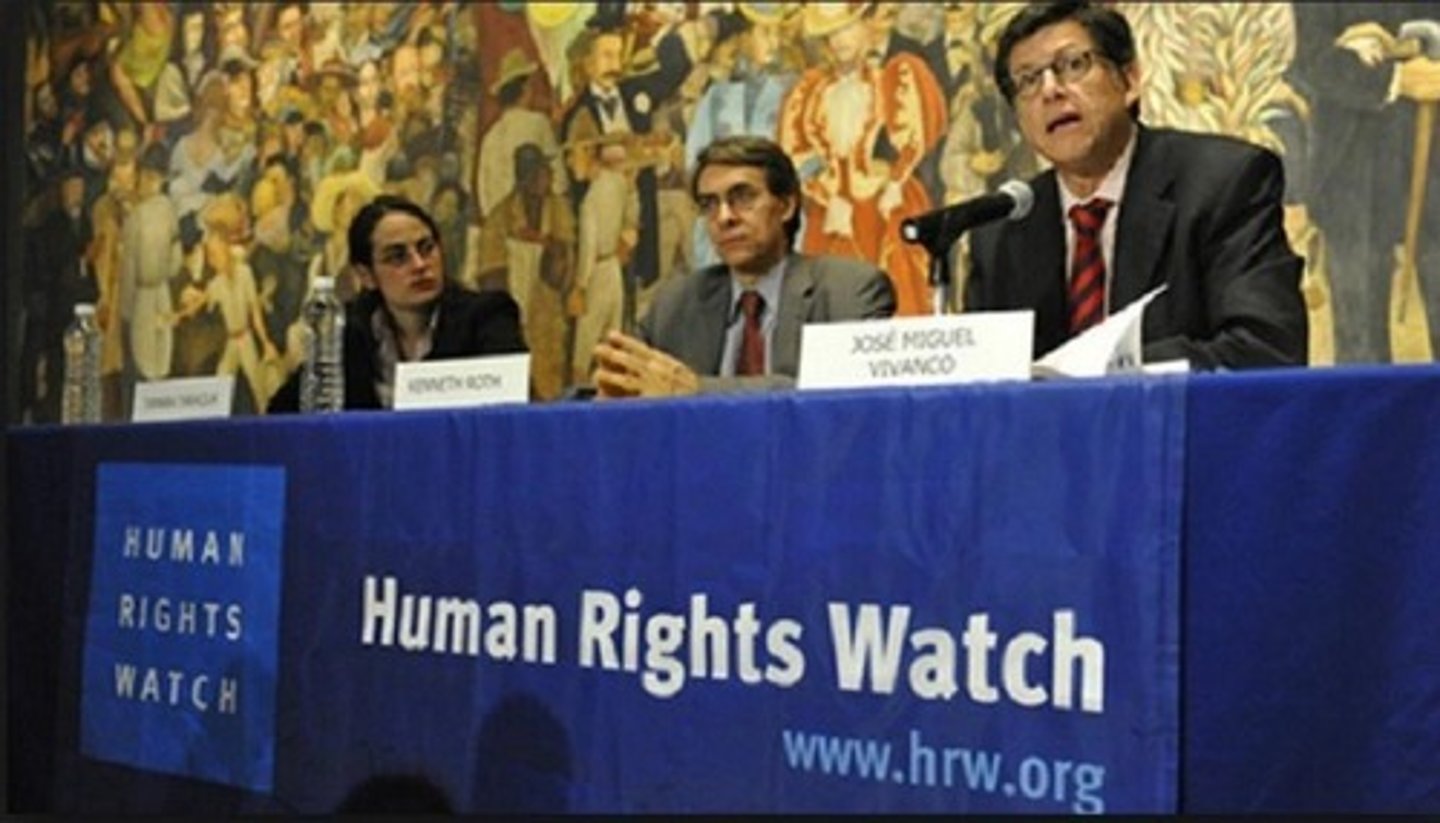
Human Rights Watch (HRW)
An international non-governmental organization which monitors and reports on countries which breach human rights
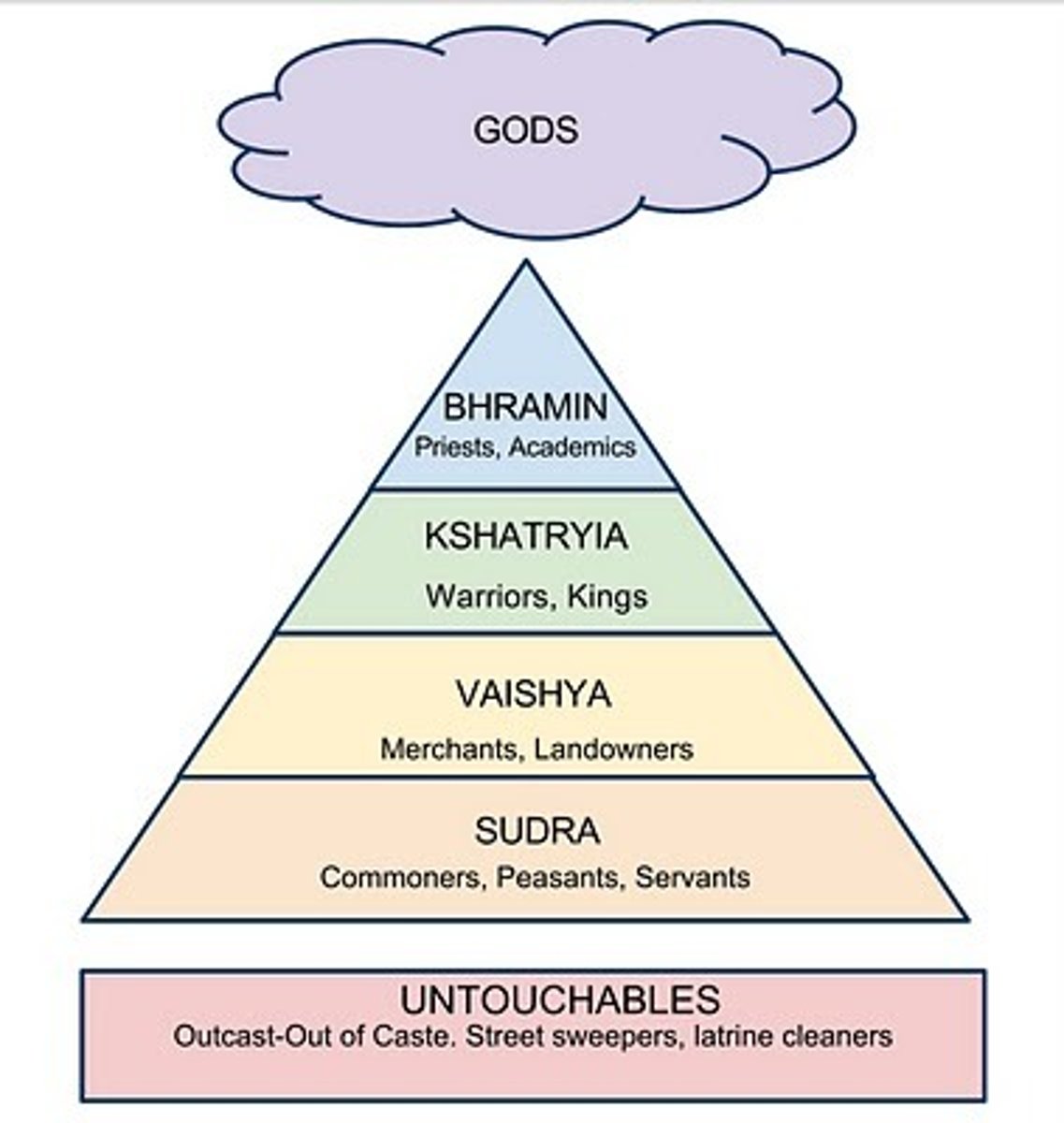
Caste reservation system
Reservation is a system of affirmative action in India that provides historically disadvantaged groups representation in education, employment and politics.
the government guaranteed that a certain percentage of government and public sector jobs and enrollment in higher education would be set aside for people whose caste has conferred an underprivileged life
Manal al-Sharif
Saudi women's rights activist who helped start a right to drive campaign in 2011