Brain Parts and Functions
 Studied by 0 people
 Call with Kai
 Learn
Learn Practice Test
 Spaced Repetition
 Match
Match Flashcards
 Knowt Play
1/67

There's no tags or description
Looks like no tags are added yet.
Name | Mastery | Learn | Test | Matching | Spaced | Call with Kai |
|---|
No study sessions yet.
68 Terms
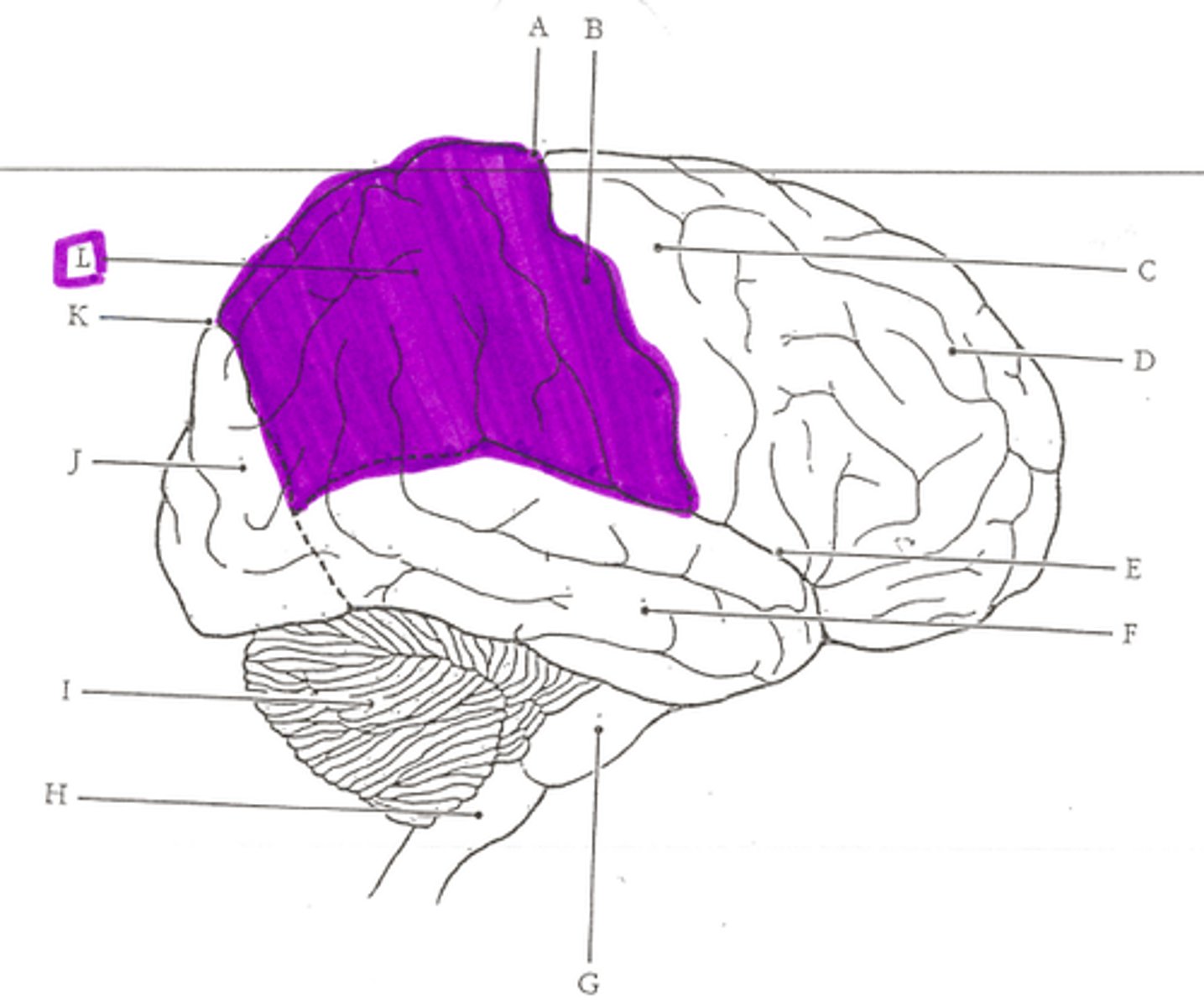
Parietal Lobe
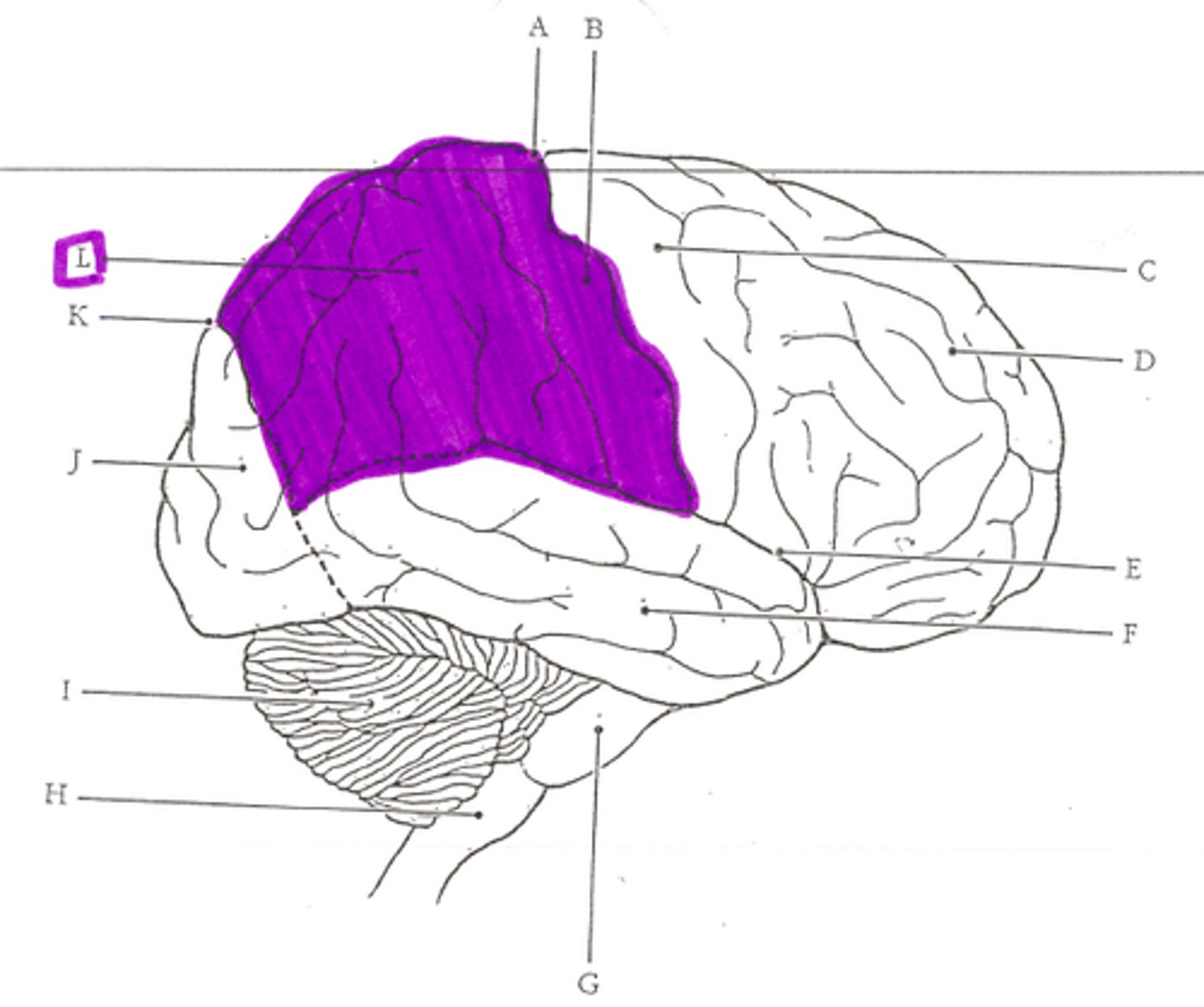
Parietal Lobe
Sensory (temperature, touch, pain, pressure)
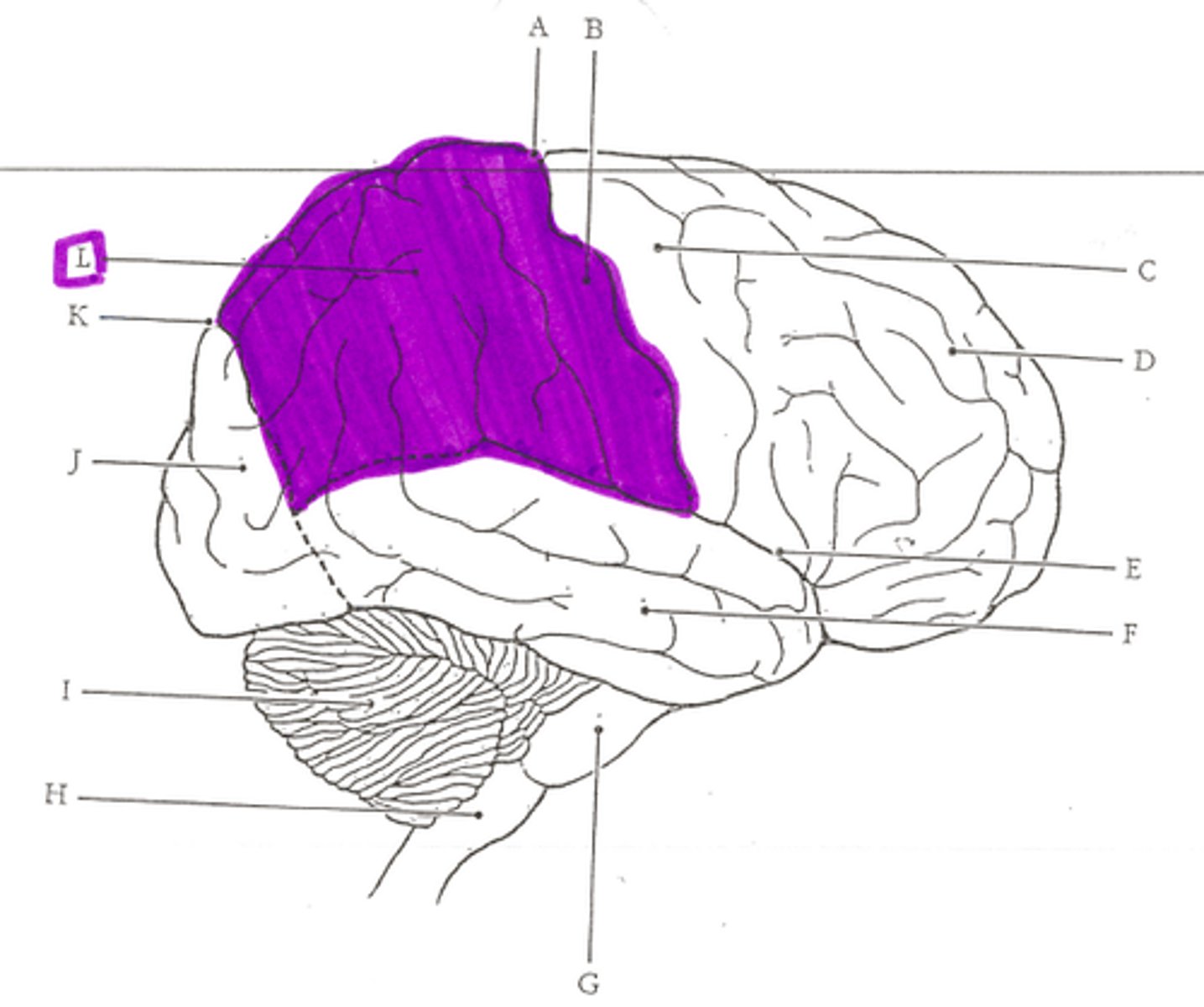
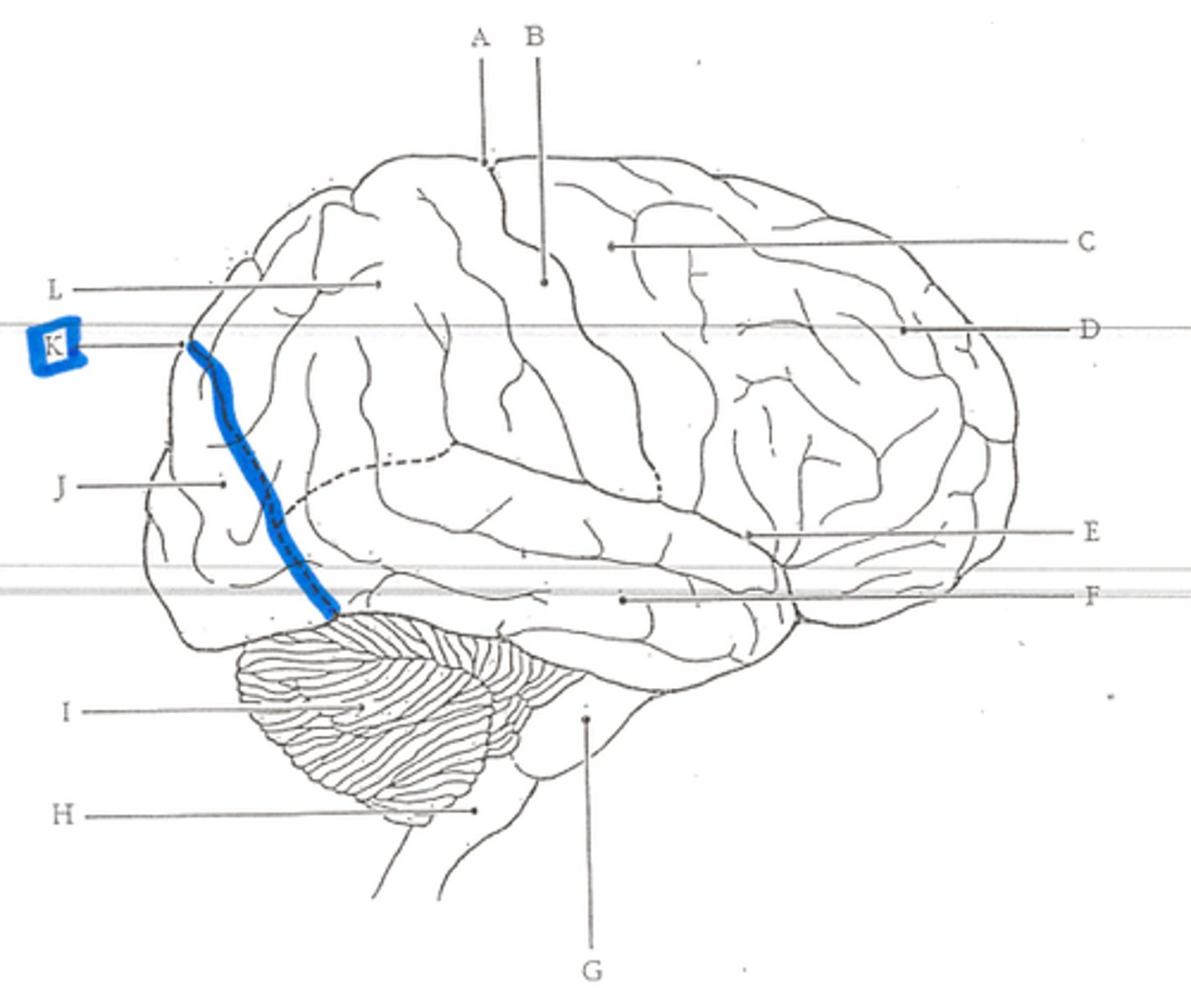
Parieto-occiptal Fissure
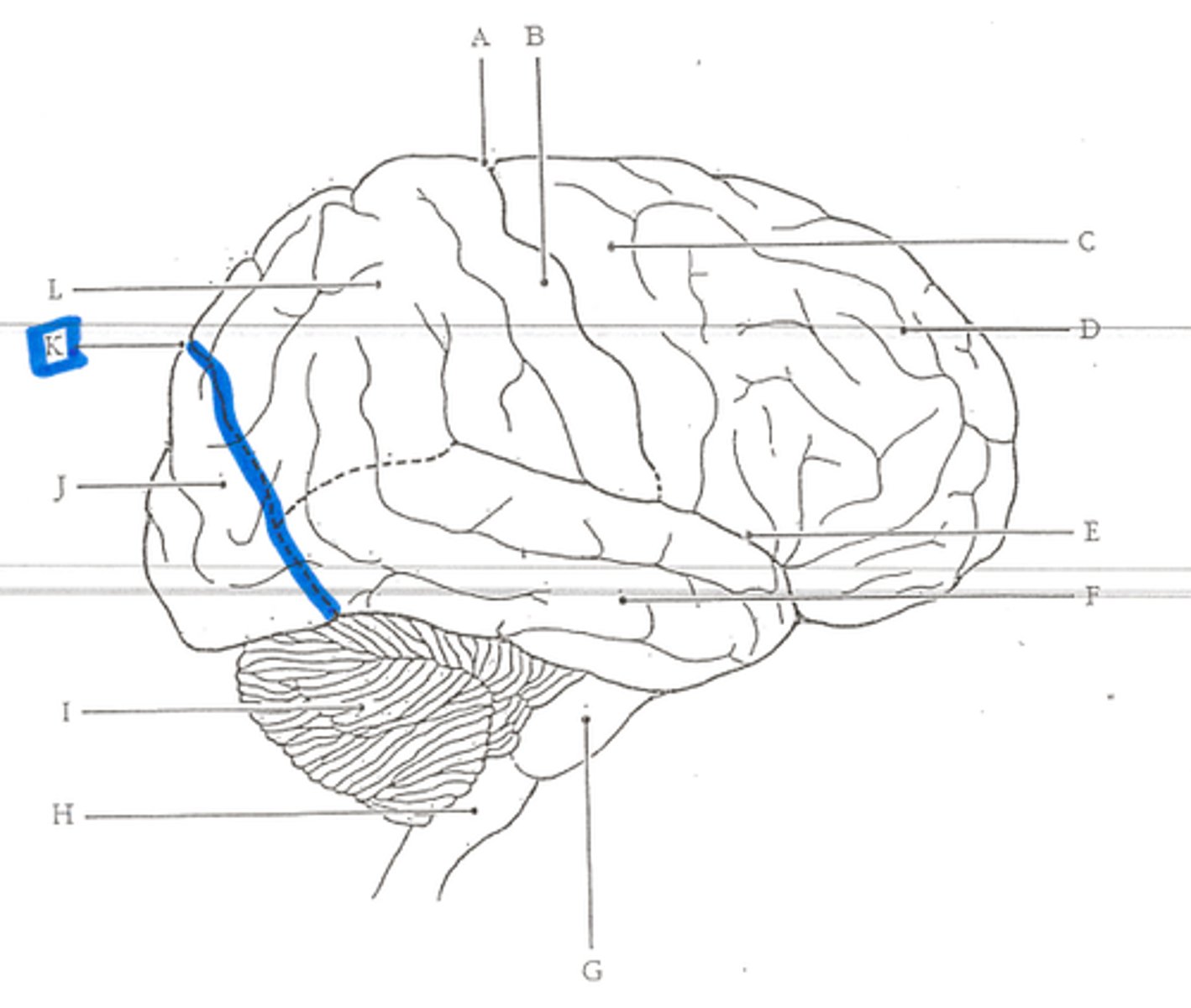
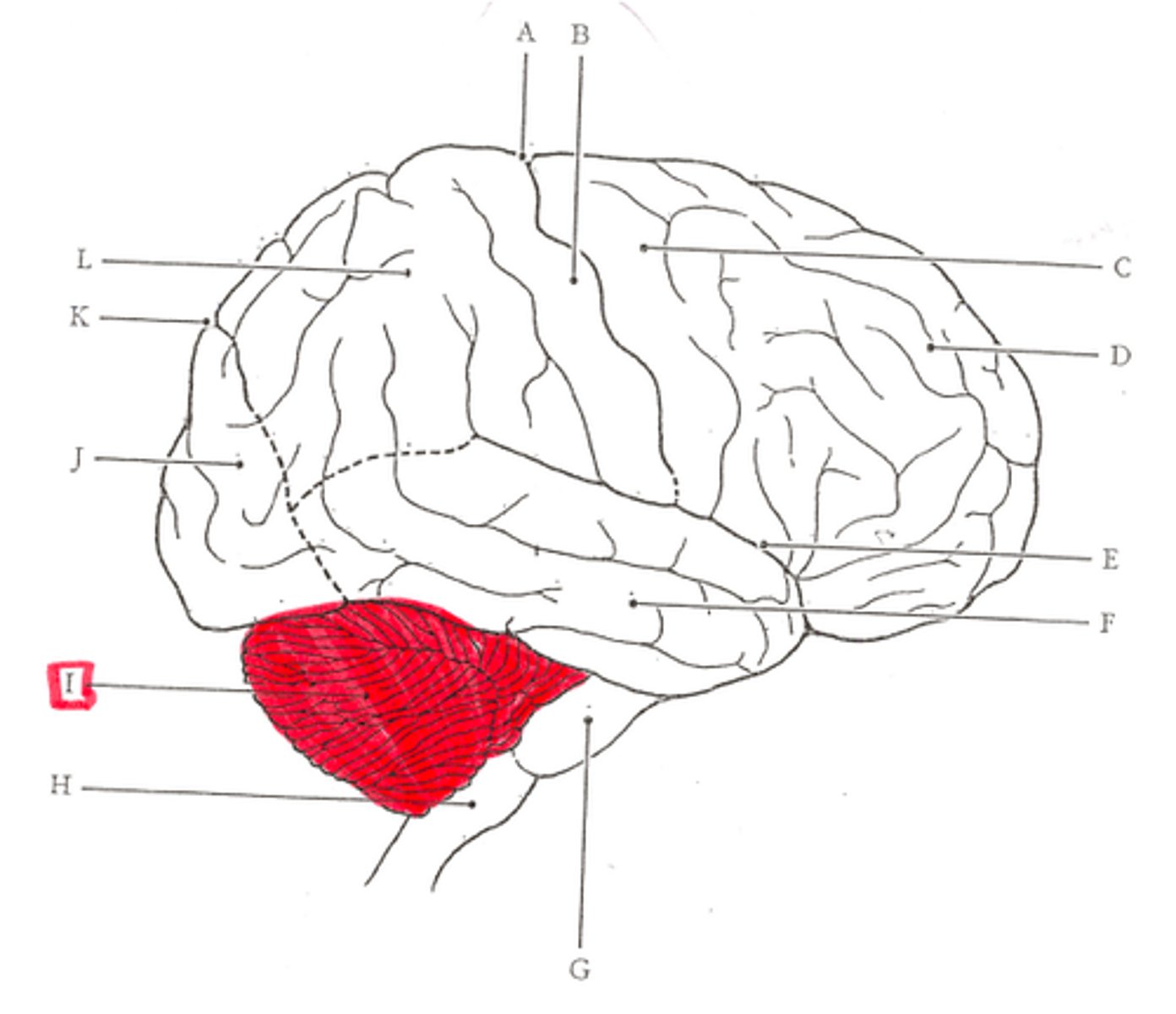
Cerebellum
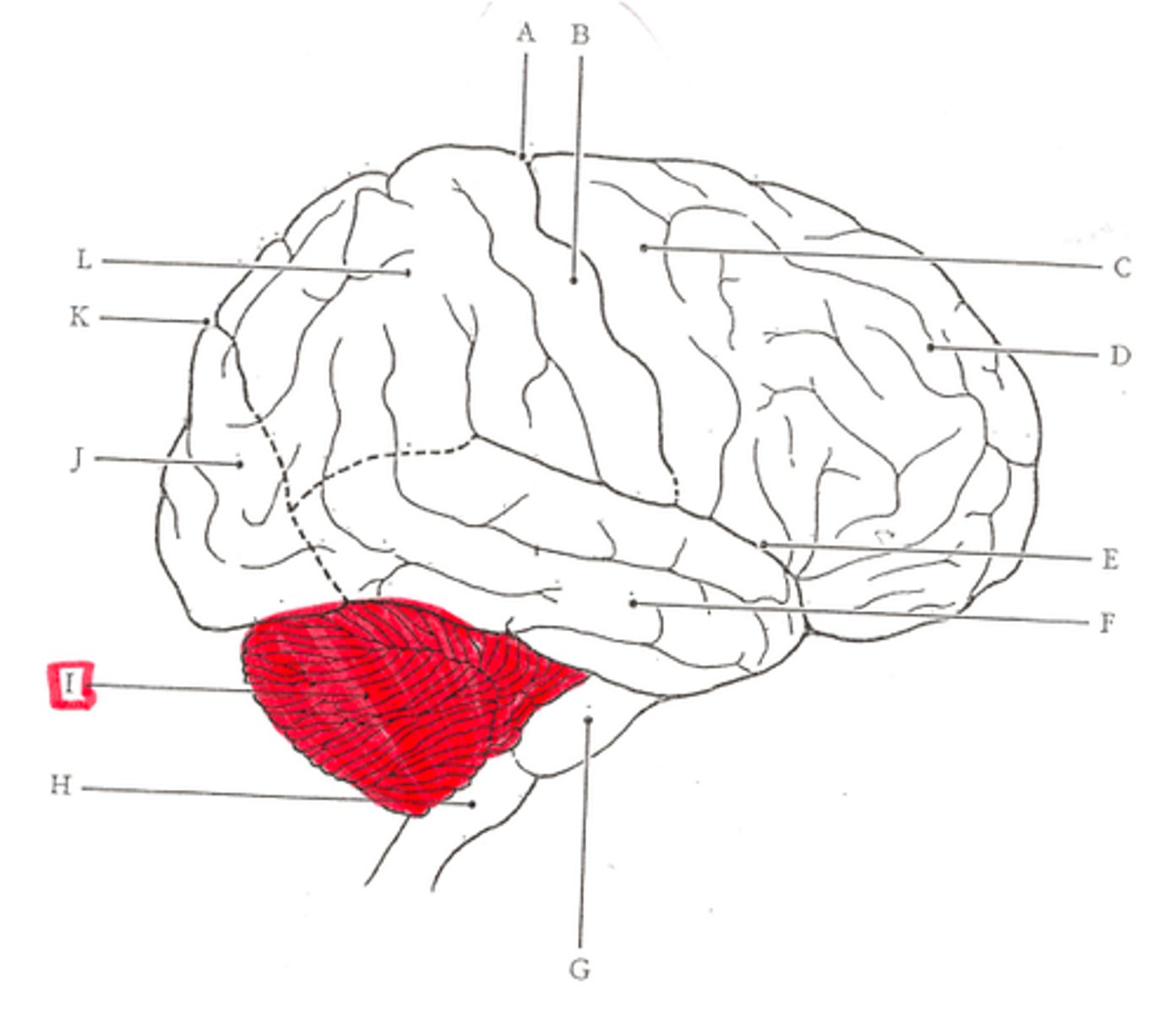
Cerebellum
Balance and coordination, fine tuning muscle movement
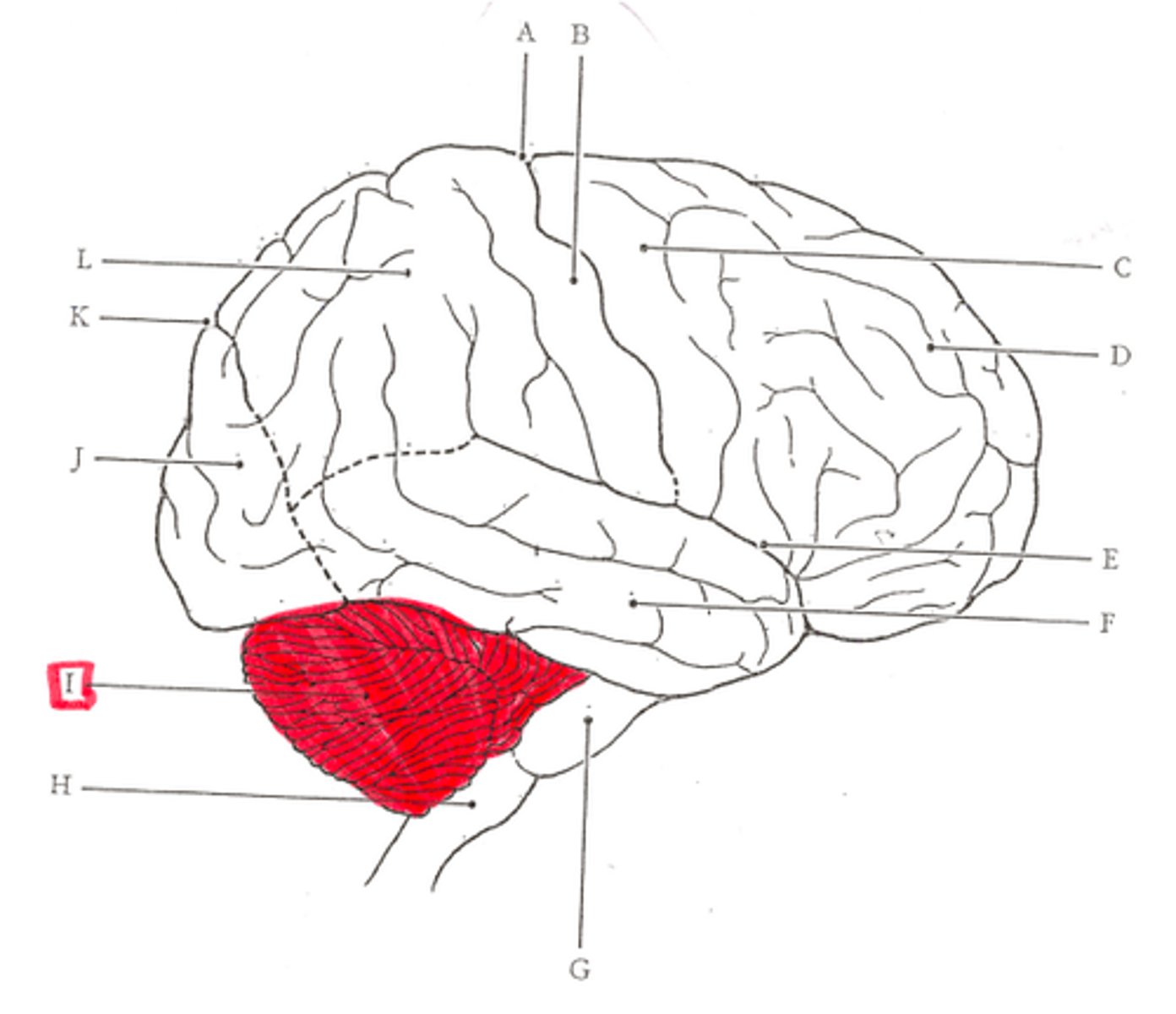
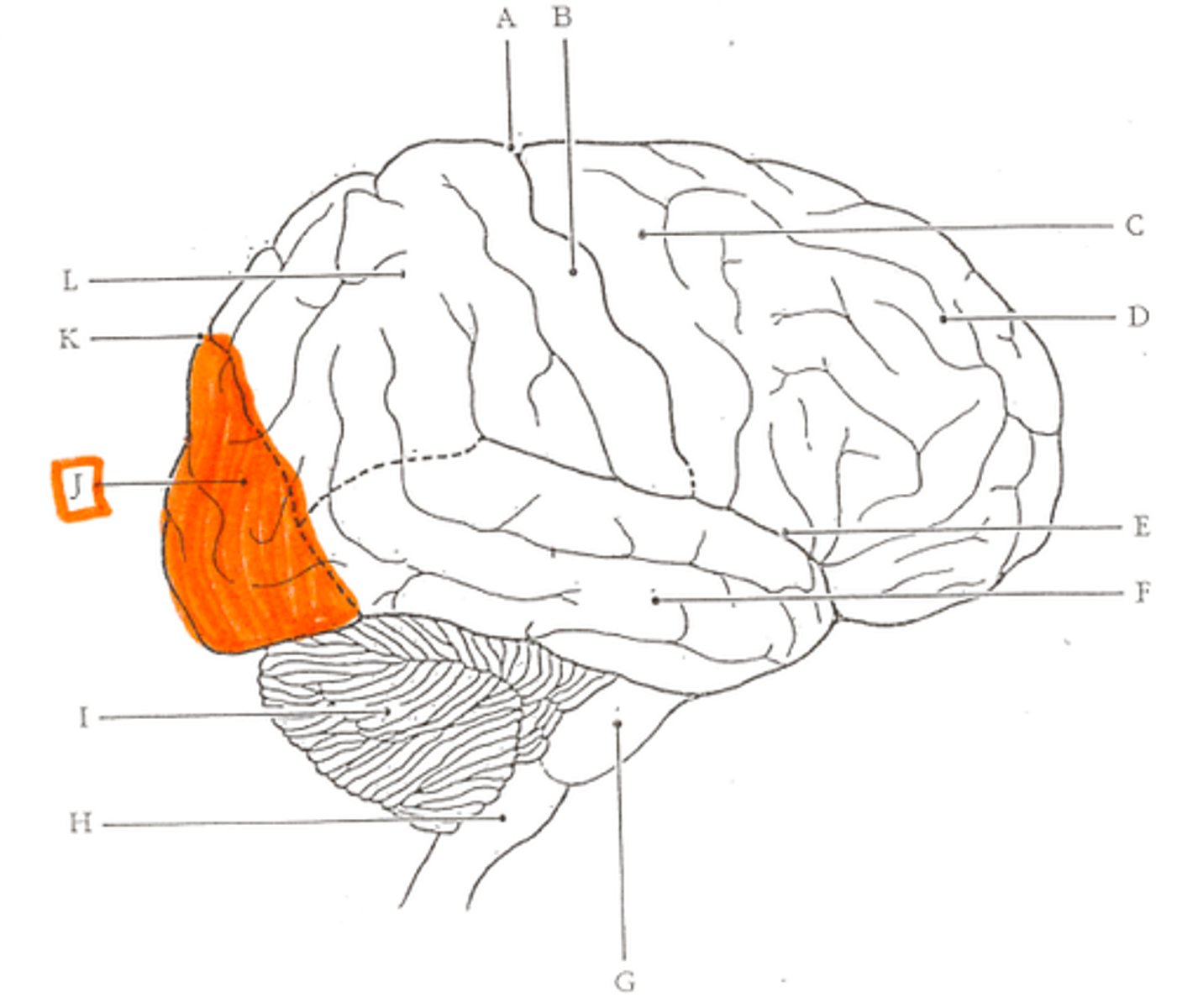
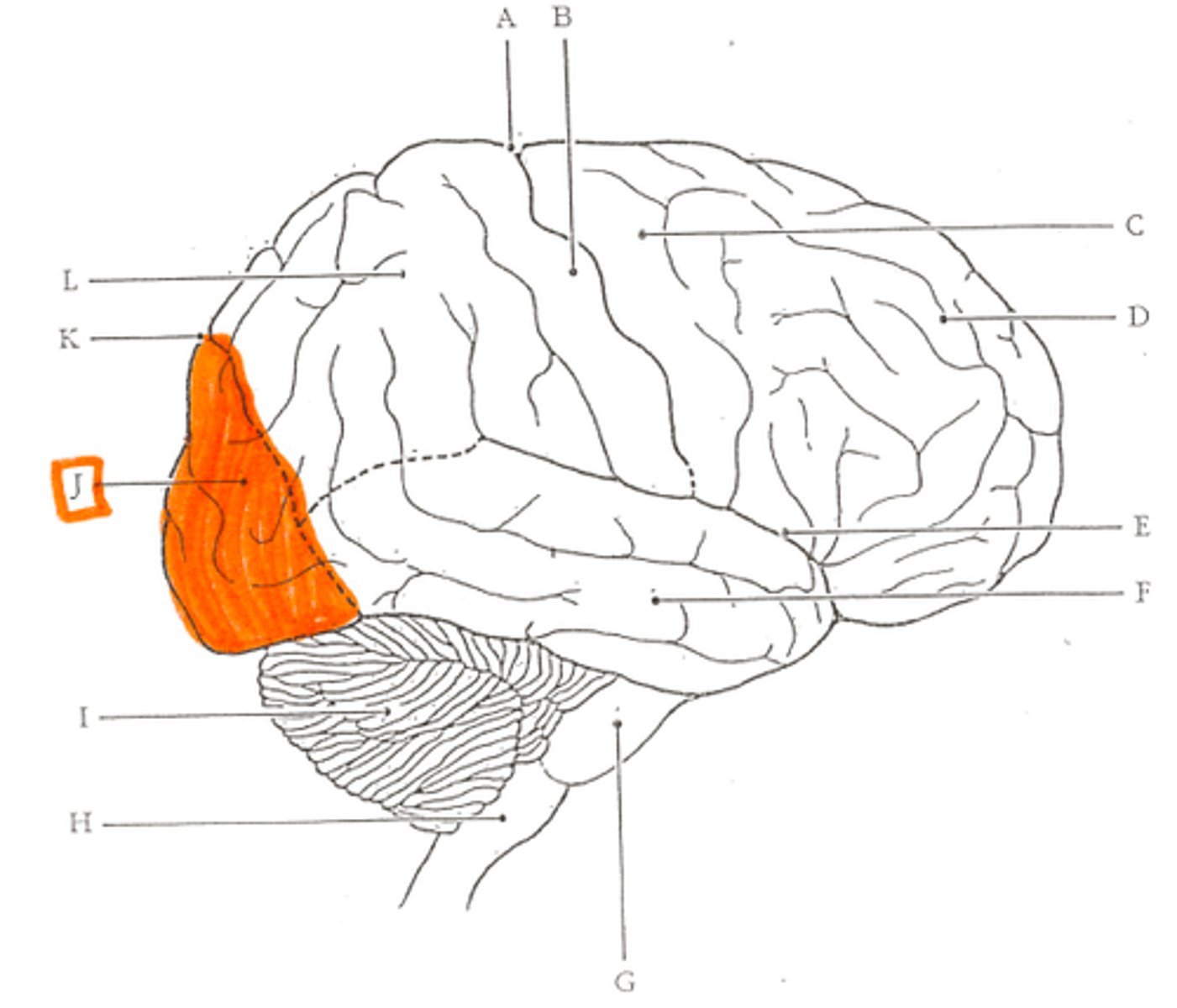
Occipital Lobe
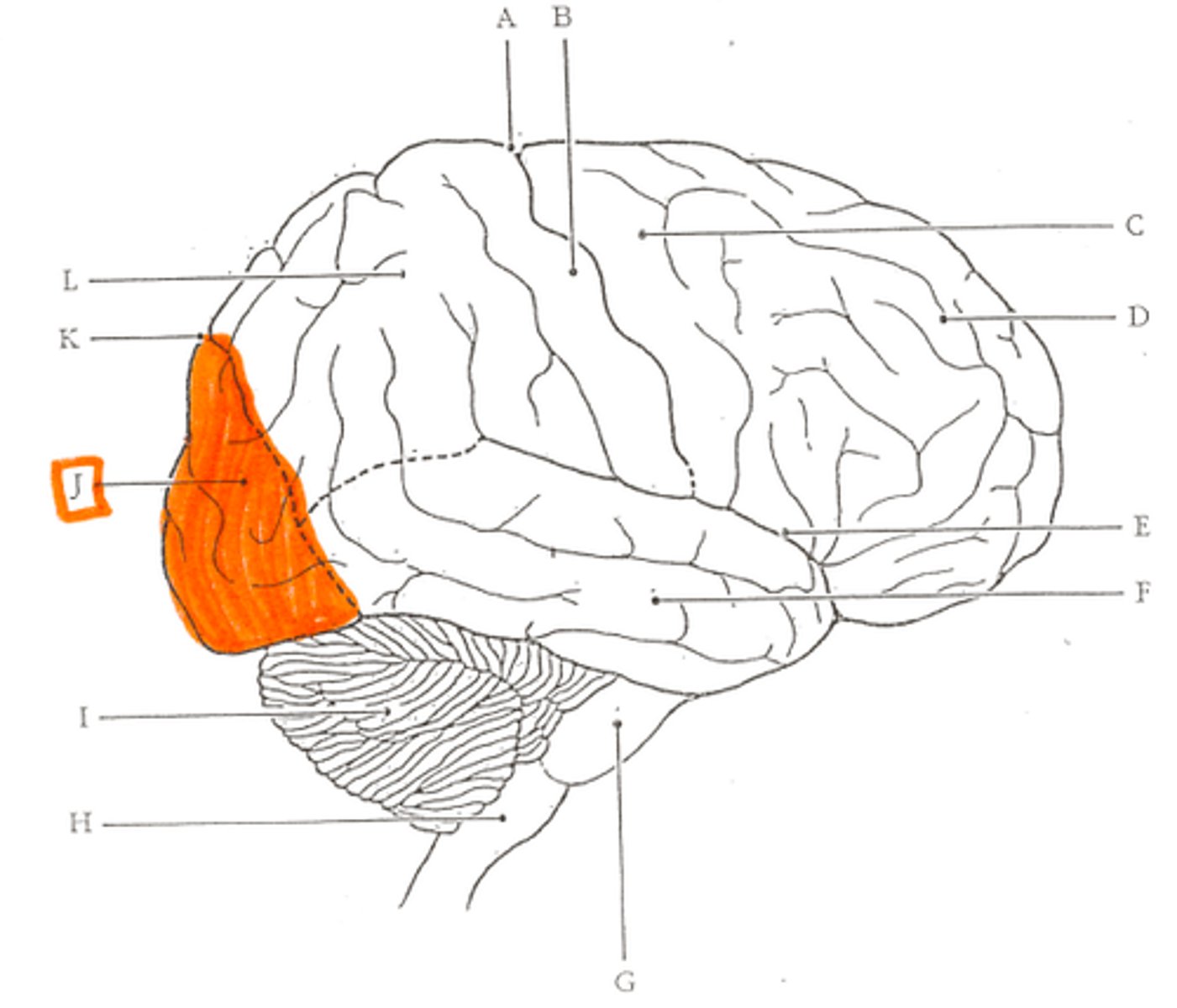
Occipital Lobe
responsible for vision
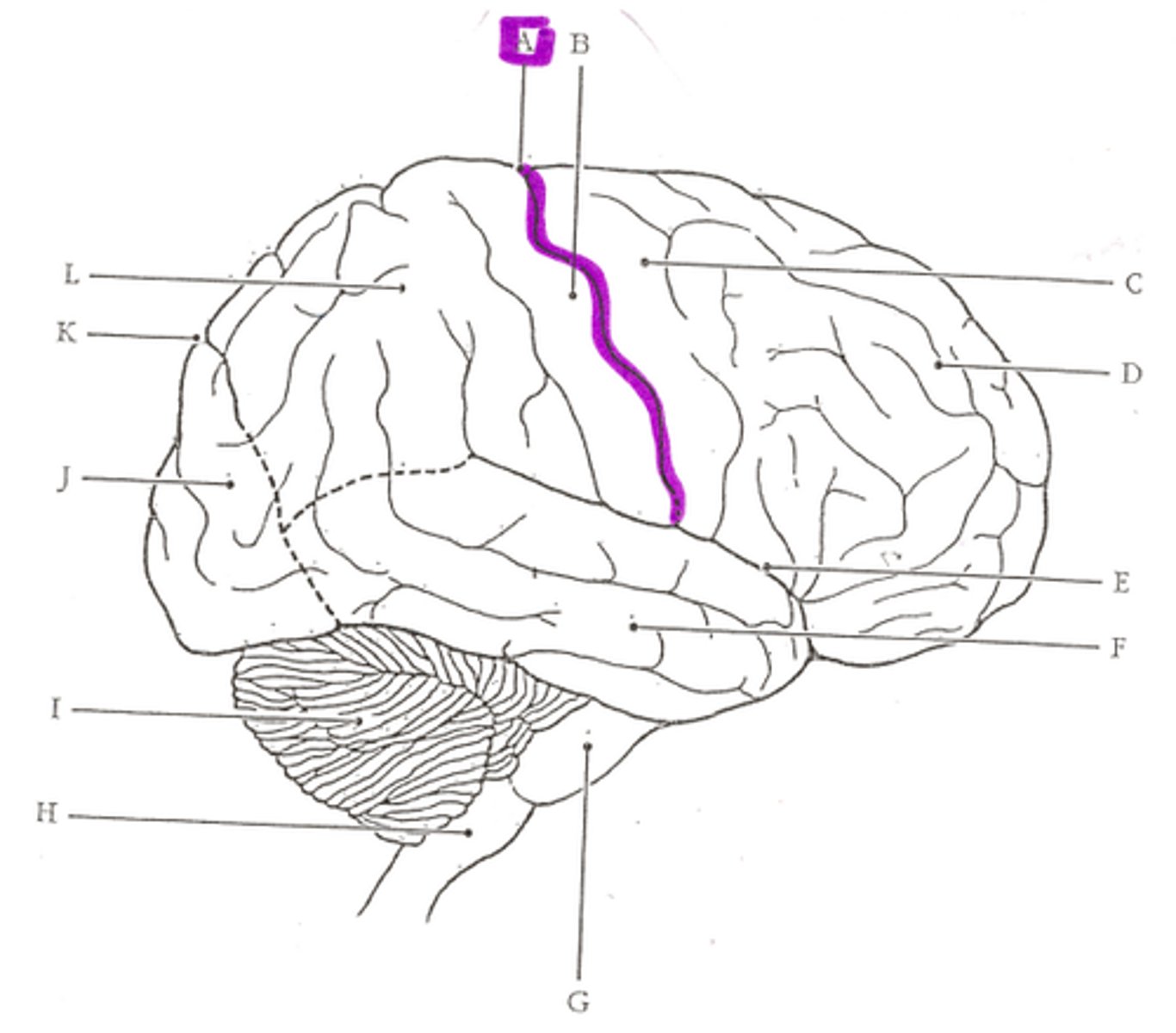
Central Fissure
Divides the frontal and parietal lobes
Sensory Strip
(also called postcentral gyrus or primary sensory cortex)
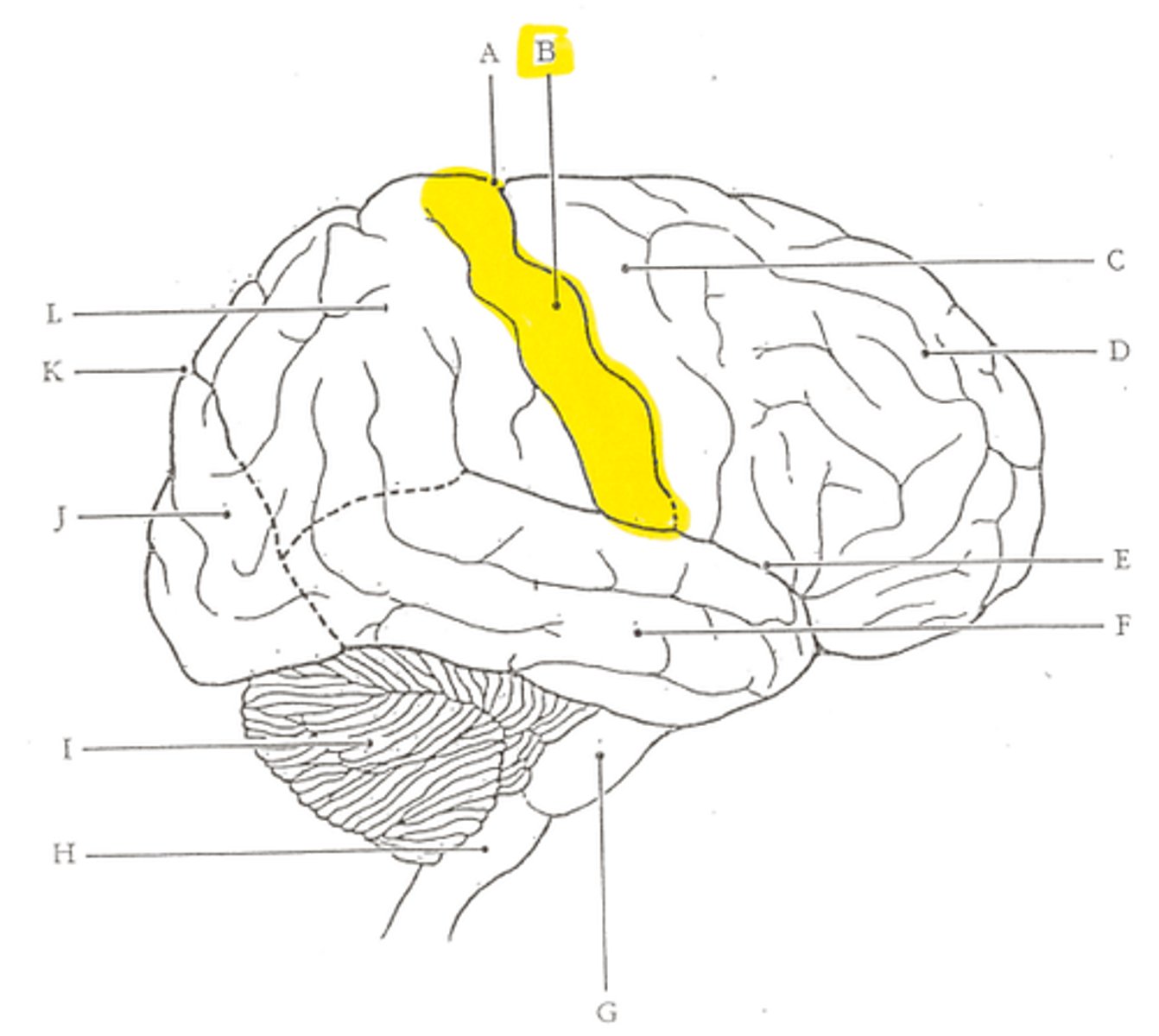
Motor Strip
(also called precentral gyrus or primary motor cortex)
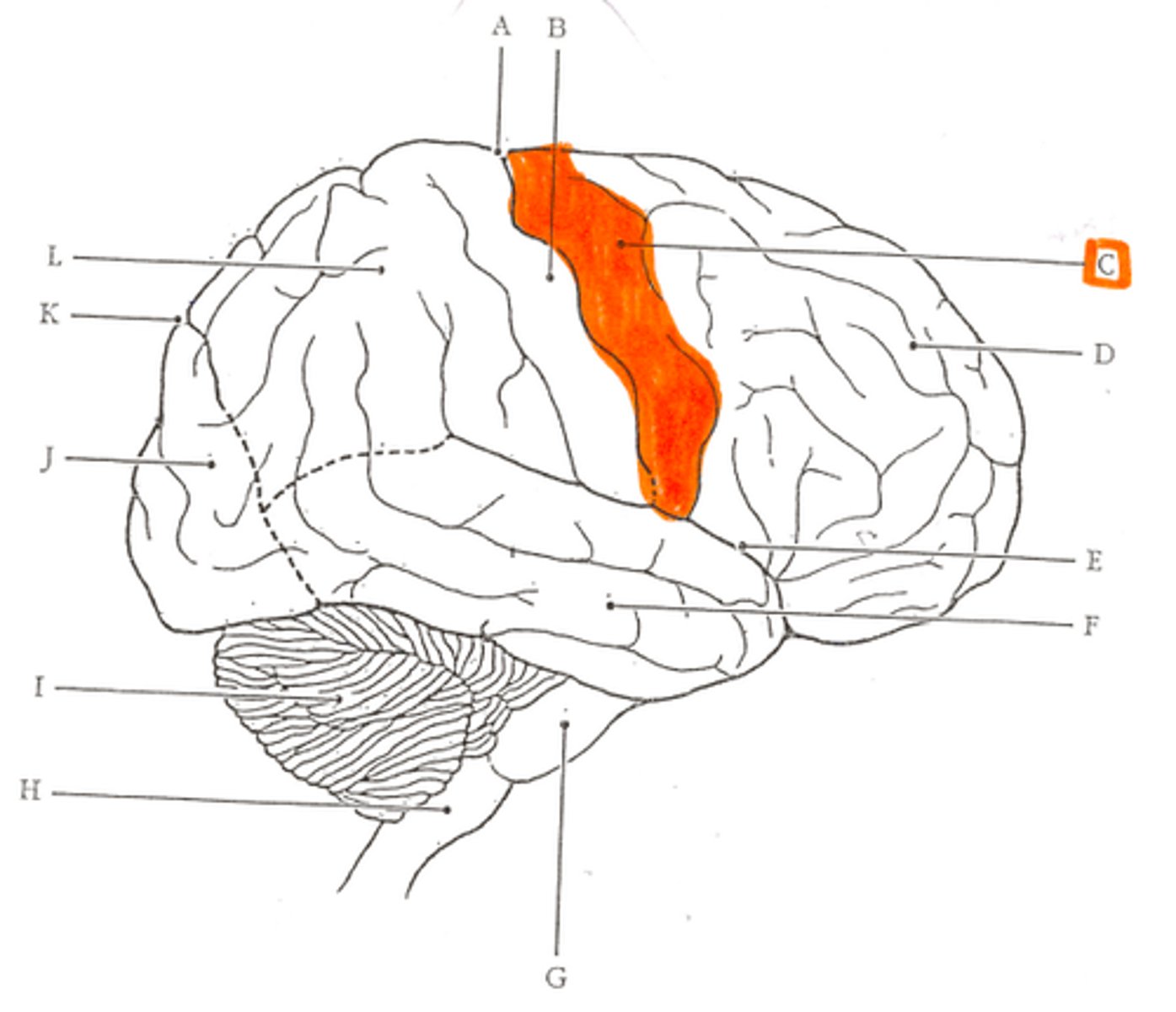
Frontal Lobe
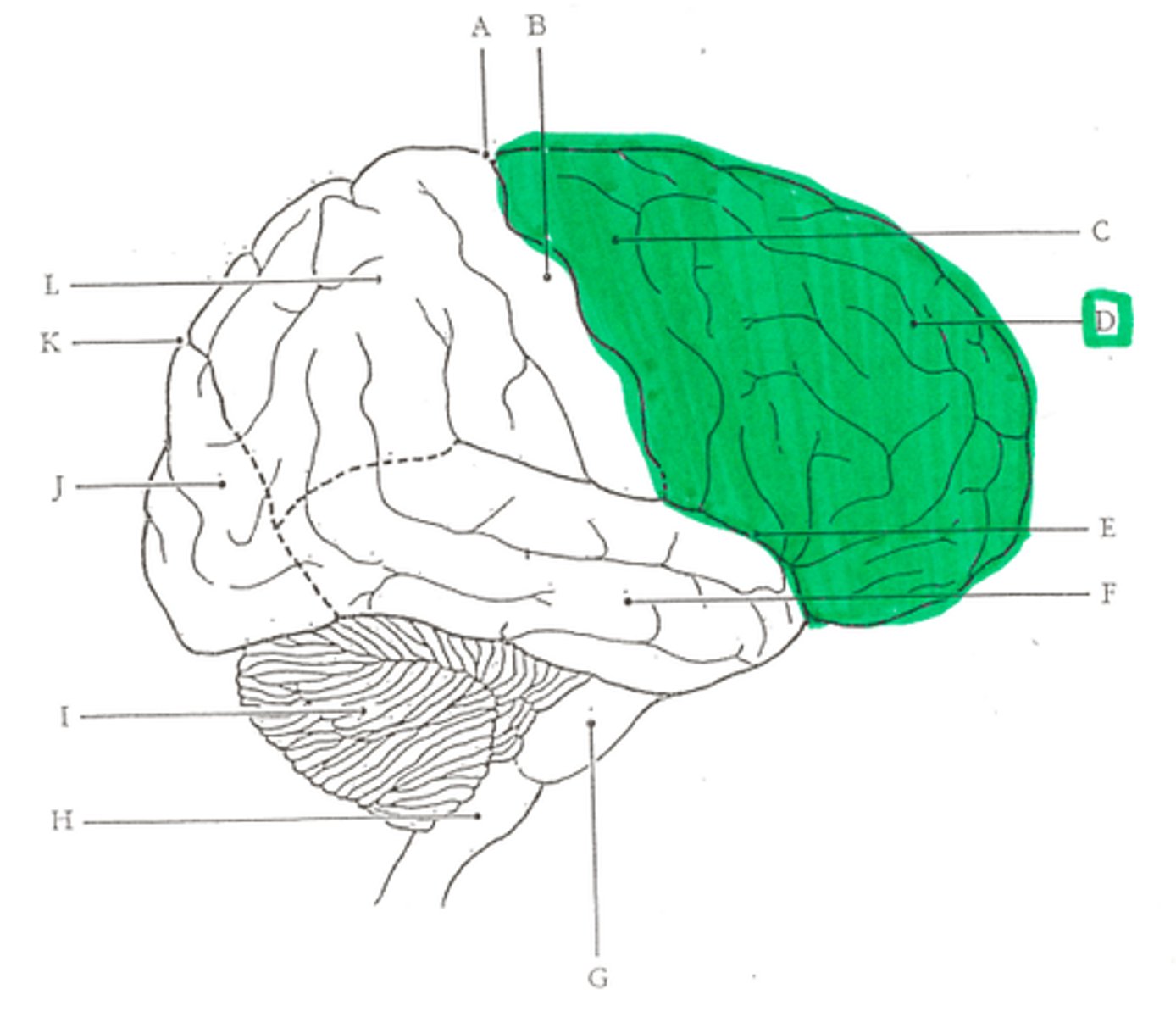
Frontal Lobe
movement, abstract thinking, planning, memory, behavior, personality, creativity, speech, and judgement
Lateral Fissure
separates temporal and parietal lobes
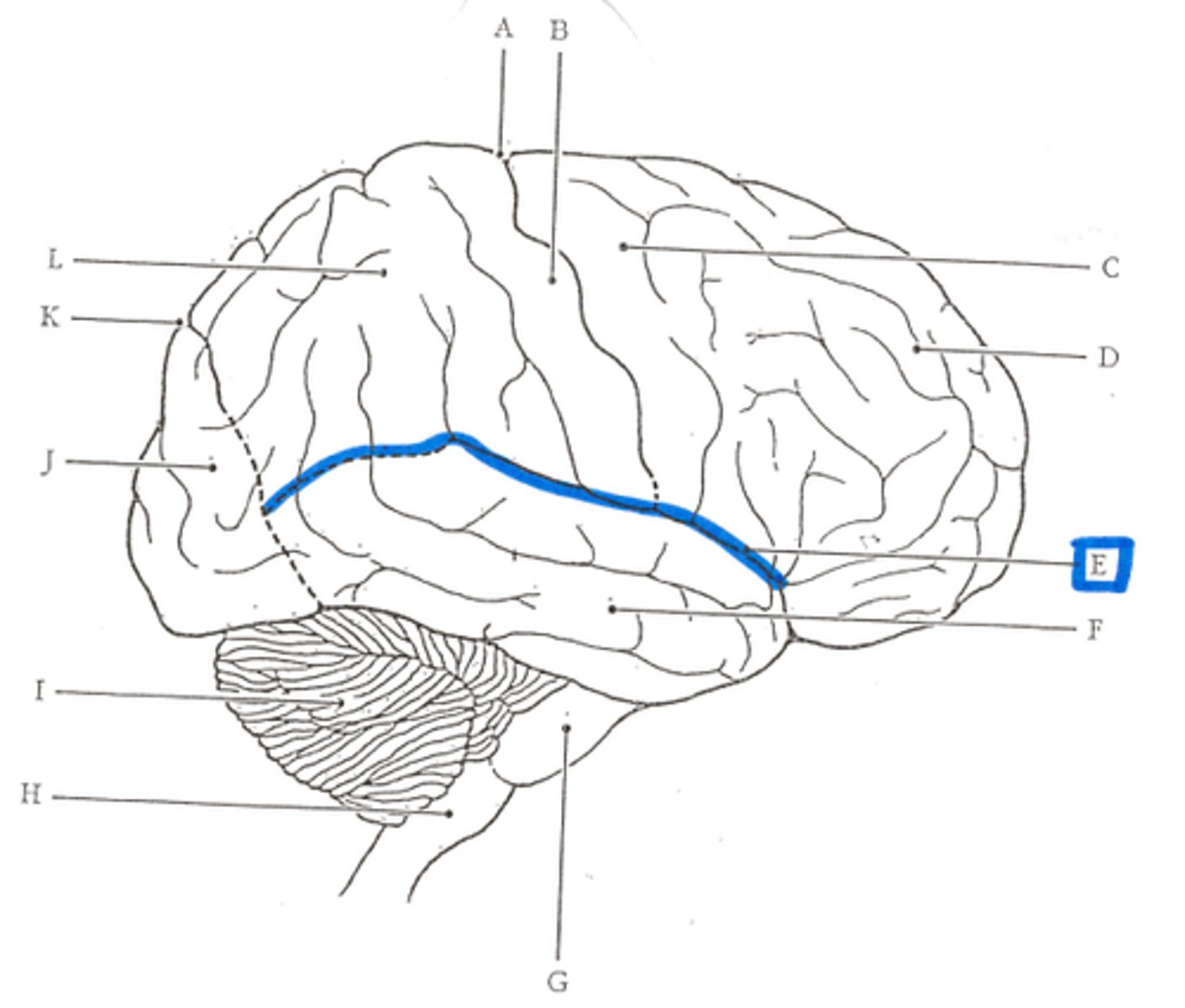
Temporal Lobe
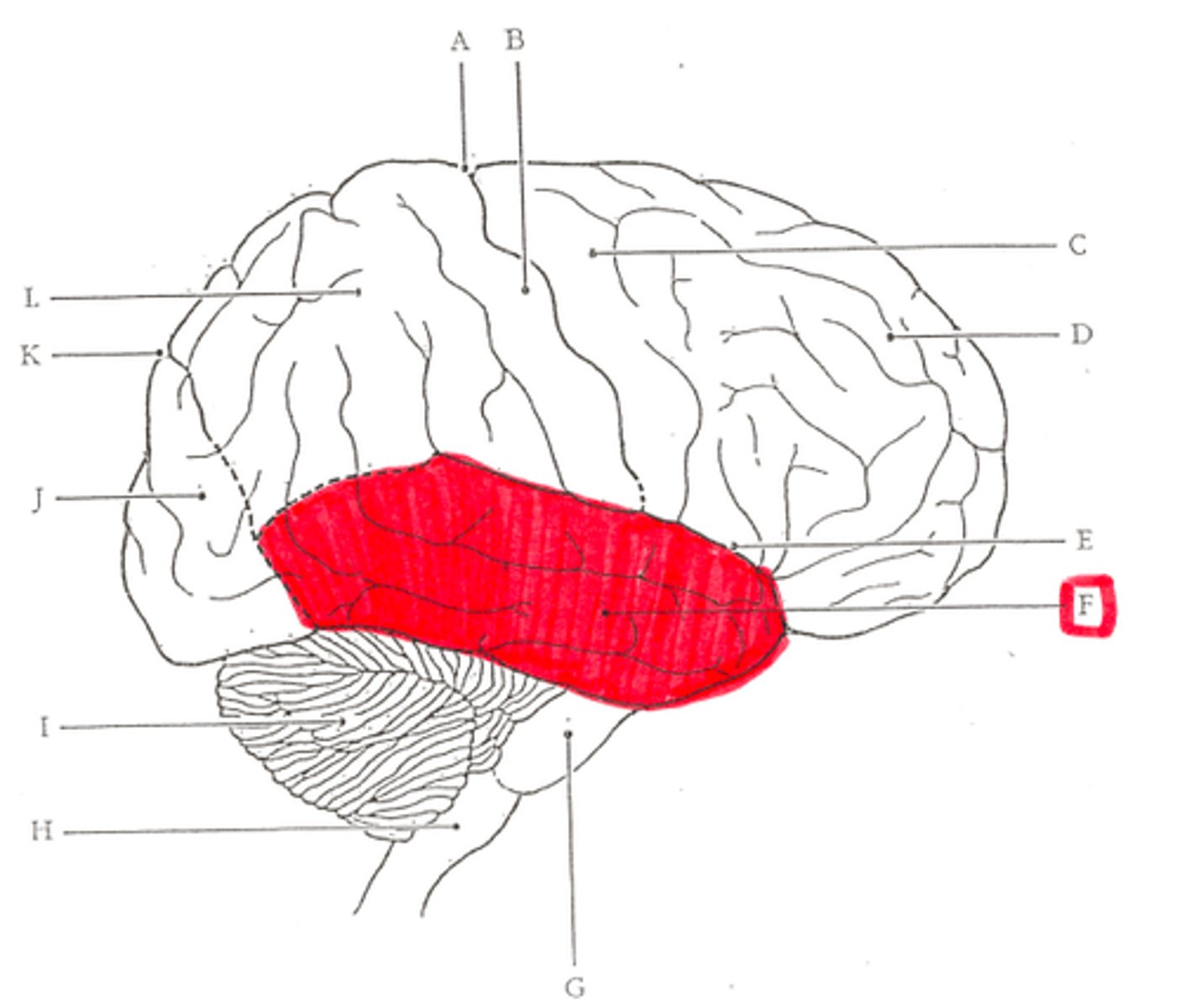
Temporal Lobe
hearing, memory, emotions
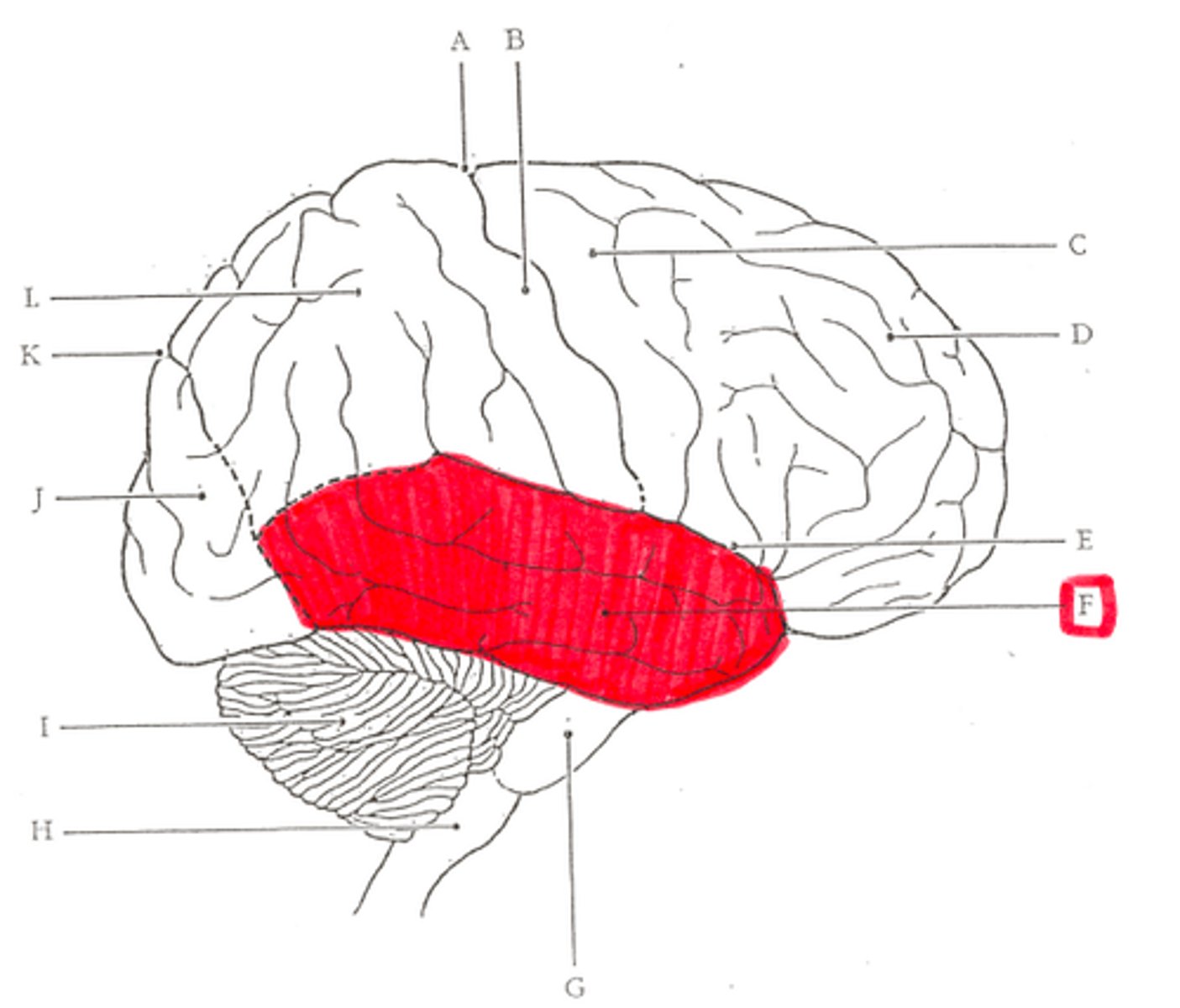
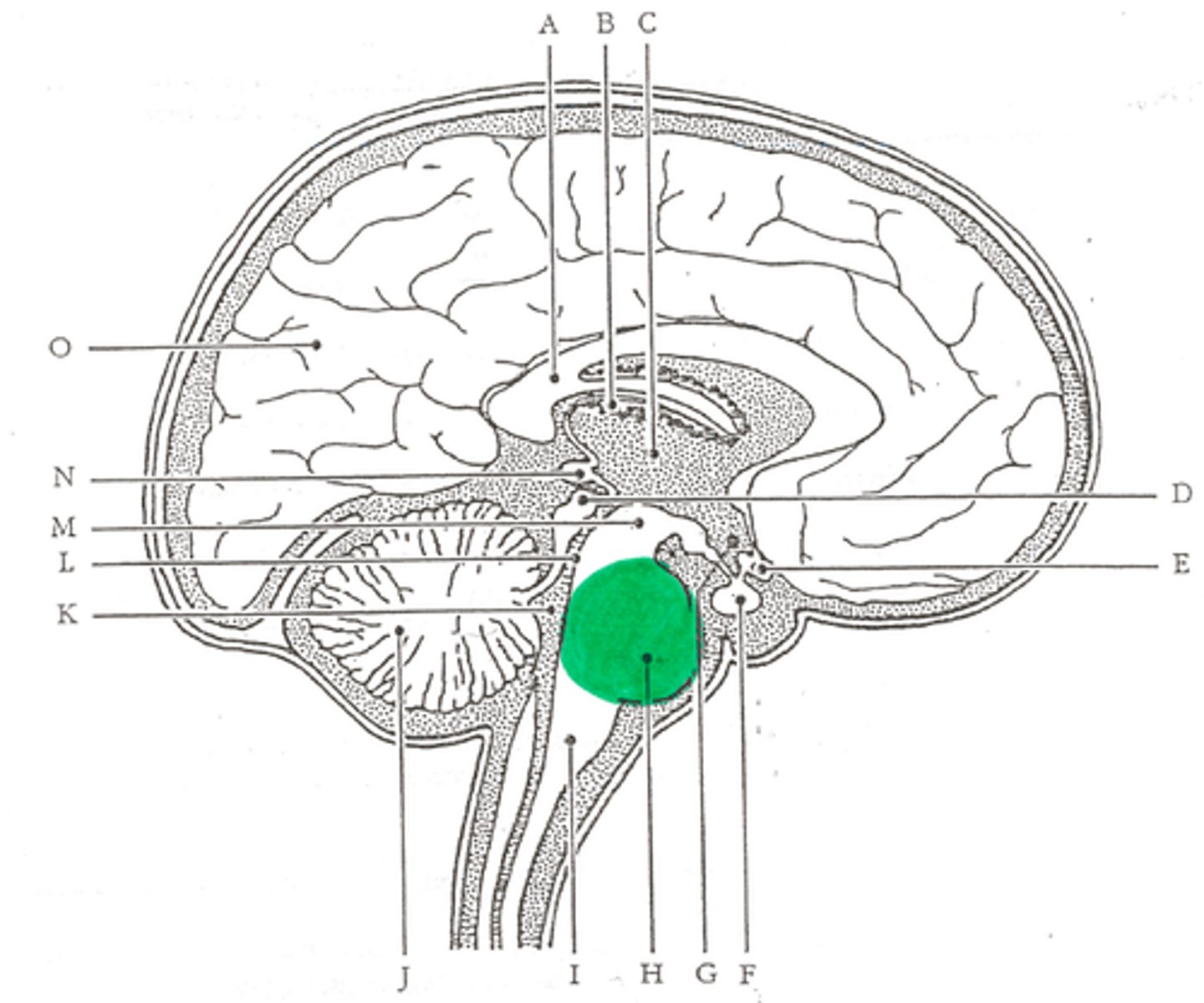
Pons
A brain structure that relays information from the cerebellum to the rest of the brain, plays a role in breathing
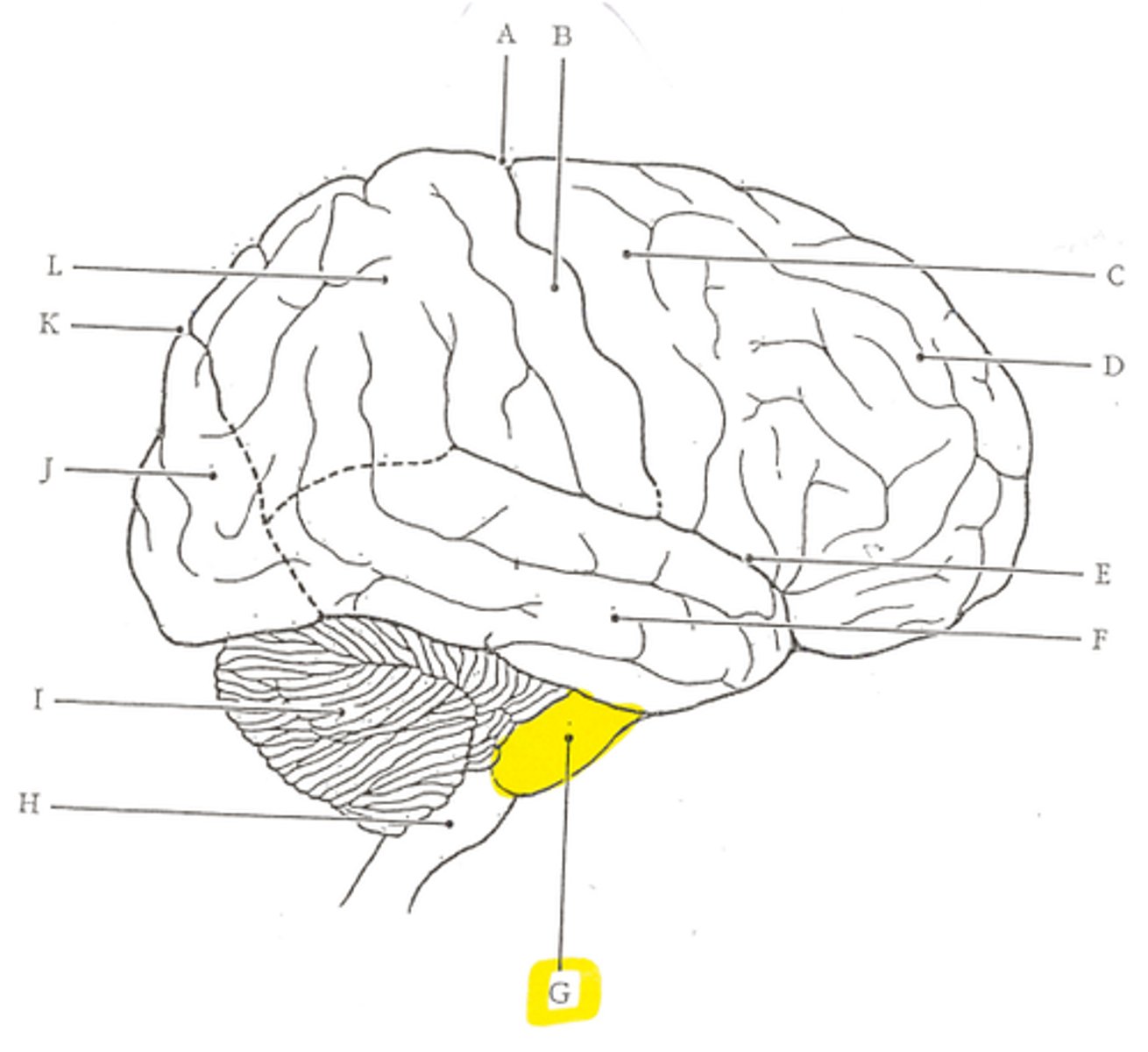
Pons
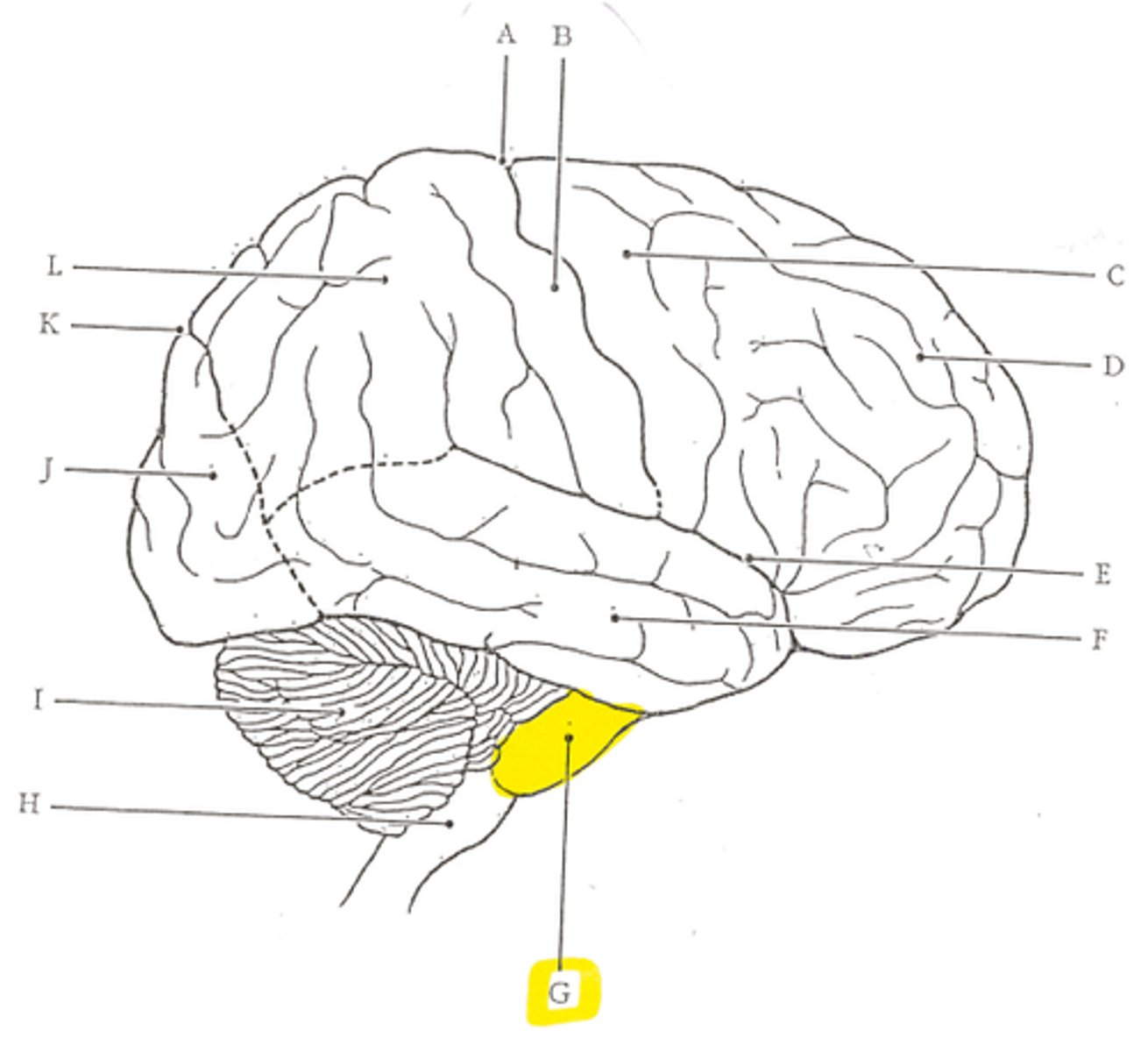
Medulla Oblongata
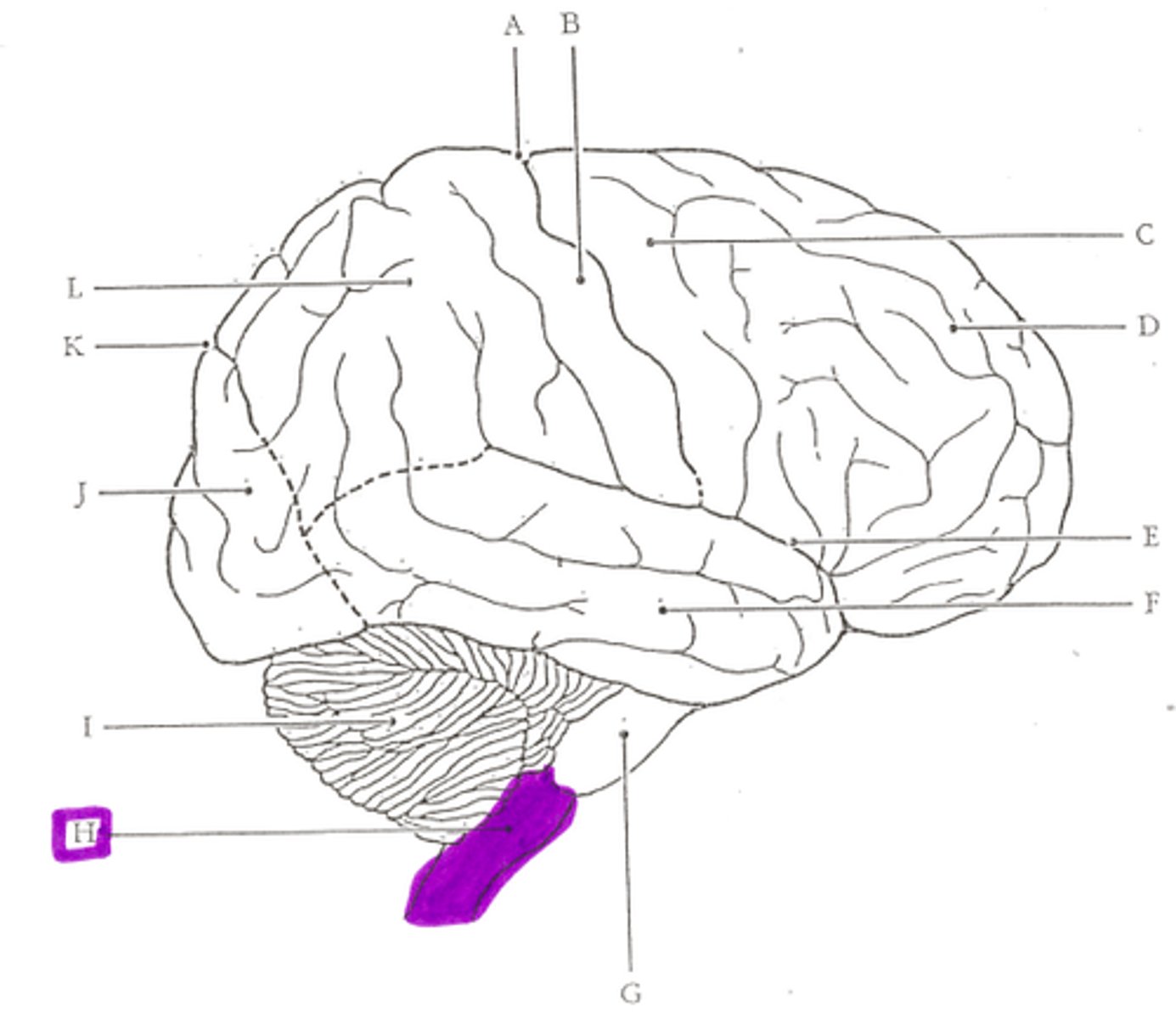
Medulla Oblongata
Part of the brainstem that controls vital life-sustaining functions such as heartbeat, breathing, blood pressure, and digestion.
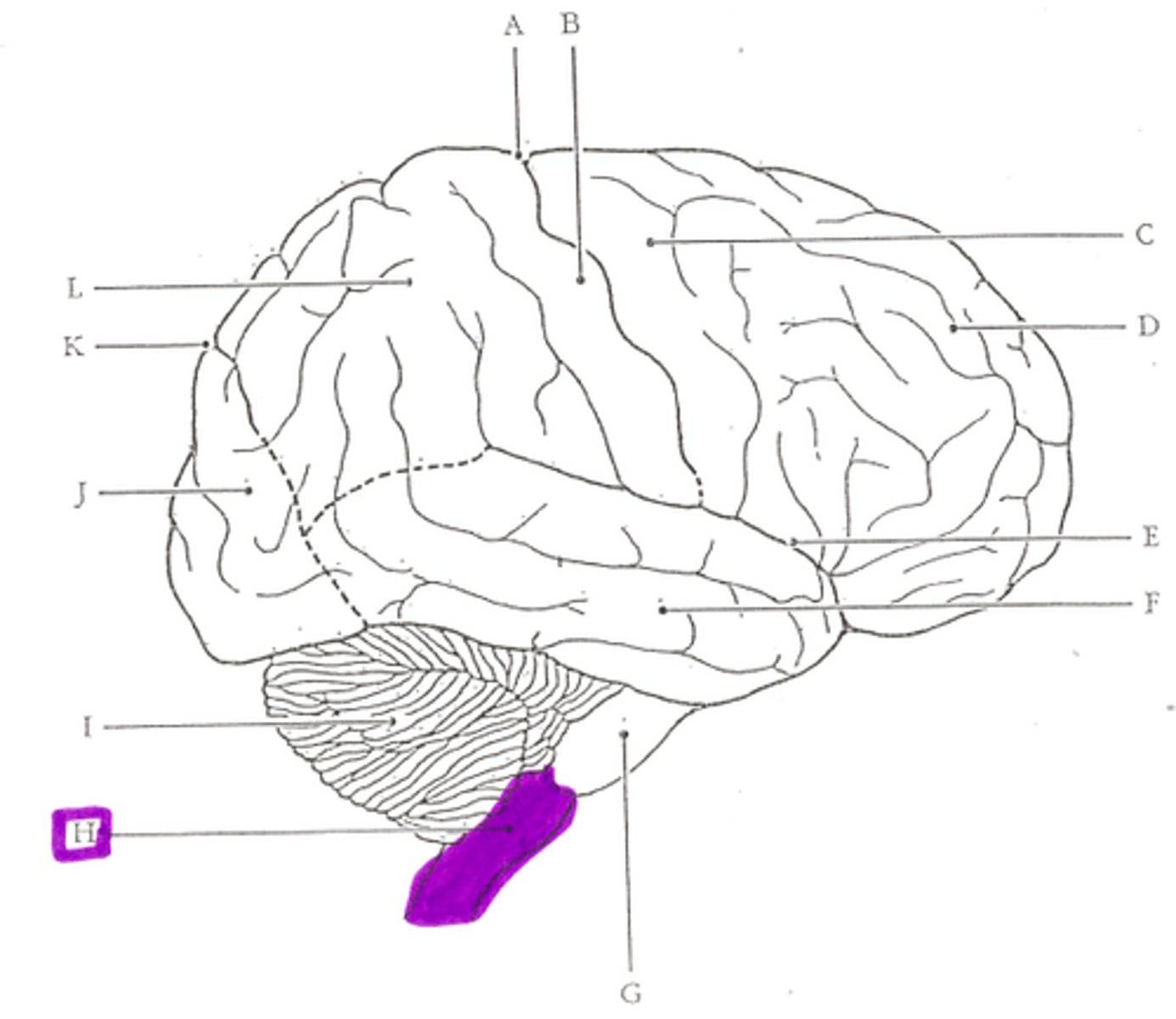
Cerebellum
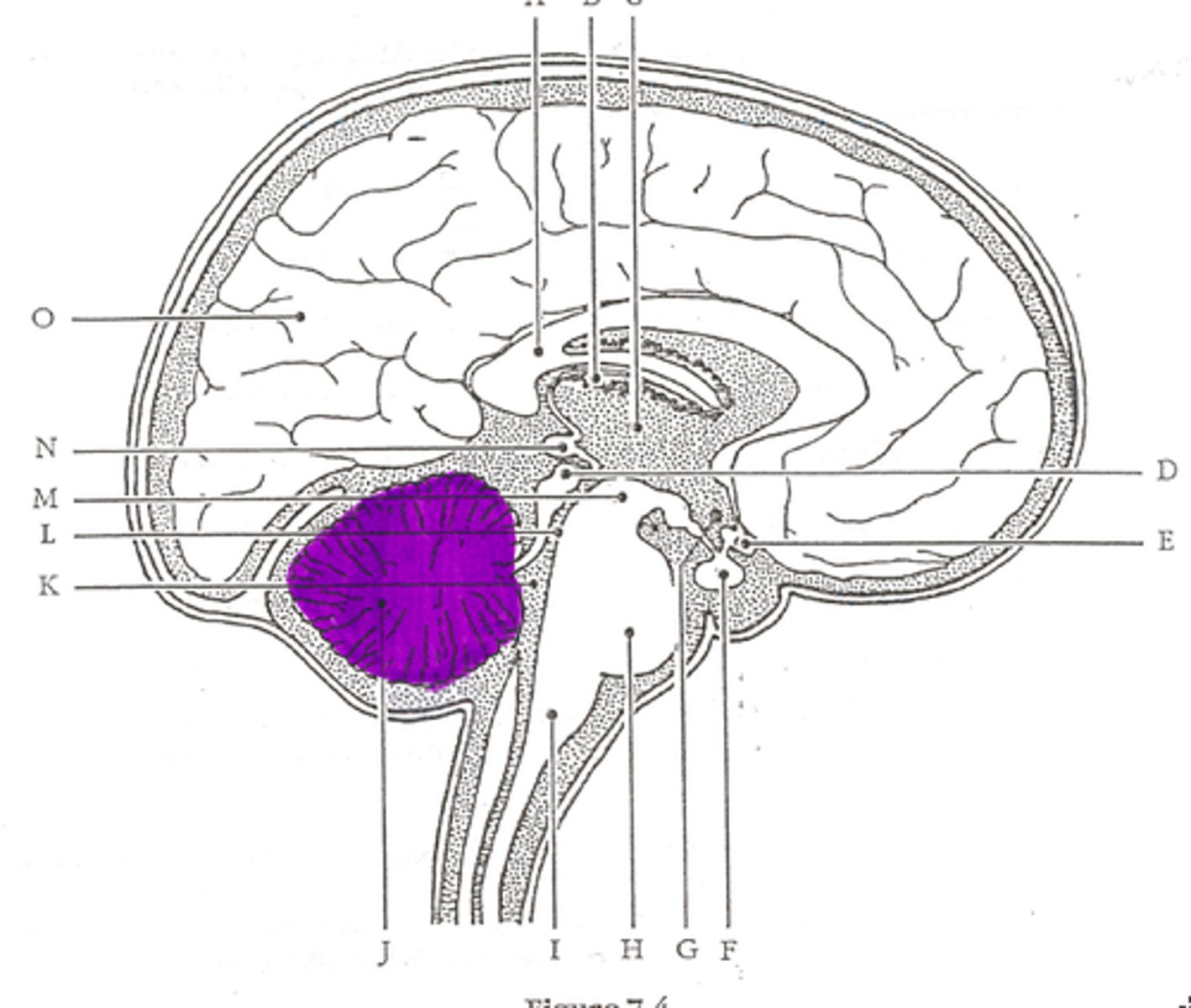
Medulla Oblongata
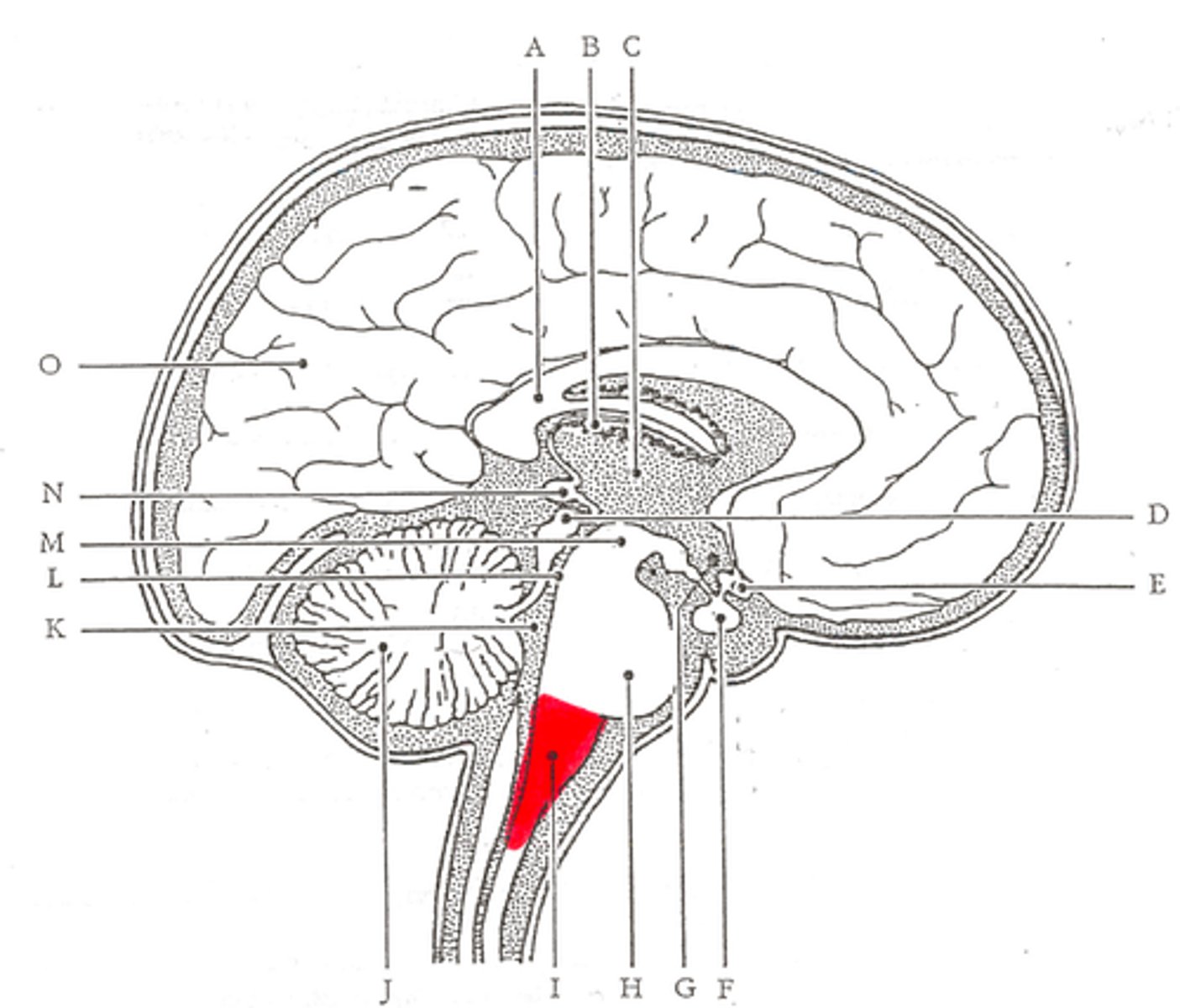
Pons
Pituitary Gland
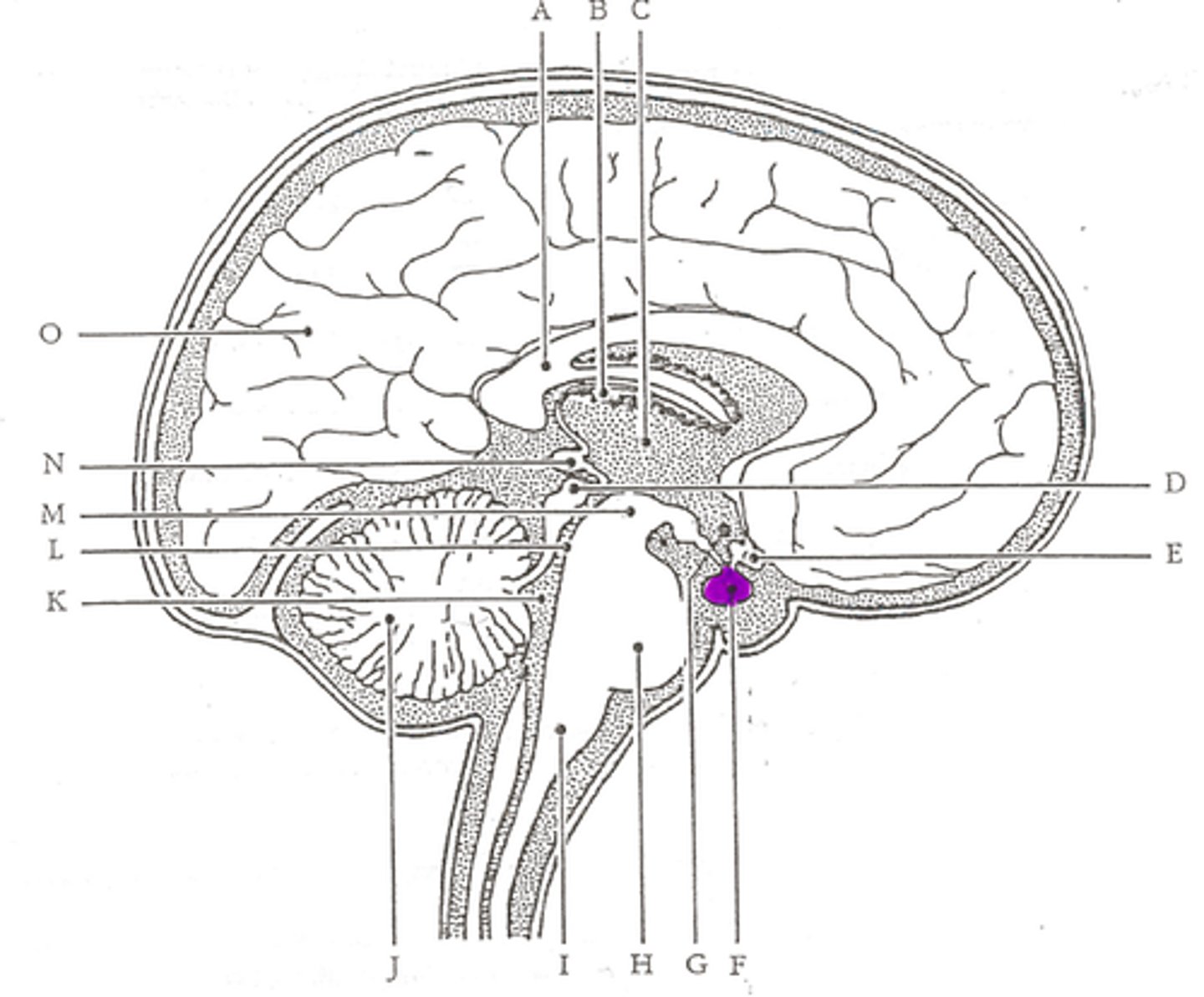
Pituitary Gland
Under the influence of the hypothalamus, releases hormones to control growth.
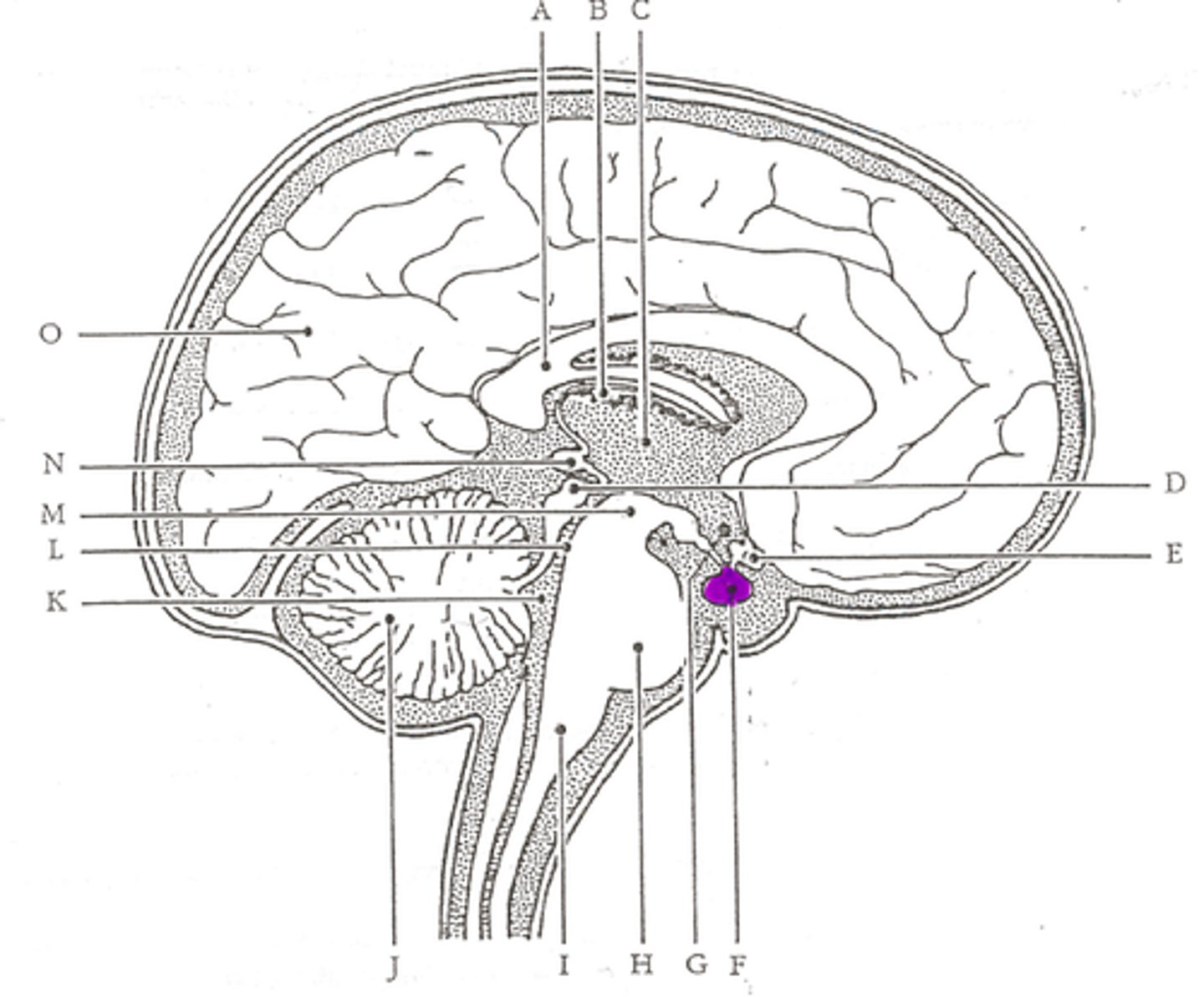
Hypothalamus
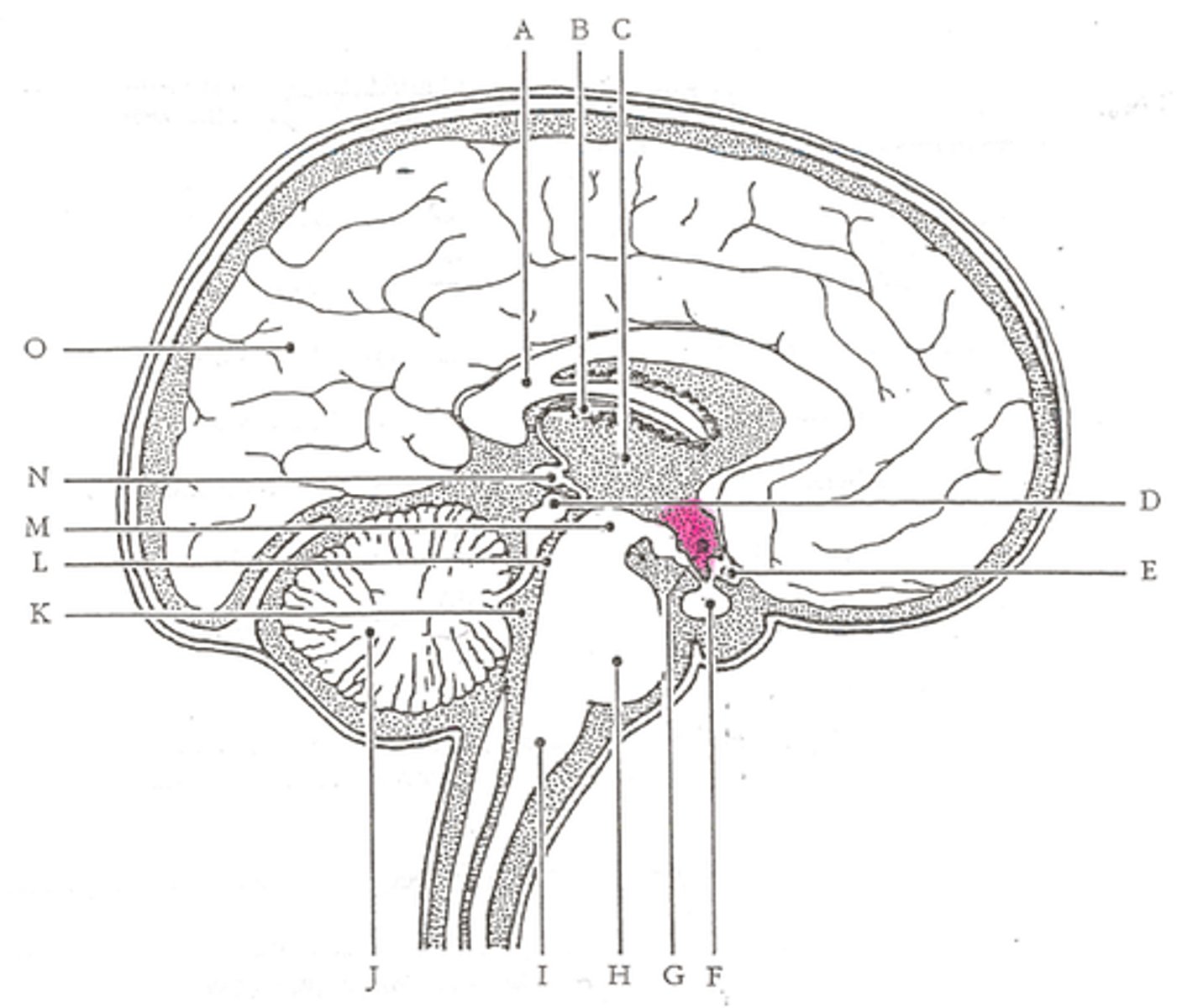
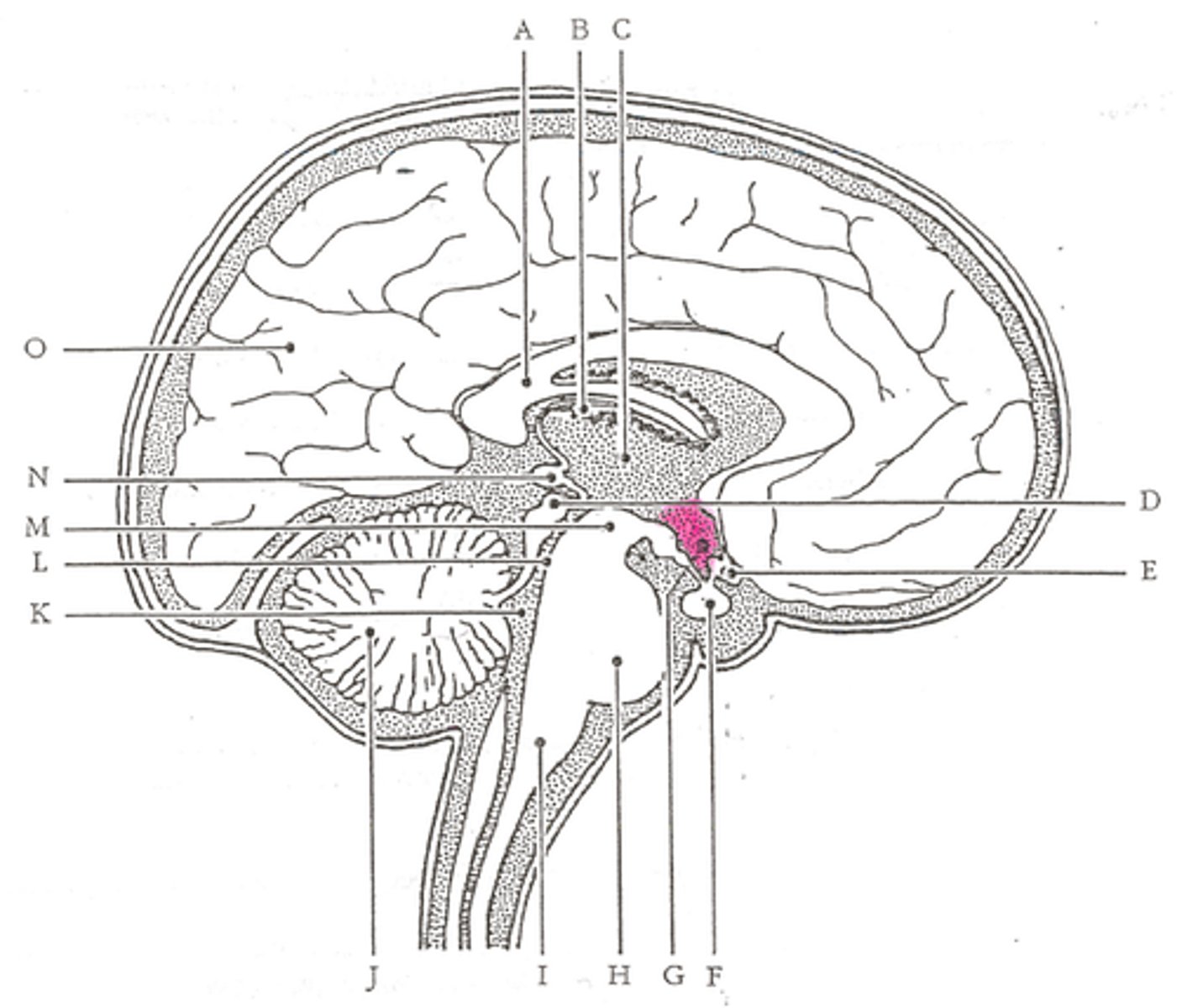
Hypothalamus
A neural structure lying below the thalamus; it directs several maintenance activities (eating, drinking, body temperature), governs the pituitary gland
Thalamus
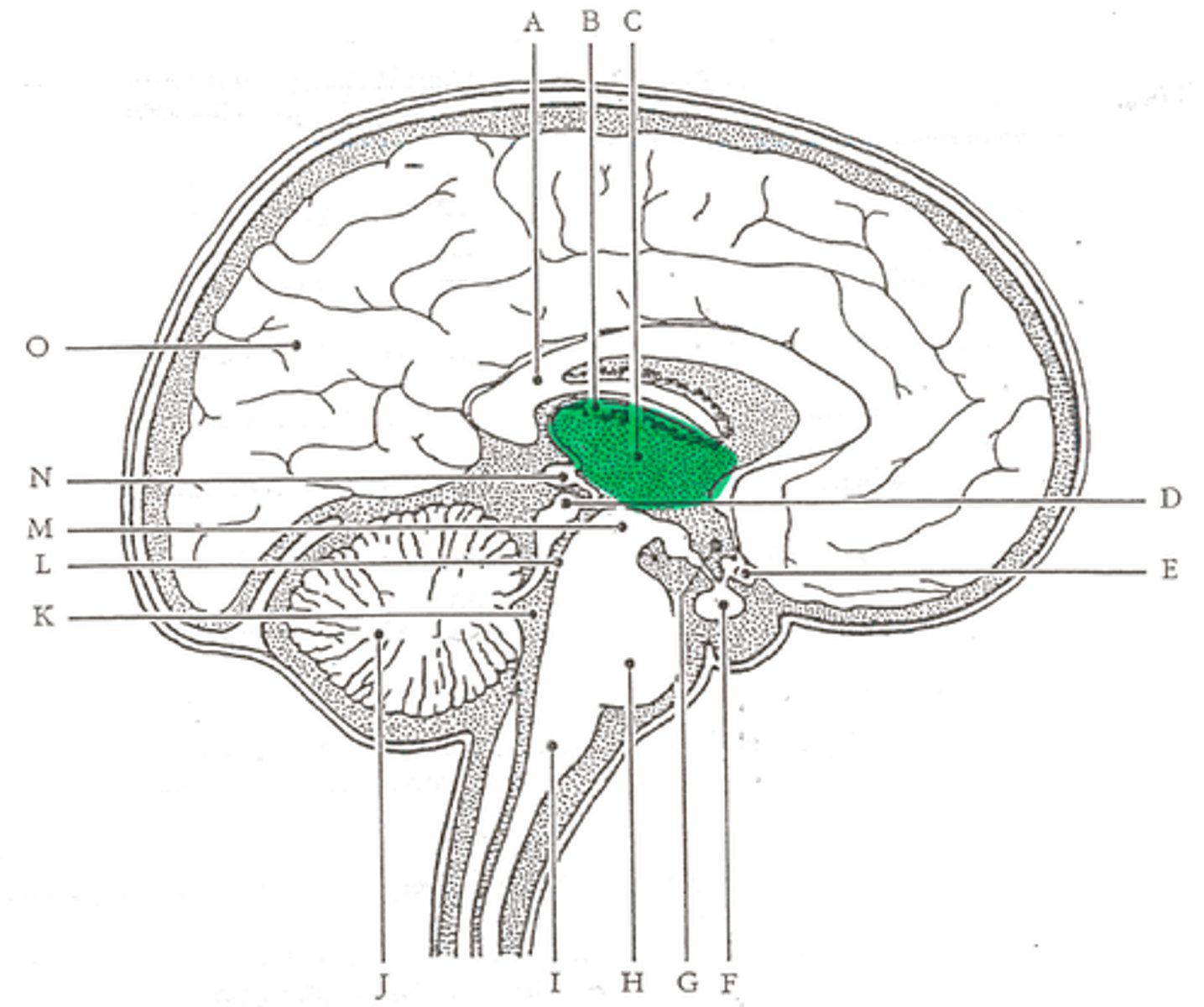
Thalamus
the brain's sensory switchboard, directs messages to the sensory receiving areas in the cerebrum, associates feelings of pleasantness or unpleasantness with sensations.
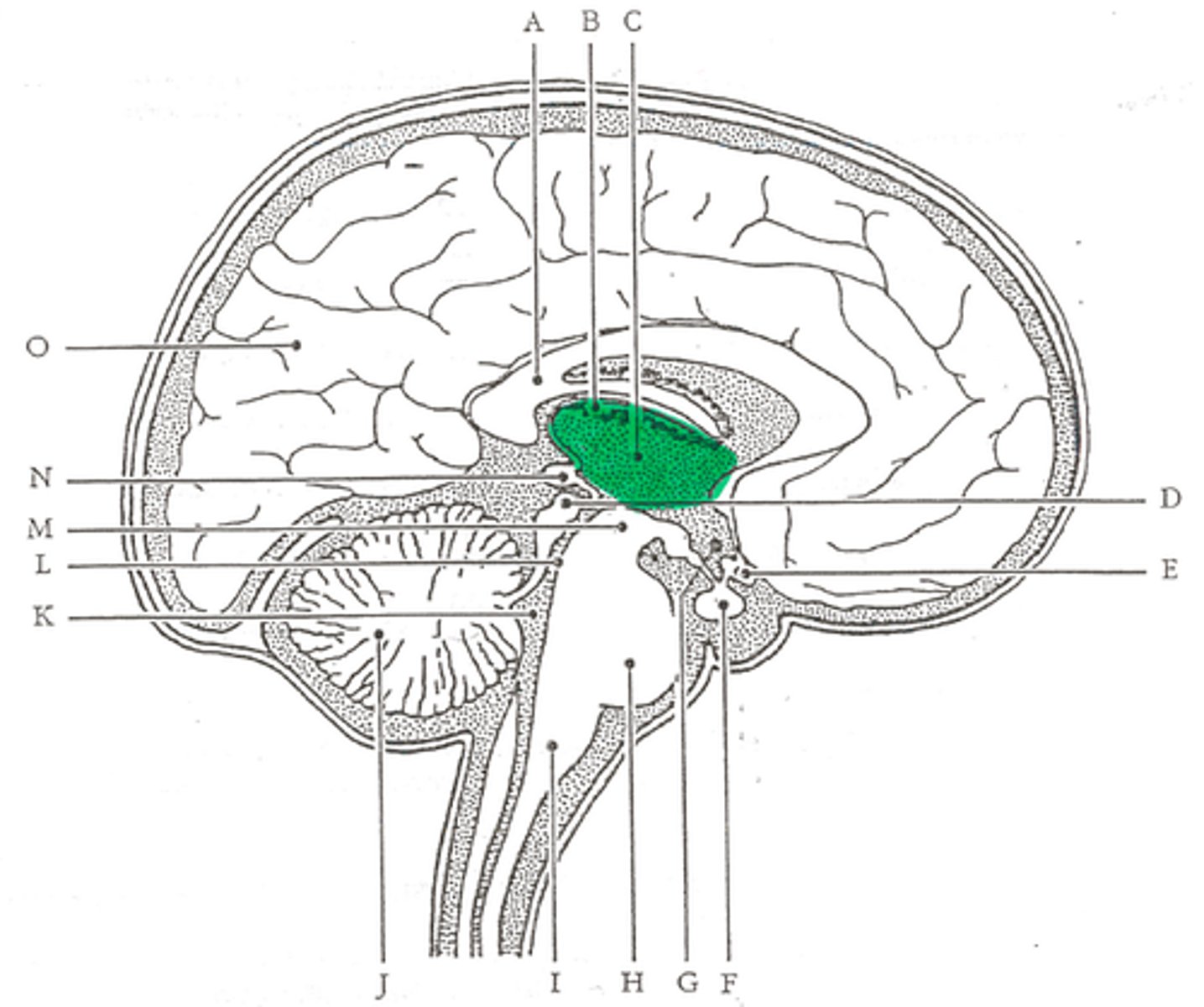
Corpus Callosum
large band of fibers connecting the two brain hemispheres and carrying messages between them
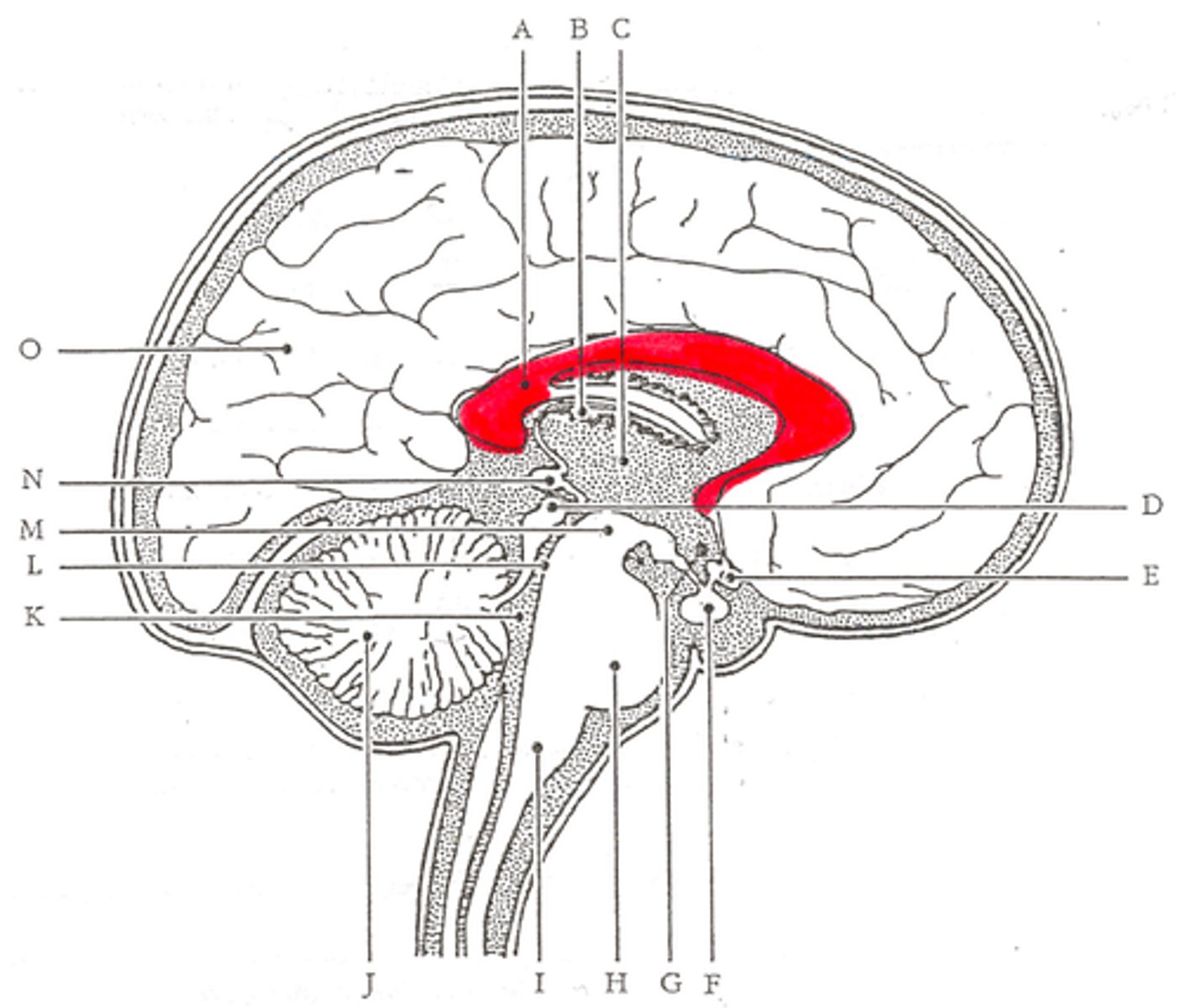
Corpus Callosum
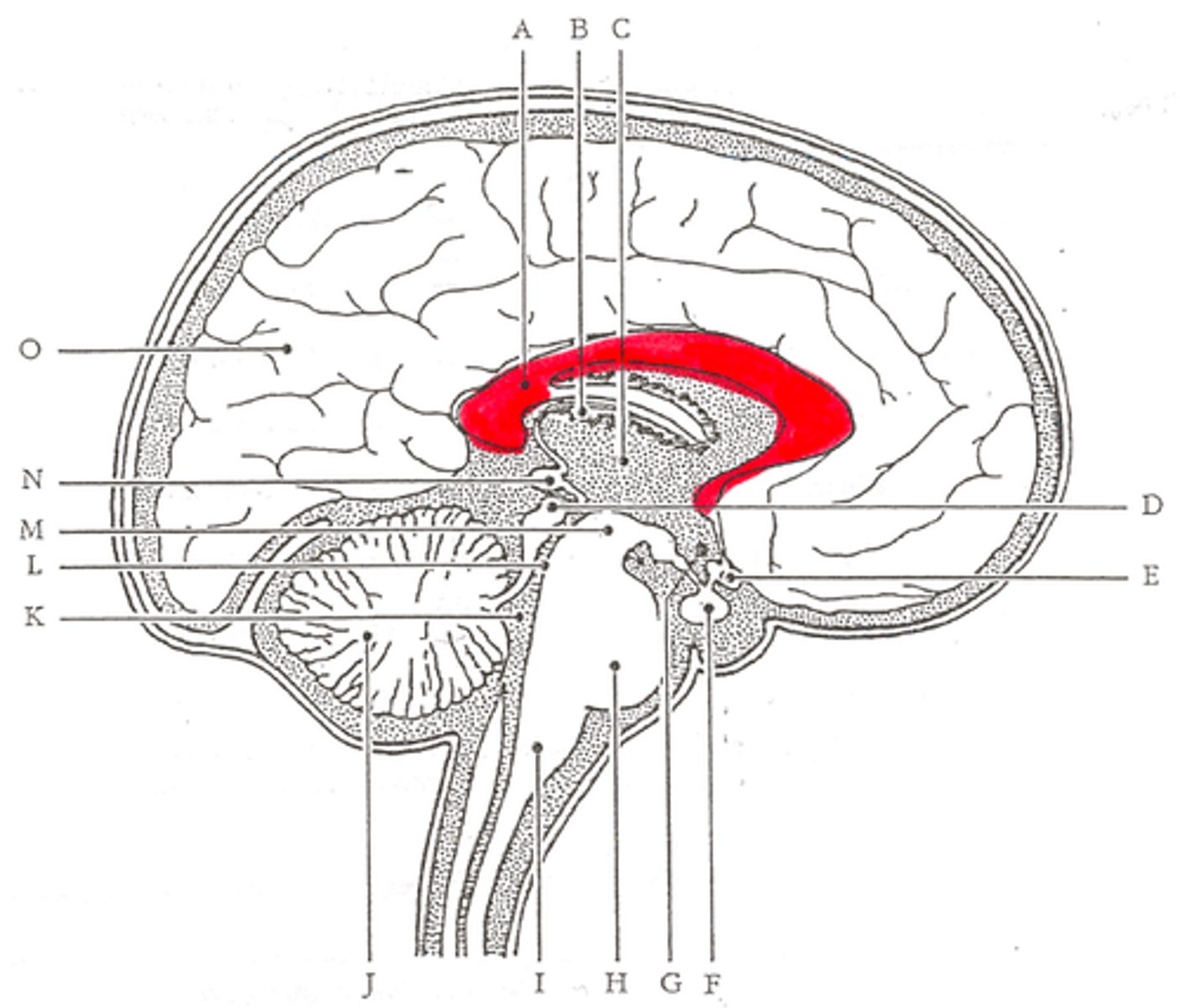
Dura Mater
Outer layer
Arachnoid Mater
Middle layer, web-like
Subarachnoid Space (CSF)
Lies between the arachnoid mater and the pia mater
Pia Mater
Inner layer
Cerebrum
Largest part of the brain associate with higher mental functions.
Diencephalon
Processes sensory input
Cerebellum
Skeletal muscle coordination, equilibrium and balance
Brain Stem
Pons, midbrain & medulla oblongata - coordinates and regulates visceral (organ) activities
Frontal Lobe
Motor decisions, personality traits, abstract reasoning and skeletal muscle control
Parietal Lobe
Sensory (temperature, touch, pain, pressure)
Temporal Lobe
Auditory, memory
Occipital Lobe
Vision
Cerebral Cortex
Thin gray (unmyelinated) layer on the outside of the cerebrum
Longitudinal Fissure
Divides the cerebral hemispheres
Corpus Callosum
Connects the cerebral hemispheres
Central Fissure
Divides the frontal and parietal lobes
Parieto-occipital Fissure
Divides the occipital and parietal lobes
Broca's Area
Responsible for speech production
Wernicke's area
language comprehension
Thalamus
Relay station for sensory impulses, produces emotions of pleasantness or unpleasantness with sensations
Hypothalamus
Homeostasis controller! Controls appetite, body temperature, sex drive, water balance, metabolism and pleasure
Pineal Gland
Melatonin secretion (body's clock)
Pituitary Gland
Secretes hormones under control of hypothalamus
Midbrain
Relay for visual and auditory impulse; allows you to turn your head towards a sound or sight
Pons
Regulates respiratory rhythm (breathing)
Medulla Oblongata
Controls vital functions - BP, heart rate, coughing, breathing, sneezing, swallowing, vomiting
Gyri
Ridges / folds
Sulci
Shallow groove
Fissure
Deep groove
Motor decisions, personality traits, abstract reasoning and skeletal muscle control
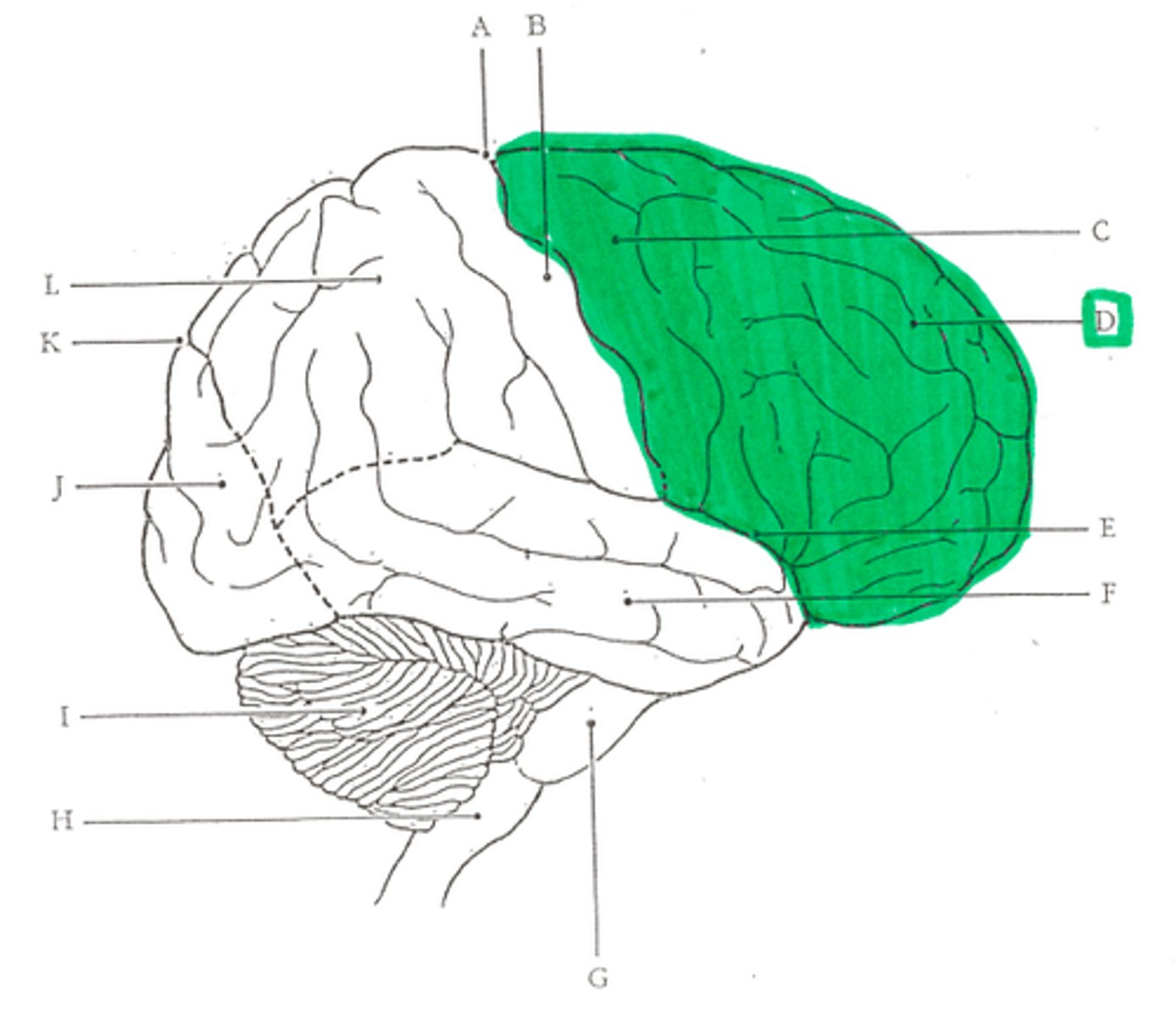
Divides the frontal and parietal lobes
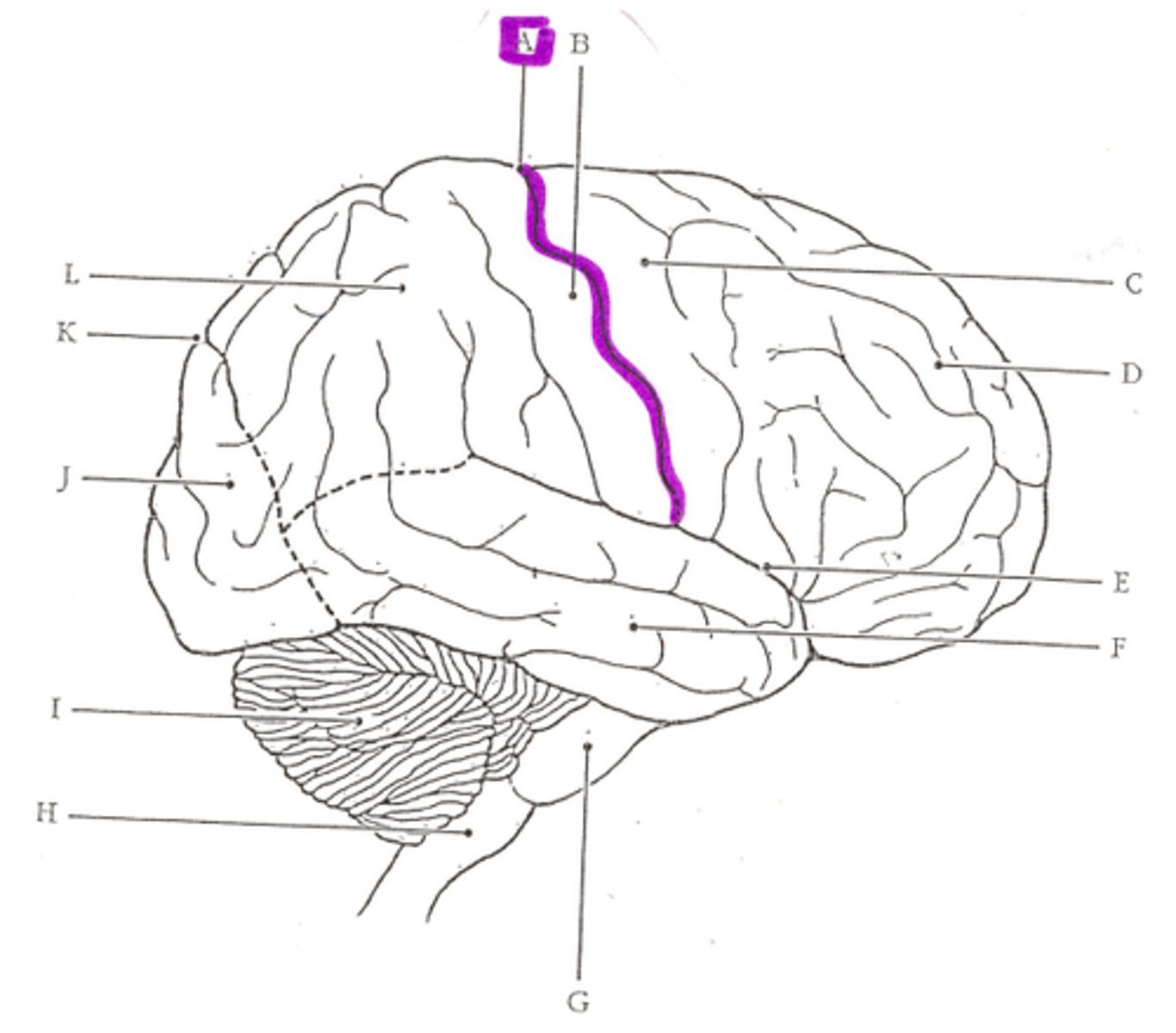
Sensory (temperature, touch, pain, pressure)
Divides the occipital and parietal lobes
Skeletal muscle coordination, equilibrium and balance
Vision
Auditory, Memory
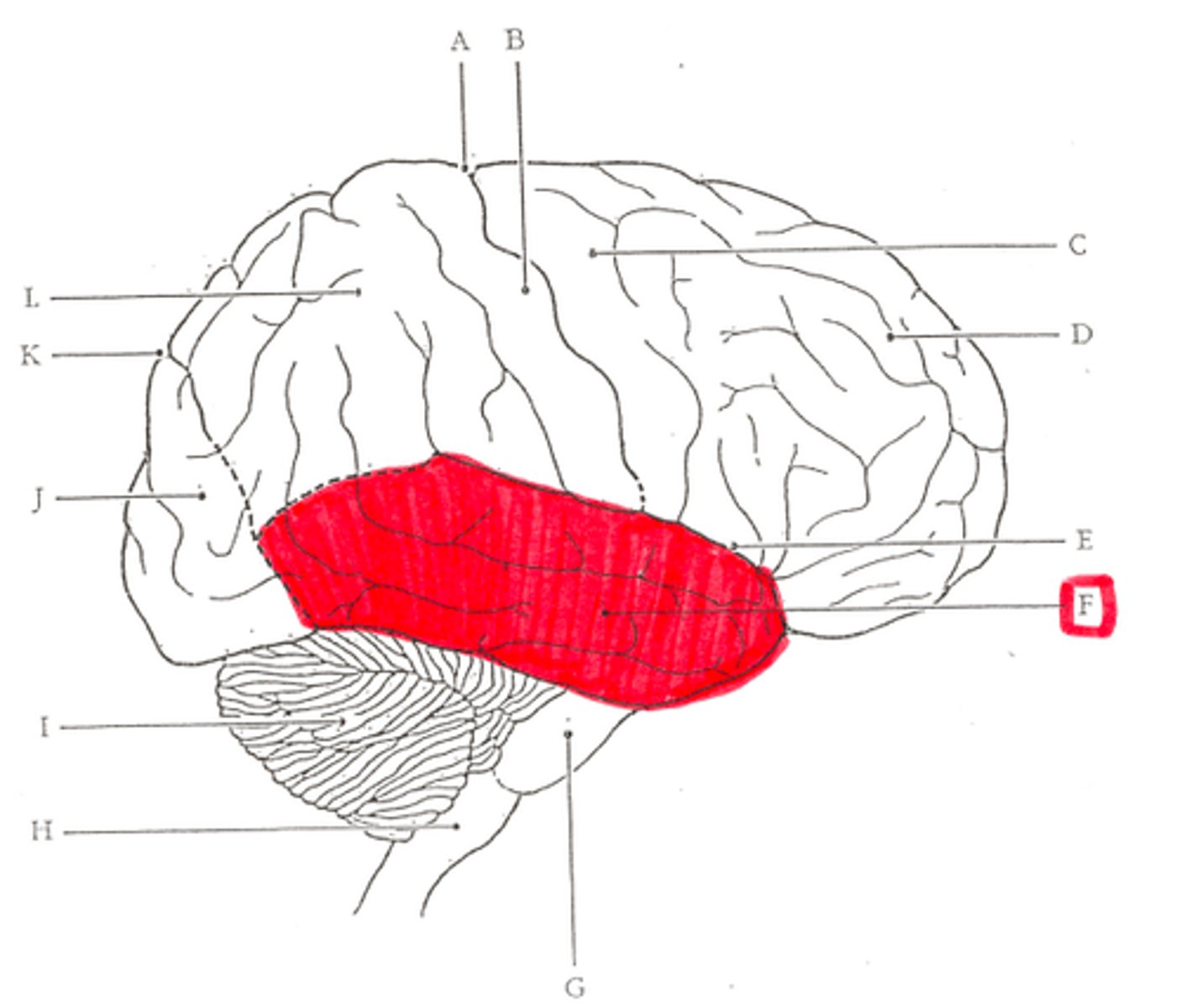
Regulates respiratory rhythm (breathing)
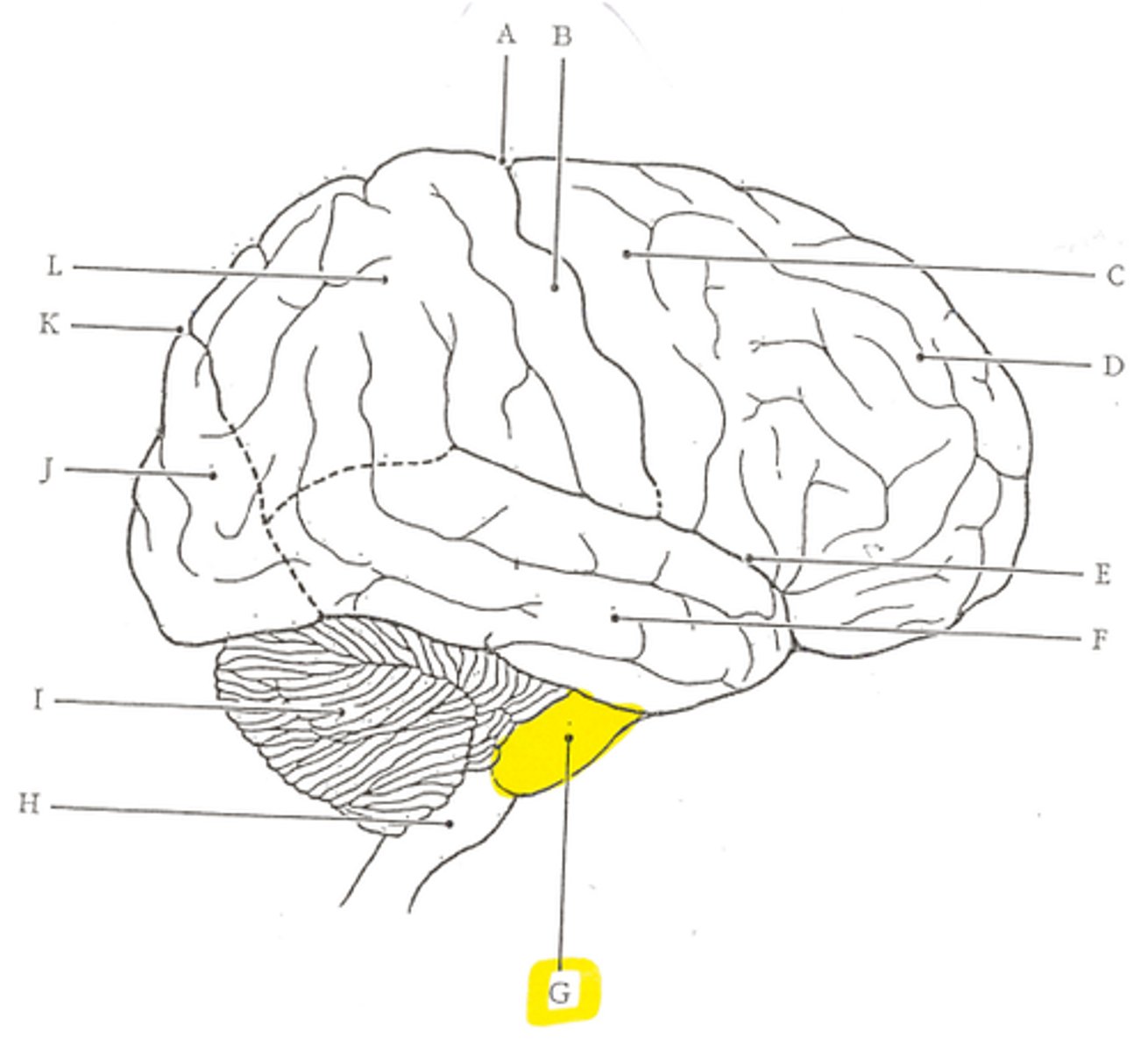
Controls vital functions - BP, heart rate, coughing, breathing, sneezing, swallowing, vomiting
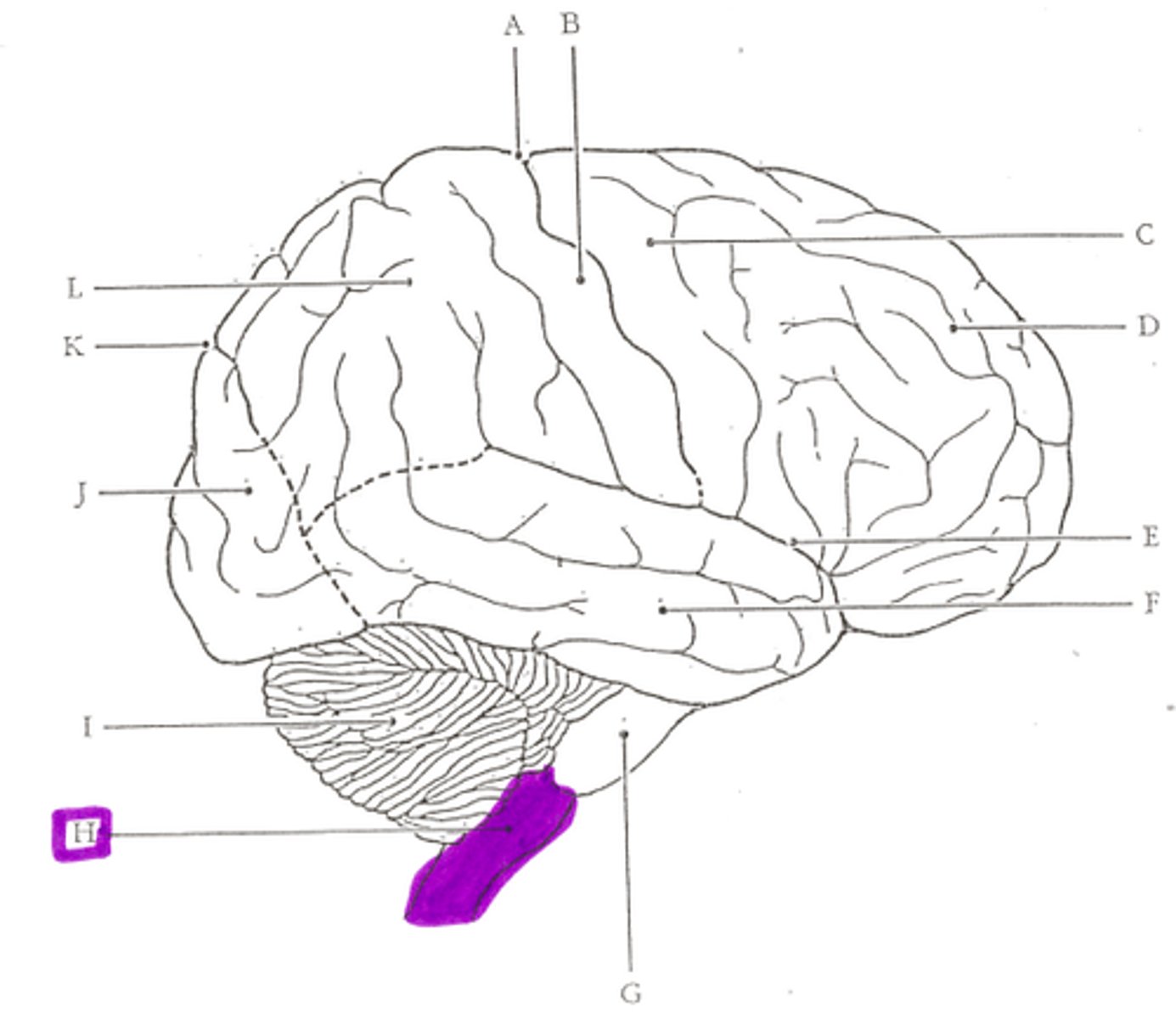
 Note
Note  Flashcards (32)