Herpetology
 View linked note
 Call Kai
 Learn
Learn Practice Test
 Spaced Repetition
 Match
Match Flashcards
 Knowt Play
1/32

There's no tags or description
Looks like no tags are added yet.
Name | Mastery | Learn | Test | Matching | Spaced | Call with Kai | Chat |
|---|
No analytics yet
Send a link to your students to track their progress
33 Terms
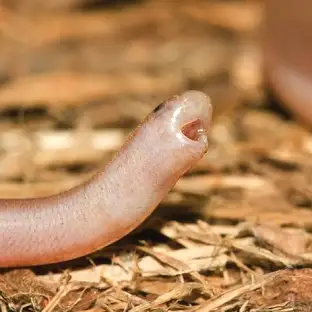
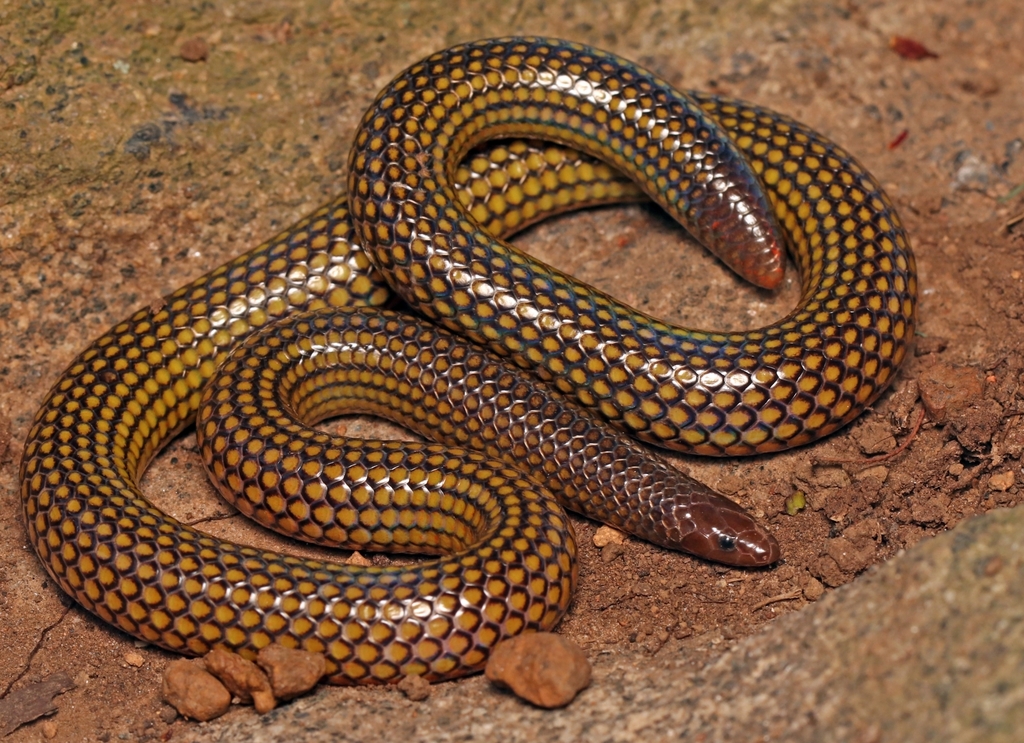
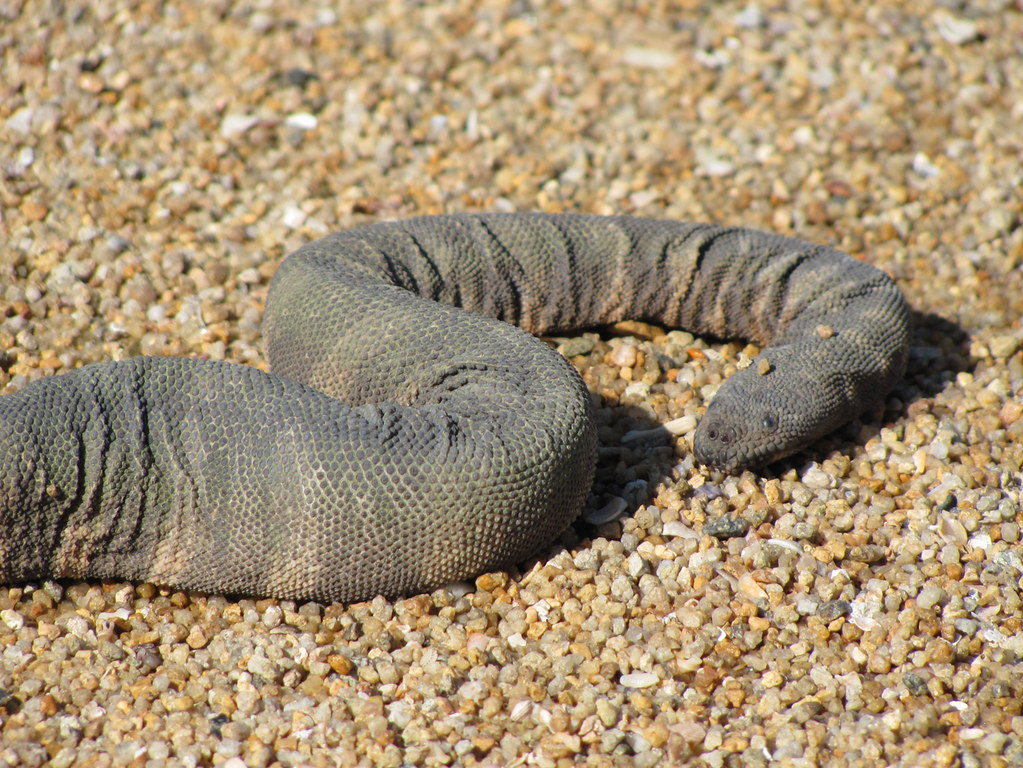
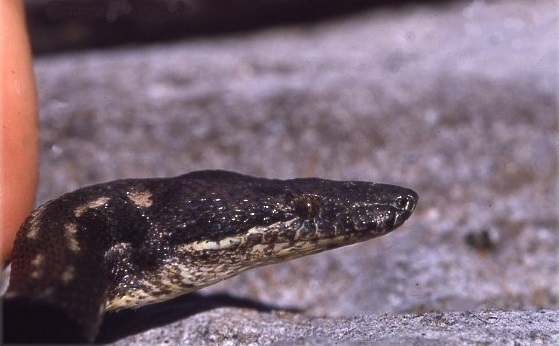
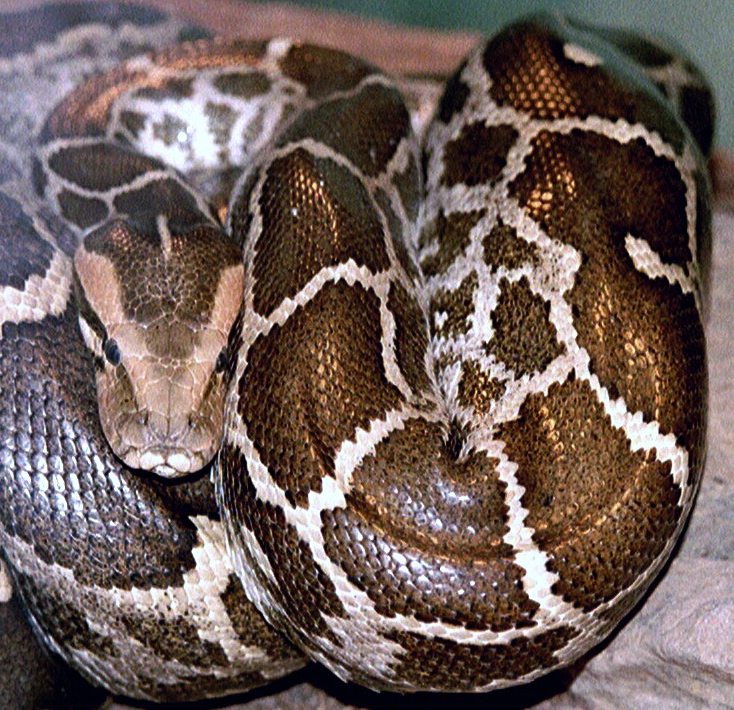
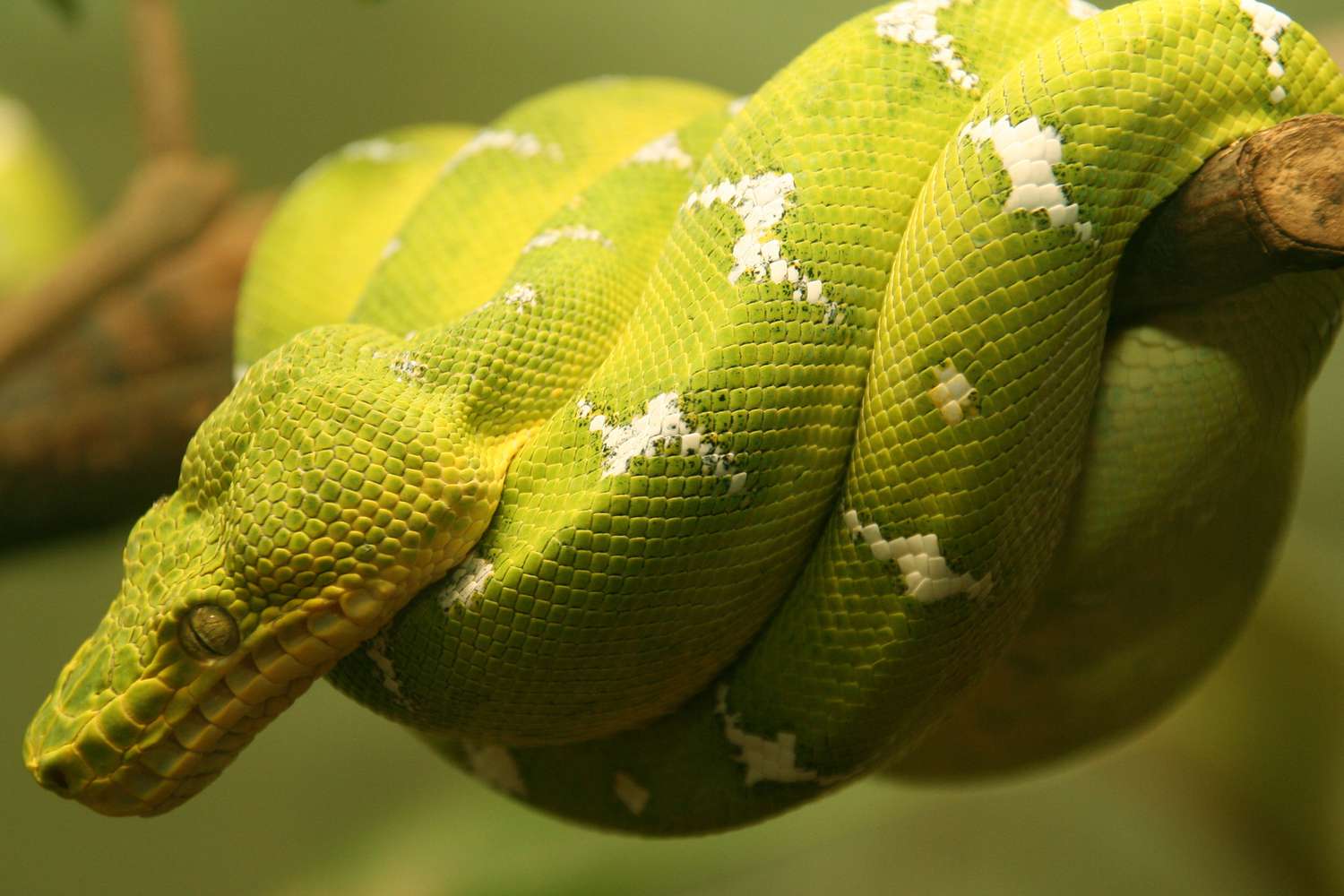
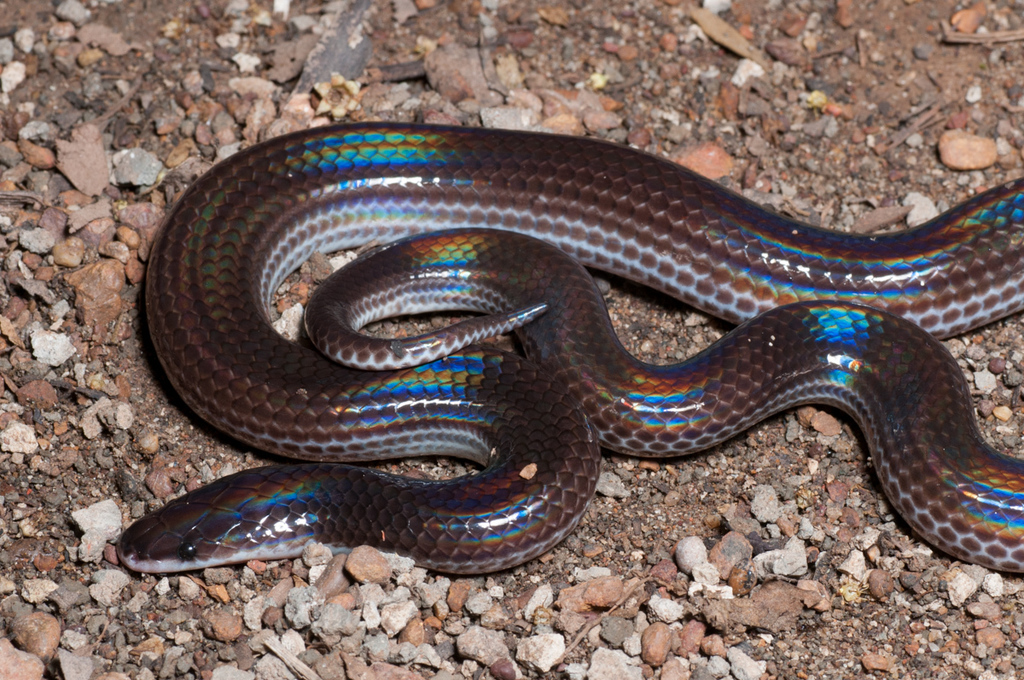
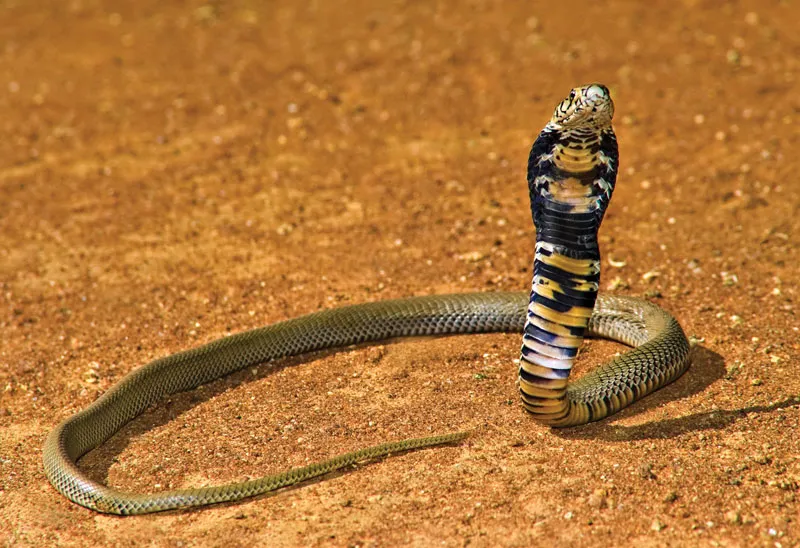
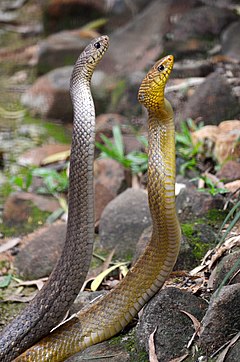
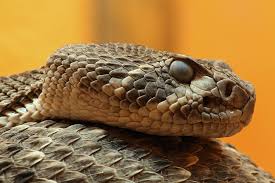
Forked tongues
Samples odors that are then detected by the Jacobson’s organ.
How do snakes detect prey?
Chemical cues, visual cues, touch, and infrared heat detection.
How fast can a snake strike?
15 to 90 milliseconds
What make snake teeth unique?
Snake teeth are recurved, meaning they curve backwards towards the digestive tract which helps them grip the prey and pull them further into their mouths when they try to escape.
Alligatoridae
alligators and caimans
Crocodylidae
crocodiles (+ false gharials?)
Gavialidae
gharials (+ false gharials?)
Skull
Crocodile skull is skinny/smushed while alligator skull is wider.
Teeth
Both have enlarged tooth near the front of lower jaw. Crocodiles tooth tends to protude more while alligator’s tooth is hidden (fits into a socket in the upper jaw).
Trunk
Alligators have broad, U-shaped snouts and crocodiles have narrow, V shaped snouts.
Limbs
Alligators have short limbs and webbed feet while crocodiles have long limbs and separated toes.
Tail
Alligators are taller than wider with tall crests of scales and crocodiles tails are flat on the sides with scales that stick up.
Osteoderms
Bony plates under the skin that serve as armor and aid in temperature regulation
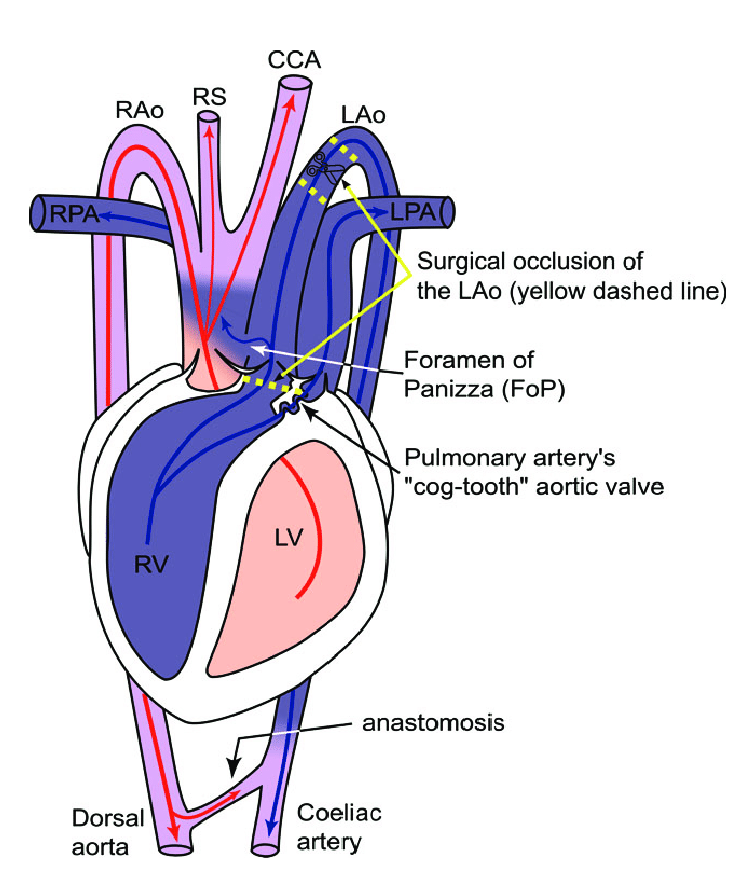
Heart
Four-chambered heart with a special valve that allows them to shunt blood away from their lungs during conditions such as prolonged submersion.
Foramina
A hole that connects the left and right aorta in the heart.
Eyes
Nearly 270 degrees of vision, third eyelid (nictitating membrane) acts as “goggles”, retractable eyeball for protection, tapetum lucidum for enhanced night vision, and a horizontal fovea for scanning the shoreline.