Haydn Symphony 104 Movement 3 MINUET
 Studied by 2 people
 Call Kai
 Learn
Learn Practice Test
 Spaced Repetition
 Match
Match Flashcards
 Knowt Play
1/38

There's no tags or description
Looks like no tags are added yet.
Name | Mastery | Learn | Test | Matching | Spaced | Call with Kai |
|---|
No analytics yet
Send a link to your students to track their progress
39 Terms
Main Tonality of the Minuet
D major

Time signature of the Minuet
3/4

Tempo of the Minuet
Allegro
Form and Structure of the Minuet
Section A - 8 bars (Repeated). Not exact repeat though (1-8, 9-16)
Section B - 10 bars
Section C - 8 bars
Section A1 - 8 bars
Codetta - 10 bars
B C A1 and Codetta are repeated after Codetta finishes
AA BABA
Section A
16 bars long.
Antecedent and Consequent phrase (Period) 03 - 42, 43 - 82
83 - 16 is not exact repeat of 1-8
Ends in the tonic key of D major.
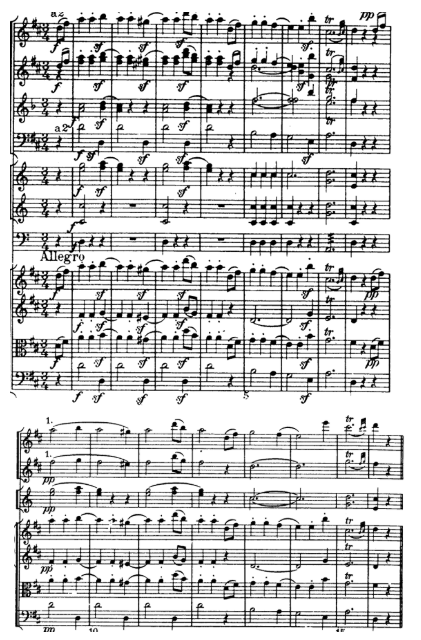
Harmony in Section A
Perfect cadence in D major 7-8, 15-16
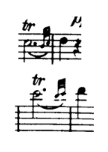
Rhythm in Section A
Lots of anacruses - Leads into the next phrase.
Mainly crotchets, minims (sometimes dotted minims) and rarely shorter note values e.g. quavers
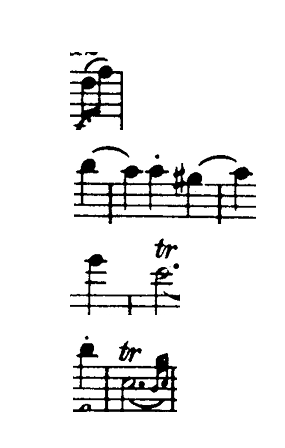
Articulation in Section A
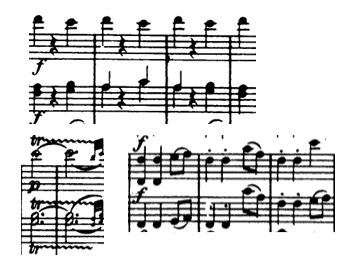
Mainly staccato notes
Not a lot of slurred / legato notes but they come in at the anacruses when they do
Texture in Section A
Full orchestra during bars 1-8. (Tutti)
Thinner texture from 9-16
Overall Homophonic Texture
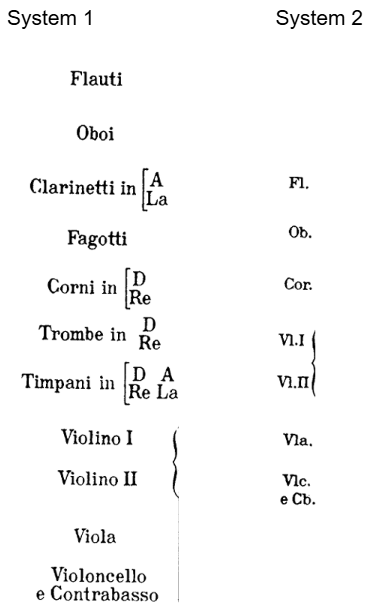
Melody in Section A
Minor 7th fall (B-C# 63-71)
Ornamentation into the perfect cadences (7, 15)
Conjunct movement mainly
Opening 3 notes (DF#A) Makes triadic chord. Perfect 5th between D and A. Similar to Movement 1
Tonic pedal notes in Cello and Bass (1-4, 9-12)

Dynamics in Section A
Bars 1-8 are forte with forzandos on the 3rd beat of nearly each bar. Emphasises the 3rd beat and creates the anacrusis feel.
9-16 is piano and the only dynamic change is on the crotchet before the trill in bar 15
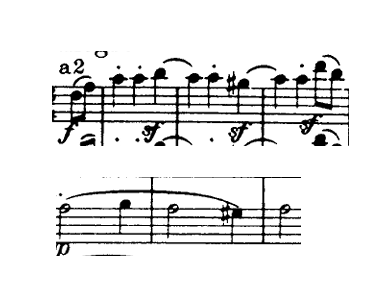
Section B
10 bars long
17-26
Starts the same as Section A but an octave lower in the violin 1
Repeats after codetta
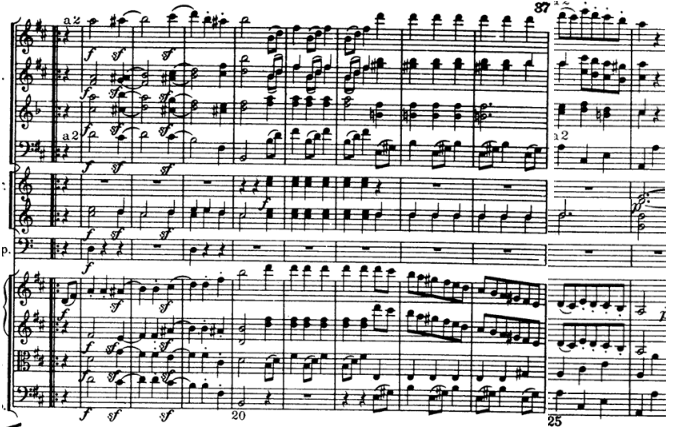
Harmony in Section B
Modulates to B minor in 193, diminished feel
Chord shifts to E major in 223, acts as V7
Bar 26 ends in a A chord (bare 5th as no C or C#)
Pedal note in Trumpet 223-26
Circle of 5ths 203 - 262
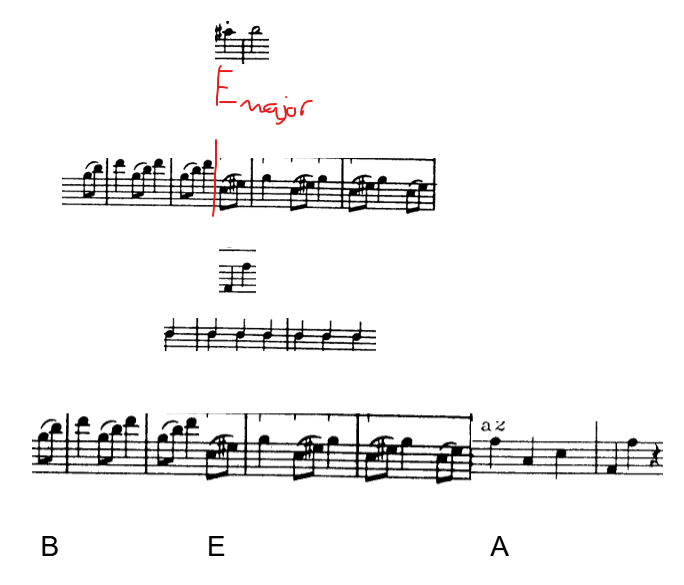
Rhythm in Section B
Anacrusis into the start of section B, same as section A
Hemiola 203-251
More quavers seen in this section than in section A
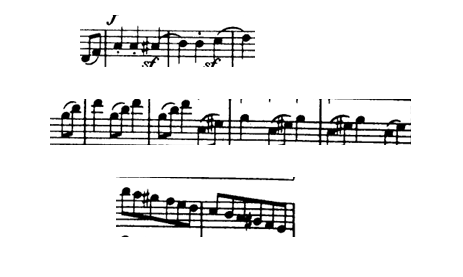
Articulation in Section B
Slurred notes on the anacrusis beats normally
Slurred on the quavers in the hemiola
Still staccato more prominently in this section
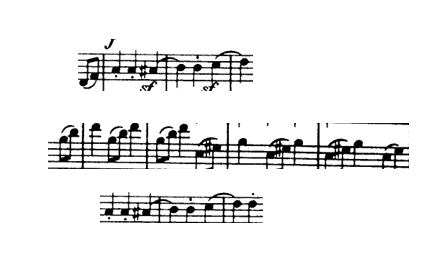
Texture in Section B
Full orchestra playing throughout the whole section although timpani plays the least.
Octave texture at the start of the section
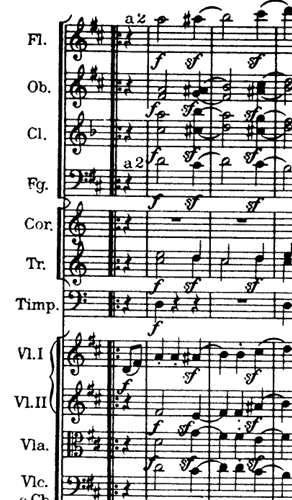
Melody in Section B
Mostly conjunct movement
Mainly descending movement, particularly in bars 23-25
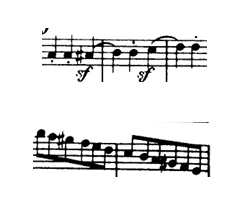
Dynamics in Section B
Starts forte with forzando bursts on the 3rd beat of bars 17 and 18
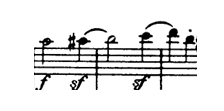
Section C
8 bars long
Bars 27-34
Starts in A major
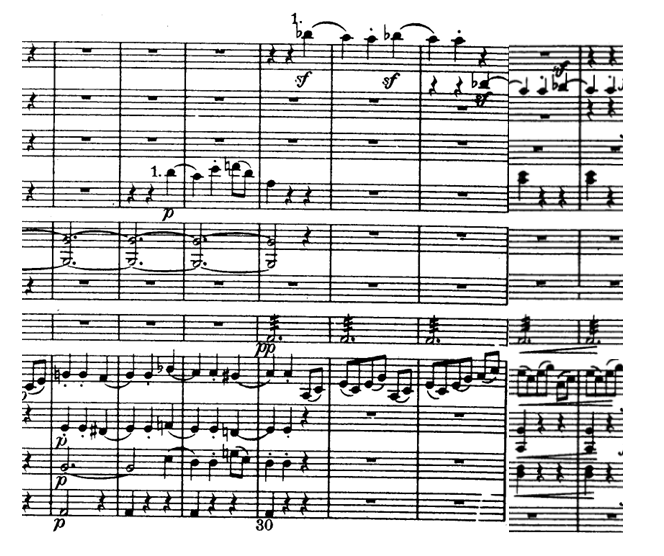
Harmony in Section C
G natural, suggests that the A major is a dominant (7th) preparation to return to D major (tonic key)
Neapolitan 6th 283 Bb D F (strings)
Sustained pedal note in Horns 27-30
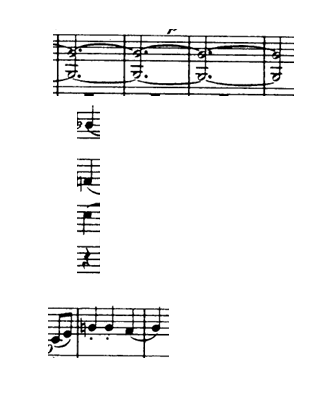
Rhythm in Section C
Mainly crotchets and quavers
Longer note values seen in bass line and horn pedal
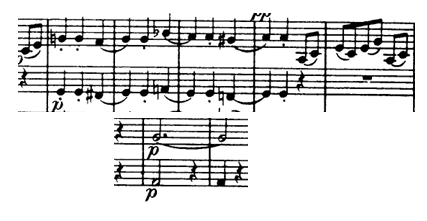
Articulation in Section C
Same articulation as earlier sections with mainly staccato notes.
However there are more slurred notes. They are in pairs.
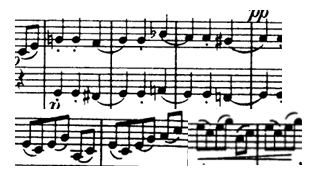
Texture in Section C
Thinner and reduced texture with fewer instruments playing (No clarinet, horn stops after the pedal, flute oboe and bassoon jump in midway through the section)
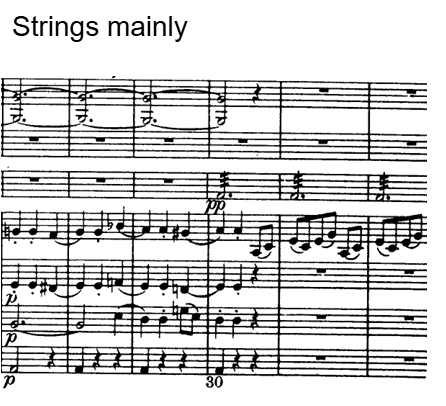
Melody in Section C
Melody in strings seems more arpeggiated / triadic
Rare big leaps
Flute and Oboe share melodic fragments of section A
Timpani roll
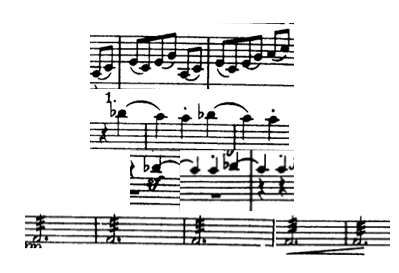
Dynamics in Section C
Reduced dynamics. Mainly piano
In Flute and Oboe’s fragments, forzando bursts on the anacrusis beats
Pianissimo on timpani roll, crescendos into next section
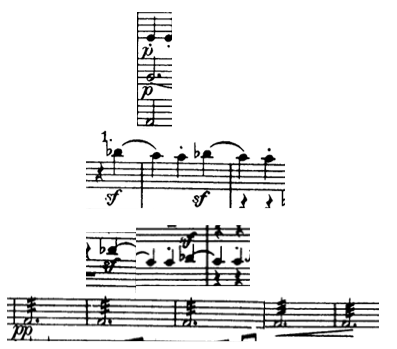
Section A1
8 bars long
35-42
In D major, similar feel to Section A. Variation of it
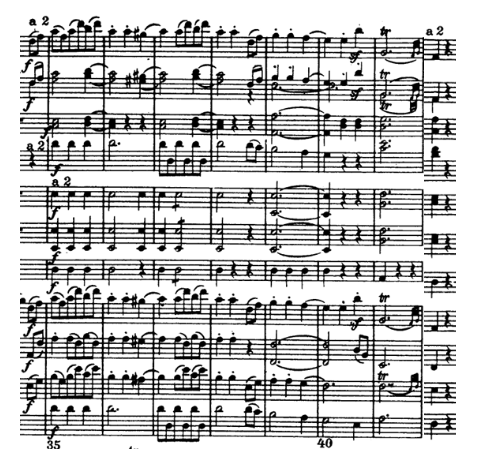
Harmony in Section A1
Tonic pedal notes on D in Horns Trumpets Timpani (35-39), Bassoons Cellos Double Basses (35-382)
Perfect cadence in D in bars 41-42 similar to how section A ended

Rhythm in Section A1
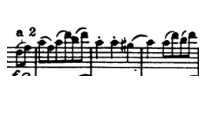
Diminution of the main theme and quaver decoration (quaver notes in between main notes of the theme)
Mainly same rhythms as before
Articulation in Section A1
More slurred pairs of quavers
Rest of articulation same as A

Texture in Section A1
Full orchestra playing (Tutti)
Homophonic like Melody and pedal accompaniment
Melody in Section A1
Mainly conjunct, Very few leaps
10th fall in Flute bar 403 - 411 (B-G)
Dynamics in Section A1
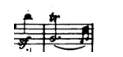
Same as Section A
Forte with forzando bursts on the 3rd beat of each bar.
Codetta
10 bars long
43-52
43-44 repeats 41-42
Fanfare figuration in Clarinets 49-52
Goes back to Section B after.
Goes to Trio after 2nd time
Harmony in Codetta
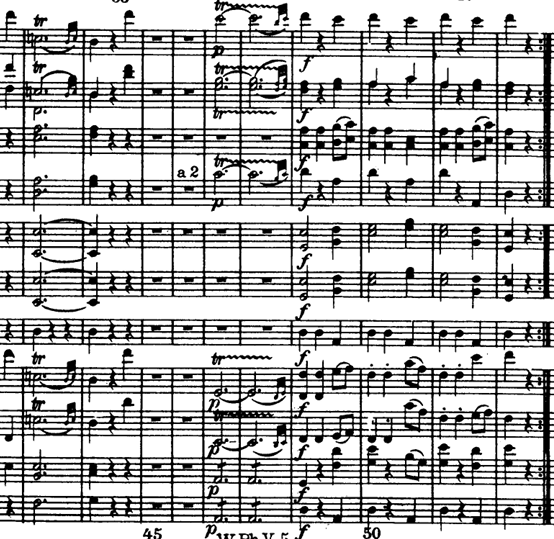
43-44 has a V65 —> 1 in G major
Dominant pedal in Viola, Cello and Double bass 47-48
4 repetitions of perfect cadences in bars 49-52
Rhythm in Codetta
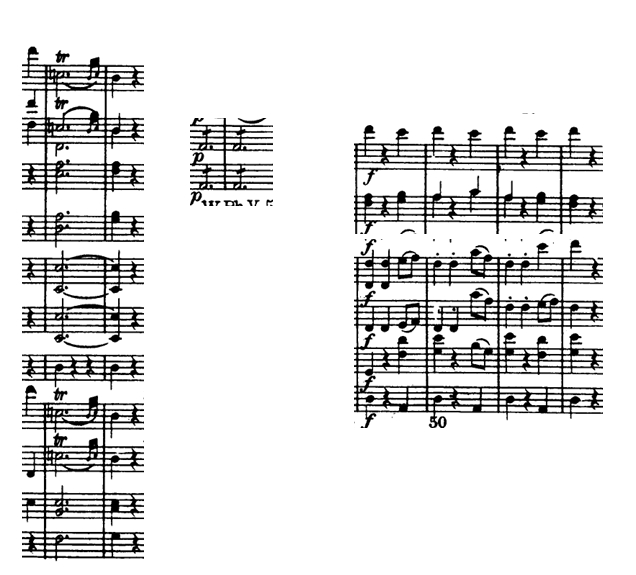
Mainly crotchets. Some dotted minims. Very few quavers

Articulation in Codetta
All legato tounged except for the anacrusis after the trills and on the third beat of bars 49-51
Texture in Codetta
Full orchestra (Tutti)
Homophonic
Melody in Codetta
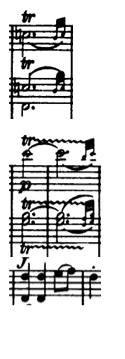
Lots of trills in this section (43, 47-48)
Double stopping in violins
Dynamics in Codetta
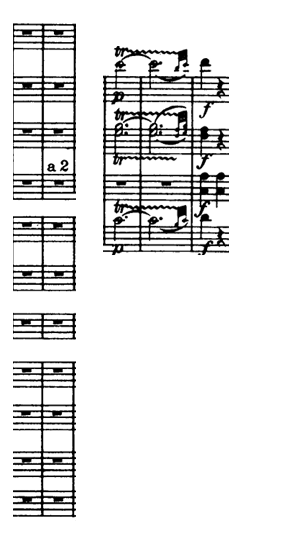
2 bar silence bars 45-46
Piano for the trill, instinctive crescendo into forte for bars 49 onwards.
 Note
Note  Flashcards (21)