Chapter 24 An Age of Modernity, Anxiety, and Imperialism, 1894-1914
 Studied by 0 people
 Call with Kai
 Learn
Learn Practice Test
 Spaced Repetition
 Match
Match Flashcards
 Knowt Play
1/27

There's no tags or description
Looks like no tags are added yet.
Name | Mastery | Learn | Test | Matching | Spaced | Call with Kai |
|---|
No analytics yet
Send a link to your students to track their progress
28 Terms
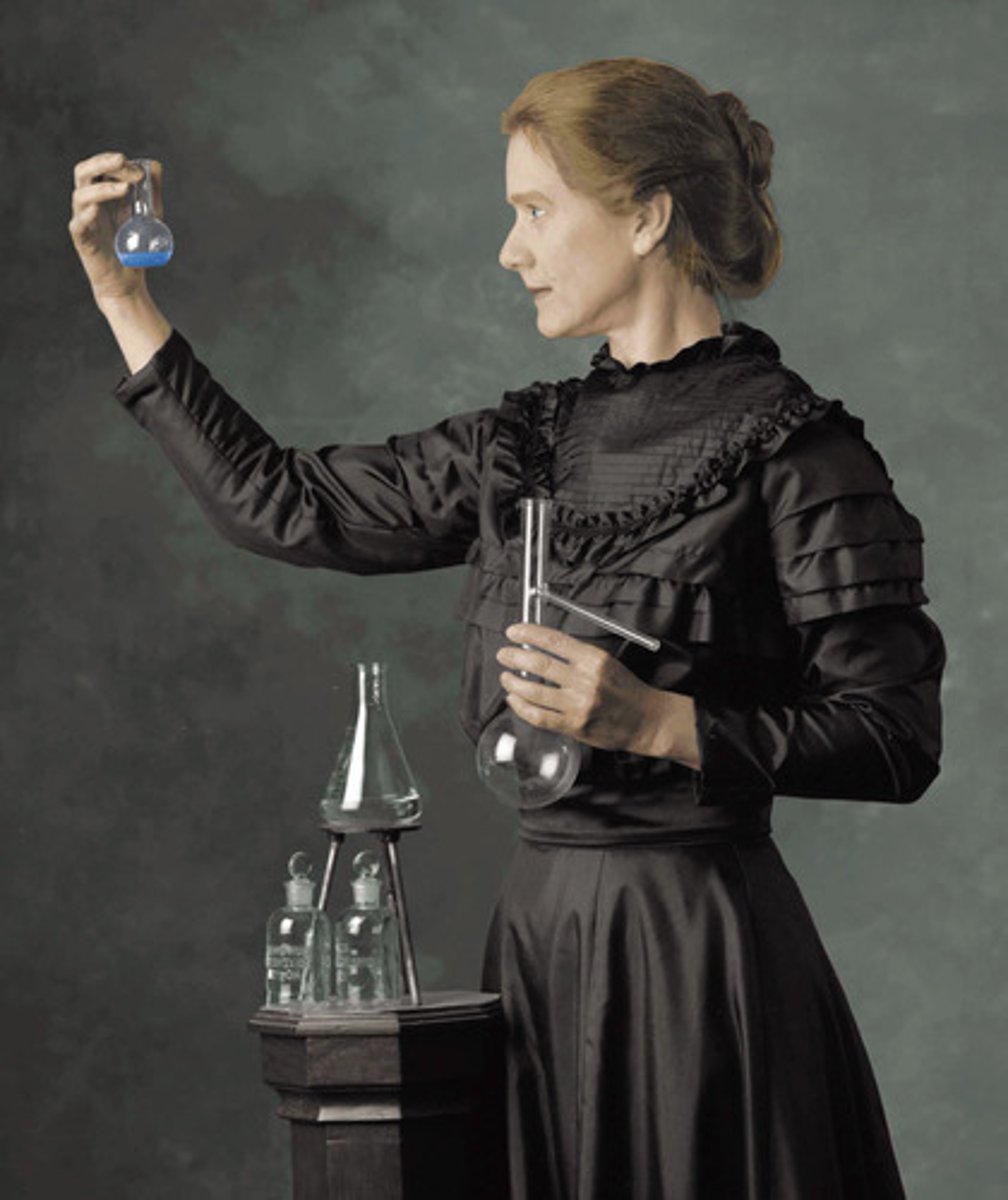
Marie Curie
She was the first women to win two Nobel Prizes. She was born in Poland but studied in Paris. While there she earned two degrees, one in physics and another in mathematics. Is famous along with her husband for discovering the element radium.
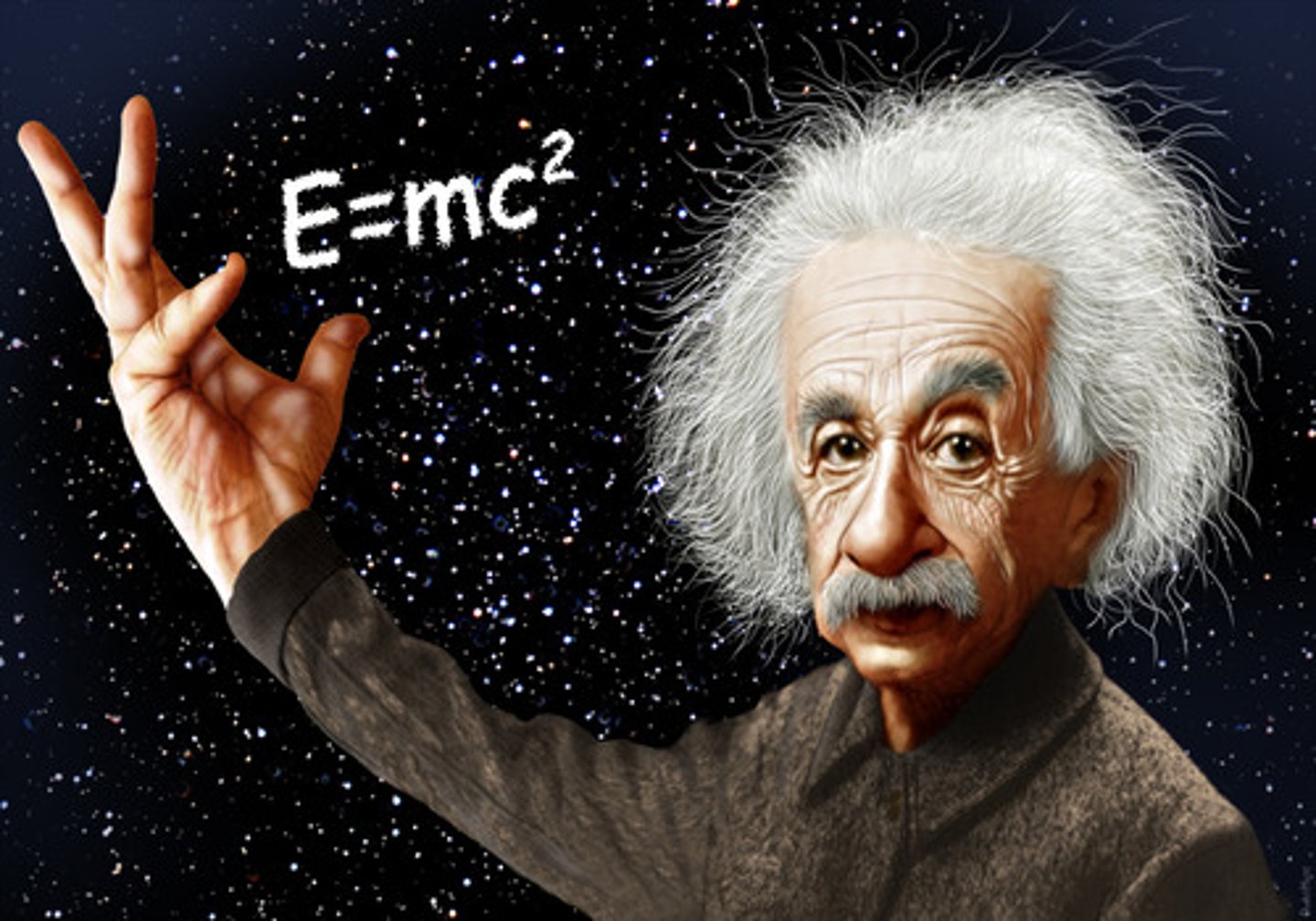
Albert Einstein
A German born patent officer that became one of the most famous scientists in the world. He wrote a paper called "The Electro-Dynamics of Moving Bodies" where he put forth his Theory of Relativity. Later he would gain even more notoriety with his formula, E=Mc2
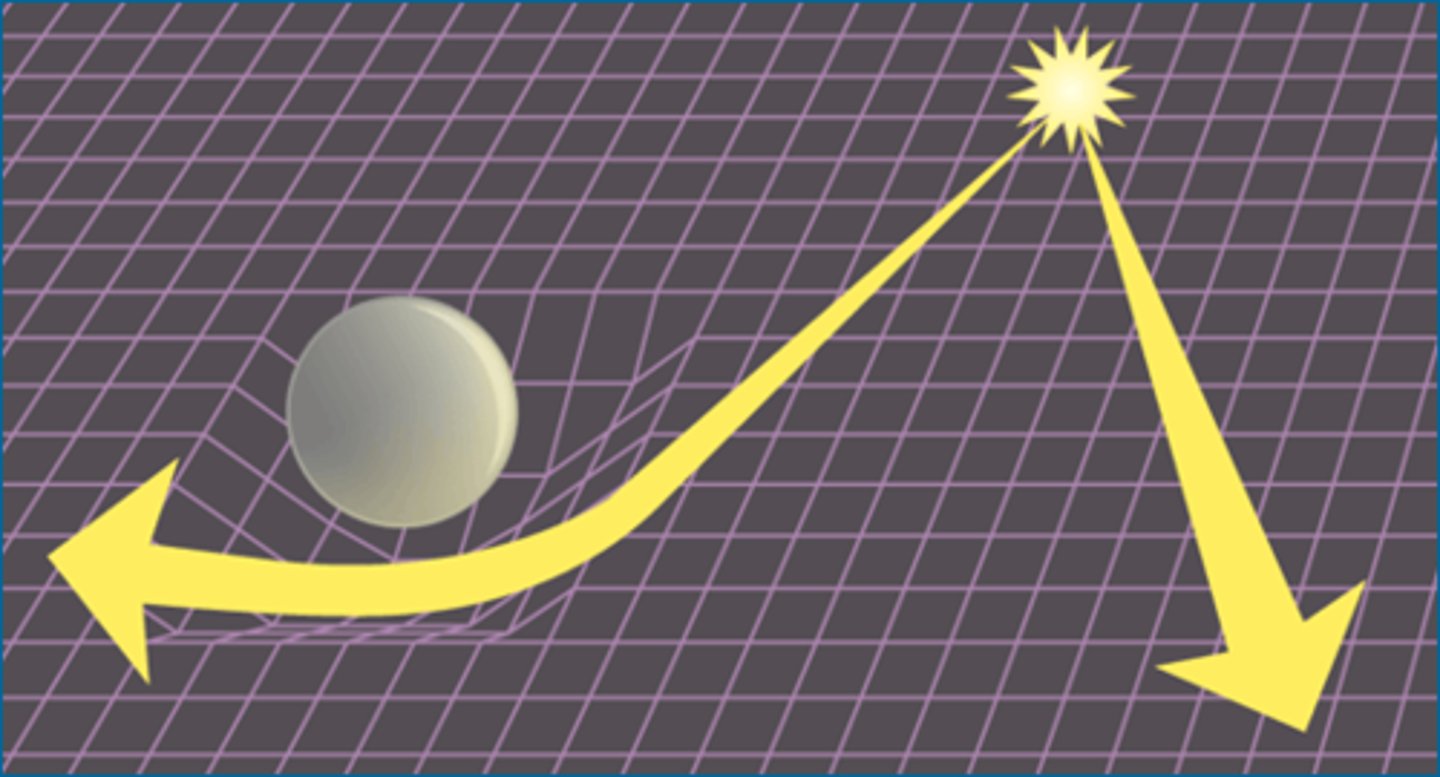
Relativity Theory
The theory that time and space are not absolute but relative to the observer. Neither time nor space had an existence independent of human experience.
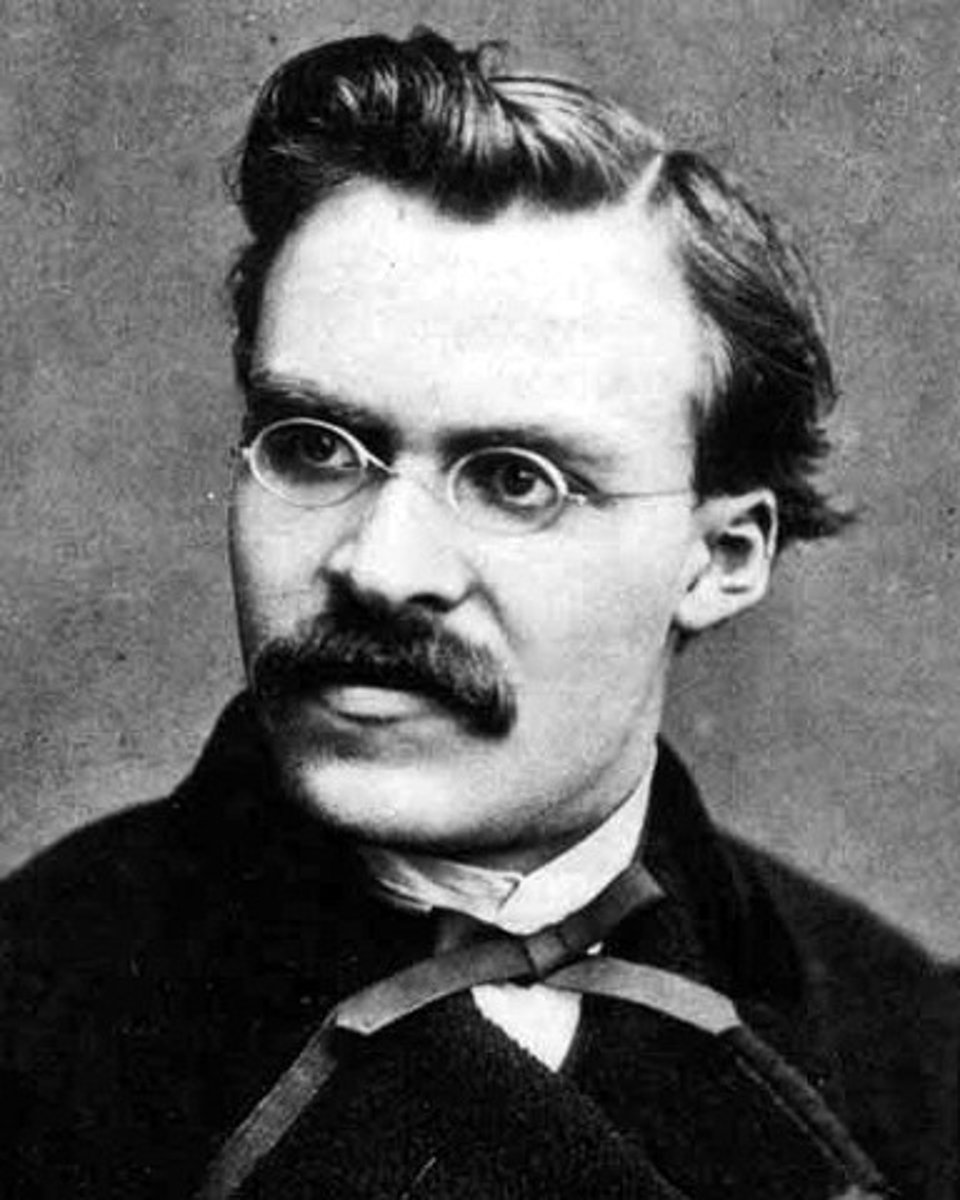
Friedrich Nietzsche
A German philosopher that attacked reason, Christianity and morals. He believed that by shedding the rules of religion and right and wrong he could create 'Supermen'.
Henri Bergson
A French philosopher whose lectures at the University of Paris stressed his belief that we as people could never come to a total understanding about life. He believed that reality itself was real and useful, however, unfathomable to us on the grand scale and we could only understand very little of the world around us.
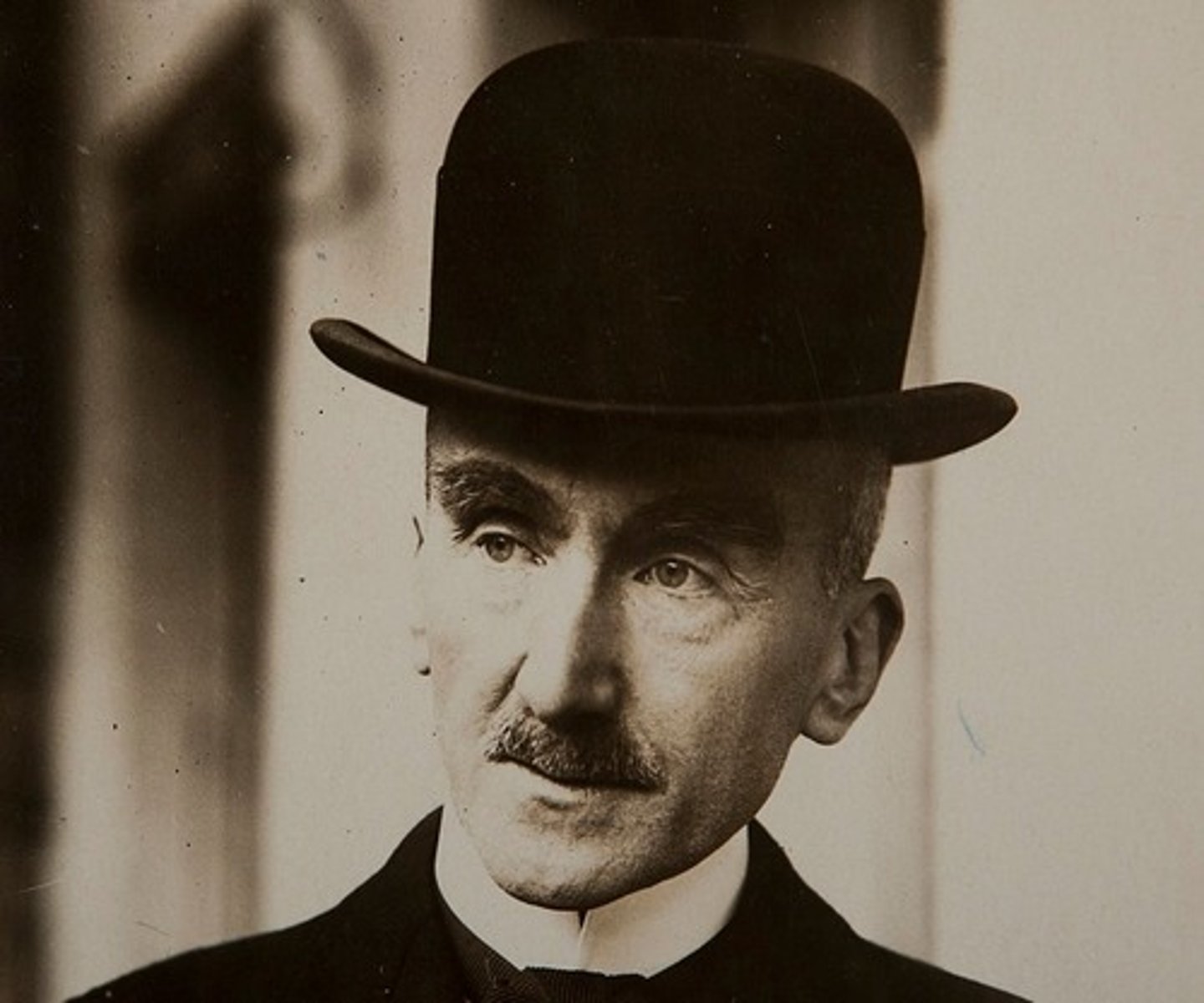
Revolutionary Socialism
The advocating of violence to achieve the goals of socialism and destroy capitalism. French political theorist Georges Sorel was a prime example of someone who followed this ideology.
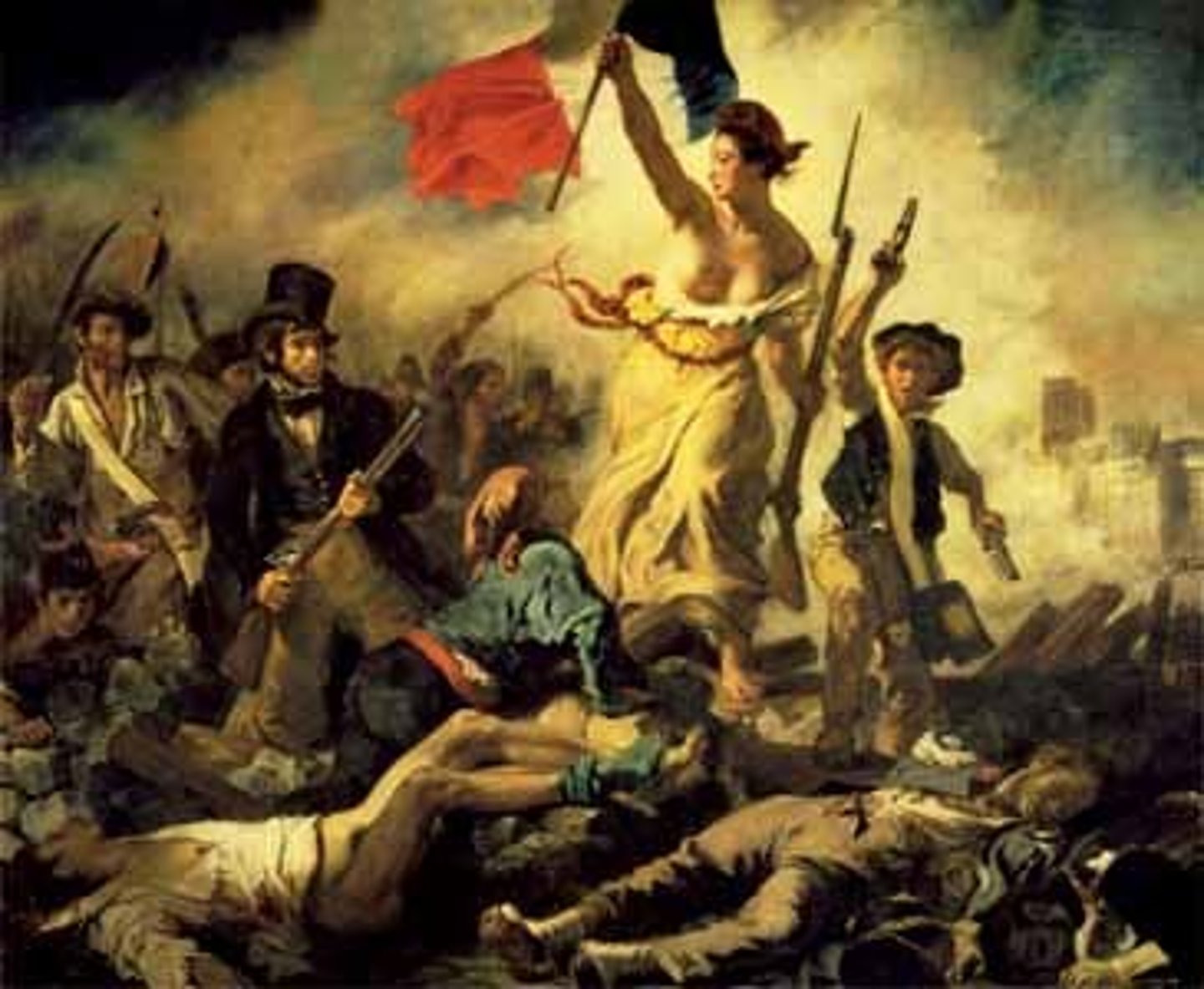
General Strike
A violent action recommended by Georges Sorel against the leaders of society and means of production as a way to pressure those in charge to cave to the demands of the workers by stopping all production across a nation.
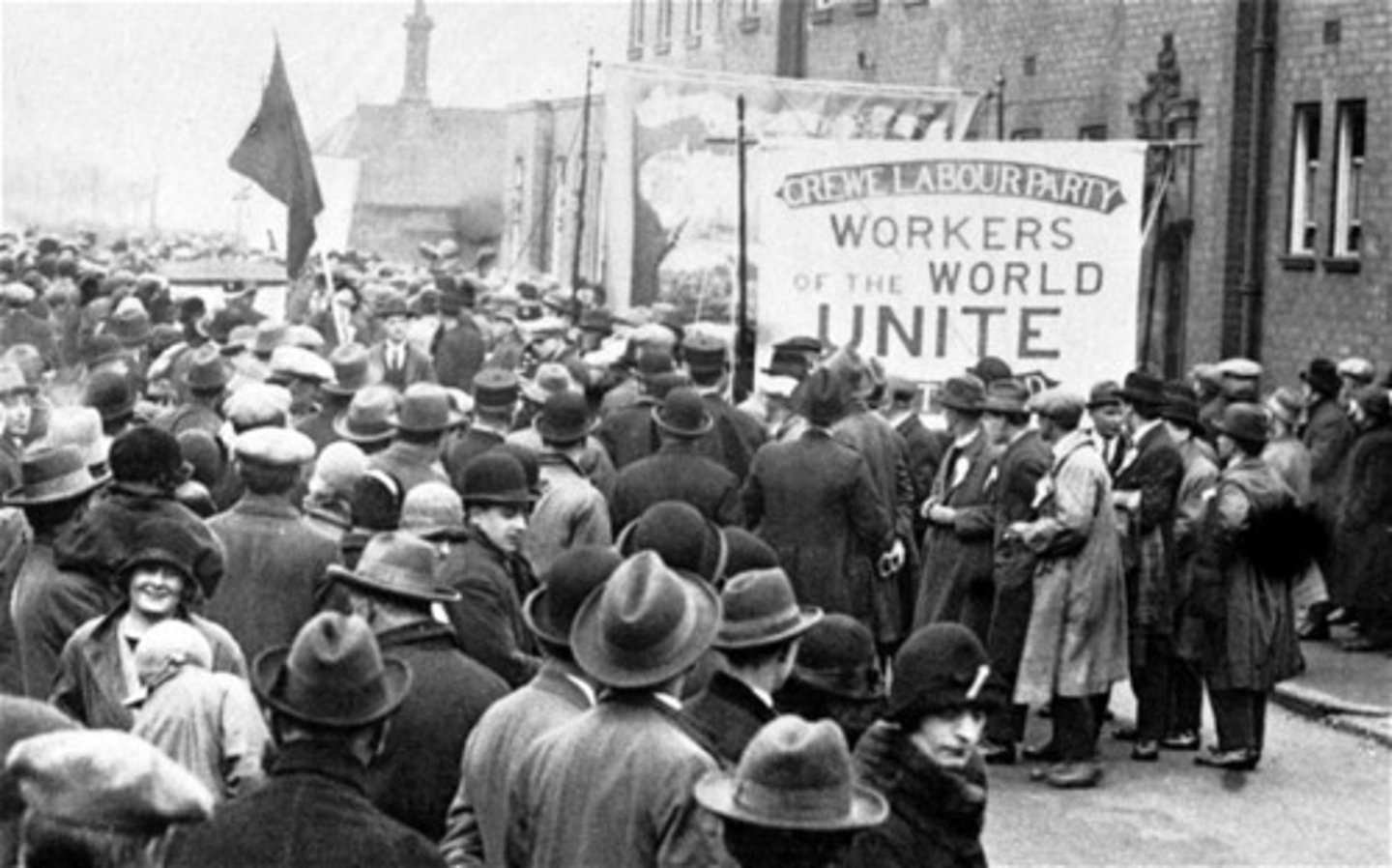
Sigmund Freud
His major ideas about human behavior were published in 1900 in The Interpretation of Dreams. This work would become the foundation of psychoanalysis.
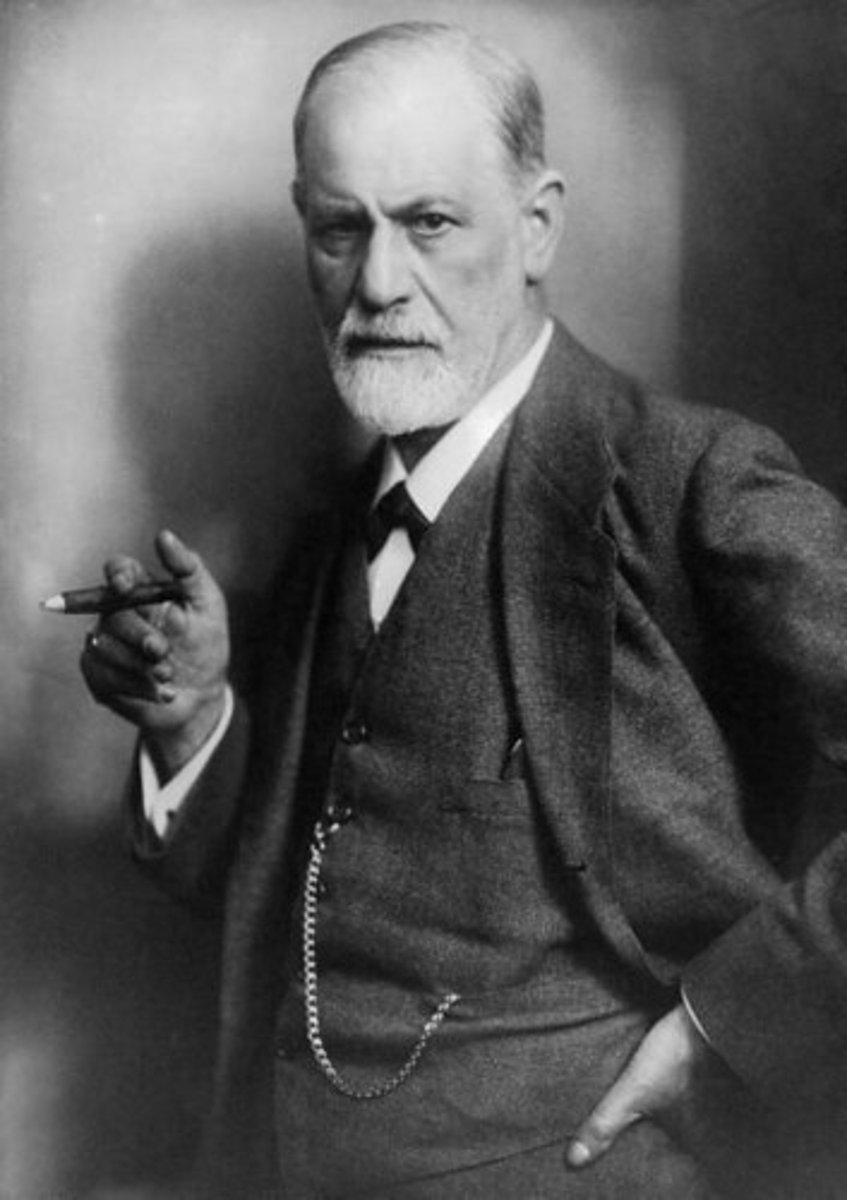
Psychoanalysis
A method developed by Sigmund Freud to resolve a patient's psychic conflict. He sought to use this method to prob the mind of the patient in order to retrace the chain of repression all the way back to childhood origins. By making the conscious mind aware of the unconscious issues the patient would be able to resolve their conflict.
Social Darwinism
The application of Darwin's theories of organic evolution to the social order. The believe that the strong survived and the weak declined. Survival of the fittest.
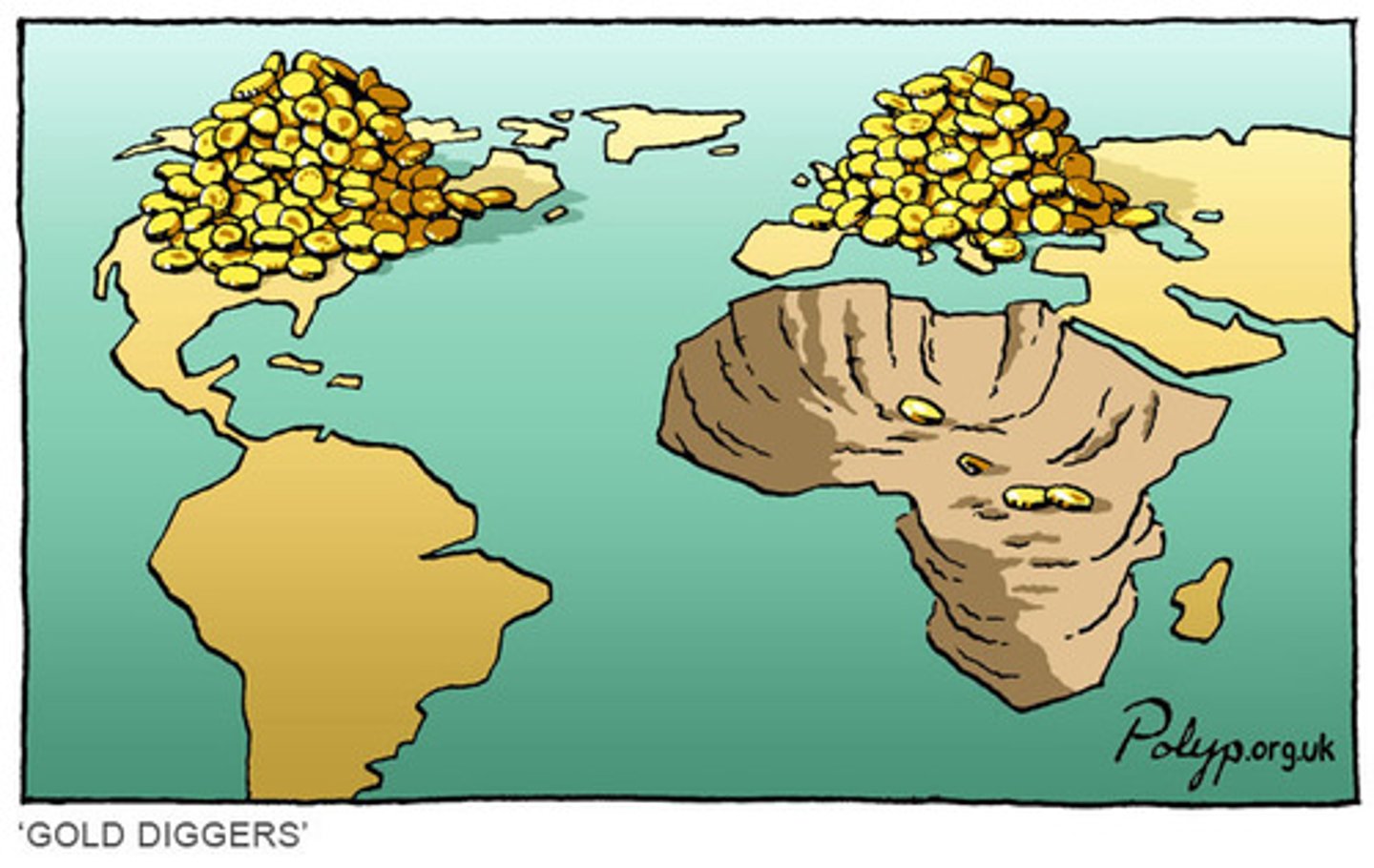
Volkish Thought
The believe that the Germans were the true successors to the Aryan race and that other races were to be judged inferior. This idea was pushed by English born, turned German citizen, Stewart Chamberlain in his book, The Foundation of the Nineteenth Century.
Anticlericalism
The attack on the Christian churches by European governments and their attempt to lesson religious influence in society. For example, in France in 1901 Catholic teaching orders were outlawed.
Naturalism
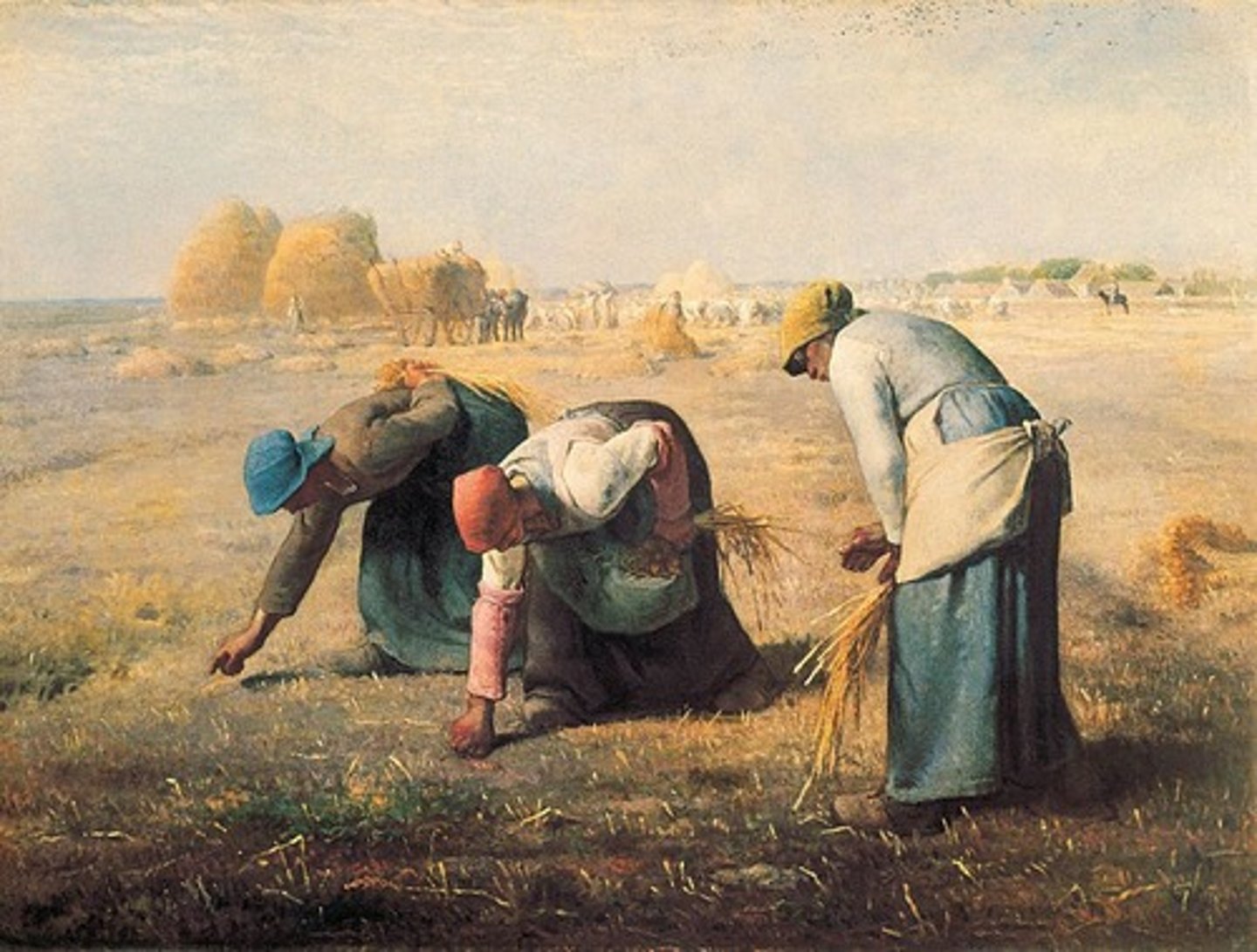
A style of writing where the authors accepted the material world as real and felt literature should be realistic. They often portrayed characters caught in the grip of forces beyond their control.
Symbolism
A group known as Symbolists reacted against Realism. They believed that literature such as poetry should be written for its own sake and had no greater meaning just like life. They believed that objective knowledge of the world was impossible. W. B. Yeats would be and example.

Impressionism
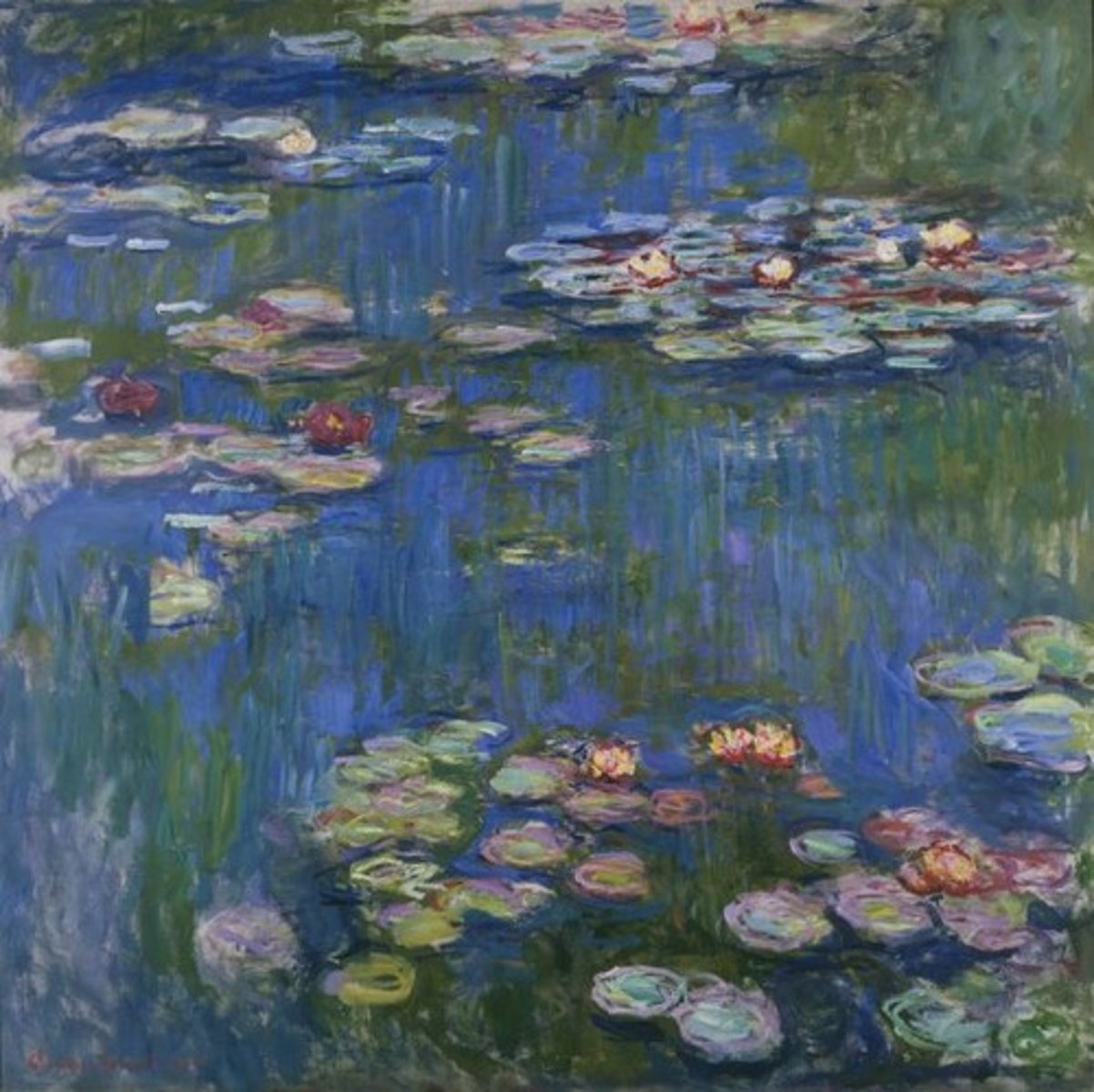
A style of art that originated in France in the 1870's that had artists reject the studios and instead go out into the countryside to paint nature directly. These artists did not just want to exactly copy what they saw, they wanted to show their own impressions and interpretations of the subject. Pissarro and Monet would be good examples.
Post-Impressionism
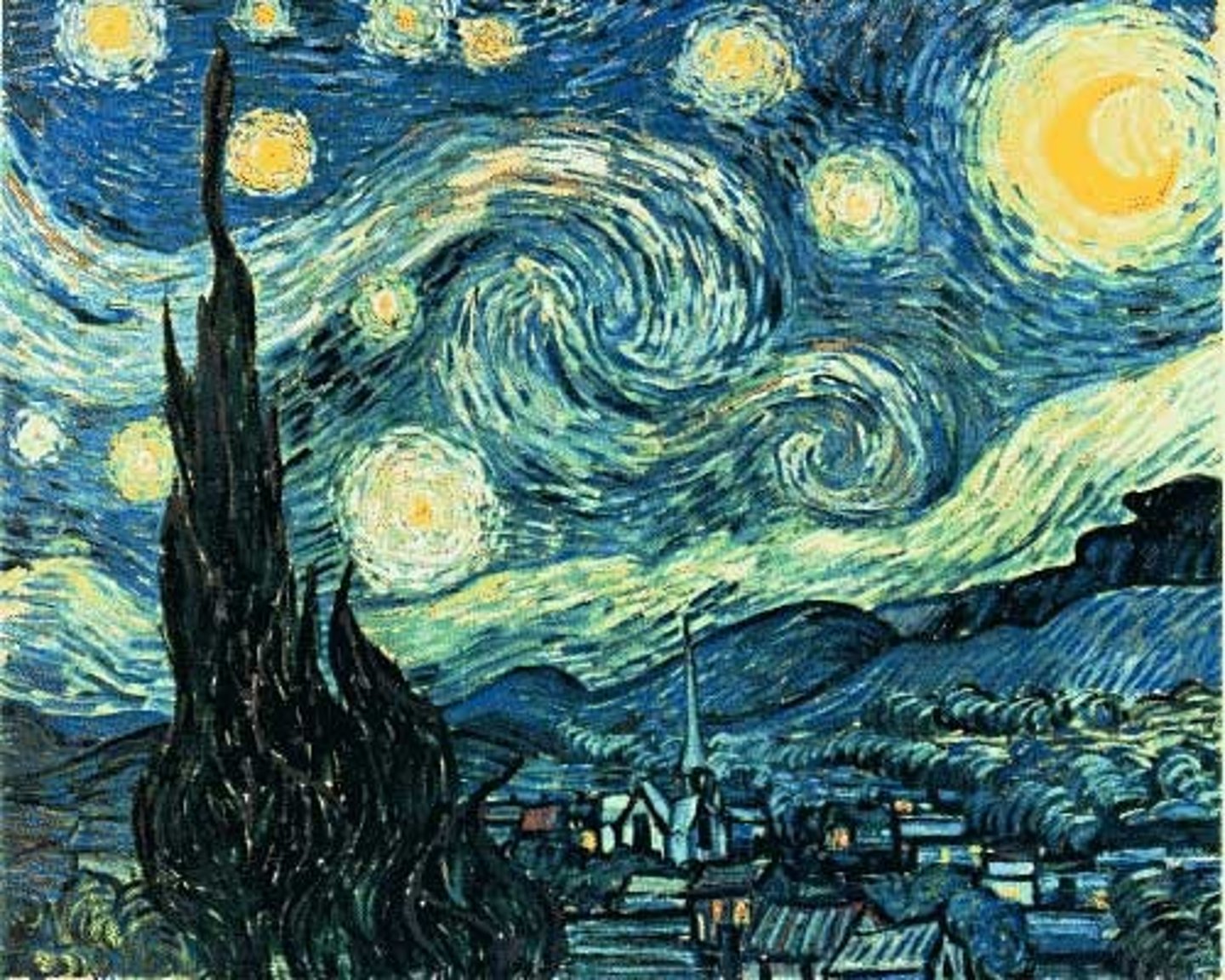
This style of art would keep the Impressionists emphasis on light and color but would revolutionize art even more by paying more attention to structure and form. These artists sought to express inner feelings and produce a personal statement of reality rather than simple imitation of what they could see. A good example would be Vincent van Gogh, The Starry Night.
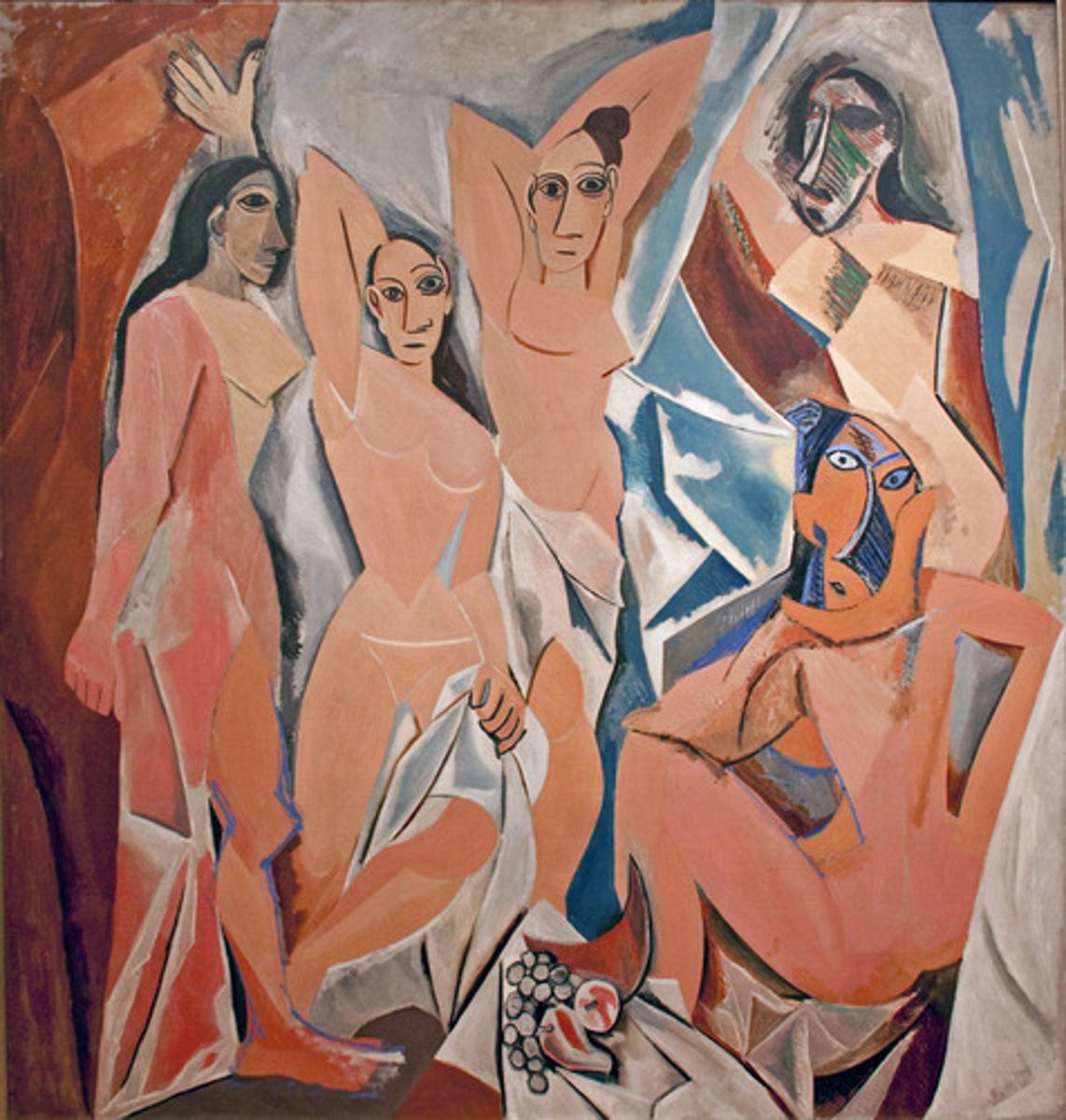
Cubism
This style of art was developed by Picasso in the early 1900's. This style of art used geometric designs as visual stimuli to re-create reality in the viewer's mind. Picasso's 1907 work, Les Demoiselles d'Avignon is said to be the first in this style.
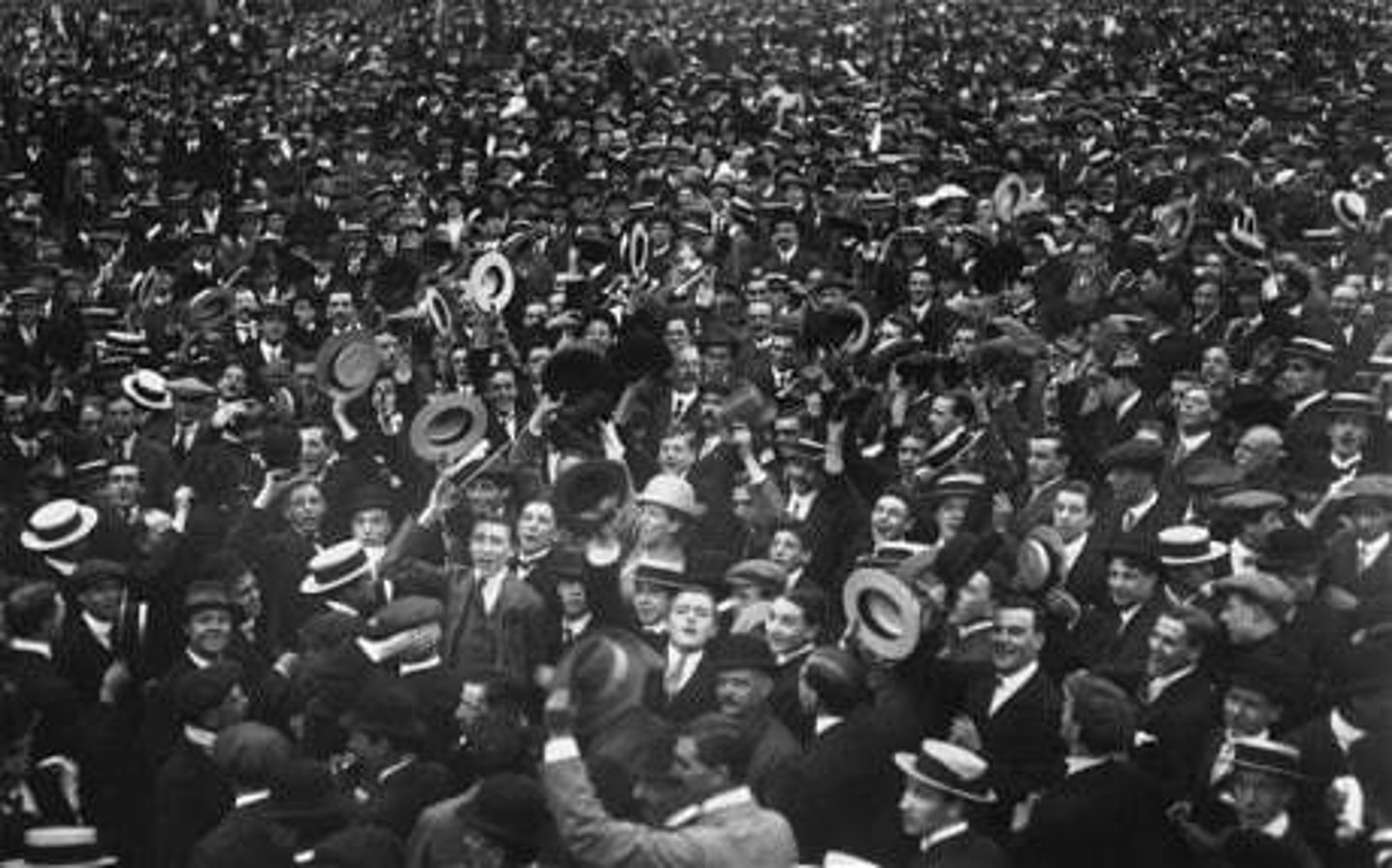
Political Democracy / Mass Politics
The changes in the political reality in Europe and the United States after the 1870's. More involvement and voting from the working classes pushed even more reforms and socialist programs.
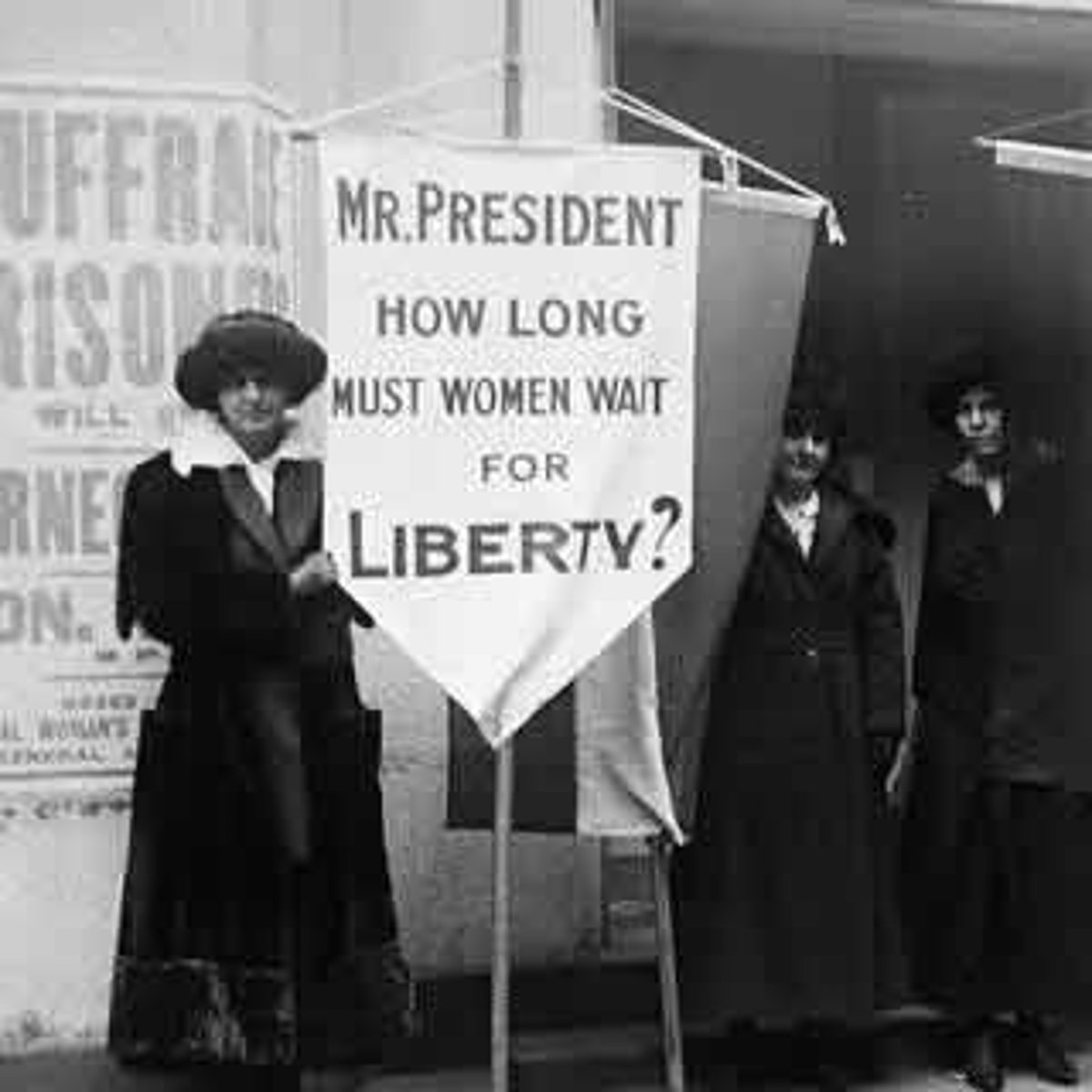
Suffragists
A group that pushed for the full right to vote and be active in politics for women.
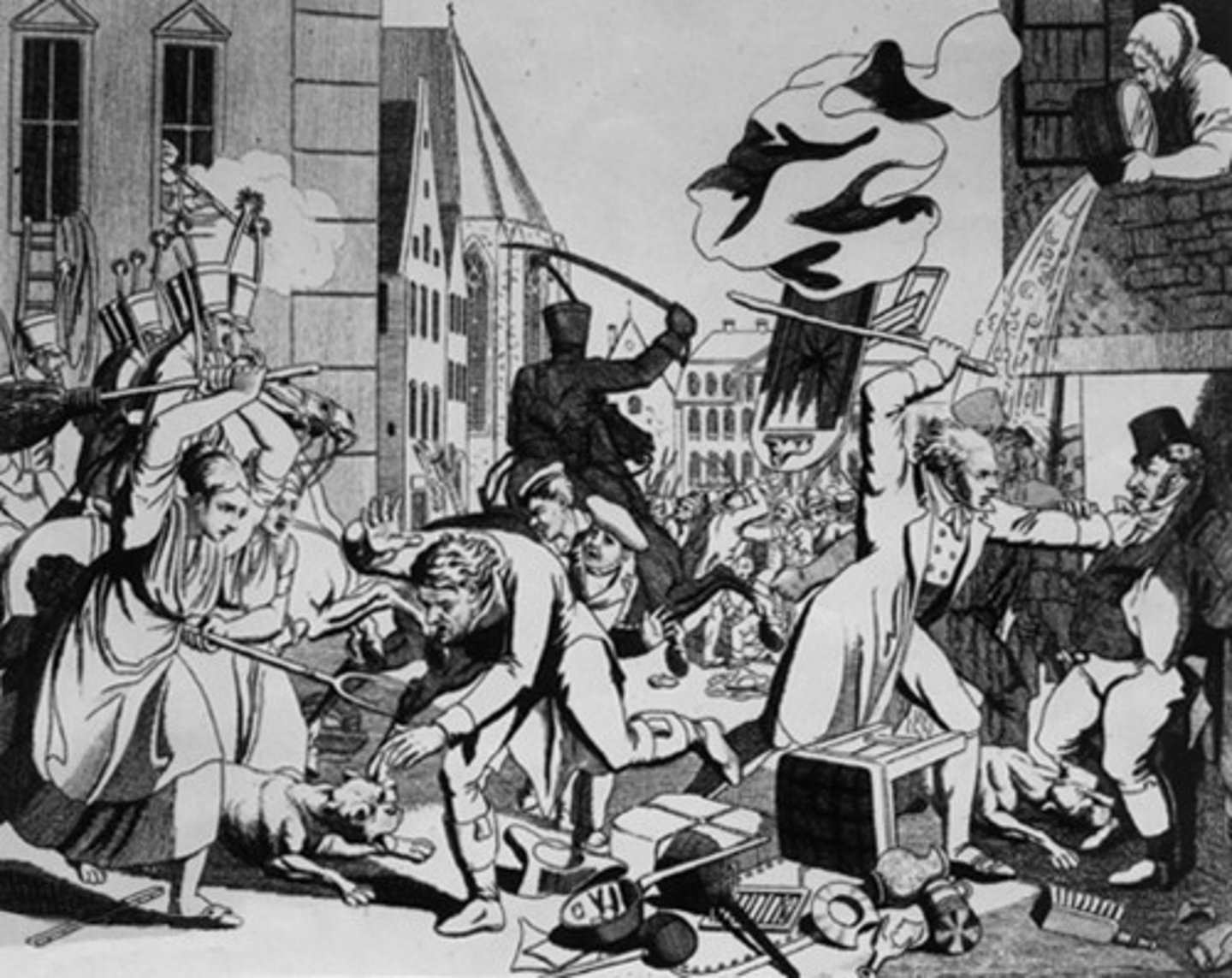
Pogroms
The legal and organized hunting and killing of Jews in Eastern Europe, mostly in Russia and the Ukraine.
Zionism
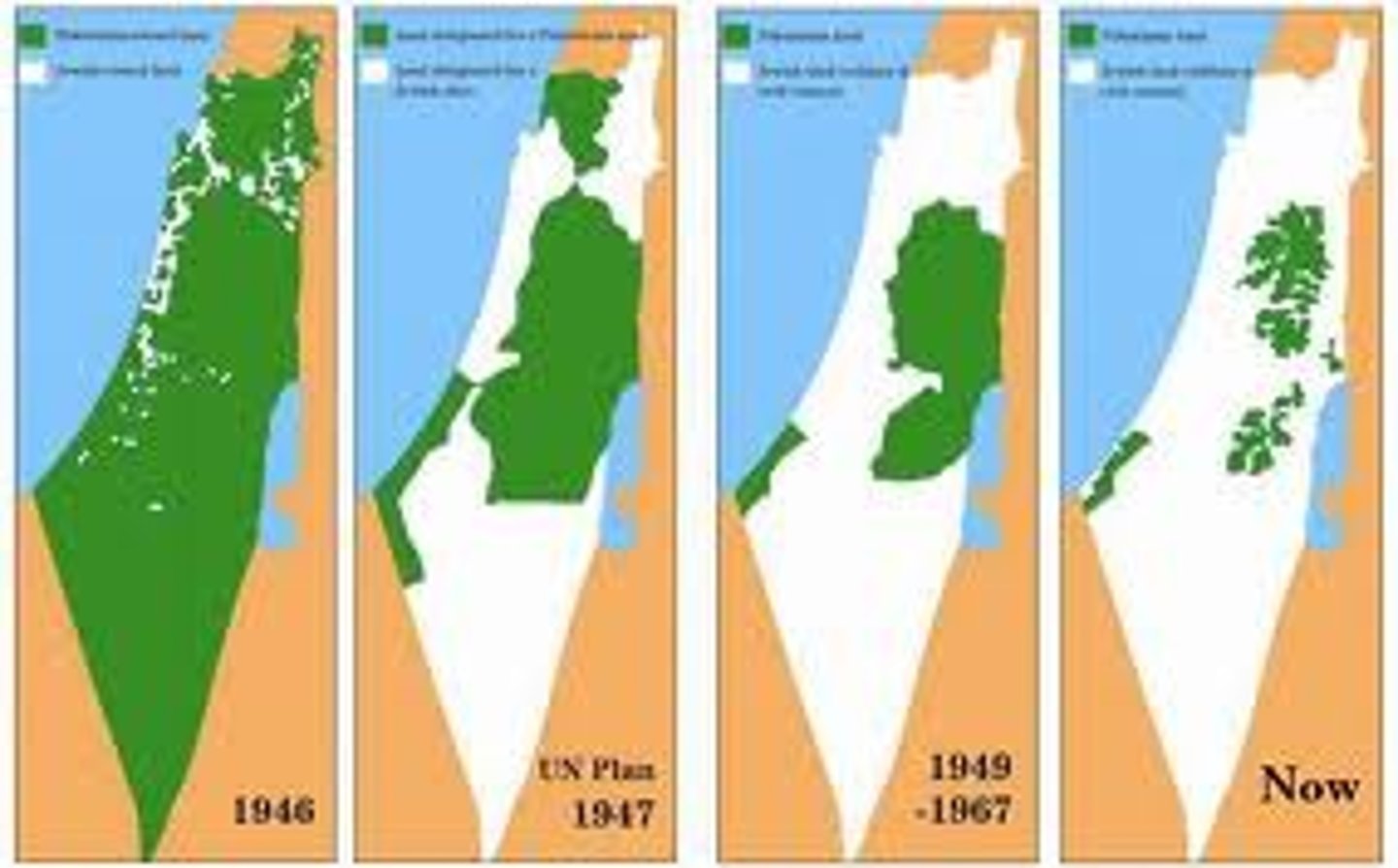
The name of the Jewish nationalist movement thought sought to create a Jewish homeland.
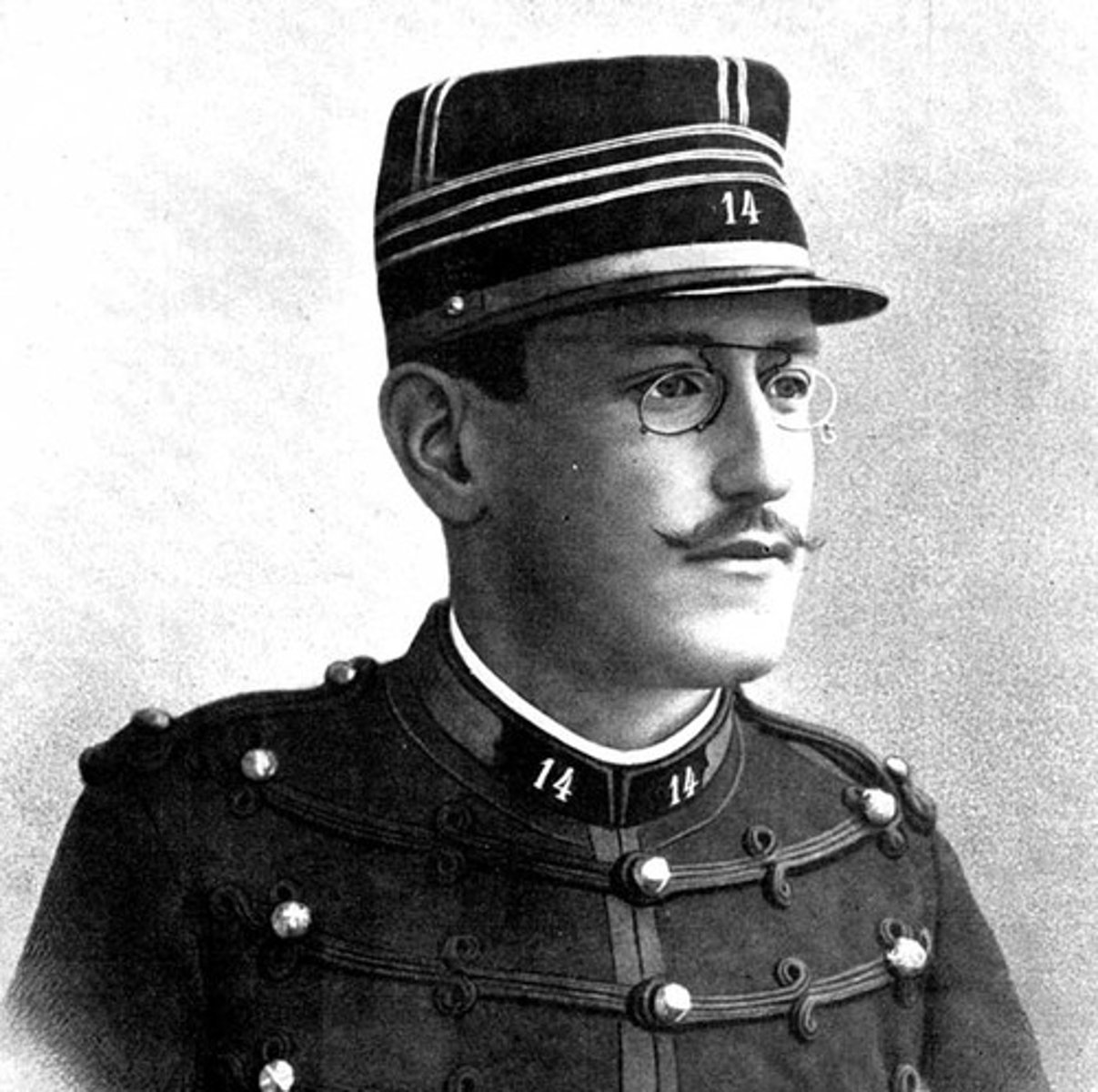
The Dreyfus Affair
A Jewish French army captain that was put on trial and wrongly convicted of treason for selling secretes to the Germans. His treatment and false conviction would cause the French government major problems.
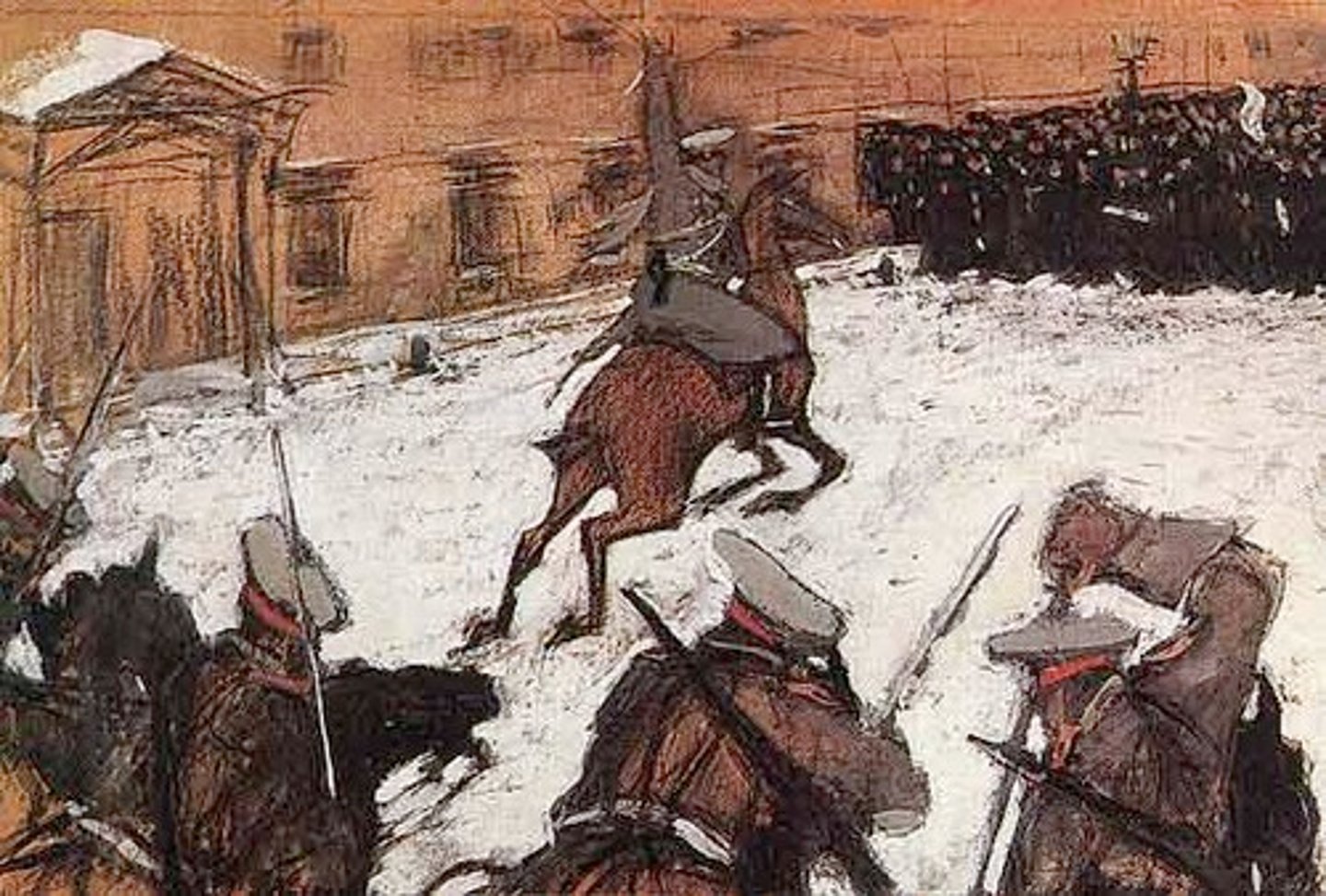
Bloody Sunday / Russian Revolution of 1905
A failed revolution in Russia brought about by poor working conditions and a disastrously bad war with newly industrialized Japan. Soldiers would fire into the peaceful crowds that came to tell the Tsar of their troubles.
New Imperialism
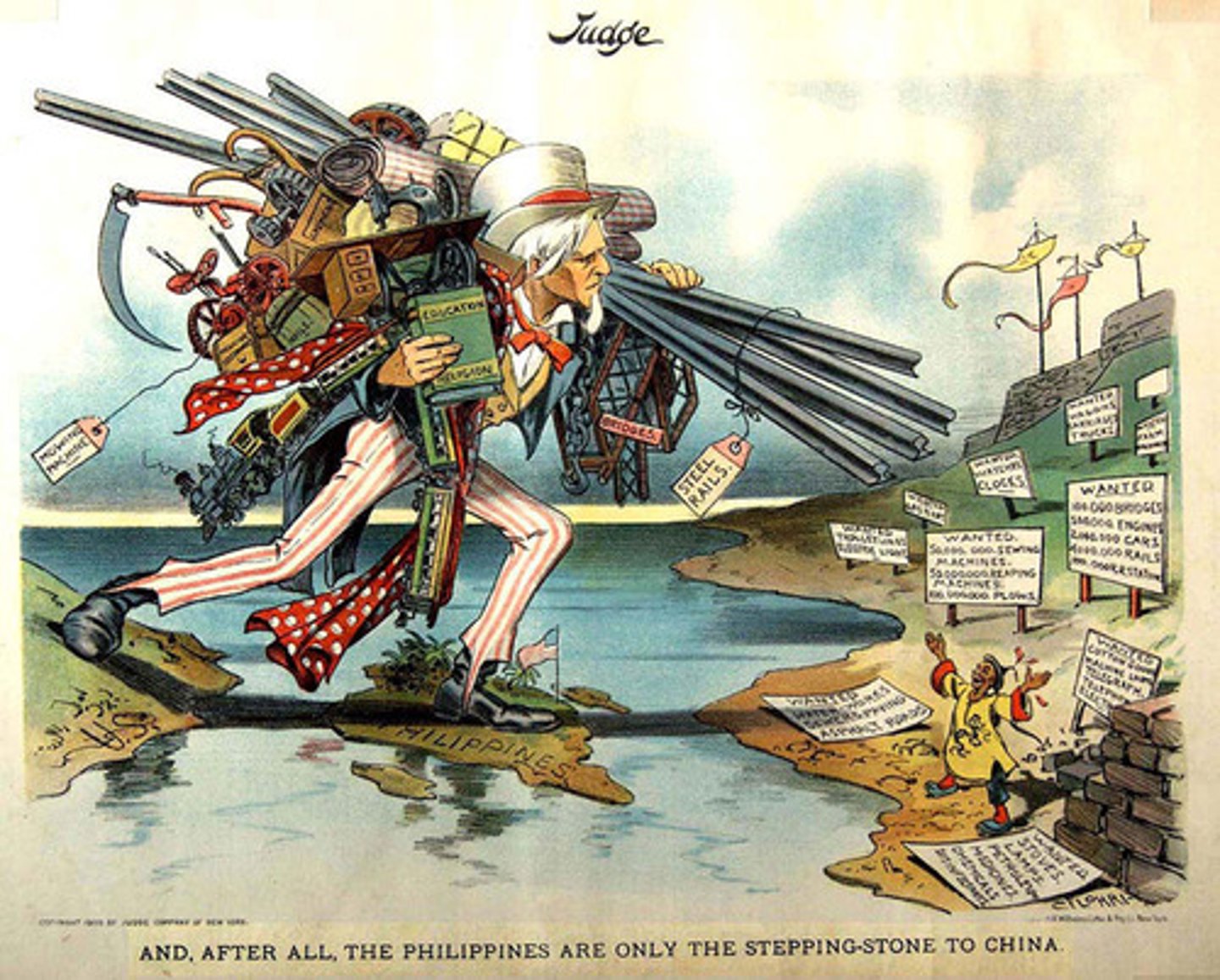
An intense and competitive scramble by the European powers to carve up Asia and Africa for their own power and prestige.
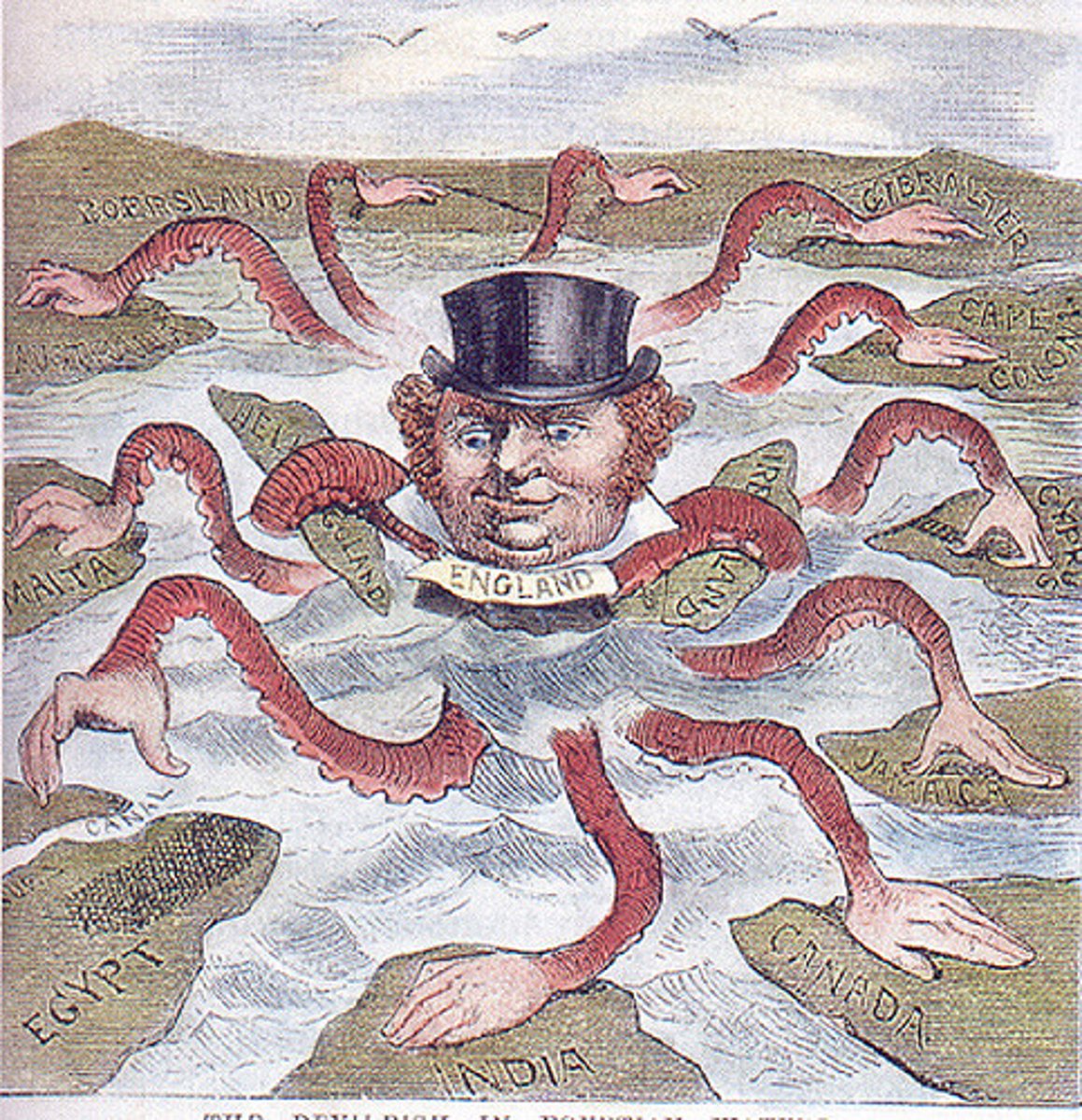
Economic Imperialism
European powers would dominate the economic activity of a large part of the world in an attempt to gain greater wealth. This was unlike colonization because it could take place outside of areas the European nation controlled on the ground.
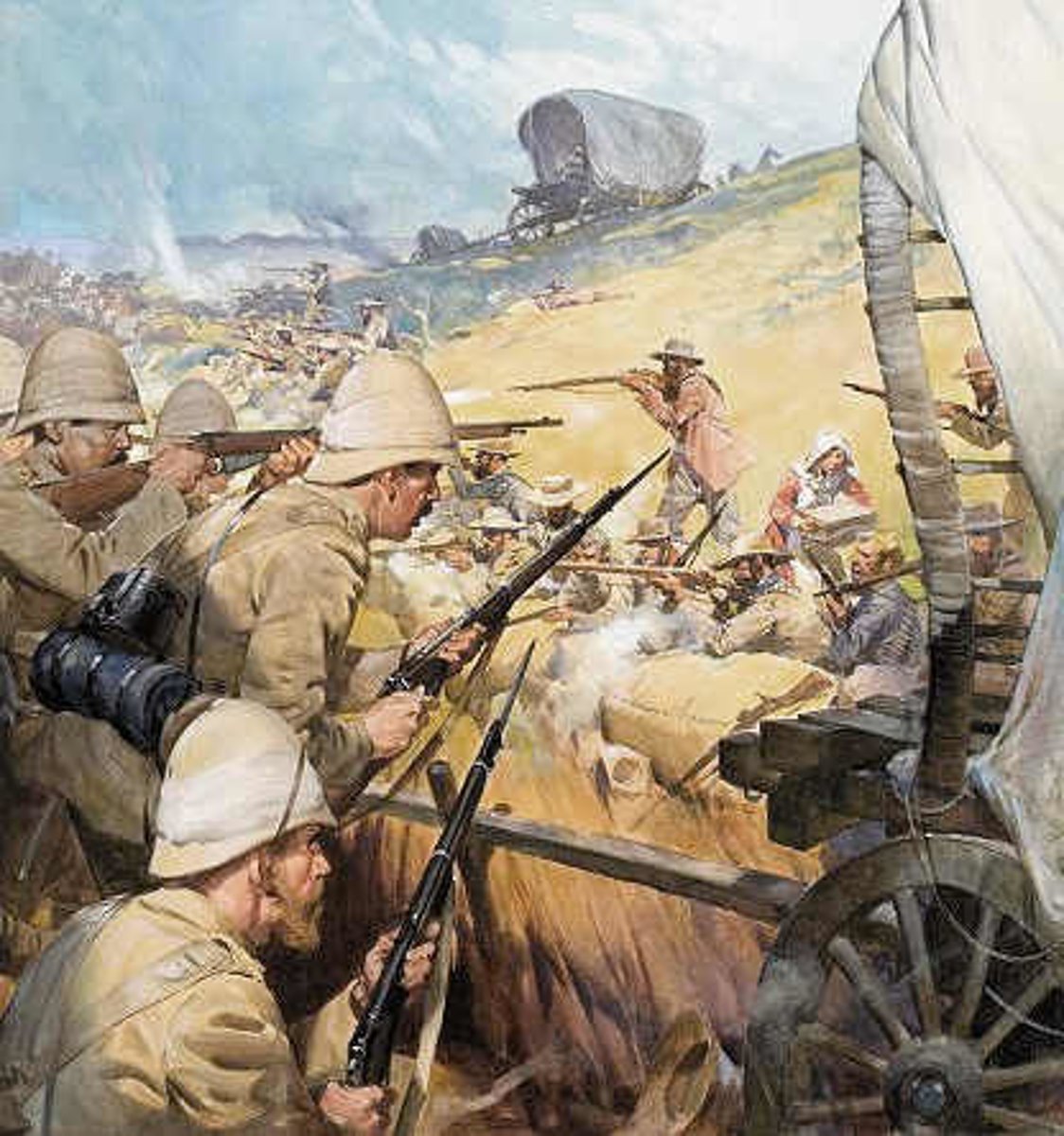
The Boer War
A conflict that took place in South Africa between 1899 and 1902. The British would invade and take the territory after many losses from the tough, guerrilla warfare masters of the Dutch.
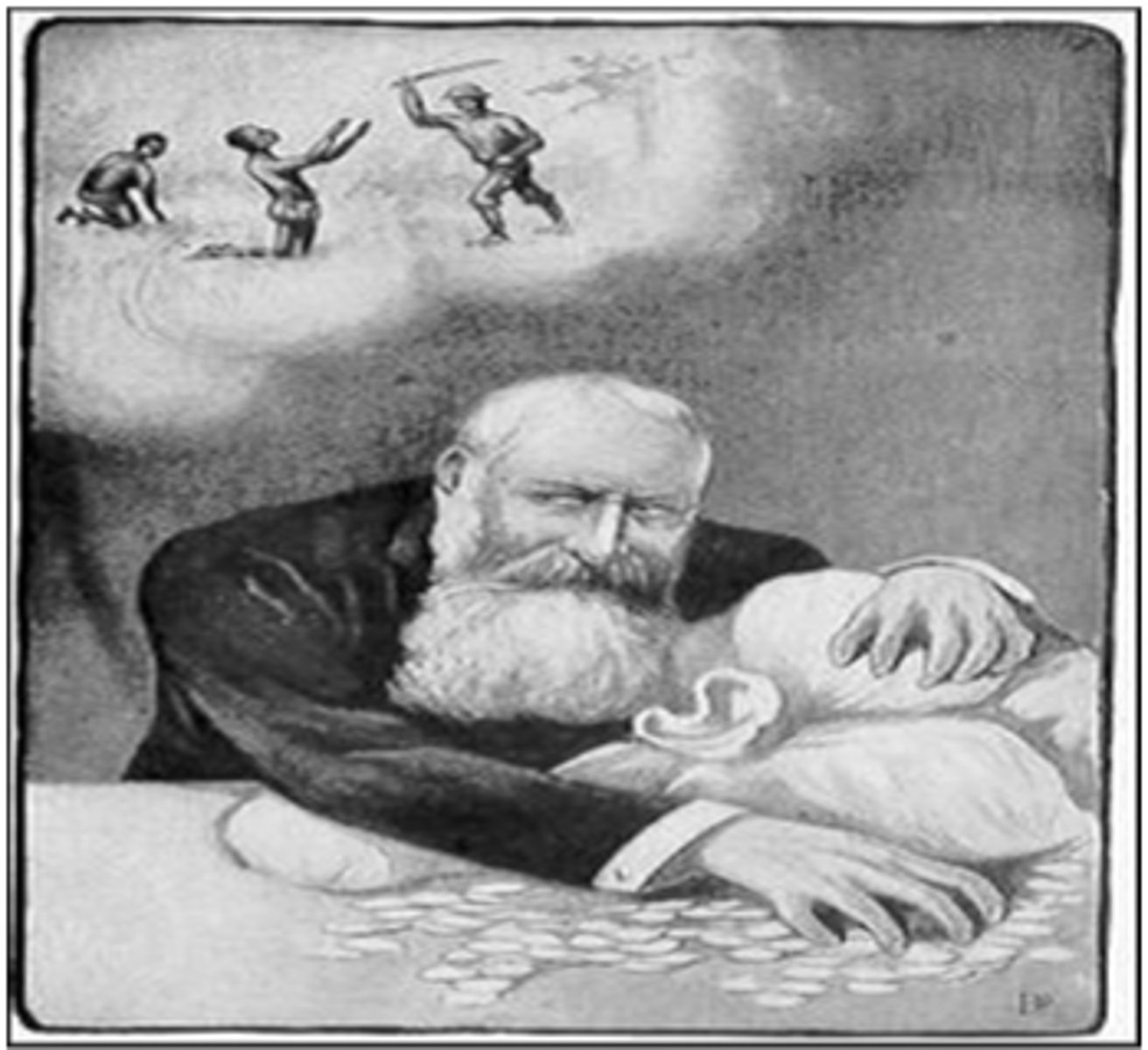
The Belgium Congo
The most brutal example of European Imperialism in Africa. The extraction of raw materials and precious metals justified terrible actions that even other European Imperial powers would condemn.
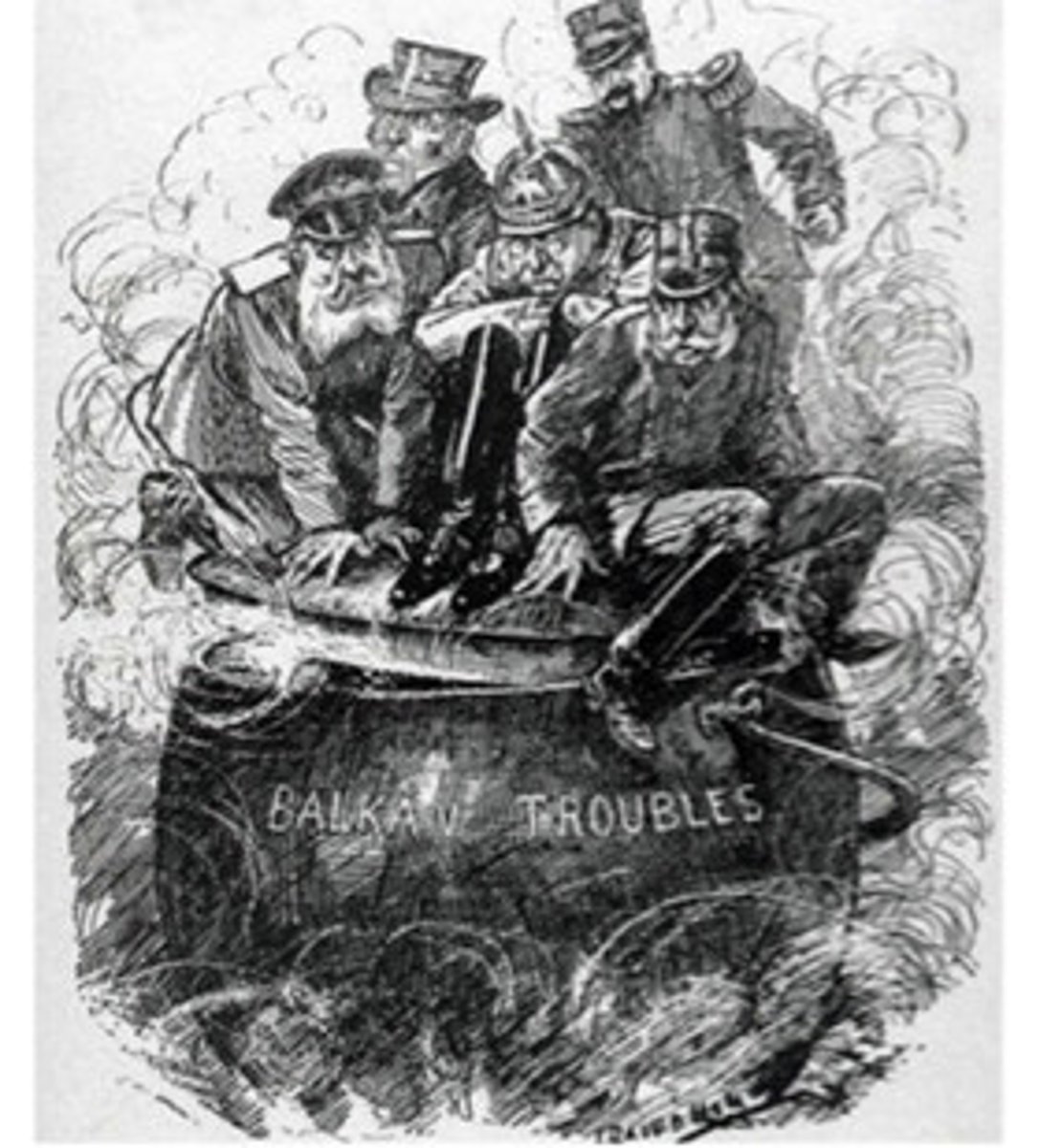
Balkans Wars of 1912 and 1913
A series of conflicts and wars in Eastern Europe that would make that region even less stable and threatened to drag in the major powers into the conflict... These events would play a large part in starting W.W. I.
 Note
Note  Flashcards (23)