Exam #2 - Ch.2, Plant Diseases Caused by FUNGI (21-27)
 Call Kai
 Learn
Learn Practice Test
 Spaced Repetition
 Match
Match Flashcards
 Knowt Play
1/55

There's no tags or description
Looks like no tags are added yet.
Name | Mastery | Learn | Test | Matching | Spaced | Call with Kai |
|---|
No analytics yet
Send a link to your students to track their progress
56 Terms
Fungi can be:
a. saprophytes
b. biotrophs
c. necrotrophs
all of them
____ refers to an individual filament, while the term ____ refers to the body of the fungus (collectively all of the filaments)
hypha; mycelium
The study of fungi
Mycology
Why do some symptoms caused by fungi generally have a circular shape?
because the mycelium grows radially outward from a central point, which naturally forms a circle
T/F
Most structures of plant pathogenic fungi tend to be macroscopic, easily seen without a microscope
False
Fungi are autotrophic / heterotrophic organisms
heterotrophic
Fungi — cell types are: Eukaryotic / Prokaryotic
Eukaryotic
Fungi — adult cells tend be diploid / haploid
haploid
Fungi:
a. Cell wall made of cellulose
b. Cell wall made of chitin
c. Cell wall made of glycogen
d. Lacks cell wall
b. Cell wall made of chitin
Fungi store carbs in the form of glycogen / starch
glycogen
Fungi — cells and organisms tend to be motile / nonmotile
nonmotile
What are the other terms for Nonseptate hyphae?
Aseptate and Coenocytic
Define Nonseptate
hyphae without cross walls
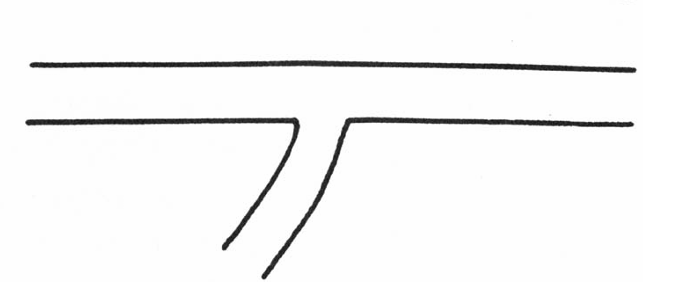
Which fungal group(s) does Nonseptate apply to?
Oomycetes and Zygomycetes
Define Septate
hyphae with cross-walls
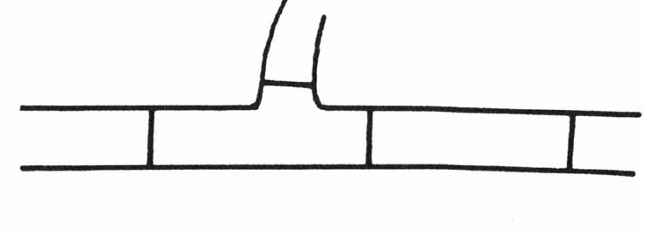
Which fungal group(s) does Septate apply to?
Ascomycetes and Basidiomycetes
How could knowledge of the type of hyphae (septate v. nonseptate) be useful for disease diagnosis?
it is going to help narrow down/determine which major group the fungus belongs to
The “hump” on hyphae, above the septum, is called?
clamp connection
If you see hyphae with a clamp connection, you know the fungus belongs to which group?
basidiomycetes
What is the function of Haustoria?
nutrient absorption
In fungi, haustoria are formed from modified ___
hyphae
What is the difference between Intercellular and Intracellular hyphae?
Intercellular → between or among cells
Intracellular → through or within cells
What is a spore?
reproductive units of fungi
What role(s) do spores have in the disease cycle and why?
They help the pathogen survive, disperse, and act as an inoculum to initiate new infections in the disease cycle
Fungal spores are different / similar in size and shape
different
Sexual reproduction involved which two essential events/processes?
meiosis and syngamy
Define Syngamy
the process of two haploid cells fusing to become one diploid cell
The process of Syngamy is subdivided into which two stages?
plasmogamy and karyogamy
Define Plasmogamy
fusion of cells, bringing two sexually compatible haploid nuclei together in one cell
(the fusion of two sex cells)
Define Karyogamy
nuclear fusion, forming a diploid nucleus
(the fusion of nuclei)
Define Meiosis
formation of four genetically recombined haploid nuclei from a single diploid nucleus
What is the difference between a cell that is N+N and a cell that is 2N?
N+N → 2 haploid nuclei in 1 cell (not fused)
2N → 1 diploid nucleus (fused)
What allows fungi to readily adapt to “easily” become resistant to fungicides and overcome host resistance genes?
sexual reproduction because it provides genetic diversity for the continued ability of the species to adapt to changing conditions
What is a fruiting body (fruitbody)?
a mass of hyphae that produces (inside or on the surface) and protects spores.
Why are fruiting bodies (fruitbody) important for fungi?
the thickened cell walls help prevent moisture loss (desiccation).
the cell walls may contain melanin, which provides protection from UV radiation.
Asexual / Sexual spores tend to be mainly involved in dormancy
Sexual
Asexual / Sexual spores tend to be mainly involved in dispersal and causing secondary infection
Asexual
List unique aspects about Armillaria spp. (cause root rots of trees)
weight of Armillaria gallica mycelium (110 tons)
age of Armillaria ostoyae (2400)
ground covered by Armillaria ostoyae (2200 acres)
T/F
Scientists have found and identified (named) all species of fungi that exist
false
How many different diseases caused by fungi (aka ‘unique fungus-host combinations’) are known to occur within the US?
78,000
T/F
All fungal pathogens cause the same kinds of symptoms, and the symptoms are the same on each part of a host plant
false
Symptom - Circular Spots
→ Describe how a fungus could cause this symptom
the fungus grows radially from a central starting point
Symptom - Canker
→ Describe how a fungus could cause this symptom
fungi invade phloem and vascular cambium, causing sunken areas on stems and twigs
Symptom - Vascular Wilt
→ Describe how a fungus could cause this symptom
fungi invade the xylem, impeding water transport, leading to wilt and discoloration of the active xylem
Symptom - Stunting + Wilt
→ Describe how a fungus could cause this symptom
fungi cause this when they also cause root rot - plant will have symptoms of nutrient deficiency, and their roots may be brown and deteriorated
Why is it important to also find signs of fungi, and not merely rely on symptoms seen?
because many of the possible symptoms can also be caused by other kinds of pathogens
List some possible signs of fungal pathogens
mycelium, hyphae, spores, fruiting bodies
Fungi that reproduce sexually and asexually often have what # of scientific or Latin names?
two (or more)
The ____ name refers to the sexual stage
teleomorph
The ____ name refers to the asexual stage
anamorph
What is the holomorph?
the whole fungus in all its stages, sexual and asexual
Many plant diseases are caused by the asexual / both sexual and asexual / sexual stages of fungi
asexual
What are imperfect fungi?
group of fungi without the sexual stage - they either lack the sexual stage, or it has not yet been found
T/F
It is nearly impossible to identify fungi by their mycelium alone; one must look at spores and/or fruitbodies for positive ID
true
The true fungi are placed into Kingdom Fungi, and these four phyla or groups belong there:
Ascomycota, Basidiomycota, Chytridiomycota, Zygomycota
Other fungal-like pathogens are placed into the Kingdom Protista (and are sometimes called fungal-like protists).
Why are these organisms considered ‘fungal-like’ (why are they included in the fungus chapter)?
They are similar in the kinds of plant diseases they cause and in how those diseases are managed. Many have adaptation for dispersal, infection, and survival, similar to true fungi.

