econ part two :(
 Call Kai
 Learn
Learn Practice Test
 Spaced Repetition
 Match
Match Flashcards
 Knowt Play
1/60

There's no tags or description
Looks like no tags are added yet.
Name | Mastery | Learn | Test | Matching | Spaced | Call with Kai |
|---|
No analytics yet
Send a link to your students to track their progress
61 Terms
quota rent
extra profit someone receives from limit on supply. Example: shoes were 30 dollars at world price, but quota limited the imports. therefore, domestic prices can be raised
three benefits of international trade
lower-priced goods, increased variety of products, access to scarce resources
Autarky
situation in which a country is closed to international trade
Absolute Advantage
ability to produce more output given similar resources than another producer
hint: consumption with trade will be a dot outside of the ppf line
hint: specialization is based on comparative advantage, so always check that to see if they should trade
terms of trade
the price of one g/s in terms of another
Hints: looking at opportunity costs, if someone is selling something, the trade must be greater than the opportunity cost. if someone is buying something, the trade must be less than the opportunity cost
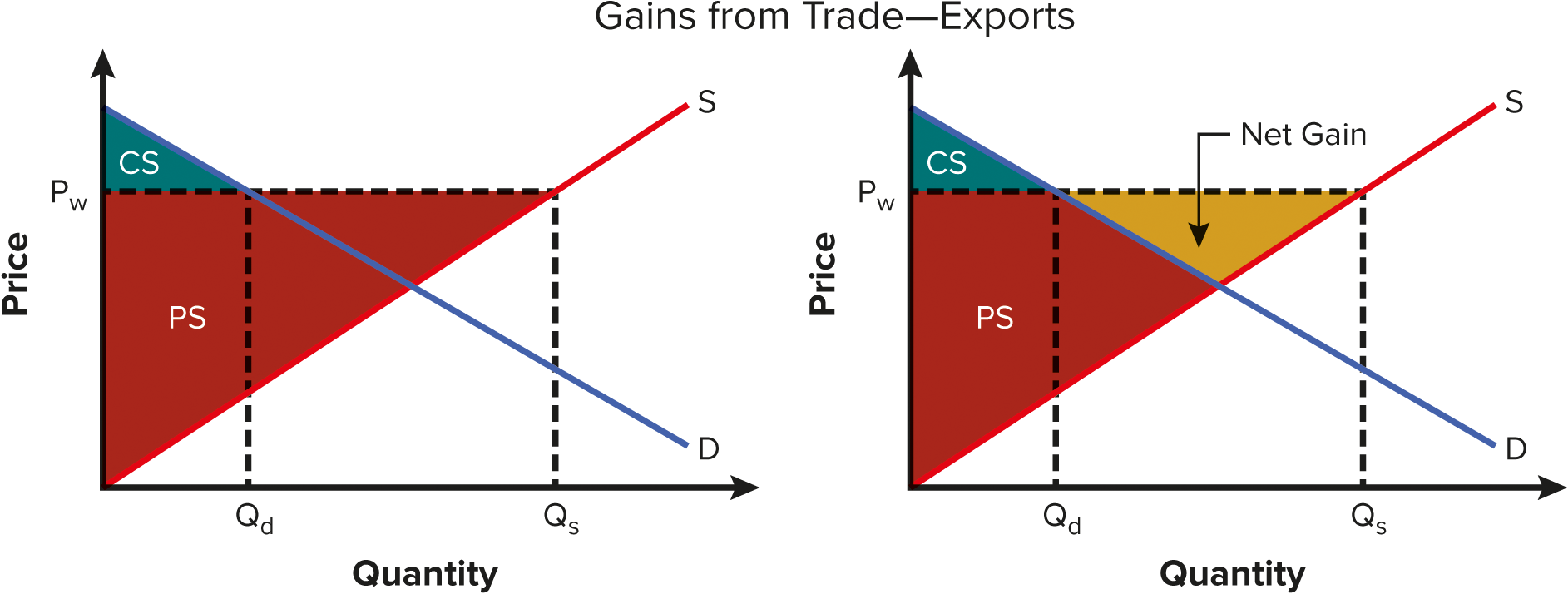
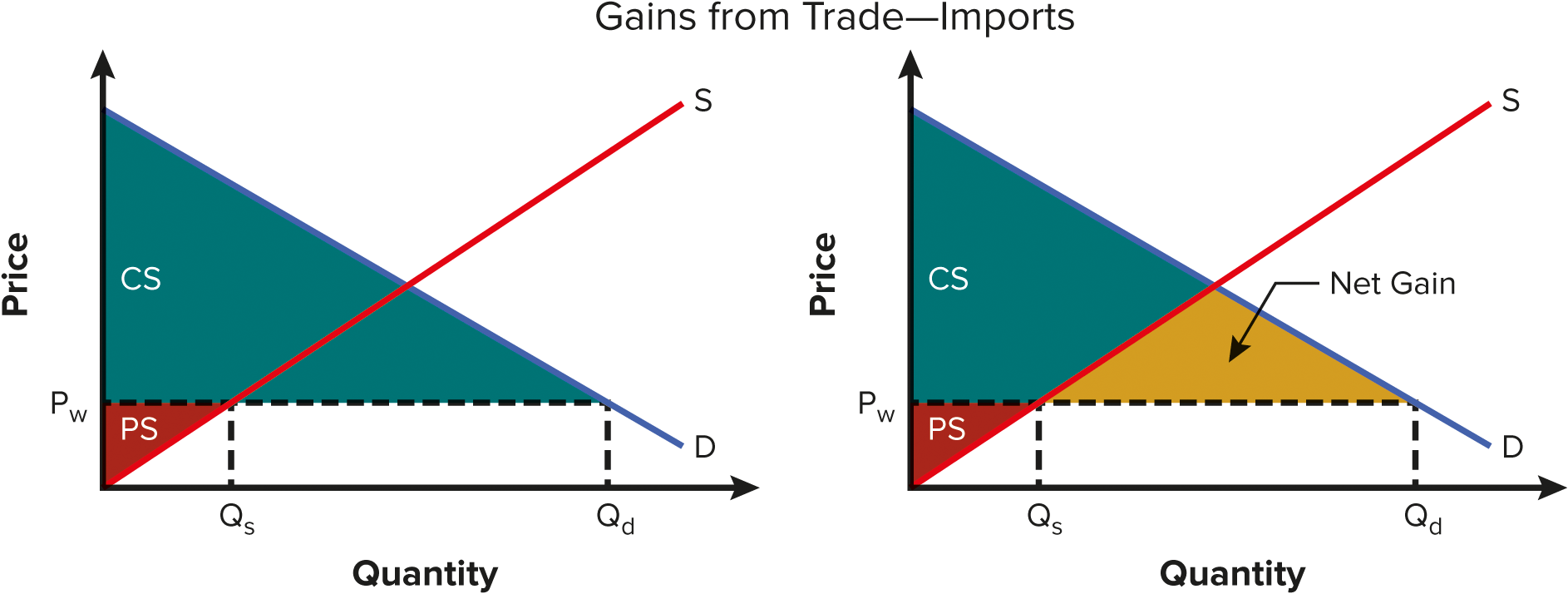
Gains from trade
Benefit or wealth to buyer or seller as a result of trade- this picture is exports
gains from trade imports
hint: numbers dont equal wealth. just because someone numerically is getting a better trade, they could really like and value the item they are trading and end up being more “wealthy" than the other person
Hint: the country that benefits more is the one that trades closer to the other persons opportunity cost
small country market
a country so small it just has to accept the world price of a good
price takers
firms that take market price and have no ability to influence that price
Hint: whether the world price is below or above the domestic price, when a country opens to international trade, the total amount of product traded globally will increase
welfare effects
effects that change in market conditions, usually price, has on welfare or ecnonomic wellbeing of market participants
welfare effects of exports
consumer surplus falls, producer surplus rises, overall society is better off
welfare effects of imports
consumer surplus rises, producer surplus falls, overall society is better off
hint: international trade can reduce jobs in domestic markets
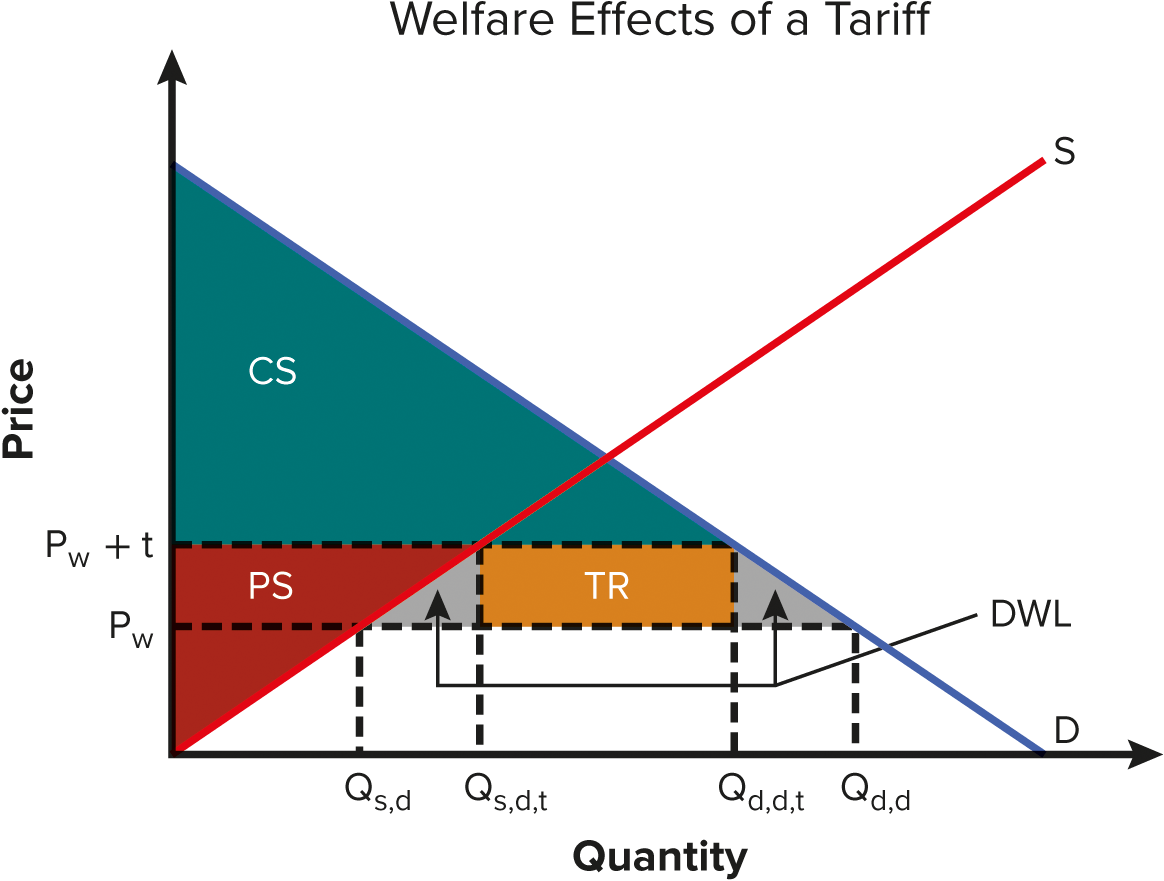
tariff
a barrier to trade, reduces imports, a tax or fee that must be paid to export
tariff welfare effects
consumer surplus falls, producer surplus rises, government collects tariff revenue, overall society is worse off
quota
numerical limit on import
quota welfare effects
consumer surplus falls, producer surplus rises, owners of quota rights gain, overall soceity is worse off
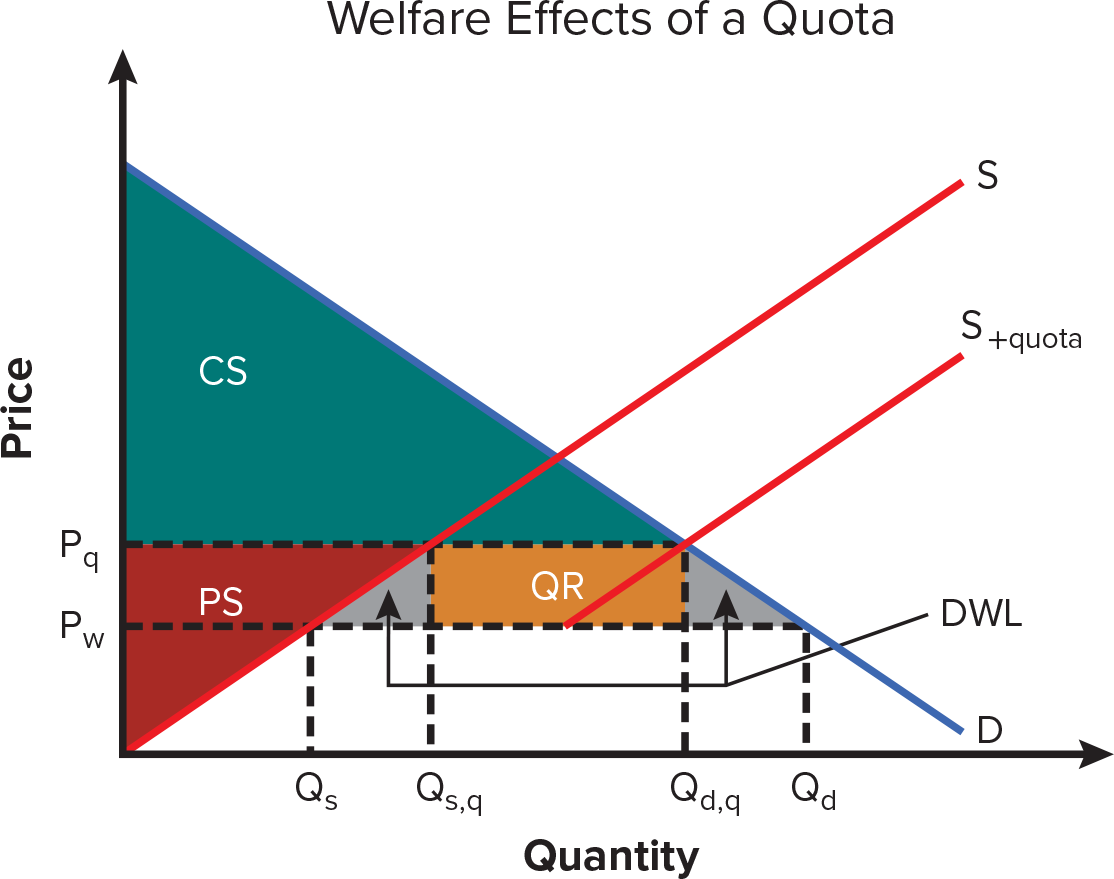
quota rent
income from quota
utility
satisfaction or happiness from consumption of goods or services
total utility
total satisfaction from consumption of good/service or combo of g/s
marginal utility
additional satisfaction from consumption of additional unit of g/s
decision making factors
rational,ranked preferences, limited incomes, prices
equal marginal principle
consumers maximize utility when they allocate their incomes in a way that marginal utility per dollar spent on each choice in the bundle is equal
equal marginal utility how to solve:
divide marginal utility by dollar
go down the list, seeing which one gives you higher marginal utility
start at 1, then 2, and if the other item’s “1” is higher than the other item’s “2”, then you get that one instead
total utility equals?
sum of marginal utilities
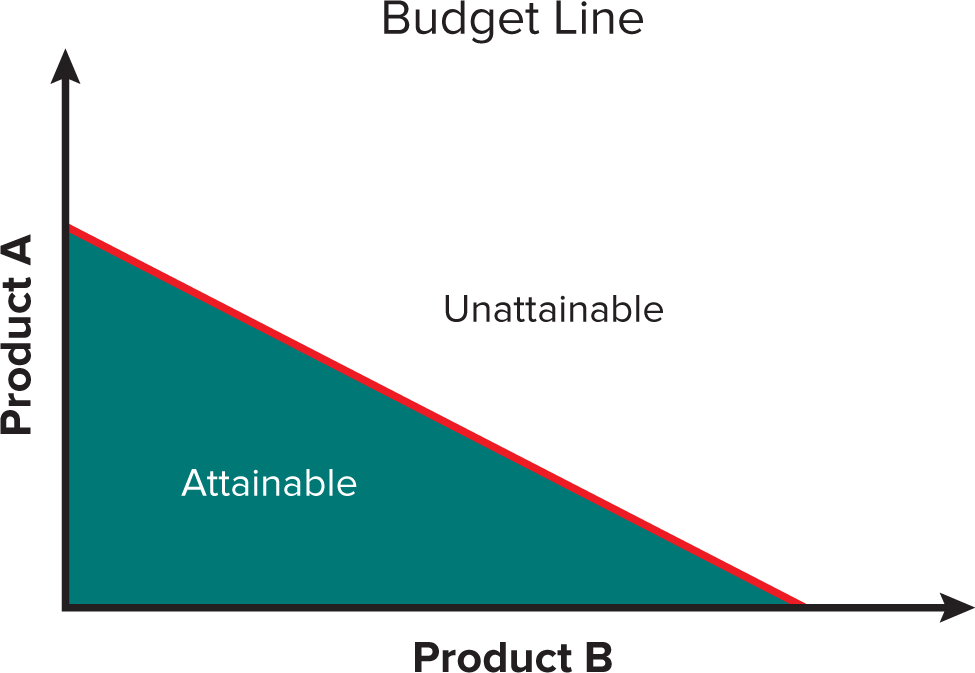
budget line
line showing different combos of two products that can be purchased with given budget and with known prices
indifference curves
curve showing the combos of two products that generate the same amount of utility
indifference curves qualities
downward sloping, curves farther from the origin are preffered, indifference curves cannot cfross
hint: when budget line and indifference curves cross, maximize
economic costs
sum of explicit and implicit costs, costs associated w/ use of resources
explicit costs
monetary costs
implicit costs
costs associated w/ opportunity costs of using owned resources
accounting profit
total revenue minus explicit costs
ecnonomic profit
total revenue- economic costs (explicit and implicit)
hint: zero accounting profit isnt good, means economic profit is zero. Zero economic cost however is okay, means youre doing just as well as your next best option
short run
time period which one variable stays the same the others can change
total product
total output w/ given resources
marginal product
addtional output produced in result of of utilizing one more unit of a variable resource
average product
average product produced per unit of chosen resource
increased marginal returns
marginal product w/ next unit of variable resource is greater than that of previous vriable resource
diminishing marginal returns
hints: average fixed cost always declines with more output produced
average variable and fixed cost declines then increases
avt and atc are not parallel
three types of average costs
fixed afc, variable avc, total atc divide all of those by total output
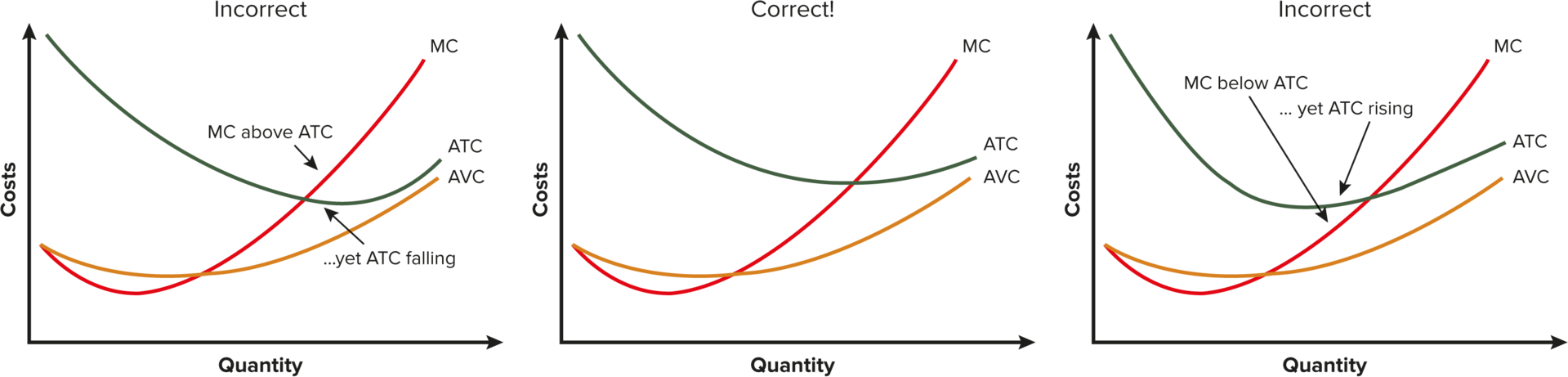
Hint: if marginal cost is above average, it increases. if it is below average, it decreases
curves of mc avc and afc
rememeber MC intersects at the minimum point of their curves
short run average total cost (ATC)
curve showing average total cost for different levels of output when at least on input is fixed, usally plant capacity
long run average total costs curve
curve showing lowest average total cost for any given level of output when all inputs in production are variable
price elasticity of demand
a measure of how responsive quantity demanded is to price change. percent change in quantity. percent change in price. Always negative, price increase= quantity demand decrease, price decrease= quantity demand increase
price elasticity of demand midpoint formula
midpoint percent change in demand/ midpoint percent change in price
calculate by product 2-product 1/ (p2+P1)/2 times 100 do this for quantity and price then divide the two
inelastic
less sensitive to change, less than one
elastic
greater than one, sensitive to change in price
unit elastic
equal to one
perfectly elastic
any change makes 0 demand immediately
perfectly ineqlastic
ends up equaling zero, any change in price leaves quantity demanded unchanged
Hint: elastic is flatter, inelastic is steeper
hint: in a line of an elasticity curve, unit elastic is max, top of the line is elastic, bottom of the line is inelastic
Hint: more substitutes equals more elasticity

