movements in architecture - test 3
 Studied by 0 people
 Call Kai
 Learn
Learn Practice Test
 Spaced Repetition
 Match
Match Flashcards
 Knowt Play
1/49

There's no tags or description
Looks like no tags are added yet.
Name | Mastery | Learn | Test | Matching | Spaced | Call with Kai |
|---|
No analytics yet
Send a link to your students to track their progress
50 Terms
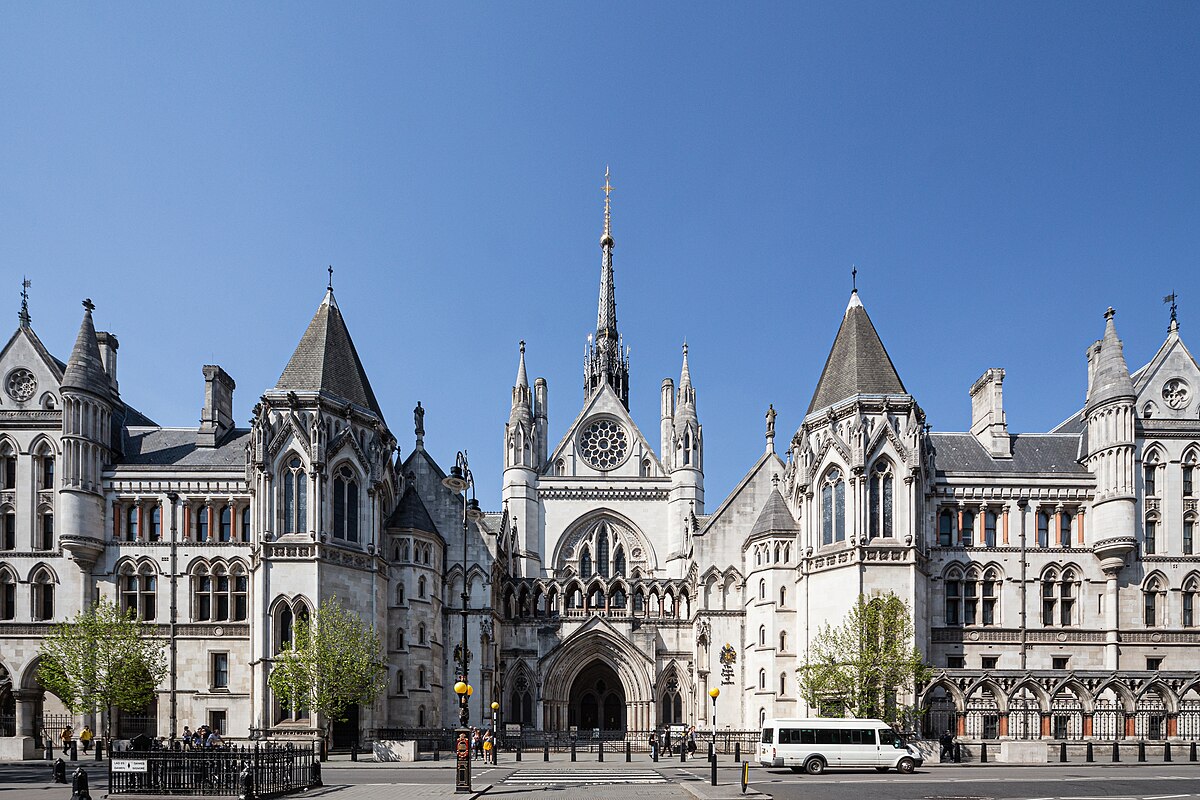
london law courts (1870 - 1881)
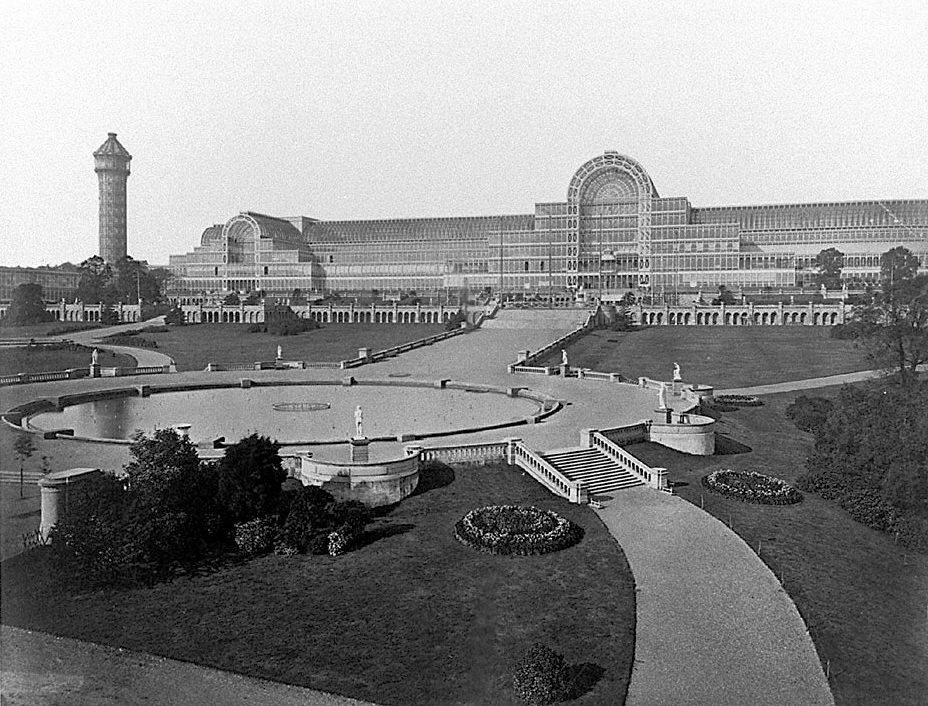
crystal palace - london, england (1851)
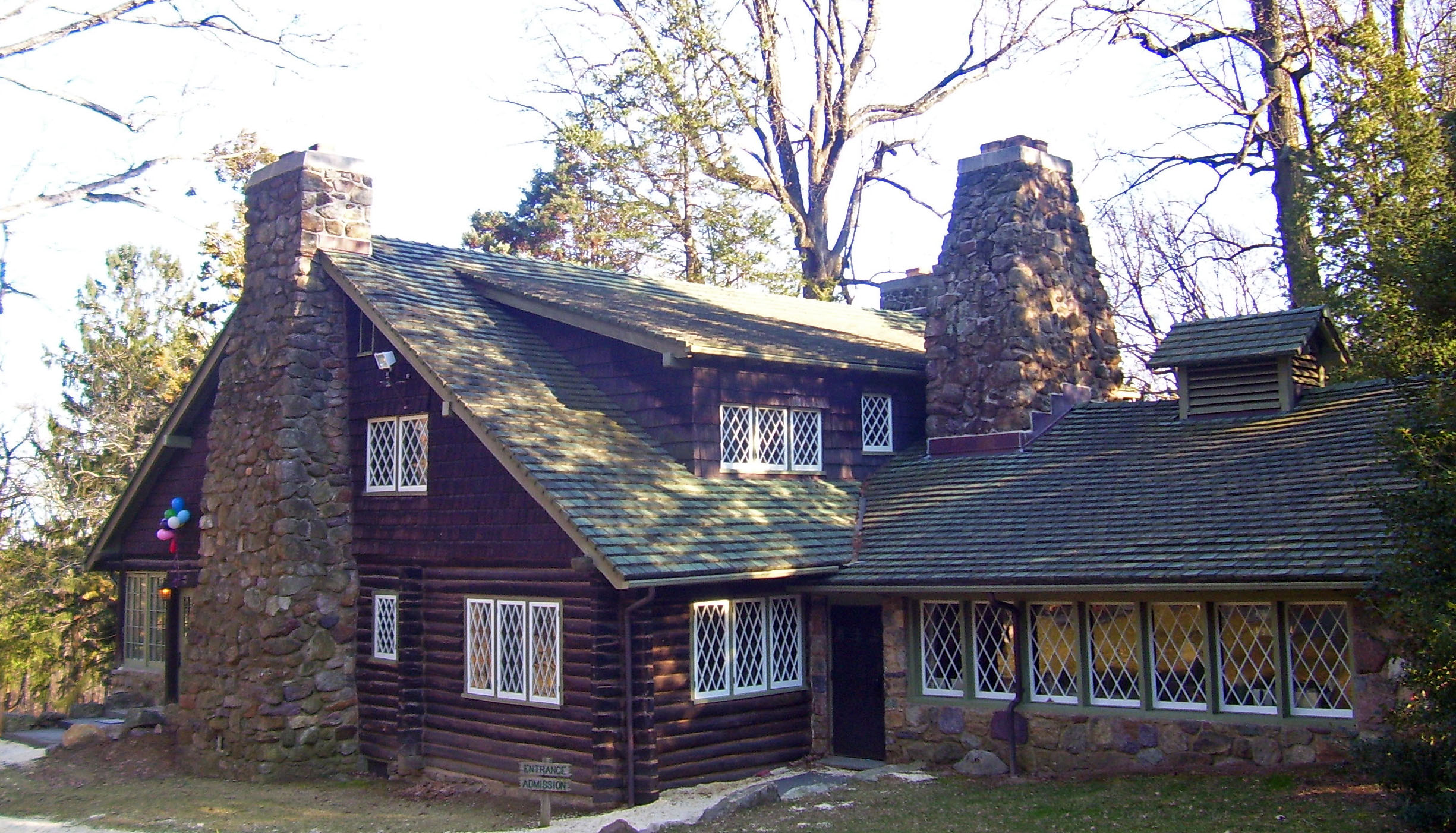
craftsman farm - morris country, new jersey (1908)
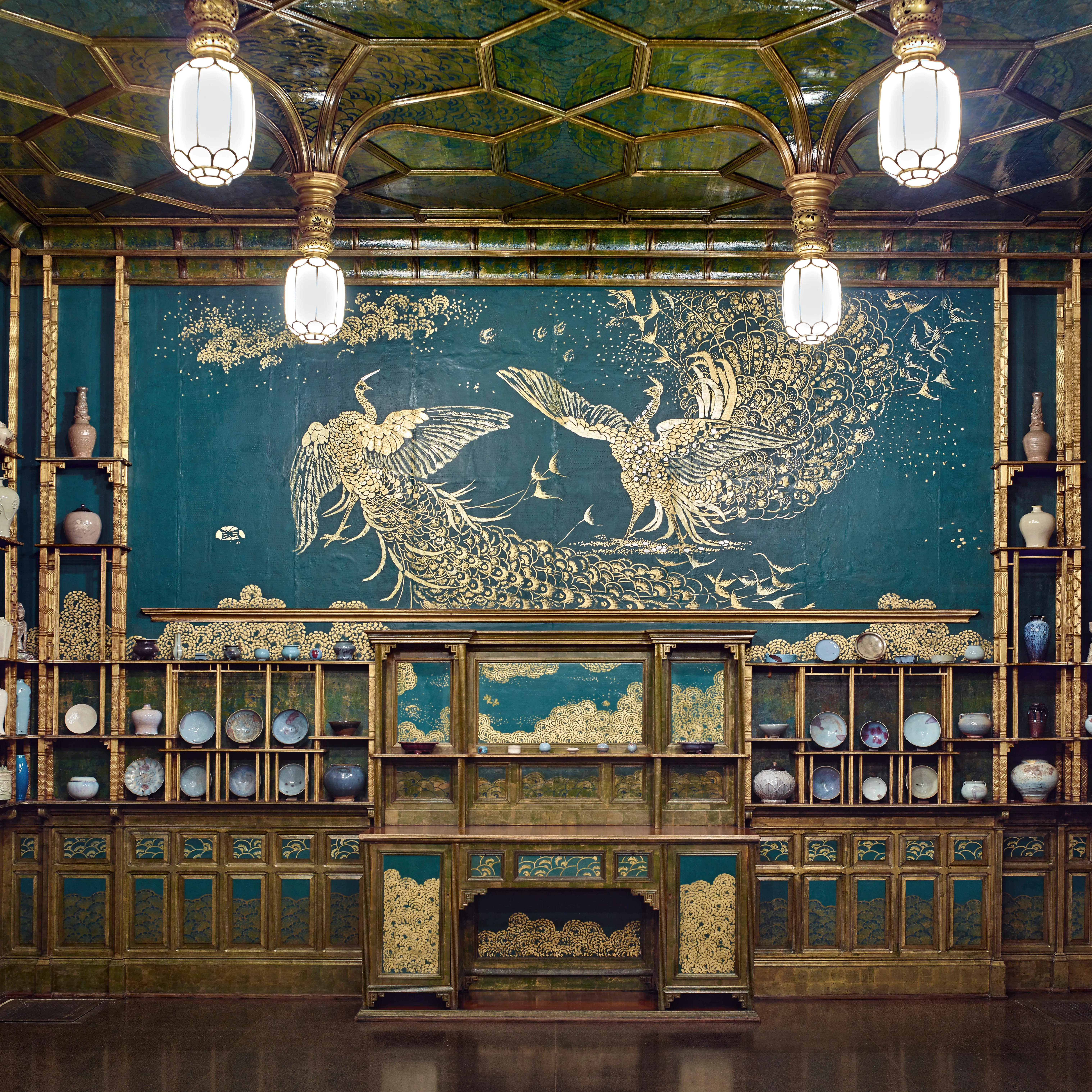
james mcneill whistler’s peacock room (1834 - 1903)
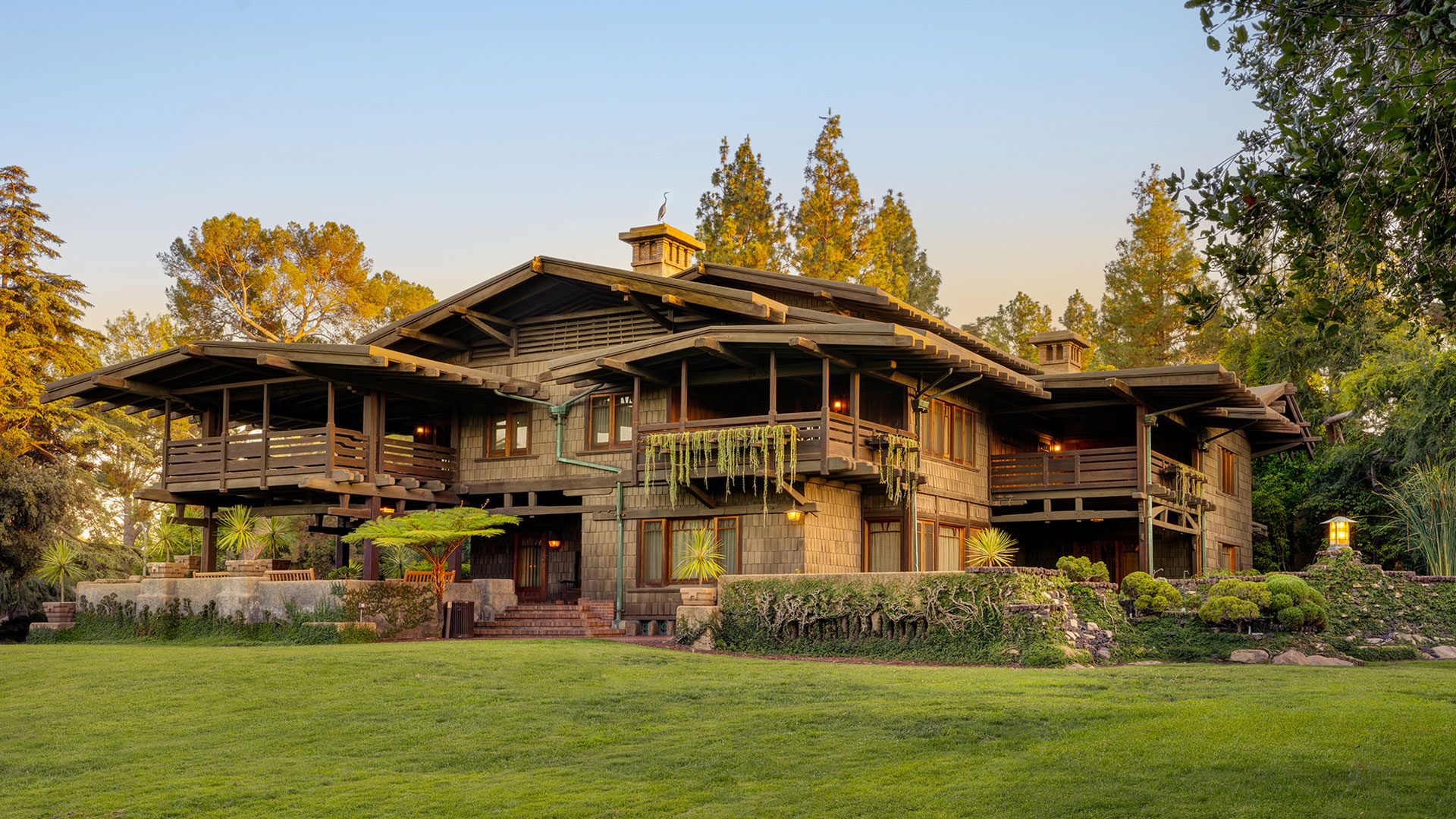
gamble house - pasadena, california (1908)
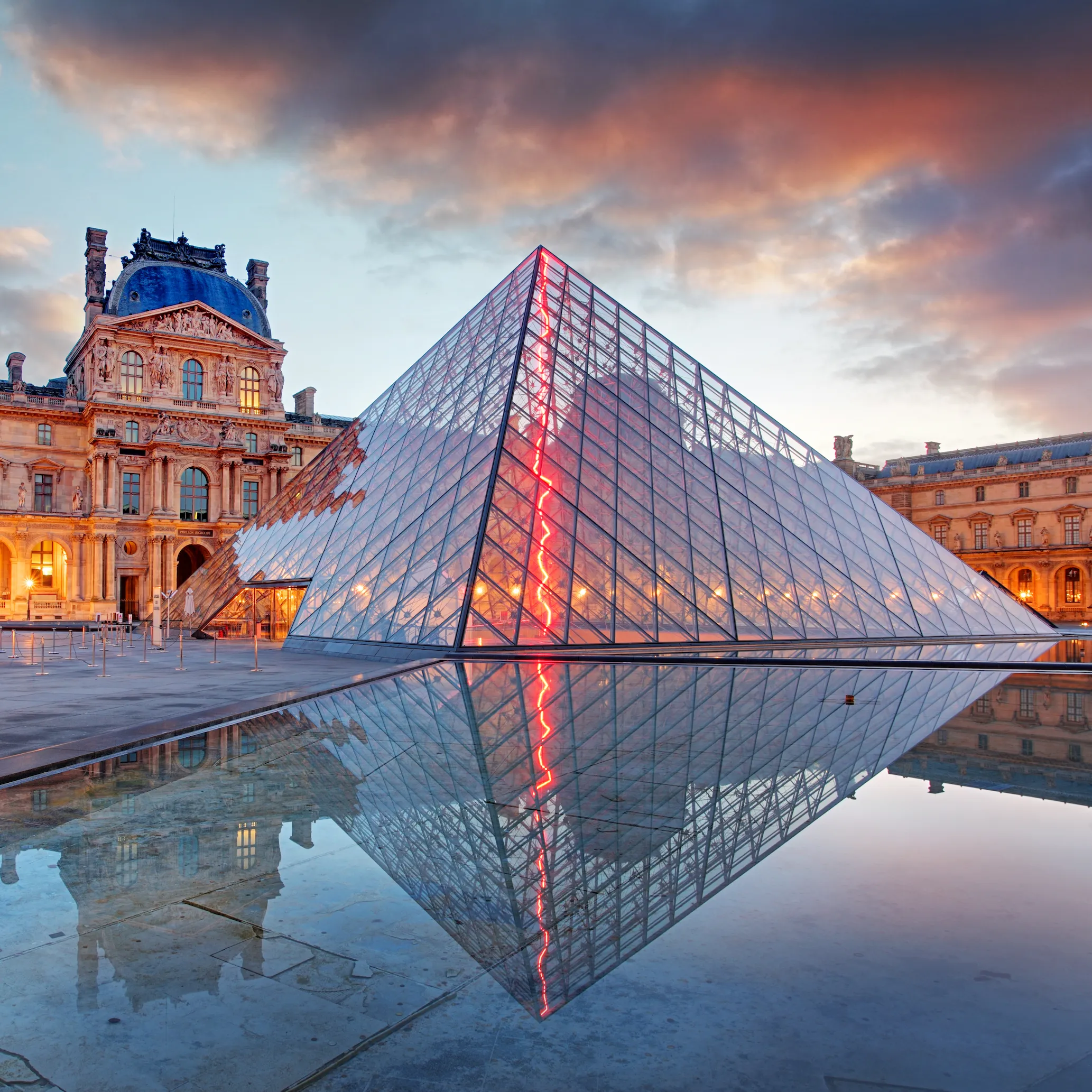
the lourve museum
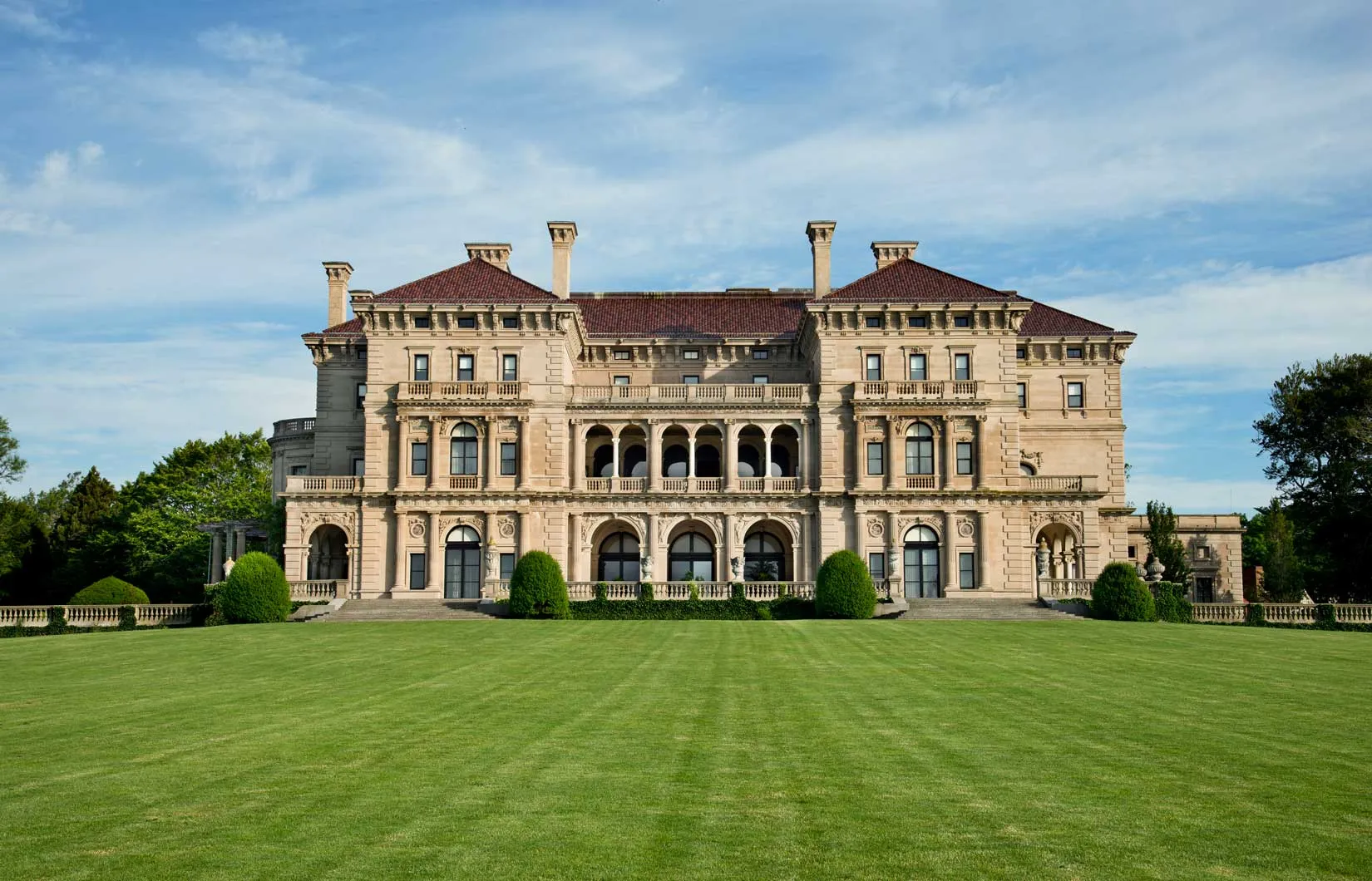
the breakers - newport, rhode island (1893 - 1895)
palais garnier / paris opera - paris, france (1861 - 1875)
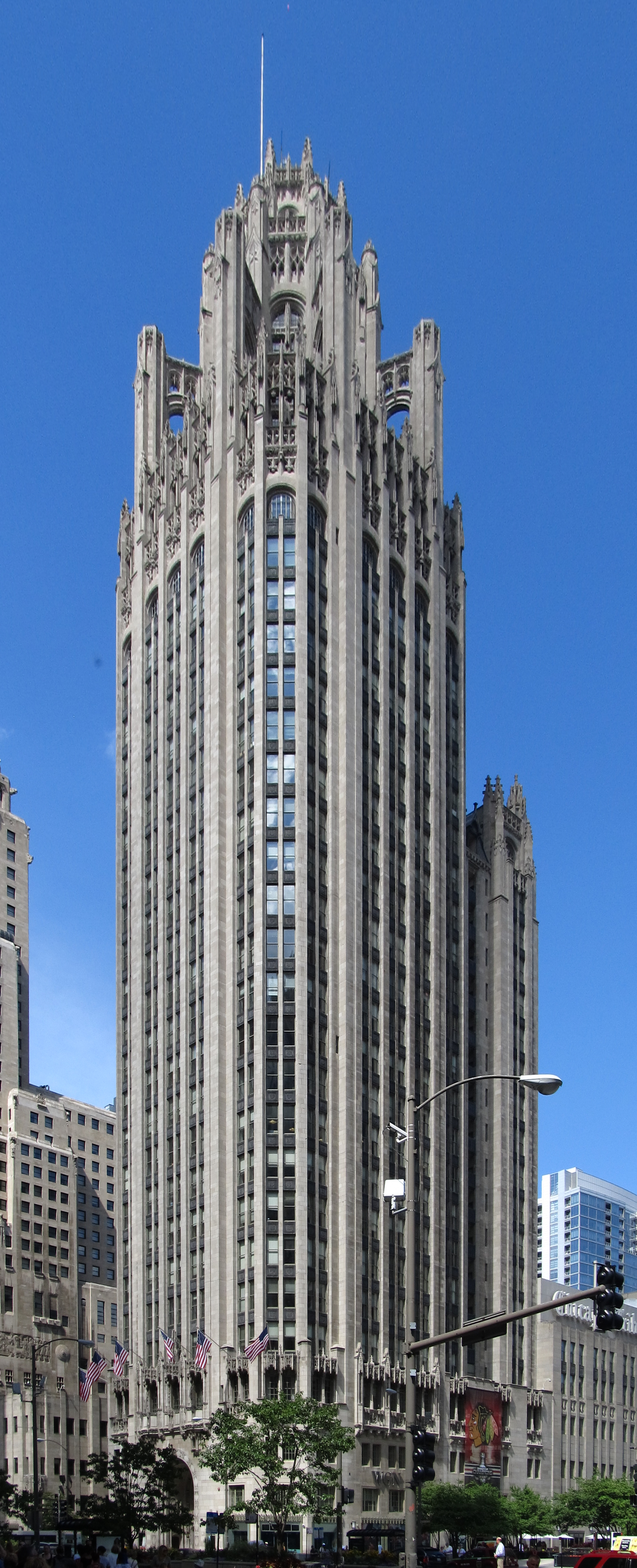
chicago tribune - chicago, illinois (1922 - 1925)
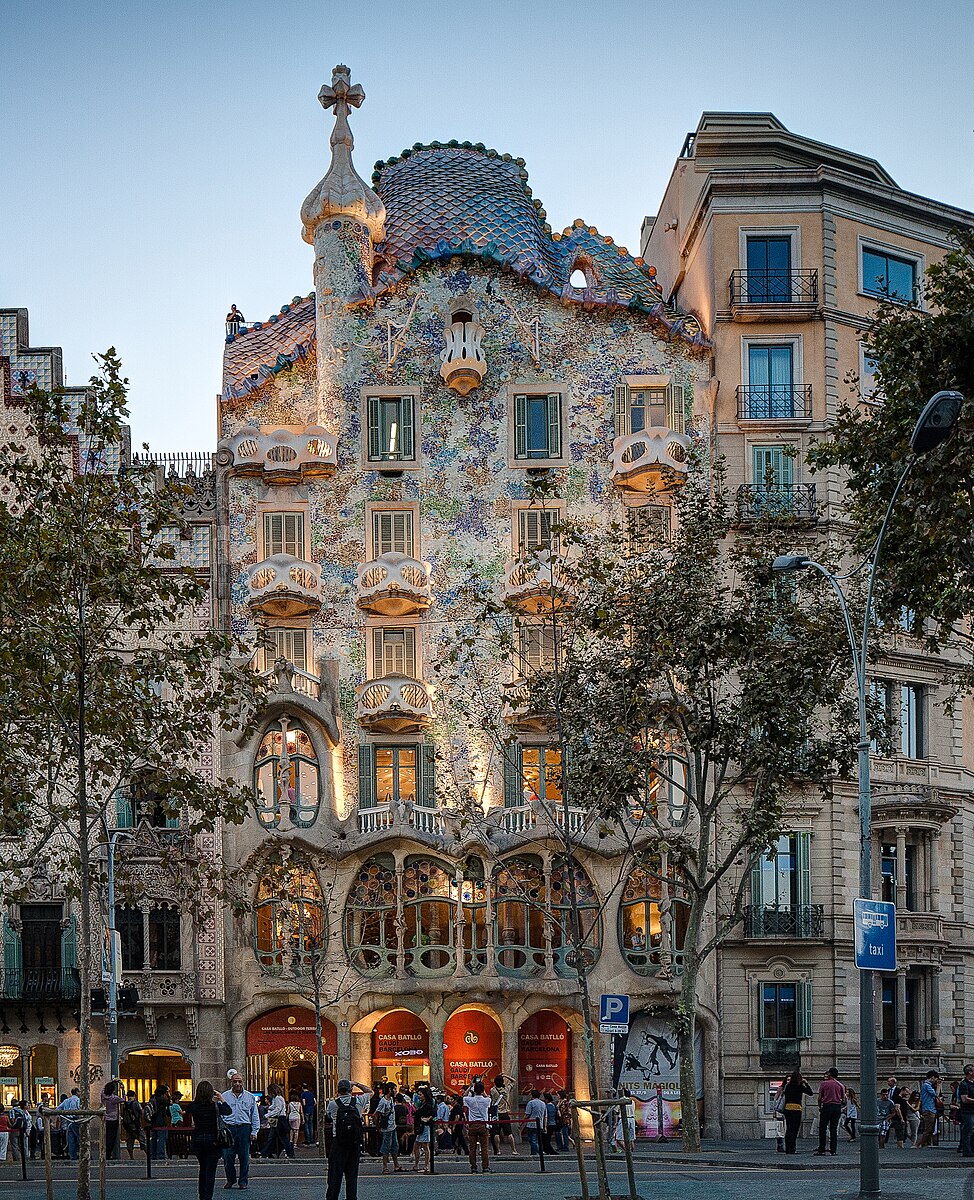
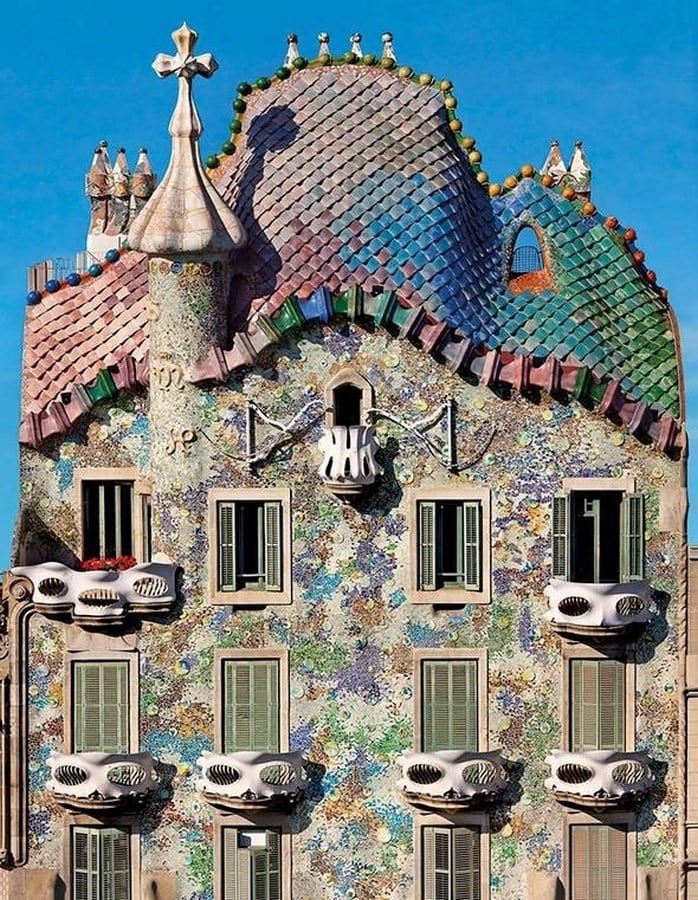
casa batllo - barcelona, spain (1905 - 1907)
pavillon de l’espirit nouveau - paris, france (1925)

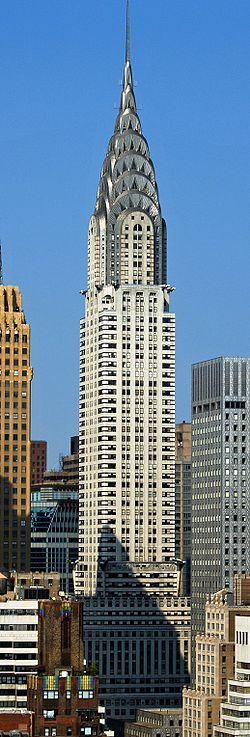
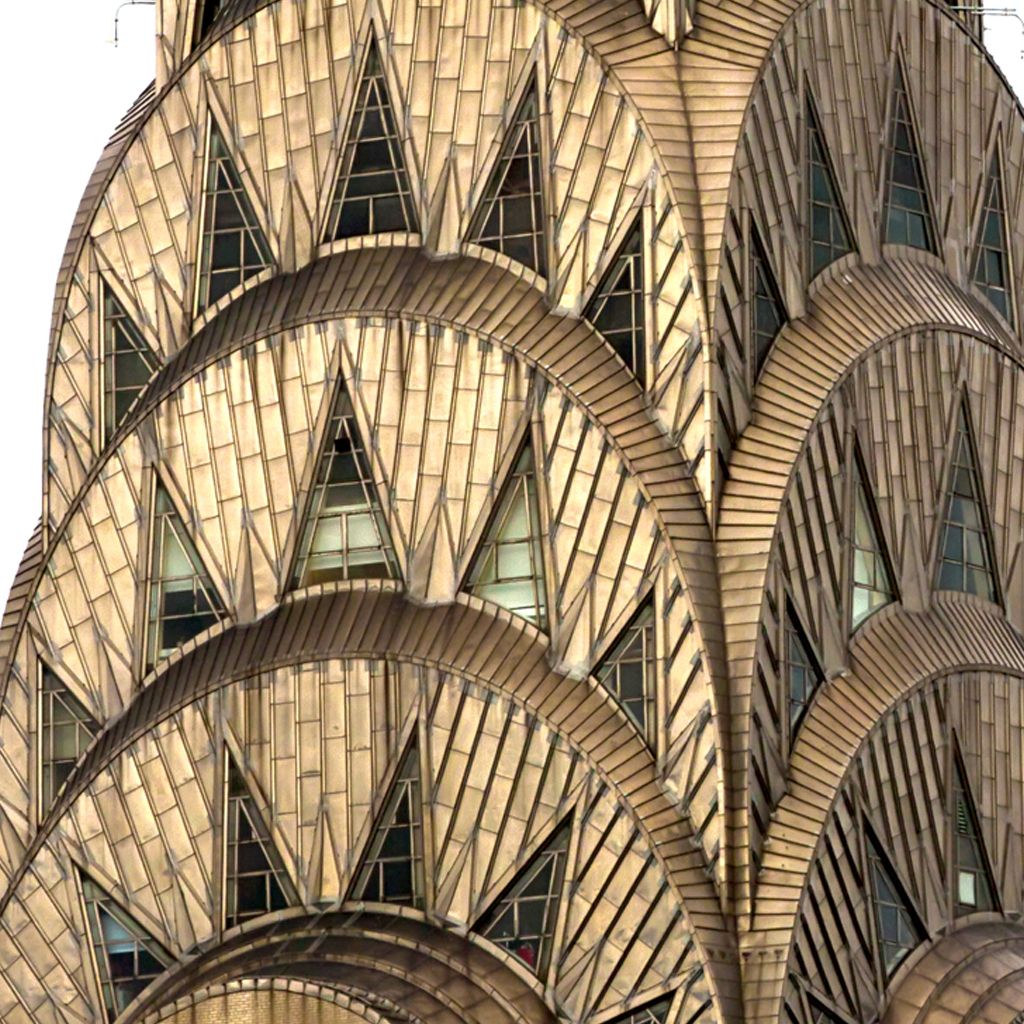
chyrsler building - new york, new york (1928 - 1930)
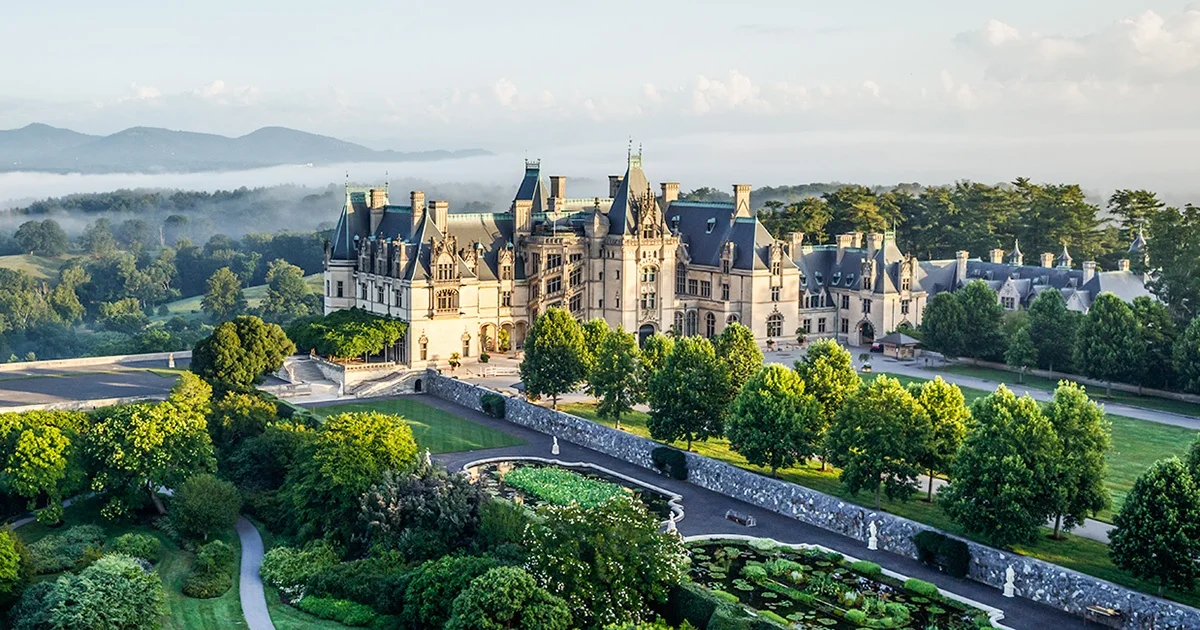
biltmore estate - ashville, north carolina (1895)
the cason-pirie-scott renovation - chicago, illinois (1899 -1901, 1903 - 1904)

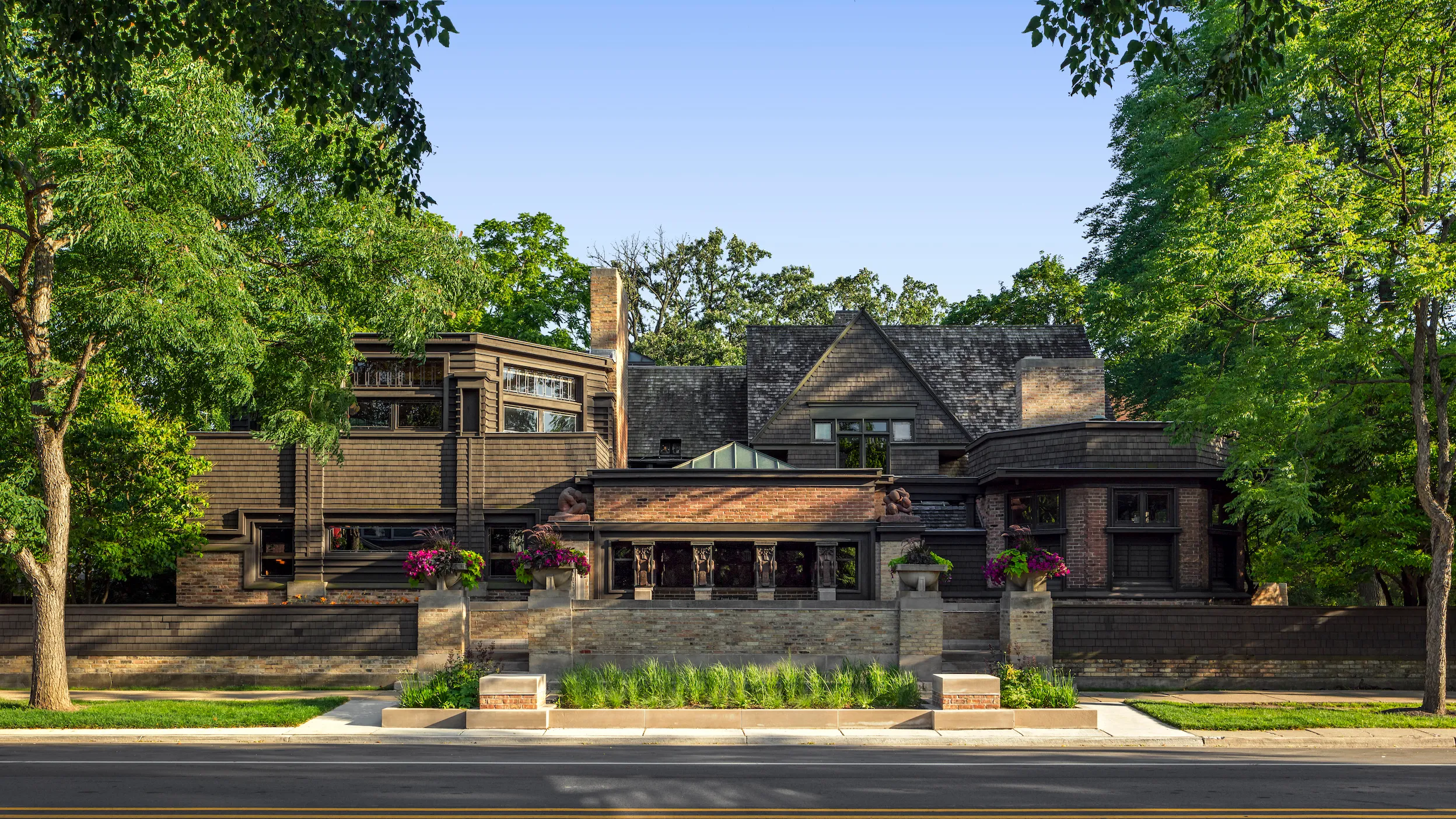
frank lloyd wright’s home and studio - oak park, illinois (1905 - 1908)
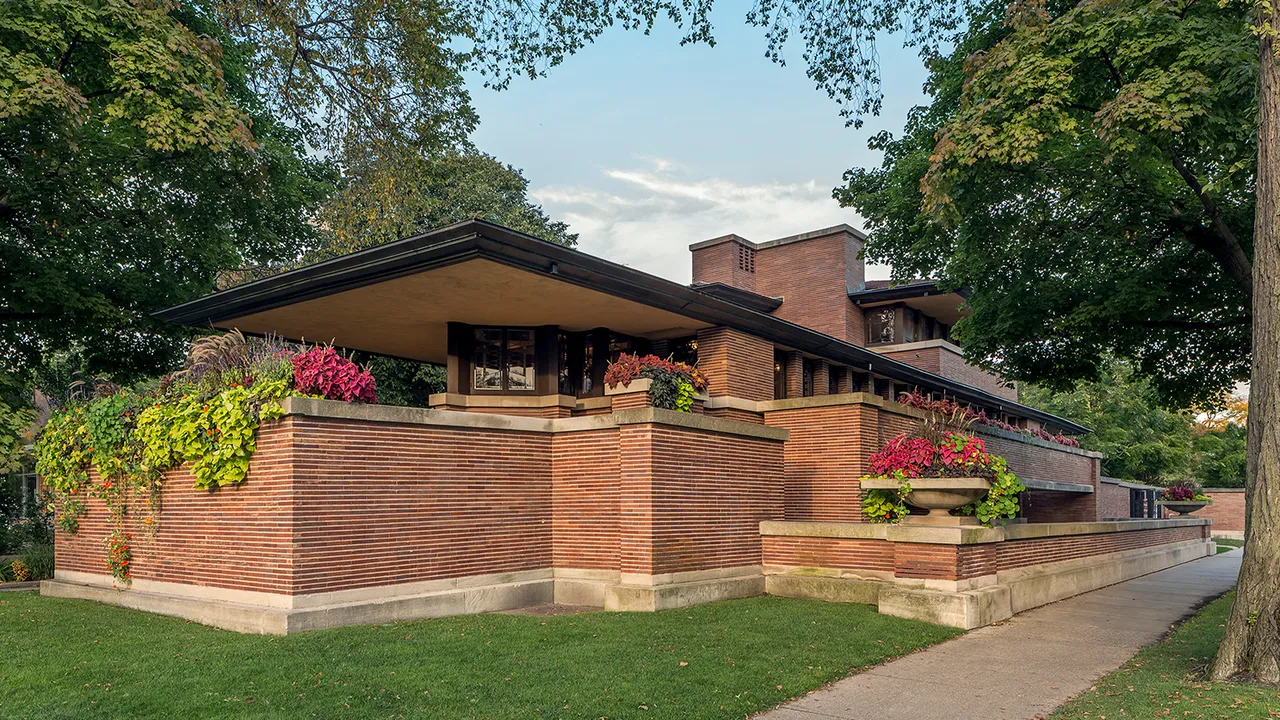
robie house - chicago, illinois (1909)
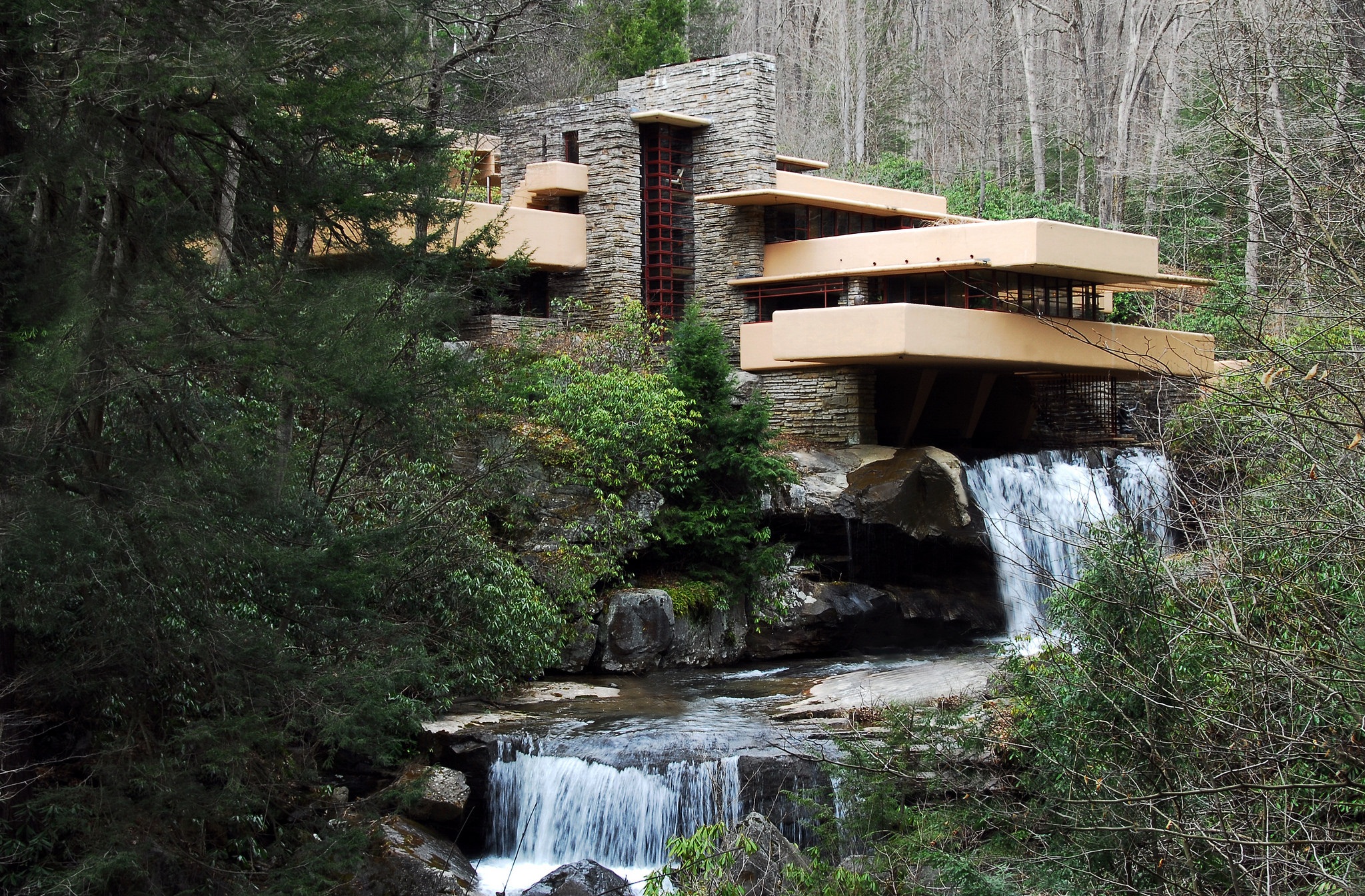
falling water - mill run, pennsylvania (1935)
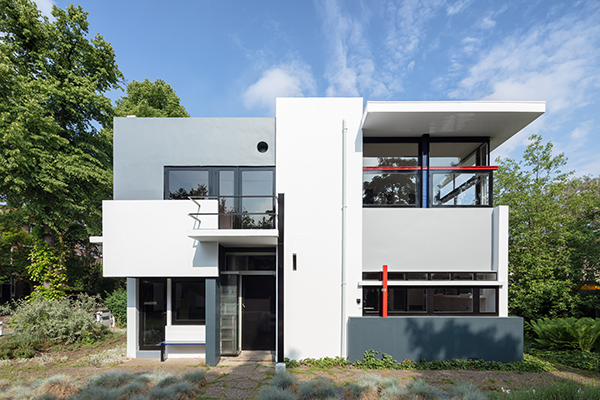
schröder house - utrecht, netherlands (1924)
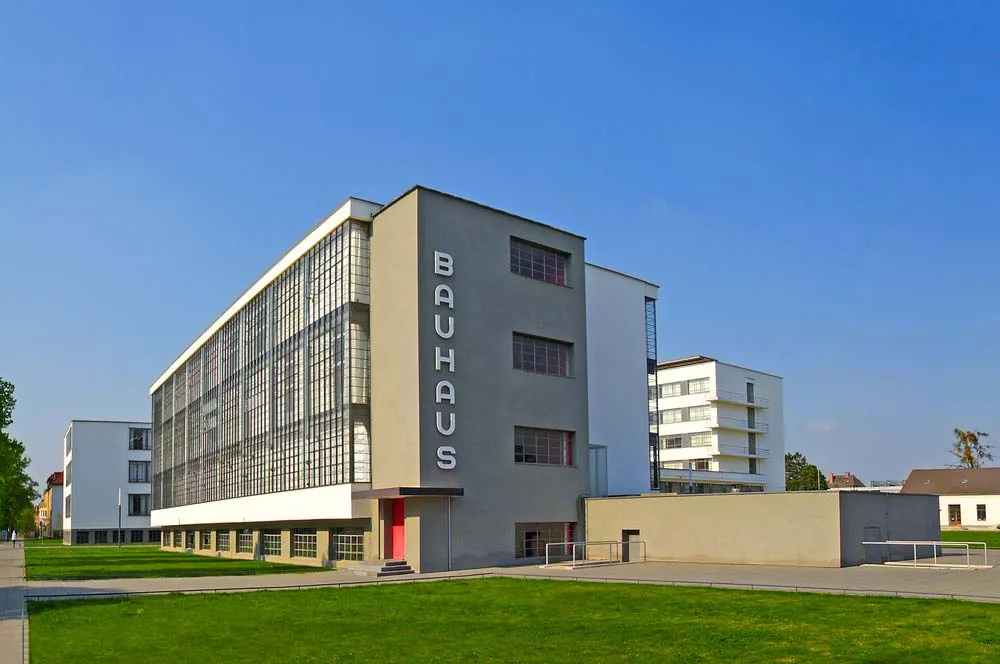
bauhaus - dessau, germany (1925 - 1926)
translated to the building house; a school of design established in weimar in 1919 by walter groupius, moved to dessau in 1926, and closed in 1933 as a result of nazi hostility
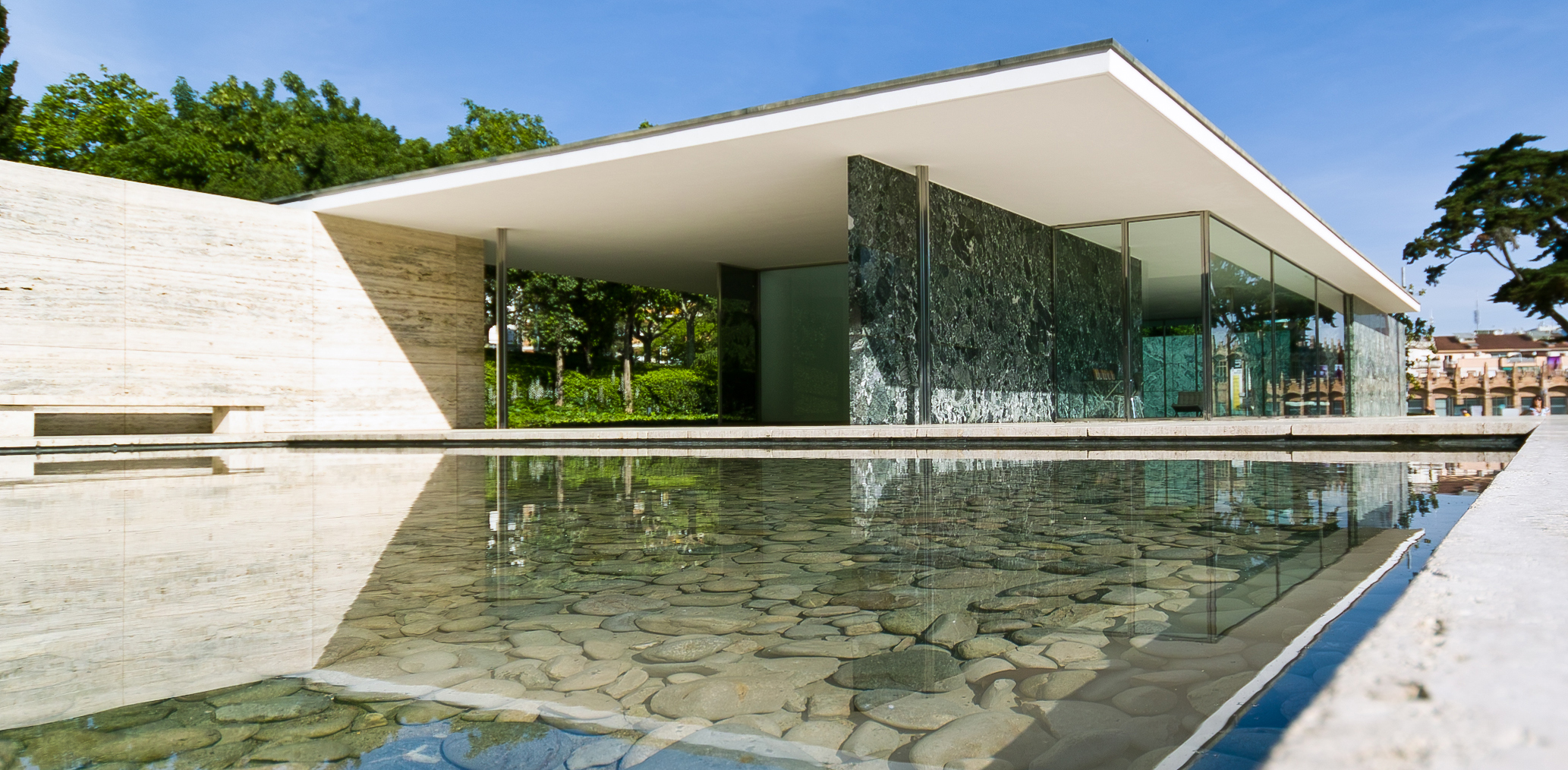
german pavillion - barcelona, spain (1929)
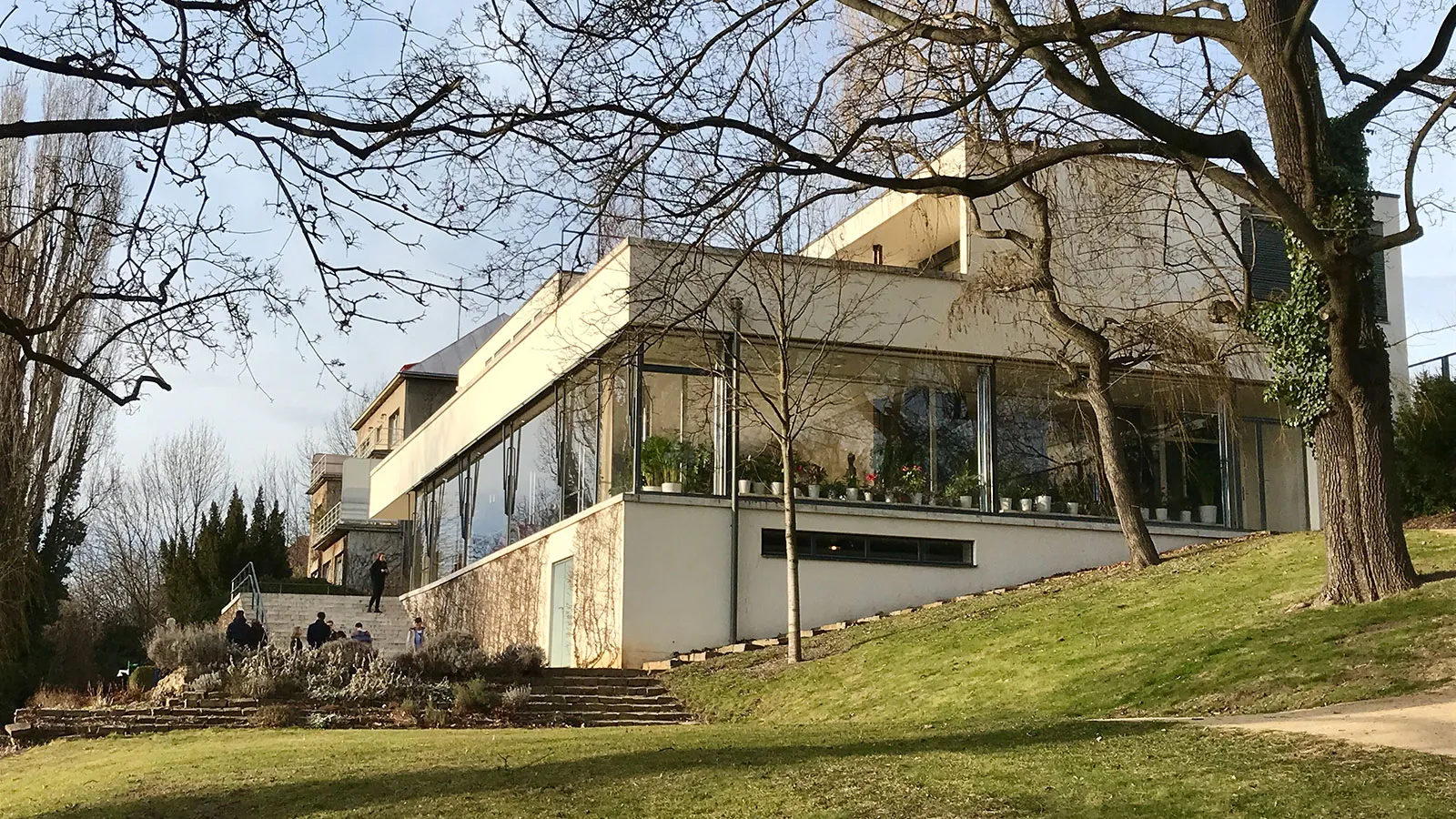
villa tugendhat - brno, czech republic (1928 - 1930)
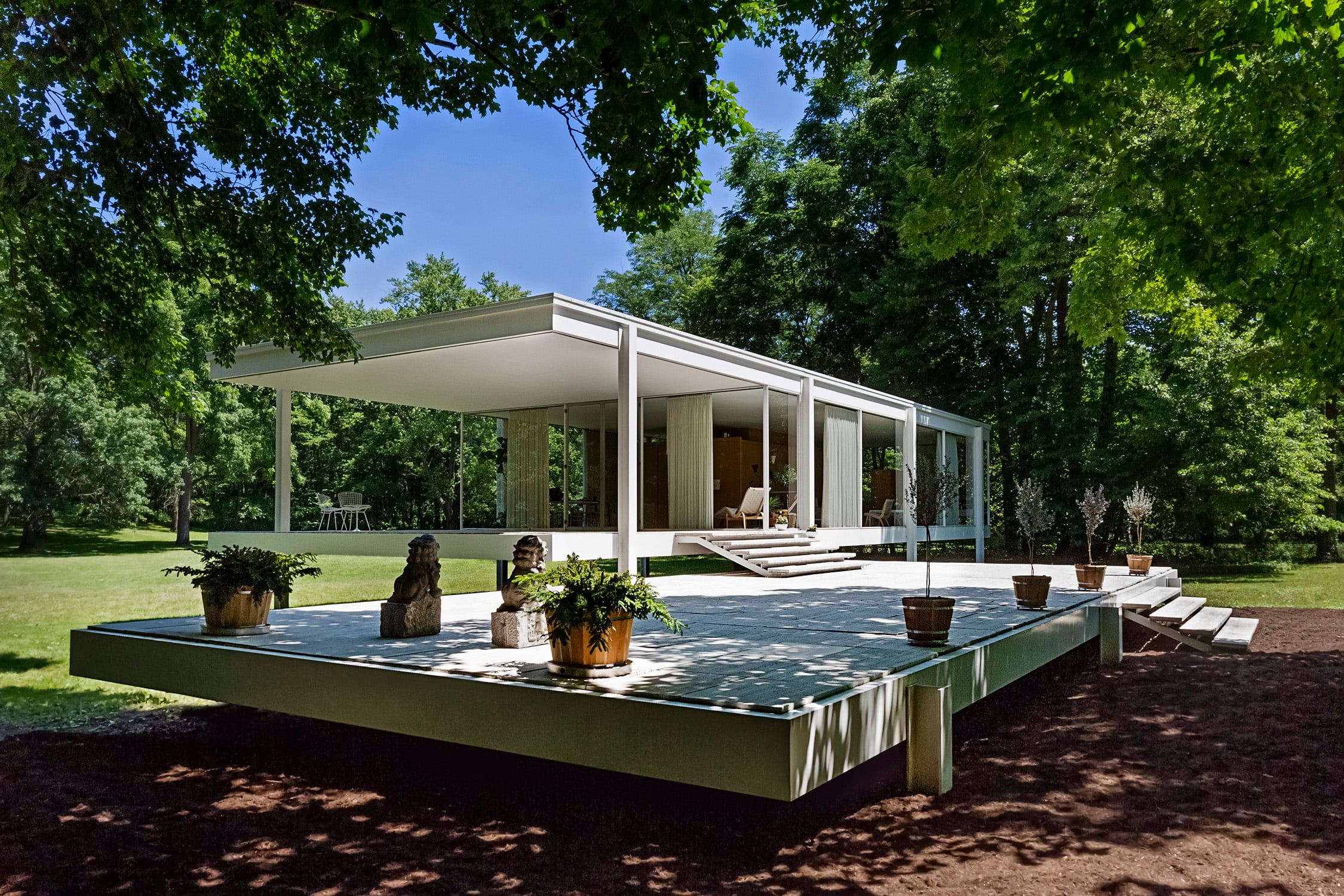
farnsworth house - chicago, illinois (1945 - 1950)
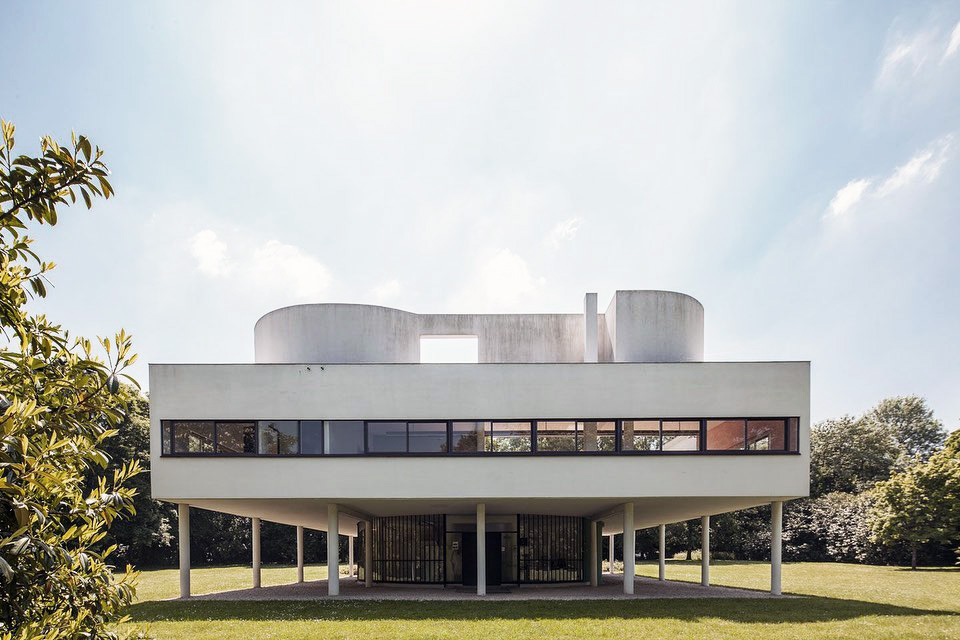
villa savoye - poissy, france (1928 - 1931)
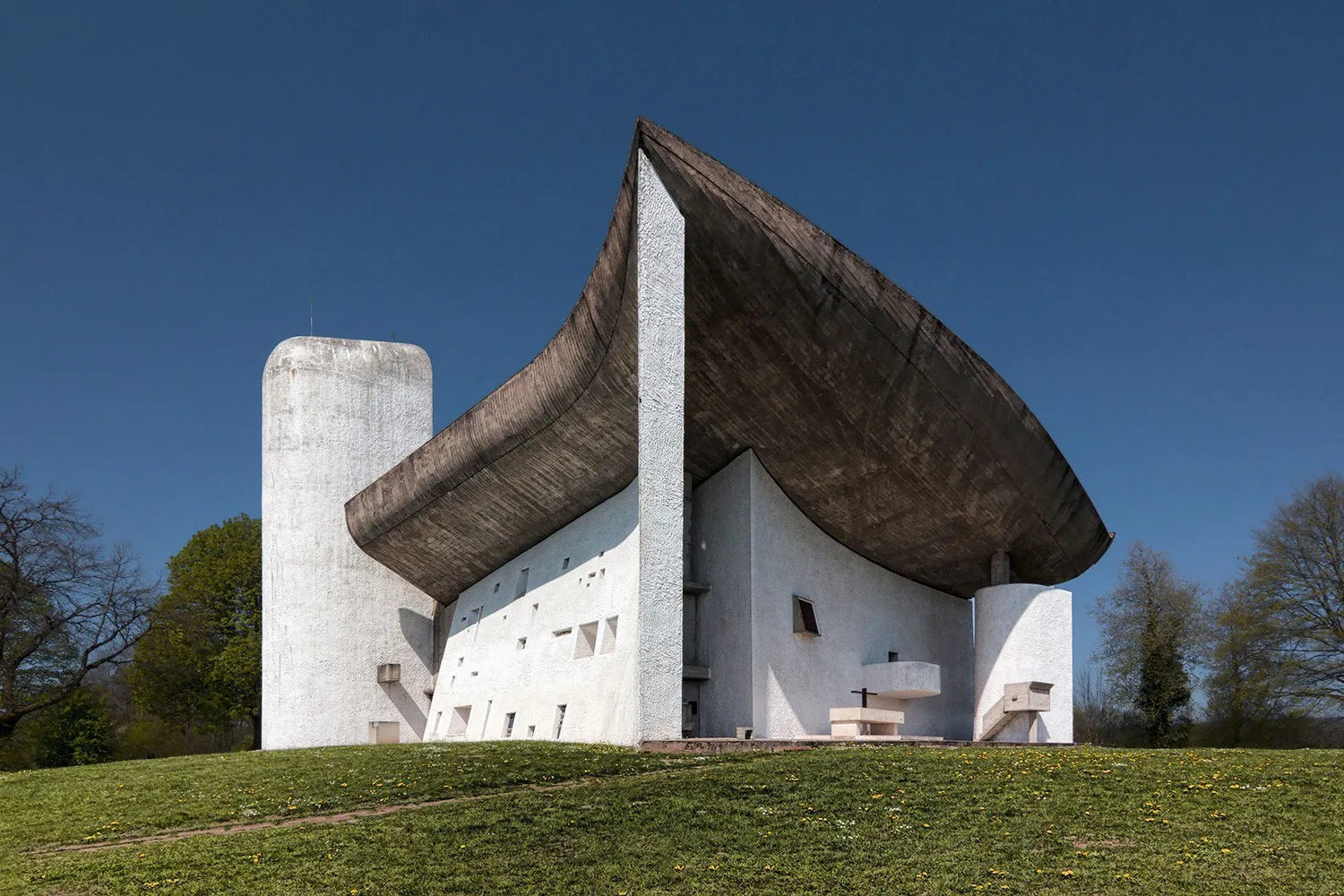
notre dame du haut - ronchamp, france (1954)
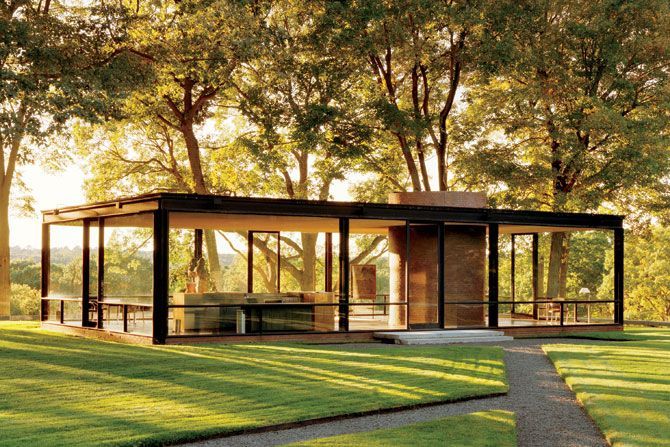
philip johnson’s glass house - new canaan, connecticut (1949)
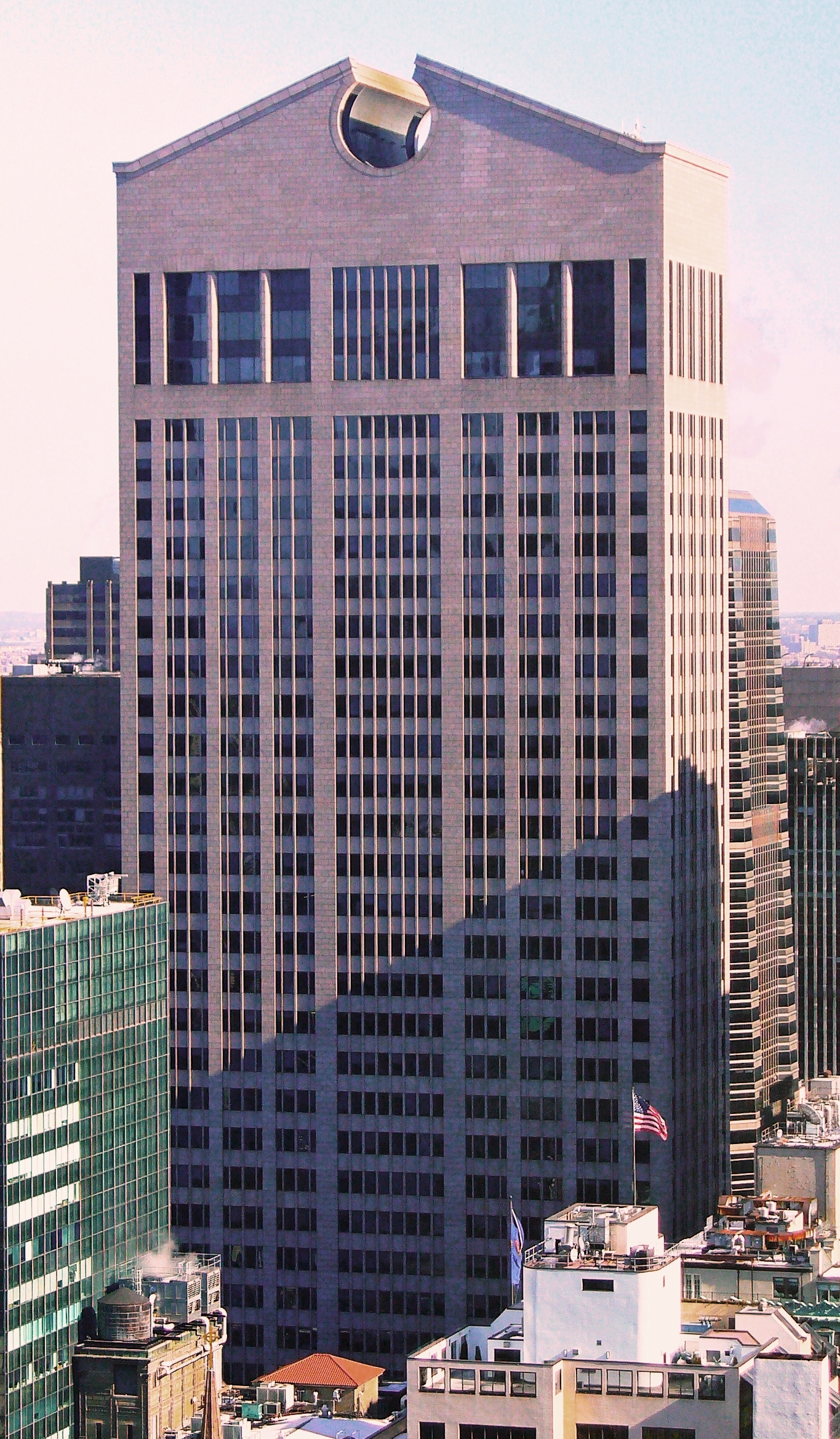
sony building, the at&t headquarters - new york, new york (1979 - 1984)
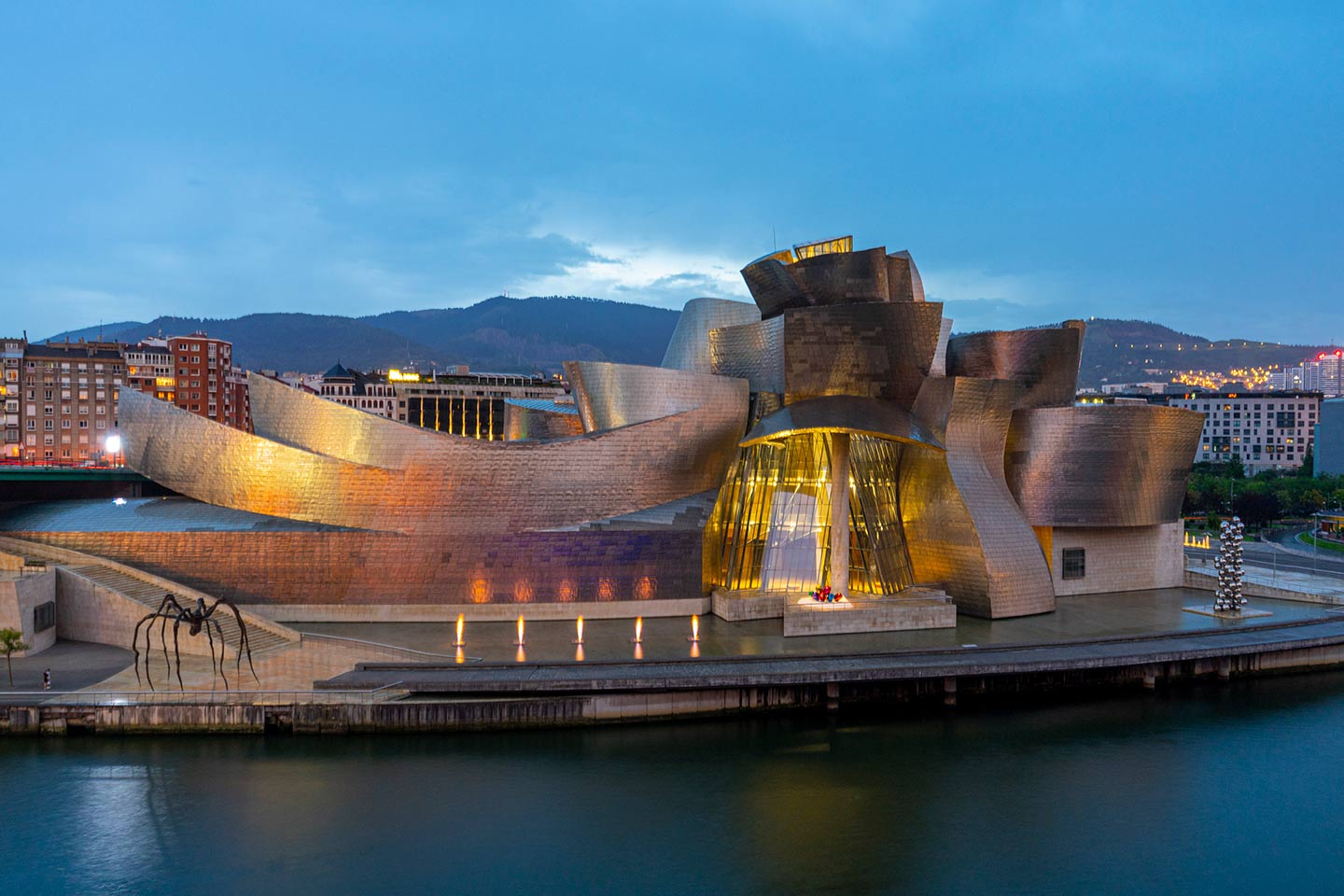
guggenheim museum - bilbao, spain (1991 - 1997)
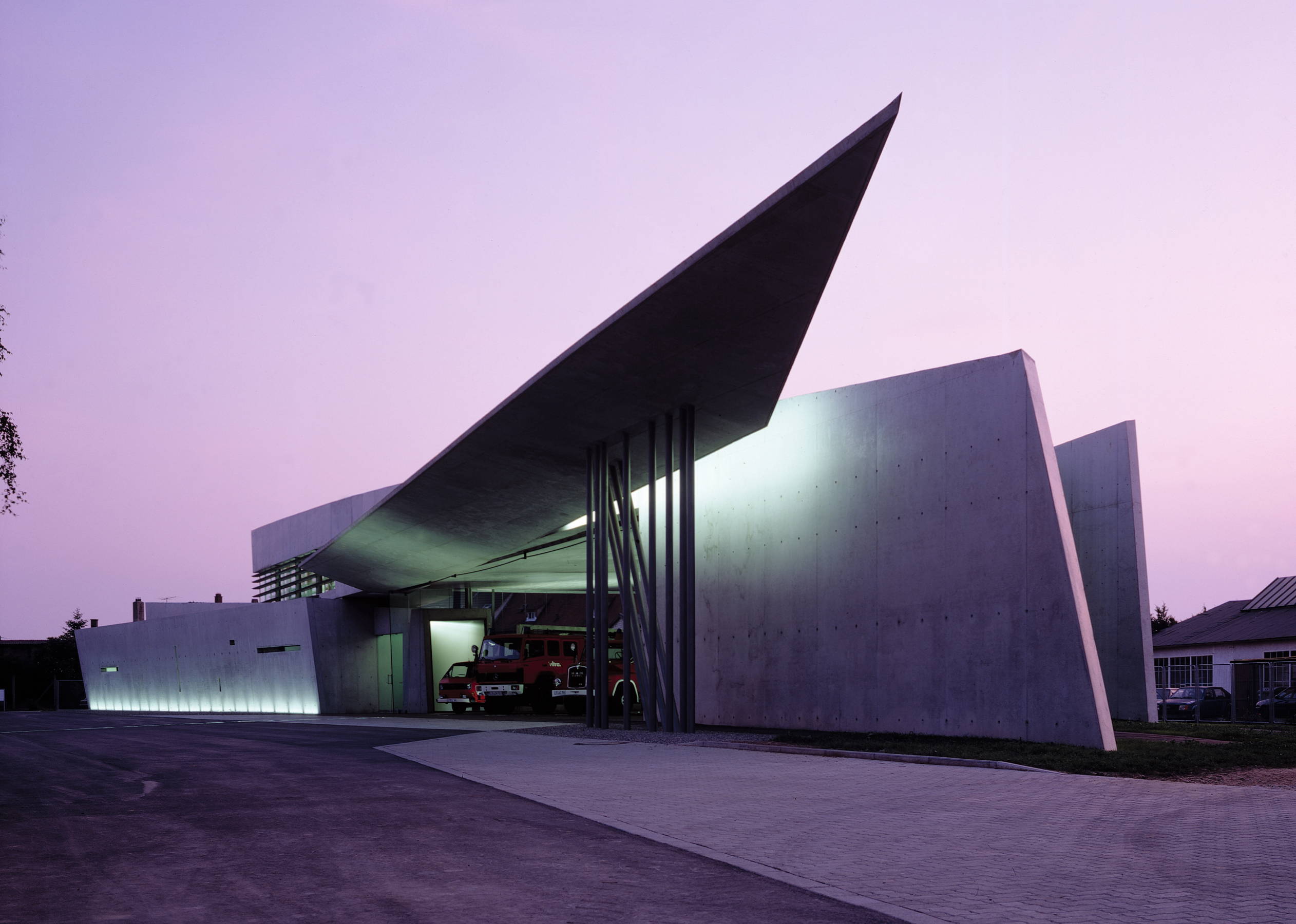
vitra fire station - weil am rhein, germany (1994)
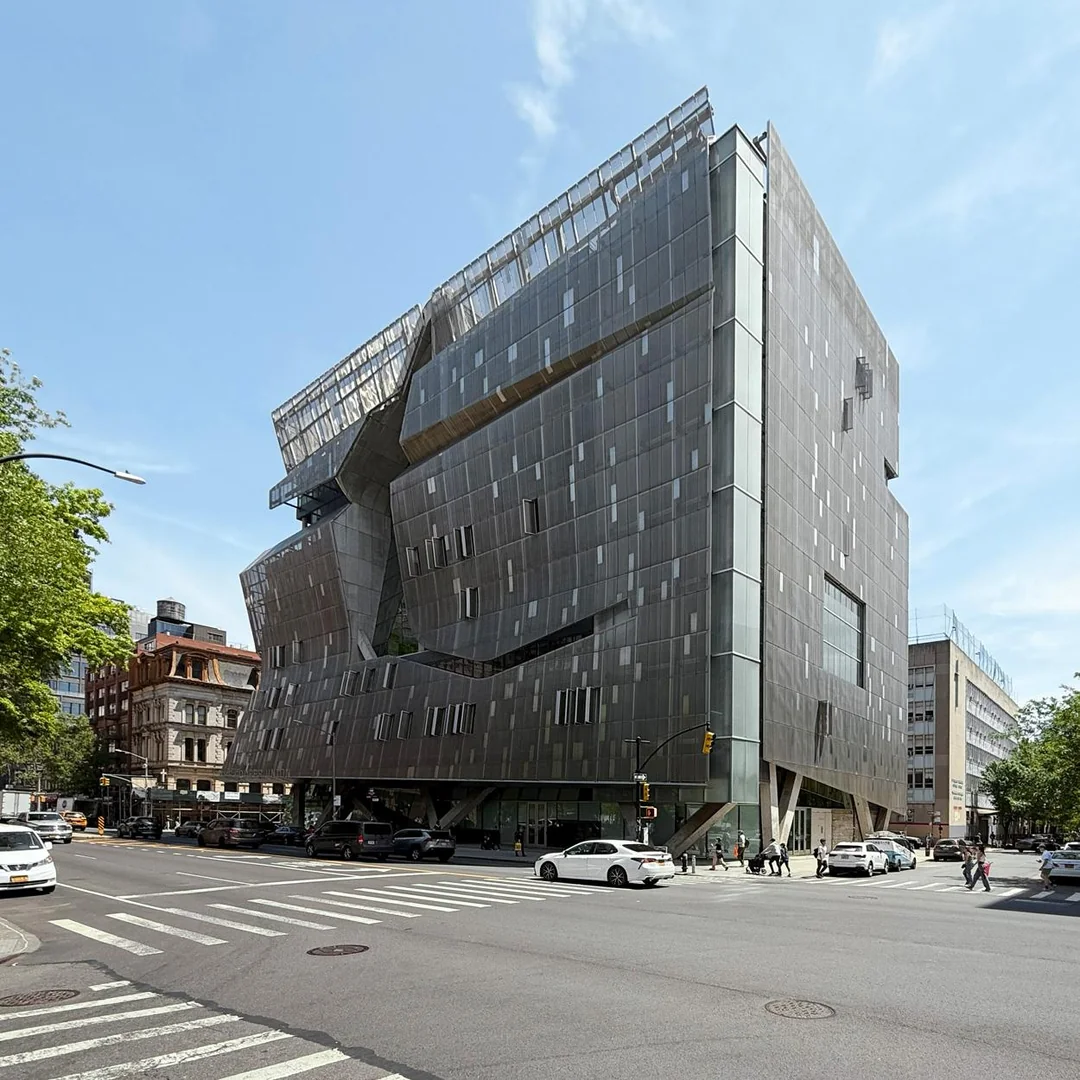
morphosis’s 41 cooper square - new york, new york (2009)
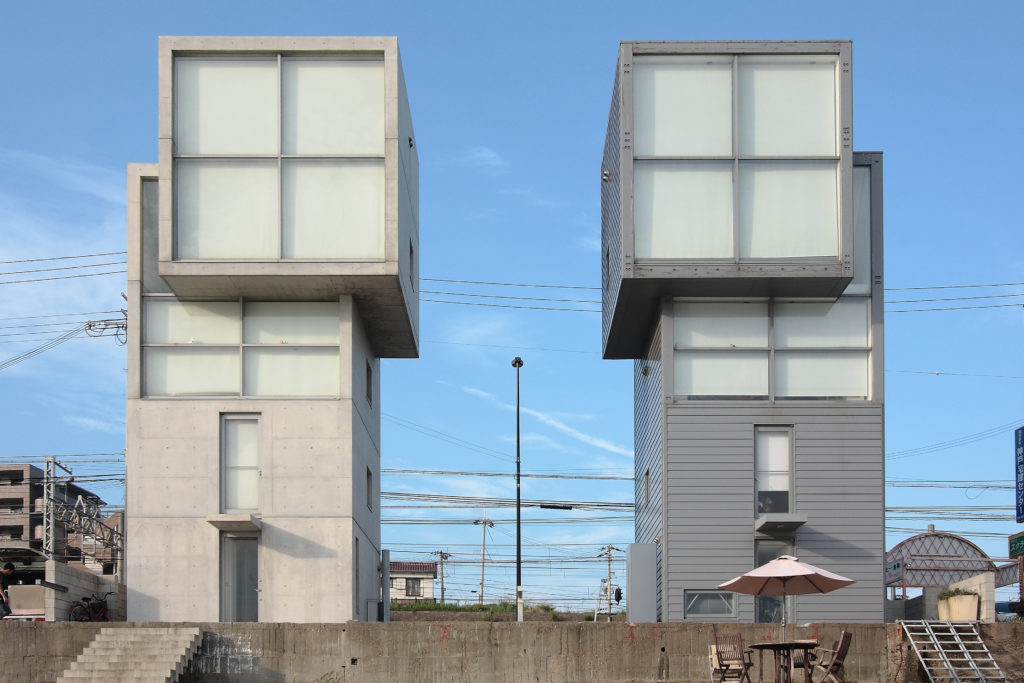
4×4 house - kobe, japan (2003)
richardson romanesque
a style named after henry hobson richardson - an american architect working in the romanesque style in the mid to late 19th century

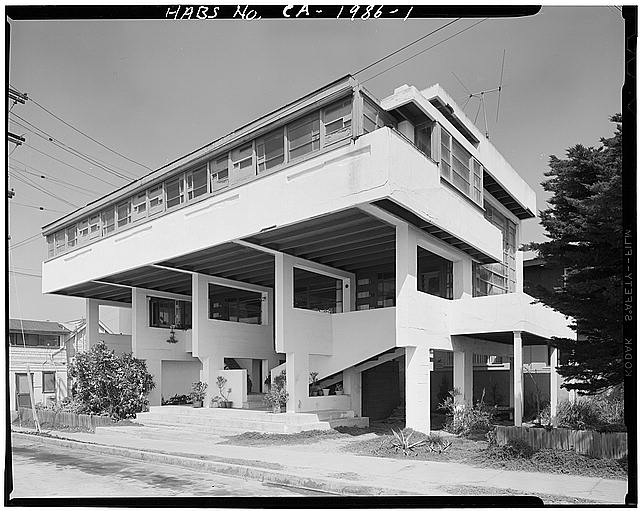
the international style
has five points of new architecture including the supporting of ground level pilots, open floor plan, long horizontal windows; architects like le corbusier practiced in this style
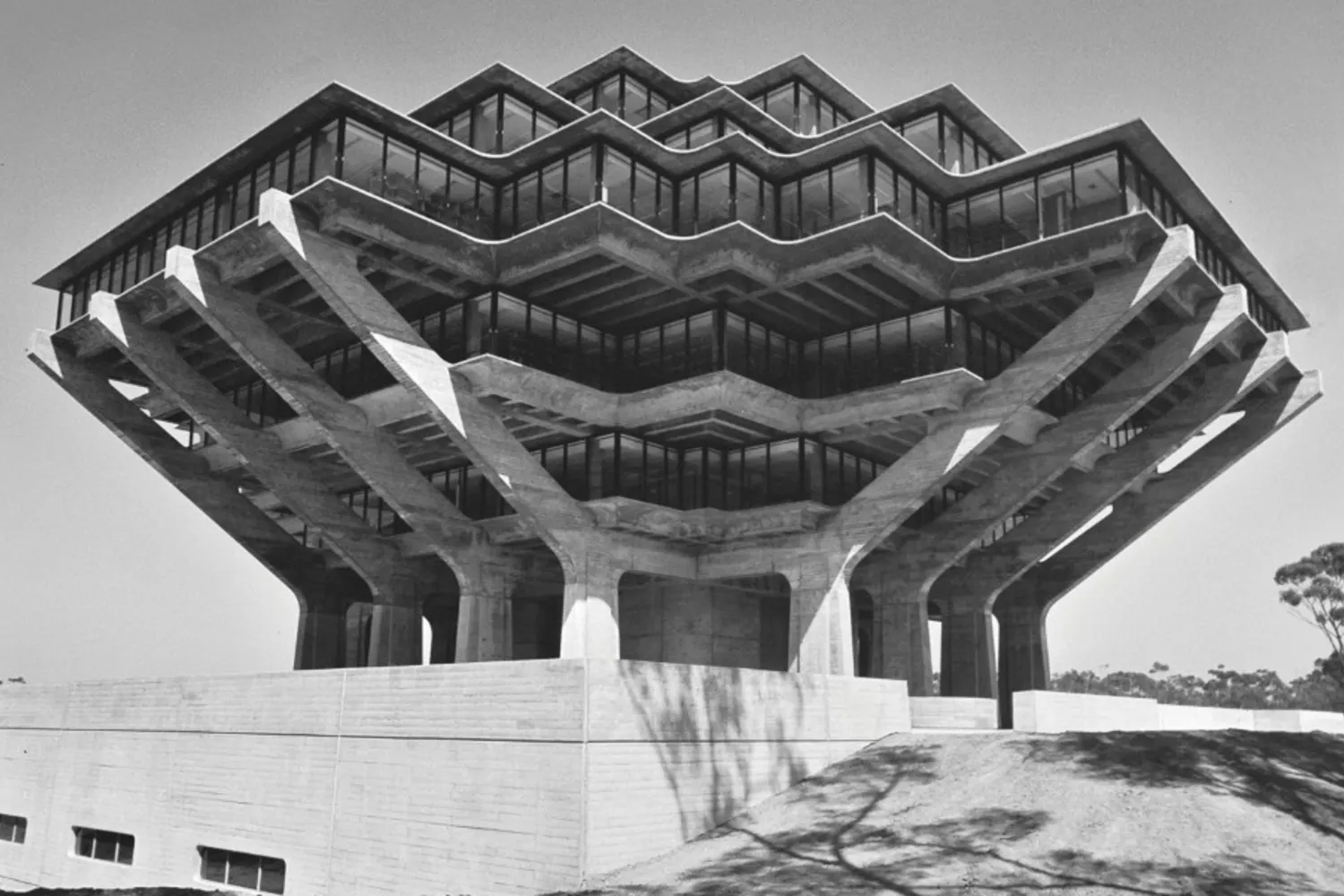
brutalism
emerged in the 1950s and grew out of the 20th century modernist movement and is characterized by massive monolithic block appearances and large-scale usage of poured concrete; style is championed by louis kahn and paul rudolph
minimalism
designs or styles in which the simplest and fewest elements are used to create the maximum effect
deconstructivism
a 20th century style that developed after post modernism - where elements of the structure were exposed to express the very form of the structure; it gives the impression of fragmentation of the constructed building and is characterized by an absence of harmony, continuity, or symmetry
space planning
a 20th century development that included a way to interior plan office space
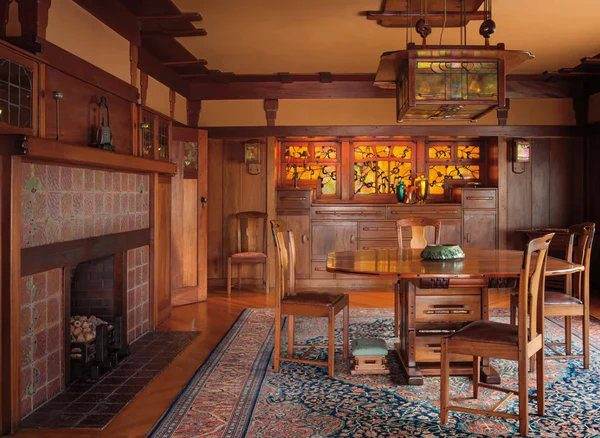
craftsman style
an american style that parallels the arts and crafts movement and is expressed in the bungalow style of architecture
mission style
an american style associated with gustav stickley that seems to have developed around the craftsman style
shingle style
a decorative style unique to the united states that runs parallel with the arts and crafts movement but is more closely allied with the shingle style
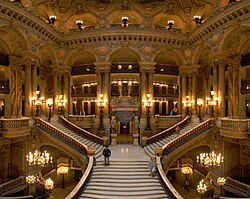
beaux arts
noting or pertaining to a style of architecture popularly associated with the ecole des beaux-arts in paris that prevailed in france in the late 19th century and was adopted in the US and elsewhere in the 1900s
characterized by the free and eclectic use and adaption of french architectural features of the 16th through the 18th centuries combined so as to give a massive, elaborate, and often ostentatious effect via the use of symmetrical plans; allows vast amounts of interior space
de stijl
a school of art that was founded in the netherlands in 1917 which embraced painting, sculpture, architecture, furniture, and the decorative arts; marked especially by the use of black and white with primary colors, rectangular forms, and asymmetry.
the dutch style of pure abstraction, chracterized by reducing essentials to form and color.
artists include piet mondrian, j.j.p oud, theo van doesburd, and gerrit reitveld
city planning
the activity or profession of determining the future physical arrangement and condition of a community, involving an appraisal of the present condition, a forecast of future requirements, a plan for the fulfillment of these requirements, and proposals for constructional, legal, and financial programs to implement the plan
arts and crafts
the aesthetic style developed in england as a rejection to machine made, mass produced items; focused on hand crafted items, to which john ruskin and william morris are artists and designers associated with this movement
constructivism
a nonrepresentational style of art developed principally in the early 20th century, characterized chiefly by severely formal organization of mass, volume, space, and the employment of modern industrial materials
post modernism
noting or pertaining to architecture of the late 20th century - appearing in the 1960s - that consciously uses complex forms, fantasy, and allusions to historic styles, in contrast to the austere forms and emphasis on utility of standard modern architecture; a reaction against the austerity, formality, and lack of variety of modern architecture, especially the international style
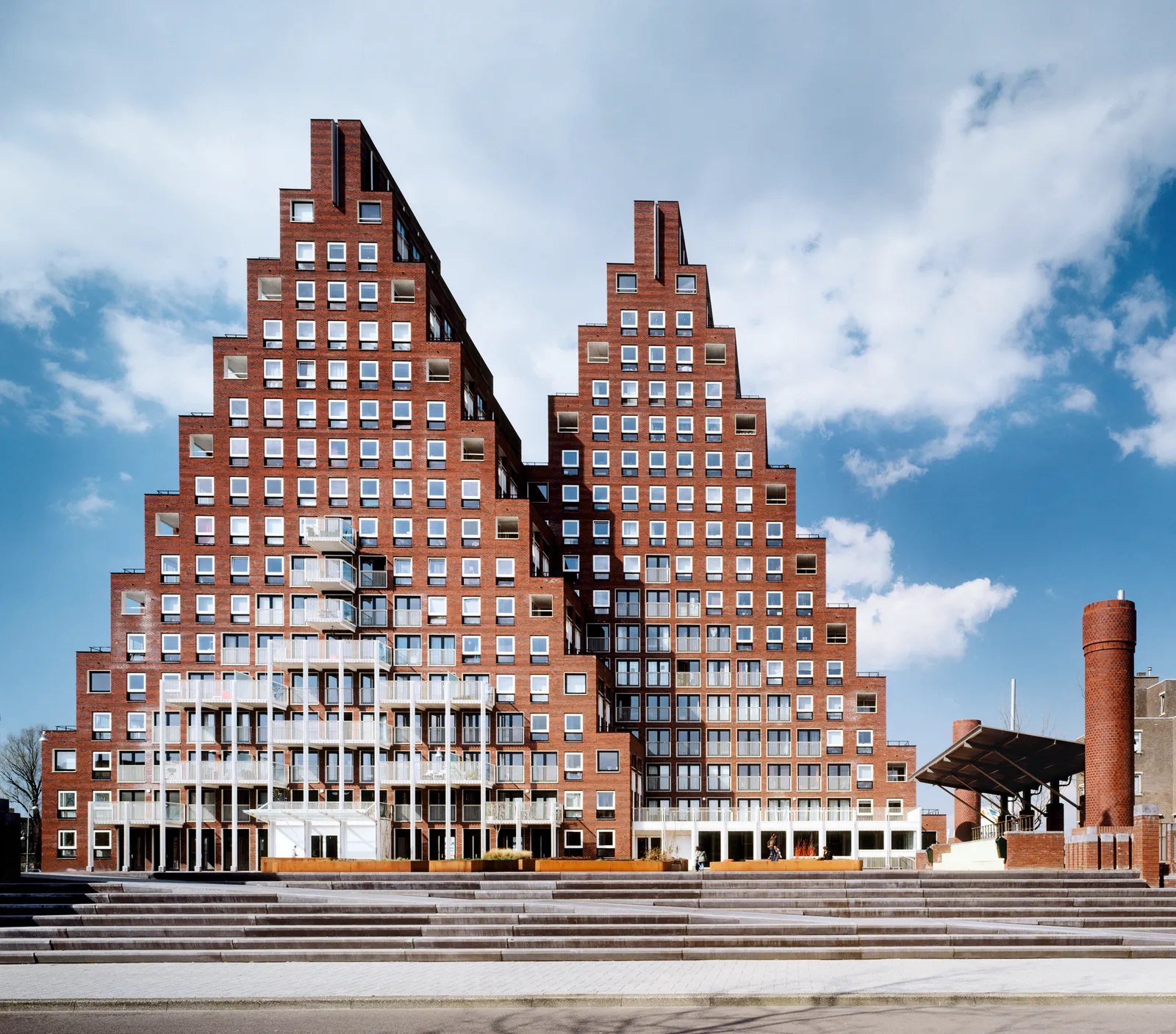
art deco
art nouveau
gothic revival
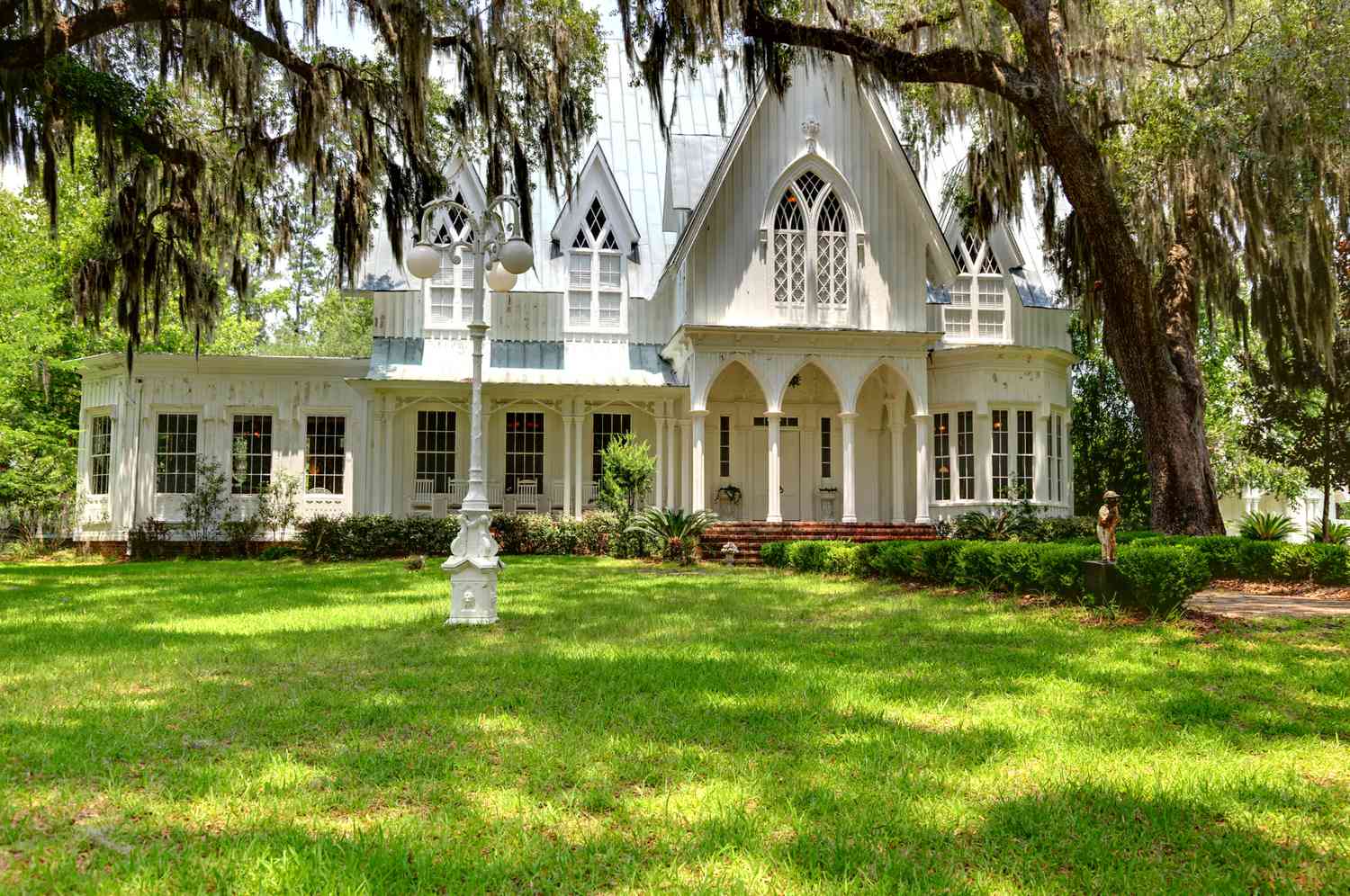
victorian gothic
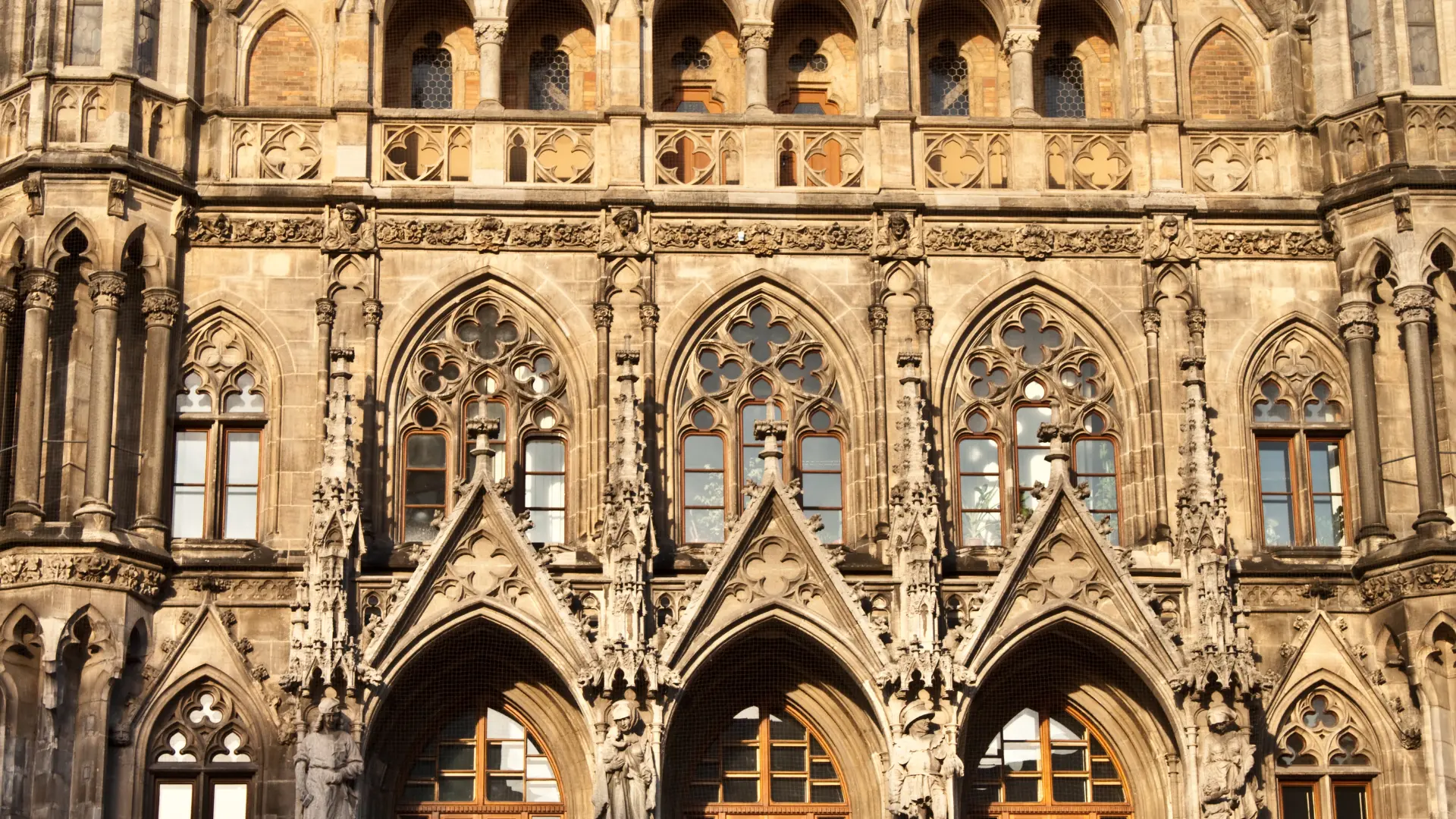
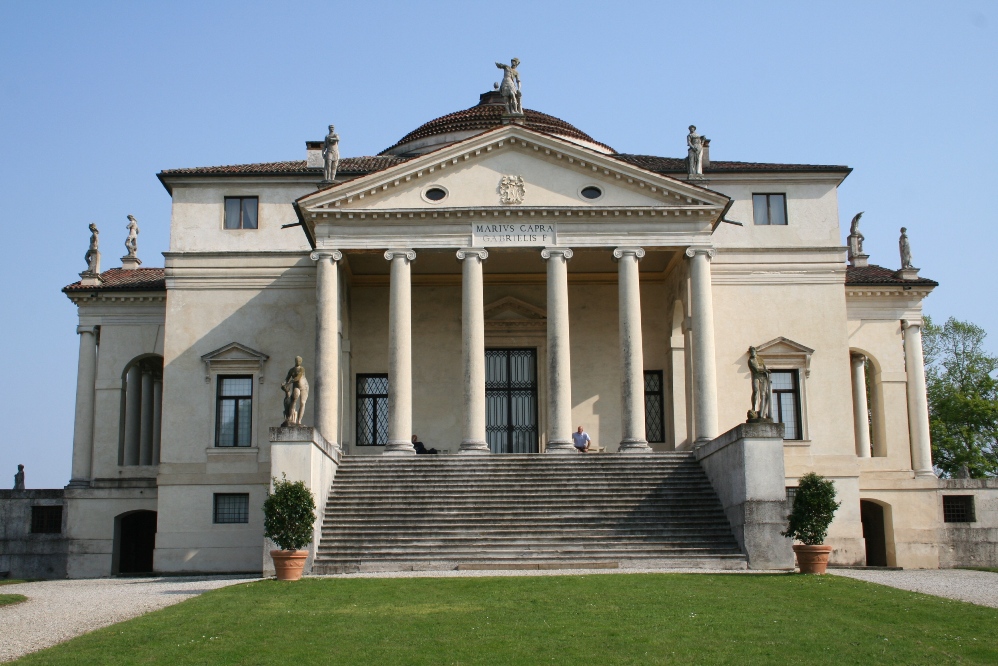
palladian style
 Note
Note  Flashcards (133)