Microbiological Organisms, Symbiosis, Bacteria Flora, Forms of Disease
 Studied by 0 people
 Call with Kai
 Learn
Learn Practice Test
 Spaced Repetition
 Match
Match Flashcards
 Knowt Play
1/46

Earn XP
Description and Tags
Unit1
Name | Mastery | Learn | Test | Matching | Spaced | Call with Kai |
|---|
No study sessions yet.
47 Terms
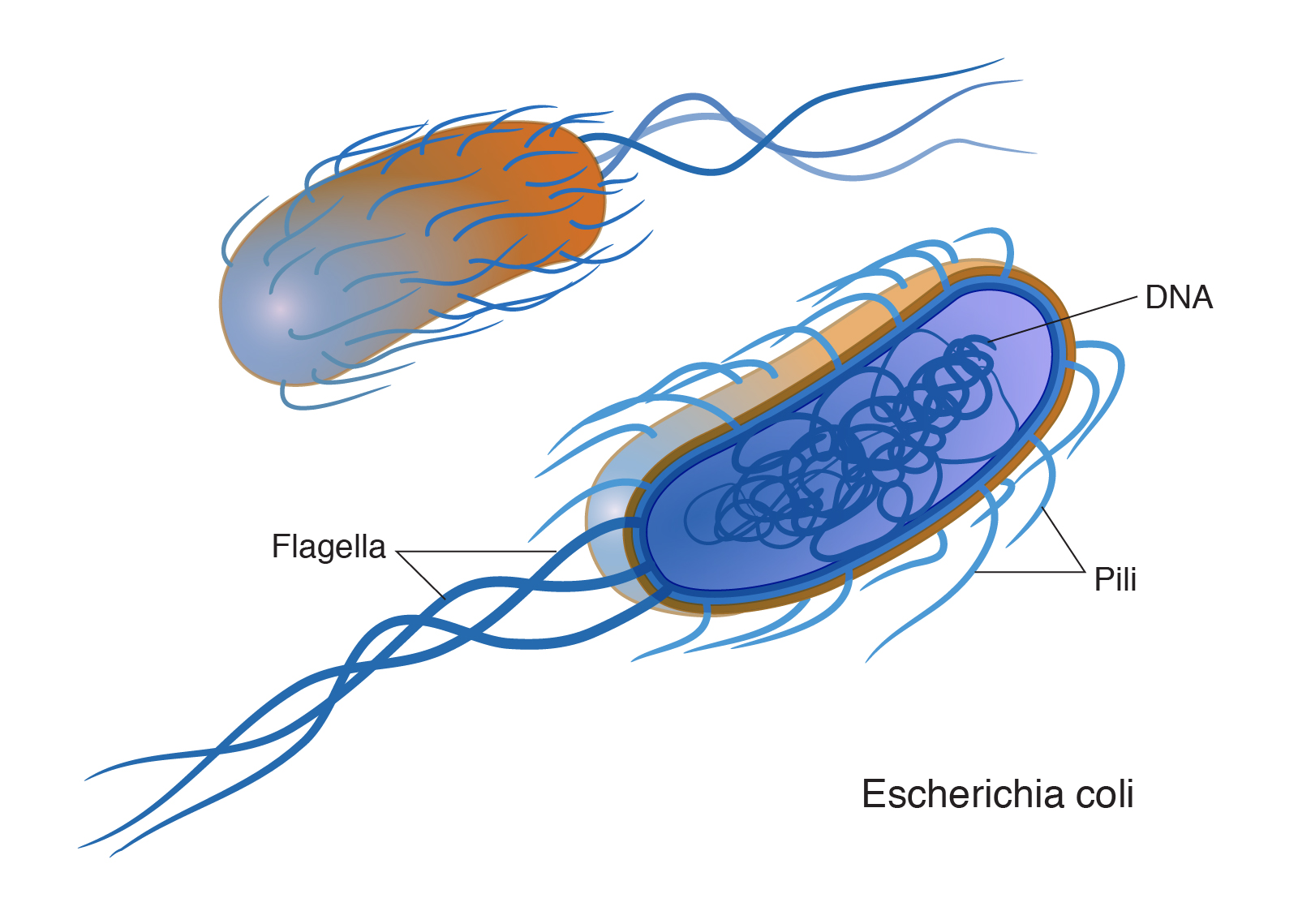
bacteria (prokaryotic)
smallest, most versatile, independently living cells, single-celled organisms. “live on their own” NO HOST NEEDED
archaea prokaryotic
prokaryotic but different from bacteria
fungi
eukaryotic organisms
protozoans
single celled, eukaryotic organisms, molds and yeasty
helminths
multicellular eukaryotic parasitic worms, huge worms
viruses
not considered living- cannot reproduce without a host, NEEDS A HOST, “Hijackers”
prions
infectious proteins; smaller than viruses
archaea
all except … cause disease in humans
some archaea normal flora PROKARYOTIC
symbiotic relationships
Microorganism and human interactions
virus or prion
if it has no cell its is a ….
commensalistic symbiotic relationships
do not harm humans or provide benefit to humans ( Neither harm nor benefit humans)
fungi, protozoa, helminths
if it has a nucleus…
bacteria or archae (prokaryotic)
if no nucleus…
mutualistic symbiotic relationships
benefit humans and other organisms in the environment
form base of food chain/
where both the microorganism and the human host benefit
cyanobacteria
photosynthetic; autotrophic
convert carbon dioxide and water to glucose and oxygen
are autotrophic organisms that use photosynthesis to convert carbon dioxide and water into glucose(sugar) and oxygen.
“Cyanobacteria eat sunlight and breathe out oxygen.”
CO₂ + H₂O + sunlight → sugar + oxygen
decompose wastes
human, animal, industrial, water wastes, surface runoff
sewage treatment removes bacteria and solids to clean water
Microorganisms decompose human, animal, and industrial wastes, and sewage treatment uses bacteria to remove solids and harmful microbes, resulting in cleaner water.
“Microbes clean our mess so water stays safe.”
recycle chemicals
C, H, O, N converted to forms usable by organisms
return to soil and atmosphere
digestion
some normal flora bacteria
synthesize some vitamins- vitamins K and B12
E. coli, Klebsiella, Citrobacter- large intestine
parasitic or pathogenic symbiotic relationships
infectious disease agents
disease agent uses host for all or part of life cycle
harm humans and/ or other host species
( where microorganism benefits while the host is HARMED)
pathogenic
disease causing bacteria
parasitic
viruses, fungi, protozoans, helminths
Microorganism flora on body
normal, transient, opportunistic
characterized as houseguests- come and go
normal flora
microorganisms adapted to body
on body and/ or in organ system tracts opening to outside all the time
most commensal, some mutualistic
no normal flora below epithelium
normal flora establishes conditions on body that inhibit or control opportunists
100 trillion on skin, in oral cavity, intestines- 1 to 2 lbs.
Escherichia (E.) coli in digestive tract
Staphylococcus aureus on skin
normal flora may be susceptible to broad spectrum antibiotics that opportunists resist
transient flora
temporarily present on body
not adapted to body
transient flora can be removed with washing, cleaning, and disinfecting
opportunistic flora
potentially disease causing
may become resident
any microorganism including normal and transient flora can become opportunistic
evade surface defenses
enter tissue below epithelial membranes
normal floral E. coli
causes urinary tract infections- UTI
E. coli moves from anus to urethra to bladder to ureters to kidney
opportunist Neisseria meningitidis
resident flora in pharynx in up to 40% individuals sampled
C diff
asymptomatic
may or may not be sick
may or may not spread to others and cause disease
3 ways disease causing bacteria damage host
damage tissue directly
release exoenzymes into tissue
produce toxins
bind cell receptors
hypersensitivity reactions
Streptococcus pneumoniae
produces thick external capsule
makes bacterium more difficult to phagocytize
causes ongoing inflammatory response
allergic reactions
excessive immune response to normally harmless allergens
bee stings, some foods, pollen, antibiotics
4 forms of disease
diseases that have always infected humans and probably always will in the future
Strep throat- Streptococcus pyogenes, Ebola hemorrhagic fever, influenza A, arborvirus diseases
Strep throat Streptococcus pyogenes
diseases that have caused serious problems in the past but are now controlled by immunizations
measles, polio, diphtheria
diseases that are characterized as “emerging diseases”
recently recognized diseases or disease outbreaks that have been occurring more frequently
mostly zoonotic- spread from animals to humans
Ebola hemorrhagic fever
ongoing epidemic in central Africa- 2019
Ebola transmitted by contact with contaminated body fluids/ blood
proper PPE reduces transmission
originally described in 1976- Ebola river in Congo
influenza A
bird flu H5N1, H7N9 (2013), H5N2 (2015), H7N8 (2016)
swine flu H1N1
human flu H3N2
arborvirus diseases
diseases transmitted by mosquitos
Zika virus, Dengue virus, west Nile virus
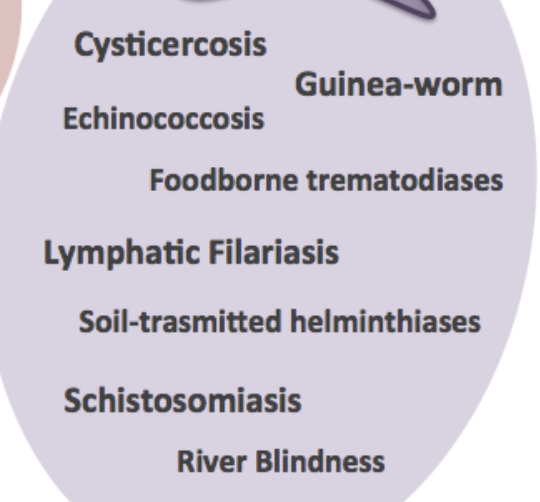
Diseases that are characterized as “neglected tropical diseases” poor
diseases that are always present in poor regions of the world
receive less attention, less funding and less discussion
can be very painful and stigmatizing but are usually not fatal
Guinea worm
Dracunculus- worm
causes disease symptoms in humans
Cyclops- copepod
contains Dracunculus larvae
ingested by us with water
Guinea worm disease
… reduced with clean water
… almost eliminated from the world
river blindness
Onchocerca
transmitted by black flies
tropical west Africa, South America, Central America, Mexico, Caribbean
damage from hypersensitized inflammatory response against dead worms
control black flies to control disease
yaws
Treponema subspecies- cause of syphilis
transmitted person to person by contact- infects children
skin lumps, ulcers, cartilage, bone
endemic in 15 countries- cure with antibiotics
(kids + skin, spread by contact skin, affects children, cause skin and bone damage)
soil parasites-ascaris
transmitted by ingestion of eggs in fecal contaminated food and water ( spread by contaminated food and water)
Streptococcus pneumoniae
Sometimes harmless
It can live in the nose and throat without causing disease
In that situation, it behaves like normal flora
or It becomes bad (pathogenic) when:
It moves to places it shouldn't be (lungs, blood, brain)
The immune system is weakened
The capsule helps it evade immune defenses
Then it can cause:
Pneumonia
Meningitis
Ear and sinus infections
is normally harmless in the upper respiratory tract but becomes pathogenic when it invades sterile tissues, causing disease
strep throat- Streptococcus pyogenes
spreads easily among humans, has no effective vaccine, and infection does not produce lasting immunity. ALWAYS HERE
neglected tropical disease
guinea worm, cyclops, river blindness, yaws, soil parasite
emerging diseases
ebola hemorrhagic fever, influenza A, arbovirus diseases,
protozoa
virus
bacteria
helminth
 Note
Note  Flashcards (56)