Bio Diversity Exam 3 (chpt 34)
 Call Kai
 Learn
Learn Practice Test
 Spaced Repetition
 Match
Match Flashcards
 Knowt Play
1/43

There's no tags or description
Looks like no tags are added yet.
Name | Mastery | Learn | Test | Matching | Spaced | Call with Kai |
|---|
No analytics yet
Send a link to your students to track their progress
44 Terms
incomplete digestive system
only one opening
sponges, cnidarians, flatworms
complete digestive system
has separate mouth and anus
nematodes, earthworms, vertebrates
sponge digestive system
digest food intracellularly
cnidarians and platyhelminthes (flatworms )digestive system
one opening and no specialized regions
nematodes
primitive tract
simple tubular gut lined by epithelial membrane
earthworm digestive tract
specialized regions for ingestion, storage, fragmentation, digetion, and food absorption
vertebrate digestive system
complex, specialized system
components of vertebrate digestive system + function
mouth/pharynx- entry
esophagus- delivers food to stomach
stomach- digestion
small intestine- digestion and absorption
large intestine- absorption of water and minerals
cloaca/rectum- storage of waste
anus- expel waste
accessory digestive organs + functions
liver- bile
gallbladder- stores/concentrates bile
pancreas- pancreatic juice, digestive enzymes & bicarbonate buffer
function of mouth and teeth & difference for birds
chewing/mastication
birds- lack teeth, break food in 2 chambered stomach, gizzard uses ingested pebbles to pulverize food
different types of teeth & which feeding type exhibits which
incisors- cutting
canines- tearing, immobilization
premolars- shearing
molars- crushing, grinding
herbivore- incisors, molars, premolars
carnivores- canines, molars, premolars,
omnivores- all 4
2 ways herbivores have overcome difficulty in digesting cellulose
4 chambered stomach/foregut fermentation (ruminant)
hindgut fermentation
foregut vs hindgut fermentation
foregut- rumen and reticulum have anaerobic bacteria that breaks down cellulose, cows/sheep/deer
hindgut- in colon and cecum, less efficient bc products have already passed through small intestine, koalas/rabbits/horses
cellulase
enzyme that breaks down cellulase
rumen
largest/first stomach compartment
fermentation vat
reticulum
smaller/2nd chamber of stomach
sorts/traps food particles
cecum
pouch in large intestine
hindgut fermentation
different adaptations for feeding
herbivores- plants
carnivores- animals
omnivores- both
suspension feeders
trapped via sieve or tentacles
cnidarians, bivalve mollusks, some vertebrate
suction feeding
fast negative pressure by expansion of mouth
aquatic animals, some terrestrial invetebrates
active swimming
actively swim to capture prey
respiratory medium vs surface
medium- air/water
surface- membranes that gases diffuse across
difference in gas exchange for different animal groups
amphibians- across skin
echinoderms- protruding papulae
insects- extensive tracheal system
fish- gills
mammals- network of alveoli
which animals exhibit simple gas exchange
sponges, cnidarians, flatworms
4 steps of complex gas exchange
ventilation
diffusion
circulation by bulk transport
diffusion
advantages/disadvantages of air vs water breathers
air- more o2, co2 determines breathing, easy to move air across respiratory passage, risk of drying out
water- little o2, o2 determines breathing, difficult to move water across respiratory passage, no risk of drying out
structure of fish gill + function
located between oral and opercular cavity, they function as pump
water moves into mouth, over gill, and out of fish through operculum
countercurrent flow
blood flows opposite to water
which respiratory organ is most efficient across animals
fish gills
advantages vs disadvantages to having gills
must remain moist, water supports gills from collapsing/sticking together
enable fish to extract great amounts of o2 from water
how do insects and arachnids breathe
air enters through spiracles, transport directly through tissues
arachnids- book lung
why were gills replaced in terrestrial animals
air is less supportive than water
water evaporates
how do amphibians/reptiles/birds breathe + stuctures
amphibians- positive pressure breathing
reptiles- negative pressure breathing
lungs- channel air through parabronchi, unidirectional
what is blood + what is is composed of
special connective tissue
red blood cells, white blood cells, platelets, plasma
open vs closed circulatory systems
open- no distinction, hemolymph, grasshopper
closed- fluid enclosed in blood vessels, blood taken away from and back to the heart, earthworm
mollusks groups circulatory sytems
gastropods- open
cephalopods- closed
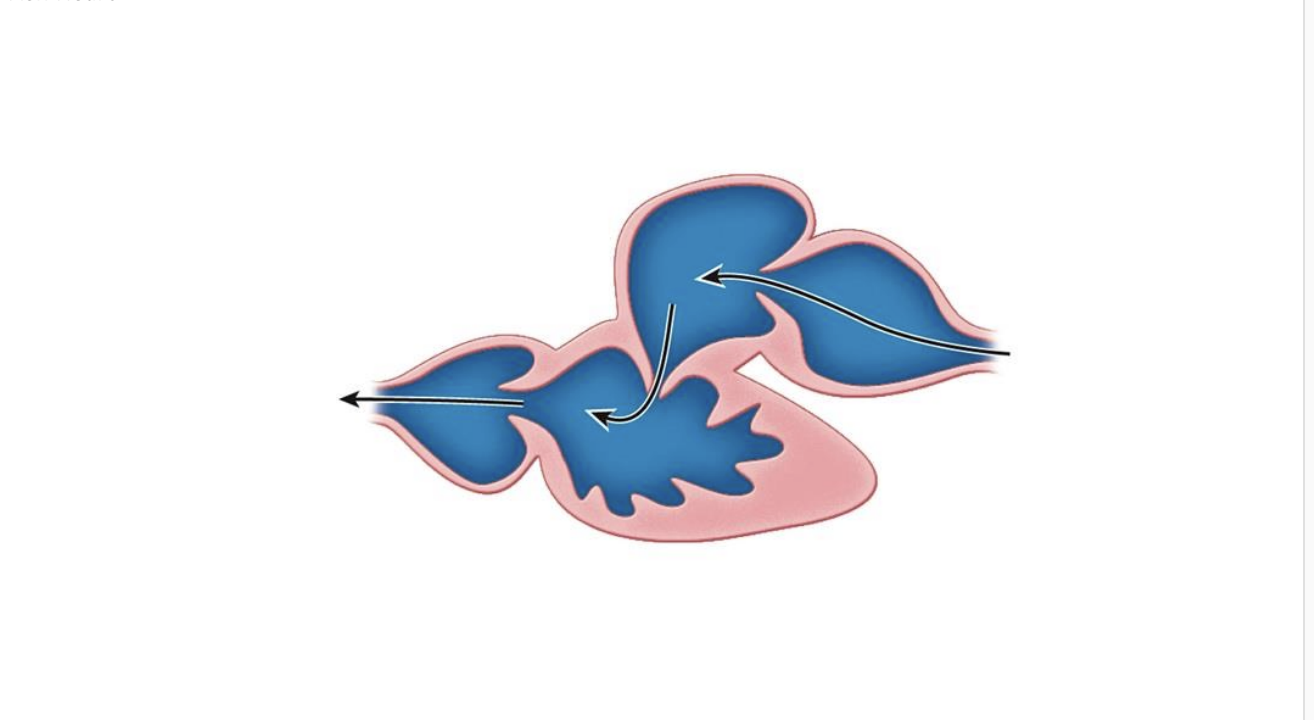
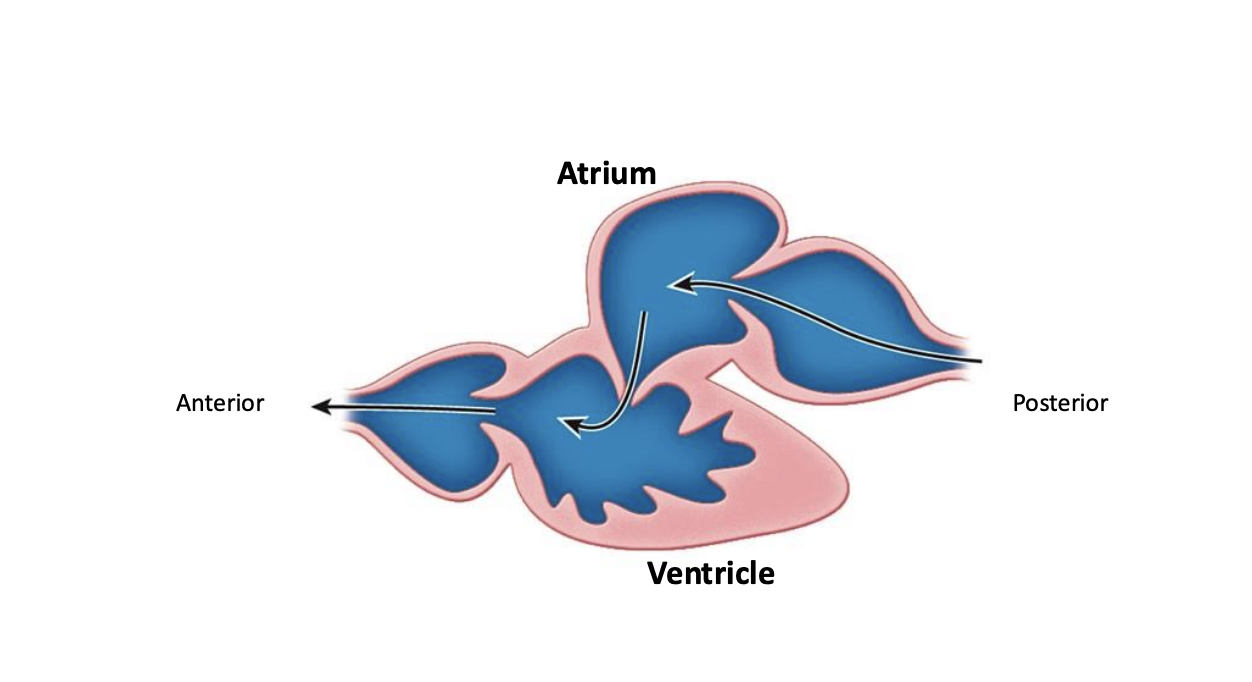
circulatory system in fish
true 2 chamber pump heart
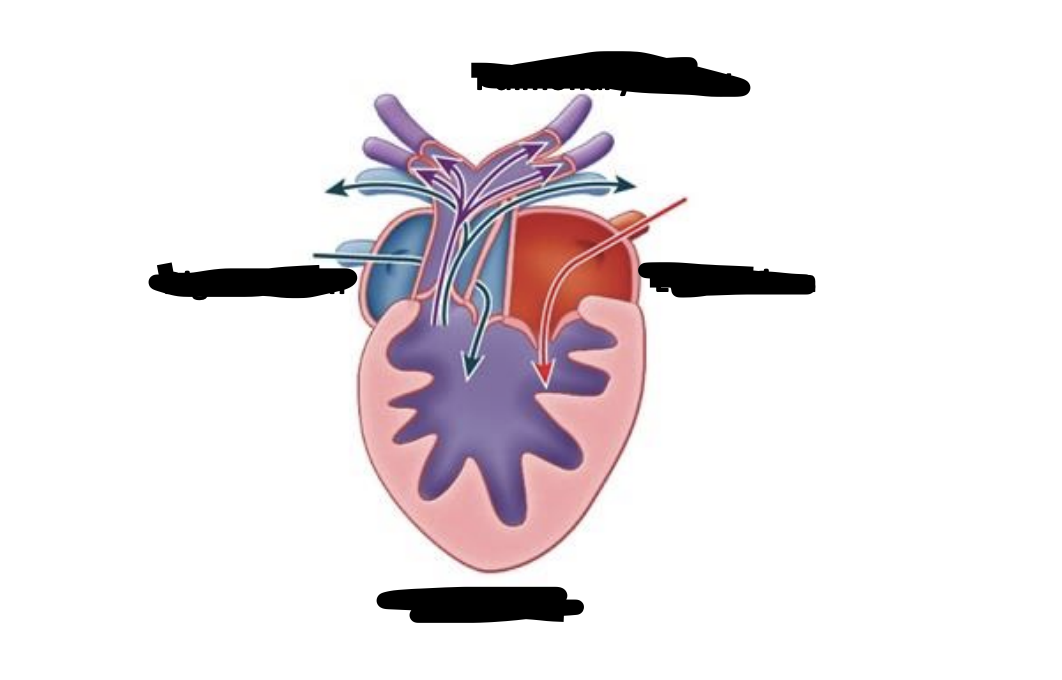
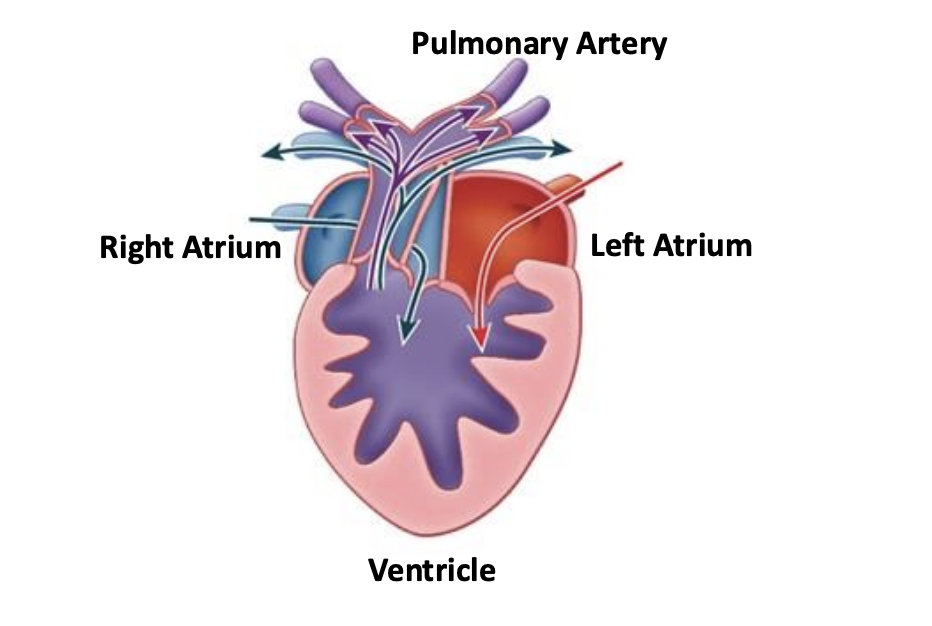
circulatory system in amphibians
double circulation
3 chambered heart
pulmonary vs systemic ciculation
pulmonary- blood between heart and lungs
systemic- blood between heart and rest of body
circulatory system in reptiles
septum partially divided ventricle
circulatory system of mammals, birds, and crocodilians
4 chambered heart
right atrium receives blood from body
left atrium receives bloody from lungs
birds and mammals- double circulation
advantages of double fertilization
increased supply of blood to tissues
increases uptake of o2