Neural Network key elements: Perceptron, loss, epoch (A4.3)
 Call Kai
 Learn
Learn Practice Test
 Spaced Repetition
 Match
Match Flashcards
 Knowt Play
1/11

There's no tags or description
Looks like no tags are added yet.
Name | Mastery | Learn | Test | Matching | Spaced | Call with Kai |
|---|
No analytics yet
Send a link to your students to track their progress
12 Terms
I. Perceptron
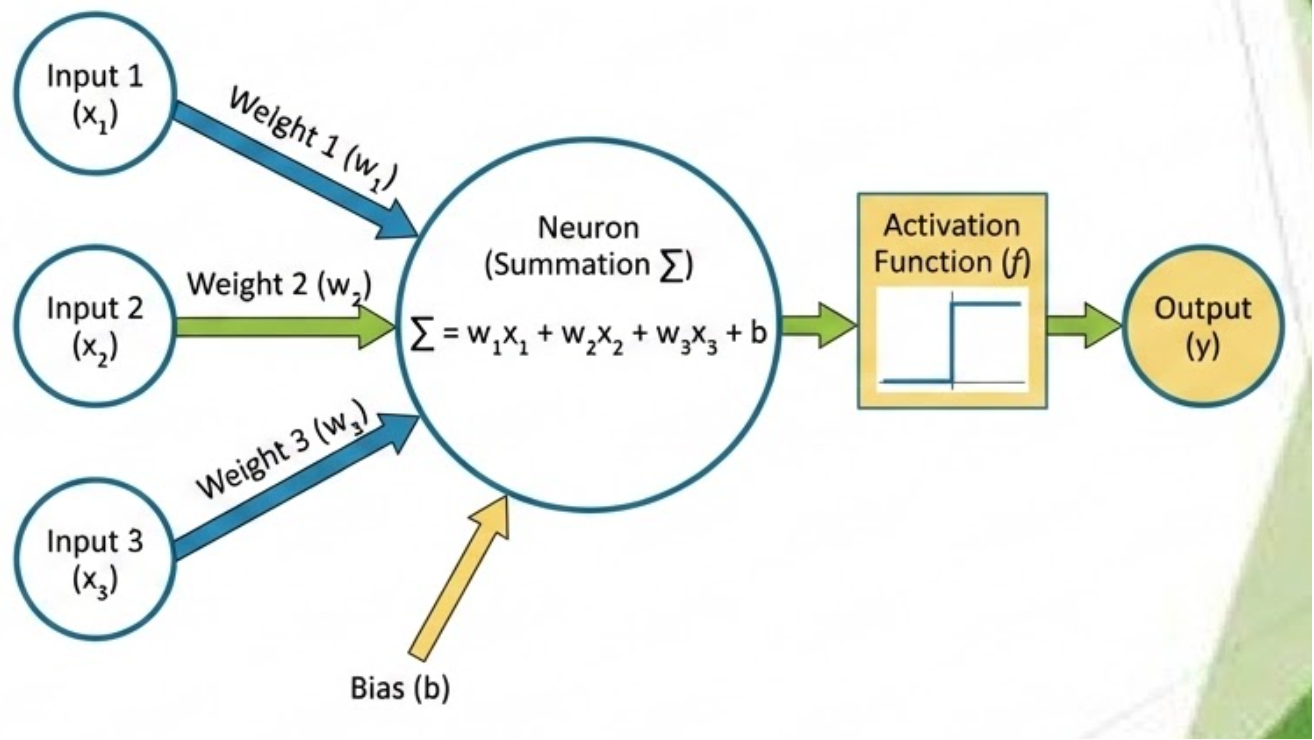
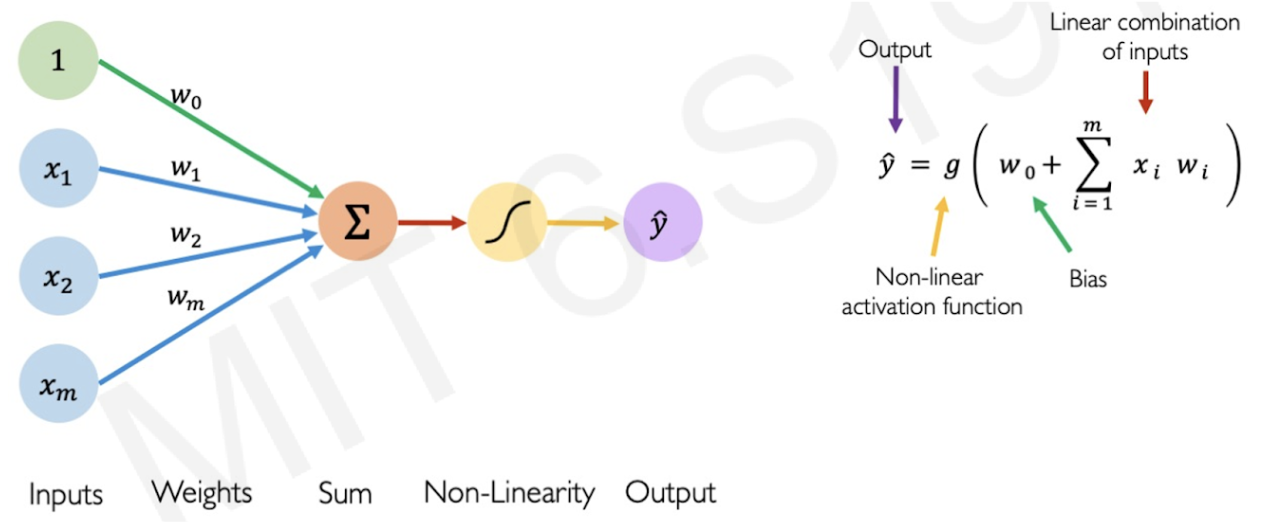
Atomic unit: represents single artificial neuron that takes in inputs, weights, and generates output
Inputs (I. Perceptron component)
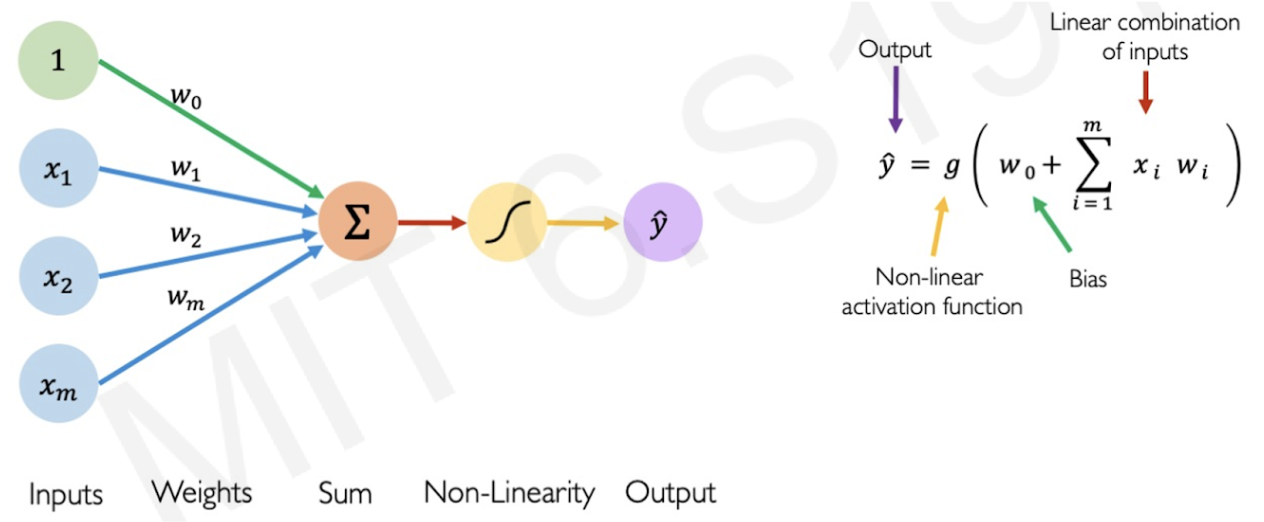
Includes inputted data and bias
Bias - extra value added to products of weights and inputs (^ flexibility)
Prevent overfitting
Shifts activation threshold so model can activate even when input is 0
Weights (I. Perceptron component)
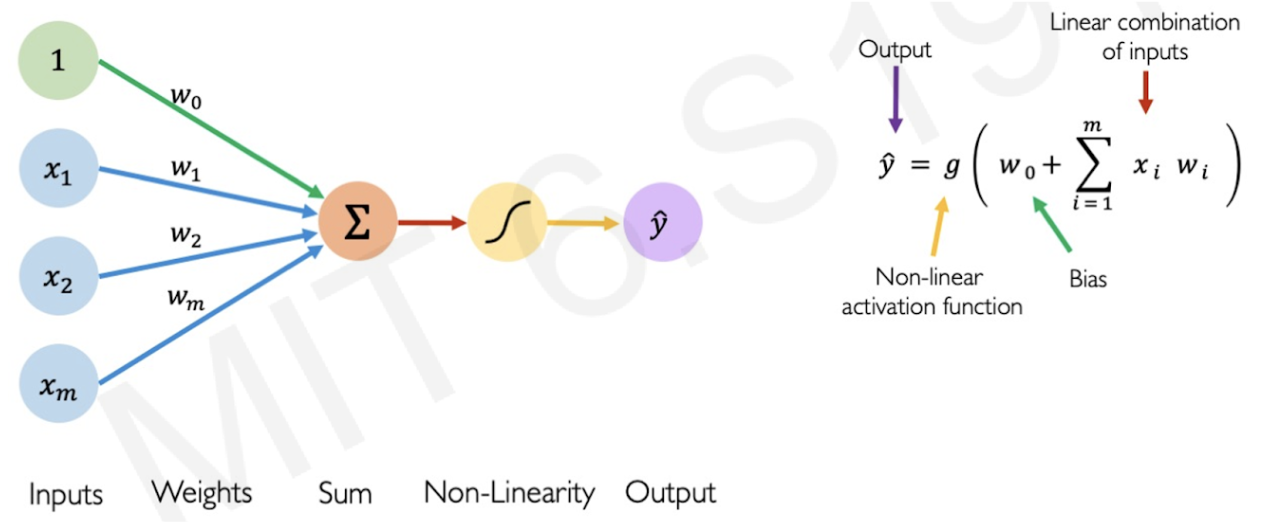
Values assigned pseudorandomly to determine the strength/importance of each input
Sum/summation (I. Perceptron component)
Adds all the products of the inputs and weights
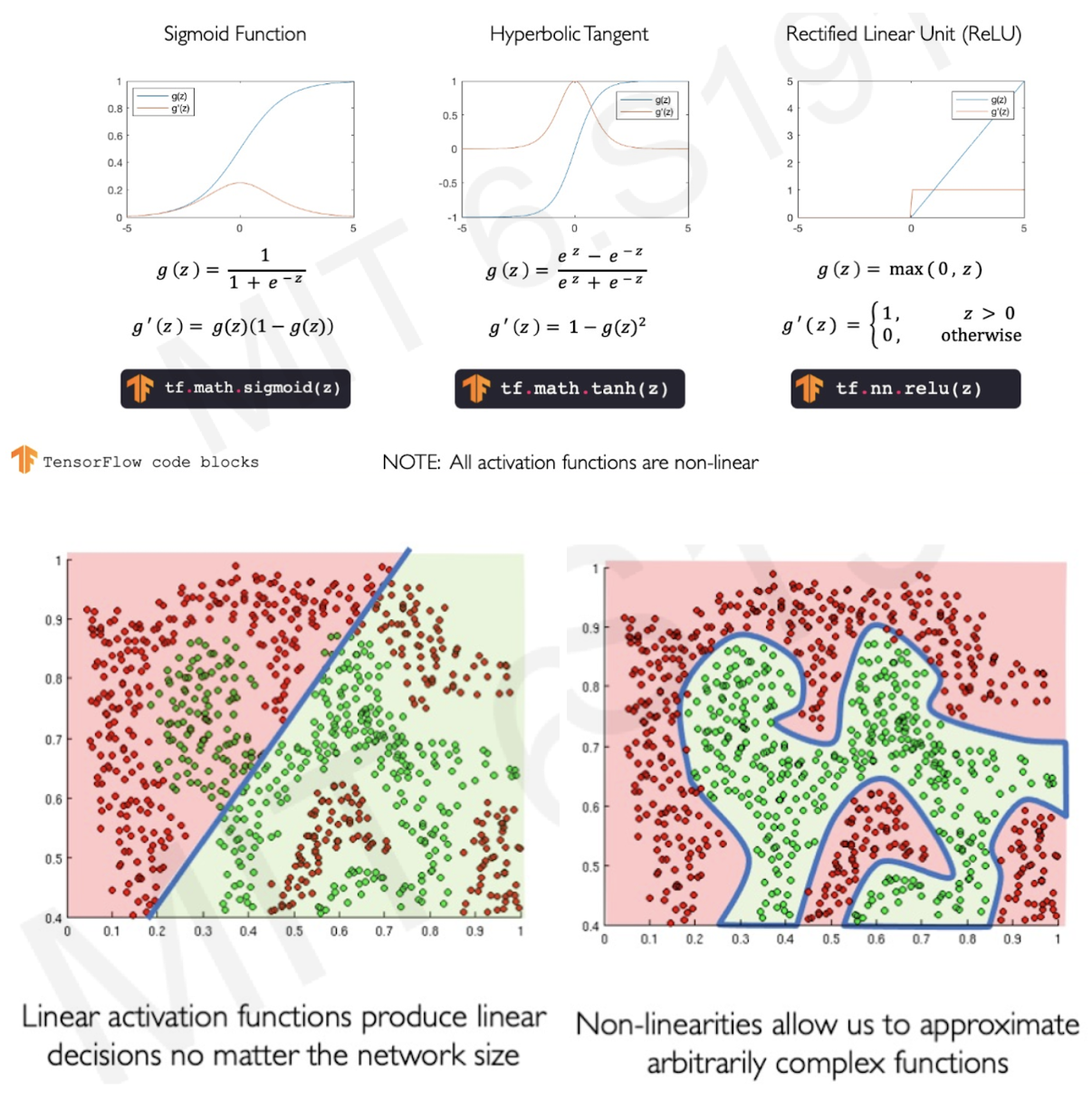
Activation function (I. Perceptron component)
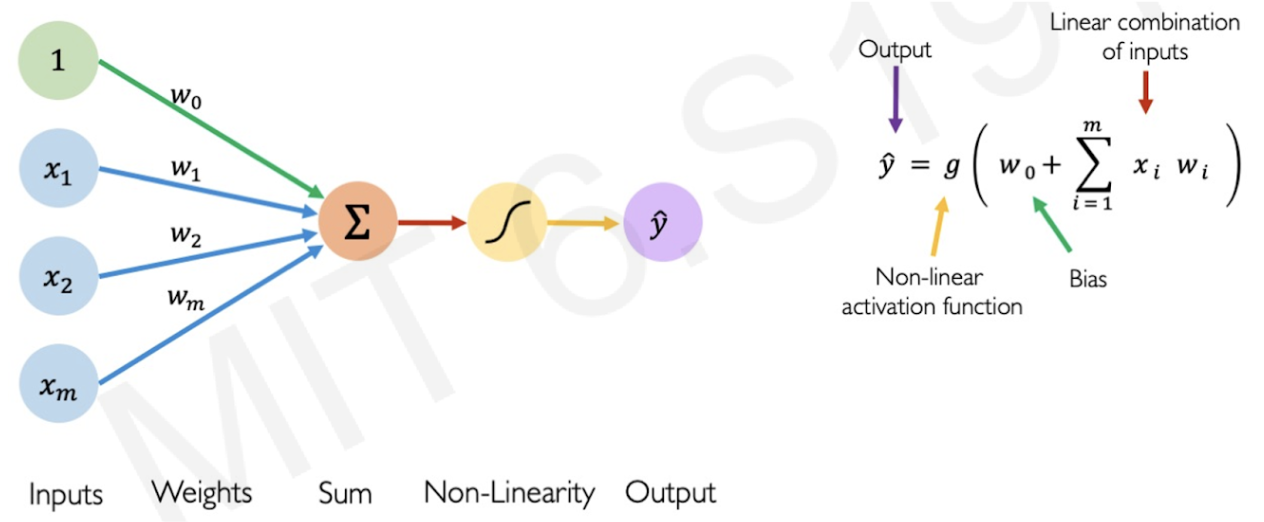
Introduces non-linearity: one perceptron outputs one curve, multiples curves create complex function
Types: Sigmoid function, hyperbolic tangent, rectified linear unit (ReLU)
Output (I. Perceptron component)
Final predicted value
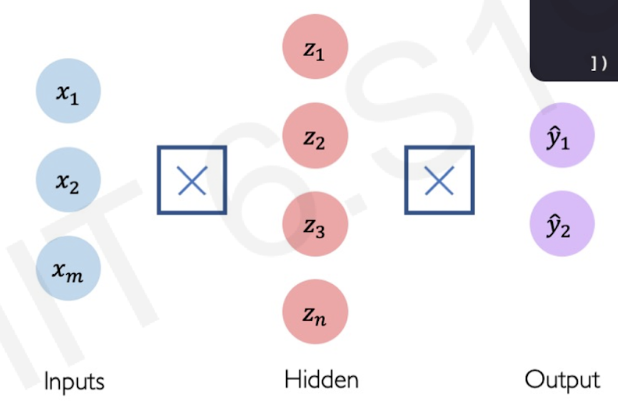
Dense/hidden layers (I. Perceptron)
Multi-output perceptron: output becomes others’ input
^ accuracy in extracting complex features
II. Quantifying loss function
Loss - cost incurred from incorrect prediction (predicted - actual)
Empirical loss (II. Types of loss functions)
Measure total loss over entire dataset: Sum total of losses
Cross entropy loss (II. Types of loss functions)
Better for models that output probability between 0 and 1
Mean squared error loss (II. Types of loss functions)
Better for regression models that output continuous real numbers
III. Epoch
Number of training iterations/cycles
Ex: epoch = 20 —> go through neural network 20 times, updating weights 20 times

