Greek Art Final
 Studied by 0 people
 Call Kai
 Learn
Learn Practice Test
 Spaced Repetition
 Match
Match Flashcards
 Knowt Play
1/40

There's no tags or description
Looks like no tags are added yet.
Name | Mastery | Learn | Test | Matching | Spaced | Call with Kai |
|---|
No analytics yet
Send a link to your students to track their progress
41 Terms
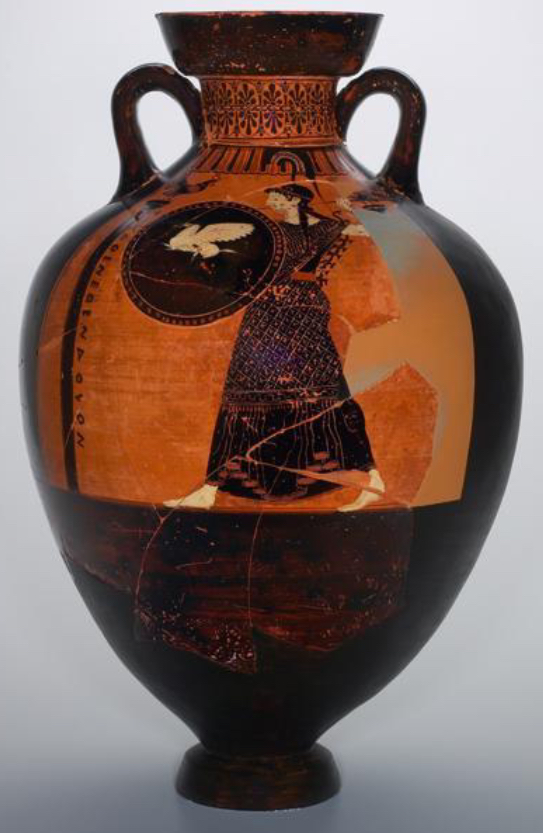
Panathenaic amphora
- 500-475
- Kleophrades Painter
- black figure; Athena on front, depiction of race won on back; Athena in promachos (front of battle) stance
- inscription “From the games of Athens”
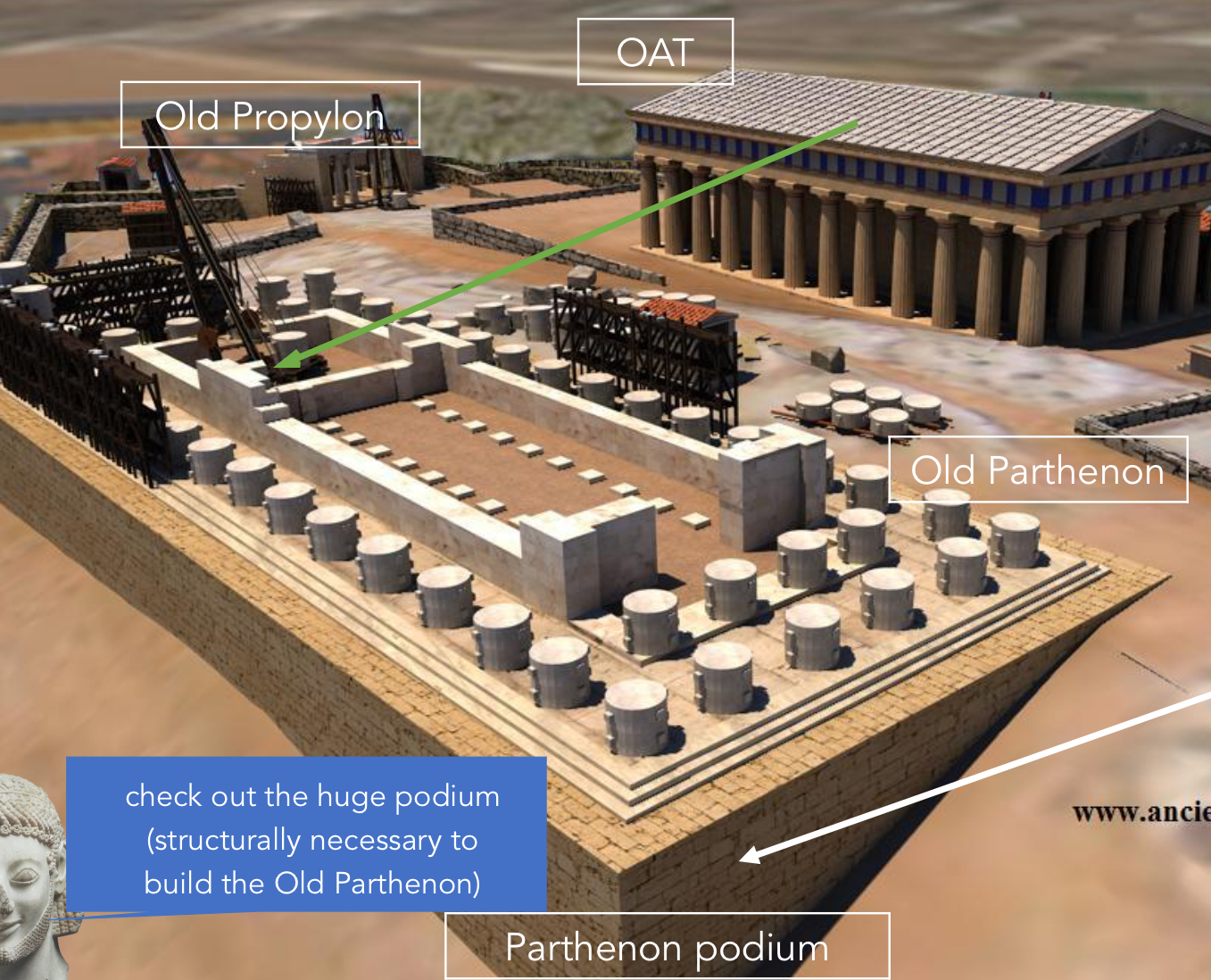
Old Parthenon
- 490-480
- Akropolis, Athens
- Unable to finish because Persians invaded and destroyed everything; Athenians fled the city with Athena Polias
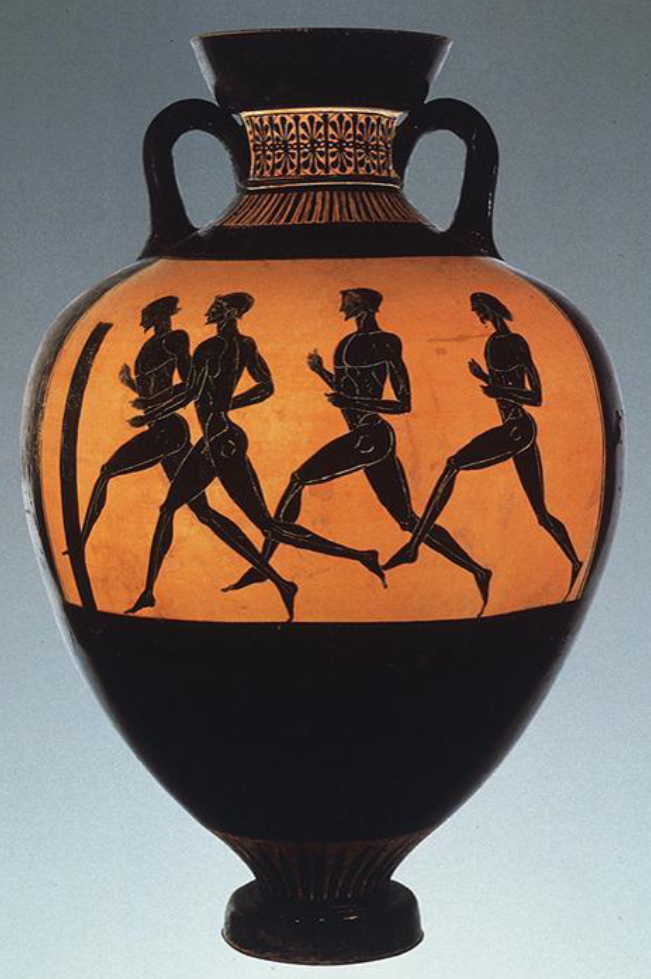
Panathenaic amphora
- 480-470
- Berlin Painter
- black figure; Athena on front, depiction of race won on back; Athena in promachos (front of battle) stance
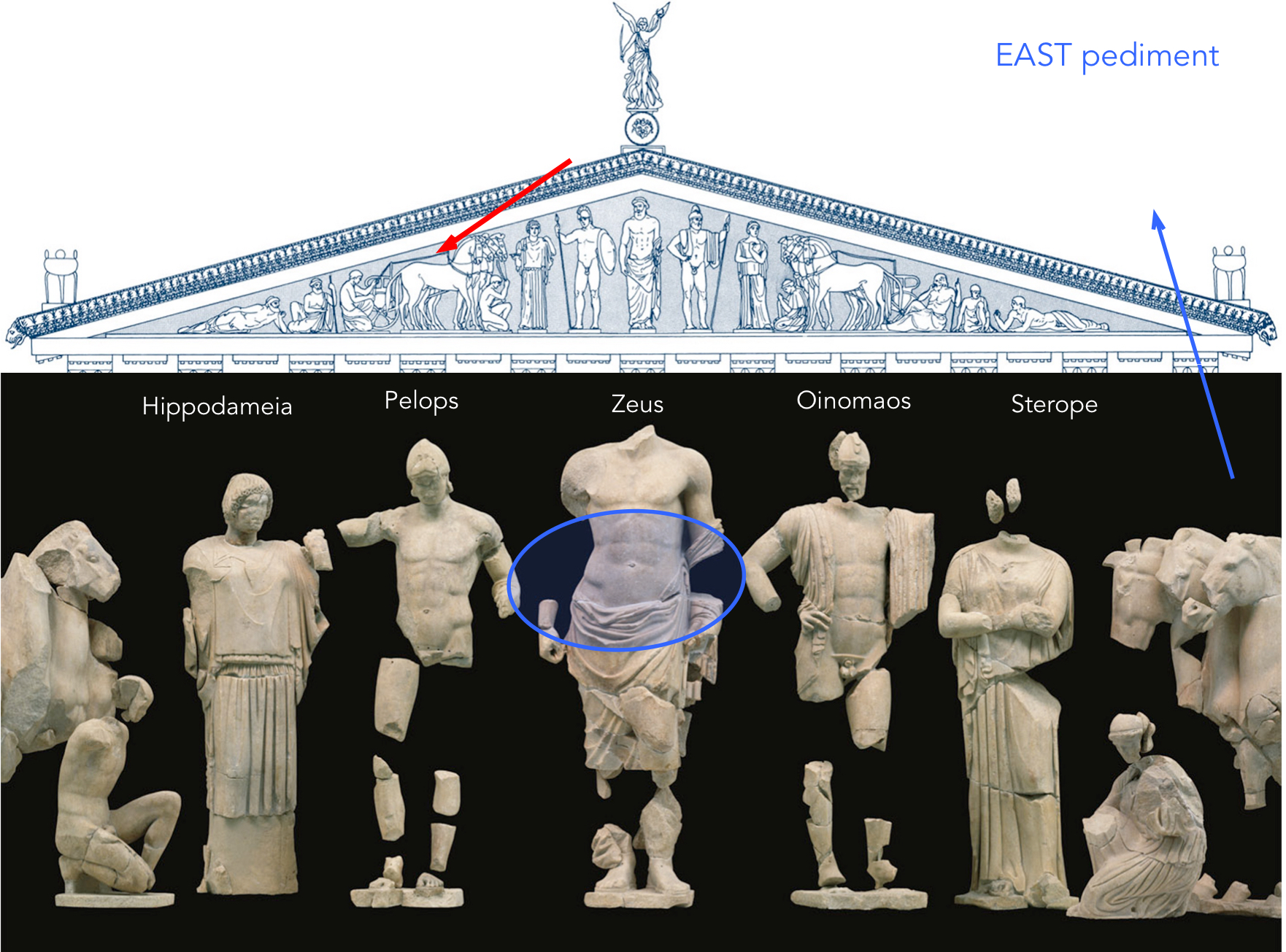
Temple of Zeus at Olympia: East Pediment
- ca 470-456
- where entrance is
- Pelops cheats during chariot race to marry Hippodameia, but then his whole family line is cursed; reminds athletes not to cheat
- Seer: old man with prophecies and is looking Pelops and can see his future
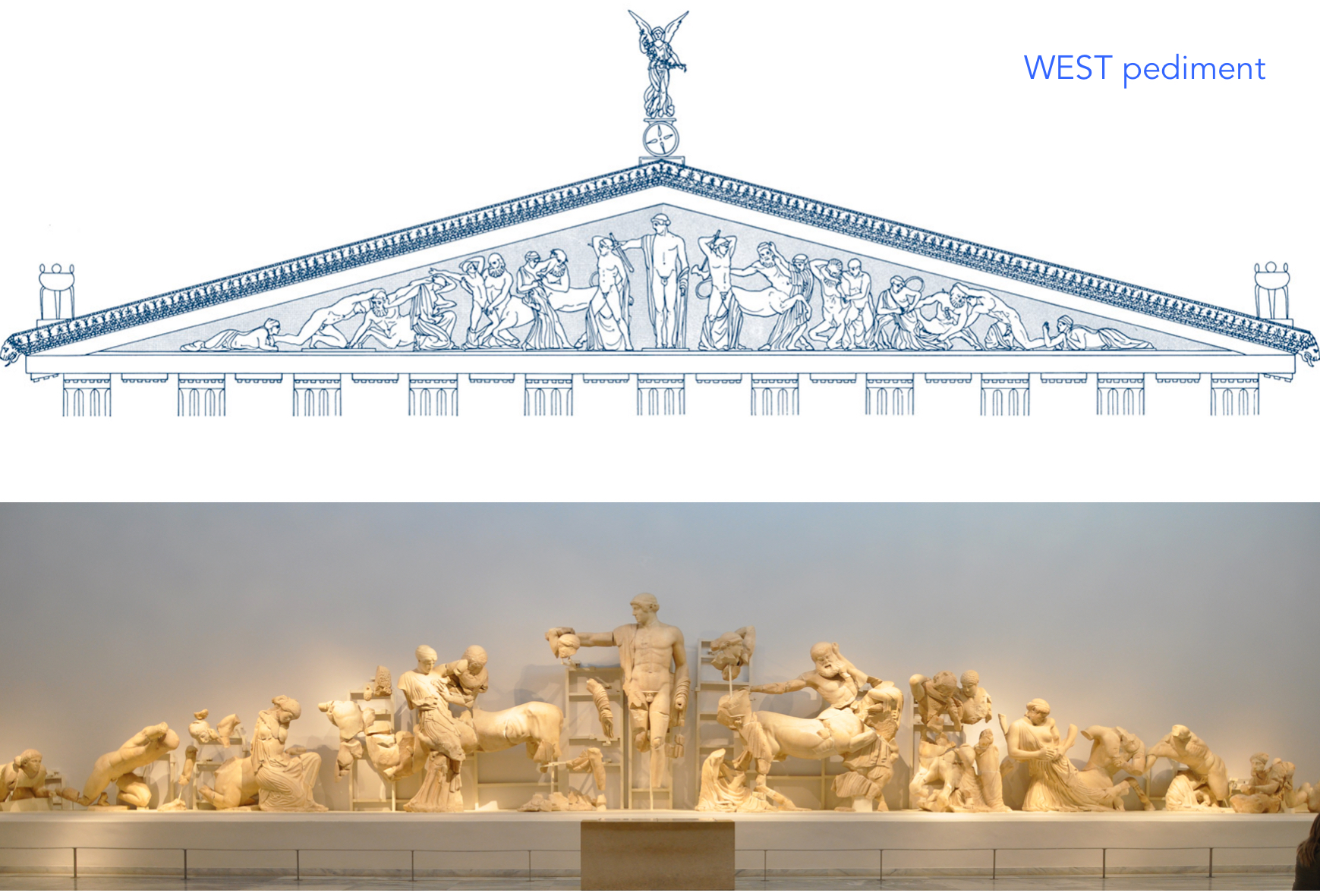
Temple of Zeus at Olympia: West Pediment
- ca 470-456
- Lapith vs Centaur: Lapith man and woman are getting married, then centaurs came and stole the women at the wedding, so Lapith man is fighting
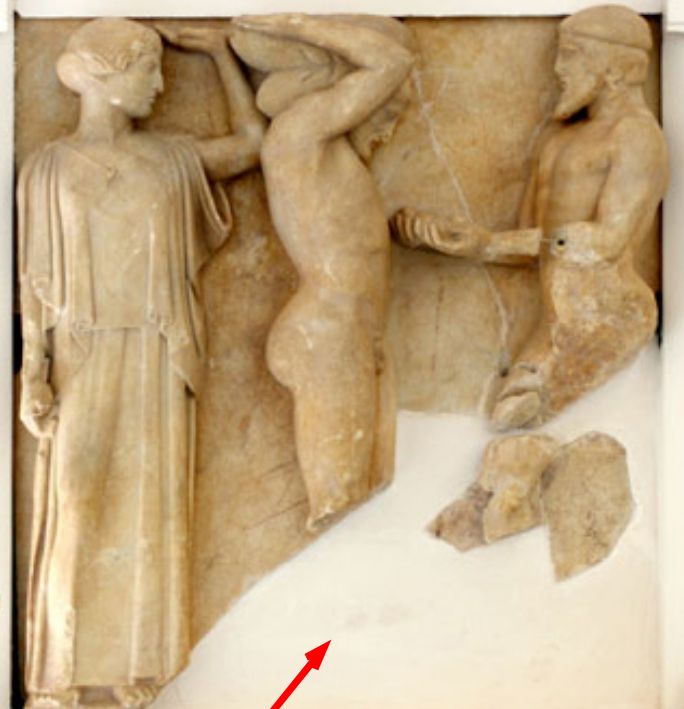
Temple of Zeus at Olympia: Interior Metopes
- ca 470-456
- Herakles depicted because he is the ideal athlete
- had chiasmus and vertical images
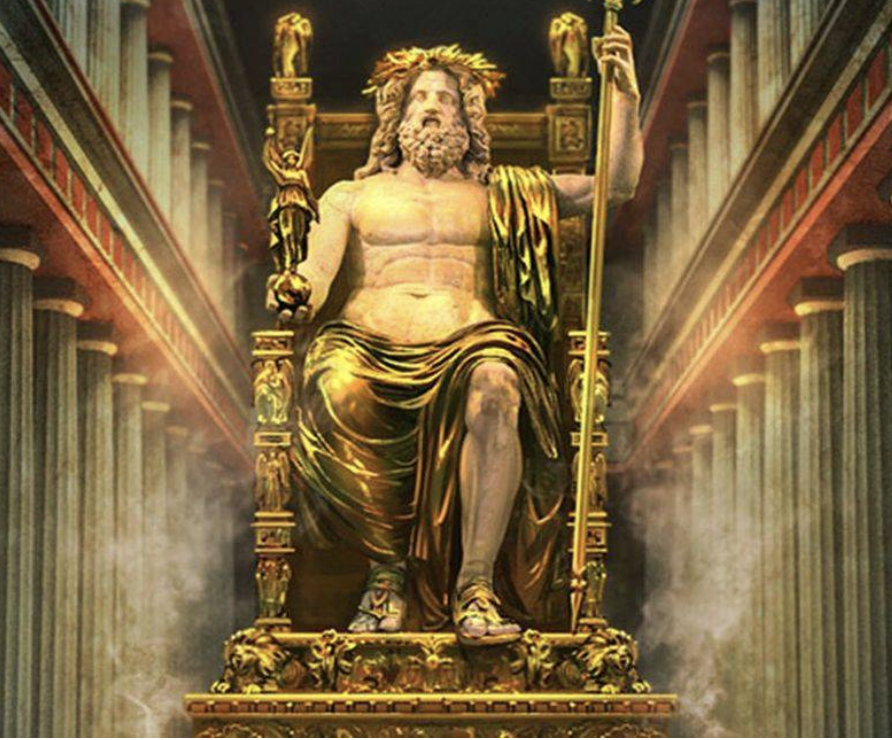
Cult Statue of Zeus
- mid 5th century
Chryselephantine
Pheidias
1 of 7 ancient wonders of the world
in Temple of Zeus, Olympia; huge
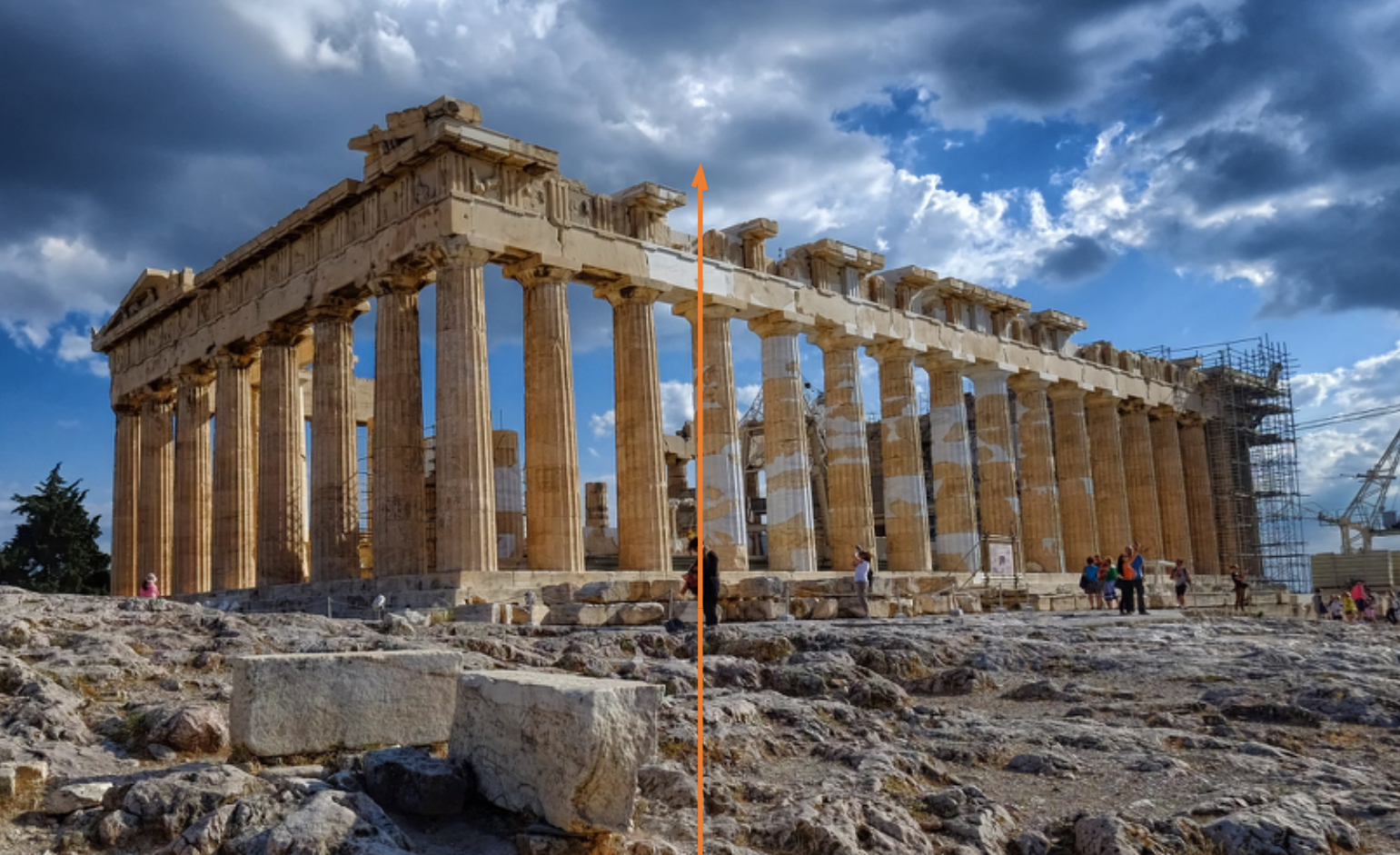
Parthenon
- Began 447, dedicated 438, finished 432
- Pentelic Marble
- Athens
- Architects: Iktinos and Kallikrates
- Master Sculptor: Pheidias
- Used optical refinement; 4:9 ratio on all measurements; doric on outside, but volute capitals on inside; entire building is votive dedication
- Frieze: around cella; men and women of all ages except for one section, which is a gathering of Gods sitting down
- East Pediment: shows birth of Athena; clothing clinging to body to show form

Athena Parthenos Cult Statue
- dedicated in 438
- Chryselephantine
- Parthenon
- Pheidias
- gold in sections, so they can melt it down and reuse it later; pi internal colonnade surrounding it; holding symbol of victory in right hand
- conspicuous consumption
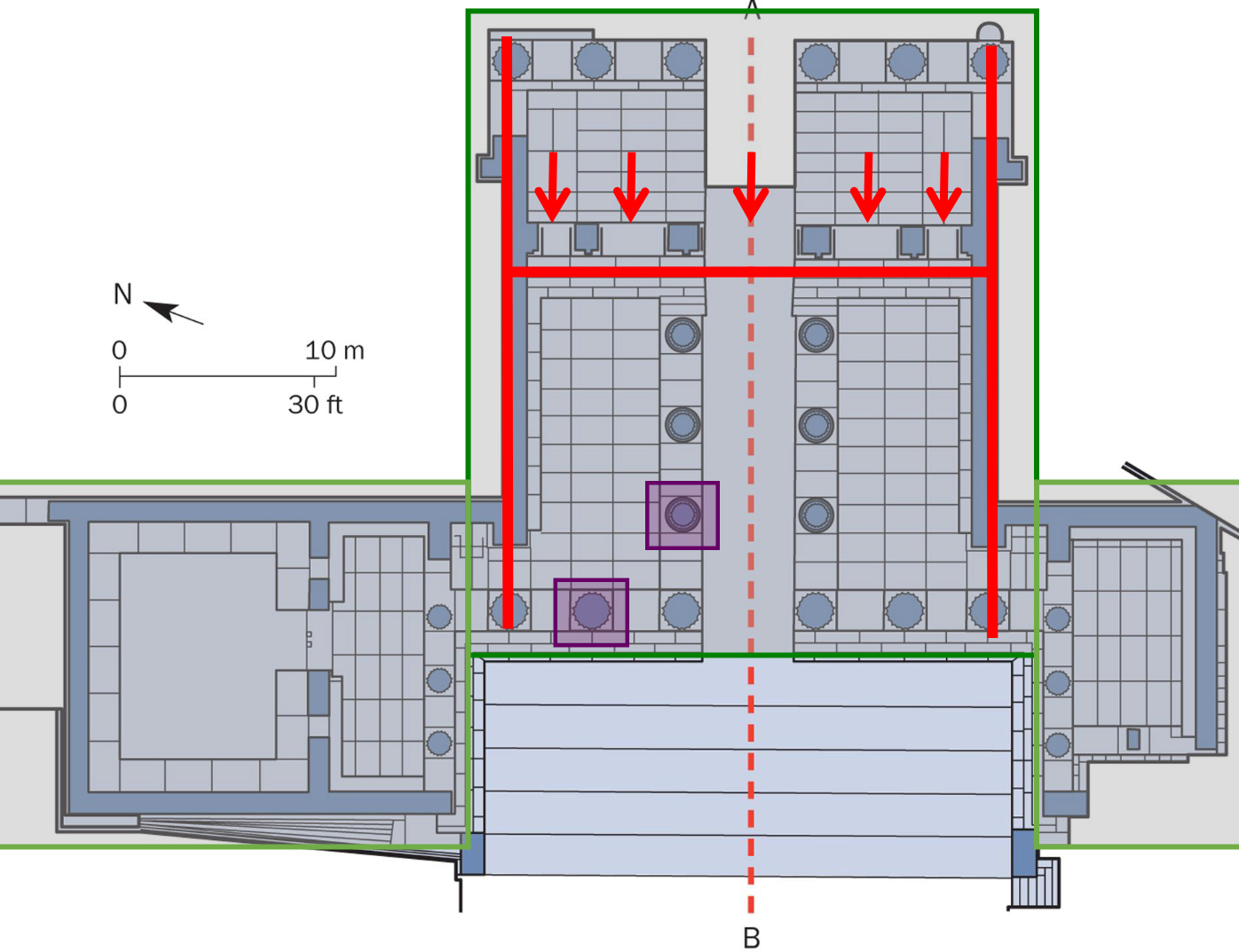
Propylaia
- 438/7 - 432
- White Pentelic marble
- Akropolis
- Architect: Mnesikles
- acts as transition between normal and sacred world; doric columns on outside, ionic on inside; stairs and ramp for sacrificial animals
- pointed towards Great Altar; 3:7 proportion; monumentalizing Akropolis through Propylaia
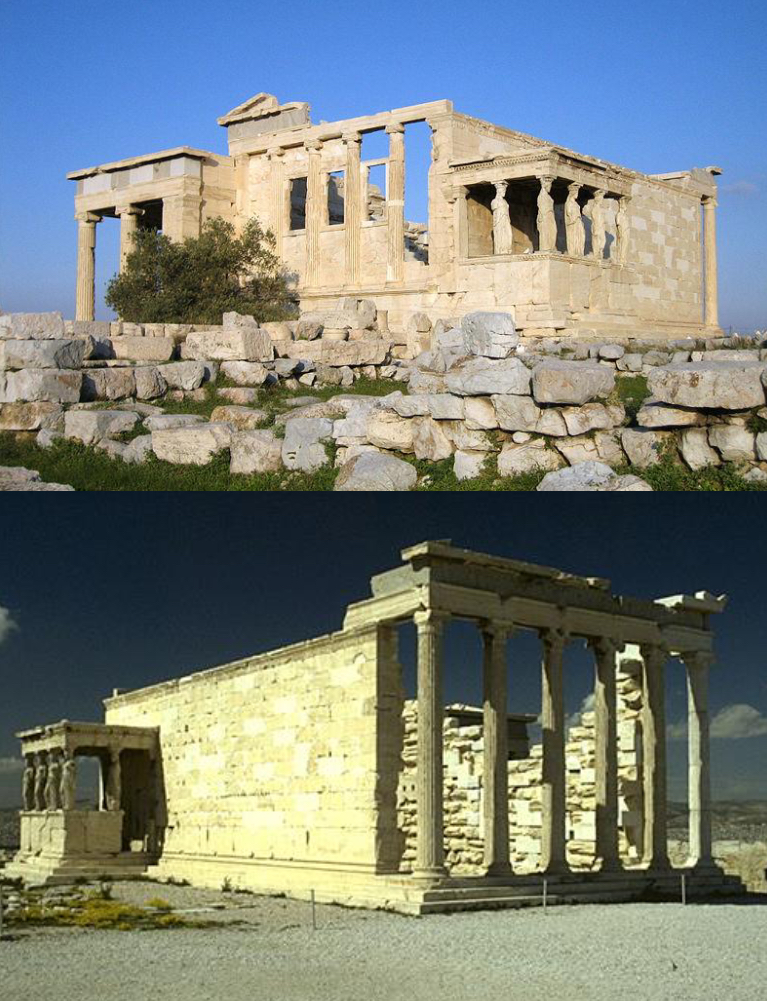
Erechtheion
- 430s-405
- Pentelic marble (except for backdrop of east facade (eleusinian limestone)
- Akropolis
- houses Athena Polias after old temple burned down (in east facade)
- North porch: hole in ground and ceiling because Zeus threw lighning bolt or Poseidon threw trident
- adapted itself to landscape; different elevations instead of built on podium
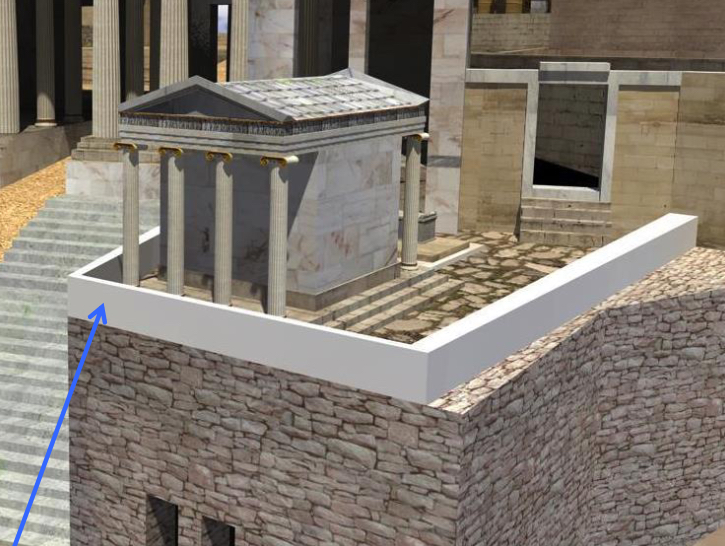
Temple of Athena Nike
- 420s
- seen before entering Akropolis to the right; monumentalization of a natural feature
- ionic columns, continuous frieze of battles
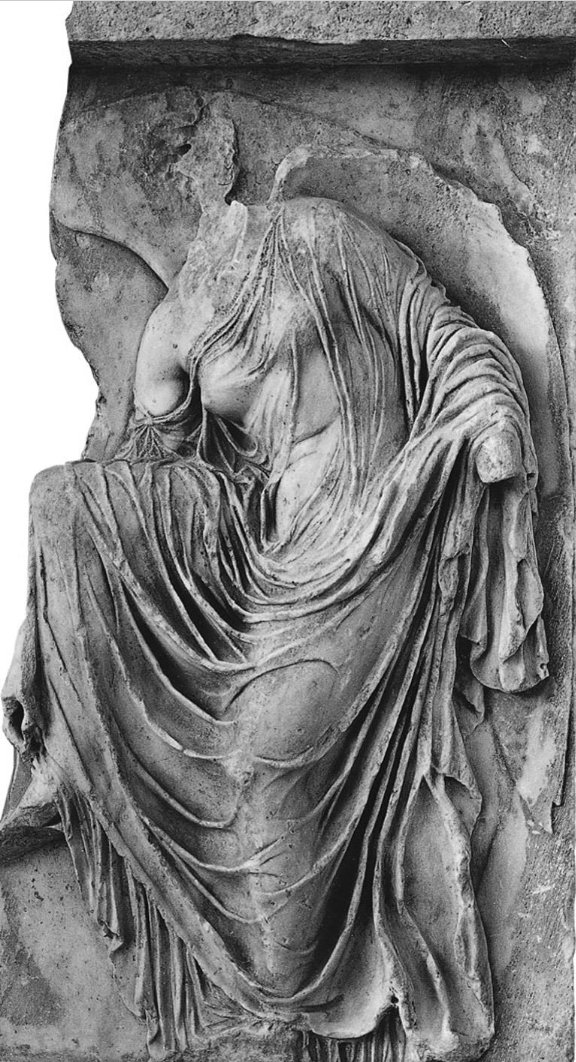
Temple of Athena Nike: parapet
- 420s
- repeated Athena and Nike; wet style drapery
- except for the Sandal Binder: not Athena of Nike; very sheer drapery; little lift of drapery right above foot (late 5th C theme)
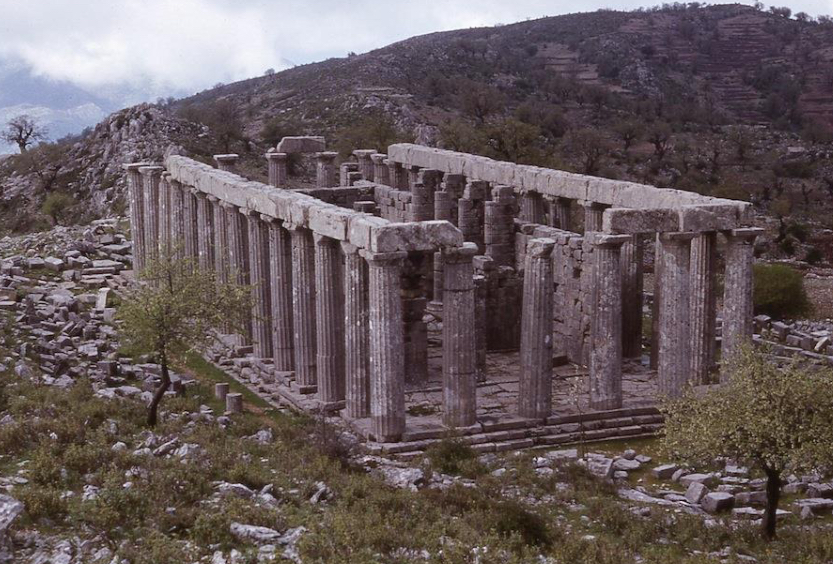
Temple of Apollo at Bassai (architecture)
- last quarter 5th C
- local limestone
- Bassai, Arkadia
- Iktinos? (architect)
- Doric outside, spur ionic colonnade in cella, central Corinthian column, lateral aperature door/window
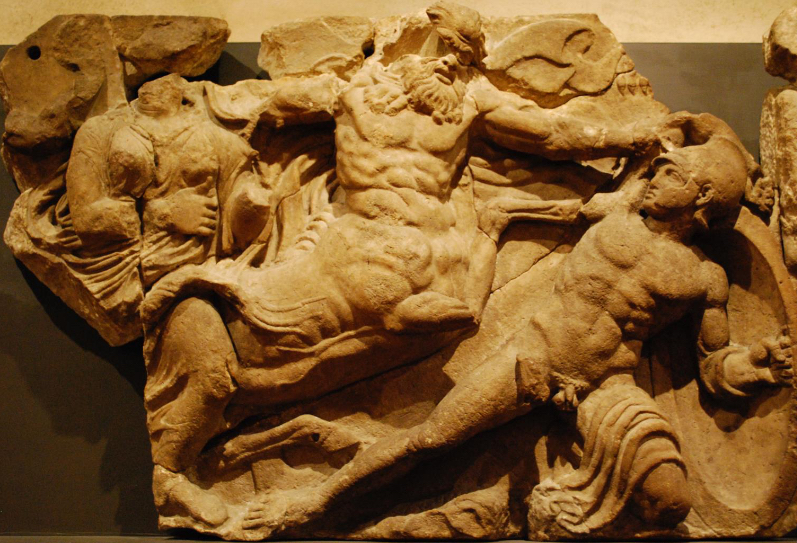
Temple of Apollo at Bassai: internal ionic frieze
- wet style drapery, torsion, frontality
- Centauromachy: more violent, action, and muscles
- Amazonomachy: squatier legs
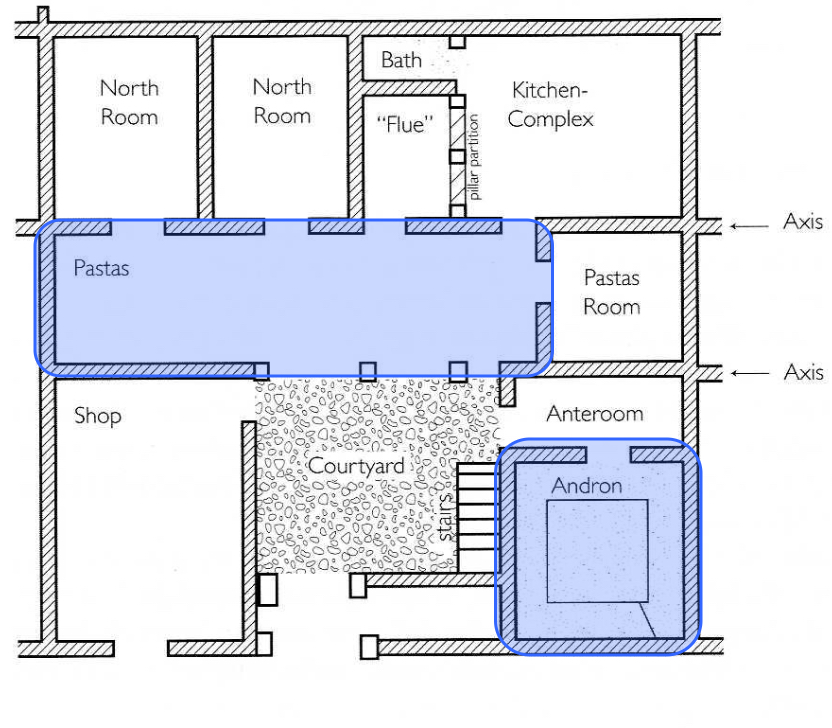
Olynthos Houses
- flourished in 432-348; abandoned in 316
- Olynthos, Macedonia
- city in orthogonal plan
- Pastas style house: 2 stories, splits house in public front area and private back area; front area has courtyard and Andron
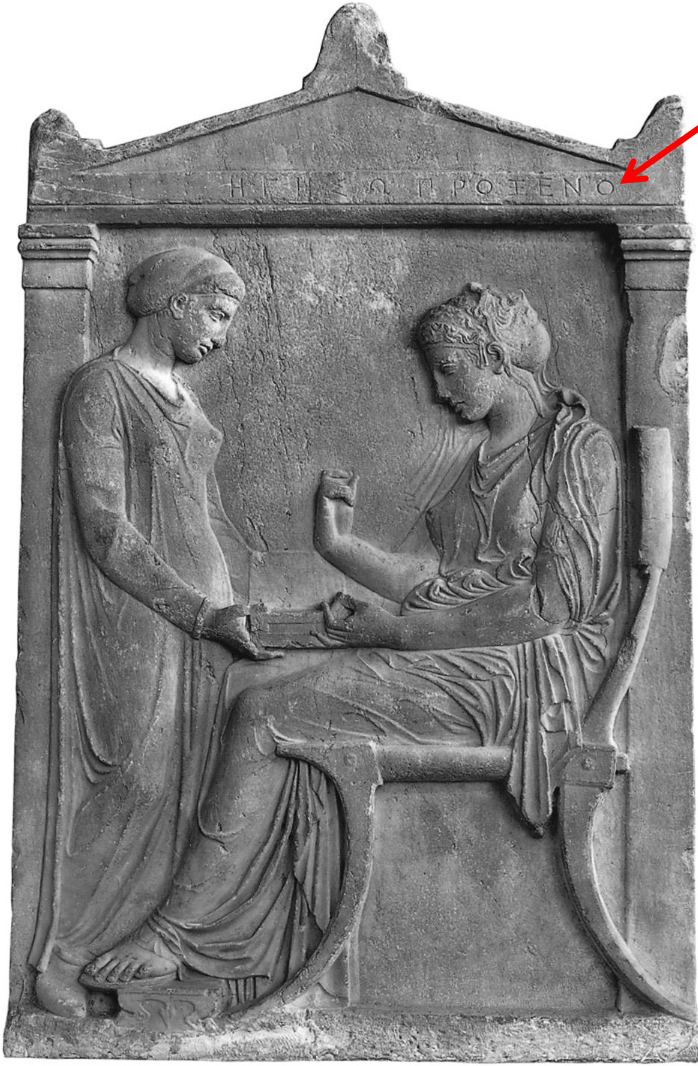
Hegeso Stele
- ca 400
- marble
- Kerameikos cemetery
- Hegeso with a servant to show her high status; inscription says she took a both, picked out fine clothing and jewelry, prayed before her death

Dexileos Stele
- 394
- marble
- from Kerameikos cemetery
- Dexileos is the son of Lysanios and not buried where they put the stele (buried in Athens with other soldiers)
- High status: rode a horse, framed in Naiskos, two burial spots
- He is fully clothed, while person killed is nude (opposite of norm)
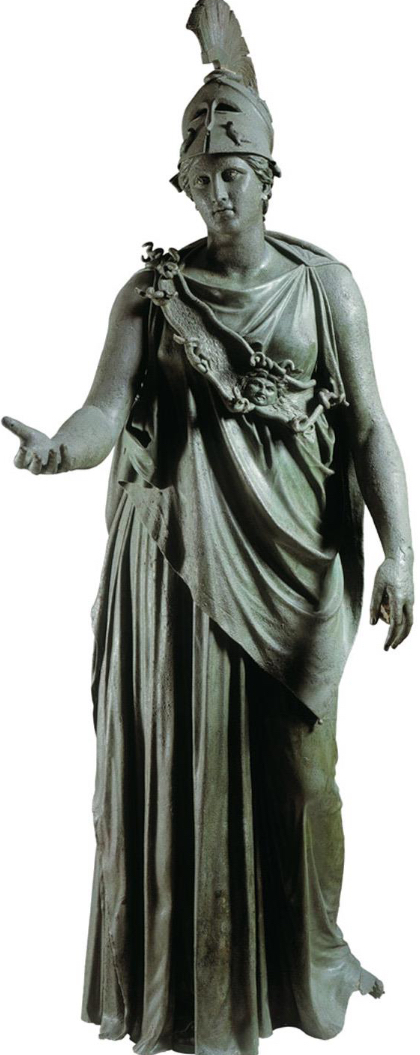
Piraeus Athena
- ca 350
- bronze
- found in shipwreck in Piraeus (same one as Apollo, diff time)
- wearing an aegis that has face of Medusa; not wet style
- interacting with audience
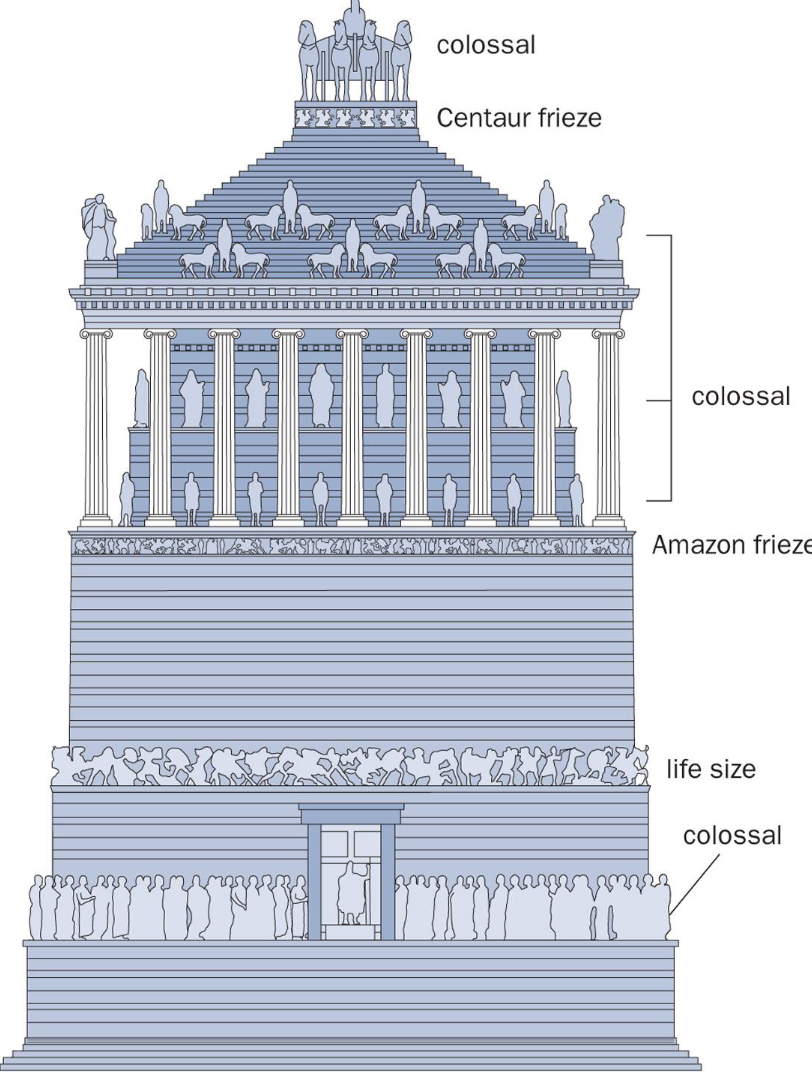
Mausoleum of Halikarnassos
- ca 350
- Caria
- Pytheos (architect)
- Tombs of Mausolus (and his wife); several tiers tall, life size and colossal statues; only ruins of it today
- statues of Mausolus and Artemisia: of marble and aged
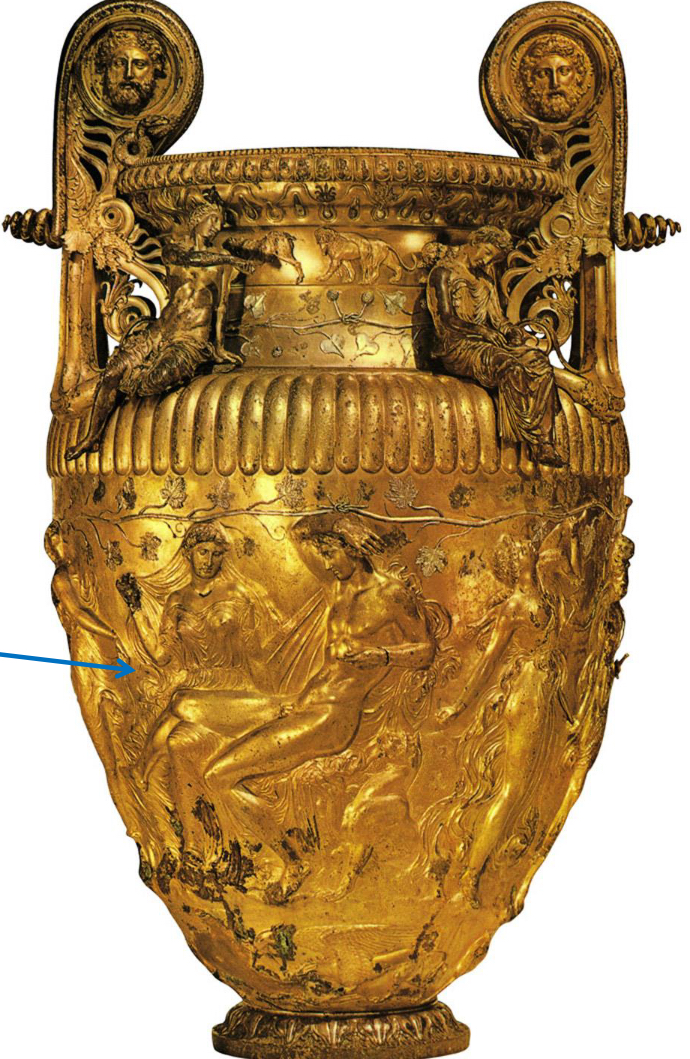
Derveni Krater
- ca 350-330
- gilded bronze (bronze covered with gold leaf)
- Derveni, Macedonia
- Dionysos and Ariadne in middle; maenads and satyrs around them; wet style
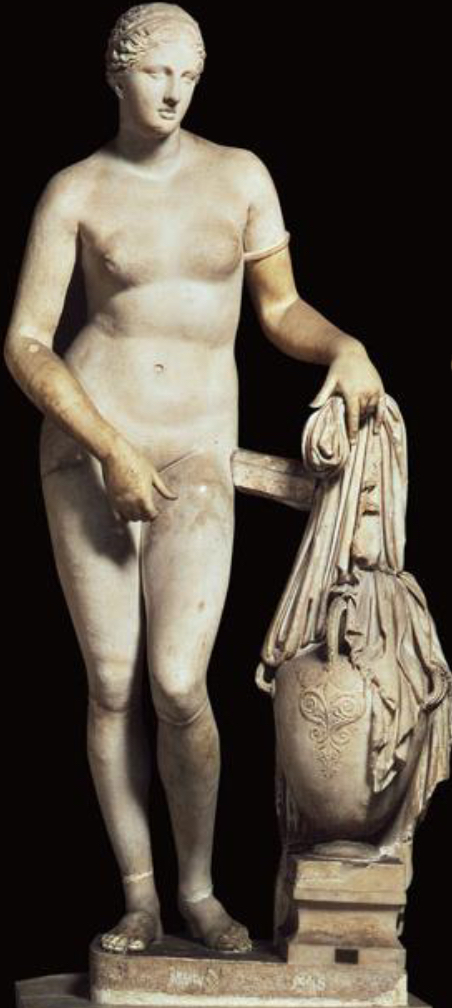
Knidian Aphrodite
- ca 350-330
- Praxiteles
- pictured as nude, first time this happened
- a cult statue made for a temple
- epiphany
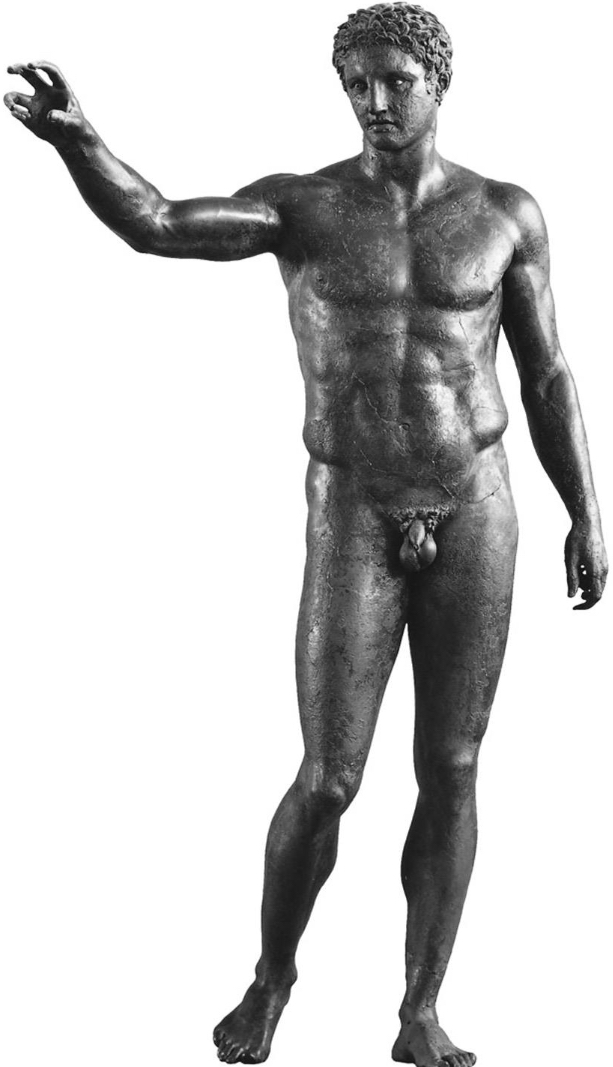
Antikythera Youth
- ca 340
- bronze
- found in shipwreck off Antikythera
- mix between Polykleitos (more stout, 7:1) and Lysippos (arm reaching out)
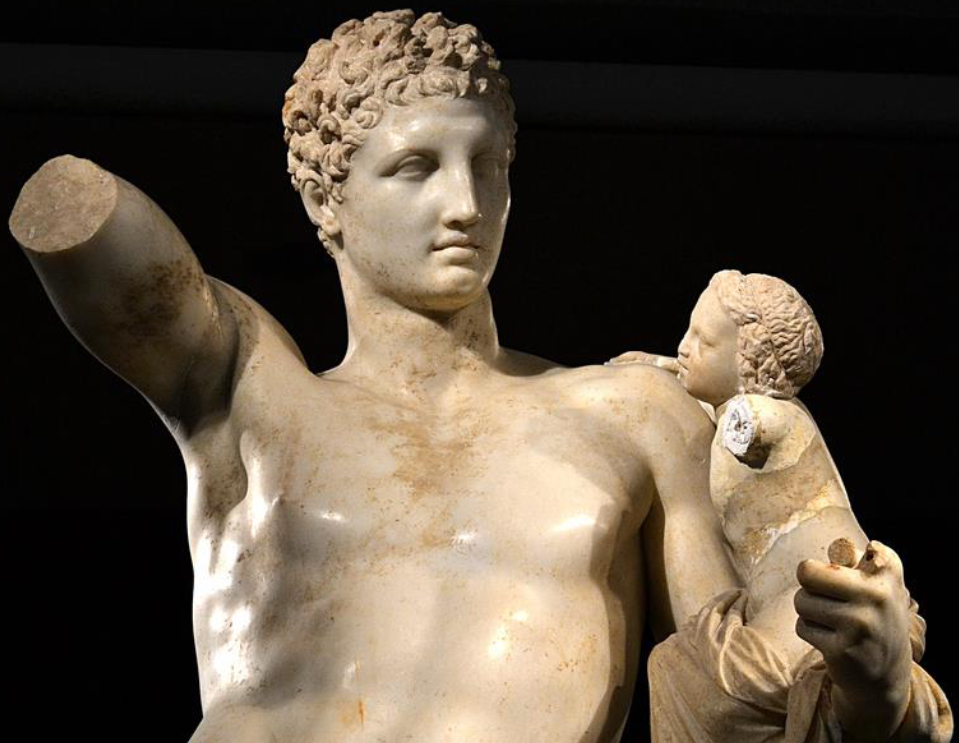
Hermes & Dionysos
- late 4th C (ca 340?)
- marble and bronze
- Olympia
- Praxiteles? (architect); because of exaggerated contrapposto and softening of muscular body
- not certain that it is Praxiteles that made it, only Pausanias said it was
- shows private moment between Hermes and baby Dionysos
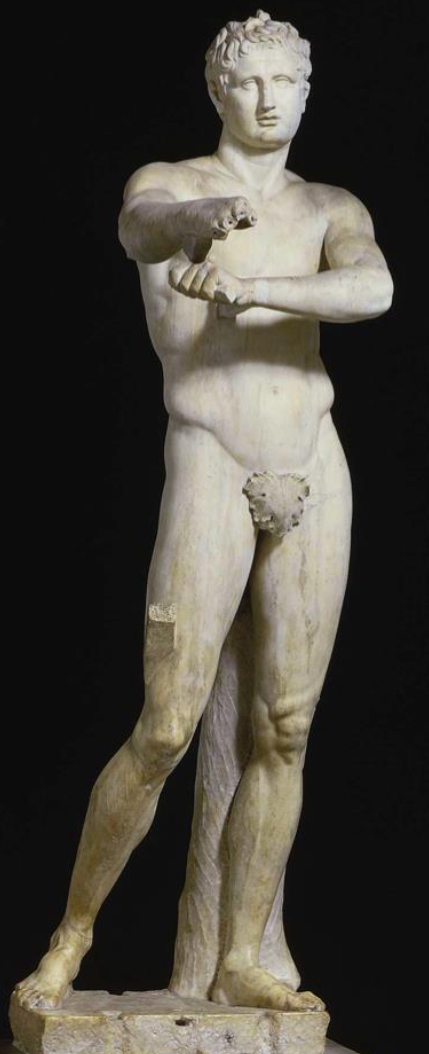
Apoxyomenos (Scraper)
- ca 340-330
- bronze
- Lysippos (artist)
- holding a strigil
- new canon: more contrapposte and S curve, 8:1 ratio (longer legs, smaller head)
- Lysippos made the idealized version of people, while Polykleitos made the reality version
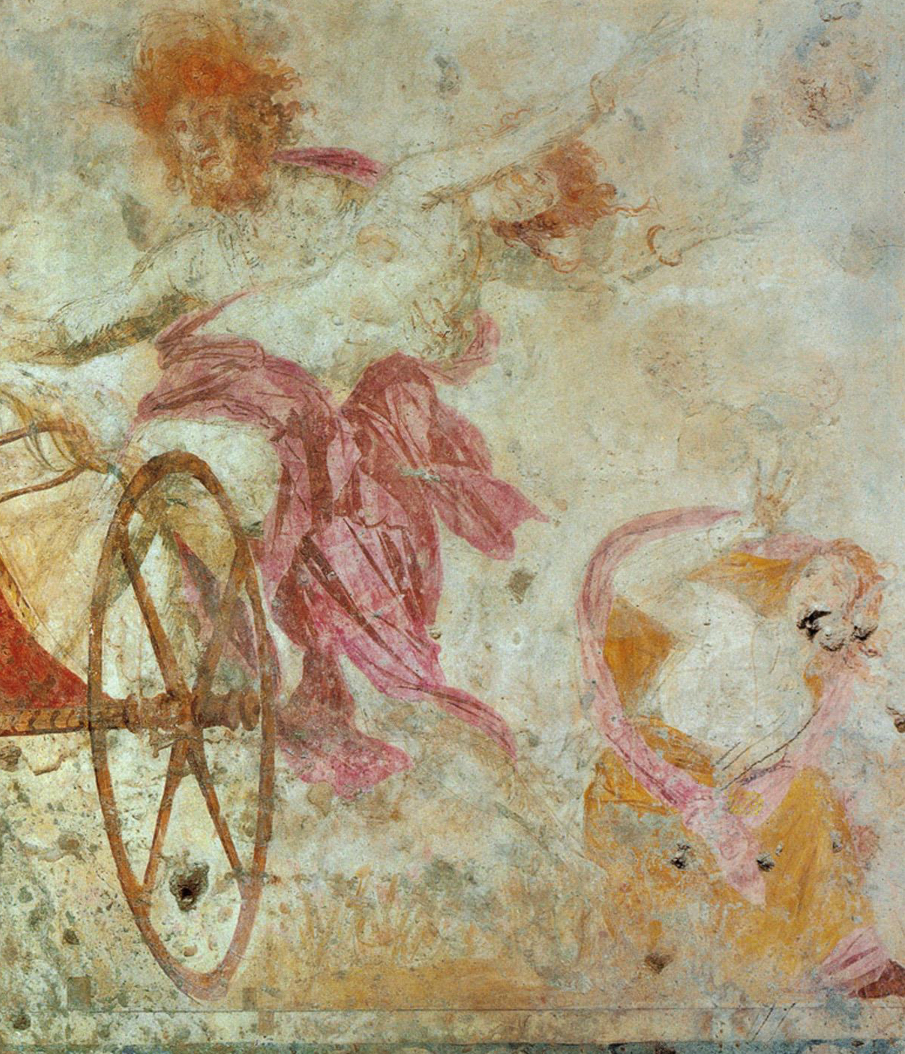
Tomb 1 (Rape of Persephone)
- 336
- could be for Philip II (and his wife); found two bodies in there; Doric frieze, high status
- Hades and Persophone: painting that shows Hades kidnapping Persephone during fall and winter; crops dry out because Demeter (mother) is sad
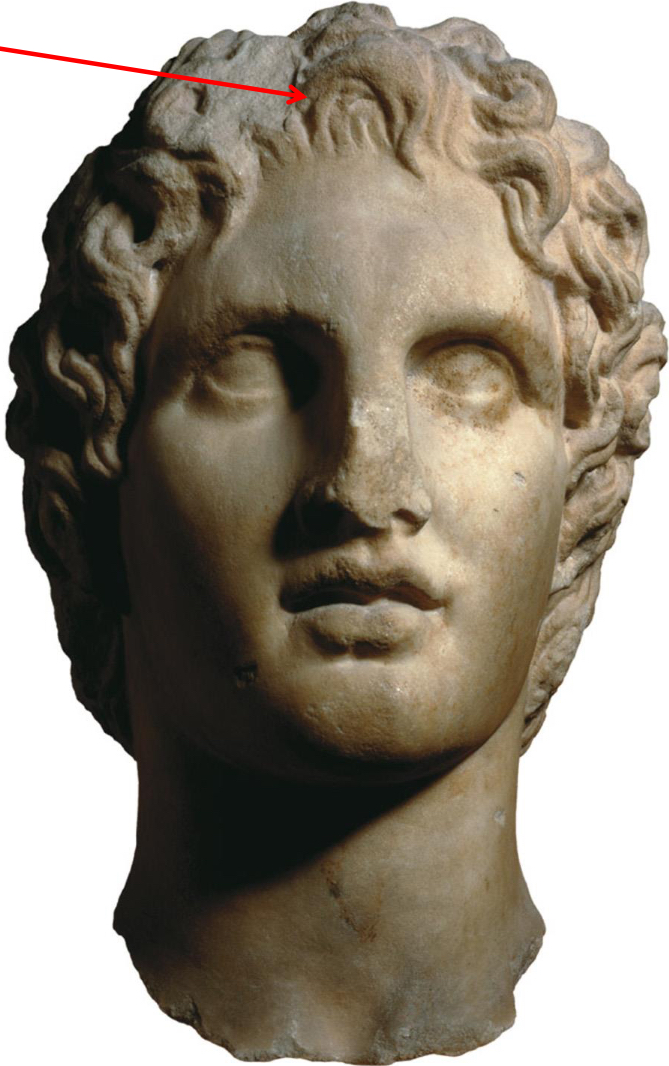
Portrait of Alexander
- ca 336
- Lysippos
- always has an anastole and looking away; portraiture in idealizations
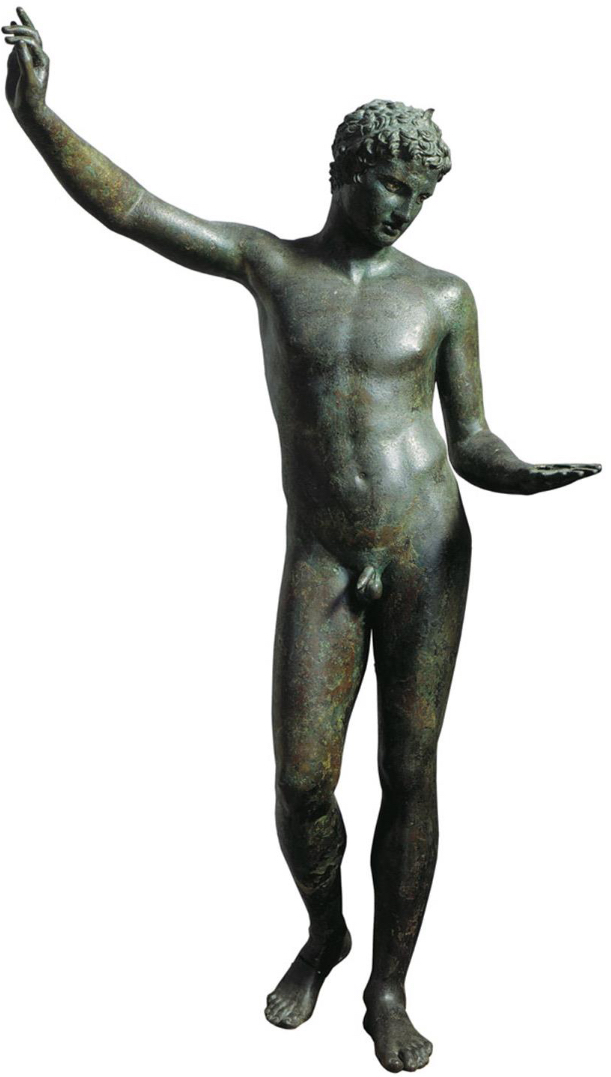
Marathon Boy
- ca 330
- Praxitelean Style, with softened musculature and severe S curve
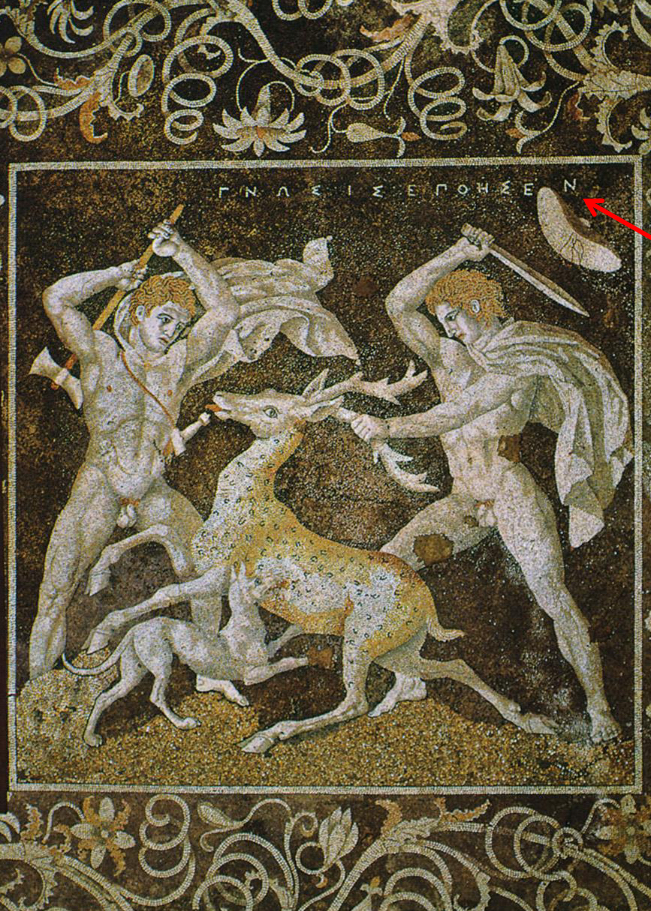
Pella Pebble Mosaic
- last ⅓ 4th C (330-300)
- Pella, Macedonia
- Gnosis
- depiction of stag hunt, Gnosis signed his name in pebbles, flowy drapery
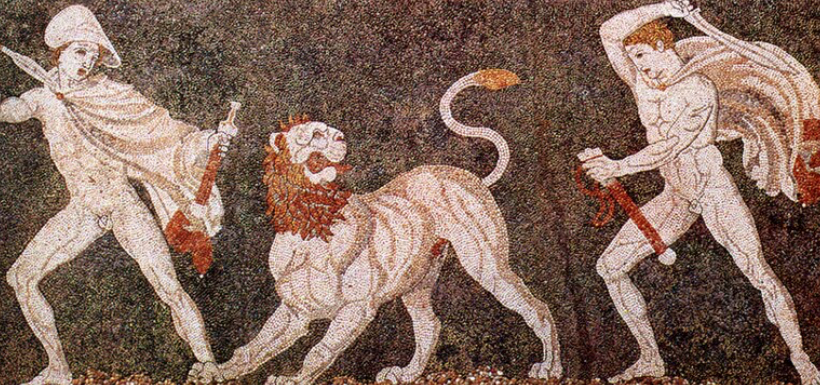
Pella Pebble Mosaic
- last ⅓ 4th C (330-300)
- Pella, Macedonia
- flowy drapery, lion hunt, thin strips of metal for outline
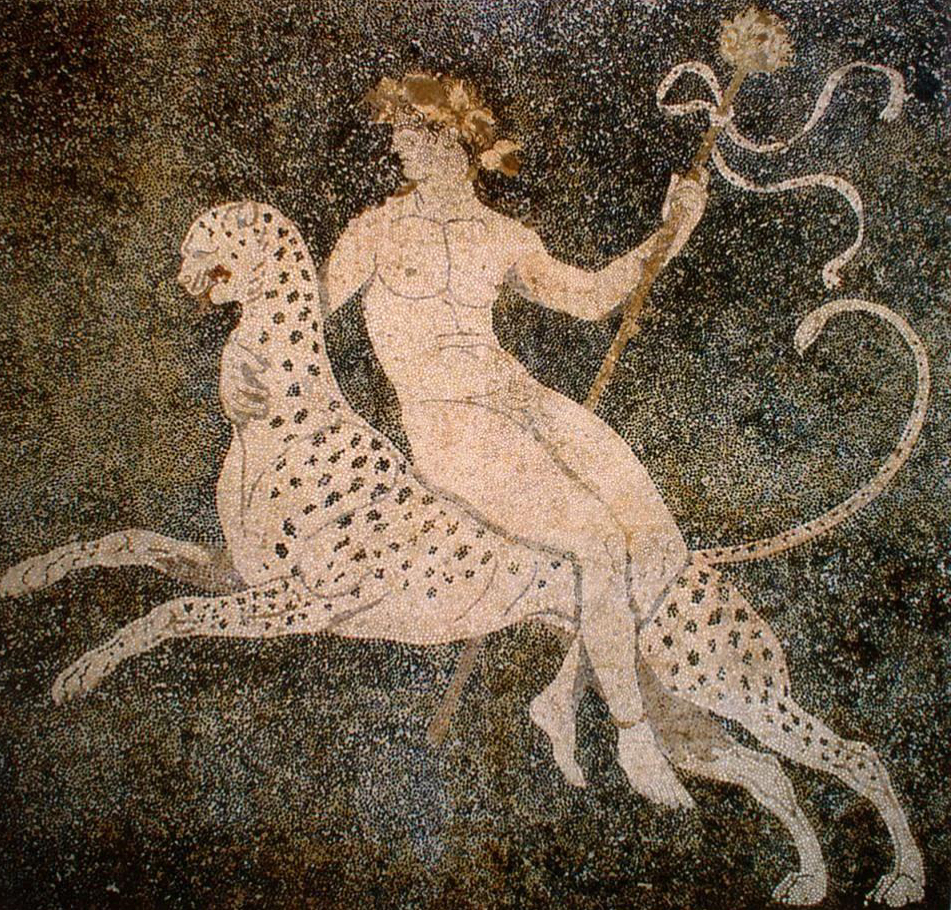
Pella Pebble Mosaic
- last ⅓ 4th C (330-300)
- Pella, Macedonia
- Dionysos riding a leopard and holding a thyrsus (similar pose to Derveni krater)
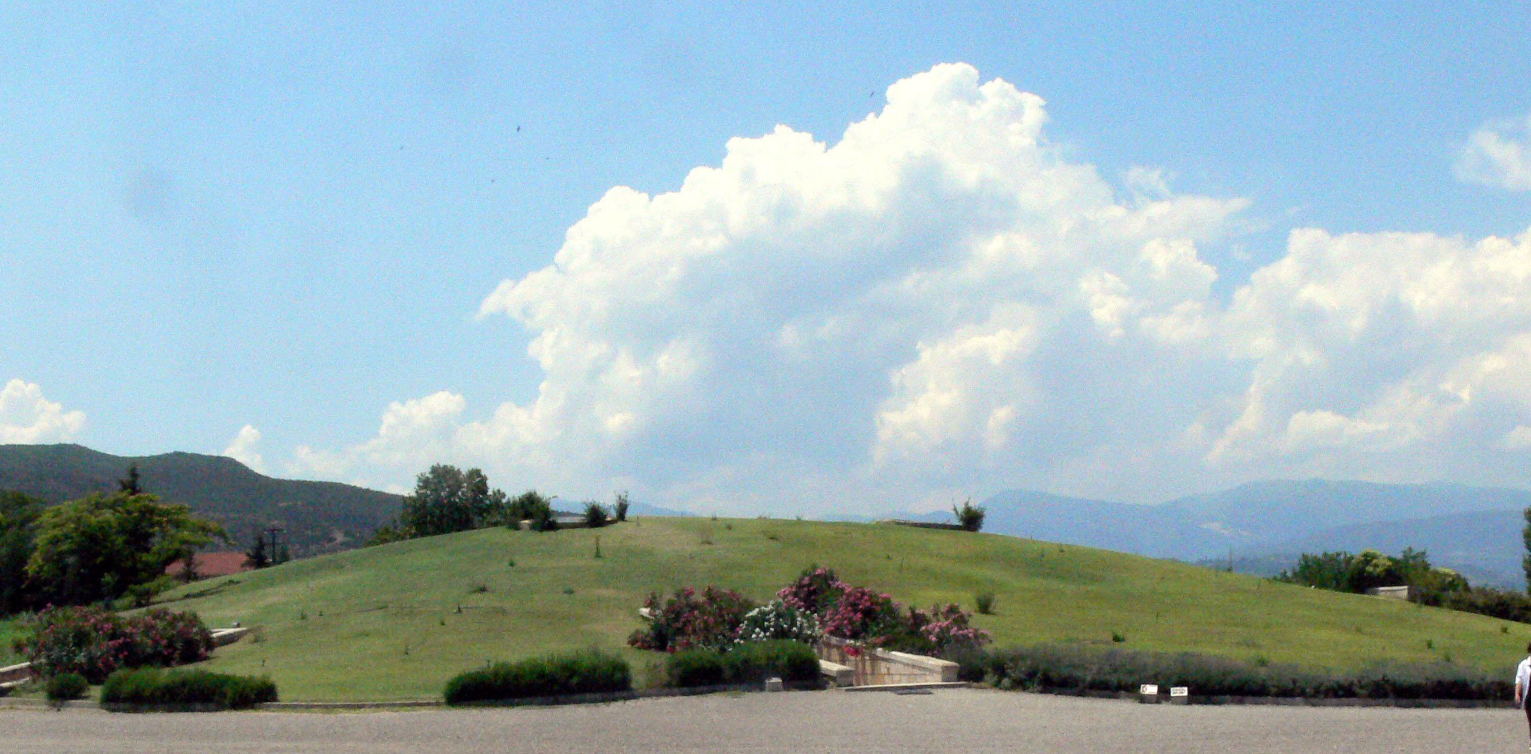
Royal Tumulus at Vergina
- 4-3 C
- Made by piling up dirt to make a hill, for the royal family of Macedonia
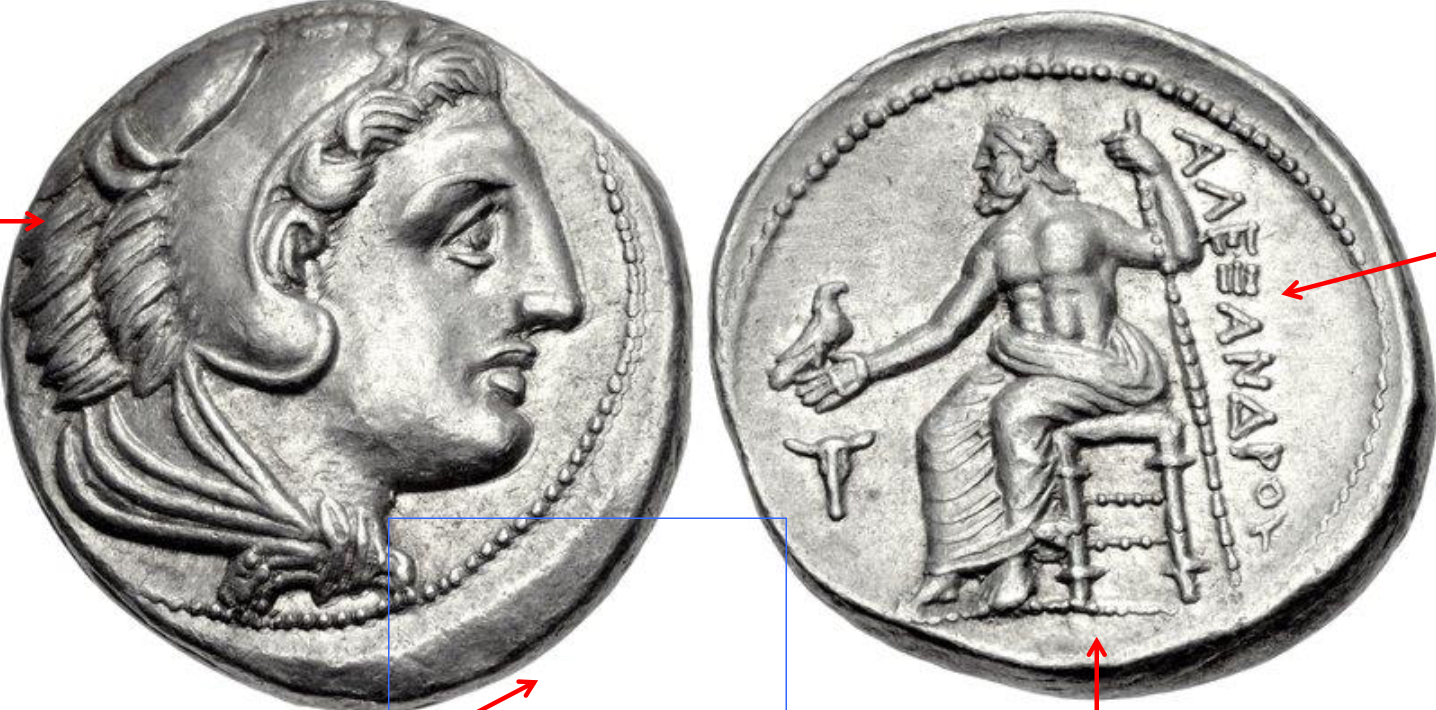
Silver tetradrachm of Alexander (x2)
- ca 325-323
- silver
- to distribute farther for Alexander to gain support
- he is depicted almost god-like; has Herakles’ lion cap on and has Zeus sitting down with “Alexander” along the side; another one him with Zeus’ horn on
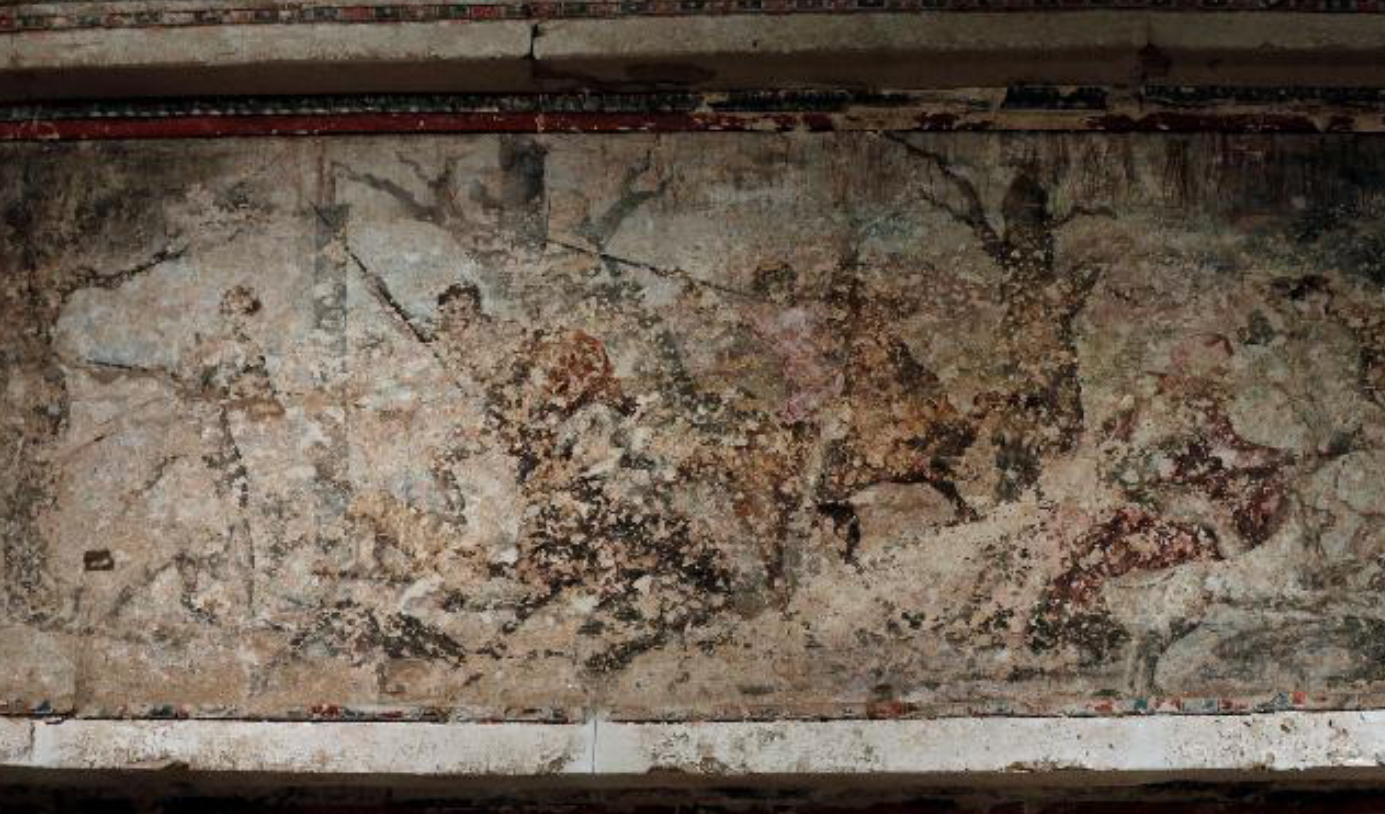
Tomb 2 (Hunt Tomb)
- 317
- Maybe Tomb of Phillip II or III
- found grave goods, Doric columns around door
- Fresco above doric frieze: shows people on horses in forest and mountain in background; shows dimension
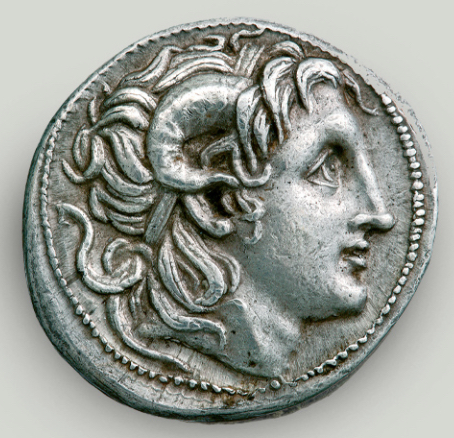
Silver coin of Lysimachos
- 305-281
- silver
- depicts Alexander the Great, not Lysimachos, which shows that they are in the same lineage
- gains support, propaganda
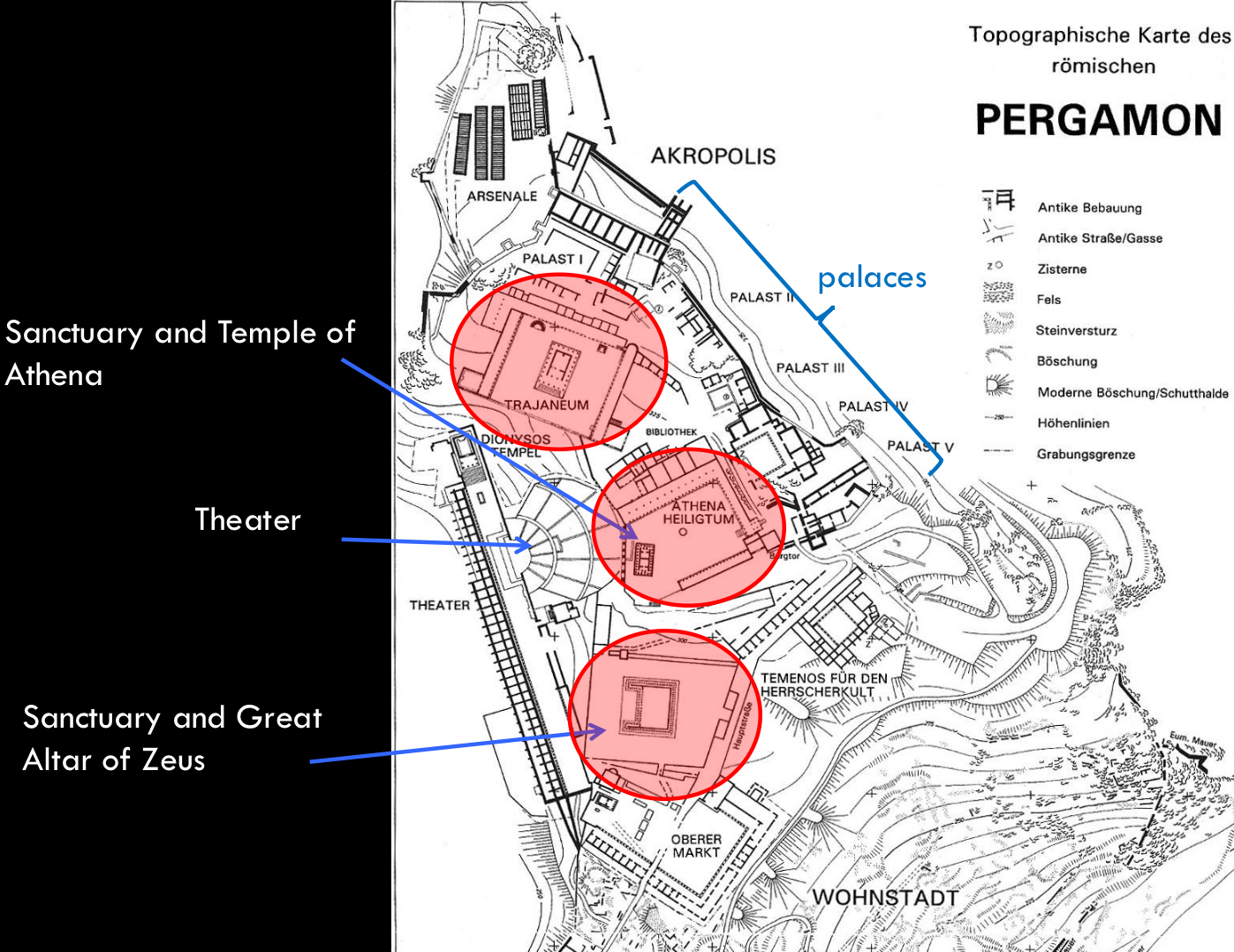
Pergamon Citadel
- arose in 240s
- built on hill, higher status towards the acropolis, organized by terraces
- capital of Attalid Kingdom; trying to make it the new central city of Greece
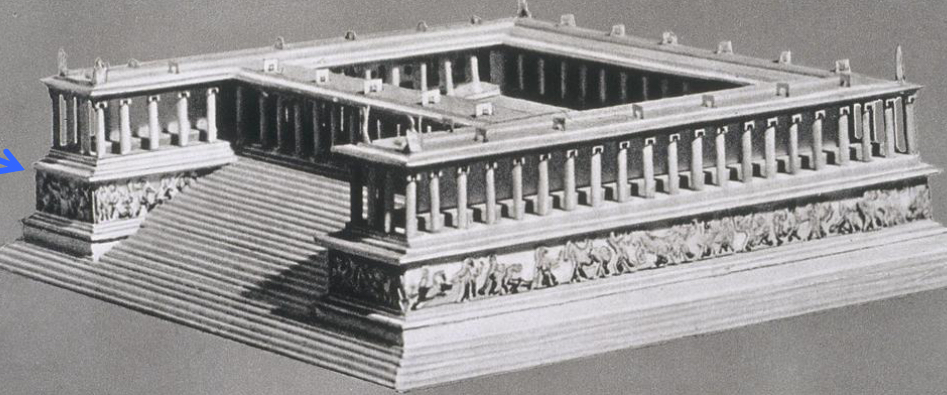
Great Altar of Zeus
- ca 200-150
- hellenistic “baroque”: exaggeration of gigantomachy on continuous frieze
- on lower terrace; entrance in back corner because they wanted everyone to appreciate the art
- Zeus and Athena near entrance; shows pathos for the giant that Athena is attacking
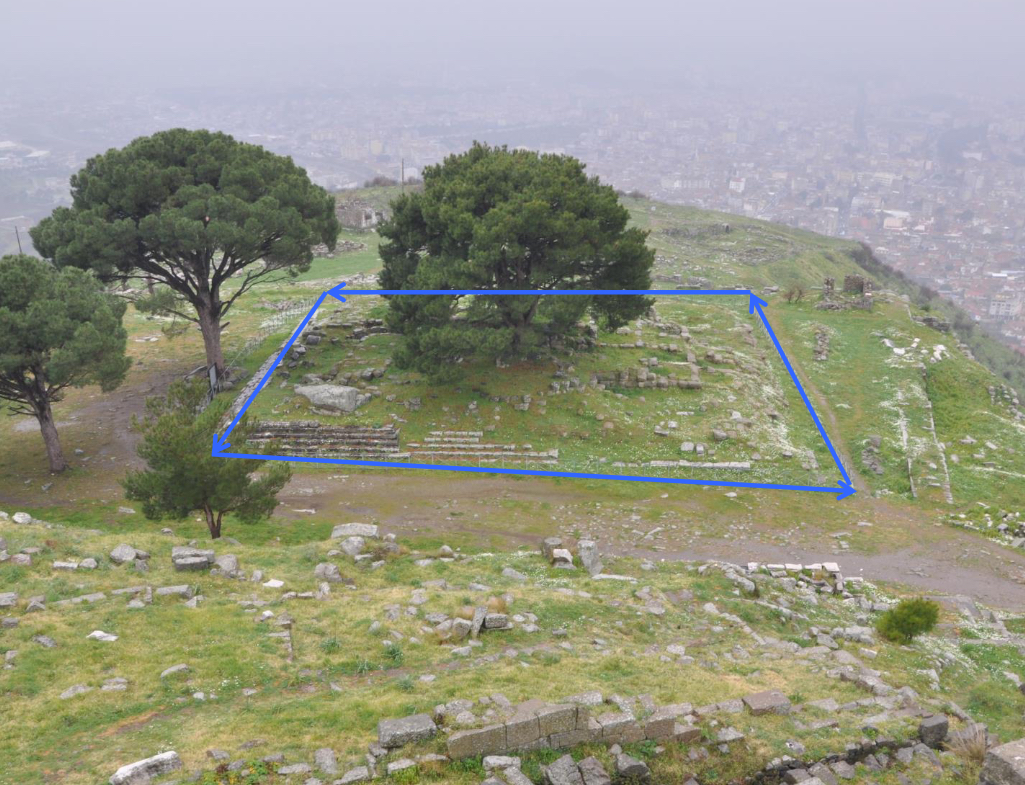
Temple of Athena Polias Nikephoros
- late 4th/ early 2nd C
- Philetarios (architect)
- on the middle terrace, but smaller than Zeus’ temple to establish legitimacy in a new city
- dedicated to Athena of the city who brings victory
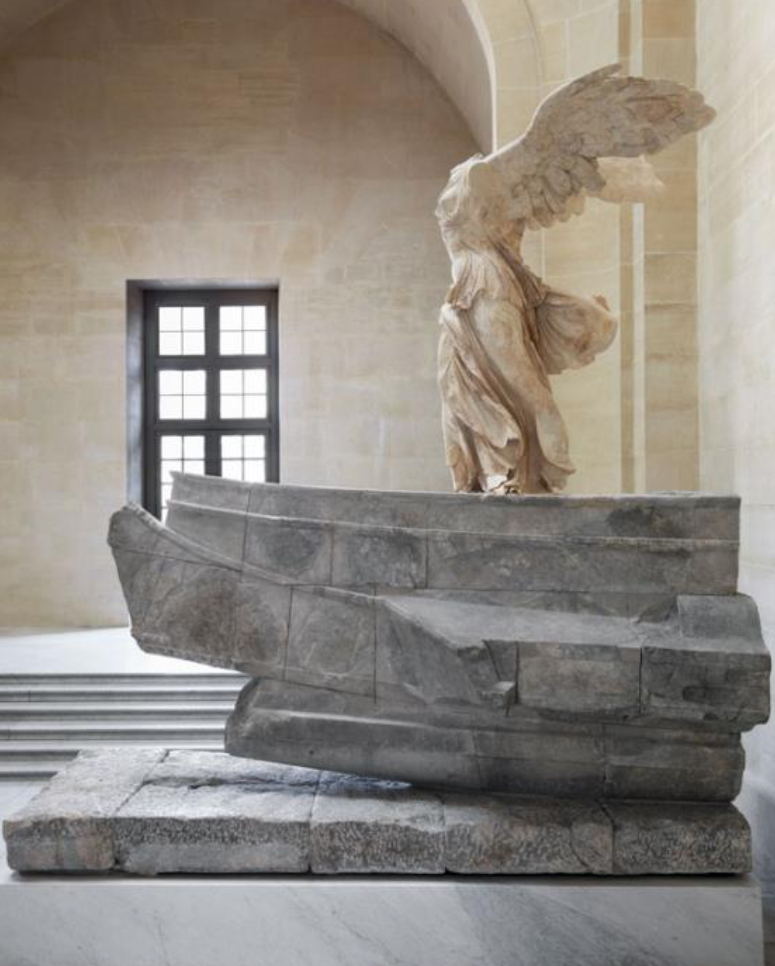
Nike of Samothrace
- early 2nd C
- Parian marble with Rhodian marble base
- Samothrace (island)
- Nike fluttering down to land on a boat to declare victory, entire body lunging forward;
- dedication for a naval victory
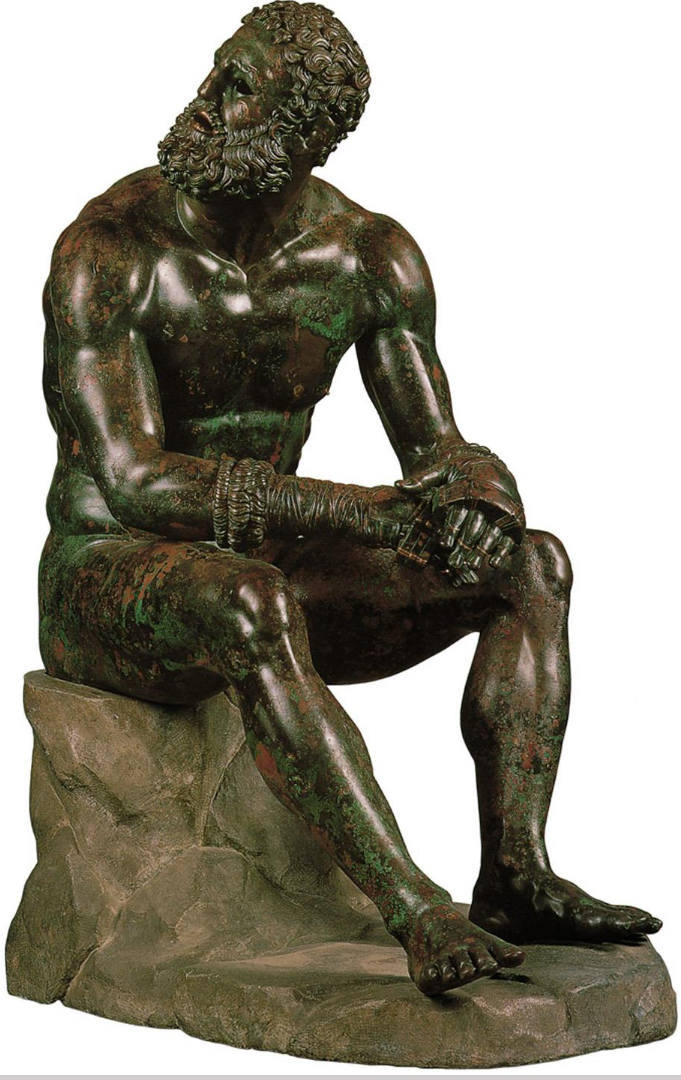
Terme Boxer
- ca 100
- bronze
- has injuries on his face, ears, and hands
- shows Pathos; taking a rest, sense of defeat
- located in Rome bath complexes now; taken out of original context
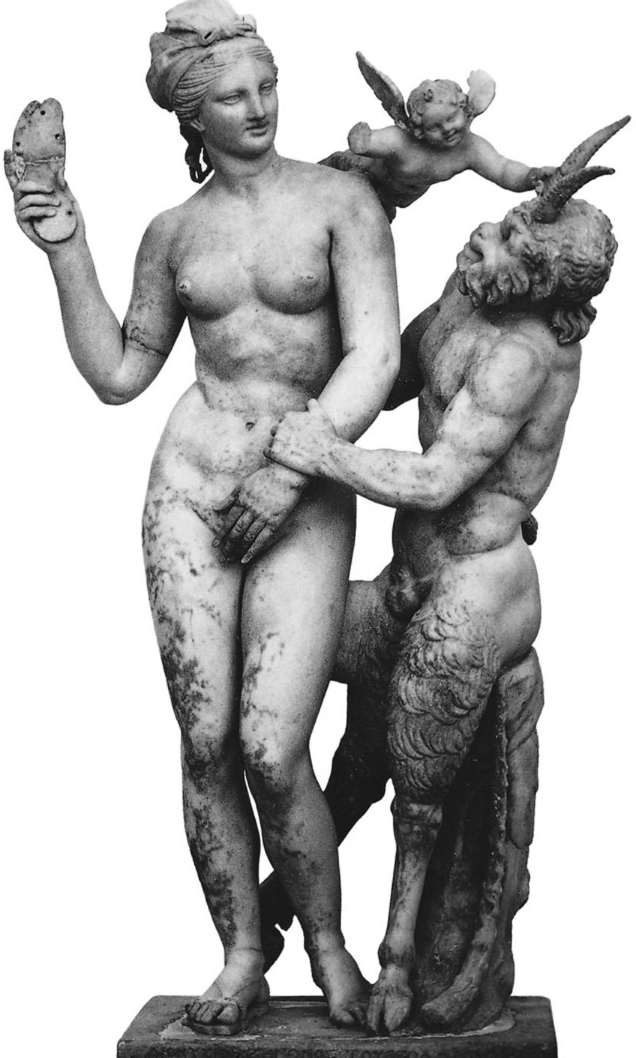
Slipper Slapper
- ca 100
- marble
- Delos
- aphrodite takes off her sandal and swipes away Pan while Cupid is around them
- moment of epiphany; no interaction of Gods with audience
- showing legacy of Praxiteles with the nude figure
 Note
Note  Flashcards (76)