Back, Shoulder Girdle, & UE Muscle Cards

0.0(0)
studied byStudied by 1 person
call kaiCall Kai
learnLearn
examPractice Test
spaced repetitionSpaced Repetition
heart puzzleMatch
flashcardsFlashcards
GameKnowt Play
Card Sorting

1/15

encourage image

There's no tags or description

Looks like no tags are added yet.

Last updated 4:15 PM on 9/23/25
Name
Mastery
Learn
Test
Matching
Spaced
Call with Kai

No analytics yet

Send a link to your students to track their progress

16 Terms

1
New cards

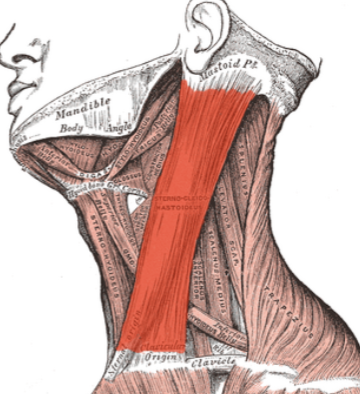
Sternocleidomastoid

  1. proximal

  2. distal

  3. action

  4. innervation

  1. proximal

    1. sternal head: manubrium of sternum

    2. clavicular head: medical portion of the clavicle

  2. distal

    1. mastoid process of temporal bone

    2. lateral portion of the superior nuchal line of occipital bone

  3. action

    1. unilateral: Lateral flexion of neck to same side, rotation of head to opposite side

    2. Bilateral: Neck flexion and elevation of sternum during forced inspiration

  4. innervation

    1. Spinal accessory nerve (Cranial Nerve XI)

    2. Sensory contributions from C2–C3

<ol><li><p>proximal</p><ol><li><p>sternal head: manubrium of sternum</p></li><li><p>clavicular head: medical portion of the clavicle</p></li></ol></li><li><p>distal</p><ol><li><p>mastoid process of temporal bone</p></li><li><p>lateral portion of the superior nuchal line of occipital bone</p></li></ol></li><li><p>action</p><ol><li><p>unilateral:&nbsp;Lateral flexion of neck to same side, rotation of head to opposite side</p></li><li><p>Bilateral: Neck flexion and elevation of sternum during forced inspiration</p></li></ol></li><li><p>innervation</p><ol><li><p>Spinal accessory nerve (Cranial Nerve XI)</p></li><li><p>Sensory contributions from C2–C3</p></li></ol></li></ol><p></p>
2
New cards

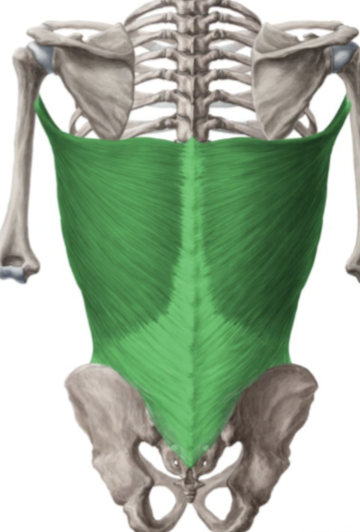
Latissimus Dorsi

  1. proximal

  2. distal

  3. action

  4. innervation

  • Proximal:

    • Spinous processes of T7–T12

    • Thoracolumbar fascia

    • Iliac crest

    • Inferior 3–4 ribs

  • Distal:

    • Floor of the intertubercular groove of humerus

  • Action:

    • Extension, adduction, and medial rotation of the humerus

    • Assists in movements such as climbing or swimming

  • Innervation:

    • Thoracodorsal nerve (C6–C8)

<ul><li><p>Proximal:</p><ul><li><p>Spinous processes of T7–T12</p></li><li><p>Thoracolumbar fascia</p></li><li><p>Iliac crest</p></li><li><p>Inferior 3–4 ribs</p></li></ul></li><li><p>Distal:</p><ul><li><p>Floor of the intertubercular groove of humerus</p></li></ul></li><li><p>Action:</p><ul><li><p>Extension, adduction, and medial rotation of the humerus</p></li><li><p>Assists in movements such as climbing or swimming</p></li></ul></li><li><p>Innervation:</p><ul><li><p>Thoracodorsal nerve (C6–C8)</p></li></ul></li></ul><p></p>
3
New cards

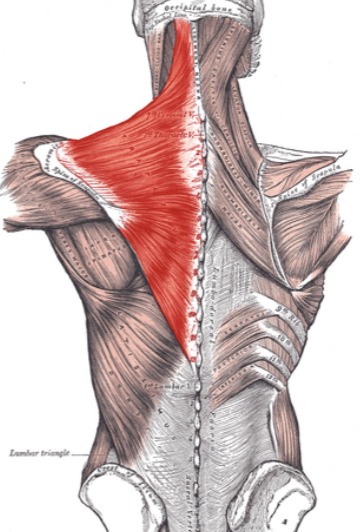
Trapezius

  1. proximal

  2. distal

  3. action

  4. innervation

  • Proximal:

    • External occipital protuberance

    • Medial superior nuchal line

    • Nuchal ligament

    • Spinous processes of C7–T12

  • Distal:

    • Lateral third of clavicle

    • Acromion process

    • Spine of scapula

  • Action:

    • Upper fibers: Elevate and upwardly rotate scapula, extend neck

    • Middle fibers: Retract scapula

    • Lower fibers: Depress and upwardly rotate scapula

  • Innervation:

    • Spinal accessory nerve (Cranial Nerve XI)

    • Sensory from C3–C4

<ul><li><p>Proximal:</p><ul><li><p>External occipital protuberance</p></li><li><p>Medial superior nuchal line</p></li><li><p>Nuchal ligament</p></li><li><p>Spinous processes of C7–T12</p></li></ul></li><li><p>Distal:</p><ul><li><p>Lateral third of clavicle</p></li><li><p>Acromion process</p></li><li><p>Spine of scapula</p></li></ul></li><li><p>Action:</p><ul><li><p>Upper fibers: Elevate and upwardly rotate scapula, extend neck</p></li><li><p>Middle fibers: Retract scapula</p></li><li><p>Lower fibers: Depress and upwardly rotate scapula</p></li></ul></li><li><p>Innervation:</p><ul><li><p>Spinal accessory nerve (Cranial Nerve XI)</p></li><li><p>Sensory from C3–C4</p></li></ul></li></ul><p></p>
4
New cards

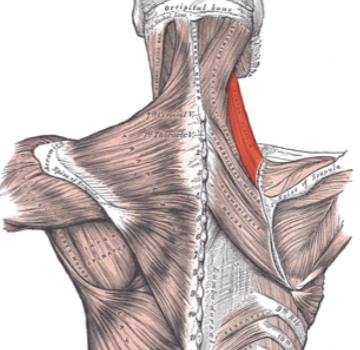
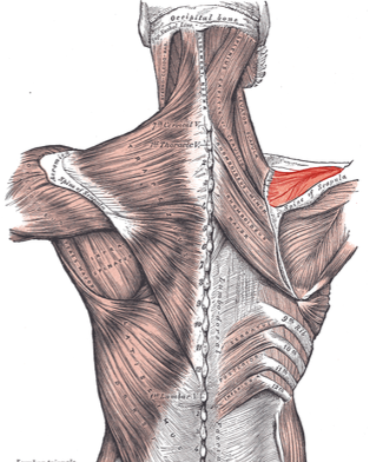
Levator Scapulae

  1. proximal

  2. distal

  3. action

  4. innervation

  • Proximal:

    • Transverse processes of C1–C4 vertebrae

  • Distal:

    • Medial border of scapula, superior to the root of the spine

  • Action:

    • Elevates scapula

    • Tilts glenoid cavity inferiorly by rotating scapula downward

    • Assists in lateral flexion of the neck

  • Innervation:

    • Dorsal scapular nerve (C5)

    • Branches from C3 and C4

<ul><li><p>Proximal:</p><ul><li><p>Transverse processes of C1–C4 vertebrae</p></li></ul></li><li><p>Distal:</p><ul><li><p>Medial border of scapula, superior to the root of the spine</p></li></ul></li><li><p>Action:</p><ul><li><p>Elevates scapula</p></li><li><p>Tilts glenoid cavity inferiorly by rotating scapula downward</p></li><li><p>Assists in lateral flexion of the neck</p></li></ul></li><li><p>Innervation:</p><ul><li><p>Dorsal scapular nerve (C5)</p></li><li><p>Branches from C3 and C4</p></li></ul></li></ul><p></p>
5
New cards

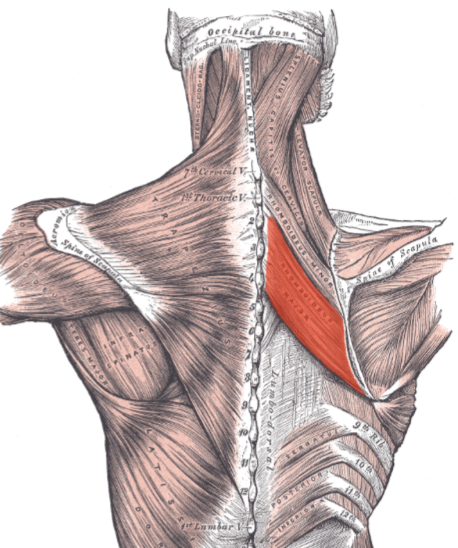
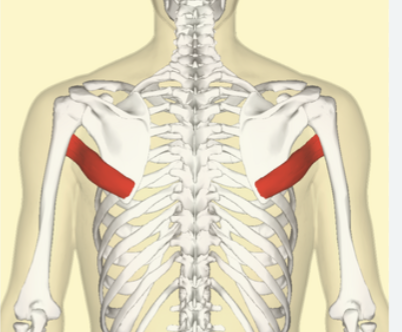
Rhomboid Major

  1. proximal

  2. distal

  3. action

  4. innervation

  • Proximal:

    • Spinous processes of T2–T5

  • Distal:

    • Medial border of scapula from the spine to the inferior angle

  • Action:

    • Retracts scapula

    • Elevates and downwardly rotates scapula

  • Innervation:

    • Dorsal scapular nerve (C4–C5)

<ul><li><p>Proximal:</p><ul><li><p>Spinous processes of T2–T5</p></li></ul></li><li><p>Distal:</p><ul><li><p>Medial border of scapula from the spine to the inferior angle</p></li></ul></li><li><p>Action:</p><ul><li><p>Retracts scapula</p></li><li><p>Elevates and downwardly rotates scapula</p></li></ul></li><li><p>Innervation:</p><ul><li><p>Dorsal scapular nerve (C4–C5)</p></li></ul></li></ul><p></p>
6
New cards

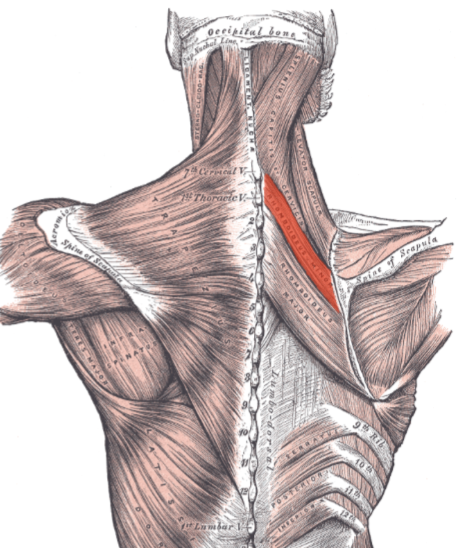
Rhomboid Minor

  1. proximal

  2. distal

  3. action

  4. innervation

  • Proximal:

    • Nuchal ligament

    • Spinous processes of C7 and T1

  • Distal:

    • Medial border of scapula at the root of the spine

  • Action:

    • Retracts scapula

    • Elevates and downwardly rotates scapula

  • Innervation:

    • Dorsal scapular nerve (C4–C5)

<ul><li><p>Proximal:</p><ul><li><p>Nuchal ligament</p></li><li><p>Spinous processes of C7 and T1</p></li></ul></li><li><p>Distal:</p><ul><li><p>Medial border of scapula at the root of the spine</p></li></ul></li><li><p>Action:</p><ul><li><p>Retracts scapula</p></li><li><p>Elevates and downwardly rotates scapula</p></li></ul></li><li><p>Innervation:</p><ul><li><p>Dorsal scapular nerve (C4–C5)</p></li></ul></li></ul><p></p>
7
New cards

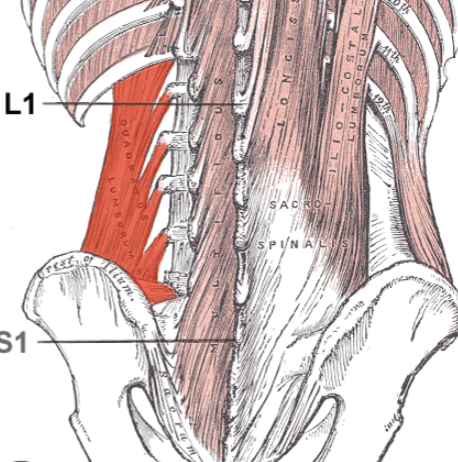
Quadratus Lumborum

  1. proximal

  2. distal

  3. action

  4. innervation

  • Proximal:

    • Iliac crest

    • Iliolumbar ligament

  • Distal:

    • Inferior border of the 12th rib

    • Transverse processes of L1–L4 vertebrae

  • Action:

    • Unilateral: Lateral flexion of vertebral column to the same side

    • Bilateral: Extension of the lumbar spine

    • Assists in forced expiration by fixing the 12th rib

  • Innervation:

    • Subcostal nerve (T12)

    • Branches from lumbar plexus (L1–L4)

<ul><li><p>Proximal:</p><ul><li><p>Iliac crest</p></li><li><p>Iliolumbar ligament</p></li></ul></li><li><p>Distal:</p><ul><li><p>Inferior border of the 12th rib</p></li><li><p>Transverse processes of L1–L4 vertebrae</p></li></ul></li><li><p>Action:</p><ul><li><p>Unilateral: Lateral flexion of vertebral column to the same side</p></li><li><p>Bilateral: Extension of the lumbar spine</p></li><li><p>Assists in forced expiration by fixing the 12th rib</p></li></ul></li><li><p>Innervation:</p><ul><li><p>Subcostal nerve (T12)</p></li><li><p>Branches from lumbar plexus (L1–L4)</p></li></ul></li></ul><p></p>
8
New cards

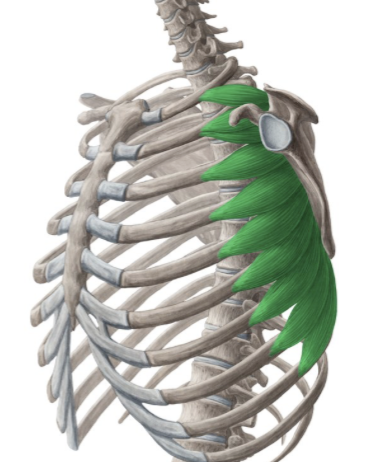
Serratus Anterior

  1. proximal

  2. distal

  3. action

  4. innervation

  • Proximal:

    • External surfaces of lateral parts of ribs 1–8 or 1–9

  • Distal:

    • Anterior surface of the medial border of scapula

  • Action:

    • Protracts scapula (pulls it forward around the rib cage)

    • Holds scapula firmly against thoracic wall

    • Assists in upward rotation of scapula

  • Innervation:

    • Long thoracic nerve (C5–C7)

<ul><li><p>Proximal:</p><ul><li><p>External surfaces of lateral parts of ribs 1–8 or 1–9</p></li></ul></li><li><p>Distal:</p><ul><li><p>Anterior surface of the medial border of scapula</p></li></ul></li><li><p>Action:</p><ul><li><p>Protracts scapula (pulls it forward around the rib cage)</p></li><li><p>Holds scapula firmly against thoracic wall</p></li><li><p>Assists in upward rotation of scapula</p></li></ul></li><li><p>Innervation:</p><ul><li><p>Long thoracic nerve (C5–C7)</p></li></ul></li></ul><p></p>
9
New cards

Supraspinatus

  1. proximal

  2. distal

  3. action

  4. innervation

  • Proximal:

    • Supraspinous fossa of scapula

  • Distal:

    • Superior facet of the greater tubercle of humerus

  • Action:

    • Initiates the first 15 degrees of arm abduction

    • Helps stabilize the glenohumeral joint

  • Innervation:

    • Suprascapular nerve (C5–C6)

<ul><li><p>Proximal:</p><ul><li><p>Supraspinous fossa of scapula</p></li></ul></li><li><p>Distal:</p><ul><li><p>Superior facet of the greater tubercle of humerus</p></li></ul></li><li><p>Action:</p><ul><li><p>Initiates the first 15 degrees of arm abduction</p></li><li><p>Helps stabilize the glenohumeral joint</p></li></ul></li><li><p>Innervation:</p><ul><li><p>Suprascapular nerve (C5–C6)</p></li></ul></li></ul><p></p>
10
New cards

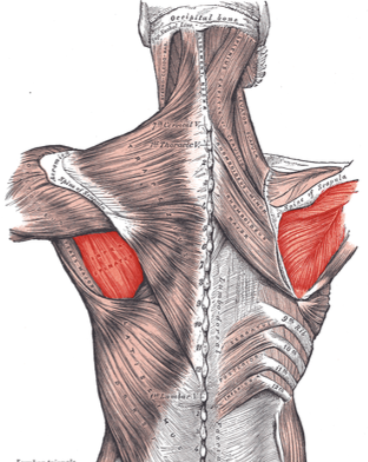
Infraspinatus

  1. proximal

  2. distal

  3. action

  4. innervation

  • Proximal:

    • Infraspinous fossa of scapula

  • Distal:

    • Middle facet of the greater tubercle of humerus

  • Action:

    • Lateral rotation of the humerus

    • Stabilizes the glenohumeral joint

  • Innervation:

    • Suprascapular nerve (C5–C6)

<ul><li><p>Proximal:</p><ul><li><p>Infraspinous fossa of scapula</p></li></ul></li><li><p>Distal:</p><ul><li><p>Middle facet of the greater tubercle of humerus</p></li></ul></li><li><p>Action:</p><ul><li><p>Lateral rotation of the humerus</p></li><li><p>Stabilizes the glenohumeral joint</p></li></ul></li><li><p>Innervation:</p><ul><li><p>Suprascapular nerve (C5–C6)</p></li></ul></li></ul><p></p>
11
New cards

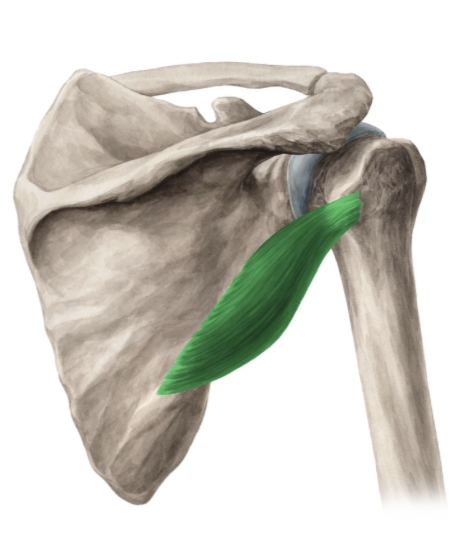
Teres Minor

  1. proximal

  2. distal

  3. action

  4. innervation

  • Proximal:

    • Lateral border of scapula (upper two-thirds)

  • Distal:

    • Inferior facet of the greater tubercle of humerus

  • Action:

    • Lateral rotation of the humerus

    • Assists in adduction of the arm

    • Stabilizes the glenohumeral joint

  • Innervation:

    • Axillary nerve (C5–C6)

<ul><li><p>Proximal:</p><ul><li><p>Lateral border of scapula (upper two-thirds)</p></li></ul></li><li><p>Distal:</p><ul><li><p>Inferior facet of the greater tubercle of humerus</p></li></ul></li><li><p>Action:</p><ul><li><p>Lateral rotation of the humerus</p></li><li><p>Assists in adduction of the arm</p></li><li><p>Stabilizes the glenohumeral joint</p></li></ul></li><li><p>Innervation:</p><ul><li><p>Axillary nerve (C5–C6)</p></li></ul></li></ul><p></p>
12
New cards

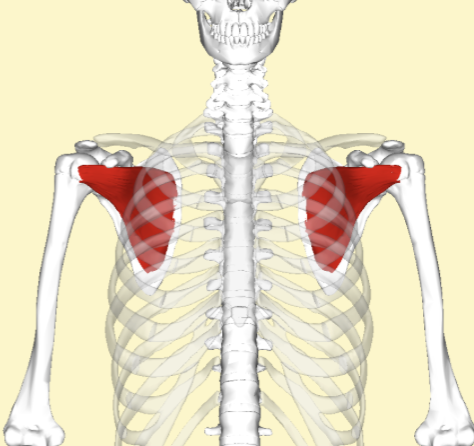
Subscapularis

  1. proximal

  2. distal

  3. action

  4. innervation

  • Proximal:

    • Subscapular fossa of scapula

  • Distal:

    • Lesser tubercle of humerus

  • Action:

    • Medial rotation of the humerus

    • Assists in adduction of the arm

    • Stabilizes the glenohumeral joint

  • Innervation:

    • Upper and lower subscapular nerves (C5–C7)
<ul><li><p>Proximal:</p><ul><li><p>Subscapular fossa of scapula</p></li></ul></li><li><p>Distal:</p><ul><li><p>Lesser tubercle of humerus</p></li></ul></li><li><p>Action:</p><ul><li><p>Medial rotation of the humerus</p></li><li><p>Assists in adduction of the arm</p></li><li><p>Stabilizes the glenohumeral joint</p></li></ul></li><li><p>Innervation:</p><ul><li><p>Upper and lower subscapular nerves (C5–C7)</p></li></ul></li></ul><p></p>
13
New cards

Teres Major

  1. proximal

  2. distal

  3. action

  4. innervation

  • Proximal:

    • Posterior surface of inferior angle of scapula

  • Distal:

    • Medial lip of the intertubercular groove of humerus

  • Action:

    • Medial rotation of the humerus

    • Adduction of the arm

    • Assists in extension of the arm

  • Innervation:

    • Lower subscapular nerve (C5–C6)

<ul><li><p>Proximal:</p><ul><li><p>Posterior surface of inferior angle of scapula</p></li></ul></li><li><p>Distal:</p><ul><li><p>Medial lip of the intertubercular groove of humerus</p></li></ul></li><li><p>Action:</p><ul><li><p>Medial rotation of the humerus</p></li><li><p>Adduction of the arm</p></li><li><p>Assists in extension of the arm</p></li></ul></li><li><p>Innervation:</p><ul><li><p>Lower subscapular nerve (C5–C6)</p></li></ul></li></ul><p></p>
14
New cards

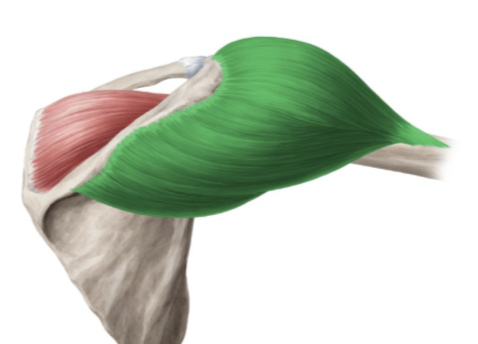
Deltoid

  1. proximal

  2. distal

  3. action

  4. innervation

  • Proximal:

    • Lateral third of clavicle

    • Acromion process

    • Spine of scapula

  • Distal:

    • Deltoid tuberosity of humerus

  • Action:

    • Anterior fibers: Flexion and medial rotation of the arm

    • Middle fibers: Abduction of the arm (15° to 90°)

    • Posterior fibers: Extension and lateral rotation of the arm

  • Innervation:

    • Axillary nerve (C5–C6)

<ul><li><p>Proximal:</p><ul><li><p>Lateral third of clavicle</p></li><li><p>Acromion process</p></li><li><p>Spine of scapula</p></li></ul></li><li><p>Distal:</p><ul><li><p>Deltoid tuberosity of humerus</p></li></ul></li><li><p>Action:</p><ul><li><p>Anterior fibers: Flexion and medial rotation of the arm</p></li><li><p>Middle fibers: Abduction of the arm (15° to 90°)</p></li><li><p>Posterior fibers: Extension and lateral rotation of the arm</p></li></ul></li><li><p>Innervation:</p><ul><li><p>Axillary nerve (C5–C6)</p></li></ul></li></ul><p></p>
15
New cards

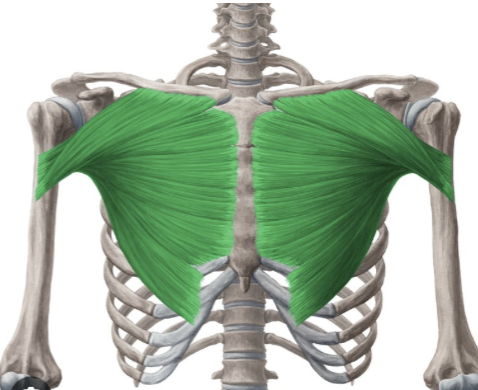
Pectoralis Major

  1. proximal

  2. distal

  3. action

  4. innervation

  • Proximal:

    • Clavicular head: Anterior surface of medial half of clavicle

    • Sternocostal head: Anterior surface of sternum, costal cartilages of ribs 1–6, and aponeurosis of external oblique muscle

  • Distal:

    • Lateral lip of the intertubercular groove of humerus

  • Action:

    • Adduction and medial rotation of the humerus

    • Clavicular head: Flexion of the humerus

    • Sternocostal head: Extension of the humerus from a flexed position

  • Innervation:

    • Lateral pectoral nerve (C5–C7)

    • Medial pectoral nerve (C8–T1)

<ul><li><p>Proximal:</p><ul><li><p>Clavicular head: Anterior surface of medial half of clavicle</p></li><li><p>Sternocostal head: Anterior surface of sternum, costal cartilages of ribs 1–6, and aponeurosis of external oblique muscle</p></li></ul></li><li><p>Distal:</p><ul><li><p>Lateral lip of the intertubercular groove of humerus</p></li></ul></li><li><p>Action:</p><ul><li><p>Adduction and medial rotation of the humerus</p></li><li><p>Clavicular head: Flexion of the humerus</p></li><li><p>Sternocostal head: Extension of the humerus from a flexed position</p></li></ul></li><li><p>Innervation:</p><ul><li><p>Lateral pectoral nerve (C5–C7)</p></li><li><p>Medial pectoral nerve (C8–T1)</p></li></ul></li></ul><p></p>
16
New cards

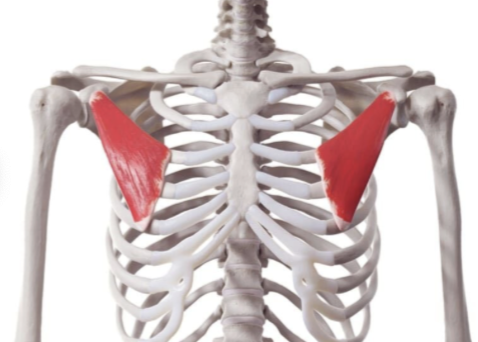
Pectoralis Minor

  1. proximal

  2. distal

  3. action

  4. innervation

  • Proximal:

    • Anterior surfaces of ribs 3–5 near their costal cartilages

  • Distal:

    • Coracoid process of scapula (medial border and superior surface)

  • Action:

    • Stabilizes scapula by drawing it anteriorly and inferiorly against thoracic wall

    • Assists in forced inspiration by elevating ribs

  • Innervation:

    • Medial pectoral nerve (C8–T1)

<ul><li><p>Proximal:</p><ul><li><p>Anterior surfaces of ribs 3–5 near their costal cartilages</p></li></ul></li><li><p>Distal:</p><ul><li><p>Coracoid process of scapula (medial border and superior surface)</p></li></ul></li><li><p>Action:</p><ul><li><p>Stabilizes scapula by drawing it anteriorly and inferiorly against thoracic wall</p></li><li><p>Assists in forced inspiration by elevating ribs</p></li></ul></li><li><p>Innervation:</p><ul><li><p>Medial pectoral nerve (C8–T1)</p></li></ul></li></ul><p></p>