Culture, Emotion, and Well-Being
 Call Kai
 Learn
Learn Practice Test
 Spaced Repetition
 Match
Match Flashcards
 Knowt Play
1/23

There's no tags or description
Looks like no tags are added yet.
Name | Mastery | Learn | Test | Matching | Spaced | Call with Kai |
|---|
No analytics yet
Send a link to your students to track their progress
24 Terms
What is the focus of emotional experiences influenced by cultural self-construal?
The focus varies between the individual self and the collective self.
How do cultural differences affect the expression of emotions?
They influence how feelings are communicated both verbally and nonverbally.
What did Uchida et al. (2009) study about Olympic athletes reveal about emotional expression?
Japanese athletes used more emotion words in relationship contexts compared to American athletes.
In Uchida et al.'s Study 2, what were the independent variables?
Culture (Japanese vs. American) and whether athletes were pictured alone or with others.
What was the dependent variable in Uchida et al.'s Study 2?
The number of emotion words used in first-person descriptions of target athletes.
What cultural trend was observed in how Japanese and American participants inferred emotions?
Japanese participants were more likely to infer emotions in relational contexts, while Americans focused on individual contexts.
How does self-construal influence facial emotion expression?
Independent self-construal leads to more overt expressions, while interdependent leads to more subtle expressions.
What did Yuki et al. (2007) predict about cultural differences in emotional cues?
Americans would rely more on the mouth for emotional cues, while Japanese would rely more on the eyes.
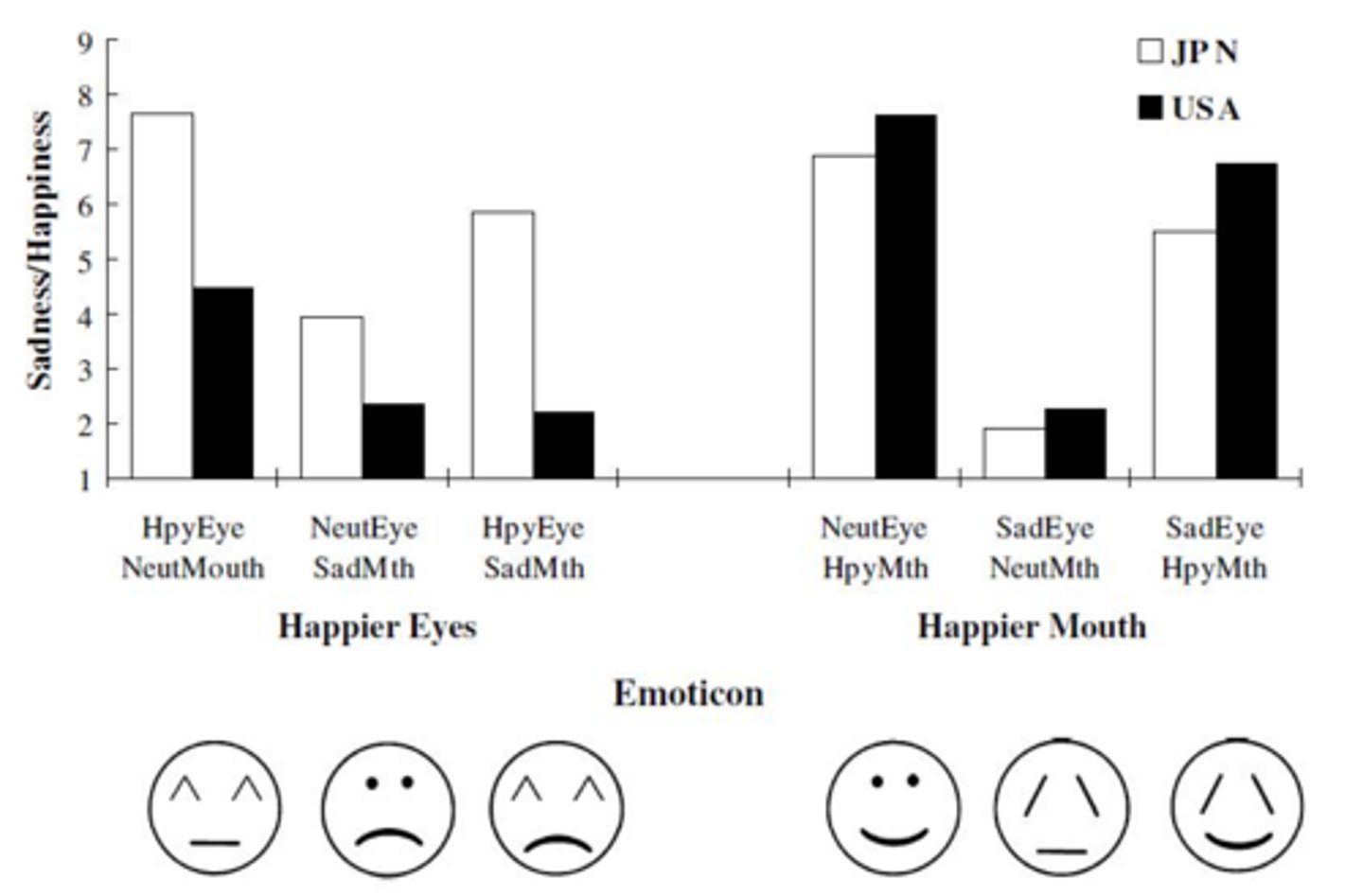
What were the findings of Yuki et al. (2007) regarding emotional expression?
Japanese participants placed more weight on eyes for emotion judgments, while Americans placed more weight on mouths.
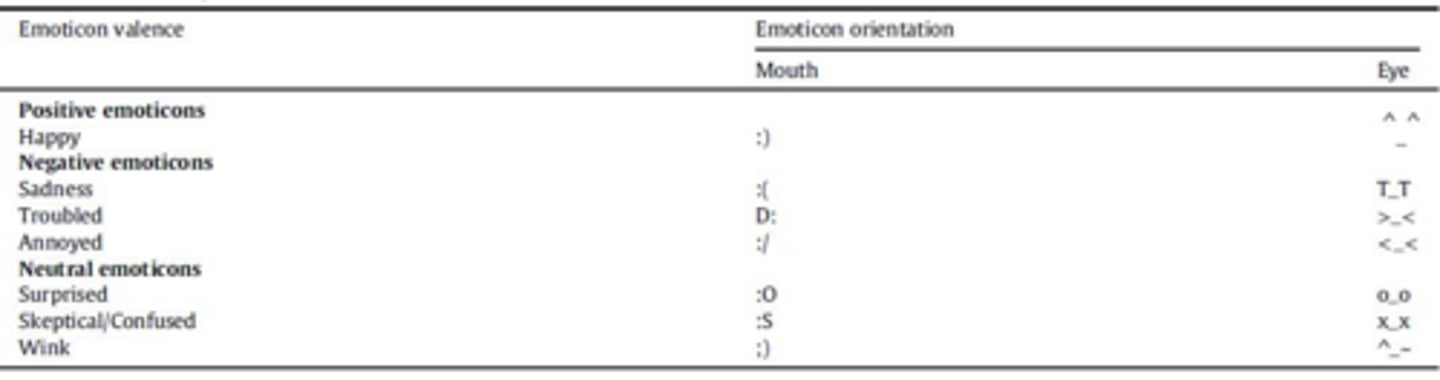
How do cultural differences in emotion inference translate to online communication?
They affect the use of emoticons, with variations in how emotions are expressed through digital means.
What psychological need is associated with coping with ostracism?
Belonging is a fundamental psychological need.
What did Ren et al. (2013) find about coping with social exclusion in different cultures?
Chinese participants coped better with negative affect than American participants when excluded.
What aspect of goal attainment did Oishi & Diener (2001) examine?
They explored how the framing of goals (independent vs. interdependent) affects well-being.
What were the results of Oishi & Diener's studies on goal attainment?
European Americans experienced greater well-being increases from personal motivation goals, while Asian Americans did from goals reflecting others' motivations.
What is the relationship between goal pursuit and well-being according to Oishi & Diener?
Goal attainment is linked to happiness, but the framing of the goal matters for well-being.
What is the significance of cultural self-construal in emotional experiences?
It explains variations in emotional experiences and mental well-being across cultures.
What type of media analysis is required for the course assignment?
A deep analysis of a film or TV show from a different culture or a comparison of similar media from two cultures.
What is the point value of the individual analysis assignment?
40 points.
What is the length requirement for the individual analysis paper?
3-5 double-spaced pages.
What is the purpose of the 'Love is Blind' in-class watch party?
To analyze the show in the context of class content.
What are the two types of interviews analyzed in Uchida et al.'s Study 1?
Emotion content and relationship content.
What did Uchida et al. (2009) find regarding emotional content in interviews?
No cultural differences were found on general emotion questions.
What is the impact of cultural self-construal on coping mechanisms?
Interdependent self-construal can buffer negative feelings during social exclusion.
What is the significance of the Cyberball game in Ren et al.'s study?
It was used to examine responses to social exclusion among different cultural groups.

