Cells: Plant and Animal Cells
 Call with Kai
 Learn
Learn Practice Test
 Spaced Repetition
 Match
Match Flashcards
 Knowt Play
1/29

There's no tags or description
Looks like no tags are added yet.
Name | Mastery | Learn | Test | Matching | Spaced | Call with Kai |
|---|
No study sessions yet.
30 Terms
Nucleus
Controls the cell and contains DNA (genetic information)
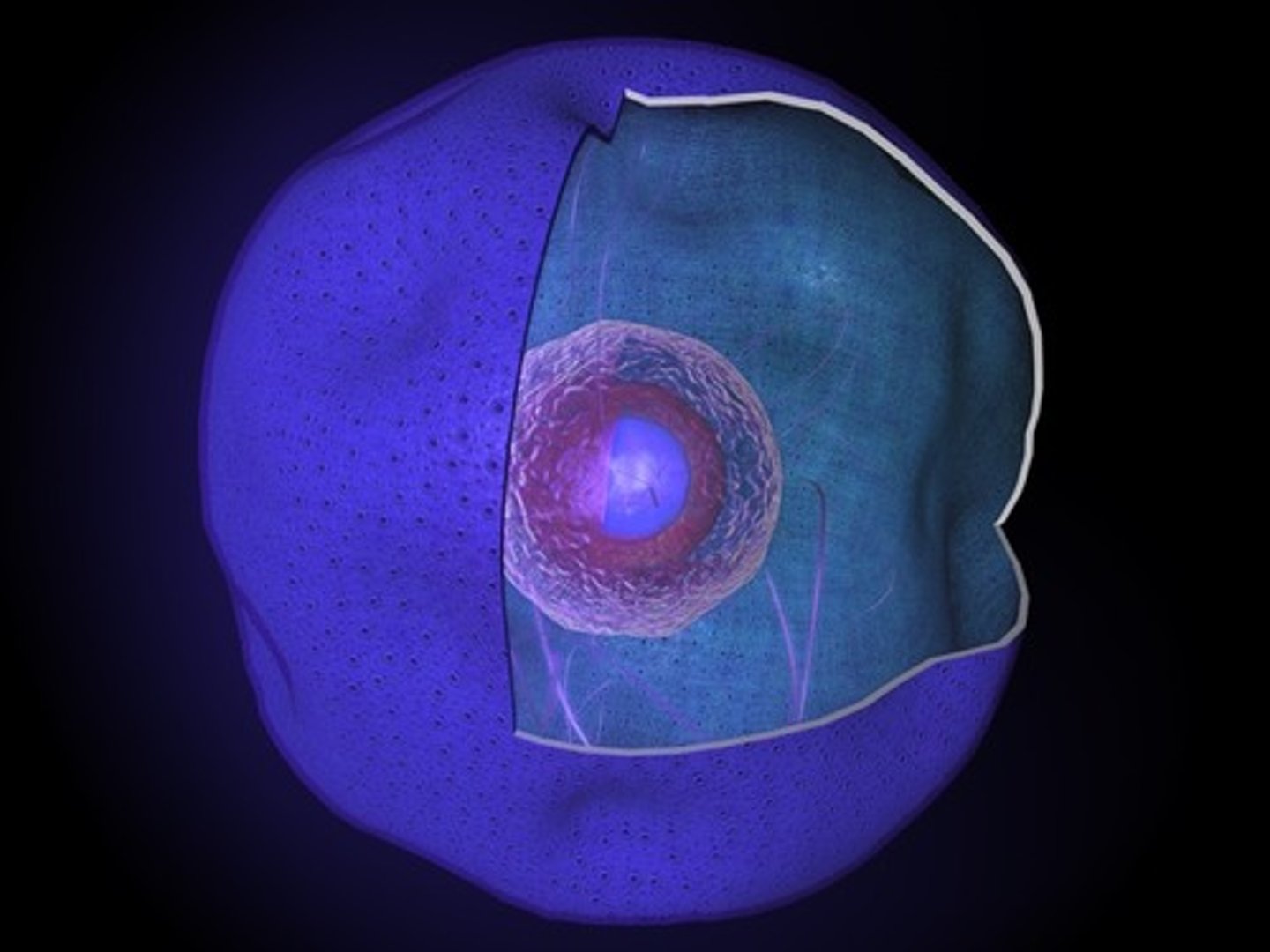
Cell Membrane
This is the barriers around the cell it controls what comes in and out of the cell.
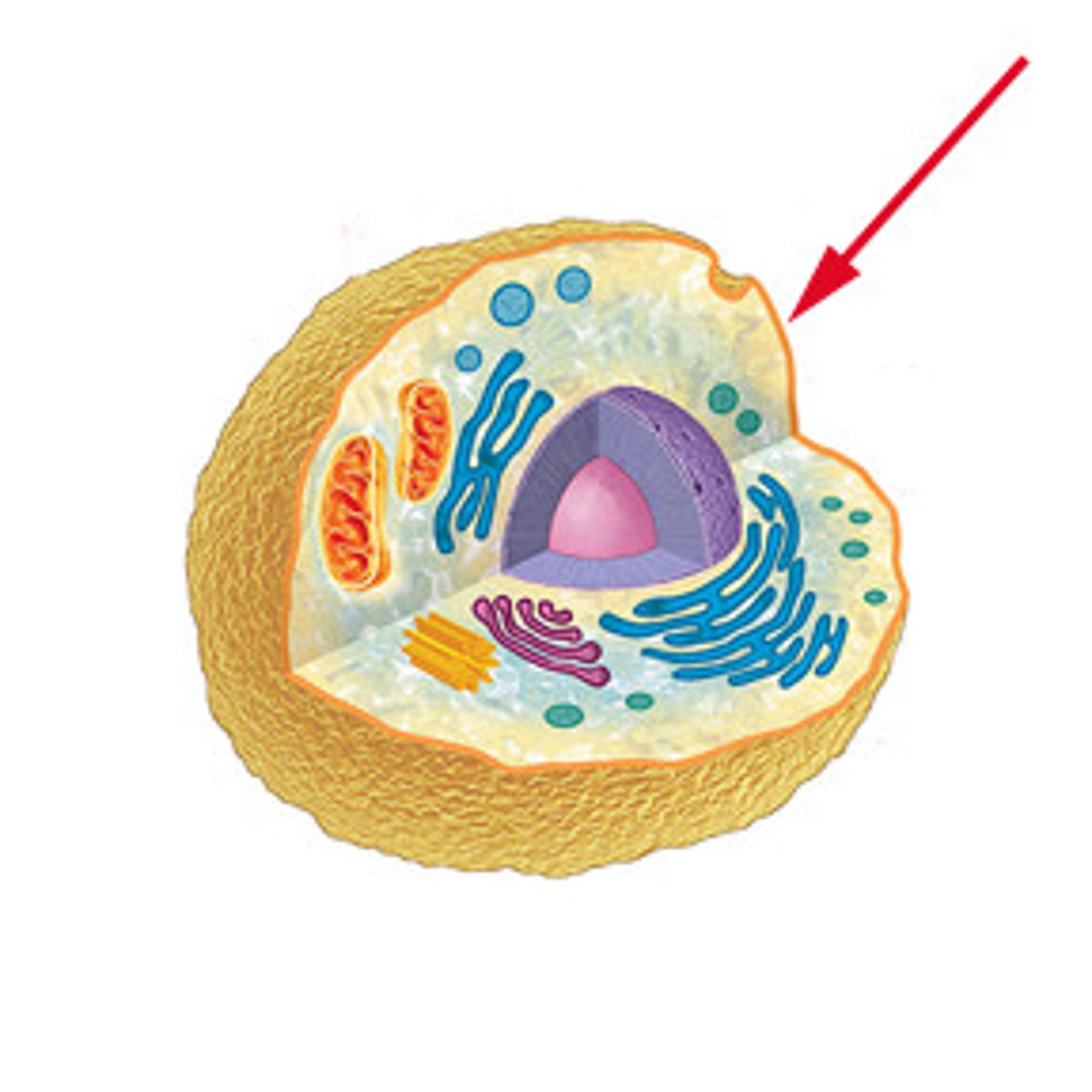
Cytoplasm
This is the jelly like substance where the chemical reactions in the cell take place.
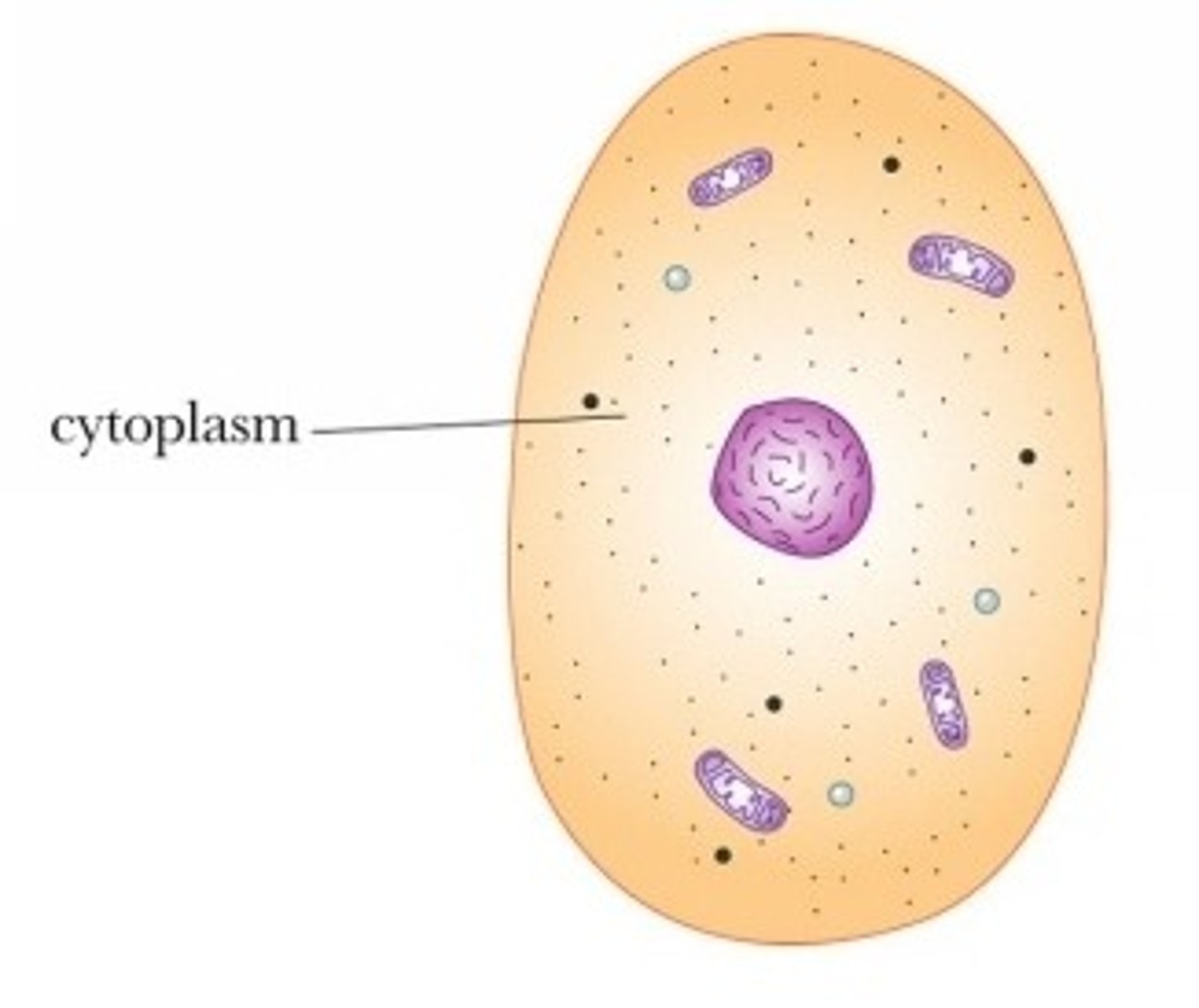
Mitochondria
This is where respiration happens. Respiration is a chemical reaction uses Oxygen, combines it with the glucose you eat and transfers energy to your cells.
Cell Wall
Strengthens the cell and provides support. It is made of a tough fibre called cellulose which makes the wall rigid.
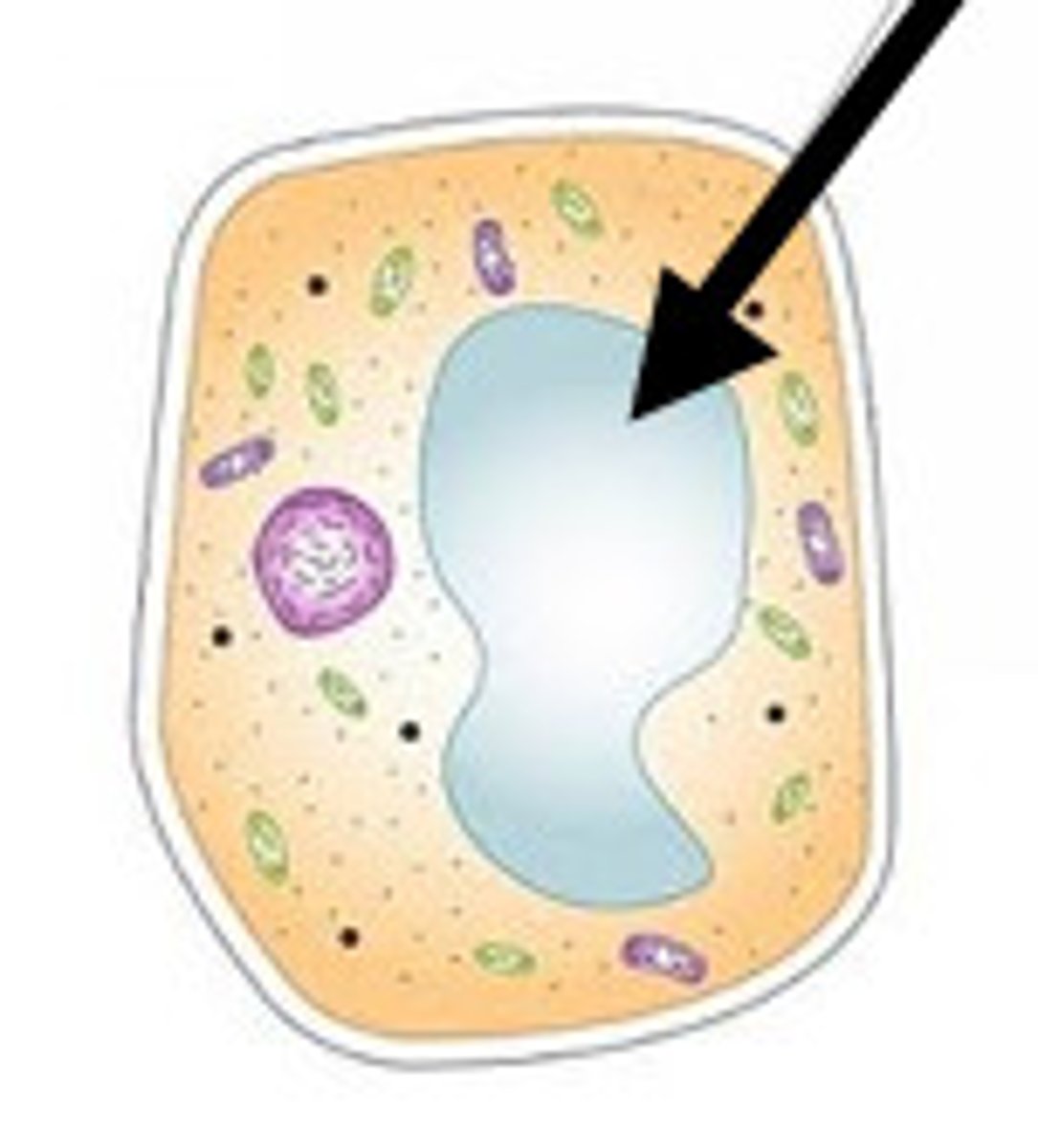
Vacuoles
Contains a watery liquid called cell sap it keeps the cell firm.
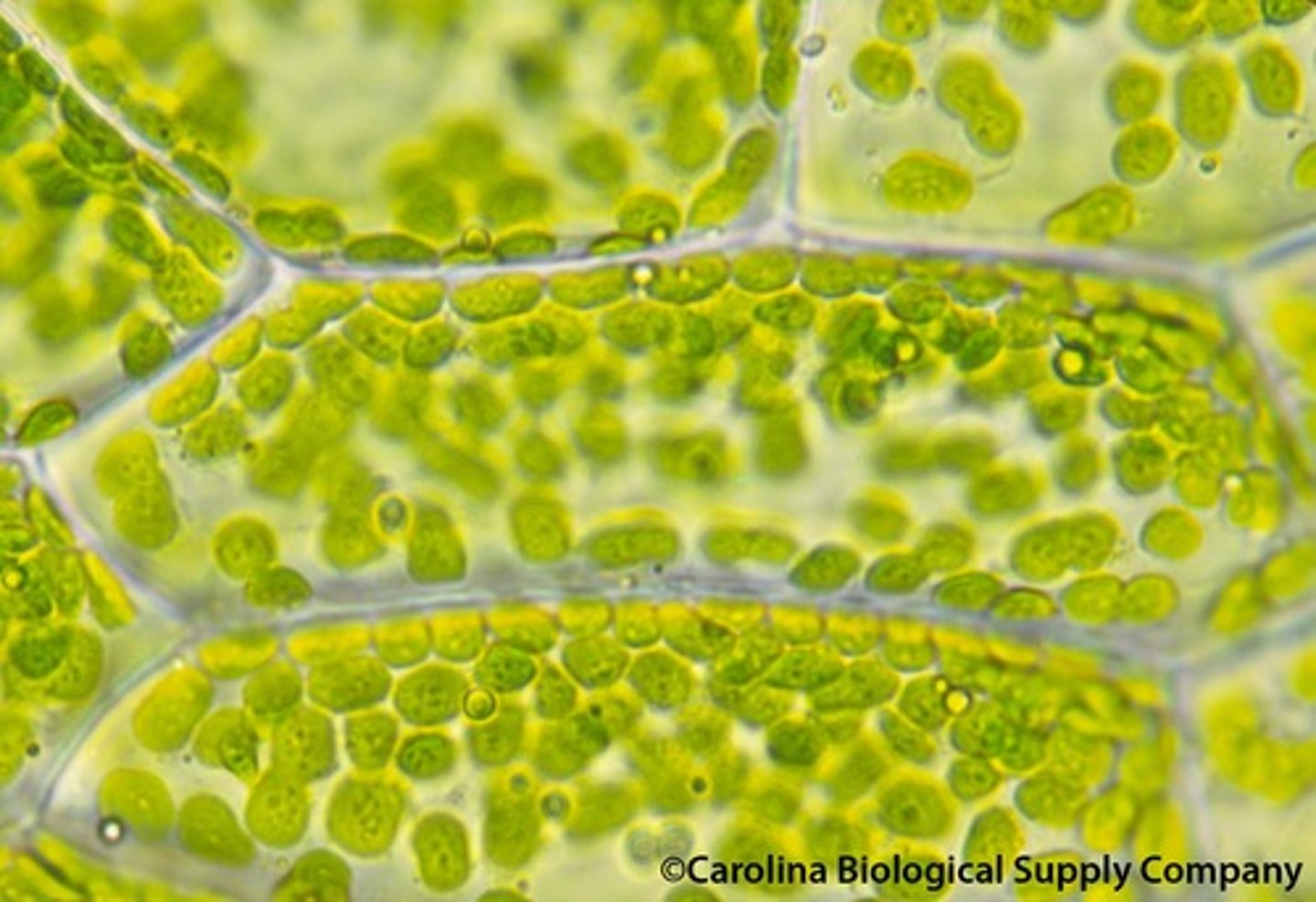
Chloroplasts
This is where photosynthesis happens. Photosynthesis is a chemical reaction that makes food for the plant using sunlight.
Chloroplast contains a green substance called chlorophyll which traps energy from sunlight.
What is the difference between a plant and an animal cell ?
Plant cells have a cell wall, a vacuole and chloroplast animal cells do not.
Cellular respiration
Glucose + Oxygen ----> Carbon Dioxide + Water + ENERGY
Photosynthesis
Carbon dioxide + water---->(sunlight + chlorophyl)l--> glucose (sugar) + oxygen
Chlorophyll
The green pigment inside chloroplasts that absorbs the sun's energy for photosynthesis
Mitosis
The division of two cells into two identical daughter cells.
Lysosomes
The lysosomes contain enzymes that break down biomolecules. They act as the cell's waste disposal.
Ribosomes
The ribosomes are made of protein and RNA. They convert genetic material into protein.
Golgi Apparatus
a cell organelle that helps make and package materials to be transported out of the cell
Chromosomes
Direct cell activities, Exist in the nucleus.
Nuclear membrane
Surround and protect the nucleus, Control the movement of materials into and out of the nucleus, Exist in the nucleus
cell
the basic unit of structure and function in living things
organelles
A tiny cell structure that carries out a specific function within the cell.
endoplasmic reticulum
Transports materials throughout the cell through tunnels. Two kinds, smooth and rough.
microscope
instrument used to observe cells
macromolecules
when many small molecules join together
carbohydrates
long chains of sugar molecules
nucleic acids
long chains of nucleotides that contain genetic information
proteins
long chains of amino acids
lipids
act as barriers because they don't dissolve in water
eukaryotic cells
cells that have membranes around the organelles they contain
Cell Theory
Living things are made of cells, cell is the smallest unit of life, cells come from preexisting cells
ATP
fuel for cellular processes
lysosomes
organelles that act as recyclers
 Note
Note  Flashcards (199)