ch 7: physiological approaches to personality
 Studied by 0 people
 Call Kai
 Learn
Learn Practice Test
 Spaced Repetition
 Match
Match Flashcards
 Knowt Play
1/23

There's no tags or description
Looks like no tags are added yet.
Name | Mastery | Learn | Test | Matching | Spaced | Call with Kai |
|---|
No analytics yet
Send a link to your students to track their progress
24 Terms
explain building a theoretical bridge
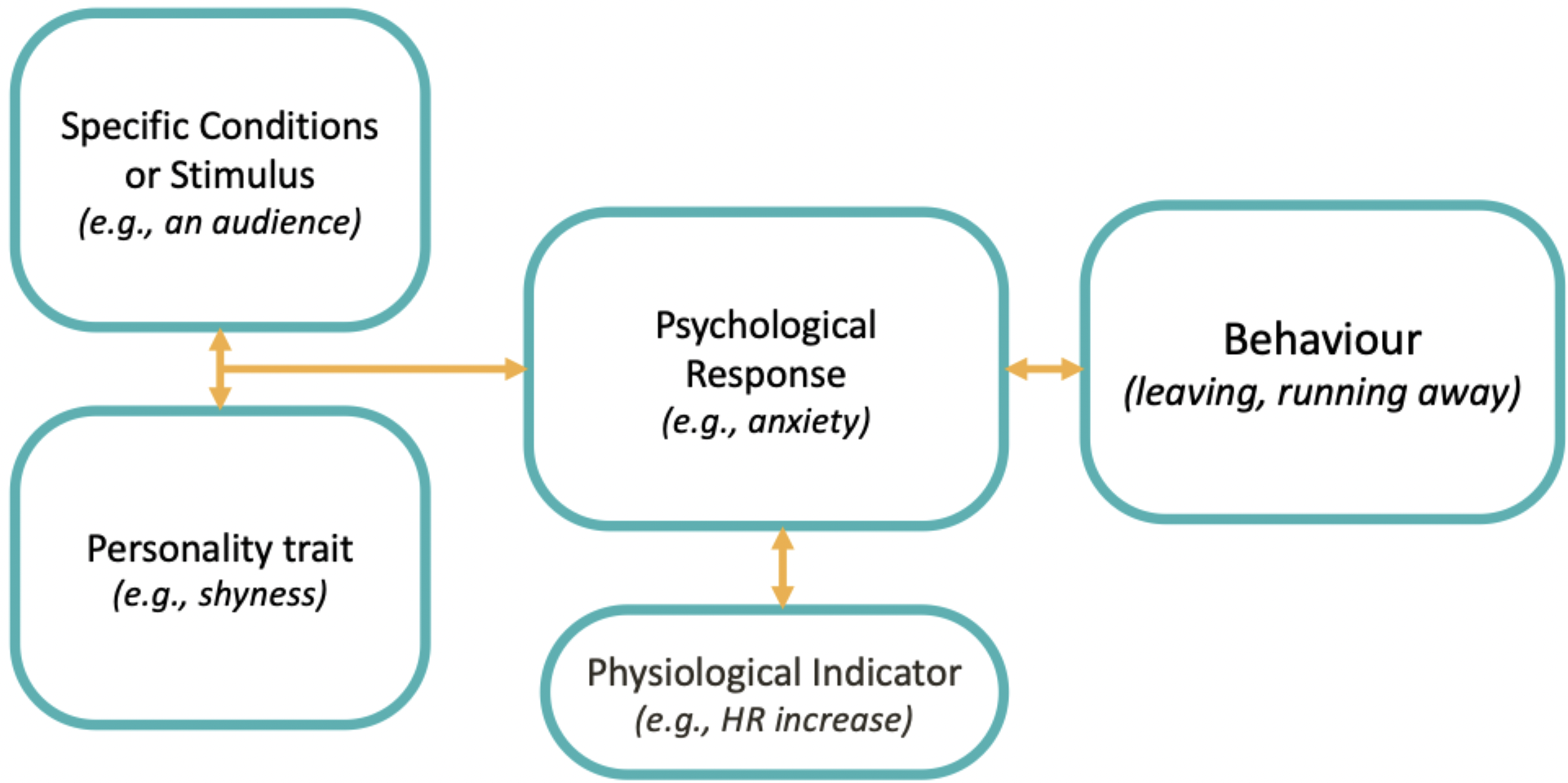
how is personality physiologically measured?
electrodermal activity
cardiovascular activity
brain activity
what is electrodermal activity?
provides a measure of sympathetic nervous system activity
skin conductance
what is emotional reactivity (Nock & Mendes)?
intensity and persistence of emotion in response to stimuli
elevated among people with lived experience of self-injury—especially in response to negative/stressful contexts
explain the stress induction task (Nock & Mendes)
matching game in which failure feedback is given (even when a response is correct)
→ determine how long people stay in the game and tolerate distress from negative (failure) feedback
induced stress in 2 groups (with/without history of self-injury) & measured skin conductance
what were the main findings and implications of Nock & Mendes?
main findings:
individuals with a history of self-injury had elevated skin conductance & more negative emotional reactivity stress
individuals who self-injured also quit the game sooner which might indicate lower distress tolerance
implication:
emotional reactivity & distress tolerance may be key to understanding self-injury—they are also parts of personality & individual differences
what is blood pressure (BP) - cardiovascular activity
pressure exerted by blood in the artery walls
common measure of stress response
what is heart rate - cardiovascular activity
expressed in BPM → good indicator of stress/anxiety, cognitive effort
what is cardiac reactivity?
increases in BP and heart rate in times of stress
chronic cardiac reactivity linked with Type A personality (hostility)
what is electroencephalogram (EEG) - brain activity?
measure brain activity (electricity) via electrodes to determine areas of brain activity
what in functional magnetic resonance imaging (fMRI) - brain activity?
shows images of areas of brain activity
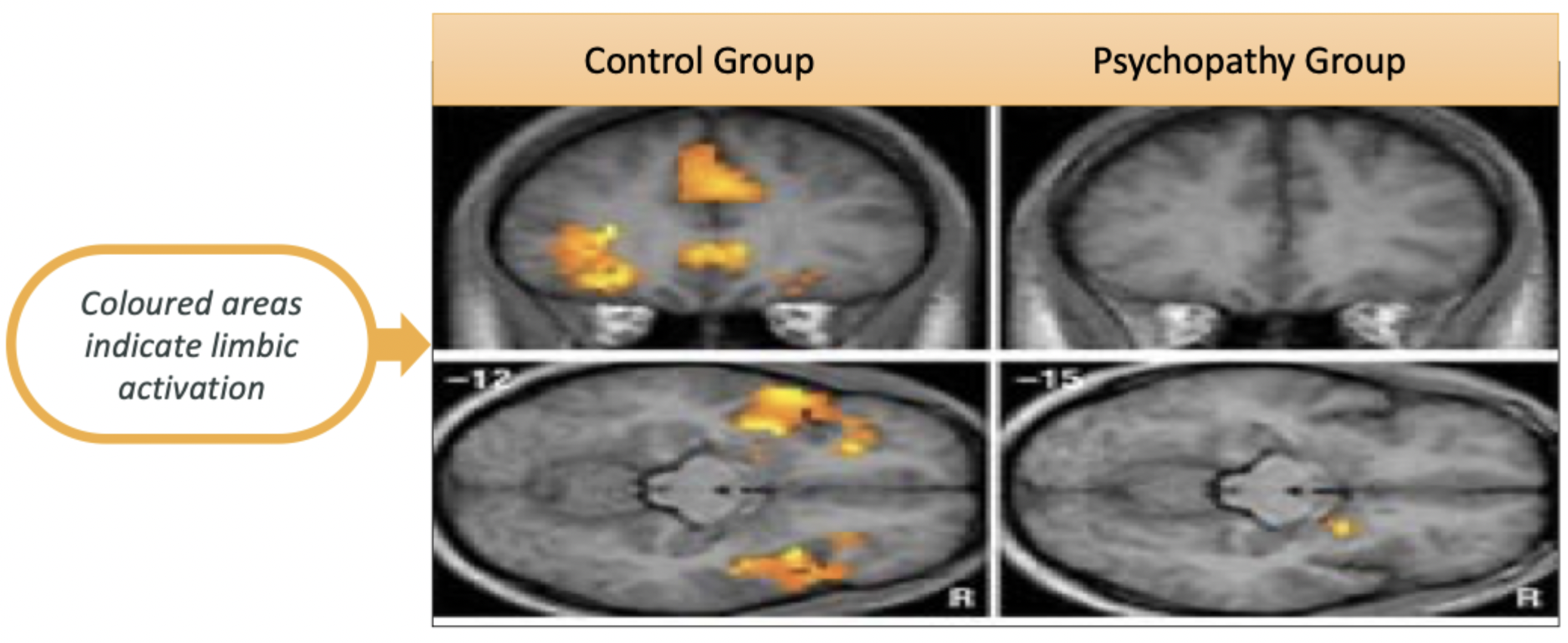
what is psychopathy?
decreased limbic activation when viewing violent images for those high in psychopathy vs. a control group (who had more activity)
what are other MRI findings in personality psychology?
neuroticism: increased frontal brain activation to negative images
extraversion: increased frontal brain activation to positive images
what is eysenck’s ORIGINAL theory?
ascending reticular activating system → ‘gateway‘ for nervous stimulation of cortex
original theory:
introversion → higher resting cortical arousal (ARAS lets in too much)
extraverson → lower resting cortical arousal (ARAS lets in too little)
what is eysenck’s REVISED theory?
those high in introversion or extraversion do not have different resting states of arousal → the difference lies in degree of arousability (supported by significant research)
what is sensitivity to reward and punishment?
behavioural activation system (BAS): responsive to rewards AND regulates approach behaviour
active BAS → impulsivity
fight-flight-freeze (FFFS): responsive to immediate threats aversive stimuli—plays a role in our FEAR response (correlated with fear proneness/avoidance)
behavioural inhibition system (BIS): resolves conflict between the BAS and FFFS
active BIS → anxiety & rumination (linked with neuroticism)
what is sensation-seeking?
tendency to seek out thrills, seek experience, take risks & avoid boredom → less tolerant of sensory deprivation
what is teh physiological basis of sensation-seeking?
monoamine oxidase (MOA): regulates neurotransmitter level by breaking them down
too little MOA → too much neurotransmitter
too much MOA → too little neurotransmitter
high levels of sensation-seeking → low MOA
describe problem gambling & personality
high sensation seeking and impulsivity
3 year longitudinal study (18-21):
sensation seeking and impulsivity predicted problem gambling
what is the cloninger’s tridimensional personaluty model?
low levels of dopamine in novelty seeking
*low levels of serotonin in harm avoidance
low levels of norepinephrine in reward dependence
what is the circadian rhythms?
biological processes fluctuating on a 24-25 hour cycle
shorter circadian rhythms → hot peaks earlier; sleep earlier at night
longer circadian rhythms → hit peaks later; sleep later at night
explain morningness-eveningness and depressive symptoms
main findings: higher eveningness correlated with higher depressive symptoms
implication:
eveningness may help understand some of the biological mechanisms involved in depression
morningness mas help understand protective factors
what is brain asymmetry?
hemispheres of brain are specialized & involved in specific functions
EEG measures brain activity (alpha wave - an inverse indicator of brain activity)
emotions often measured by activation in the frontal brain
explain brain asymmetry & affective style
left frontal hemisphere → more active when experiencing pleasant emotions
right frontal hemisphere → more active when experiencing negative emotions
this response is stable a affective style considered trait-like
 Note
Note  Flashcards (34)