Russia under Nicholas II
 Studied by 0 people
 Call Kai
 Learn
Learn Practice Test
 Spaced Repetition
 Match
Match Flashcards
 Knowt Play
1/17

There's no tags or description
Looks like no tags are added yet.
Name | Mastery | Learn | Test | Matching | Spaced | Call with Kai |
|---|
No analytics yet
Send a link to your students to track their progress
18 Terms
Economic conditions
- Poor, don't have enough land among peasants (nông dân)
- Social classes
serfdom
A type of labor commonly used in feudal systems in which the laborers work the land in return for protection but they are bound to the land and are not allowed to leave or to peruse their a new occupation. This was common in early Medeival Europe as well as in Russia until the mid 19th century.
Agrarian question
the question of the laws of development of capitalism in agriculture, the relations between classes which arise on this basis, and the class struggle connected with it (Karl Kautsky and VI Lenin)
Tsar
Sa hoàng
an emperor of Russia before 1917.
mir
Village commune where the emancipated serfs lived and worked collectively in order to meet redemption payments to the government.
Sometime your land can be distributed to others.
Hard to become rich.
Industry
Develop heavy industry: Oil, mining, construction of high-technology machine.
Contributed by railways.
politariat
gia cấp vô sản
have nothing except children
Increase in cities
Bourgeoisie
the middle class, including merchants, industrialists, and professional people
political structure
autocracy (chế độ chuyên quyền)
là một chính phủ với quyền lực được tập trung chỉ trong tay một người
Self-governance on the level of province and district
(Vain - hão huyền) hopes of the liberal intelligentsia (giới trí thức) that there can be a parliament
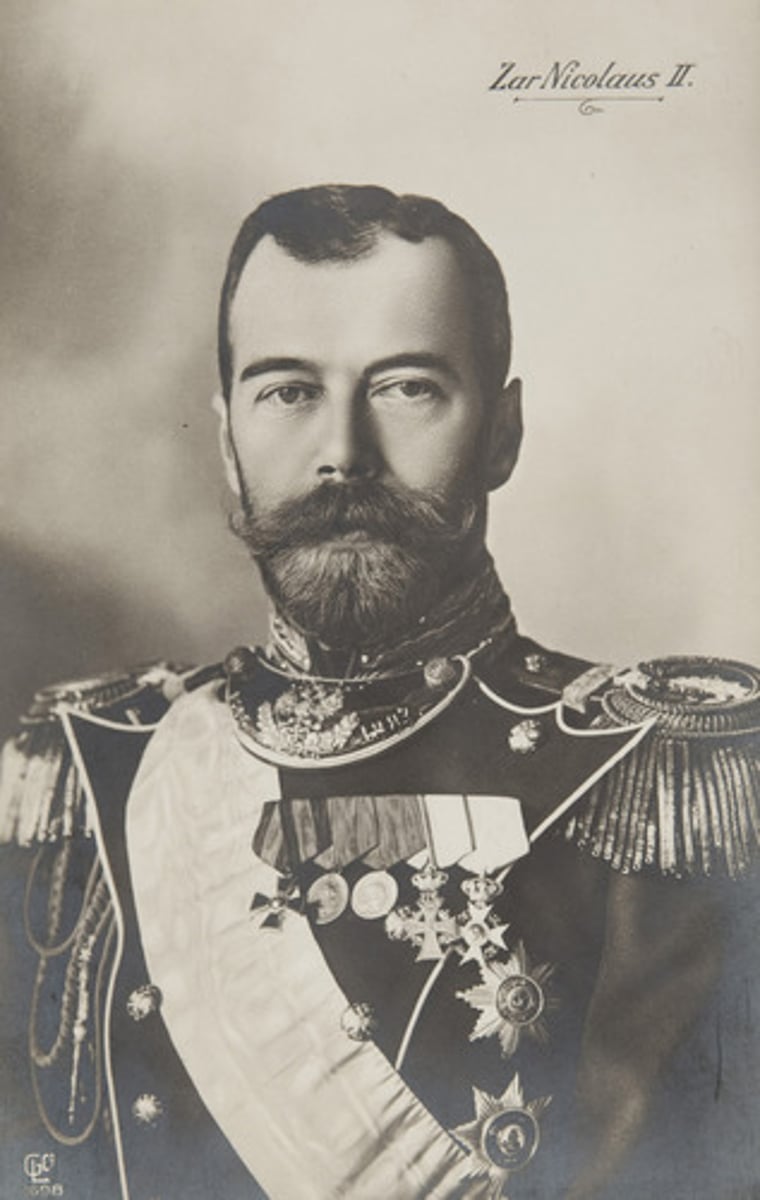
Nicholas II
- Believed in autocracy
- Loved his wife, Alexandra Feodorovna, who trusted different saints and gurus, including Rasputin, and participated in state affairs
- Had a son, Alexei, who suffered from hemophilia
- Polite, soft, nice, religious, patriotic and weak-willed
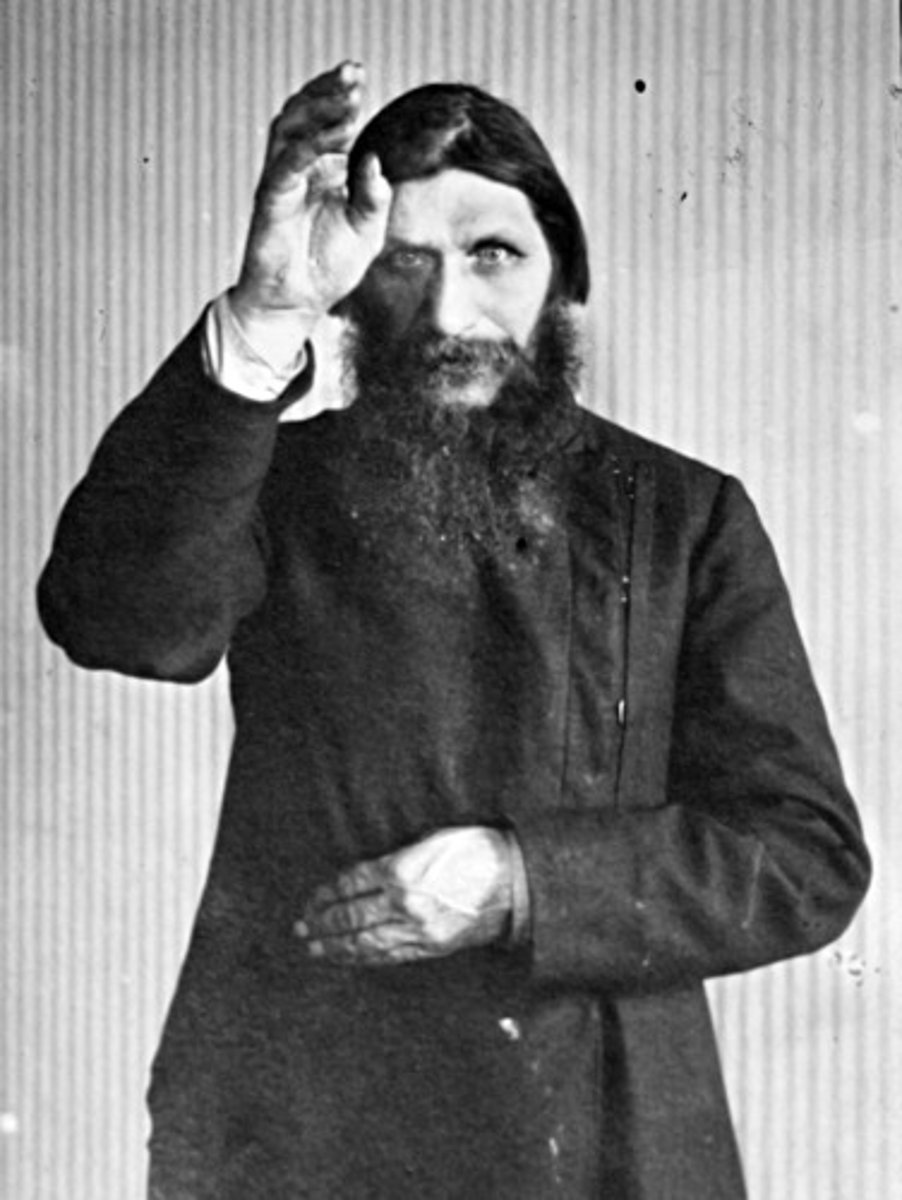
Rasputin
Siberian peasant monk who was religious advisor in the court of Nicholas II
1904-1905
Russo-Japanese war
- "To hold Russia from the revolution, we need a small victorious war". Attributed to Vyacheslav von Plehve
- Conflict with Japan for spheres of influence in Korea and Manchuria
- Devastating defeat due to weakness of communication lines, insufficient industrial support and poor strategic leadership
Manchuria
Mãn Châu
Revolution of 1905-1907
- Start with strikes of workers, mutinies of peasants.. Mass strike of 1903 (200000 people)
- impact of the war
Bloody Sunday
1905; peaceful march by Russians turned deadly when Tsar's guards fire on crowd, killing hundreds
October Manisfesto
Tuyên ngôn Tháng Mười
17/10/1905
document issued by the emperor Nicholas II that in effect marked the end of unlimited autocracy in Russia and ushered in an era of constitutional monarchy
Tài liệu này, mặc dù trao các quyền cơ bản cho người dân Nga, nhưng không đảm bảo rằng chính phủ Nga sẽ hoạt động theo cách dân chủ. Thay vào đó, Tuyên ngôn chỉ tuyên bố rằng người dân hiện có các quyền cơ bản và có tiếng nói trong pháp luật..
Cách mạng Nga
- Ngày 9-1-1905, 14 vạn công nhân Pê-téc-bua và gia đình tay không vũ khí kéo đến trước Cung điện Mùa Đông đưa bản yêu sách đến Nga hoàng. Nga hoàng ra lệnh cho quân đội nổ súng vào đoàn người làm hơn 1000 người chết và bị thương, trở thành "Ngày Chủ nhật đẫm máu". Lập tức, công nhân nổi dậy cầm vũ khí khởi nghĩa.
- Tháng 5-1905, nông dân nhiều vùng nổi dậy phá dinh cơ của địa chủ phong kiến, lấy của người giàu chia cho người nghèo.
- Tháng 6-1905, binh lính trên chiến hạm Pô-tem-kin cũng khởi nghĩa.
- Tháng 12- 905, đỉnh cao là cuộc khởi nghĩa vũ trang ở Mát-xcơ-va của các chiến sĩ cách mạng kéo dài gần hai tuần lễ, khiến chính phủ Nga hoàng lo sợ.
- Năm 1907, phong trào tạm dừng.
the Duma
The elected parliament. Though through establishing this is seemed like the Czar was giving his people power, in reality he could easily get rid of this if they made any laws or such that he didn't like.
 Note
Note  Flashcards (150)