Botany FNAI Marshes

0.0(0)
studied byStudied by 0 people
0.0(0)
full-widthCall Kai
learnLearn
examPractice Test
spaced repetitionSpaced Repetition
heart puzzleMatch
flashcardsFlashcards
GameKnowt Play
Card Sorting

1/4

encourage image

There's no tags or description

Looks like no tags are added yet.

Study Analytics
Name
Mastery
Learn
Test
Matching
Spaced

No study sessions yet.

5 Terms

1
New cards

Depression Marsh

Usually rounded depression in sand substrate, but often containing peat in deepest layer

Often found in landscapes occupied by fire, such as mesic flatwood and sandhills.

Creates concentric ring in depression with varying grades each containing different flora
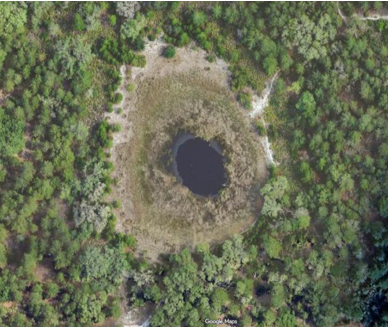
<p><span><span>Usually rounded depression in sand substrate, but often containing peat in deepest layer</span></span></p><p><span><span>Often found in landscapes occupied by fire, such as mesic flatwood and sandhills.</span></span></p><p><span><span>Creates concentric ring in depression with varying grades each containing different flora</span></span></p>
2
New cards

Basin Marsh

Regularly inundated freshwater herbaceous wetlands.

Contrast to depression marshes are not small or shallow

Occur in mostly isolated depressions from old lakes, or times embayment's during higher sea levels.

Water source is mostly from rainfall.
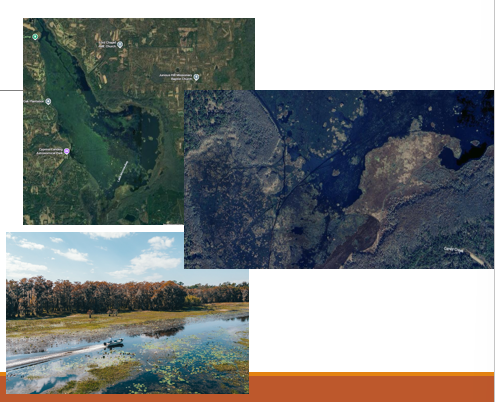
<p><span><span>Regularly inundated freshwater herbaceous wetlands.</span></span></p><p><span><span>Contrast to depression marshes are not small or shallow</span></span></p><p><span><span>Occur in mostly isolated depressions from old lakes, or times embayment's during higher sea levels.</span></span></p><p><span><span>Water source is mostly from rainfall.</span></span></p>
3
New cards

Floodplain Marsh

Marshy occurring in river floodplains

May have shrub thickets on raised soil with high diversity of forbs.

Woody vegetation sparse to non-existent

Influenced directly by river flooding.

Soils typically sandy
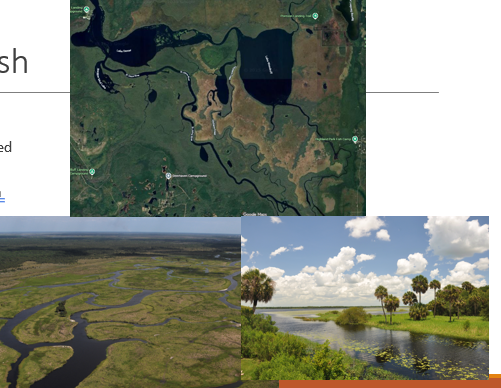
<p><span><span>Marshy occurring in river floodplains</span></span></p><p><span><span>May have shrub thickets on raised soil with high diversity of forbs.</span></span></p><p><span><span>Woody vegetation sparse to non-existent</span></span></p><p><span><span>Influenced directly by river flooding.</span></span></p><p><span><span>Soils typically sandy</span></span></p>
4
New cards

Slough Marsh

Primarily herbaceous community growing in narrow to broad shallow channel with intermittently flowing water.

Can dry out completely, but can have varying hydroperiods dependent on location.

Often found in areas that become flooded with slow moving water from upstream sources of local rainfall.

Shallow or slightly deep with a slough in the middle. Soil can be sand or peat
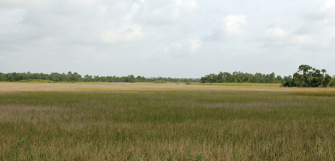
<p><span><span>Primarily herbaceous community growing in narrow to broad shallow channel with intermittently flowing water.</span></span></p><p><span><span>Can dry out completely, but can have varying hydroperiods dependent on location.</span></span></p><p><span><span>Often found in areas that become flooded with slow moving water from upstream sources of local rainfall.</span></span></p><p><span><span>Shallow or slightly deep with a slough in the middle. Soil can be sand or peat</span></span></p>
5
New cards

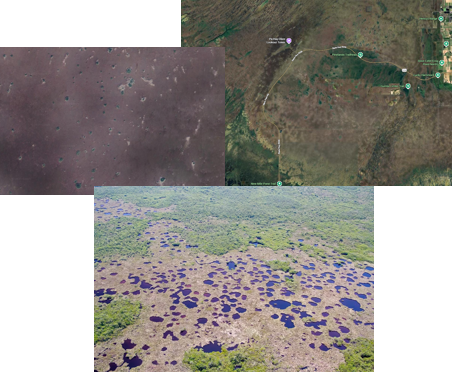
Glades Marsh

Primarily herbaceous wetland in South Florida, occur in broad shallow channels or depressions over a substrate of peat or marl.

Woody vegetation is sparse and found only really found on “gator holes” or near edges of tree islands.

Soil is peat or marl.

Hydroperiod normally 6 months or more.
<p><span><span>Primarily herbaceous wetland in South Florida, occur in broad shallow channels or depressions over a substrate of peat or marl.</span></span></p><p><span><span>Woody vegetation is sparse and found only really found on “gator holes” or near edges of tree islands.</span></span></p><p><span><span>Soil is peat or marl.</span></span></p><p><span><span>Hydroperiod normally 6 months or more.</span></span></p>