non comm diseases and monoclonal antibodies
 Call Kai
 Learn
Learn Practice Test
 Spaced Repetition
 Match
Match Flashcards
 Knowt Play
1/49

Earn XP
Description and Tags
Name | Mastery | Learn | Test | Matching | Spaced | Call with Kai |
|---|
No analytics yet
Send a link to your students to track their progress
50 Terms
what is a monoclonal antibody
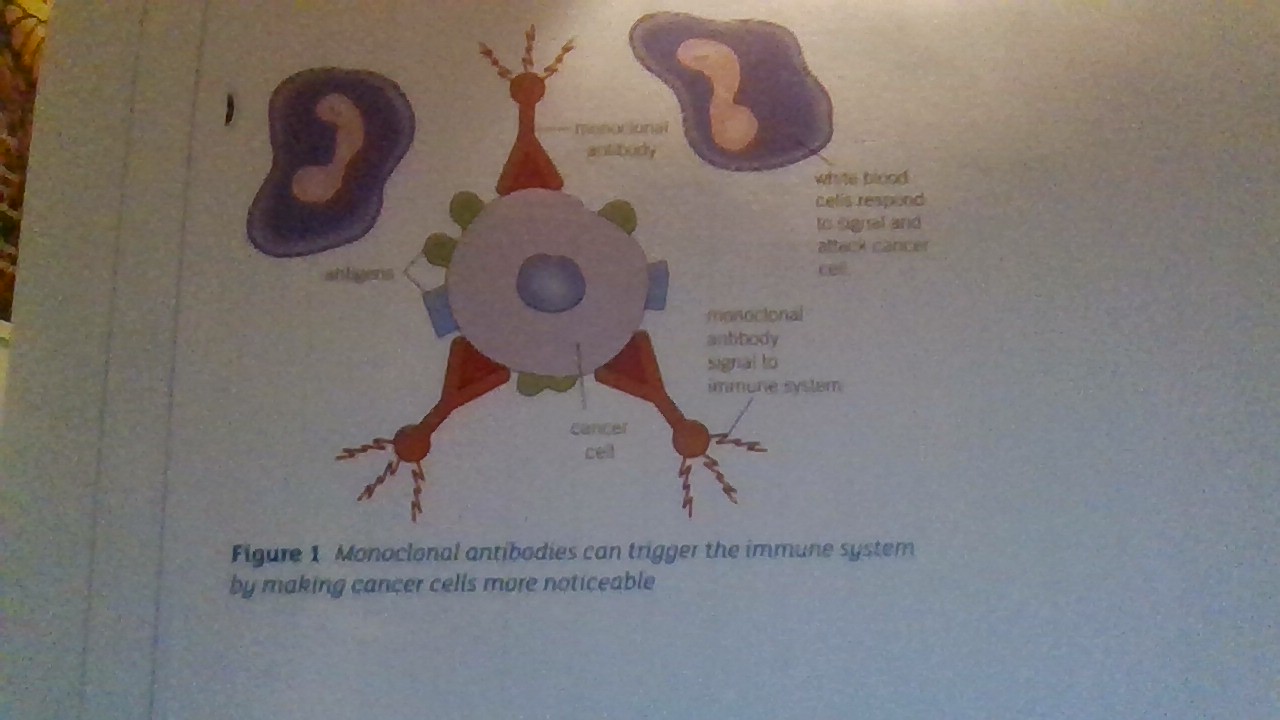
Monoclonal antibodies (mAbs) are lab-made antibodies designed to specifically target a certain antigen, such as one found on cancer cells.
mono - same
clonal - identical
how to make monoclonal antibodies
antibody prodction is induced (injected) into a mouse by immunization.
the mouse creates antibody releasing cells
those cells are then isolated
Antibody releasing cells and tumor cells (that are grown in tissue culture) are fused to form a hybridoma
antibody producing hybridomas are cloned
monoclonal antibodies are isolated and cultivated.
how does a pregnancy test work
the reaction zone - the monoclonal antibody with enzyme (AB1) in the reaction zone attatches to the complimentary HCG in the urine. The AB1 flows through absorbant strip with urine.
the test zone - fixed AB2 attatches to the HCG that is already attatched to AB1 so it is a sandwhich assay releasing the dye enzyme.
the control zone - the leftover AB1 attatches and releases dye to show the test is conclusive
monoclonal antibody exam question: suggest why the monoclonal antibodys in the drug attatch to the cancer cells but not the healthy body cells?
the antibodies are complimentary to the antigen on the cancer cell but healthy body cells dont have an antigen.
make sure you get the second mark by saying bodycells dont have antigens.
disadvantages of using monoclonal antibodies
side effects, nausea etc
expensive
body cells can be harmed
difficult to get the right antibody to attatch a compound to it
advantages of using monoclonal antibodies
only effects cancer cells/bad cells
treats a wide range of health issues
better than chemo that effects the whole body and monoclonal antibodies dont
more about monoclonal antibodies tpo
more about monoclonal antibodies
monoclonal antibodies uses
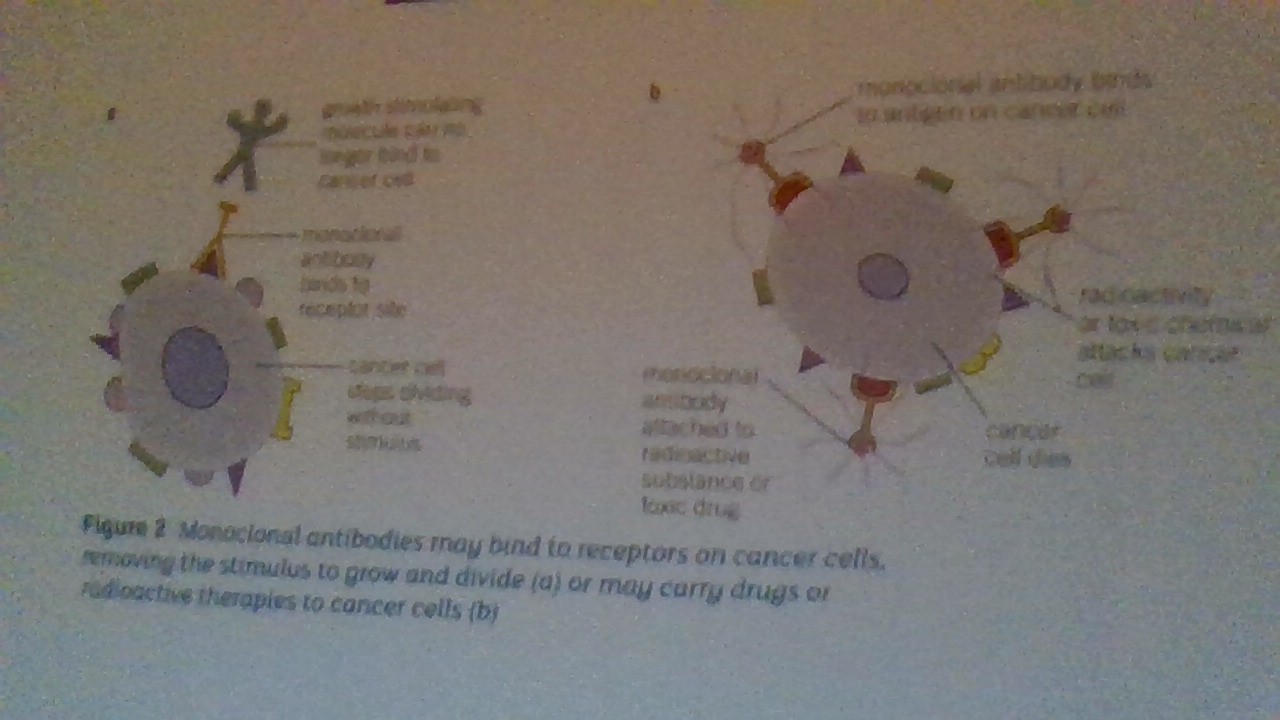
cancer therapy - they mark cancer cells for destruction by the immune system
treat infectious disease - they neutralise pathogens
pregnancy tests.
ways monoclonal antibodies can be used to treat cancer
specifically targeting cancer cells to mark them for immune destruction, blocking growth signals, or delivering toxins directly to tumors.
non comm disease defenition
Non-communicable diseases (NCDs) are long-lasting, chronic illnesses that cannot be transmitted directly from person to person.
the difference between non-comm and communicable disease
communicable; diseases that can be transferred from one person or organism to another.
non comm; Diseases that cannot be transferred between people or other organisms.
what is a risk factor
things that are linked to an increase in likelihood that a person will develop a certain disease in their life
risk factors of non comm diseases
genes - inherited and cannot be changed
lifestyle - e.g. smoking, lack of exercise, overeating
environmental factors - e.g. ionizing radiation, exposure to carcinogens (uv light, second hand smoke)
correlation and cause of risk factors
risk factors are identified by scientists looking for correlations in data, and correlation dosent always equal cause. Some risk factors arent capable of directly causing disease, but are related to another risk factor that is.
the human cost of non-comm disease
10s of millions of people die from non-comm diseases every year. They give people lower quality of life or a shorter life span.
the financial cost of non-comm disease
They cost the NHS a huge amount and people may have to move to help a loved one with a non-comm disease which can be costly and family income may reduce so overall it can really effect the country’s economy
why do carcinogens and ionising radiation increase the risk of tumors?
Carcinogens and ionising radiation increase tumor risk primarily by damaging cellular DNA, causing mutations in critical genes that control cell growth, division, and death. This damage, if not properly repaired, leads to uncontrolled cell proliferation and, over time, the development of cancerous tumors.
ionising radiaton
Radiation penetrates the cells and damages the chromosomes, causing mutations in the DNA. This could lead to cancer.
Ionising radiation is particularly dangerous when taken directly into your body. Well known sources of radiation are:
UV light from the sun
Radon gas in granite-rich areas such as Cornwall and the Penines
X-rays
Accidents in nuclear power stations.
what is cancer
a non-communicable disease caused by uncontrolled cell division and growth, resulting in the formation of a cluster of abnormal cells called a tumour.
risks and benefits of chemotherapy
what is a tumor
an abnormal mass of cells formed when cells begin dividing uncontrollably through mitosis, even when the body does not need them. These growths can be either benign or malignant
benign tumors
small
slow growing
non invasive
well differenciated
stay localized - stay where they are and cant invade
malignant tumors
large
fast growing
invasive
poorly diffirentiated
metastasize - they will infiltrate, destroy surrounding tissue then metastasise to other parts of the body.
they will spread through your body in the blood and may lodge in other organs. This is called metastatis and the secondary tumors are called metastates.
lung cancer
risk factors - smoking, air pollution, radon gas, family history
areas of the body - lungs
ways to reduce - dont smoke, healthy diet, regular exercise
skin cancer
risk factors - exposure to sun, sunbeds, fairskin, redheads, age, family history, sunburn, other conditions, moles+freckles
areas - skin
ways to reduce -sun cream, avoid sunbeds, hat and sunglasses on sunny days
cervical cancer
risk factors - hpv virus, smoking, stis, overweight, long term use of oral contraceptives, pregancy, family history
areas - cervix, vagina, womb
ways to reduce - condoms, hpv vaccine, regular smear tests
breast cancer
risk factor - age, genes, race,
areas - collarbone, armpit, breast, chest
ways to reduce - breast mammograms regularly, excersise, healthy diet, breast feeding can reduce risk.
brain cancer
risk factor - age, medical radiation, previous cancers, genetic history, overweight, smoking, alcohol
areas - brain
ways to reduce - dont drink, dont smoke, healthy diet, excersice,
testicular cancer
risk factor - abnormal testicles, age, race, family history, tall men, infertility, smoking
areas - testicles
ways to reduce - safe sex, dont smoke, regular gp checks
effects of smoking on the lungs
tar causes emphysema
chronic obstructive pulmonary disorder (COPD)
it is also a carcinogen
what is the link between lung cancer and smoking
Tobacco smoke contains over 60–70 known carcinogens that damage DNA in lung cells, preventing repair and triggering cancer, with risk increasing with the amount and duration of smoking.
cigarettes contain:
nicotine - addictive stimulant drug. Raise the heart rate and bp and damages blood vessels which increases chance of clots and coronary heart disease. It can cross the placenta into the foetus.
tar - black sticky substance which sticks to lungs and increases chance of cancer. It damages cilia and alveoli, leading to COPD and emphysema.
carbon monoxide - poisonous gas which combines with heamoglobin in red blood cells, so oxygen cannot. This means there is less oxygen for respiration so a person would be breathless and weak. It can cross the placenta and cause problems with the developing foetus - it will be small and under developed.
how does smoking lead to lung disease
Smoking causes lung disease by introducing thousands of toxic chemicals that inflame airways, paralyze and destroy cilia (tiny hairs that clear mucus), damage alveoli (air sacs for gas exchange), and directly damage DNA, leading to chronic inflammation, infections (like pneumonia), COPD (chronic obstructive pulmonary disease), and lung cancer, as lung tissue doesn't regenerate, making the damage cumulative and irreversible.
emphysema
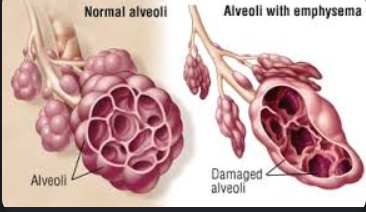
normal - large surface area fro maximum diffusion and they expand and recoil to get all the extra air out
emphysema - smaller surface area and dosent recoil as much which can cause persistent cough with mucus, wheezing, chest tightness, and fatigue.
effect of smoking on the heart
nicotine narrows blood vessels and makes the heart beat faster (addictive stimualnt)
makes coronary heart disease more likley
effects of smoking on pregnancys
during the pregnancy the mother is supplying blood to her body and her foetus
if the mothers blood is carrying carbon monoxide, the baby may not be able to get enough oxygen to grow properly
nhs anti smoking adverts
anti smoking adverts were released by the government and were put in place to reduce strain on nhs and doctors
calories
a unit of energy
excess calories are stored in the body as fat
however, regularly consuming too many calories can lead to a person being overweight
obesity
health problems associated with obesity are type 2 diabetes, high bp and heart disease
how to describe causal mechanisms for the link between exercise and health.
Describing the causal mechanisms linking exercise to health involves outlining how physical activity triggers specific biological, cellular, and molecular adaptations that improve physiological function and prevent disease. These mechanisms are often categorized by system—cardiovascular, metabolic, immune, and neuronal—and are driven by factors like mechanical stress, hormonal responses, and cellular signaling.
type 2 diabetes
your pancreas makes insulin which helps your body produce glucose
type 2 diabetes is when your body either dosent make enough insulin or your cells stop responding to it.
suggest measures to prevent a further rise in the number of people with type 2 diabetes.
improved diet, increased physical activity, and sustained weight loss
build up of glucose
can cause:
circulation problems
kidney faliure
eyesight probelms
and can eventually lead to death
what is a casual link
The correlation between a factor and an outcome could be a coincidence, or it could be caused by a completely different factor.
For example, as ice cream sales increase, sales of meat for barbecues also increase. However, buying ice cream does not cause people to buy barbecue meat. This is influenced by the temperature and weather.
To show a causal link, scientists must find evidence that scientifically explains the connection.
If there is no scientific explanation then there is only a correlation. It cannot be shown that the factor causes the outcome.
alchohol
a social drug in many parts of the world
it is poisonous but the liver can normally remove it before permanent damage or death results
alcohol is a depressant so it makes reactions slower. It can make people feel relaxed, cheerful and reduces inhibitons
a large amount can lead to lack of self control and poor judgement. If the dose is too high it can cause unconciousness, coma and death.
brain damage from alcohol
long term alcohol use can male the brain soft and pulpy
it damages brain structures so it cannot function properly
liver damage from alchohol
liver cells are replaced with scar tissue causing cirrhosis of the liver
alcohol is a carcingen linked to developing liver cancer.
drinking during pregancy
alcohol passes to the baby through the placenta
development is badly affected by drinking alcohol as the developing liver cant cope with alcohol
the baby many have facial deformities, problems with teeth, jaw or hearing, kidney, liver and heart problems.
long term effects of drinking alchohol
liver disease (cirrhosis), cardiovascular problems (high blood pressure, stroke), various cancers (mouth, breast, bowel), and brain damage (dementia, cognitive decline)
short term effects of alcohol
relaxation and lowered inhibitions to severely impaired judgment, motor control, and coordination, occurring shortly after consumption.
High intake causes slurred speech, memory gaps ("blackouts"), vomiting, and potential alcohol poisoning, while significantly increasing the risk of accidents, injuries, and risky behavior.

