A&P Lab Exam Review
 Call Kai
 Learn
Learn Practice Test
 Spaced Repetition
 Match
Match Flashcards
 Knowt Play
1/68

There's no tags or description
Looks like no tags are added yet.
Name | Mastery | Learn | Test | Matching | Spaced | Call with Kai |
|---|
No analytics yet
Send a link to your students to track their progress
69 Terms
Scalp
Where the hair grows
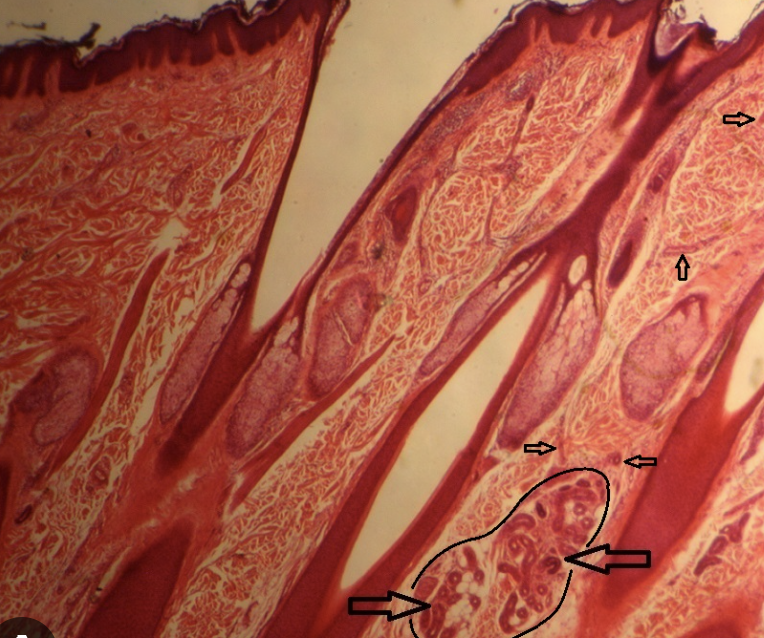
Pacinian
Specialized nerve endings, also known as lamellar corpuscles, that are sensitive to vibration and pressure
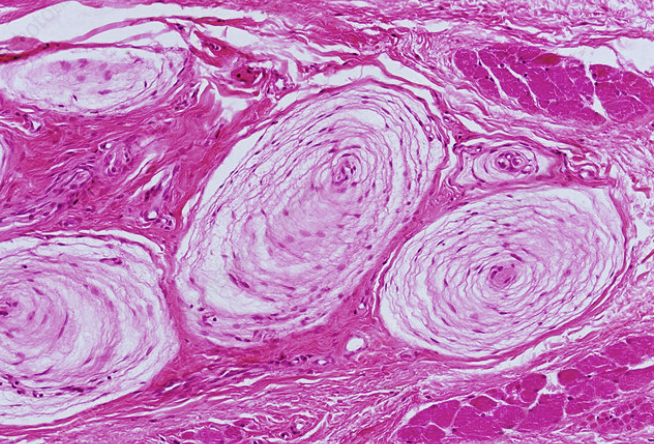
Apocrine
a type of exocrine gland found in the skin, specifically in areas like the armpits, groin, and around the nipples
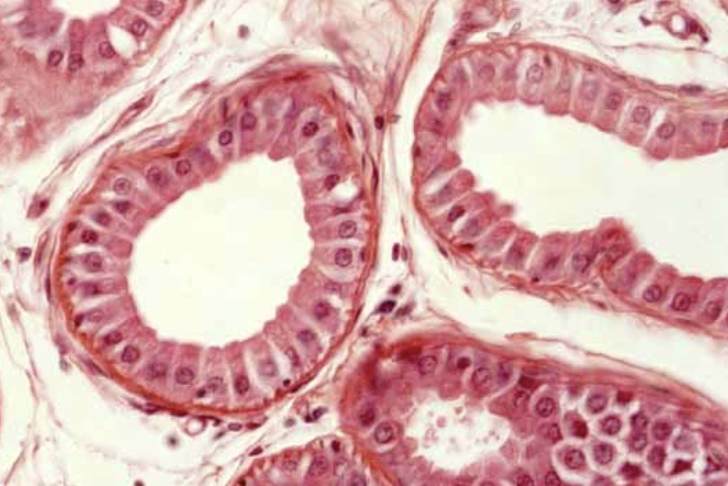
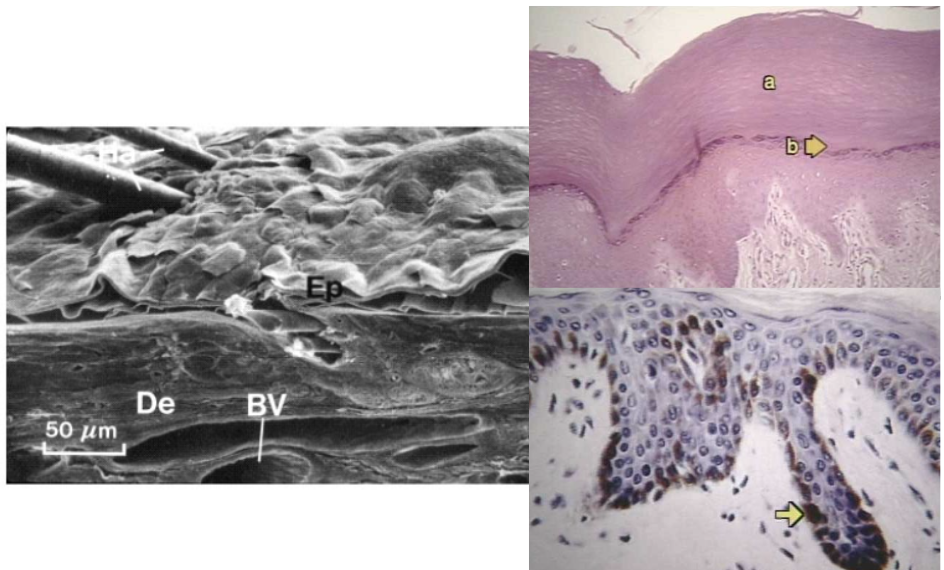
Spinosum
The stratum spinosum is the second deepest layer of the epidermis, located between the stratum basale and stratum granulosum. It's known for its "spiny" appearance due to the way cells shrink during tissue preparation for microscopy, but remain connected by desmosomes.
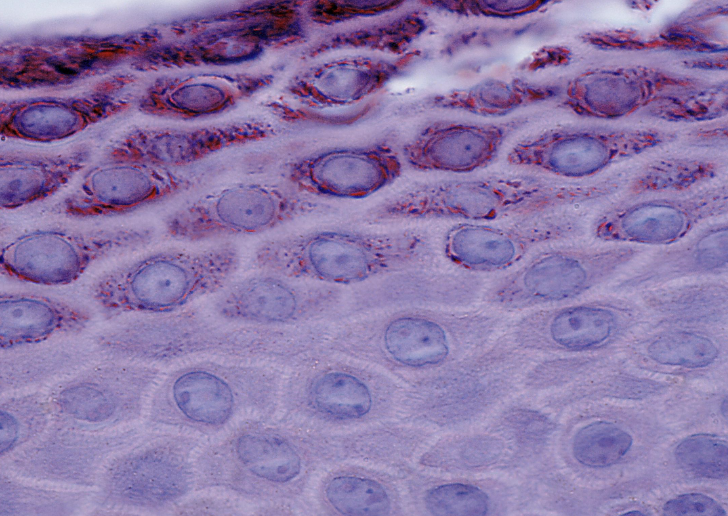
Epidermins
The outer layer of the two main layers of the skin.
Jejunum
the middle section of the small intestine, located between the duodenum and the ileum
Descend colon
the part of the large intestine that runs down the left side of the abdomen, from the splenic flexure (where it meets the transverse colon) to the beginning of the sigmoid colon. It stores feces and prepares them for elimination.
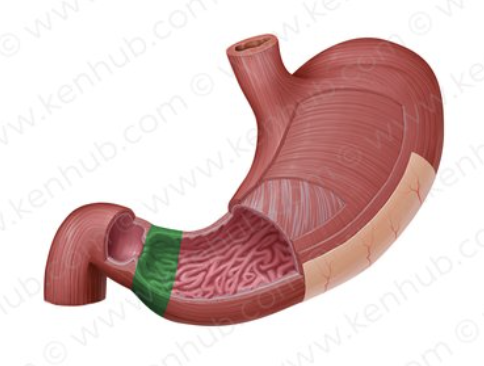
Pylonic sphincter
a band of smooth muscle that controls the movement of partially digested food and juices
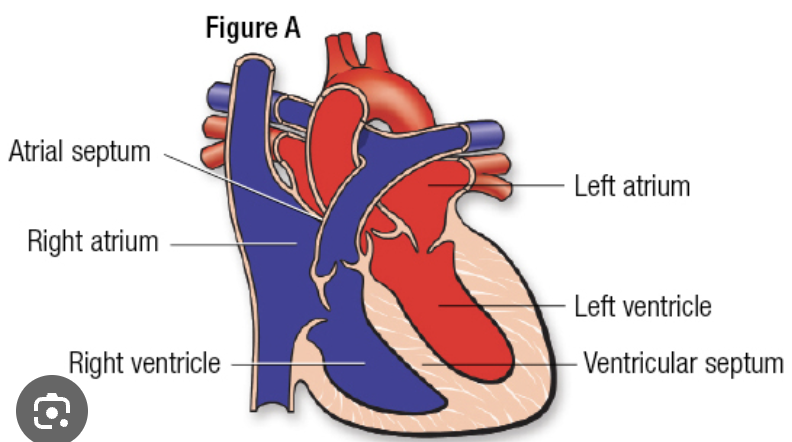
Left ventricle
pump oxygenated blood from the lungs to the rest of the body
Pectoral major
a large, fan-shaped muscle in the chest, responsible for a variety of upper limb movements
Respiratory system
a biological system that enables breathing, the process of taking in oxygen and expelling carbon dioxide
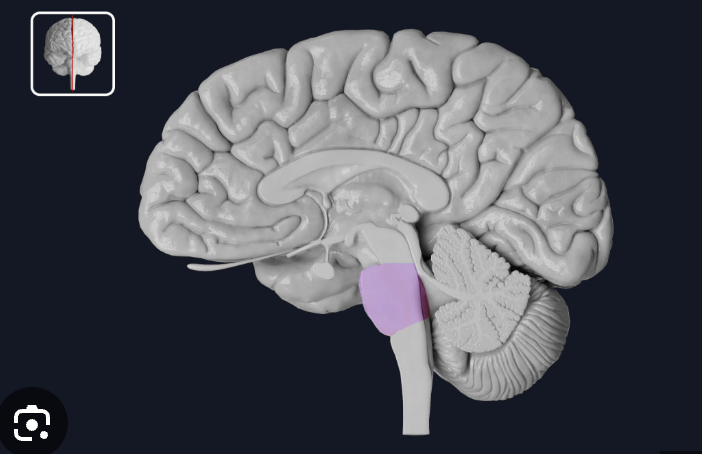
Pons
the part of the brainstem that links the medulla oblongata and the thalamus.
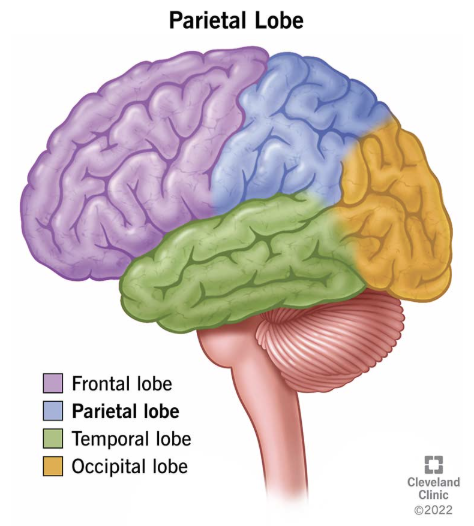
processes sensory information, spatial awareness, and certain aspects of language; located behind the frontal lobe and above the occipital and temporal lobes
Parietal
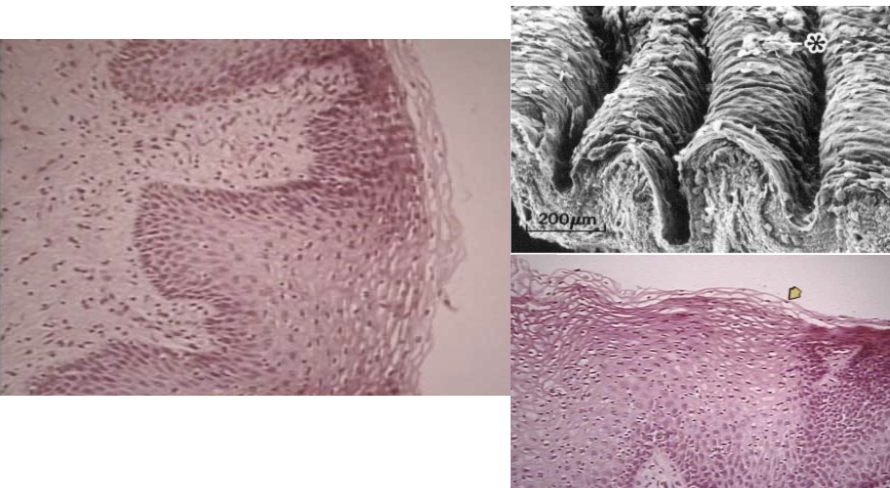
Stratified squamous
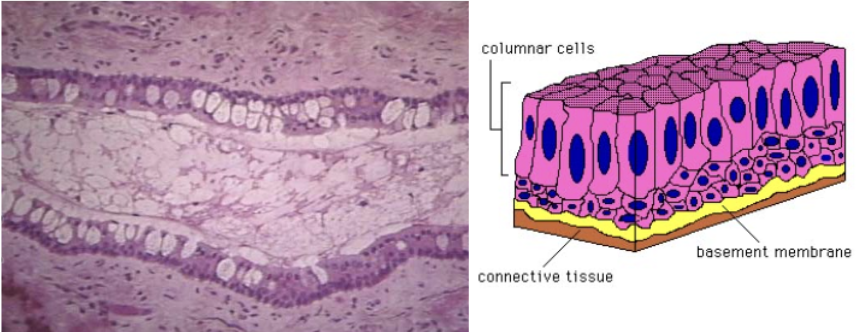
Simple columnar epithelium
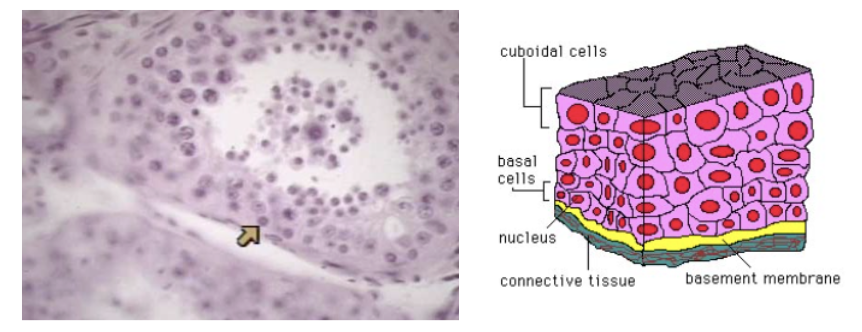
Stratified cuboidal epithelium
Nucleus
the structure in a cell that contains the chromosomes; has a membrane around it, and is where RNA is made from the DNA
Mitochondria
essential, membrane-bound cell organelles that act as the powerhouses of eukaryotic cells
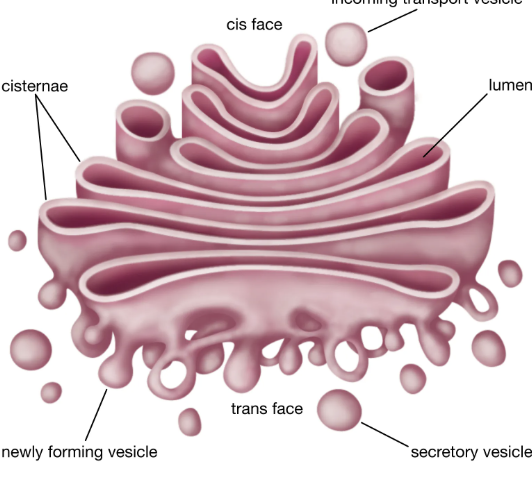
a cell organelle that processes and packages proteins and lipids, especially those destined for secretion or use outside the cell
Golgi complex
Ocular lens
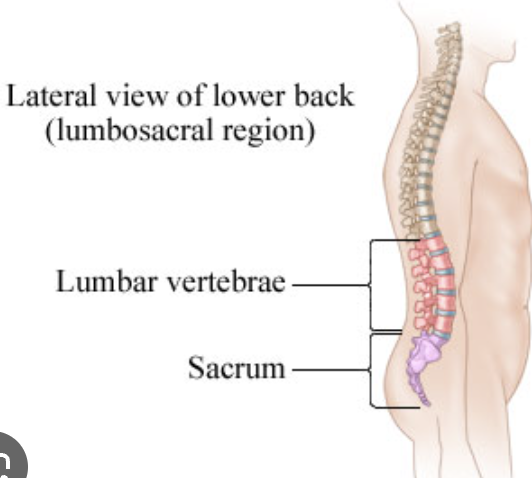
Lumbar region
refers to the lower back, specifically the five vertebrae (L1-L5) in that area.
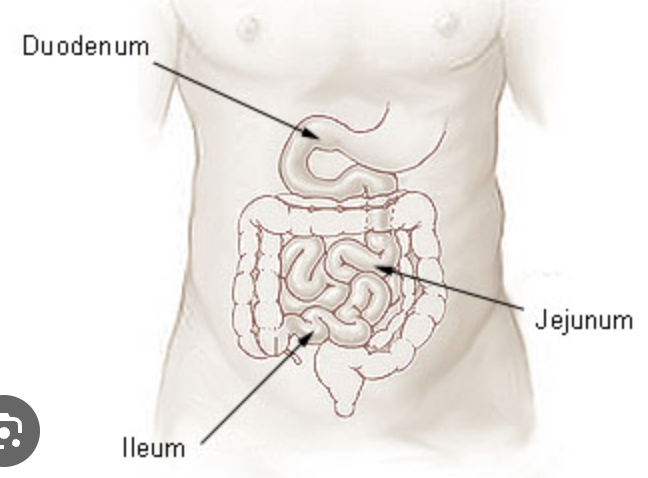
Illeum
absorb remaining nutrients, especially vitamin B12 and bile acids, from digested food before it passes into the large intestine.
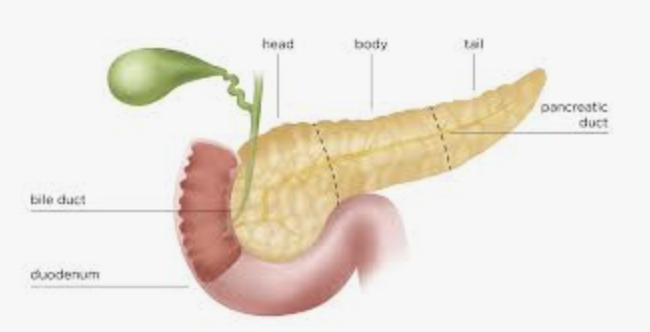
pancreas
produces digestive enzymes that help break down food and also produces hormones like insulin and glucagon that regulate blood sugar levels; gland located behind the stomach in the abdomen
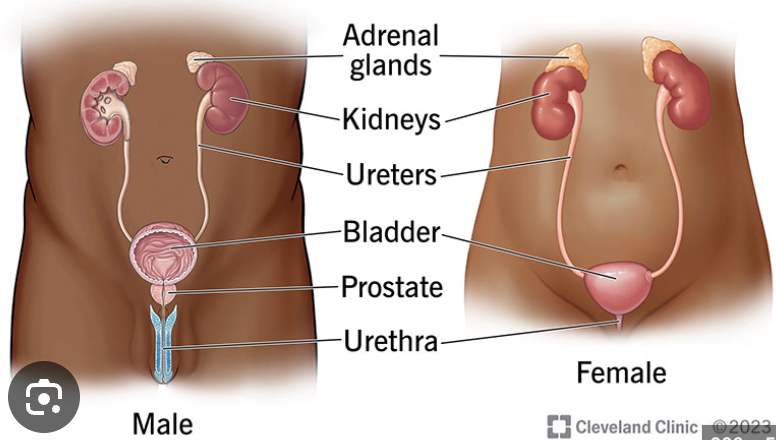
Bladder
a muscular, hollow organ located in the pelvis that stores urine before it is excreted from the body
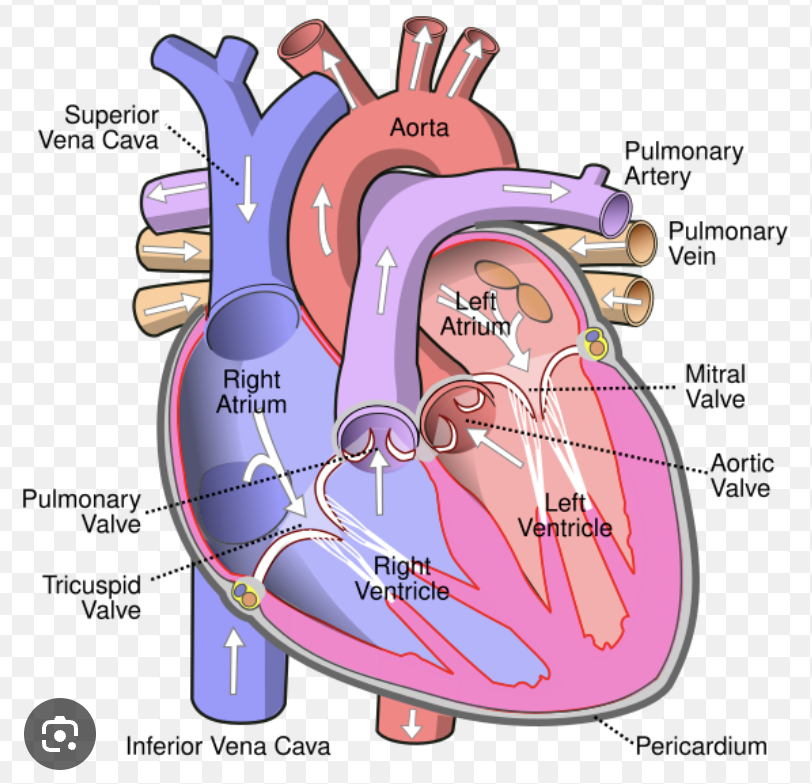
Heart
a muscular organ that pumps blood throughout the body; transports oxygen
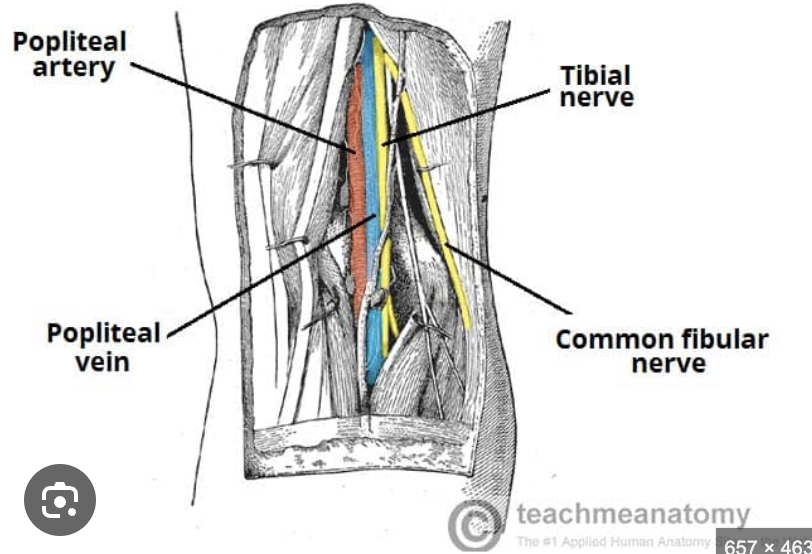
Popliteal fossa
a diamond-shaped hollow located at the back of the knee. It's a crucial area for neurovascular structures passing between the thigh and leg. This area contains important nerves, blood vessels, and muscles.
Tissues
a collection of cells, usually non-vascularized, that have the same structures and functions; 4 basic types of tissue: connective tissue, epithelial tissue, muscle tissue, and nervous tissue.
Cellular microscope
Microscope
Subjective lens
Simple Squamous Epithelium
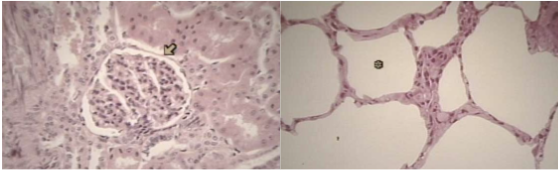
Section three
Lumbar
the lower part of the spine, specifically the five vertebrae (L1-L5) located between the thoracic spine and the sacrum. It plays a crucial role in supporting the weight of the upper
Cervical
Neck
Patella
Knee
Torso
The main part of the body that contains the chest, abdomen, pelvis, and back.
Kidney
a vital organ, part of the urinary system, responsible for filtering waste and excess fluid from the blood, producing urine, and maintaining the body's chemical balance
Bones
rigid, living tissues that make up the skeletal system in vertebrates
Occipital
Back
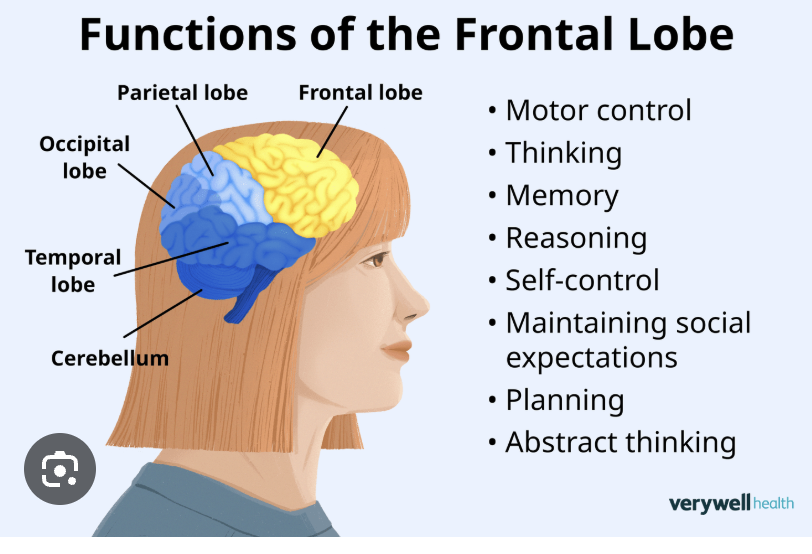
Frontal (brain)
the largest lobe of the brain, located at the front of the skull behind the forehead. It plays a critical role in various higher-level cognitive functions, including: planning, decision-making, voluntary movement, speech, and social behavior.
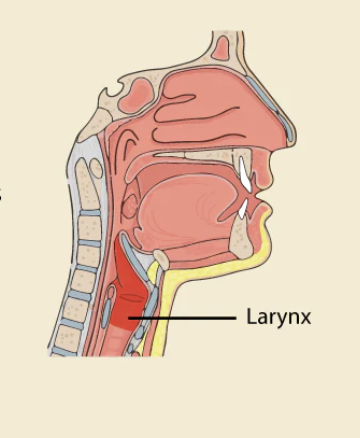
Larynx
voicebox; a hollow tube in the middle of your neck, just above your trachea (windpipe) and esophagus. It makes it possible for you to make sounds
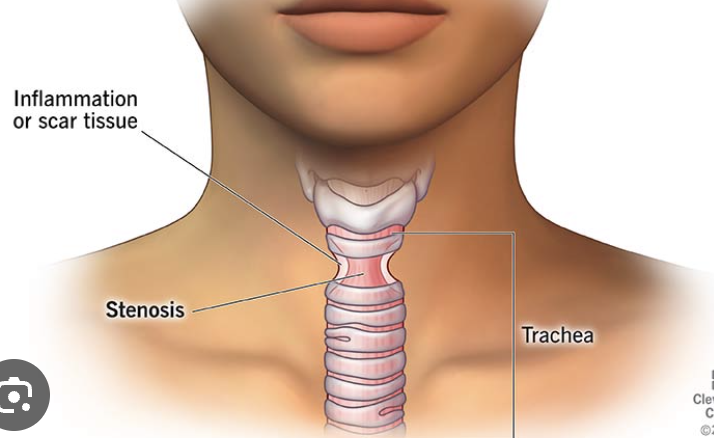
Trachea
a large membranous tube reinforced by rings of cartilage, extending from the larynx to the bronchial tubes and conveying air to and from the lungs; the windpipe.
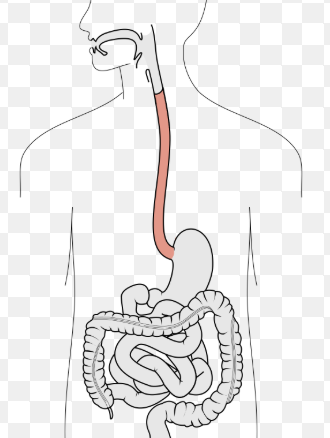
Esophagus
a hollow tube located behind your windpipe. It passes food and liquid from your throat to your stomach.
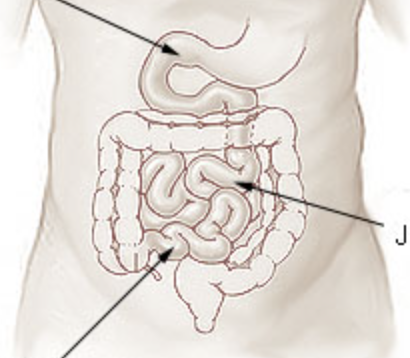
Digest
Duodenum
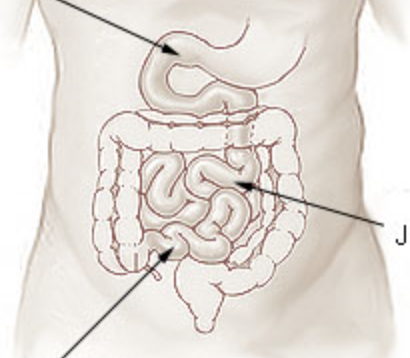
Absorb
Jejunum
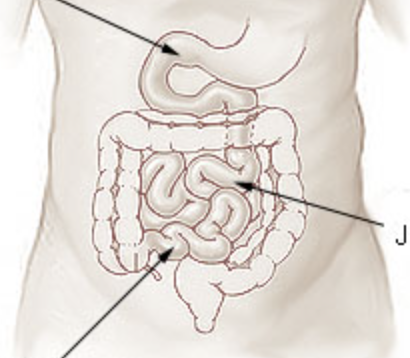
Eliminate
Illeum
Skin
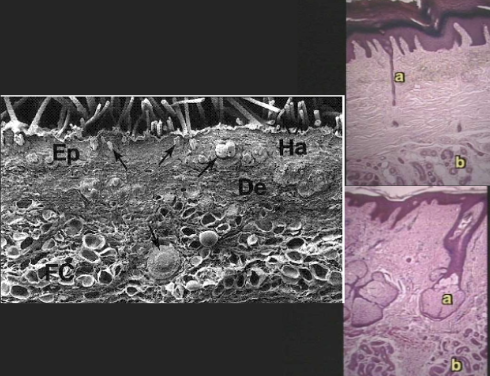
Epi
Exocrine Pancreatic Insufficiency; a condition where the pancreas doesn't produce enough digestive enzymes, hindering the body's ability to break down and absorb nutrients from food.
Hypo
“beneath“ or “below,”
EXTRA CREDIT: first second third degree burn, layers, differences
pH
determined by the concentration of hydrogen ions (H+).
CELLS
High molecular weight, slower
Low molecular weight, higher
pH
Hydrogen ions
Formula
If i expel co2 into h20, it increases the waters acidity, meaning lower pH
Blood (pH)
7.35 - 7.45
Urine
4.5 to 8
Gastric acid
1.5 to 2
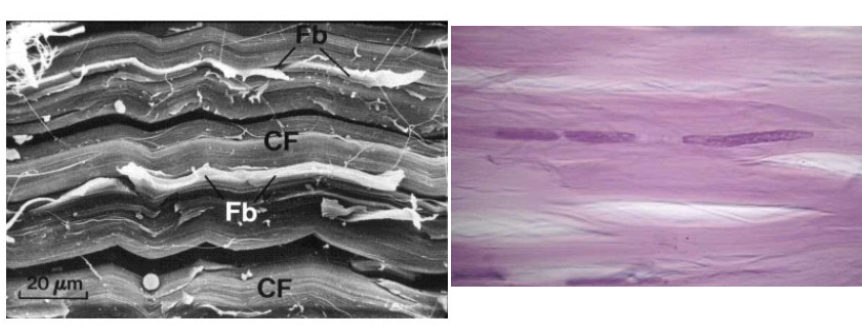
Regular Dense Connective Tissue
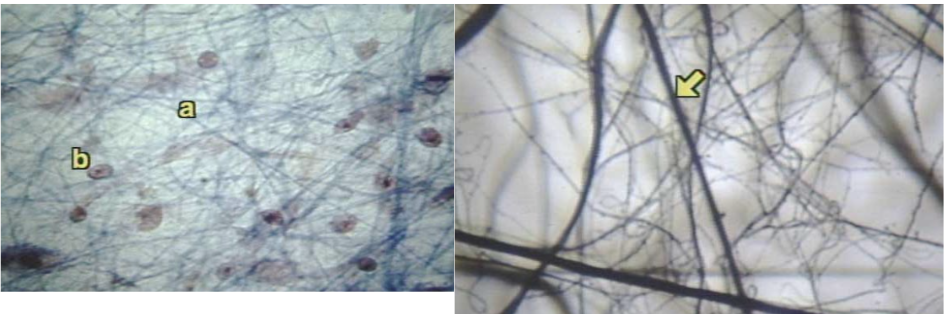
Loose (areolar) Connective Tissue
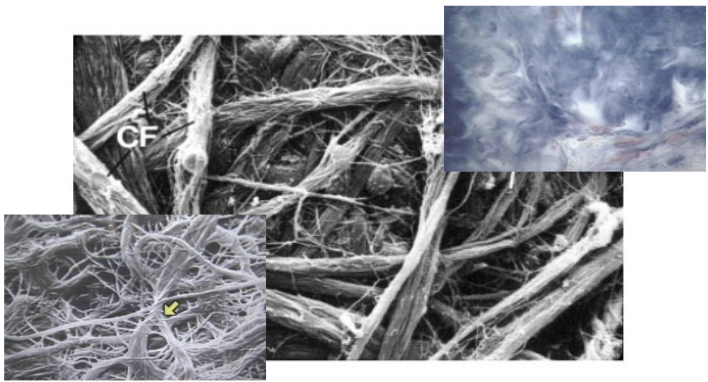
Irregular Dense Connective Tissue
6.5 to 7.5
Saliva (pH)
A vertical plane that divides the body into left and right sides.
Sagittal Plane
Frontal (Coronal) Plane
A vertical plane that divides the body into front and back (anterior and posterior) sections.
Transverse (Axial) Plan
A horizontal plane that divides the body into upper and lower parts.

