Baroque Accompanying Week 1
 Studied by 0 people
 Call Kai
 Learn
Learn Practice Test
 Spaced Repetition
 Match
Match Flashcards
 Knowt Play
1/27

There's no tags or description
Looks like no tags are added yet.
Name | Mastery | Learn | Test | Matching | Spaced | Call with Kai |
|---|
No analytics yet
Send a link to your students to track their progress
28 Terms
Oratorio
a large-scale work for orchestra and voices. It is similar to an opera, but based on religious theme. It does not have costumes, scenery or action
Cantata
a medium-length work that has a story based on love or myth. It has voices and instrumental accompaniment. It uses solos, chorus, and instrumental passages
Why was voice so important in Baroque/Renaissance Music?
Voice could speak words, which would convey emotion. Because the voice could convey meaning, it was considered more important than any other instrument.
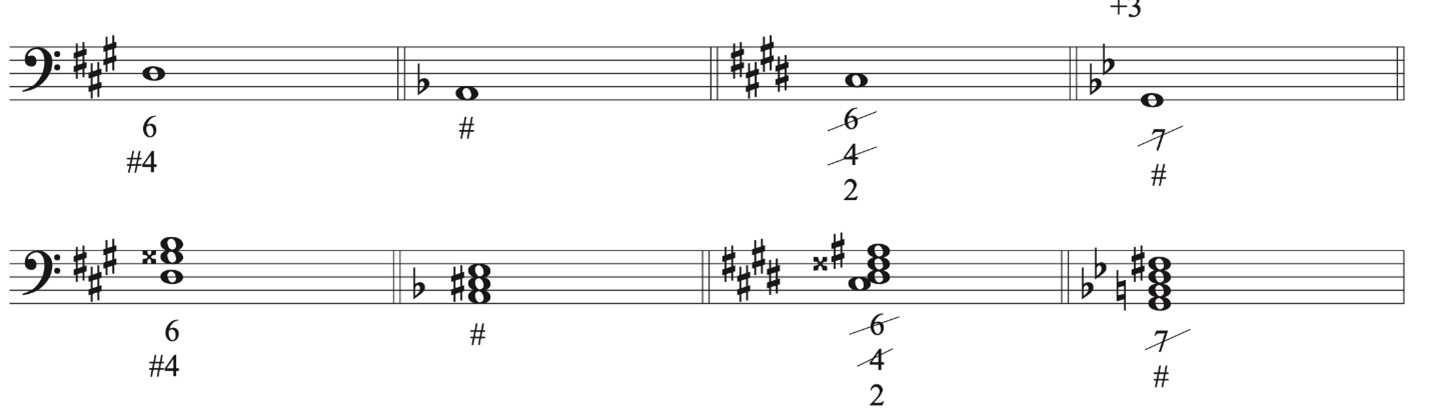
Figured Bass
an accompanimental instruction where numbers were placed over a bass line. This would give intervals needed to fill out the accompaniment
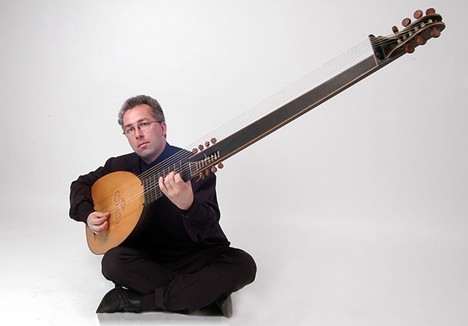
Theorbo
a large lute with the neck extended to have long bass strings; used for accompaniment
Sonata da camera
Means chamber sonata. These are sets of dances put together in one piece. However, many movements were not dances
What pieces standardized the solo sonata and trio sonata?
Corelli’s four volumes of trio sonatas (op. 1-4) and his op. 5 violin sonatas
Solo sonata
a sonata where a bowed bass instrument played the bass line along the keyboard, so three people would play a solo sonata.
Trio sonata
two violin lines plus a figured bass, so four people would play this version of the sonata
What piece standardized the concerto form?
Corelli’s 6 Concerti Grossi
Concerto grosso
a piece for solo instruments accompanied by an orchestra
Vivaldian Solo Concerto
a single soloist (most commonly violin) played against a string orchestra and basso continuo in a fast-slow-fast movement pattern
Dance Suite: Instruments Used
harpsichord, lute, theorbo
Who standardized the da capo Aria?
Alessandro Scarlatti
Alessandro Scarlatti
composed over 600 cantatas
German cantata
became based in religion. Scored for several solo voices, 4-part chorus, and instruments. Text based on liturgy
Italian opera
international style and became popular in Germany. Adapted by Haydn and Mozart
French opera
tended to be larger-scale, huge sets, and included lots of instrumental music for ballet
Keyboard Accompaniment in Baroque Era
almost exclusively figured bass
What does it mean if you find keyboard music from Baroque with full accompaniment written out?
It was created by someone other than the composer and was not sanctioned by them
Main Accompanying Instrument in Baroque Era
Keyboard
Other Main Accompanying Instruments in Baroque Era (Early):
Cello & Harpsichord
Other Main Accompanying Instruments in Baroque Era (Late):
Double Bass, viola da gamba, organ, guitar, harp, theorbo, and bassoon
Violine
name for double bass
Bach Trios
(1) melody instrument
(2) right hand of harpsichord
(3) left hand of harpsichord
Which era did the figured bass start to go away?
Galant, with composers like CPE Bach
Which genre continued using figured bass after the Baroque Era?
Operatic Recitativo secco
Rules of Cello Accompaniment (4)
1) Follow words and notes of singer;
2) Strike the bow note that supports the chord;
3) Play notes as written and have an ear for harmony;
4) Keep the rhythmic pulse
 Note
Note  Flashcards (75)