lifestyle medicine exam 2
 Call Kai
 Learn
Learn Practice Test
 Spaced Repetition
 Match
Match Flashcards
 Knowt Play
1/62

There's no tags or description
Looks like no tags are added yet.
Name | Mastery | Learn | Test | Matching | Spaced | Call with Kai |
|---|
No analytics yet
Send a link to your students to track their progress
63 Terms
physical activity
any bodily movement produced by skeletal muscle resulting in energy expenditure
exercise
pa that is planned and structured, repetitive body movement done to improve 1 or more components of fitness
physical fitness
a set of attributes that people have or acheive that relates to the ability to preform pa —> health or skill related
benefits of pa for adults and older adults
increase HDL, decrease LDL, decrease risk of chronic disease, increase bone density, decrease bp, increase brain activity, decrease risk of all cause mortality, decrease depression and anxiety
risks associated with exercise
cardiac- screening for disease
musculoskeletal- proper form/technique, stretching and warm-ups, prevent tears strains and fractures
psychological
psychological risks of exercise
compulsive exerciser, exercise addict, exercise bulimia
maladaptive pattern of pa that leads to significant impairment or distress as manifested by 3+ criteria: tolerance, withdrawal, intention, lack of control, time, reduction of other activities, continuing despite issues.
safe pa guidlines
understand risks, but be confident that pa can be safe for everyone
choose types of pa that are appropriate for their current fitness lvl
increase pa gradually overtime to meet guidlines and health goals
protect self by wearing appropriate gear and equipment
be under care of health care provider if they have chronic conditions or symptoms
who needs medical clearance?
if they have cv or renal disease medical clearance is recommended
if not currently active vigorous activity is a bad idea
2018 pa guidlines- aerobic
150 min of moderate pa a week or 75 min of vigorous pa, or a combination of both, spread throughout the week. benefit up to 300 min wk of moderate intensity.
2018 pa guidlines- muscle strengthening
2 or more days a week working all major muscle groups, moderate intensity or greater, 1 set 8-12 reps, relative intensity: 1 rep max, weigth, rpe
FITT prescriptions of exercise and pa
Frequency- how much
Intensity- how hard
Time- how long
Type- how
scope of prescription: individual w/out pa- specific certification cannot prescribe specific exercise, use coach approach instead
RPE
scale of relative itensity 1(easy)- 10 (max)
exercise as medicine- application
global health initiative managed by the ACSM to make PA assessment and promotion a standard in clinical care, connecting health care with evidence-based PA resources for PA everywhere and of all abilities
PA and type 2 diabetes
primary and secondary prevention: weight management, increase insulin sensitivity (1st) , improved glycemic control (2nd), improve sleep—> poor sleep associated with t2d and overall quality of life; regular physical activity reduces risk factors and improves outcomes for individuals with type 2 diabetes
Structured interventions combining PA and modest weight loss have been shown to lower T2D risk by 58% in high-risk populations.
walking after meals- prevent blood glucose from spiking, keep insulin lvls stable
PA and CVD
primary prevention- weight management, optimizing coronary artery dilation (blood flow), reducing inflammation/reduce oxidative tissue damage, hemostatic factors: reduce risk for blood clots
secondary prevention- improve HDL, reduce TG, weight management and BP management
limit sedentary time
aerobic pa unkown
pa and obesity
decrease visceral adiposity- preventing weight regain, improve muscle mass/prevent muscle loss that occurs with kcal restriction
a systemic review found that aerobic training produces greater weight loss than resistance training
Observational studies and clinical trials demonstrate that individuals maintain at least 250 min od pa a week are more likely to sustain weight loss
alzheimers disease
a form of dementia, genetic but lifestyle factors can reduce it
prevention- pa, diet, decrease alcohol consumption, basically all pillars
no way to reverse disease
pa and alzheimers
improvement in reaction time, motor function, and cognitive processing speed
the positive impact of long term exercise training by delaying onset of physiological memory loss suggests the effectiveness of exercise as a preventative strategy against age-related memory loss and neurodegeneration
positive results in the delay of brain aging- 1 yr of moderate intensity exercise (40 min/ 3 days wk) increases the size of the hippocampus, increasing spatial memory in healthy healthy older individuals
Resistance training has positive effects on measurements related to the detection of cognitive impairment and executive function, but no effect on working memory measurement.
pa and hypertension
primary prevention- reduce inflimmation and oxidative stress, weight management, decrease arterial stiffness
secondary prevention- reduce vasoconstrict, improvements in how body handles sodium, pa aids in stress management
pa can be and adjunctive treatment for hypertension
pa and stroke
The use of PA as a therapeutic strategy to maximize functional recovery in the rehabilitation of stroke survivors
Observational studies have found an inverse association between PA and stroke risk, with recent reviews estimating that pa is associated with 25-30% risk reduction for stroke
liesure time pa to be productive against ischemic stroke
mediating effect = reduction in bp
pa to reduce stroke recurrence
pt and ot post stroke- balance, mobility, ADL, gait
pa and cholesterol
reduction in total cholesterol considered gold standard in preventativ CV medicine
increased/vigerous intensity structure normally associated with aerobic exercise has better impact on triglycerides and LDL than moderate lvl of pa
HDL is most likely to improve of all in lipid profile (linear relationship)
low to mod intensity resistance training results in greater benefit to lipid profile than high intensity
pa and cancer
hormonal regulation, improve digestion, reduce inflimmation, improve insulin sensitivity
reduce risk of bladder, breast, colon, endometrial, esophegeal, adenocarcinoma, renal, and gastric cancer
pa and anxiety
self efficacy, distraction, anxiety sensitivity, physiological mechanisms
primary, secondary and tertiary prevention
hippocampus and stress regulation
mediating for effect of anxiety and chronic disease risk
evidence for exercise based therapies for anxiety and PTSD
pa and depression
alleviate symptoms of depression
aerobic training program (moderate) efficacious
benefits of exercise may be long lasting- 12 weeks pa intervention, still had same reduction in symptoms at 12 month follow up
no difference between weight lifting and aerobic group among middle aged women population, both affective and reducing symptoms
pa and metabolic syndrom
all the evidence that we talked about obesity, t2d, cholesterol, CVD
aerobic training most effective in prevention and management- energy expenditure
resistance training important for lean mass- important to reduce fat mass amd increrase metabolism
high intensity not typically recommended
the importance of reducing sedentary time overall
dietary guidlines for americans
goal- evidence based advice throughout life, meet nutrient needs, prevent chronic disease, promote health
foundation for- developing health policies and programs, nutrition education; federal, local gov, schools
target audience- policy makers, nutrition educators, and health professionals, update every 5 yrs, USDA and HHS oversee
development process of DGA
identify topics and questions
appoint and advisory committee
review scientific evidence
develop the guidlines
implement
2025-2030 dietary guidlines
The focus- eat real food
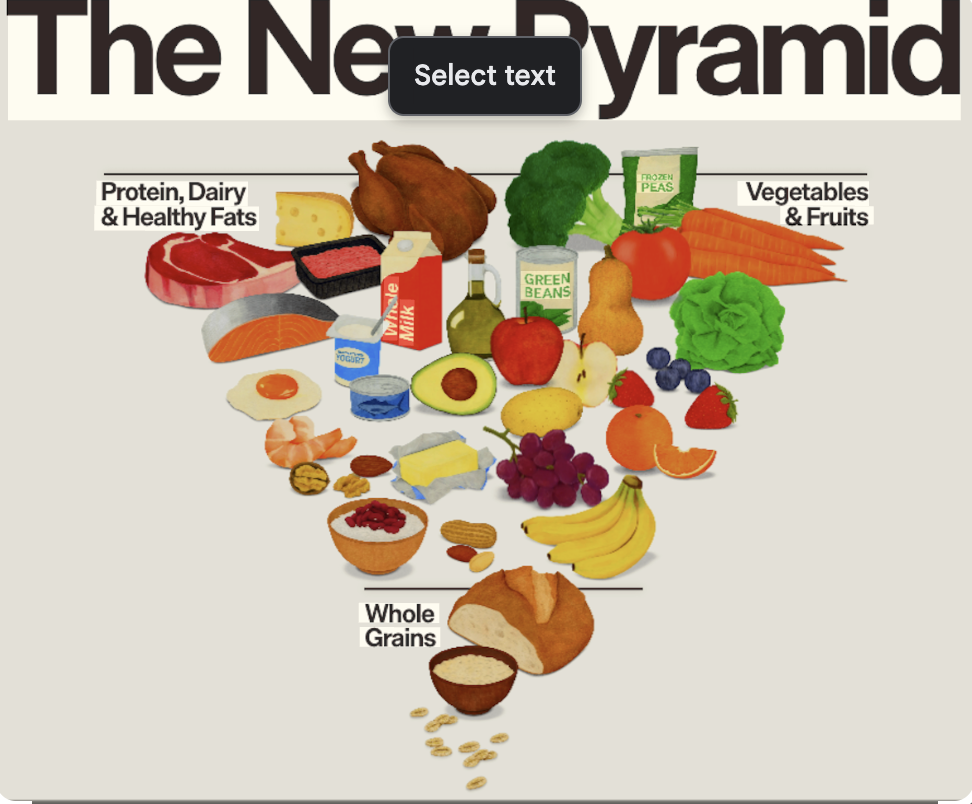
2025-2030 dietary guidelines key points
eat the right amount for you
prioritize protein at each meal
consume dairy
eat fruit and vegetable throughout the meal
incorporate healthy fat
focus on whole grain
limit highly processed foods, added sugar, refined carbs
limit alcoholic beverages
clarifications needed for DGAs
visual changes and educational implications
protein: more is not always better
mixed messaging on saturated fats
applying guidlines responsibly
treat guidlines as framework
emphasize evidence based principles
tailor recommendations to cultural traditions
promote practical strategies like meal planning
use visuals as support
diet vs. eating pattern
A diet refers to the specific foods and beverages consumed, whereas an eating pattern encompasses the overall combination and frequency of those foods and drinks over time, reflecting an individual's lifestyle.
cardiovascular disease decrease risk
fruit and vegetable intake
healthful plant based diet (whole grains, F/V, nuts, legumes, oils(unsat fat), tea/coffee
soluble fiber
polyunsaturated fats (lower LDL) omega 3 fats (improve tg)
reduced sodium (improve bp)
cardiovascular disease increase risk
processed meets
unprocessed red meats
added sugars
high sat fat intake
refined carbs
type 2 diabetes decrease risk
diet high in fruit, vegetable, lean meat, whole grains
choosing polyunsaturated fat sources
whole grains/fiber
type 2 diabetes increase risk
processed meats
red meats
sugar sweetened beverages
ADA healthy eating recommendation
Focus on nutrient-dense foods, including fruits, vegetables, whole grains, lean proteins, and healthy fats while limiting added sugars and saturated fats.
certain cancers decrease risk
fruit and vegetable intake
whole grains
certain cancer increase risk
processed meats and red meats (carcogenic), alcohol consumption
AICR healthy eating recommendations
foods that are high nutrients in amounts that help you get to and stay at a healthy body weight
a variety of vegetables- green, red, orange, fiber rich legumes
fruits
does not include: red and processed meats, sugary beverages, high processed foods
DASH diet
fruits and vegetables (4-5 cups)
plant and lean proteins (4-4x wk)
low fat dairy (2-3 ups/day)
emphasis on potassium, calcium, and magnesium
decrease intake of- saturated fat, sodium, added sugars
mediterranean diet
high intake- fruit, vegetable, whole grains, beans, lentiles, nuts, olive oil
moderate intake- fish, poultry, cheese/yogurt, wine
little intake- red meat, sweets
MIND diet: mediterranean and dash intervention for neurogenerative delay
whole grains, dark leafy greens, berries, nuts, beans/legumes, vegetables, PUFA
reduce- fish, chicken, cheese
limit- red meat, sweets, fried food, saturated fat
implicit bias
unconcious attitude and stereotype that affect our understanding of patients
becomes a health threat, desire to intervene may decrease
prevent- train providers and bring awareness to bias
FAD diet “quick fix”
signs to be aware of: promising weight loss, eliminating food or groups, severe calorie restriction
obesity
risk factor for many chronic diseases and health problems
modest weight loss can be beneficial when necessary for health and well being
do not focus on weight #
focus on cholesterol (LDL & HDL), energy lvl, feeling mobility and activity is easier
factors that effect weight loss
family history, psychological factors, hormonal (satiety, cortosol, hyperthyroidism), environment, metabolic rate (age, saturation, muscle mass)
talking to clients about weight
encourage health without focusing on weight
emphasis on other positive health outcomes from behavior change, refer to others if needed
intuitive eating
a no diet, mind/body approachthat promotes listening to internal hunger and fullness cues, fostering a healthy relationship with food.
intuitive eating principles
reject the diet mentality
honor your hunger
make peace with food
challenge the food police
discover the satisfaction factor
feel your fullness
cope with your emotions with kindness
respect your body
movement- feel the difference
honor your health- gentle nutrition
gentle nutrition
external health knowledge + internal cravings, desires, bodys cues = satisfying our taste and preferences and honoring our health.
5 A’s in coaching
asses, advise, agree, assist, arrange
asses
readiness to change, health history biomarkers
advice
sharing knowledge, see clients level of awareness, share helpful patterns
agree
agree to change, create a plan together
assist
putting plan into action, how to make a change
arrange
arrange time for follow up or other provider
sleep quality
persons satisfaction with all aspects of the sleep experience. important contributor to sleep related health outcomes
sleep duration
amount of time a person sleeps. timing, intensity, and duration regulated by homeostasis and circadian timing.
sleep latency
duration of time from turning the light off to falling asleep , usually < 20 minutes
sleep efficacy
ratio of total sleep time compared to total time in bed. 85% normal >90% very good
wake time after sleep onset
used to determine amount of time a person spends awake from time they fall asleep to time they awaken 5% young adults, 15% older adults

