FSAD 1250
 Studied by 0 people
 Call with Kai
 Learn
Learn Practice Test
 Spaced Repetition
 Match
Match Flashcards
 Knowt Play
1/18

There's no tags or description
Looks like no tags are added yet.
Name | Mastery | Learn | Test | Matching | Spaced | Call with Kai |
|---|
No study sessions yet.
19 Terms
Signifier vs. Signified
Signifier = what you literally see (object/image/word).
Signified = the idea/feeling attached to it.
Why is representation significant in fashion?
Because the visual + the meaning can be rearranged (the same signified can adopt a new signified).
Trade Dress
The overall “look” of a brand — packaging, color, style — that becomes distinctive.
Ex. Tiffany blue
Framing
The choices around the image:
Who’s in the ad?
What bodies?
What setting?
What’s left out?
Hegemony
The dominance of one group, state, or person over others, maintained through a combination of political, economic, and cultural influence, rather than just force.
Cultural Hegemony
Manipulates beliefs/explanations/perceptions/values so that the imposed, ruling class (elite) worldview is cultural NORM (Marx).
Emotional Design
How a product feels / creating delight.
Human Centered Design
Identifying problem
Visceral
Instant reaction —> “is it pretty?”
Pure look/feel.
Behavioral
Is it easy to use? (function)
Reflective
What does owning it mean? (status, identity)
Textile Structural Design
How threads are arranged to build fabric (weaving, knitting, spinning). It’s the engineering side of fashion—how texture, pattern, and strength come from structure.
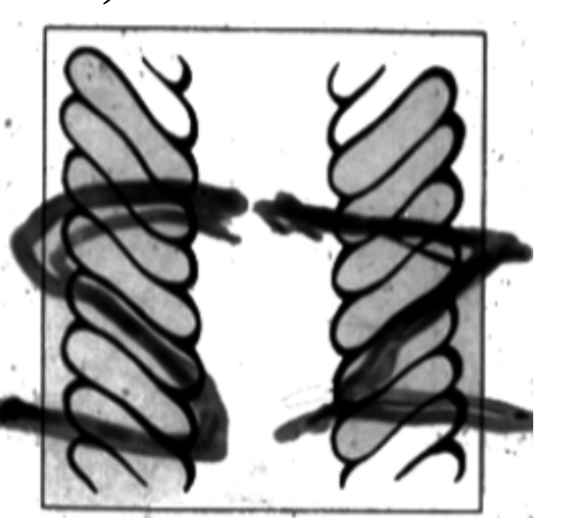
Spinning
Twisting fibers into yarn so they hold together.
S-twist spirals like the middle of an “S”; Z-twist spirals the opposite way.
Warp vs. Weft
Warp = vertical; weft = horizontal.
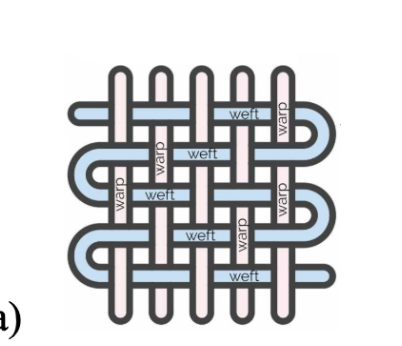
Weaving
Uses these pre-made thread systems from spinning and crosses them
S vs Z Twist (draw it)
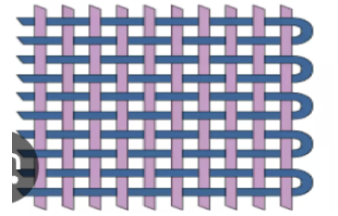
Simple Weave
Threads cross at right angles in a basic over-under pattern. Uses one set of warp (vertical) and weft (horizontal) threads.
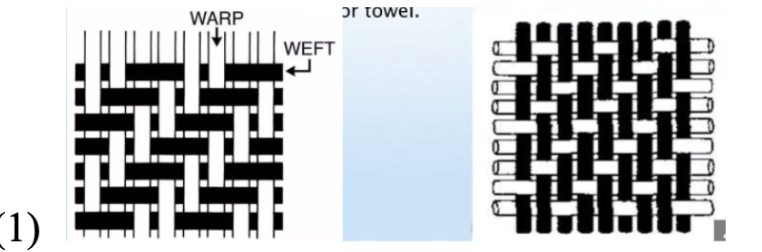
Compound Weave
Uses more than one set of warp and/or weft threads. Multiple layers or directions of threads overlap.
 Note
Note  Flashcards (182)