GO! Midterm Exam
 Studied by 0 people
 Call Kai
 Learn
Learn Practice Test
 Spaced Repetition
 Match
Match Flashcards
 Knowt Play
1/124

There's no tags or description
Looks like no tags are added yet.
Name | Mastery | Learn | Test | Matching | Spaced | Call with Kai |
|---|
No analytics yet
Send a link to your students to track their progress
125 Terms
Which staff members from the organizational flow chart have been GO! Leaders/Peer Counselors?
1. Dr. Don C Killingsworth
2. Terry Casey
3. Keaton Glass
4. Abbie Beatty
5. Josh Robinson
6. Olivia Fields
7. Eric McCulley
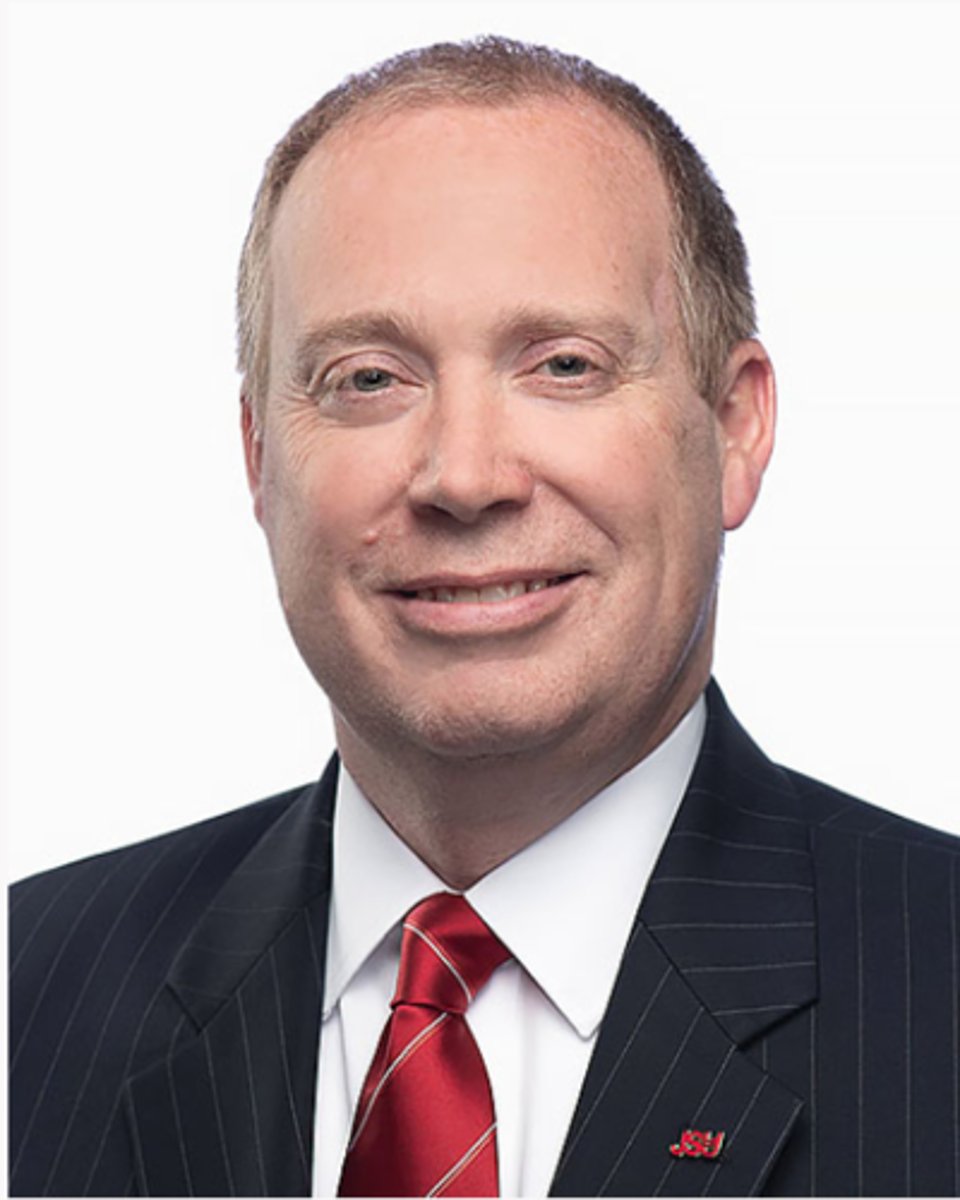
President of JSU (and what number president is he)
Dr. Don Cordell Killingsworth Jr. , 13th President
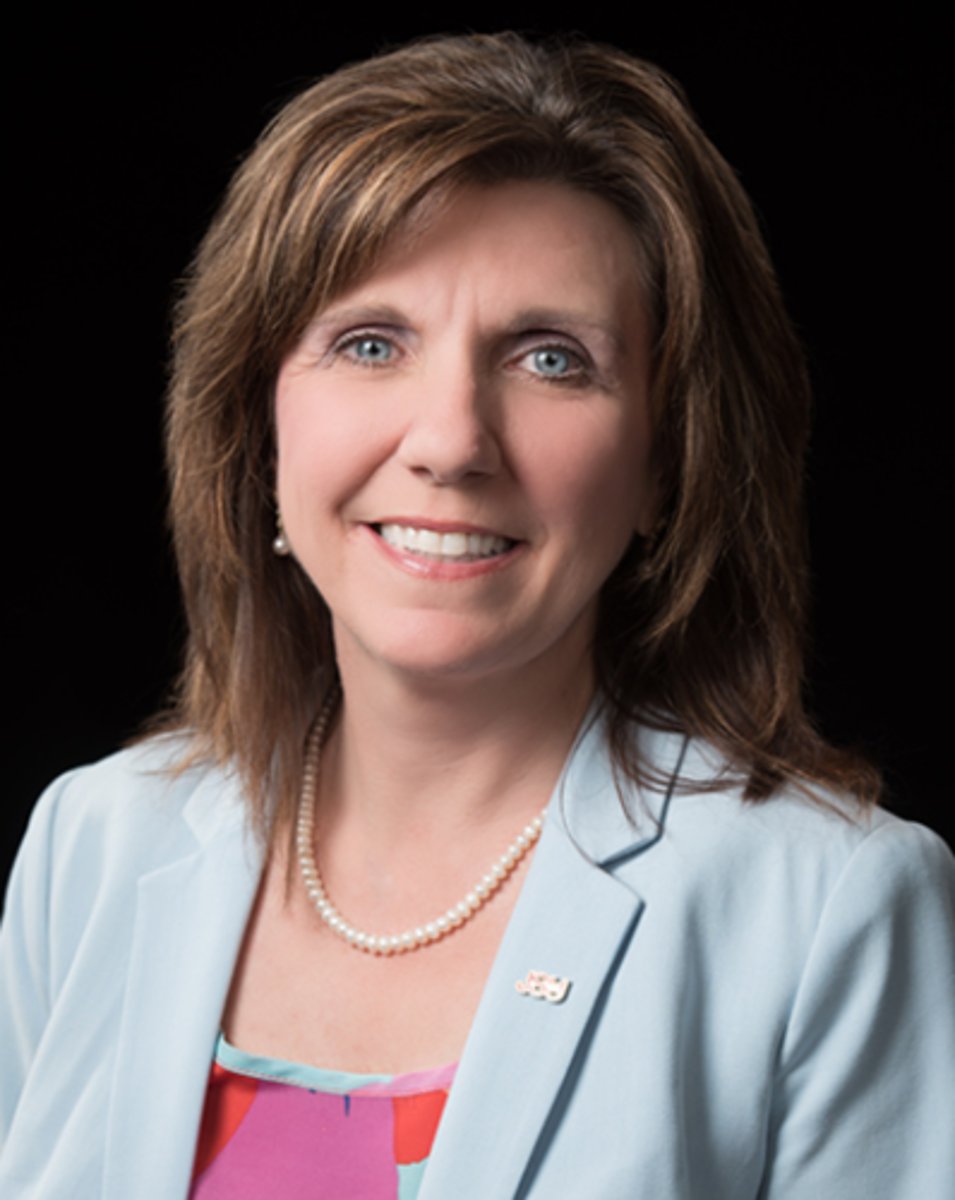
Provost and Executive Vice President of Academic Affairs
Dr. Christie Shelton
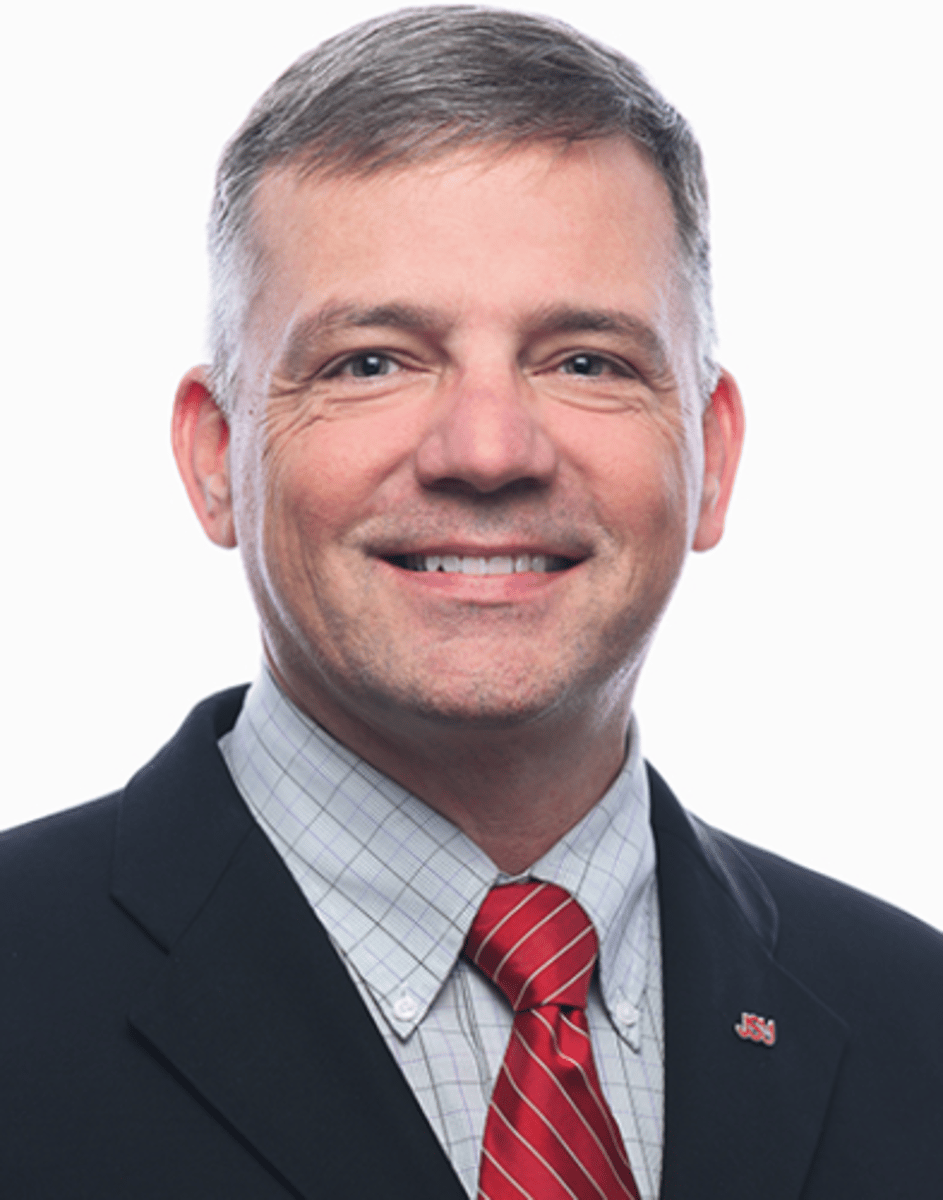
Vice President for Student Affairs and Enrollment Management
Terry Casey
Dean of the College of Arts, Humanities, and Sciences
Dr. Tim Lindblom

Senior Lead Advisor for College of Arts, Humanities, and Sciences
Matt Hill

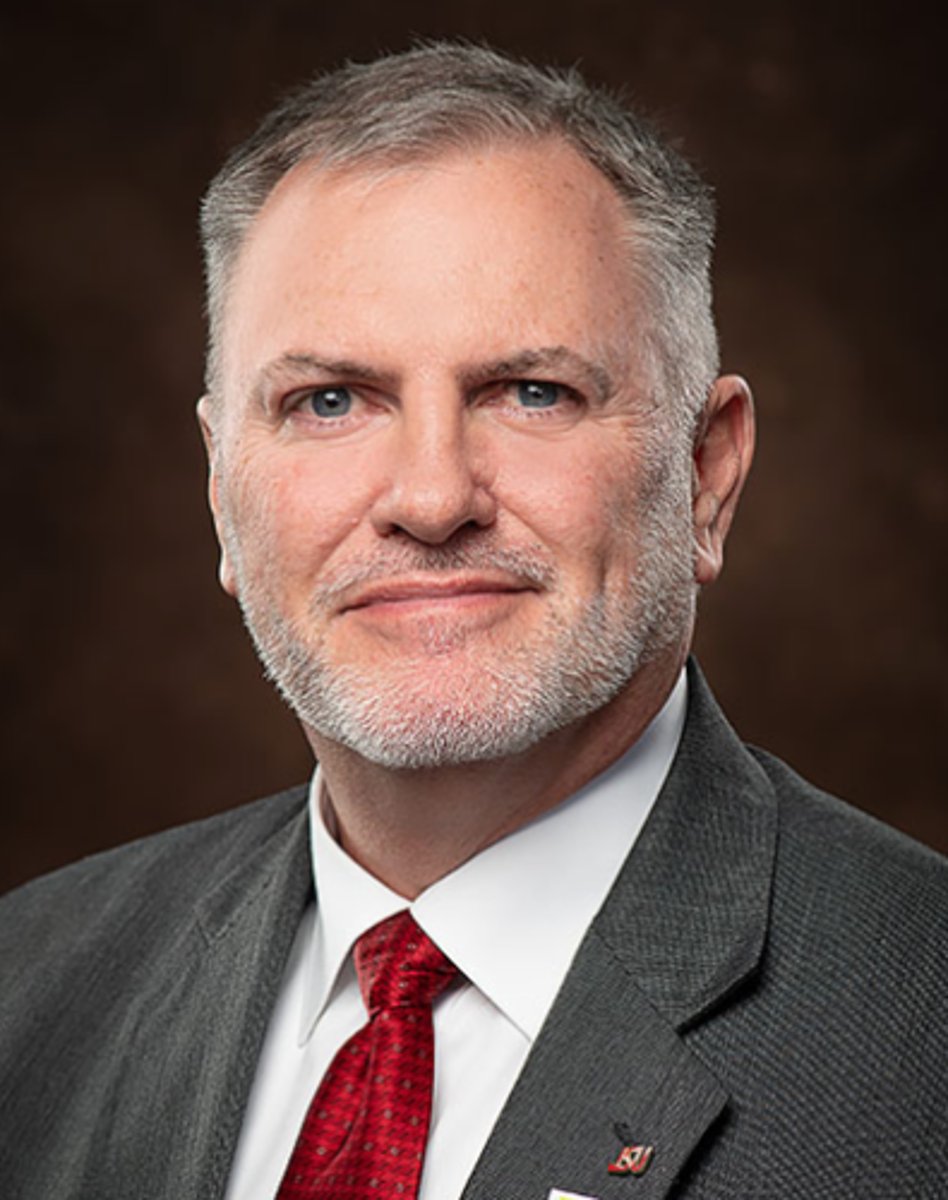
Dean of the College of Business and Industry
Dr. Brent Cunningham
Senior Lead Advisor for College of Business and Industry
Constance Bass

Dean of the College of Education and Professional Studies
Dr. Kimberly White
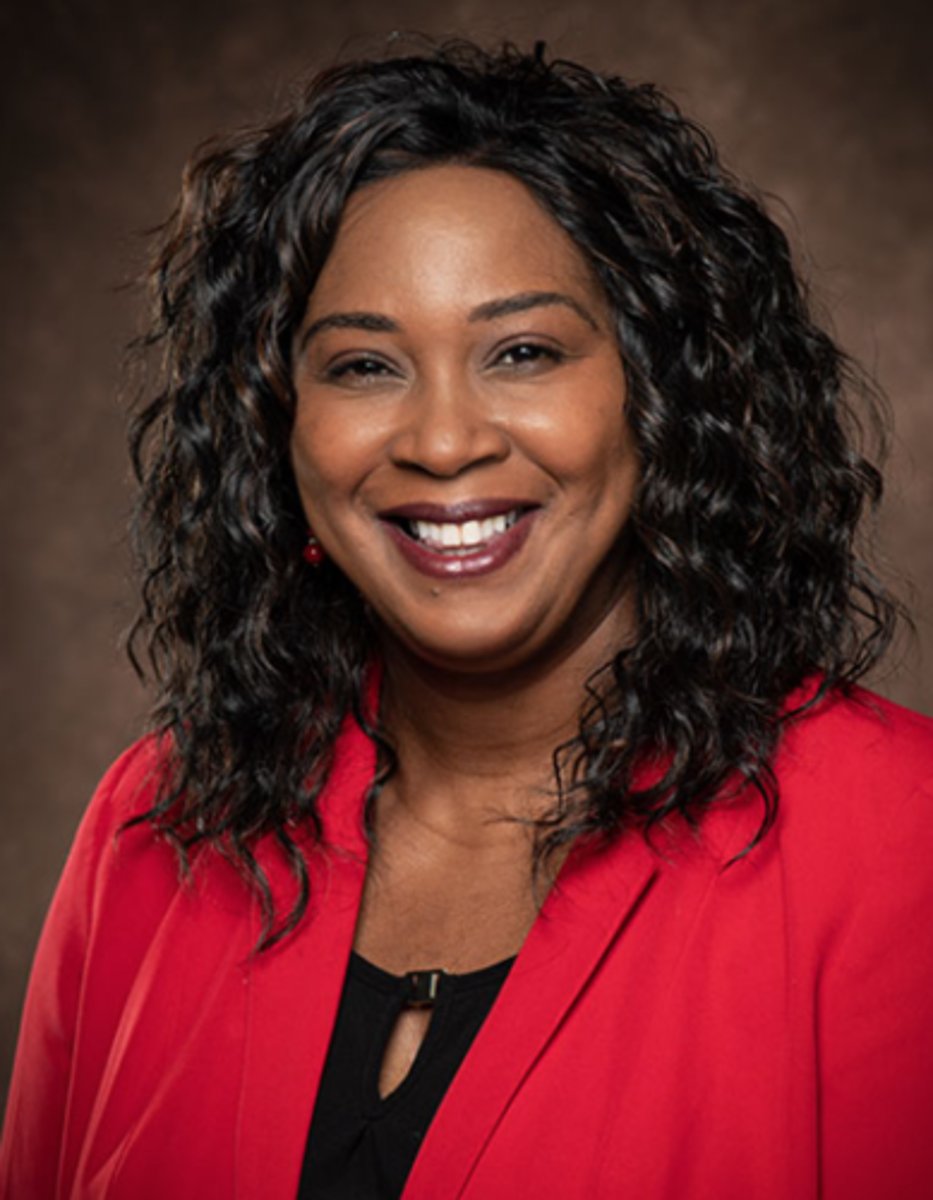
Senior Lead Advisor for College of Education and Professional Studies
Taylor Chandler

Dean of the College of Health Professions and Wellness
Dr. Tracey Matthews

Senior Lead Advisor for College of Health Professions and Wellness
Tricia Nelson

Dean of the College of Social and Behavioral Sciences
Dr. Maureen Newton

Senior Lead Advisor for College of Social and Behavioral Sciences
Chasity Johnson
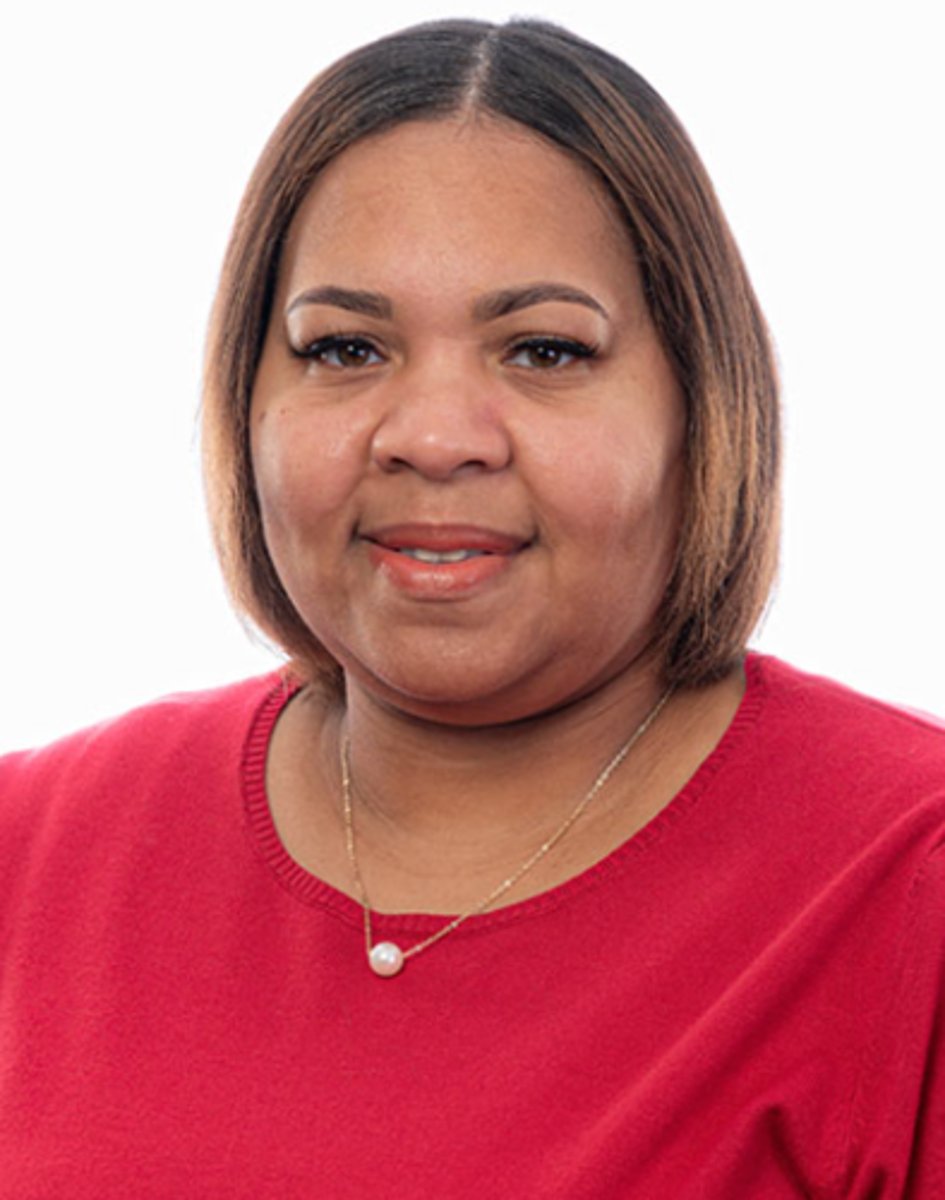
Dean of the Houston Cole Library
John-Bauer Graham
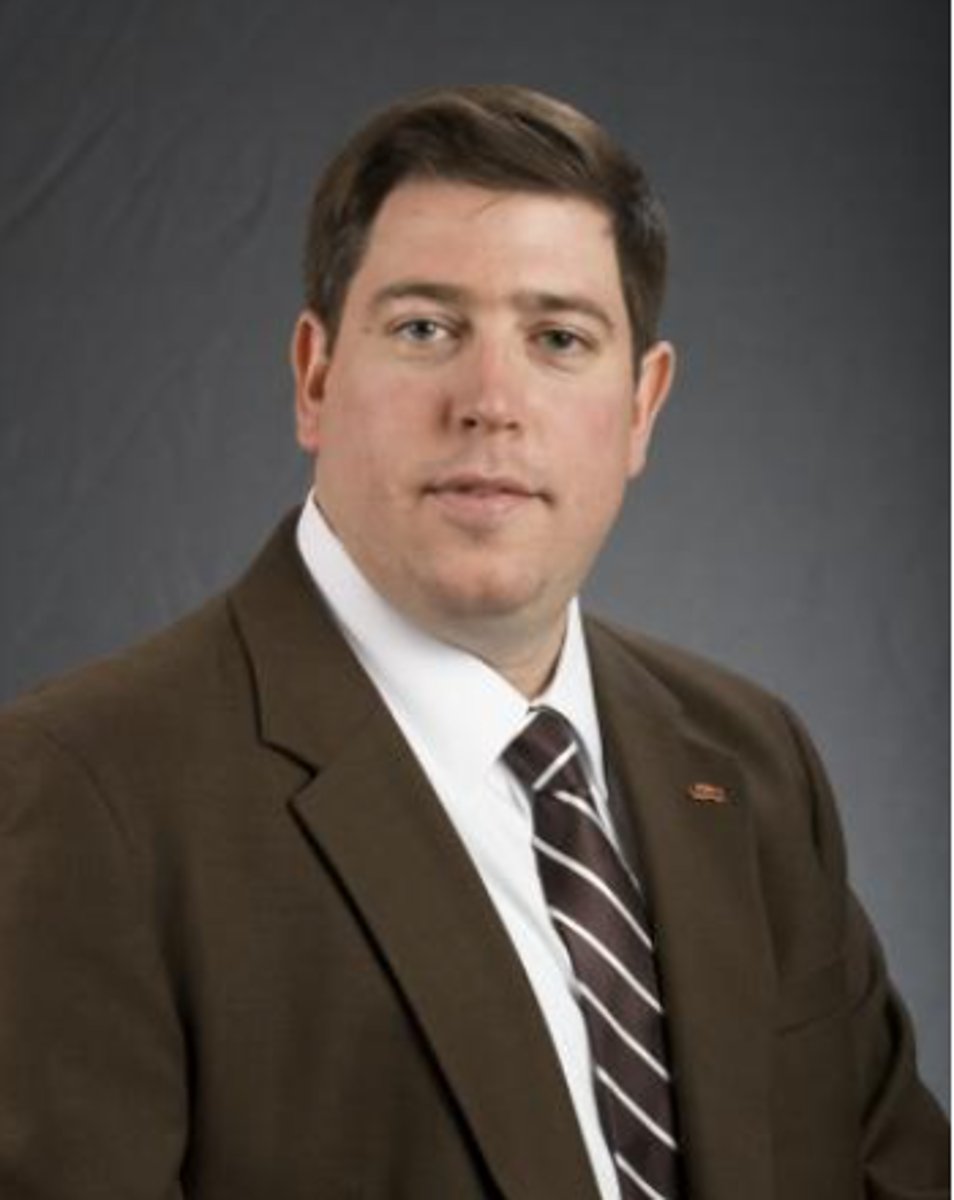
Director of the International House and Programs
Ingrid Galinat

Vice Provost for Student Success
Dr. Tim King
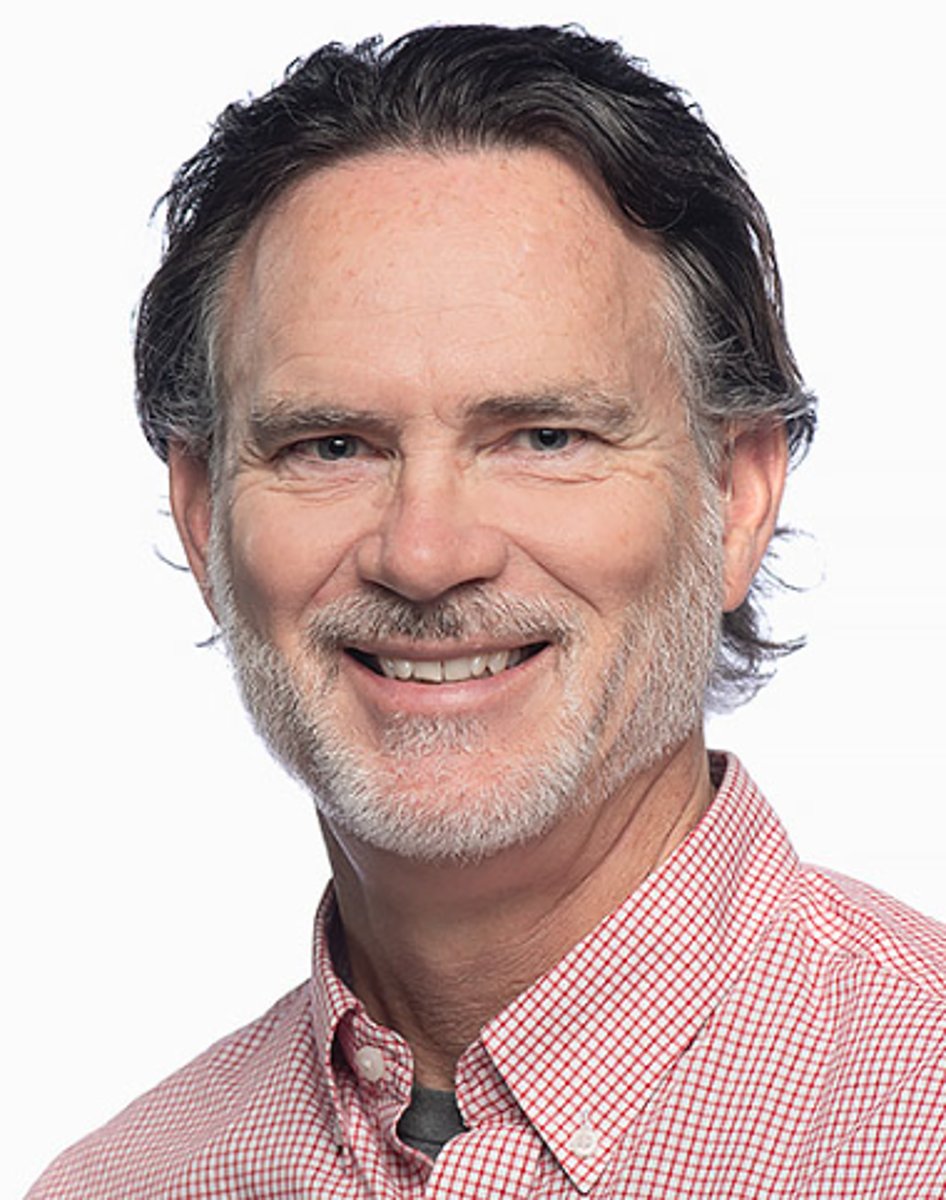
Associate Vice Provost for Academic and Athletic and Career Advising
Dr. Janet Bavonese

Associate Vice Provost for Learning and Support Services
Dr. Sean Creech
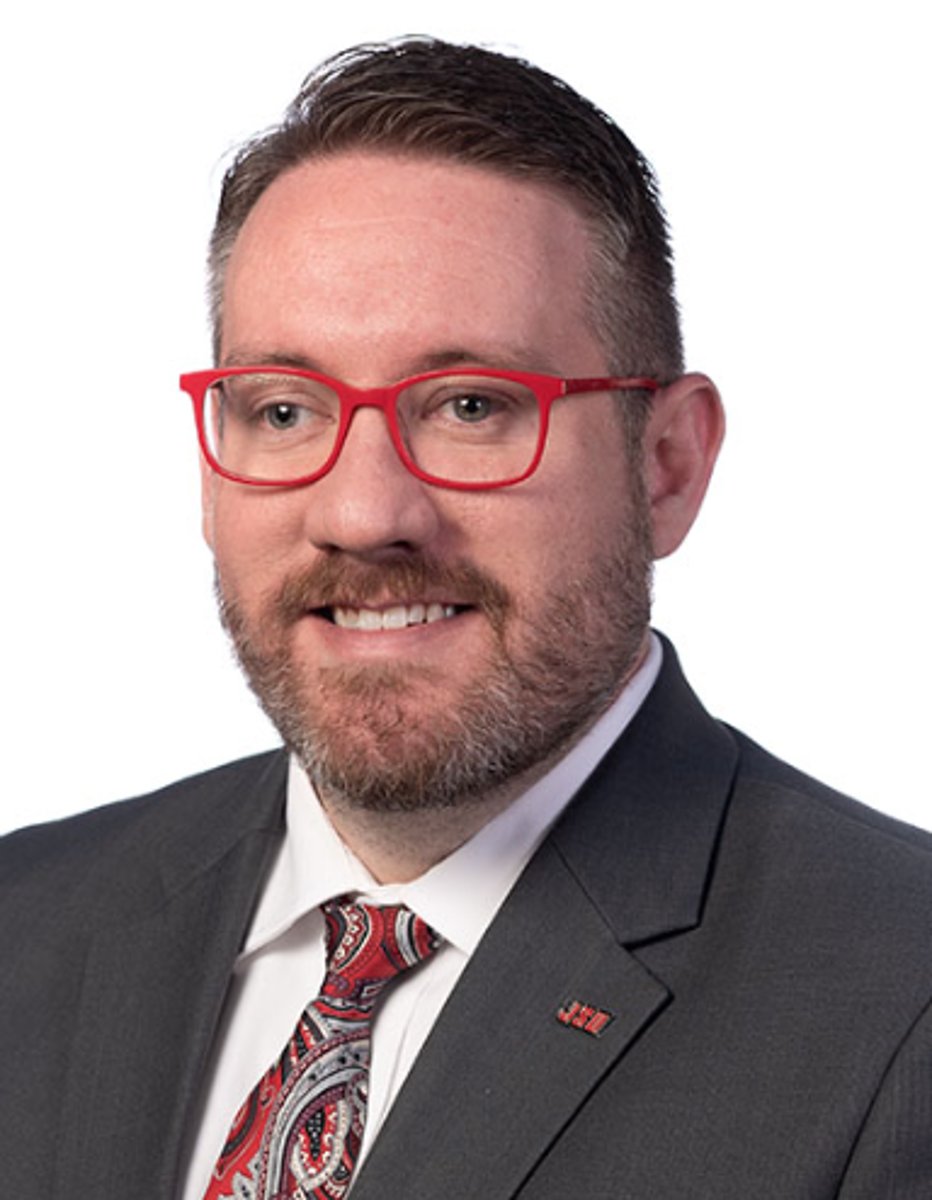
Director of First and Second Year Experience
Keaton Glass
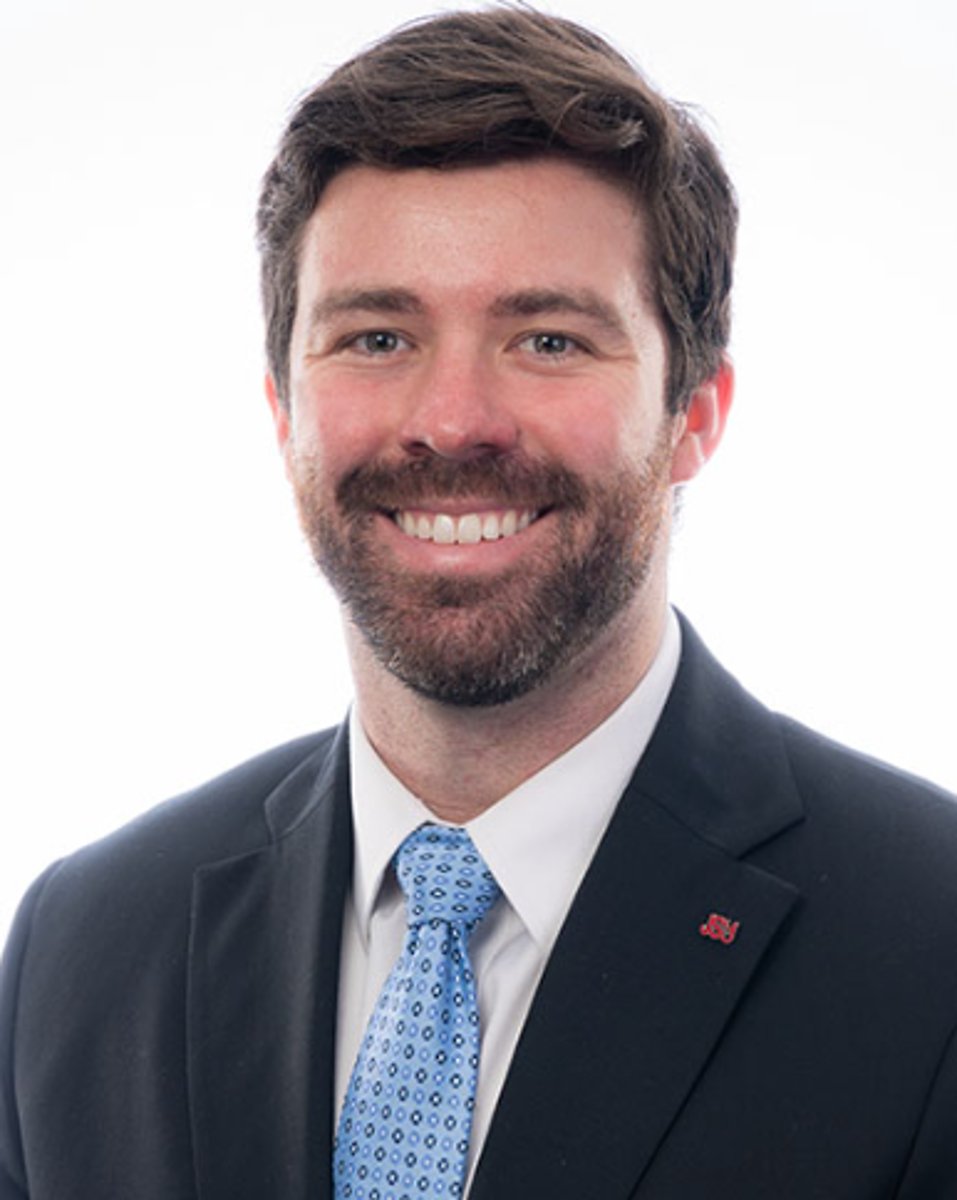
Assistant Dean of Students
Abbie Beatty

Coordinator of First and Second Year Experience Communications
Eric McCulley

Coordinator of Peer Mentoring
Olivia Fields

Coordinator of First and Second Year Initiatives
Gina Glass
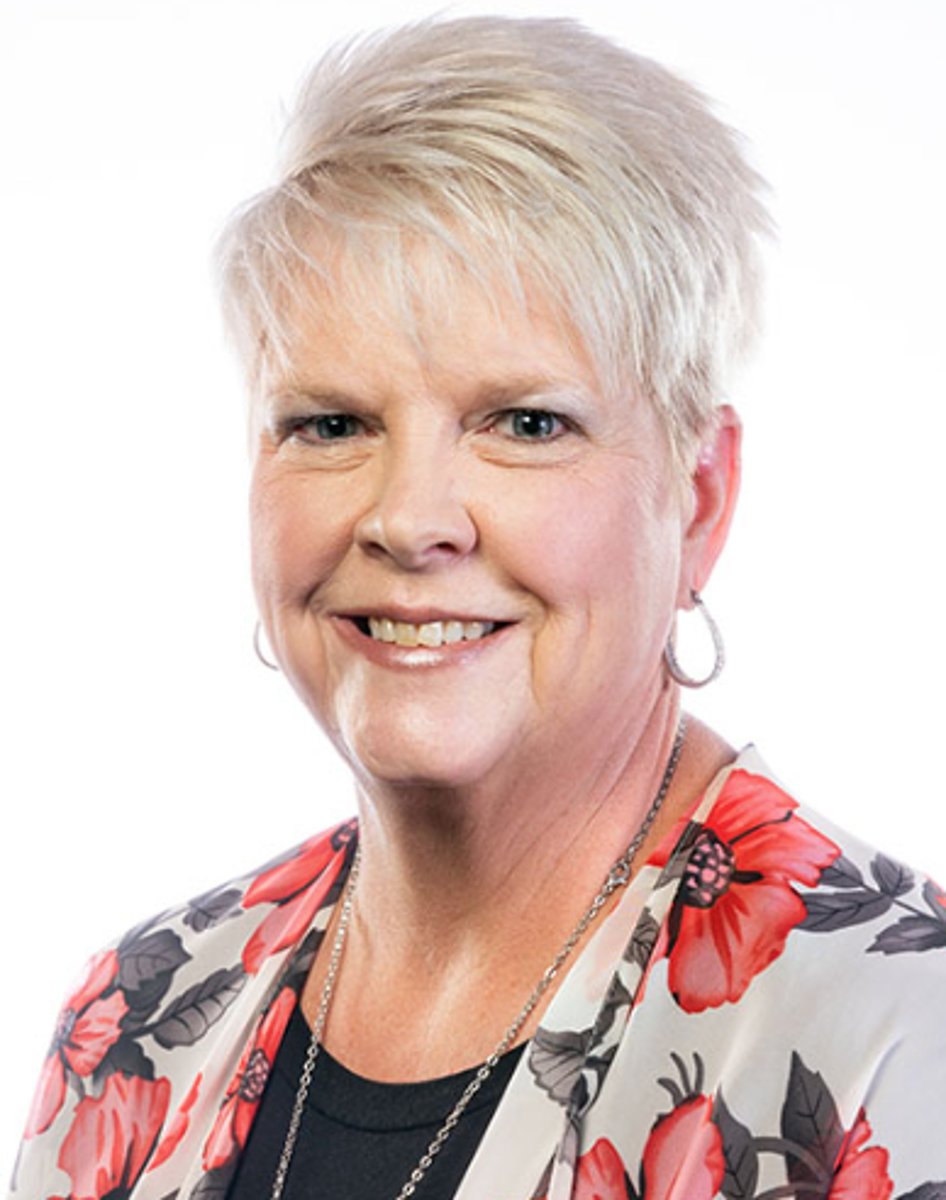
Director of Academic Support and Success
Debra James
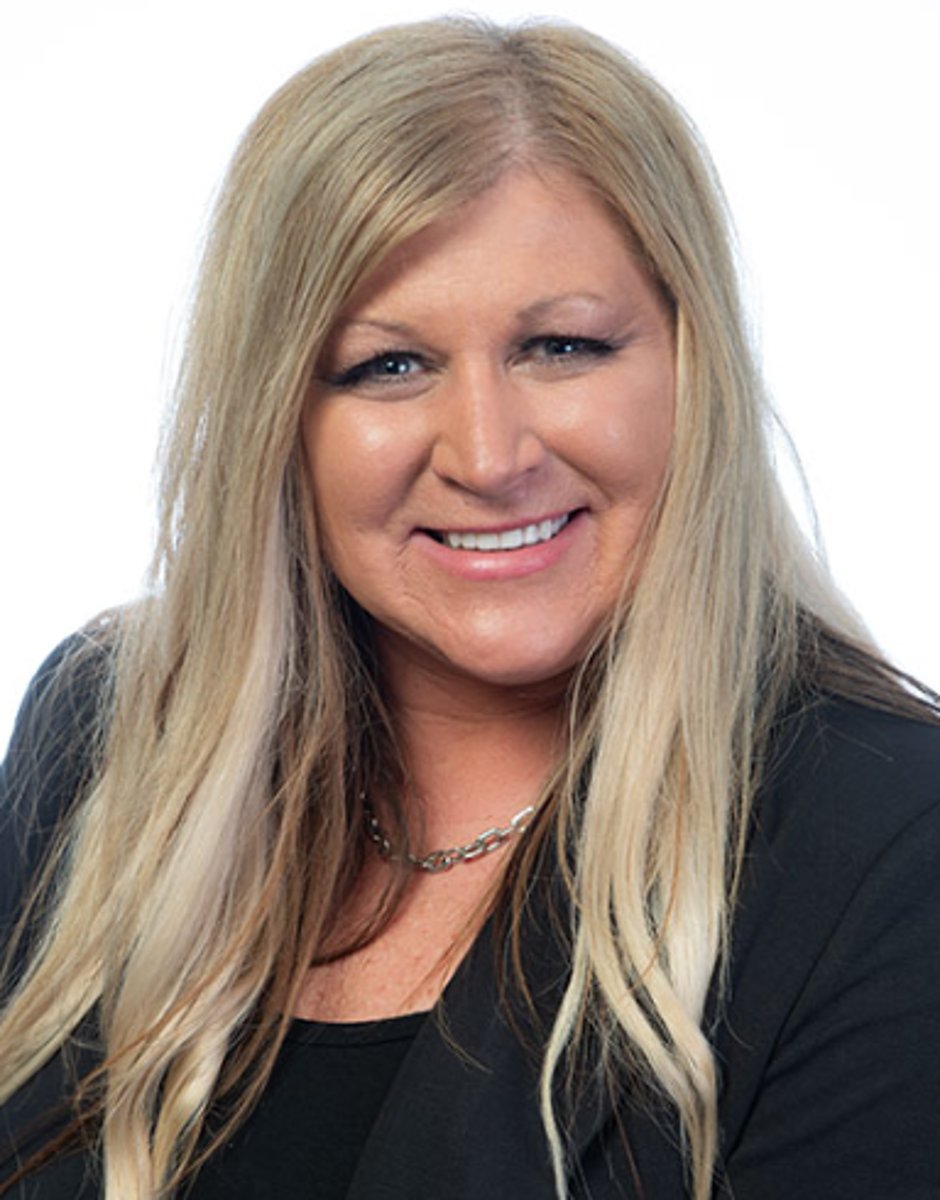
University Registrar
Emily White

Director of Financial Aid
Charlotte Cole

Sodexo Manager
Scott Williams

Campus Bookstore Manager
Kristi Webster

Director of Counseling Services
Dr. Lola Johnston

Associate Vice President for Student Affairs and Dean of Students
Josh Robinson
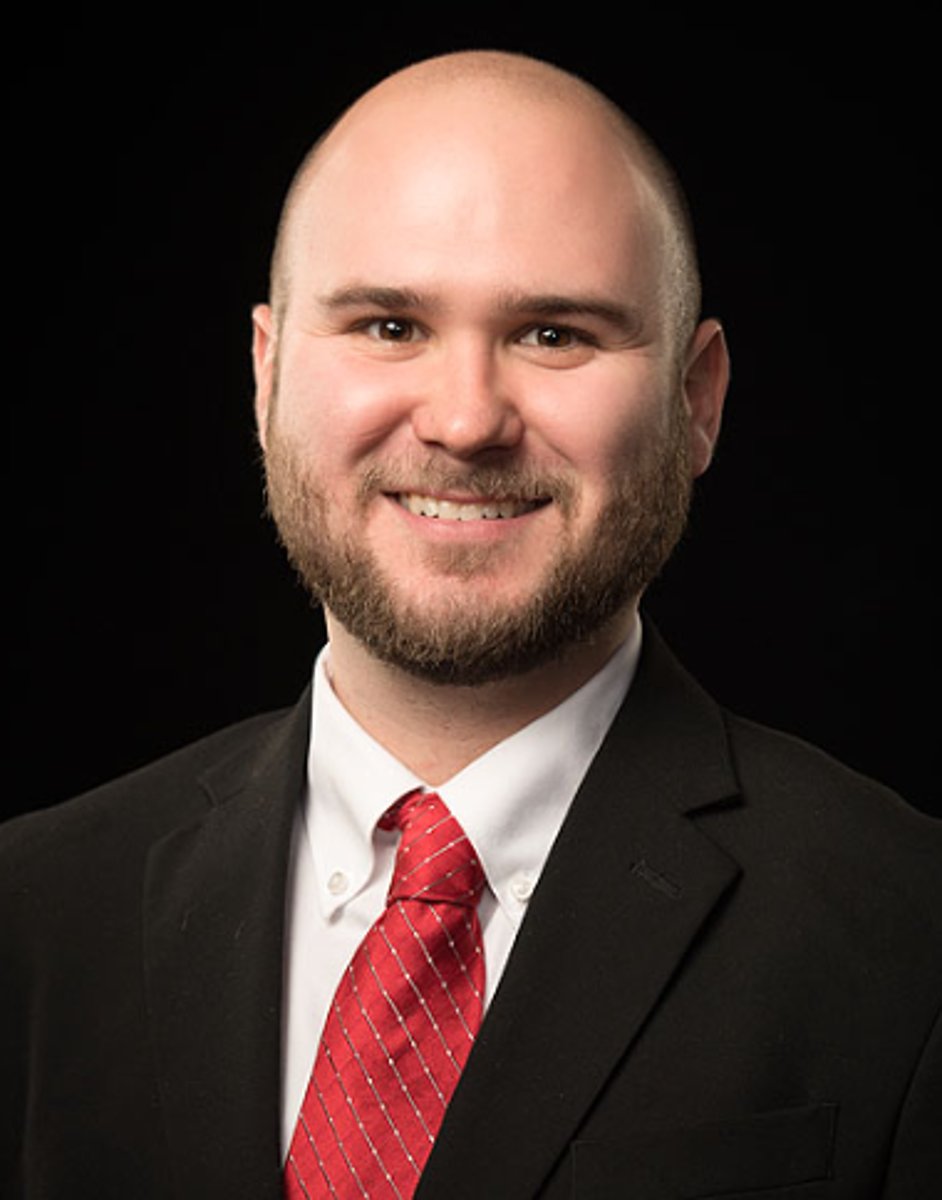
Director of Military and Post Traditional Student Services
Justin Parker

Director of Adult Learning Support
Sharee Hutchinson
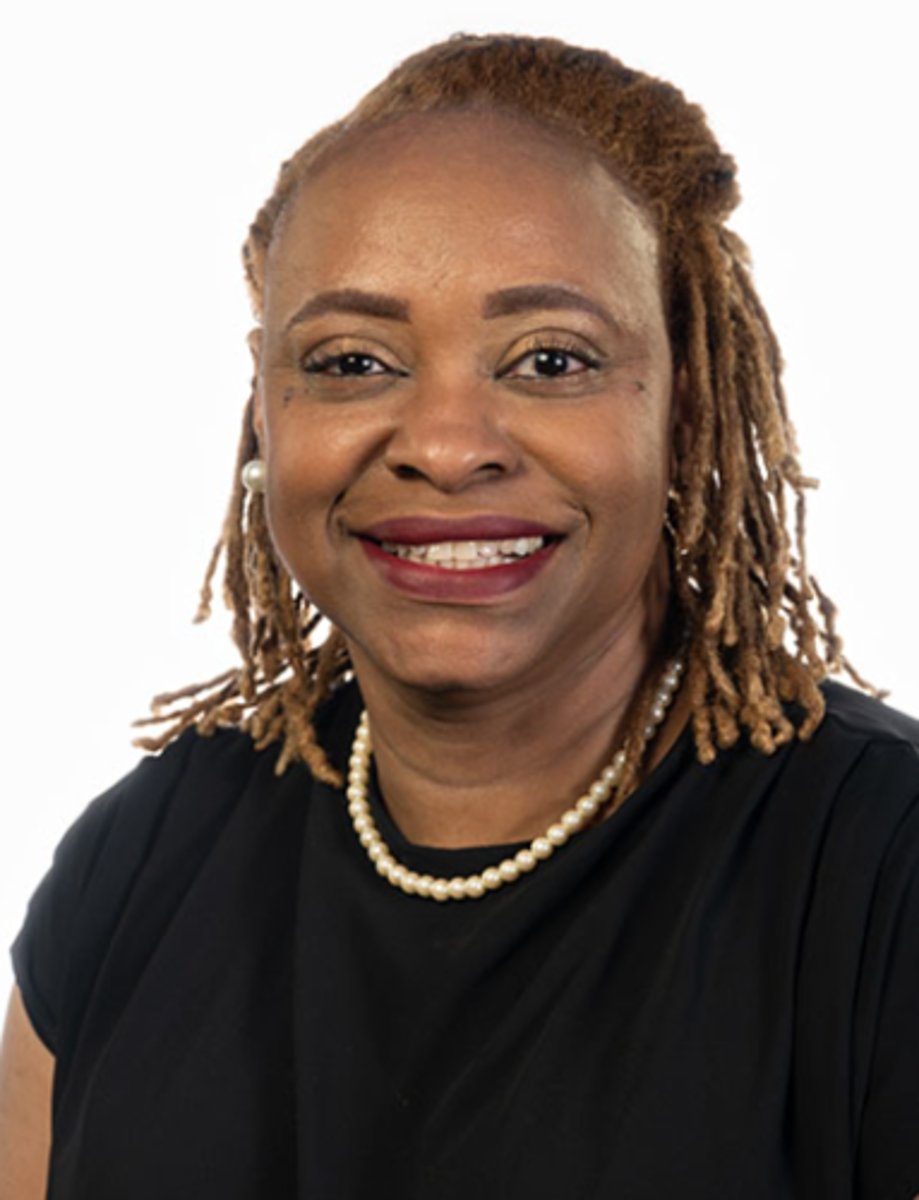
Assistant Dean of Students for Fraternity and Sorority Life
Kendal Garrett
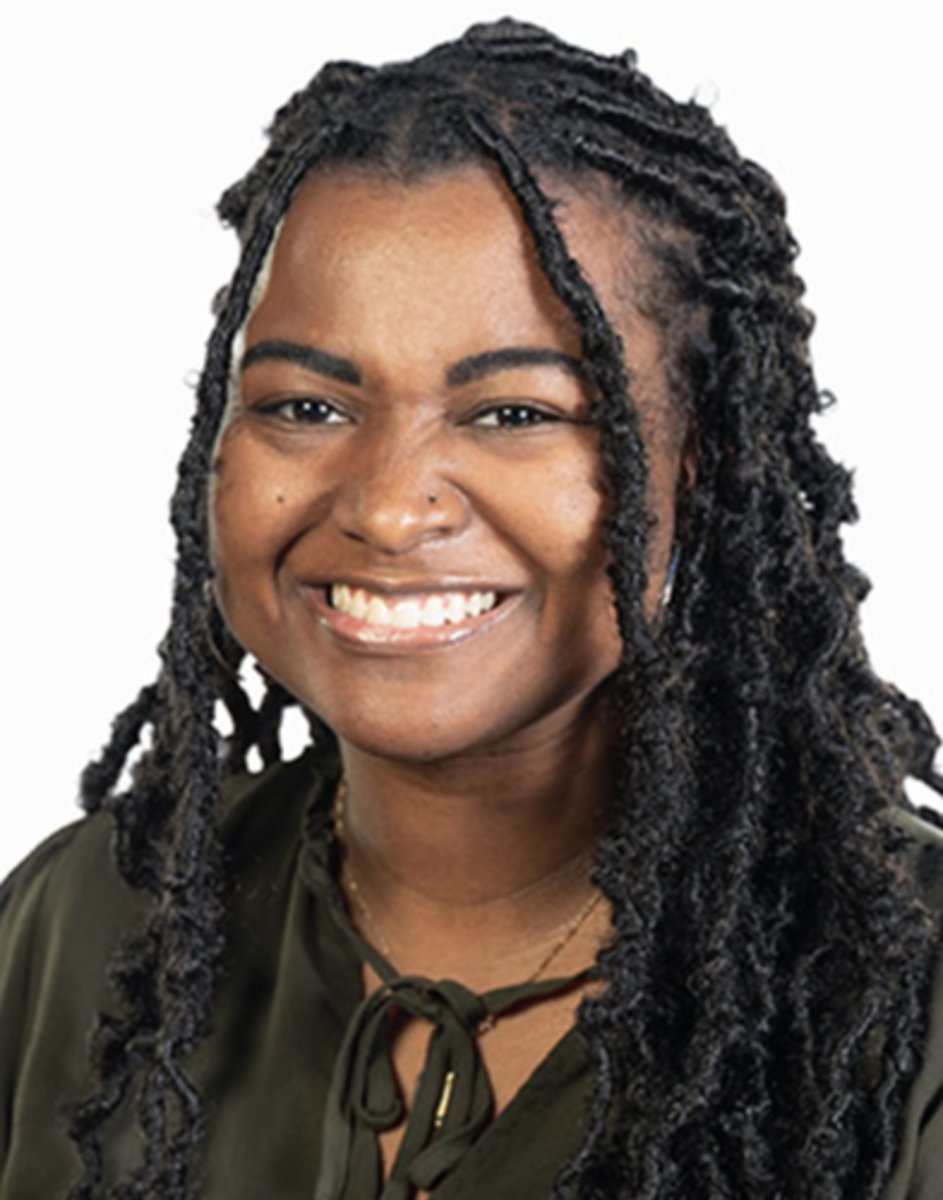
Associate Dean of Students: First Generation Support
Charlcie Vann
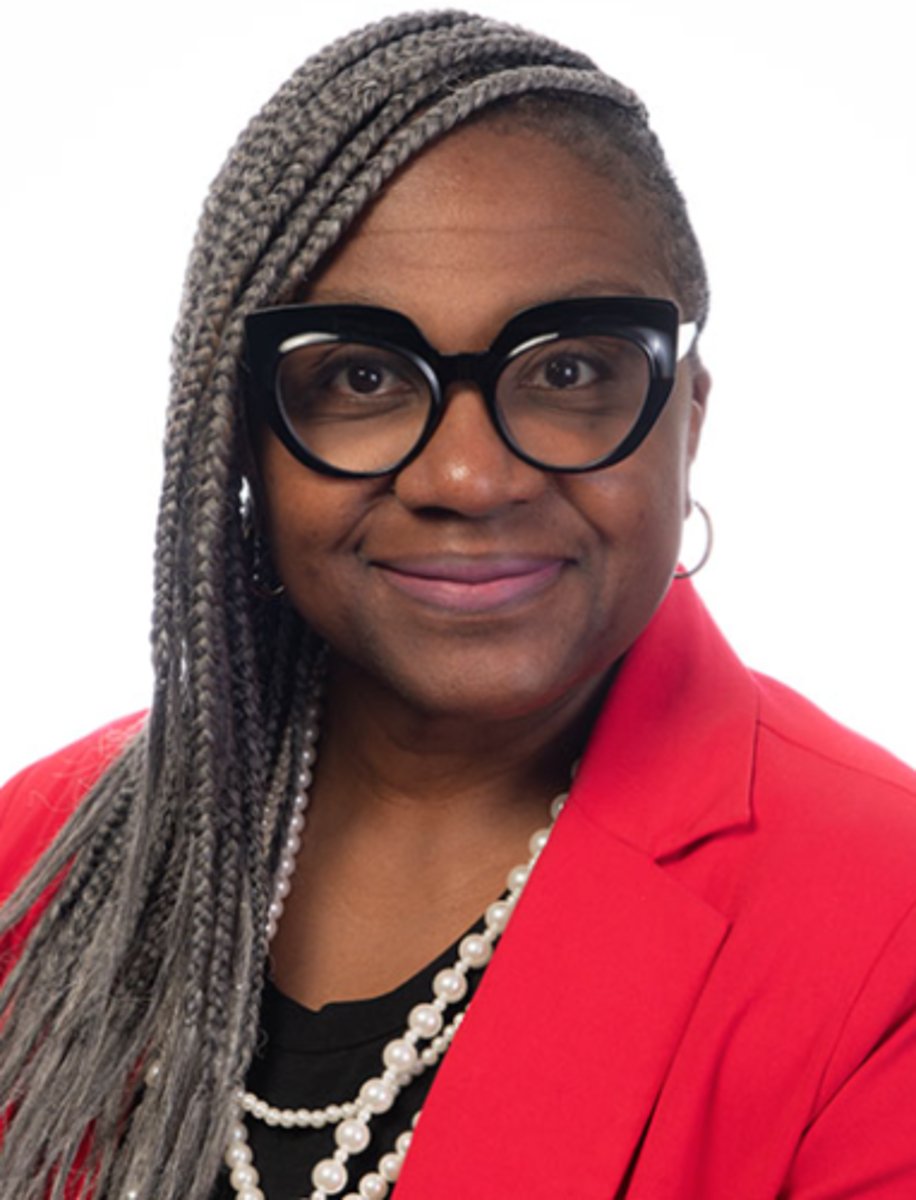
Senior Director of Housing Operations and Residence Life
Brooke Lyon
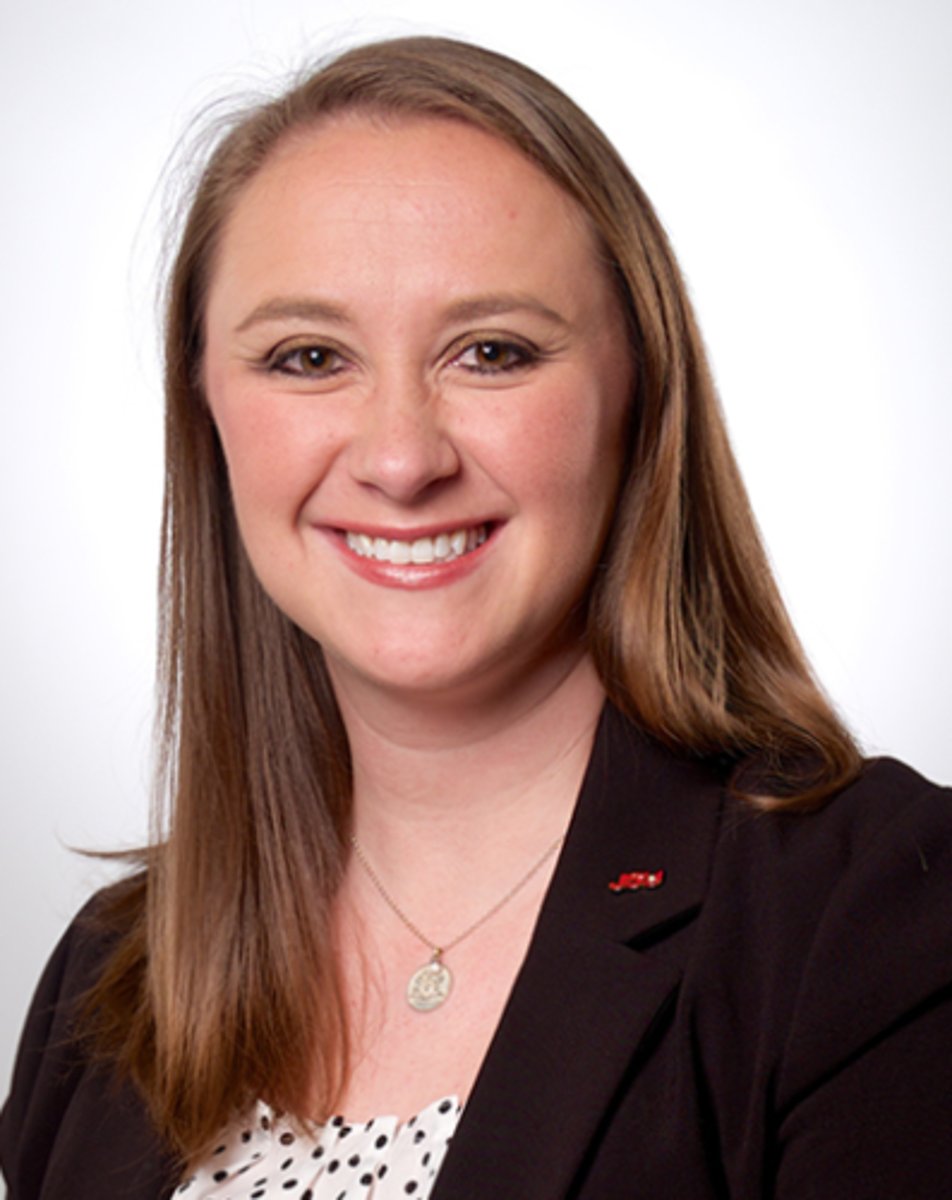
Student Health Center
Nurse Practitioner Whitney Grimes

Director of the University Recreation Center
Dominic DiMaurio
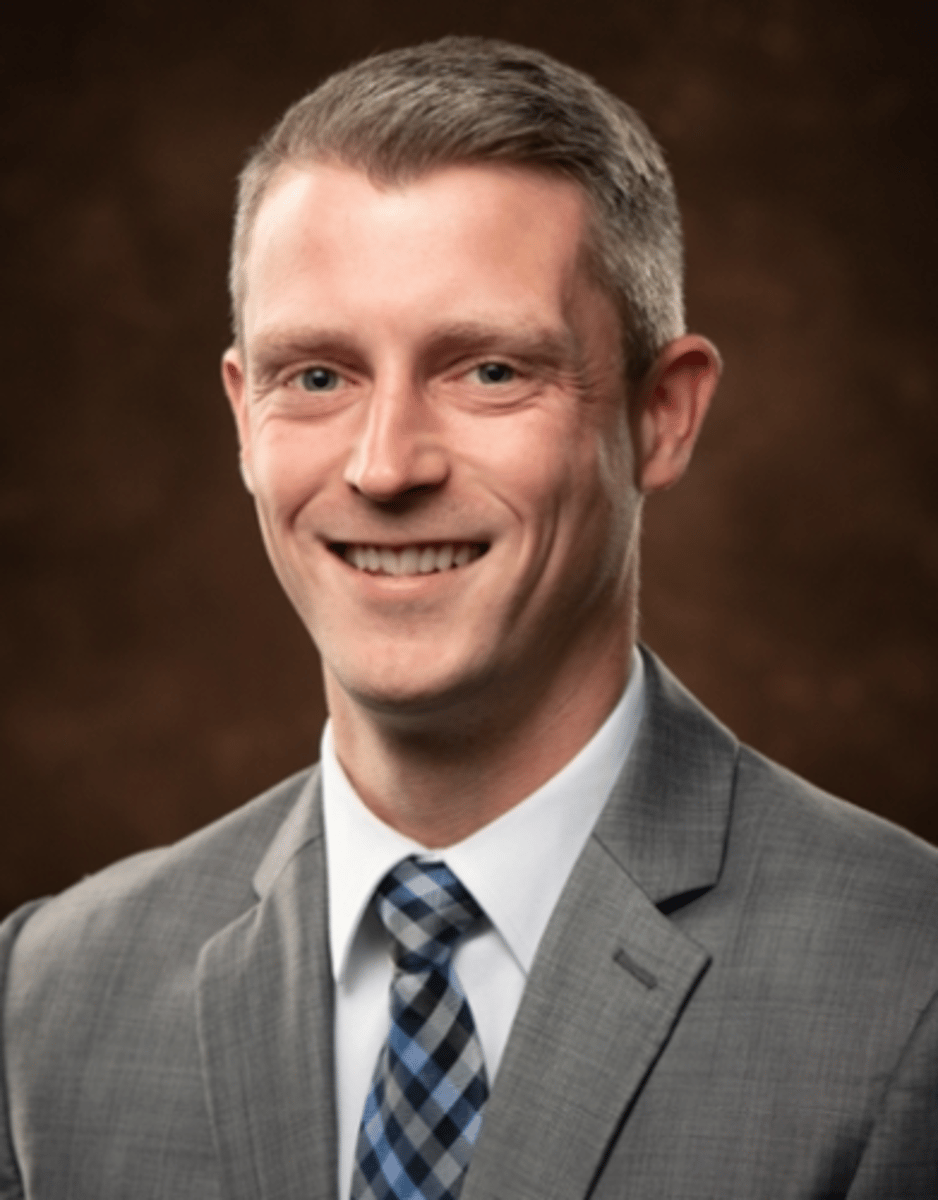
University Police- Chief and Director of Public Safety
Police Chief Michael Barton
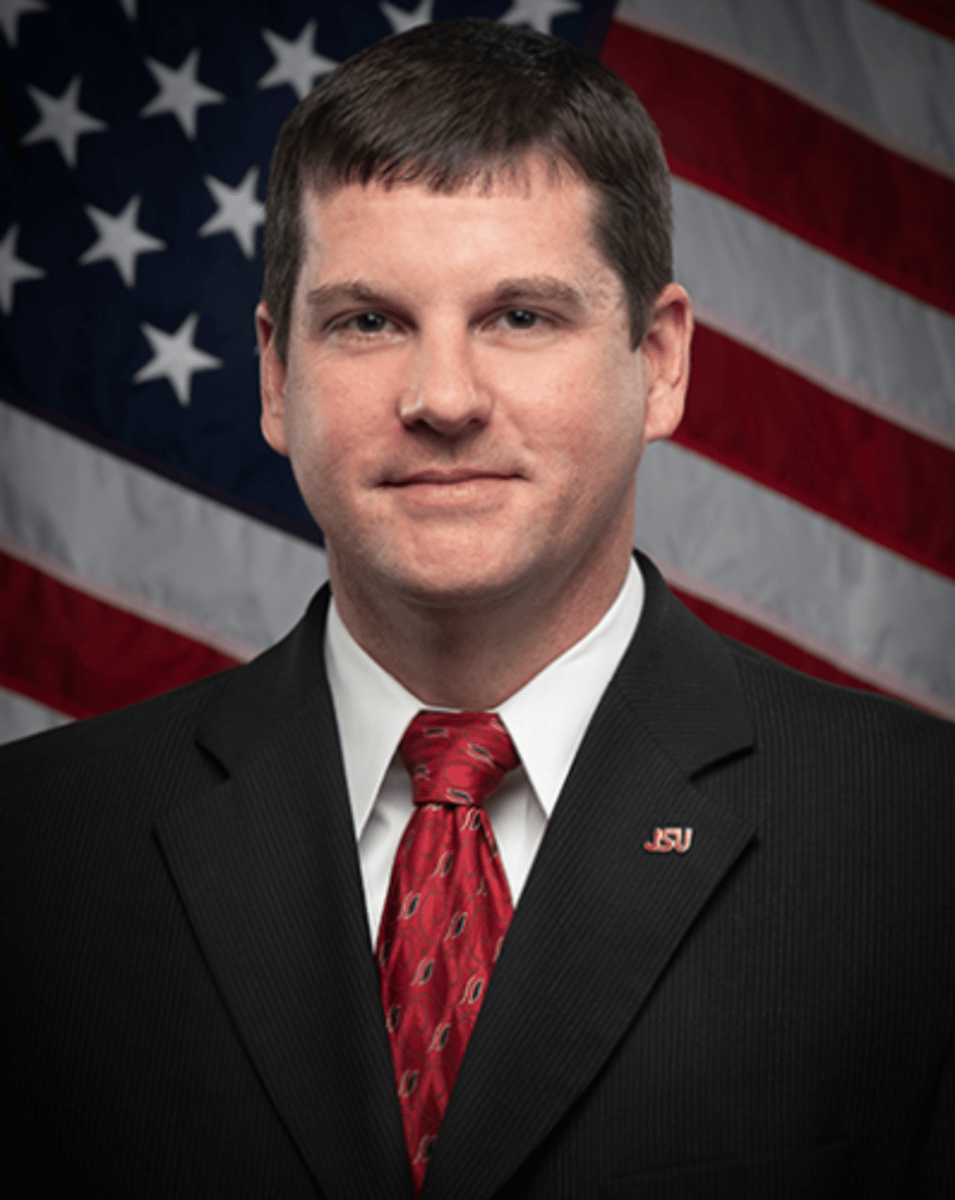
What is under Academic Affairs?
(University Structure)
- Provost & Exec. VP
- All 5 Colleges
- Library
- Dual Enrollment
- International House
- Registrar
- Honors Program
- Vice Provost of Student Success
- The Student Success Center
What is under Auxiliary Services? (University Structure)
- Tech Support/ IT
- Sodexo
- Bookstore
What is under Student Affairs? (University Structure)
- VP of Stu. Affairs & Enrollment Management
- Associate VP For Student Affairs/Dean of Students
- Community Standards/Title XI
- University Recreation Center
- Dean of Students Office (dean, student life, F&S life)
- Undergrad Admissions
- Financial Aid
- Military & Post - Traditional Services
- Student Health Center
- UPD
- Counseling
- Housing/Residence Life
What is under Student Success?
(University Structure)
- Vice Provost of Student Success
- Associate Vice Provost of Academic, Athletic, and Career Advising
- Assistant Vice Provost for Learning and Support Services
- Academic Support and Success
- F&S Year Experience
Lauren's Top 5 Strengths
1. Achiever
2. Discipline
3. Belief
4. Responsibility
5. Developer
Alex's top strength
Discipline
Merari's top strength
Developer
James' top strength
Context
Bre's top strength
Empathy
Canon's top strength
Includer
Grace Anne's top strength
Discipline
Kinley's top strength
Developer
Oscar's top strength
Empathy
Maeley's top strength
Includer
Trey's top strength
Developer
Kobe's top strength
Connectedness
Emmie's top strength
Focus
Keaton's top strength
Includer
Eric's top strength
Context
Olivia's top strength
Responsibility
Gina's top strength
Achiever
Inclusive language is
Acknowledging people and their differences while making a conscious effort to maintain a welcoming and safe space for all individuals
Becoming aware of words or phrases that actively perpetuate exclusion via stereotypes and generalizations
Not just involving race
Maslow's Hierarchy of Needs Theory (bottom to top)
5. Self-Actualization
4. Esteem
3. Love and Belonging
2. Safety
1. Physiological
Where will students fall coming to orientation on the pyramid?
Safety and Love and Belonging
Physiological needs (Maslow's)
Breathing, food, water, connection, sleep
Safety needs (Maslow's)
Security of body, employment, resources, morality, family, health, and property
Love and belonging needs (Maslow's)
Friendship, family, affection, relationships
Esteem needs (Maslow's)
Self-esteem, confidence, achievement, respect for others, and respect by others
Self-actualization needs (Maslow's)
Morality, spontaneity, creativity, problem solving, lack of prejudice, acceptance of facts
Who said this quote: "What a [person] can be, [they] must be."
Abraham Maslow
What is Prejudice?
a preconceived opinion about a person or a group that is not based on reason or actual experience (regarding race, class, religion, etc)
What is Group Identity?
a shared sense of belonging to a particular group
(Race, Class, Sex, Gender, Sexual Orientation, Ability, and Religion)
What is Intersectionality?
Overlapping of social categories such as race, class, and gender as they apply to a given individual or group. Creates interdependent systems of discrimination and privileges
What are micro-agressions?
preconceived negative thoughts or sayings about a particular group of people that insinuate negative stereotypes
What are a few micro-agression examples?
"thats so gay"
"you are pretty for your age"
"you don't act like a normal black person"
What is a Stereotype threat?
people are/feel themselves to be at risk of conforming to stereotypes about their social group
afraid of confirmation of a stereotype
Compare/define Empathy vs. Sympathy
Sympathy is feeling pity for someone; "At least..."
Empathy is putting yourself in their shoes and feeling their feelings, a step further from sympathy, key sign of emotional intelligence; "I understand"
Perspective sharing is?
Moving from an ethnocentric standpoint and to a cultural relativism understanding
What does Ethnocentric mean?
Your life/perspective/thought process is centered around YOUR ethnicity.
What is Cultural Relativism?
The idea that people should be understood by that person's culture/background rather than someone else's.
What is the 5 Finger Contract?
Thumb- Be encouraging to yourself and to others.
Index- Draw from your own experiences and be authentic (don't share other people's stories).
Middle- Don't be mean.
Ring- Commitment to everything you do.
Pinky- Be mindful of all the voices big and small.
What is the *new General Education Signature Experience?
JAX Mix, an education program that embeds badged micro-credentials into the general education course requirements to develop skills needed in students' future careers.
What are the four components of JAX Mix?
What courses are under each category? How many credit hours for each category?
(on the test be able to list two classes for each)
1. Human Communication
- English Sequence, Speech, and Math
- EH 101, MS 112
- 12 credit hours
2. Human Experience
- Social & Behavioral Sciences, History
- PSY 201, HY 201
- 12 credit hours
3. Human Expression
- Fine Arts, Foreign Language, Literature
- THR 242, EH 201
- 9 credit hours
4. Human Inquiry
- Labs, Life Sciences, Earth Sciences
- BY 101, PHS 201
- 8 credit hours
How to earn a micro-credential?
Focus, 3 events, work product, and reflections
What is retention and what is JSU's most recent first-year retention rate:
retention- students who return after their first year
JSU first-year retention rate, FA 23: 65%
What is the GO! Conversion Rate for Fall 2024?
95%
What is JSU's Six-Year Graduation Rate for Fall 2018?
55%
Who is Vincent Tinto and what did he theorize?
He is an orientation theorist and he outlined three stages of transition as students move through college:
Separation, Transition, and Incorporation
Explain Vincent Tinto's three stages of student transition.
Separation: traumatic stage when students move away from home environment.
Transition: students are torn between old environments and new ones (typically are still going home each weekend).
Incorporation: students are achieve full membership into the social and academic worlds of new environments.
Vincent Tinto also stated three major points/quotes aside from the tree stages of transition (relating to advisement and special populations). What are they?
1. "Academic advisement plays a key role in the success of students as they transition to college."
2. "Academic advisors should have a clear understanding of the students on campus."
3. "Today's transitioning student may belong to a variety of subgroups or special populations." (disabilities, different cultures, Millenial students)
What did Pascarella & Terenzini say about advisement and retention? (2 things)
- aggressive advisement encourages success in freshman
- students will be more involved if they are immediately linked with students/faculty who are already invested in the institution
What did Arthur Chickering state about students?
He believed that entering students experience matter vs. marginality; if they do not feel like they matter, they will feel marginalized.
What did Ganser and Kennedy say about Peer Guidance?
Leaders must explore their own identities first in order to to build a sense of community with others and encourage conversations about diversity.
aka- you have to know yourself first in order to lead others!
What did Cuseo say about Peer Guidance?
Conversations will be more open if the orientation leaders appear more approachable!
Most students addending orientation are:
(all info about them and this category)
Generation Z Students
- born between 1995-2012
- Worldwide internet (1995)
- Facebook (2006)
- iPhone (2008)
- Housing crash (2008)
Traits:
- Worldview and questioning/skeptical
- Have not had "traditional" teenage experiences
- Growing slow vs. fast
- Delayed adulthood
Millennial Parents/Students (all info about them)
- Born between 1980-1994
- went through 9/11 and the internet transformation
- YK2 experience
Traits:
- self confidence and belief in self, no failure/feel good
- entitlement/individualistic
- digital narratives and highly educated
- high earners/ pervasive perceptions of poverty
- delaying commitment
Typical Parents at orientation:
Generation X
- Born between 1965-1979
- Great recession
- lived through major civil rights movements and major tech advances
Traits:
- "me" generation
- career focused
- potentially divorced
- rock and roll generation
- adaptive and protecting
What are some obstacles for student success/ problems navigating transition to college? (4 things)
1. Moving to a new atmosphere
2. Leaving parents and old friends behind
3. Guilt for being absent in the family
4. Culture shock/not understanding college world
First Generation College Students for Fall 2024 class
45%; almost half of the class
The Collision Point (5 Positives):
1. Make new friends
2. Learn new/different perspectives
3. Gain new experiences
4. Interact with diverse cultures
5. Potential for new identity
6. Acknowledging opportunities to make a difference
The Collision Point (5 Negatives):
1. Financial Burden
2. New academic world
3. Micro-agression/ culture shock
4. Separation from family and friends
- Less time at home, loneliness, guilt, stress
5. Changing identity
 Note
Note  Flashcards (47)