Organic Chemistry - Reaction Types
 Studied by 5 people
 Call Kai
 Learn
Learn Practice Test
 Spaced Repetition
 Match
Match Flashcards
 Knowt Play
1/33

There's no tags or description
Looks like no tags are added yet.
Name | Mastery | Learn | Test | Matching | Spaced | Call with Kai |
|---|
No analytics yet
Send a link to your students to track their progress
34 Terms
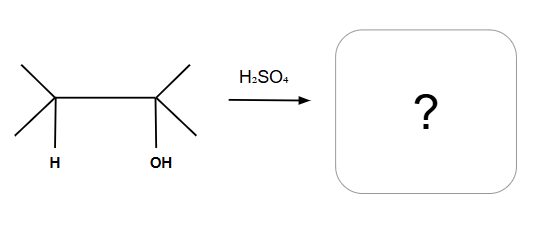
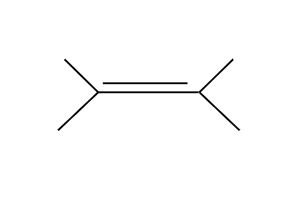
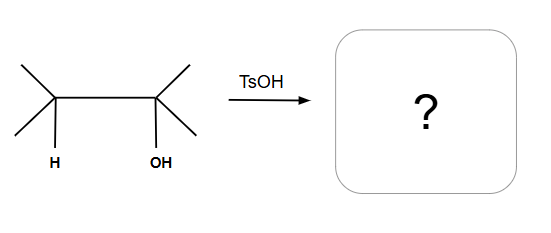
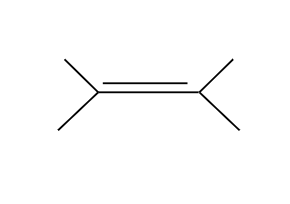
Dehydration Reactions
Tertiary and Secondary alcohols undergo E1
Can have alkyl and halide shifts
Methyl and primary alcohols undergo E2
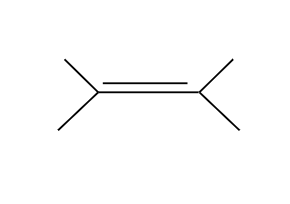
POCl3 is always E2
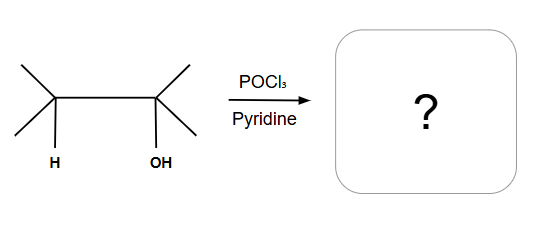
ALWAYS E2
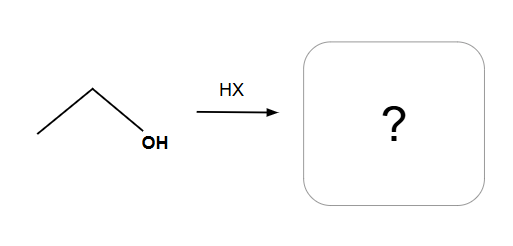
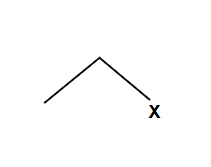
Tertiary and Secondary alcohols undergo SN1
Methyl and primary alcohols undergo SN2
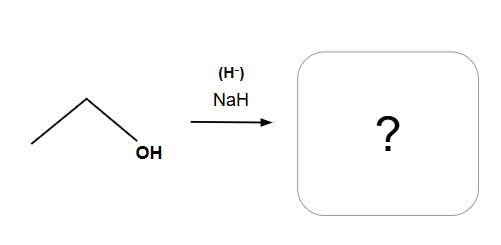
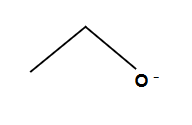
Alkoxide formation for ether synthesis
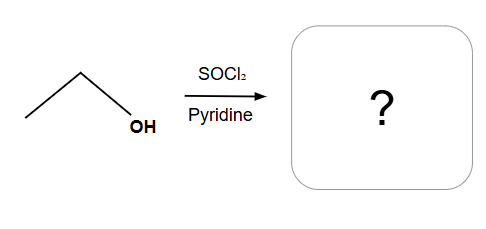
Always SN2
Only work with methyl and primary alcohols
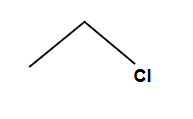
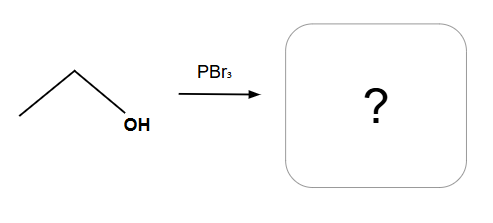
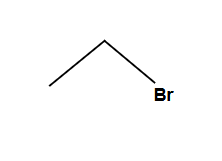
Always SN2
Only work with methyl and primary alcohols
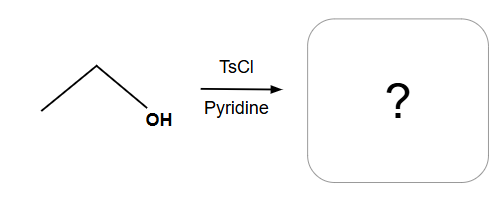
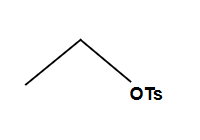
No stereochemical change
Creates good LG
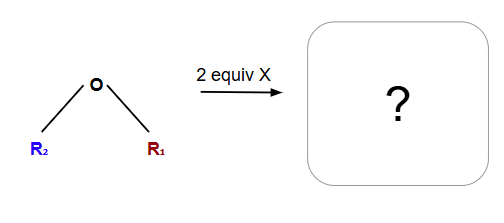
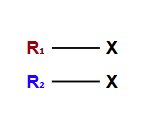
SN1 if R is secondary or tertiary
SN2 if R is primary
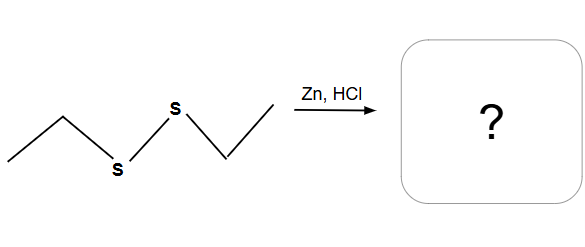
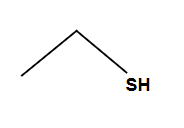

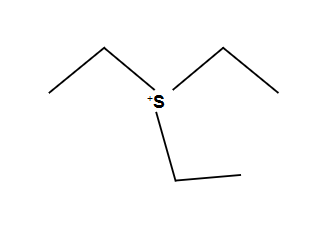
Epoxide Rule with opticality
Optically inactive reactants product optically inactive products
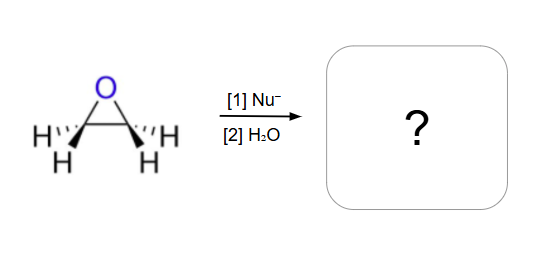
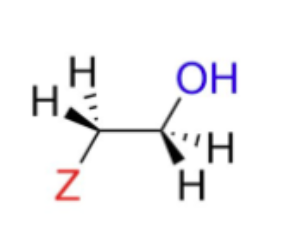
In an unsymmetrical epoxide, the nucleophile attacks the LESS substituted carbon
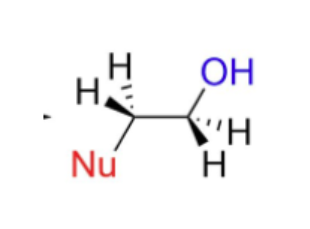

In an unsymmetrical epoxide, the nucleophile attacks the MORE substituted carbon
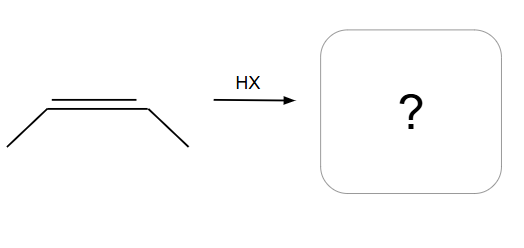
Follows Markovnikov’s Rule
Always SN1
Addition is Syn and Anti
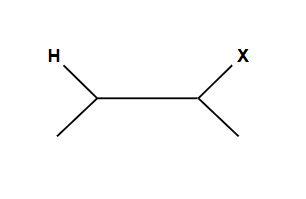
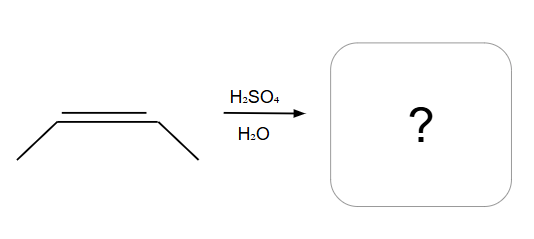
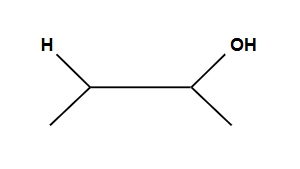
Follows Markovnikov’s Rule
Always SN1
Addition is Syn and Anti
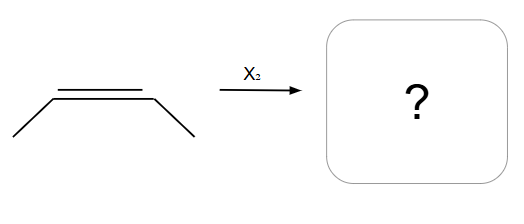
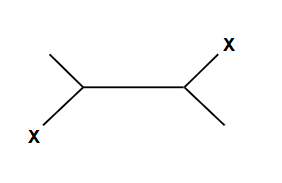
Creates an ring that is then opened by the second halogen
NO POSSIBLE CARBOCATION
Addition is Anti ONLY
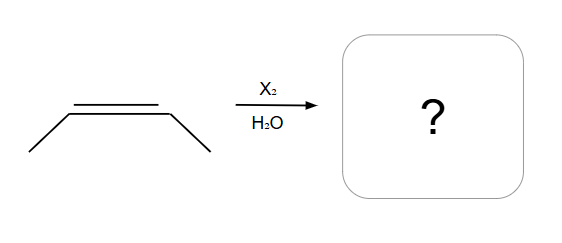
Creates an ring that is then opened by water
NO POSSIBLE CARBOCATION
Addition is Anti ONLY
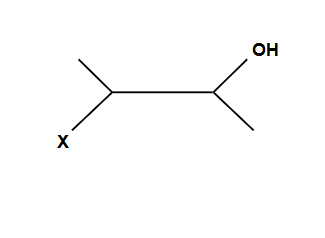
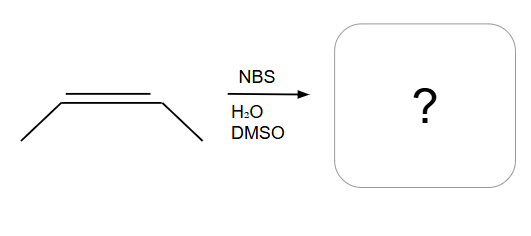
Creates an ring that is then opened by water
NO POSSIBLE CARBOCATION
Addition is Anti ONLY
Another way of adding X2/H2O
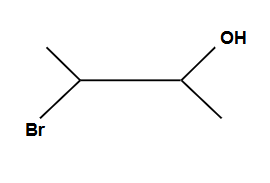
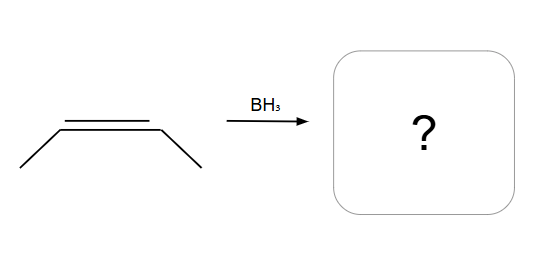
Addition is Syn ONLY
Anti-Markovnikov
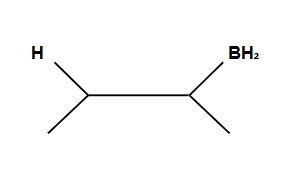

Addition is Syn ONLY
Anti-Markovnikov
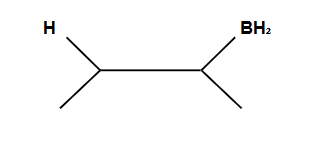
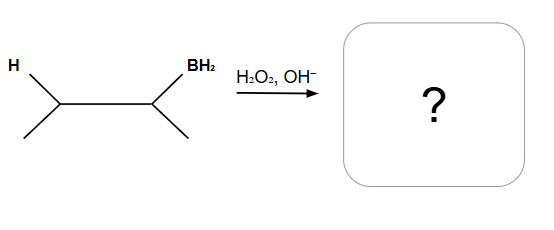
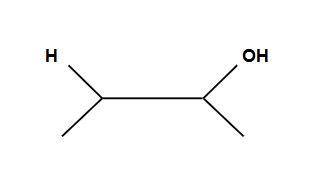
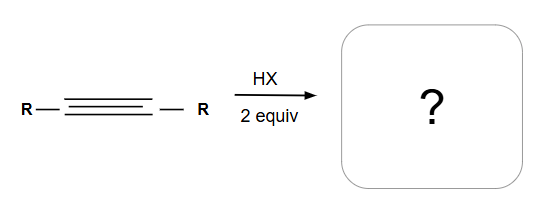
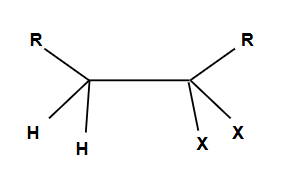
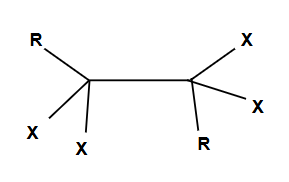
Markovnikov

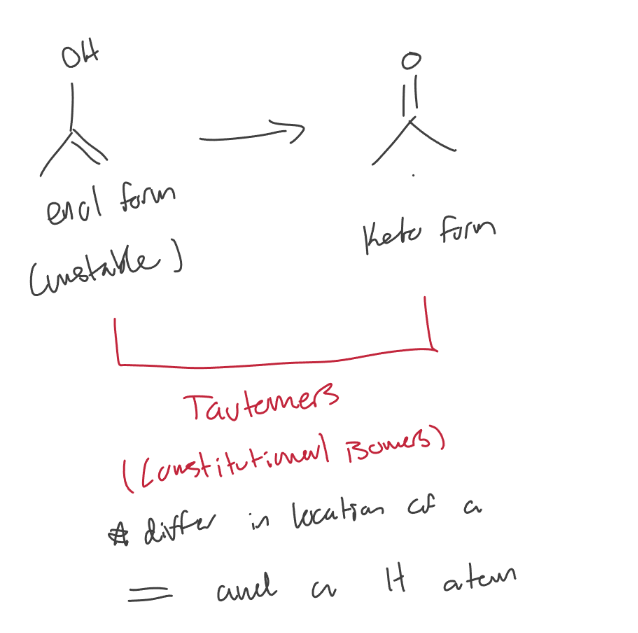
Tautomers
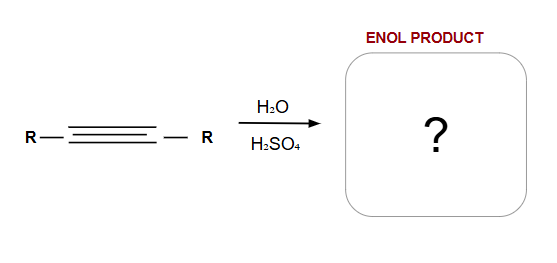
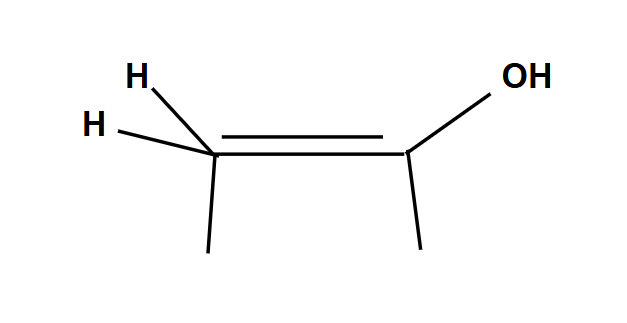
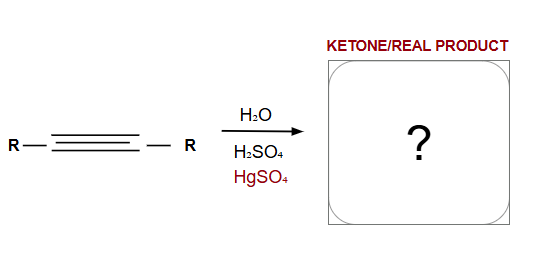
Enols shift to form ketones for more stability
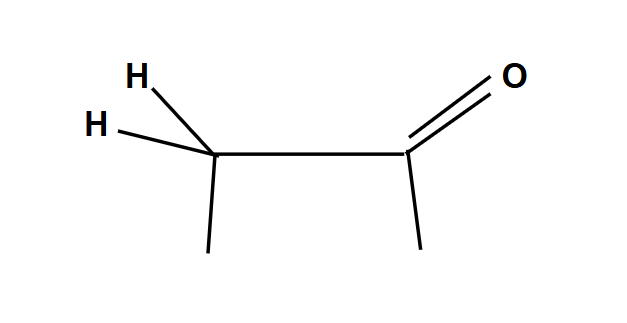
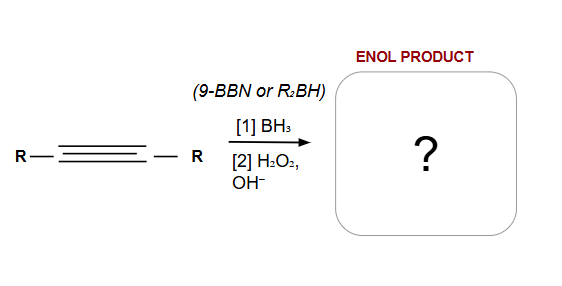
Anti-Markovnikov
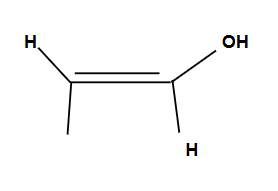
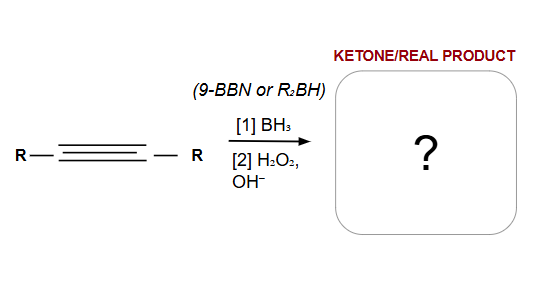
Anti-Markovnikov
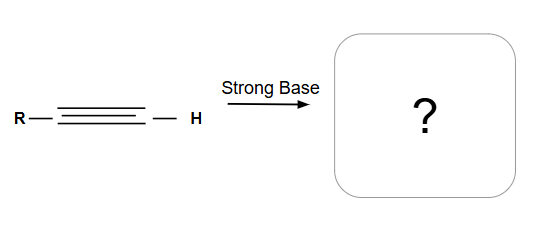
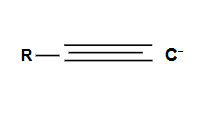
Acetylide anion
Reactions involving it:
Primary or methyl alkyl halide: SN2
Secondary or tertiary: E2
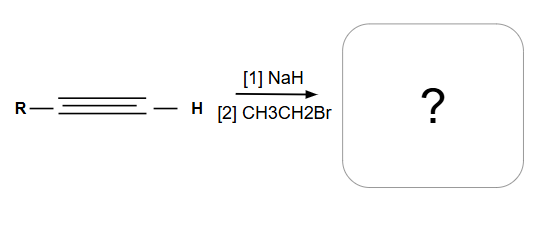
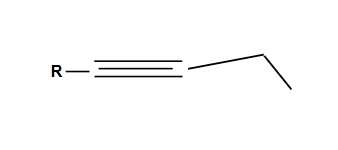
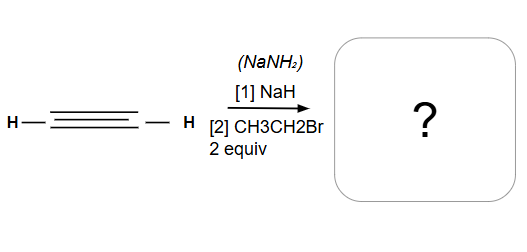
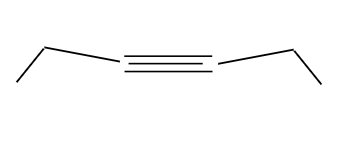
Formation of an internal alkyne
 Note
Note  Flashcards (130)