The ancestral history of Britain. Britain at the time of the Celts and Romans. Anglo-Saxon conquest. Raids of the Danes.
 Studied by 0 people
 Call with Kai
 Learn
Learn Practice Test
 Spaced Repetition
 Match
Match Flashcards
 Knowt Play
1/45

There's no tags or description
Looks like no tags are added yet.
Name | Mastery | Learn | Test | Matching | Spaced | Call with Kai |
|---|
No study sessions yet.
46 Terms
When do the first traces of human life in Britain date back to?
The Paleolithic period, approximately 800,000 years ago.
What happened in Britain after the last Ice Age?
Around 12,000 years ago, various tribes settled in Britain, engaging in hunting, gathering, and fishing.
What is Stonehenge?
It is one of the most famous megalithic structures left by prehistoric inhabitants of Britain
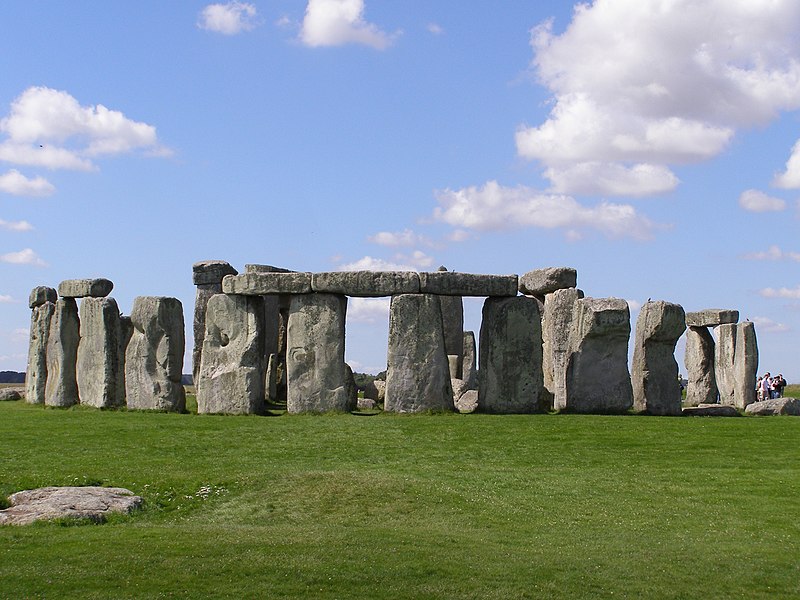
When was Stonehenge constructed?
Around 3000-2000 BCE.
What does Stonehenge symbolize in terms of ancient British society?
It symbolizes the cultural development and engineering achievements of the time.
When did Celtic tribes spread across the British Isles?
In the first millennium BCE.
What advancements did the Celts bring to Britain?
They introduced iron metallurgy, developed agriculture, and improved crafts.
What aspects of society did the Celts establish in Britain?
They established their own culture, religion, and language.
What was central to Celtic religion?
Worship of numerous gods and spiritual beings, along with elaborate beliefs and rituals.
How was Celtic society structured?
It had a clear social structure with ruling chieftains, a warrior elite, craftsmen, and farmers.
Name some of the well-known Celtic tribes in Britain.
The Britons, Gaels, Scots, and Irish.
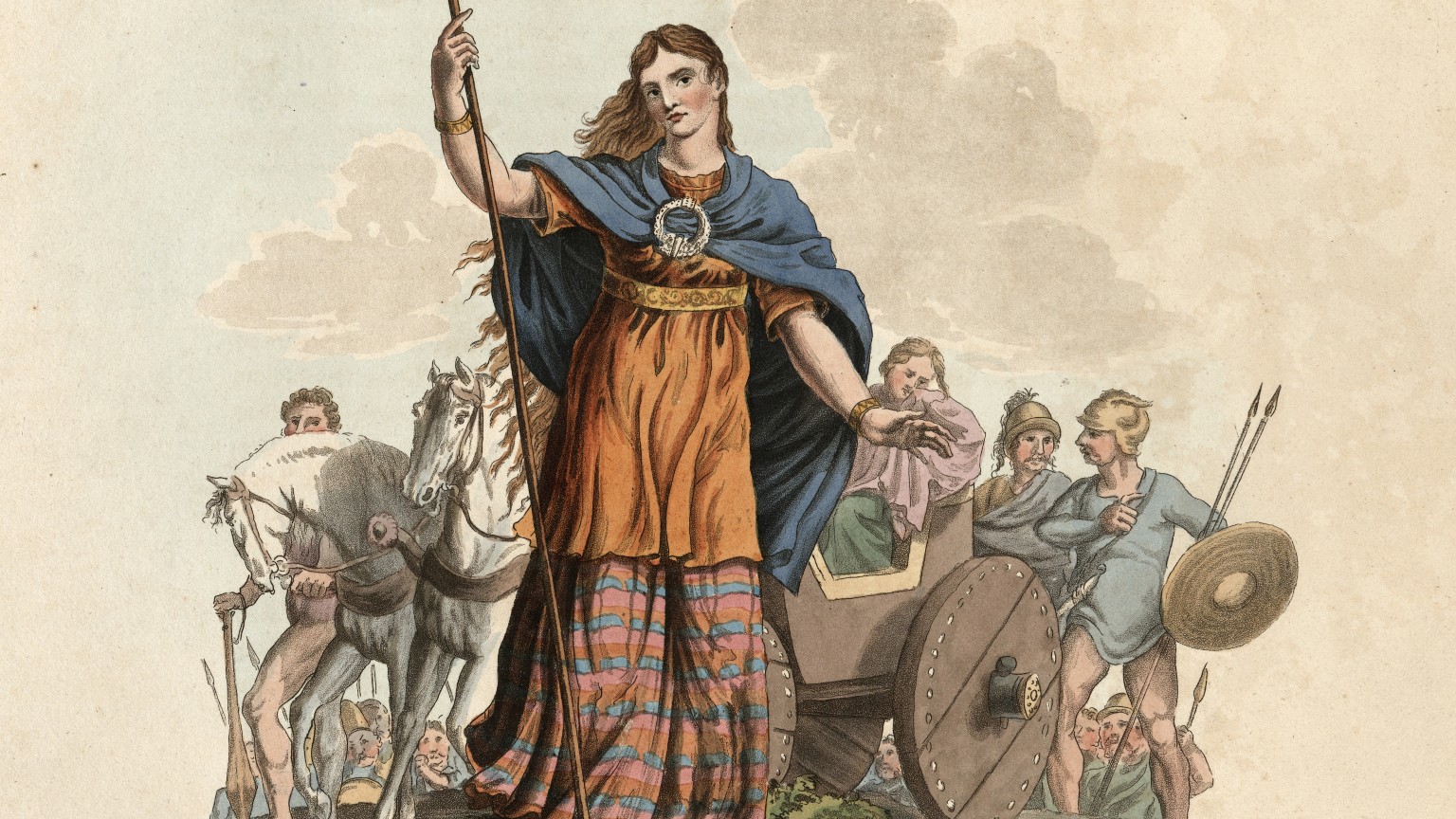
Who was Boudicca?
A Celtic queen who led a famous revolt against Roman occupiers.
What was the impact of the Roman conquest on Celtic culture?
Romans conquered parts of Celtic lands, leading to partial Romanization of their culture.
What Celtic heritage remains in Britain today?
Celtic heritage lives on in British legends, place names, and languages like Welsh and Gaelic.
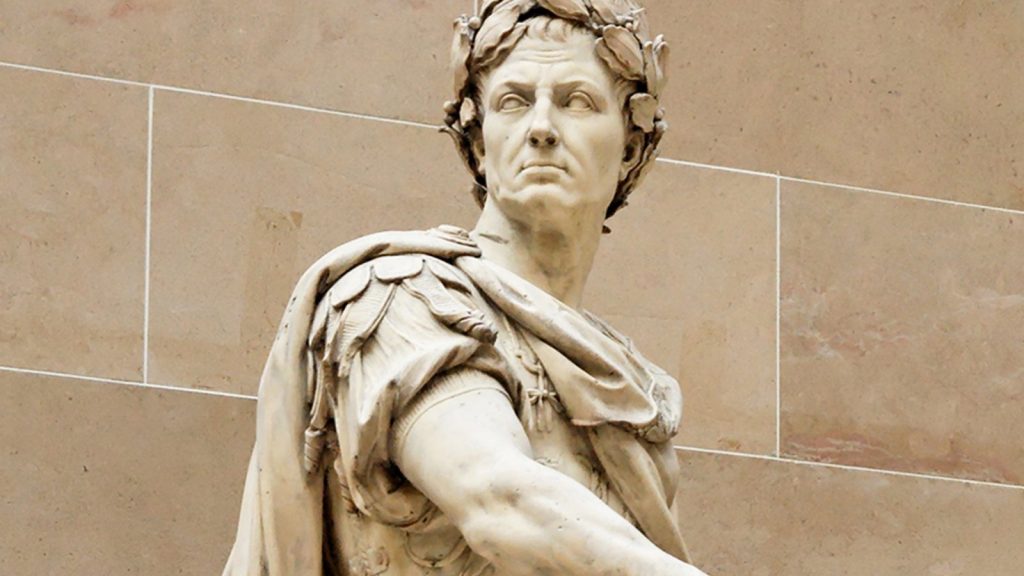
When did Julius Caesar first attempt to invade Britain?
In 55-54 BCE.
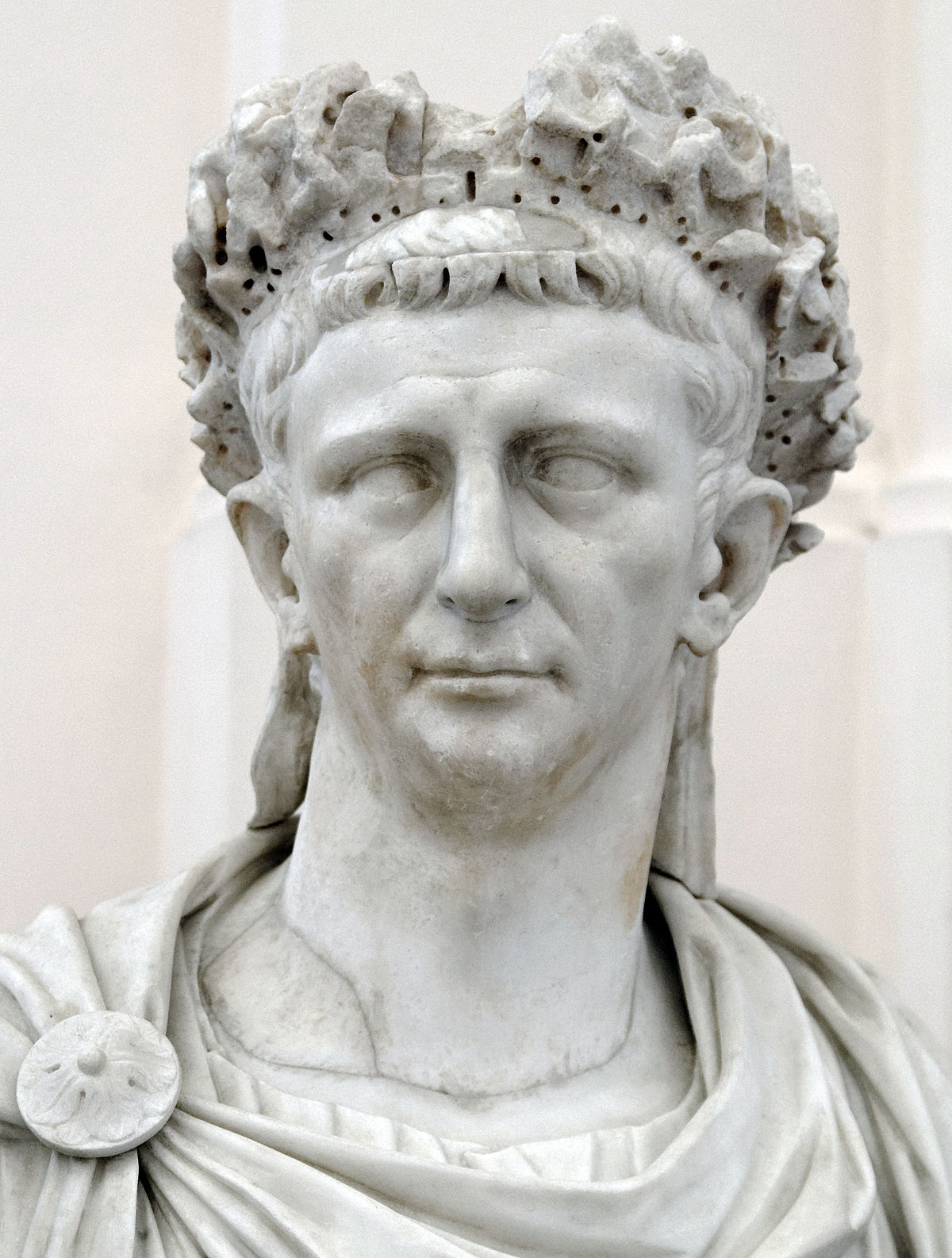
When did the Romans begin the full-scale conquest of Britain?
In 43 CE, under Emperor Claudius.
What major contributions did the Romans make to Britain?
They built roads, cities, fortresses, and introduced Roman culture and customs.
What was Hadrian’s Wall, and when was it built?
A defensive wall built in 122 CE to protect against northern tribes like the Picts.
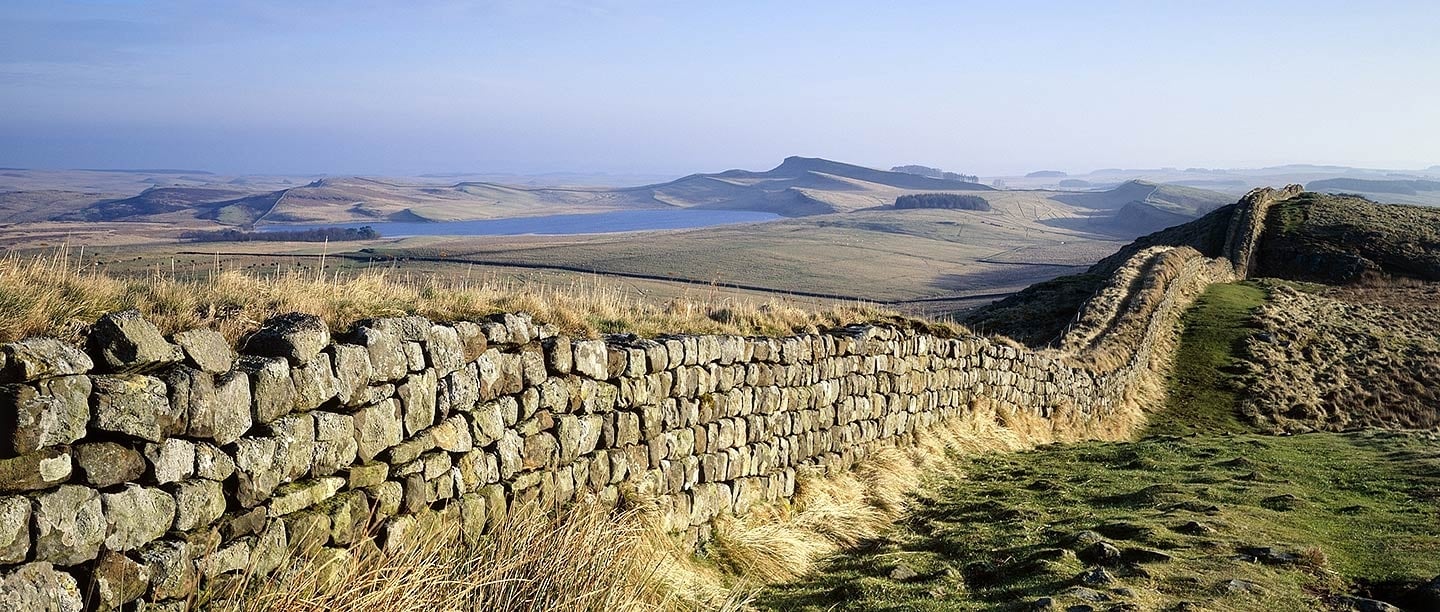
How did Roman rule impact British agriculture, crafts, and trade?
The Romans improved agriculture, developed crafts, and expanded trade.
What technological advancements did the Romans introduce to Britain?
They introduced sewage systems, water supply systems, and improved living conditions.
Which city, originally called Londinium, became a key cultural and trade center under the Romans?
London.
Describe the social structure developed under Roman rule in Britain.
It included Roman citizens and local inhabitants who adopted Roman laws and language.
How did Roman culture influence British culture?
Roman culture heavily influenced local customs, though some Celtic traditions remained.
Why did the Romans eventually leave Britain, and when did this occur?
Due to the weakening of the Roman Empire from internal conflicts and barbarian invasions, they left in the 5th century CE.
What legacy did the Romans leave in Britain after their departure?
Their infrastructure, technology, and parts of the Latin language significantly impacted Britain’s future development.
Which Germanic tribes invaded Britain after the Romans left?
The Angles, Saxons, and Jutes.
How did the Germanic tribes initially come to Britain?
They first arrived as mercenaries but soon began seizing land.
What happened to the Celtic population in Britain during the Anglo-Saxon conquest?
They were gradually displaced or assimilated by the Anglo-Saxons.
Name some of the early Anglo-Saxon kingdoms in Britain.
Northumbria, Mercia, Wessex, Kent, and Sussex.
How did the Anglo-Saxon kingdoms interact with each other?
They frequently fought for power but eventually began unifying.
What language did the Anglo-Saxons bring to Britain?
Old English, which became the basis for the modern English language.
How did Anglo-Saxon culture influence Britain?
They introduced their own laws, customs, and religious beliefs.
When did the Anglo-Saxons adopt Christianity, and what was its impact?
In the 6th century, linking Britain to Christian Europe and influencing their culture.
What administrative systems did the Anglo-Saxons establish?
They created "shire" and "thing" systems for local governance.
How did the Anglo-Saxon administrative systems impact future British governance?
Their systems became foundational for the development of medieval English state structures.
What was the result of the unification of Anglo-Saxon kingdoms?
It marked the beginning of an early Anglo-Saxon state in Britain.
When did the Viking (Danish) raids on Britain begin?
In the 8th-10th centuries.
Why did the Danes raid Britain?
To find new lands and wealth.
How did the Danes affect the coastal regions of Britain?
They plundered coastal areas, capturing towns and villages.
What region in Northern England did the Danes settle?
The Danelaw.
How did the Danes influence Anglo-Saxon Britain?
They affected culture, law, and economy by introducing their laws and developing trade.
Who was the key figure in resisting the Danes?
King Alfred the Great.
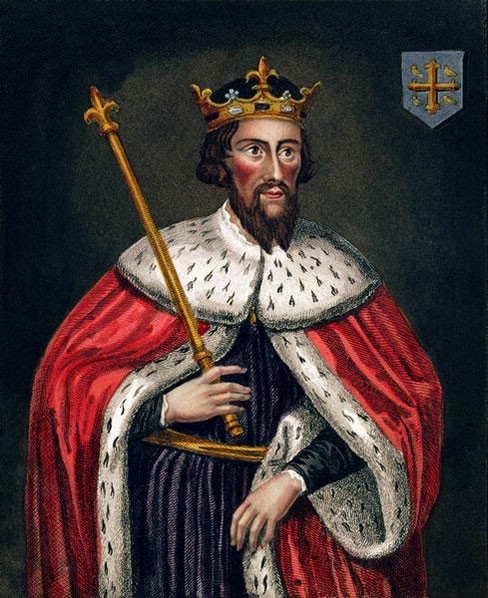
What did Alfred the Great do to strengthen Wessex?
He improved defenses, built fortresses, and created a standing army.
What was the result of the battles between Alfred the Great and the Danes in 878?
A treaty dividing lands: Wessex in the south and Danelaw in the north.
How did Alfred’s successors continue his legacy?
They restored Anglo-Saxon control over territories and unified the kingdoms.
What did the unification of Anglo-Saxon kingdoms lead to?
The foundation of a unified English state.
 Note
Note  Flashcards (51)