21- Gene expression
 Call Kai
 Learn
Learn Practice Test
 Spaced Repetition
 Match
Match Flashcards
 Knowt Play
1/62

There's no tags or description
Looks like no tags are added yet.
Name | Mastery | Learn | Test | Matching | Spaced | Call with Kai |
|---|
No analytics yet
Send a link to your students to track their progress
63 Terms
What is transcription?
Takes place in the nucleus of the cell and involves the formation of pre-mRNA which has a complementary sequence of bases to the DNA
A gene is made up of 756 base pairs, the mRNA transcribed from this gene is only 524 nucleotides long. Explain the difference.
Pre-mRNA is spliced to remove introns and leave only the coding exons which are used for translation
Compare DNA and RNA
DNA:
Double polynucleotide chain
Largest molecule of the 3
Double helix shape
Pentose sugar is deoxyribose
Bases found are A,T,C +G
Found in nucleus of cell
Chemically stable
RNA:
Single polynucleotide chain
Smaller than DNA, bigger than tRNA
Single linear strand
Ribose pentose sugar
Bases found are A,U,C +G
Found in nucleus + cytoplasm
Unstable
What are the 2 stages where gene expression can be controlled?
Transcription
Translation
Explain the regulation of transcription in eukaryotes
The general process involves in stimulation og gene transcription is as followed:
Transcriptional factors are found in cytoplasm of a cell
They move into nucleus
Each transcriptional factor has a site that binds to a specific base sequence of the DNA- the promotor region
Binding of the transcriptional factor to the promotor region allows attachment of RNA polymerase to the DNA and transcription is stimulated
mRNA is produced and subsequently translated into a polypeptide
NOTE: Transcriptional factors can also inhibit transcription
What is oestrogen?
A lipid- soluble, steroid hormone released into the bloodstream
How does oestrogen enter a cell?
Simple diffusion
How does oestrogen active a gene and inhibit transcription?
Oestrogen enters cytoplasm by simple diffusion
Binds to a specific transcriptional factor (sometimes called a receptor) in the cytoplasm, causing the transcriptional factor to change shape
This causes an inhibitor molecule to be released which exposes DNA binding site on the transcriptional factor
The transcriptional factor now moves into nucleus and binds to a specific sequence of bases on the promotor region, enabling the RNA polymerase to bind and initiate transcription
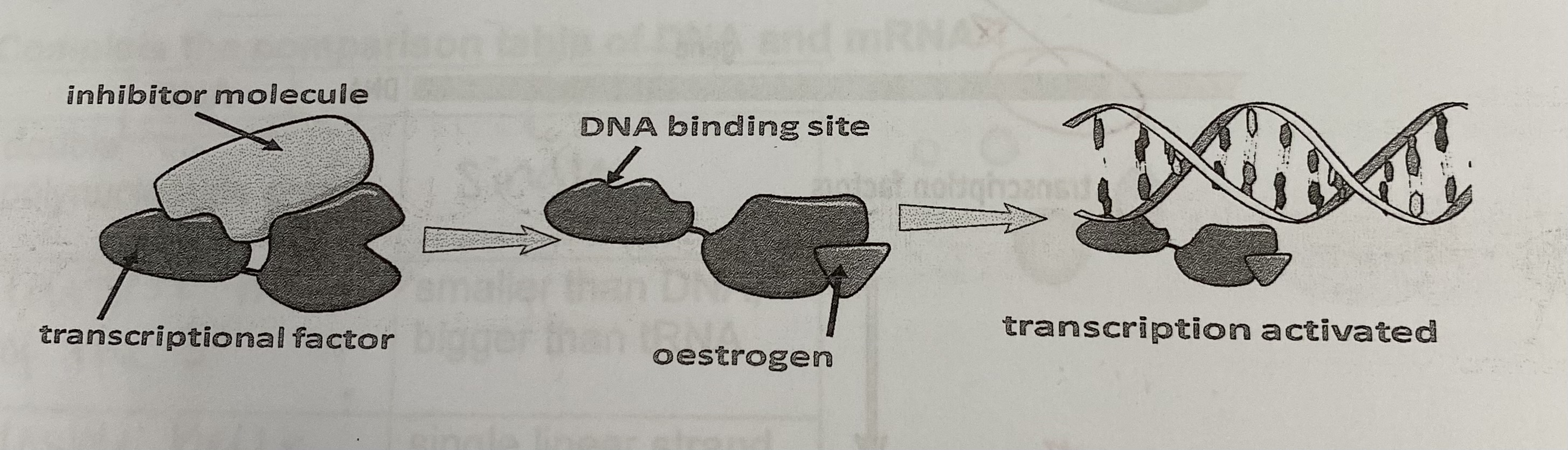
What is the function of the inhibitor molecule for oestrogens affect on gene transcription?
Prevents the transcriptional factor binding to DNA protomor region and initiating transcription and therefore synthesis of protein when a protein is not required
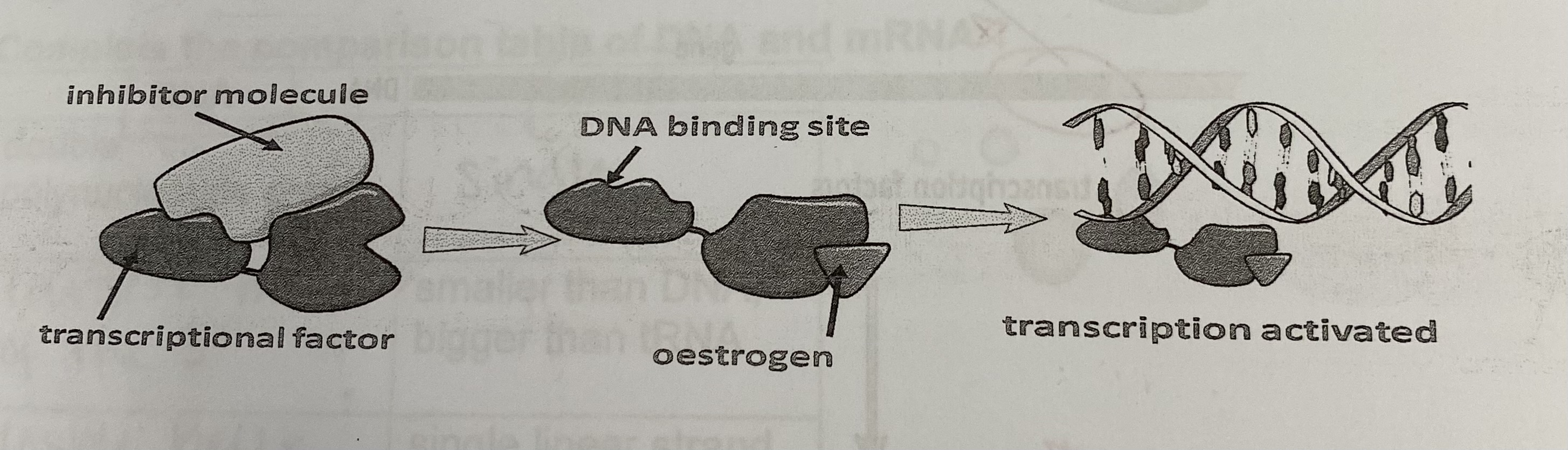
Explain regulation of translation (effect of RNA interference- RNAi- on gene expression)
In cytoplasm there are small double stranded sections of RNA called interfereing RNA (RNAi). These inhibit gene expression at the translation stage in a process called RNA interference
Double stranded RNAi is coded for by special regulatory genes
It moves into cytoplasm where it becomes single stranded and associates with nuclease enzyme
Binds to specific mRNA molecules with a complementary base sequence by complementary base pairing
The enzyme cuts mRNA in 2
mRNA can no longer be translatedso protein synthesis stops
Suggest when regulation of translation might be important in a cell
If mRNA concentration is regulated it will limit the amount of protein synthesised- save energy/ be more efficient
Stops the translation of viral RNA in a cell infected by a virus
What are some applications of RNAi in scientific research and medicine?
Used to identify role of genes in a biological pathway
A specific seequence of RNAi which binds to mRNA transcribed from a particular gene is added to cells
This prevents translation of that gene so protein is not produced. By observing the effect of lack of protein, the role of the blocked gene can be determined
Prevention of a genetic condition
May be possible to use RNAi to prevent faulty protein from being produced (stops translation) and so prevent a condition which is caused by faulty genes
Why are all cells in an organism genetically identical?
All produced by mitosis following fertilisation of an egg cell
Tell me about cel differentiation and specialisation
During development, cells differentiate to become specialised cells because expression of genes is regulated
Although all cells contain all genes, only specific genes are expressed in specific cells at any one time
Some genes whicih code for enzymes are expressed in all cells. Suggest which processes these enzymes might be involved in
Respiration
Transcription
Translation
What are the 2 main featuress of stem cells?
Undifferentiated but can differentiate into specialised cells
Can replace themselves (to form more stem cells)
> When a stem cell divides, each new cell has the potential wither to remain a stem cell or to differentiate to become a specialised cell
What are the 4 types of stem cell?
Totipotent cells
Pluripotent cells
Multipotent cells
Unipotent cells
What are totipotent cells?
Occur in a limited time in early mammalian embryos
Can differentiate to produce any type of body cell, including placental cells
What are pluripotent cells?
Found in embryos
Can differentiate into all tissue types, except placental cells
What are multipotent cells?
Found in many tissues of mature mammals
Can differentiate to form a limited number of different cell types
e.g. stem cells in bone marrow can produce any type of blood cell
What are unipotent cells?
Also founf in mature mammals
Can only differentiate into 1 type of cell/ tissue
e.g. unipotent cells in the heart produce new cardiomyocytes- specialised cardiac muscle cells
What are induced pluripotent stem cells (iPS)?
Pluripotent stem cells produced from differentiated adult body cells
Specific protein transcriptional factors are used to ‘reprogramme’ the body cells
iPS cells are able to divide to produce new iPS cells or differentiate into any type of body cell
They could replace the use of embryonic stem cells in medical research and treatments
What are the potential uses of stem cells in treating human disorders?
Stem cells are grown in culture in a laboratory
Certain chemical stimuli are added which trigger the cells to differentiate into specialised body cells of a particular type
These can then be used to replace damaged cells or tissues in a patient
What type of cell will be needed to treat the following disorders:
Leukaemia
Burns and wounds
Osteoporosis
Type 1 diabetes
Heart damage caused by a heart attack
Macular degeneration
Blood cells
Skin cells
Bone cells
B cells of the pancreas
Cardiac muscle cells
Retinal cells of the eye
> These cells could be produced from pluripotent embryonic stem cells or multipotent adult stem cells
What are the advantages of using pluripotent stem cells for treating human disorders?
Can differentiate into any type of body cell
What are the disadvantages of using pluripotent stem cells for treating human disorders?
Risk of rejection because they are not the patient’s own cells
Ethical issues because sourced from embryos
What are the advantages of using multipotent stem cells for treating human disorders?
No transplant rejection if stem cell is obtained from the patient
What are the disadvantages of using multipotent stem cells for treating human disorders?
Can only differentiate into a limited number of cell types
Why do people use embryonic stem cells?
Easier to manipulate and acquire however are controversial
What are some ethical arguments for the use of embryonic stem cells?
Some people argue that an embryo at such an early stage of development is just a ball of identical, undifferentiated cells, bearing no resemblence to a human being
It is wrong to allow human suffering to continue when there is a possibility of alleviating it
It makes no sense to destroy spare embryos from IVF fertility treatment that are not implanted or for them to just be stored indefinitely. As long as the prospective parents give their consent, they could be used for medical research
What are some ethical arguments against the use of embryonic stem cells?
Some people feel that using embryos in this way undermines our respect for human life and could progress to the use of foetuses, and even new-born babies for research or the treatment of disease
It is a move towards reproductive cloning and, even if this remains illegal in the UK, information gained could be used to clone humans elsewhere
Embryos have the potential for life, so it is unethical to manipulate or destroy them
It is wrong to use humans, including human embryos, as a means to an end, even if that end is the commendable one of alleviating human suffering
The embryos themselves are unable to give consent. If adult stem cells were used instead, willing donors can be found, or they could even be obtained from the patient’s own tissues
Tell me about plant stem cells
Mature plants have many totipotent cells- under correct conditions, these can differentiate into any other cell
e.g. A leaf develop into a whole plant or a cell from a carrot root placed on nutrient medium and develop into a new carrot plant
> These new plants will be genetically identical to one they came from
Define epigenetics
Involves heritable changes in gene function, without changes to the base sequence of DNA
What is epigenetics?
Phenotype of an organism is primarily determined by its genotype, but the environment can also influence phenotype
Changes in environment can directly affect gene expression in eukaryotes without altering base sequence. The changes in gene function affect the phenotype and can be inherited
What is the epigenome?
All the chemical tags which have been added to a person’s genome
> DNA is wrapped around histone proteins in nucleus to produce chromatin
>DNA and histones have chemical tags attached to them
> Chemical tags are either an acetyl group or a methyl group
> Environmental factors such as diet, stress and toxins can affect number of these groups attached to the genome
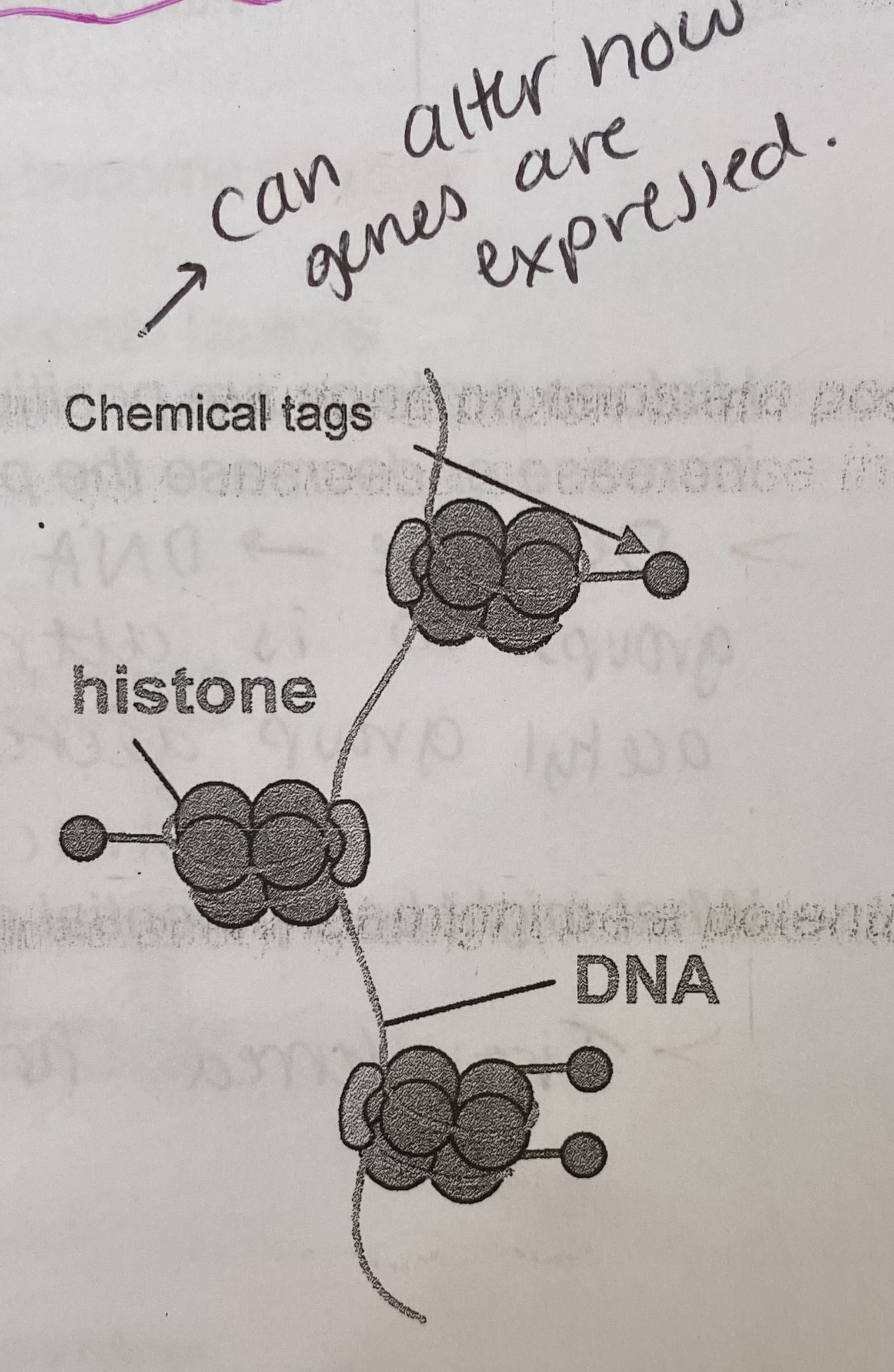
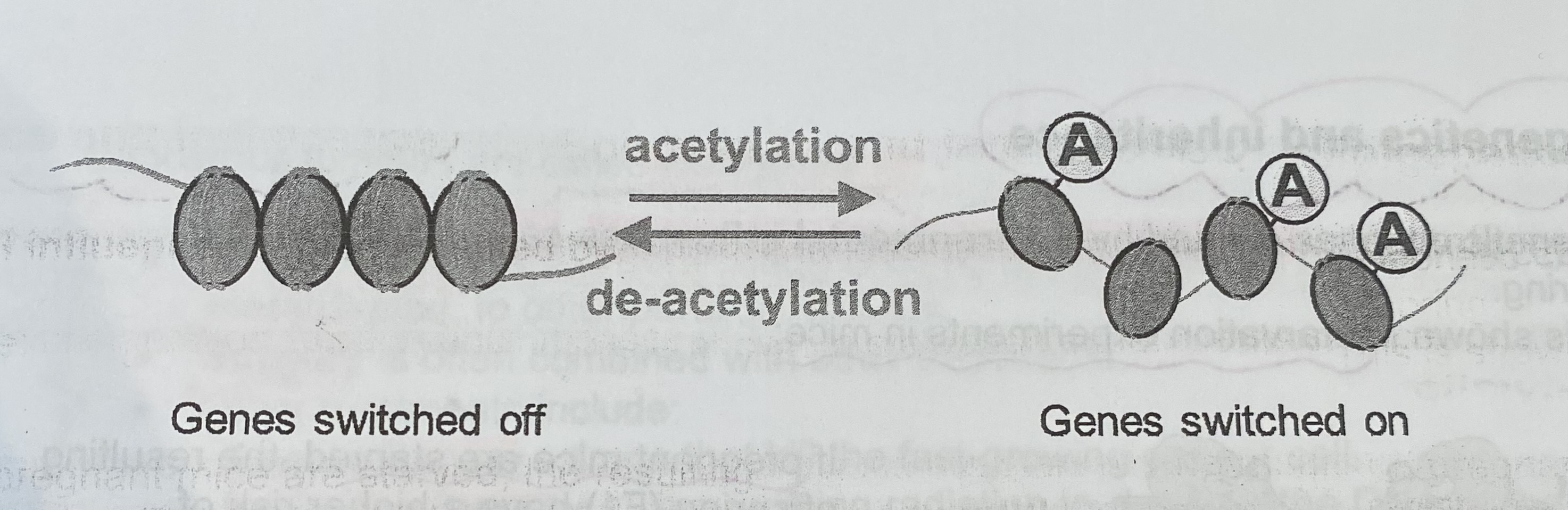
Describe acetylation of histones
Acetyl groups bind to histone proteins
This causes DNA to be less tightly wrapped around the histones- reduces condensation of chromatin
This makes promotor regions accessible
Transcriptional factors can bind to promotor regions and initiate transcription
Genes are switched on
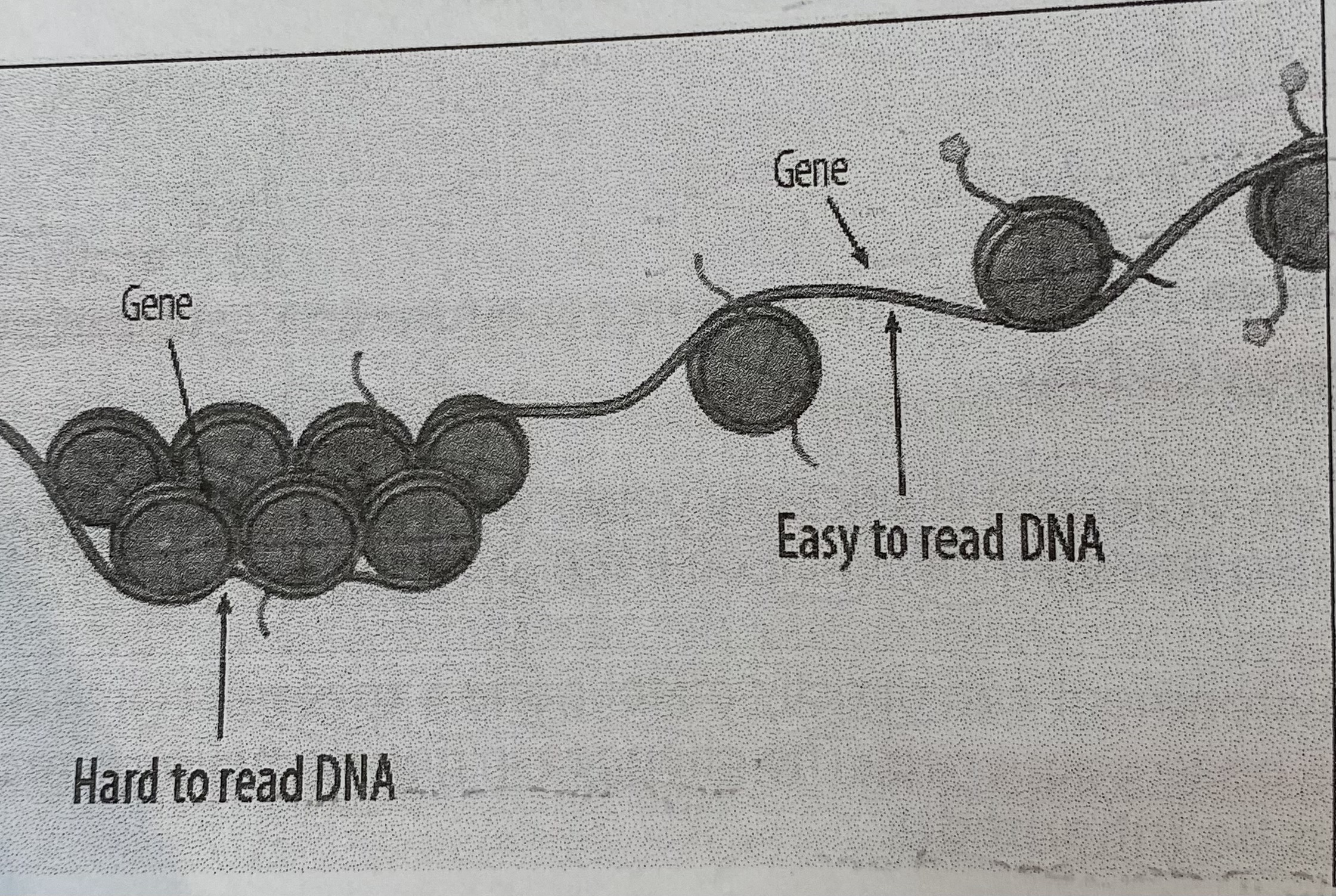
Histone proteins are positively charged. Does the addition of an acetyl group increase or decrease the positive charge?
Decrease- DNA is negatively charger due to phosphate groups so is attracted to positive histones. Addition of an acetyl group decreases positive charge so DNA is less attracted
What might be a potential source of acetyl groups?
Transferred from acetylcoenzyme A
Describe decreased acetylation
Acetyl groups are removed from histone proteins
This causes DNA to be more tightly wrapped around the histones which increases condensation of chromatin
This makes promotor regions inaccessible
Transcriptional factors cannot bind to the promotor regions to initiate transcription
Genes are switched off
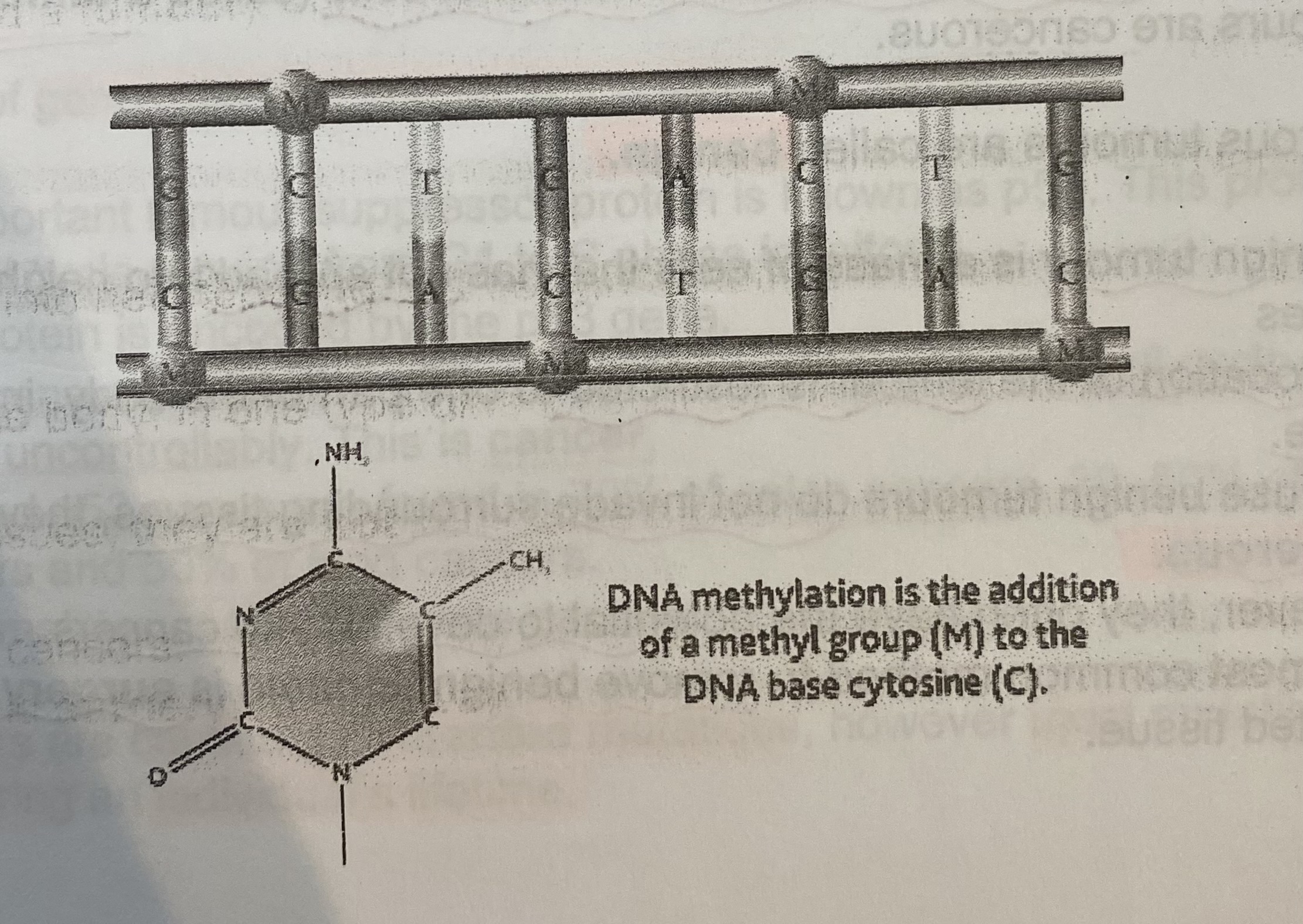
Describe methylation of DNA
Methyl groups added to cytosine bases in DNA
This results in decreased acetylation of histones
DNA wraps more tightly around histones- chromatin becomes more condensed
Promotor regions become inaccessible to transcriptional factors
Transcription inhibited
Genes are switched off
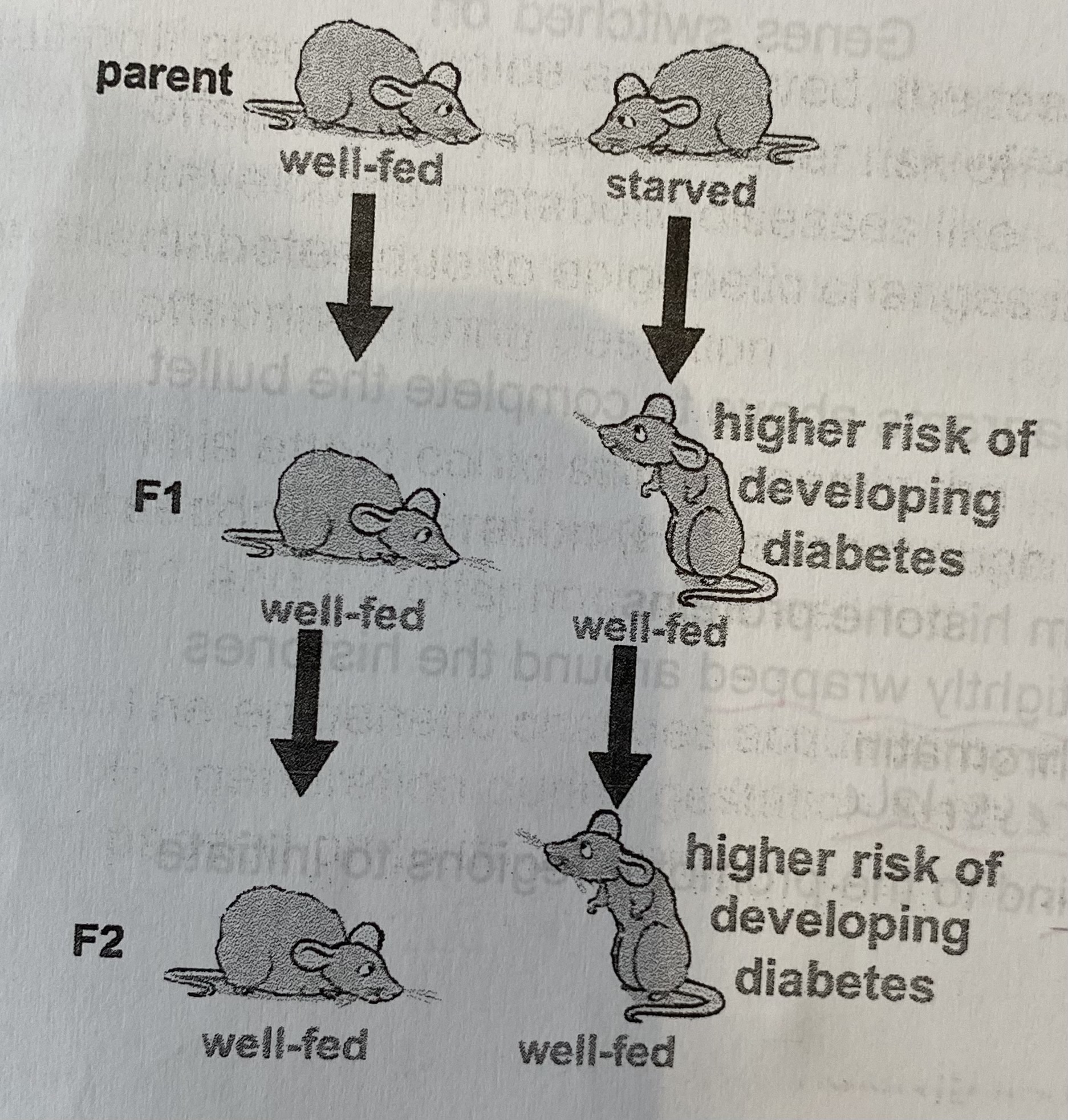
Explain how epigenetic changes caused by the environmental influences can be inherited using an example (Starvation experiments)
If pregnant mice are starved, the resulting offspring (F1) have a higher risk of developing metabolic diseases like diabetes due to epigenetic changes in the offspring during gestation
This effect could still be seen in the second generation (F2), even though both F1 and F2 offspring were well-fed
The epigenetic changes acquired by F1 generation during gestation were passed on to its offspring
What is cancer?
Results from mutations in genes that control cell division, causing rapid. uncontrolled growth and division of cells by mitosis. This results in the formation of a mass of abnormal cells (tumour)- not all tumours are cancerous
What is a benign tumour?
A mass of cells that has not spread into neighbouring tissues
Location of tumour is restricted to one part of the body and in one type of tissue
Not cancerous
However, have the potential to develop into cancers
Most common method of removal is surgery to cut away affected tissue
What are malignant tumours?
Uncontrollably dividing cell groups that may spread or metastasise to other parts of the body
Surgery is often combined with other treatments like:
> Chemotherapy= drugs that kill the fast-growing cancer cells
> Radiation therapy= uses ionising radiation to damage the DNA of the cancer tissue to kill the abnormal cells
What 2 types of genes play major roles in controlling rate of cell division by mitosis?
Proto-oncogenes
Tumour suppressor genes
What is the normal role of proto-oncogenes and the role when mutated?
NORMAL:
Stimulates cell division
MUTATED:
Becomes an oncogene
Gene is permanently active
Cells divide continuously by mitosis
What is the normal role of tumour suppressor genes and the role when mutated?
NORMAL:
Inhibits cell division
Repairs faulty DNA
Instructs cell death of faulty cells (apoptosis)
MUTATED:
Inactivated
Cells divide uncontrollably by mitosis
Give an example of gene mutation in a tumour suppressor gene
p53= protein that stops the cell cycle moving from G1 to S phase in mitosis
p53 encoded by the p53 gene
If gene mutates the p53 protein is unable to halt the cell cycle and cells divide uncontrollably (cancer)
Mutated p53 genes found in 70% of colon cancers, 30-50% of breast cancers and 50% of lung cancers
Abnormalities of p53 gene can also be inherited
> Some cancers are caused by inherited mutations, however most are acquired during an individual’s lifetime
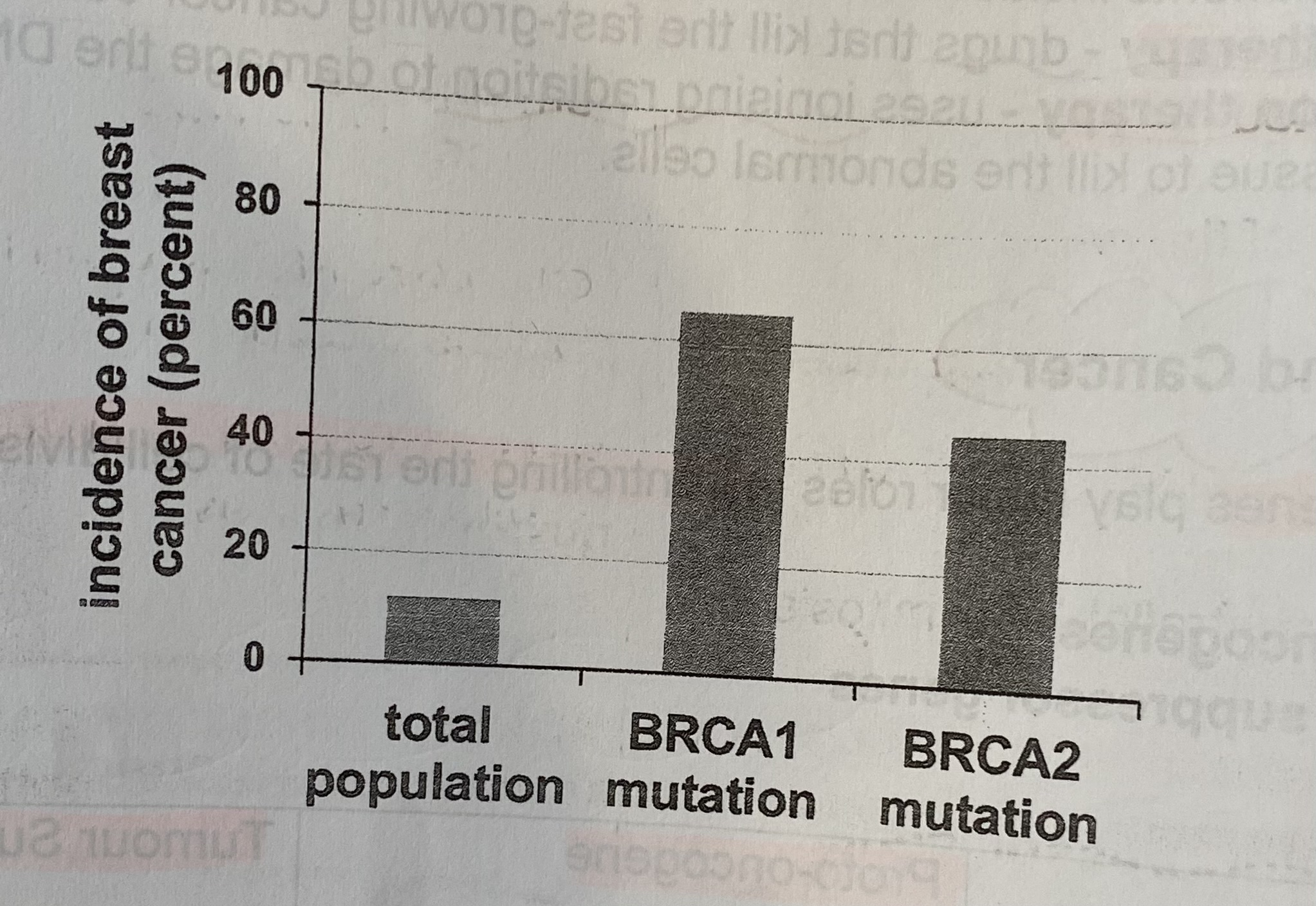
BRCA1 and BRCA2 are tumour suppressor genes that are normally expressed in breast tissue, producing proteins that help to repair damaged DNA. The graph shows the incidence of women developing breast cancer below the age of 70 years, both in the general population, and in populations of women with mutations in BCRA1 or 2.
Describe and explain the data in the graph
Populations which possess the mutated BRCA1 or BCRA2 gene have an increased incidence of breast cancer compared to the total population
BCRA1 and 2 are tumour suppressor genes. Mutation inactivates these genes. DNA damage is not repaired and the faulty cells divide, passing on the damaged DNA to the daughter cells. Uncontrolled cell division can then occur, resulting in cancer
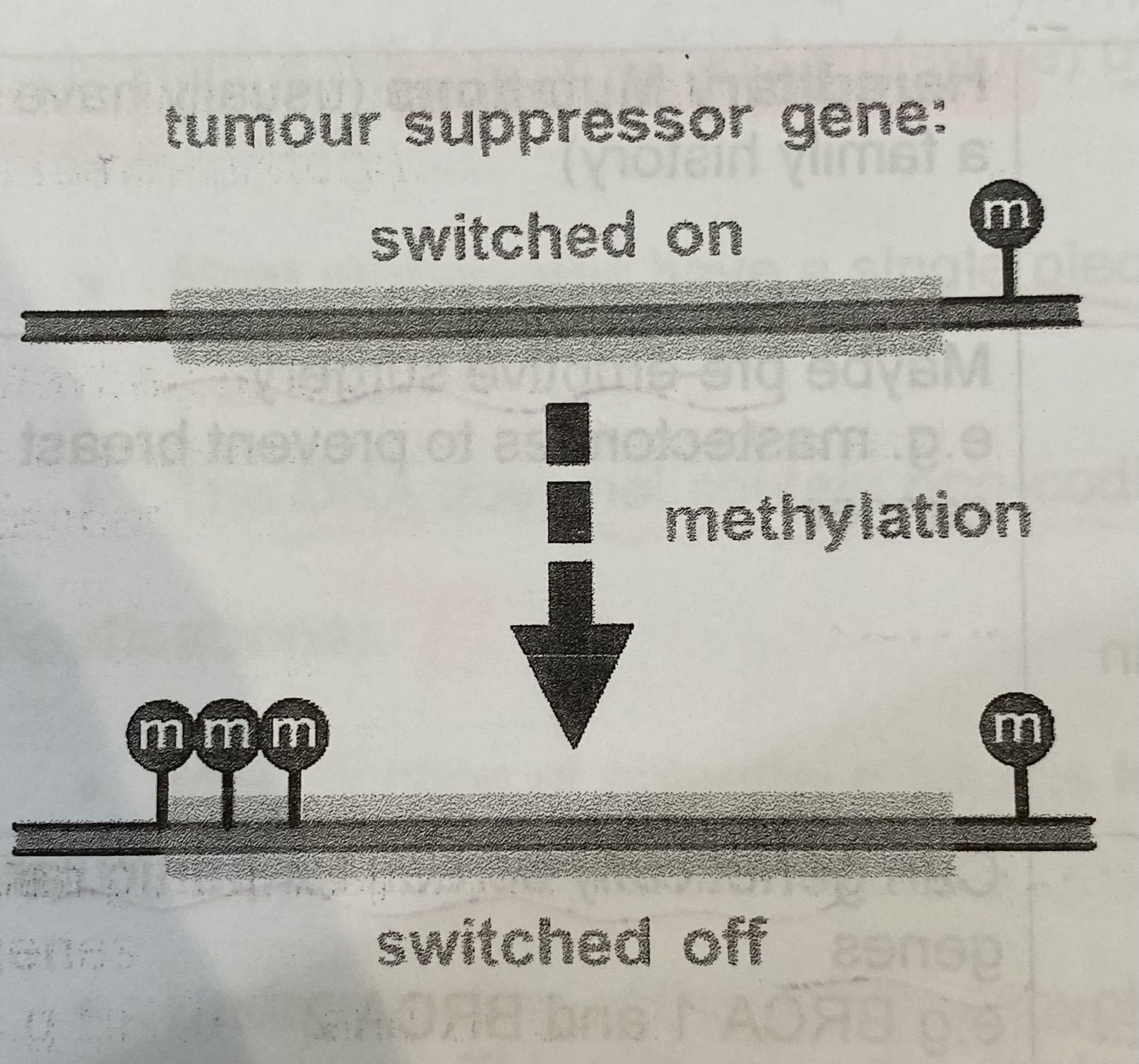
Describe hypermethylation of a tumour suppressor gene
Gene is inactivates
No transcription of gene
No translation so no protein produced
Protein no longer inhibits cell division
Cell divides uncontrollably by mitosis
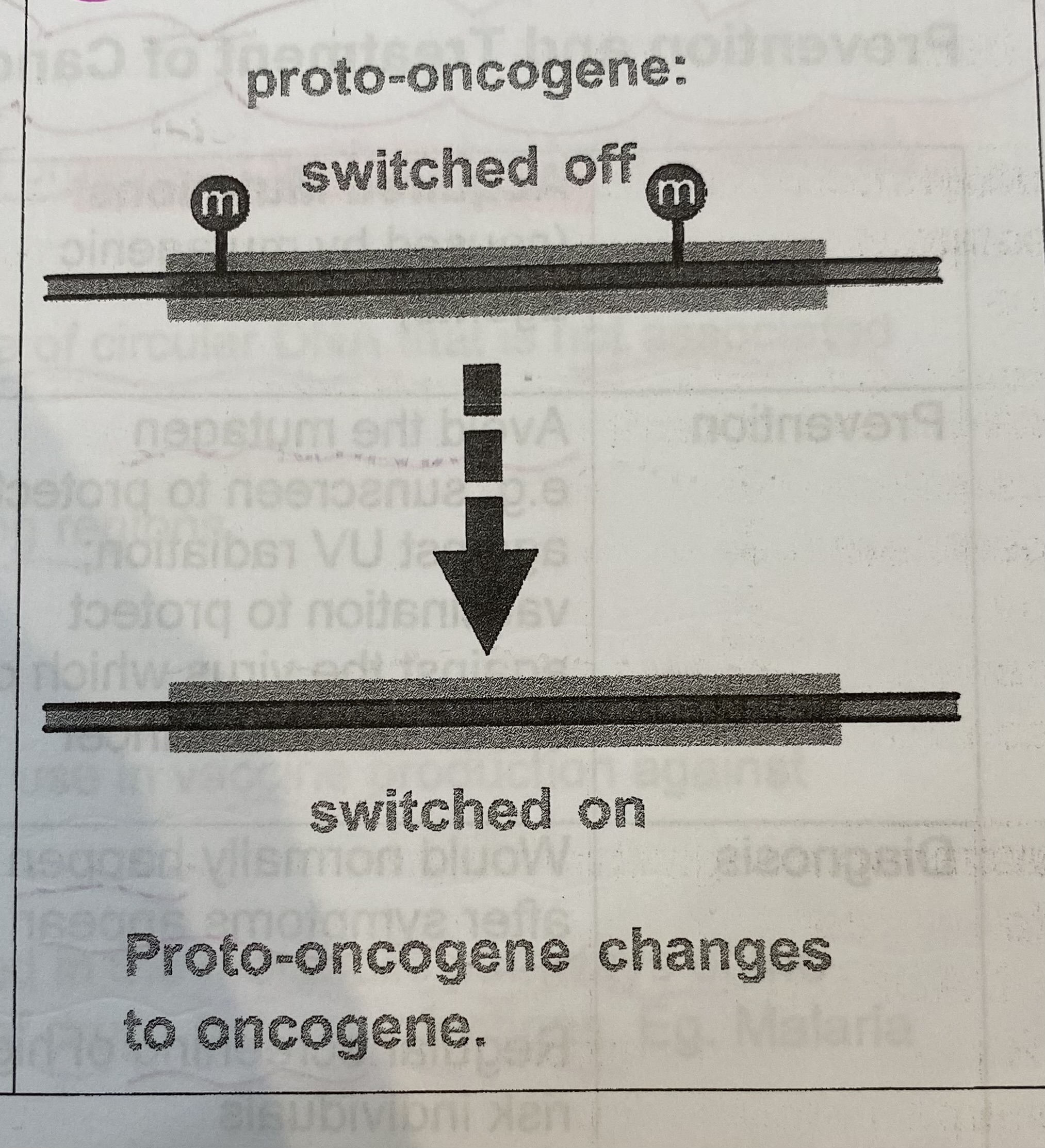
Describe hypermethylation of a proto-oncogene
Permanent activation of the gene- becomes an oncogene
Continuous transcription and translation produce protein continuously
Protein stimulates cell to divide too quickly by mitosis
Explain how increased methylation of DNA could lead to a tumour suppressor gene being inactivated
Transcription is inhibited- condensation of the chromatin increases which means transcriptional factors are unable to bind so the tumour suppressor gene is not expressed and protein is not produced
Explain how decreased methylation of a proto-oncogene could lead to the formation of cancer
DNA is less tightly coiled around histones so transcriptional factors can bind to the promotor region- the gene is switched on permanently so protein is produced which stimulates cells to divide too quickly
Increased concentrations of oestrogen can result in development of breast cancer
Suggest how increased levels of oestrogen could cause cells to divide too rapidly
Breast cells contain transcriptional factors which act as oestrogen receptors
When oestrogen binds to these, the inhibitor molecule is released and the DNA binding sites are exposed. The transcriptional factors move into the nucleus and bind to the promotor region of the proto-oncogene
Proto-oncogene is switched on and stimulates cell division
Explain how acquired mutations (caused by mutagenic agents) are prevented, diagnosed, and treated
PREVENTION:
Avoid the mutagen e.g. sunscreen to protect against UV, vaccination to protect against virus which can cause cervical cancer
DIAGNOSIS:
Normally happens after symptoms appear
Regular screening of high risk individuals
TREATMENT:
Depends on type of cancer- radiotherapy, chemotherapy
Explain how hereditary mutations (caused by mutagenic agents) are prevented, diagnosed, and treated
PREVENTION:
Maybe pre-emptive surgery e.g. mastectomies to prevent breast cancer
DIAGNOSIS:
Can genetically screen for particular genes
More frequent screening
TREATMENT:
Early diagnosis due to screening may result in lower doses of radiotherapy or chemotherapy
Describe how altered DNA may lead to cancer (5 marks)
DNA altered by mutation
Mutation changes base sequence of gene controlling cell growth of tumour supressor gene
Change protein structure
Tumour suppressor genes produce proteins that inhibit cell division by mitosis
Uncontrolled and rapid cell division= malignant tumour
Define genome
the complete set of genes in a cell/ organism
Define proteome
the full range of proteins produced by a given cell
What is DNA sequencing?
An automated, laboratory-based procedure used to determine the order of nucleotides and their bases in the DNA of different organisms
>This enables sequence of amino acids in proteins, coded for by the genome to be determined
Why is determining the genome (and proteome) of organisms such as bacteria relatively easy?
Most prokaryotes have a single piece of circular DNA that is not associated with histones
DNA does not contain non-coding regions
What applications could determining genome be?
Identification of potential antigens for use in vaccine production against pathogenic bacteria
Understanding of the proteins involved in the metabolic pathways of the organism- aid design of drugs to treat infections e.g. malaria
What is the human genome project?
Underway to identify all the proteins produced in humans
Has produced a complete DNA sequence and mapped approximately 20,000 genes in the human genome, providing a map of gene loci on individual chromosomes
Took 13 years to complete
Non-coding DNA and presence of regulatory genes means that knowledge of the genome cannot easily be translated into the proteome
Currently thought that only approx 1.5% of human genome consists of coding DNA