(1) Germanic Kingdoms: Political History (All Tribes and Subtribes) AND Political History of Francia (up to the reign of Hugh Capet), England (up to the reign of Athelstan), Denmark (up to the reign of Gorm the Old), Germany (up to the reign of King Otto), and the Holy Roman Empire (up to the reign of Emperor Otto)
 Studied by 0 people
 Call Kai
 Learn
Learn Practice Test
 Spaced Repetition
 Match
Match Flashcards
 Knowt Play
1/165

Earn XP
Description and Tags
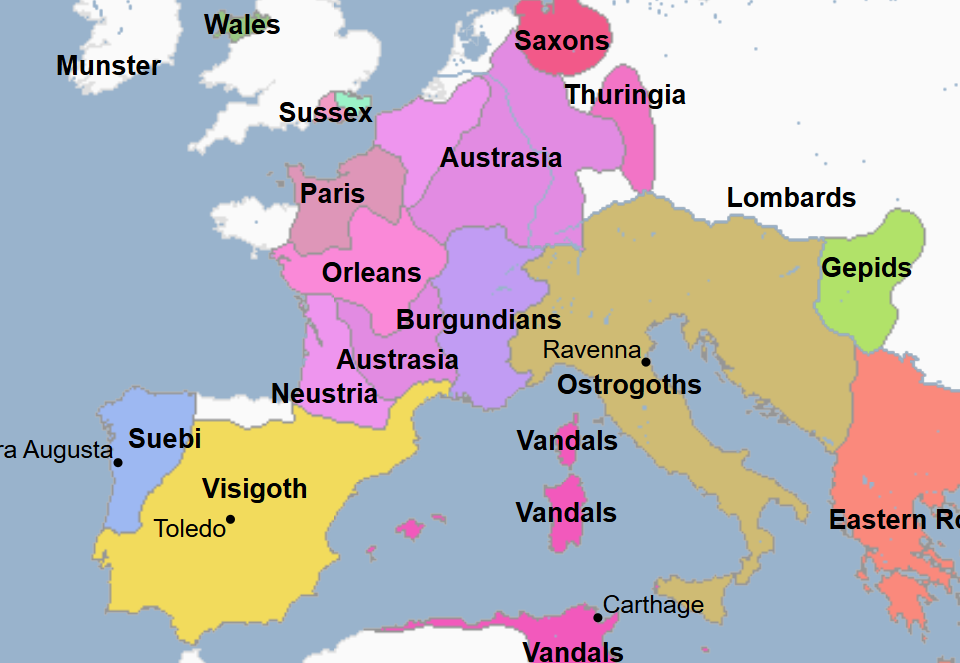
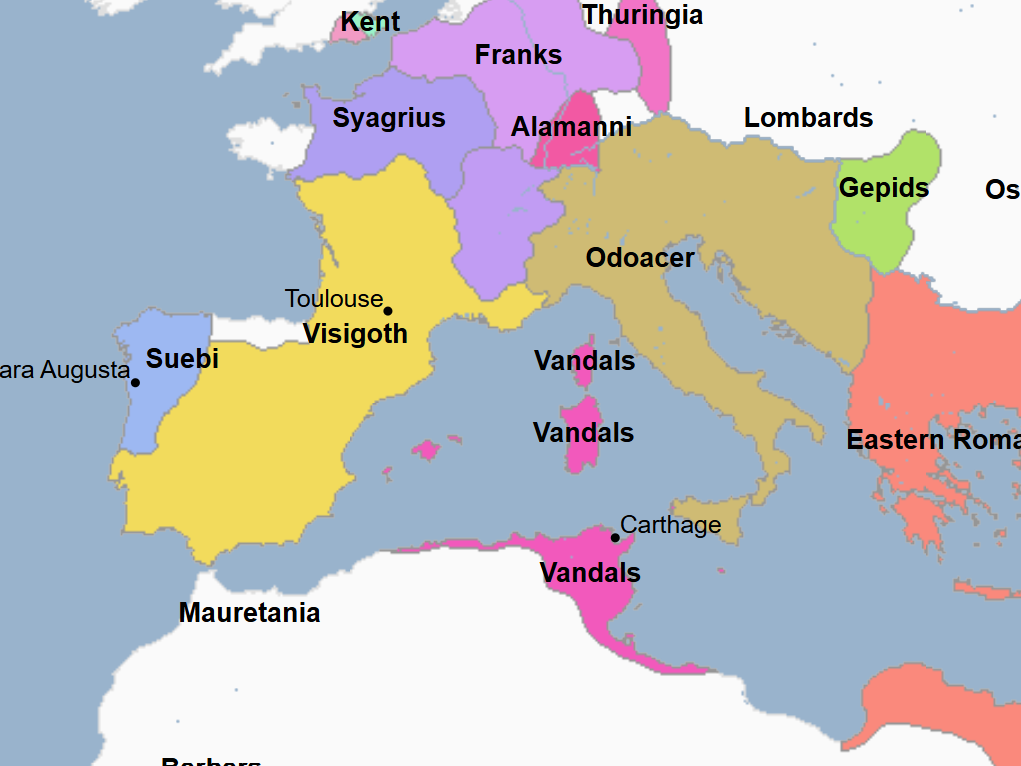
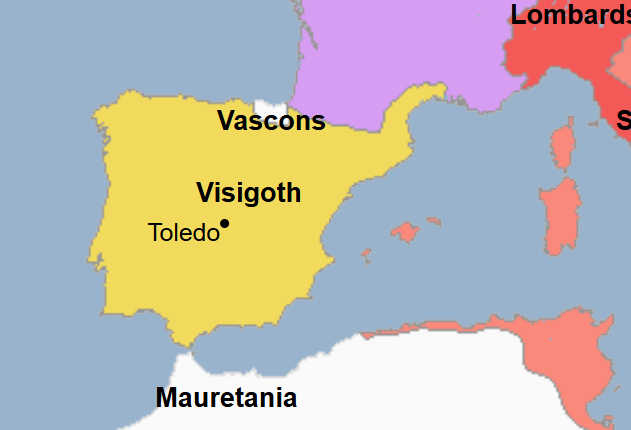
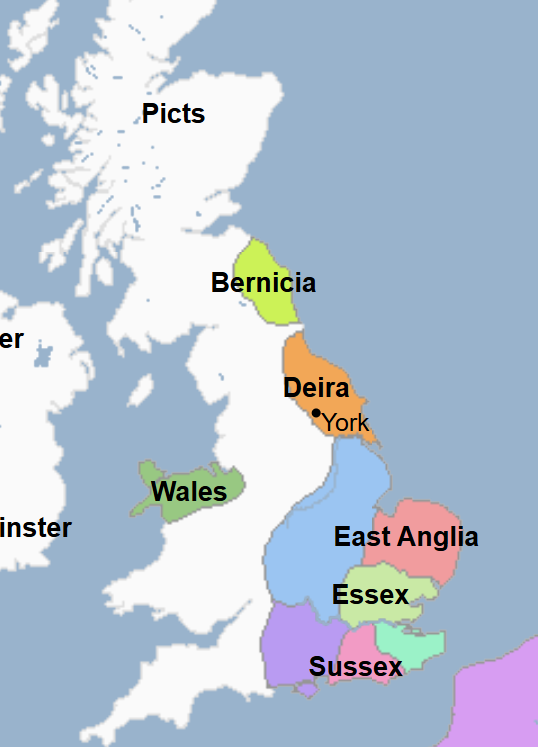
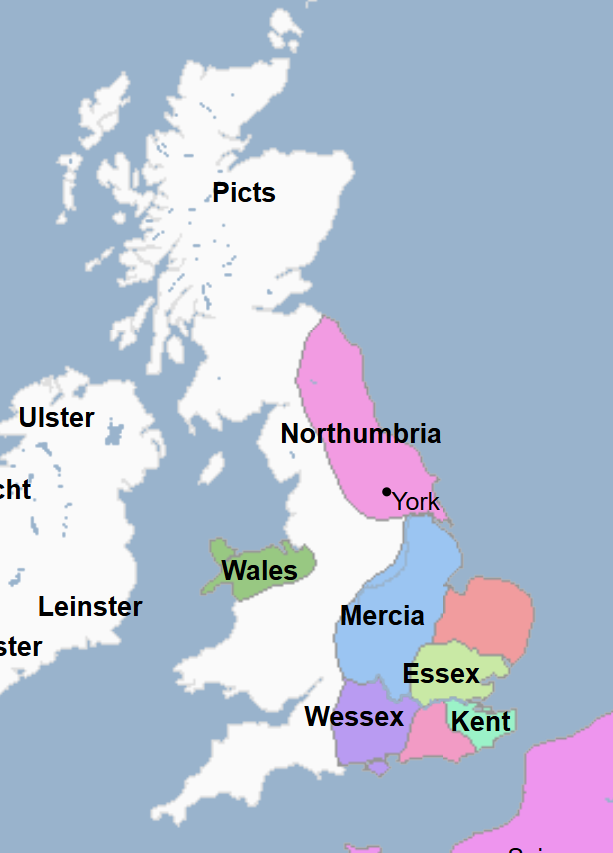
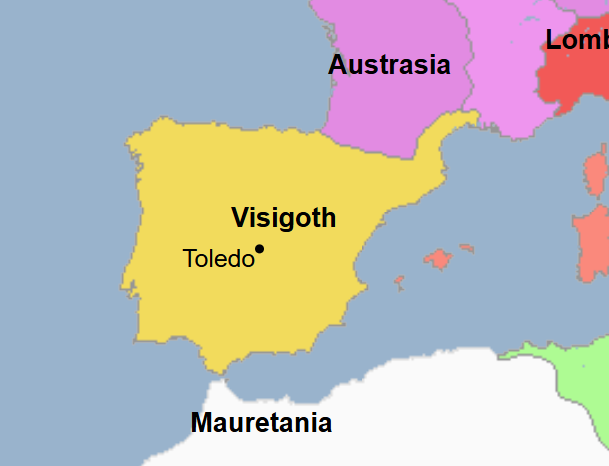
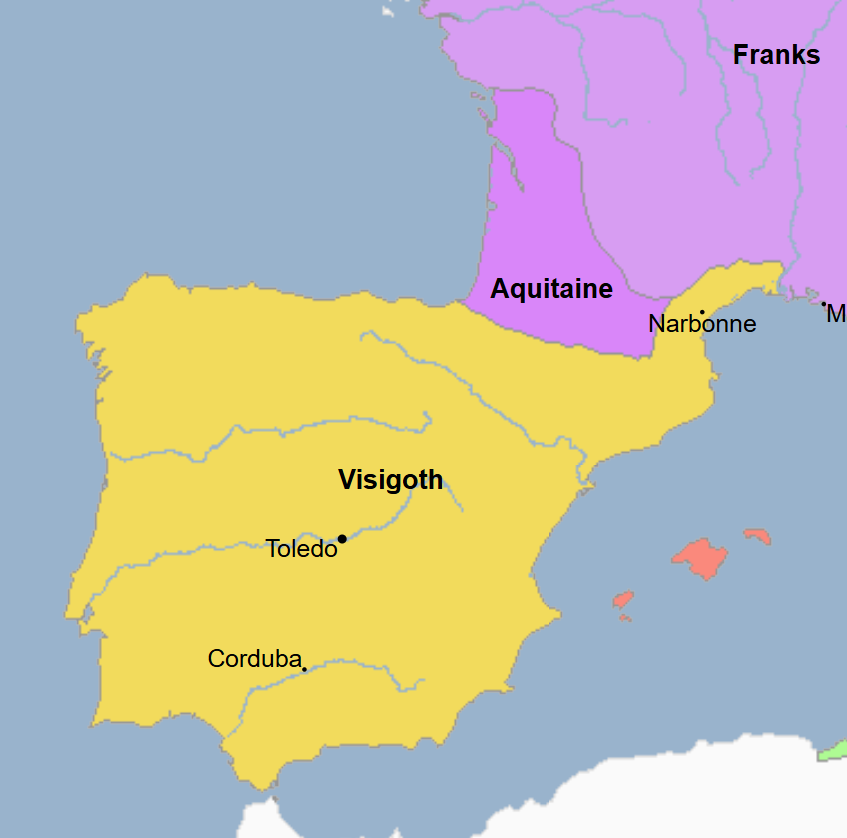
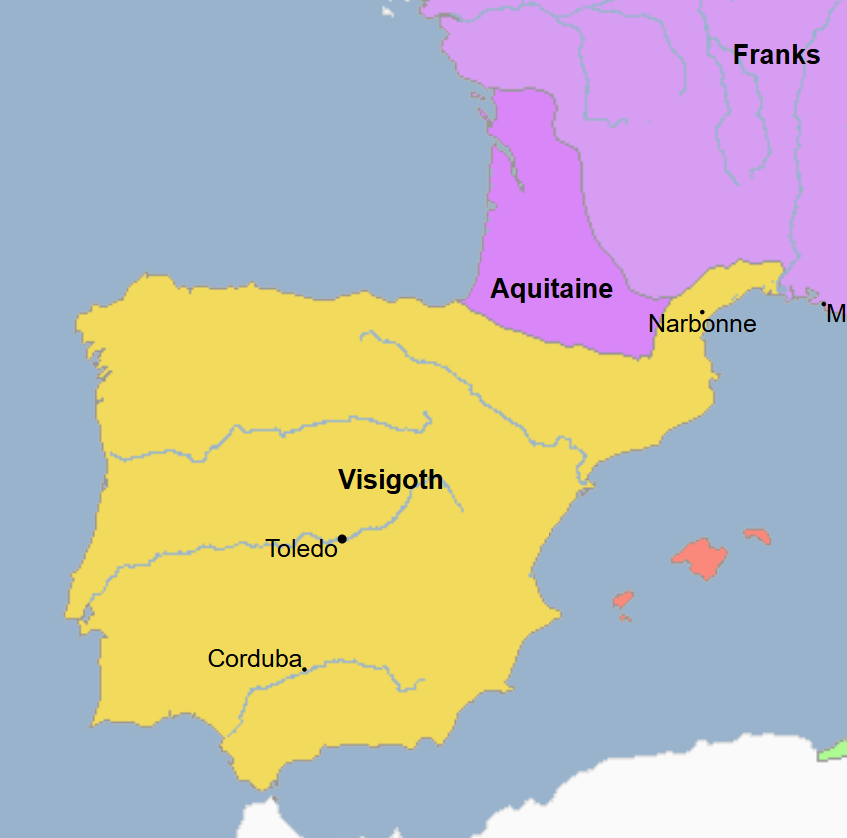
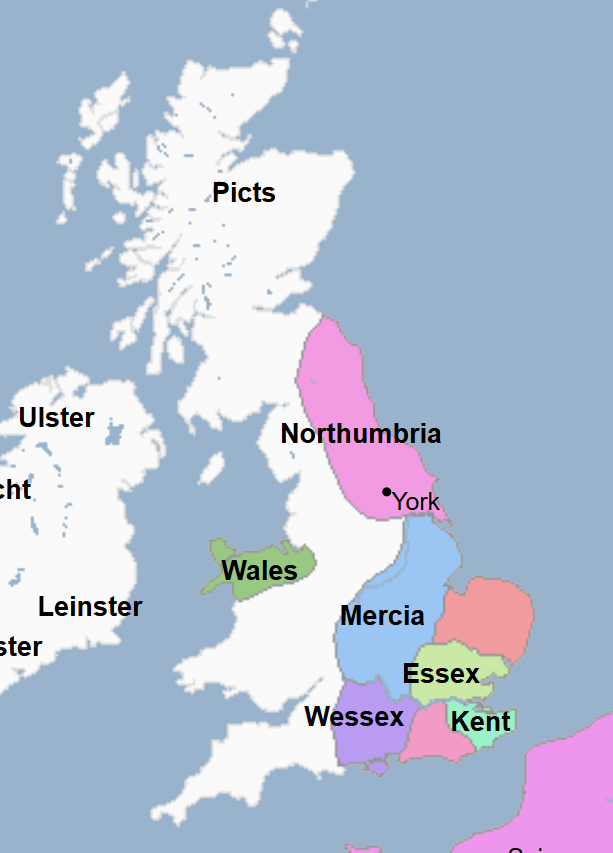
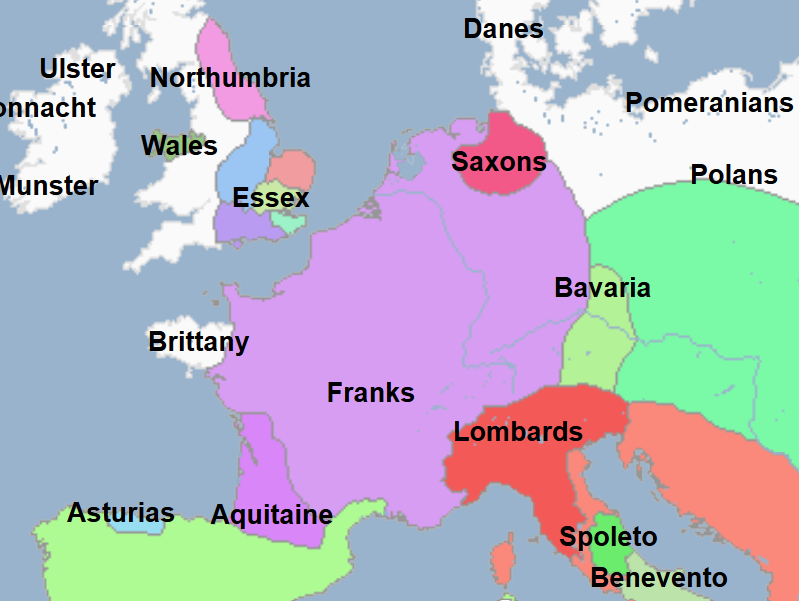
Includes both Frankish (Merovingian and Carolingian), Anglo-Saxon (Heptarchy) Kingdoms, and other Germanic Kingdoms, as well as the Political Histories of Francia (up to the reign of Hugh Capet), England (up to the reign of Athelstan), Denmark (up to the reign of Gorm the Old), Germany (up to the reign of King Otto), and the Holy Roman Empire (up to the reign of Emperor Otto) | Images show territories of rulers at the end of their reign unless otherwise indicated
Name | Mastery | Learn | Test | Matching | Spaced | Call with Kai |
|---|
No analytics yet
Send a link to your students to track their progress
166 Terms
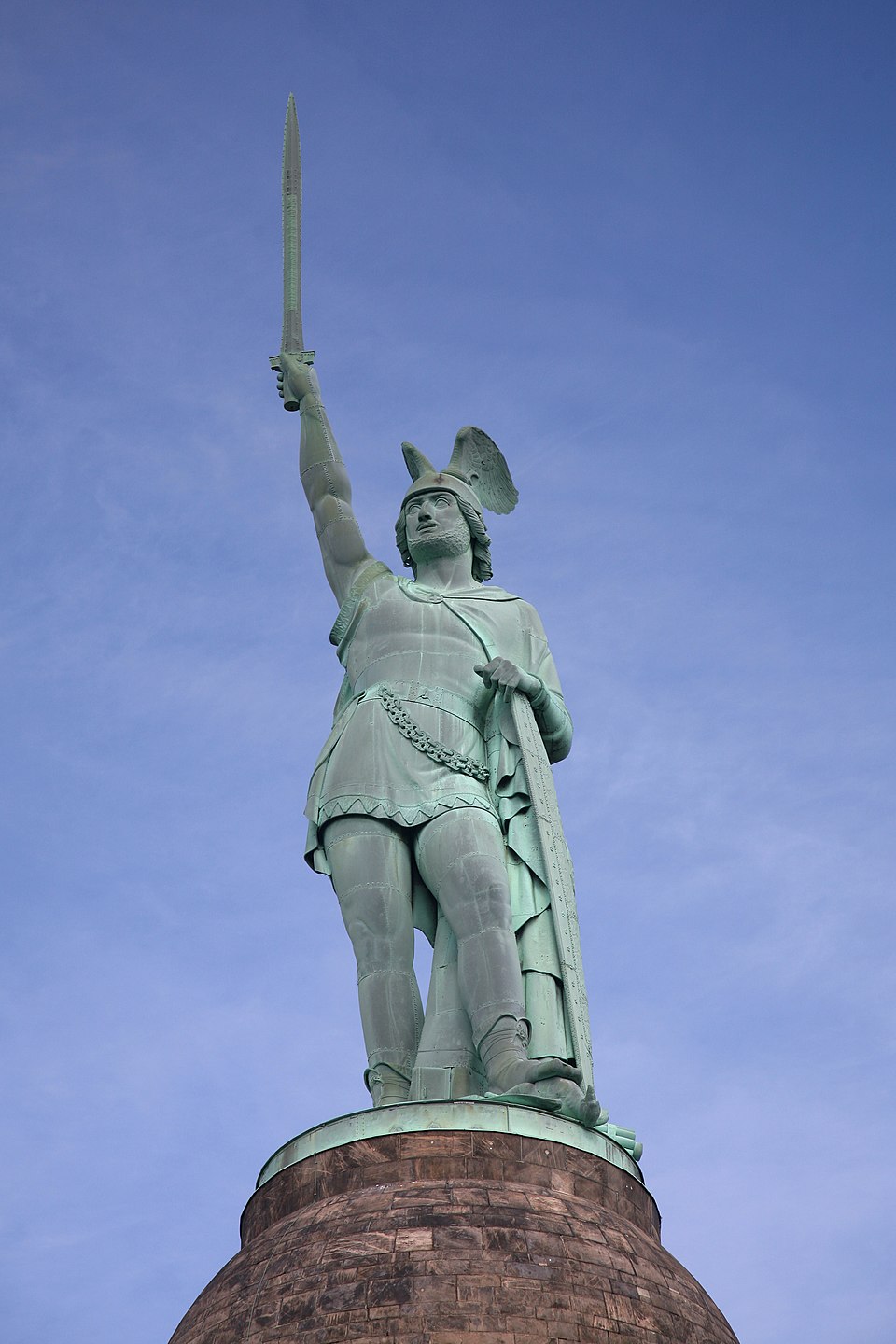
18 BCE - 21 CE - Arminius (All Facts)
Leader of the Cherusci tribe
He and his Cherusci forces defeated Varus and the Romans in the Battle of the Teutoberg Forest in 9 CE
He and his Cherusci forces were defeated by Germanicus and the Romans in the Battle of the Weser River in 16 CE
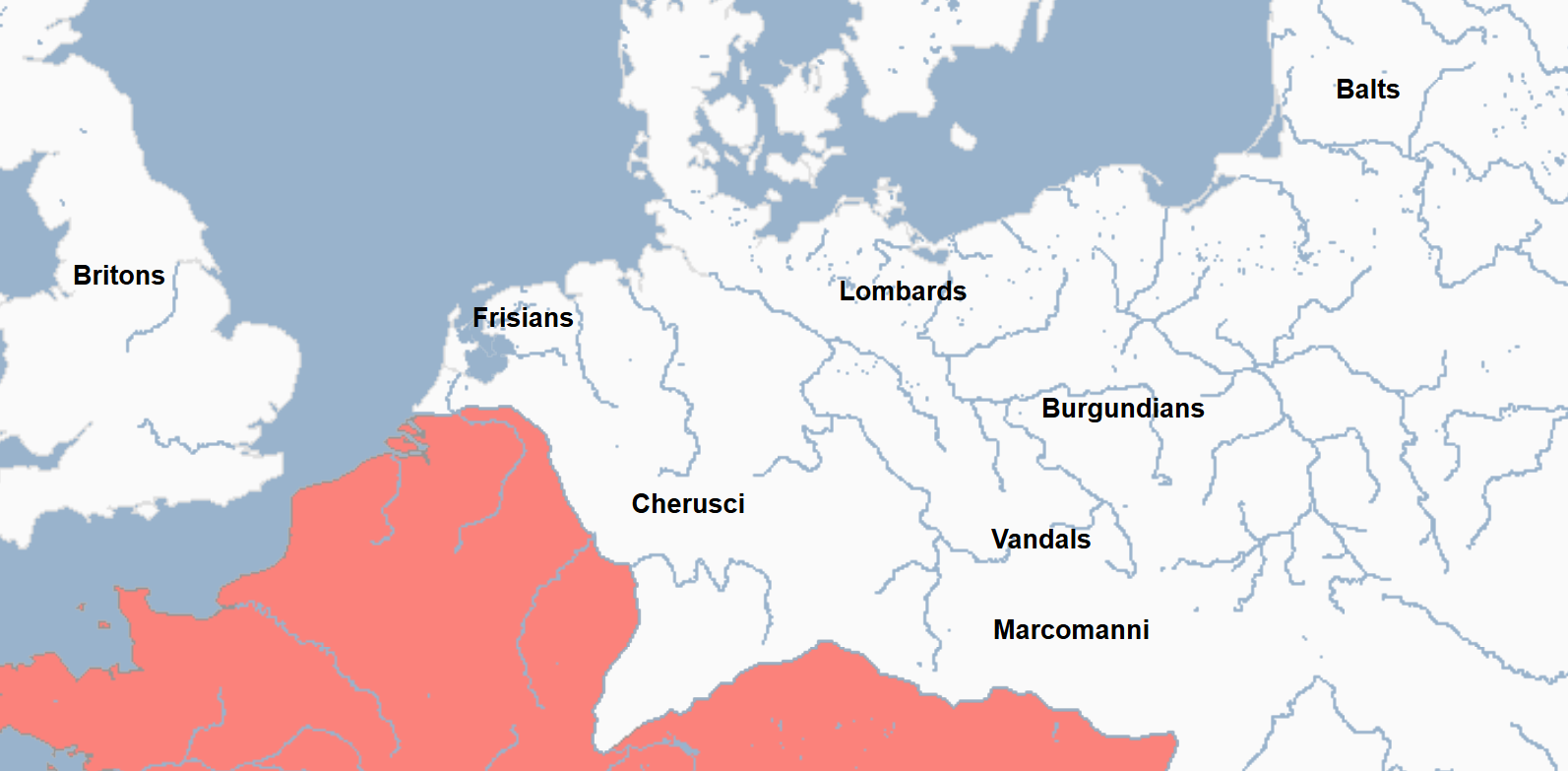
0s CE - 37 CE - Maroboduus (All Facts)
Leader of the Marcomanni tribe
Migrated south from Germany
Built up a kingdom in the land of Bohemia
Sought refuge on Roman territory after internal troubled in his kingdom in Bohemia were stirred up by the Romans
Met with the Romans at Ravenna after the Romans had stirred up trouble in his native Bohemia
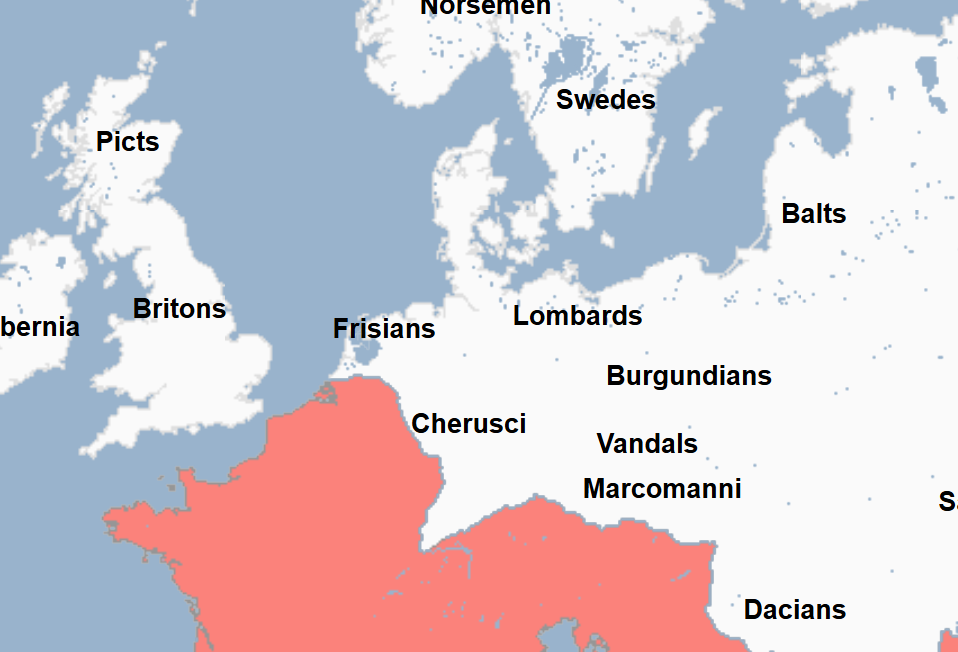
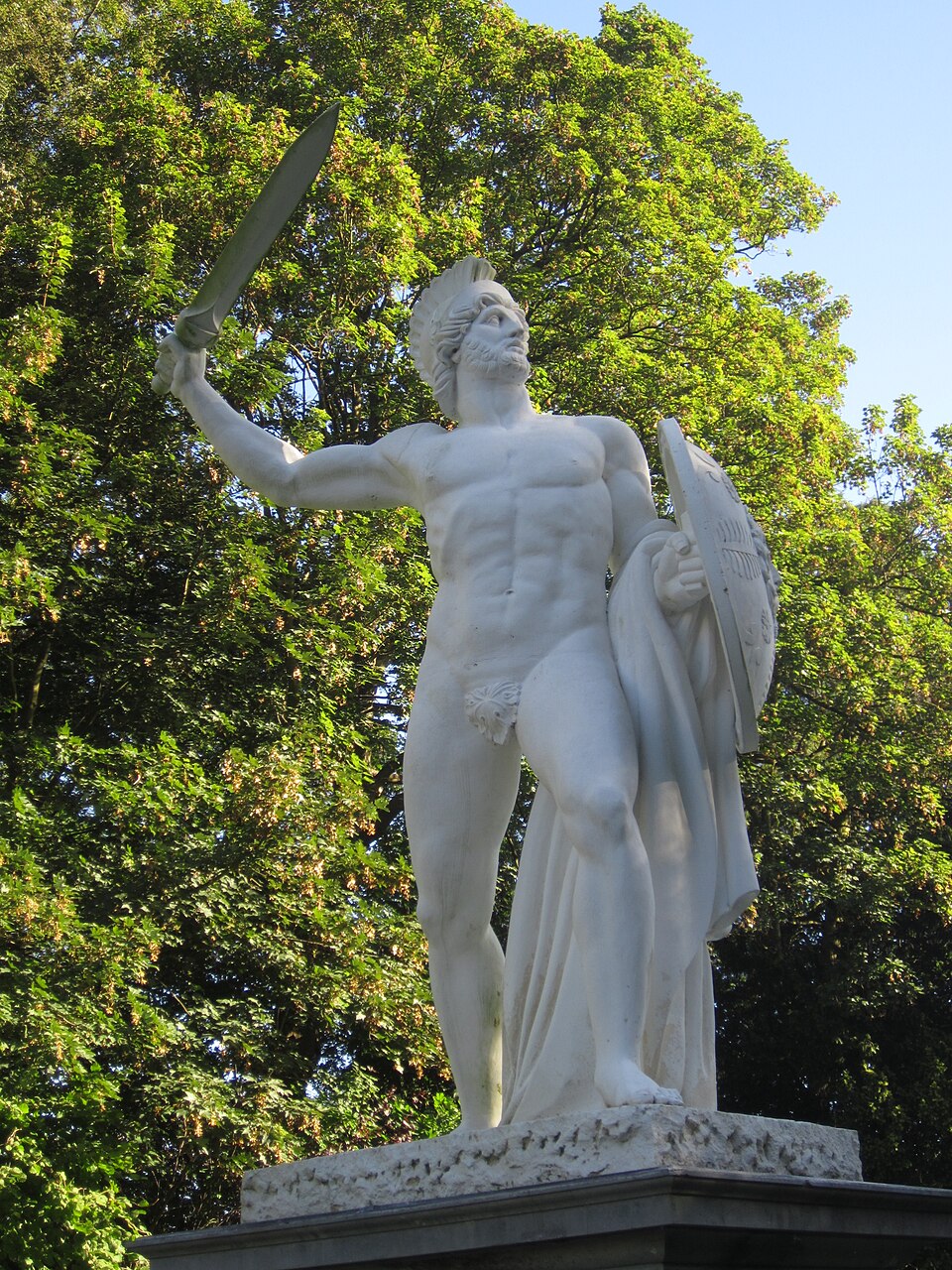
0s CE - Gaius Julius Civilis (All Facts)
Leader of the Batavi tribe
He led his namesake revolt against Rome or “War of Liberation” in 69 CE
200s CE - Cniva (All Facts)
Gothic King who invaded the Roman Empire and defeated and killed the Emperor Decius of the Roman Empire and his son in the Battle of Abrittus in 251
296 - 376 - Ermanaric (All Facts)
King of the Ostrogoths
He committed suicide when he and his forces were defeated by the Huns after they had invaded his land in modern-day Ukraine
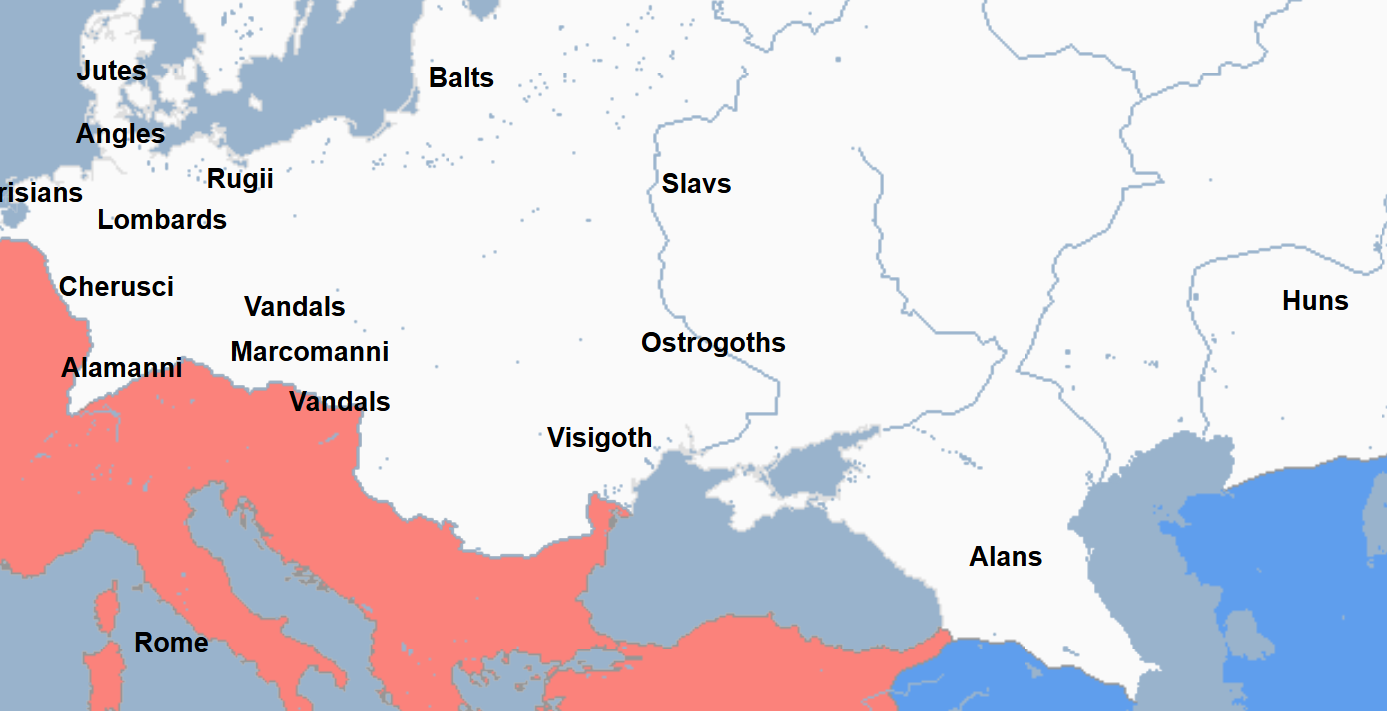
369 - 381 - Athanaric (All Facts)
Founder of the Visigothic Kingdom
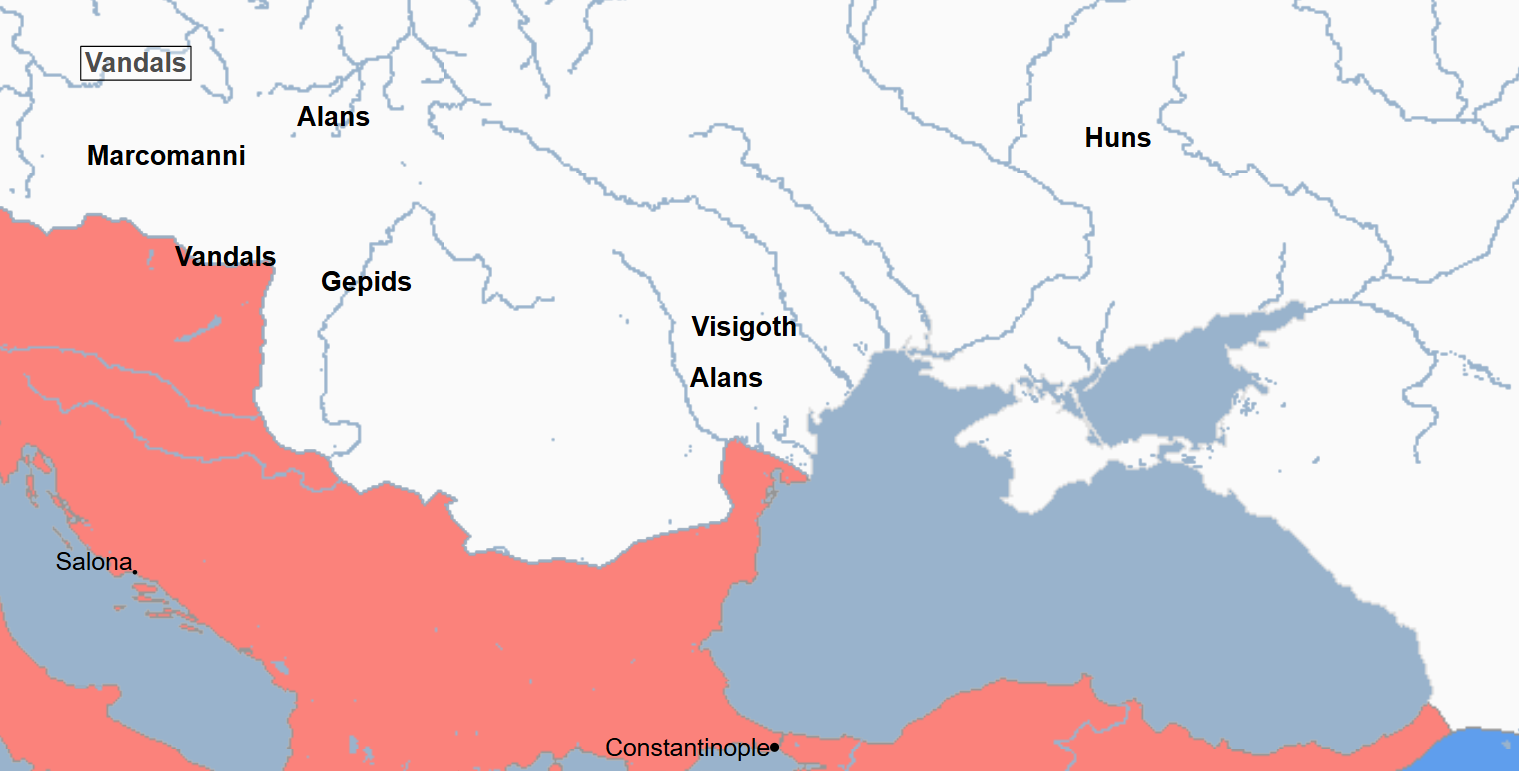
370s - Fritigern (All Facts)
King of the Visigoths who led them to defeat Emperor Valens and the Romans in the Battle of Adrianople in 378, one of the most humiliating defeats for Rome in Roman history
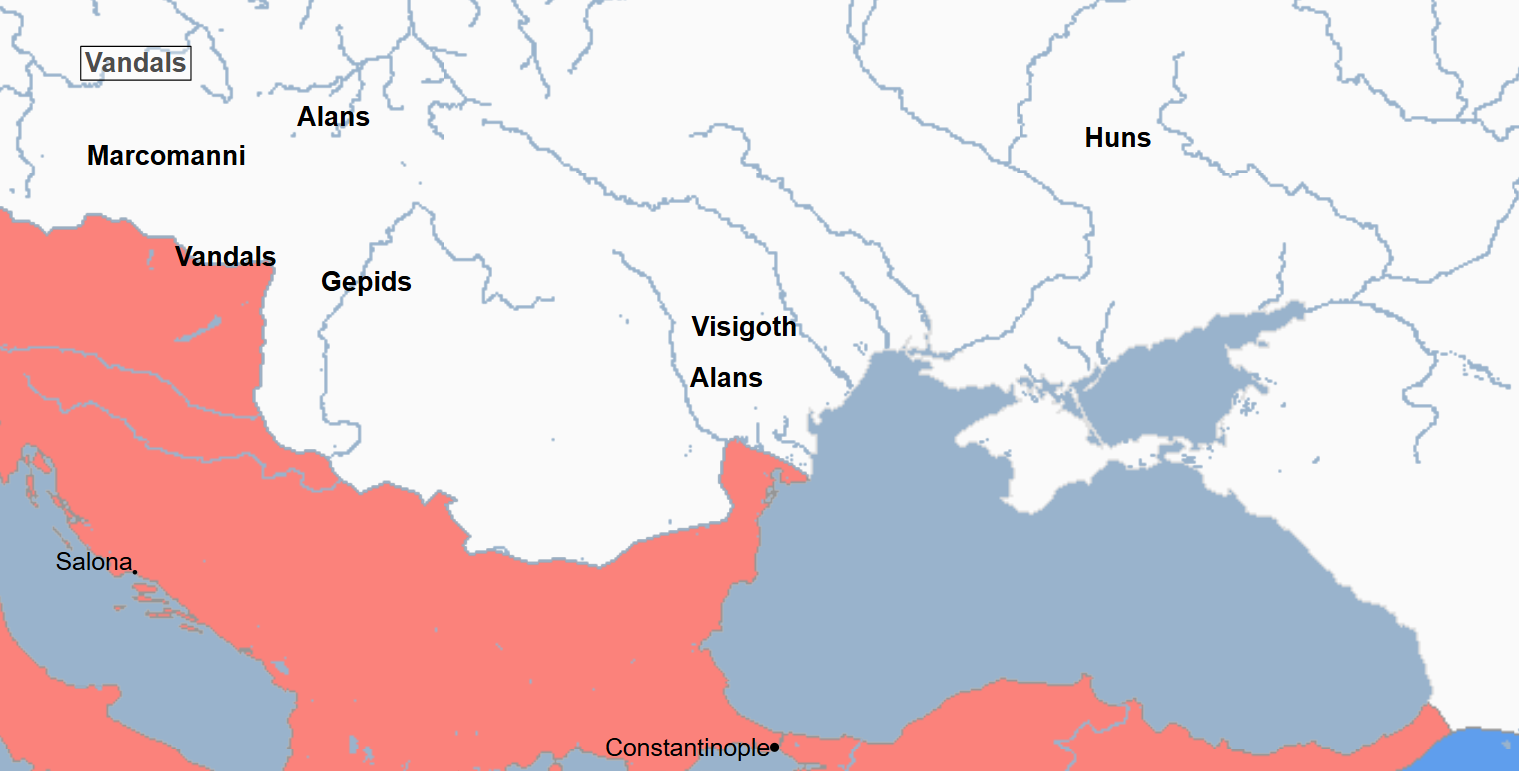
400s - 406 - Radagaisus (All Facts)
King of the Goths
Led the Goths in
406 - The Battle of Fiesole, where they were defeated by Stilicho and the Romans
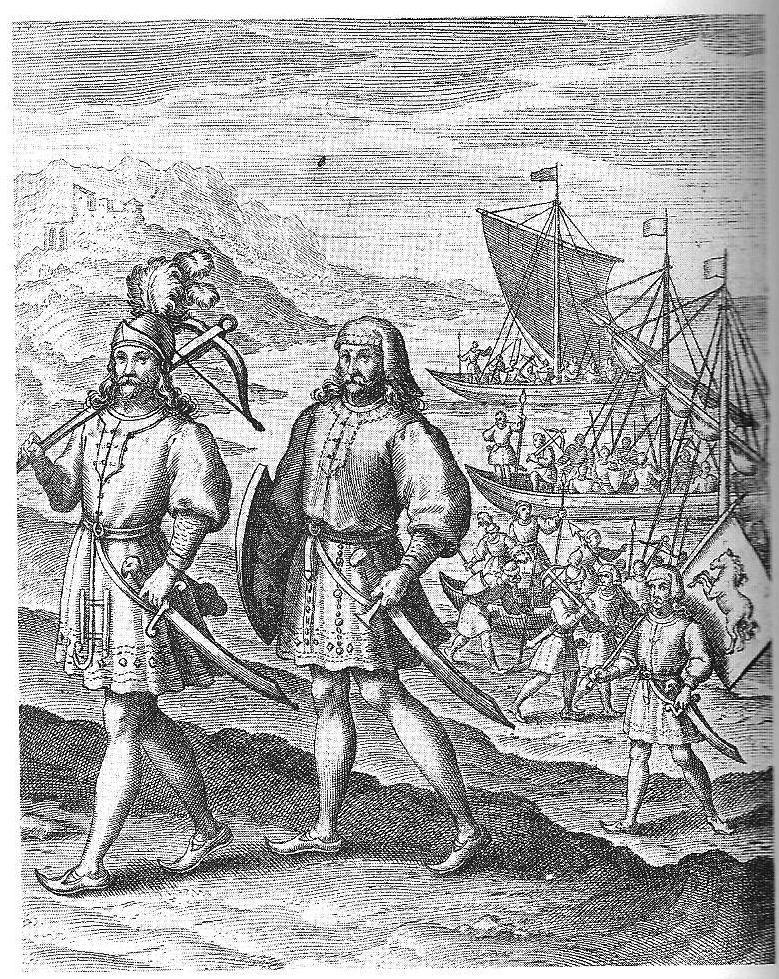
400s - Hengest / Horsa (All Facts)
Legendary Germanic brothers who led the Angles, Saxons, and Jutes in their invasion of Great Britain in the 400s
The former is considered the first King of the Jutes and the first King of Kent
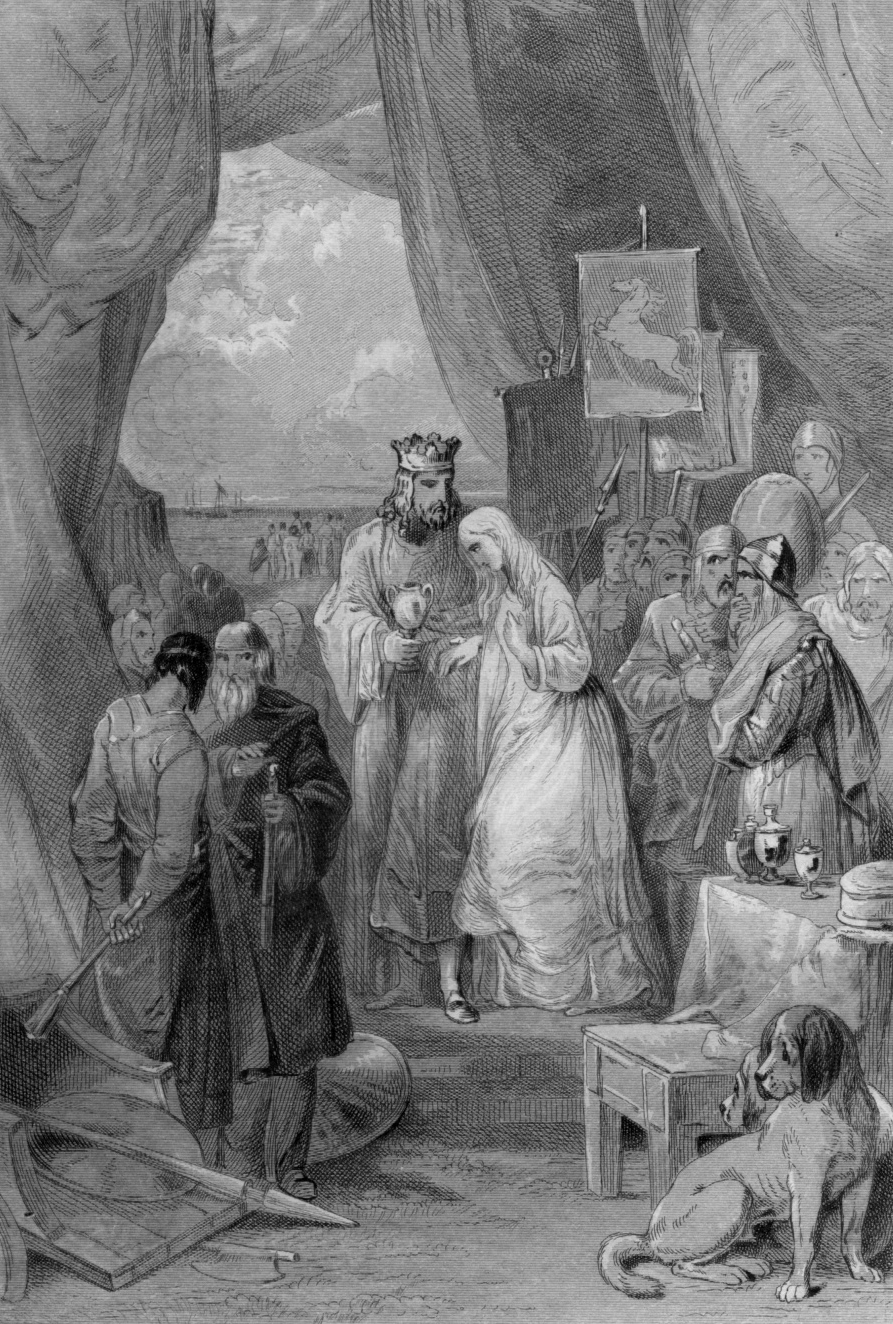
400s - Vortigern (All Facts)
Legendary Saxon leader
Hired 140 Saxon warriors to combat Pictish raiders from the north
400s - Coroticus (All Facts)
Ancient English King who is the subject of St. Patrick’s “Epistola”
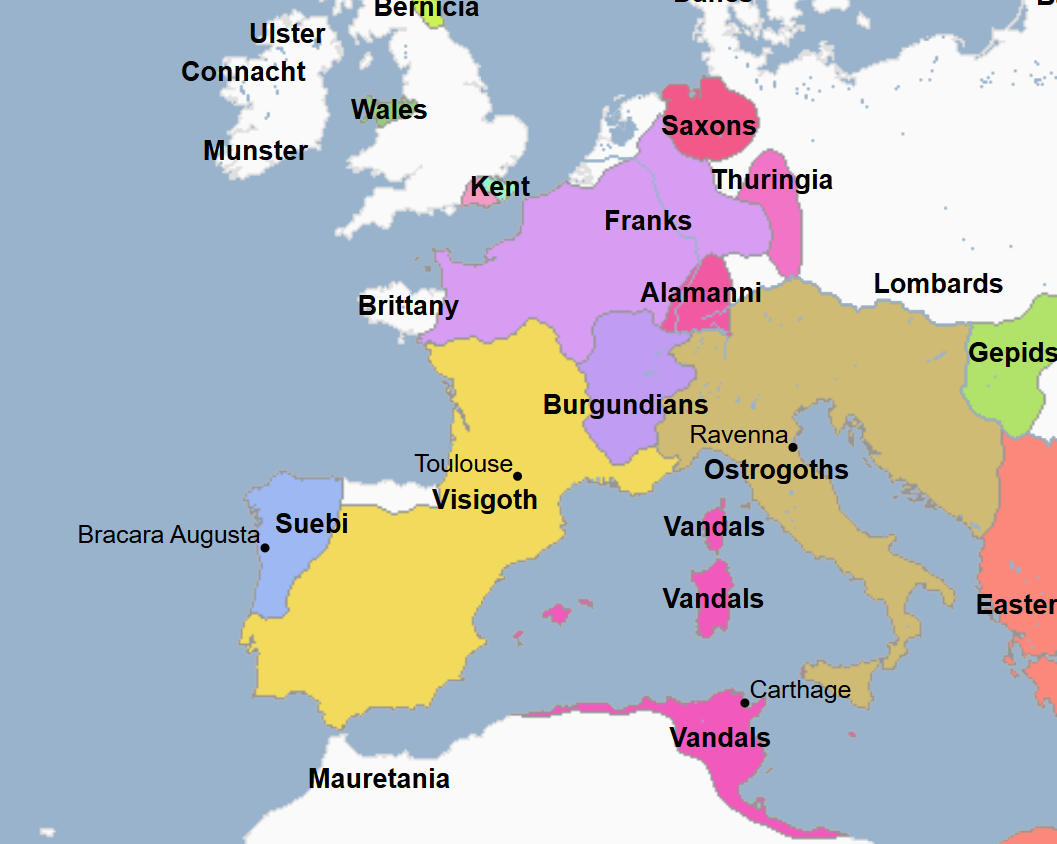
418 - 721 - Visigothic Kingdom (All Facts)
Founded by Wallia
First Barbarian Successor Kingdom of the Western Roman Empire
It covered modern-day southwestern France and most of modern-day Spain and Portugal
It maintained independence against the Byzantine Empire for over 300 years
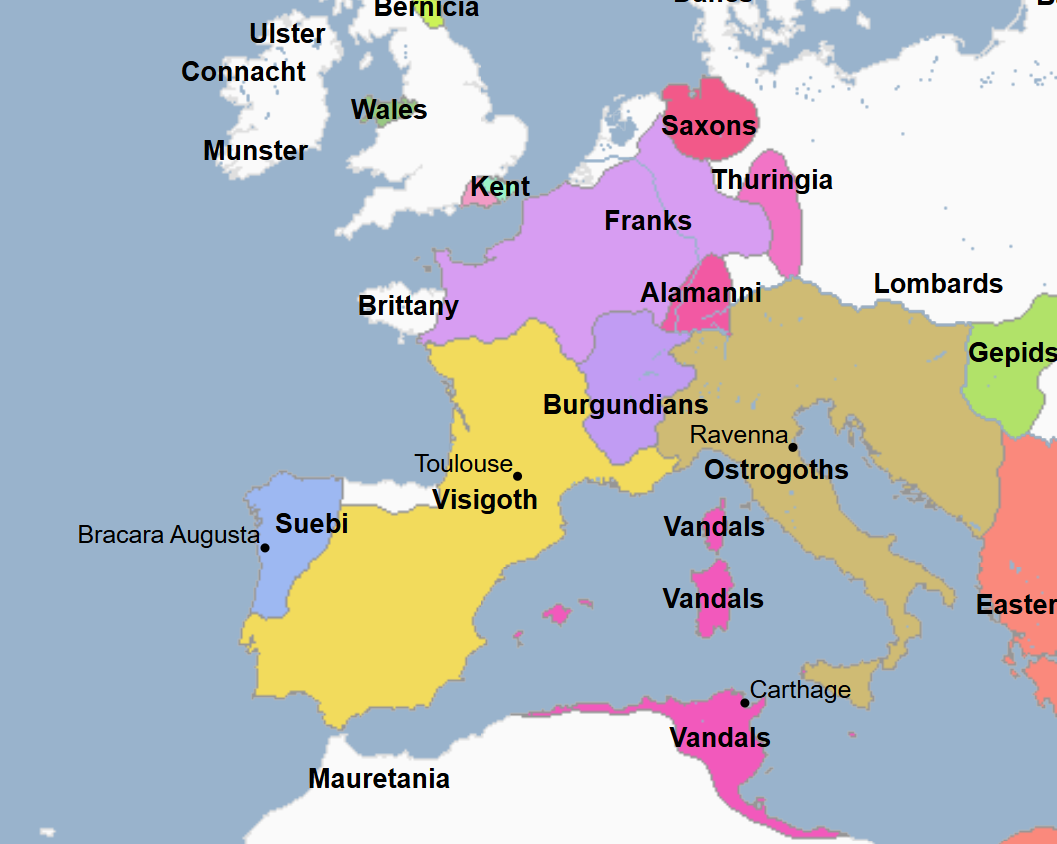
395 - 531 - Balti Dynasty of the Visigoths (All Facts)
First Dynasty of the Visigothic Kingdom
Dynasty of Visigoths characterized by their rulers being Arian Christians
Dynasty of Visigoths that included the reigns of many notable kings including
Alaric
Athaulf
Wallia
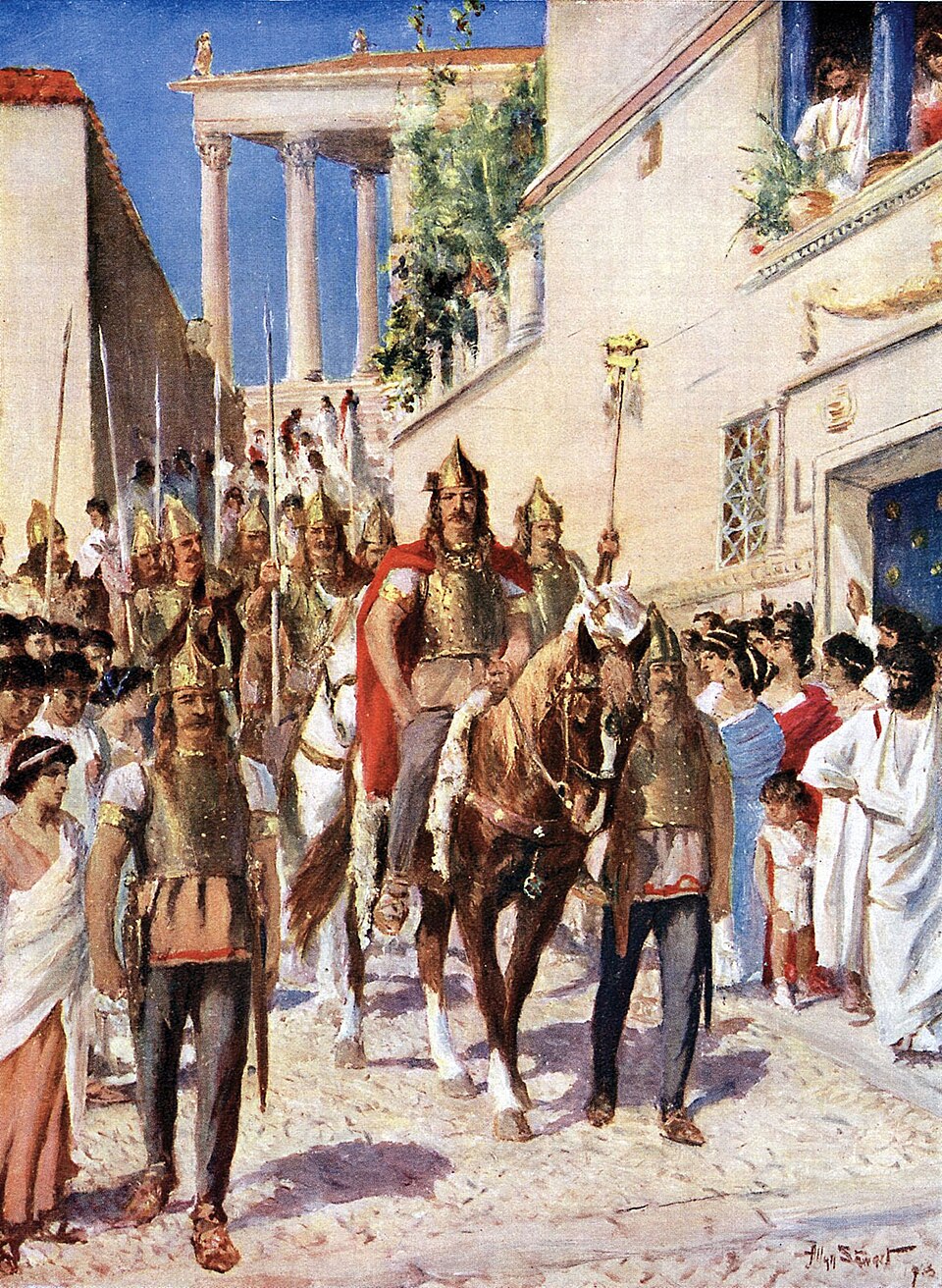
395 - 410 - Alaric (All Facts)
1st King of the Visigoths
Led the Visigoths in
402 - The Siege of Asti, where he defeated the Romans and took that city
402 - The Battle of Verona, where they were defeated by Stilicho and the Romans
410 - Sack of Rome, where they took and pillaged Rome
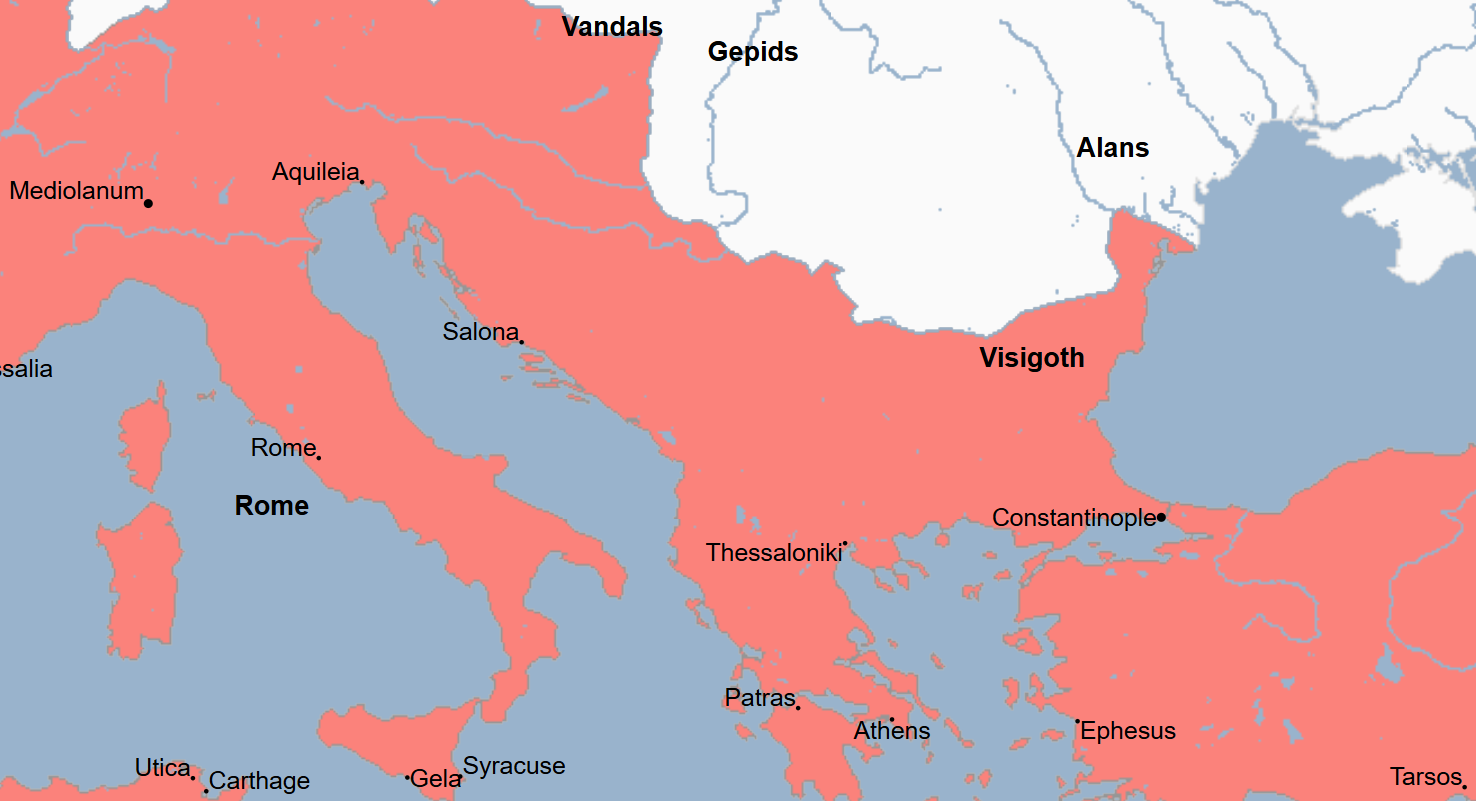
411 - 415 - Athaulf (All Facts)
3rd King of the Visigoths
He was Alaric’s brother-in-law
He married Galla Placidia, the sister of Emperor Honorius of Rome, in 414, after she was held hostage by his predecessor and brother-in-law Alaric
He led the Visigoths into Gaul and seized the southwestern part of the region in 412
He struck a deal with Emperor Honorius of Rome but the Emperor broke his word after striking the deal
In response, he and the Visigoths invaded and occupied Narbonne, Toulouse, and Bordeaux
He struck another deal with Emperor Honorius in which he would marry the Emperor’s sister Galla Placida, which briefly restored good relations between him and the Emperor
He married the Roman princess Galla Placida in the hopes of establishing a joint Roman-Visigothic Union, but their infant son died and this plan failed
After this, another quarrel eventually broke out between him and the Emperor and Emperor Honorius and his Roman forces drove Athaulf and the Visigoths into the , where famine awaited them
After this, he was murdered by his own people and they proclaimed a new king, King Wallia
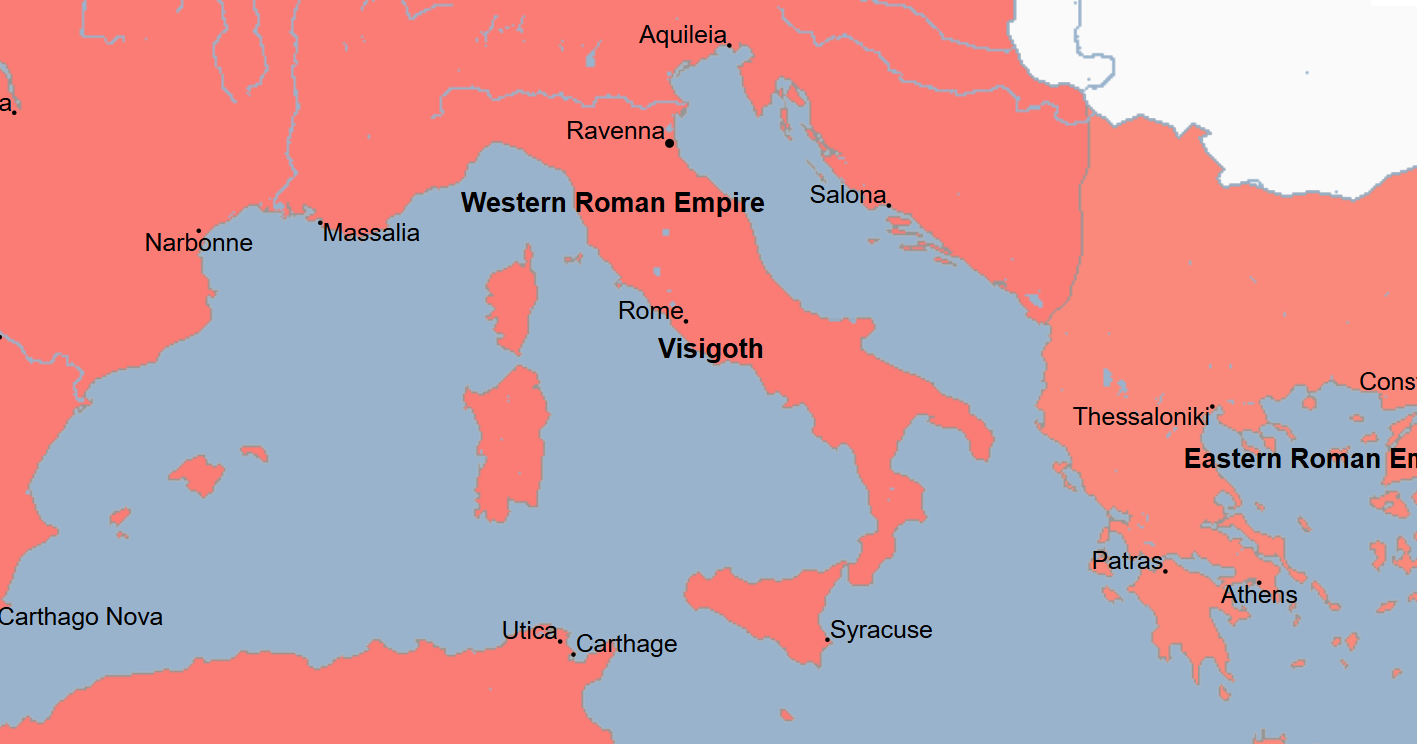
415 - 418 - Wallia (All Facts)
4th King of the Visigoths
He struck a deal with Emperor Honorius and the Romans in which he and the Visigoths could establish their own kingdom
In exchange, provided with funds from the empire, he and the Visigoths were to defend the Atlantic Coast from raids by Saxon pirates for the Roman Empire and not to invade or attack Western Rome anymore
This led to him establishing the Visigothic Kingdom
He was the first barbarian to set up an independent barbarian successor state within the borders of the Roman Empire
The kingdom’s holdings at the time included the lands that comprised the Roman province of Aquitaine, which included modern-day Spain, Portugal, and southwestern France
He established peaceful coexistence between the Visigoths and Aquitaine’s preexisting ruling class given that the Visigoths were Arian Christians and the preexisting ruling class which consisted of an old aristocracy that combined Roman and Gallic stock were non-Arian Christians
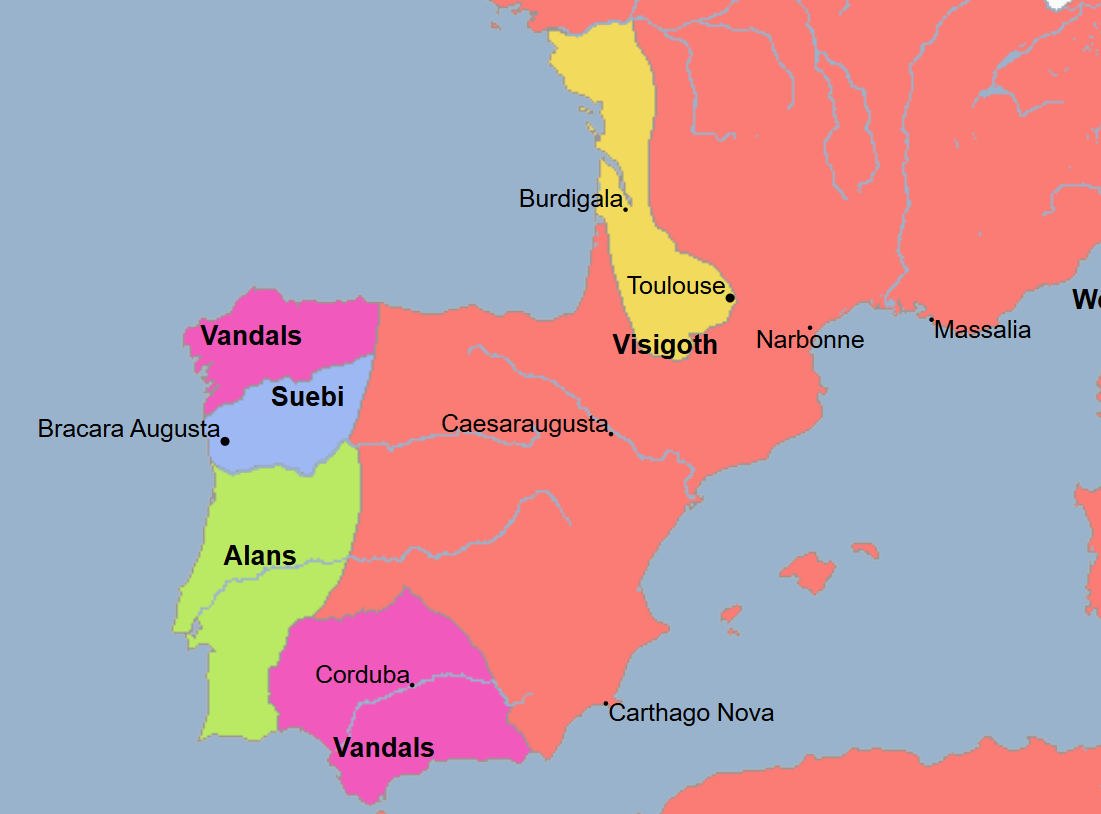
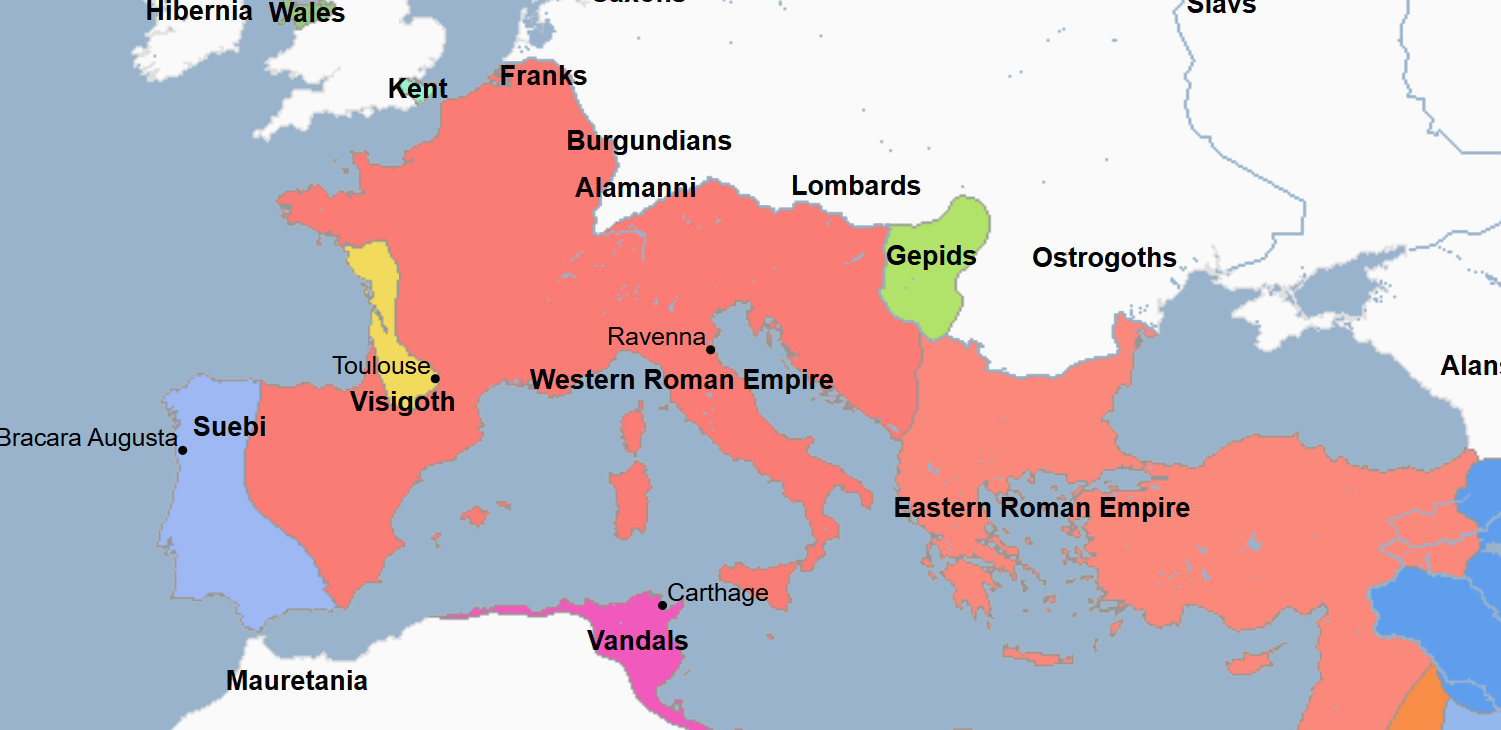
409 - 585 - Suebi Kingdom (All Facts)
They occupied parts of modern-day Spain
Were led by
Rechiarus
Converted to Nicene Christianity by St. Martin of Braga in the 560s
Conquered by Liuvigild and the Visigoths in 585
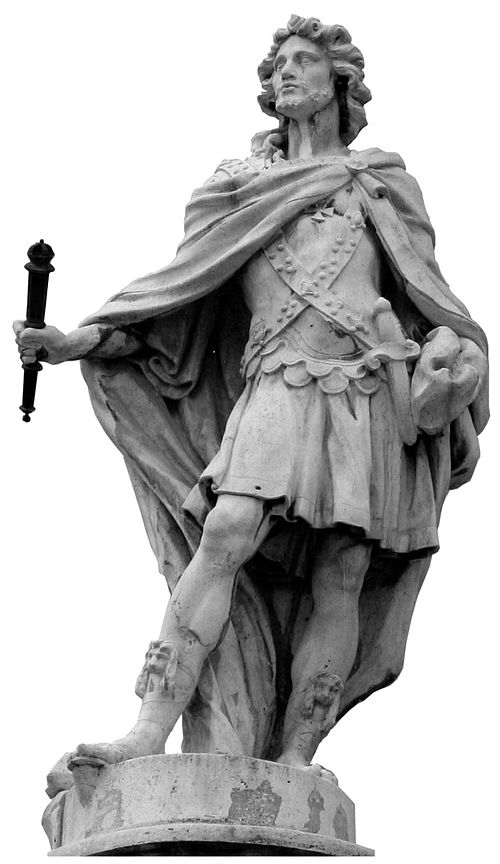
415 - 456 - Rechiar (All Facts)
King of the Suebi
He and his Suevic forces were eventually defeated and killed by Theodoric II and the Visigoths and their allies in the Gothic War in Spain
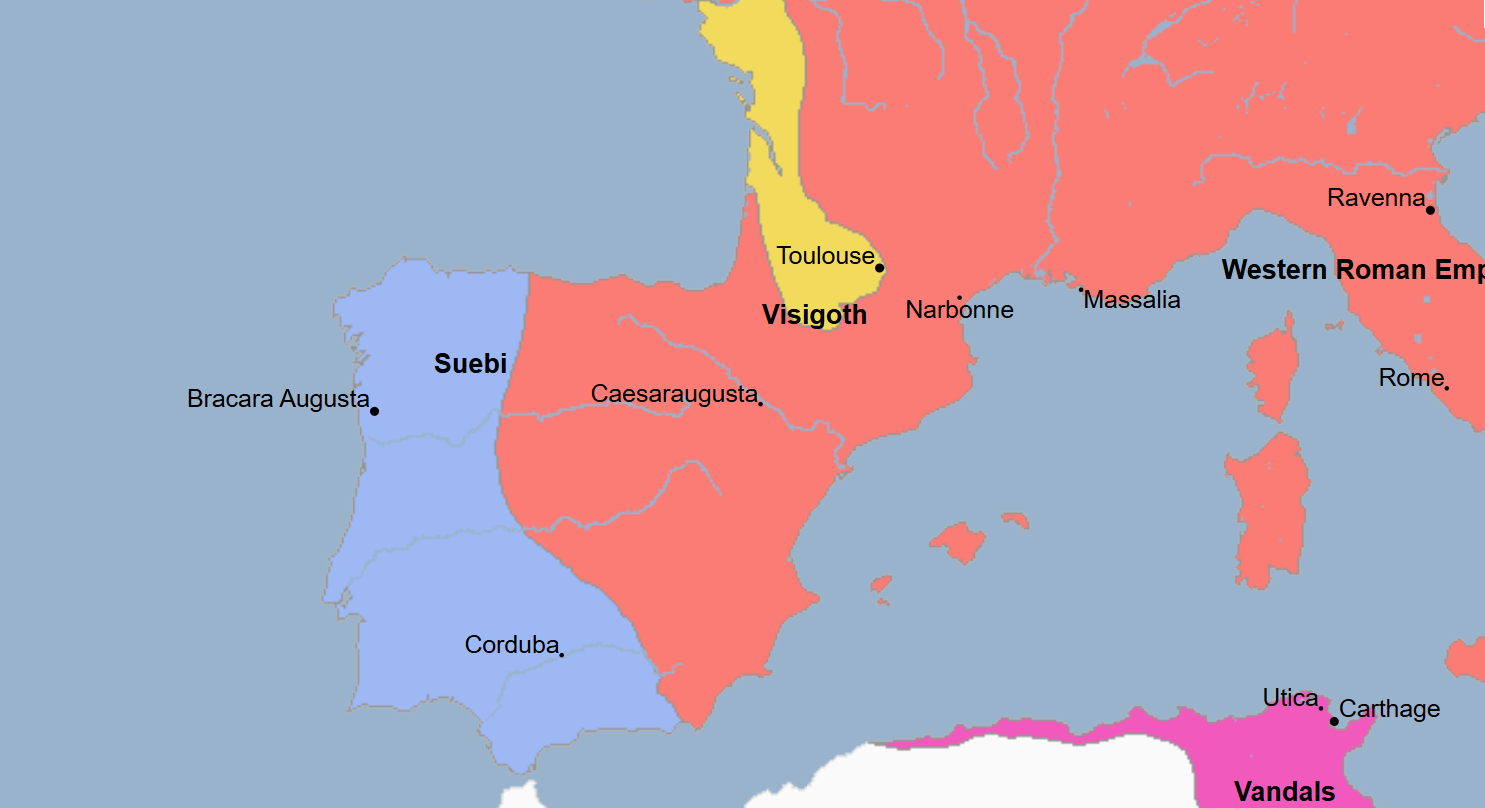
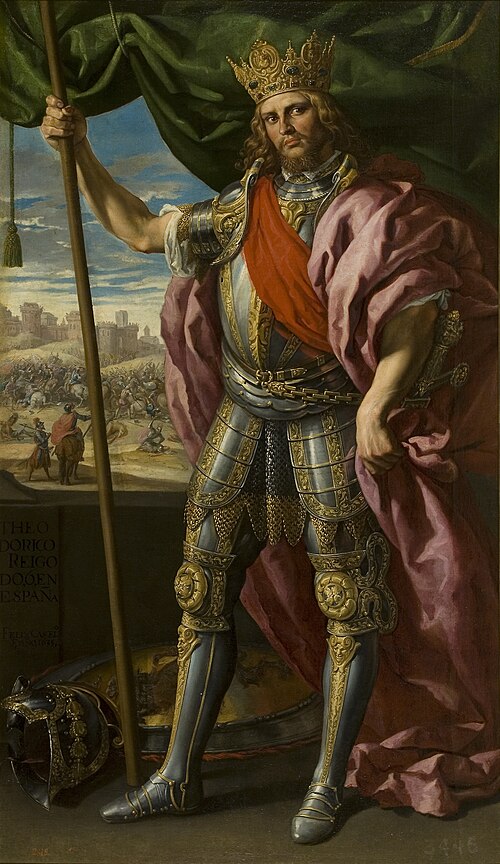
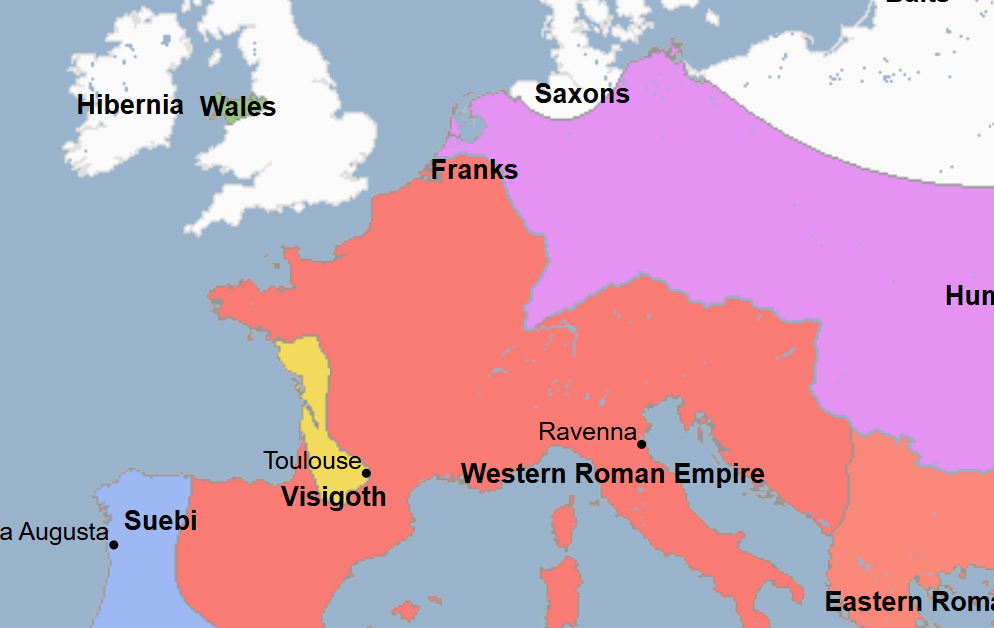
418 - 451 - Theodoric (All Facts)
5th King of the Visigoths
Died heroically fighting against Atilla and the Huns and successfully preventing them from invading Gaul in the Battle of the Catalaunian Fields in 451
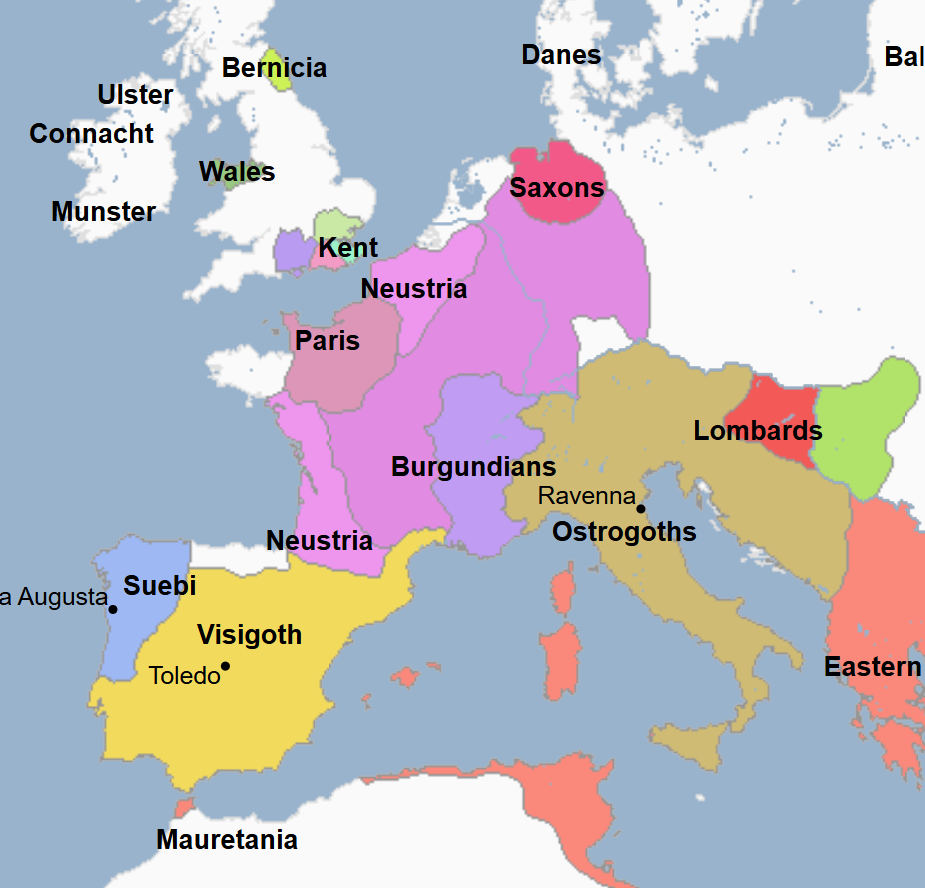
411 - 534 - Burgundian Kingdom / First Kingdom of Burgundy / Kingdom of the Burgundians (All Facts)
Kingdom of the namesake Germanic tribe
Kingdom in which many of its rulers started out as Roman / Byzantine “Masters of Soldiers” in Roman / Byzantine military service
When it began, it covered modern-day Switzerland and southeastern France
By the reign of Gundobad, it covered much of eastern Gaul and had two capitals at Lyon and Geneva
It was conquered and absorbed by the Franks
400s - 480 - Chilperic (All Facts)
King of the Burgundians
His brother was Gondioc
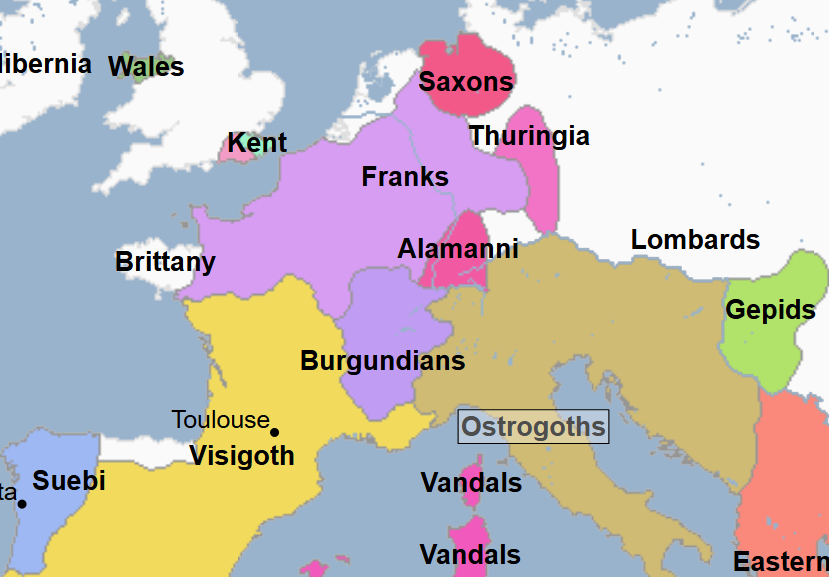
420 - 473 - Gondioc (All Facts)
Under his authority, the foundations were laid for the later Burgundian kingdom
He established the Burgundian Kingdom as a leftover of the surviving Burgundians who had crossed the Rhine in 406 and were nearly destroyed by the Romans and Huns shortly after that
In 451, he led the Burgundian forces during the Battle of the Catalaunian Fields
Around 455, he led the Burgundian people together with his brother Chilperic I
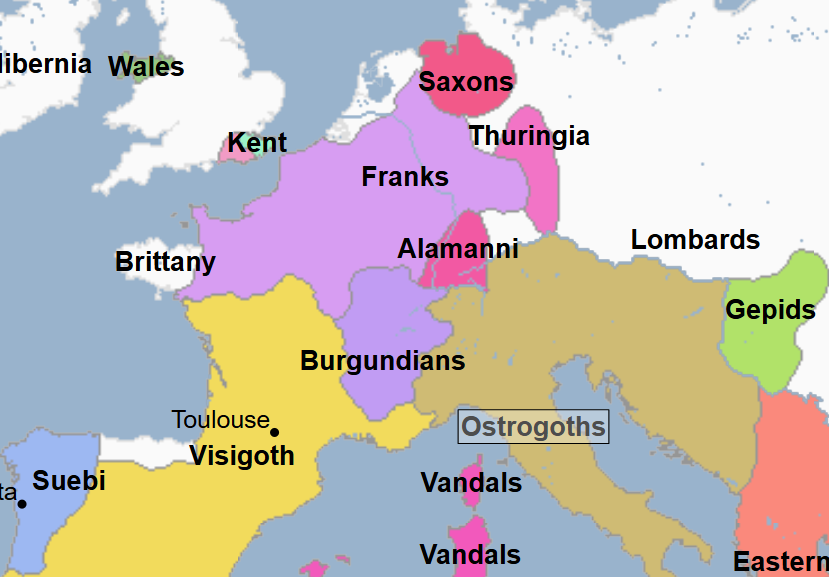
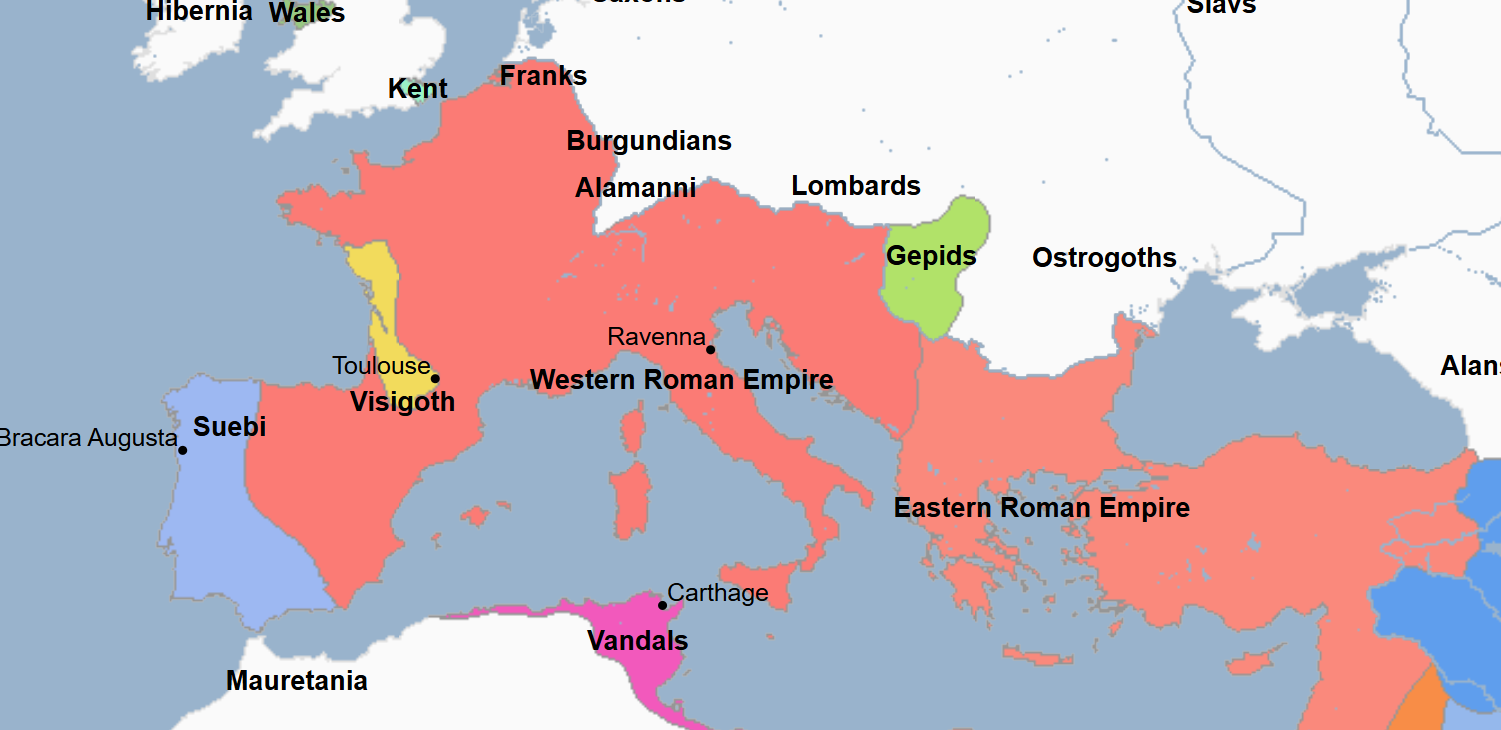
454 - 567 - Gepid Kingdom (All Facts)
Founded by Ardaric
425 - 464 - Ardaric (All Facts)
Led the Gepids and an alliance of other peoples within the Hunnic Empire and revolted against and defeated the sons of Atilla the Hun and their allies in the Battle of Nedao in 454
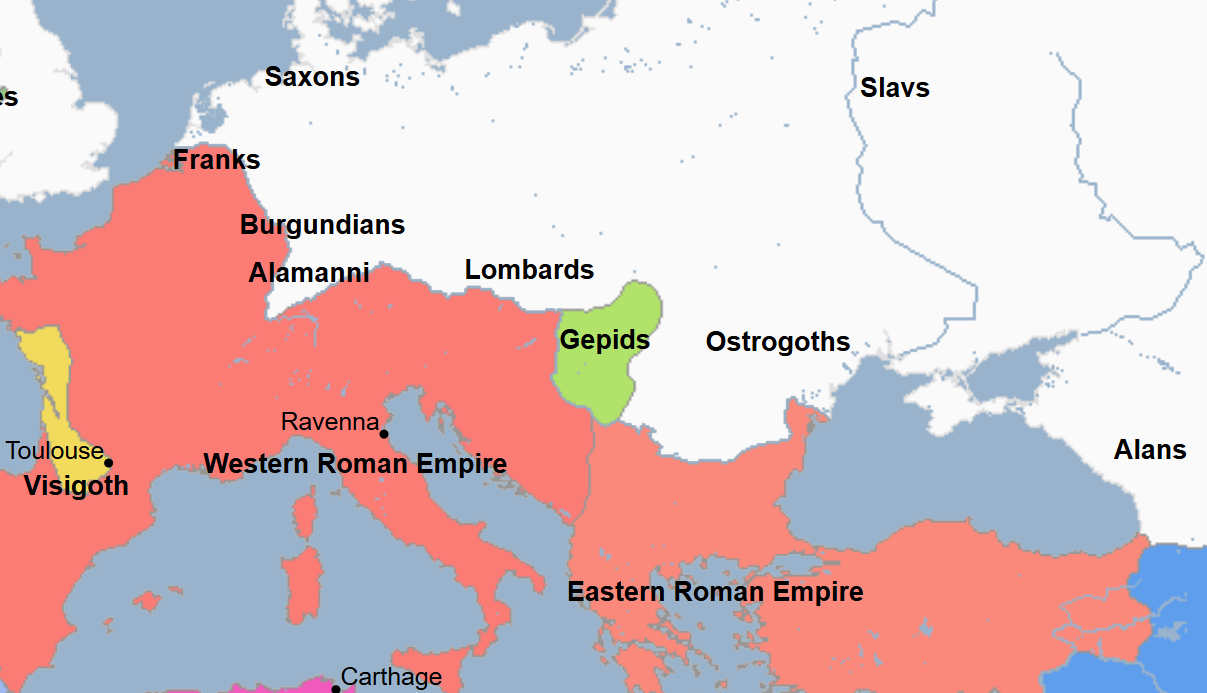
453 - 466 - Theodoric II (All Facts)
7th King of the Visigoths
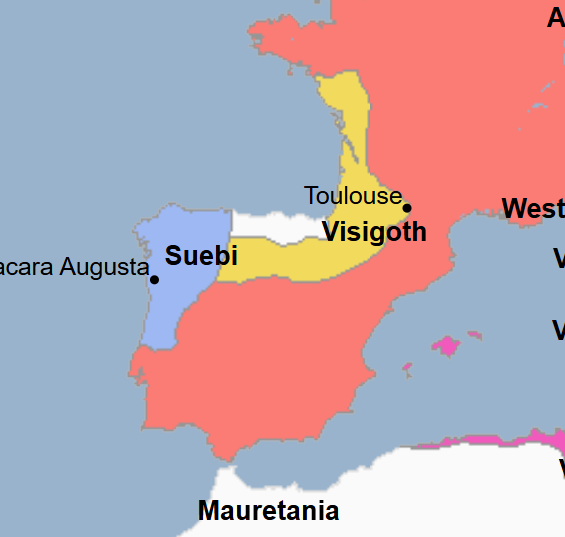
He and his forces, supported by Emperor Avitus and the Roman Empire, along with Burgundian and Frankish troops, fought against and defeated King Rechiarus and the Suebi in the Gothic War in Spain
As a result, he and the Visigoths seized parts of modern-day (Roman) Spain, to be added to the Visigothic Kingdom
He supported Emperor Avitus of the Western Roman Empire and the Romans in general until the death of Avitus, in which he began to operate more independently thereafter
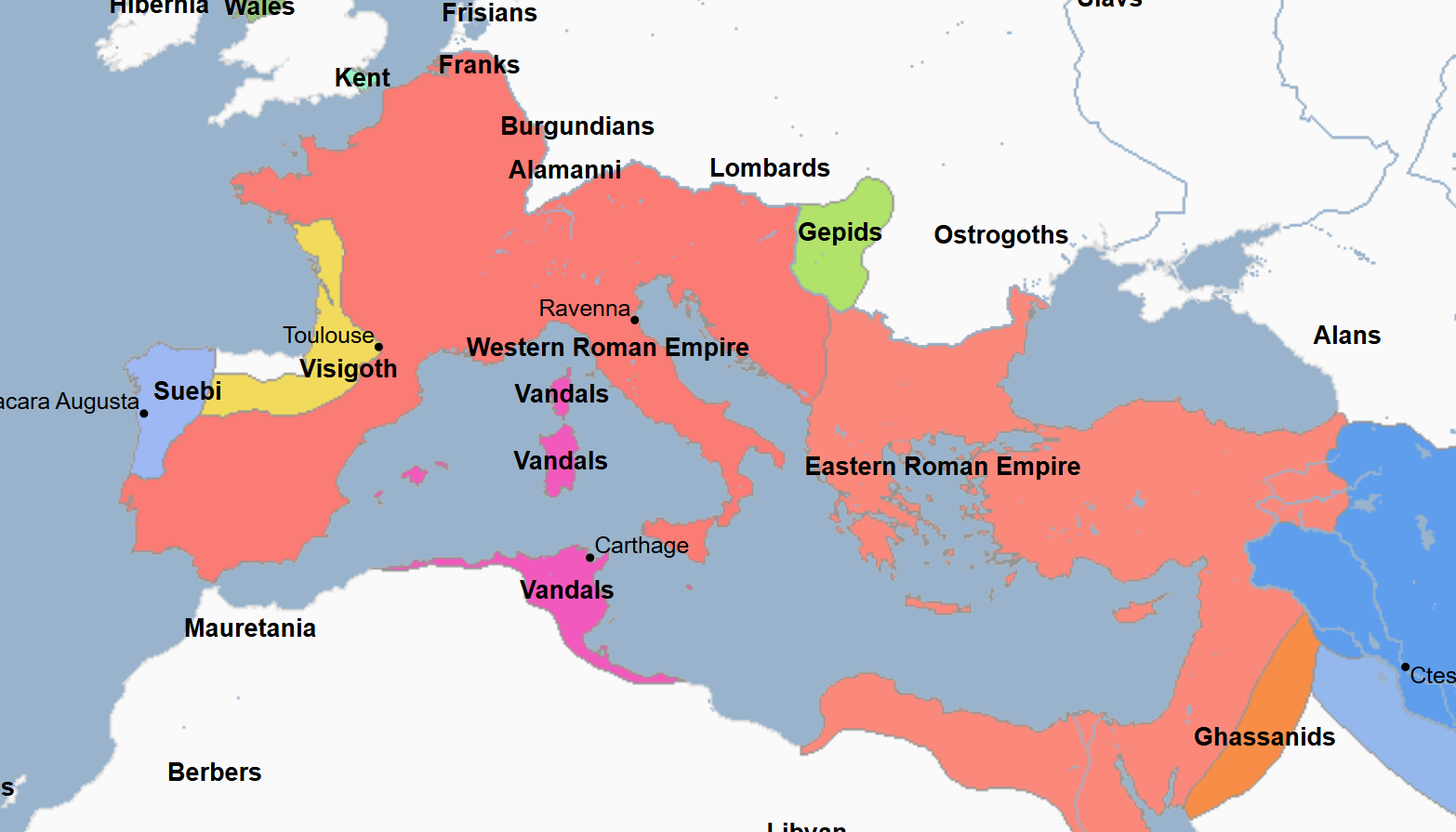
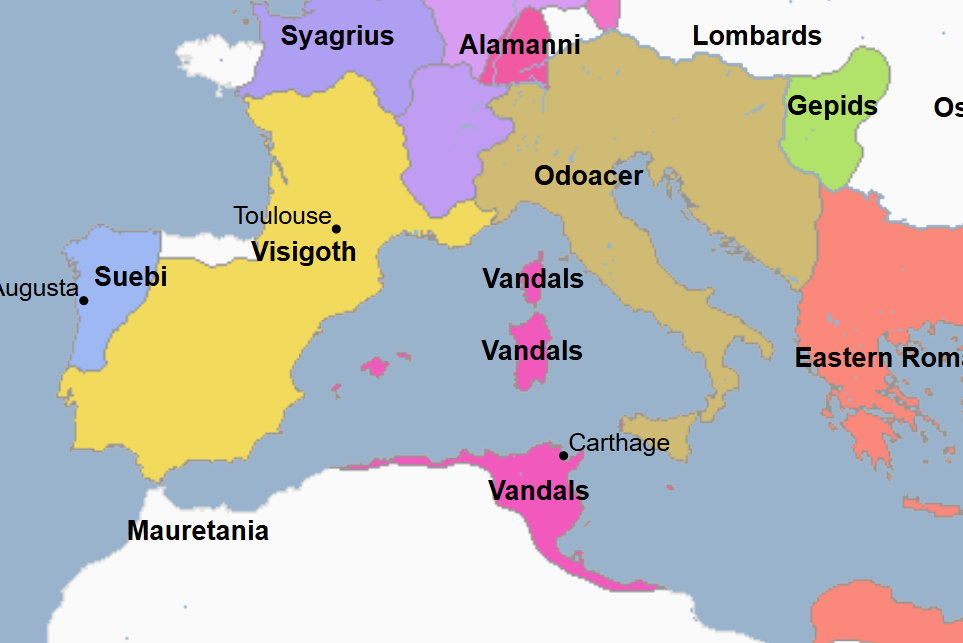
435 - 534 - Vandal Kingdom (All Facts)
Founded by Gaiseric
Second Barbarian Successor Kingdom of the Western Roman Empire
It covered parts of modern-day North Africa and parts of the Mediterranean
Kingdom characterized by their rulers being Arian Christians
Kingdom characterized by its continuation of Roman law and continuation of the preexisting administration being largely maintained by Romans, to the profit of the namesake group
It maintained independence for 99 years
Of all the Germanic Kingdoms that overtook the Roman Empire, they probably had the least lasting impact
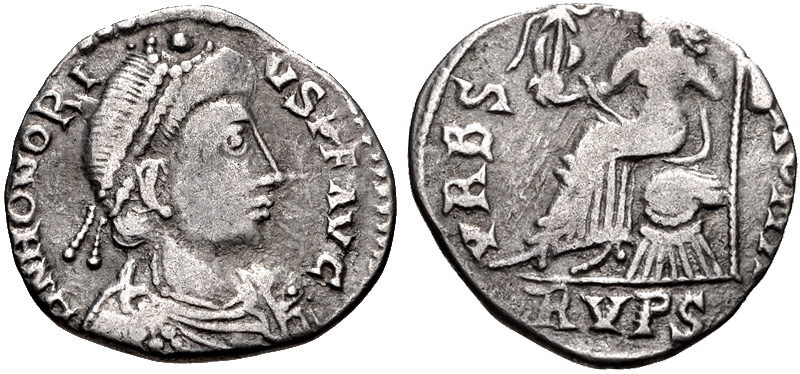
428 - 477 - Gaiseric (All Facts)
First King of the Vandals who founded the Vandal Kingdom; he
Led 80K Vandals, 15K of which were warriors, across the Straits of Gibraltar, from Spain into North Africa
Sacked and looted city after city until he reached Carthage, which he promptly took from the Romans
Caused a devastating blow to Rome, since North Africa was its main source for wheat and thus for bread
Was formally granted the lands he taken by Rome in a desperate attempt by them to appease him not to take anymore, but that did not quell his ambitions
Confiscated Roman estates throughout Carthage and Roman Africa in which he and his men lived in unprecedented luxury and idleness as a result
He
Led the Vandals to besiege and capture Hippo in 430
Led the Vandals against Flavius Aetius in the Vandal Wars, in which he successfully defended his established kingdom against several Roman attempts to take back North Africa
Signed a peace treaty with Valentinian III and the Romans, with the approval of Theodosius II, ending the Vandal Wars
It granted the namesake full rights to be an independent ruler over most of the Roman province of Africa (Tunisia and Western Libya), leading to the formation of the Vandal Kingdom
In exchange, the namesake agreed to give Sicily, Numidia, and Mauretania (Morocco and Algeria) back to Rome
Oversaw the construction of a fleet of fast ships, which he made in attempt to try to control the western Mediterranean
Led the Vandals and oversaw the Second Sack of Rome, in which he and his forces
Defeated the Romans and take the namesake heart of the Roman Empire, pillaging it for two weeks straight, upon the death of Valentinian III
Seized
The remainder of Roman North Africa
Sardinia and Corsica
Spoils taken by Titus from Jerusalem back in 70 CE
Thousands of captives
Empress Eudoxia and her daughters
Took Rome due to their powerful fleet
Despite being his ally, Gaiseric took Valentinian III’s murder as a sign that all treaty obligations with him were nullified
After this, the fleet roamed freely throughout the western Mediterranean ready to take more land and booty
Led the Vandals in conquering Sicily
He oversaw a violent persecution against (non-Arian) Nicene Christians (Catholics)
Romans who held office in the administration of the Vandal Kingdom were expected to convert to Arianism
Targeted and persecuted the Nicene clergy
Exiled many Christian bishops to Sardinia in an attempt to break the powerful hold the clergy had on the people the Vandals ruled over
Prohibited conversion to Nicene Christianity
He adopted a policy of weakening the Roman senatorial class in which he oversaw the confiscation of large tracts of Roman land
Despite his oppressive anti-Roman / anti-Christian reign, he absorbed Roman culture as much as other barbarian successor state rulers / kings
The population continued to live under Roman law and the existing administration was largely still maintained by Romans, to the profit of the Vandals
Died in the province of Africa and was succeeded by his son
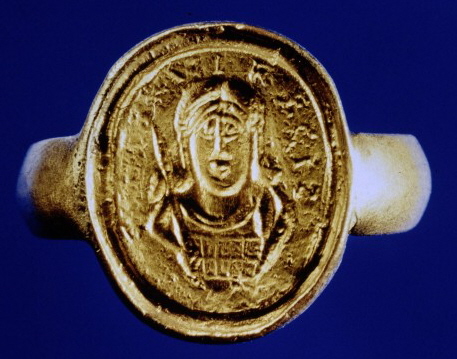
457 - 481 - Childeric (All Facts)
Leader of the Franks
He led a Frankish section of the Roman army, having established the Frankish foothold to which his son and successor had added onto
He died at his capital Tournai
He was succeeded by his son
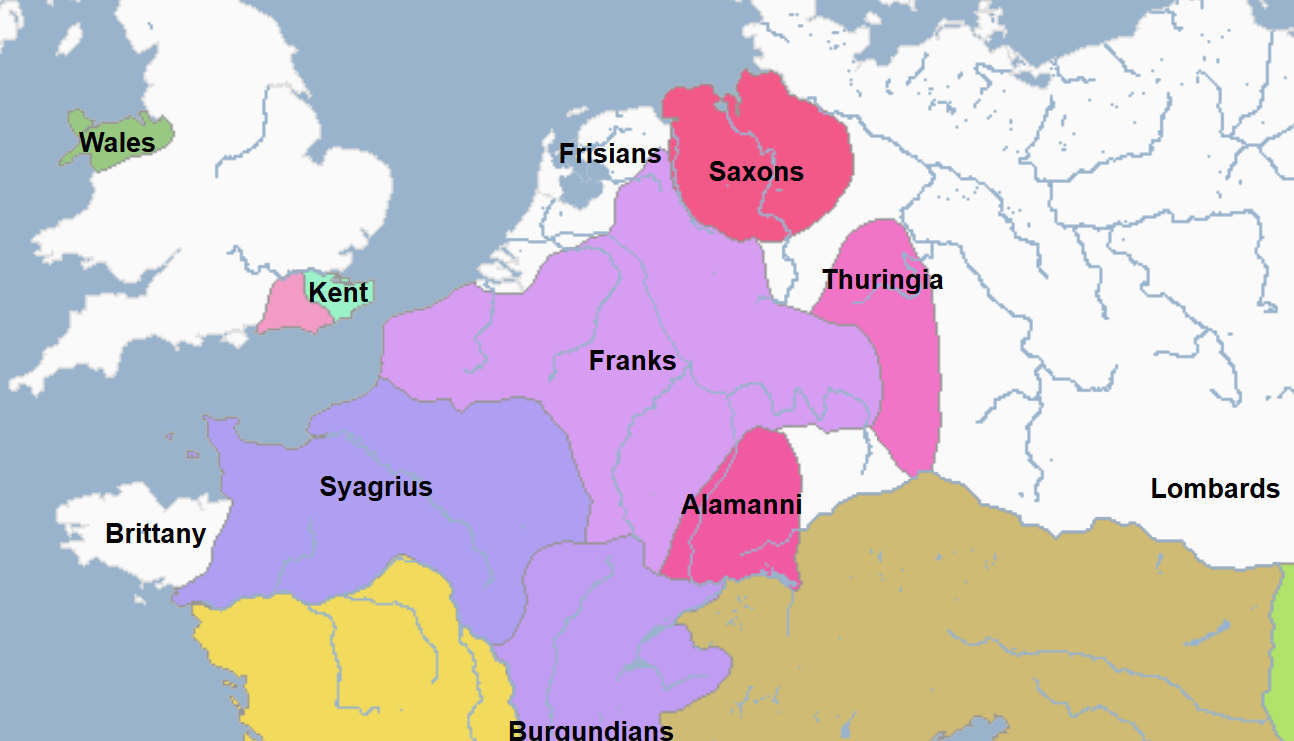
466 - 484 - Euric (All Facts)
8th King of the Visigoths
He is granted legal tenure of his conquests by Western Roman Emperor Julius Nepos
He ruled the largest and most powerful of the Barbarian Kingdoms in Europe at the time
Under his reign, the Visigoths controlled southwestern Gaul and most of Spain, except for the Suebi Kingdom in the northwest of Spain
He conquered the remainder of southern Gaul, up to the Italian frontier
He issued his namesake law code to demonstrate he was just as good of a ruler as a Roman Emperor, it
Was the first document published that recorded in writing Visigothic (German) law(s) into Latin
Helped reassure his subjects that the Visigothic Kingdom was administered according to the rule of law
Dealt with issues such as land tenure
He heavily persecuted Nicene Christians
He exiled bishops
He forbade cities with exiled bishops to ordain successors
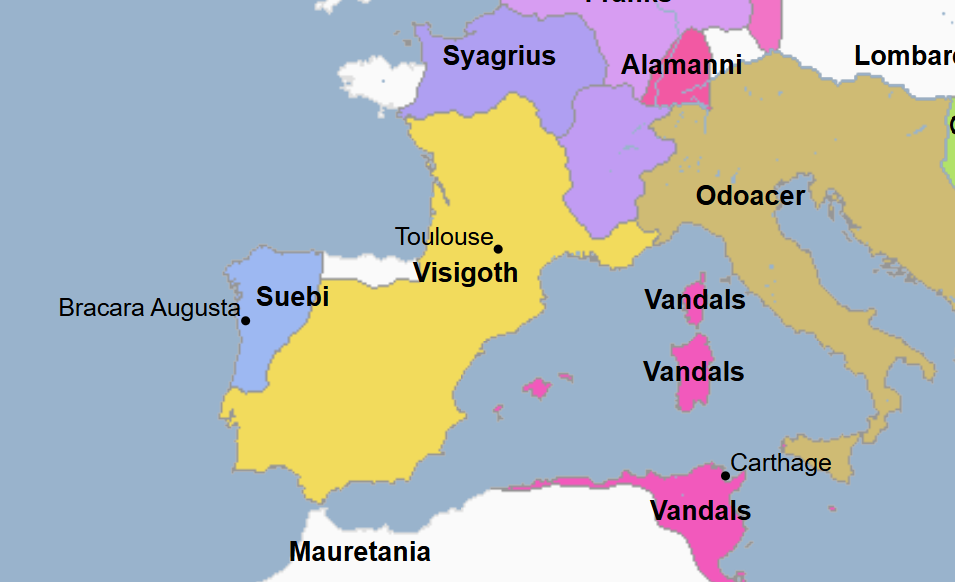
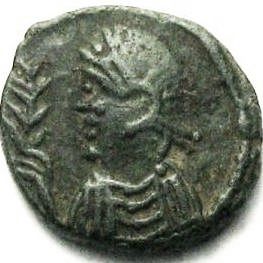
477 - 484 - Huneric (All Facts)
2nd King of the Vandals
He was an Arian Christian
He oversaw a violent persecution against (non-Arian) Nicene Christians (Catholics)
Some Nicene Christians were executed for refusing to convert to Arianism
Many Nicene bishops were banished to Corsica
Influential Nicene Romans were exiled to the Sahara Desert
Romans who held office in the administration of the Vandal Kingdom were expected to convert to Arianism
Targeted and persecuted the Nicene clergy
Exiled many Christian bishops to Sardinia in an attempt to break the powerful hold the clergy had on the people the Vandals ruled over
Prohibited conversion to Nicene Christianity
He adopted a policy of weakening the Roman senatorial class in which he oversaw the confiscation of large tracts of Roman land
Despite his oppressive anti-Roman / anti-Christian reign, he absorbed Roman culture as much as other barbarian successor state rulers / kings
The population continued to live under Roman law and the existing administration was largely still maintained by Romans, to the profit of the Vandals
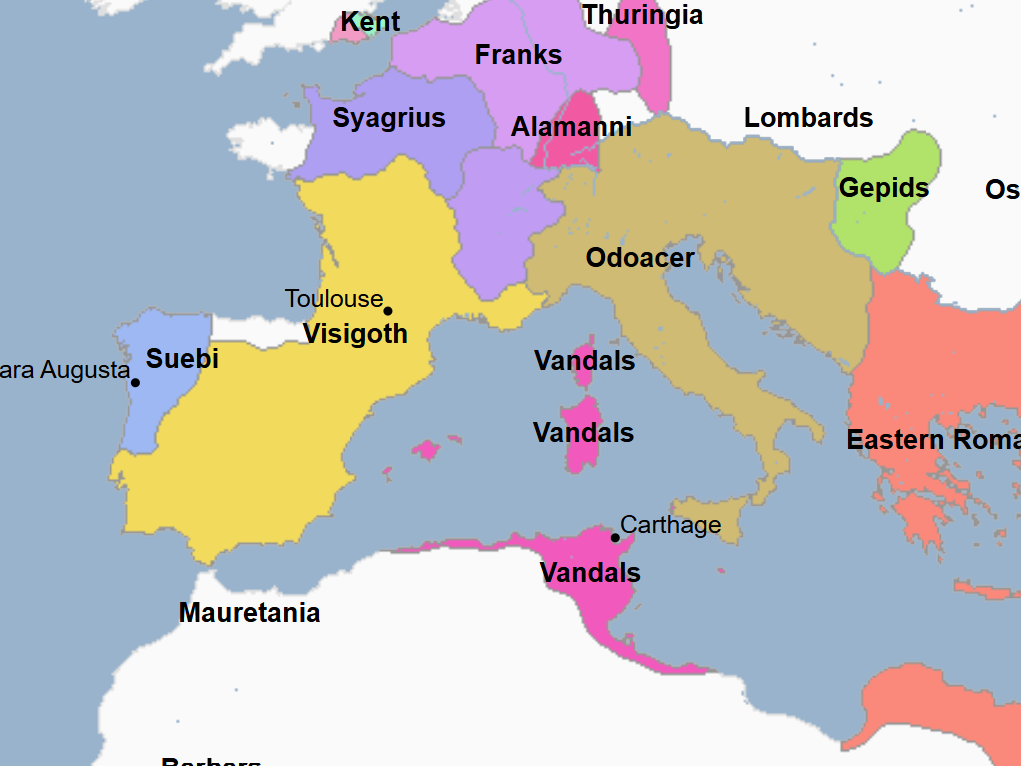
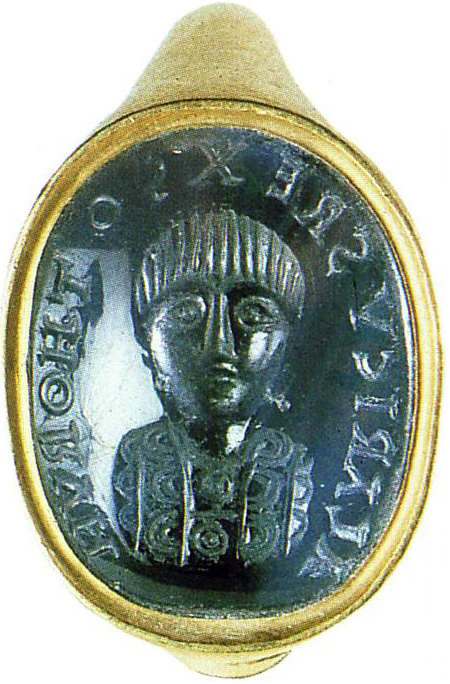
484 - 507 - Alaric II (All Facts)
9th King of the Visigoths
He sponsored the creation of a compilation of Roman law known as the “Breviarium” (“Summary”) which
Reassured nervous Romans that their legal rights were protected
Was his attempt to pacify the Roman population during his reign
Was inspired by the Theodosian Code
He was known for his softness towards Nicene Christians
He allowed Nicene bishops to hold councils
He and his forces were defeated by Clovis and the Franks, who had help from Gundobad and the Burgundians, in the Battle of Vouille in 507
After this battle, he and the Visigoths lost nearly all of their territory in Gaul and were pushed back to Spain while the Franks took Aquitaine
He was also killed
His only son Amalaric was too young to rule, so Theodoric the Great of the Ostrogoths temporarily served as regent and successor to him
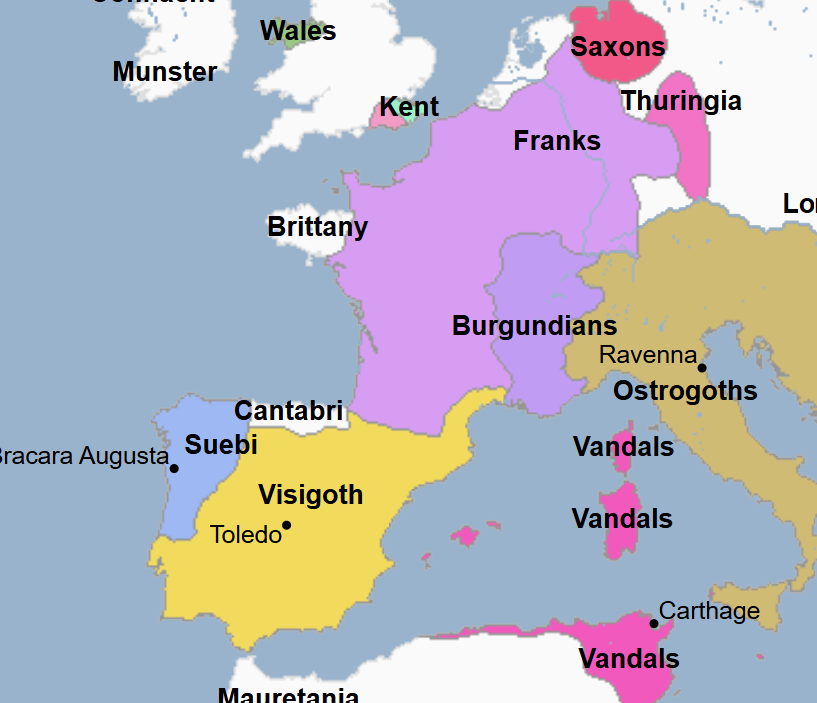
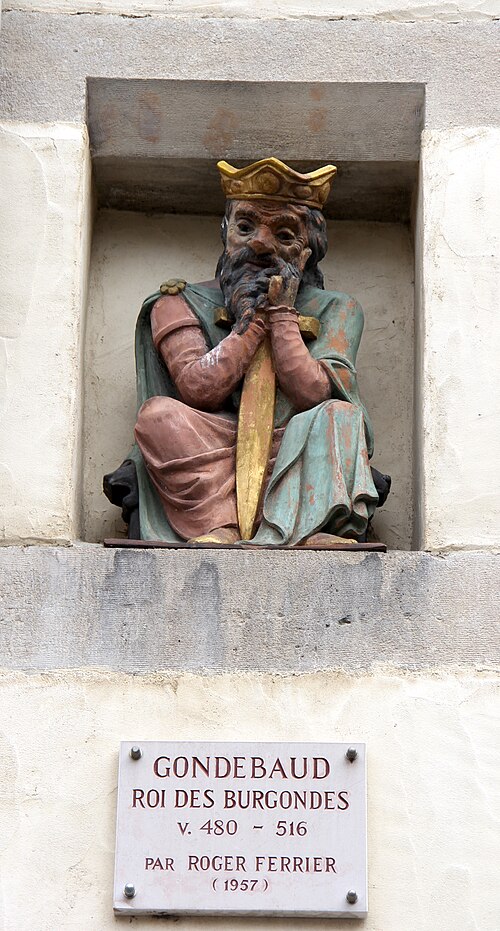
473 - 516 - Gundobad (All Facts)
King of the Burgundians
He issued his “Lex Burgunidonum” legal code, which brought the Romans and Burgundians under the same law
Influenced by Roman law, it dealt with domestic laws concerning marriage and inheritance as well as regulating the Germanic practice of “weregild” and other penalties
Under his reign, their kingdom extended over much of eastern Gaul and had two capitals, with one at Lyon and the other at Geneva
He and his forces allied with Clovis and the Franks, in which they defeated Alaric II and the Visigoths in the Battle of Vouille in 507, pushing them back to Spain
He died after having shared power with his son, who succeeded him
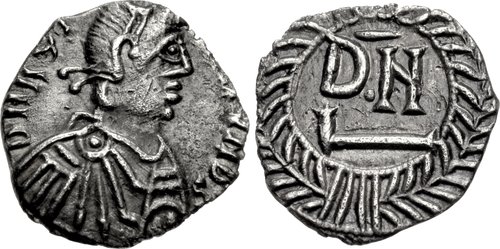
496 - 523 - Thrasamund (All Facts)
4th King of the Vandals
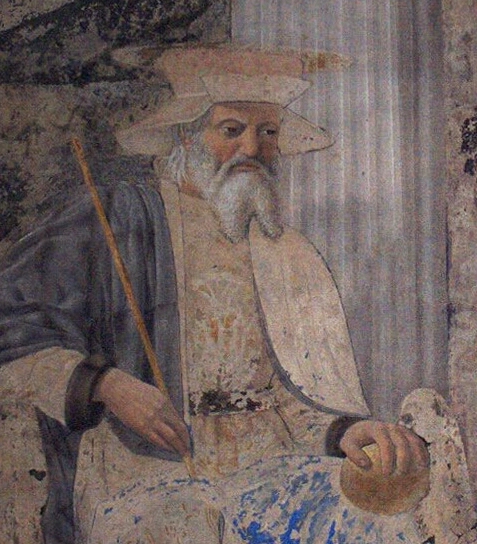
516 - 524 - St. Sigismund of Burgundy (All Facts)
King of the Burgundians
Established Nicene Christianity (Catholicism) in place of Arianism amongst his people, who up to that point were Arian
He was killed by Chlodomer and Theuderic and the Franks
His death was avenged by his successor
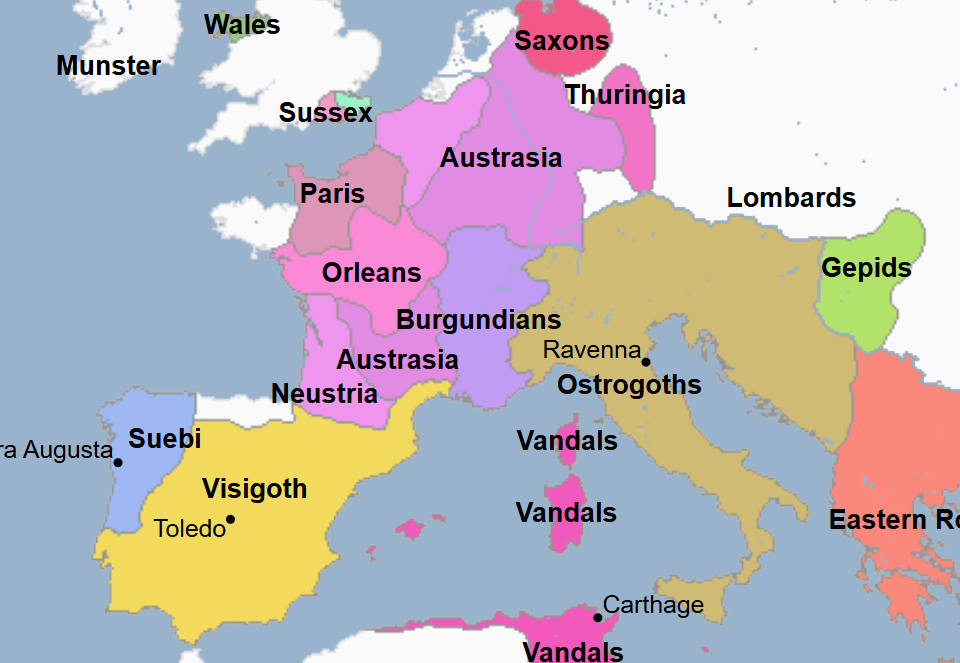
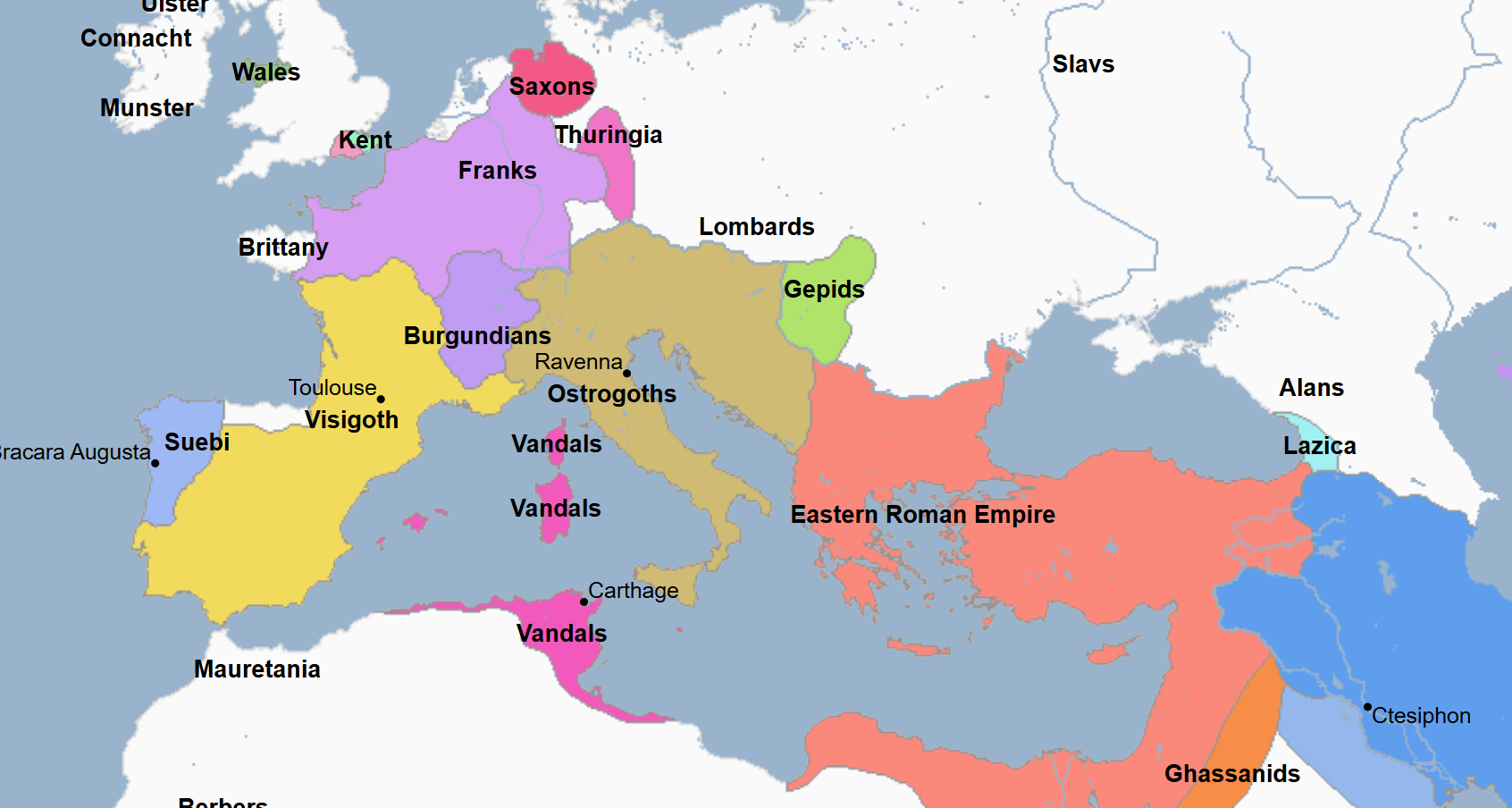
493 - 553 - Ostrogothic Kingdom (All Facts)
Founded by Theodoric the Great
Were the most powerful nation in western Europe following their annexation of southeastern Gaul in the beginning of the 500s
Move which was made with the aim of containing Clovis and the Franks
Kingdom which stretched from Gaul to Illyricum (modern-day Yugoslavia) and eventually modern-day Spain
Kingdom in which
Goths
Were Arian Christians
Ran the army
Owned a third of Italy
Romans
Were Nicene Christians
Ran the civil service
Enjoyed traditional powers
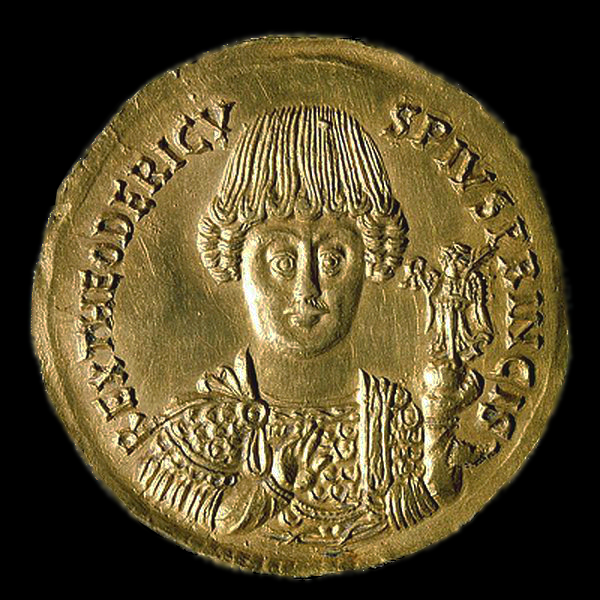
493 - 526 - Theodoric the Great (All Facts)
First King of the Ostrogoths who founded the Ostrogothic Kingdom
He was the son of King Theodomir
11th King of the Visigoths, he served as regent for them
His rise to power followed a series of events including
After threatening Constantinople for many years, he was bought off by the emperor and made a general and consul by the Emperor in 484
Paid by Byzantine Emperor Zeno to expel King Odoacer from Italy in 489
He defeated Odoacer and his forces in the Battle of Verona in 489
He besieged Odoacer and his forces in the Siege of Ravenna in 490
He persuaded Odoacer to surrender after the siege by offering him a share in government in 493
When Odoacer agreed, he promptly murdered him at a banquet, thus fulfilling his mission brought onto him by Byzantine Emperor Zeno in 493
This all led to the Ostrogoths gaining control of and establishing their kingdom within Italy in 493
He then received imperial insignia of the West by Byzantine Emperor Anastasius for his accomplishments in taking and becoming the Emperor’s representative in Italy in 497
He had his grandson Amalaric rule Spain with him governing as regent by 508
He united his fellow tribesman
He respected Roman customs
For this, he was hailed in Italy as the “most glorious king”
He and his forces
Drove the Franks out of Provence (in Gaul) and took it over
Recovered Septimania (Languedoc) for the Visigoths
He imprisoned his minister Boethius on the charge of plotting with the Byzantine Emperor
Died of dysentery
His daughter Amalasuntha became regent for his young son and successor
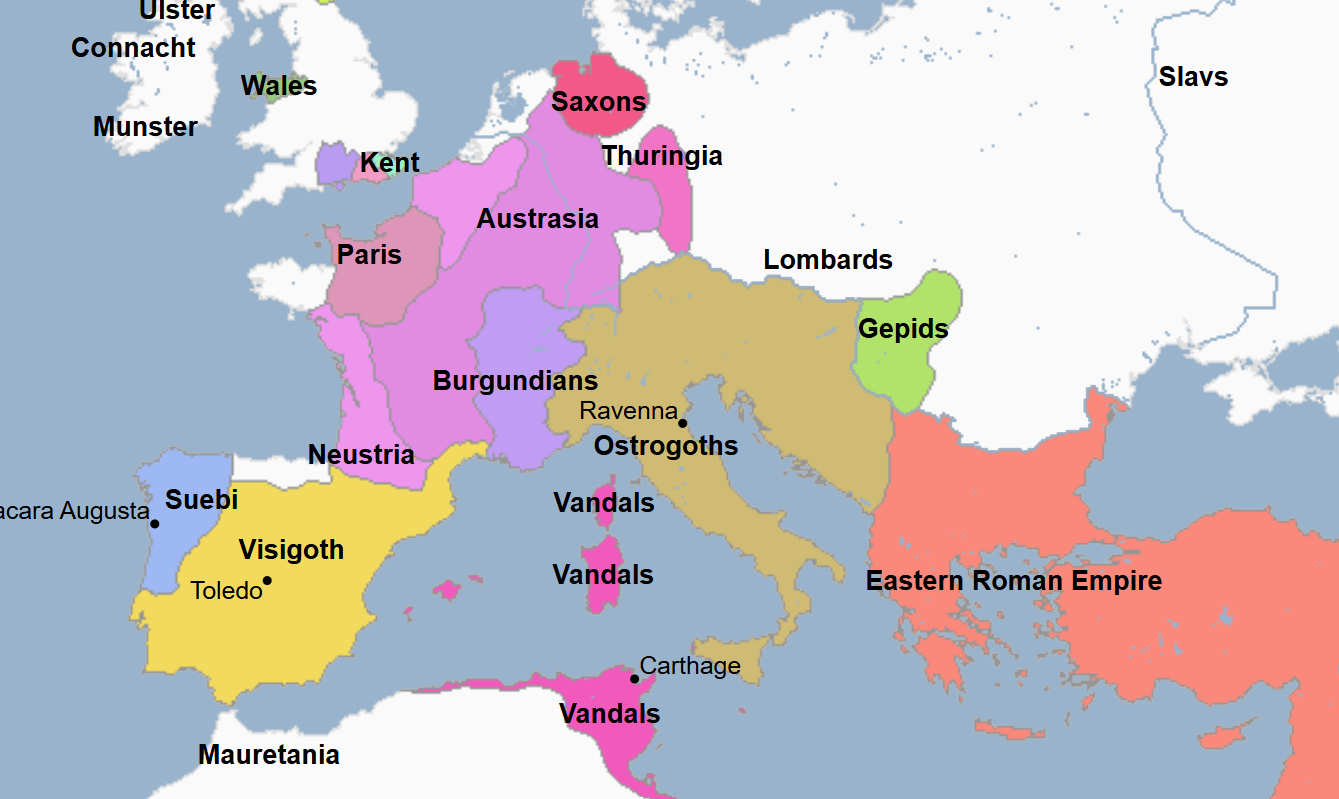
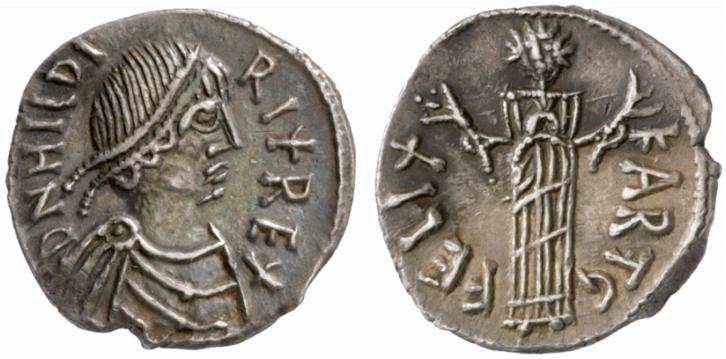
523 - 530 - Hilderic (All Facts)
5th King of the Vandals
He was supported by the Byzantine Emperor but disliked by many fellow Vandals due to his sympathy for Nicene Christianity / Christians
He lifted the restrictions on Nicene Christianity and worship
Under his reign, ordinary Vandals began to convert to Nicene Christianity
He was imprisoned and succeeded by his cousin
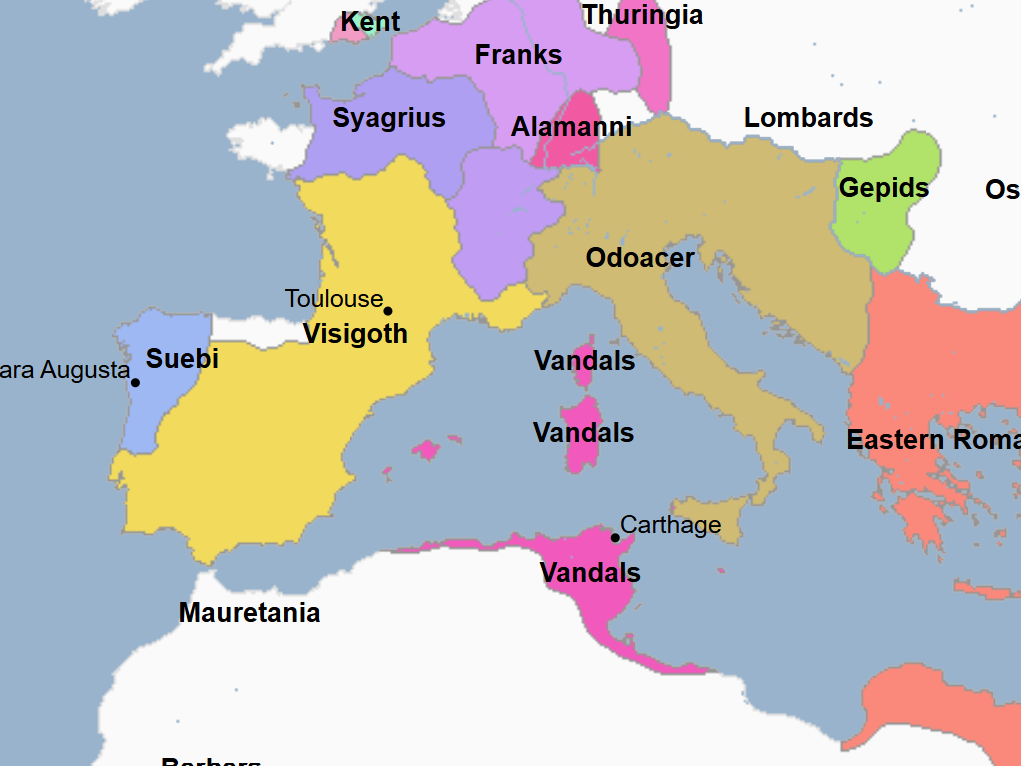
524 - 534 - Godomar II (All Facts)
King of the Burgundians
He and his Burgundian forces avenged the death of his predecessor and defeated Chlodomer and the Franks in the Battle of Vezeronce in 524
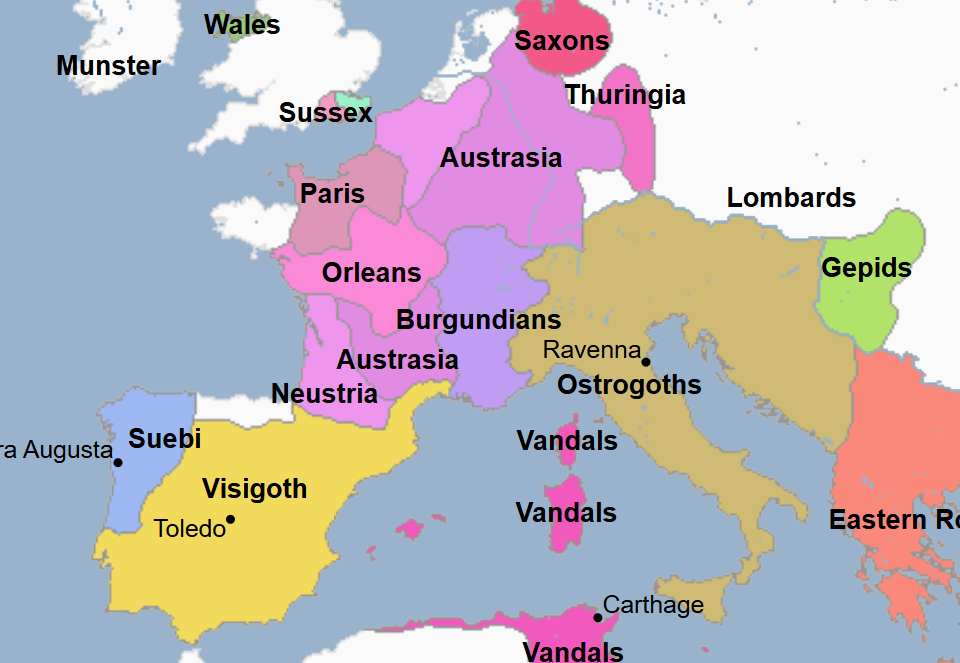
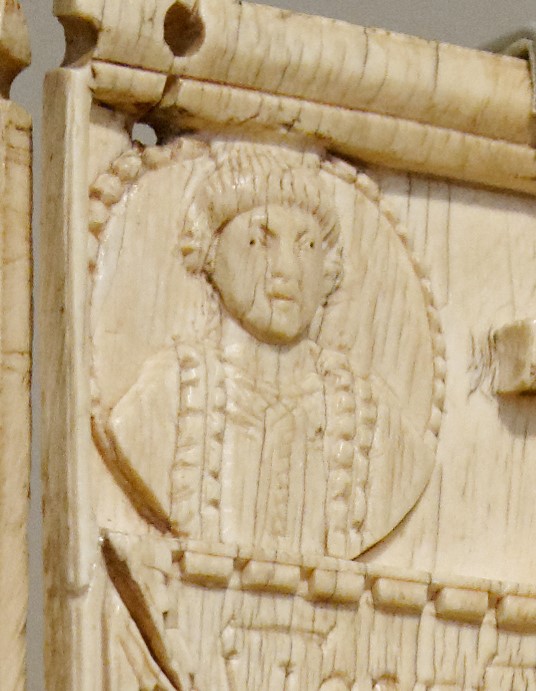
526 - 534 - Athalaric / Amalasuntha (All Facts)
2nd King of the Ostrogoths
His mother ruled as regent
He lived a hedonistic lifestyle and died as a teenager
His mother was strangled by his (her) successor, which gave Justinian of the Byzantine Empire pretext to invade the Ostrogothic Kingdom in Italy
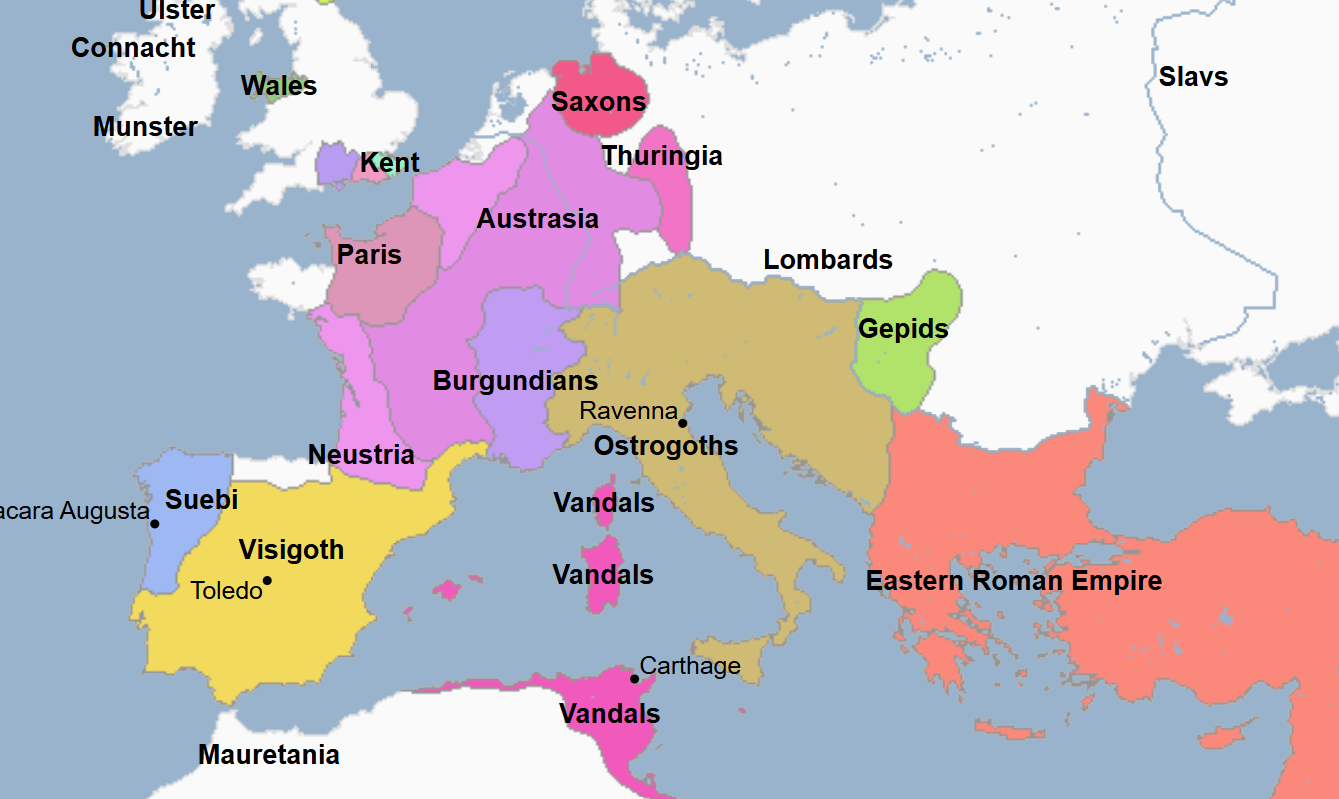
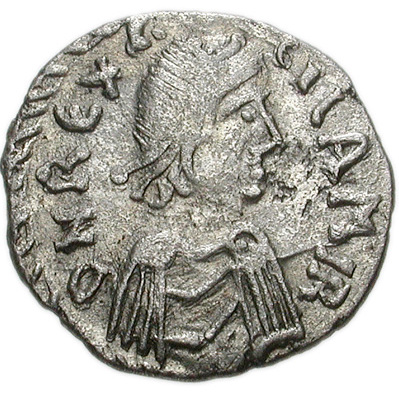
530 - 534 - Gelimer (All Facts)
6th and Final King of the Vandals
He reinstituted a staunch Arianism among the Vandals
He was defeated by Belisarius and the Byzantines in the Vandalic War in 534, having lost control of North Africa to them
This thus ended the Vandal Kingdom
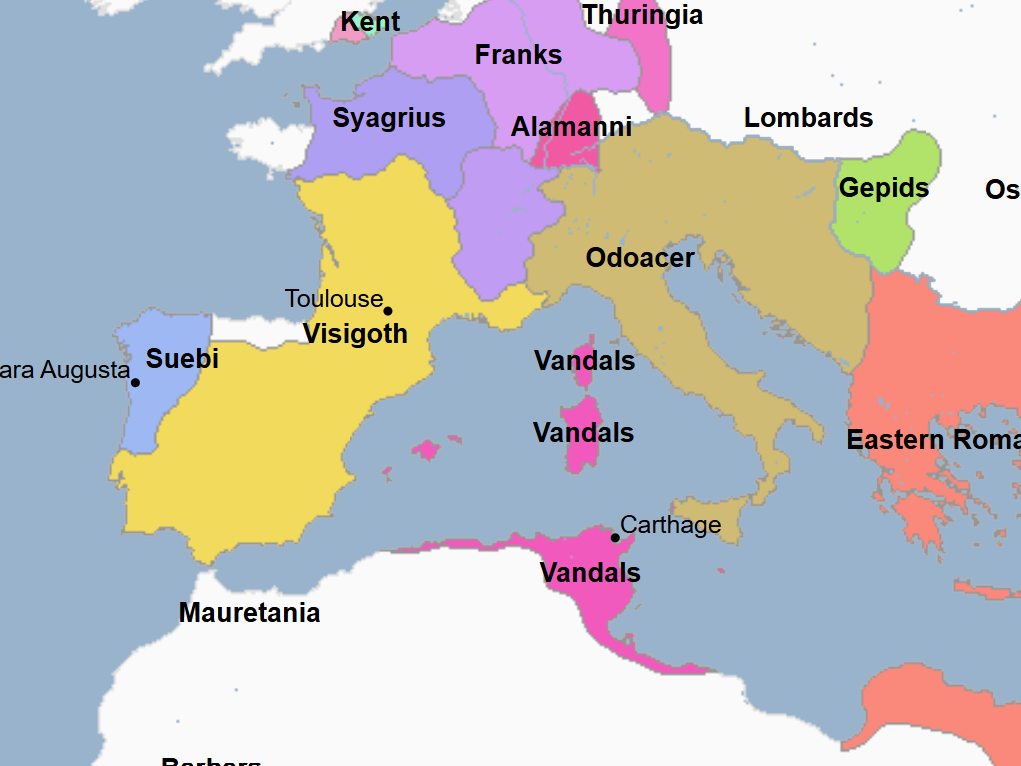
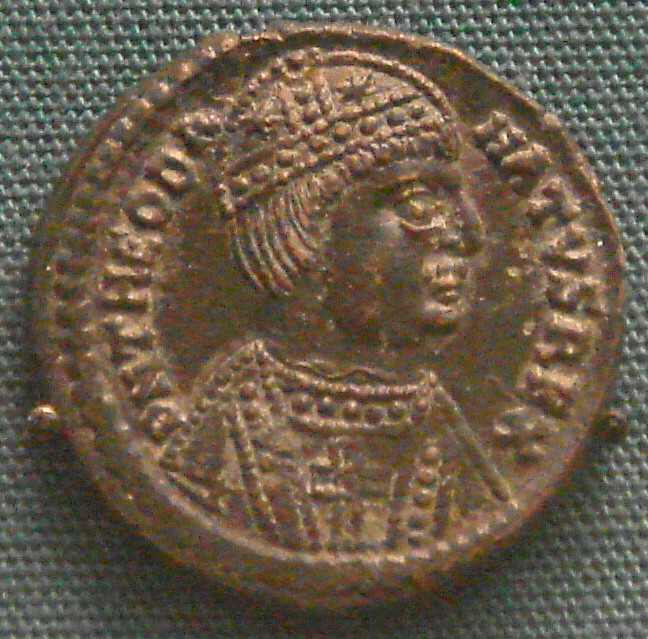
534 - 536 - Theodahad (All Facts)
3rd King of the Ostrogoths
He had his wife and predecessor strangled, which gave Justinian of the Byzantine Empire a pretext to invade the Ostrogoths and their Kingdom in Italy
Inactive, he is deposed by the Ostrogoth people, who elected a general to replace / succeed him
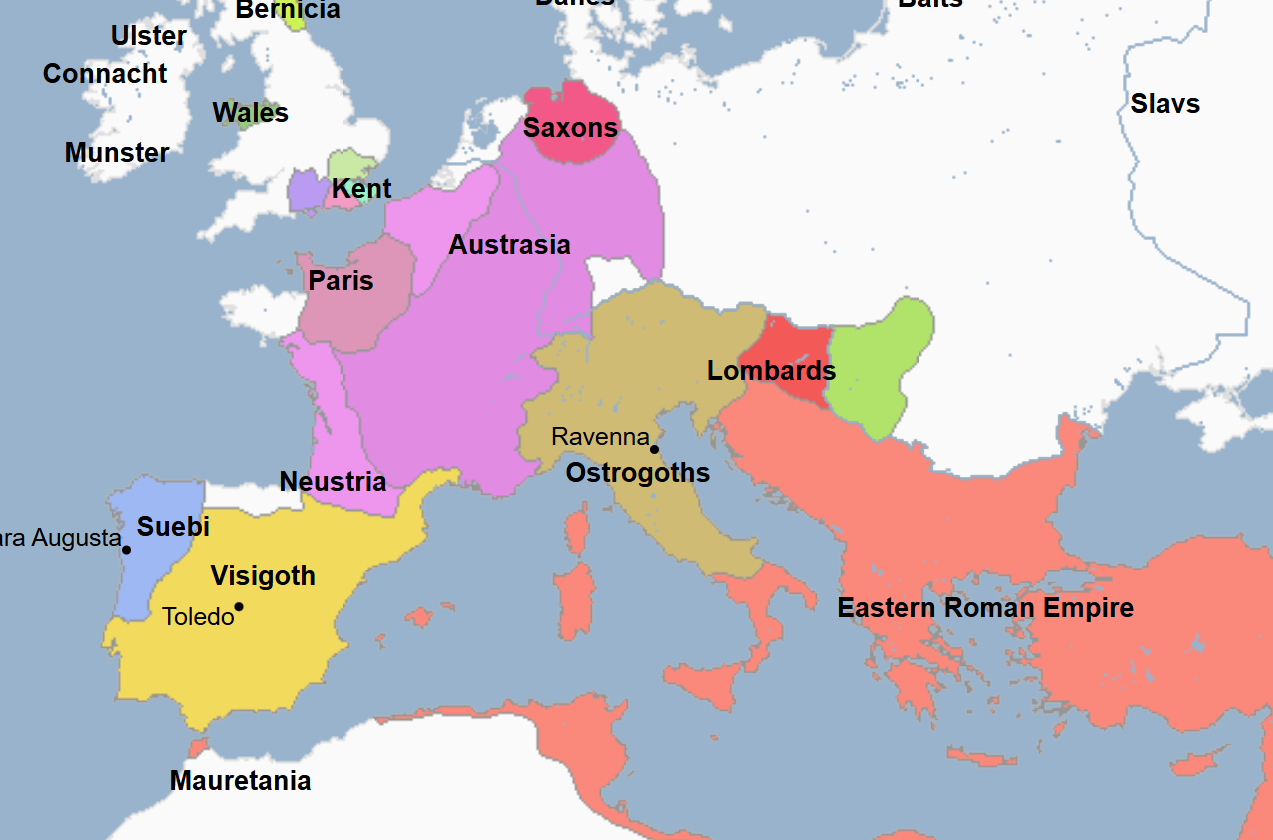
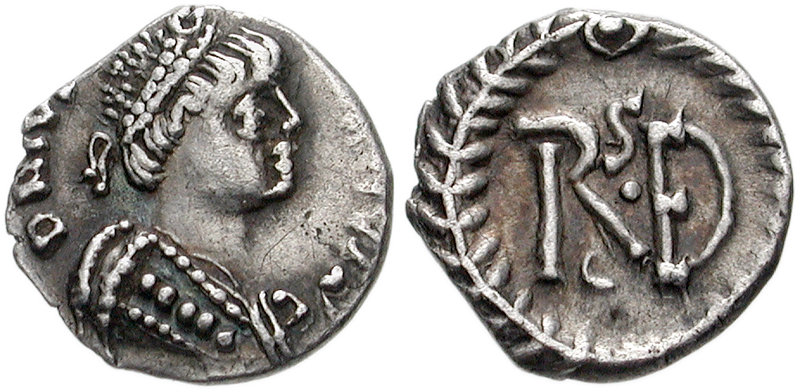
536 - 540 - Vitiges (All Facts)
4th King of the Ostrogoths
Elected by the Ostrogoth people to replace his cruel predecessor, he was an Ostrogothic general
He led the Ostrogoths against the Byzantines in the Gothic War, in which he
537 - Besieged Rome
538 - Abandoned his Siege of Rome
539 - Captured and destroyed Milan, massacring its men and enslaving its women
He was taken back by Belisarius to Constantinople after the Siege of Ravenna in 540, forcing the Ostrogoths under him to elect a new king to succeed him
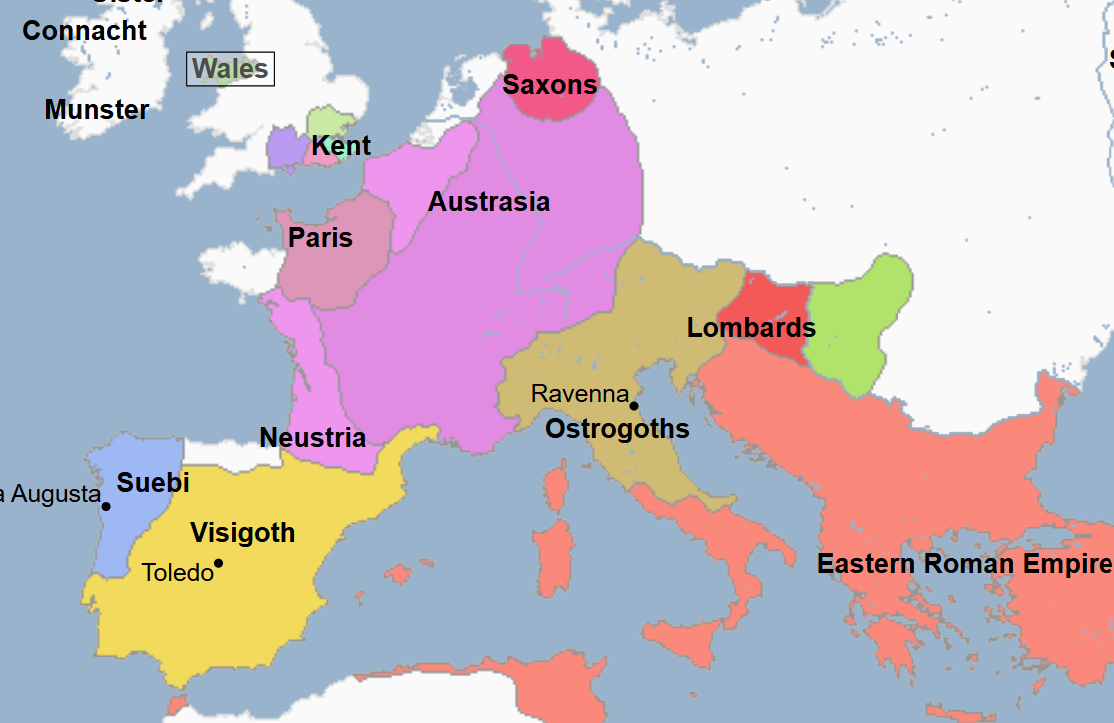
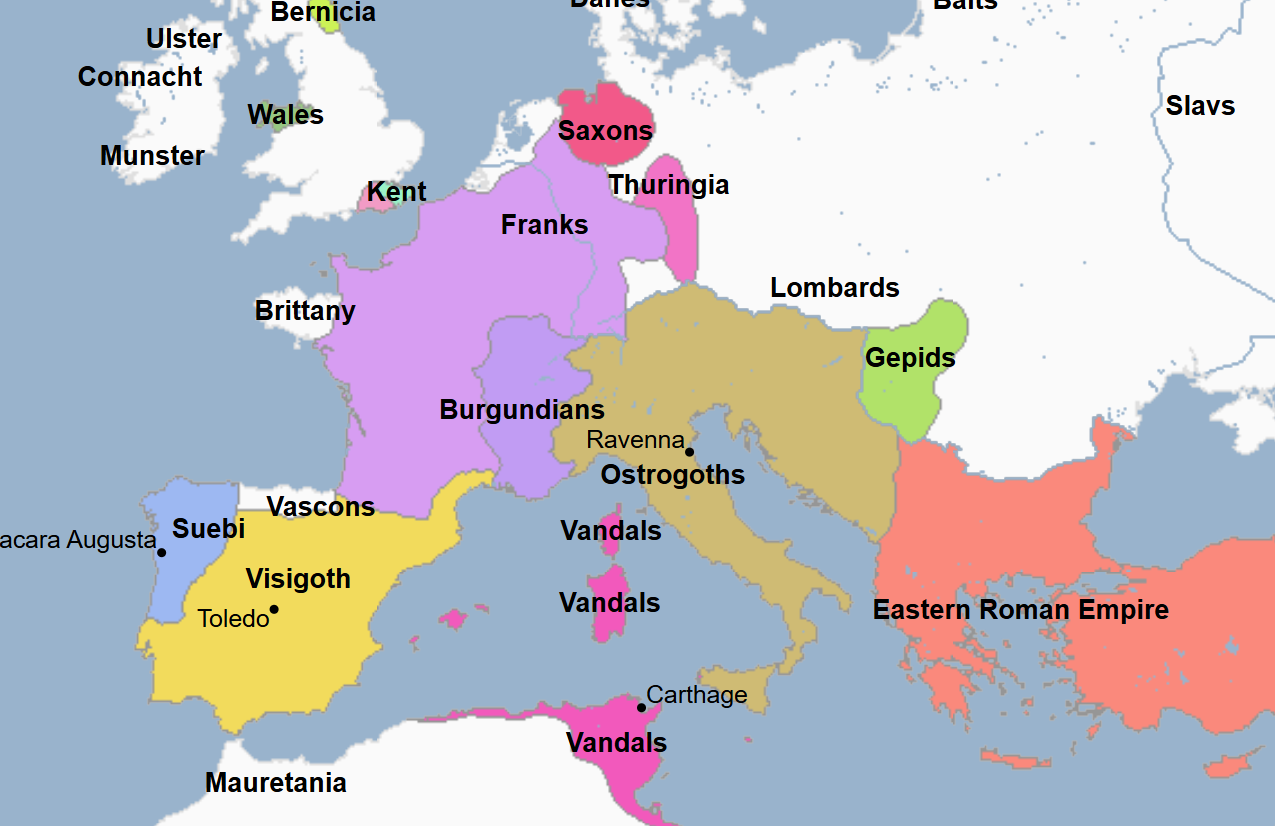
481 - 843 - Frankish Kingdom / Francia (All Facts)
Founded by Clovis
Established by the namesake Germanic people, who had reached the northern edge of Gaul by 350
It was the largest Barbarian Successor State / Kingdom in Post-Roman Western Europe
In 534, they controlled all of Gaul except Visigothic Septimania (Languedoc) and Armorica (Brittany)
In 541, they attacked the Visigothic Kingdom in northern Spain but were driven back at Saragossa
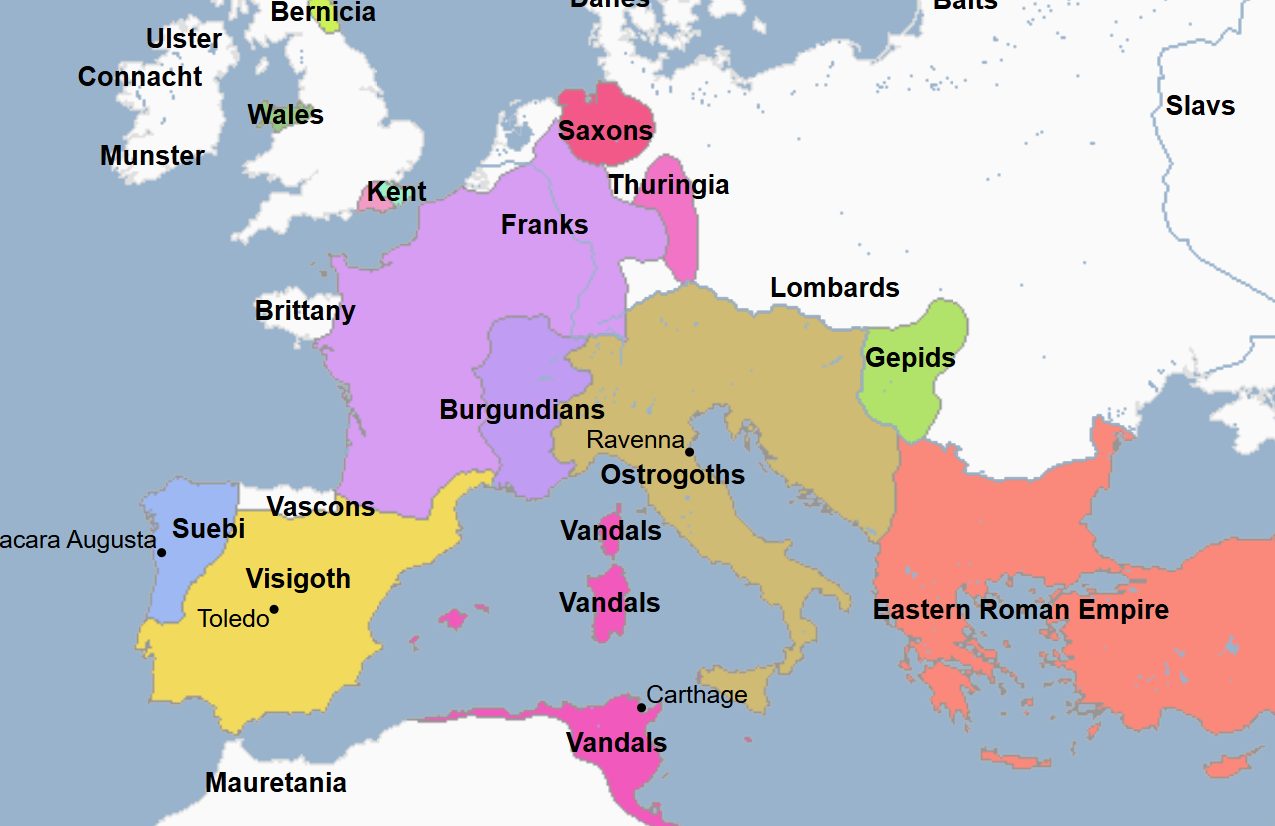
481 - 751 - Merovingian Dynasty (All Facts)
Dynasty of the German Frankish Kingdom founded by Clovis
It was the largest and most powerful of the states of western Europe following the breakup of the empire of Theodoric the Great
They conquered most of Gaul
507 - Defeated the Visigoths at the Battle of Vouille, conquering all of Gaul except for southeastern Gaul
534 - Defeated the Burgundians
537 - Subdued Raetia
Interestingly, unlike Anglo-Saxon genealogies, this dynasty never claimed descent from a god, nor were they ever regarded as sacred
Dynasty which ruled over the Frankish Kingdom by having divided it into three parts:
Neustria
Austrasia
Burgundy
Dynasty whose kings usually lacked the power to cow their nobles, who bolstered their positions by allying with mayors like Grimoald the Elder, often the real rulers in the states
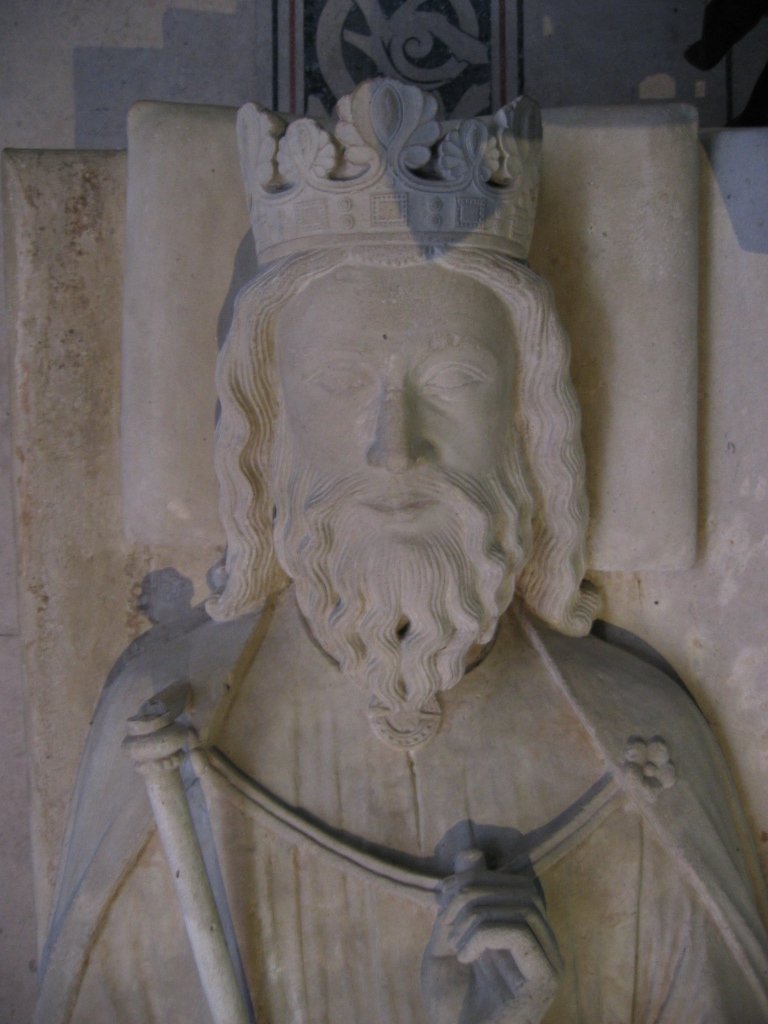
481 - 511 - Clovis (All Facts)
First King and Founder of the Merovingian Dynasty of France
He was the grandson of Merovech
First King of the Franks to
Unite all of the Franks under one ruler
Change the form of leadership from a group of petty kings to rule by a single king
Ensure that the kingship was passed down to his heirs
He married Clotilda, a Nicene Christian and Burgundian
He converted to (Nicene) Christianity (Catholicism)
At that time, he was the only Nicene Christian Ruler in Europe
This was because the kings of the Visigoths, Ostrogoths, Vandals, and Burgundians were Arians and the Byzantine Emperor Anastasius was a Monophysite
Thus, he was the first of the Barbarian rulers / kingdoms to convert to Nicene Christianity
He said he would be willing to be baptized if God helped him defeat the Alamanni, thus he kept his word
This further gave him theological justification to wage war against the Arian Visigoths
He was not the best model of (Nicene) Christian meekness, once having claimed that had he been at Christ’s crucifixion, he would avenge Christ’s death with this Frankish army
He and his Frankish forces
Defeated Syagrius, leader of the Romans in northern Gaul and conquered much of northern Gaul except for Armorica (Brittany) in the Battle of Soissons in 486
From this point, he ruled from the Somme River to the Loire River after he had advanced the Frankish army to the Loire River
After this battle, he was regarded with terror by “civilized society”
Defeated the Alamanni near the Rhine River, with help from the Franks of the Rhineland, in the Battle of Tolbiac in 496
Battle in which the Alamanni were driven back beyond the Rhine River
Defeated Alaric II and the Visigoths, with help from King Gundobad and the Burgundians, in the Battle of Vouille in 507
Battle in which the Franks took Aquitaine
Battle which led to the Franks’ control of all of Gaul except for southeastern Gaul
Battle in which the Visigoths were pushed back to Spain
Battle which he was “theologically justified” in waging against the Visigoths because of their Arianism and denial of the Trinity as he was a recently converted Nicene Christian
He received imperial recognition as ruler over Gaul from Byzantine Emperor Anastasius at Tours in 508
He died and his kingdom was divided up into and he was succeeded by four sons, who ruled over four mini-kingdoms
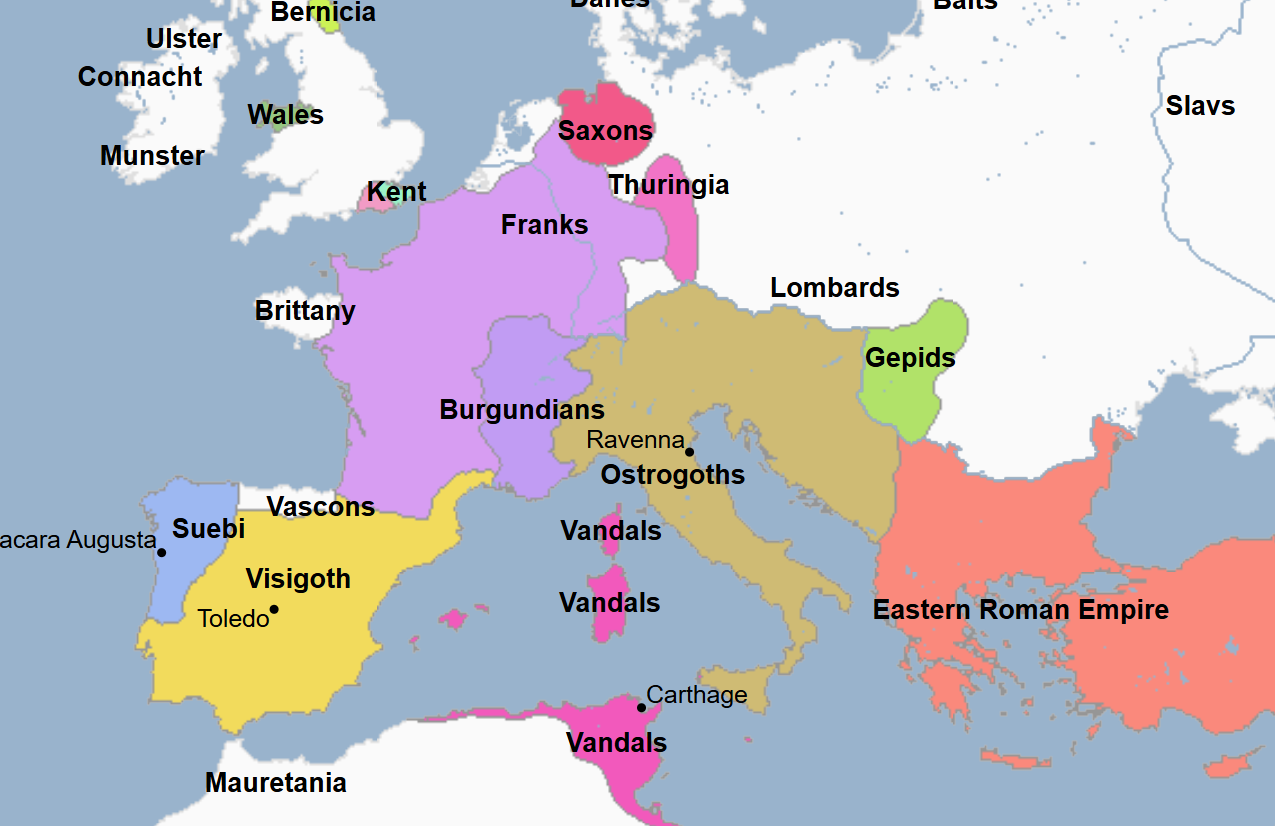
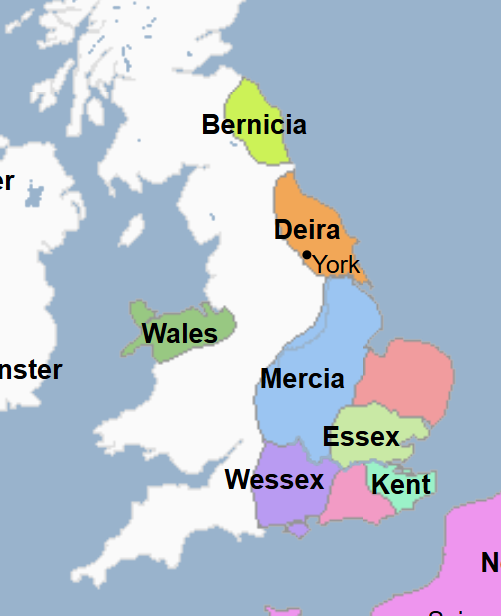
455 - 825 - Kingdom of Kent (All Facts)
Founded by Hengest
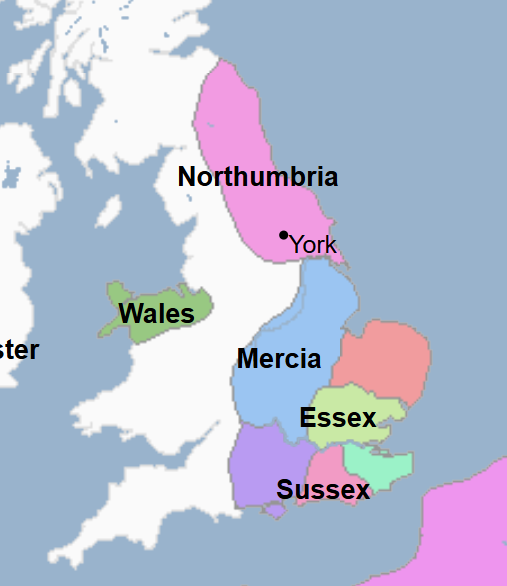
477 - 860 - Kingdom of Sussex / South Saxons (All Facts)
Founded by Aelle
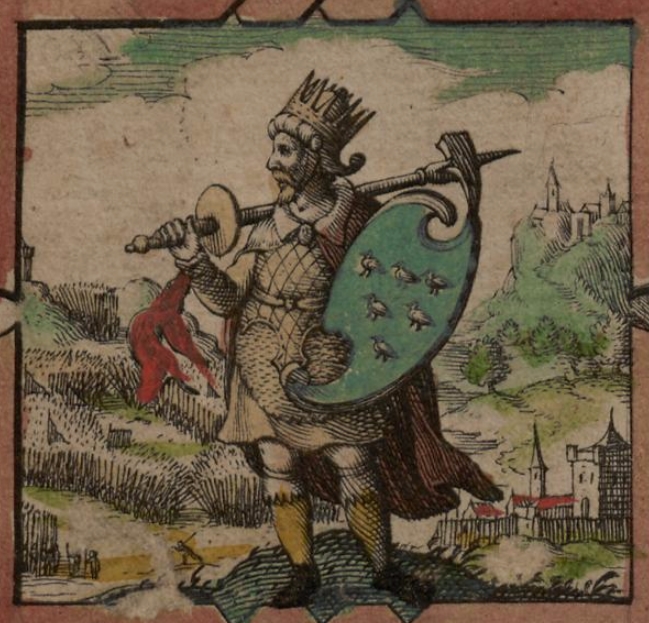
477 - 514 - Aelle (All Facts)
First King and Founder of the Sussex Kingdom of South Saxons
He led the Saxons onto land on Britain’s south coast and drove the preexisting (Celtic) Britons westward in order to establish the kingdom
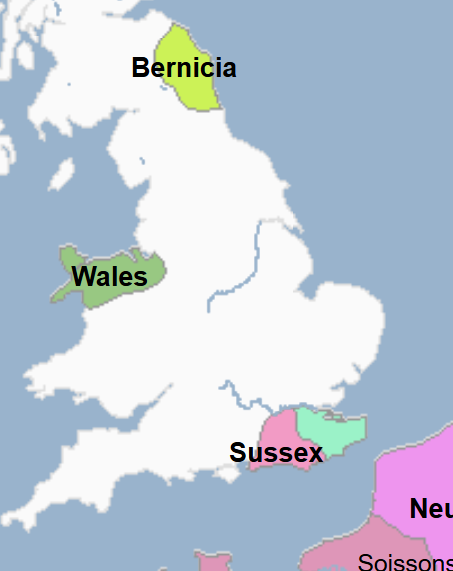
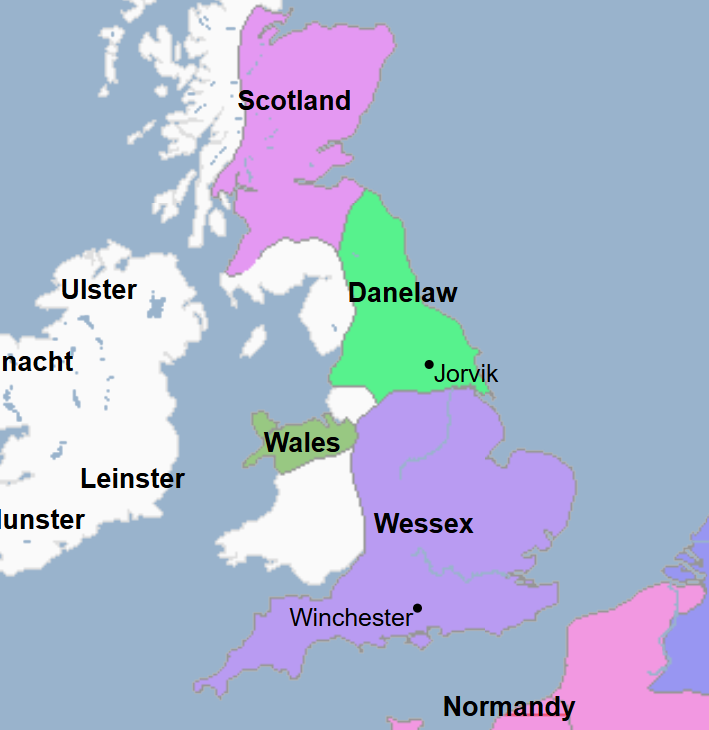
519 - 886 - Kingdom of Wessex / West Saxons (All Facts)
511 - 524 - Chlodomer (All Facts)
Merovingian King of the Franks at Orleans
Killed King Sigismund of Burgundy
Invaded Burgundy
Died in the Battle of Vezeronce in 524
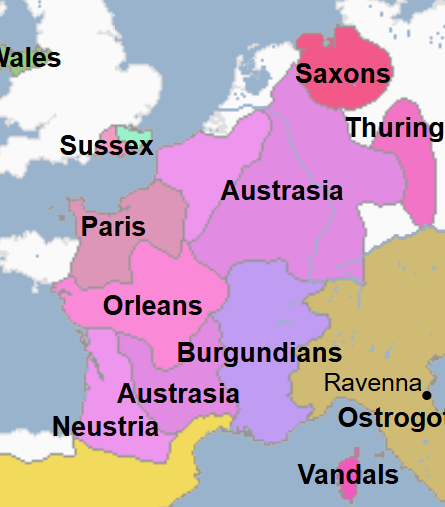
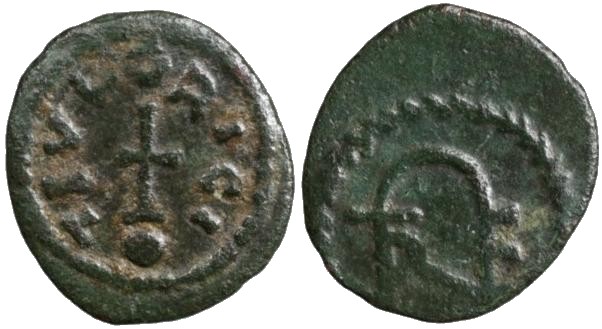
511 - 534 - Theuderic (All Facts)
Merovingian King of the Franks at Metz and Rheims
Killed King Sigismund of Burgundy
Invaded Burgundy
Conquered Thuringia in 531
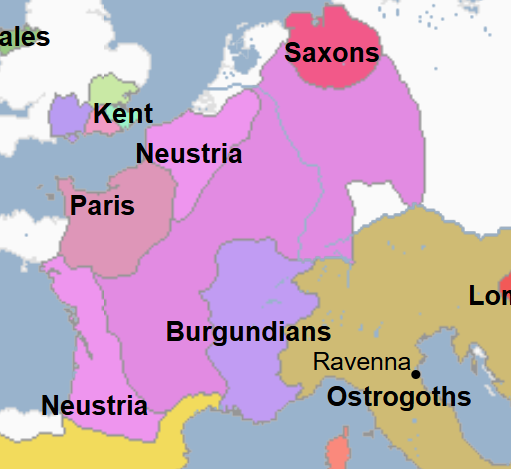
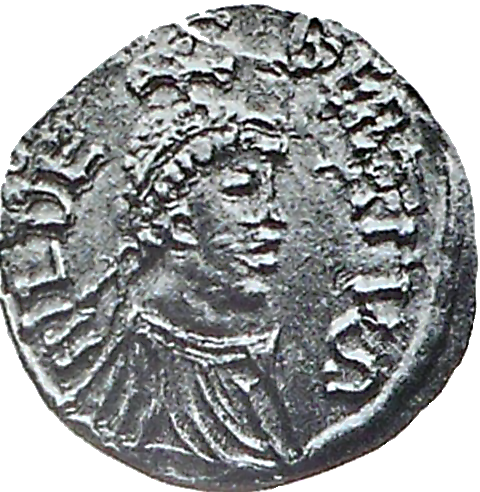
511 - 558 - Childebert (All Facts)
Merovingian King of the Franks at Paris
Conquered and annexed the Kingdom of Burgundy in 534
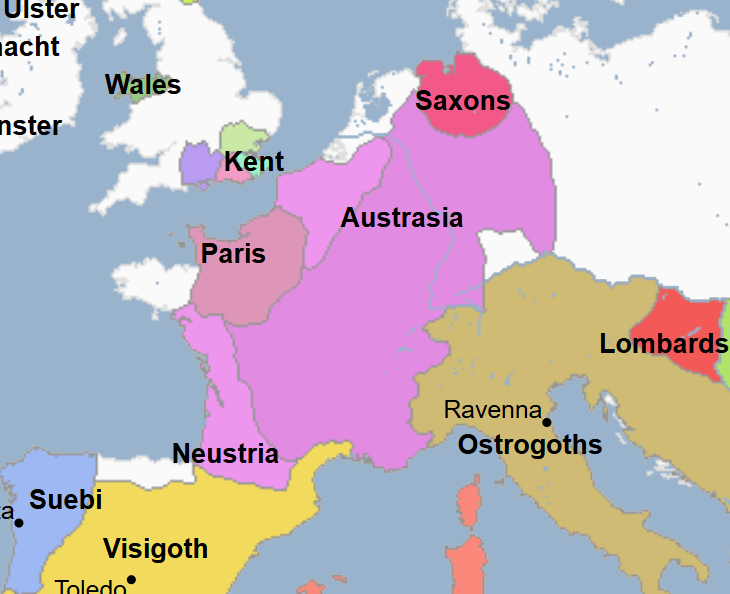
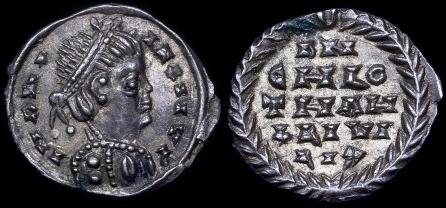
511 - 558 - Clothar (All Facts)
Merovingian King of the Franks at Soissons
Conquered Thuringia in 531
Conquered and annexed the Kingdom of Burgundy in 534
He eventually became sole king of the Franks
Died at Compiegne, where the Frankish Kingdom was divided again between his four sons
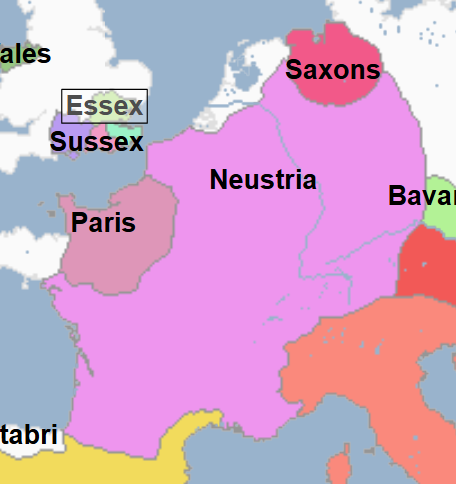
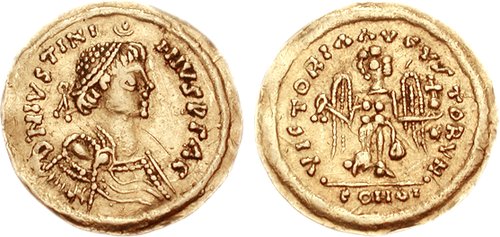
541 - 552 - Totila (All Facts)
5th King of the Ostrogoths
He led the Ostrogoths against the Byzantines in the Gothic War, in which he
543 - Besieged and recaptured Naples, forcing Belisarius to return to Italy
546 - Besieged and recaptured Rome, in which all but 500 of its inhabits fled from the city
550 - Recaptured and reconquered Rome back from Belisarius after he is recalled from Italy back to Constantinople due to lack of imperial money and reinforcements
551 - Recaptured almost all of Italy
He died after being killed by Narses and the Byzantines in the Battle of Taginae in 552, forcing the Ostrogoths under him to elect a new king to succeed him
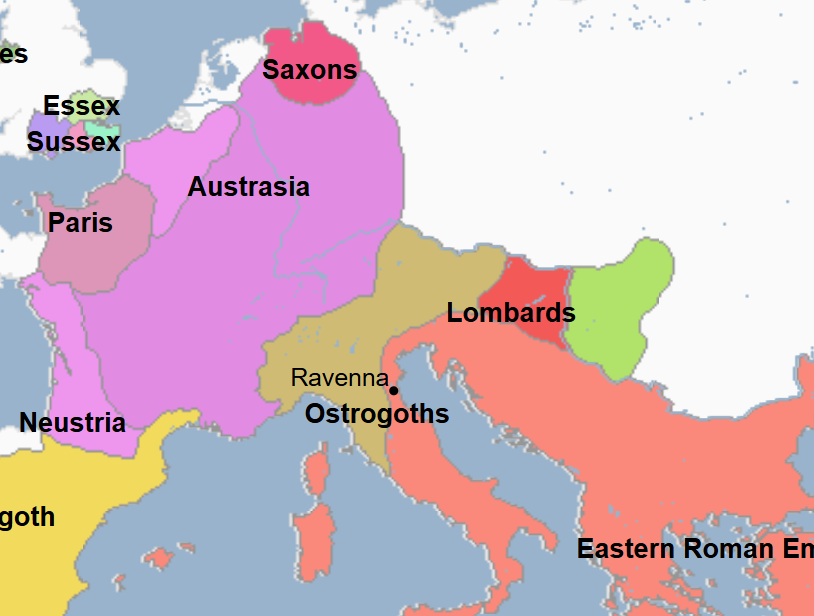
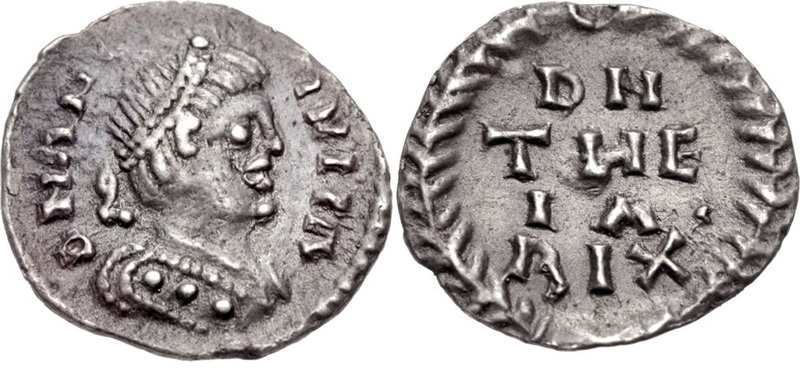
552 - 553 - Teias (All Facts)
6th and Final King of the Ostrogoths
He and the Ostrogoths were defeated by Narses and the Byzantines in the Battle of Vesuvius, thus ending the Gothic War
His death marked the end of the Ostrogoth Kingdom
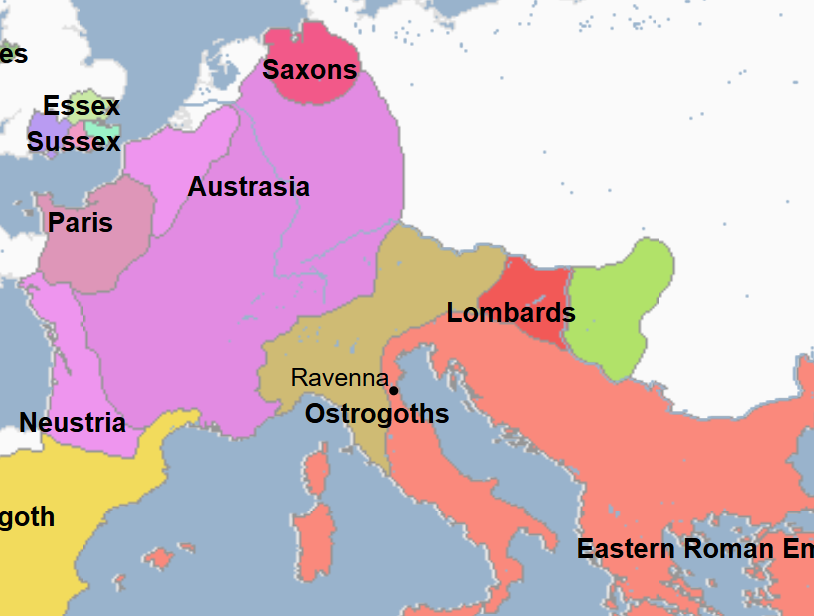
554 - 567 - Athanagild (All Facts)
16th King of the Visigoths
A pretender to the Visigothic throne, he invited Byzantine Emperor Justinian the Great’s troops into Visigothic Spain but when he had no use for them anymore they continued to occupy it
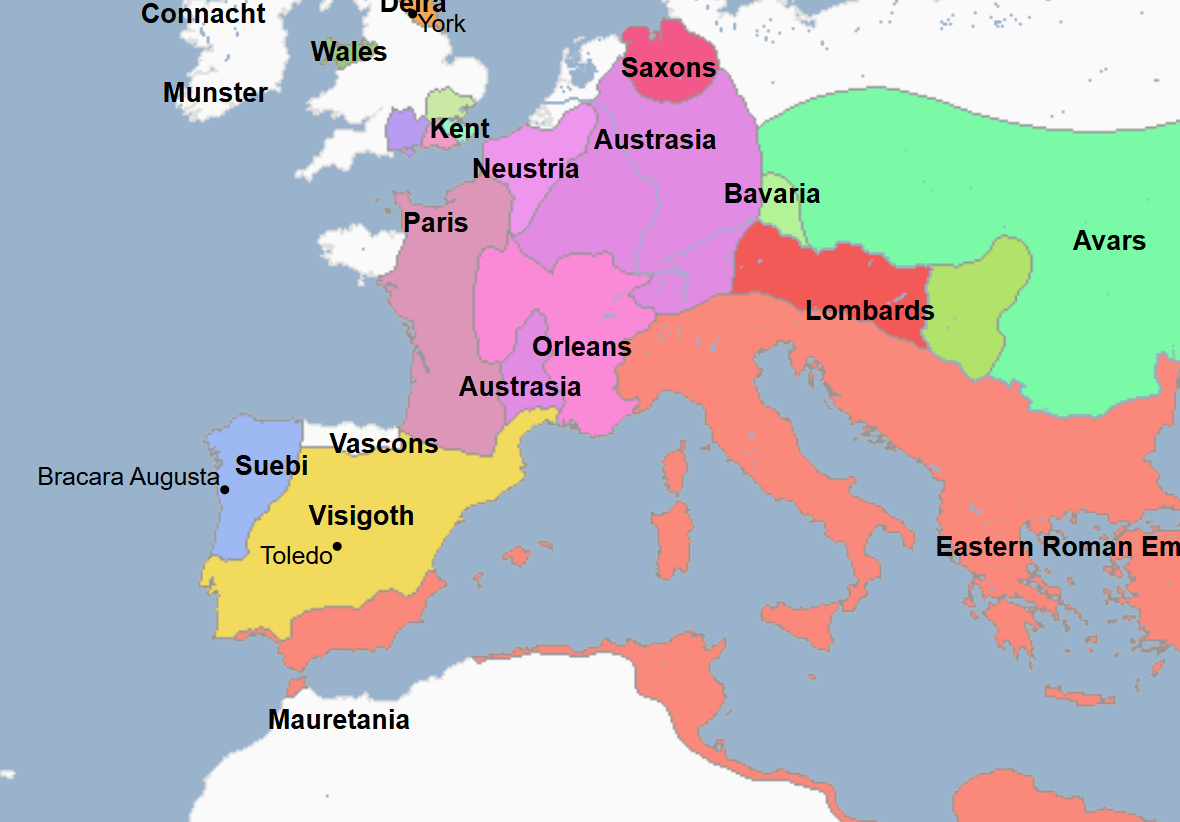
567 - 573 - Liuva (All Facts)
17th King of the Visigoths, he ruled with Liuvigild
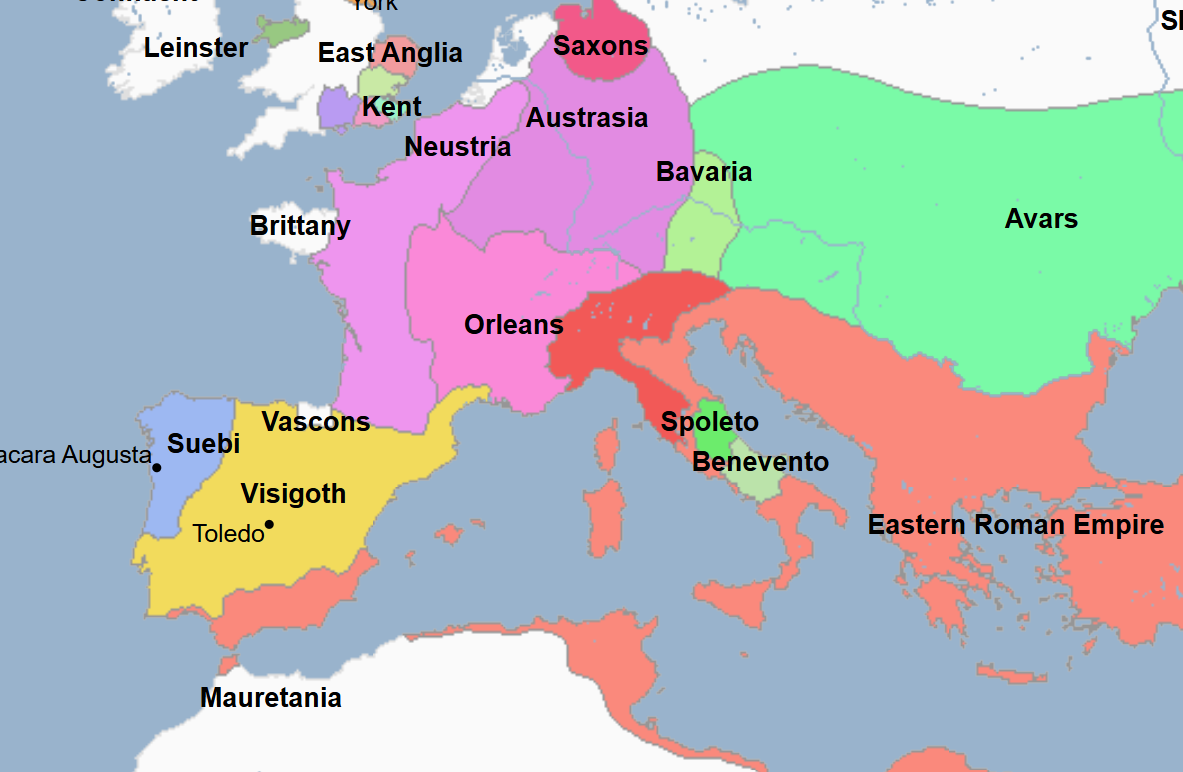
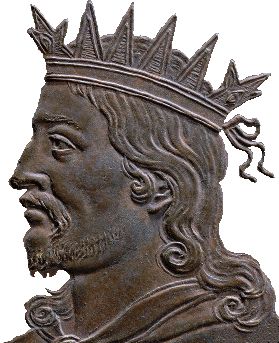
561 - 567 - Charibert (All Facts)
Merovingian King of the Franks at Paris
Son of Clothar
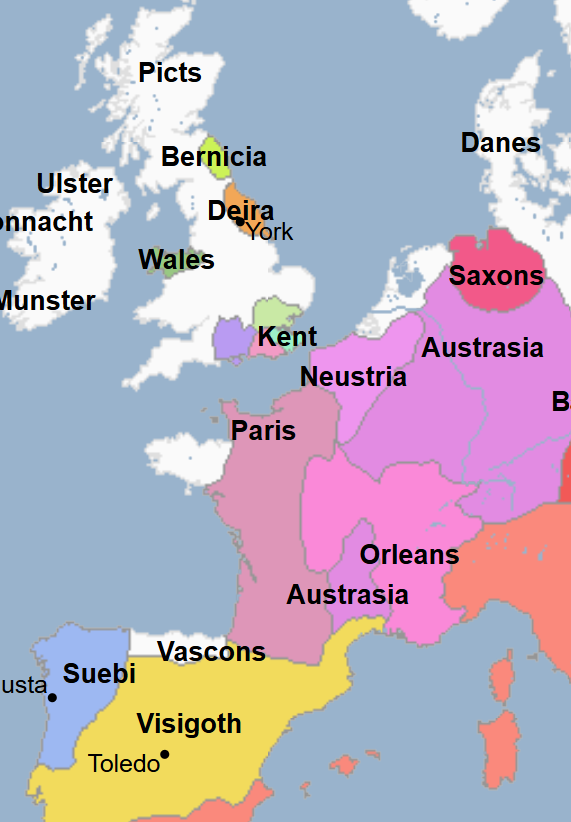
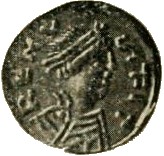
561 - 575 - Sigibert (All Facts)
Merovingian King of the Franks at Austrasia (eastern Gaul) / Reims / Metz
Son of Clothar
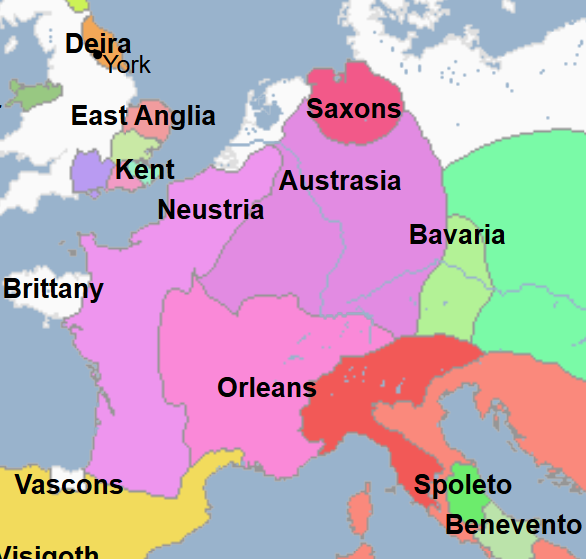
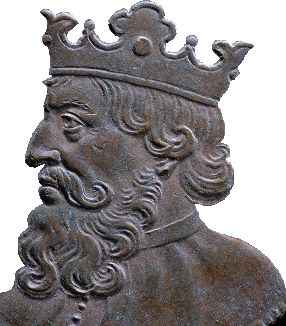
561 - 584 - Chilperic (All Facts)
Merovingian King of the Franks at Neustria (western Gaul) / Soissons
Son of Clothar
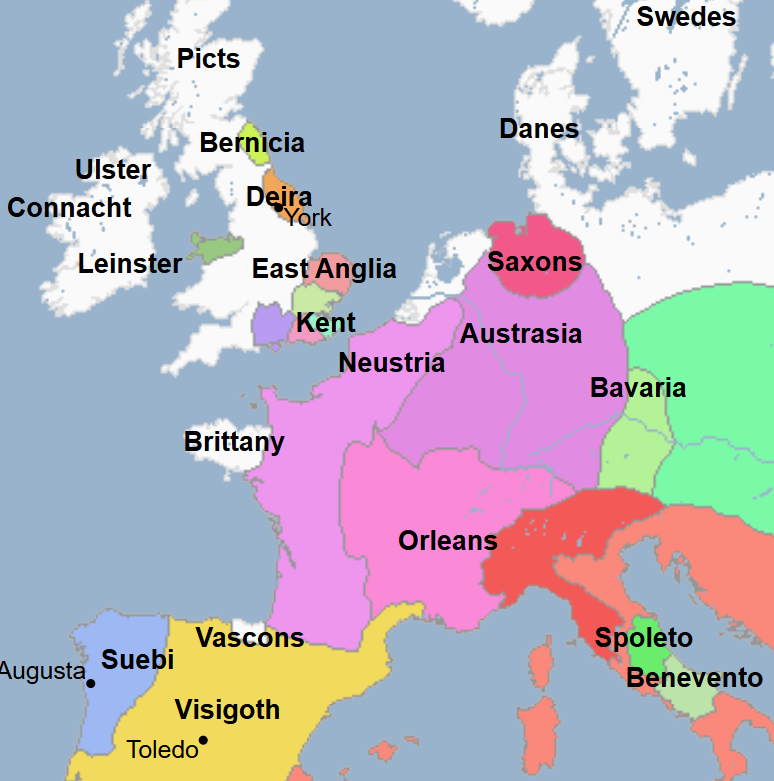
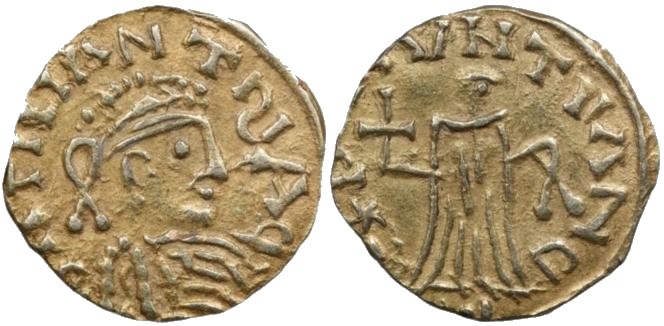
561 - 592 - Guntram (All Facts)
Merovingian King of the Franks at Burgundy (southeastern Gaul) / Orleans
Son of Clothar
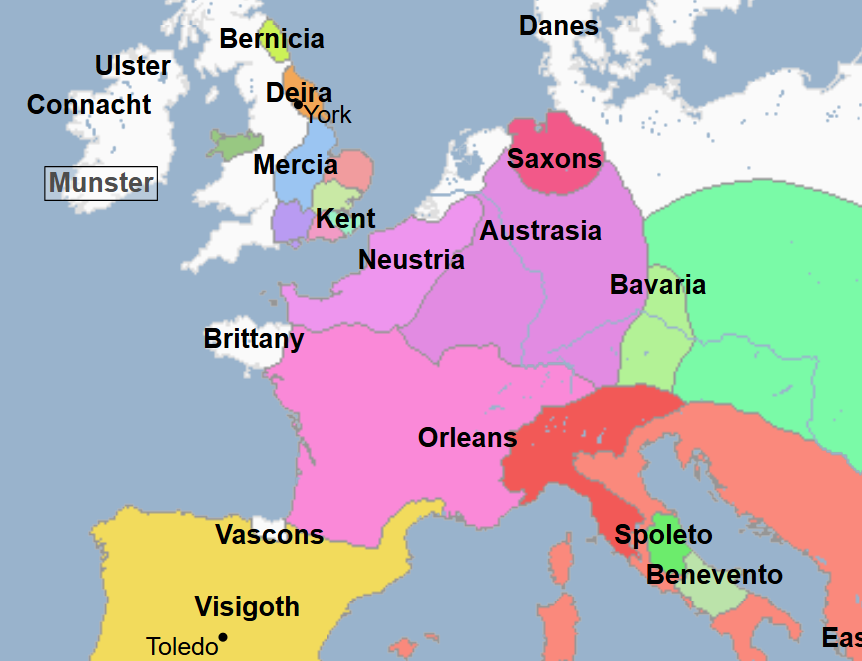
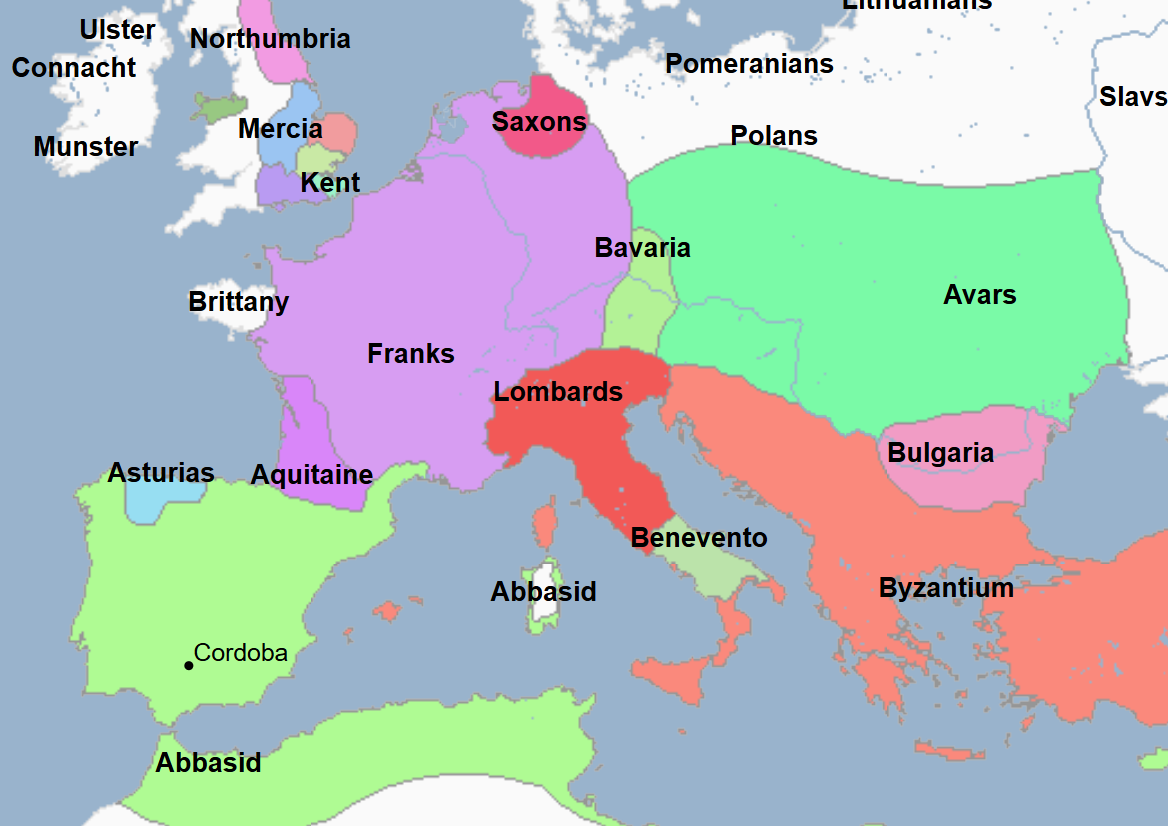
568 - 774 - Lombard Kingdom (All Facts)
Founded by Alboin
By 600, they were the only Barbarian Successor State that continued to practice Arianism / Arian Christianity
Fell to Charlemagne and the Franks
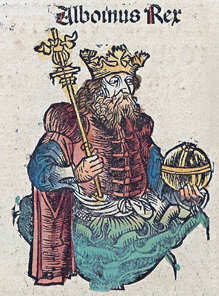
568 - 572 - Alboin (All Facts)
First King of the Lombards who founded the Lombard Kingdom
His military efforts led to the foundation of the Lombard Kingdom
In 567, he invaded northern Italy, abandoning Pannonia (Hungary) to the Avars due to Avar pressure there
In 569, he took Milan and proclaimed himself “Lord of Italy”
In 572, he besieged the city of Pavia and overran Italy
He was murdered by his Gepid wife
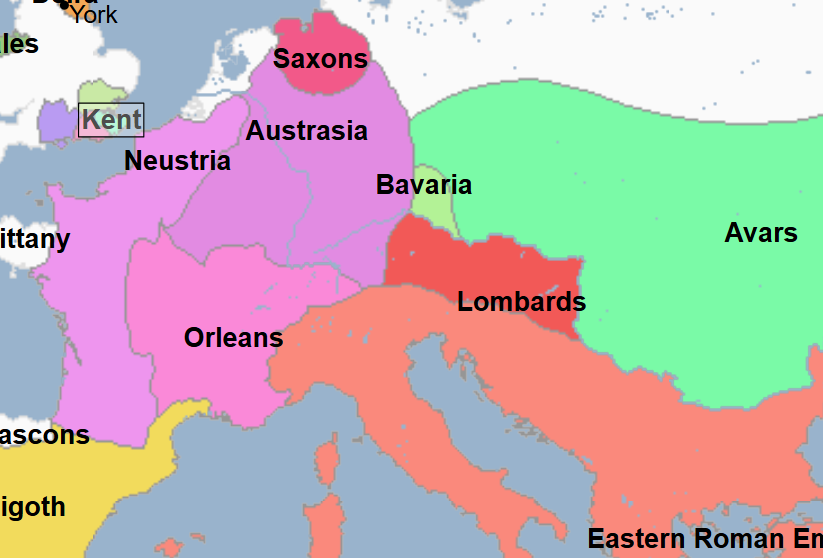
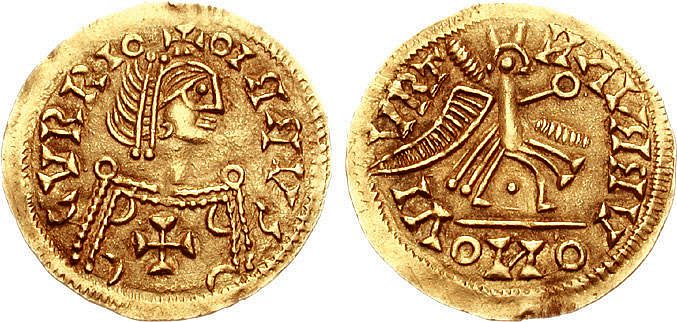
568 - 586 - Liuvigild (All Facts)
18th King of the Visigoths, he initially co-ruled with his predecessor Liuva until he died
In 572, he and the Visigoths recaptured Cordoba in Spain from the Byzantine Empire
In 578, he decided religious unity would promote national solidarity and began to persecute Nicene Christians
However, few changed their beliefs
His elder son Hermenegild actually converted after marrying a Frankish Nicene Christian princess
He attempted to overthrow his namesake father but he was imprisoned by his namesake father where he died, still a stalwart Nicene Christian
In 585, he conquered the Suebi Kingdom, in northwestern Spain
Upon his death, Visigothic persecution of Catholics ended, especially upon the accession of his younger son and successor
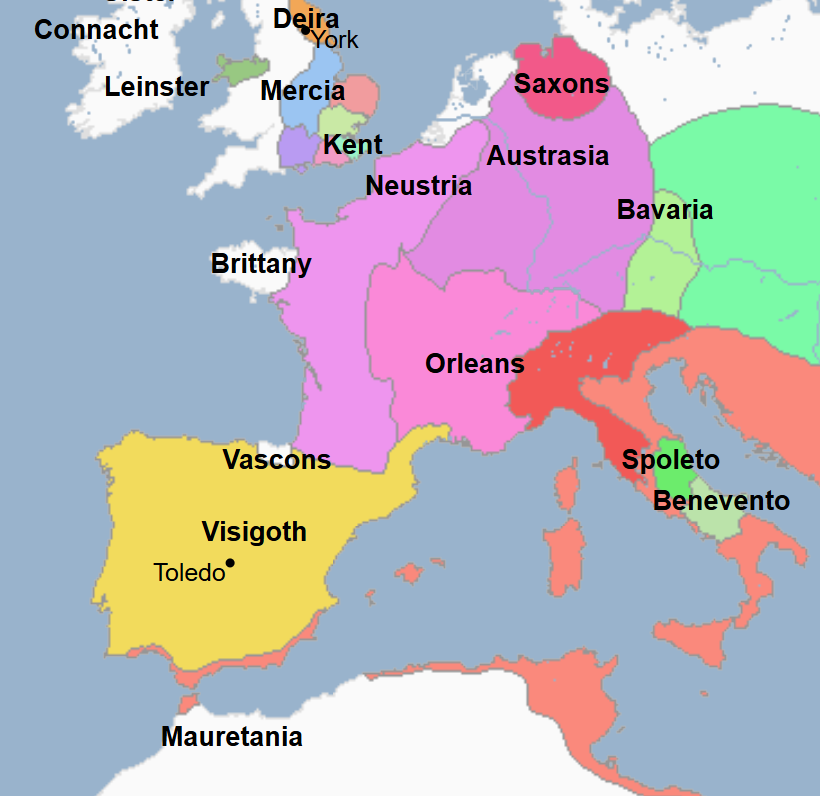
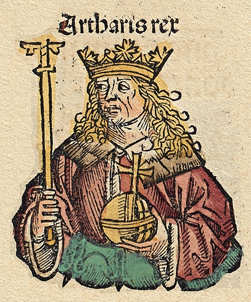
584 - 590 - Authari (All Facts)
2nd King of the Lombards
Under his reign, the Lombards survive a combined attack by the Franks and the Byzantines by retreating behind their city walls and paying (bribing) the Franks a tribute to withdraw
He eventually died from the Frankish Invasion of the Kingdom of Lombard
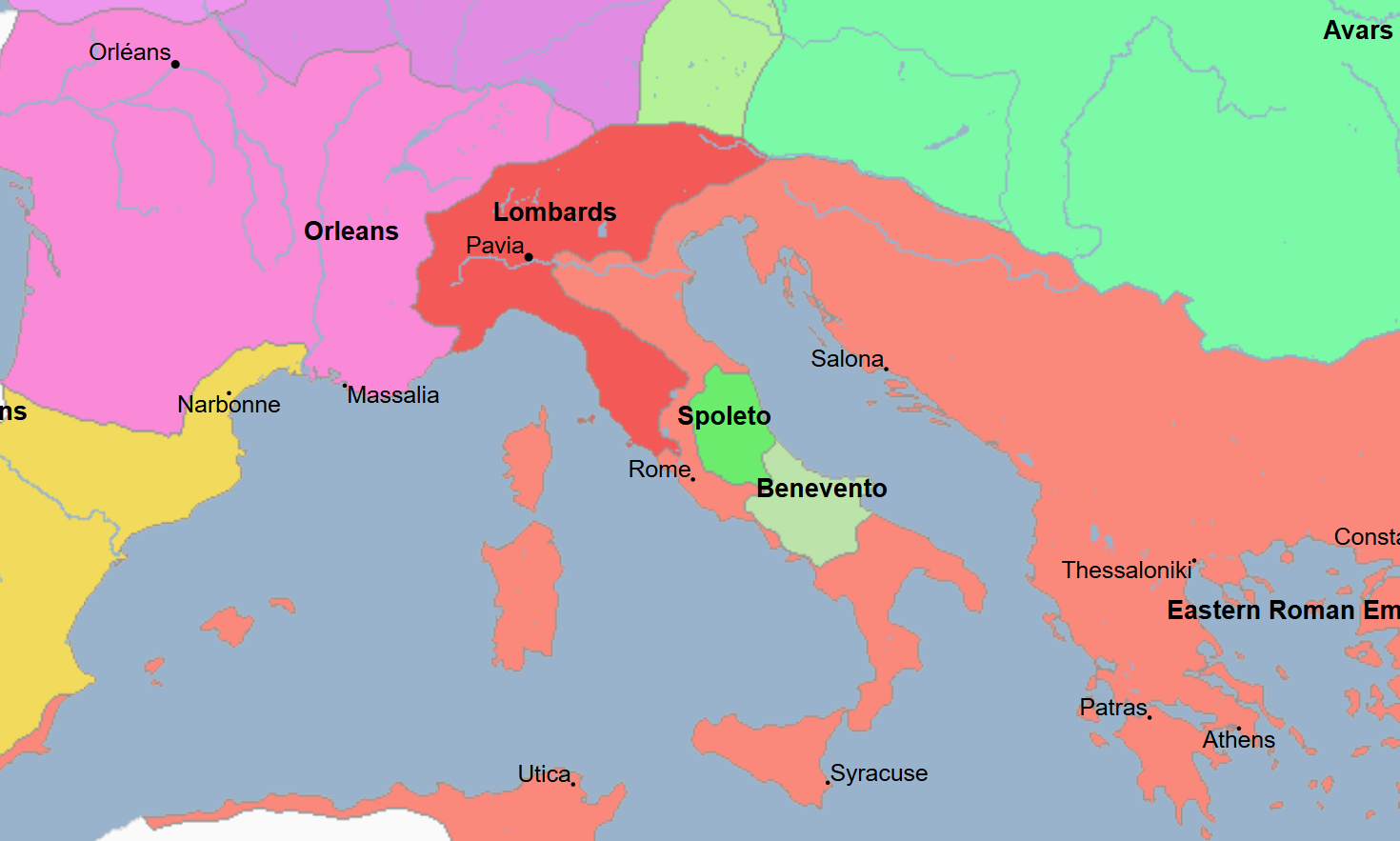
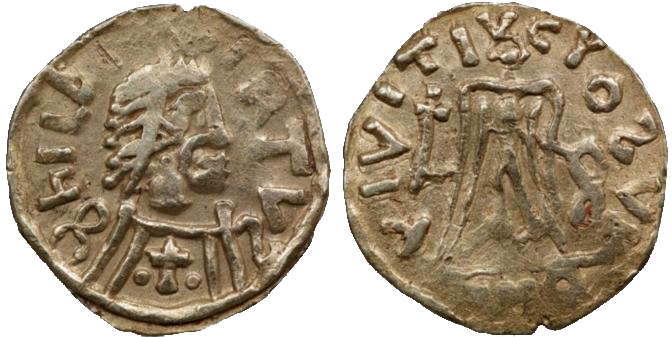
575 - 596 - Childebert II (All Facts)
Merovingian King of the Franks at Austrasia (eastern Gaul) / Reims / Metz
With help from the Byzantines, he invaded the Lombard Kingdom
The Lombards survived his invasion by retreating behind their city walls
They withdrew after exacting tribute from the Lombards
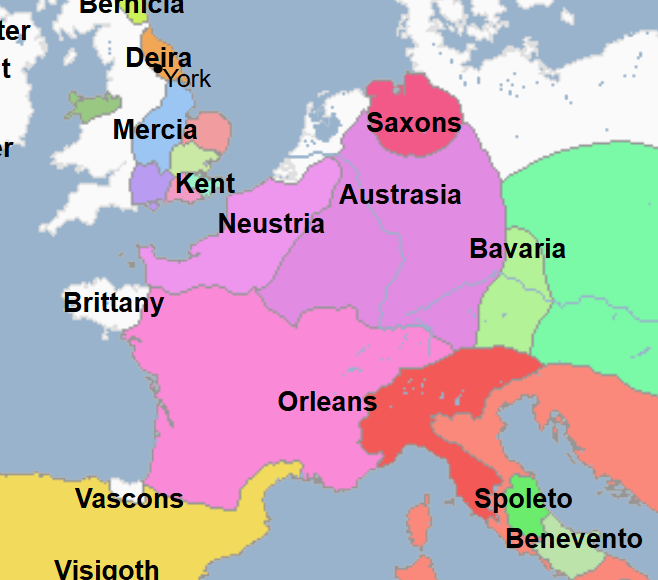
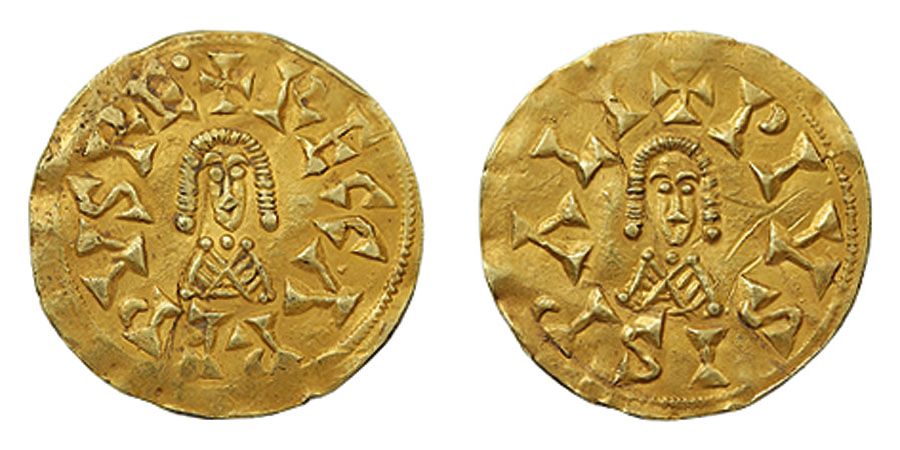
586 - 601 - Reccared (All Facts)
19th King of the Visigoths
Famous for his renunciation of Arian Christianity in favor of Nicene Christianity (Catholics)
Presided over the Council of Toledo, where he
Saw the need for religious and thus national unity but chose Nicene Christianity rather than Arian Christianity, as that was the belief of the majority, thus he corrected the mistake his predecessor and father had made
Thus summoned Visigothic Spain’s leaders to the Council to declare their adherence to Nicene Christianity, despite some of the Visigoth priests remaining Arians even after the Council
This forever changed the Visigothic Kingdom from being Arian Christian and persecuting Nicene Christians to being Nicene Christians
By the end of his reign, Arianism was virtually extinct and only the Lombard Kingdom continued to practice it
During his reign, the Visigothic Kingdom expanded to cover Hispania, Gallaecia, and Septimania in modern-day Spain
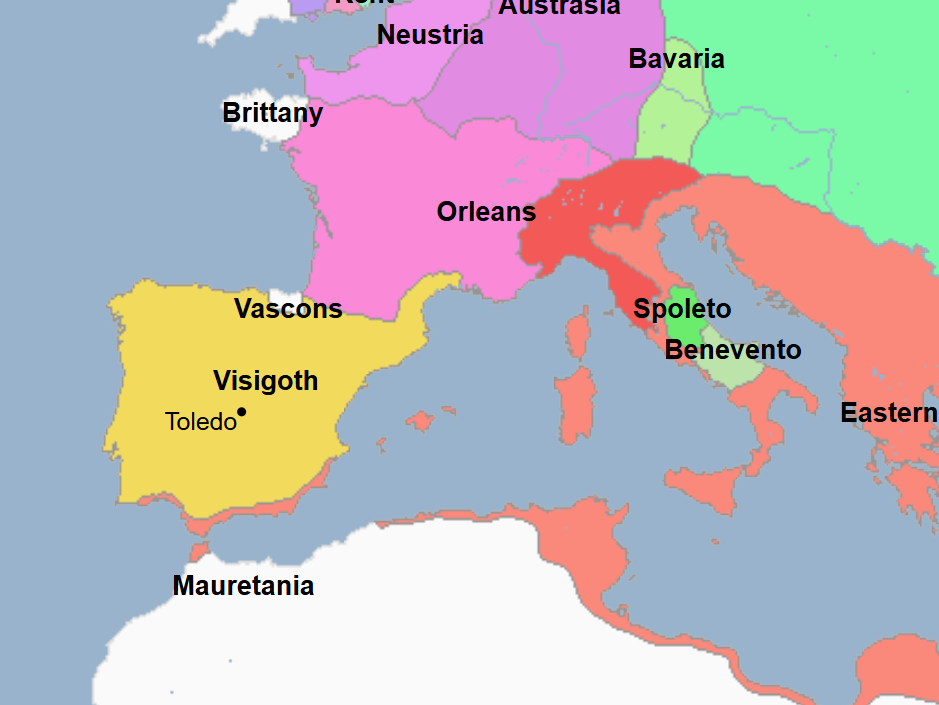
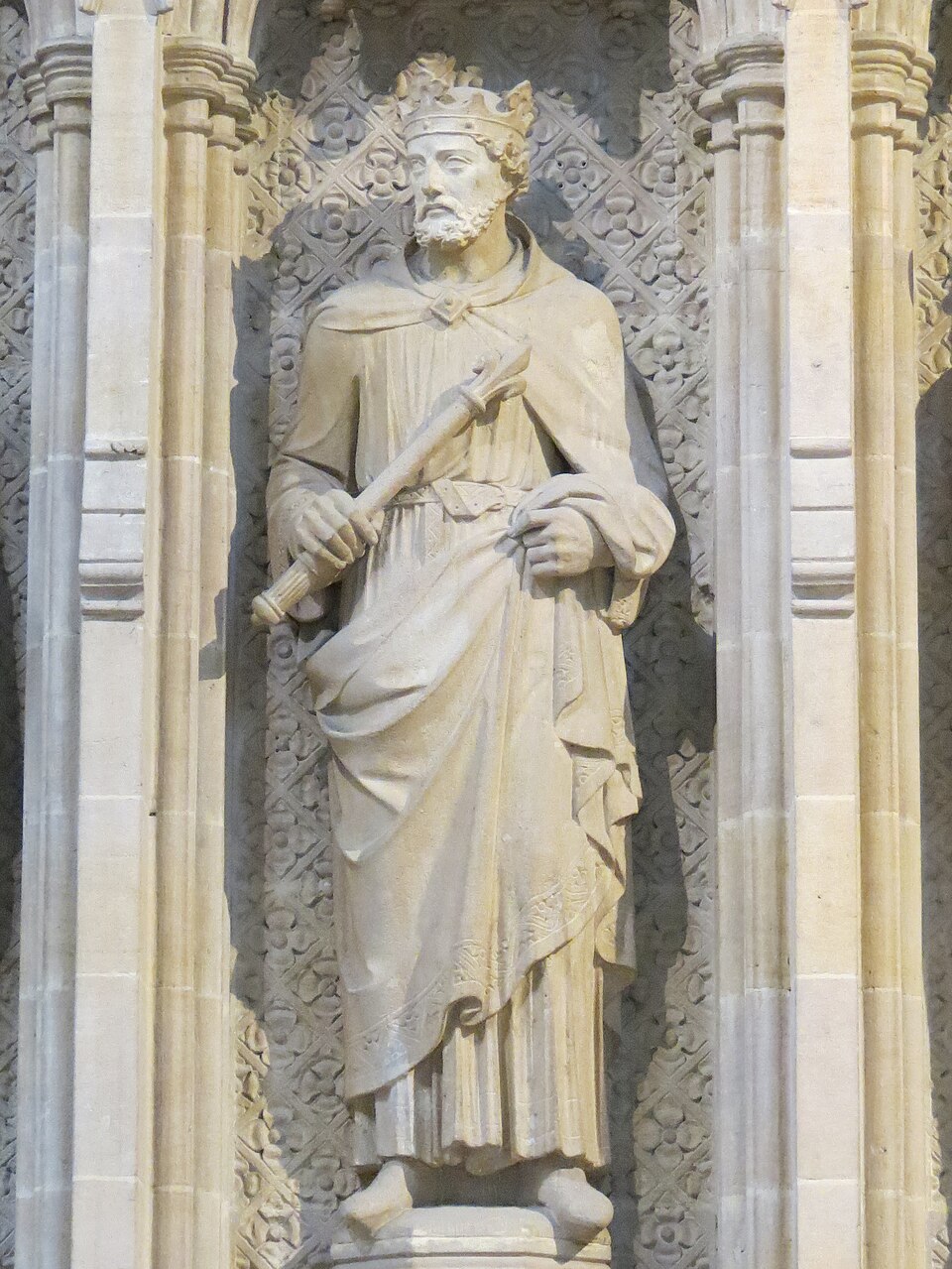
550 - 616 - Aethelbert (All Facts)
King of Kent
Encouraged by St. Augustine of Canterbury and his Frankish Christian wife Bertha, he converted to Nicene Christianity in 600, which led to the eventual conversion of the Anglo-Saxons and the Kingdom of Kent to Nicene Christianity
His successors however reverted back to paganism, however the Byzantines went on to convert more people and eventually won royal approval to do so by his successors
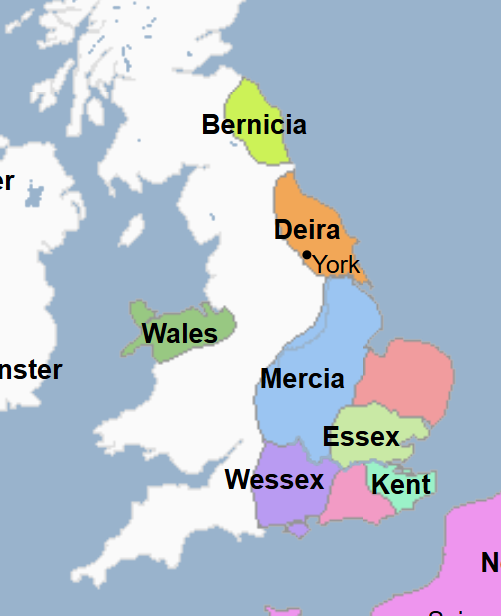
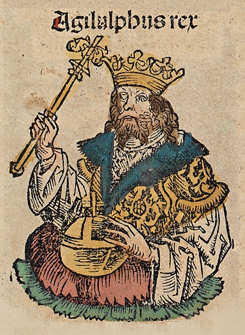
590 - 616 - Agilulf (All Facts)
3rd King of the Lombards
In 598, he signed a treaty with the Byzantines in which they agreed to concede northern Italy to his Lombard Kingdom
The Byzantine Empire continued to retain control over most of central and southern Italy
Under his reign, the march of the Lombards from Milan continued southward until the Byzantine Empire, paralyzed by wars against the Sassanids and Slavs, were forced to negotiate
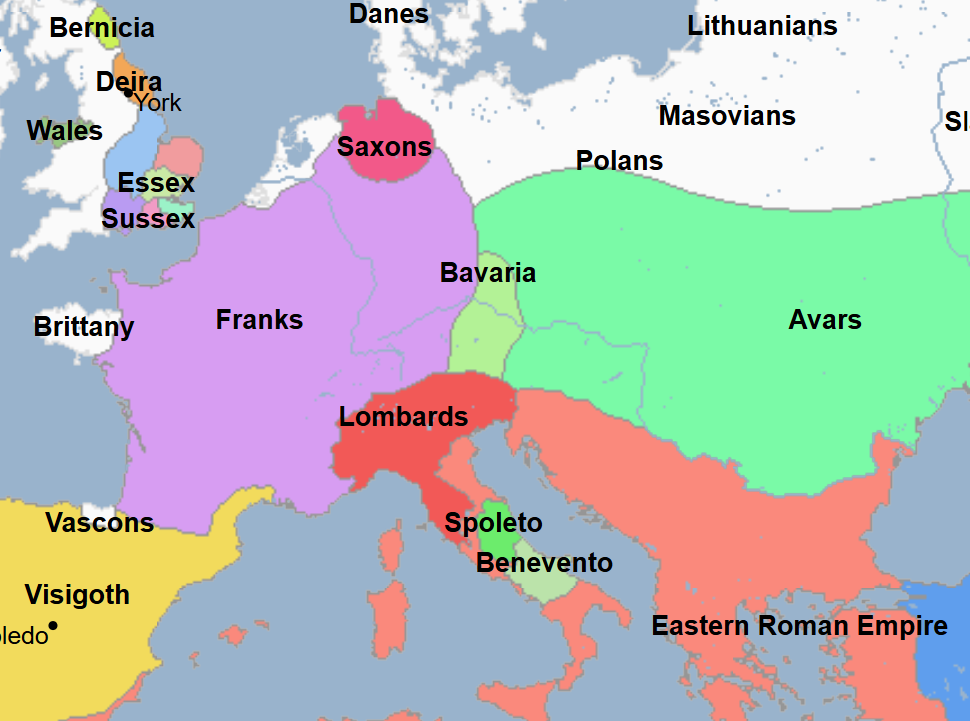
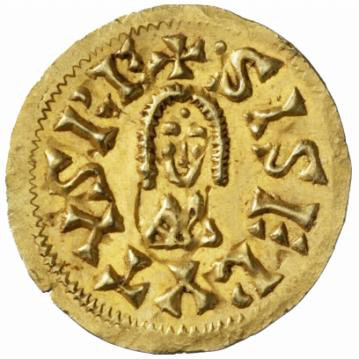
612 - 621 - Sisebut (All Facts)
23rd King of the Visigoths
Poet and patron of learning
Led campaigns against the Byzantines and the Basques to expand Visigothic territory in Spain
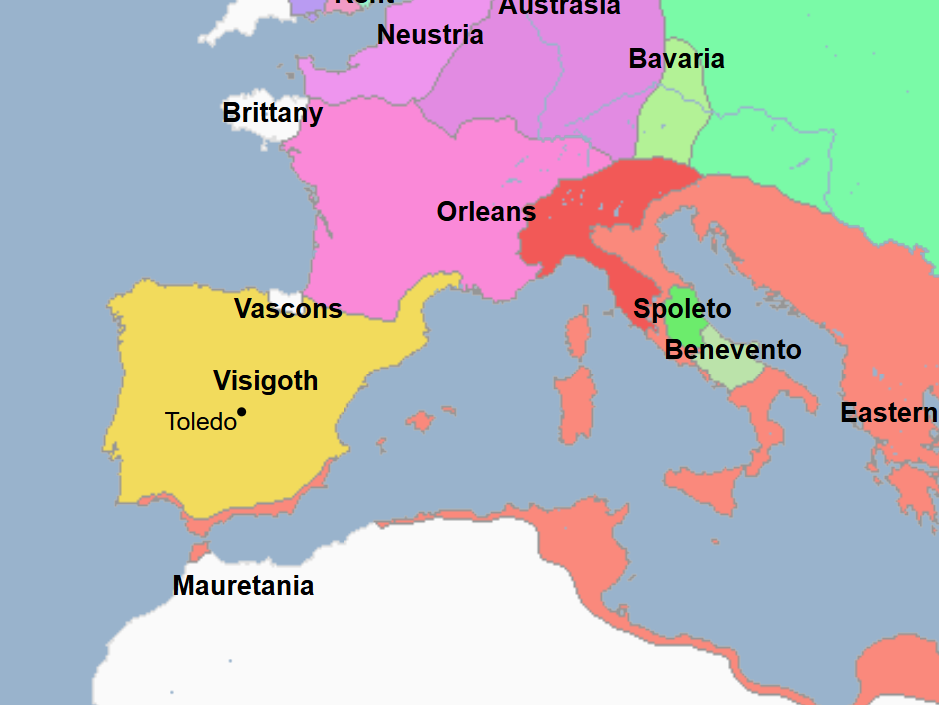
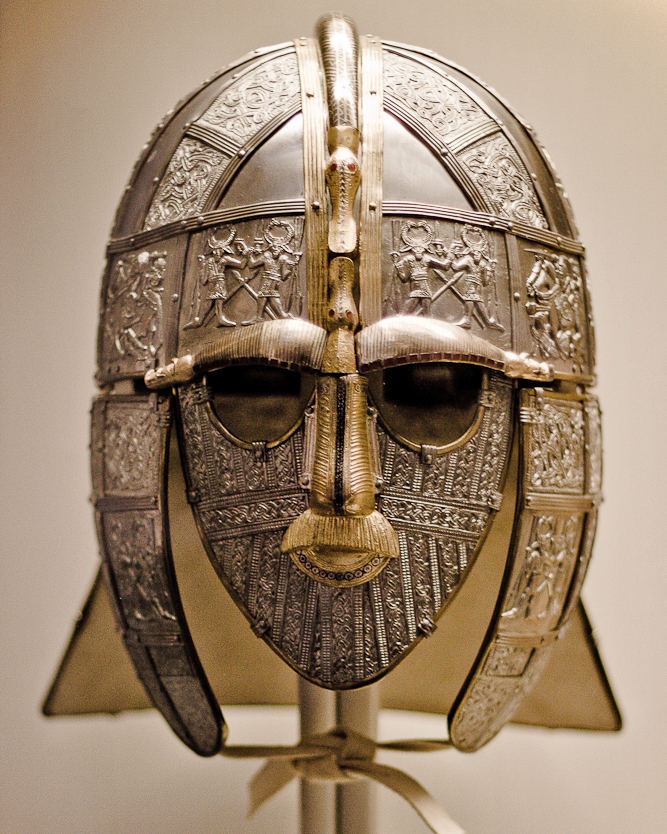
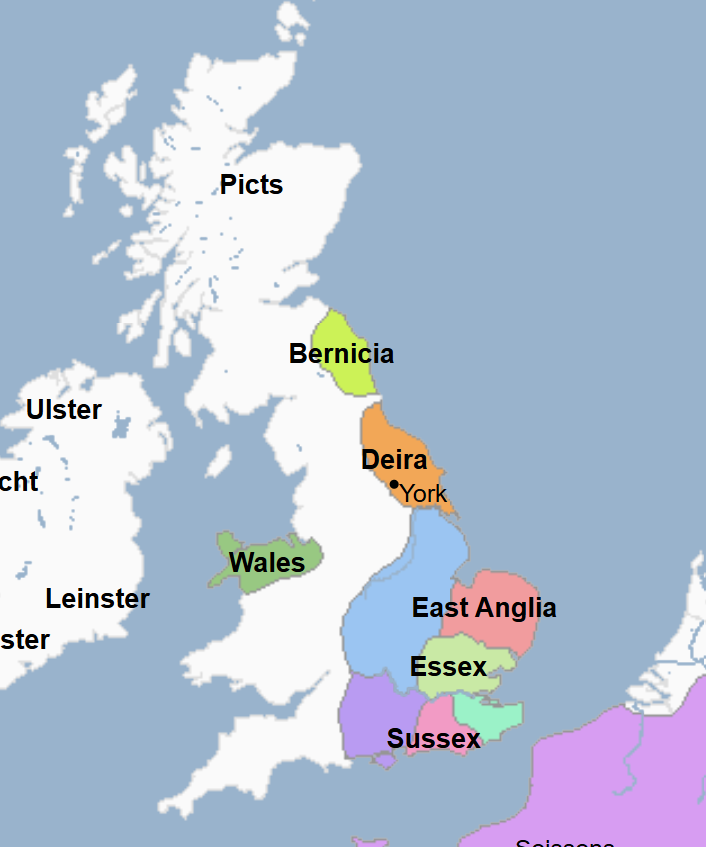
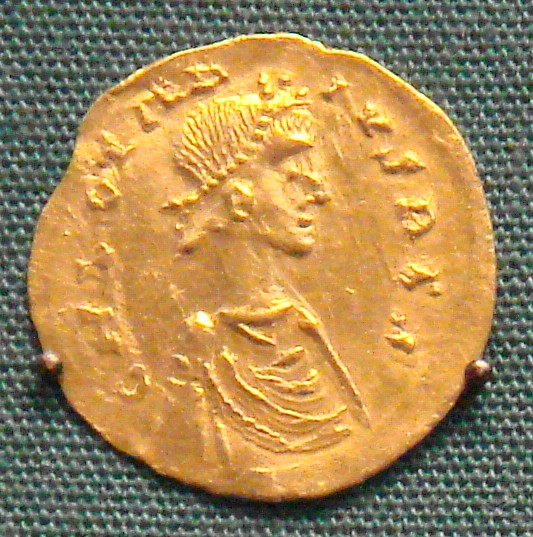
599 - 624 - Redwald (All Facts)
King of East Anglia, the Kingdom of the Angles
He was the most powerful of the Anglo-Saxon kings by the time of his death
He was buried inside the hull of a long ship on top of a cliff at Sutton Hoo in East Anglia in which a wooden hut with gables was built around it to house it and a hoard of treasure
Objects buried in his grave reveal how wealthy the East Angles were in foreign articles as well as in ornaments of fine workmanship including beautifully engraved gold ornaments; although there were bowls from Constantinople and Alexandria and coins from Gaul, and a Swedish-produced helmet and shield
He had a residence at Rendlesham
584 - 629 - Clothar II (All Facts)
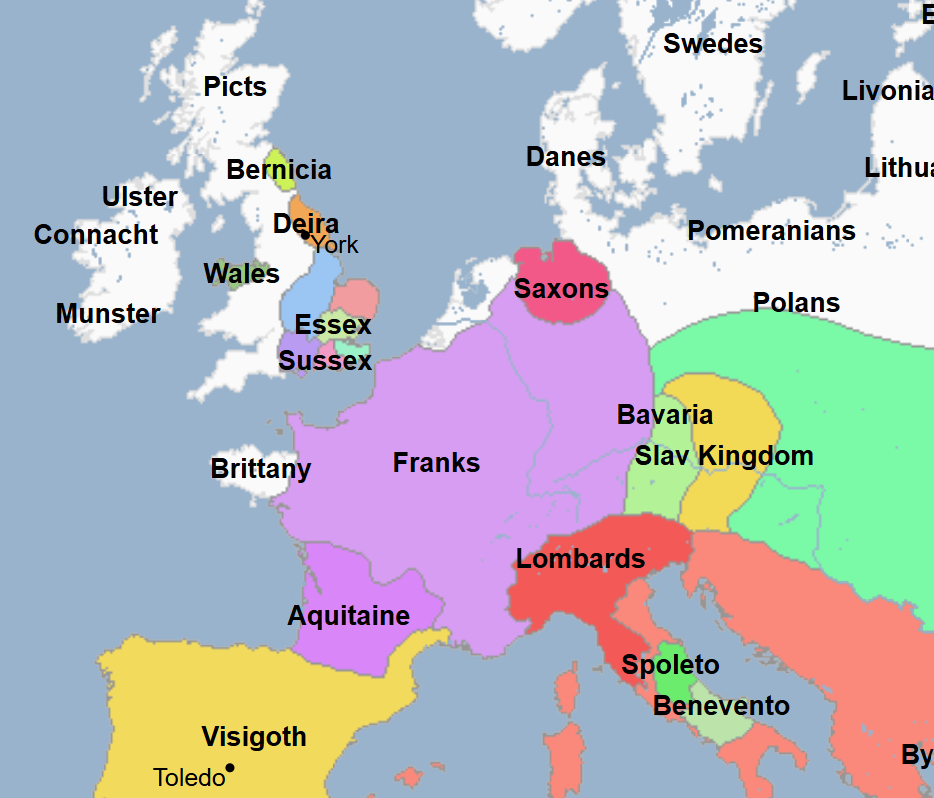
Merovingian King of the Franks as a whole (for the first time since Clovis)
Consolidated his power after the execution of Queen Brunhild
Issued the Edict of Paris in an attempt to stamp out corruption in the Kingdom of Francia
Established mayors of the palace to act as his chief ministers in the three parts of his united kingdom at Neustria, Austrasia, and Burgundy
621 - 631 - Suintila (All Facts)
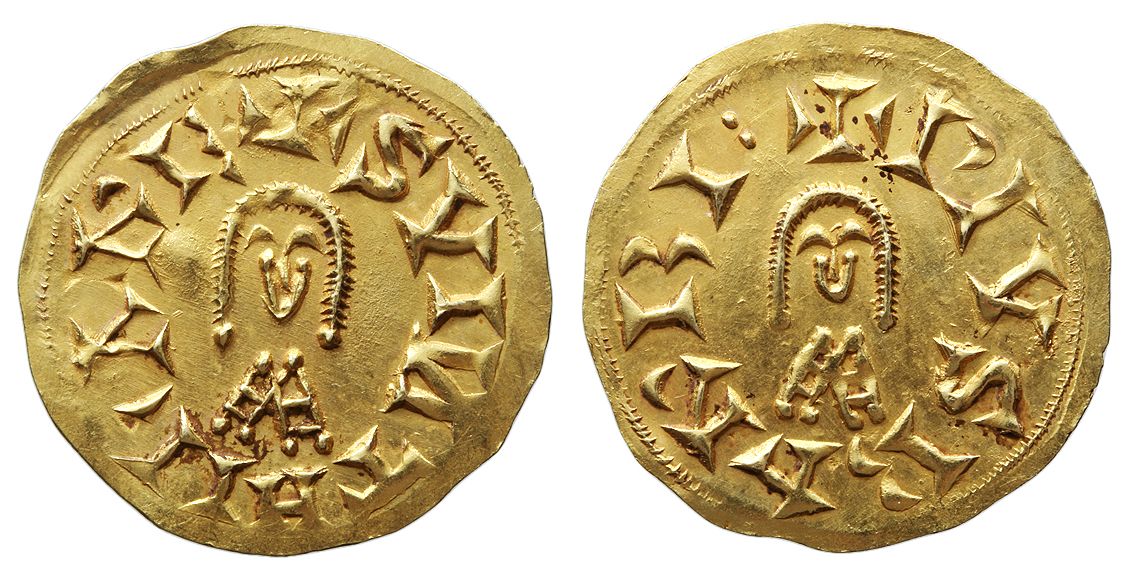
25th King of the Visigoths
During his reign, the Visigoths took back their lands in southern Spain from the Byzantine Empire
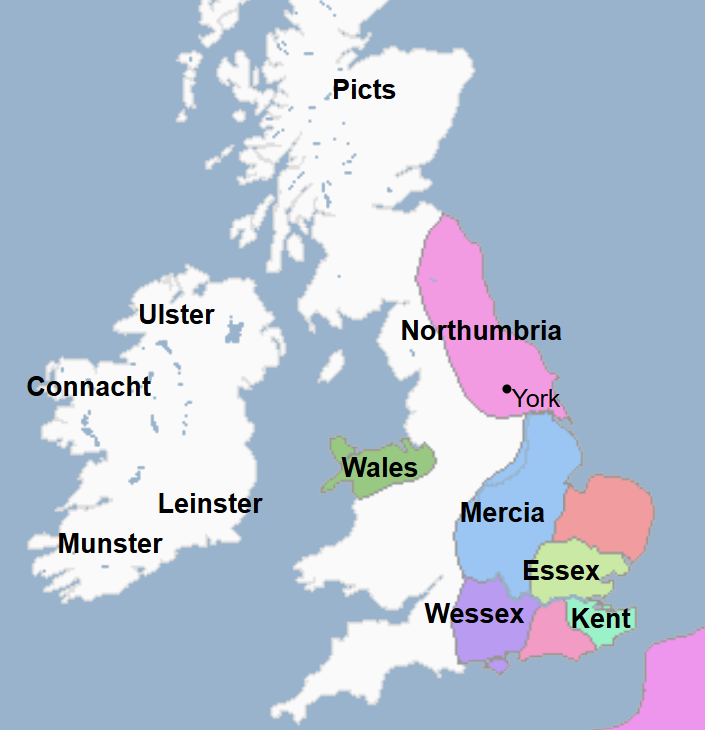
654 - 1066 - Northumbria (All Facts)
Early medieval kingdom which spanned modern-day Northern England and Southern Scotland
It was one of the seven kingdoms of the Anglo-Saxon period
Notable for its many kings including
Edwin
Oswald
Oswy
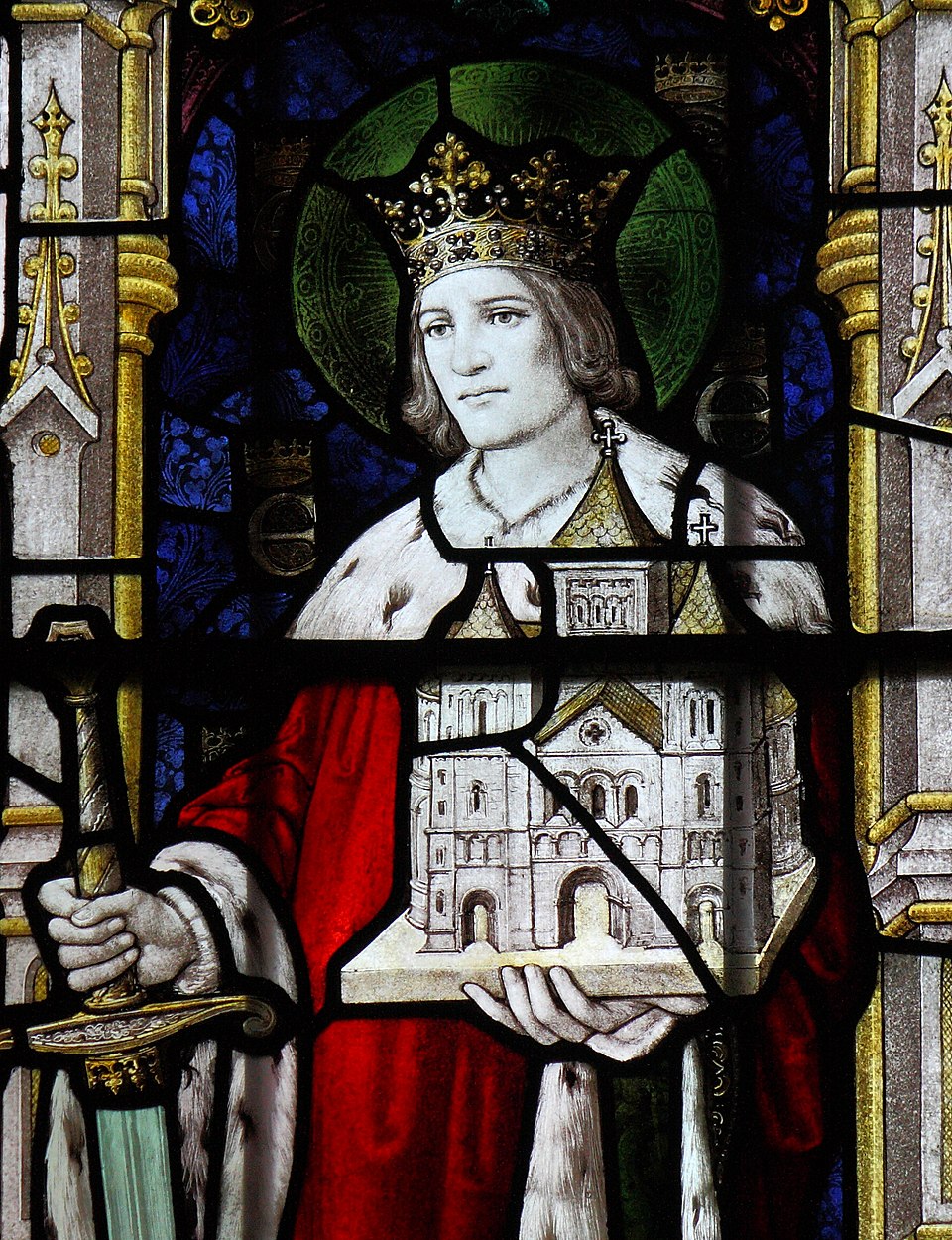
616 - 633 - St. Edwin (All Facts)
King of Deira and Bernicia, which evolved into Northumbria
Converted to Christianity
By his reign, Christianity had taken a significant hold in Northumbria
Baptized by Paulinus at York
This was done by a Roman mission that was backed by his Kentish wife
Killed in the battle by the Britons in alliance with the Mercians by Penda, the pagan king of Mercia
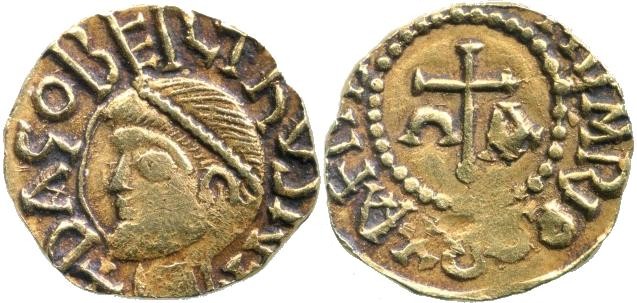
629 - 639 - Dagobert (All Facts)
Merovingian King of the Franks
During his reign, the Franks became a more unified people
He abandoned the usual Frankish practice of Partible Inheritance; instead insisting that he should be made the sole king and take absolute power
While he extended his father’s policy by creating sub-kingdoms to satisfy nationalist tendencies in Aquitaine and Austrasia, real power remained firmly in his hands
With this power, the king was able to control rebellions and resume campaigns against the Celts of western Gaul, the Visigoths, and the Basques
He was a wise and just King for the masses, despite his alienation of some of the aristocracy and senior clergy caused by his diminishing of their powers and possessions
He toured out his dominions and stamped out the injustices of the rich
He allied with the Byzantine Emperor Heraclius in striving to hold the Slavs at bay
Died after suffering an attack of dysentery
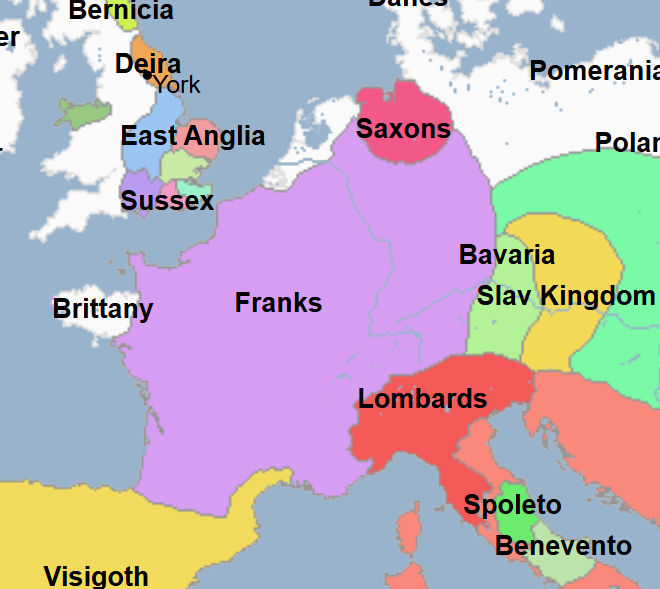
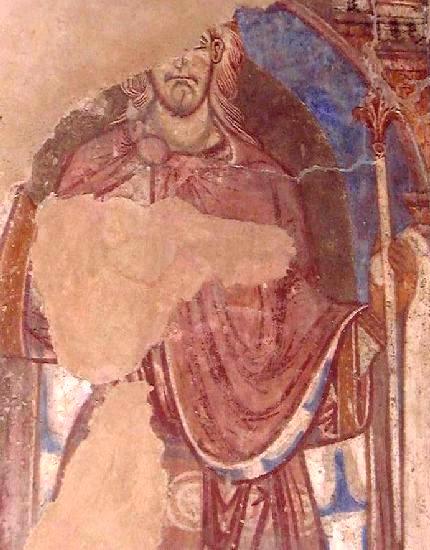
604 - 642 - Oswald (All Facts)
King of Deira and Bernicia, which evolved into Northumbria
After a brief pagan revival, he restored Christianity with the help of Irish monks from Iona led by Aidan
He returned from exile on Iona in Ireland to become king and brought with him Irish missionaries from Iona led by a one Aidan
Killed and defeated by Penda and the Mercians in the Battle of Maserfield
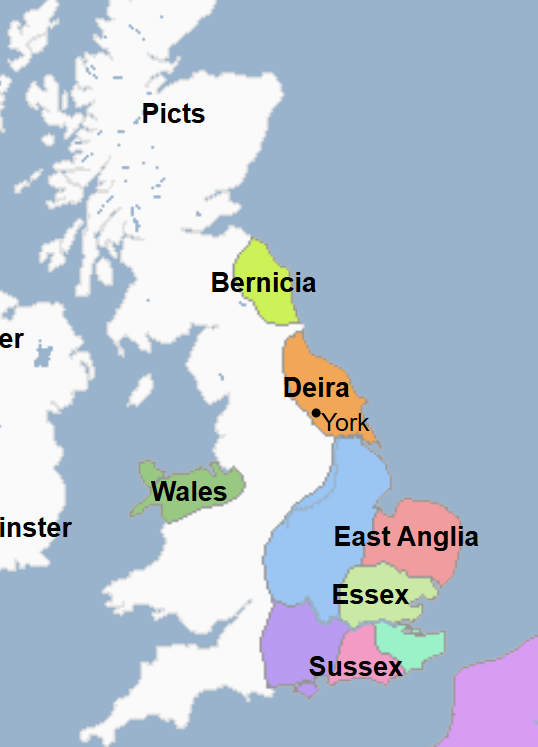
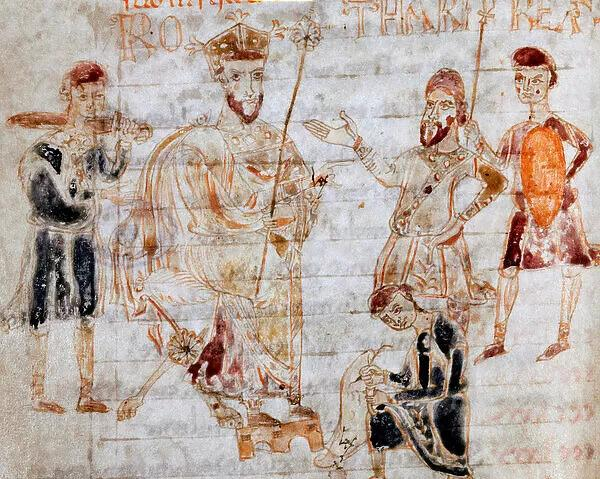
636 - 652 - Rothari (All Facts)
6th King of the Lombards
Expanded his kingdom into Byzantine Empire territory
Published his namesake edict, which codified the laws of the Lombards into Latin for the first time
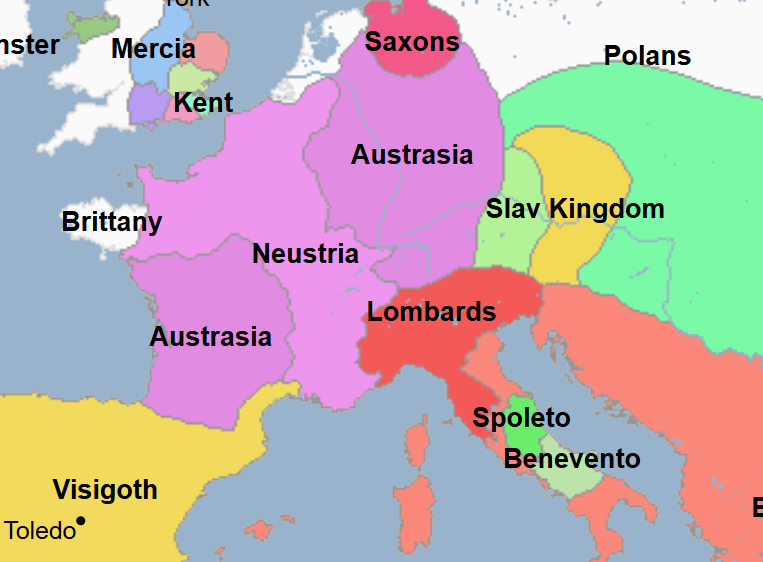
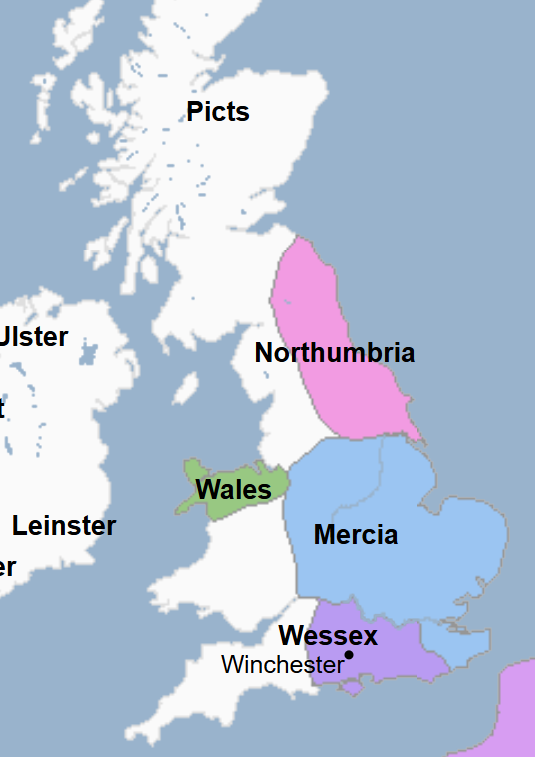
527 - 918 - Mercia (All Facts)
Early medieval English kingdom, one of the seven kingdoms of the Anglo-Saxon period
It was centered on the Trent River and its tributaries, in a region now known as the Midlands of England
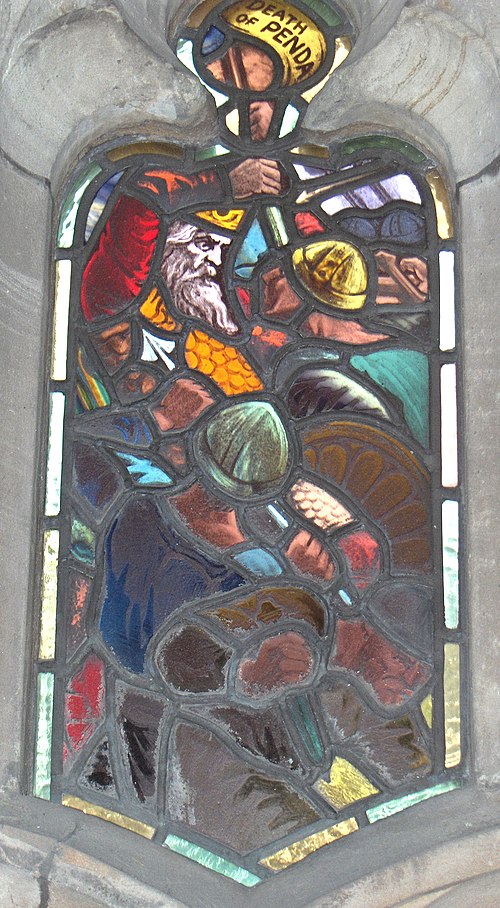
626 - 655 - Penda (All Facts)
King of Mercia
Defeated and killed Oswald of Northumbria in the Battle of Maserfield
He was in turn defeated and killed by Oswy of Northumbria in the Battle of Winwaed
Upon his death, the Kingdom of Mercia converted to (Nicene) Christianity
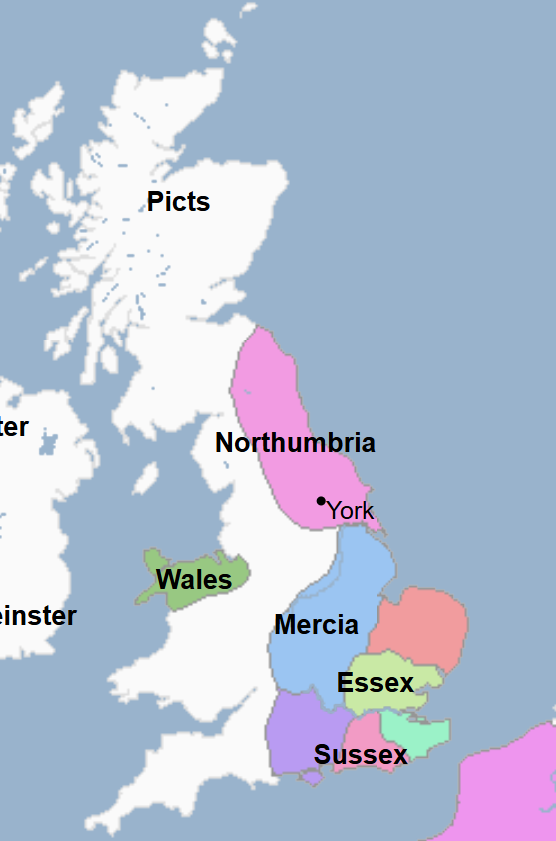
643 - 657 - Grimoald the Elder (All Facts)
Rich and powerful mayor / prime minister of Austrasia in eastern Gaul, one of the Frankish kingdoms of the time
During his time, there were many nobles who had allied themselves with mayors like him in order to gain real power in place of the king
He was one of the most powerful mayors at the time with such allies
He tried to seize power at Vienne but failed, having been executed by Clothar III
He sent the crown prince Dagobert to a monastery in Ireland and took over the kingdom and installed his own son as king
He was the son of Pepin of Landen
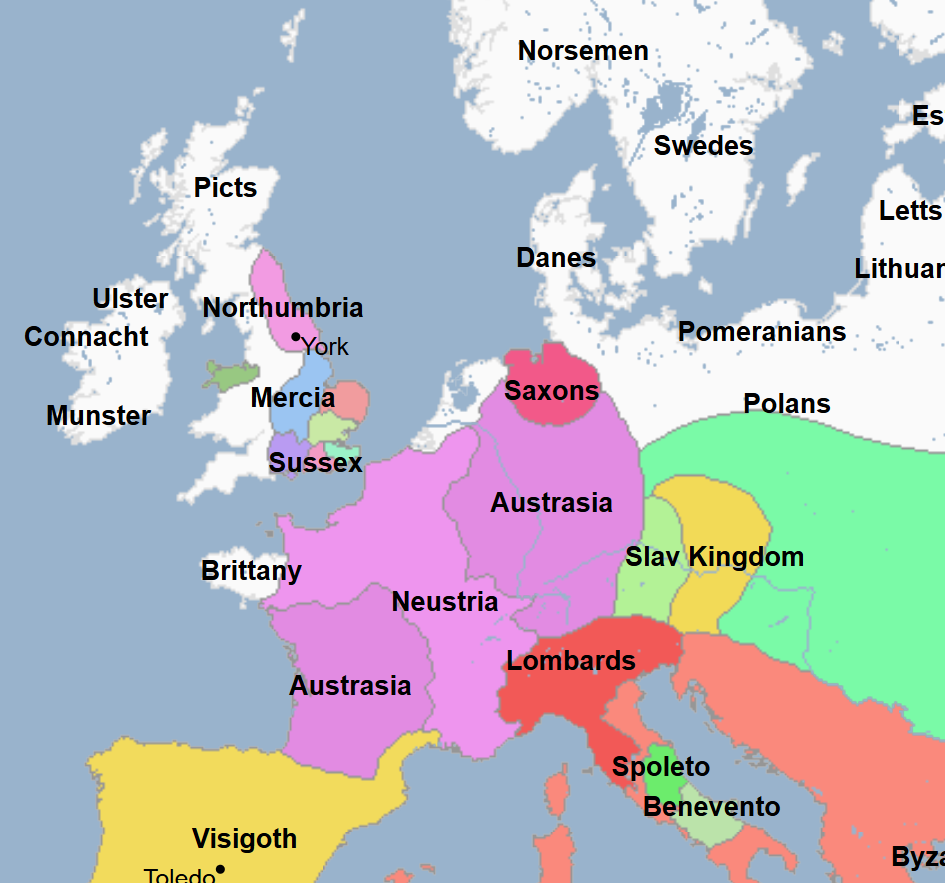
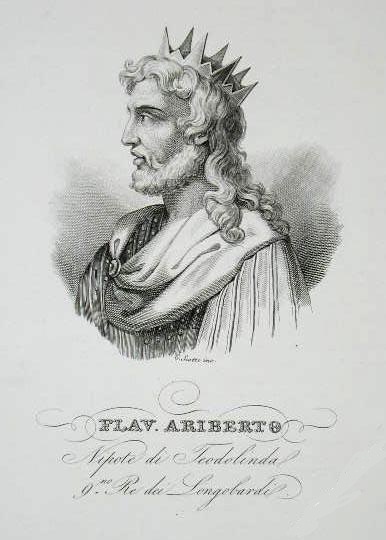
653 - 661 - Aripert (All Facts)
8th King of the Lombards
Baptized as a Nicene Christian (Catholic) at Pavia
Under his reign, Nicene Christianity (Catholicism) effectively replaced Arian Christianity amongst the Lombards
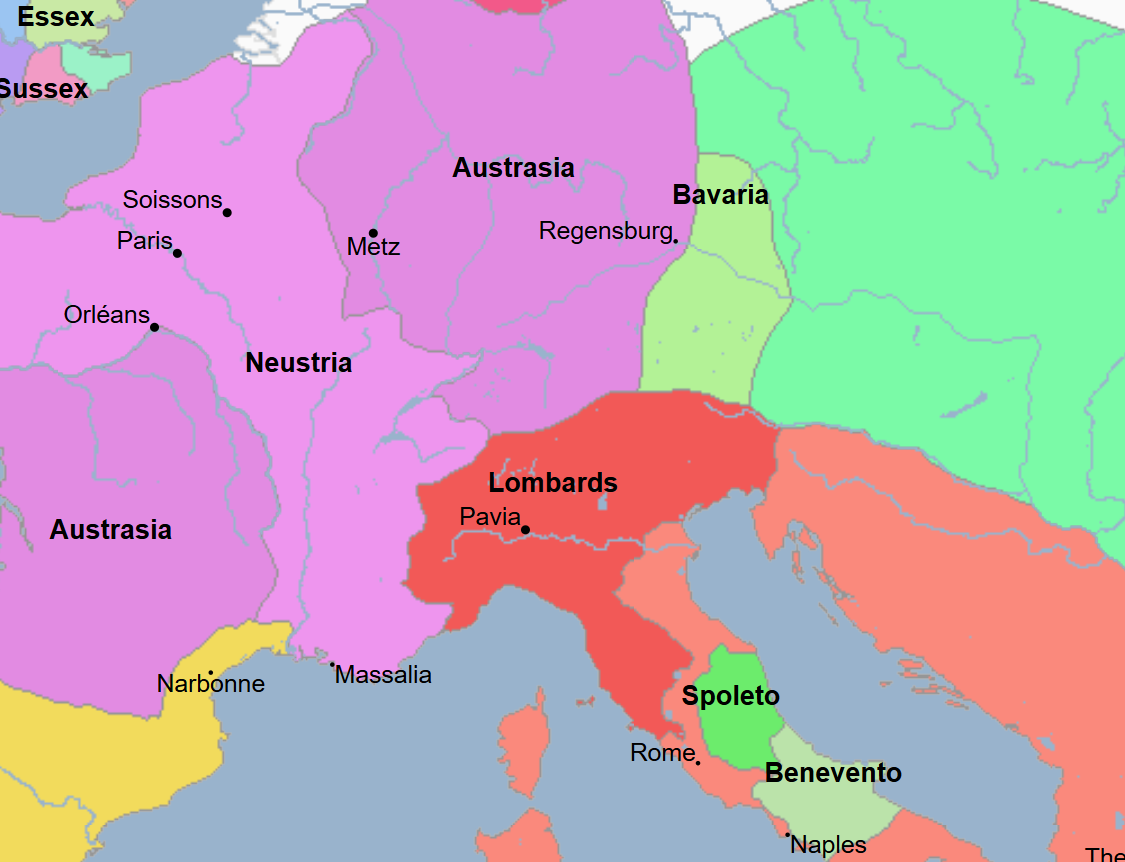
642 - 670 - Oswy (All Facts)
First King and Founder of Northumbria
He and the Nicene Christian Northumbrians defeated and killed Penda and the Arian Christian Mercians in the Battle of the Winwaed River
This avenged the death of his two predecessors who fought for Christianity to be spread in Northumbria
He vigorously promoted Christianity in Northumbria
He gave Northumbrian control up to the Forth River
He presided over the Council of Whitby, in which important decisions affecting the Anglo-Saxon church were made
He decided in favor of the Roman teachings put forward by Wilfrid, the ambitious priest over that of the Irish teachings
He ruled that his kingdom, Northumbria, would calculate Easter and observe the monastic traditions according to the customs of Rome rather than the customs practiced by Irish monks in Iona and elsewhere
This thus ended differences between the Irish and Roman missionaries over the date of Easter and other customs
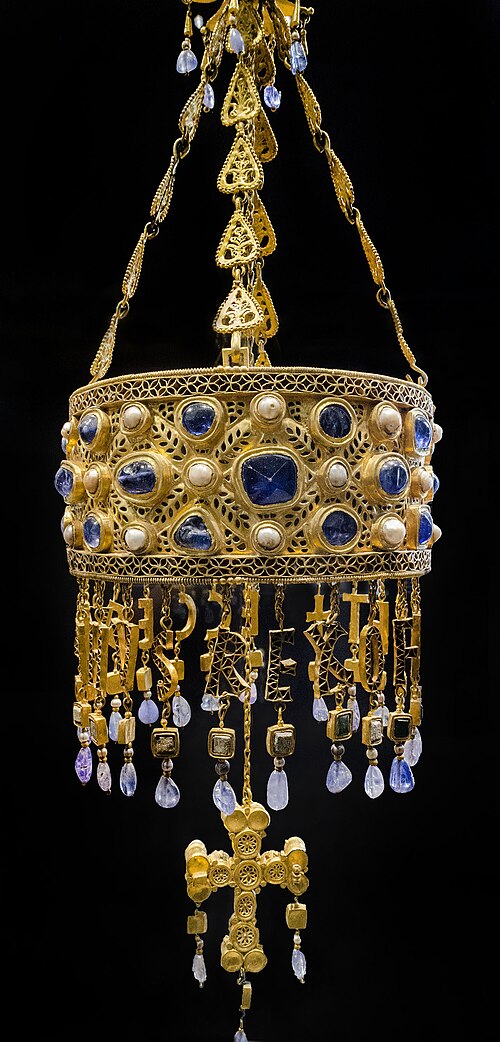
649 - 672 - Recceswinth (All Facts)
30th King of the Visigoths
Published his “Liber Ludiciorium,” which
Was aimed at achieving complete equality between all subjects, both Hispano-Romans and Goths
Was the first territorial law code that applied to everyone regardless of racial and/or cultural differences
Replaced the Breviarium / Breviary of Alaric
Died in Toledo
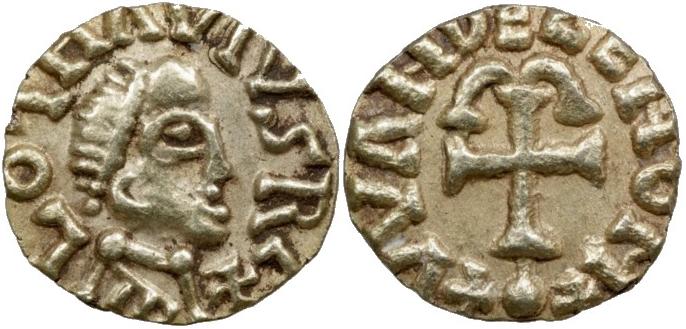
657 - 673 - Clothar III (All Facts)
Merovingian King of the Franks in Neustria (in northwestern Gaul)
Handed over the throne to his brother
He had Grimoald executed after he tried to seize power at Vienne in a coup d’etat attempt
This reveals the discord and decay that characterized the Merovingian Dynasty by the time of the namesake’s reign
He had trapped both Grimoald the Elder and his son within a few months of the coup d’etat attempt
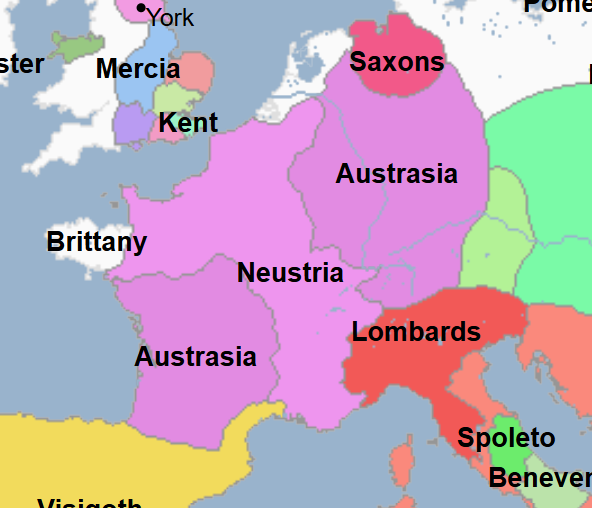
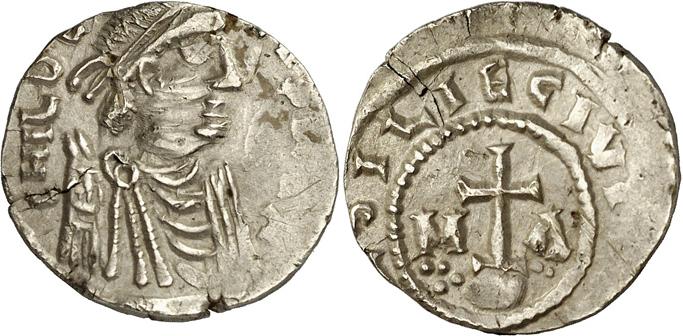
662 - 675 - Childeric II (All Facts)
Merovingian King of the Franks in Austrasia
Allowed the Merovingian Dynasty to remain in power
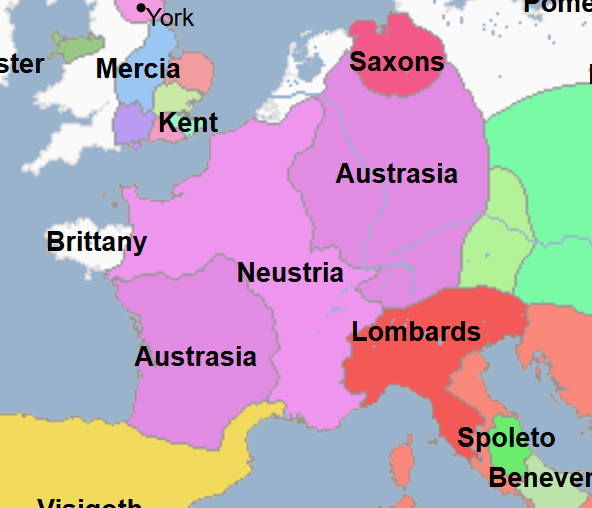
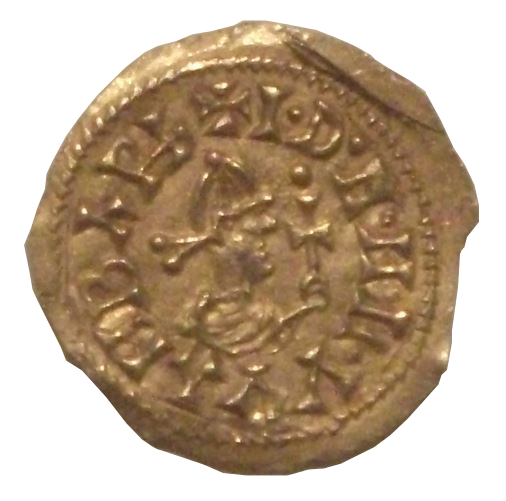
672 - 680 - Wamba (All Facts)
31st King of the Visigoths
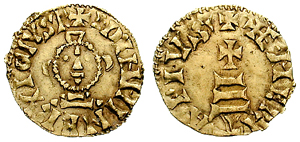
680 - 687 - Erwig (All Facts)
32nd King of the Visigoths
He led a coup d’etat against his predecessor in which he took advantage of an uprising by the Basques and of the discontent caused by the reforms of the church and the army; and then proceeded as king to make concessions to the rebellious aristocracy in order to consolidate his power and rule
670 - 685 - Ecgfrith (All Facts)
2nd King of Northumbria
He was defeated and killed by King Bridei and the Picts in the Battle of Dun Nechtain
685 - 688 - Caedwella (All Facts)
King of Wessex
Conquered the Isle of Wight, the last area of Anglo-Saxon England that was converted to Christianity
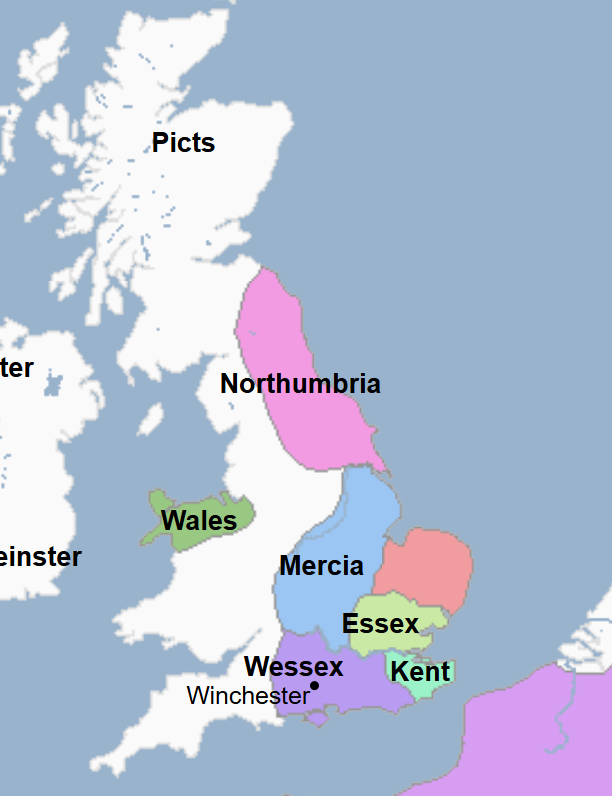
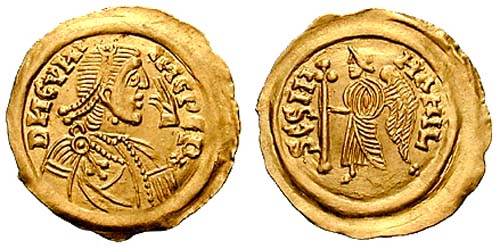
689 - 700 - Cunipert (All Facts)
King of the Lombards
Defeated a rebellious duke
Succeeded in establishing religious unity, finally stamping out Arian Christianity from the Lombard Kingdom
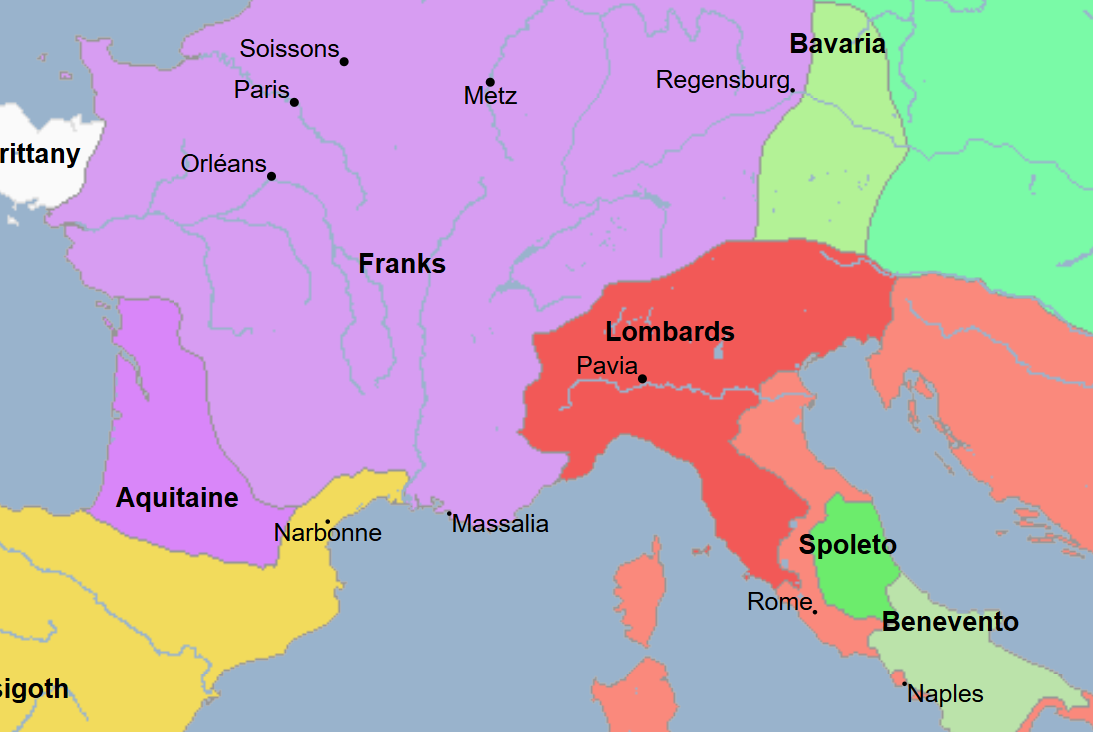
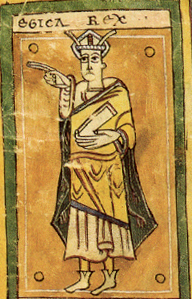
687 - 703 - Egica (All Facts)
33rd King of the Visigoths
He presided over the 17th Council of Toledo, which maintained that all Jews in Spain be enslaved and that all their property be confiscated
He had a profound distrust of and dislike for the Jews in Spain at the time
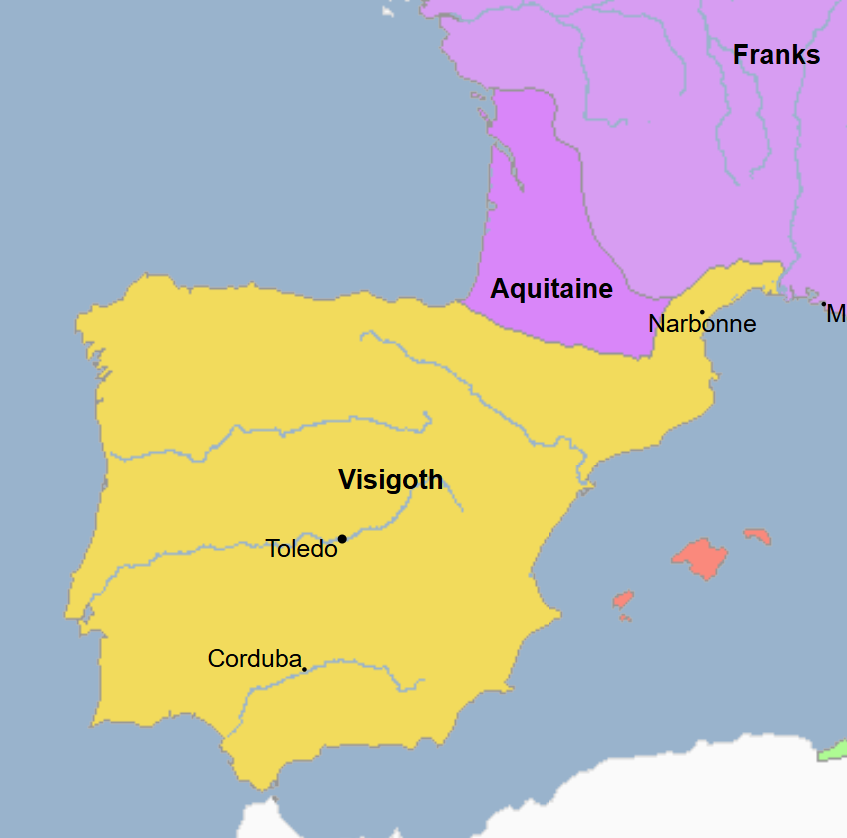
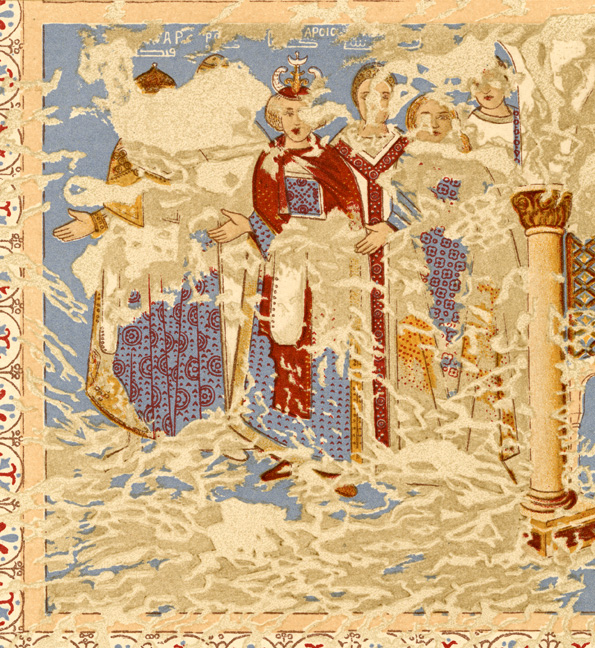
710 - 711 - Roderic (All Facts)
35th (Co-)King of the Visigoths, he ruled in the south and a part of the north of Visigothic Hispania
He was the Duke of Baetica, he rebelled and became king of the Visigoths, he oversaw his kingdom have internal unrest
He was the last king of the Goths to rule from Toledo
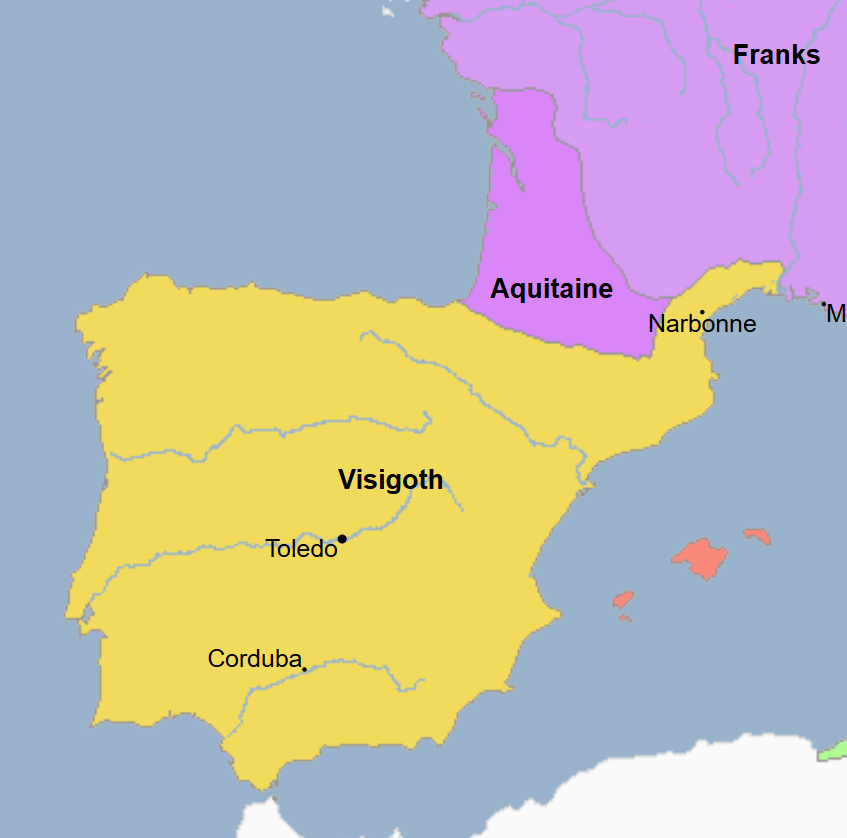
710 - 714 - Achila II (All Facts)
35th (Co-) King / 36th King of the Visigoths
He ruled part of the north region of Visigothic Hispania while his co-ruler ruled the rest
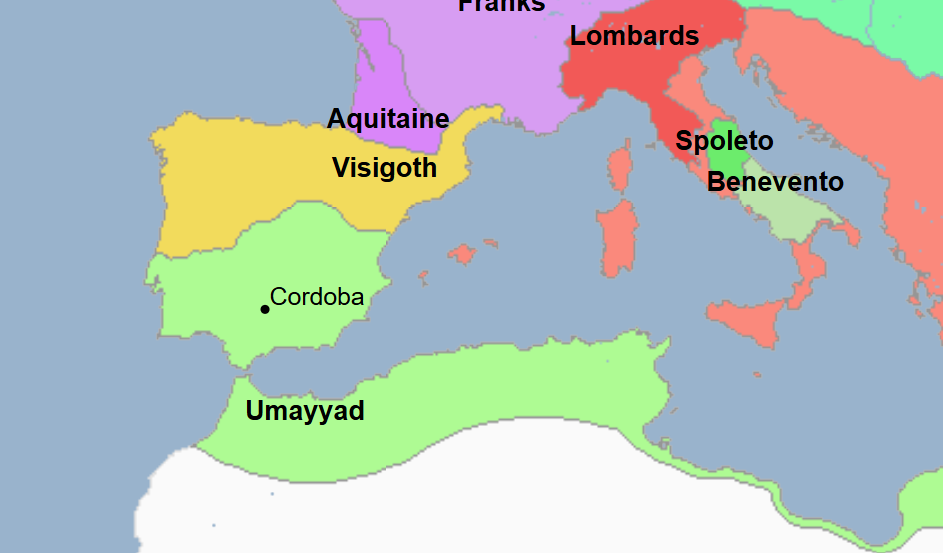
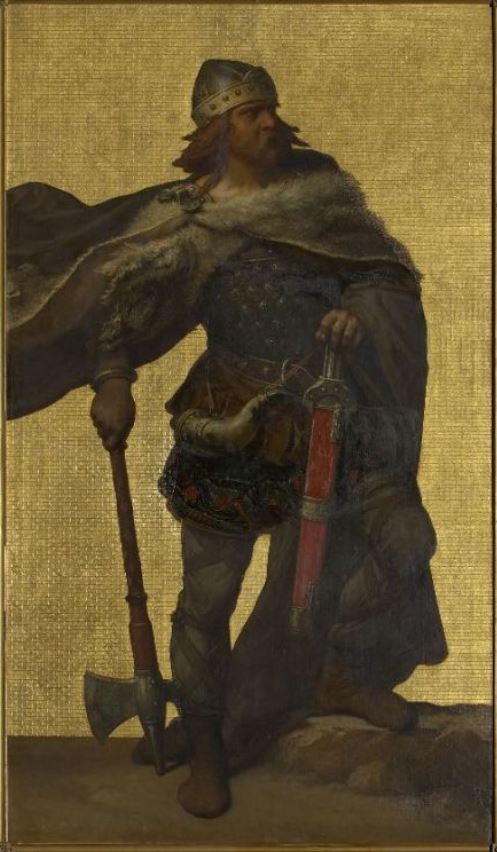
687 - 714 - Pepin of Herstal (All Facts)
Merovingian King of the Franks
He was initially the mayor of Austrasia
However, after a series of conflicts between him and other Austrasian mayors and Neustrian mayors “of the palace,” which culminated in the namesake’s victory over his Neustrian rival in the Battle of Tertry
He united the Franks under himself as king and mayor
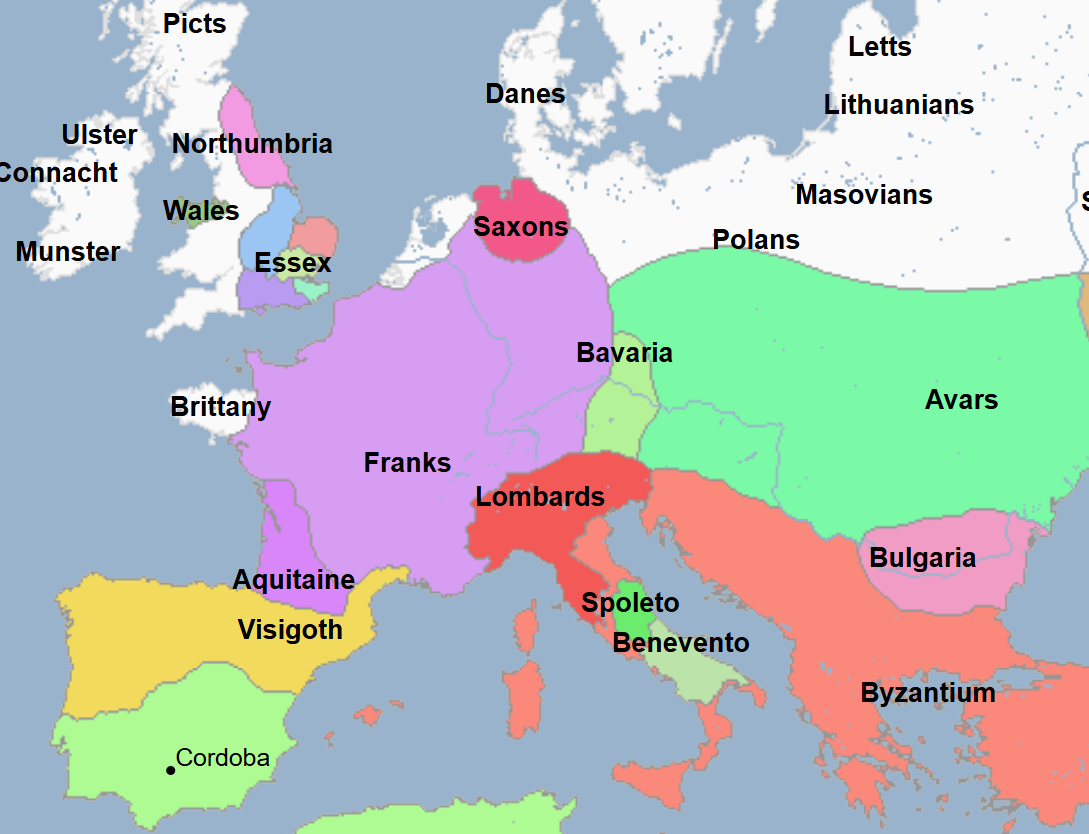
700 - 735 - Odo the Great (All Facts)
Duke of Aquitaine and Gascony
He is remembered for preventing the Umayyad Caliphate’s invasion of Gaul by defeating Al-Sanh ibn Malik and the Arab Muslims in the Battle of Toulouse
Reeling under the Arab Muslim onslaught, he sent a desperate appeal to Charles Martel, who came riding south with his Frankish warriors to him and saved the city of Tours, which the namesake had been initially defending
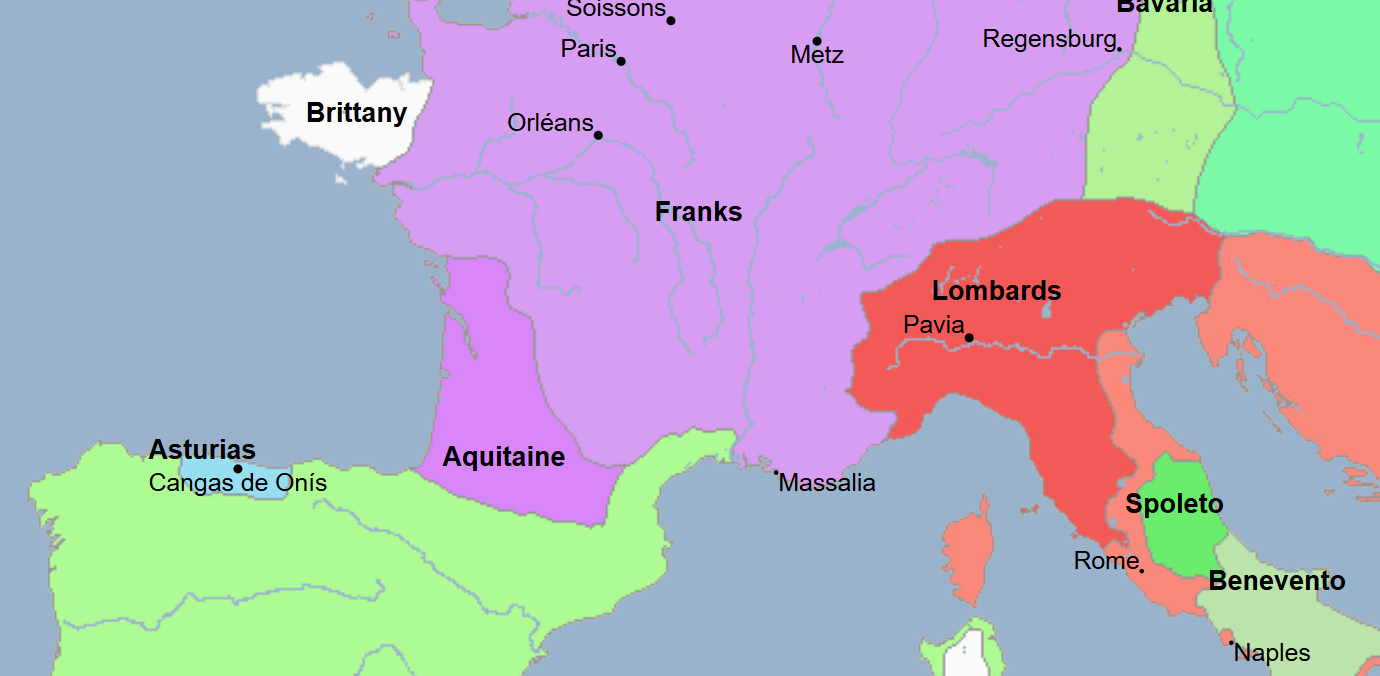
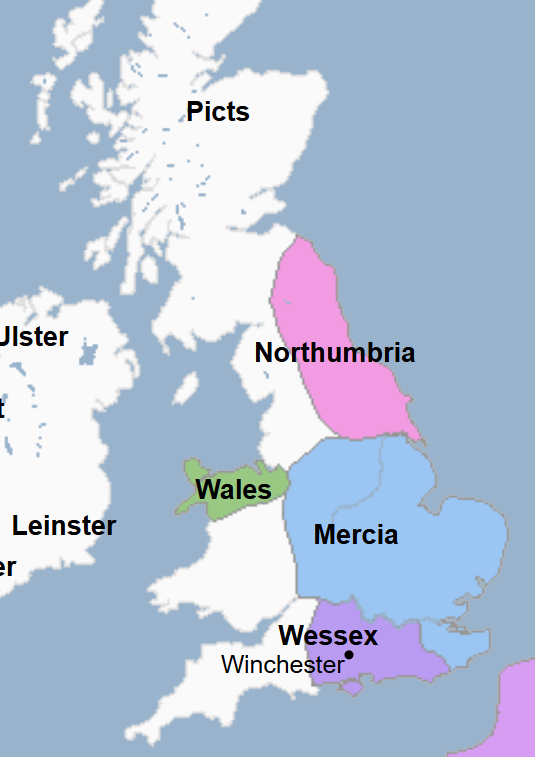
716 - 825 - Mercian Supremacy (All Facts)
Period of time when the Kingdom of Mercia dominated the southern Anglo-Saxon Kingdoms of the Heptarchy
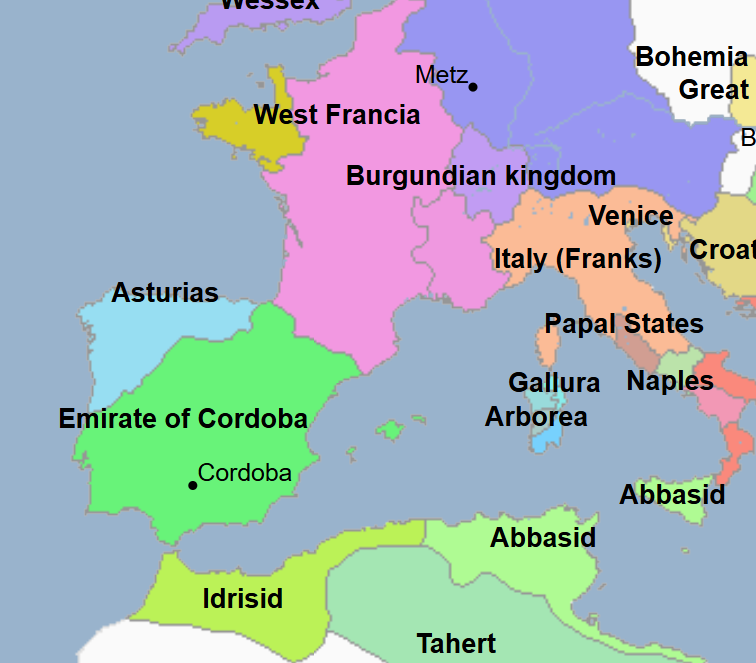
718 - 924 - Asturias Kingdom (All Facts)
Medieval kingdom in the Iberian Peninsula founded by Pelagius
It was the first Christian political entity to be established in the Iberian Peninsula after the Umayyad conquest of Visigothic Hispania
Led by many notable kings including
Pelagius
Alfonso the Catholic
Its capital was at Oviedo
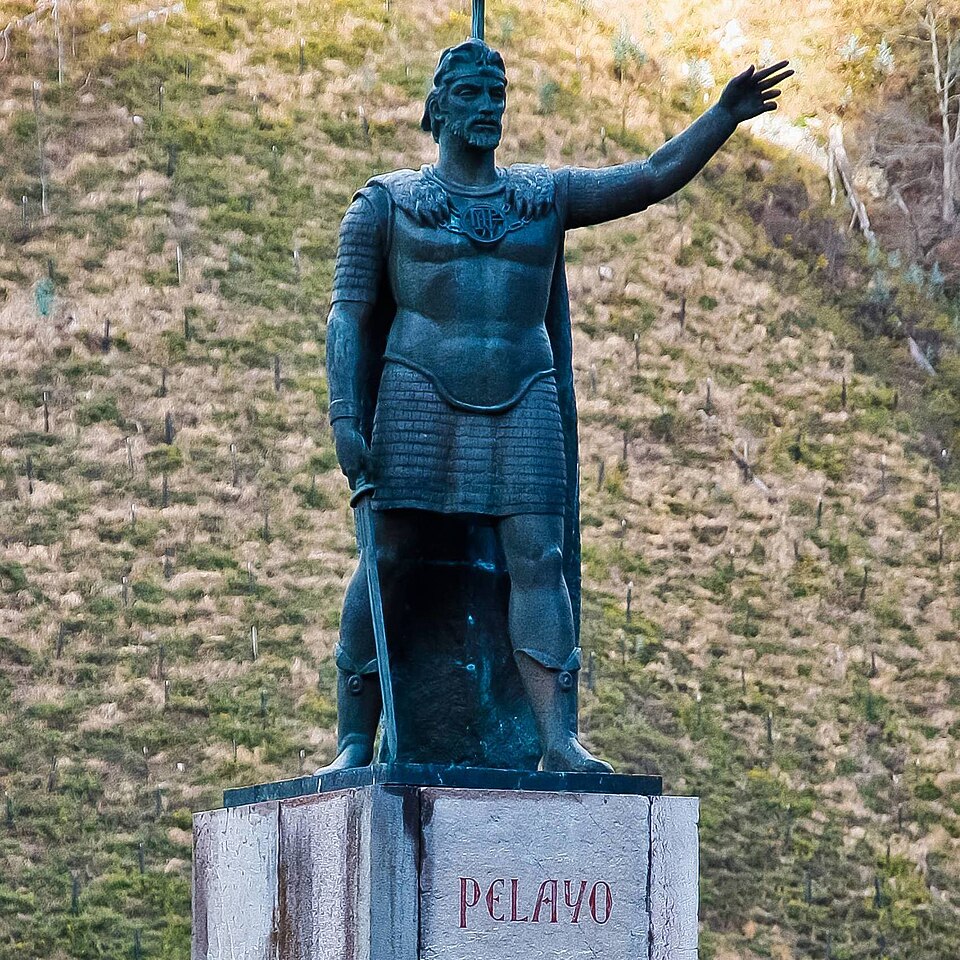
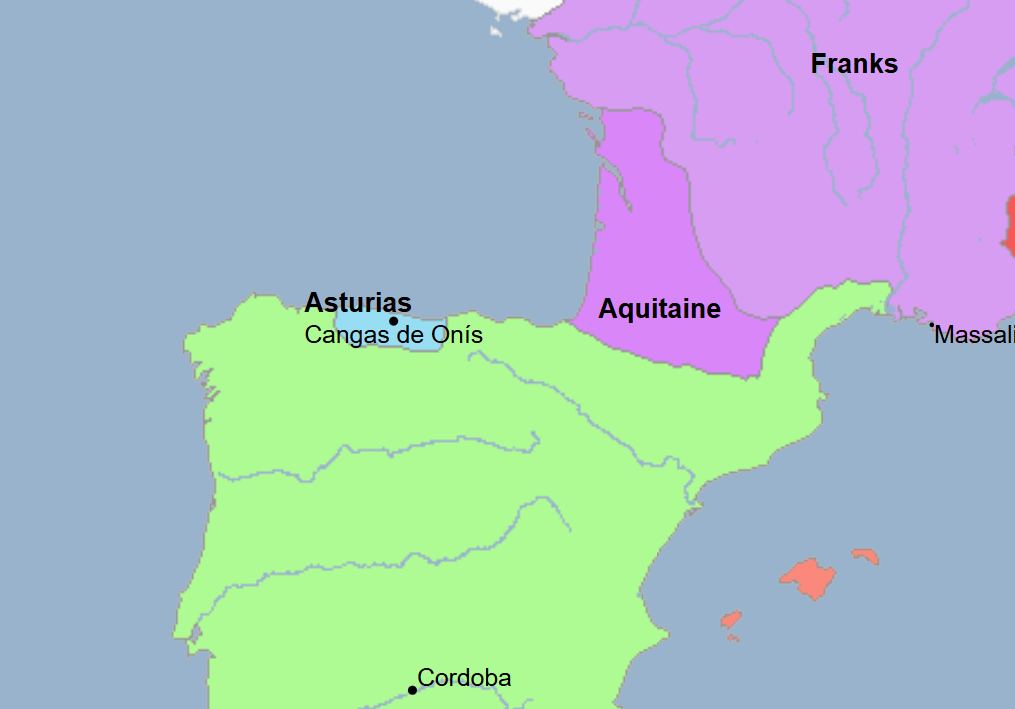
718 - 737 - Pelagius of Asturias (All Facts)
First King and Founder of the Asturias Kingdom in the northern Iberian Peninsula
Founded his namesake tiny independent Christian kingdom in the Iberian Peninsula apart from both the Visigoths and the Umayyad Caliphate
He led a rebellion against the Arabs and defeated them in the Battle of Covadonga
Credited with initiating the Reconquista of Spain
He was initially a Visigothic noble
721 - 737 - Theuderic IV (All Facts)
Penultimate Merovingian King of the Franks
During his reign, Charles Martel held real power and rule over the Franks
When he died, Charles Martel left the Frankish throne vacant
 Note
Note  Flashcards (44)