Pelvic Girdle (chap 9)
 Call Kai
 Learn
Learn Practice Test
 Spaced Repetition
 Match
Match Flashcards
 Knowt Play
1/5

There's no tags or description
Looks like no tags are added yet.
Name | Mastery | Learn | Test | Matching | Spaced | Call with Kai |
|---|
No analytics yet
Send a link to your students to track their progress
6 Terms
structure
4 bones → Sacrum, Coccyx, two hip bones (Ilium, Ischium, pubis)
2 joints → R/L sacroiliac joint , symphasis pubis, lumbosacral joint
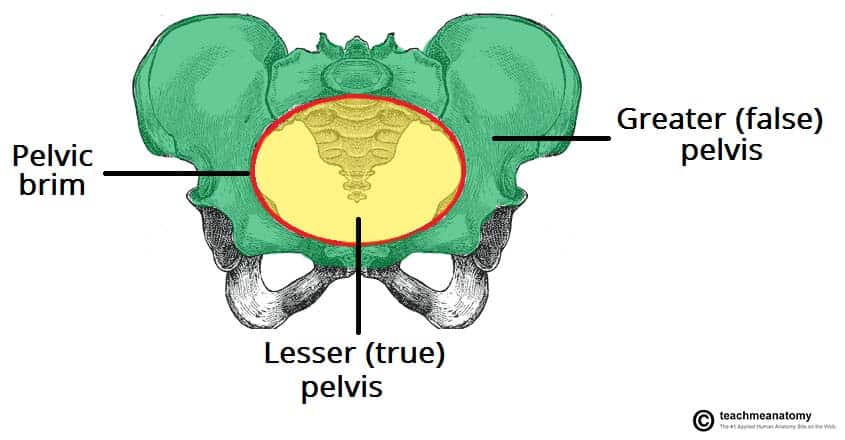
False pelvis
Bony area between the iliac crest and superior to the pelvis inlet
Pelvis inlet: line between the lumbrosacral joint and the superior border of symphasis pubis
No pelvic organs within this region
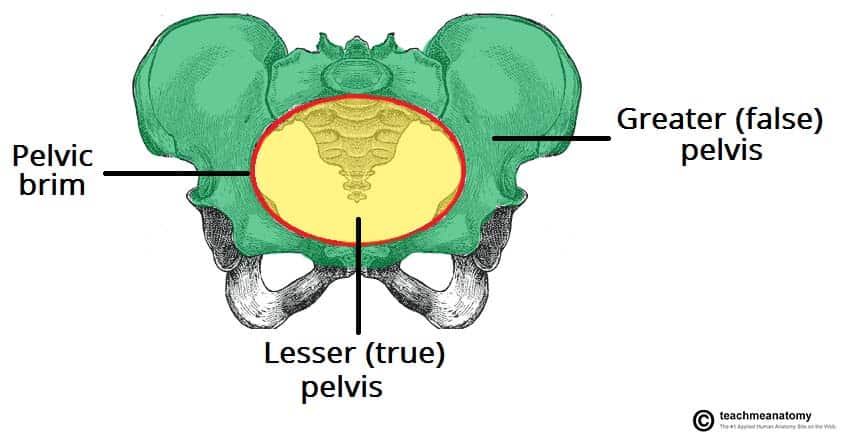
True Pelvis
Lies between pelvic inlet and pelvic outlet
Pelvic outlet: a line between the tip of the coccyx to the inferior border of the symphysis pubis
makes up pelvis cavity
How do you determine if movement is coming from the hips, pelvic girdle or spine?
Look art the relationship between the acromion process and the ASIS (anterior superior iliac spine)
if the relationship changes → its either spine or pelvic girdle
Shoulder stays in place and hip move → pelvic girdle motion
hip stays in place and the shoulder moves → spine motion
If the relationship does not change → hip motion
Motion of Pelvis on femur
3 DOF
same motions as femur inside pelvis
Renamed to indicate motion of pelvis
Anterior/Posterior pelvic girdle rotation (flex/ext)
L/R Lateral Pelvic Girdle Rotation (AB/AD)
L/R Transverse Pelvic Girdle Rotation (int/ext rot)
Motion of the Pelvis
Open Chain Kinetic Action:
Most distal segment is free to move → throwing, kicking
Closed Kinetic Chain action
The most distal segments is fixed and cannot move → push-up, squat

