Finals: Fruit Formation & Classification
 Studied by 0 people
 Call Kai
 Learn
Learn Practice Test
 Spaced Repetition
 Match
Match Flashcards
 Knowt Play
1/35

Earn XP
Description and Tags
Botany
Name | Mastery | Learn | Test | Matching | Spaced | Call with Kai |
|---|
No analytics yet
Send a link to your students to track their progress
36 Terms
Fruits (mature ovary)
flowering plants develop from ovaries
contain seeds
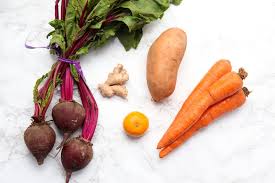
Carrots, Beets, Sweet potatoes
Modified roots (storage roots)
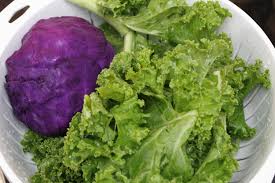
Lettuce, Kale, and Cabbage
leaves
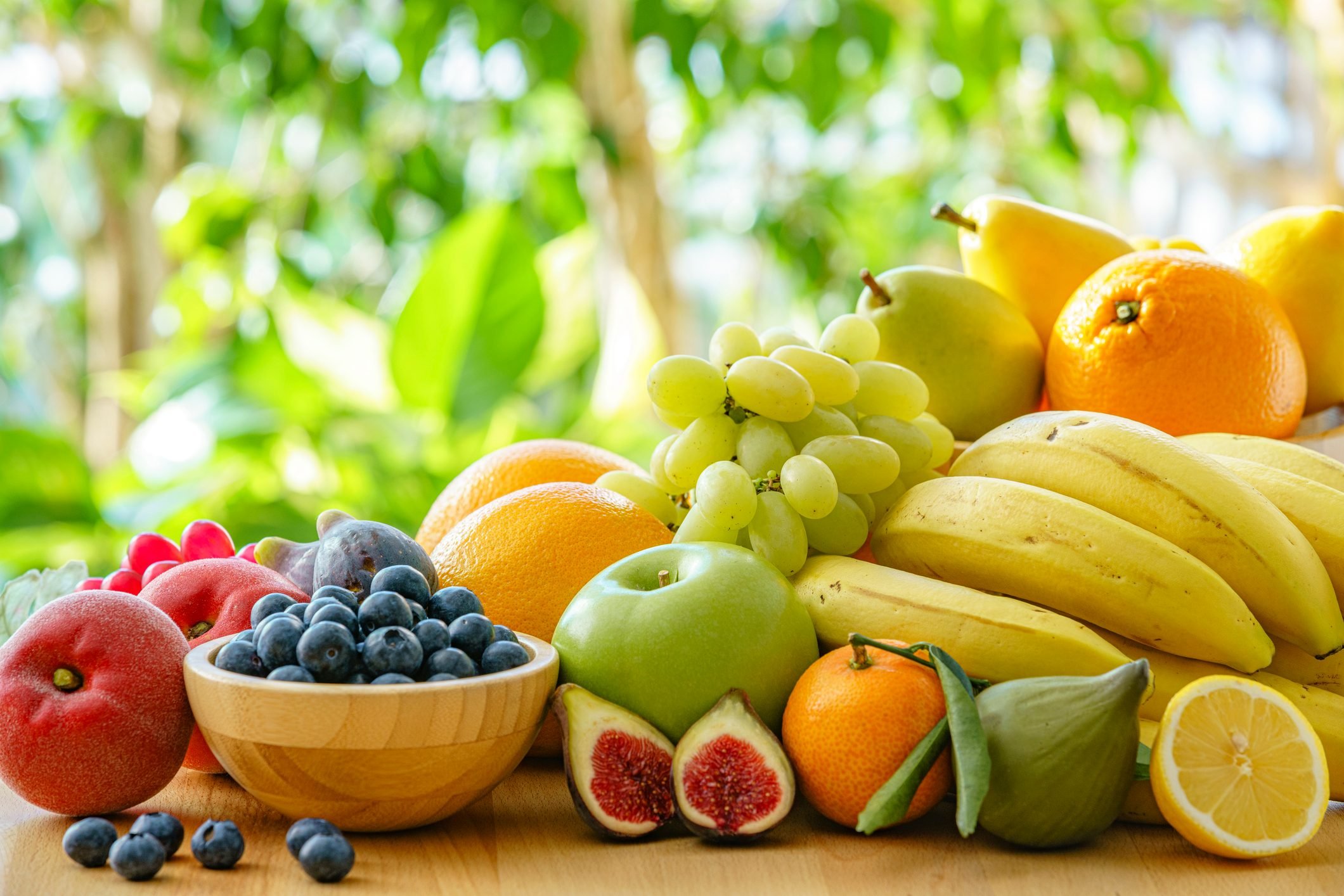
Flowers produce…
…fruits and seeds
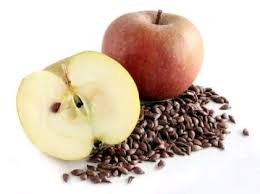
Fruits Found in
angiosperms
Fruit Forms
sepals, petals, stamens
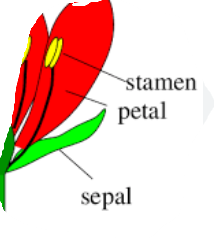
Fruits Develop
after fertilization
when ovules are developing
Fruit Function
1. Protection of Seeds
2. Dispersal of Seeds
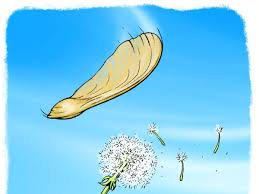
Protection of Seeds
Fruits enclose
shield seeds from damage, drying, and predators.
Dispersal of Seeds
Fruits spread seeds via:
Wind
Water
Animals
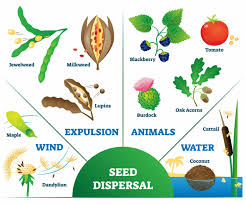
Animal-influenced Dispersal
primary function of fruits
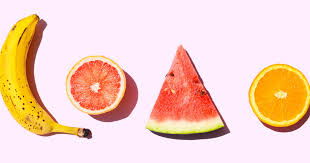
Hard Fruits
Provide long-term seed protection
Often require time, water, and favorable
conditions to germinate
Advantageous in harsh environments
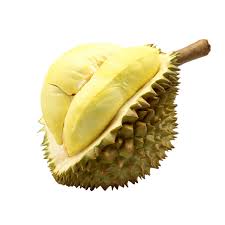
Drift Fruits
Adapted for long-distance water dispersal
Combine seed protection with mobility
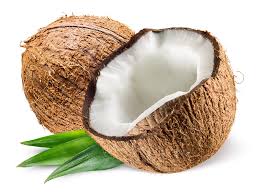
Fruits evolved
maximize seed survival and dispersal
Categorize Fruits
1. Fusion of Carpels
2. Fruit Texture
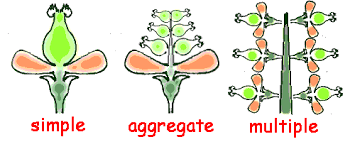
Fusion of Carpels
Simple fruits
Aggregate fruits
Multiple fruits
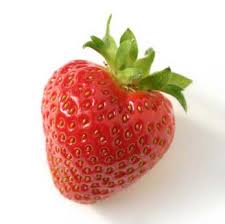
Fleshy fruit
depend on animal consumption
help disperse the seeds
Dry fruit
pericarp is hard, dry, and thinly developed.
three layers (exocarp,mesocarp, and endocarp) present
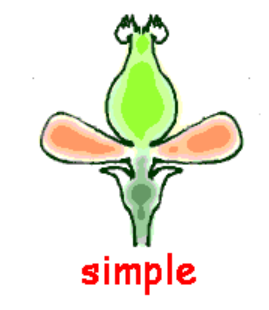
Simple fruit
matures from one ovary in one flower
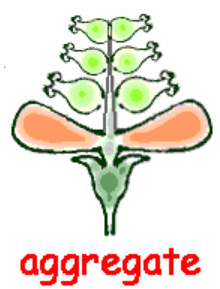
Aggregate fruit
matures from multiple ovaries of a single flower
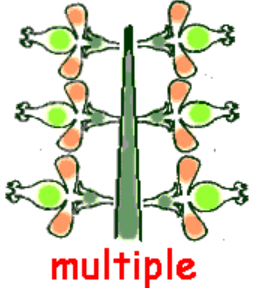
Multiple fruit
matures from multiple ovaries of multiple florets
in inflorescence
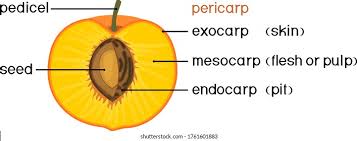
Pericarp
fruit wall, develops from the ovary wall after fertilization
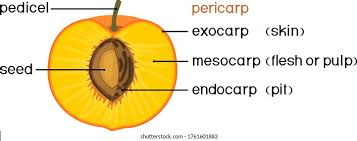
Exocarp
outer layer; often the peel or skin in fleshy fruits
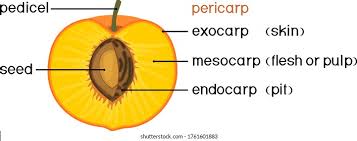
Mesocarp
middle layer; typically the fleshy part
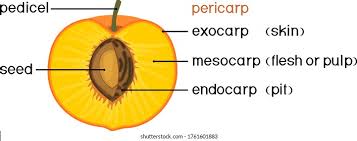
Endocarp
inner layer; may be hard (like a pit) or soft, depending on the fruit
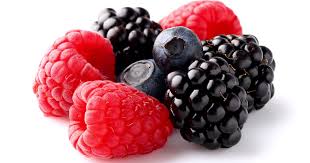
Berry
simple, fleshy fruit produced from one pistil
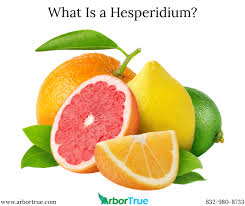
Hesperidium
modified berry with a leathery pericarp
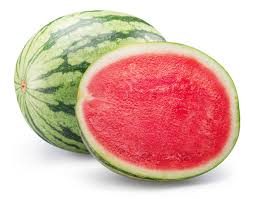
Pepo
modified berry with a hard rind
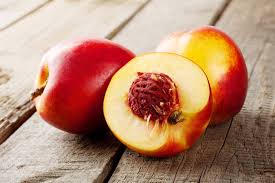
Drupes
fleshy fruit with thin skin
central stone containing seed
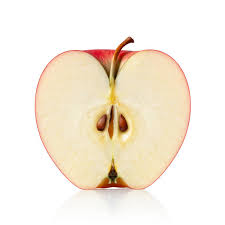
Pome
fleshy fruit consists outer fleshy layer and a central core (w/ multiple seeds)
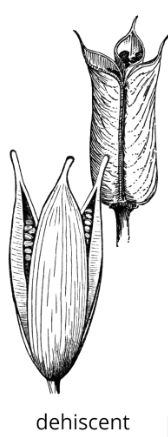
Dehiscent
pericarp splits open at maturity to facilitate seed dispersal
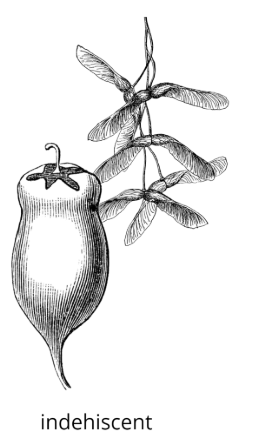
Indehiscent
pericarp does not split open at maturity
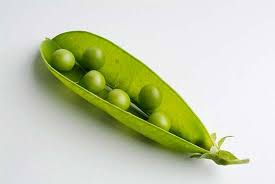
Legume
- fruit breaks open along both sides
- contains multiple ovules with marginal placentation
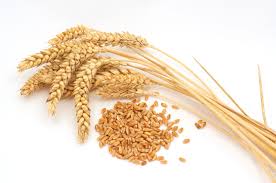
Grain
seed coat is completely fused with the pericarp
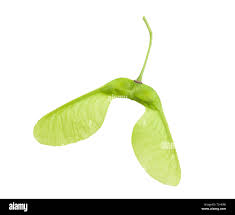
Samara
winged fruit pericarp forms a wing-like structure (wind dispersal)
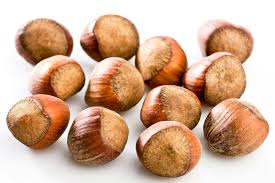
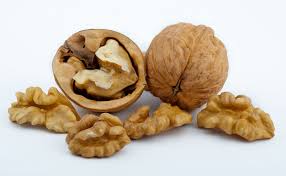
Nut
entire pericarp becomes hard and woody at maturity (sclereid cells)
 Note
Note  Flashcards (145)