HSPA Glossary P-R
 Call Kai
 Learn
Learn Practice Test
 Spaced Repetition
 Match
Match Flashcards
 Knowt Play
1/82

There's no tags or description
Looks like no tags are added yet.
Name | Mastery | Learn | Test | Matching | Spaced | Call with Kai |
|---|
No analytics yet
Send a link to your students to track their progress
83 Terms
parenteral (adj)
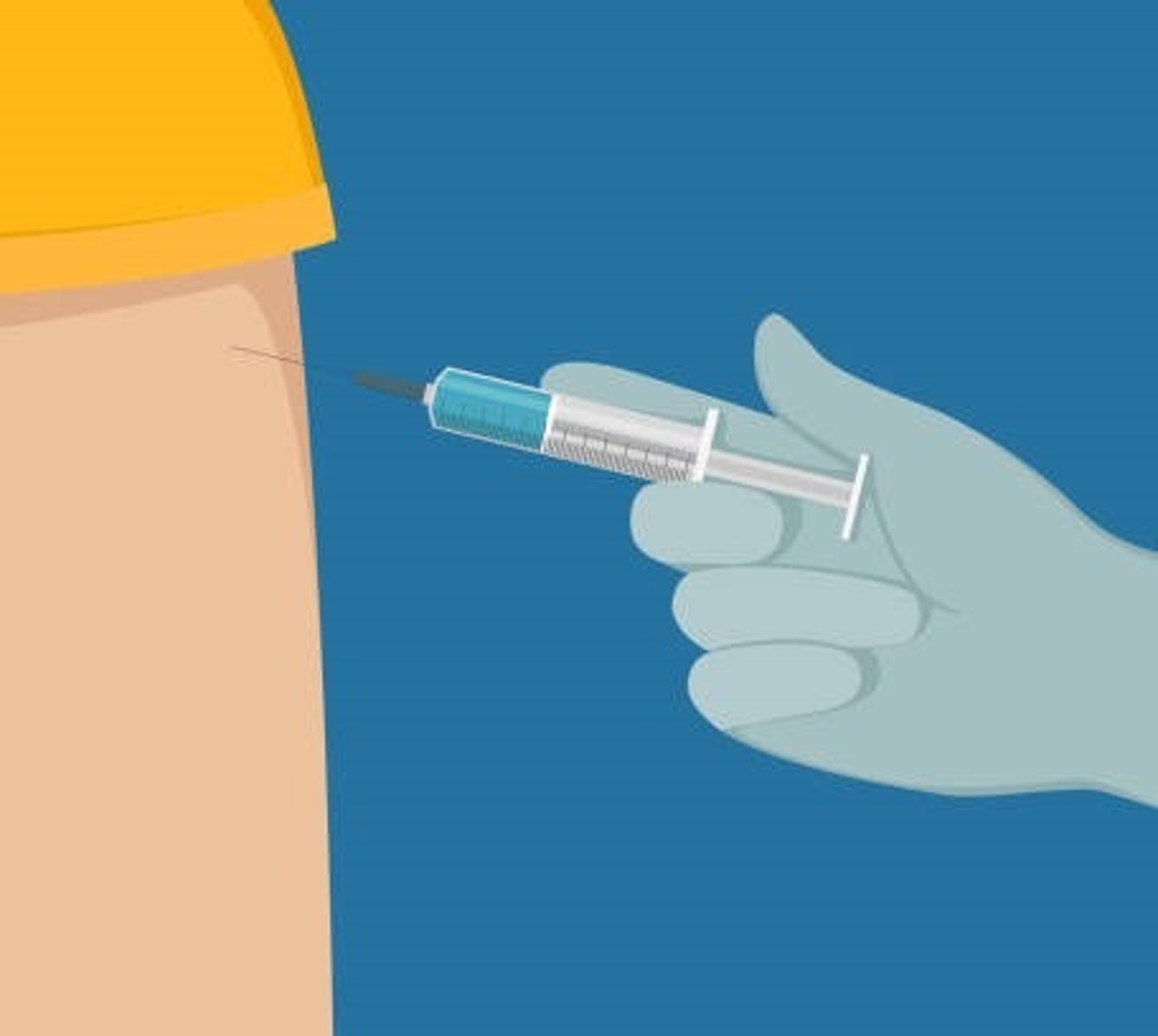
describing when something enters the body, but not by swallowing (e.g., an injection administered into the muscle)
PASS method (n)
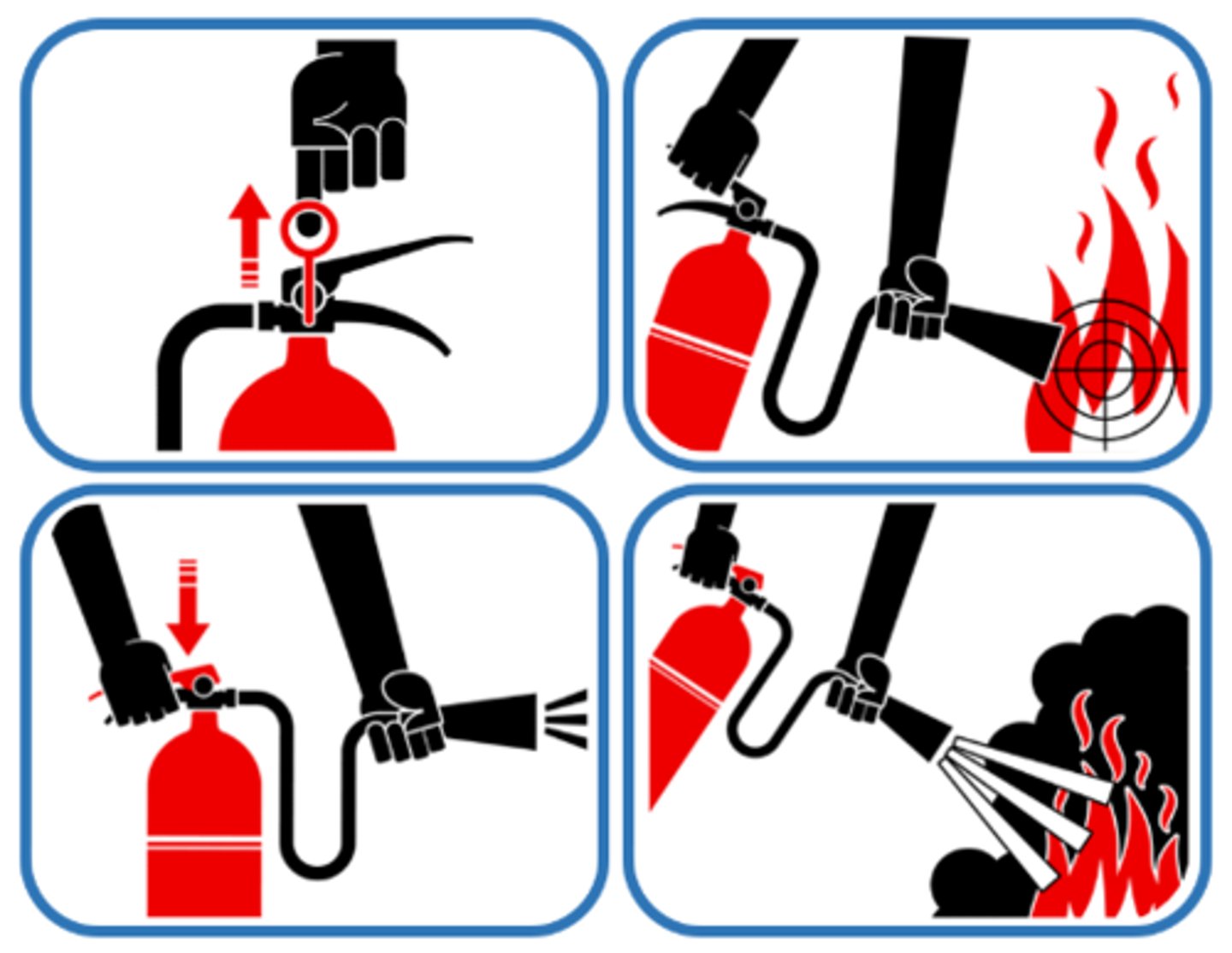
a 4-step technique for using a fire extinguisher: Pull, Aim, Squeeze, & Sweep
passivation (n)
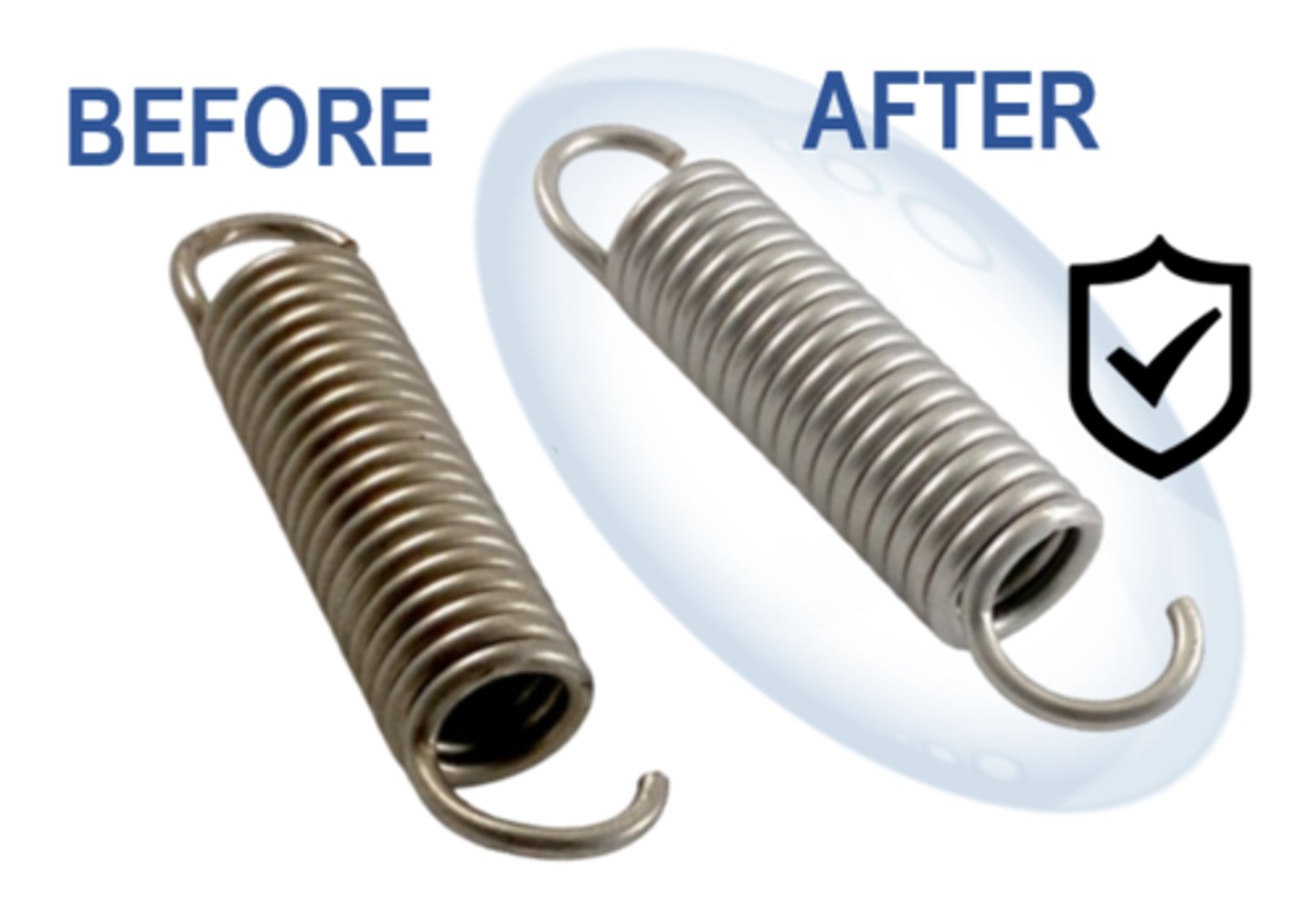
a chemical process applied during instrument manufacturing; nitric acid removes iron on the outside of the instrument, providing a corrosion-resistant finish by forming a thin, transparent oxide film
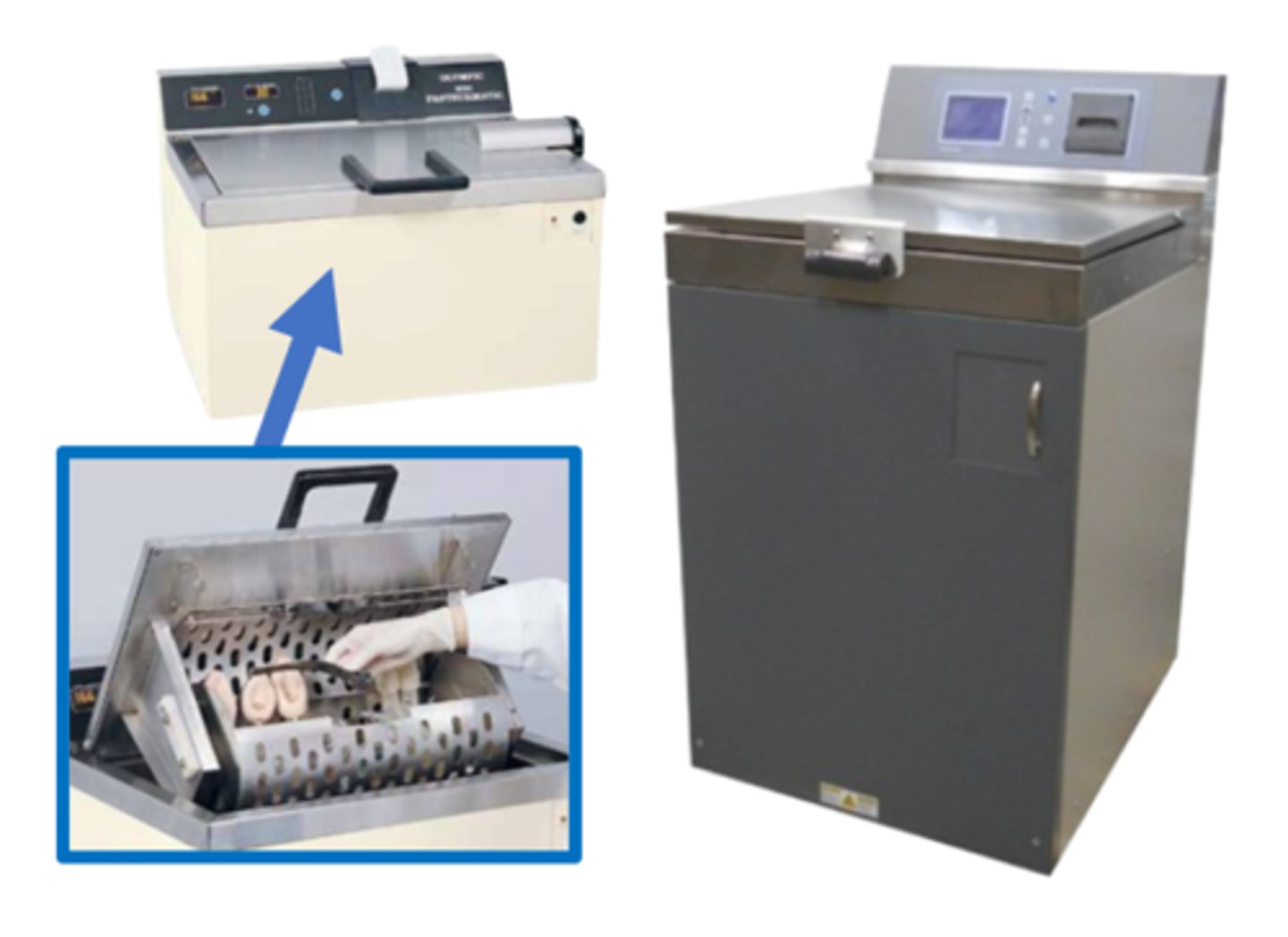
pasteurizer (n)
a mechanical cleaner that uses thermal disinfection with water temperatures of 150-170°F maintained for at least 30 minutes of exposure time
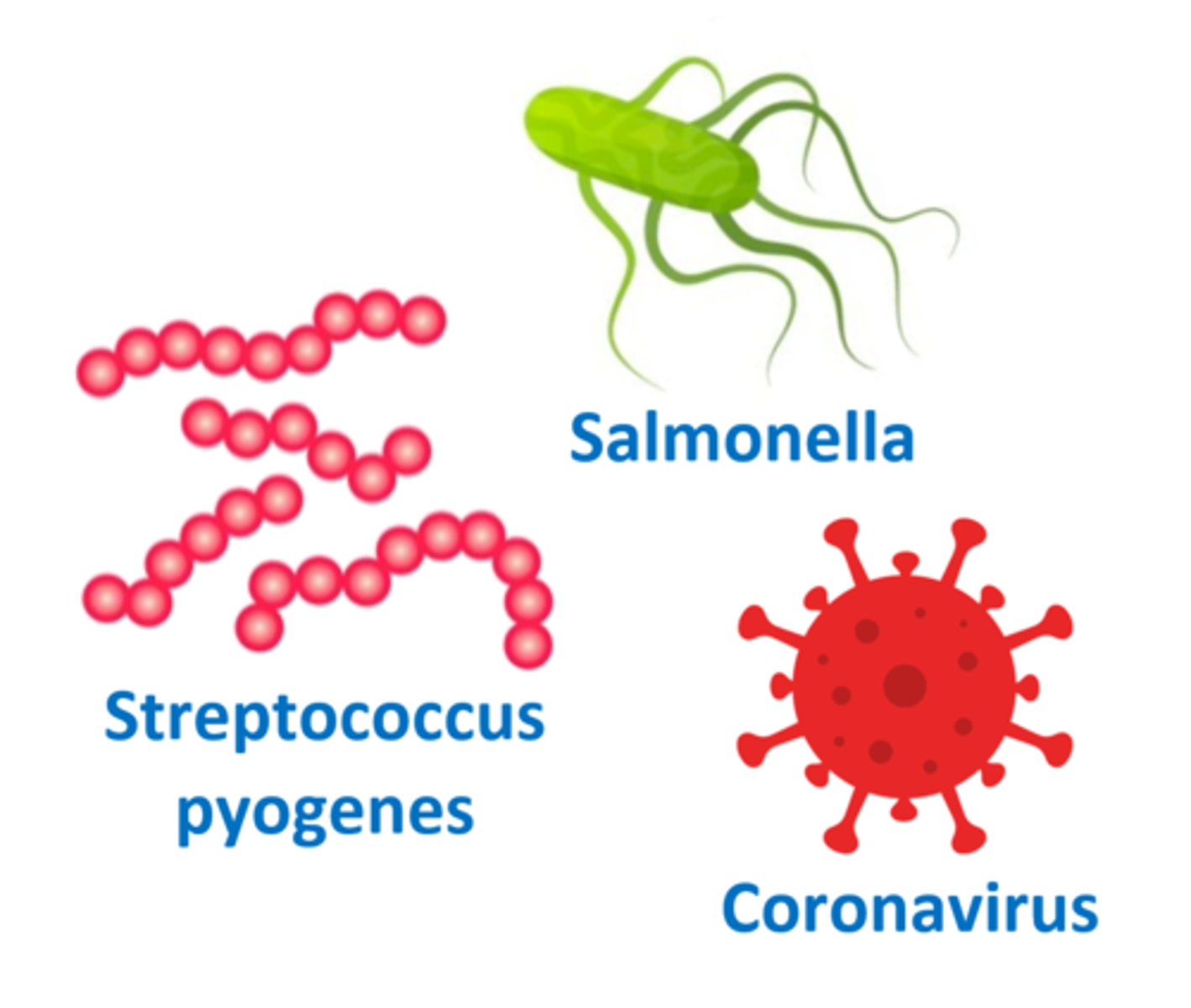
pathogen (n)
a microorganism that can cause disease
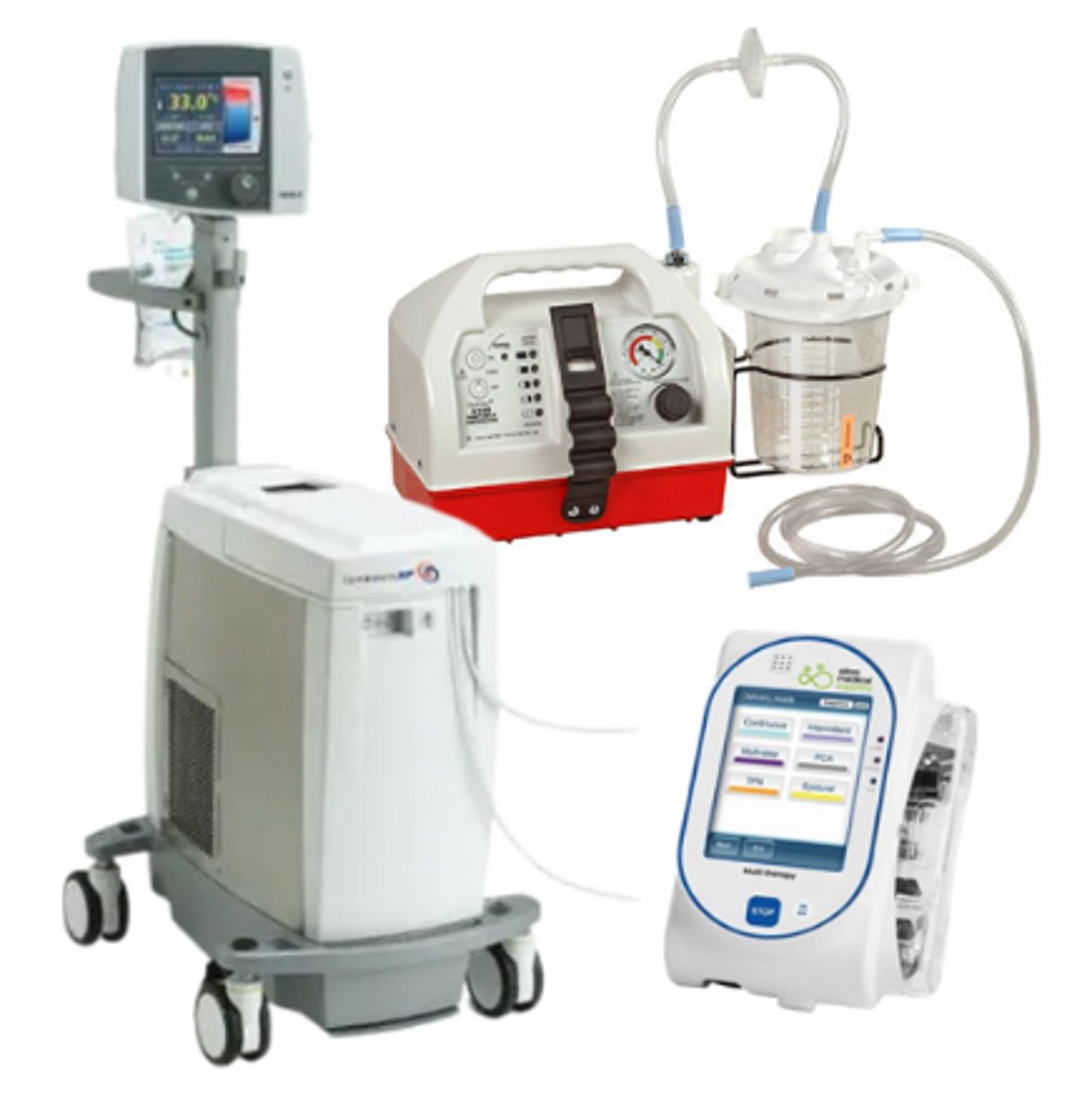
patient care equipment (n)
portable (mobile) equipment used to assist in the care & treatment of patients (suction units, temperature management units, infusion therapy devices, etc.)
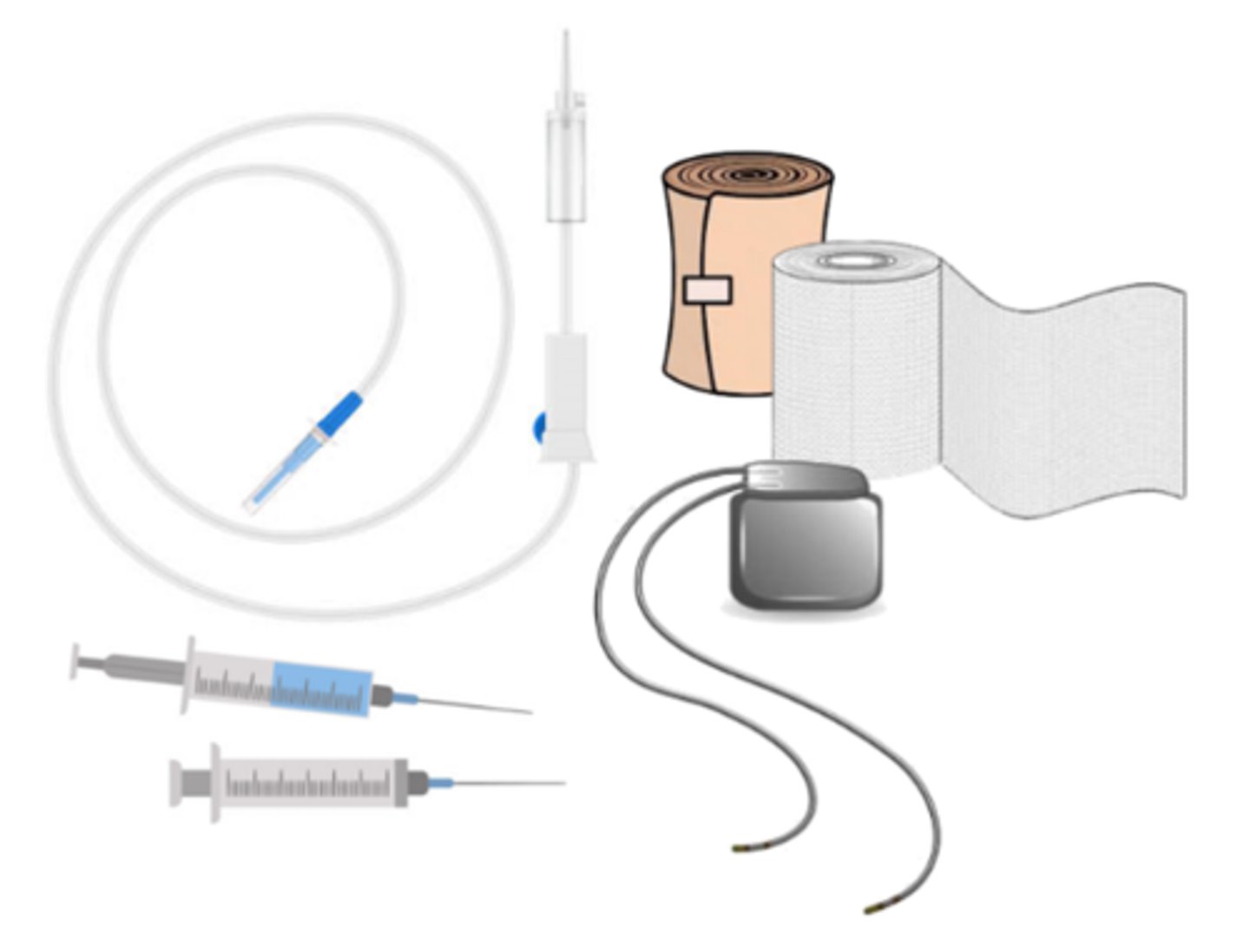
patient care supplies (n)
supplies dispensed for patient treatment & care (catheters, implants, bandages, etc.)
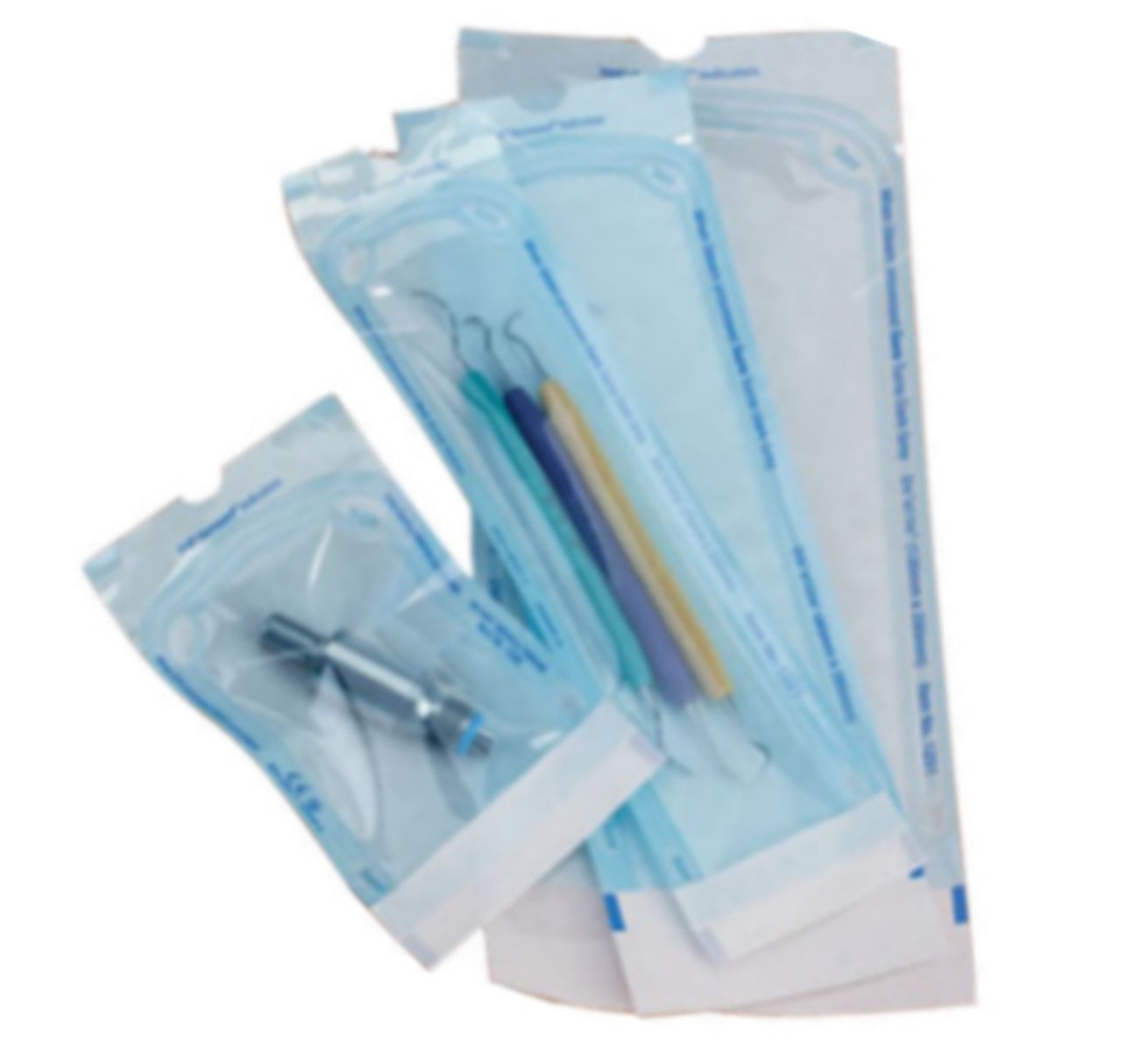
peel pouches (peel packs) (n)
non-woven, disposable sterilization pouches commonly used for small instruments & lightweight items (paper/plastic & spunbonded polyolefin/plastic combinations)
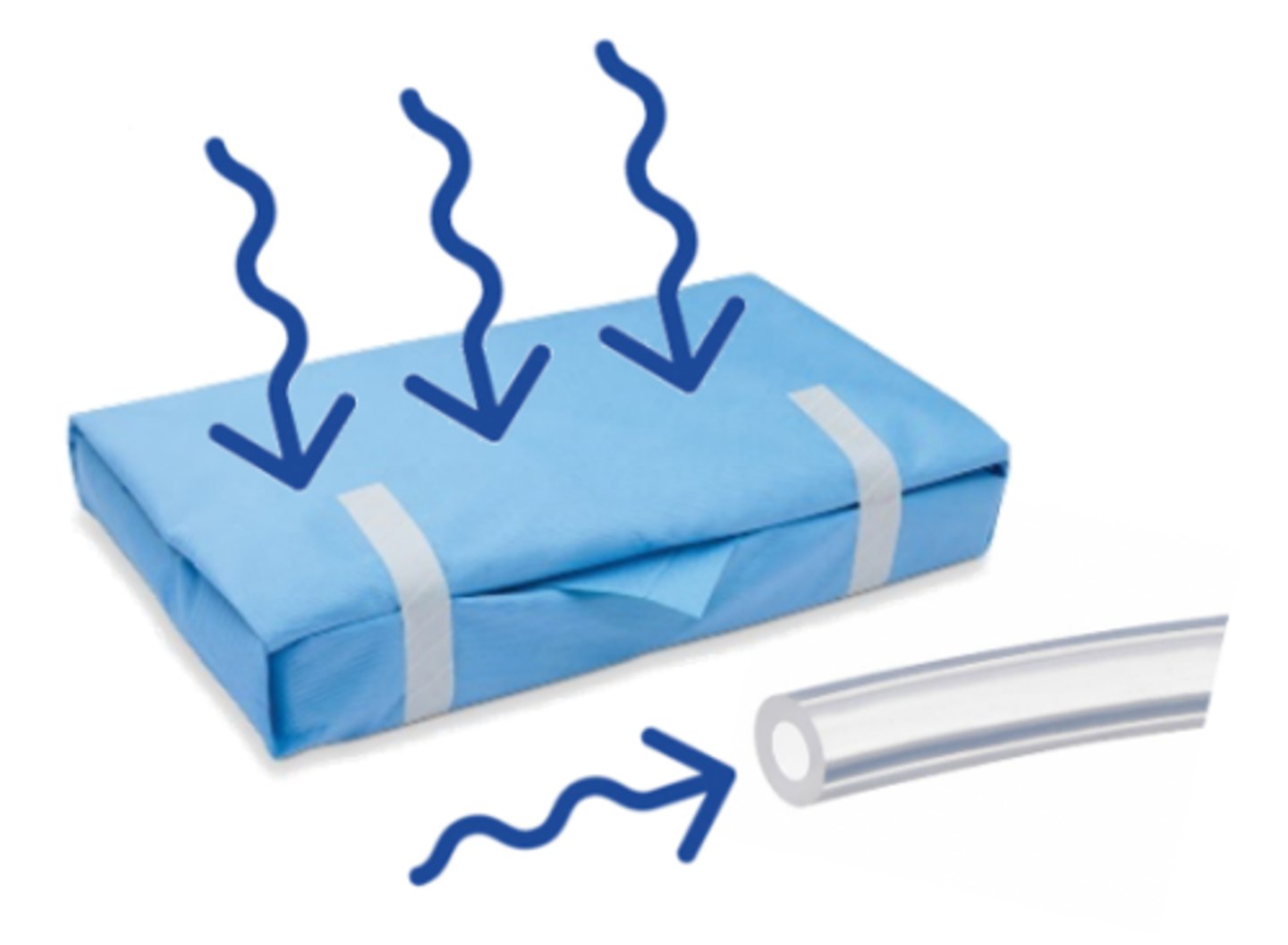
penetration (n)
the system’s sterilant can permeate packaging materials to enter device lumens & other hard-to-reach areas (basic requirement for low-temperature sterilization)
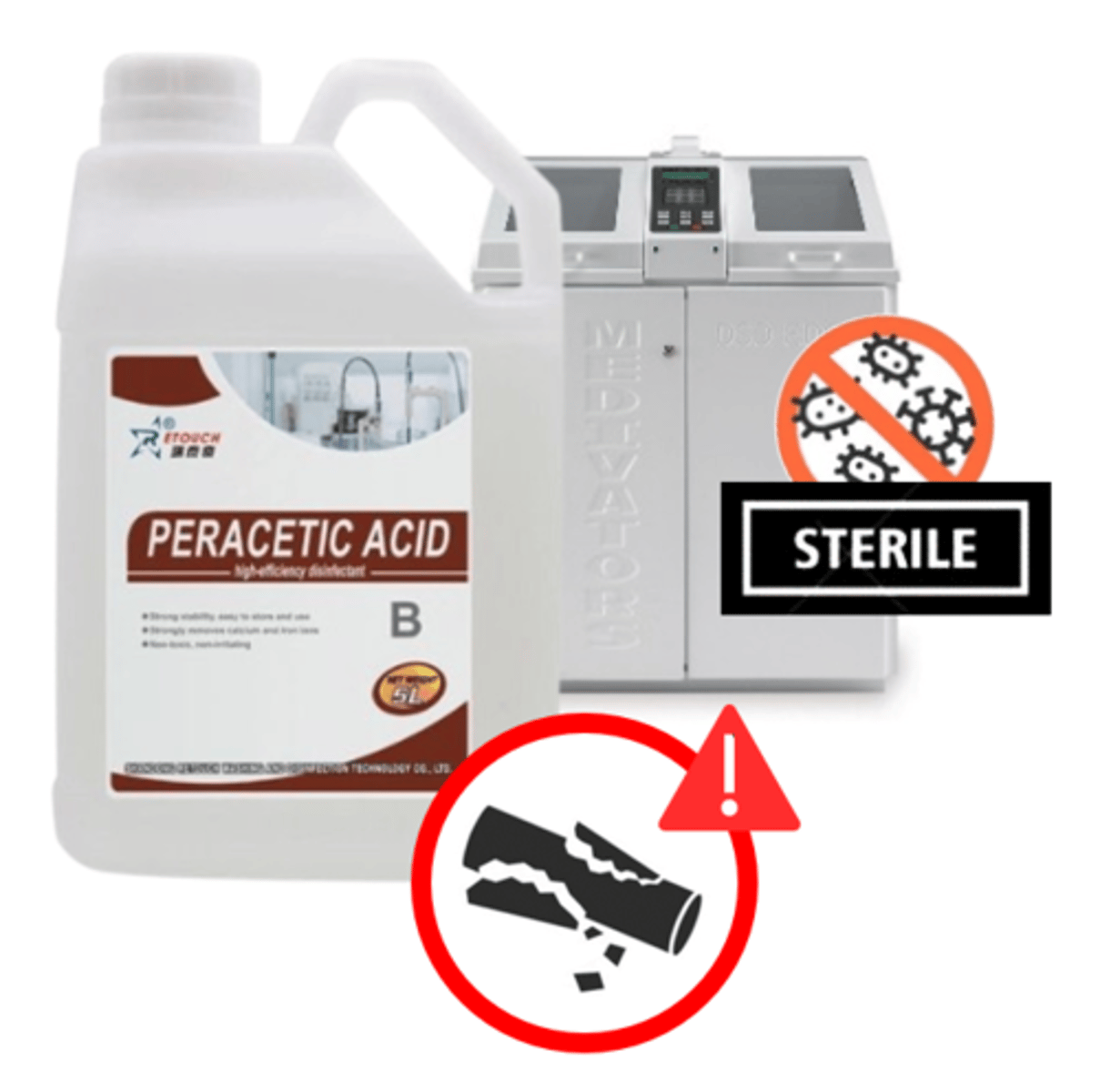
peracetic acid (n)
a broad-spectrum disinfectant that achieves HLD in 5 minutes at room temperature, compatible with many materials but corrosive to some; some dilutions are used as sterilants in AERs
periodic automatic replenishment (PAR) system (n)
an inventory replenishment system that establishes a standard level (PAR) for each supply item, & the amount needed is transmitted to the SCM department or vendor who will send the required supplies

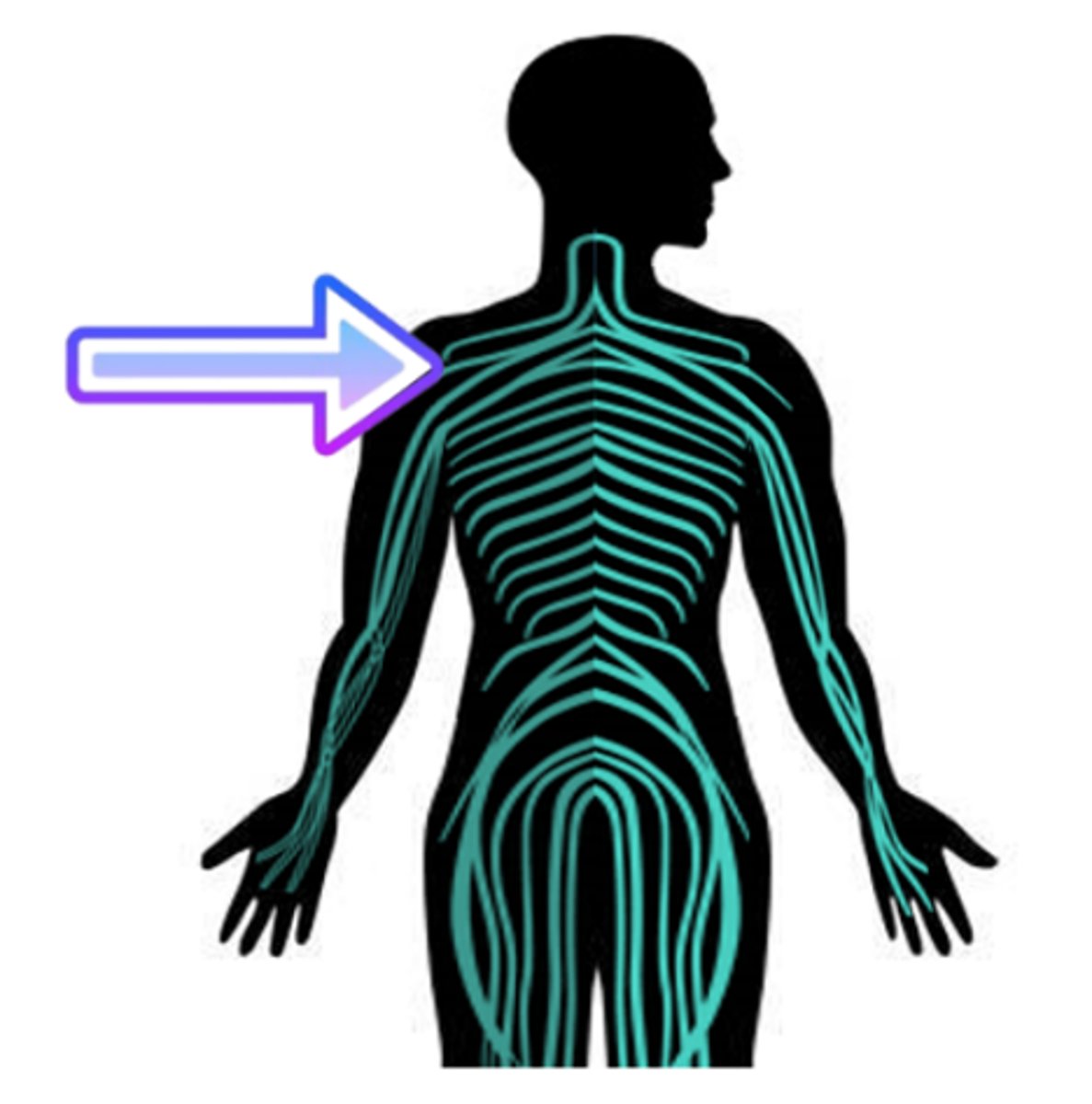
peripheral nervous system (PNS) (n)
all nerve tissue outside the CNS (central nervous system)
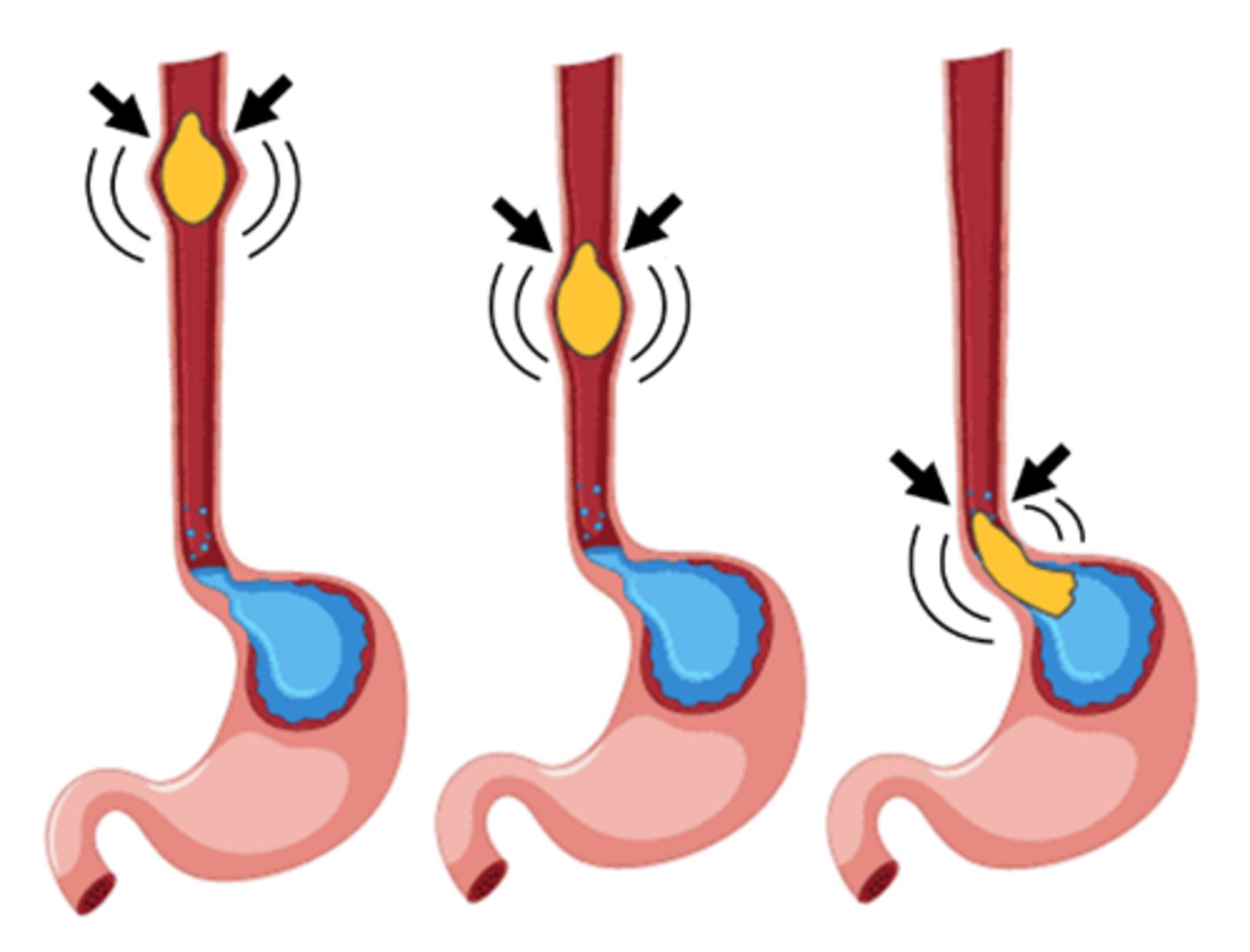
peristalsis (n)
the rippling motion of muscles in the digestive tract that mixes food with gastric juices to form a thin liquid
permissible exposure limit (PEL) (n)
the maximum amount or concentration of a chemical that a worker may be exposed to under OSHA regulations
personal development (n)
a person's commitment to self-improvement through activities that identify their talent & develop their potential, increase their employability, & enhance their quality of life

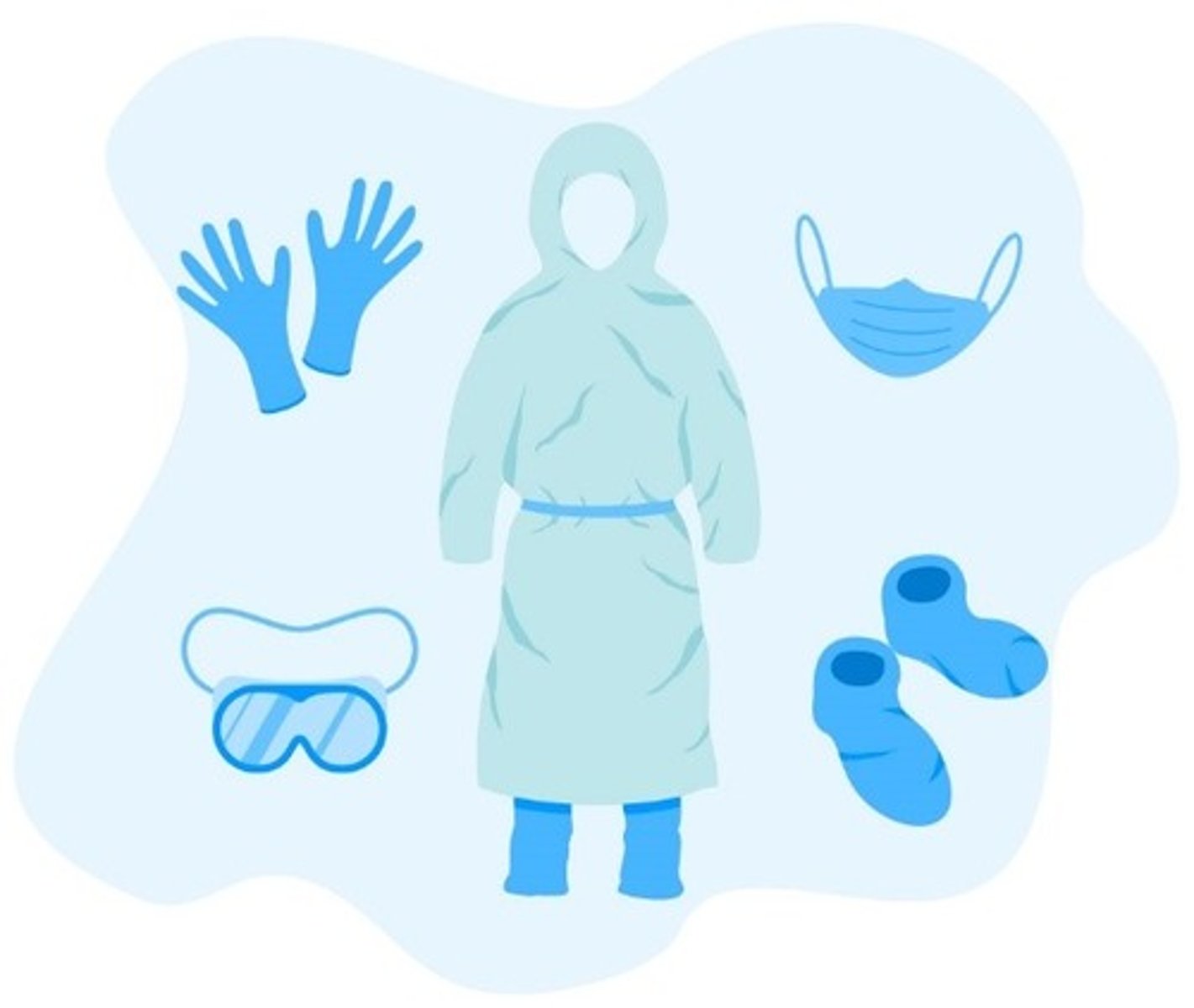
personal protective equipment (PPE) (n)
fluid-resistant protective clothing, disposable gloves, eye protection, face masks, & shoe covers; part of standard precautions for all healthcare workers to prevent skin & mucous membrane exposure when in contact with blood & body fluids of any patient
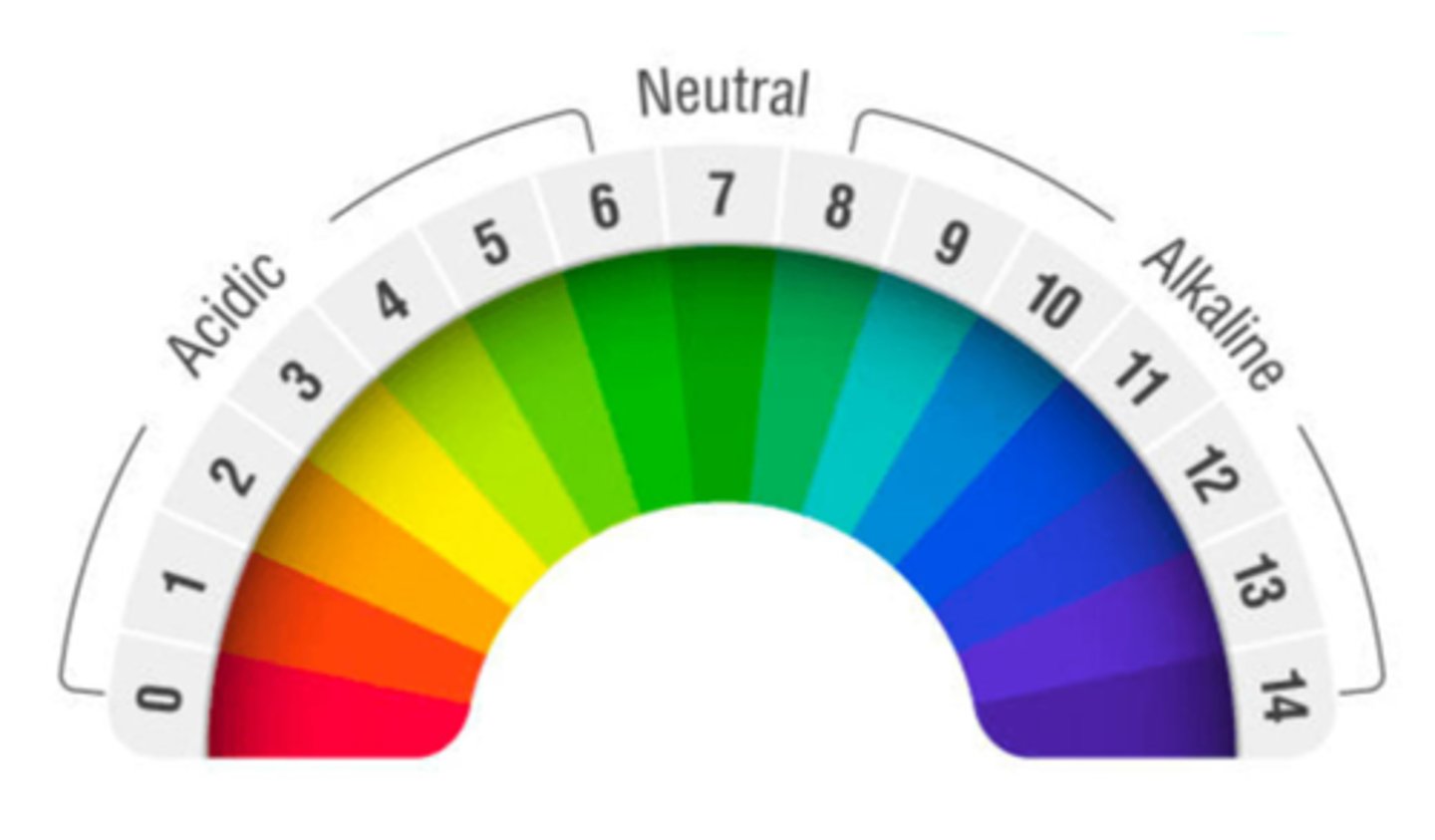
pH (n)
the measure of a substance's alkalinity or acidity on a scale of 0 to 14; a pH of 7 is neutral, a pH below 7 is acidic, & a pH above 7 is alkaline
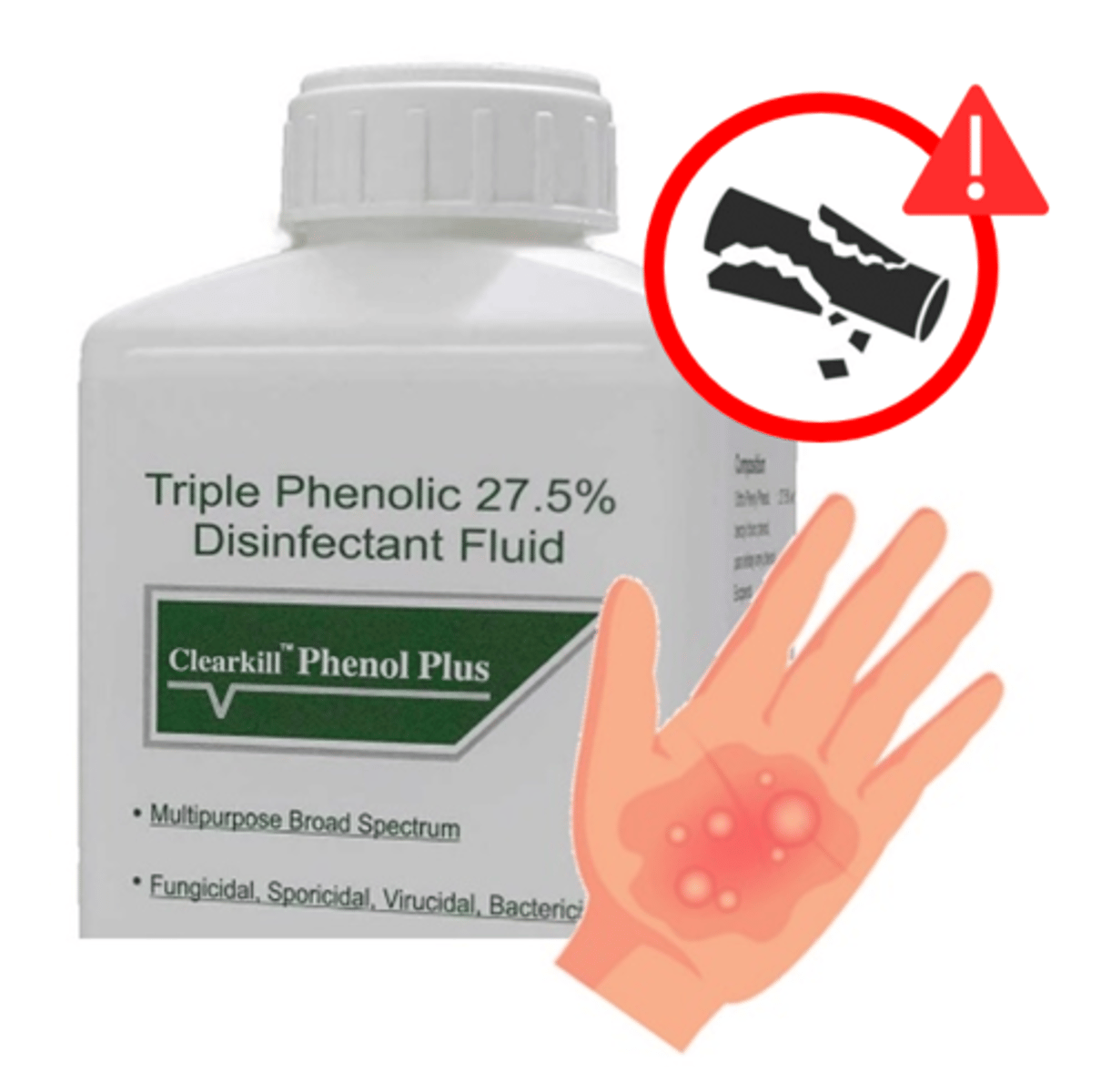
phenolics (n)
low- to intermediate-level disinfectants containing phenol that can corrode stainless steel & some plastics; they leave a residual film that can irritate skin
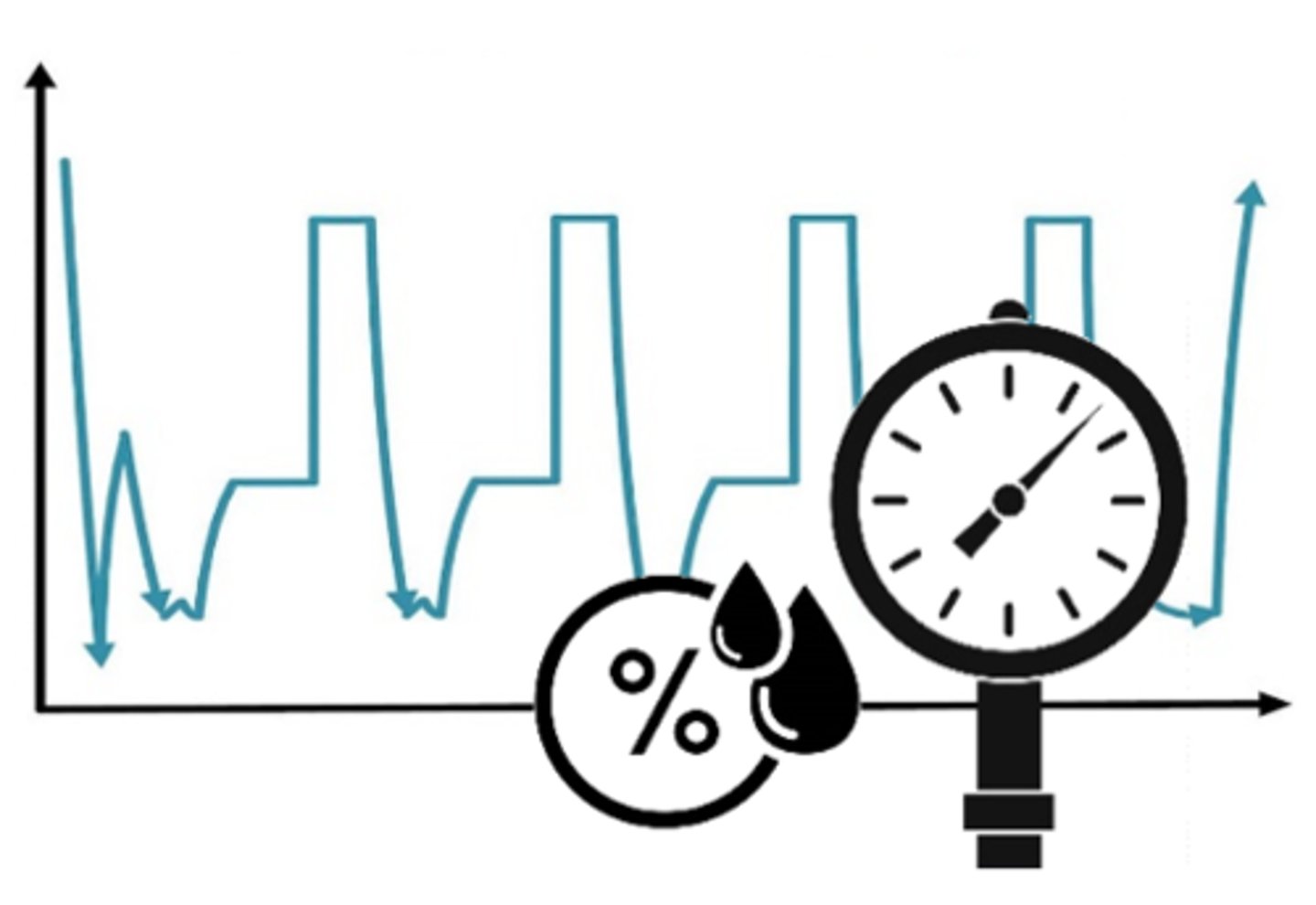
physical monitors (physical indicators) (n)
visual & written records detailing sterilizer conditions (time, temperature, & pressure) that must be checked throughout a sterilization cycle to ensure all parameters are met
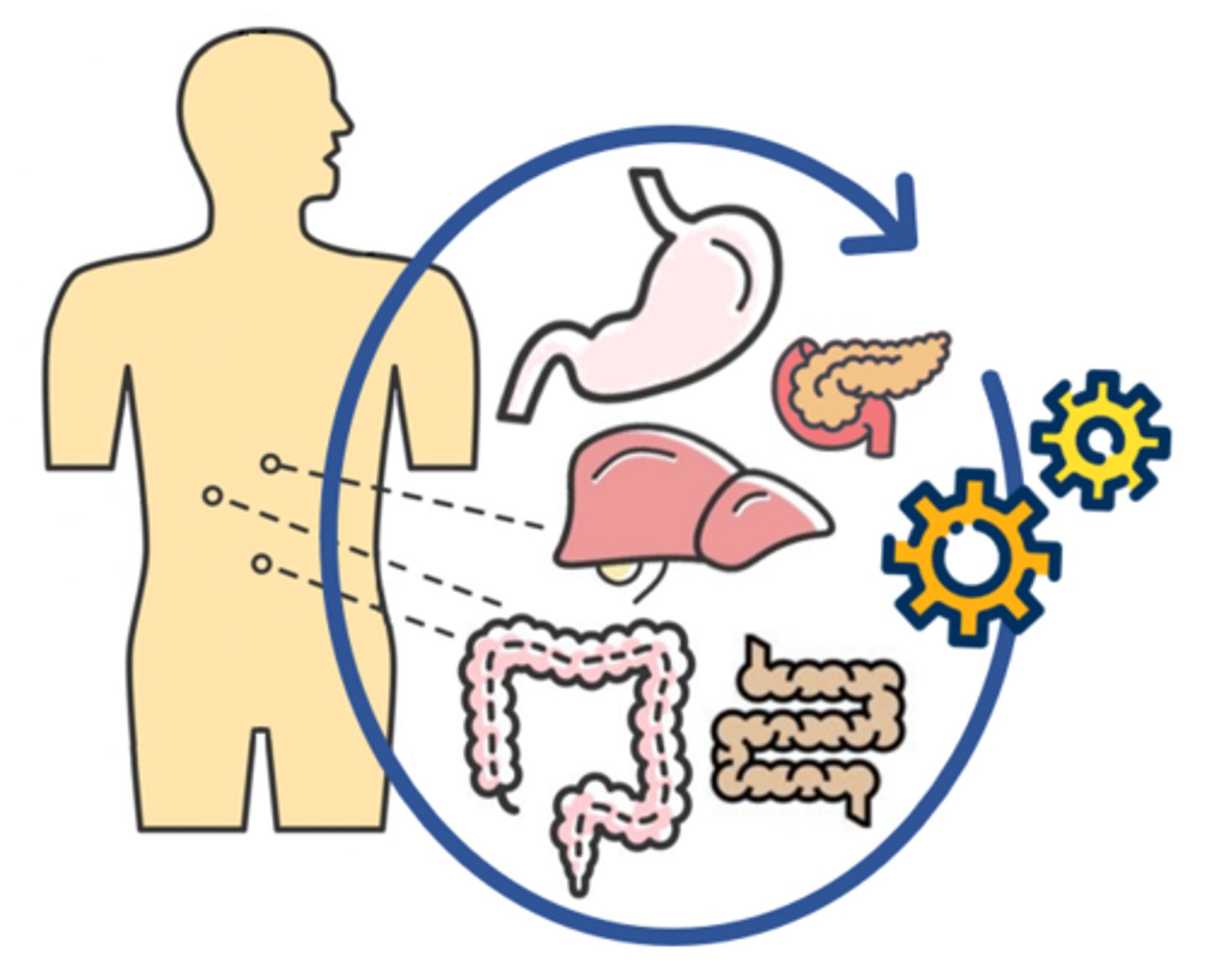
physiology (n)
the study of the functions of body parts & the body as a whole
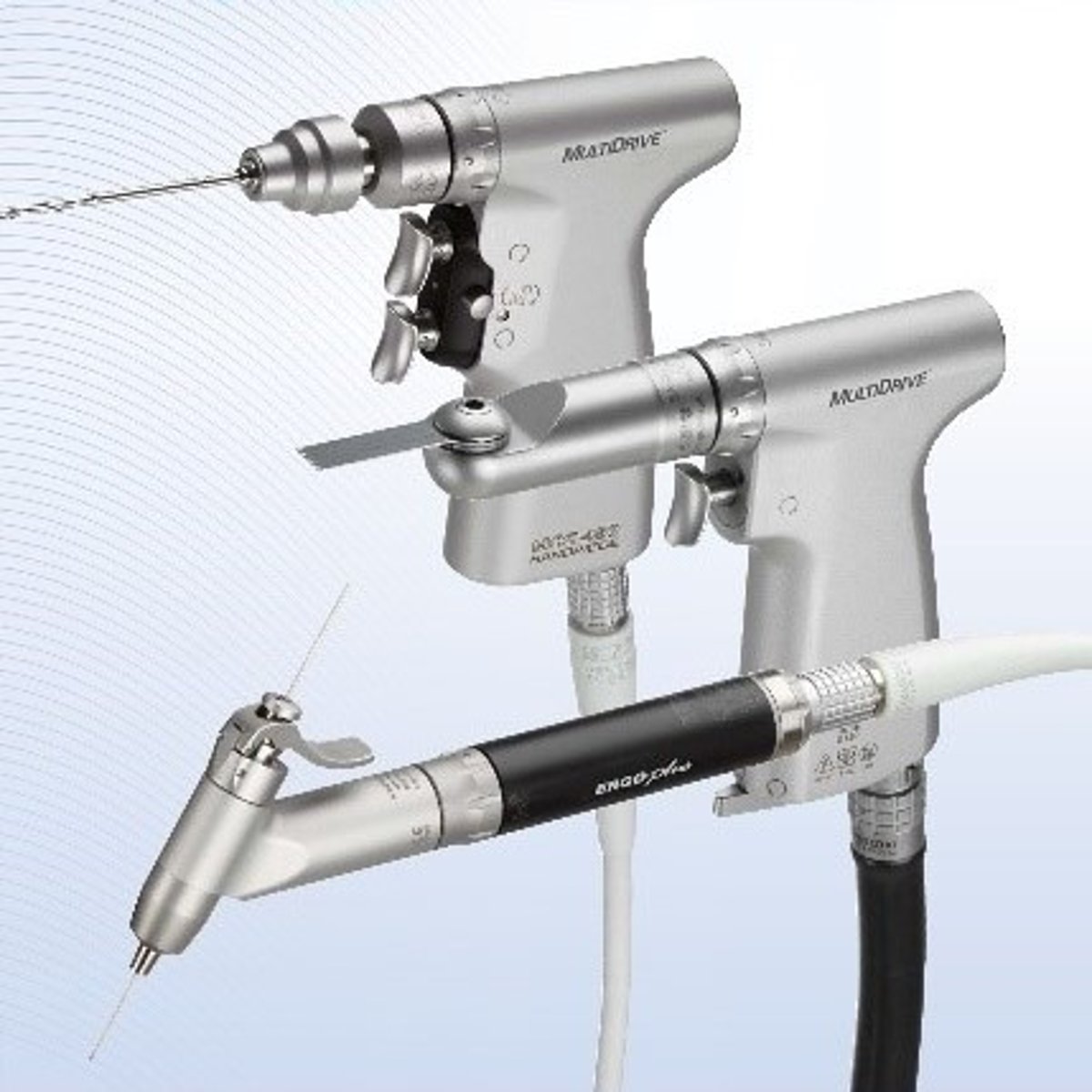
pneumatic-powered instruments (n)
instruments attached to an air hose (powered by compressed air/gas) that come in various sizes & allow surgeons to work on small, medium, & larger bones (ex: sternum saws, sagittal saws, & drills)
point of care (POC) (n)
the point in time when clinicians deliver healthcare products & services to patients
point-of-care (POC) / point-of-use systems (n)
computerized systems that provide clinicians with critical patient care information while they are still with the patient
point-of-use processing (n)
the act of processing a medical device immediately before it is used in patient care
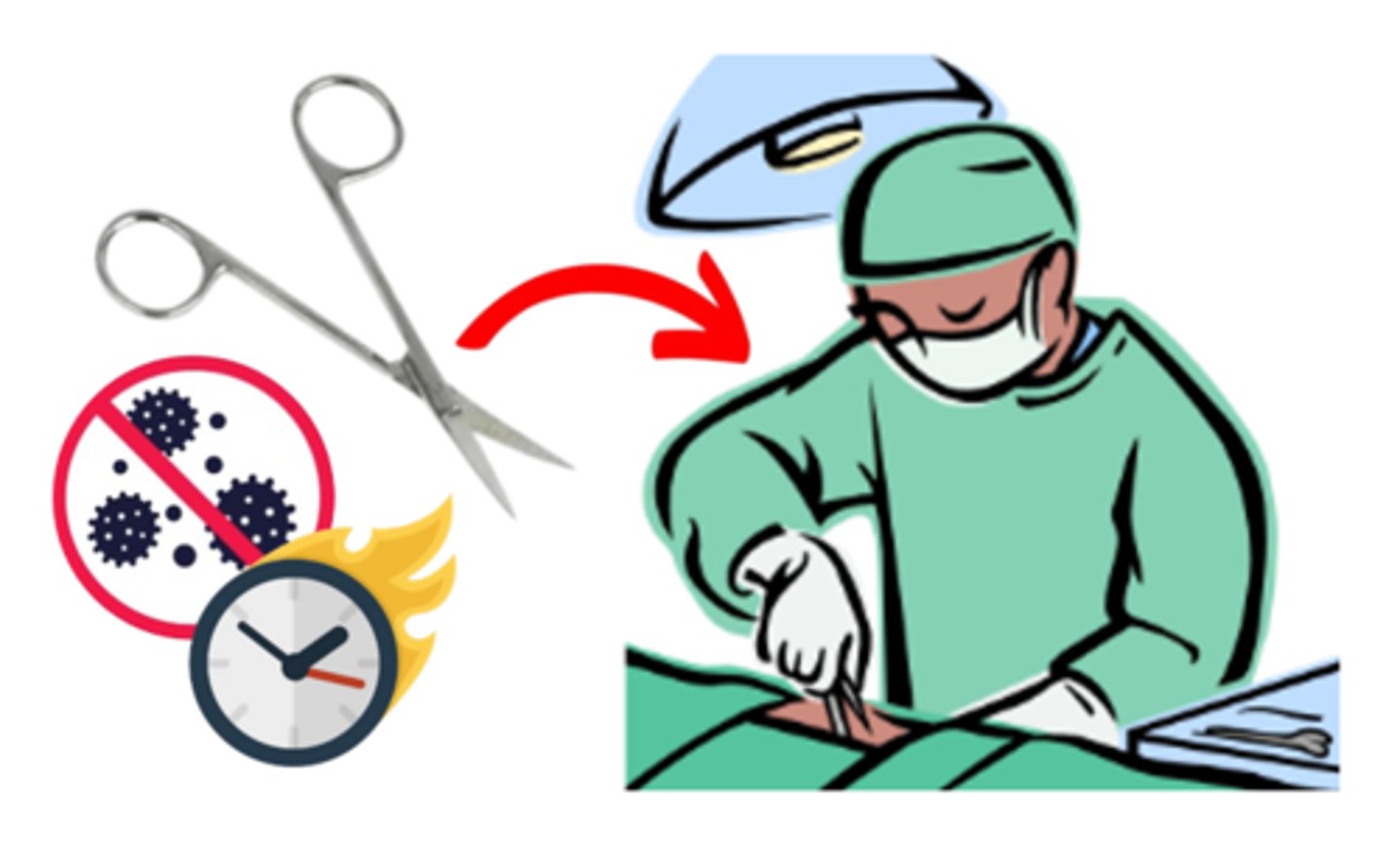
point-of-use treatment (n)
when instrument decontamination begins; precleaning & preparation steps taken to facilitate the cleaning process & prolong instrument life
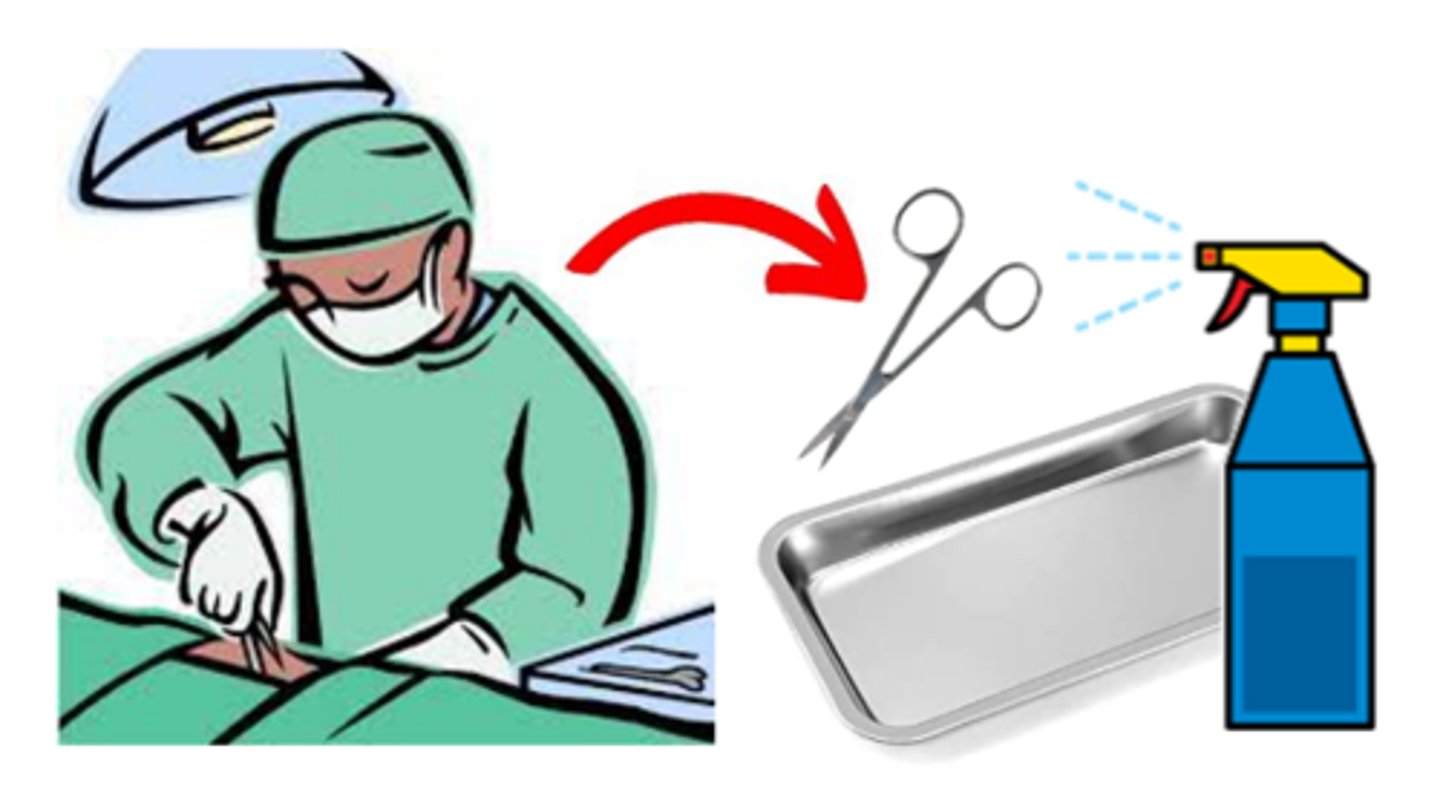
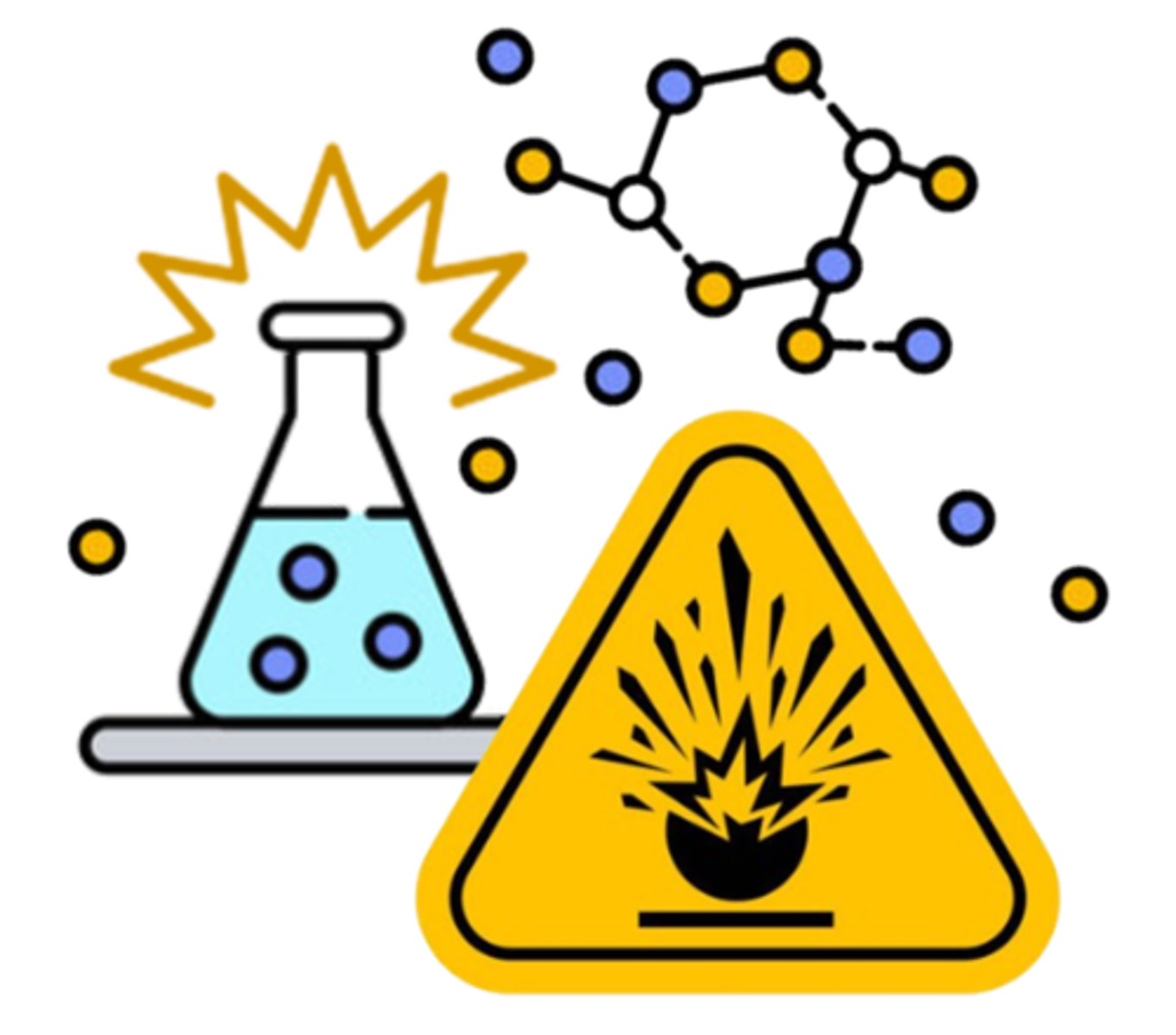
polymerization (n)
a molecular reaction that creates an uncontrolled release of energy
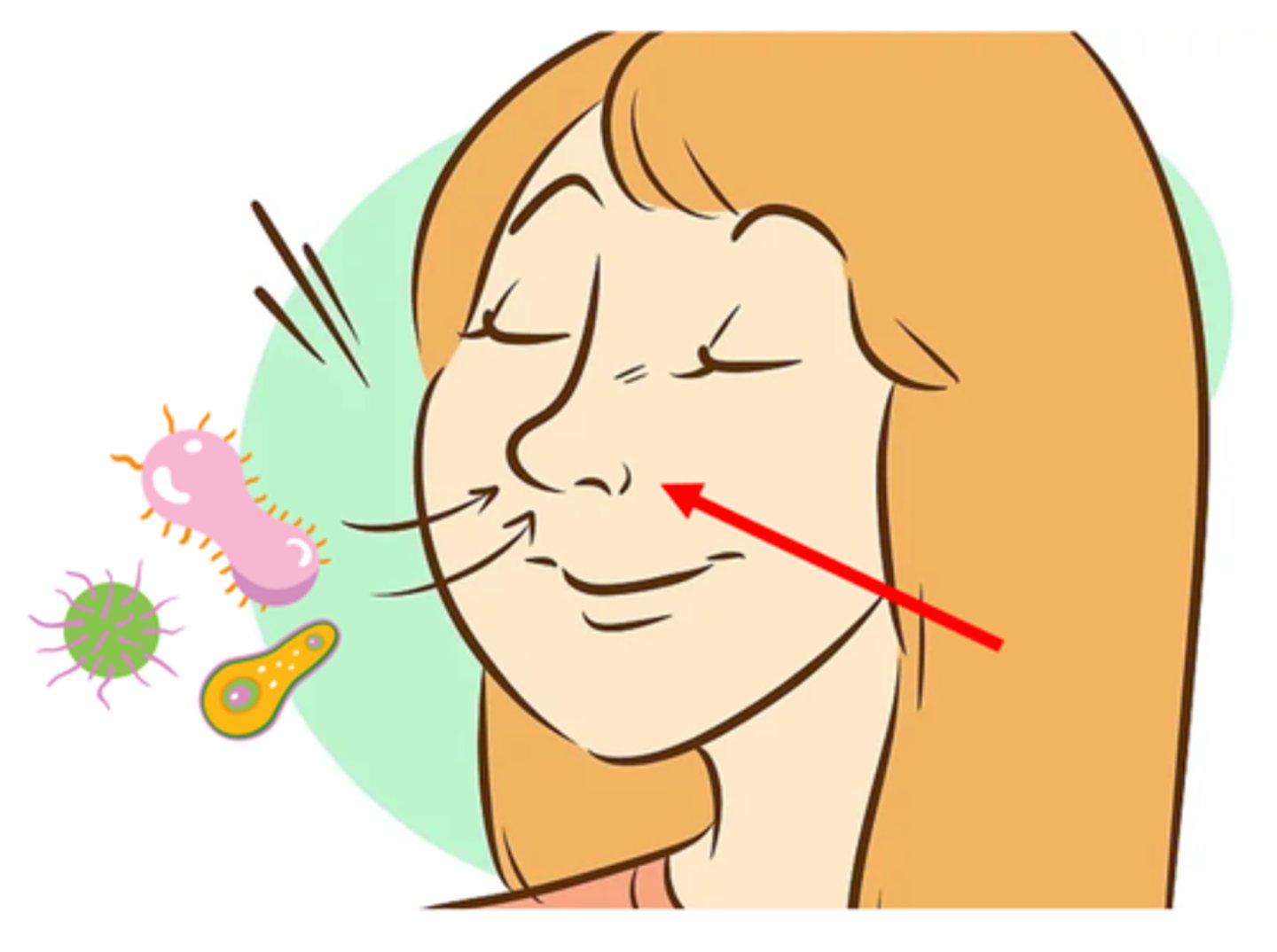
portal of entry (n)
the path used by an infectious agent to enter a susceptible host (chain of infection element #5)
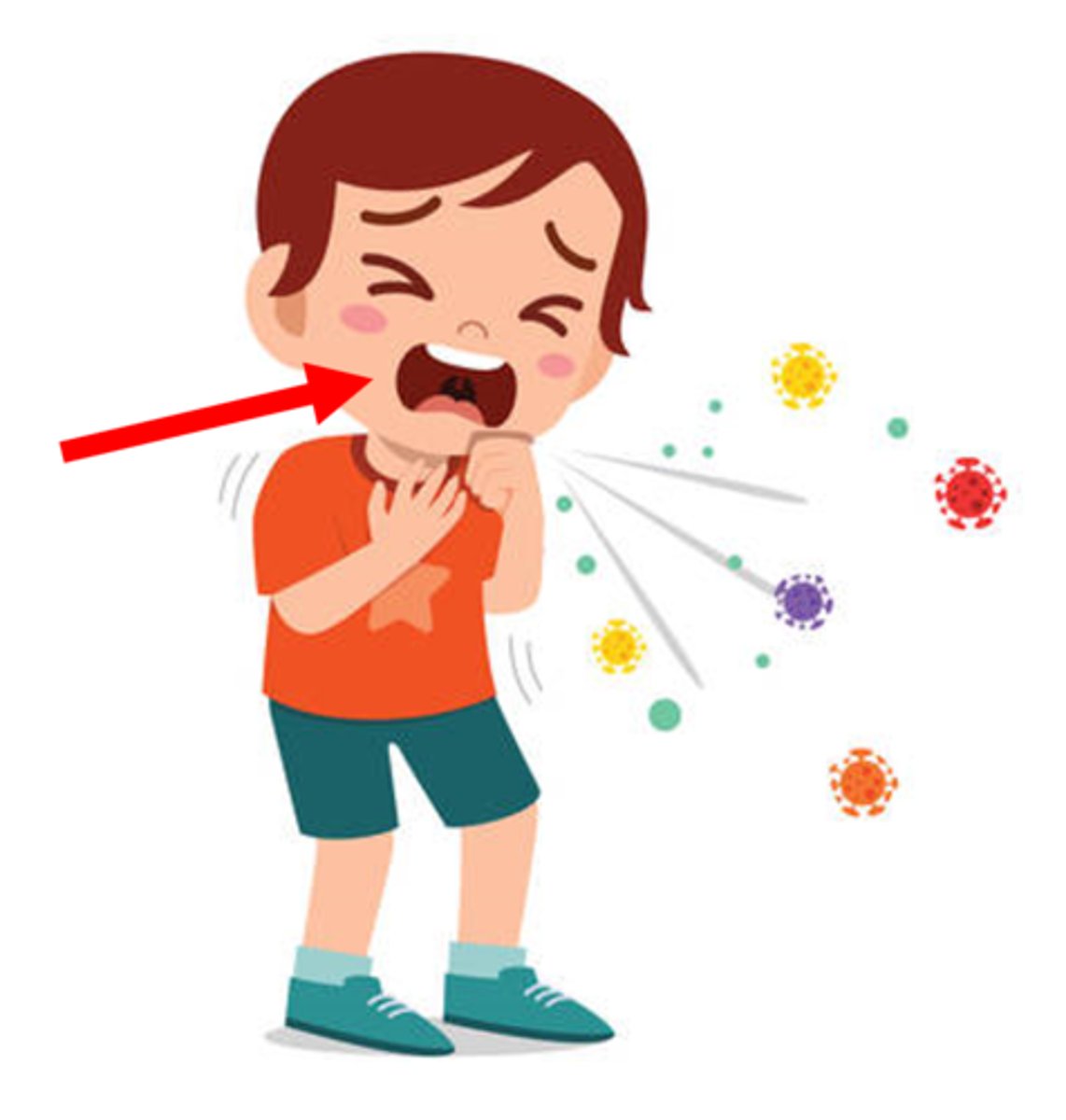
portal of exit (n)
the path by which an infectious agent leaves a reservoir (chain of infection element #3)
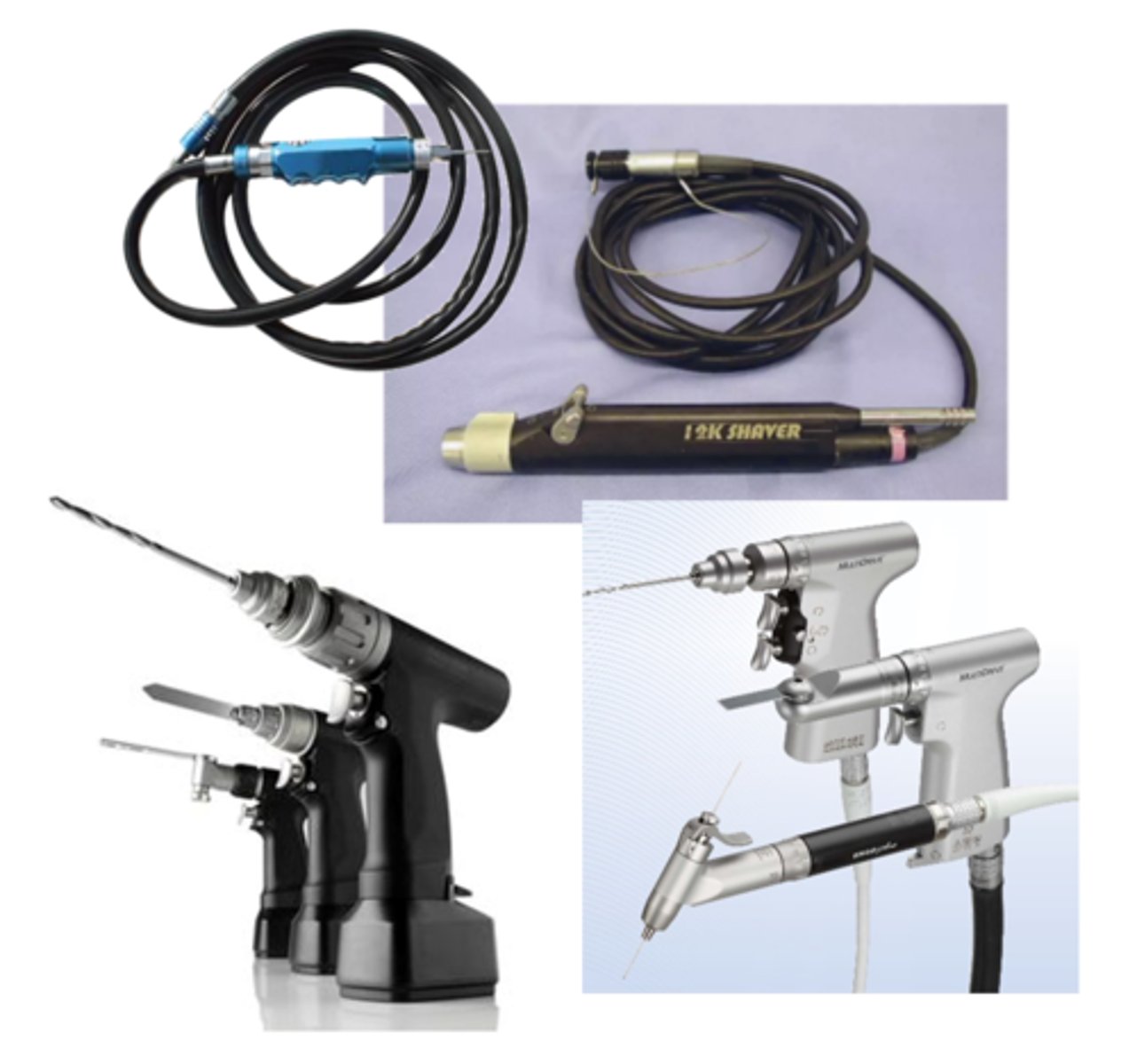
powered surgical instruments (n)
instruments run by 3 main power sources (electric, pneumatic, & battery) that have revolutionized surgery, making procedures safer & faster
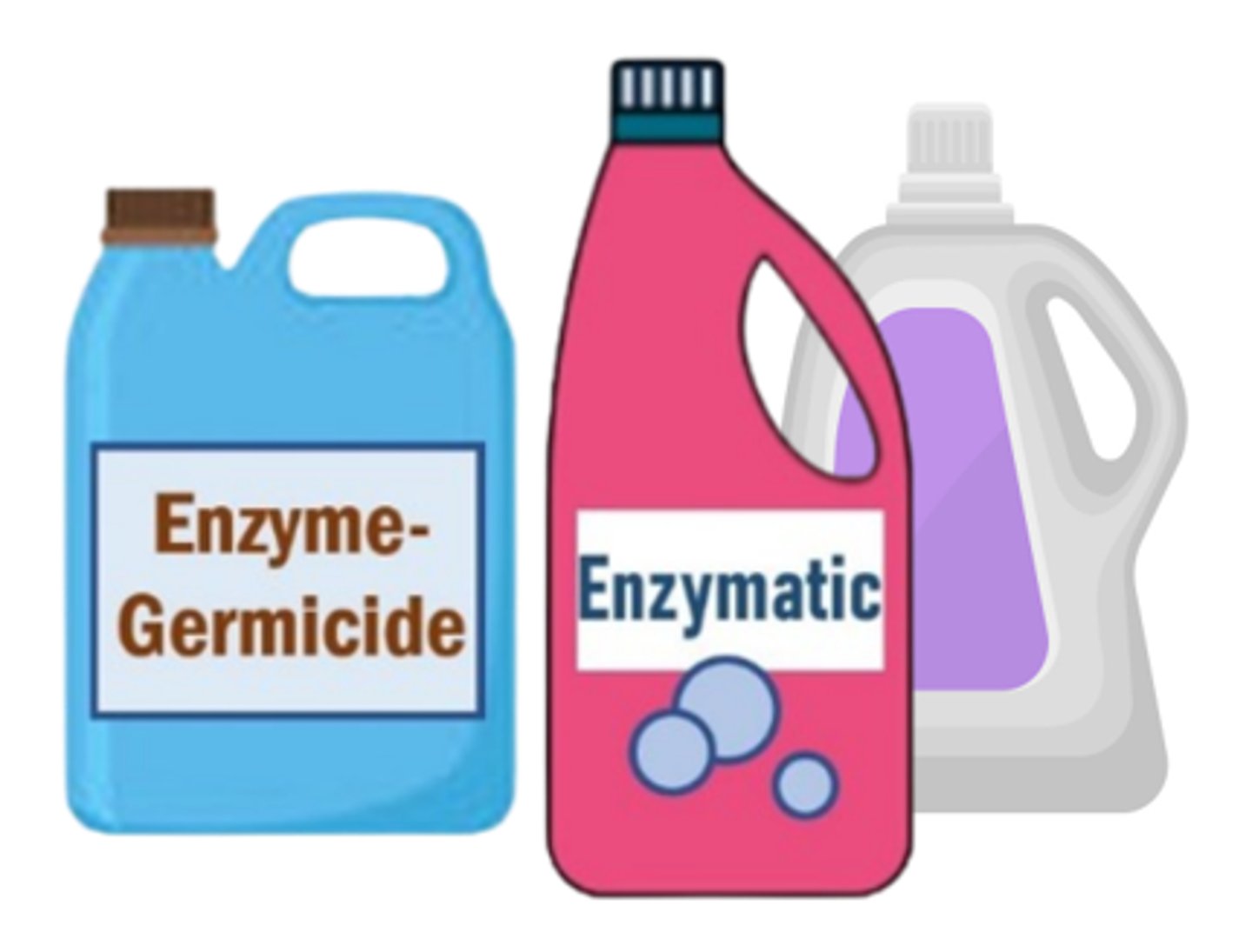
precleaning chemicals (n)
chemicals used in the first step of decontamination (at point-of-use & in the decontamination area); common ones include detergent solutions, enzymatic detergents, & combination enzyme-germicide detergents
prefix word element (n)
the part of a word that comes before the root and alters the word's meaning

premarket approval (PMA) (n)
the FDA process of scientific & regulatory review to evaluate the safety & effectiveness of Class III medical devices

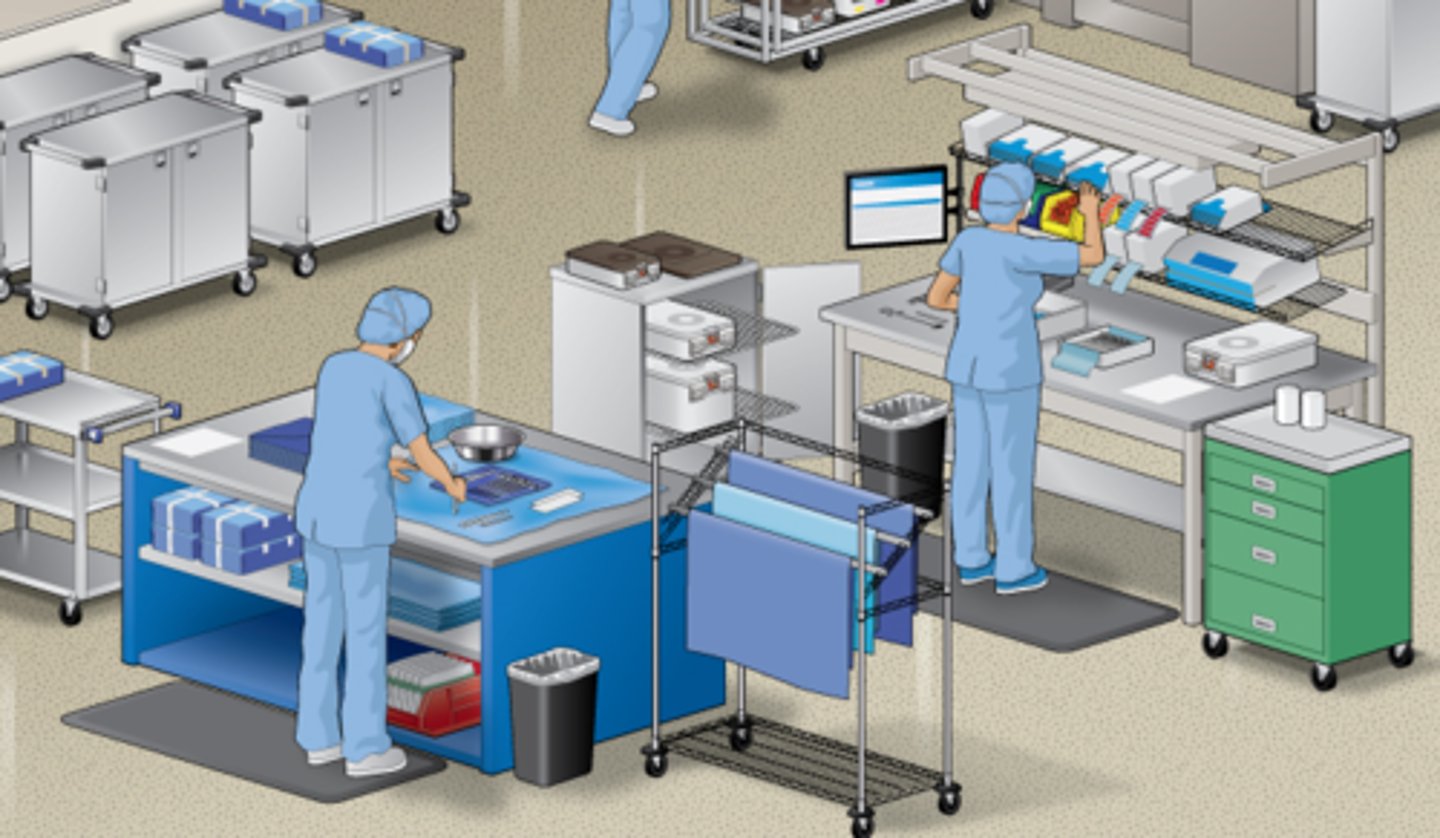
preparation & packaging (n)
a clean area of the SPD where instrument inspection, assembly, & packaging are performed (sometimes called the prep & pack or assembly area)
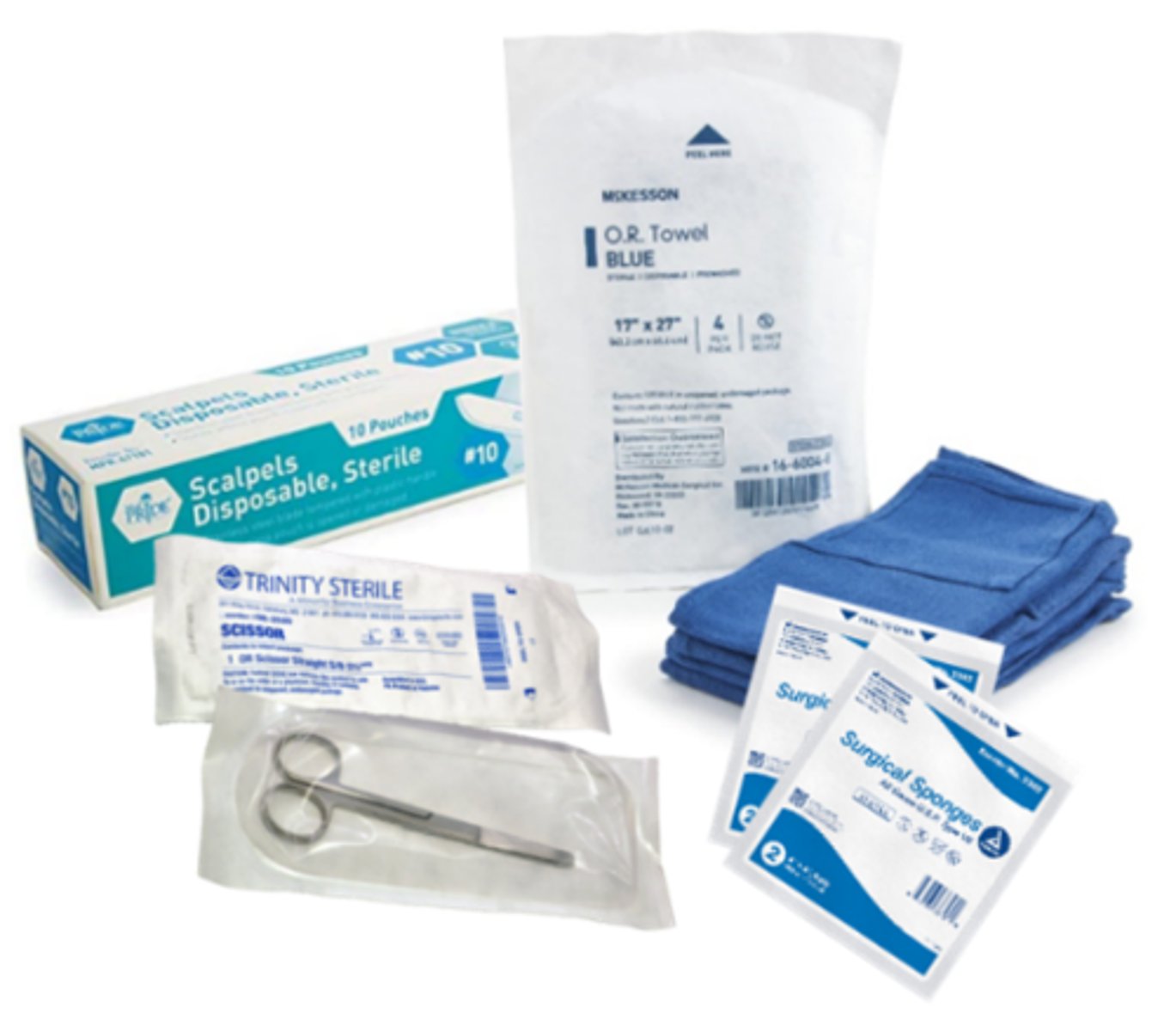
presterilized items (n)
products that have already been sterilized, purchased from outside vendors & typically received in shipping containers (which should be removed in a controlled break-out area)
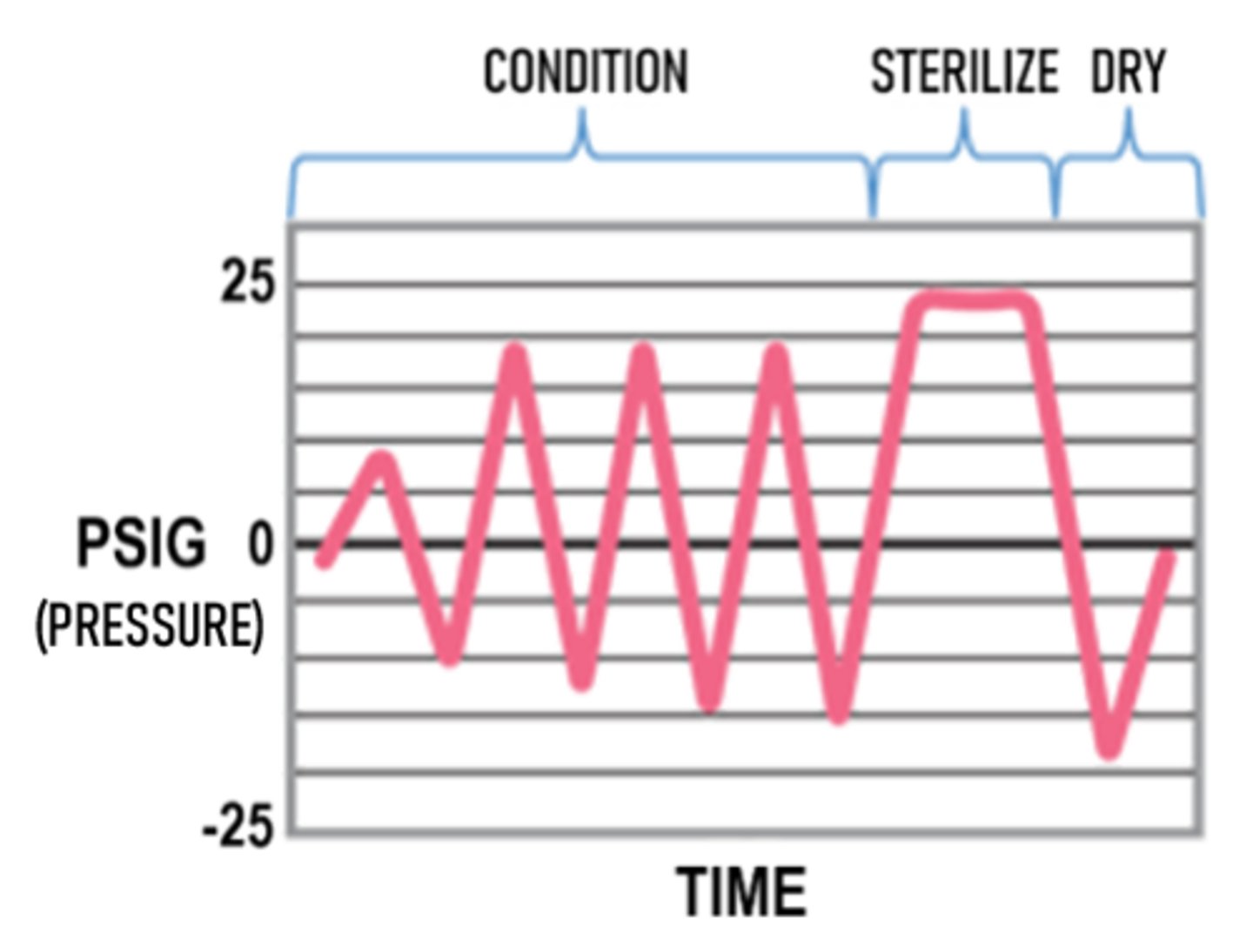
prevacuum steam sterilizers (n)
steam sterilizers that use a mechanical vacuum system to remove air from the chamber through a series of pressure & vacuum sequences; air removal must be monitored daily with a Bowie-Dick test
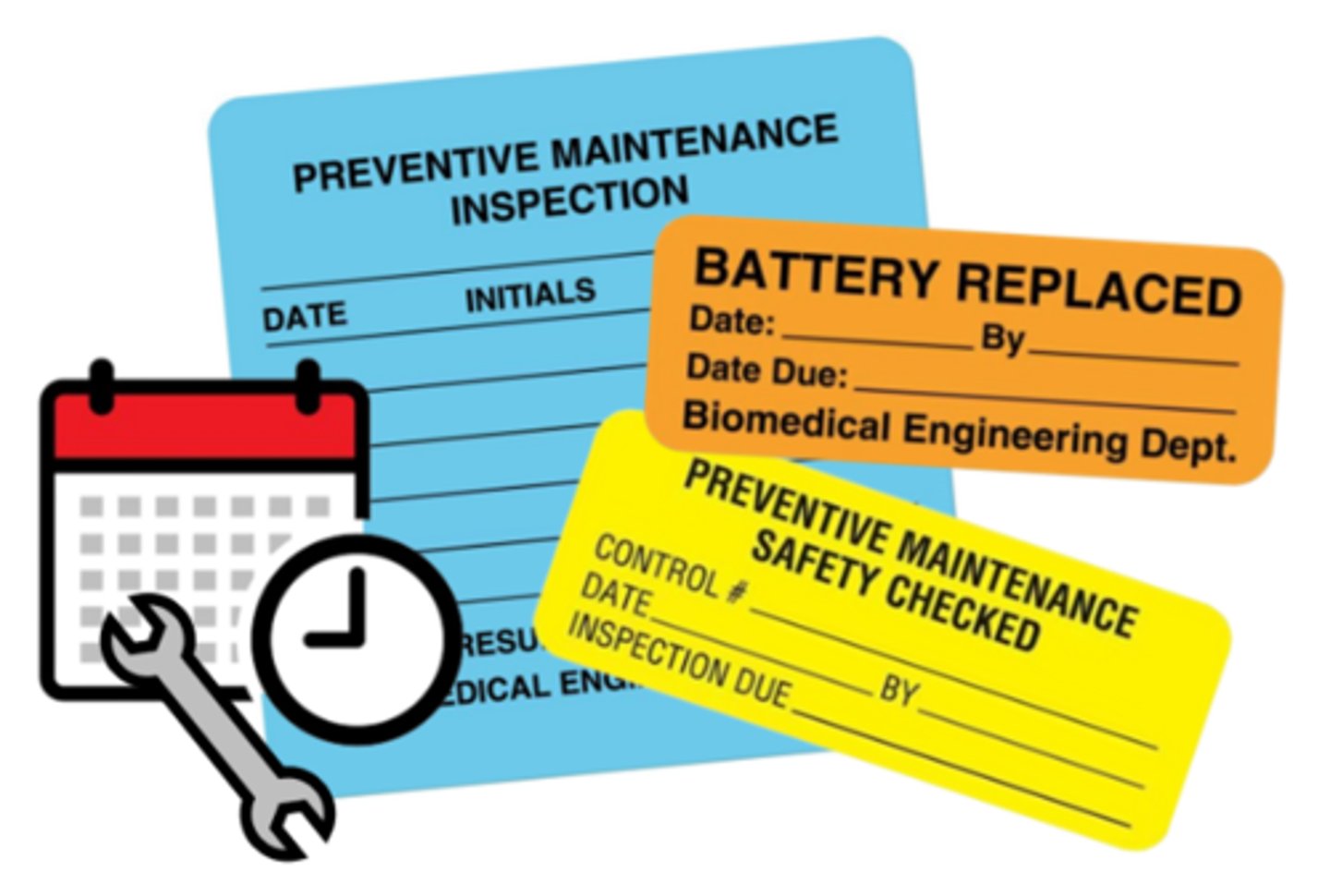
preventive maintenance (PM) (n)
planned equipment inspections done as part of routine instrument care, which enables technicians to detect & correct equipment failures before they occur
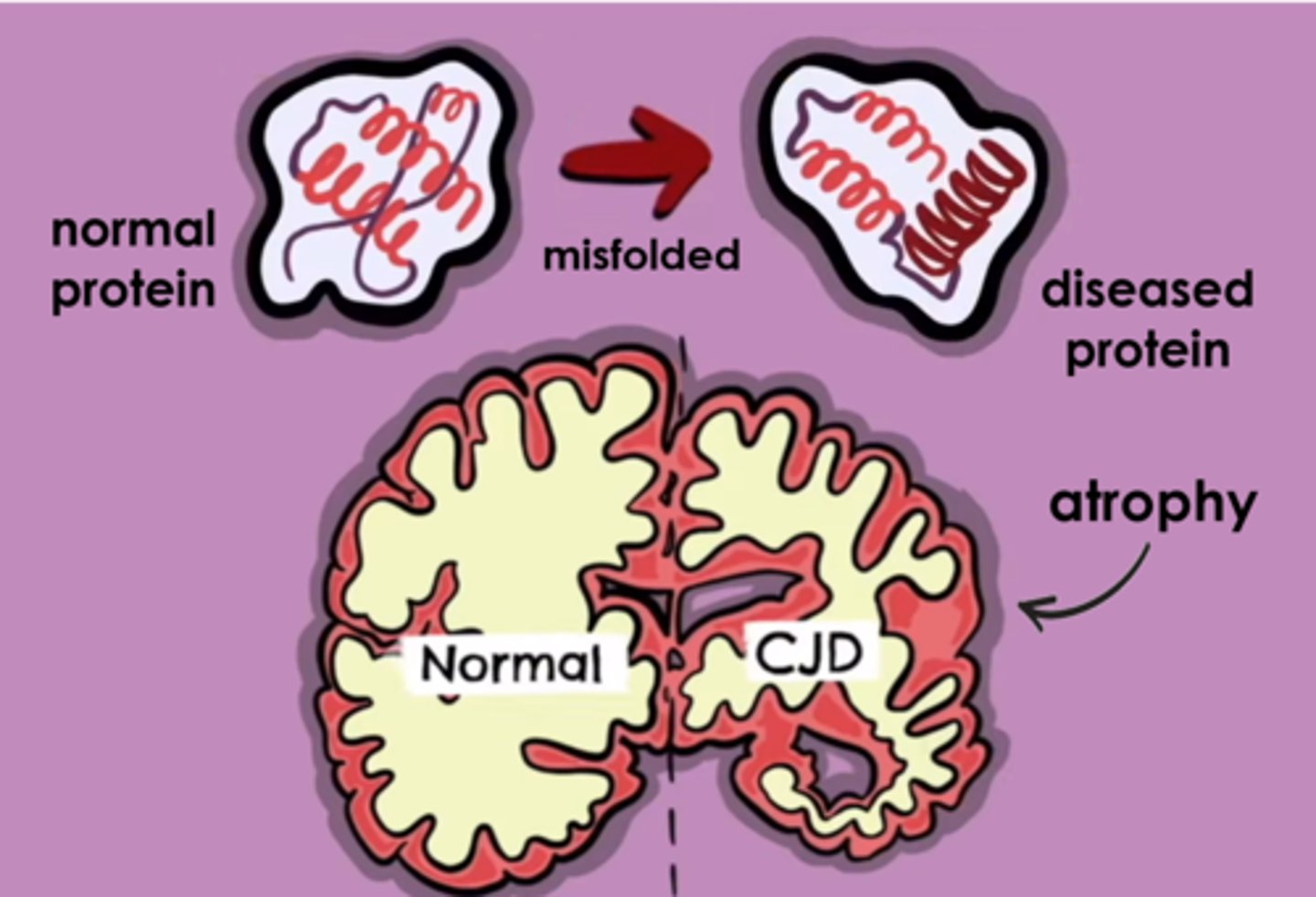
prion (n)
an infectious, abnormal protein that contains no nucleic acid, does not trigger an immune response, & cannot be destroyed by extreme heat or cold; it causes fatal, degenerative diseases like CJD (Creutzfeldt-Jakob Disease)
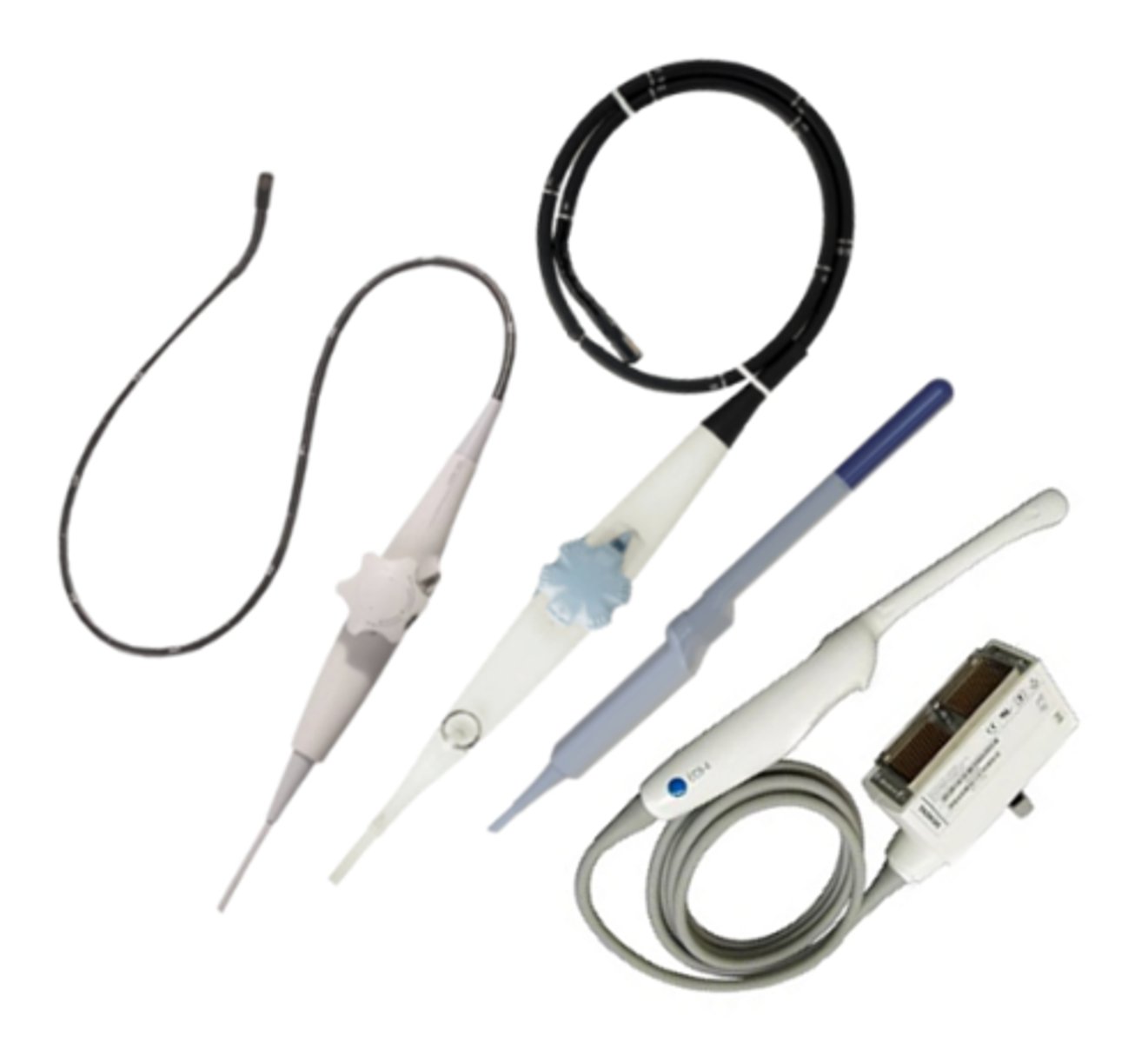
probes (n)
medical devices that are used in body cavities (& have contact with mucous membranes) or that may have contact with non-intact skin; classified as intermediate-risk items
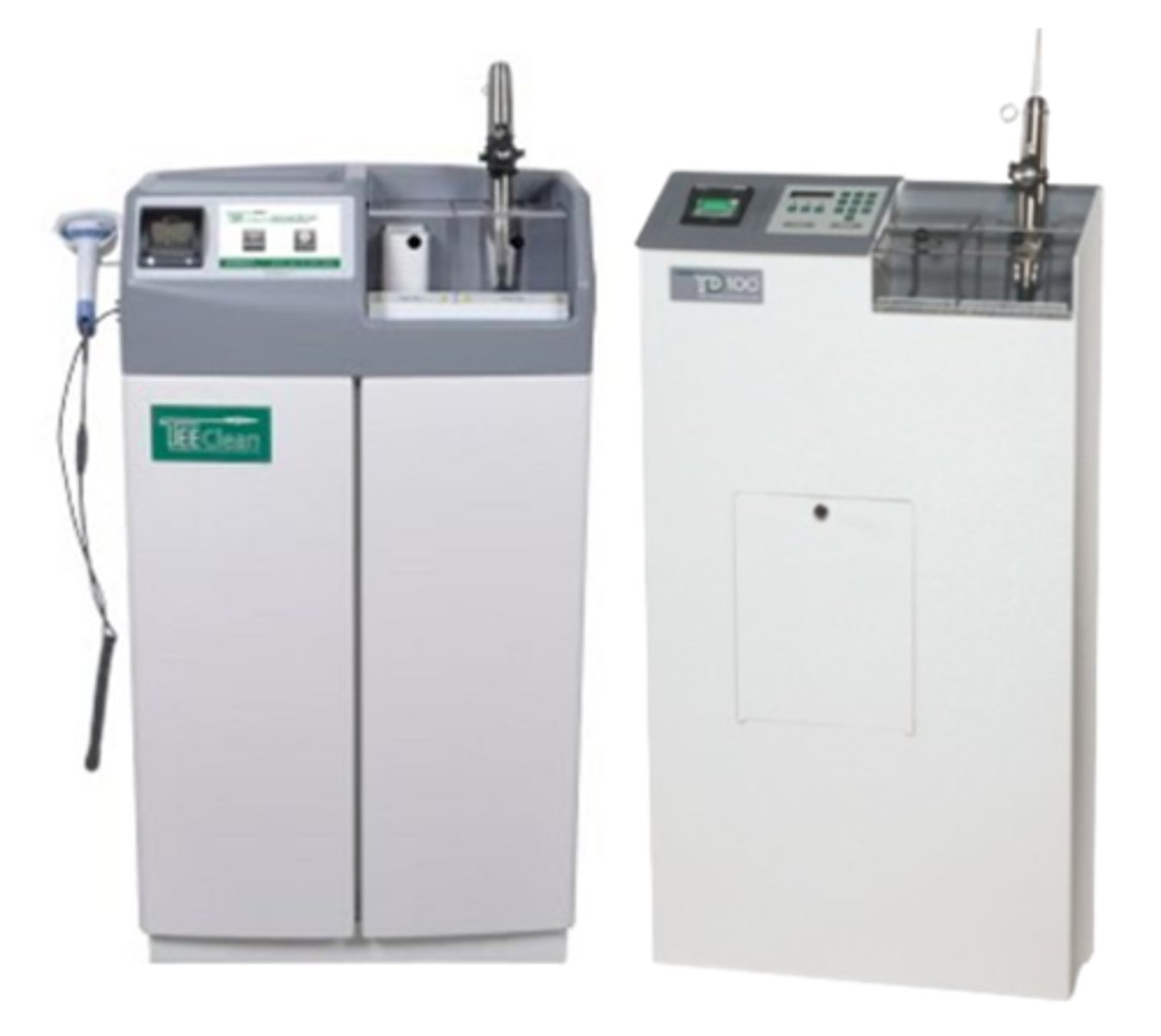
probe processors (n)
mechanical cleaners designed to perform HLD on probes
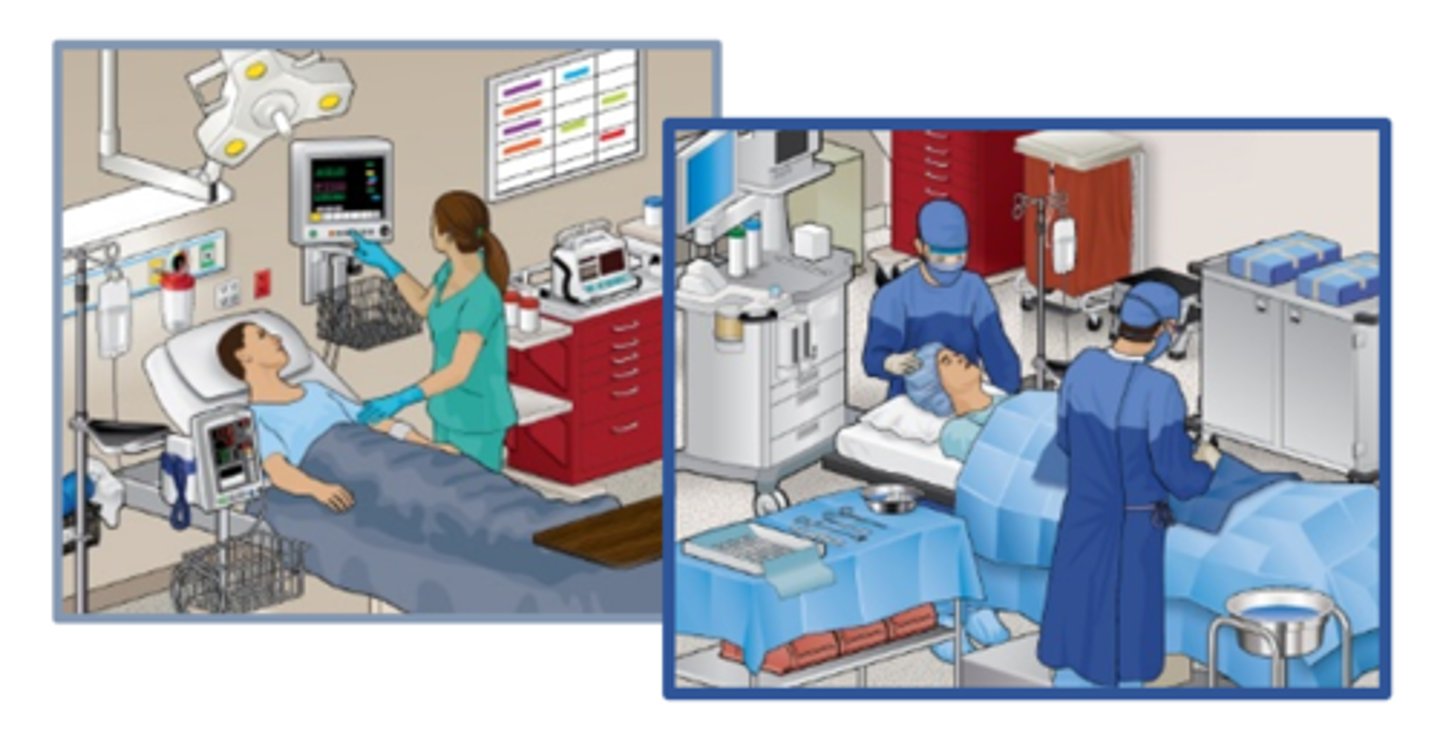
procedure area (n)
an area within a healthcare facility that performs invasive & minimally-invasive procedures that require instruments, supplies, & equipment
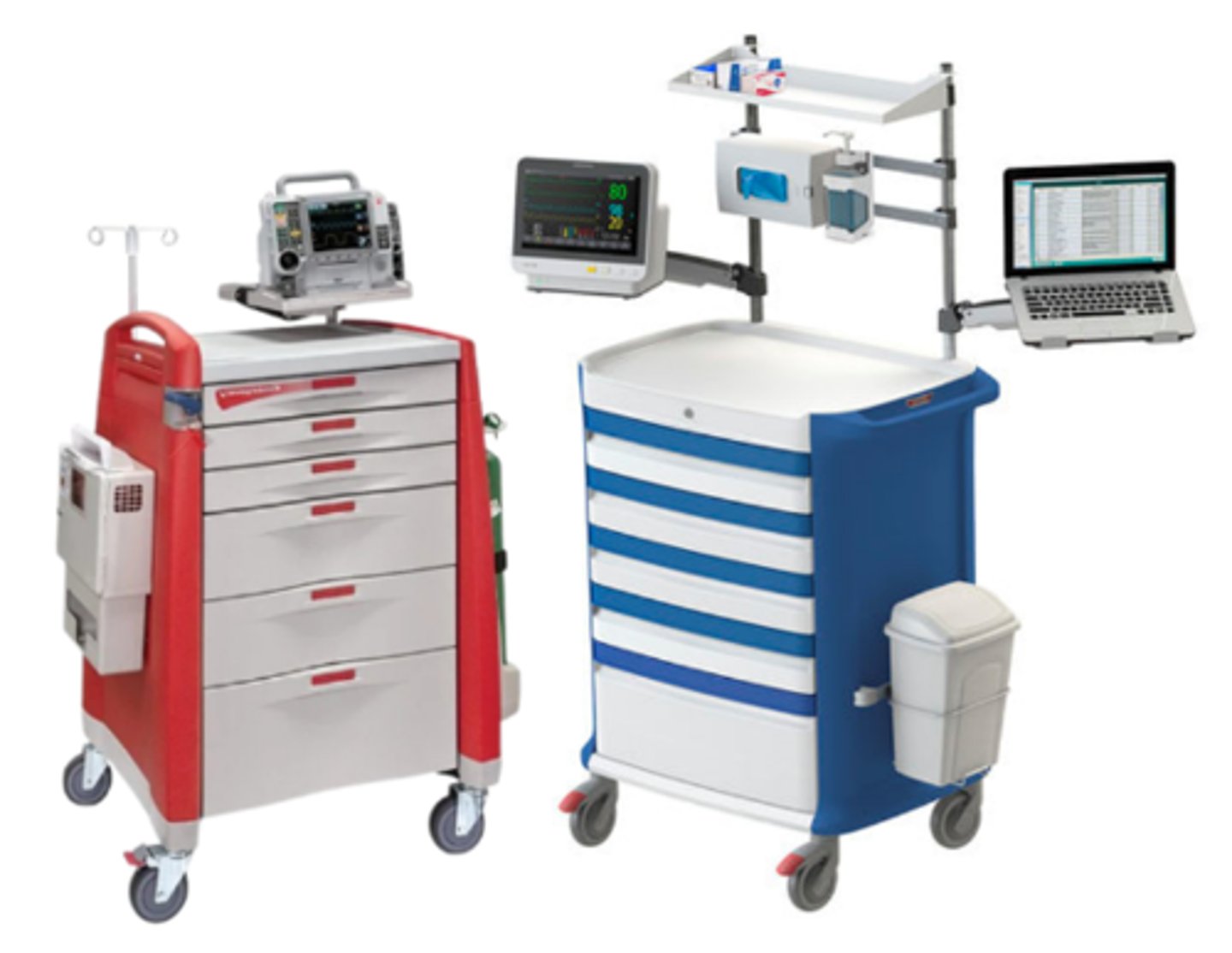
procedure carts (n)
specialty carts designed to supply a specific type of procedure (crash carts, urology carts, case carts, etc.)
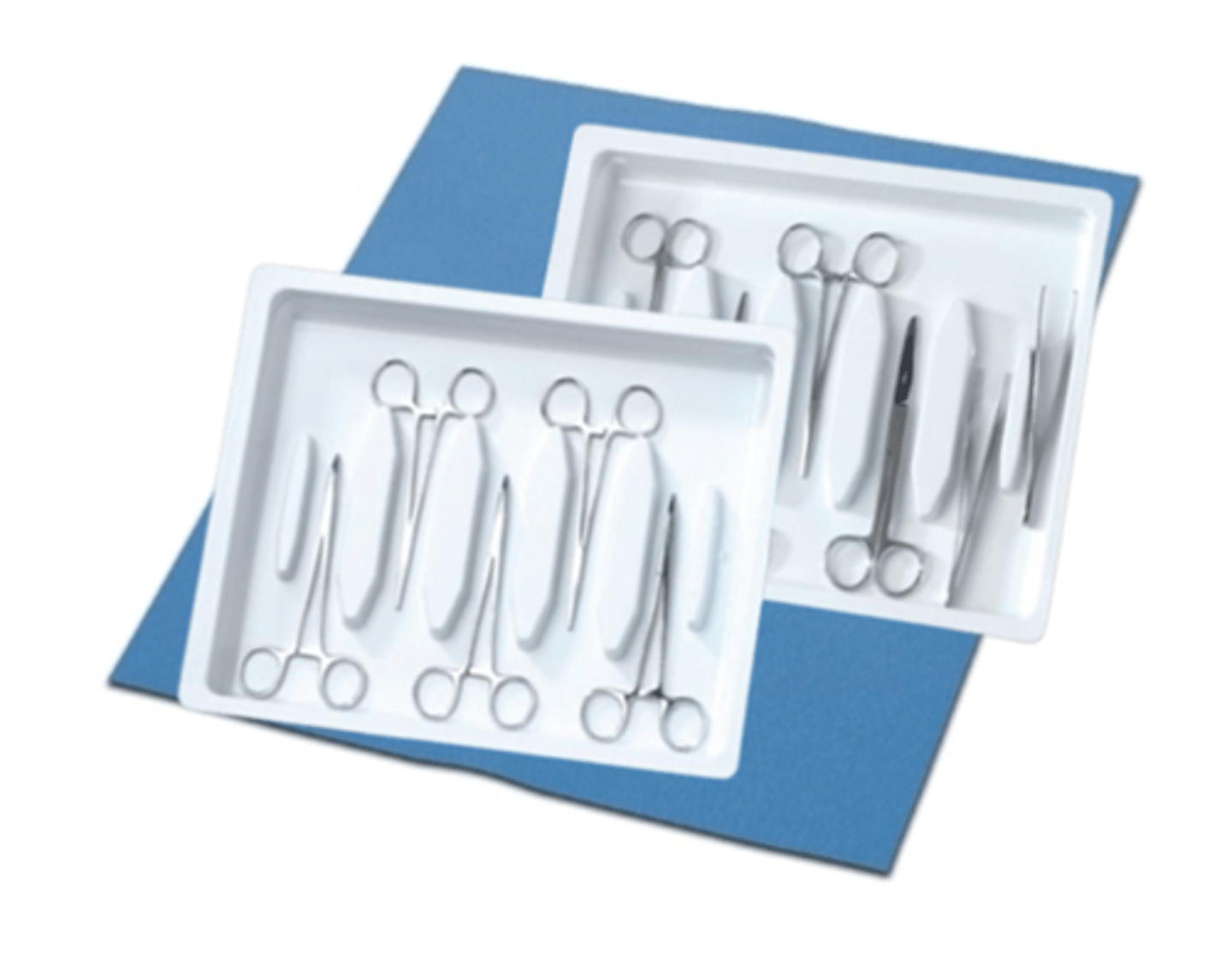
procedure trays (n)
trays used in patient care settings & procedure areas, designed to include all or most items needed for a minor procedure
process (work) (n)
a series of work activities that produces a product or service
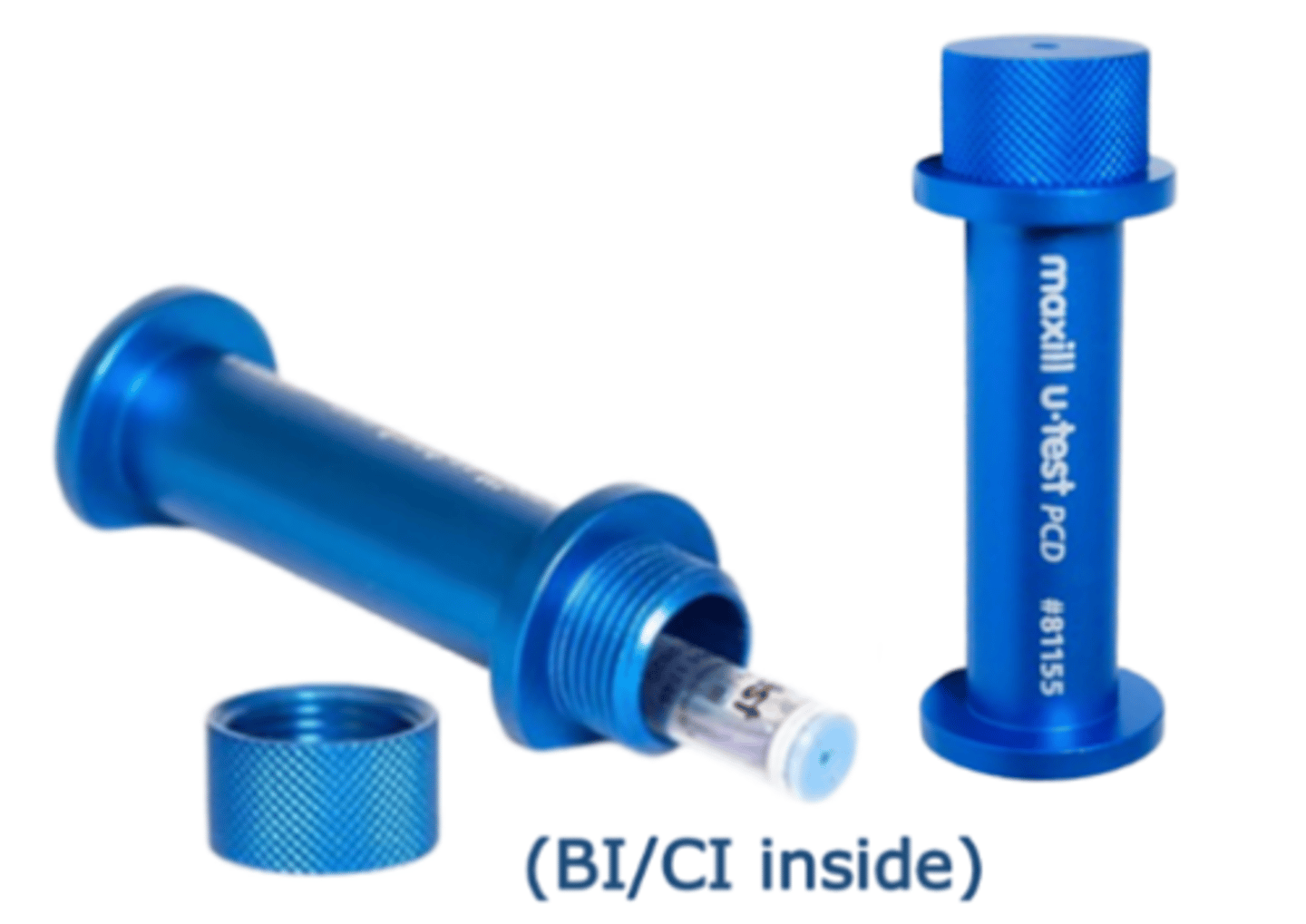
process challenge device (PCD) (n)
a device that monitors sterilization performance by simulating an equal or greater challenge than the most difficult instrument/item routinely processed in a sterilization cycle
process improvement (n)
the activity of identifying & resolving task-related problems that yield poor quality; the strategy of finding solutions to eliminate the root causes of process performance problems
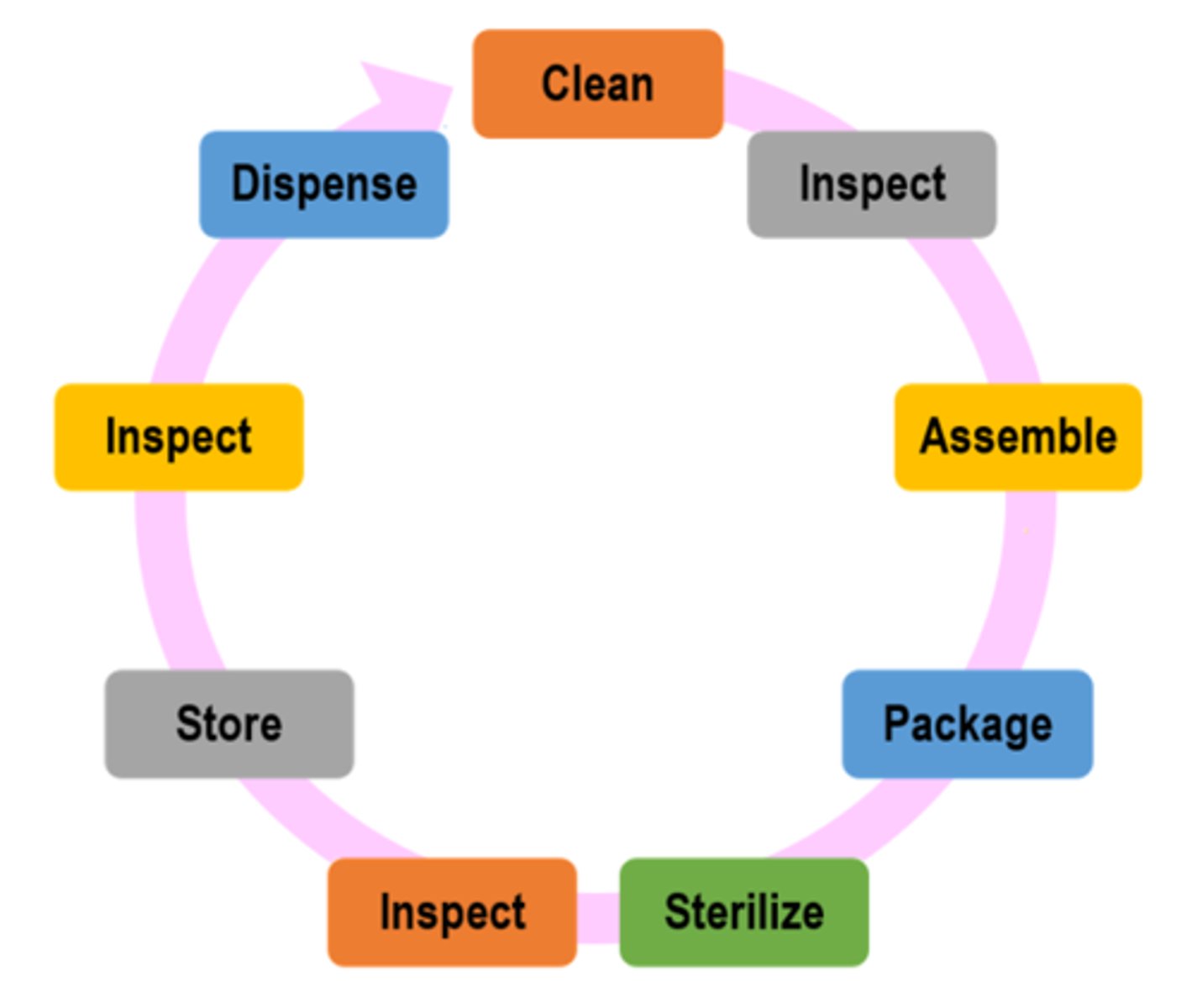
processing cycle (n)
the specific steps involved in reprocessing used items; tasks must be followed in order & must not be rushed or skipped
professional development (n)
a person's commitment to continuous learning & improvement, taking responsibility for their own career growth

promotion (n)
an advancement to a position with additional responsibilities & (typically) higher compensation

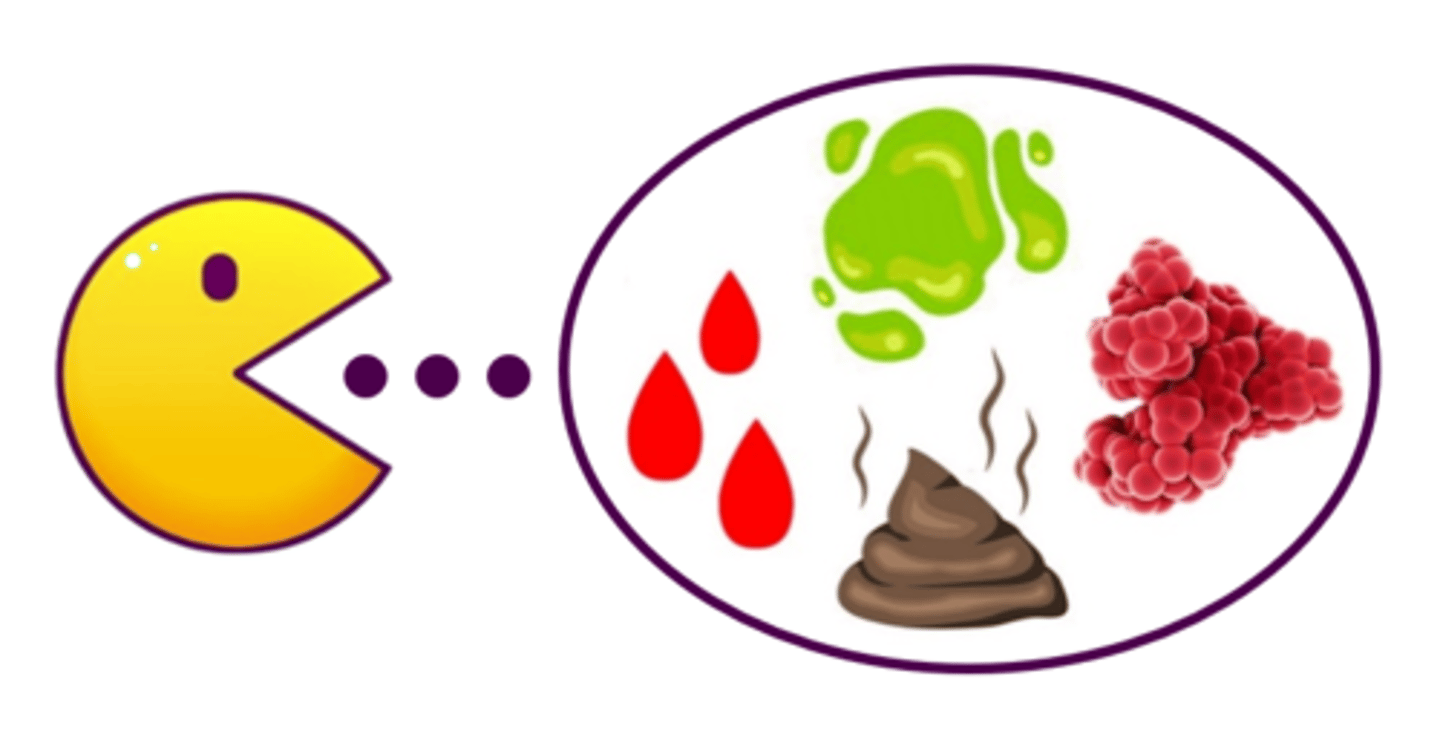
protease enzymes (n)
enzymes that break down blood, mucus, feces, & albumin (protein in blood plasma)
protected health information (PHI) (n)
individually identifiable health information (medical histories, lab results, insurance information, etc.)

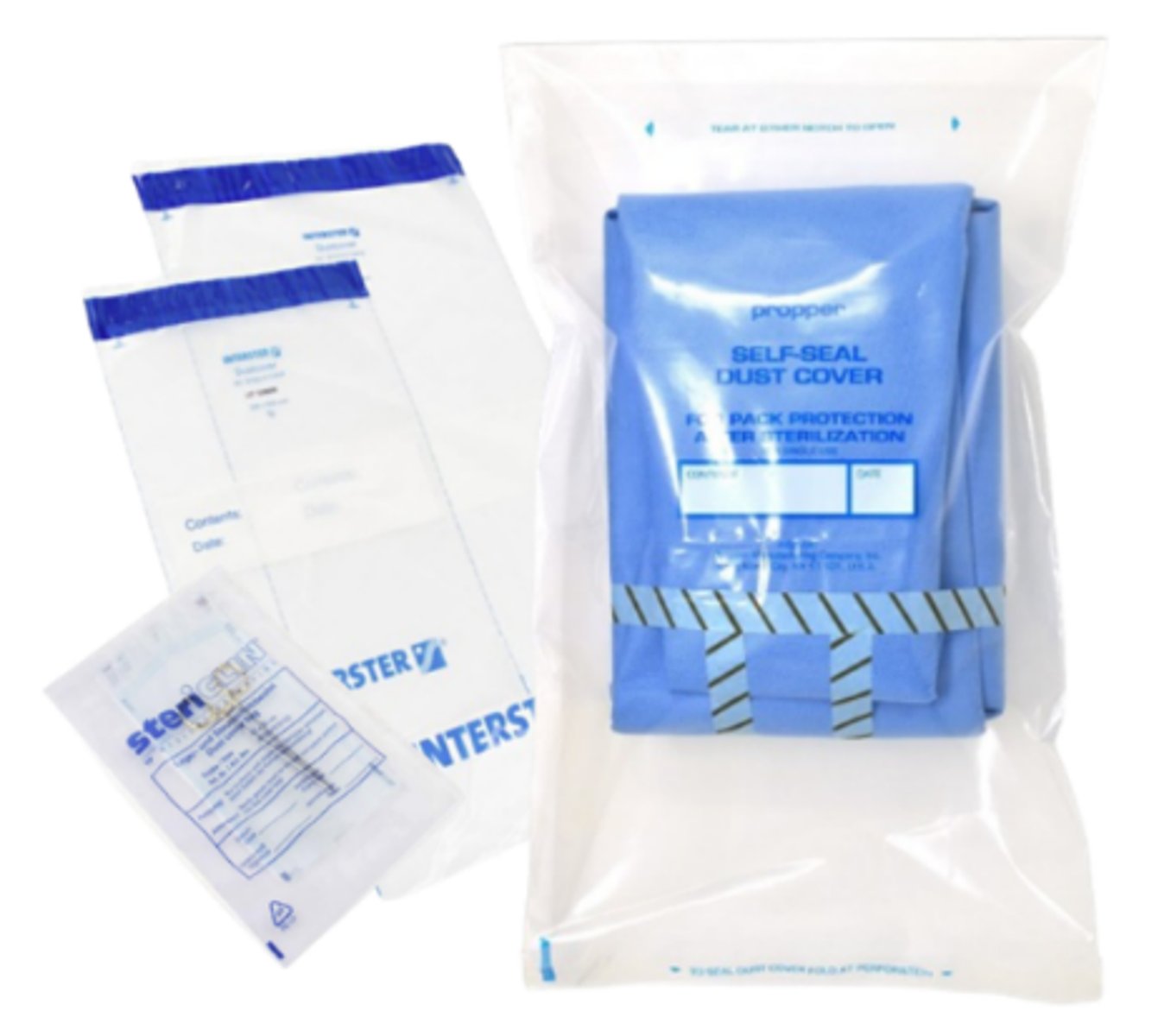
protective packaging (n)
a plastic overwrap that can be applied to sterile packages to protect them from damage & contaminants until the point of use (sometimes called dust covers or sterility maintenance covers)
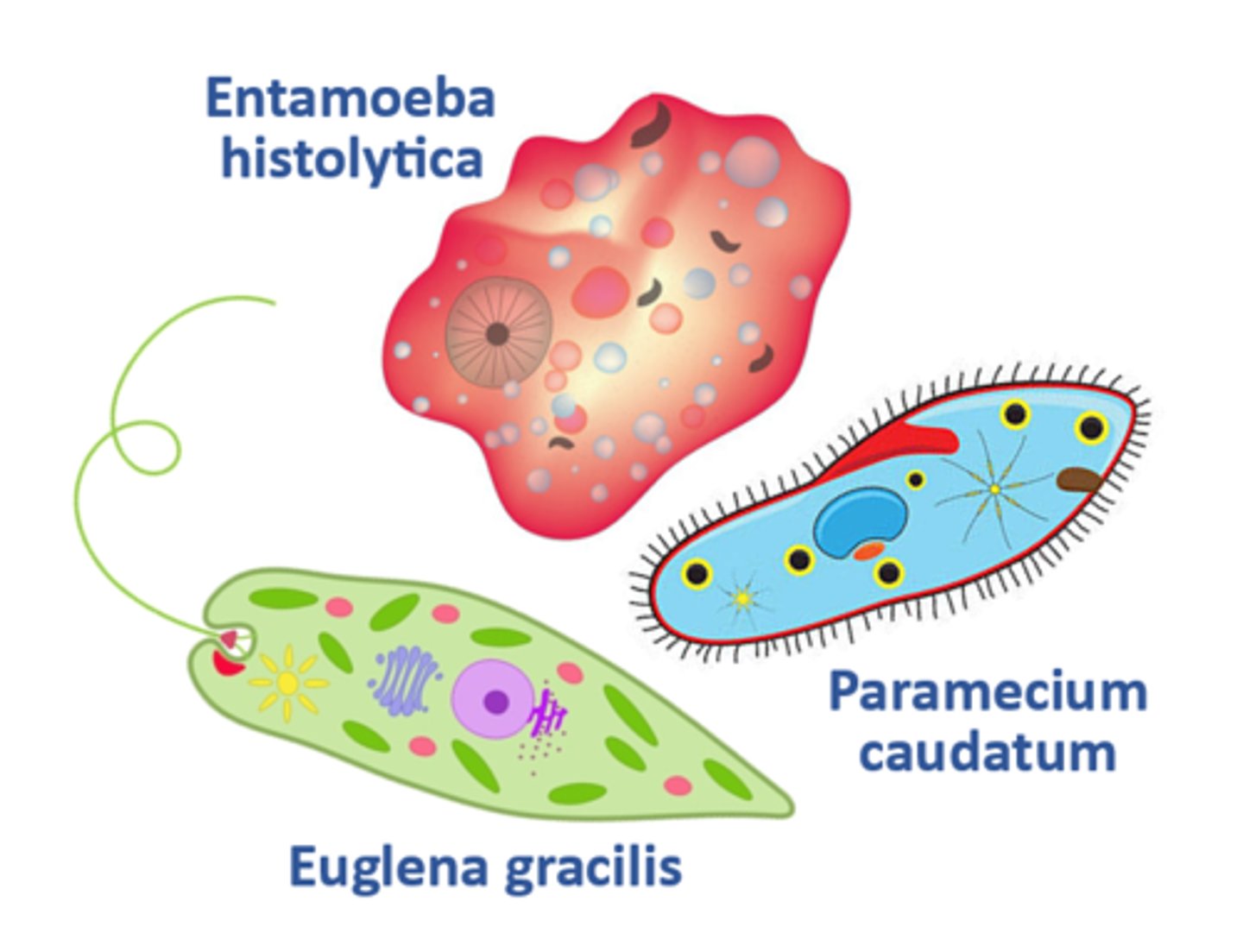
protozoa (n)
one-celled animal organisms that vary in size & shape & contain no cell walls
public relations (PR) systems (n)
computerized systems that manage the public perception of an organization (the facility's website, social media platforms, media relations)

quality (n)
the consistent delivery of products & services according to established standards (considering perspectives of internal customers, departments, & the facility)
quality assurance (n)
a comprehensive & measured effort to provide total quality; a technical, statistical sampling method that measures production quality
quality monitoring (n)
the process of maintaining or improving the department's quality outputs
quaternary ammonium compounds (quats) (n)
low-level disinfectants that are incompatible with soap & may be absorbed (inactivated) by cotton or paper; most contain benzalkonium chloride (active ingredient)

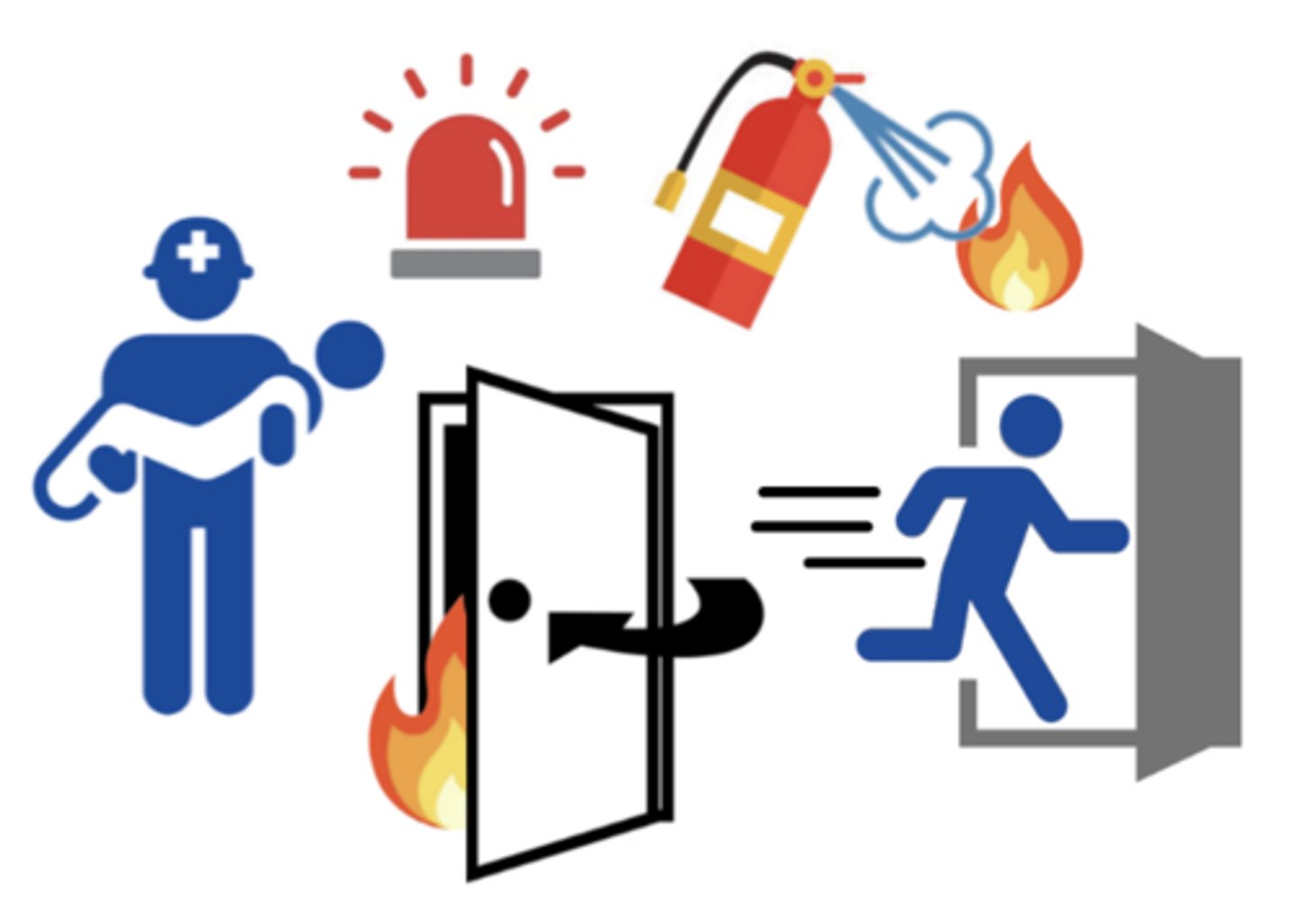
RACE (fire emergency response) (n)
the four components of a fire emergency response plan: Rescue or Remove, Alert or Alarm, Confine or Contain, & Extinguish or Evacuate
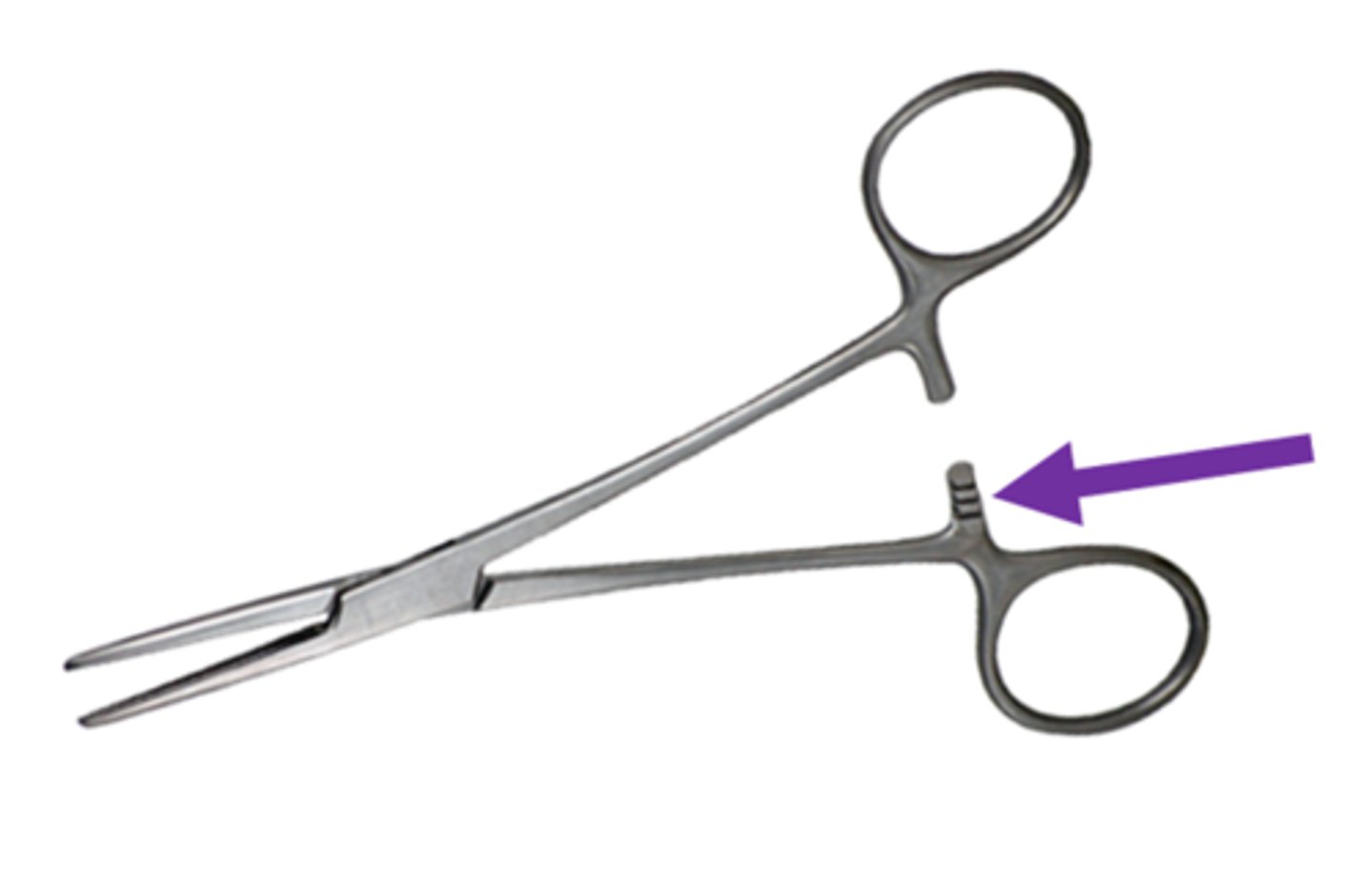
ratchet (n)
the part of a surgical instrument that "locks" the handles in place
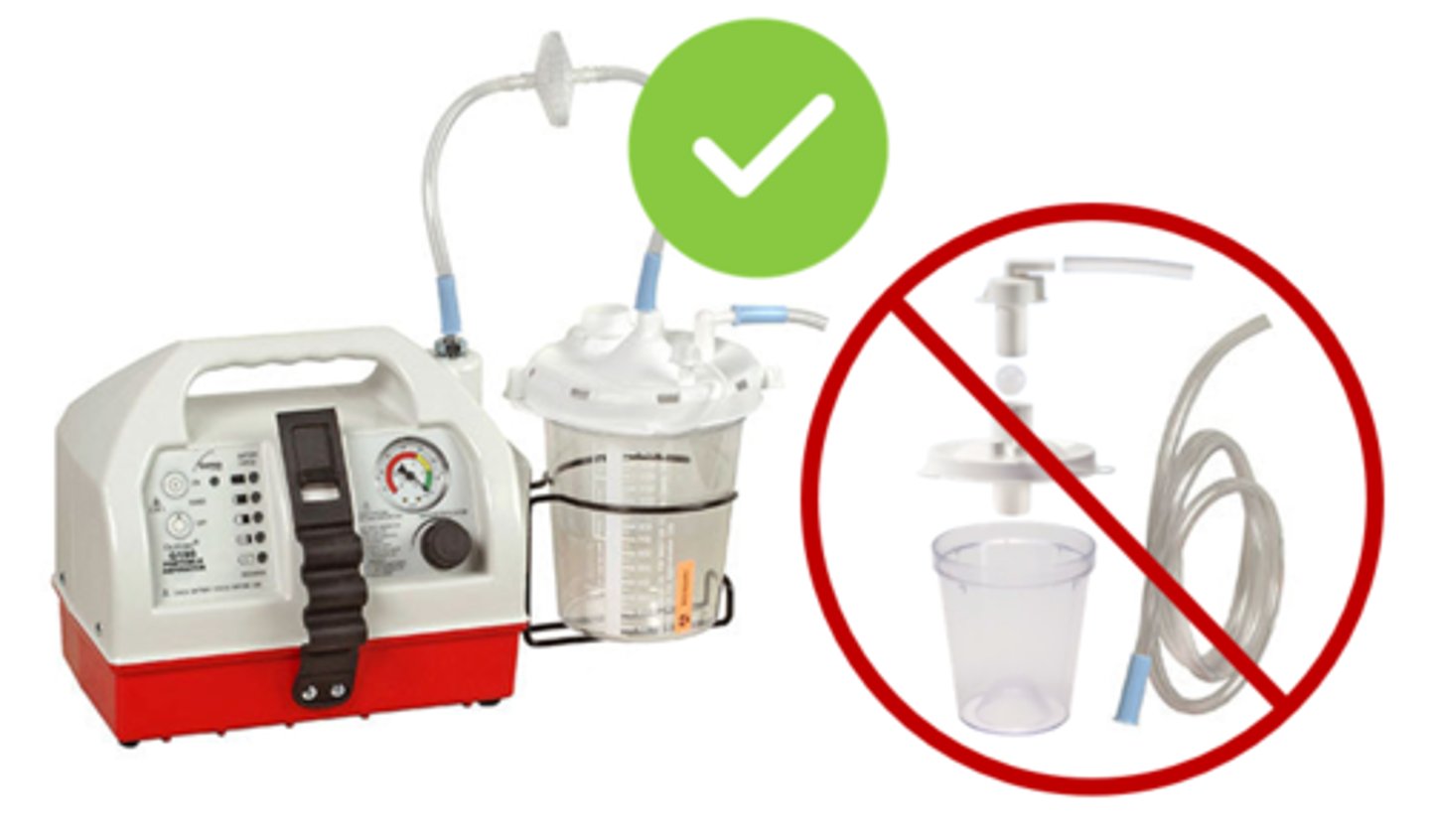
ready-to-dispense (adj)
able to be used immediately
recall (n)
an action taken to address a problem with a medical device, initiated when a device is defective and/or poses a health risk

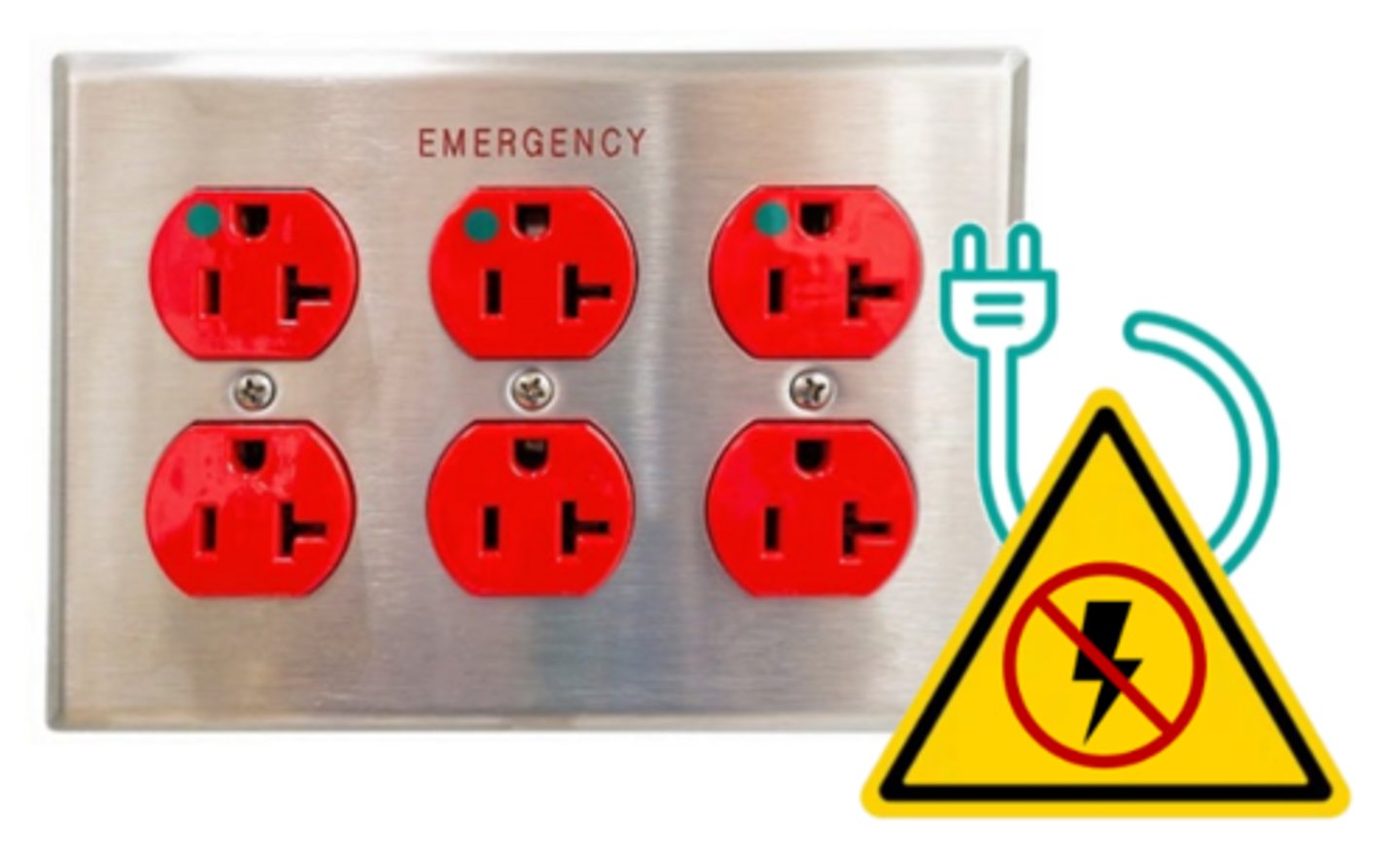
red outlets (n)
electrical outlets that are connected to emergency back-up power so they remain active in the event of a power failure (& can still charge critical devices)
regulations (n)
rules issued by administrative agencies that have the force of law
repair (equipment) (n)
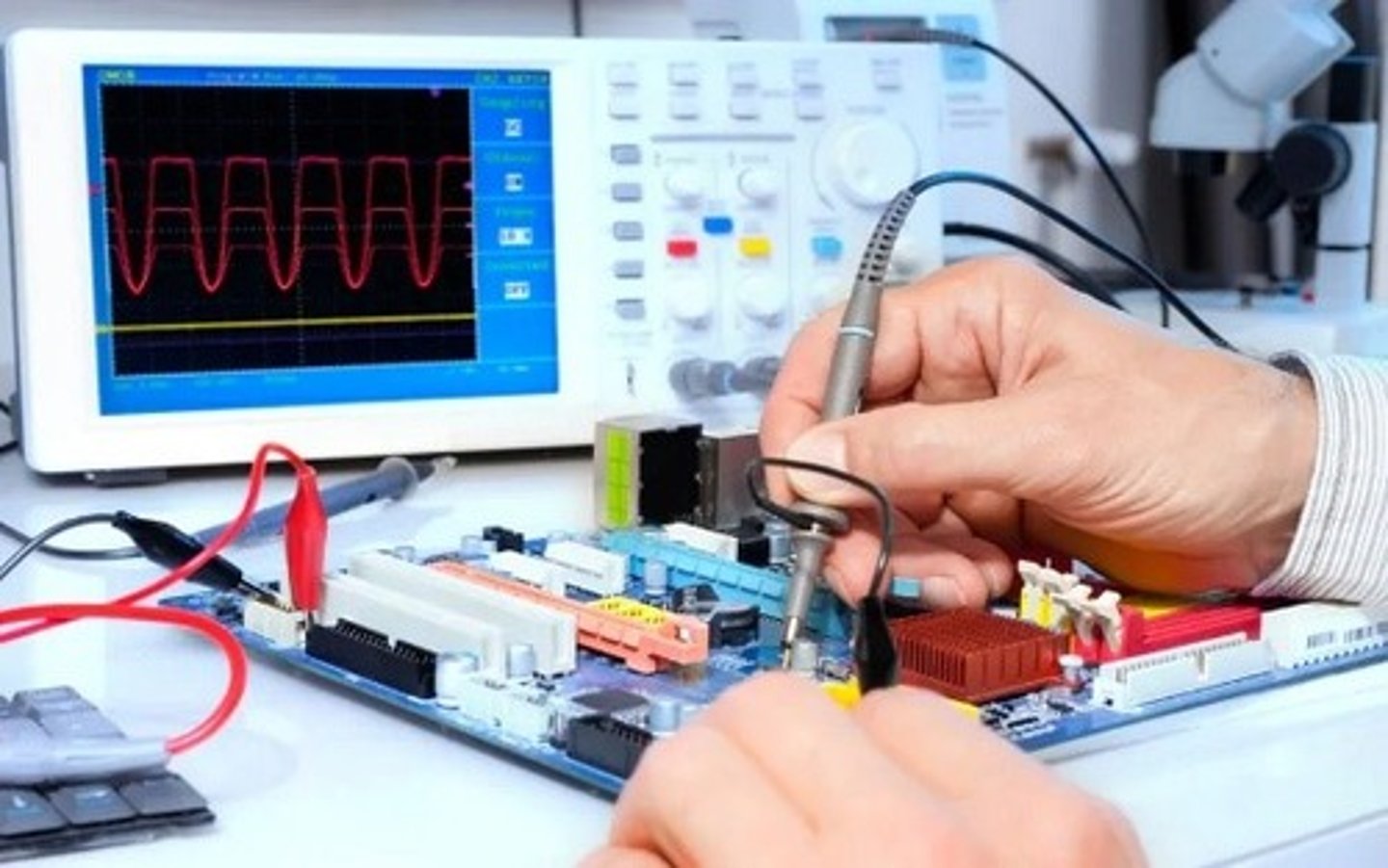
procedures done to return equipment to proper operating condition after it has become inoperative
repetition (n)
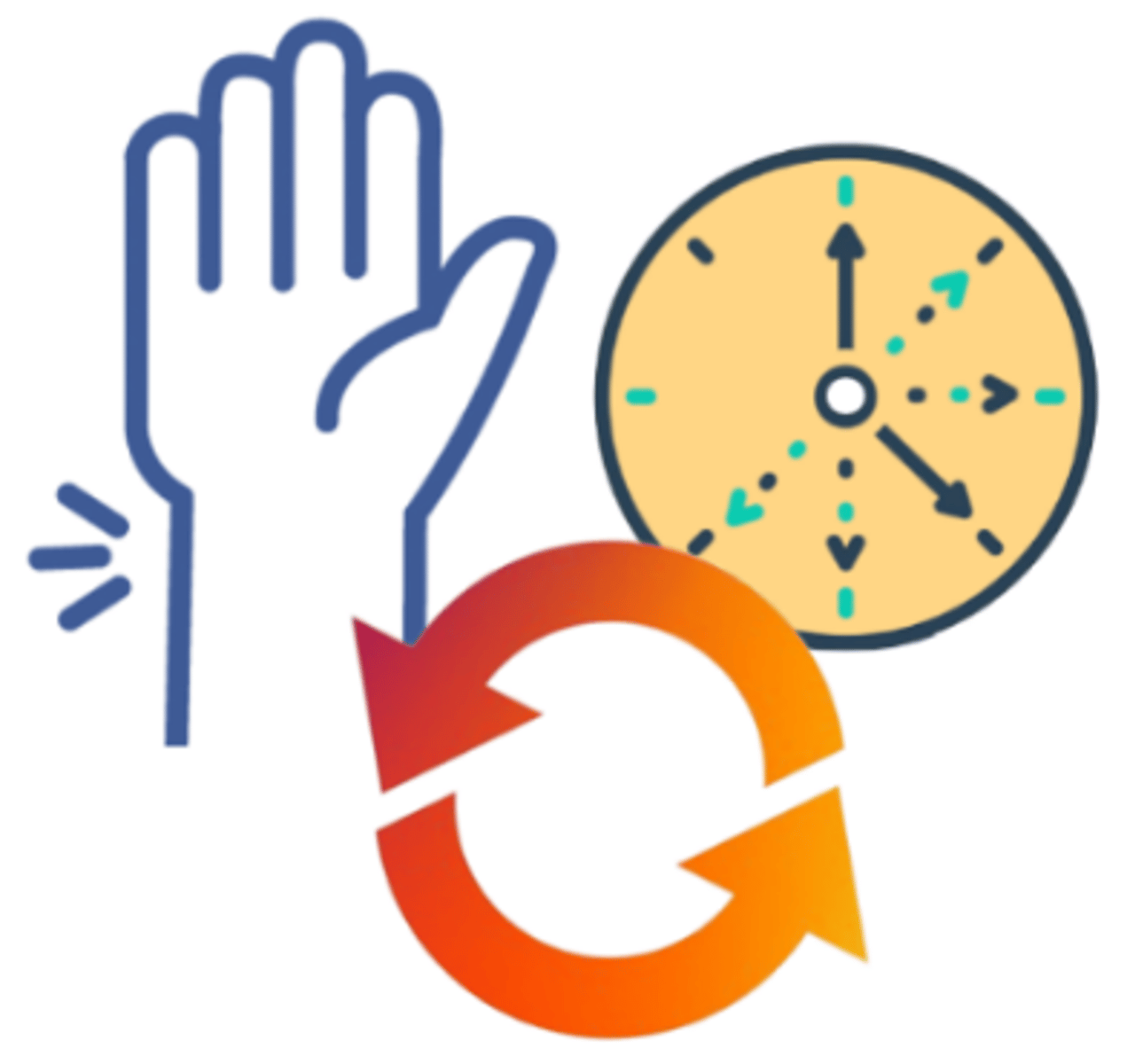
using the same motion or series of motions continually or frequently (ergonomic stressor)
requisition system (n)
a method of inventory distribution where items needed are requested (requisitioned) by user department personnel & removed from a central storage location for transport to that department

reservoir (n)
the place where an infectious agent (microorganism) can survive (chain of infection element #2)
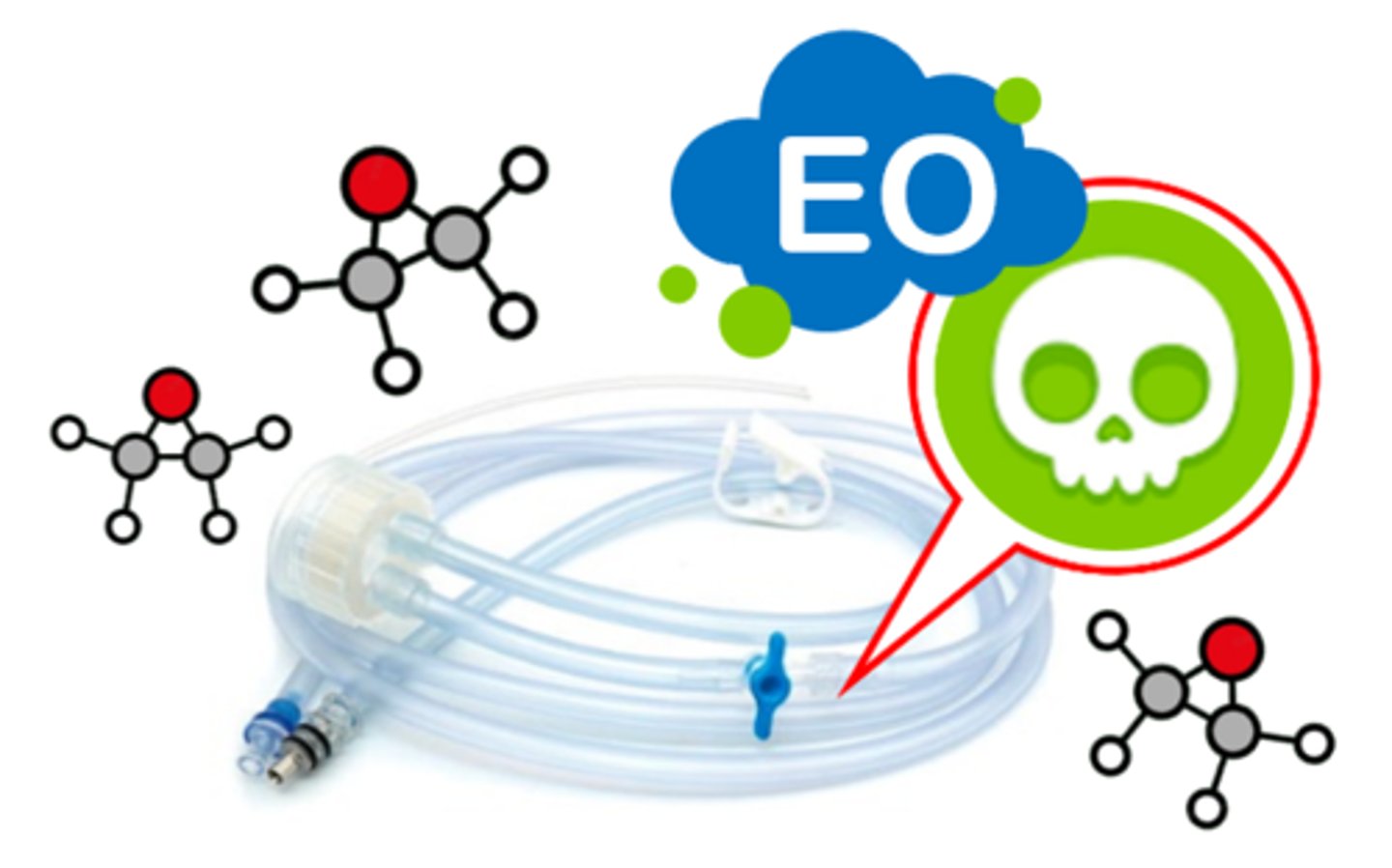
residual EO (n)
the amount of EO that remains on materials after sterilization
restricted areas (n)
areas that require surgical scrub attire, hair coverings, & masks (ex: decontamination & areas where sterile surgical procedures are performed)

resume (n)
a compilation of one's skills, education, & accomplishments that helps prospective employers determine if a job candidate has the necessary knowledge & skills to succeed in a specific role

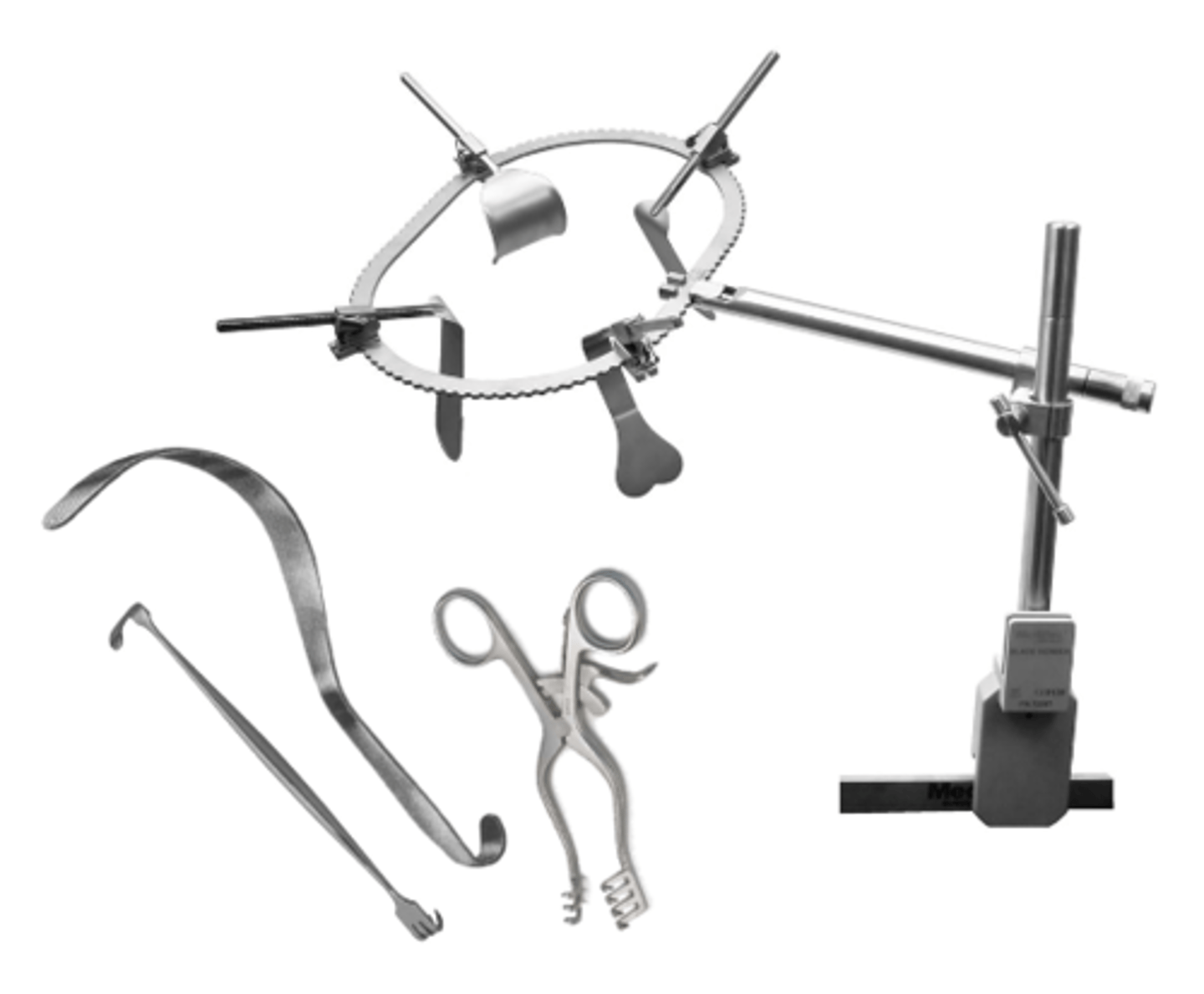
retractors (n)
surgical instruments primarily used to move tissues & organs to keep the surgical site exposed through surgery (300 series)
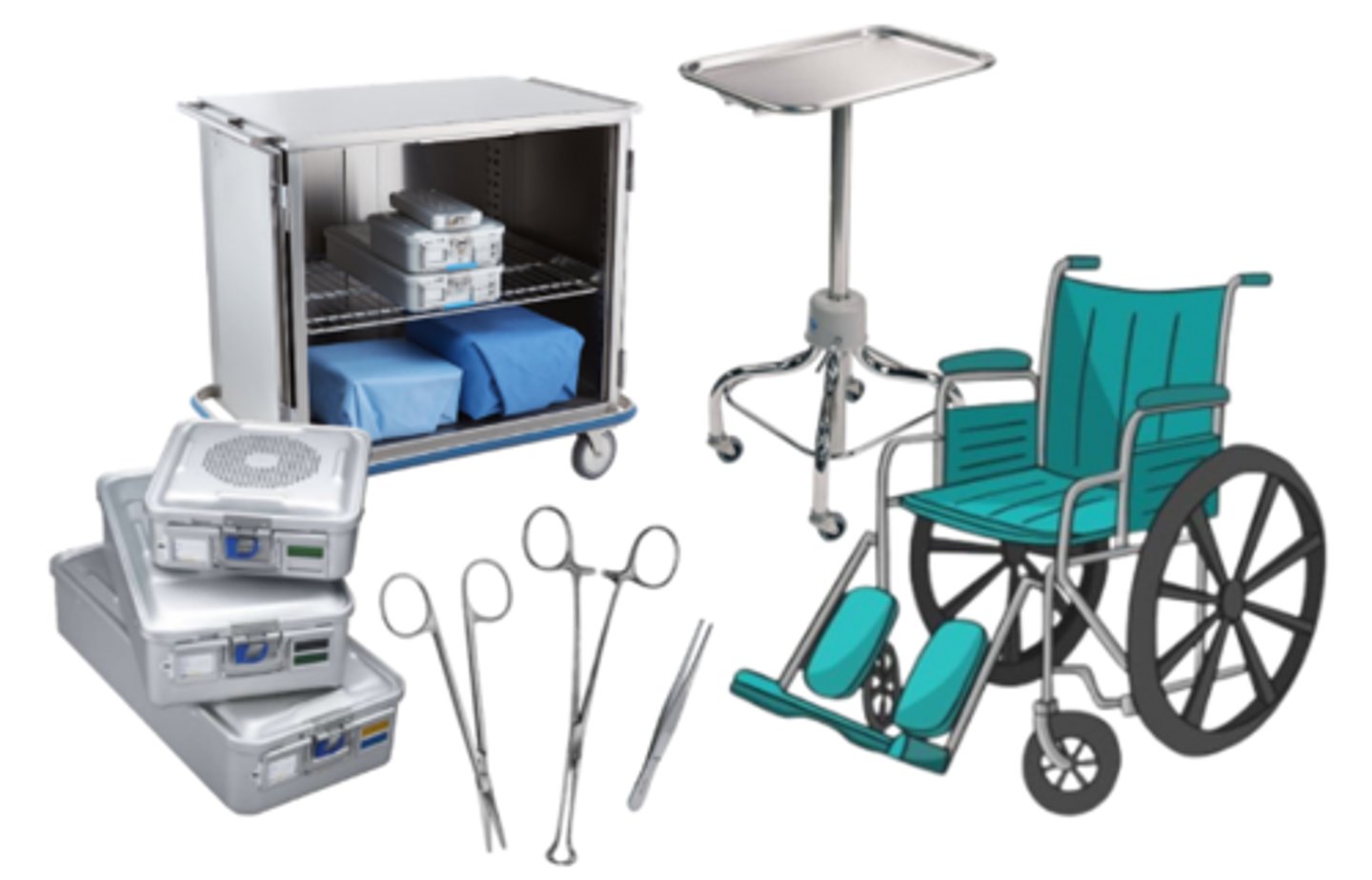
reusable inventory (n)
items that can be reused as healthcare services are provided to patients (medical devices, sterilization containers, etc.)
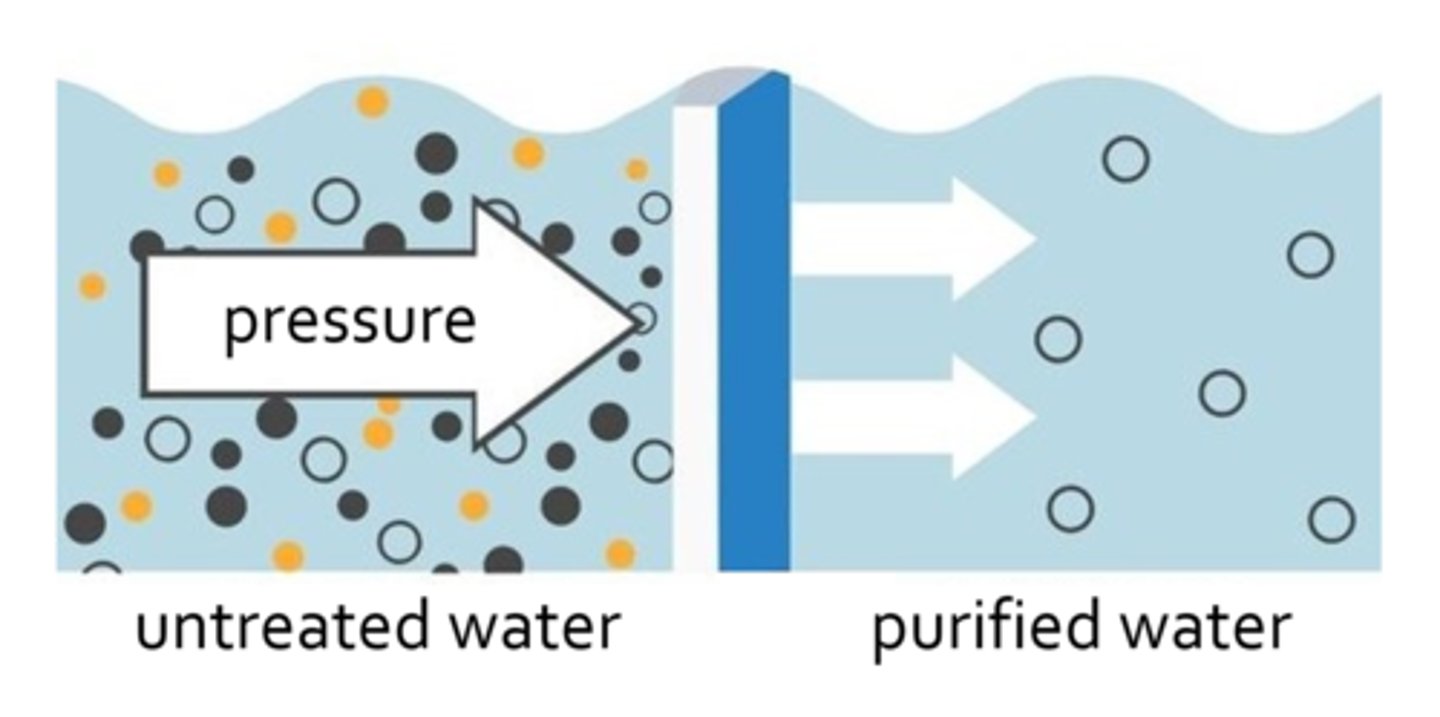
reverse osmosis (RO) (n)
a water purification process in which impurities are removed from water using a semipermeable membrane
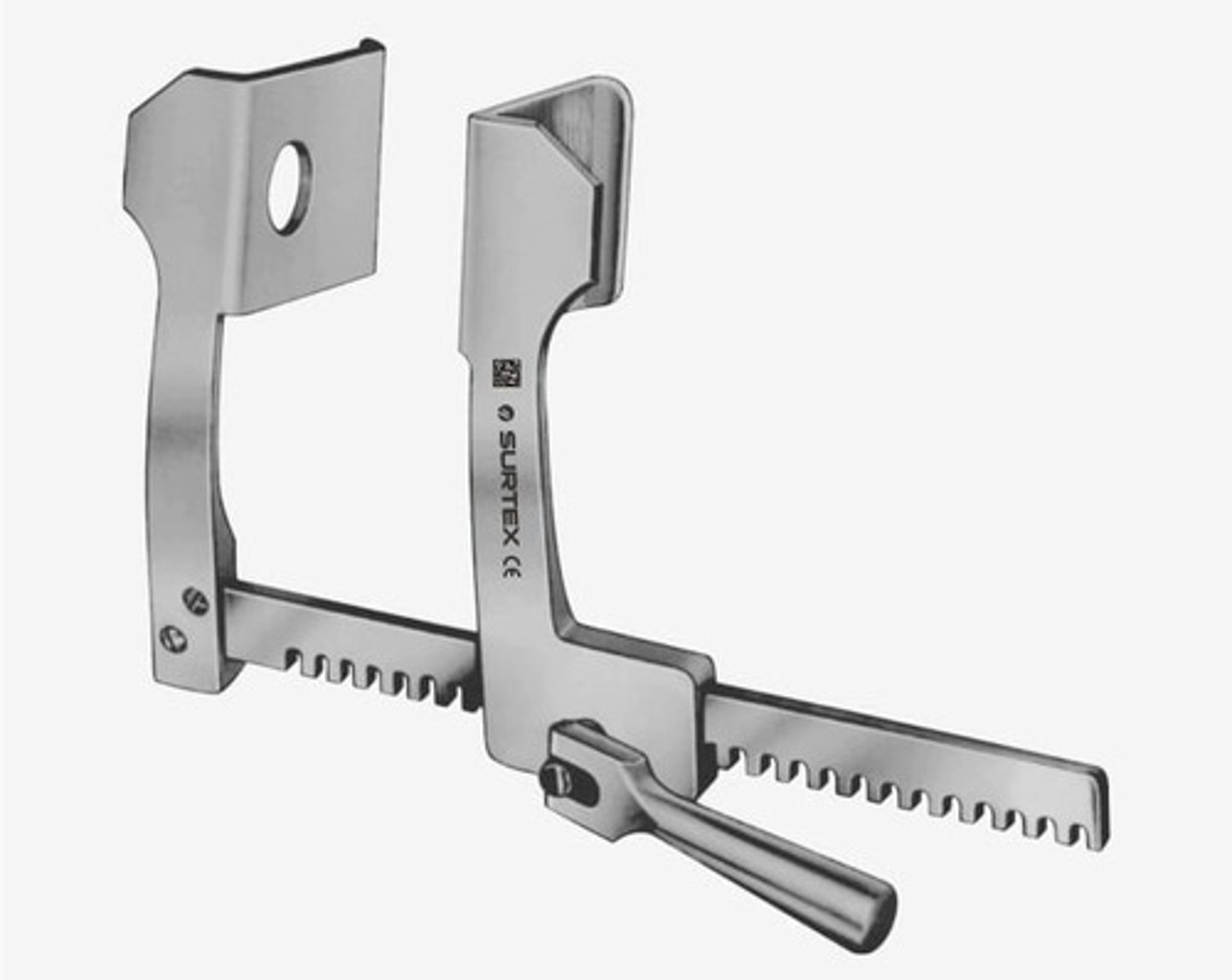
rib spreader (n)
a retractor used to expose the chest (300 series)
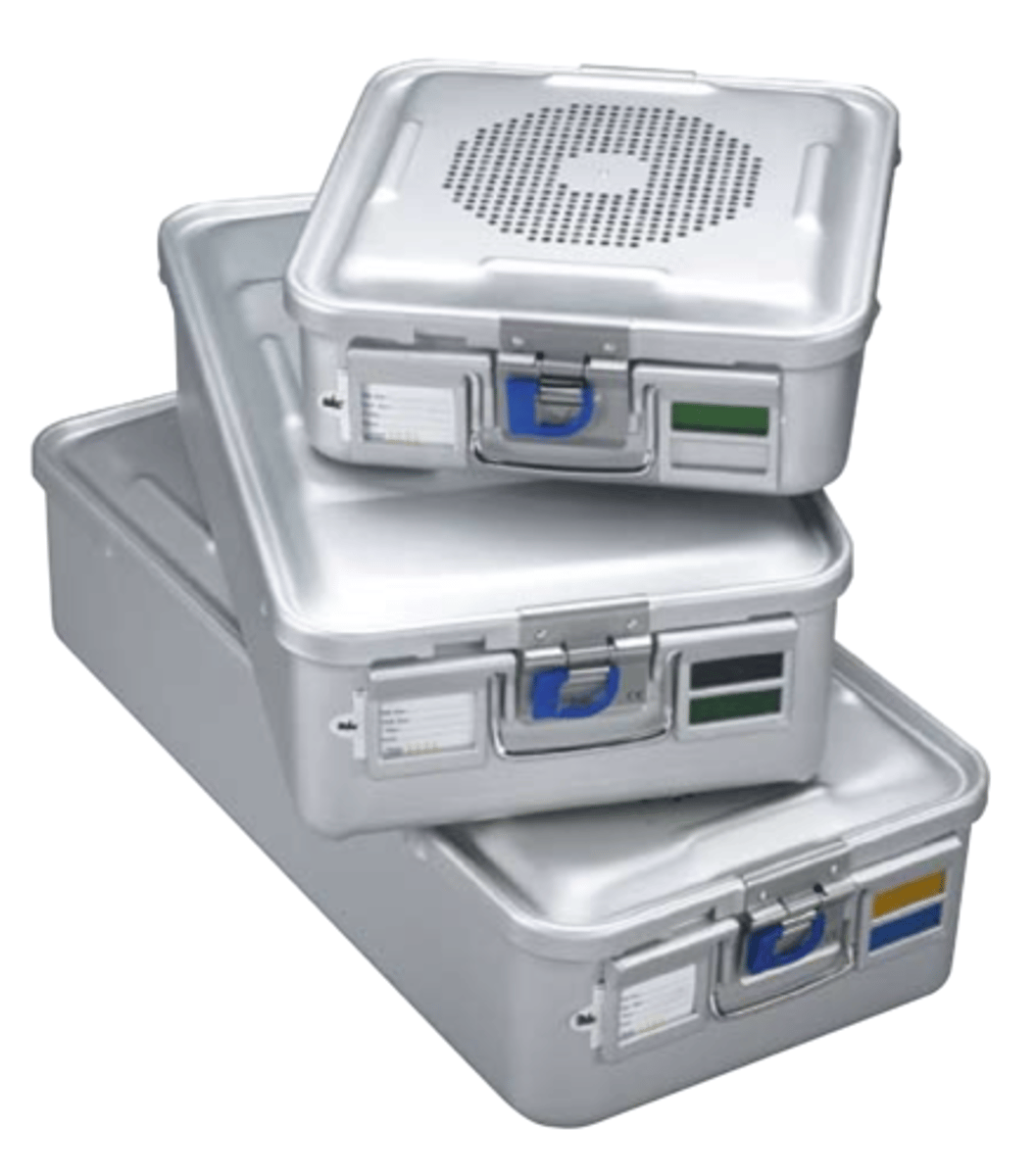
rigid container systems (n)
instrument containers that hold medical devices during sterilization & also protect devices from contamination during storage & transport (reusable packaging materials)
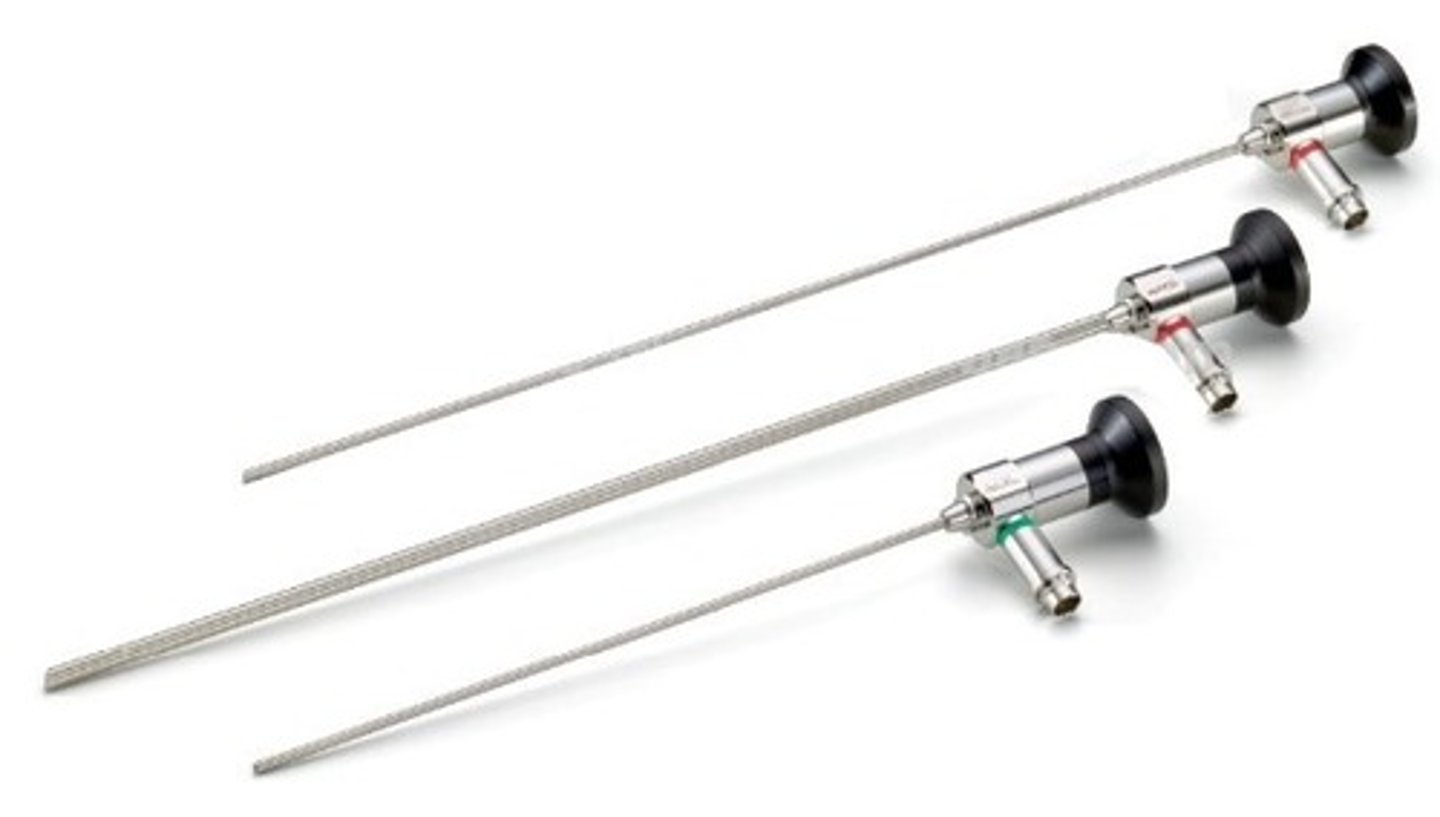
rigid endoscopes (n)
endoscopes ranging from 1.9-15 mm in size that are usually made of stainless steel & designed to allow for minimal flexing (not bending)
risk management (n)
methods used to assess the risks of a specific activity & develop a program to reduce losses from exposure to those risks
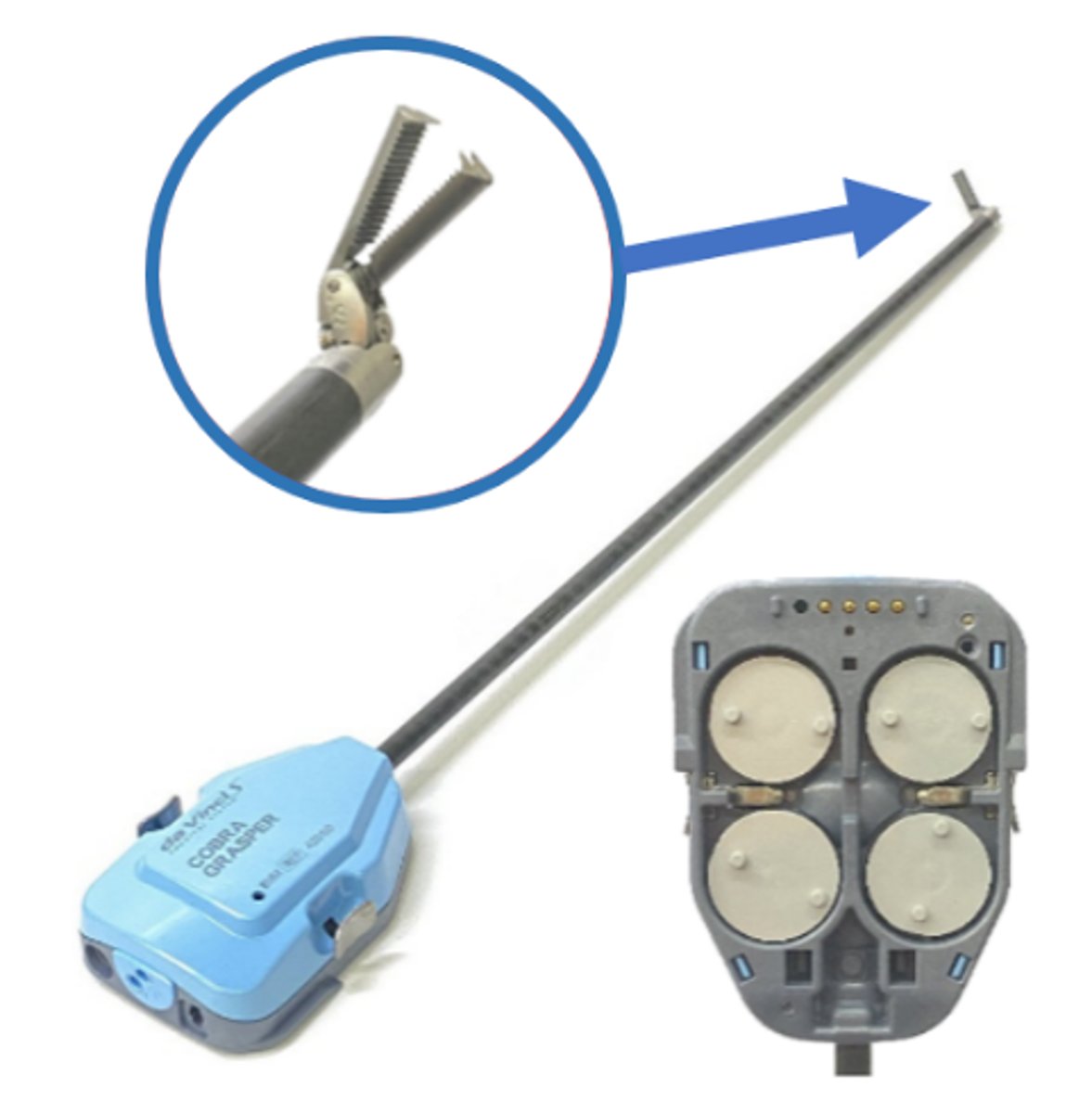
robotic instruments (n)
delicate instruments with complex mechanical & electrical components that allow surgeons to operate remotely (from any distance)
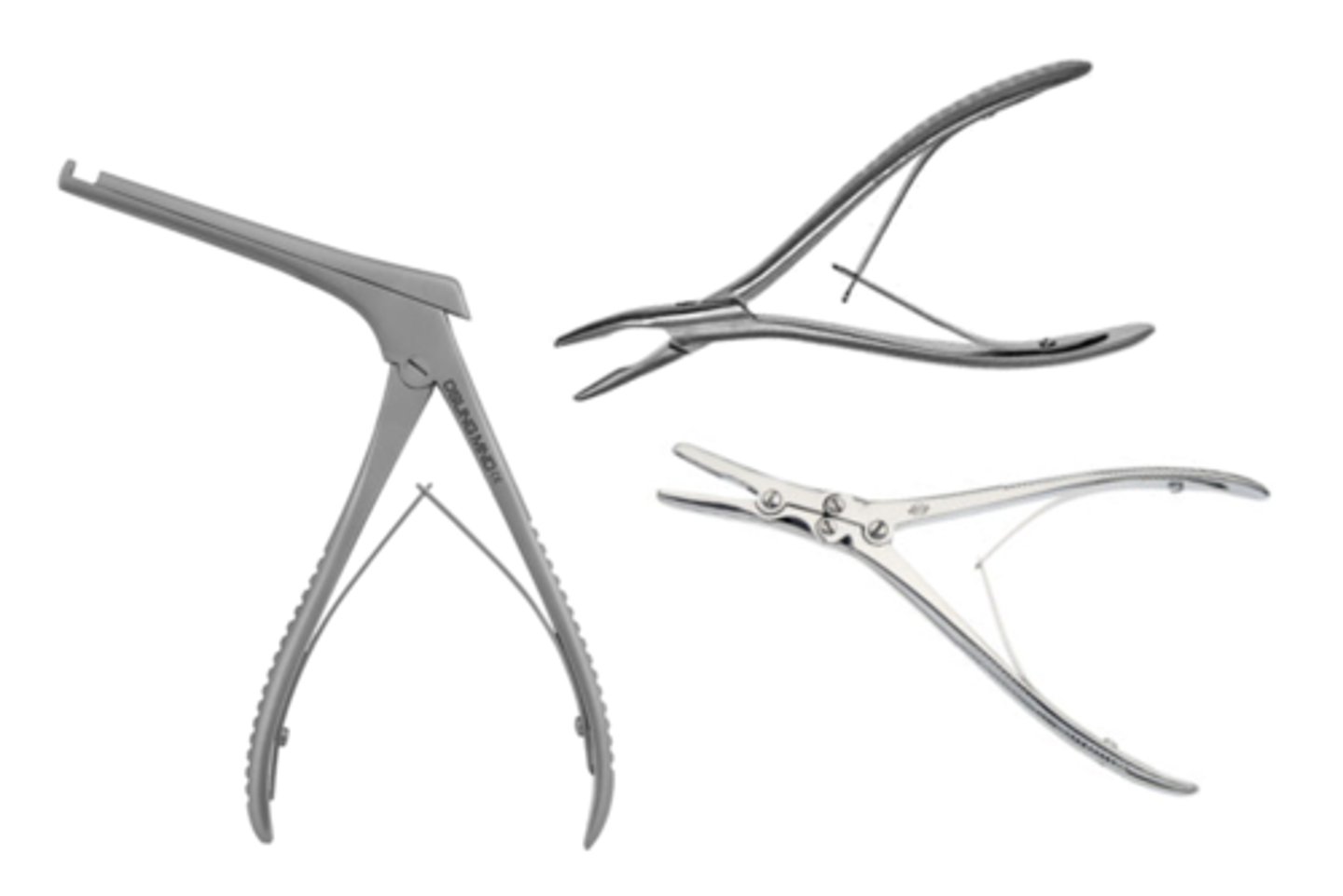
rongeurs (n)
surgical instruments used to cut or bite away at bone & tissue; double-action rongeurs require less hand strength, Kerrison rongeurs remove discs or lamina during spinal surgery (400 series)
root cause analysis (RCA) (n)
a method of problem-solving that "looks backward" to identify the root cause of a problem to help prevent its future occurrence
root word element (n)
the part of a word that tells its primary meaning; also called a base word element

rumor (n)
an interesting story or piece of news that may or may not be true, that quickly spreads from person to person (informal communication)

rust (n)
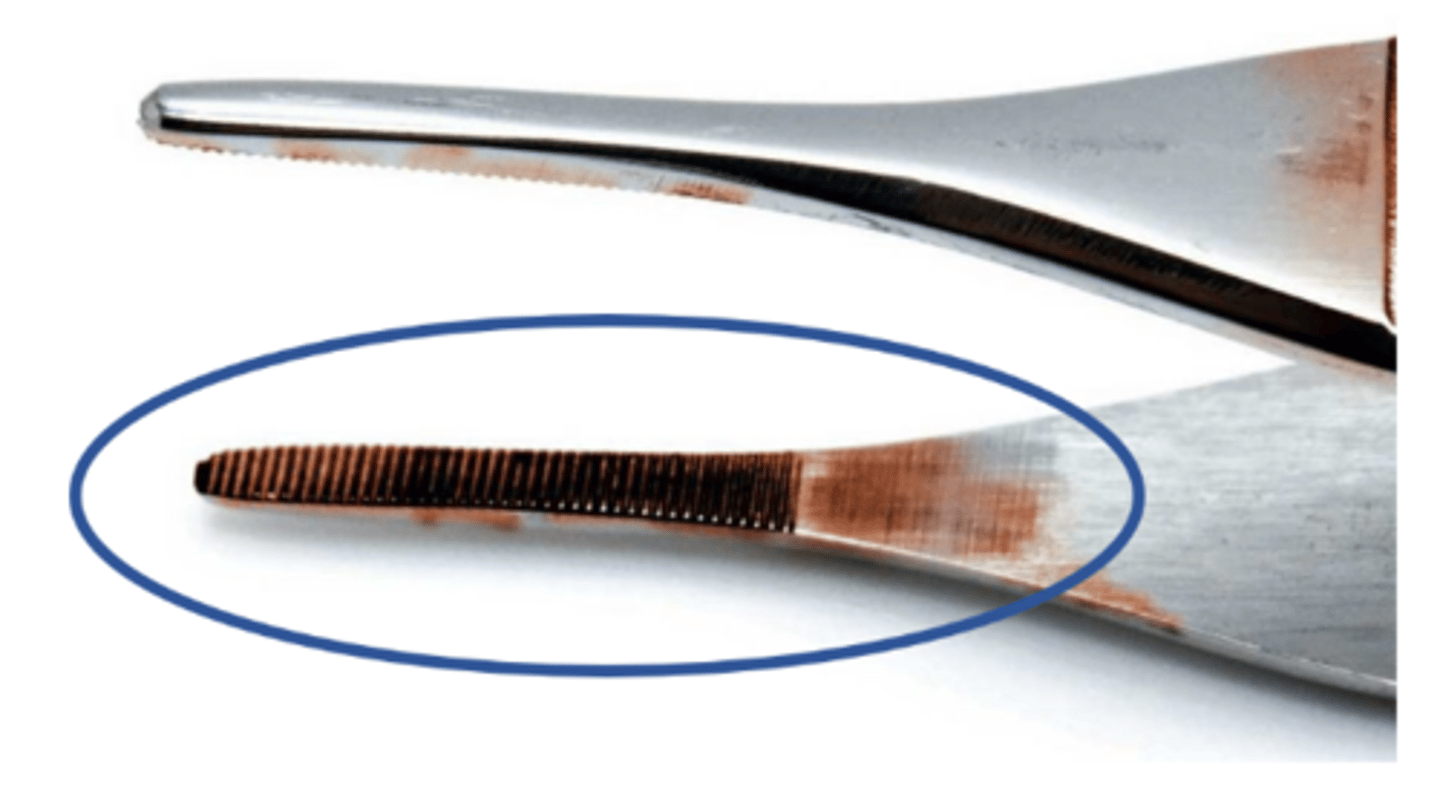
a reddish-brown or yellowish-brown substance that forms on the surface of iron & steel due to oxidation (exposure to air & water)