AP Biology Unit 7 Evolution
 Call Kai
 Learn
Learn Practice Test
 Spaced Repetition
 Match
Match Flashcards
 Knowt Play
1/53

There's no tags or description
Looks like no tags are added yet.
Name | Mastery | Learn | Test | Matching | Spaced | Call with Kai |
|---|
No analytics yet
Send a link to your students to track their progress
54 Terms
abiotic factors
Nonliving components of environment.
adaptation
inherited characteristic that increases an organism's chance of survival
adaptive radiation
An evolutionary pattern in which many species evolve from a single ancestral species
allele frequency
a measure of how common a certain allele is in the population
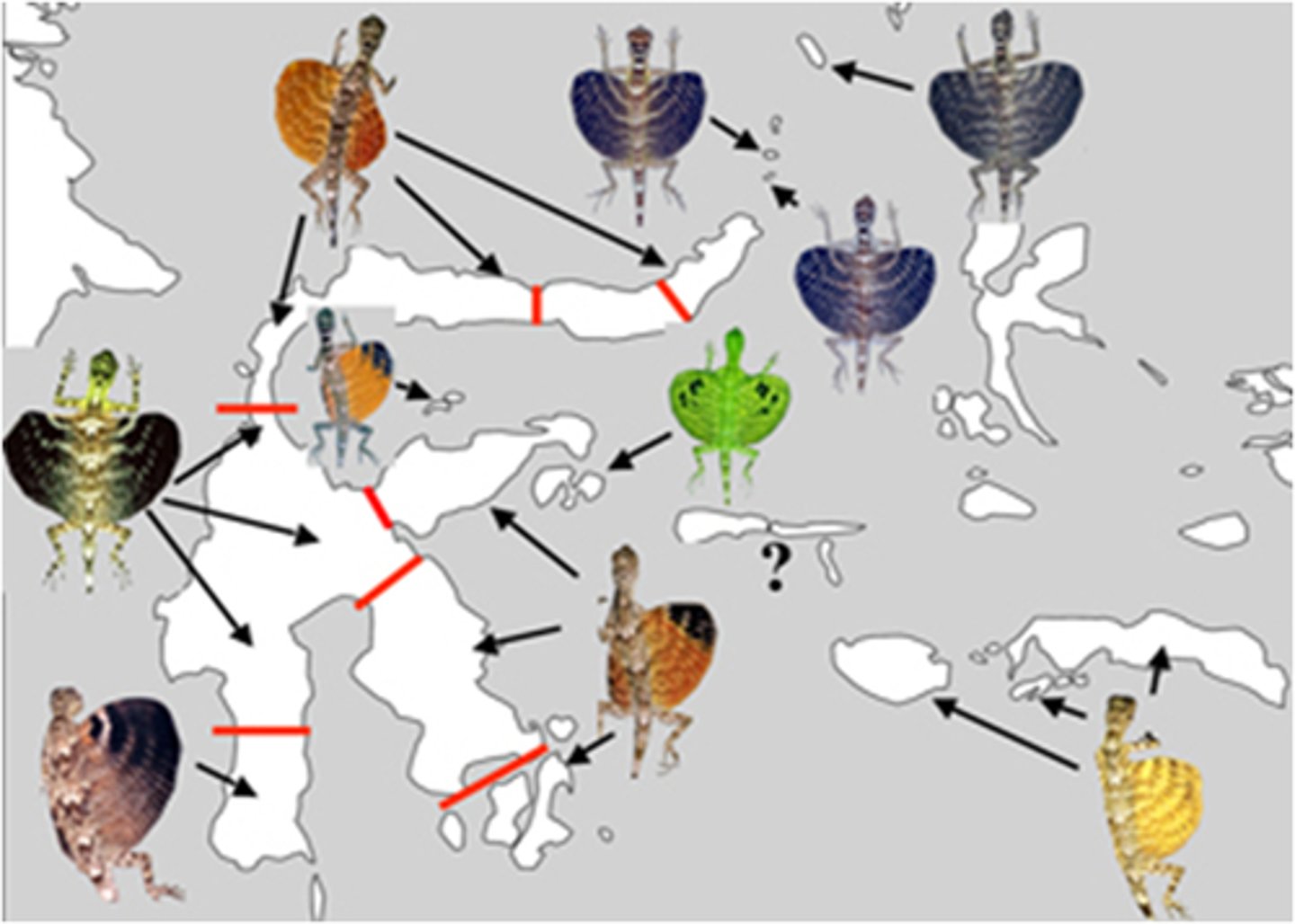
allopatric speciation
The formation of new species in populations that are geographically isolated from one another.
analogous structures
structures that do not have a common evolutionary origin but are similar in function
artificial selection
Breeding organisms with specific traits in order to produce offspring with identical traits.
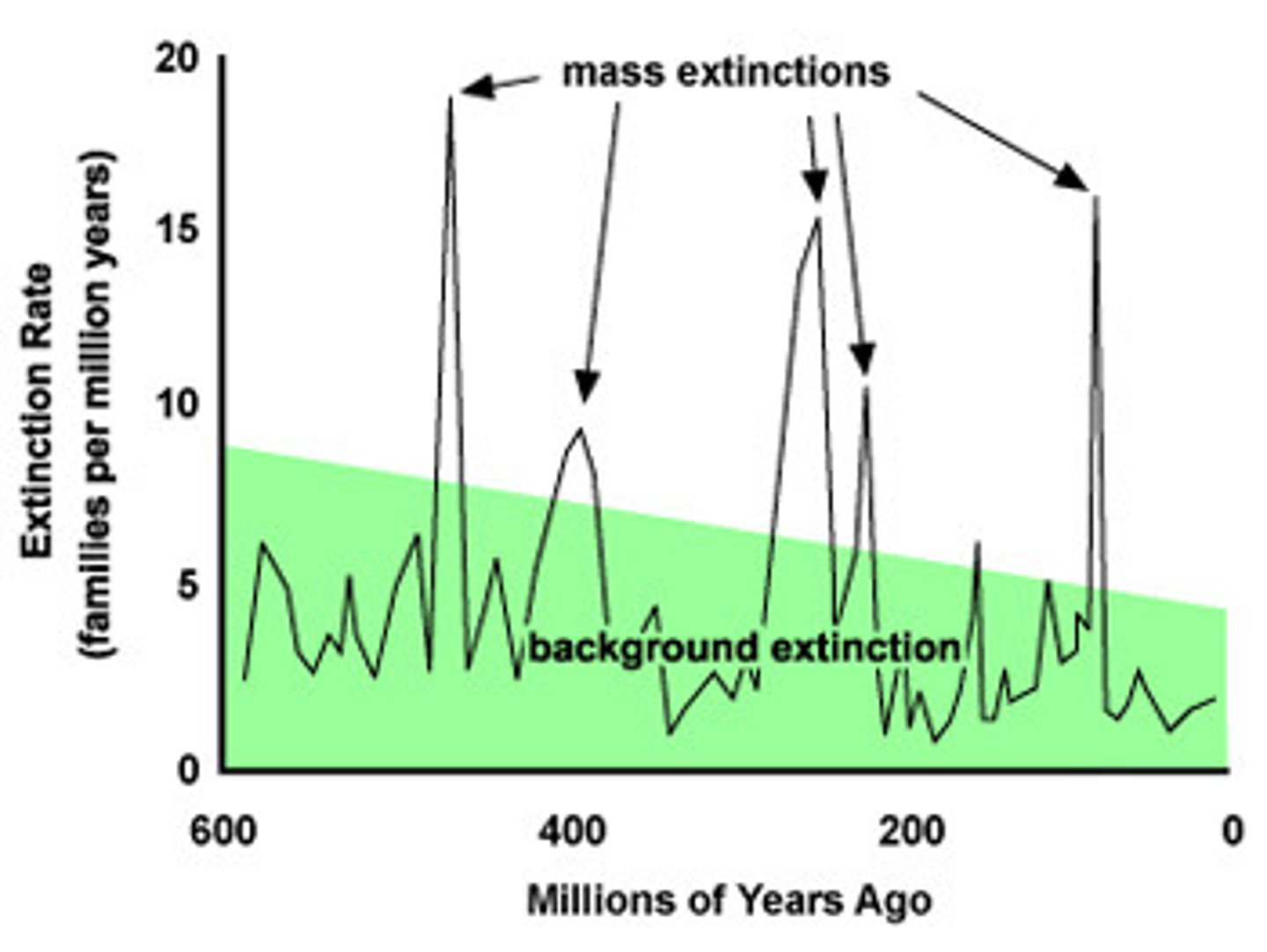
background extinction
extinction caused by slow and steady process of natural selection
balancing selection
natural selection that maintains two or more phenotypic forms in a population
binomial nomenclature
A system for giving each organism a two-word scientific name that consists of the genus name followed by the species name
Biodiversity
the variety of life in the world or in a particular habitat or ecosystem.
Biogeography
Study of past and present distribution of organisms
biological species concept
Species is a group of populations whose members have the potential to produce fertile offspring.
biotic factors
All the living organisms that inhabit an environment
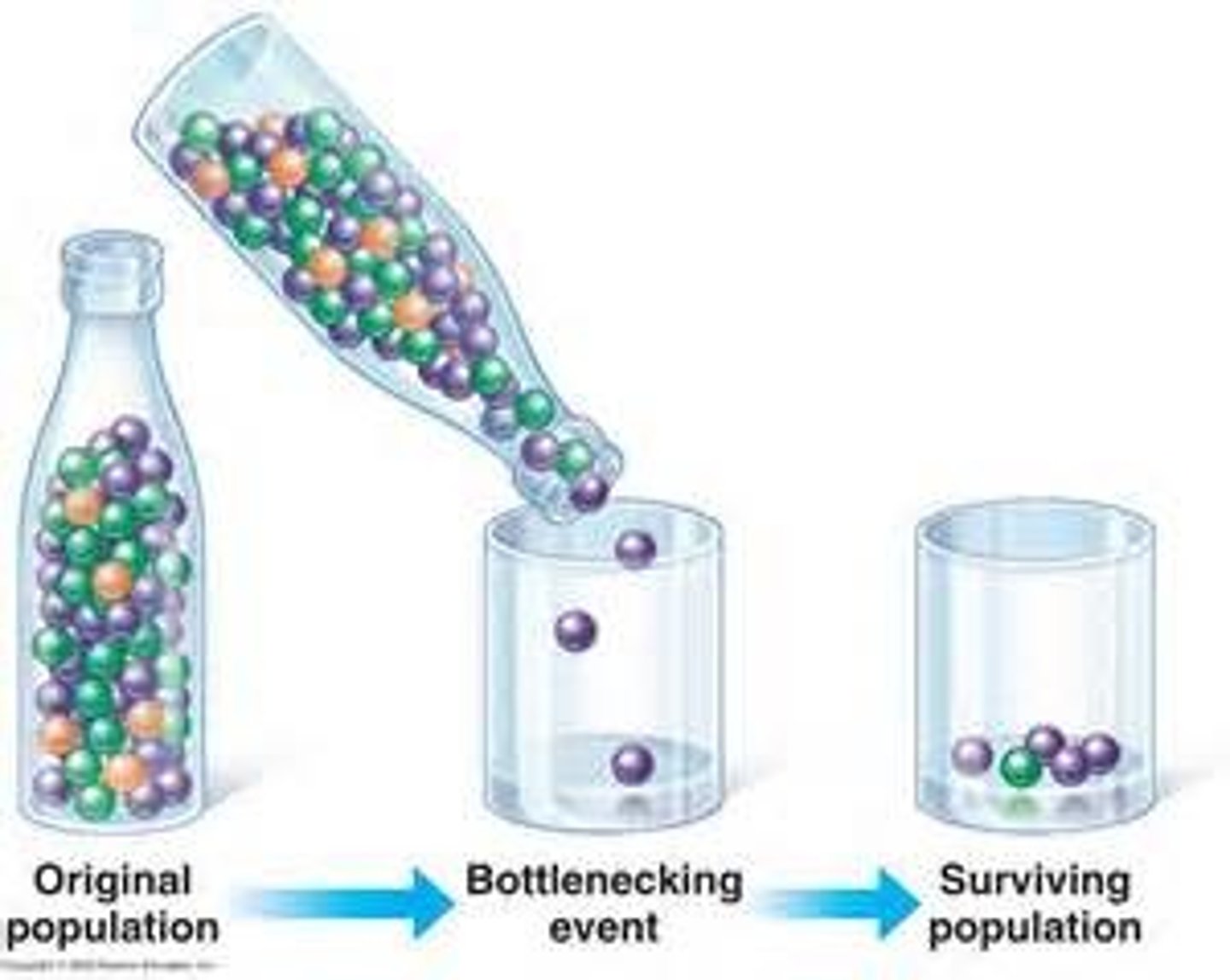
bottleneck effect
A change in allele frequency following a dramatic reduction in the size of a population
Carbon-14
a long-lived naturally occurring radioactive carbon isotope of mass 14, used in carbon dating and as a tracer in biochemistry.
Clade
A group of species that includes an ancestral species and all its descendants.
Cladistics
A phylogenetic classification system that uses shared derived characters and ancestry as the sole criterion for grouping taxa.
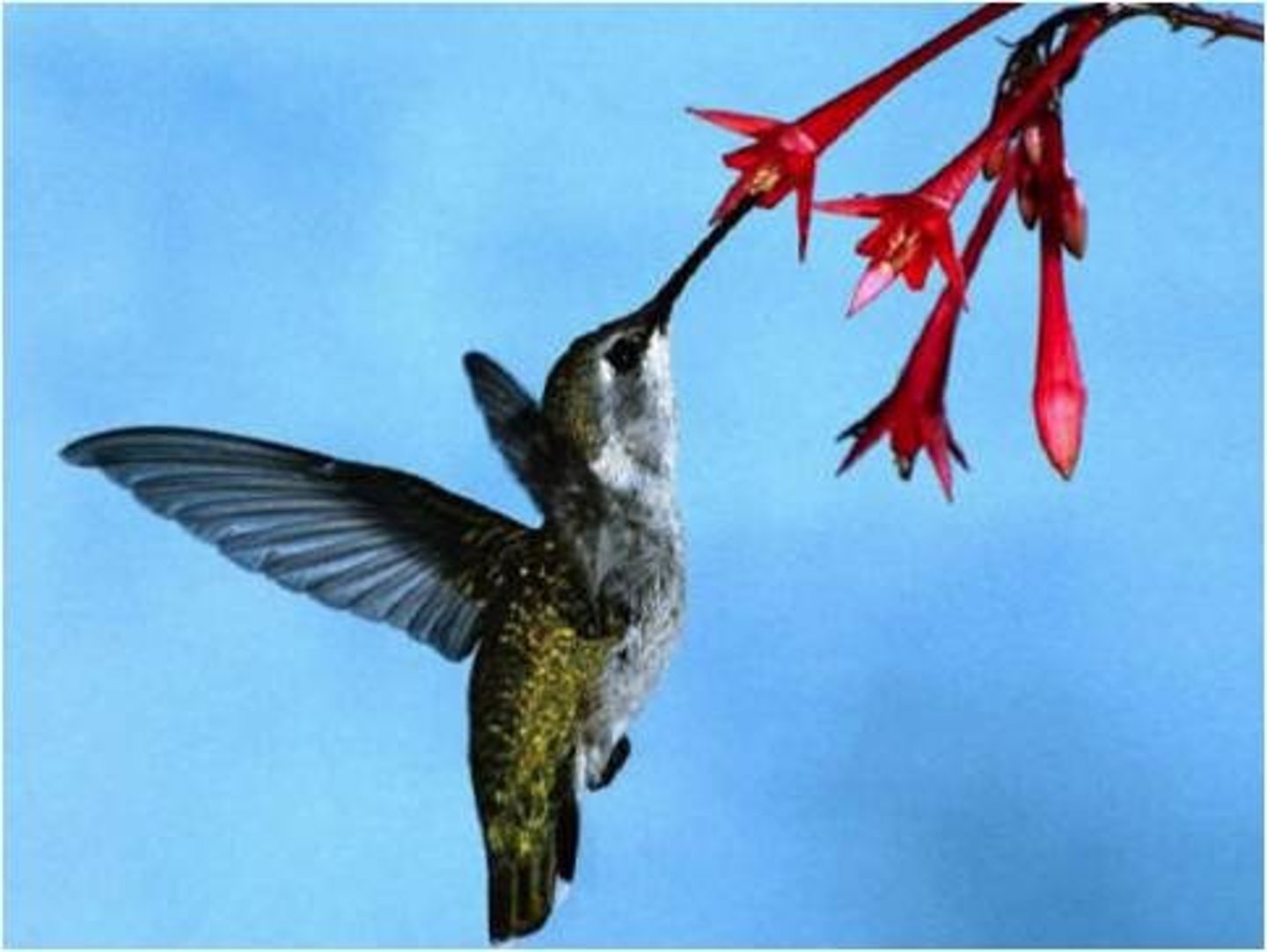
Coevolution
Process by which two species evolve in response to changes in each other
common ancestor
The shared ancestor of new, different species that arose from one population
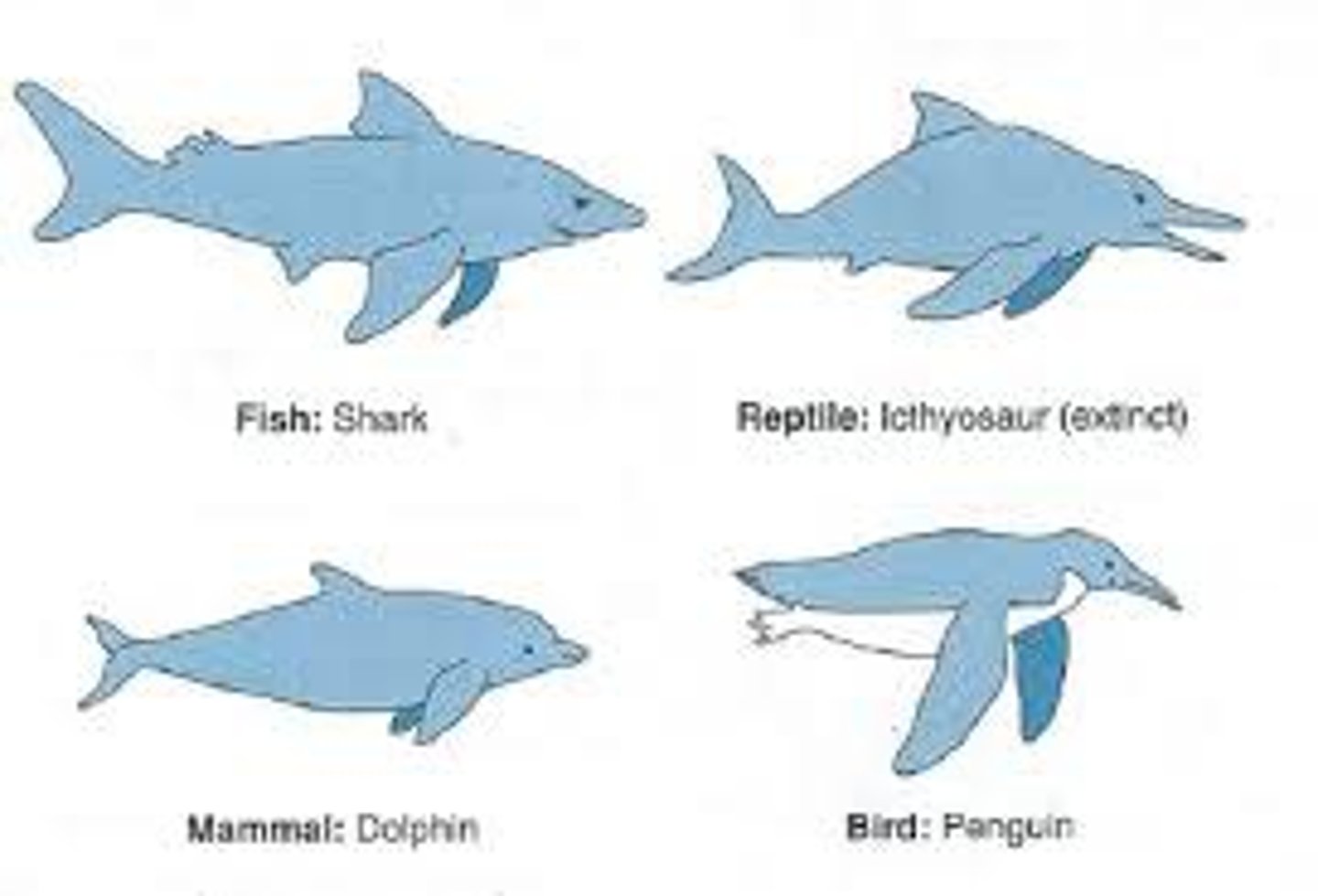
convergent evolution
Process by which unrelated organisms independently evolve similarities when adapting to similar environments
derived characteristics
characteristics that appear in recent parts of a lineage but not in its older members
descent with modification
each living species has descended, with changes, from other species over time
directional selection
occurs when natural selection favors one of the extreme variations of a trait
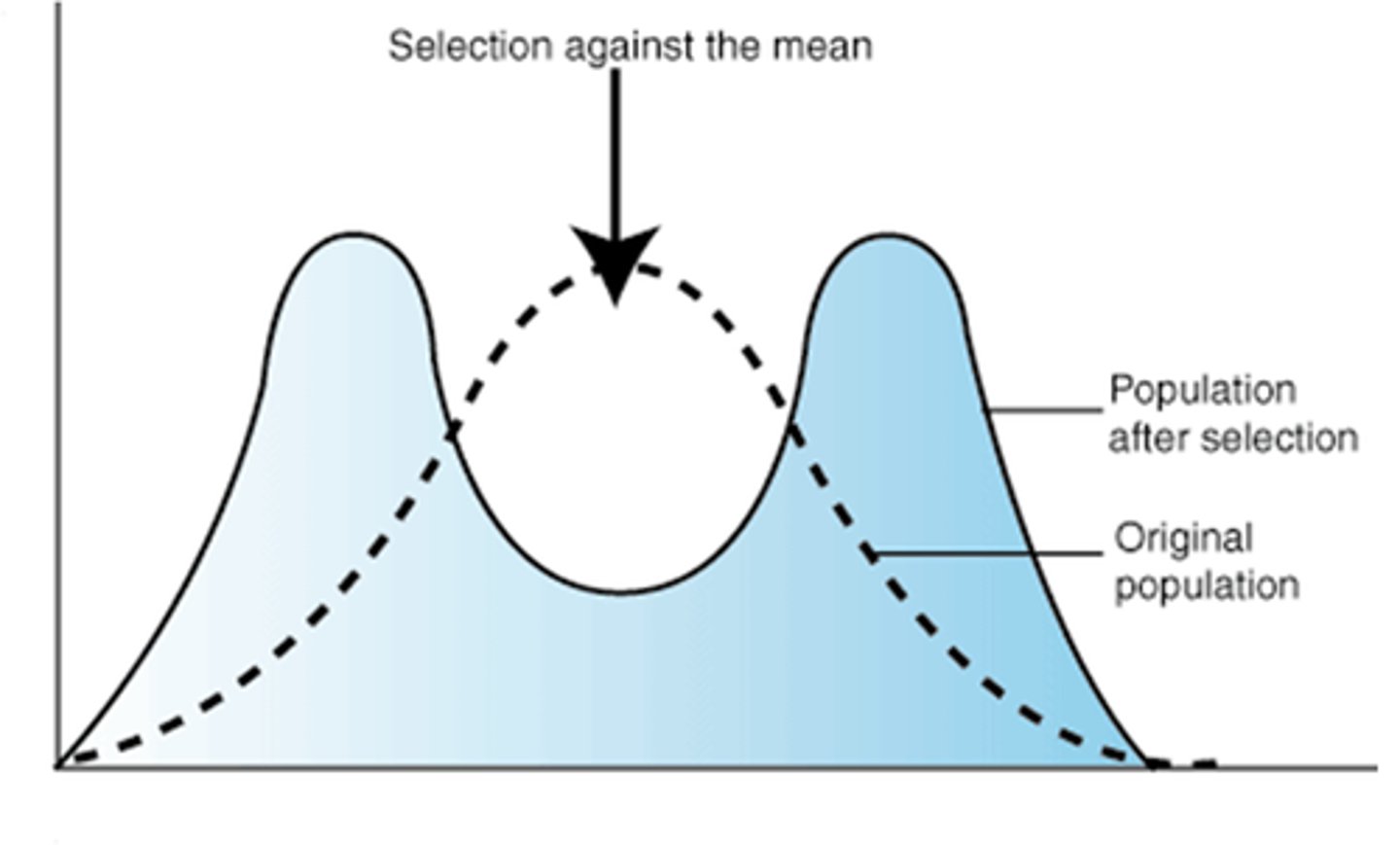
disruptive selection
favors individuals at both extremes of the phenotypic range
divergent evolution
when two or more species sharing a common ancestor become more different over time
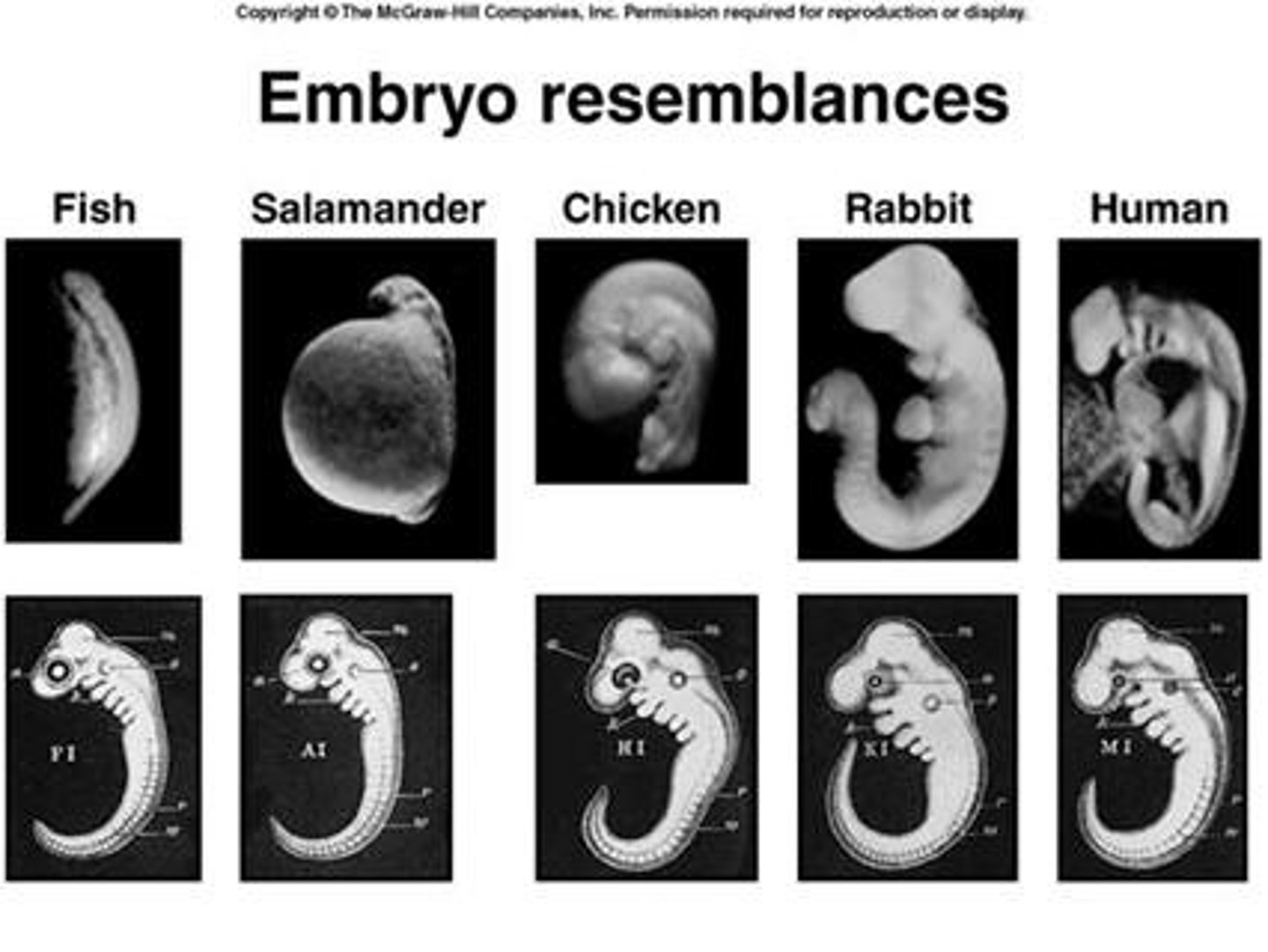
Embryology
study of embryos and their development
Endosymbiosis
A theorized process in which early eukaryotic cells were formed from simpler prokaryotes.
evolutionary fitness
a measurement of the degree to which an organism can successfully adapt to its environment and can reproduce fertile offspring
mass extinction
A large extinction of species in a relatively short period of time
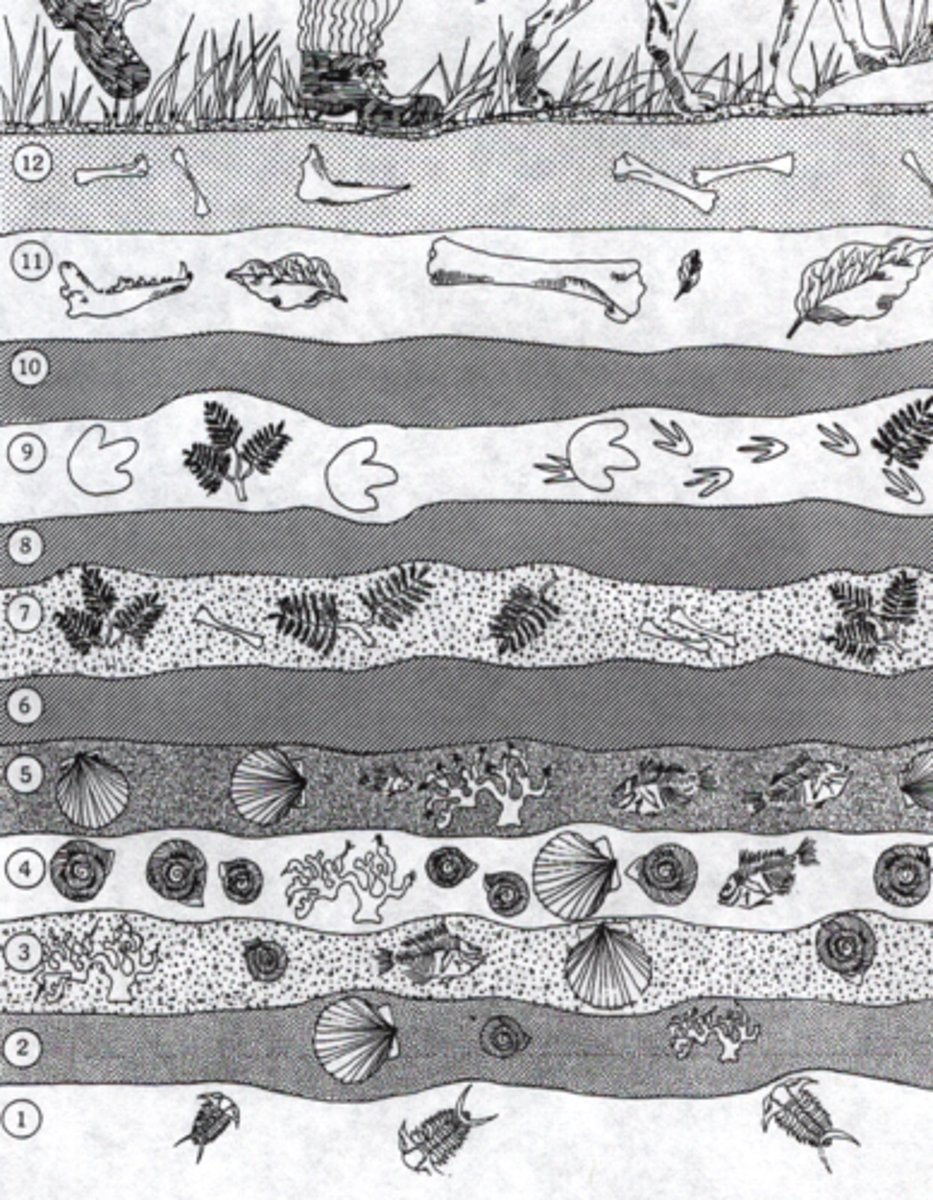
fossil record
information about past life, including the structure of organisms, what they ate, what ate them, in what environment they lived, and the order in which they lived
founder effect
change in allele frequencies as a result of the migration of a small subgroup of a population
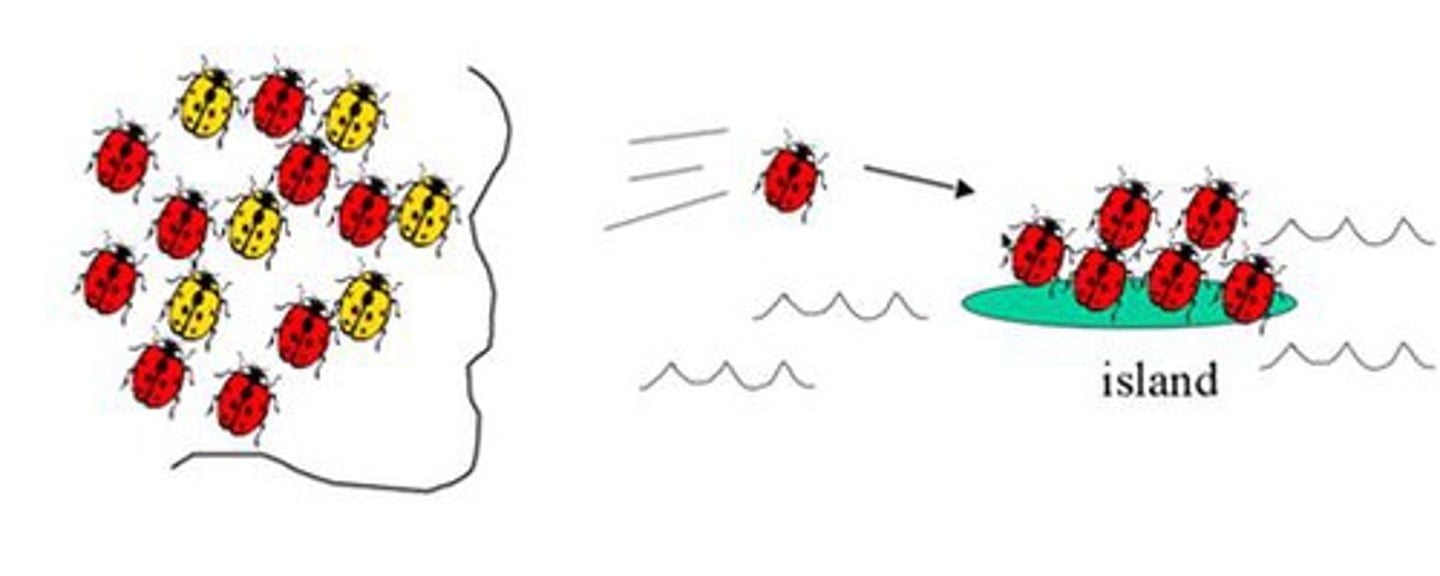
gene flow
Movement of alleles into or out of a population due to the migration of individuals to or from the population
genetic drift
A change in the allele frequency of a population as a result of chance events rather than natural selection.
gene pool
All the genes, including all the different alleles for each gene, that are present in a population at any one time
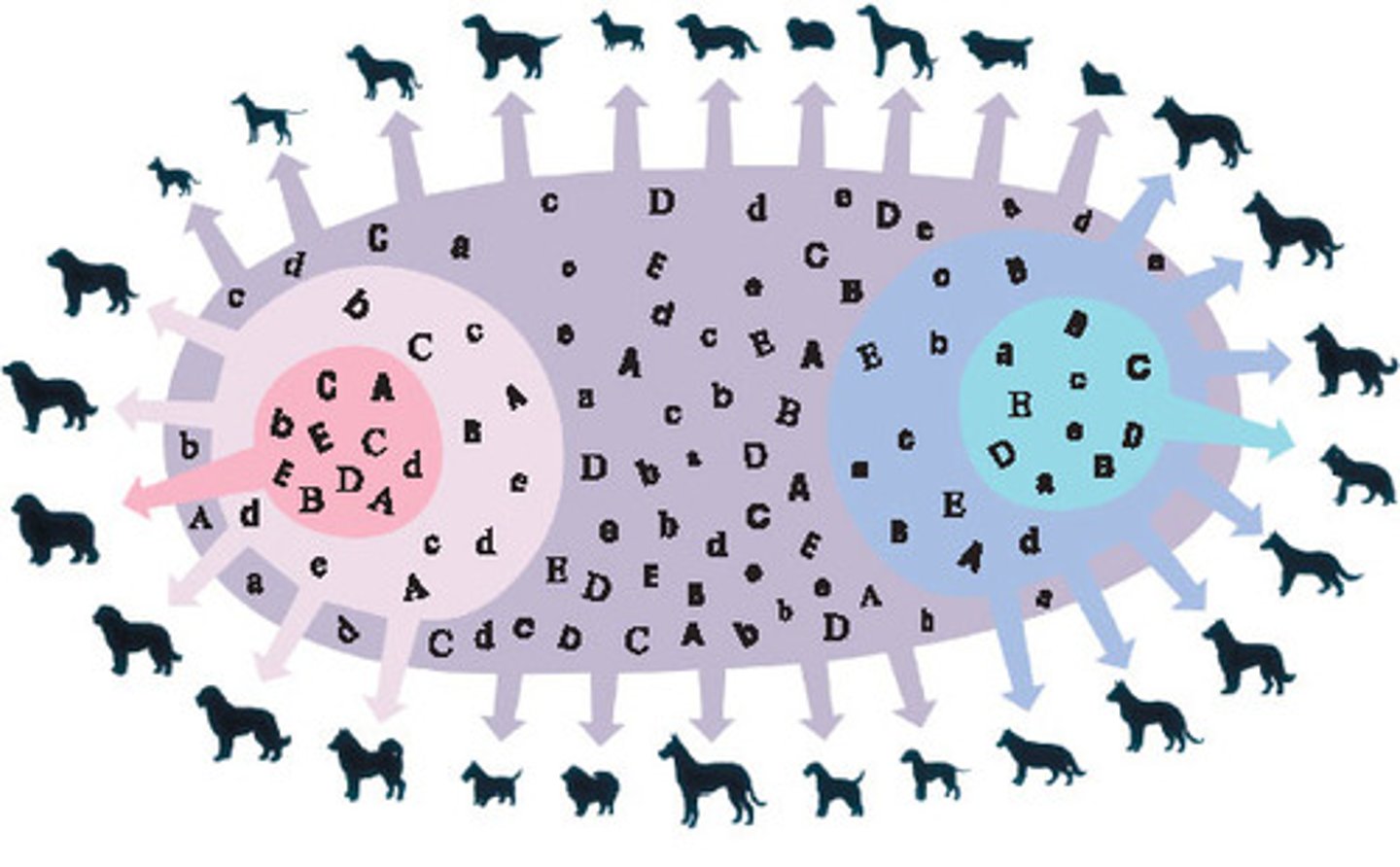
genotype frequency
The proportion of a genotype among individuals in a population.
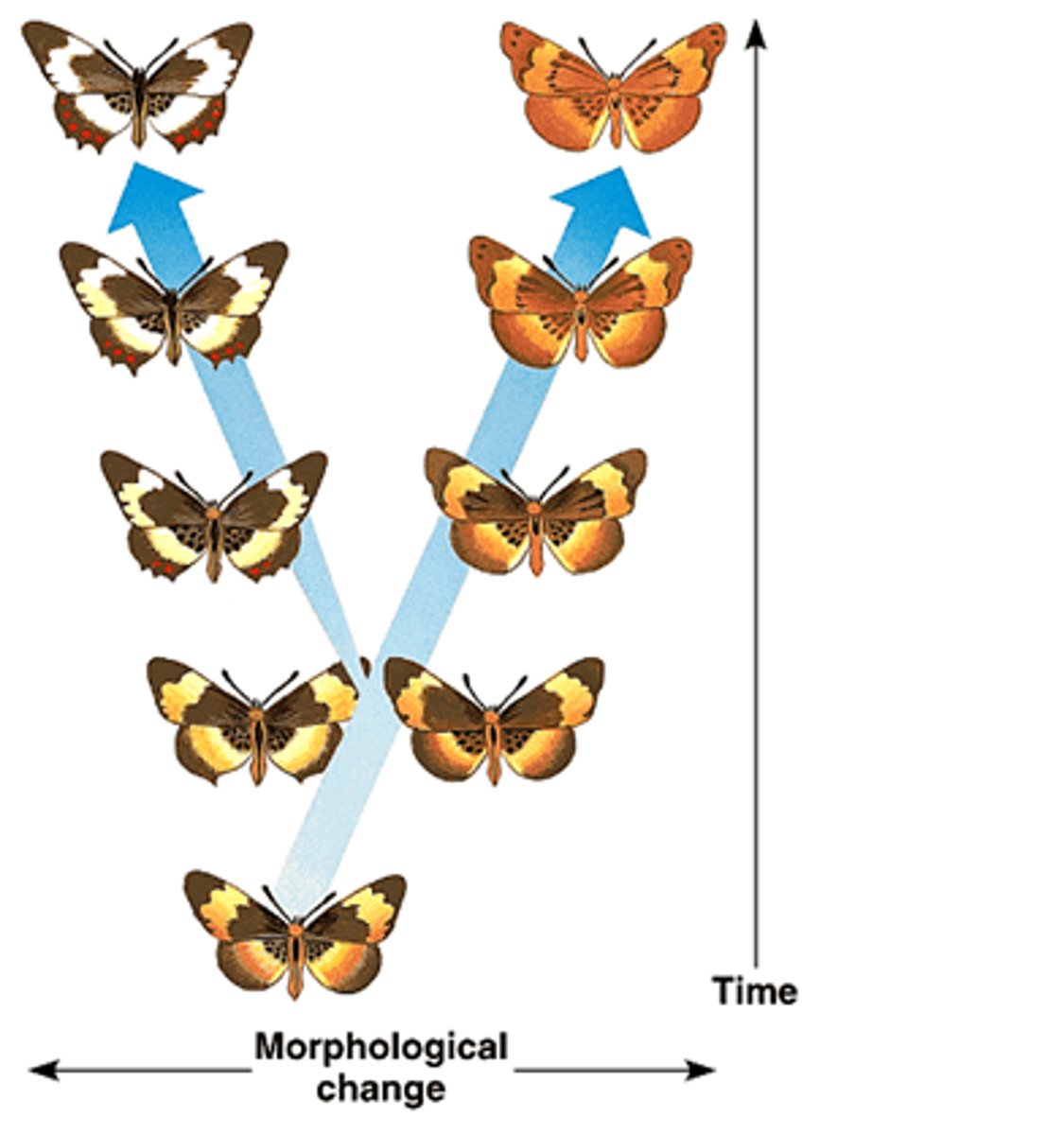
Gradualism
A proposed explanation in evolutionary biology stating that new species arise from the result of slight modifications (mutations and resulting phenotypic changes) over many generations.
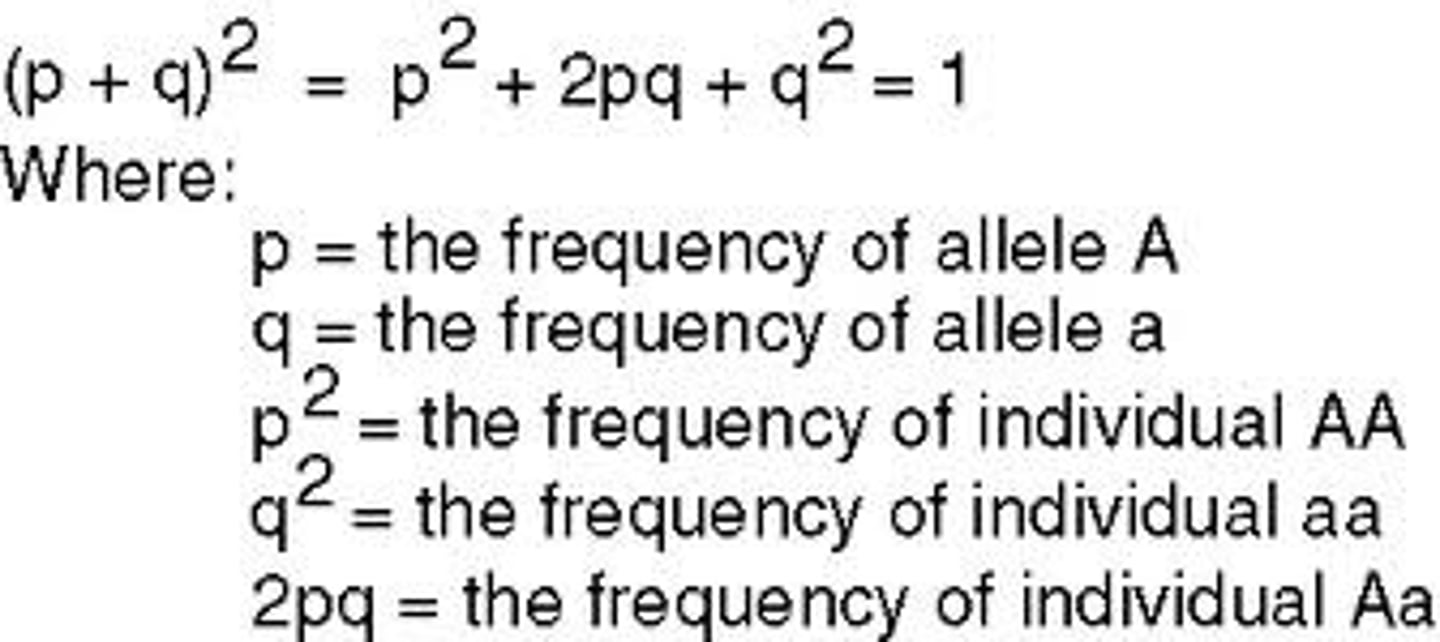
Hardy-Weinberg equilibrium
condition in which a population's allele frequencies for a given trait do not change from generation to generation
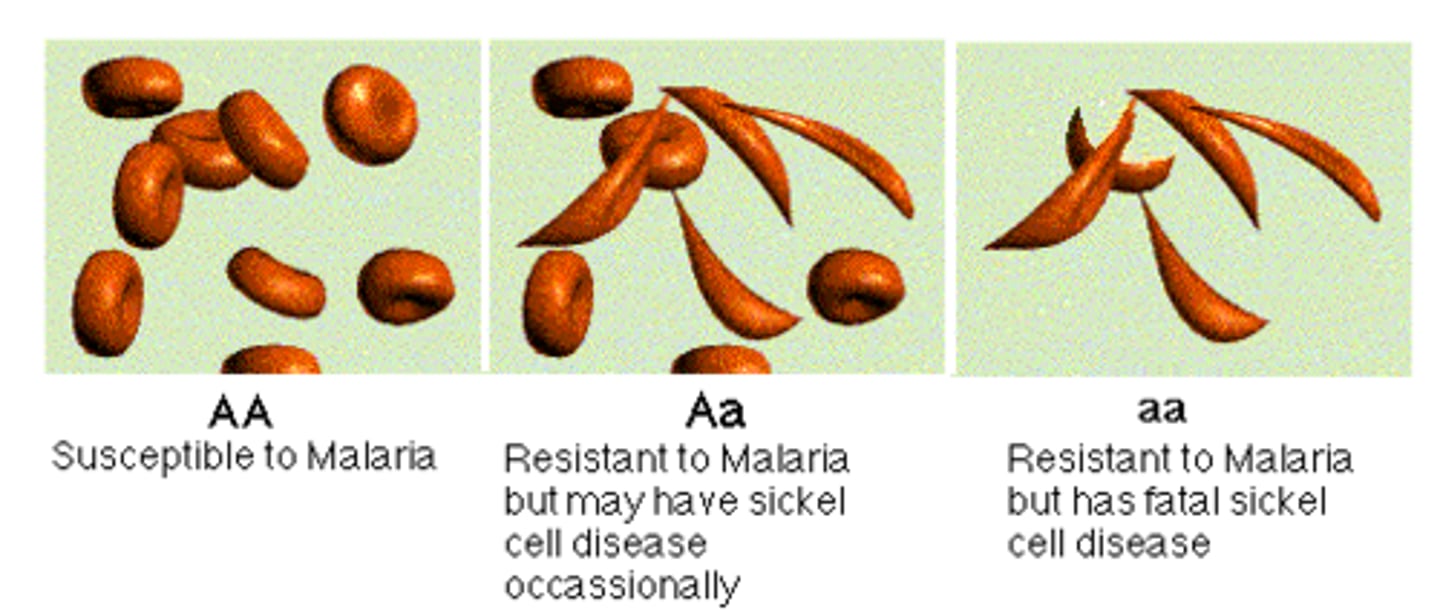
heterozygote advantage
Greater reproductive success of heterozygous individuals compared to homozygotes; tends to preserve variation in gene pools.
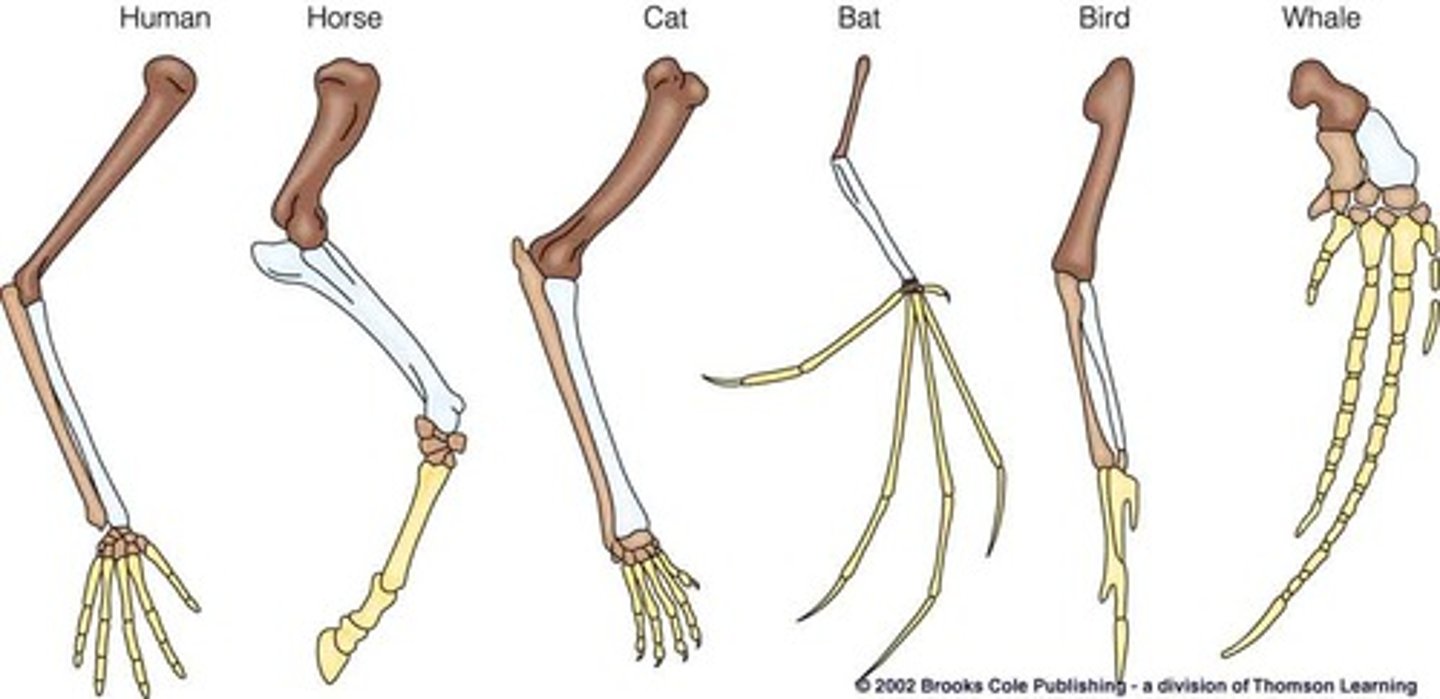
homologous structures
similar structures that related species have inherited from a common ancestor - may have a different function
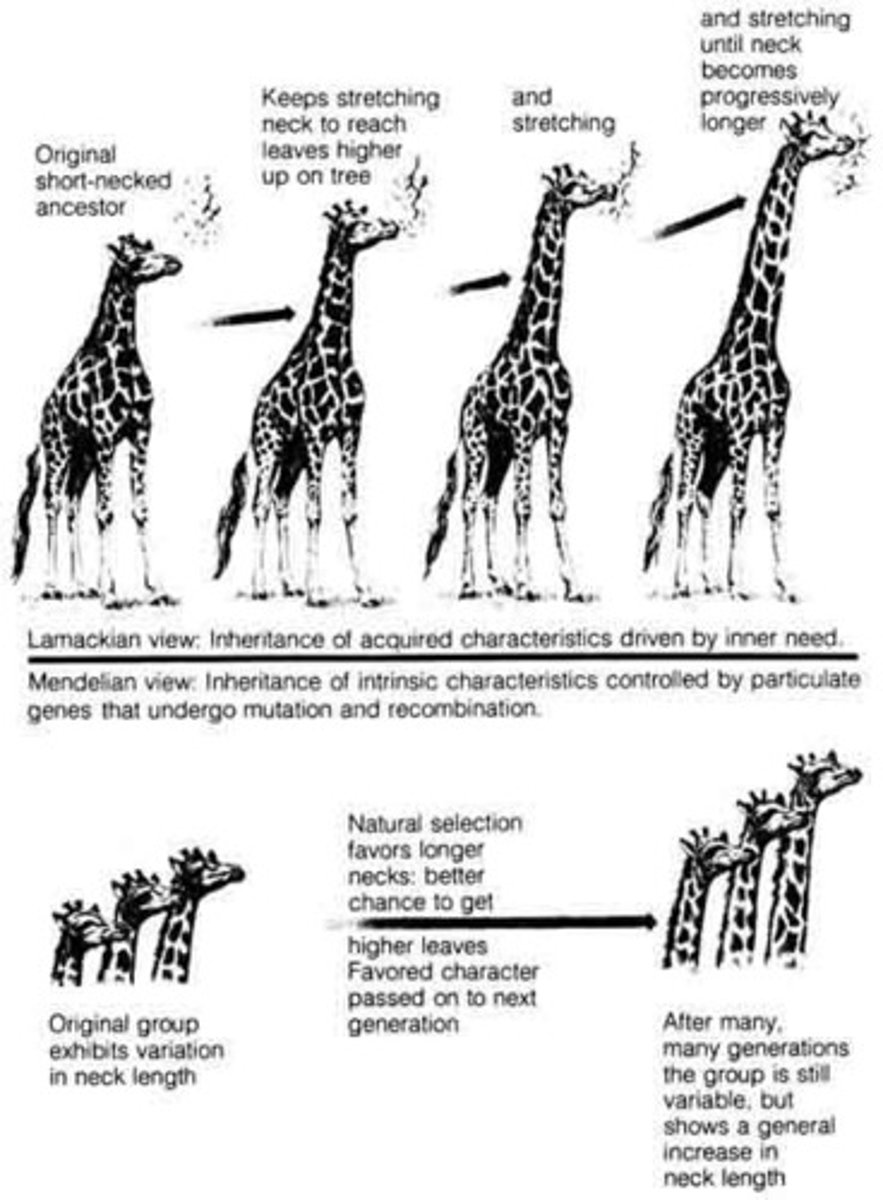
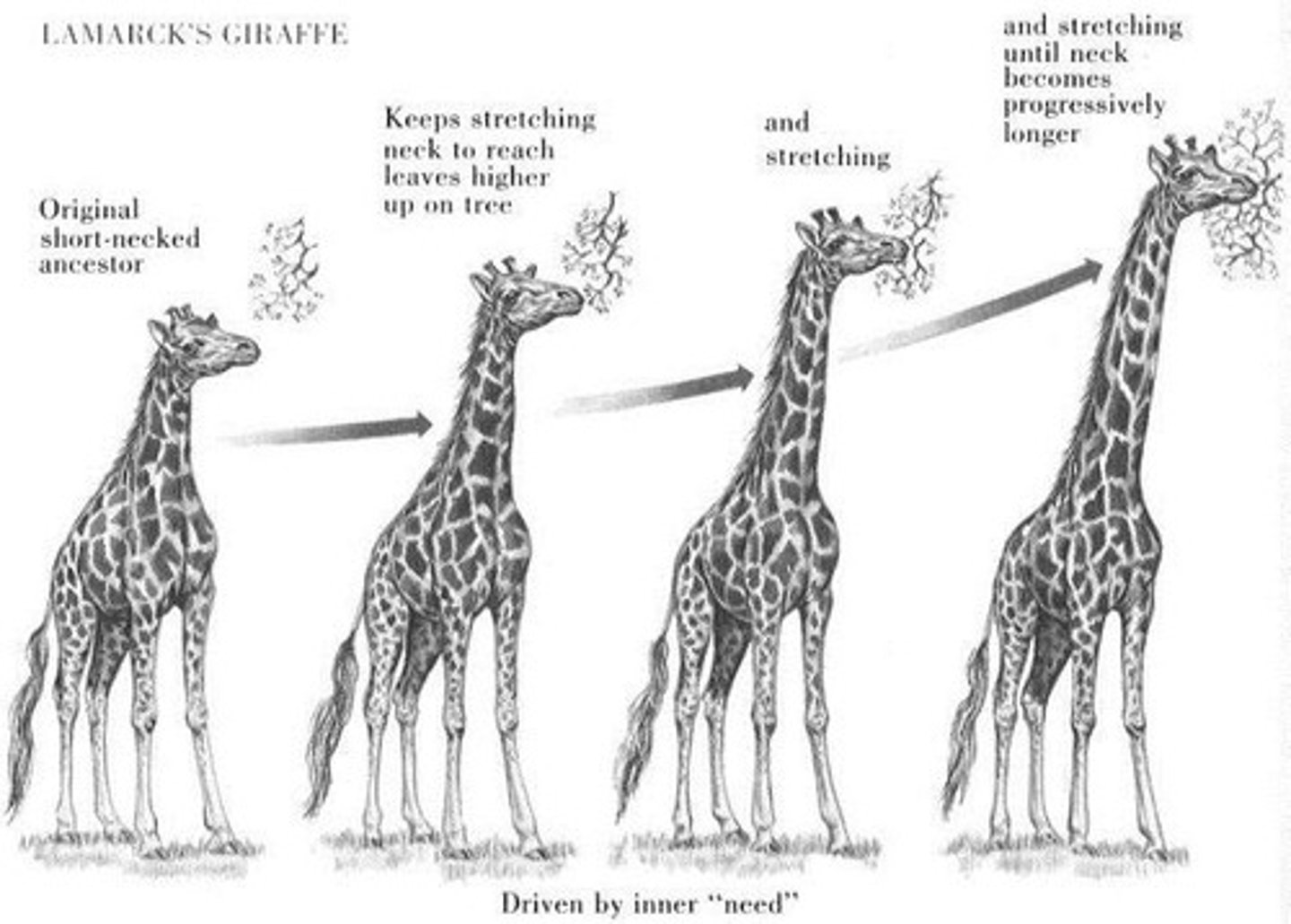
Lamark's theory
acquired characteristics- organisms will obtain or lose characteristics based on use or disuse
Morphology
study of form
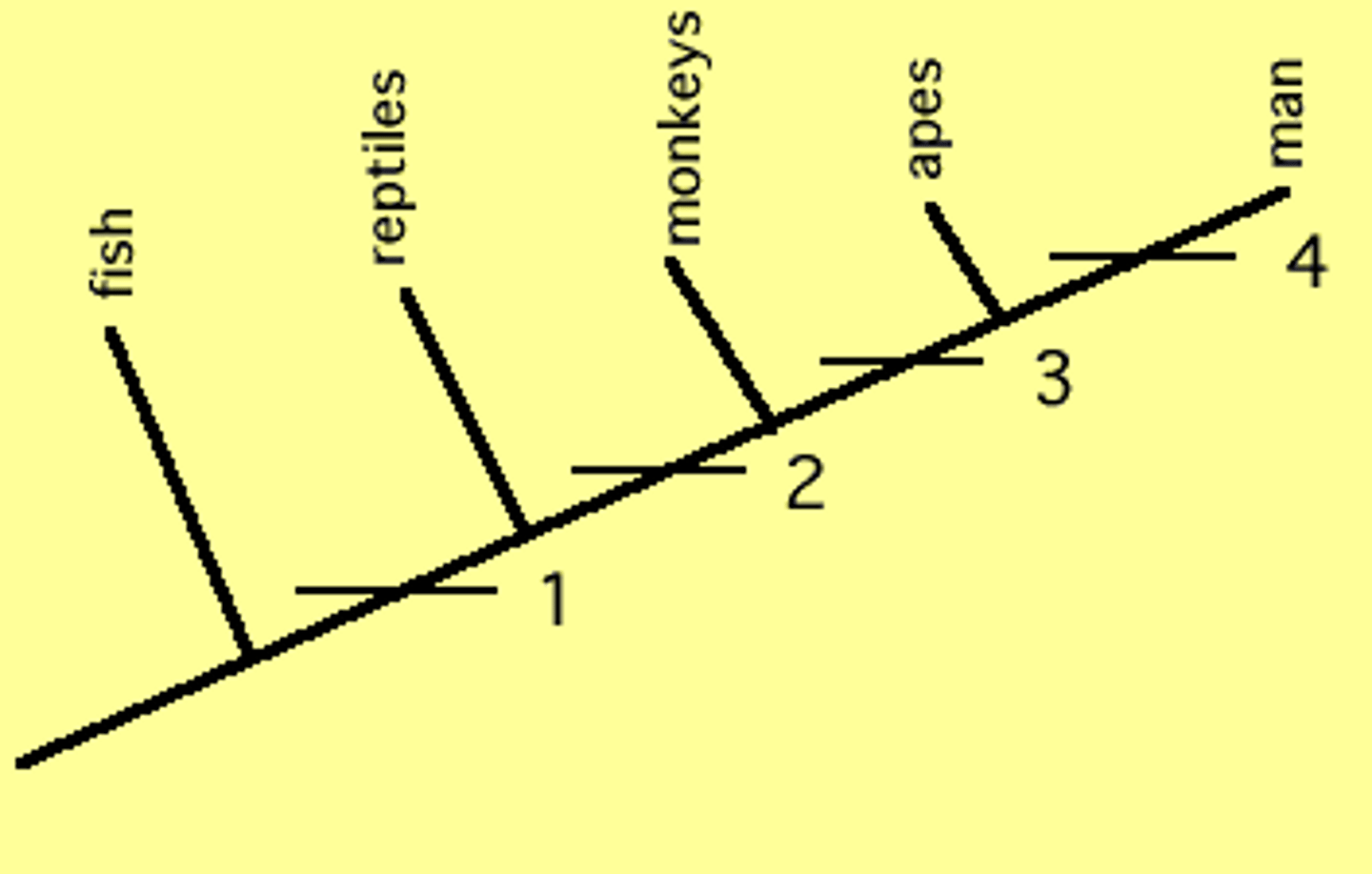
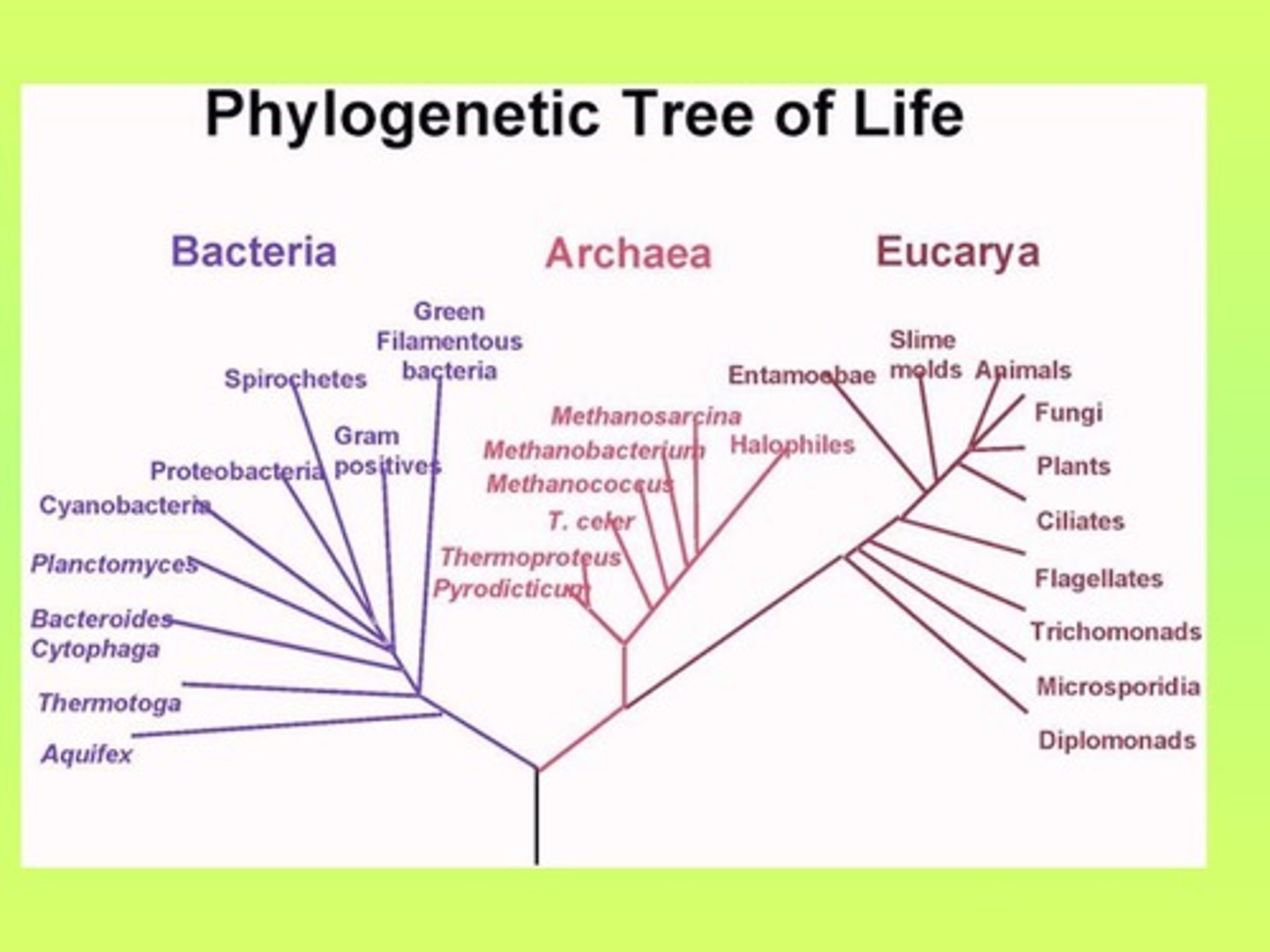
phylogentic tree
A branching diagram that represents a hypothesis about evolutionary relationships.
population dynamics
The study of how complex interactions between biotic and abiotic factors influence variations in population size.
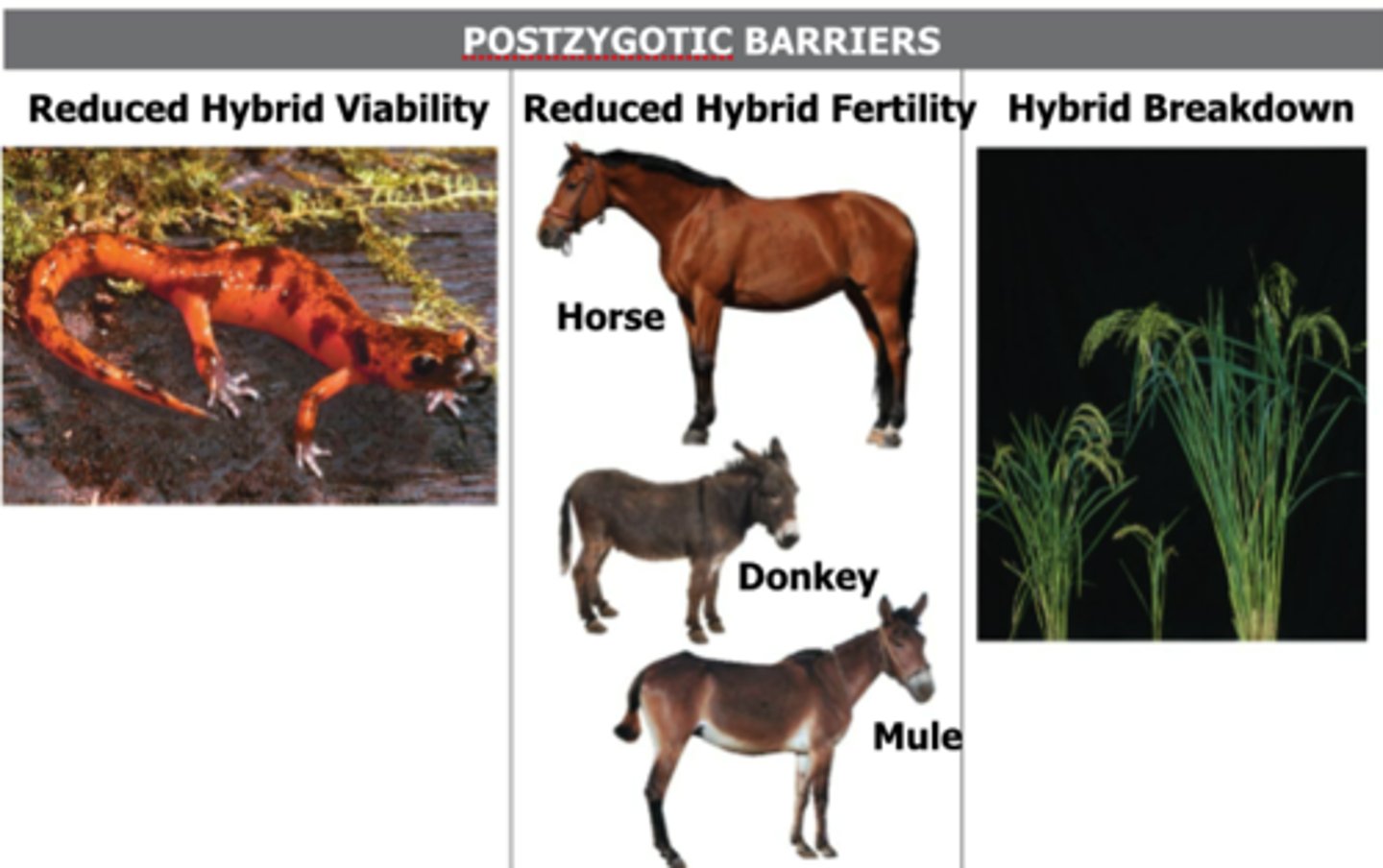
postzygotic barriers
Barriers that prevent the hybrid zygote from becoming a fertile adult.
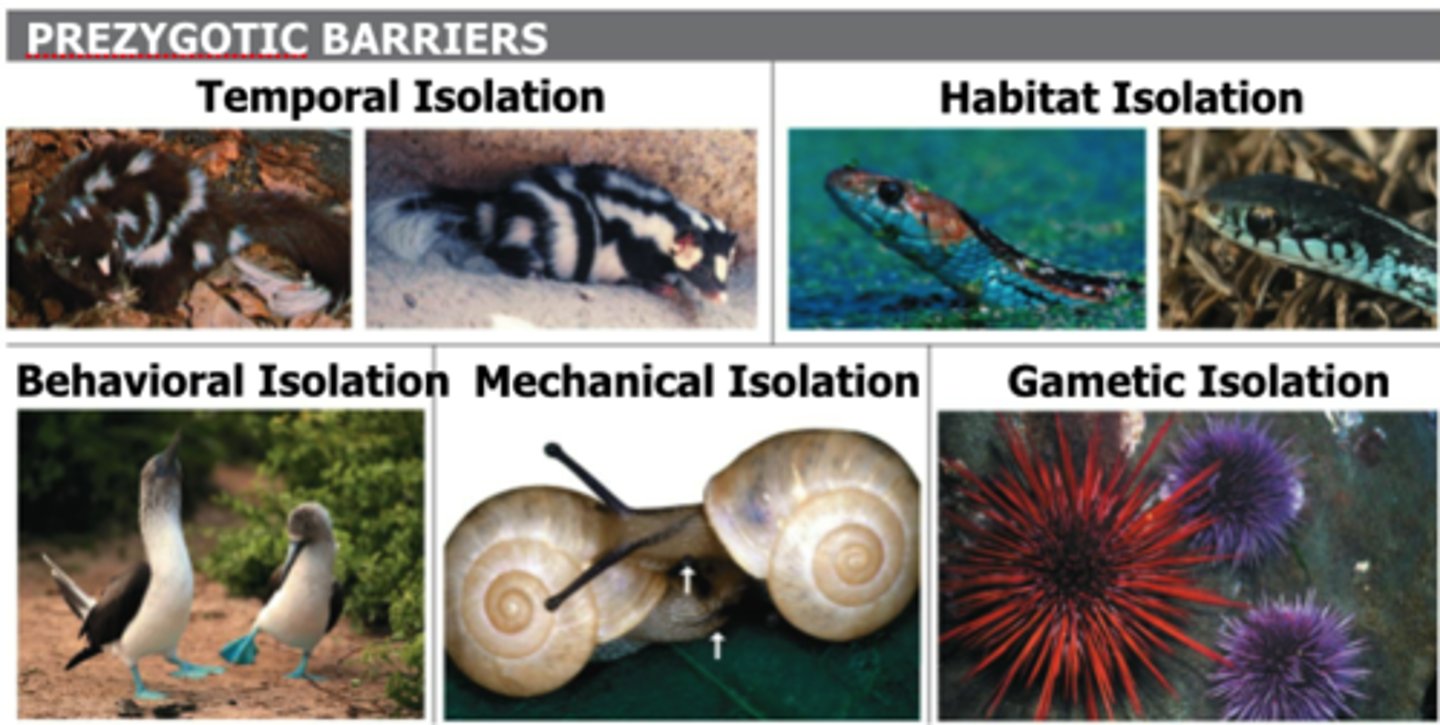
prezygotic barriers
A reproductive barrier that impedes mating between species or hinders fertilization if interspecific mating is attempted
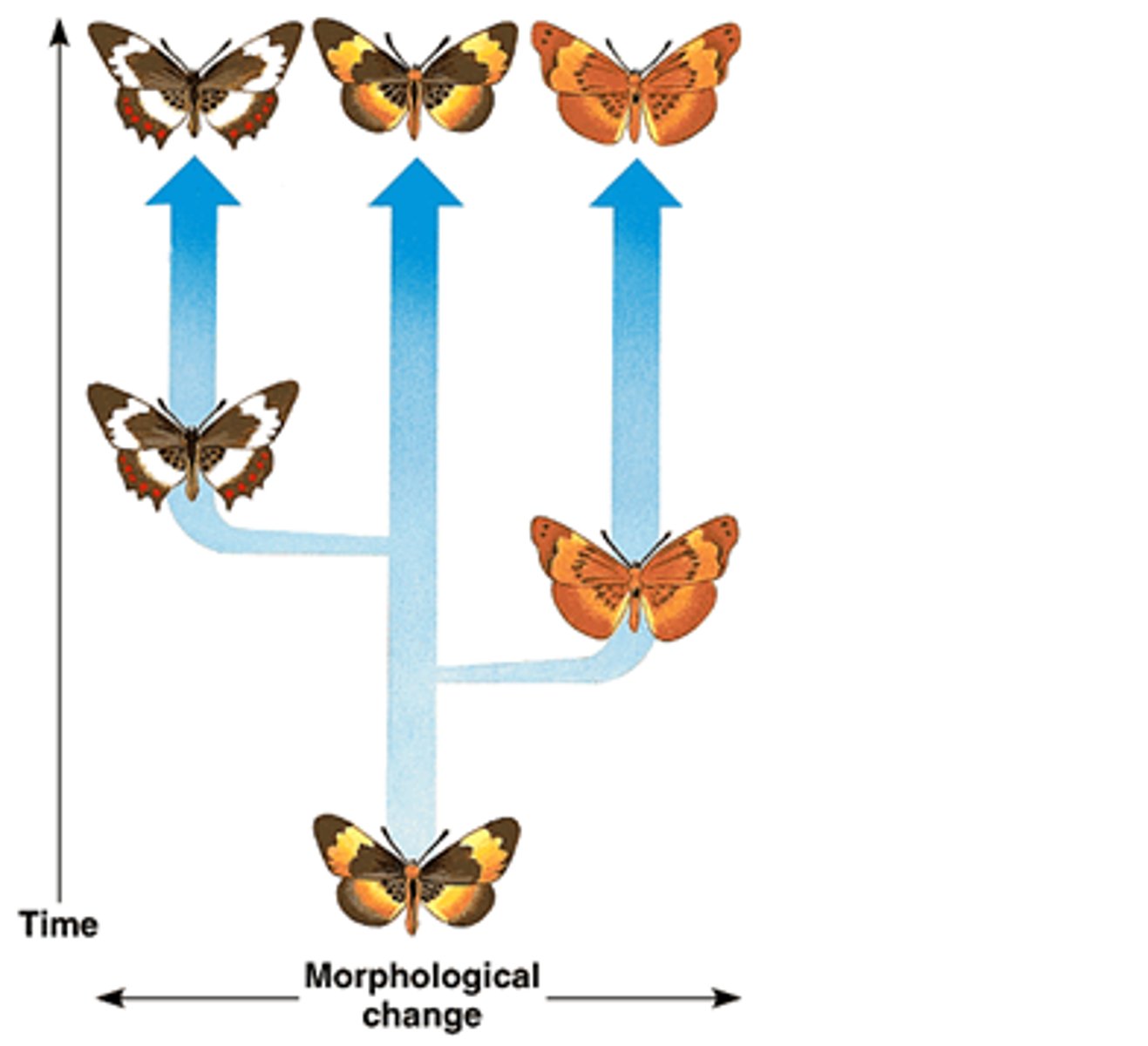
punctuated equilibrium
Pattern of evolution in which long stable periods are interrupted by brief periods of more rapid change
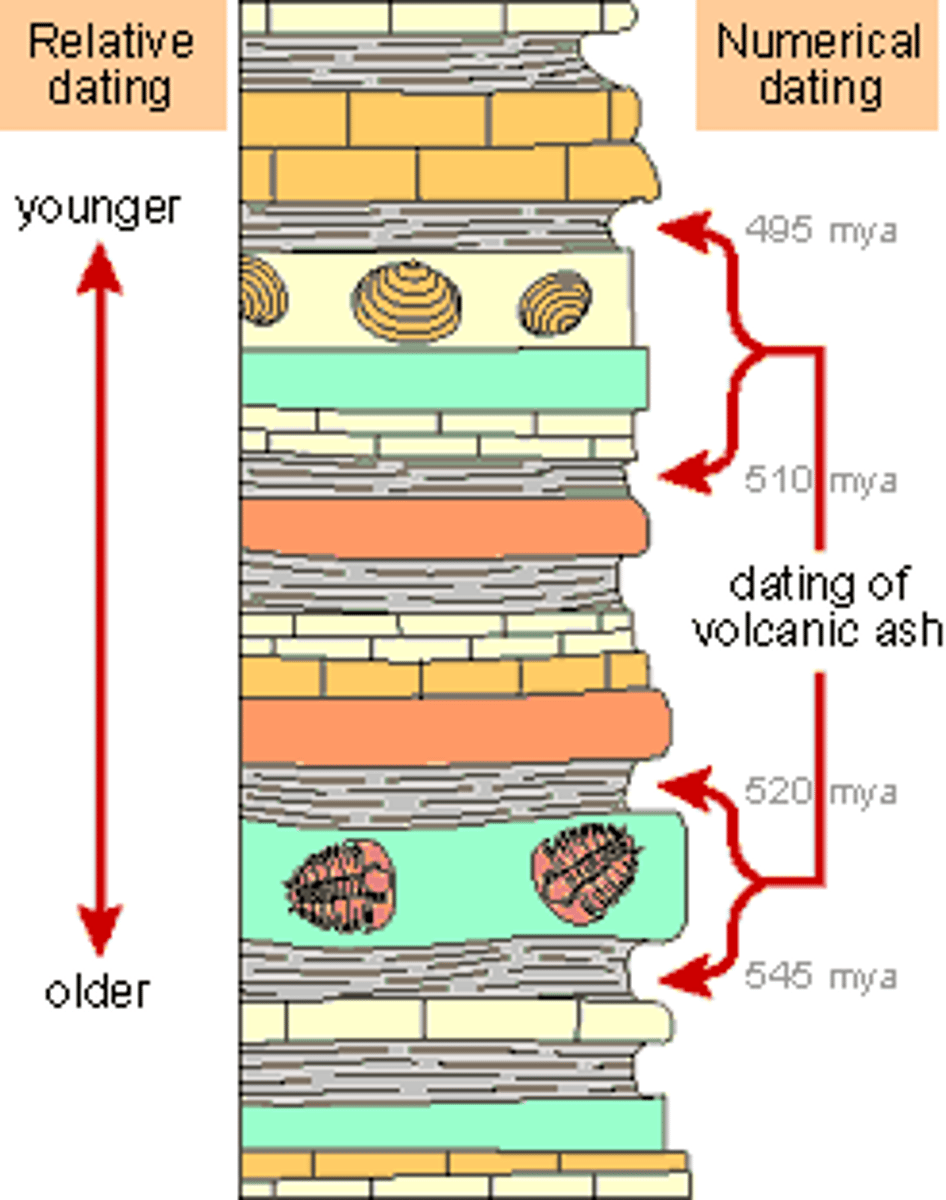
radiometric dating
the process of measuring the absolute age of geologic material by measuring the concentrations of radioactive isotopes and their decay products
relative dating
Method of determining the age of a fossil by comparing its placement with that of fossils in other layers of rock
reproductive isolation
Separation of species or populations so that they cannot interbreed and produce fertile offspring
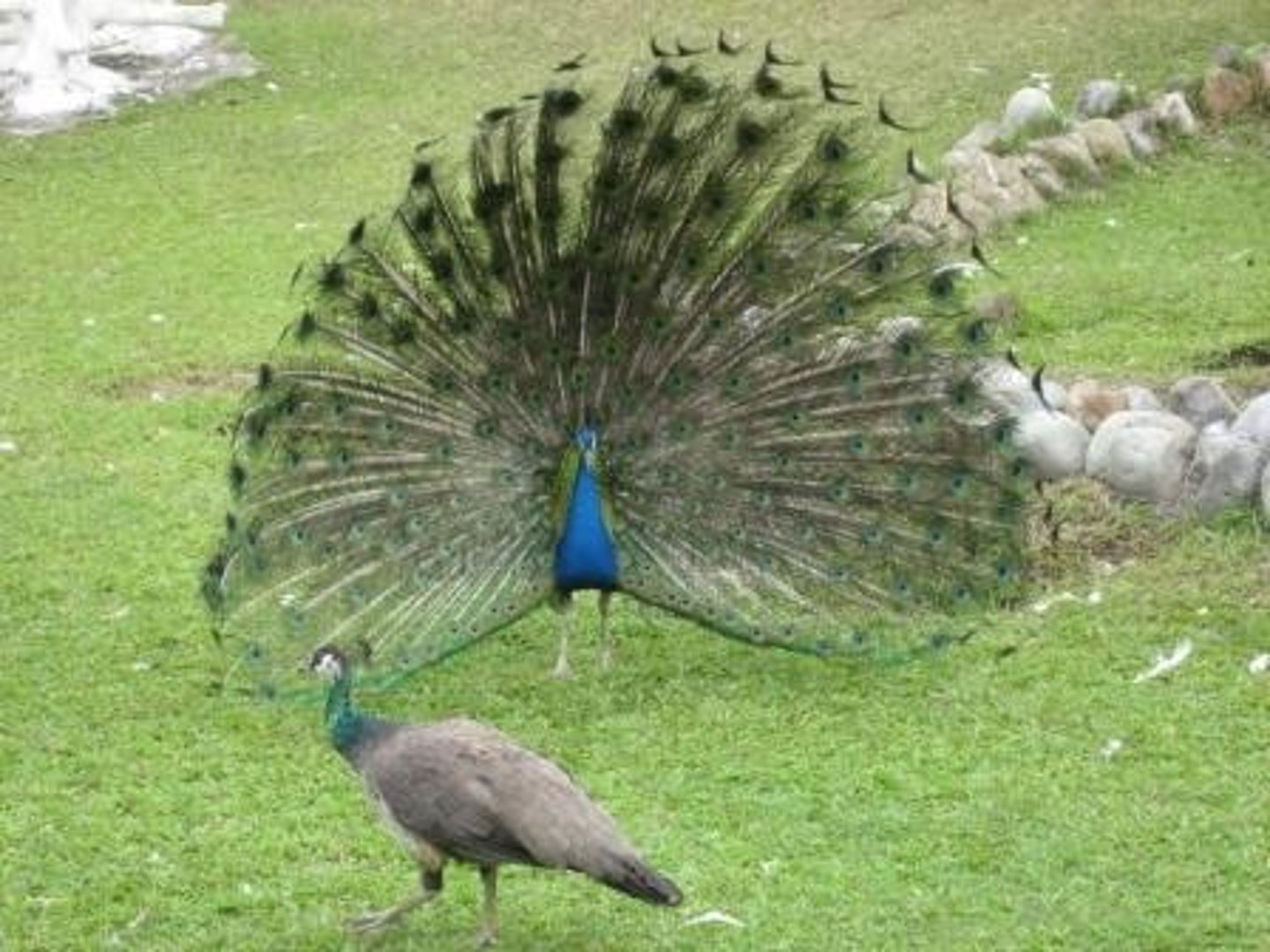
sexual selection
A form of natural selection in which individuals with certain inherited characteristics are more likely than other individuals to obtain mates.
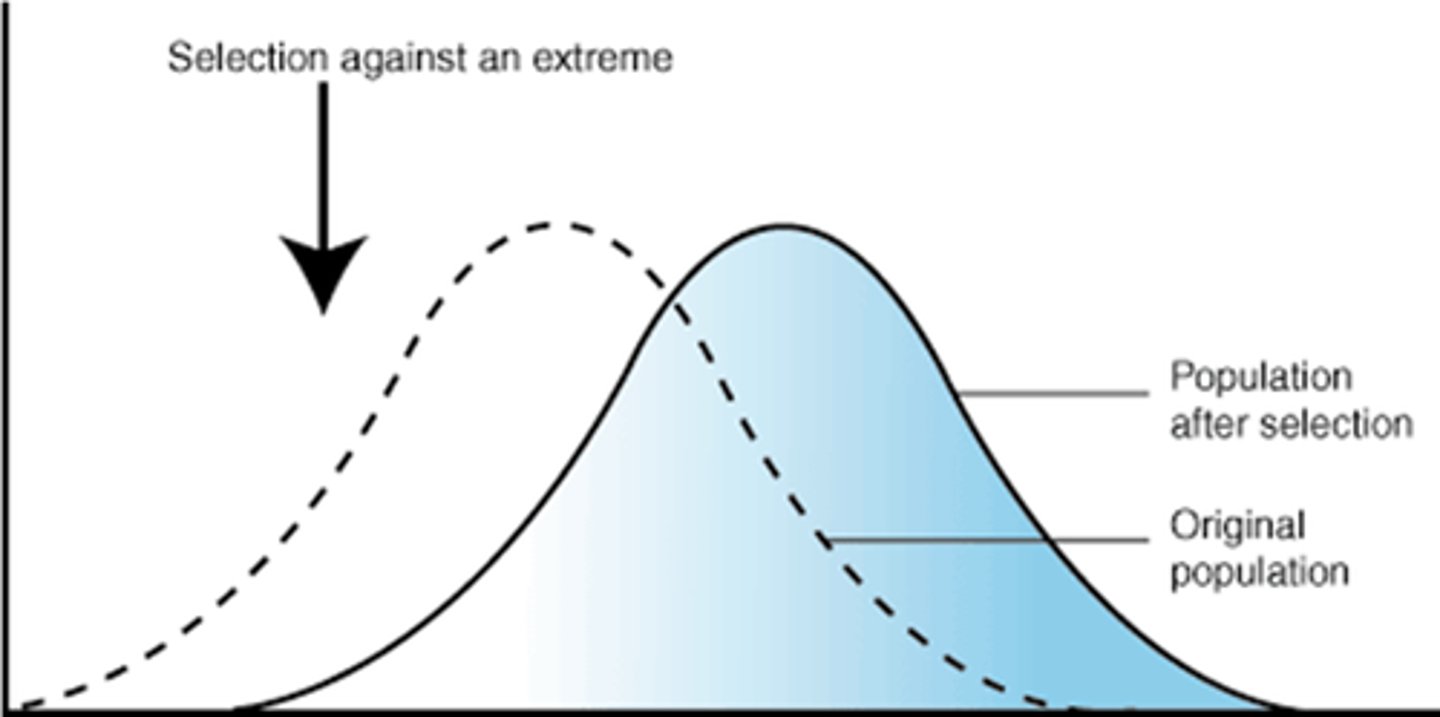
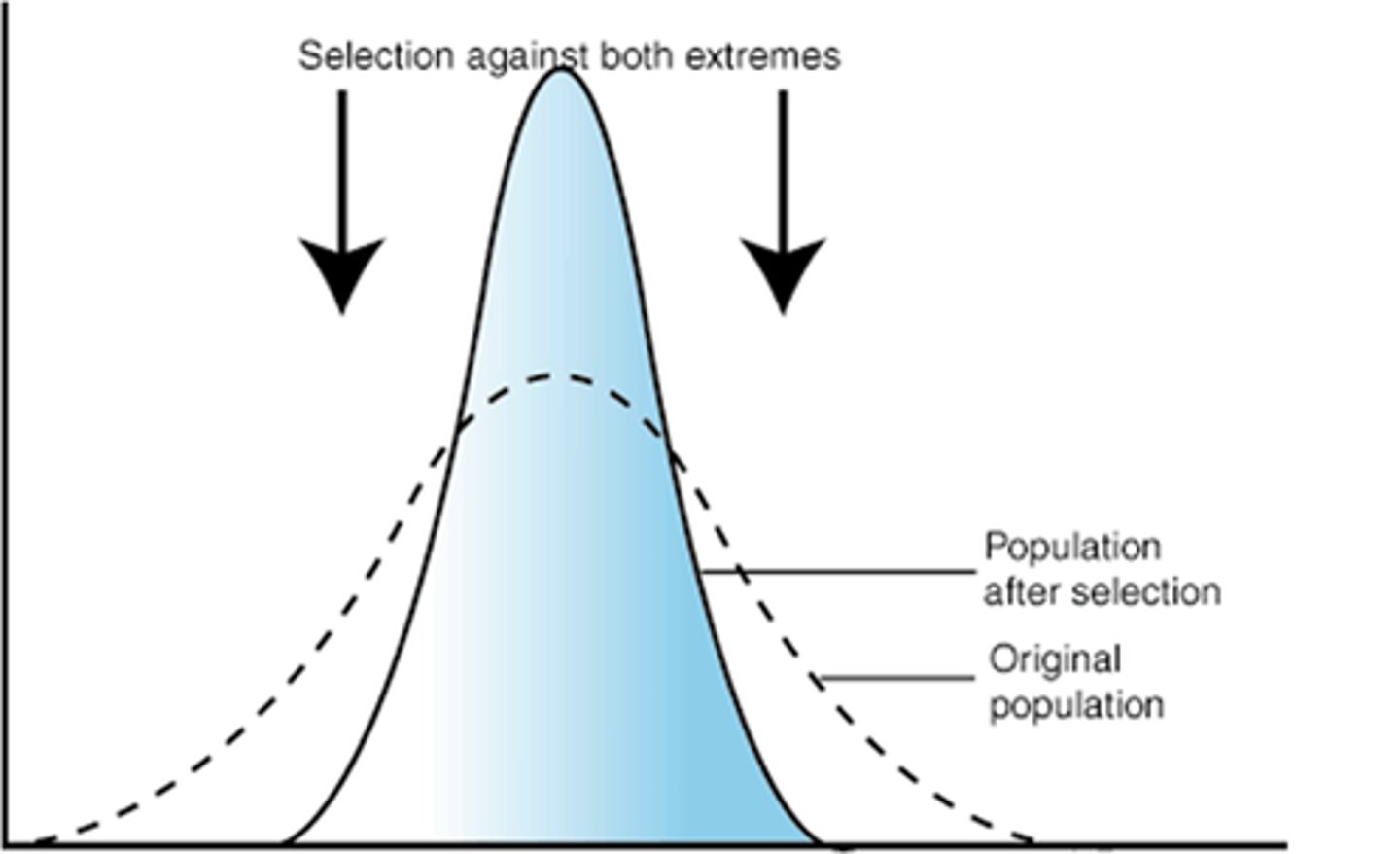
stabilizing selection
Natural selection that favors intermediate variants by acting against extreme phenotypes
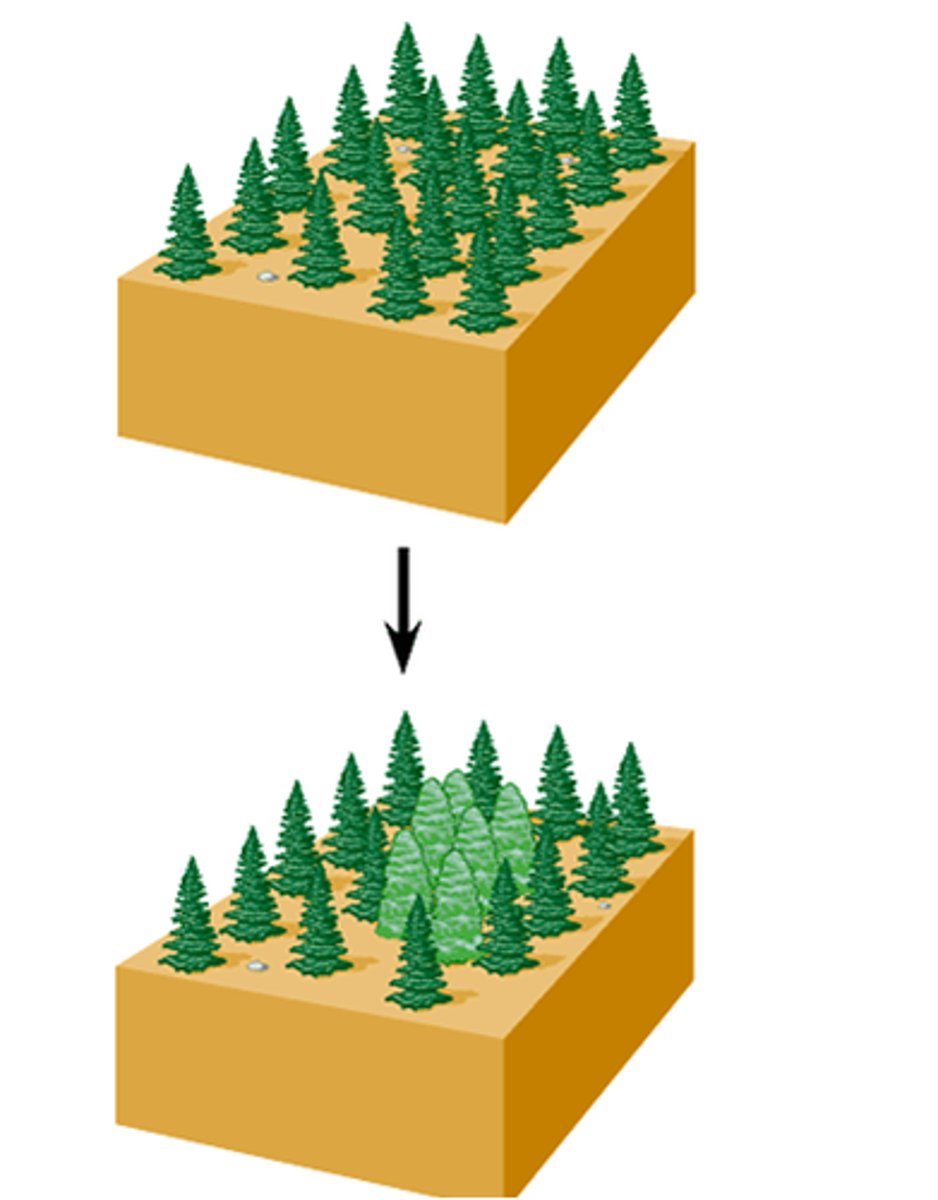
sympatric speciation
The formation of new species in populations that live in the same geographic area
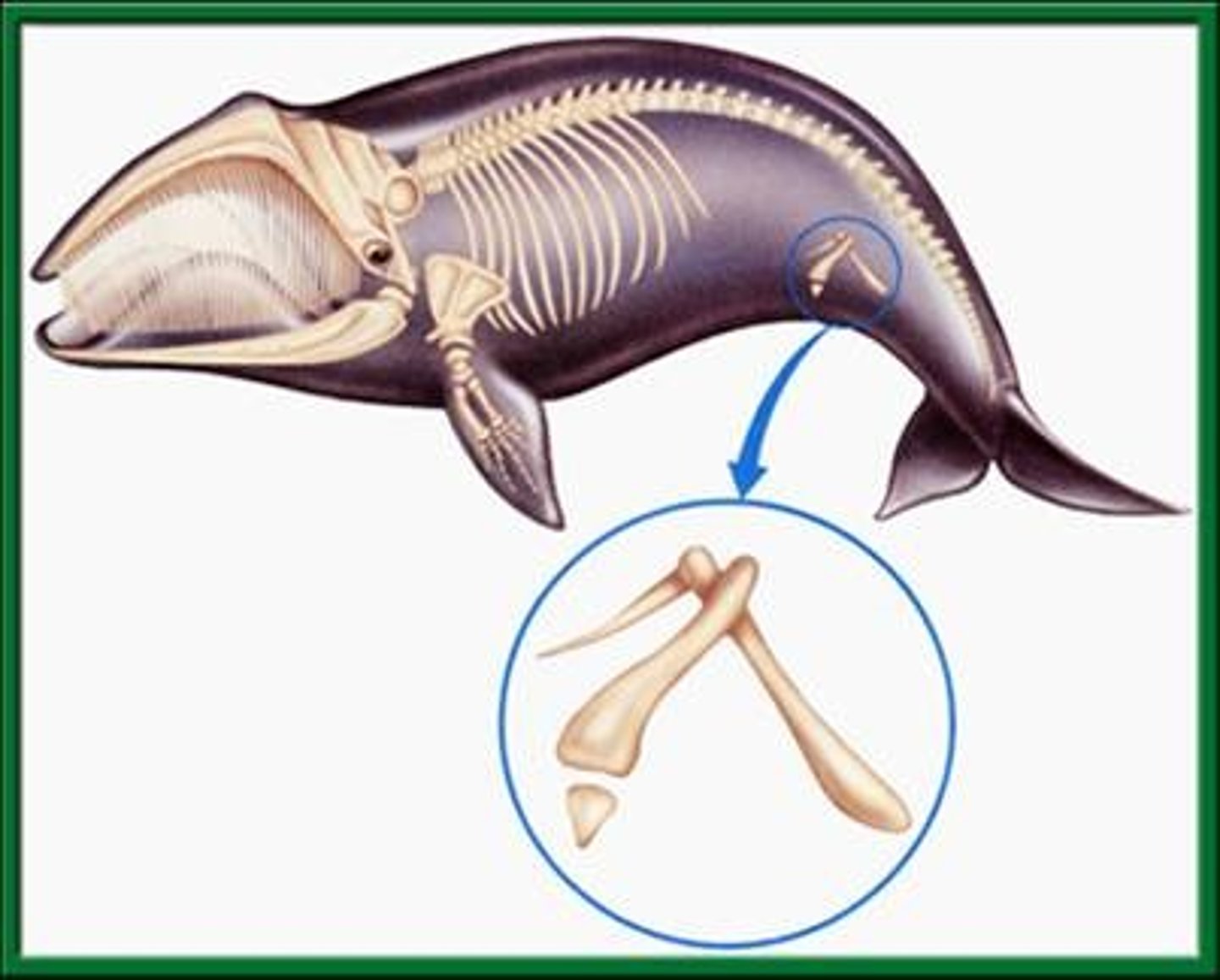
vestigial structures
remnant of a structure that may have had an important function in a species' ancestors, but has no clear function in the modern species.