Biology Lab Practical
 View linked note
 Call Kai
 Learn
Learn Practice Test
 Spaced Repetition
 Match
Match Flashcards
 Knowt Play
 Podcast
1/86

There's no tags or description
Looks like no tags are added yet.
Name | Mastery | Learn | Test | Matching | Spaced | Call with Kai |
|---|
No analytics yet
Send a link to your students to track their progress
87 Terms
Gene flow
The transfer of genetic variation between populations.
Genetic drift
Random changes in allele frequencies in a population.
Root
The base of a cladogram that represents the oldest common ancestor.
Sister taxa
Two lineages that share an immediate common ancestor.
Plesiomorphy
An ancestral trait shared by a group.
Apomorphy
A derived trait that differs from the ancestral trait.
Synapomorphy
A shared derived trait that defines a specific clade.
Homology
Similarity in traits due to shared ancestry.
Homoplasy
Similarity in traits due to convergent evolution.
Character matrix
A table of organisms and their traits used to construct cladograms.
Colony margin
The edge or border of a bacterial colony.
Entire margin
A smooth, even edge of a bacterial colony.
Undulate margin
A bacterial colony edge that is slightly wavy.
Lobate margin
A margin with large rounded projections in a bacterial colony.
Filamentous margin
A bacterial colony margin with hair-like projections.
Coccus
Spherical shaped bacteria.
Bacillus
Rod-shaped bacteria.
Spirillum
Spiral shaped bacteria.
Gram-positive
Bacteria with a thick peptidoglycan cell wall that stains purple.
Gram-negative
Bacteria with a thin peptidoglycan layer and an outer membrane that stains pink.
Zone of inhibition
A clear area around an antibiotic indicating bacterial sensitivity.
Cilia
Short hair-like structures used for movement in protists.
Flagella
Long whip-like structures used for movement in protists.
Pseudopodia
Cytoplasmic extensions used by protists for movement and feeding.
Excavata
A protist supergroup that includes Euglena.
SAR
A protist supergroup including stramenopiles, alveolates, and rhizarians.
Archaeplastida
Supergroup that includes green algae and plants.
Amoebozoa
Supergroup that includes Amoeba.
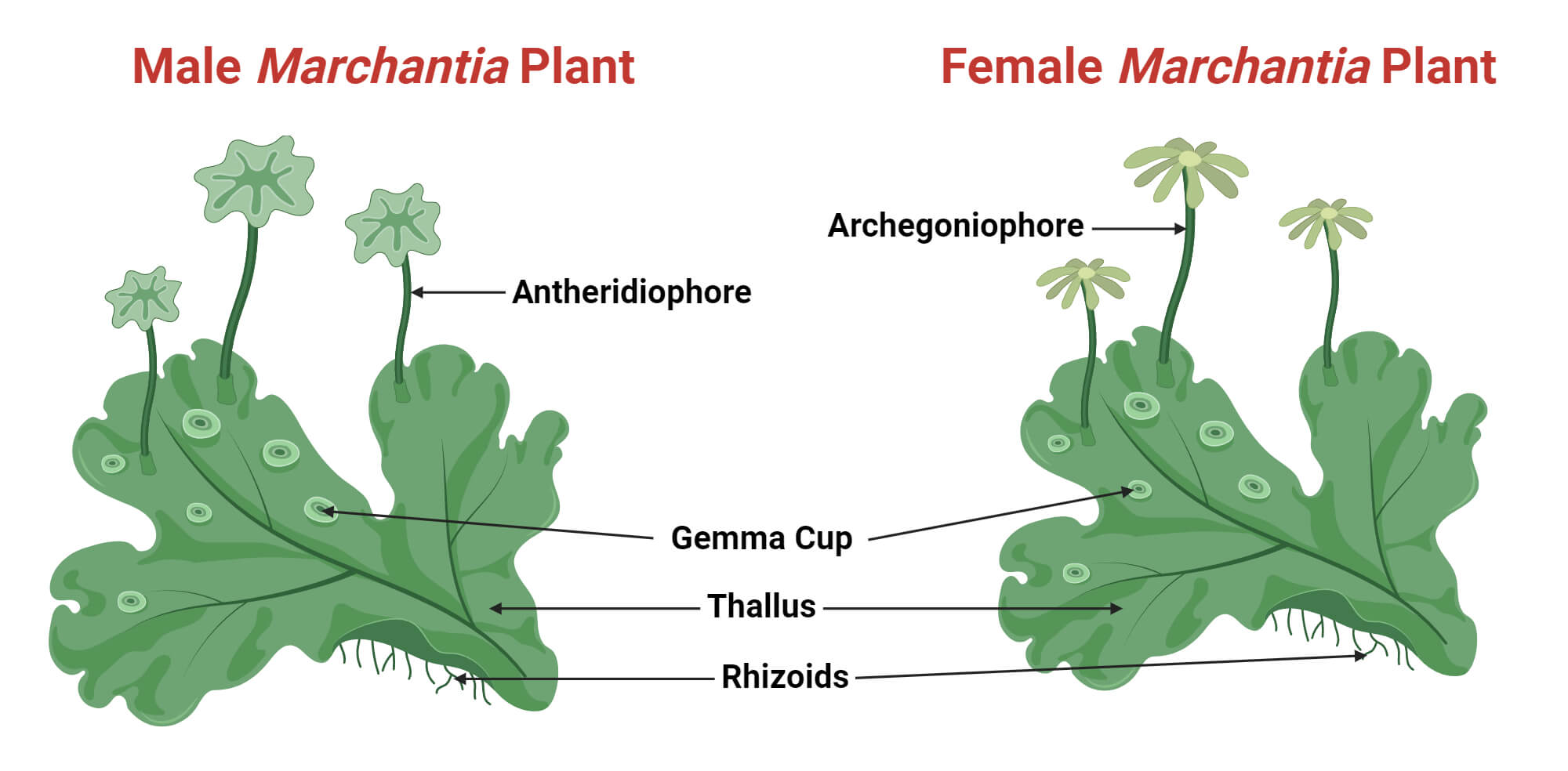
Thallus
An undifferentiated plant body without true roots, stems, or leaves.
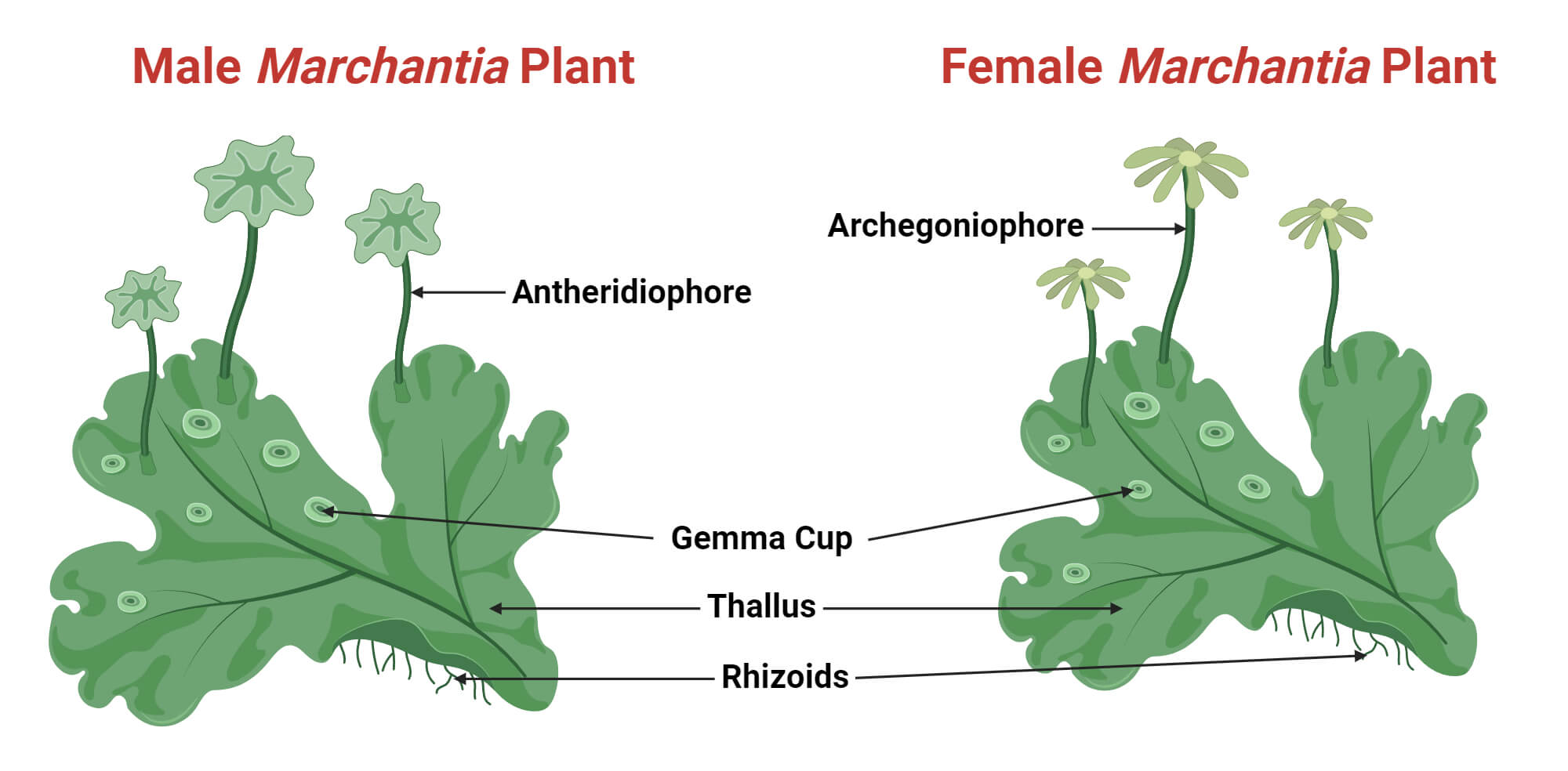
Gemmae cup
Structure used for asexual reproduction in liverworts.
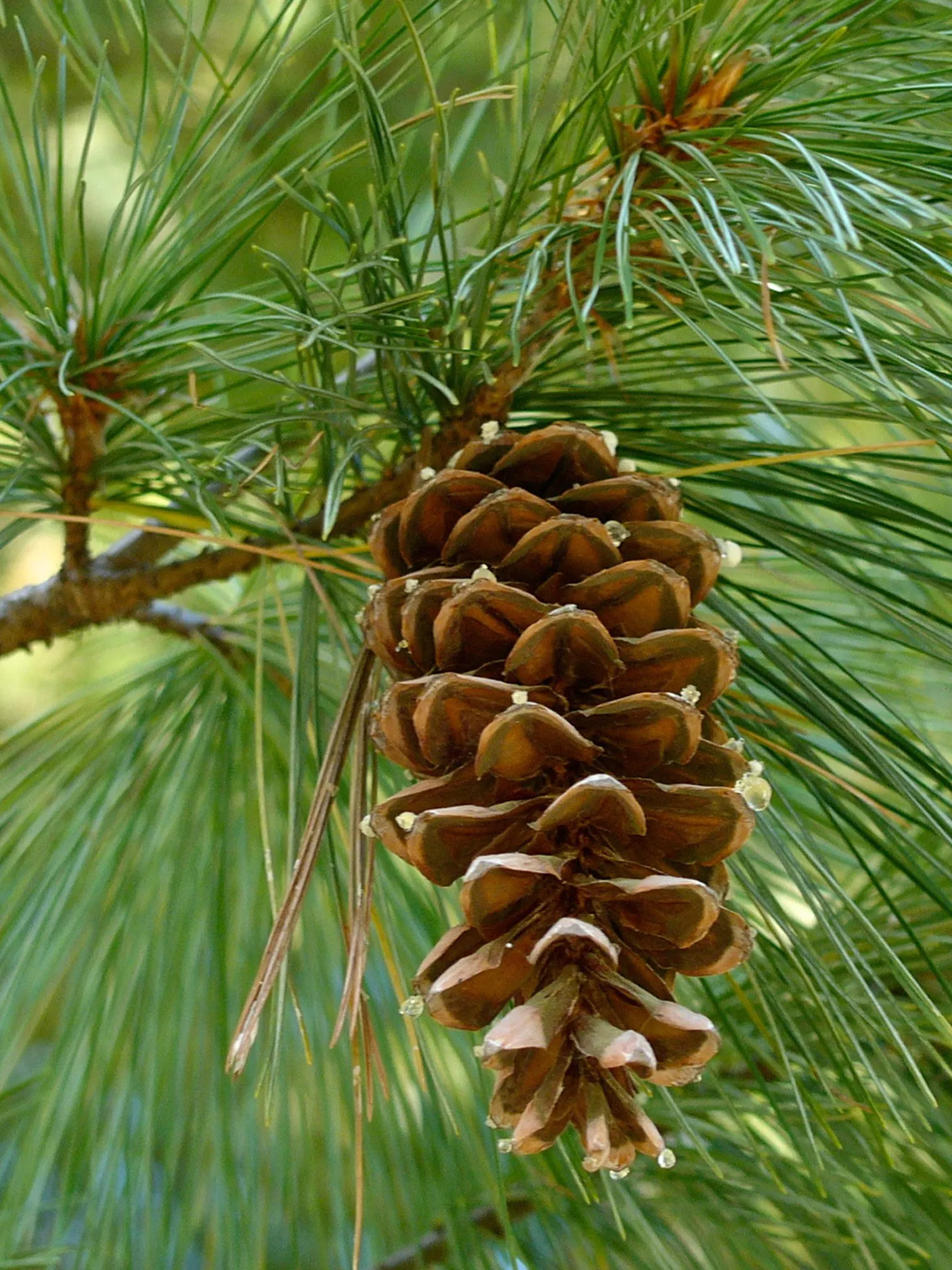
Strobilus
Cone-like structure containing sporangia.
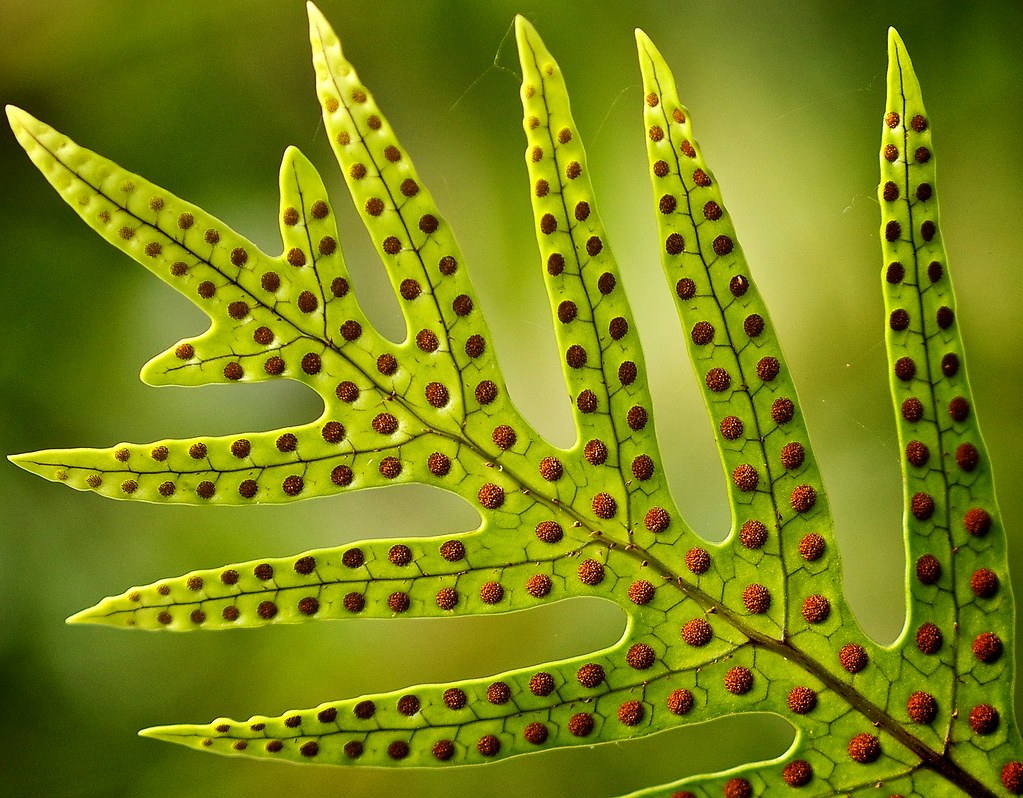
Sorus
A cluster of sporangia located on the underside of a fern frond.
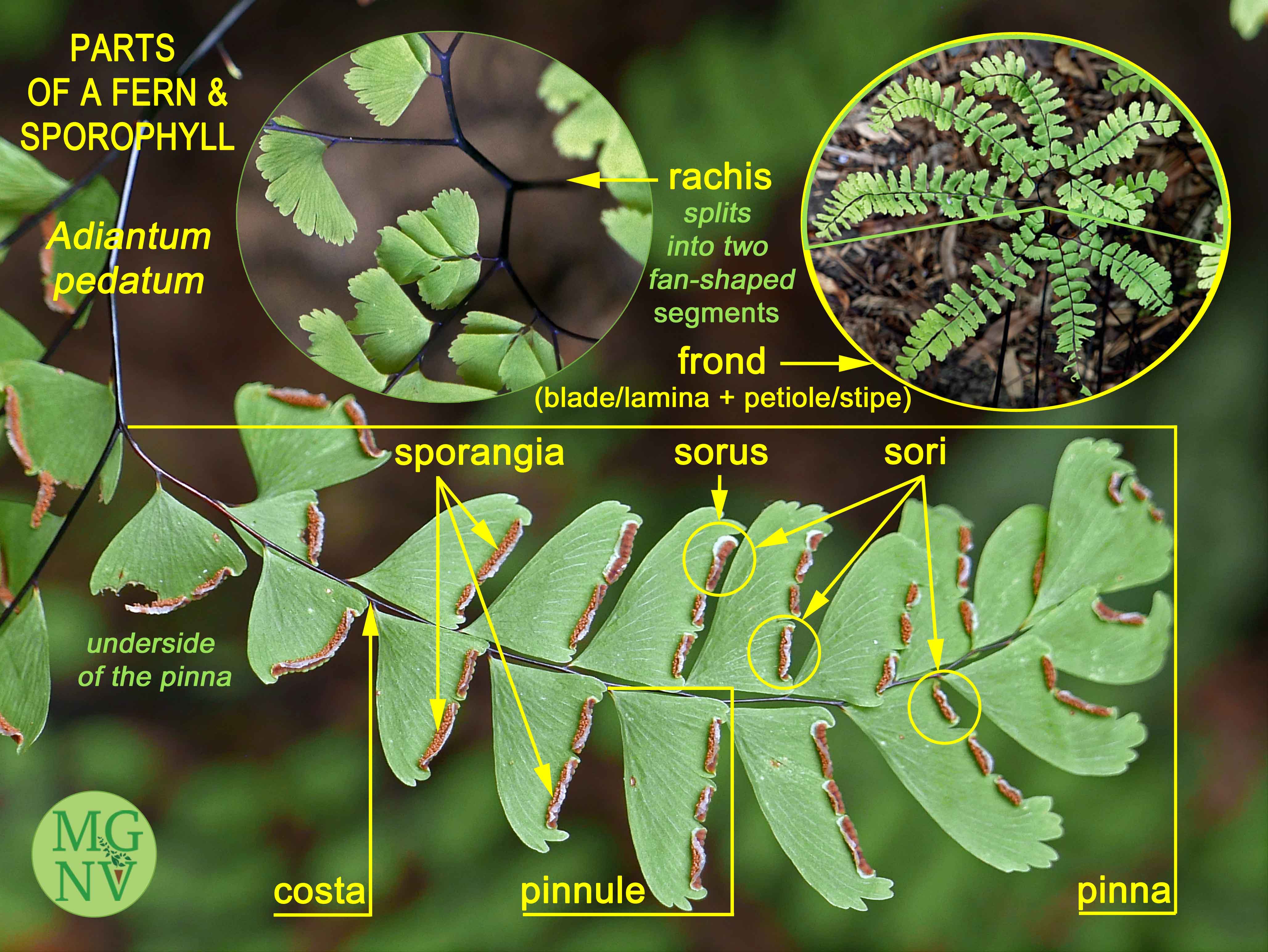
Sporangium
Structure that produces spores through meiosis.
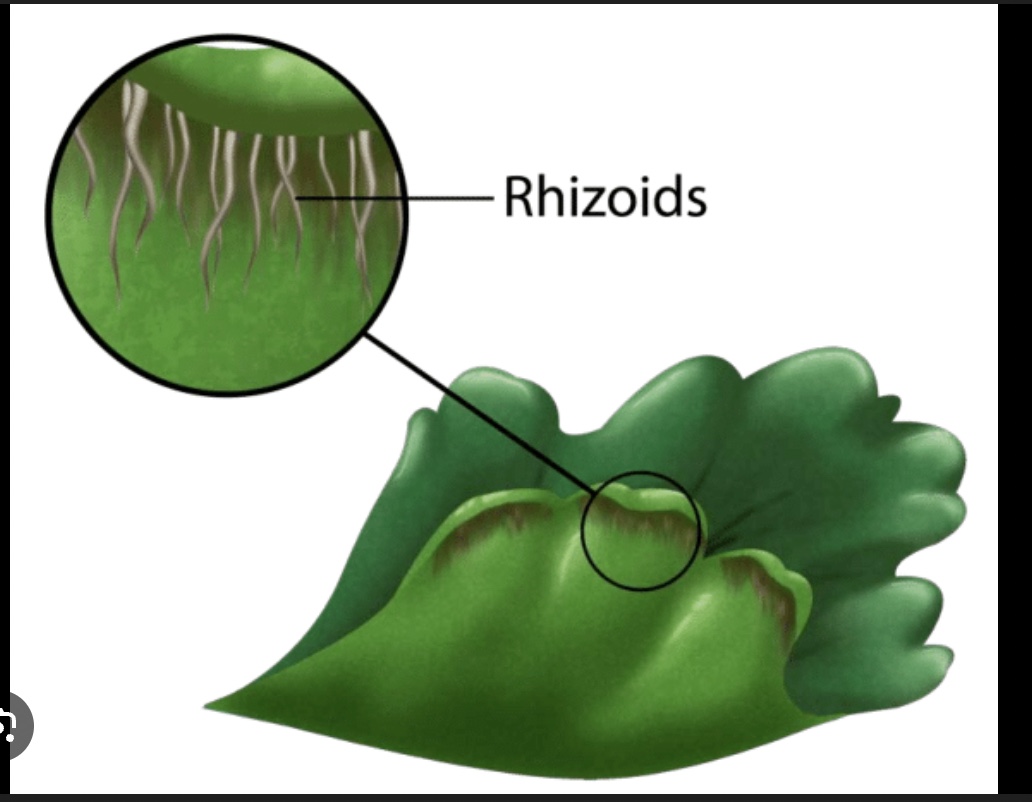
Rhizoid
A root-like anchoring structure that is not vascular.
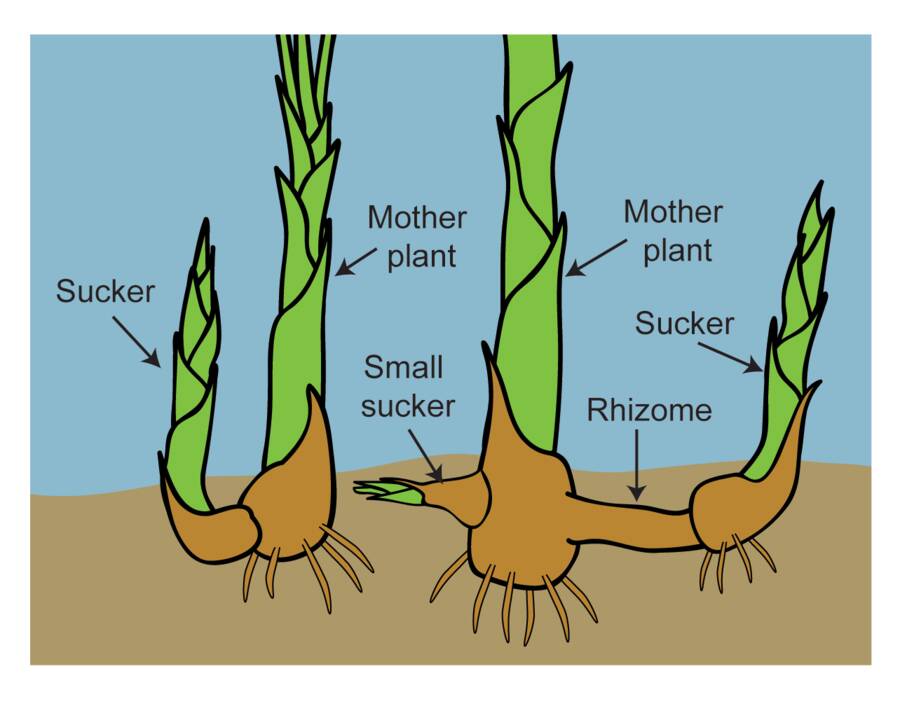
Rhizome
A horizontal underground stem.
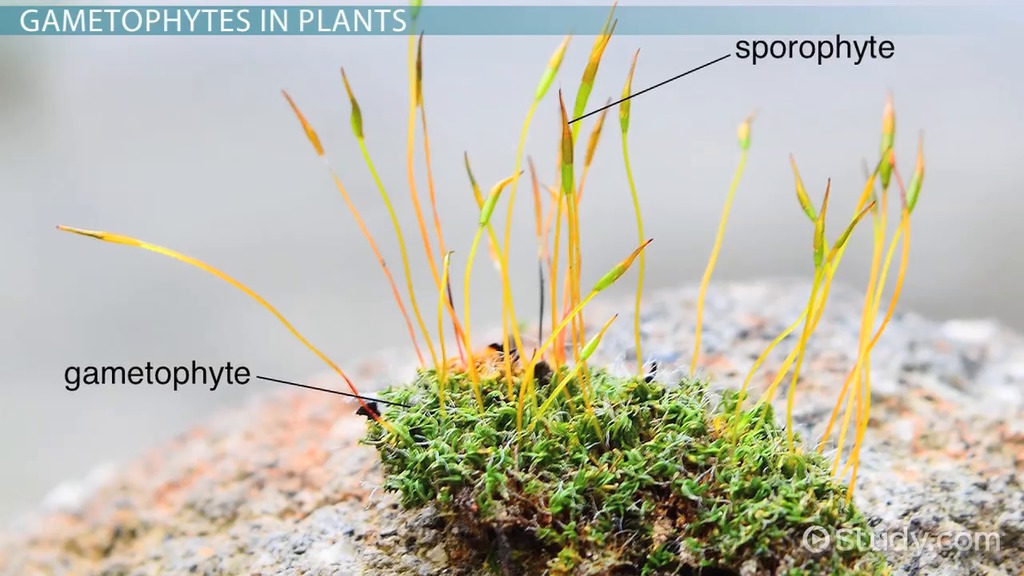
Gametophyte
The haploid generation that produces gametes.
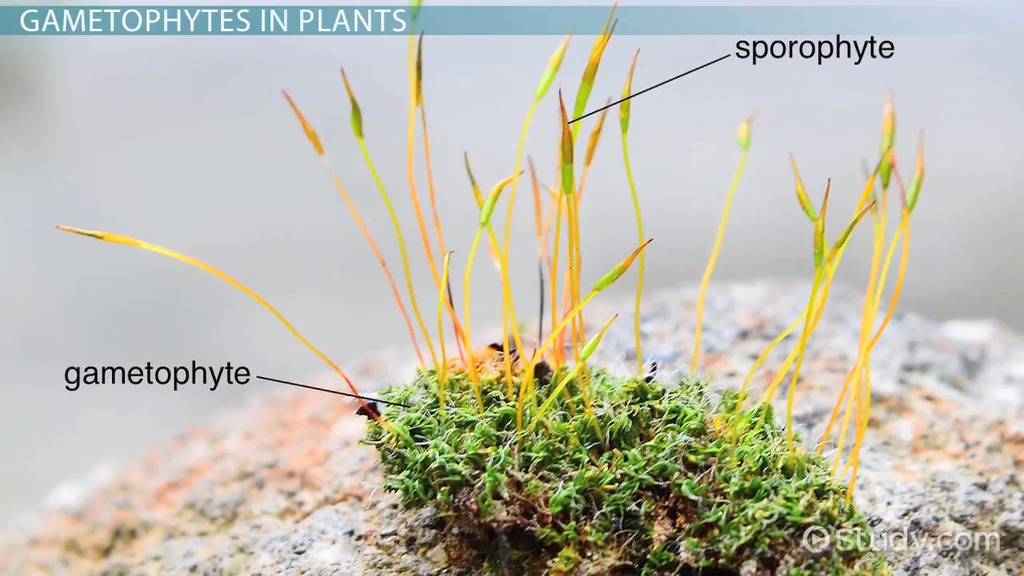
Sporophyte
The diploid generation that produces spores.
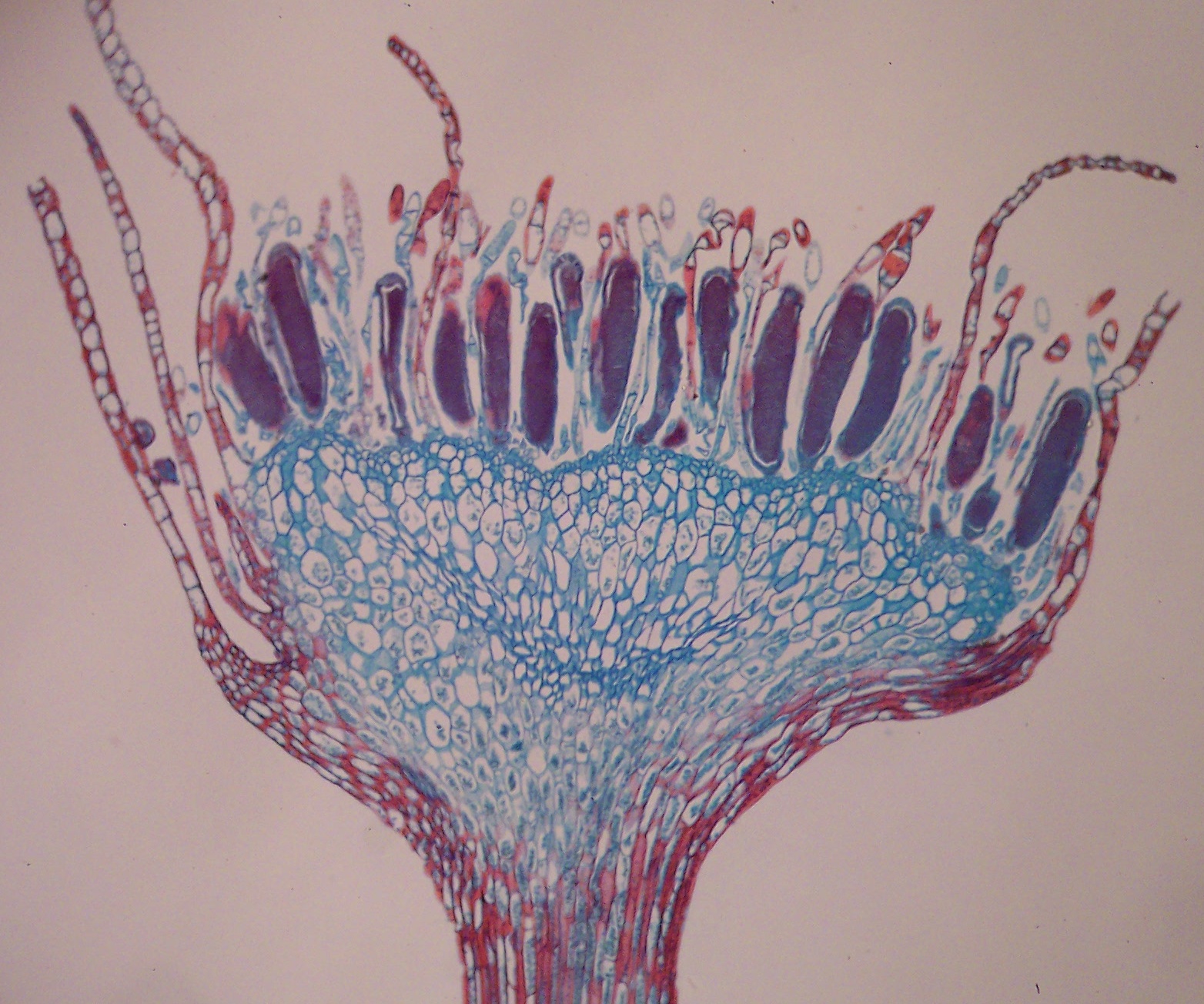
Antheridium
The male reproductive structure that produces sperm.
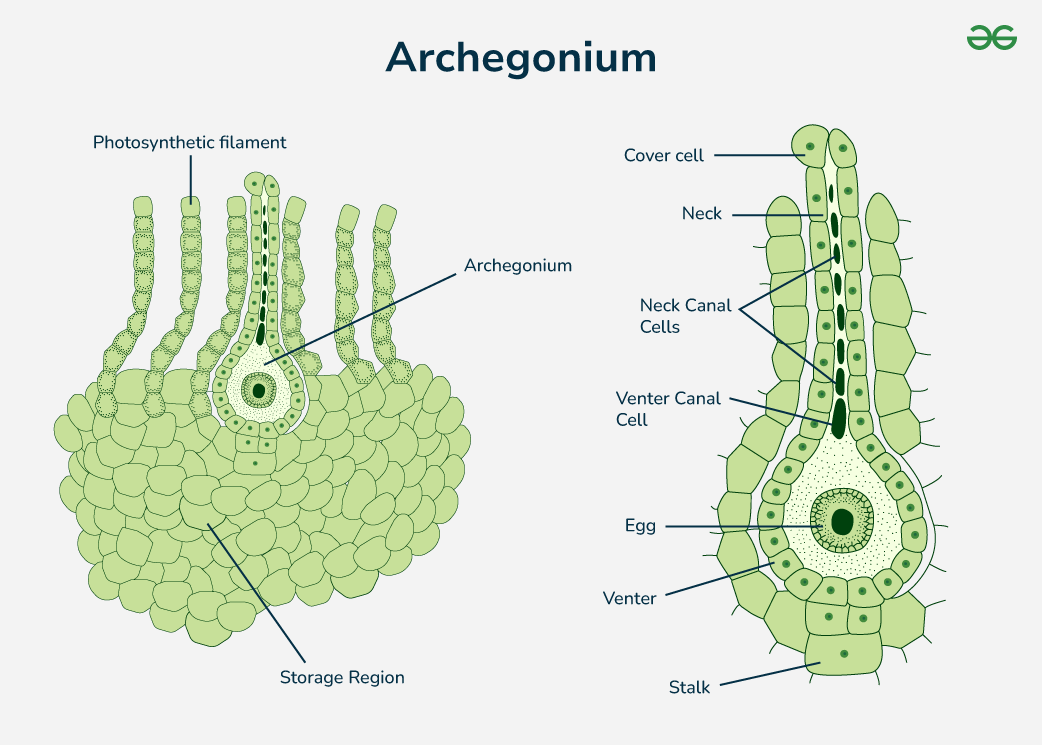
Archegonium
The female reproductive structure that produces eggs.
Bryophyta
A plant group that includes mosses, which are nonvascular and gametophyte dominant.
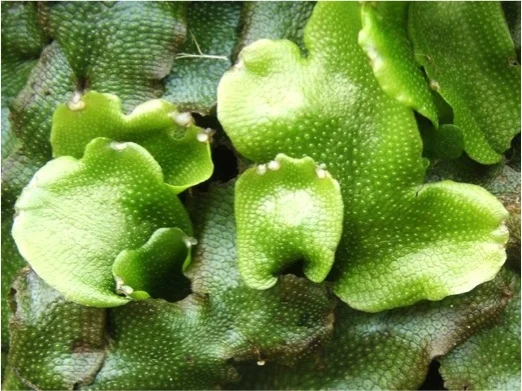
Hepatophyta (Marchantiophyta)
A plant group that includes liverworts. Has gemma cups
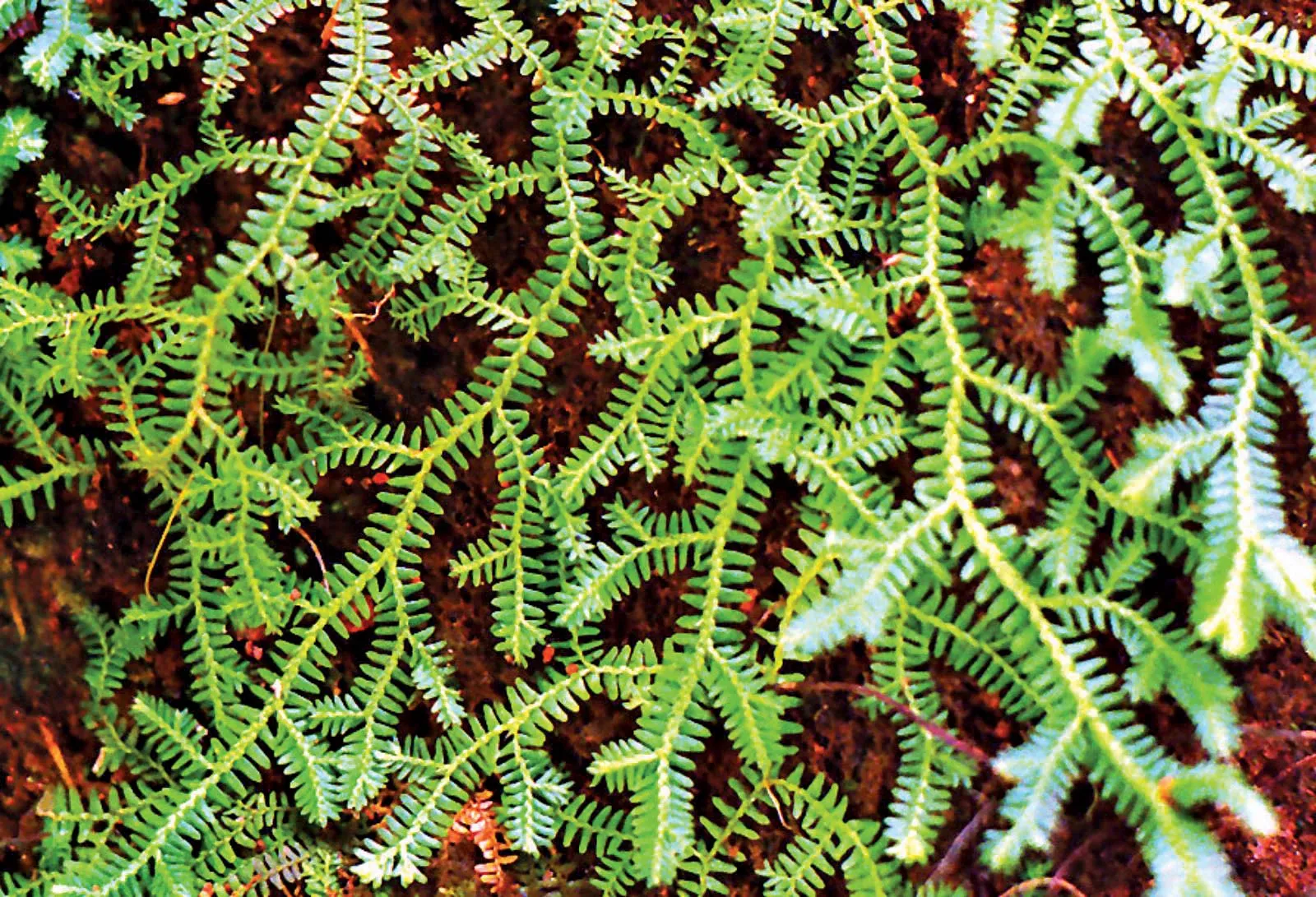
Lycophyta
seedless vascular plants. little pine-like plant
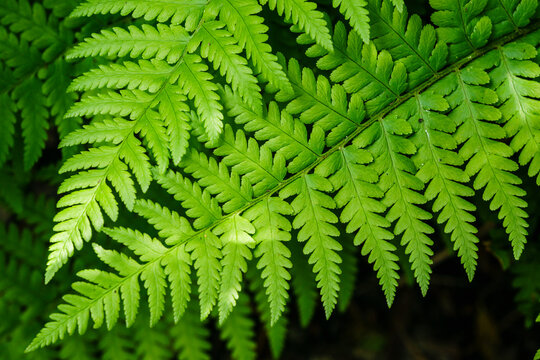
Monilophyta
A plant group that includes ferns, has sori, seedless vascular
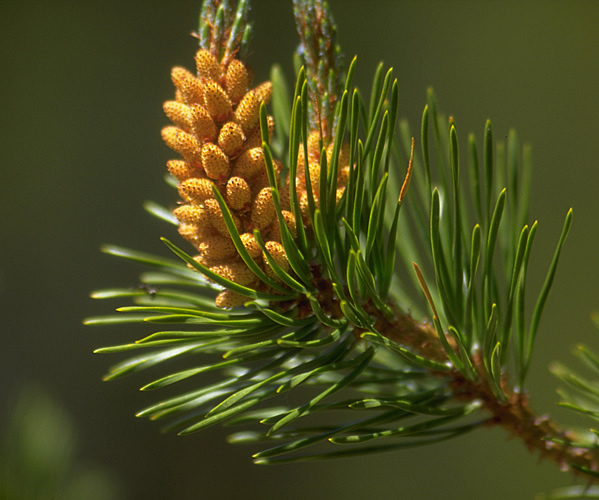
Coniferophyta
pine trees with cones and needle leaves, known as gymnosperms.
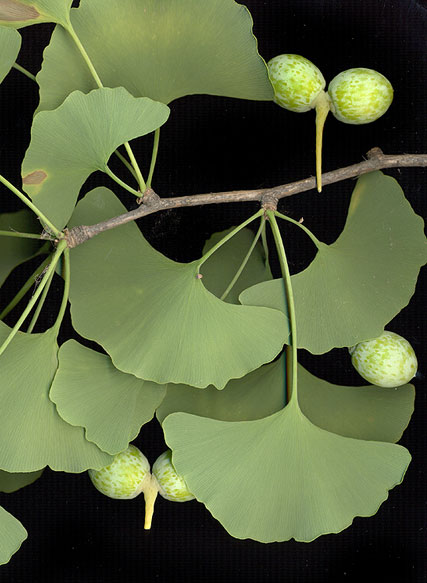
Ginkgophyta
fan shaped leaves
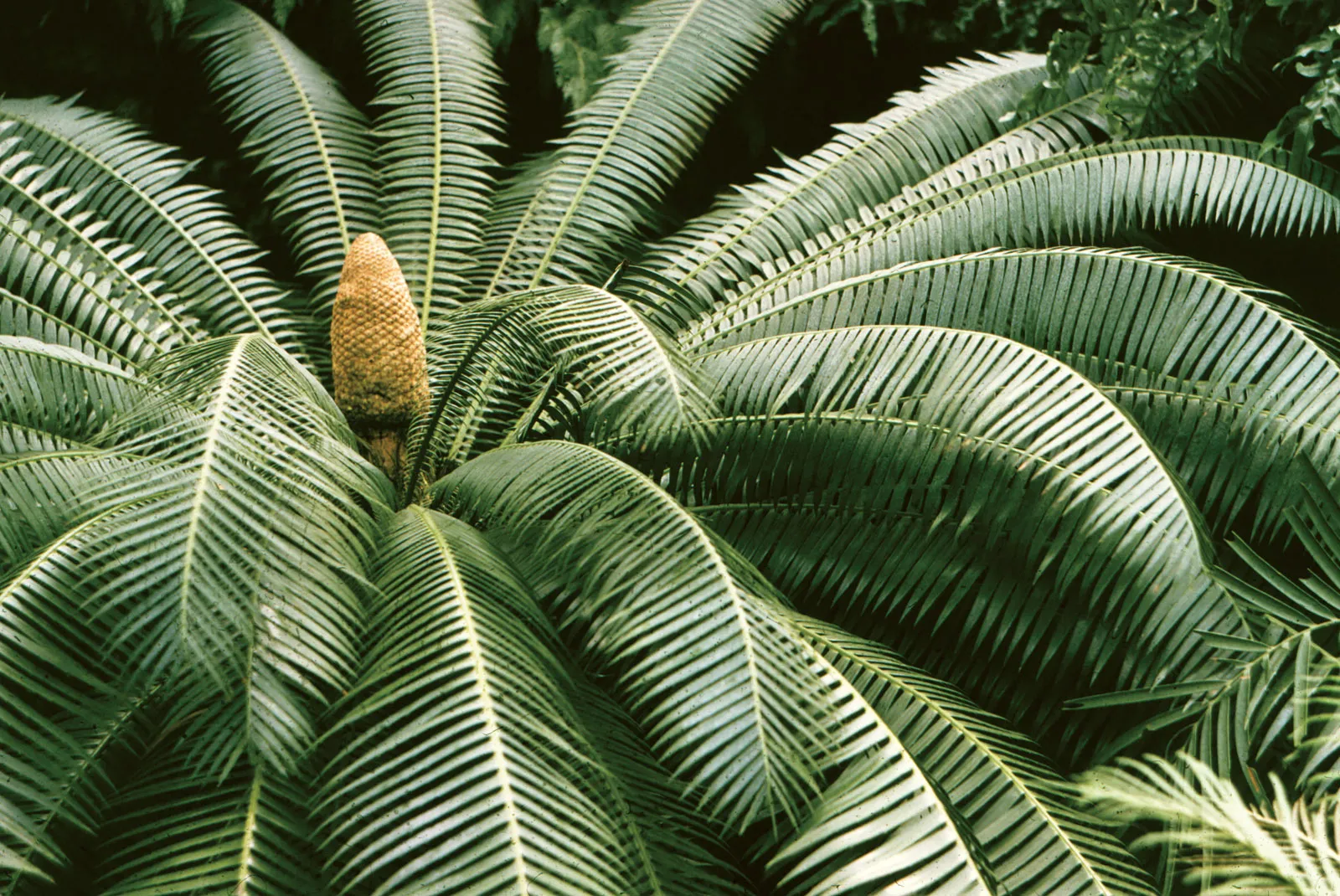
Cycadophyta
palm-like plants with large cones, cycads, gymnosperms
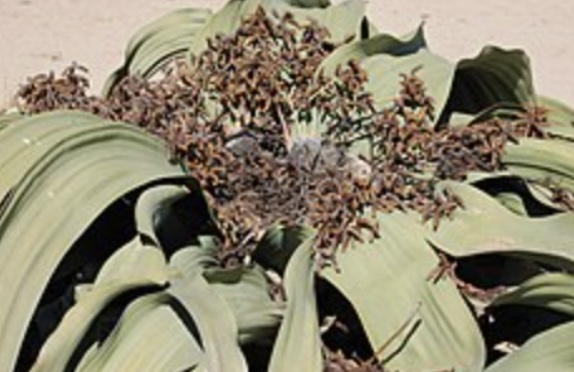
Gnetophyta
unusual gymnosperms like Ephedra, with jointed stems
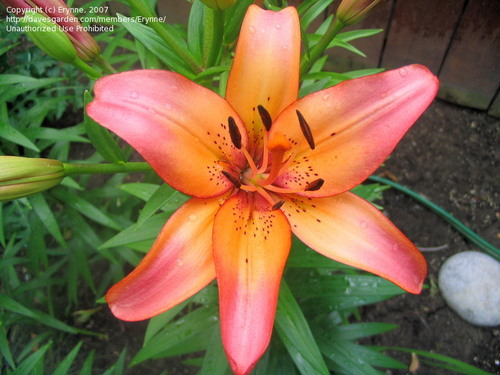
Anthophyta
A plant group representing flowering plants (angiosperms).
Gymnosperms
Seed plants that have naked seeds and do not form fruits.
Angiosperms
Flowering plants that produce seeds enclosed in fruit.
Pollen
The male gametophyte in seed plants.
Pollen tube
The structure that delivers sperm to the ovule in seed plants.
Double fertilization
A process where one sperm fertilizes the egg while the other forms the endosperm, specific to angiosperms.
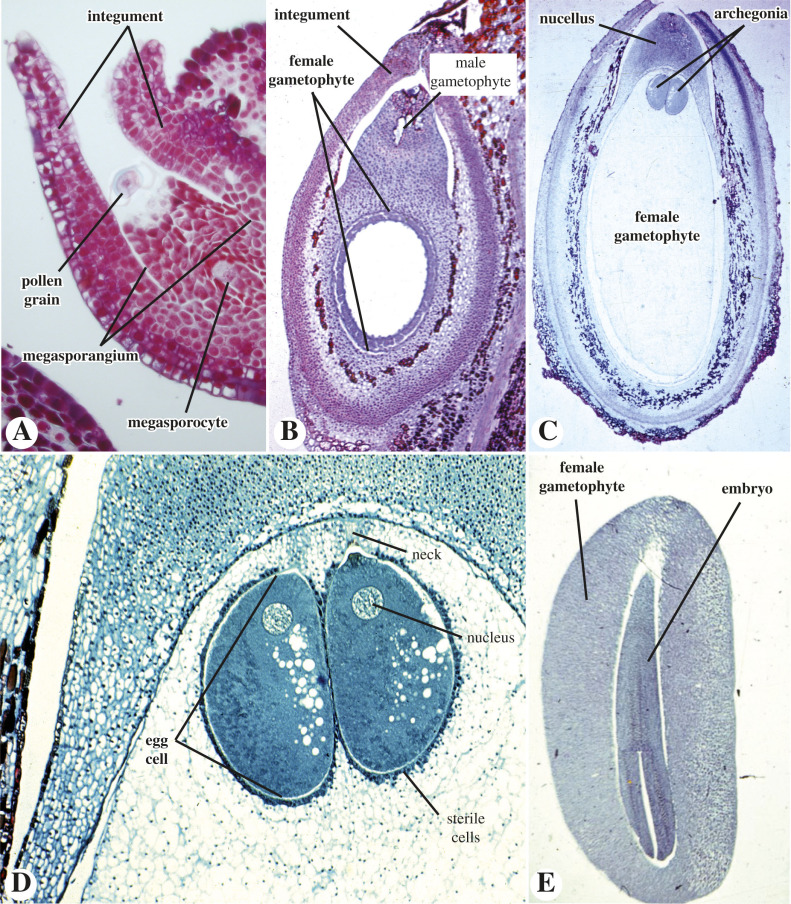
Megasporangium
Structure that produces megaspores, typically female.
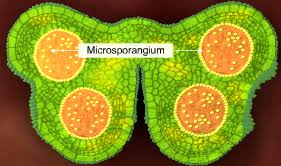
Microsporangium
Structure that produces microspores, typically male.
Dominant generation in seed plants
The sporophyte generation.
code for 0
trait absent, ancestral
code for 1
trait present, derived
code for 2
different version of derived trait
heterospory
production of two different types of spores
plasmogamy
fusion of cytoplasm from two cells
what do strobilus contain
cones containing reproductive structures in some plants.
characteristics of diatoms
unicellular algae with silica cell walls, photosynthetic, phytoplankton
structure that appears in paramecium when adding acetic acid
trichocysts
rhodophyta accessory pigments
phycobilins, chlorophyll A
characteristics of forarms
calcium carbonate shell, pseudopodia, marine
trypansoma life cycle
root + root flea
plasmodial slime mold physarum reproductive state
sporangia forms, meiosis, haploid spores
plasmodial slime mold physarum vegetative state
diploid mass of cytoplasm that feed thru phagocytosis
what does a spirogyra look like
green algae, fliamentous, spiral shaped cholorplasts
immature heart shape gametophyte is called
fern gametophyte prothallus
euglenozoans examples
trypansoma levisi, euglena
stramenoplies
diatoms, brown algae, watermolds
alveolates
paramecia, dinoflagellates, plasmodium
ameobozans
amoeba, physarum, dictyosetlium
SAR clade
protists: stramenoplies, alveolates, and rhizarians.
rhizarians
forminiferans, radiolarians
euglena
flagellum, eyespot
diatoms
glass silica shells
brown algae
kelp forests
paramecium
cilia
dinoflagellates
red tide
plasmodium
malaria
foraminiferans
Calcium carbonate shells
radiolarians
silica skeleton
amoeba
pseudopods
slime molds
aggregation
