Maryland Learners Permit Studying
0.0(0)Studied by 13 people
 Call Kai
 Learn
Learn Practice Test
 Spaced Repetition
 Match
Match Flashcards
 Knowt Play
Card Sorting
1/121

Earn XP
Description and Tags
Last updated 10:20 PM on 9/28/22
Name | Mastery | Learn | Test | Matching | Spaced | Call with Kai |
|---|
No analytics yet
Send a link to your students to track their progress
122 Terms
1
New cards
A driver arrives before you at the intersection. What do you do?
yield the right of way
2
New cards
You should reduce your speed when:
- At curves or turns where visibility is limited
- slippery roads
- roads wi pedestrians or animals
- railroad crossings
- schools and residential streets
- slippery roads
- roads wi pedestrians or animals
- railroad crossings
- schools and residential streets
3
New cards
What is the minimum following distance?
A minimum following distance of 3 to 4 seconds is recommended under ideal driving conditions
4
New cards
What should be your following distance when behind vehicles which stop often? (buses, delivery vans)
You should increase the
distance between your vehicle and the one ahead
of you to four or five seconds, and possibly more as
needed.
distance between your vehicle and the one ahead
of you to four or five seconds, and possibly more as
needed.
5
New cards
Your stopping distance depends on what?
- the length of time it takes a driver to see and
recognize that there is a dangerous situation;
- the type and condition of the roadway;
- the condition of the tire treads;
- the condition of the brakes
recognize that there is a dangerous situation;
- the type and condition of the roadway;
- the condition of the tire treads;
- the condition of the brakes
6
New cards
When turning, you should:
• look for signs and signals that give direction on when you can turn;
• plan your turn before reaching the turning point;
• activate your turn signal in advance to alert other drivers;
• look behind and to both sides to ensure it is safe to proceed before making a turn;
• adjust your speed for the turn.
• plan your turn before reaching the turning point;
• activate your turn signal in advance to alert other drivers;
• look behind and to both sides to ensure it is safe to proceed before making a turn;
• adjust your speed for the turn.
7
New cards
Generally, you should pass to the _____ of the other vehicle
left
8
New cards
It is acceptable to pass a vehicle on the right if
• the other vehicle is about to make a left turn;
• you are on an unobstructed highway with two or more lanes moving in the same direction; or
• you are on an unobstructed one-way roadway wide enough for two lanes or more.
• you are on an unobstructed highway with two or more lanes moving in the same direction; or
• you are on an unobstructed one-way roadway wide enough for two lanes or more.
9
New cards
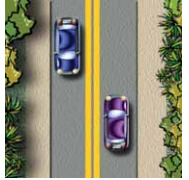
You may not pass if:
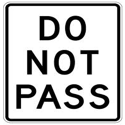
the solid yellow line is on your side of the center of the roadway; or there are double solid yellow lines;
10
New cards
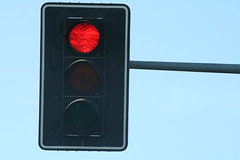
Steady Red Signal
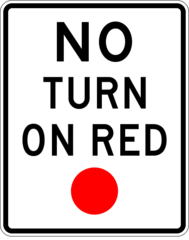
Come to a complete stop at the stop line. Unless a sign prohibits turning on red, after coming to a complete stop, you may turn right or you may turn left from a one-way street to another oneway street.
11
New cards
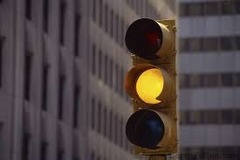
Steady Yellow Signal
The signal is changing from green to red. It provides time for approaching traffic to stop safely on the intersection before the signal turns red
12
New cards
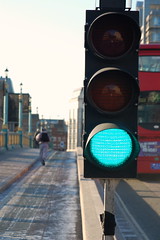
Steady Green Signal
When it is safe to proceed, you may enter the intersection to go straightahead or turn unless a sign or additional signal prohibits the turn. You still must yield to pedestrians.
13
New cards
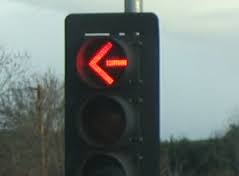
Steady Red Arrow Signal
If you intend to move in the direction indicated by the arrow, come to a complete stop before reaching the stop line, crosswalk, or intersection. Remain stopped as long as the arrow signal is red.
14
New cards
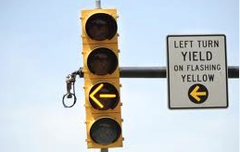
Steady Yellow Arrow Signal
This means that the movement indicated by the arrow is ending. You should slow down and proceed with caution.
15
New cards
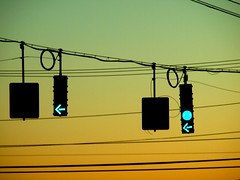
Steady Green Arrow Signal
Proceed with caution in the direction the arrow points. Remember that you must yield to all pedestrians and vehicles already in the intersection.
16
New cards
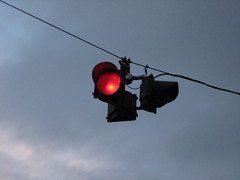
Flashing Red Signal
Come to a complete stop at the stop line or, if there is no stop line, prior to the crosswalk and before entering the intersection. Yield to all other traffic and pedestrians
17
New cards
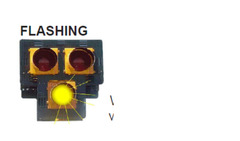
Flashing Yellow Signal
You must slow down and proceed with caution.
18
New cards
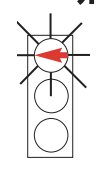
Flashing Red Arrow Signal
Come to a complete stop before reaching the stop line, crosswalk, or intersection and yield to all other traffic and to pedestrians. Proceed in the direction of the arrow when the way is clear.
19
New cards
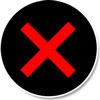
Red "X" Signal
You must never drive in a lane under a red "X" signal.
20
New cards
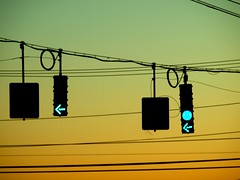
Green Arrow Signal
You are permitted to drive in a lane under a green arrow signal.
21
New cards
Steady Yellow "X"
A steady yellow "X" signal means a driver should move out of the lane as soon as safely possible.

22
New cards
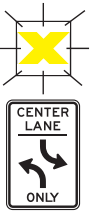
Flashing Yellow "X"
A flashing yellow "X" signal or two-way leftturn arrows mean that a driver is permitted to use the lane for a left turn. It is likely that you will be sharing the lane with left-turning vehicles coming from the opposite direction
23
New cards
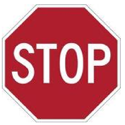
Red Sign
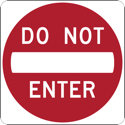
Prohibitive: Stop, yield, do not enter, or wrong way.
24
New cards
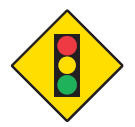
Yellow Sign
General warning of what to expect ahead.
25
New cards
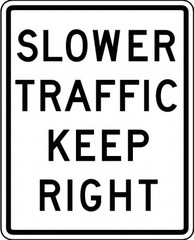
White Sign
Regulatory: such as speed limit, keep right, and some guide signs
26
New cards
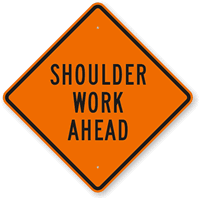
Orange Sign
Construction and maintenance work area warning.
27
New cards
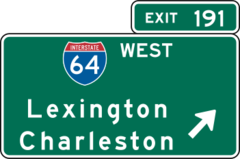
Green Sign
Guidance information: destinations, distances, and directions.
28
New cards
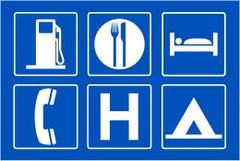
Blue Sign
Road user services: such as food, gas, rest area signs.
29
New cards
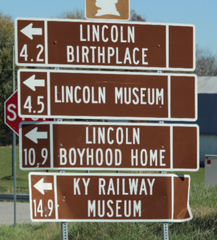
Brown Sign
Recreation and cultural interest areas
30
New cards
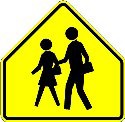
Fluorescent Yellow-Green SIgn
School, pedestrian and bicycle signs.
31
New cards
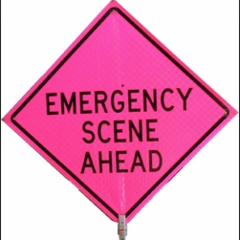
Fluorescent Pink Sign
Emergency traffic incidents
32
New cards
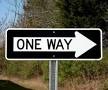
Black Sign
Certain regulatory signs, such as One Way signs, and changeable message signs.
33
New cards
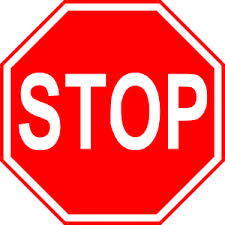
Octagon Sign
Stop. You must come to a complete stop.
34
New cards
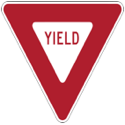
Triangle Sign
Yield; Slow down and if necessary stop to give the right of way to vehicles and pedestrians
35
New cards
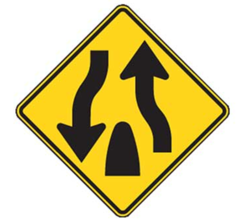
Diamond Sign
Warning; used to warn you of special conditions or hazards ahead
36
New cards
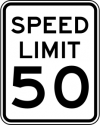
Rectangle Sign
Regulatory or Guide; Vertical signs are generally used to give instructions or tell you the rules of the road. In the horizontal position, the signs generally give directions or information.
37
New cards
Pentagon Sign
School Zone and School Crossing
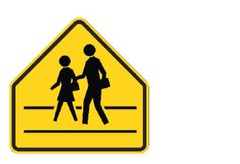
38
New cards
Pennant Sign
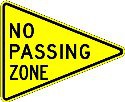
No Passing; indicates start of no passing zone
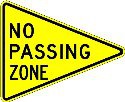
39
New cards
Round Sign
Railroad Warning
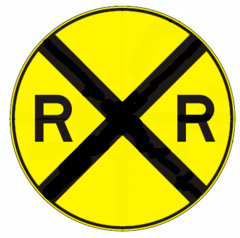
40
New cards
Crossbuck Sign
Highway-Raid Grade Crossing
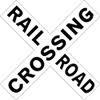
41
New cards
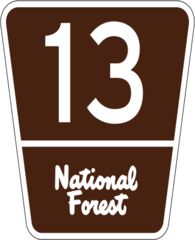
Trapezoid Sign
Recreation and cultural interest areas and National Forest Routes.
42
New cards
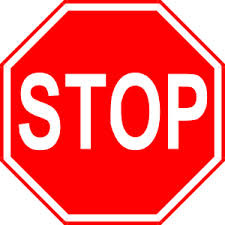
. 8-Sided Sign, White Letters on Red
The Stop sign is the only 8-sided sign you will see on the highway
43
New cards
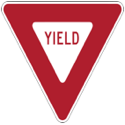
. 3-Sided Sign, Red Letters on White
You will see no other signs of this shape on the highway. Slow down as you approach a yield sign. Look to the left and the right. Yield to pedestrians and vehicles. Once you have yielded to vehicles or pedestrians, you may proceed only when you can do so safely.
44
New cards
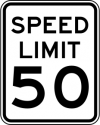
Rectangular (4-Sided) Signs, Black on White
These signs are used to regulate traffic. This particular sign tells you the maximum speed limit for the stretch of highway where it is posted.
45
New cards
No Turn on Red
46
New cards
Do Not Pass
47
New cards
Do Not Enter
48
New cards
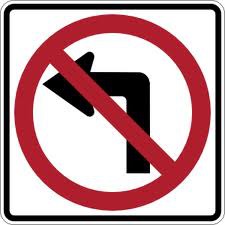
No Left Turn
49
New cards
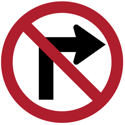
No Right Turn
50
New cards
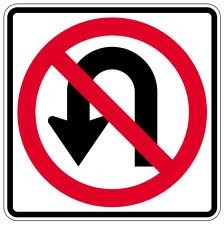
No U Turn
51
New cards
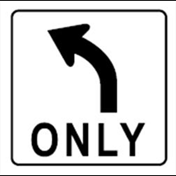
Left Turn Only
52
New cards
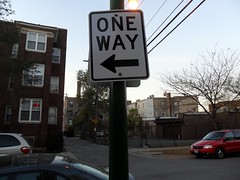
One Way
53
New cards
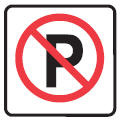
No Parking
54
New cards
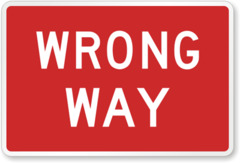
Wrong Way
55
New cards
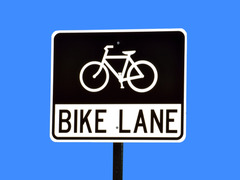
Bike Lane
56
New cards
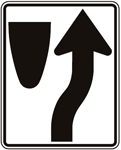
Stay to Right of Median
57
New cards
High Occupancy Vehicles
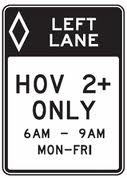
58
New cards
Left Turn Yield on Green
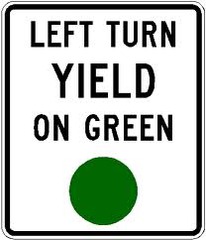
59
New cards
Reserved as Disability Parking Space
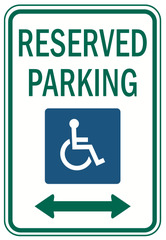
60
New cards
Two-way Left Turn Only

61
New cards
Road Curves
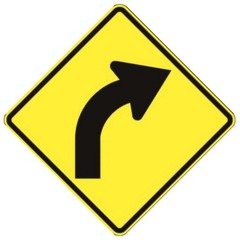
62
New cards
Sharp Turns
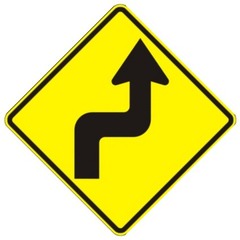
63
New cards
Road Curves
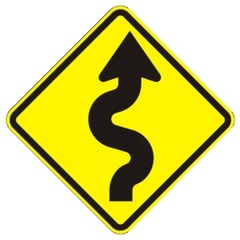
64
New cards
Side Road Enters Ahead

65
New cards
"T" Intersection Ahead
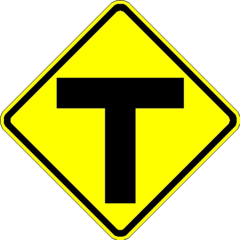
66
New cards
Slippery When Wet
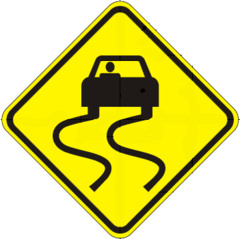
67
New cards
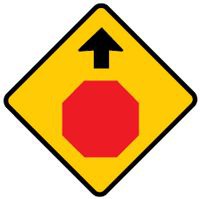
Stop Ahead
68
New cards
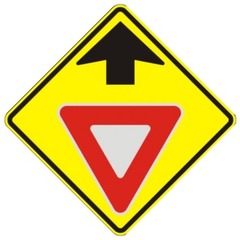
Yield Ahead
69
New cards
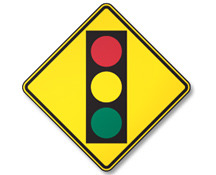
Signal Ahead
70
New cards
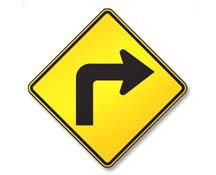
Sharp Right Turn
71
New cards
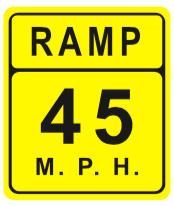
Advisory Speed
72
New cards
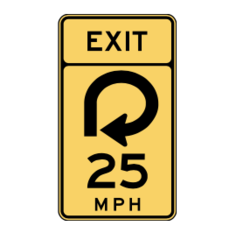
Exit Ramp Advisory Speed
73
New cards
No Passing Zone
74
New cards
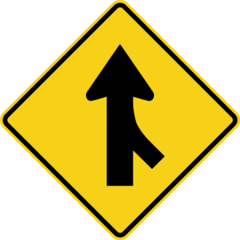
Roadway Merging
75
New cards
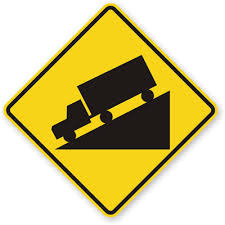
Steep Hill
76
New cards
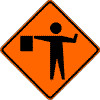
Flagger Ahead
77
New cards
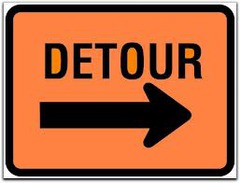
Detour
78
New cards
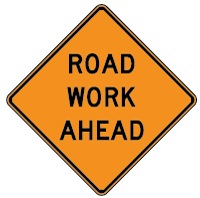
Roadwork Ahead
79
New cards
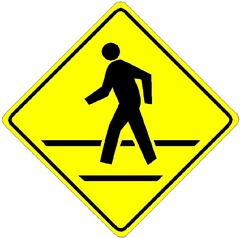
Pedestrian Crossing
80
New cards
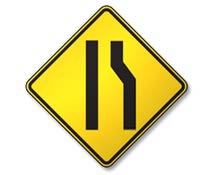
Lane Ends Merge Left
81
New cards
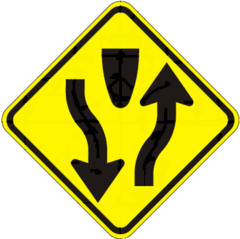
Road Divides Ahead
82
New cards
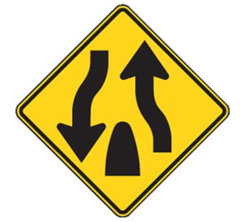
Divided Roadway Ends Ahead
83
New cards
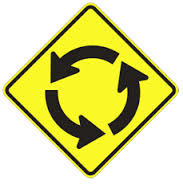
Roundabout
84
New cards
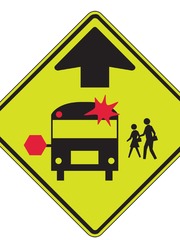
School Bus Stop Ahead
85
New cards
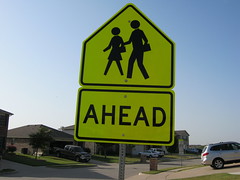
School Crossing Ahead
86
New cards
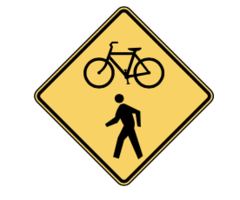
Pedestrian Bicycle Crossing
87
New cards
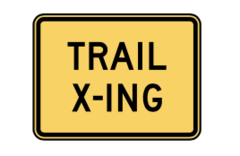
Trail Crossing
88
New cards
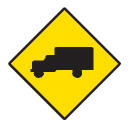
Truck Crossing
89
New cards
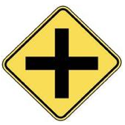
Intersection
90
New cards
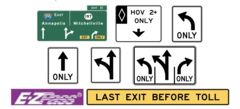
Overhead Lane Use Signs
91
New cards
Interstate
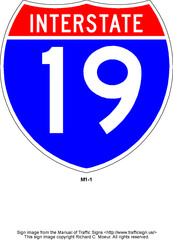
92
New cards
U.S. Route
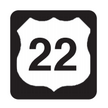
93
New cards
Destination Guide
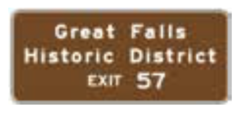
94
New cards
General Service Signs
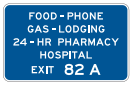
95
New cards
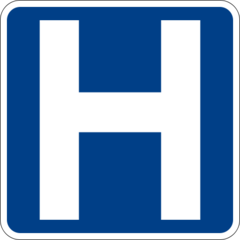
Hospital Sign
96
New cards
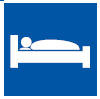
Lodging Sign
97
New cards
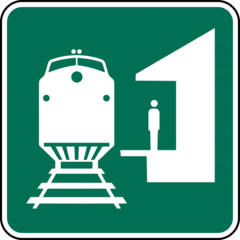
Train Station Sign
98
New cards
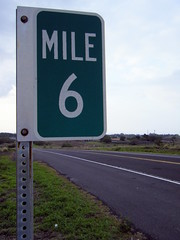
Mile Marker Sign
99
New cards
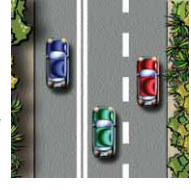
Single Broken White Line
Separation of lanes where White travel is in the same direction, and crossing from one lane to the other is permitted; i.e. lane lines on multi-lane roadways.
100
New cards
Single Broken Yellow Line
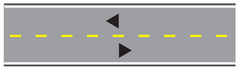
Separation of lanes where Yellow travel is in opposite directions, and where passing with care is permitted; i.e. centerline on 2-lane, 2-way roadways.