Ancient Rome and the Roman Republic
 Studied by 0 people
 Call Kai
 Learn
Learn Practice Test
 Spaced Repetition
 Match
Match Flashcards
1/16

There's no tags or description
Looks like no tags are added yet.
Name | Mastery | Learn | Test | Matching | Spaced | Call with Kai |
|---|
No analytics yet
Send a link to your students to track their progress
17 Terms
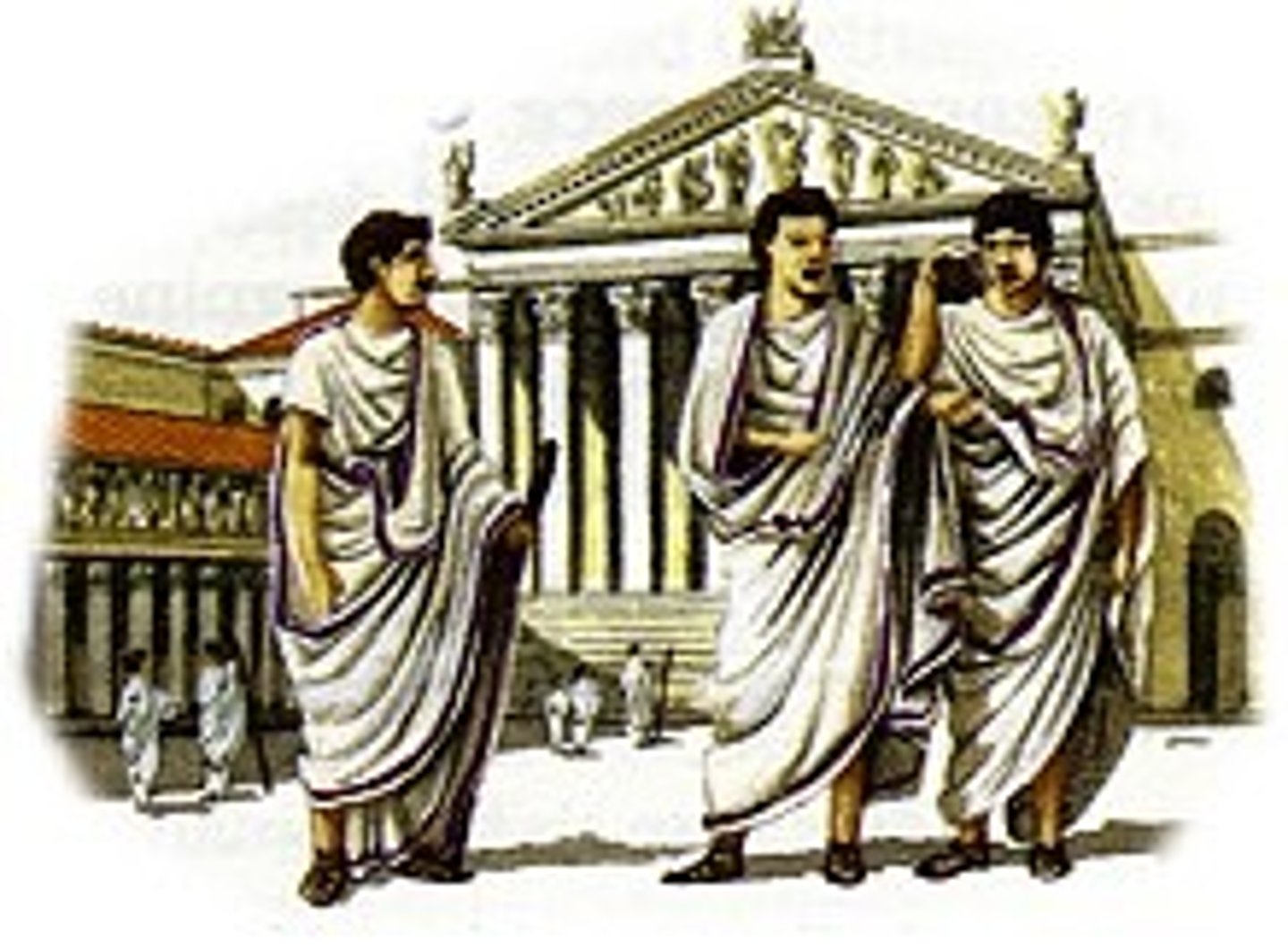
patricians
wealthy and powerful Roman noblemen who controlled all power in the early years of the Roman Republic
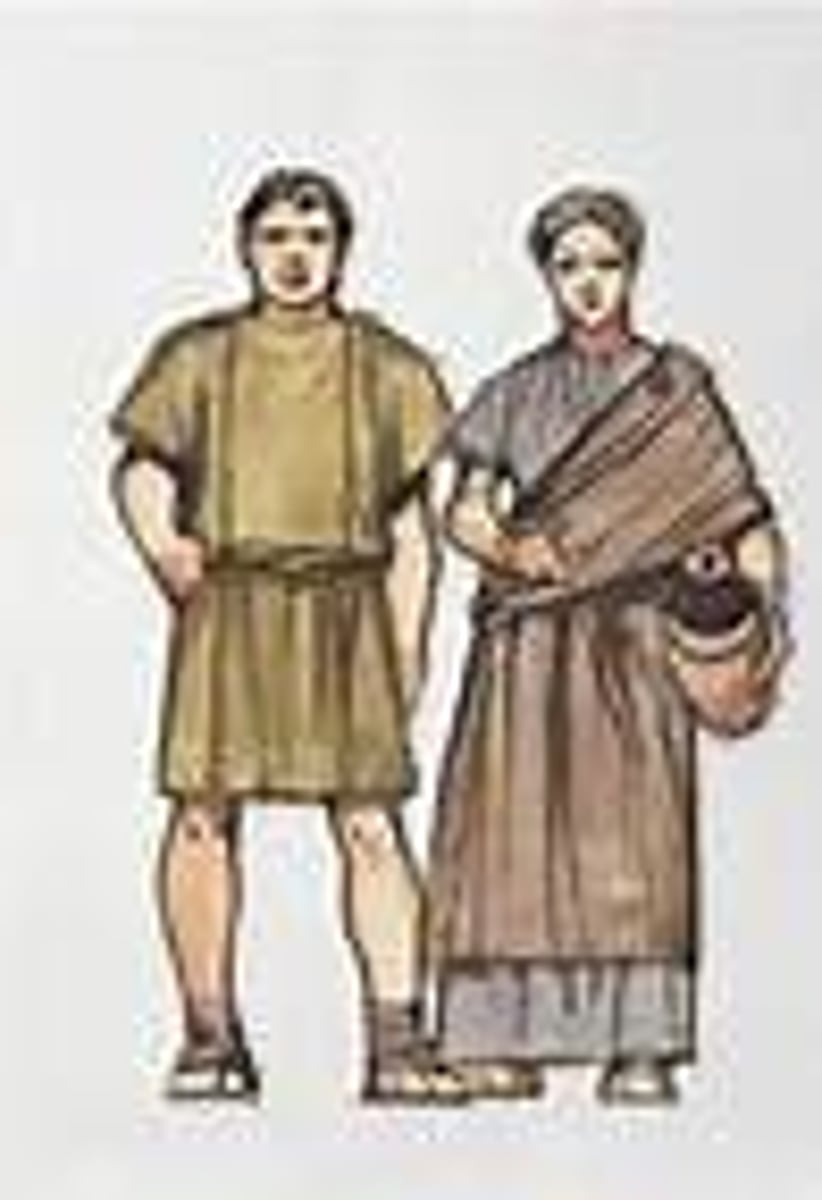
plebeians
the common people of Rome, such as farmers, traders, and craftworkers
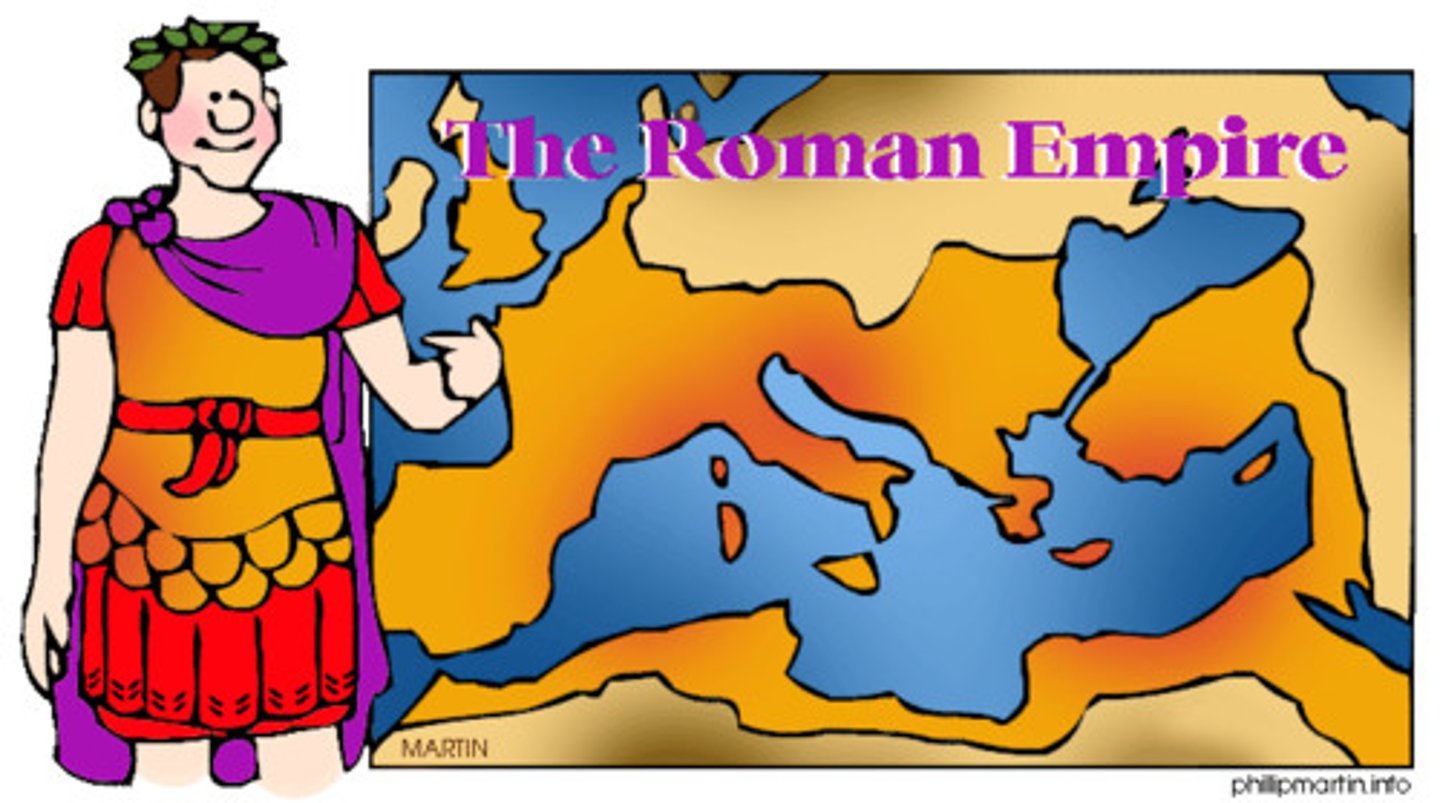
empire
a large group of states or countries under a single supreme authority
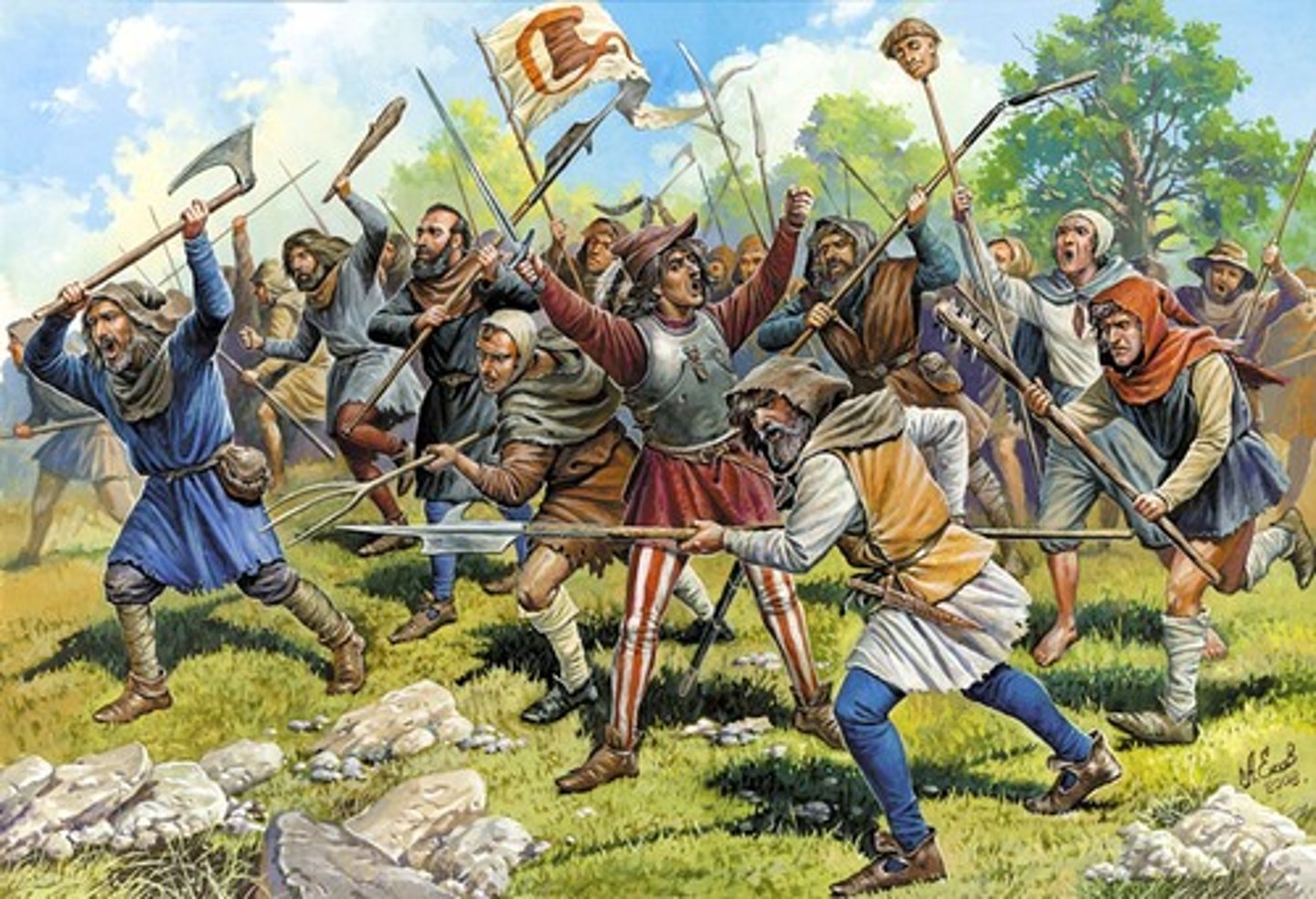
revolt
a violent uprising against a ruler
assembly
Roman branch of government that passed all legislation on the basis of direct democracy.
constitution
a body of fundamental principles according to which a state is acknowledged to be governed.
consul
one or two supreme heads of state during the Roman Republic that were elected each year
Senate
the lawmaking body and most powerful branch in ancient Rome's Republic.
tribunes
elected leaders who represented the interests of the plebeians. One of the branches of the Roman Republic government.
Julius Caesar
a Roman general and statesman who played a critical role in the events that led to the demise of the Roman Republic and the rise of the Roman Empire
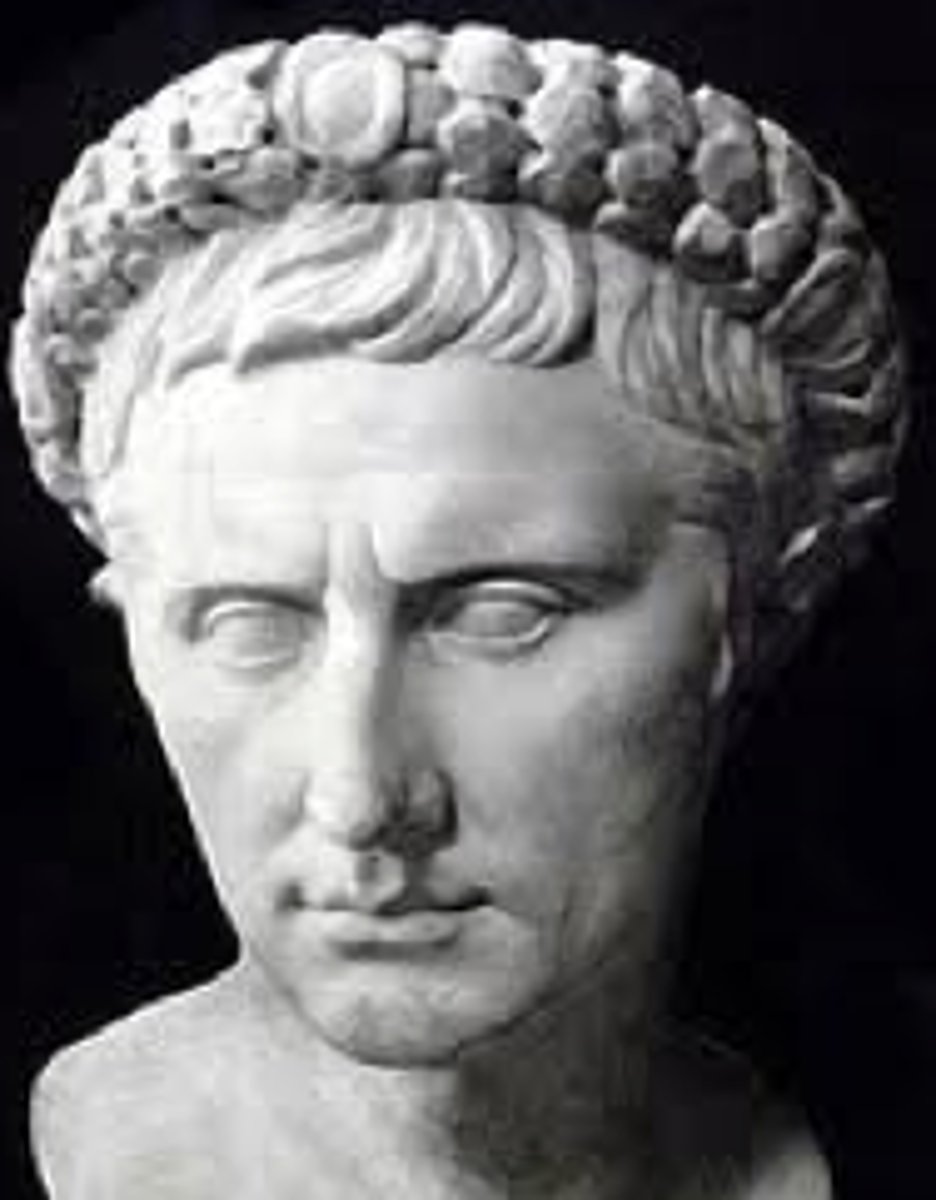
Twelve Tables
Rome's first code of laws; adopted in 450 B.C.
Pax Romana
A period of peace and prosperity throughout the Roman Empire, lasting from 27 B.C. to A.D. 180.
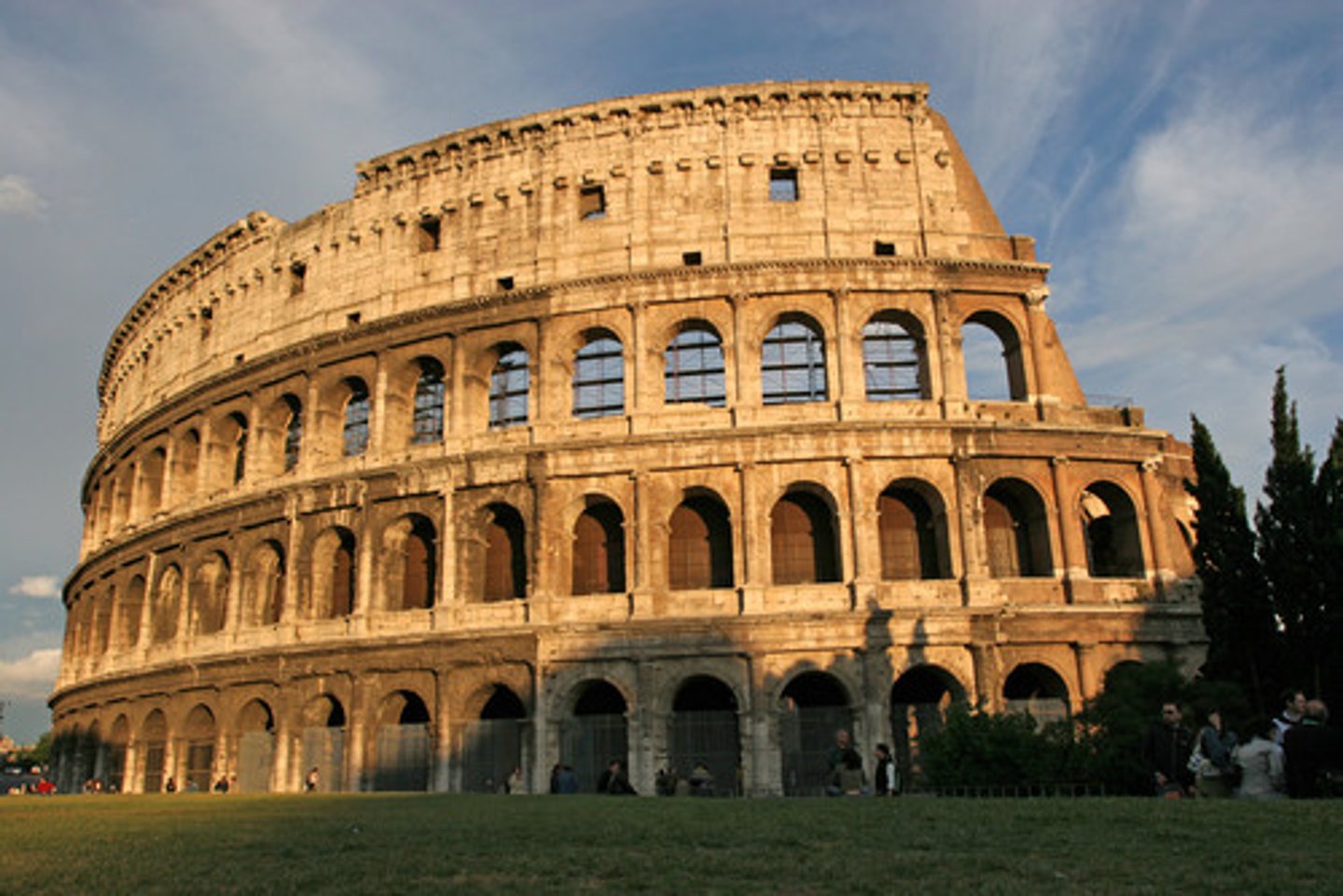
Colosseum
A large stadium in ancient Rome where athletic events took place
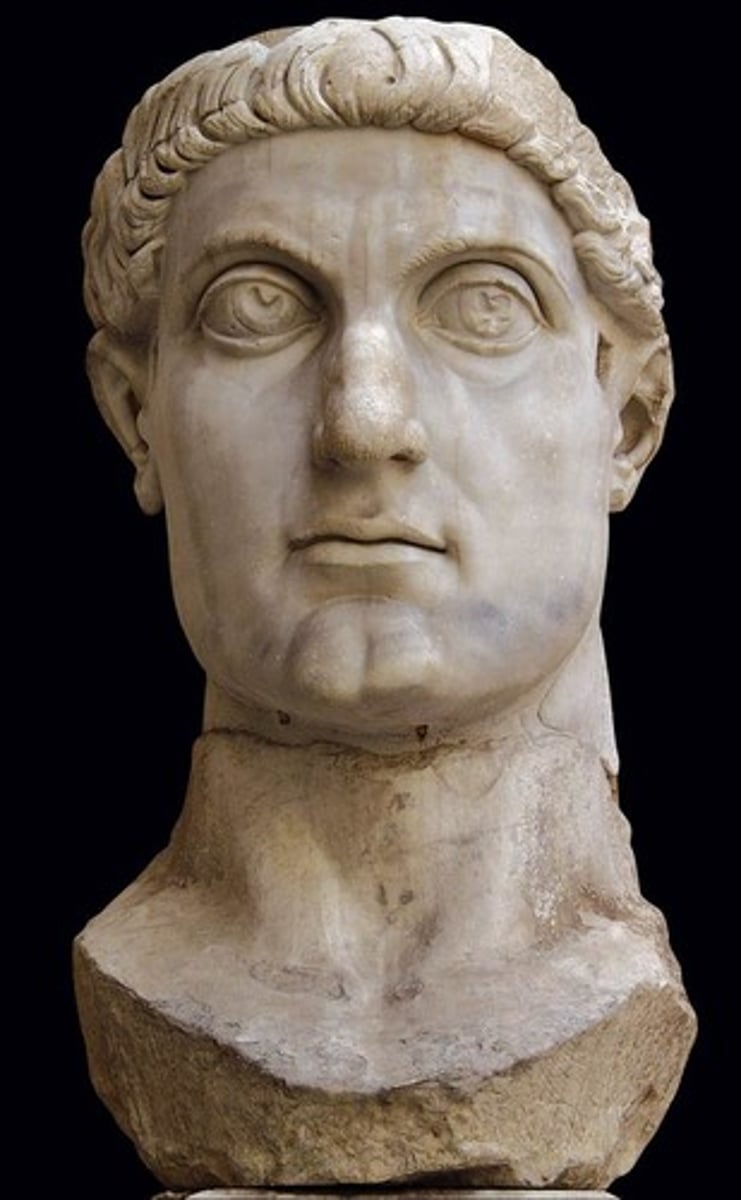
Constantine the Great
First Christian emperor of Rome
Christianity
A monotheistic system of beliefs based on the teachings of Jesus

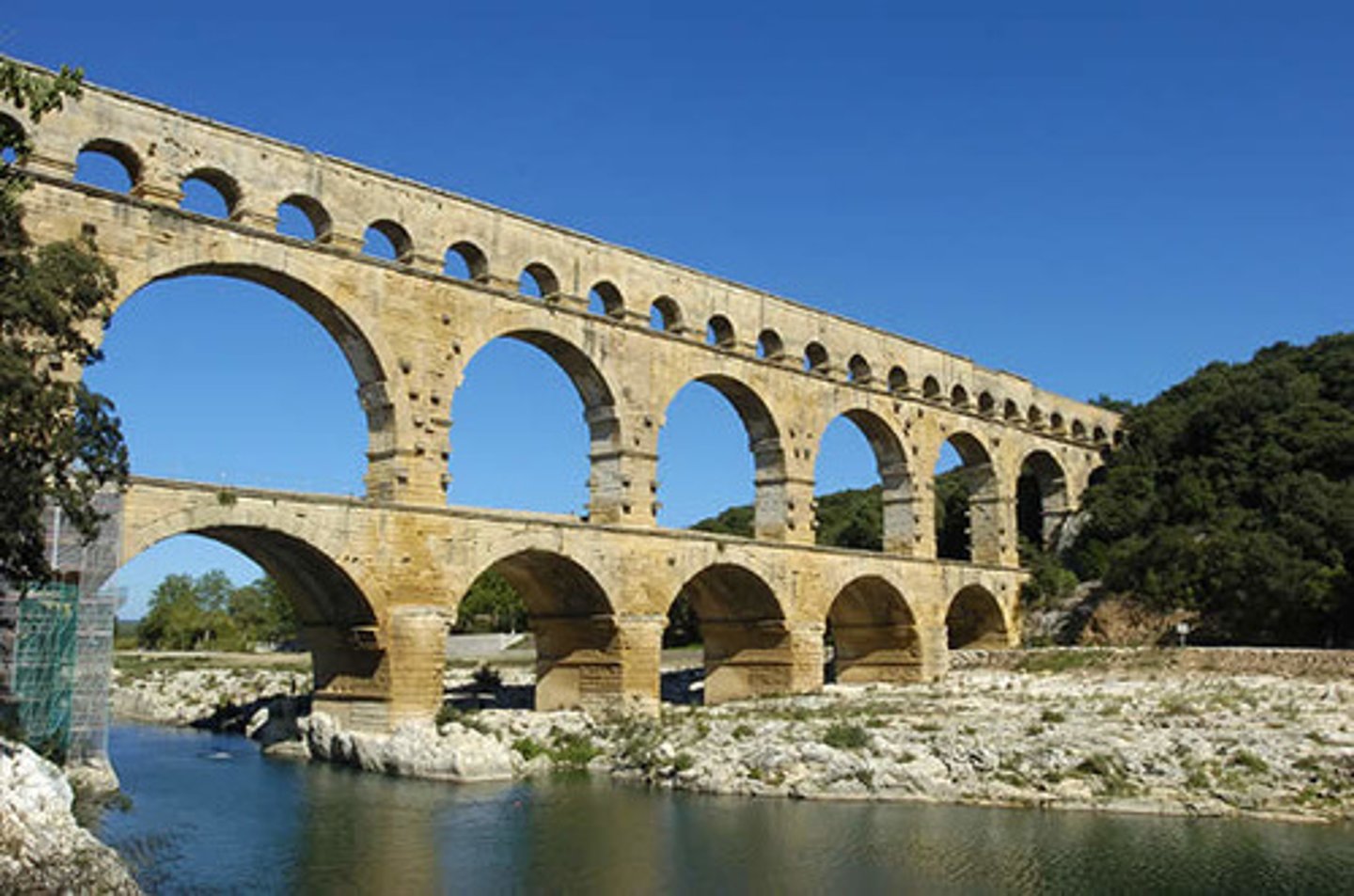
Aqueducts
Artificial channels for transporting water created in Rome
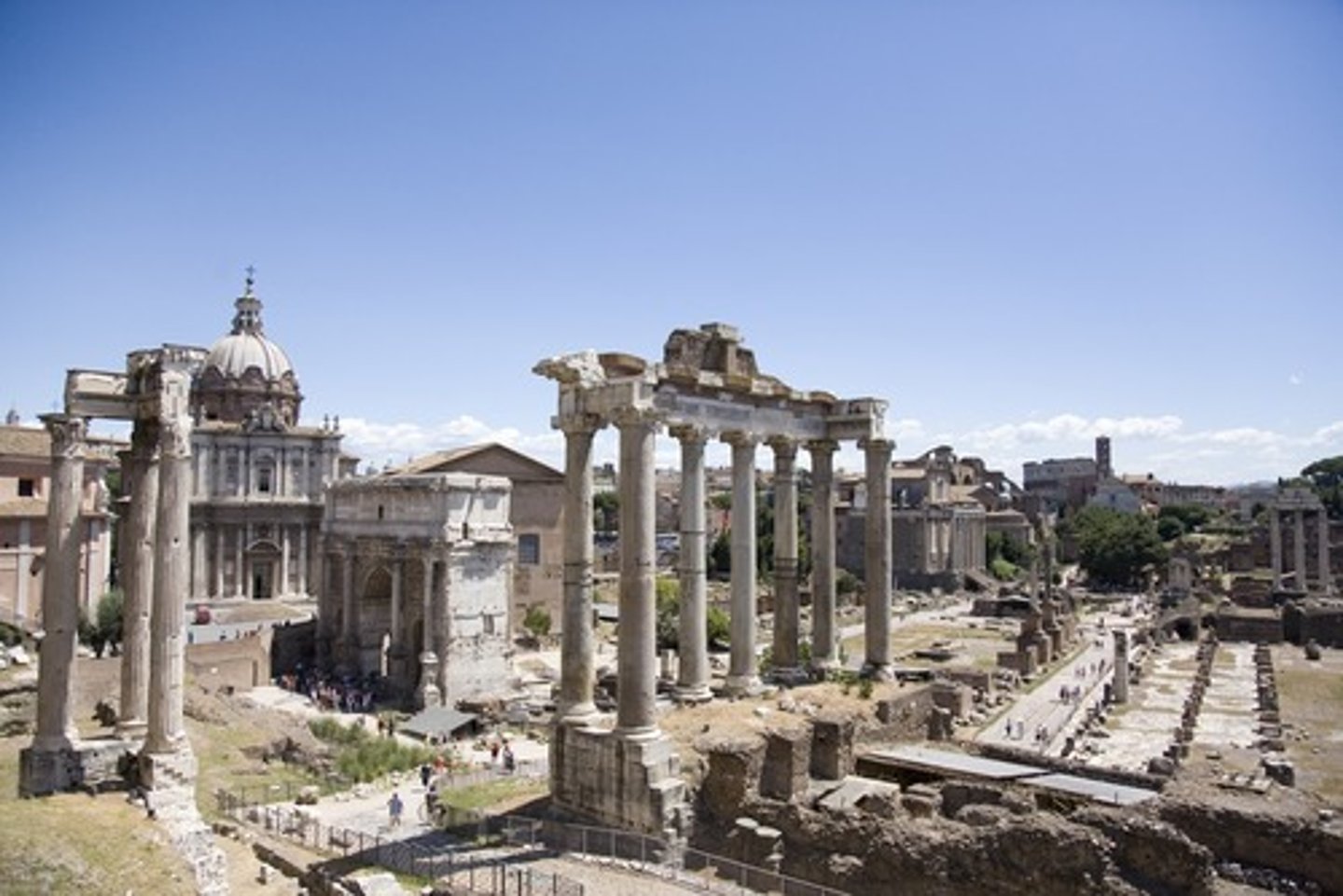
Roman Forum
An area for people to gather to hear speeches, shop, worship at temples, and socialize
 Note
Note  Flashcards (118)