period 2 apush exam
 Studied by 1 person
 Call Kai
 Learn
Learn Practice Test
 Spaced Repetition
 Match
Match Flashcards
 Knowt Play
1/9

Earn XP
Description and Tags
????????
Name | Mastery | Learn | Test | Matching | Spaced | Call with Kai |
|---|
No analytics yet
Send a link to your students to track their progress
10 Terms
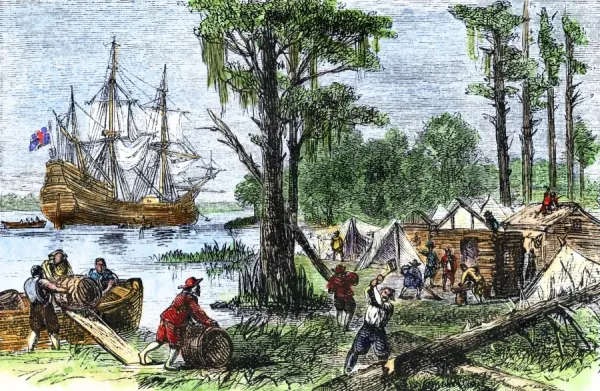
Stimulus 1:
Image of a 17th-century English settler ship arriving at the Jamestown colony in Virginia.
Question 1:
How did the initial English colonization efforts at Jamestown, as depicted in the image, reflect broader trends in European colonization in the Americas during the 17th century?
C. European powers sought to establish profitable colonies through the extraction of resources.
Excerpt from a letter by John Winthrop, a Puritan leader, to a fellow colonist in Massachusetts Bay (1630):
"We shall be as a city upon a hill, the eyes of all people are upon us."
Question 2:
What does Winthrop's statement suggest about the Puritan colony's goals for its society?
B. The colony sought to create a religious utopia that would inspire others.
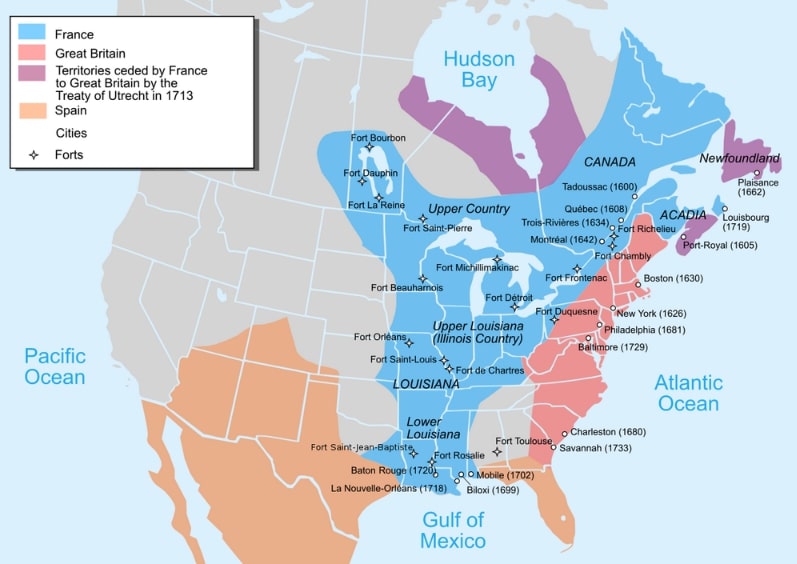
Stimulus 3:
Map showing the distribution of the 13 American colonies in 1700, with major trading routes and Native American tribal territories.
Question 3:
Based on the map, how did geography influence the economic development of the American colonies in the early 18th century?
C. Coastal colonies developed diverse economies, including agriculture, trade, and shipbuilding.
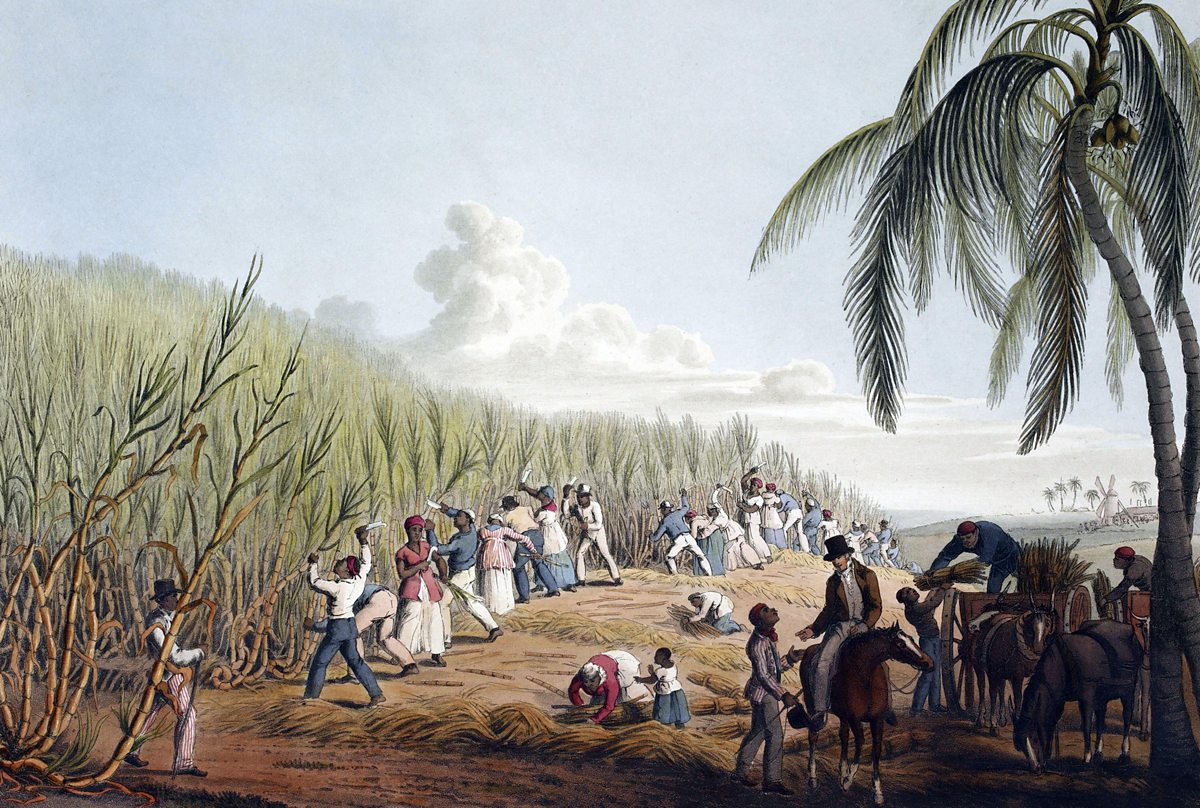
Stimulus 4:
An image of a sugar plantation in the Caribbean, including African slaves working the fields.
Question 4:
What does the presence of enslaved Africans on Caribbean sugar plantations, as shown in the image, reveal about the economic systems of European colonies in the Americas?
B. The demand for labor led to the establishment of the Atlantic slave trade.
Stimulus 5:
Excerpt from a Native American chief's speech in 1675 regarding land loss due to European settlement:
"We are now surrounded by their people and cannot hunt where we once did. The land that was ours is no longer ours."
Question 5:
What does this excerpt suggest about the effects of European settlement on Native American communities in the 17th century?
 Note
Note  Flashcards (150)