AP Art History - Baroque
 Call Kai
 Learn
Learn Practice Test
 Spaced Repetition
 Match
Match Flashcards
 Knowt Play
1/10

There's no tags or description
Looks like no tags are added yet.
Name | Mastery | Learn | Test | Matching | Spaced | Call with Kai |
|---|
No analytics yet
Send a link to your students to track their progress
11 Terms
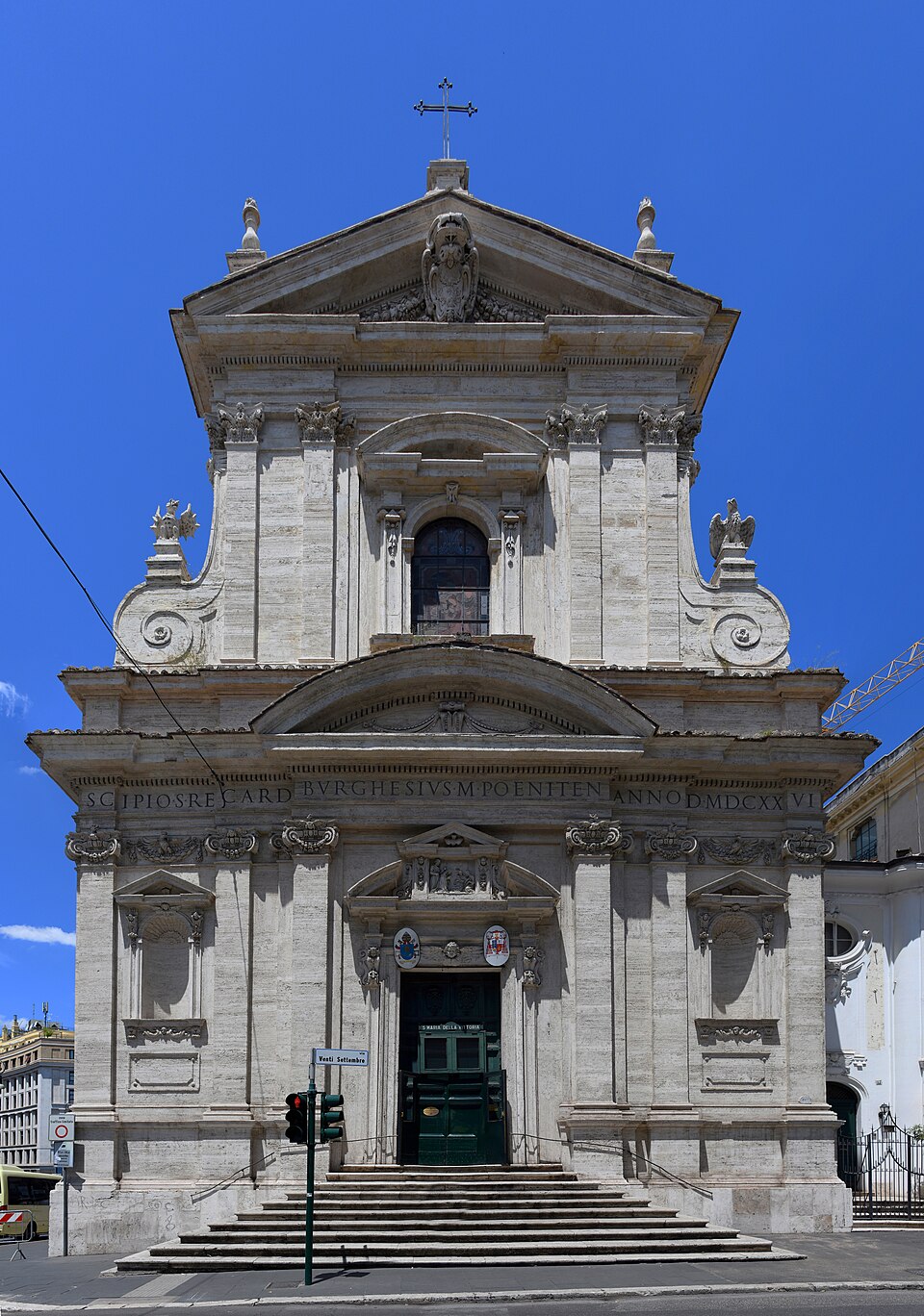
Santa Maria della Vittoria
Carlo Maderno
1605-20
Rome
Originally dedicated to St. Paul, later rededicated to Mary after a military victory in Bohemia in 1620
Six Ionic pilasters with emphasis on façade center.
Round and triangular pediments, scrollwork and partial volutes
Houses other symbols of victory, such as flags captured from Turkish forces in 1683
Houses the Cornaro Chapel and Ecstasy of St. Teresa
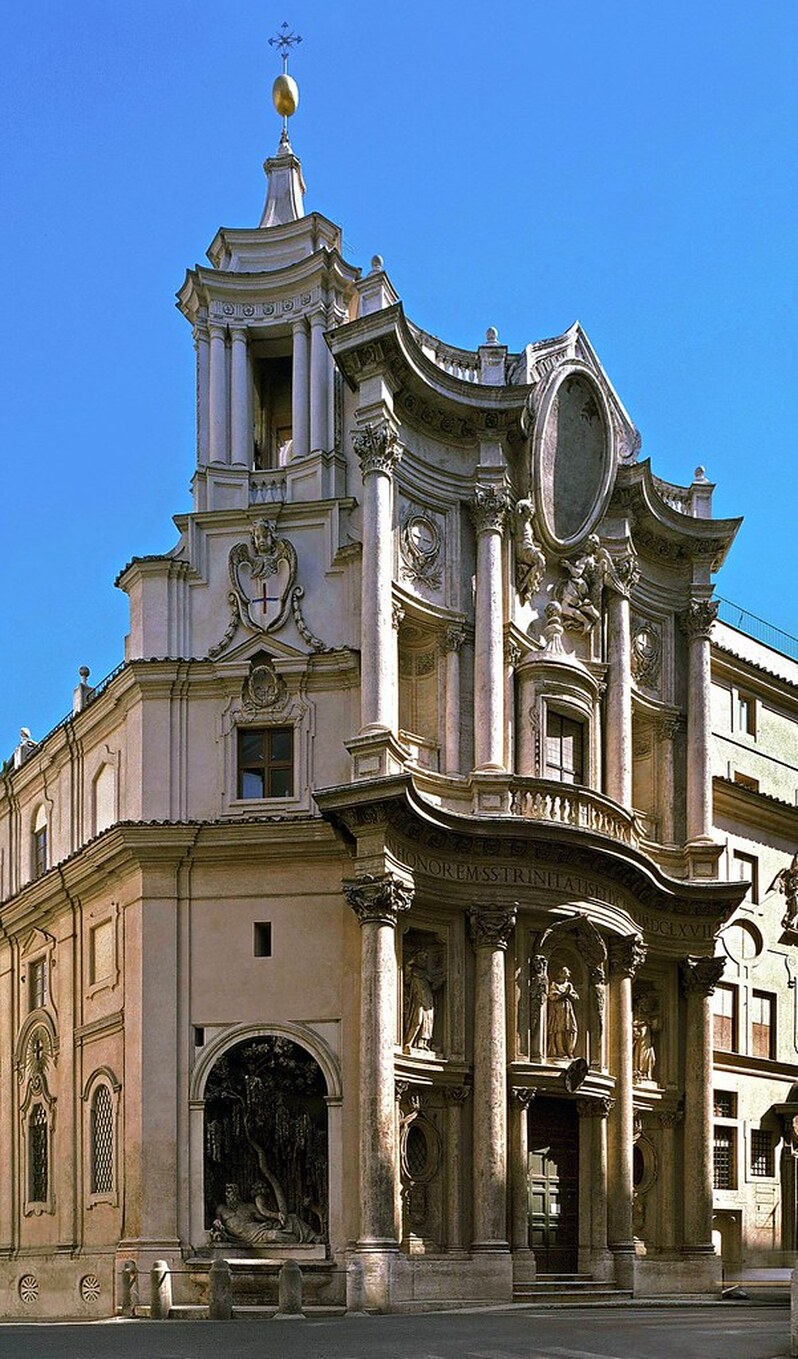
San Carlo alle Quattro Fontane
Francesco Borromini
1638-46
stone and stucco
Rome
Unusually small (66’ x 39’)
Alternating concave and convex patterns in façade and interior
Built as part of Trinitarian complex; sculptures of Trinitarian saints are seen on façade
Interior dome is oval and coffered
Borromini worked in shades of white, avoiding typical Baroque color
Worked for free in exchange for greater creative freedom
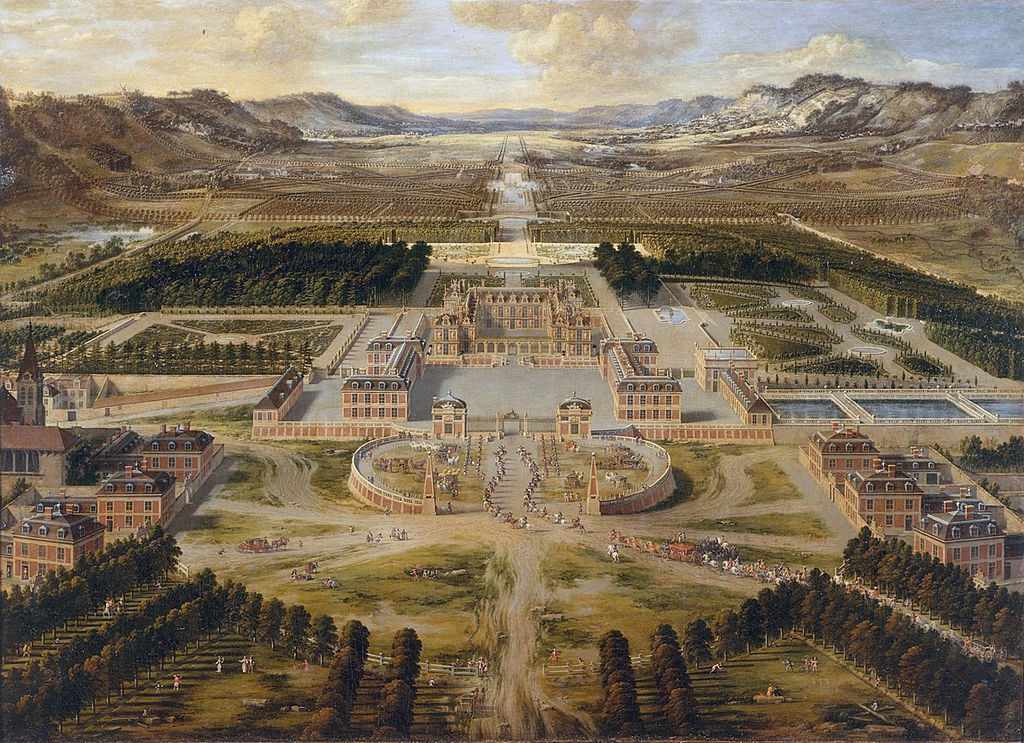
Palace at Versailles
Louis le Vau and Jules Hardouin-Mansart
begun 1669
masonry, stone, wood, iron, gold leaf, gardens
Versailles, France
Palace of Louis XIV and subsequent kings
Demonstrates the ideal of the absolute monarch
An extensive remodel of a hunting lodge
Center of the complex is the bedroom/audience chamber
Building centered in vast garden and town complex that radiate out like the sun’s rays
Hall of Mirrors
240’ long barrel vault; ceiling paintings stress Louis XIV’s victories
Light enter windows from one side and reflect off panes off glass
Venetian workers imported to craft mirrors (extravagant display of wealth)
Hall used for state and court functions
Gardens
Gardens formal near the palace, more wooded further away
Long vistas ending in fountains and statuary
Garden’s axis formed by 2 canals, aligned with rising sun
Many fountains; ones near palace kept running all the time
Demonstrates belief that humans can control nature
Ecstasy of St. Teresa
Gian Lorenzo Bernini
1647-52
marble, stucco, gilt bronze
Santa Maria della Vittoria, Rome
Work captures a moment in time rather than a general scene
Figures seem to float in space, illuminated by a hidden window
Marble sculpted in a variety of textures
Teresa canonized only 25 years earlier
Depicts one of her visions of God, an angel descending with an arrow, about to plunge it into her
Counter-Reformation work, meant to increase piety and devotion
Stage-like setting
Patrons (the Cornaro family) sit in theater boxes on either side to observe and comment
Chapel is located within Santa Maria della Vittoria
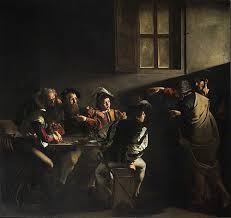
Calling of St. Matthew
Caravaggio
1597-1601
oil on canvas
Matthew was a tax collector
Light points directly to him
Tenebrism
Slight suggestion of halo above Christ
Figures wear current fashion
Counter-Reformation – focusing on the physical expression of faith
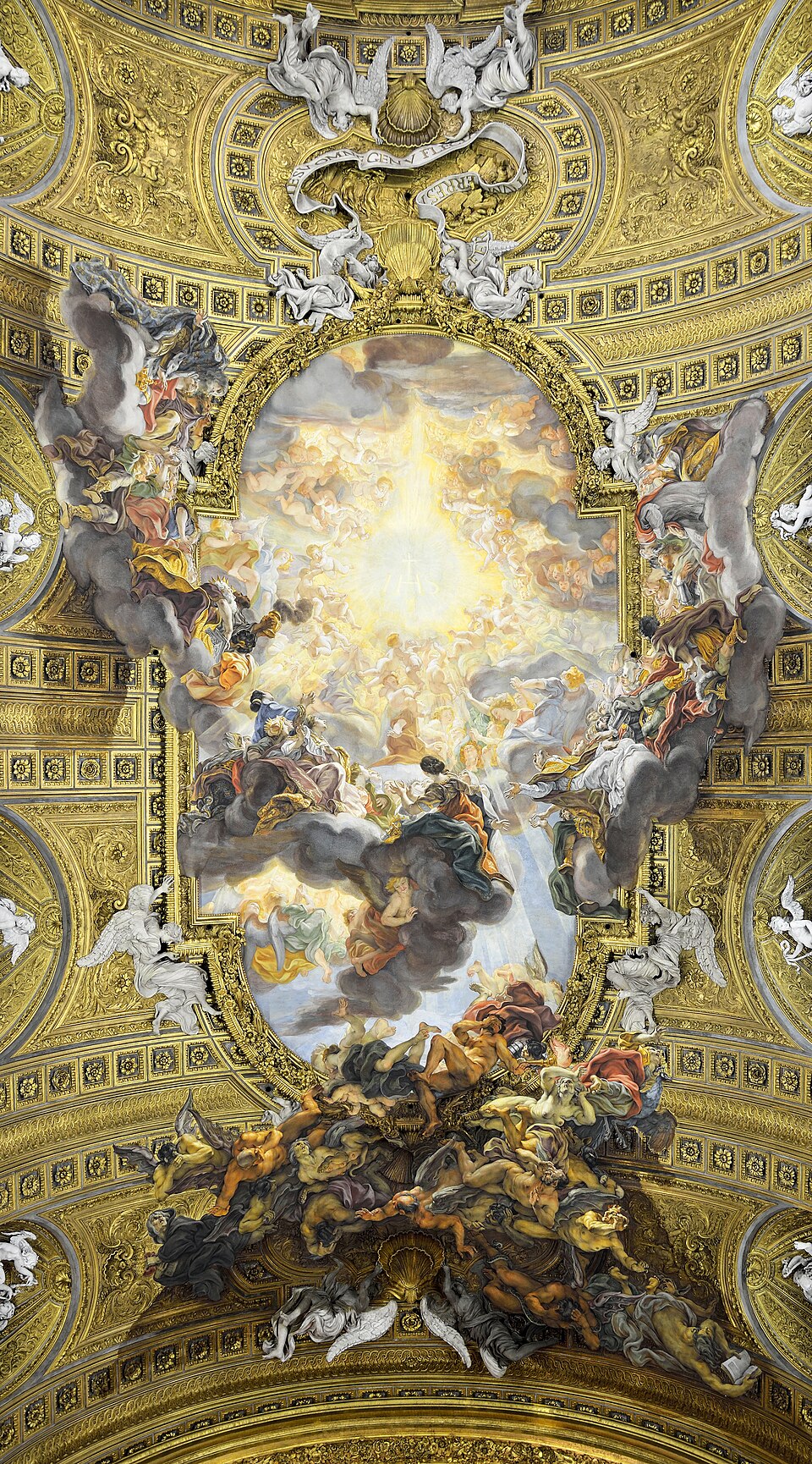
Triumph of the Name of Jesus
Giovanni Battista Gaulli
1676-79
fresco and stucco
Il Gesù, Rome
Ceiling in Il Gesù’s nave
Di sotto in sù
IHS in the center golden light
Figures tumble from heaven (some sculpted to create 3-D effect)
Trompe l’oeil, illusion of the ceiling open to the sky
Last Judgment scene
Gaulli a student of Bernini; his influence seen in the dramatic emotion
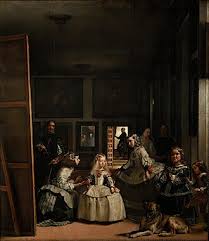
Las Meninas
Diego Velasquez
1656
oil on canvas
Portrait of artist at work
Infanta Margharita and meninas, along with chaperones, a dwarf, a midget, and a dog
Jose Niéto, head of the Queen’s Tapestry in rear
King and Queen in mirror
Alternate fields of light and dark pull viewer deeper
Paintings on back wall show Minerva, goddess of wisdom and patron of the arts
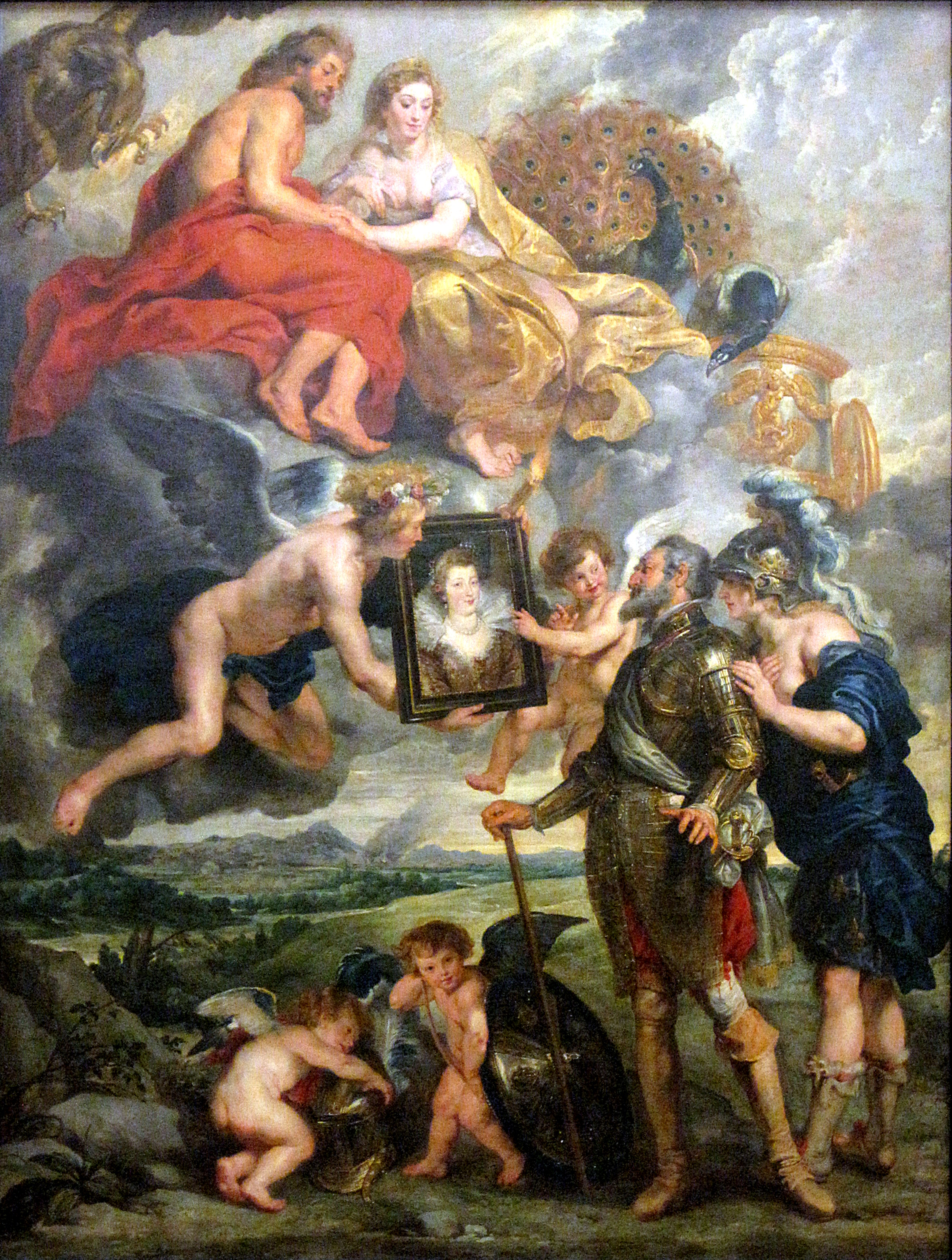
Henri IV Receives the Portrait of Marie de’Medici
Peter Paul Rubens
1621-25
oil on canvas
1 of 24 paintings in the Marie de’ Medici cycle
Commissioned by Marie after her husband’s death
Allegories and symbolism assist the narrative
Hymen and Cupid present her portrait
Jupiter and Juno look on approvingly
Connection of royalty to divine
France personified urges Henri to choose love
He does – his helmet and shield are now playthings for cherubs
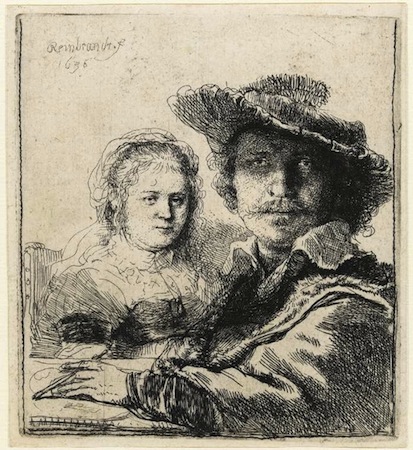
Self-Portrait with Saskia
Rembrandt
1636
etching
Self-portrait of artist drawing or etching
Saskia in background – his muse
Many portraits of Saskia made
Only known etching of Rembrandt with wife
Rembrandt famous for self-portraits (89!)
Both are dressed fancifully rather than in contemporary dress
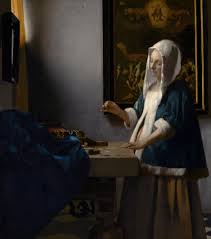
Woman Holding a Balance
Johannes Vermeer
1664
oil on canvas
Vermeer primarily depicts intimate, interior scenes
Light from left warmly illuminates the scene
Capturing a moment in time
Woman’s expression suggests weighing something profound
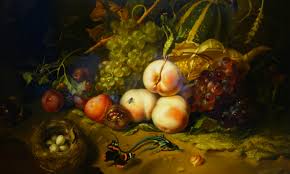
Fruit and Insects
Rachel Ruysch
1711
oil on wood
Asymmetrical arrangement
Image constructed rather than depicted – not all fruits in season at same time
Artist probably used botany textbooks (father was a professor)
Wheat and grapes – possibly reference to Eucharist

