Cheat sheet 7 : Heredity and Genetic Inheritance
 Studied by 0 people
 Call with Kai
 Learn
Learn Practice Test
 Spaced Repetition
 Match
Match Flashcards
 Knowt Play
1/39

There's no tags or description
Looks like no tags are added yet.
Name | Mastery | Learn | Test | Matching | Spaced | Call with Kai |
|---|
No study sessions yet.
40 Terms
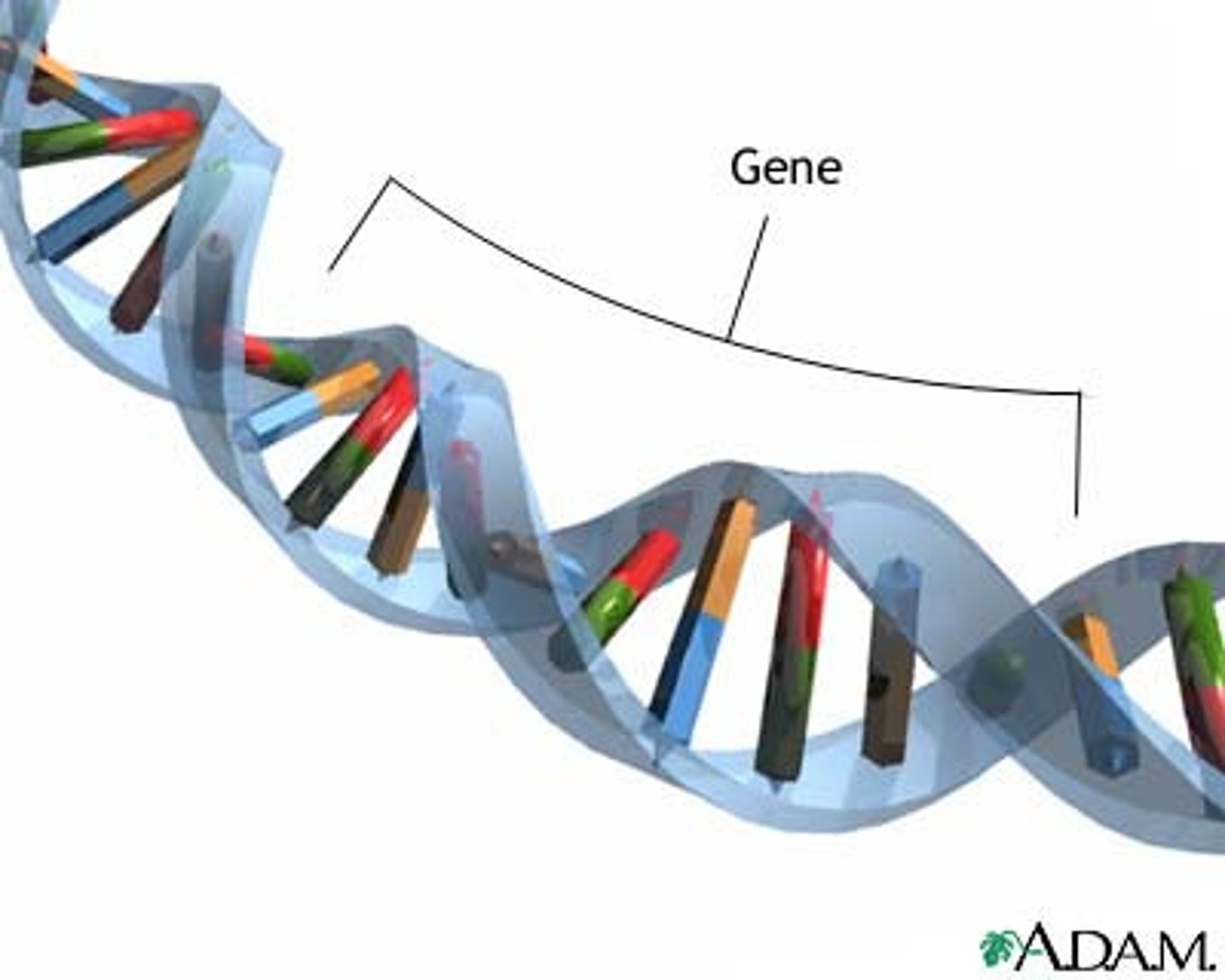
A basic unit or sequence of genetic material that encodes a trait.
Gene
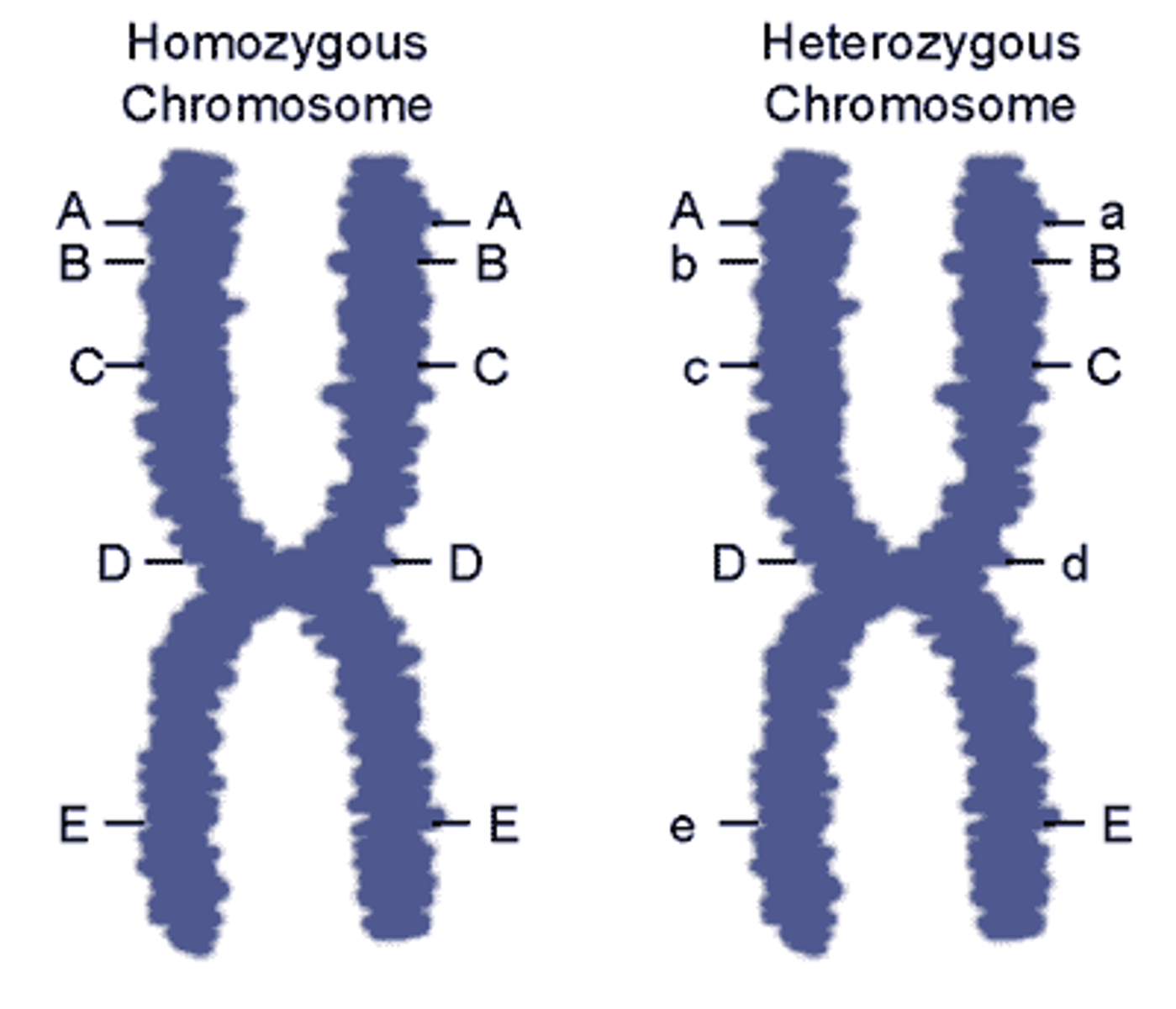
Carrying the same alleles on each homologous chromosome.
Homozygous
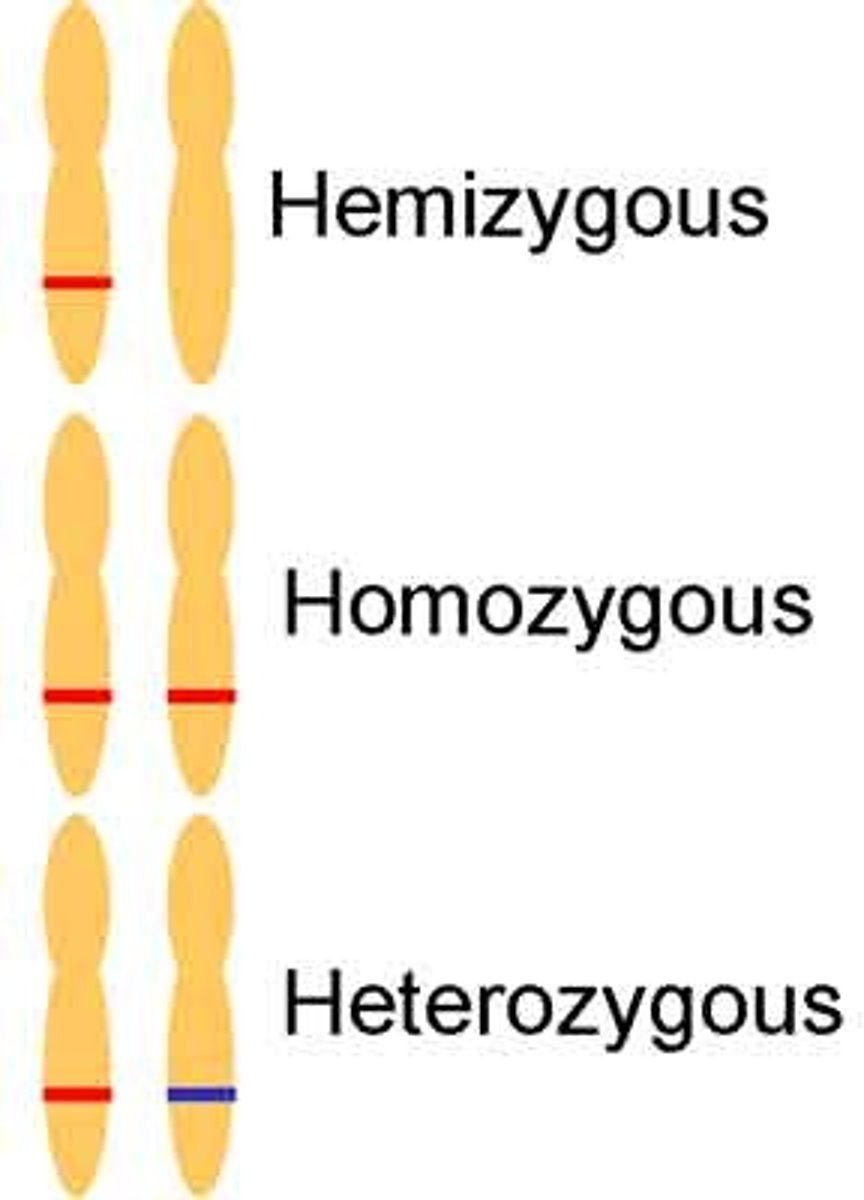
Having only one copy of a gene instead of two, such as in the sex chromosomes of males.
Hemizygous
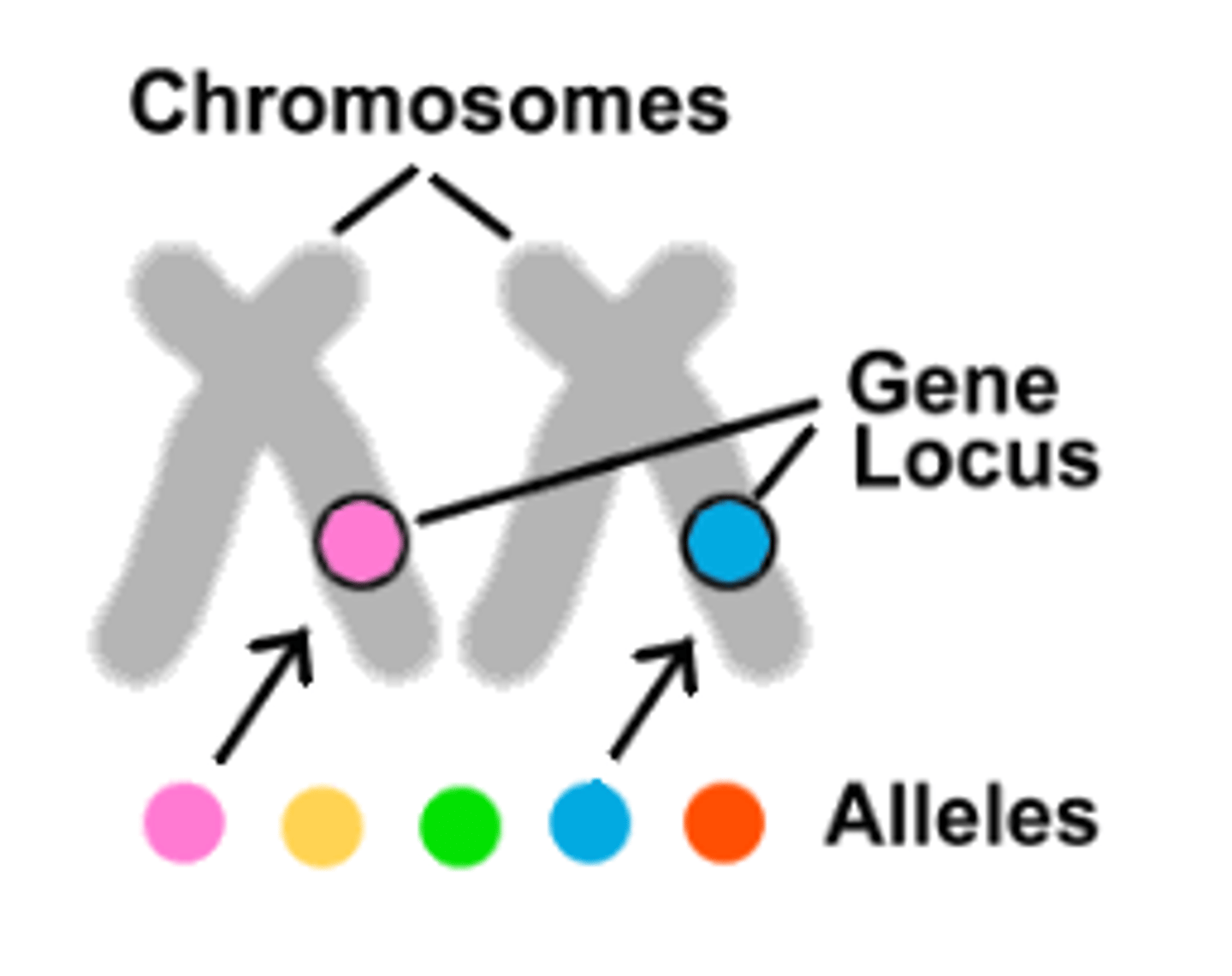
The specific location of a gene within a genome.
Locus
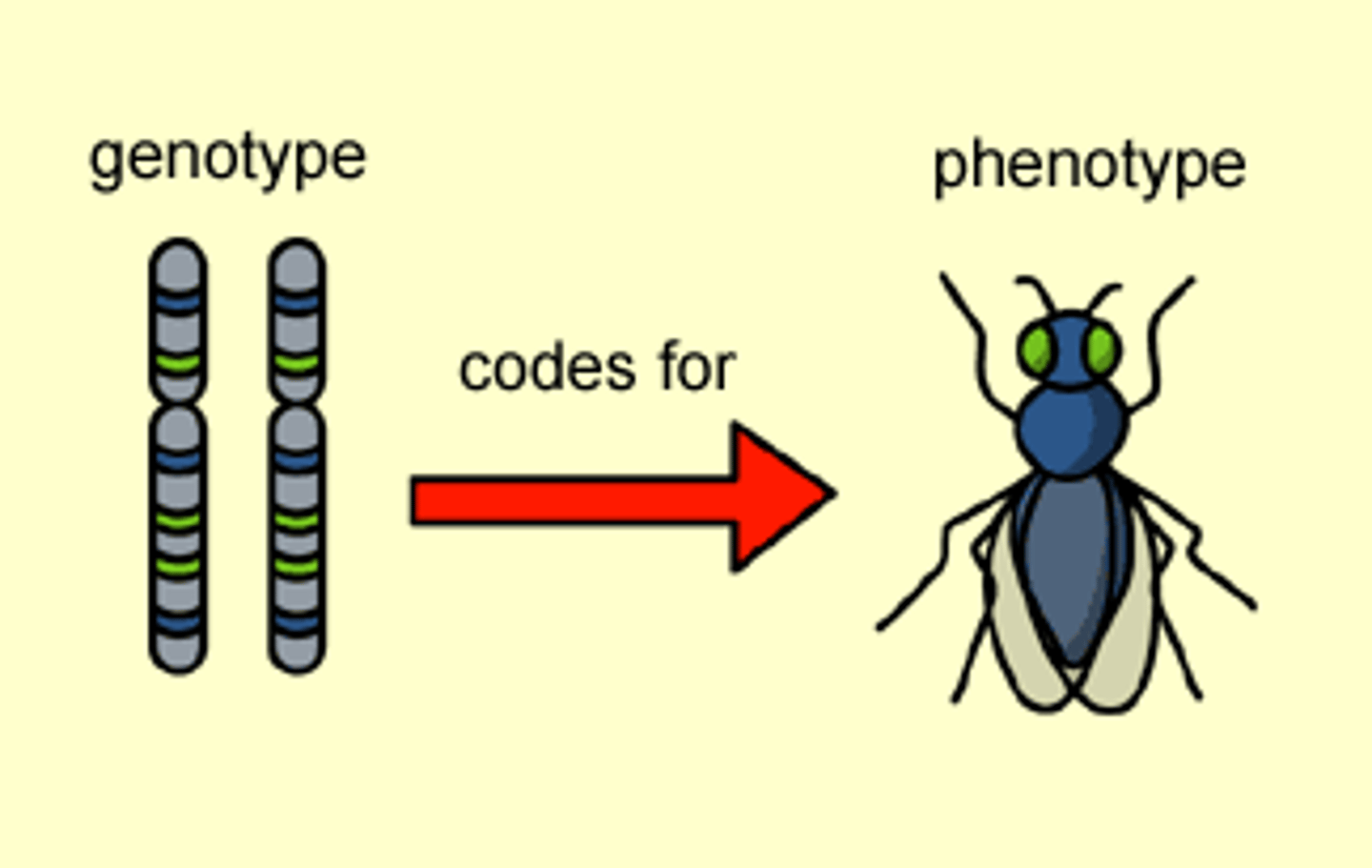
The set of observable characteristics in an individual resulting from the expression of genotype.
Phenotype
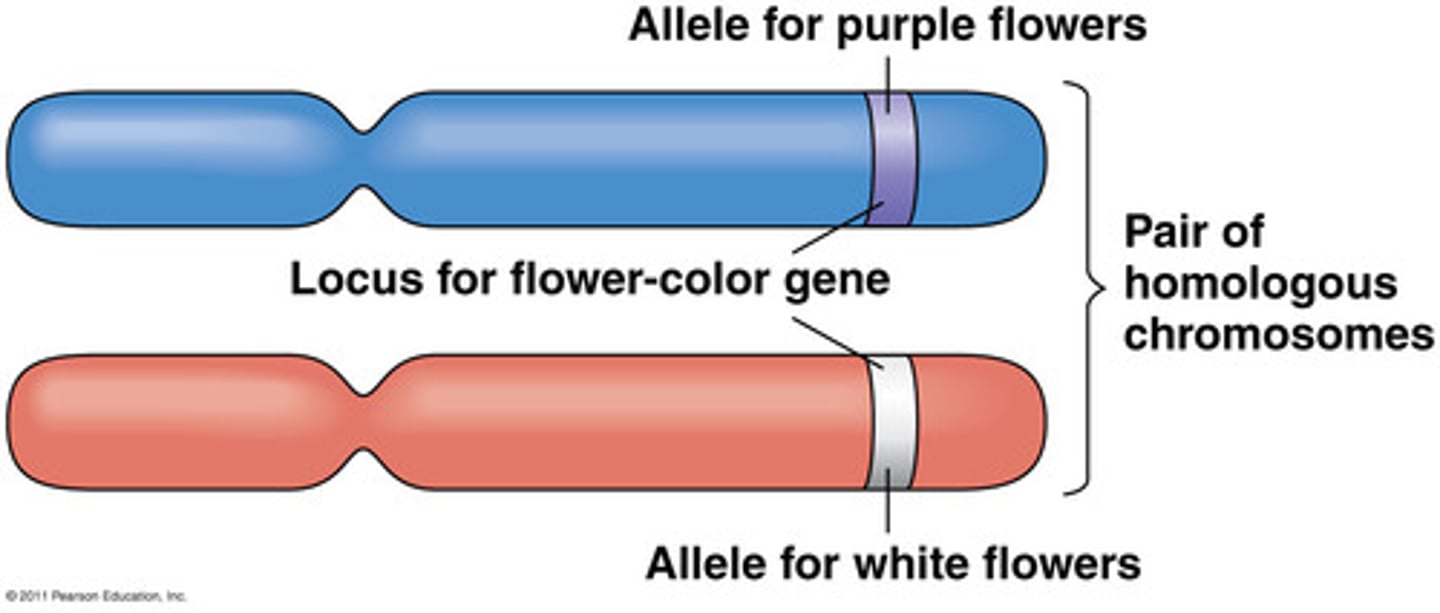
A variant form of a gene.
Allele
The normal version of an allele.
Wild type
An allele with an altered DNA sequence.
Mutant
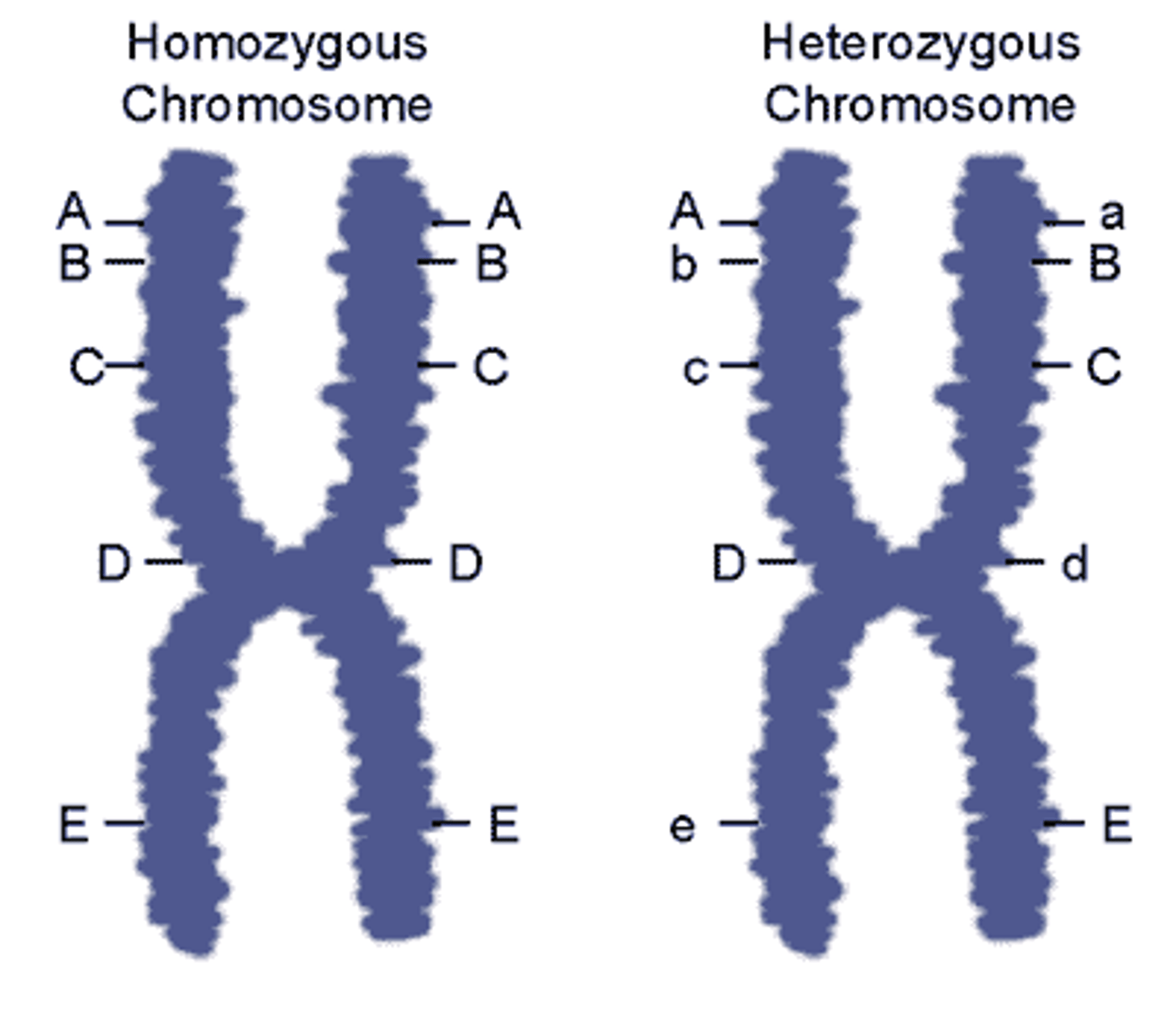
Carrying one dominant allele and one recessive allele on homologous chromosomes.
Heterozygous
A pair of chromosomes, one from each parent, that contain the same genes in the same locations.
Homologous chromosomes
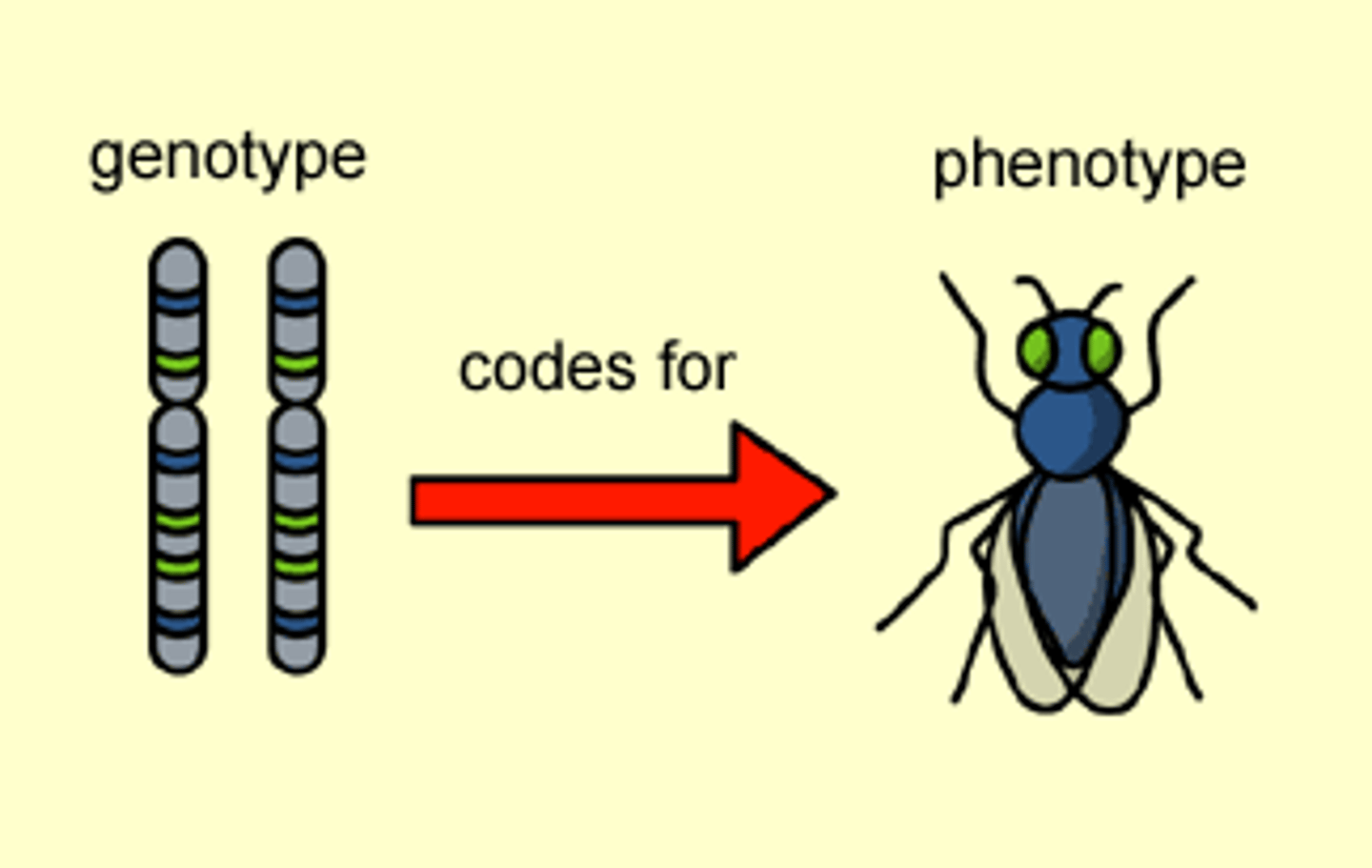
The alleles an individual carries.
Genotype
Principles that describe how traits are inherited through generations.
Mendel's Laws of Inheritance
A genetic cross between a homozygous recessive individual and an individual of unknown genotype to determine the latter's genotype.
Test Cross
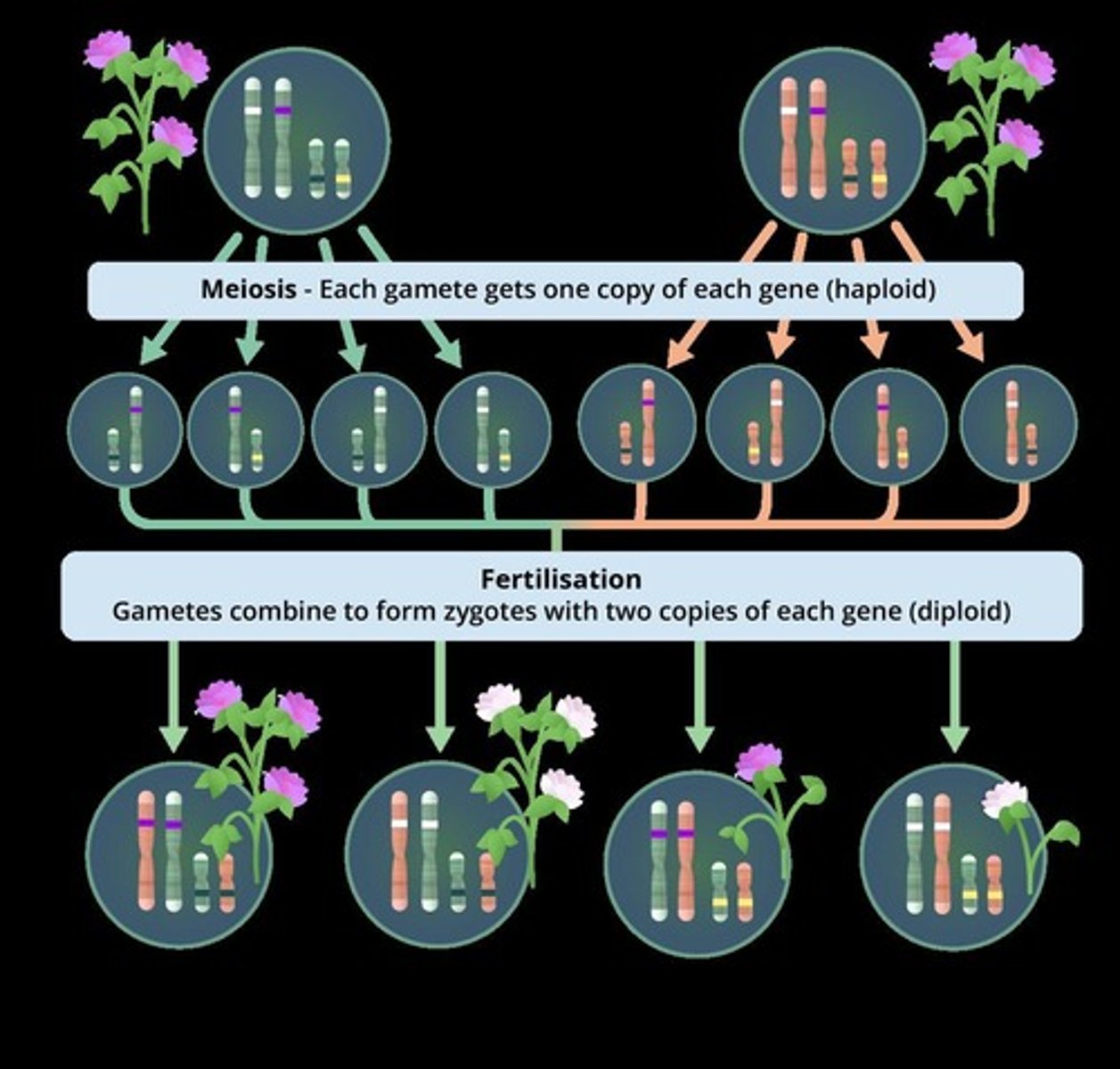
The principle stating that pairs of alleles are separated when gametes are formed.
Law of Segregation
The principle stating that pairs of alleles are sorted independently of one another during gamete formation.
Law of Independent Assortment
The principle stating that one dominant allele can mask the effect of a recessive allele.
Principle of Dominance
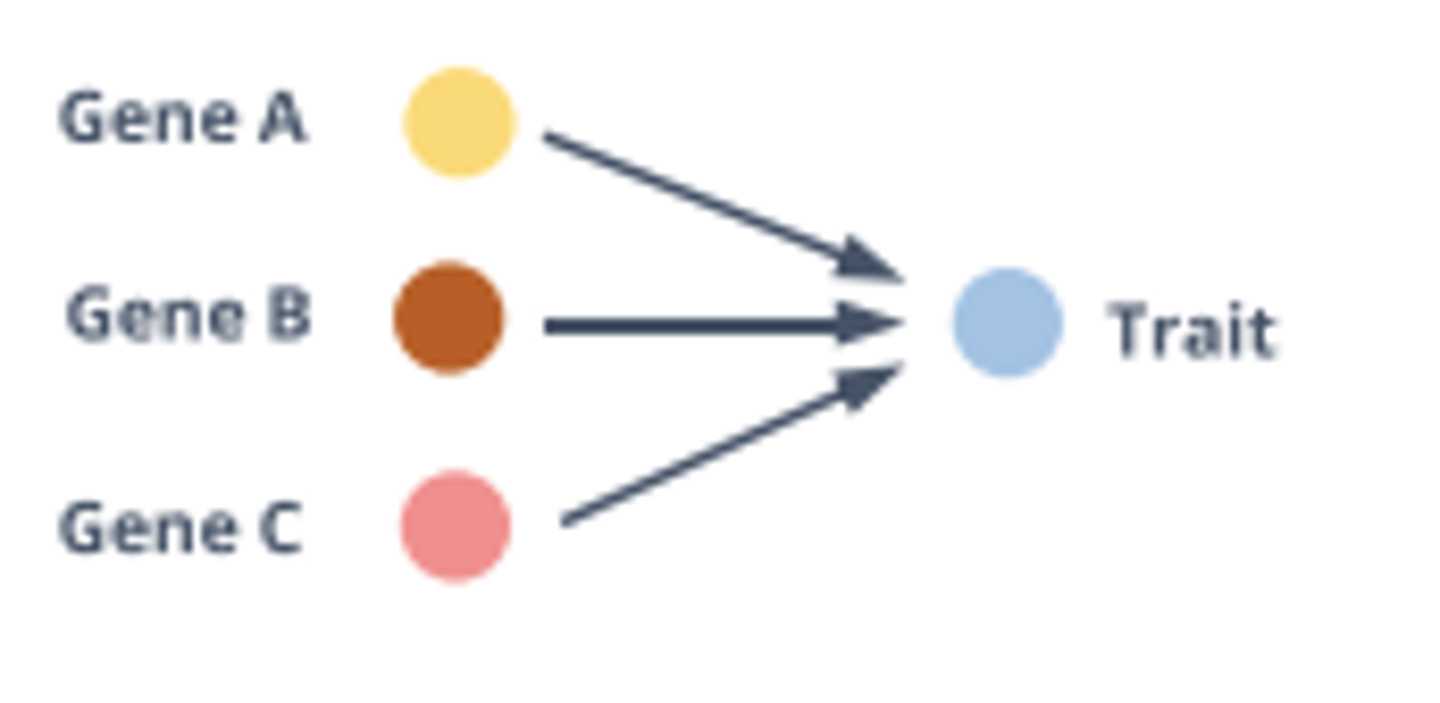
A pattern of inheritance where many genes interact to shape a single phenotype.
Polygenic Inheritance
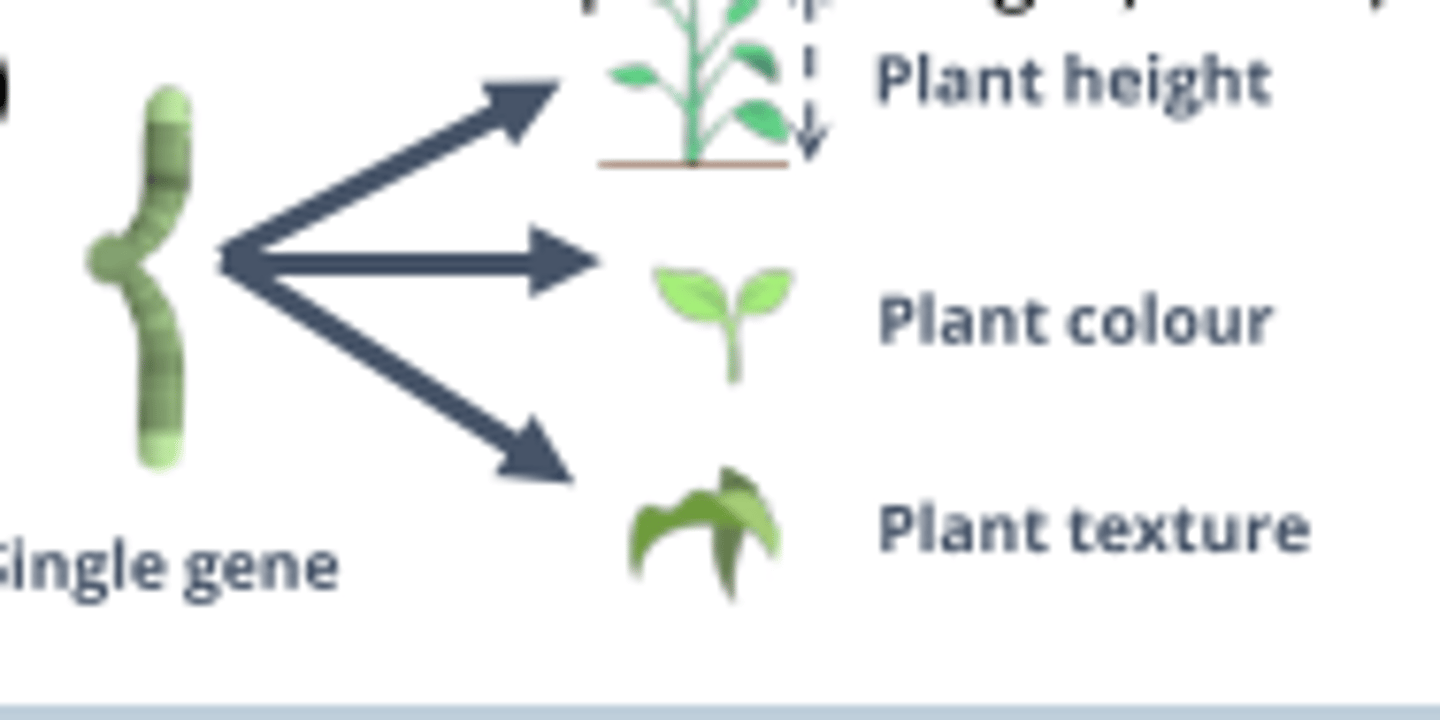
A condition where a single gene controls the expression of multiple phenotypic traits.
Pleiotropy
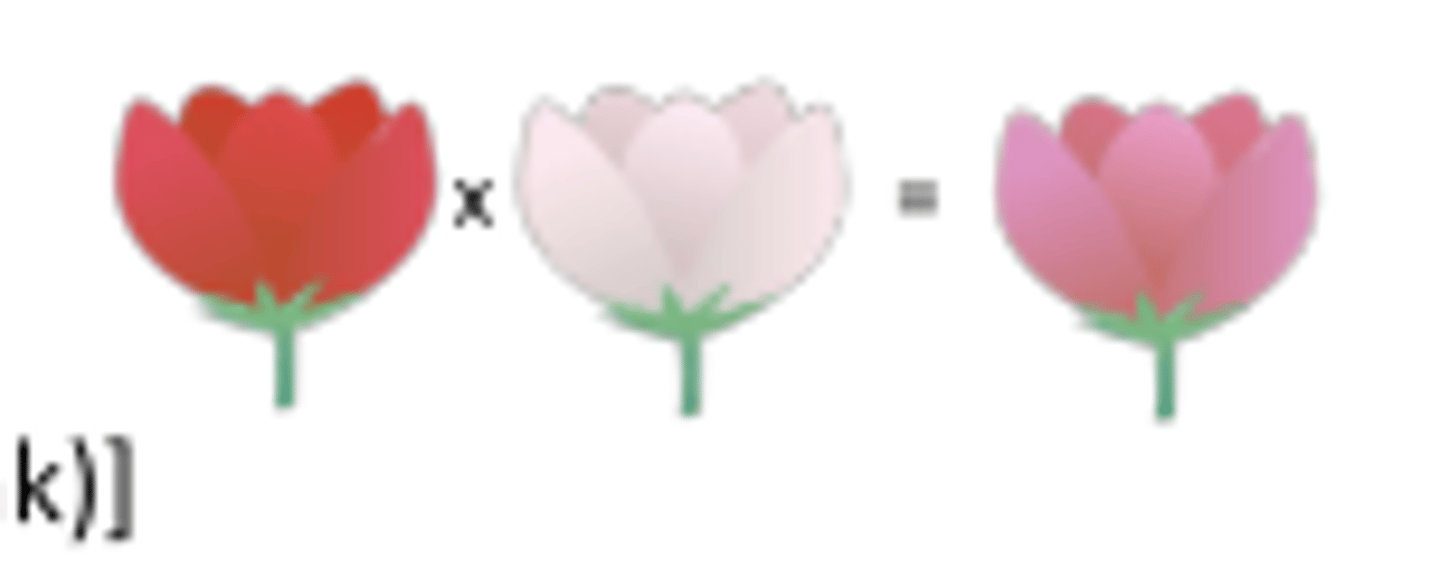
A genetic situation where the heterozygous phenotype is a blend of the two homozygous phenotypes.
Incomplete Dominance
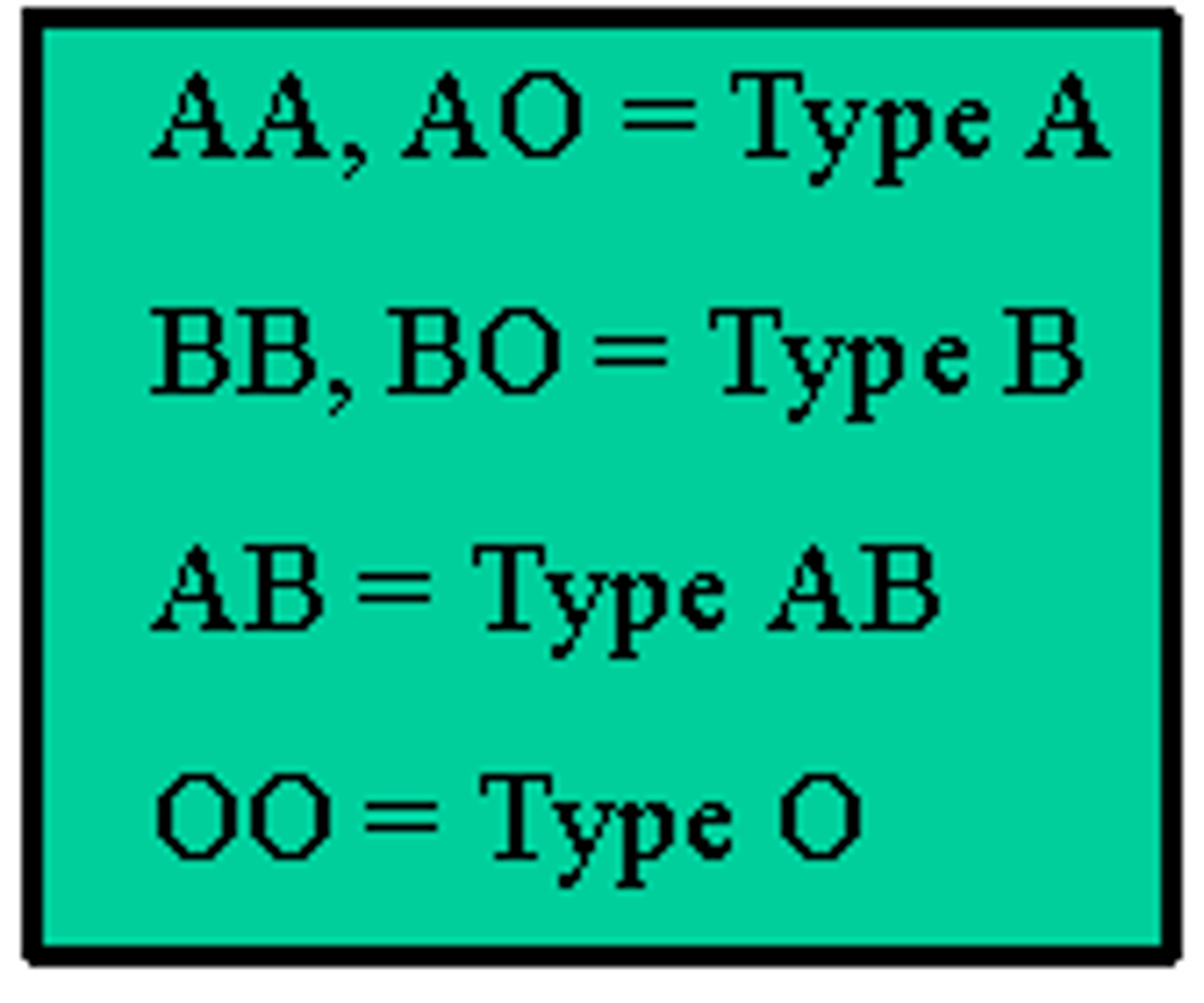
More than two typical alleles exist for a gene (e.g., A, B, O alleles in the ABO human blood type system)
Multiple Alleles
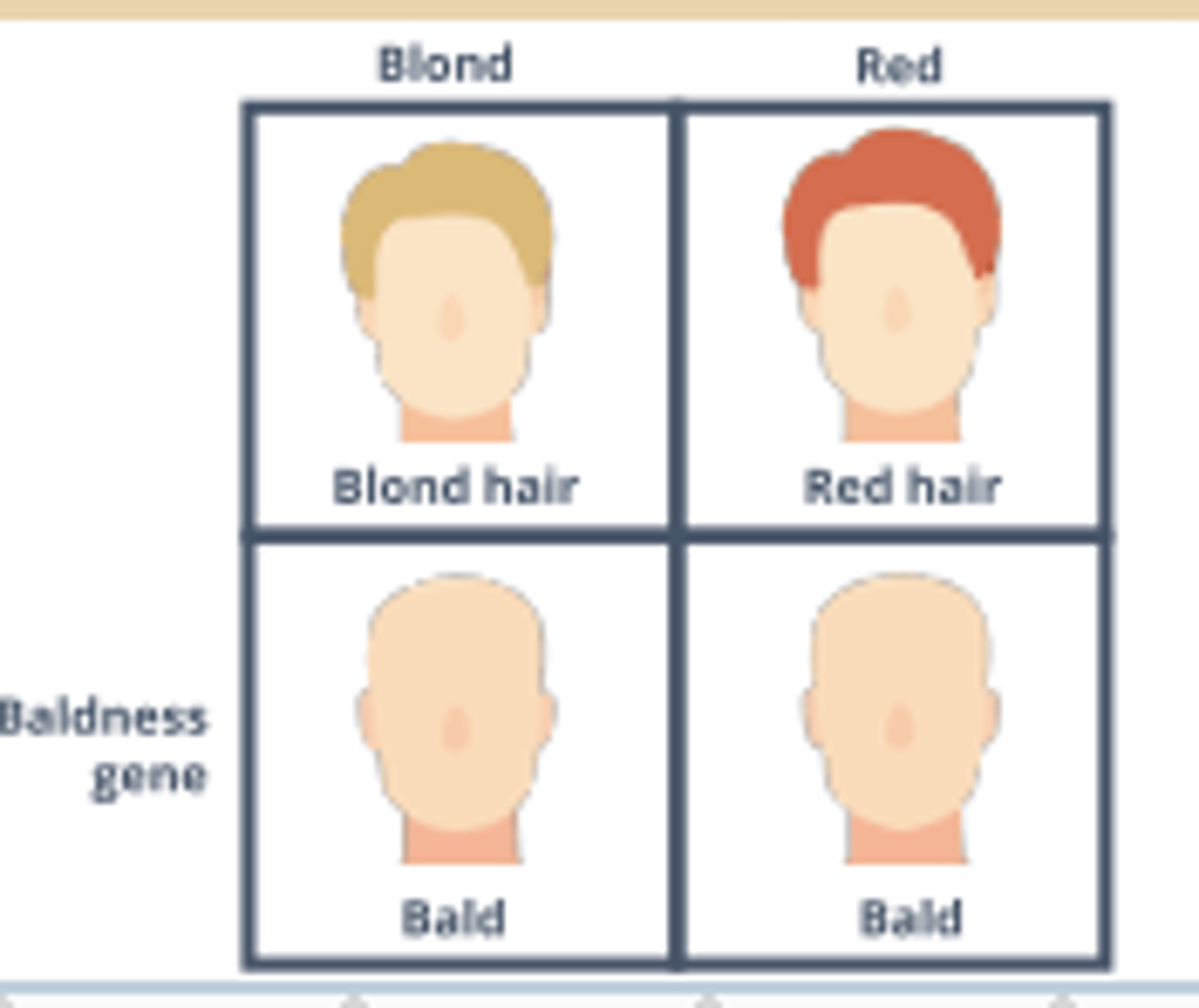
One gene affects
the phenotypic expression
of an independently
inherited gene (e.g.,
baldness: 1st gene controls whether one is bald or not, and the 2nd controls the hair color)
Epistasis
![<p>: both alleles are</p><p>completely expressed</p><p>[e.g., (R Red) x (W White) = (RW Red</p><p>& White speckled)]</p><p>x = x =Gametes from RrYy parent</p>](https://knowt-user-attachments.s3.amazonaws.com/a1091fc6-a274-4224-bb0d-374c9471904d.png)
: both alleles are
completely expressed
[e.g., (R Red) x (W White) = (RW Red
& White speckled)]
x = x =Gametes from RrYy parent
Codominance
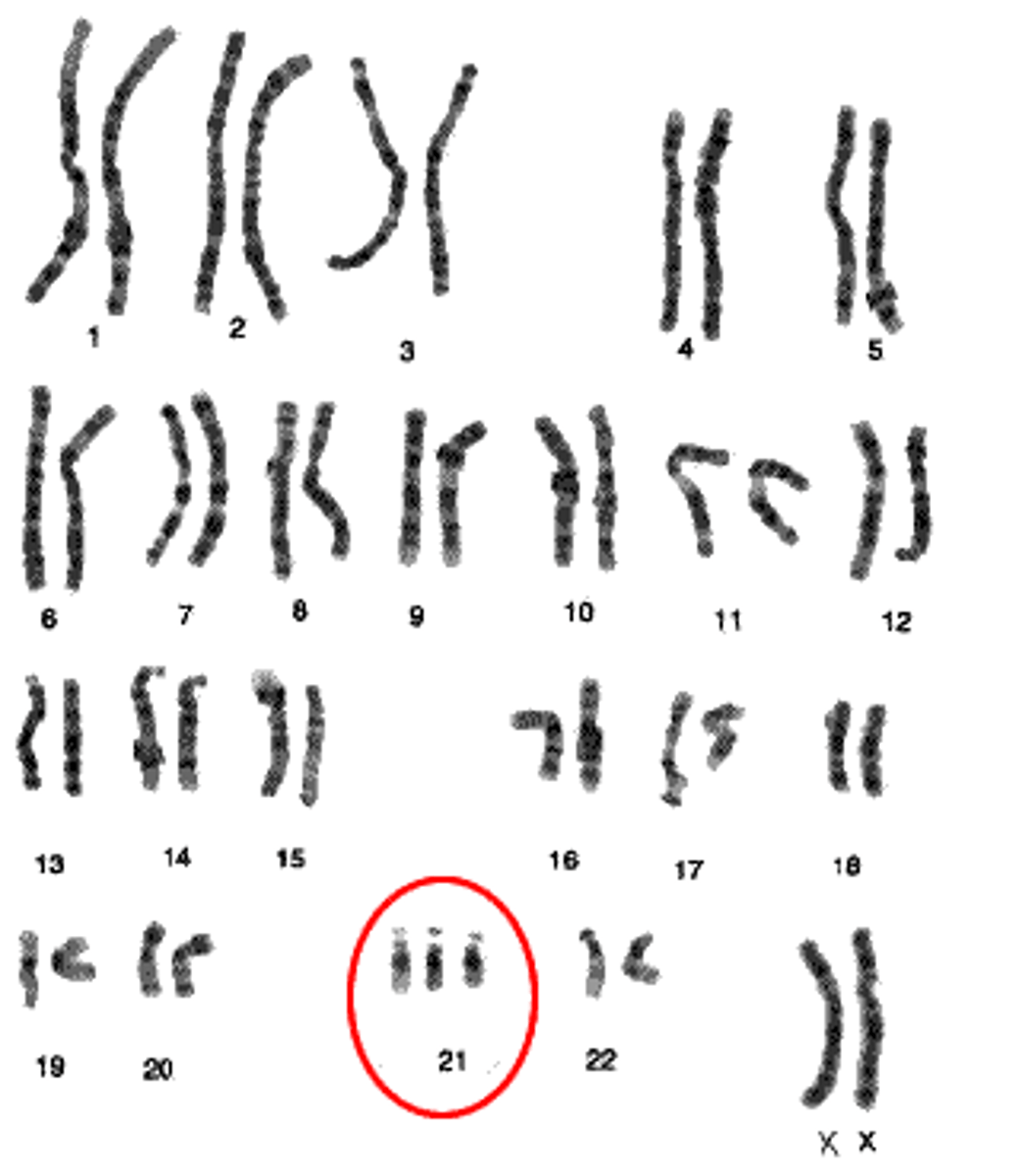
The occurrence of an abnormal number of chromosomes, often caused by nondisjunction.
(Trisomy 21)
Aneuploidy
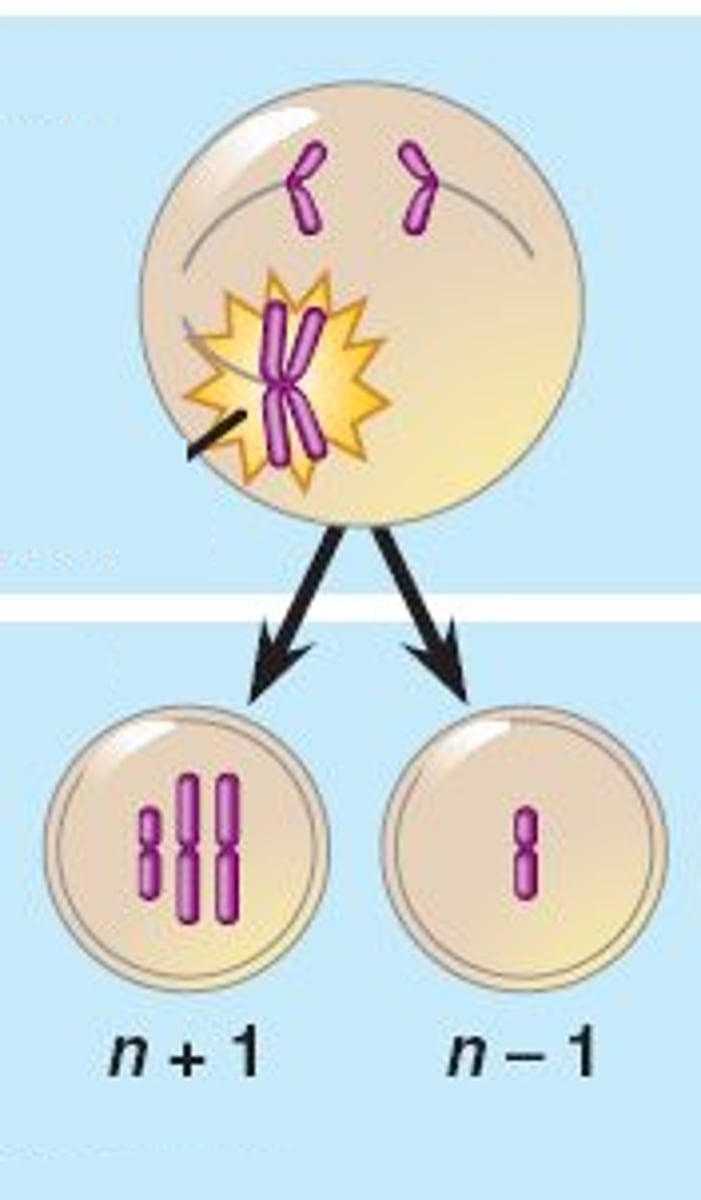
The failure of chromosomes or chromatids to separate properly during cell division.
Nondisjunction
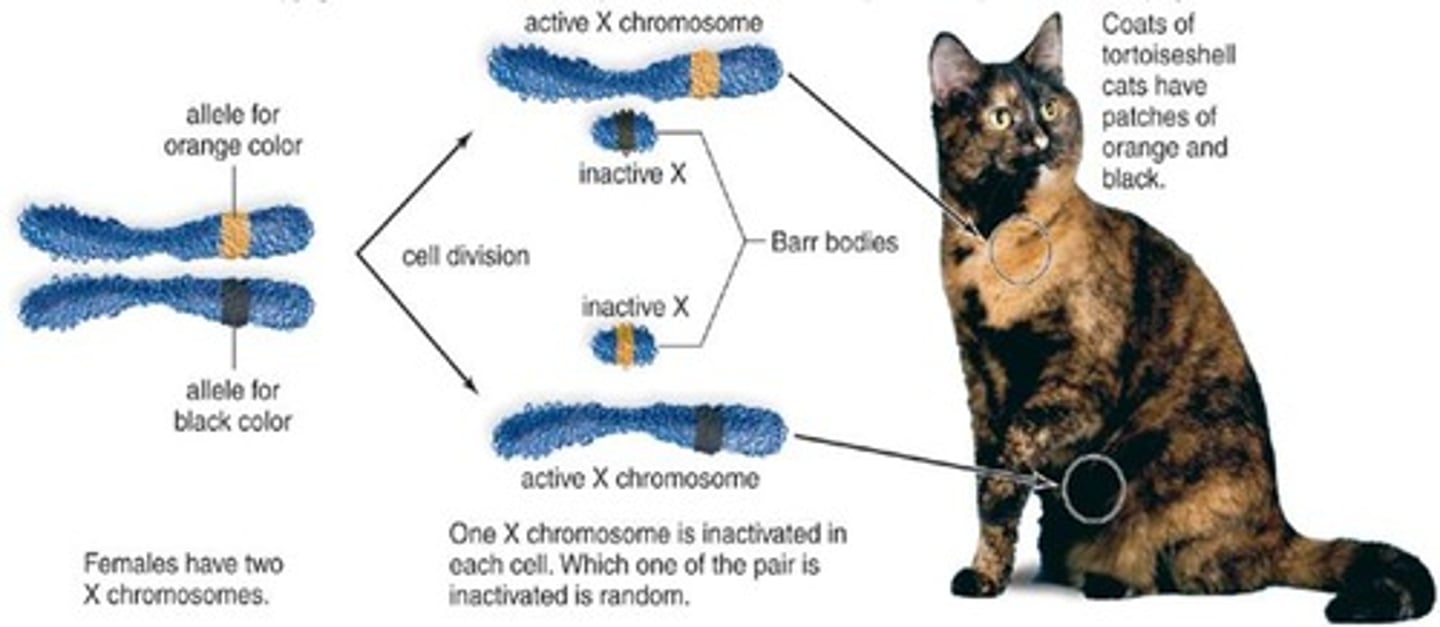
: During embryonic
development in female mammals, one of
the two X chromosomes is inactivated,
forming a highly condensed chromosome
(Barr body)
X-inactivation
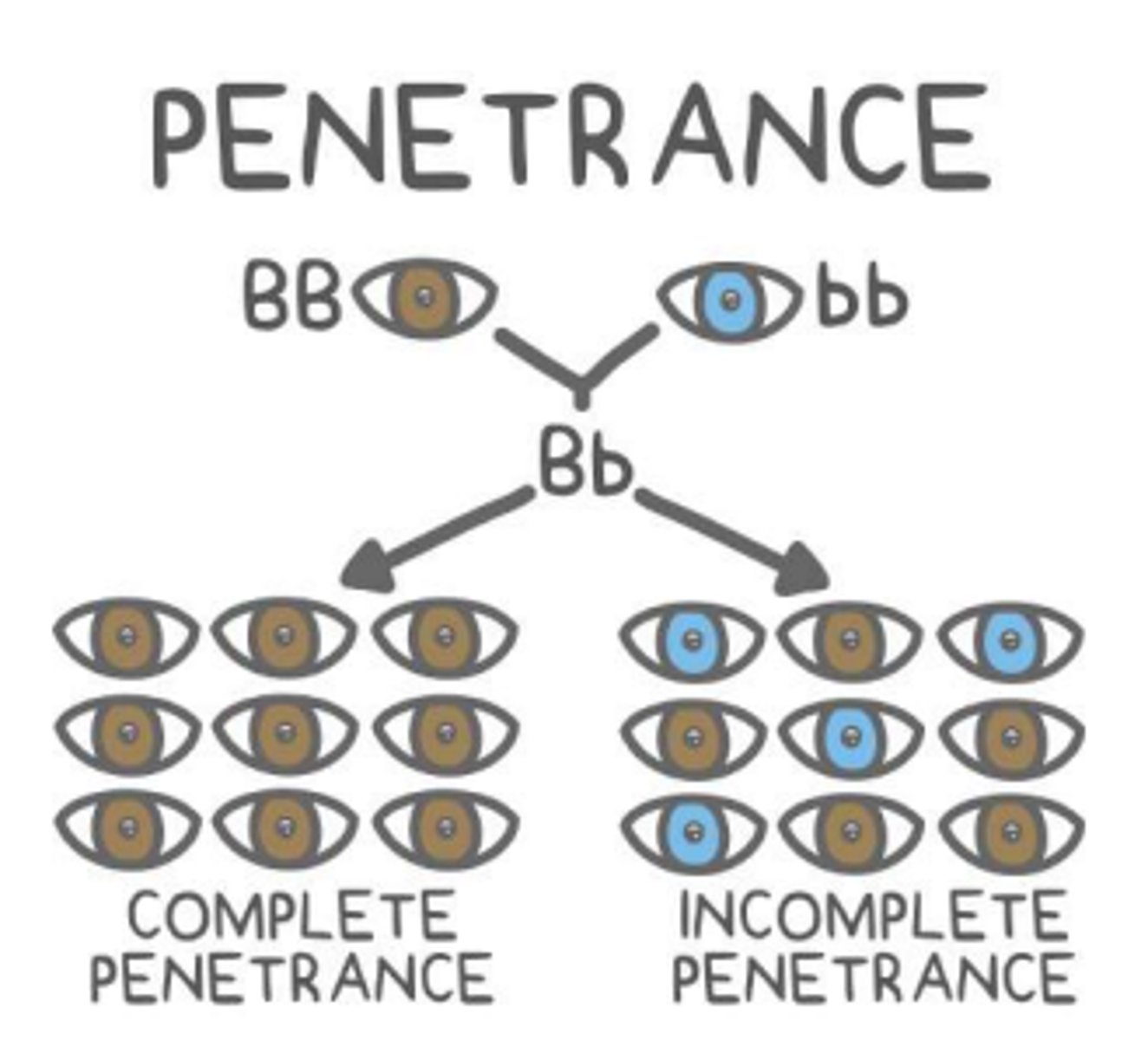
The proportion of individuals with a specific genotype that express the corresponding phenotype.
Penetrance
The degree to which a genotype is expressed in an individual's phenotype.
Expressivity
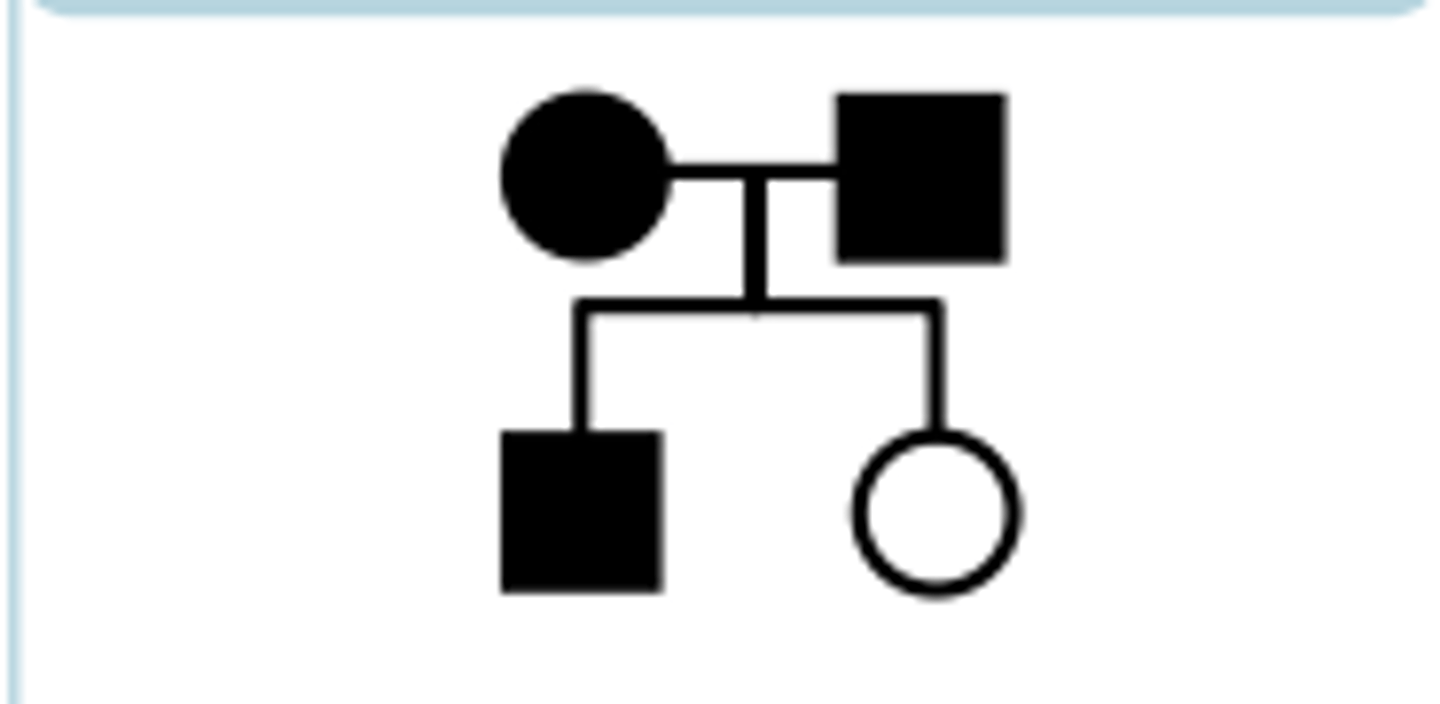
A single copy
of the mutated gene is enough to express the condition
Autosomal Dominant
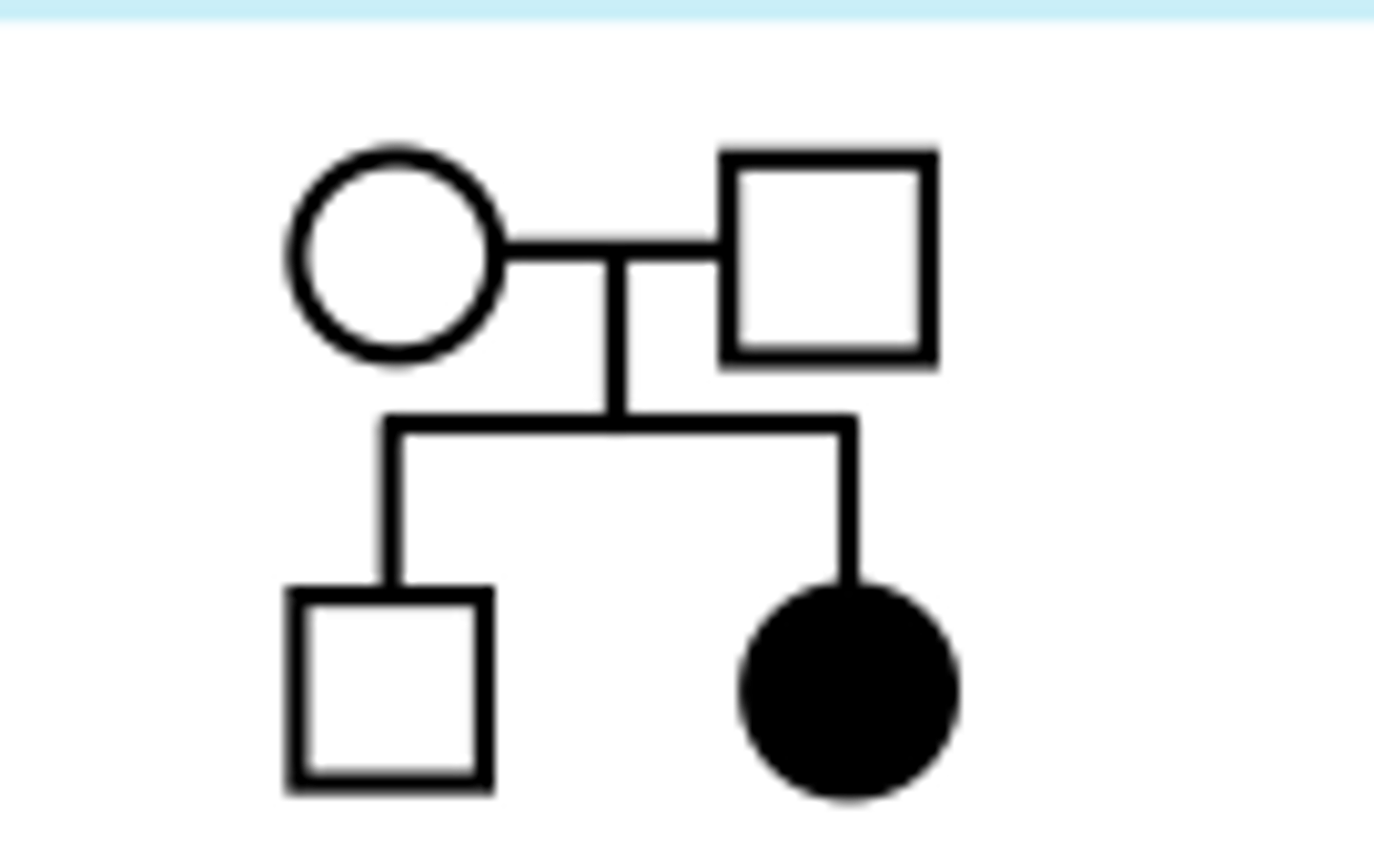
Two copies of
the mutated gene must be present to express the condition
Autosomal Recessive
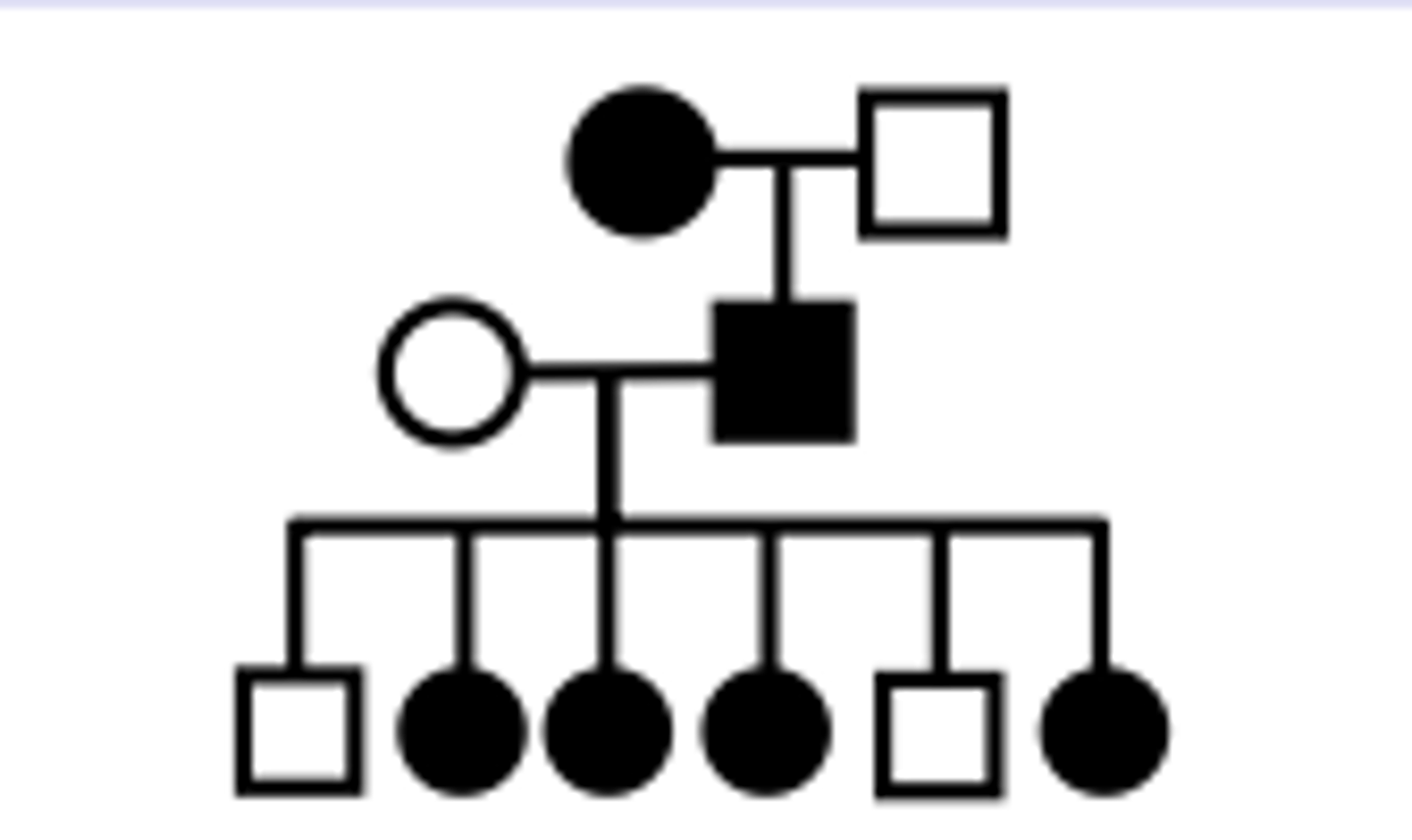
A single copy of
the mutation of a gene on the X chromosome is enough to cause the
condition in both males & females
X-linked Dominant
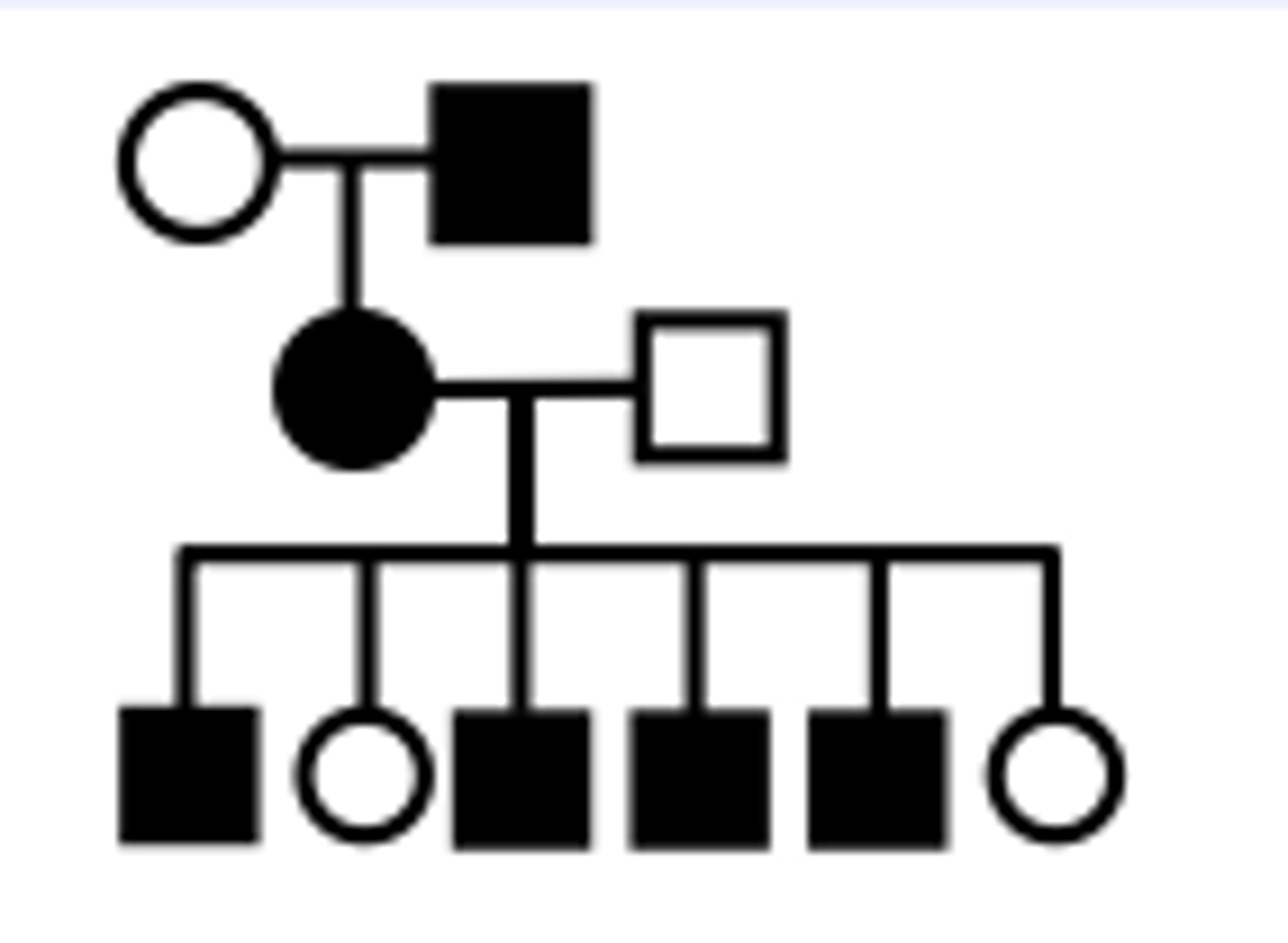
Two copies of the
mutated gene on the X chromosomes causes the condition in females; one
copy will cause the condition in males
X-linked Recessive
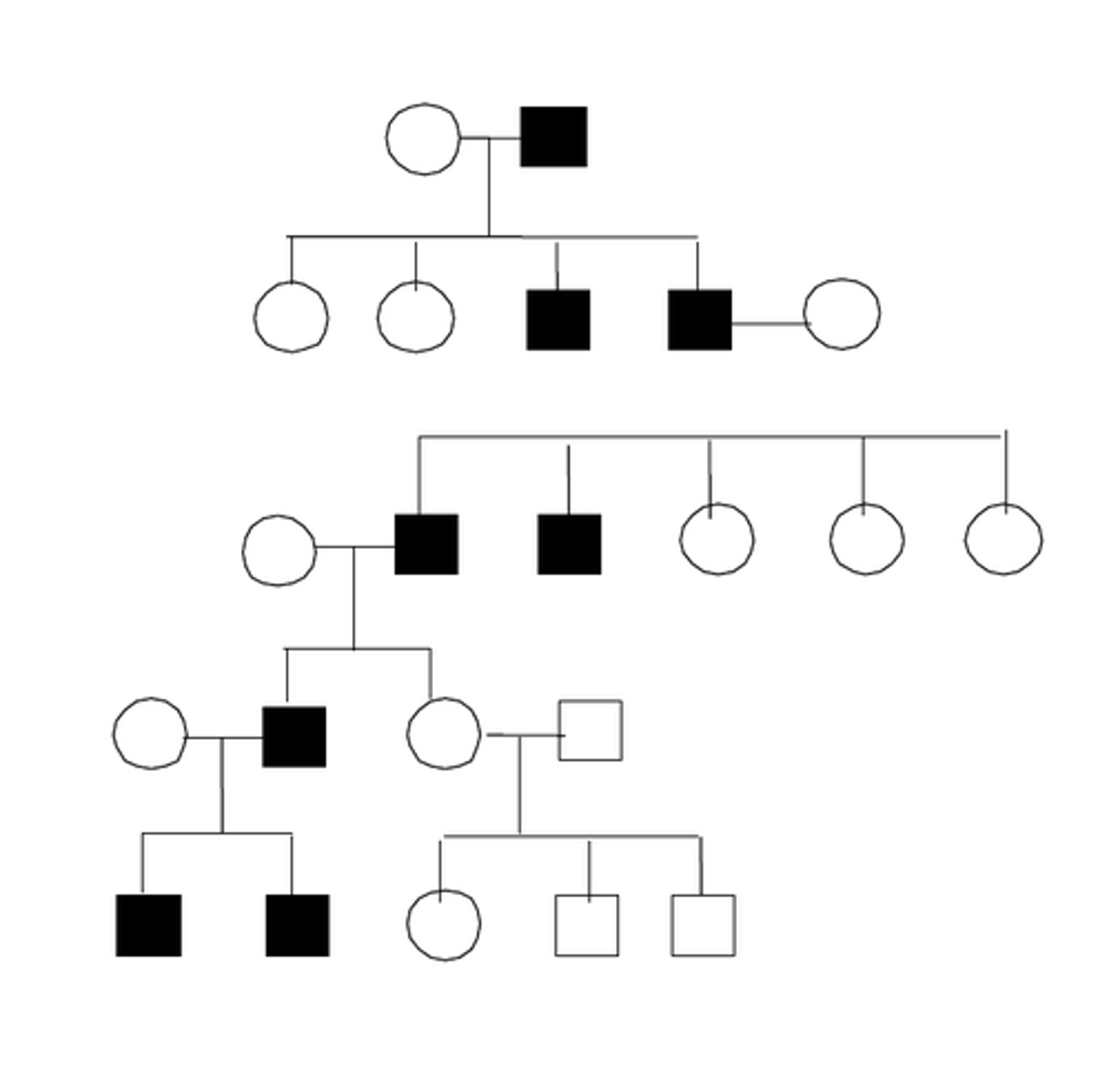
Genes located on the Y
chromosome cause the
condition/trait
Y-linked
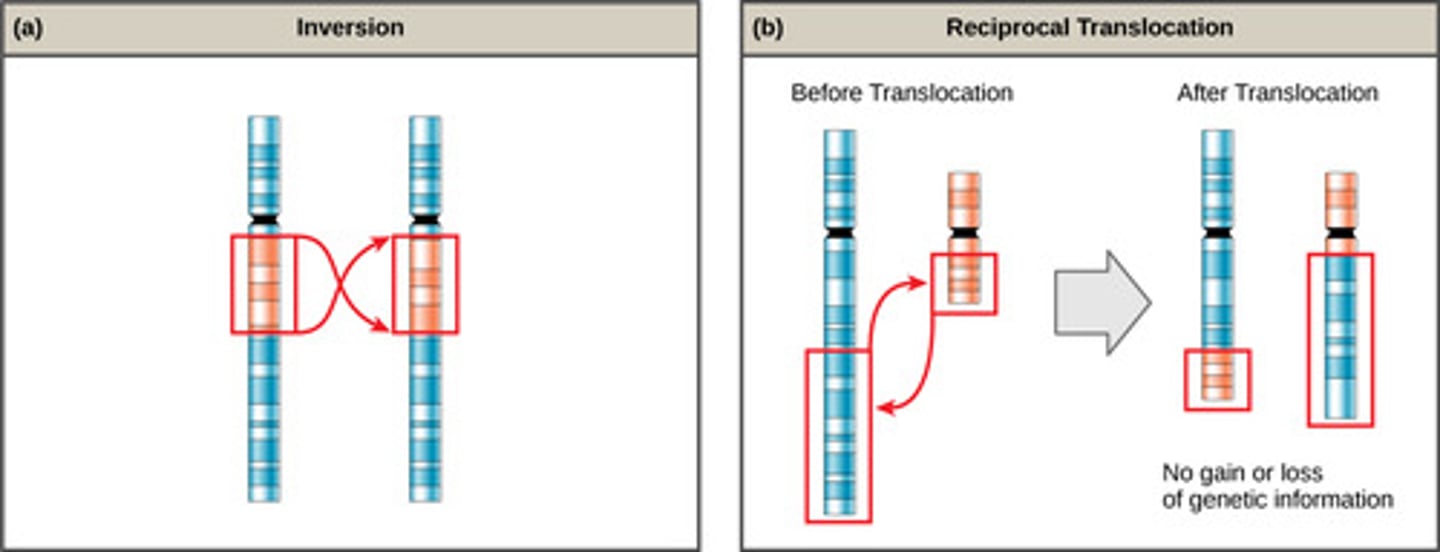
Changes in chromosome number or structure, including inversions, deletions, translocations, and duplications.
Chromosomal Aberrations
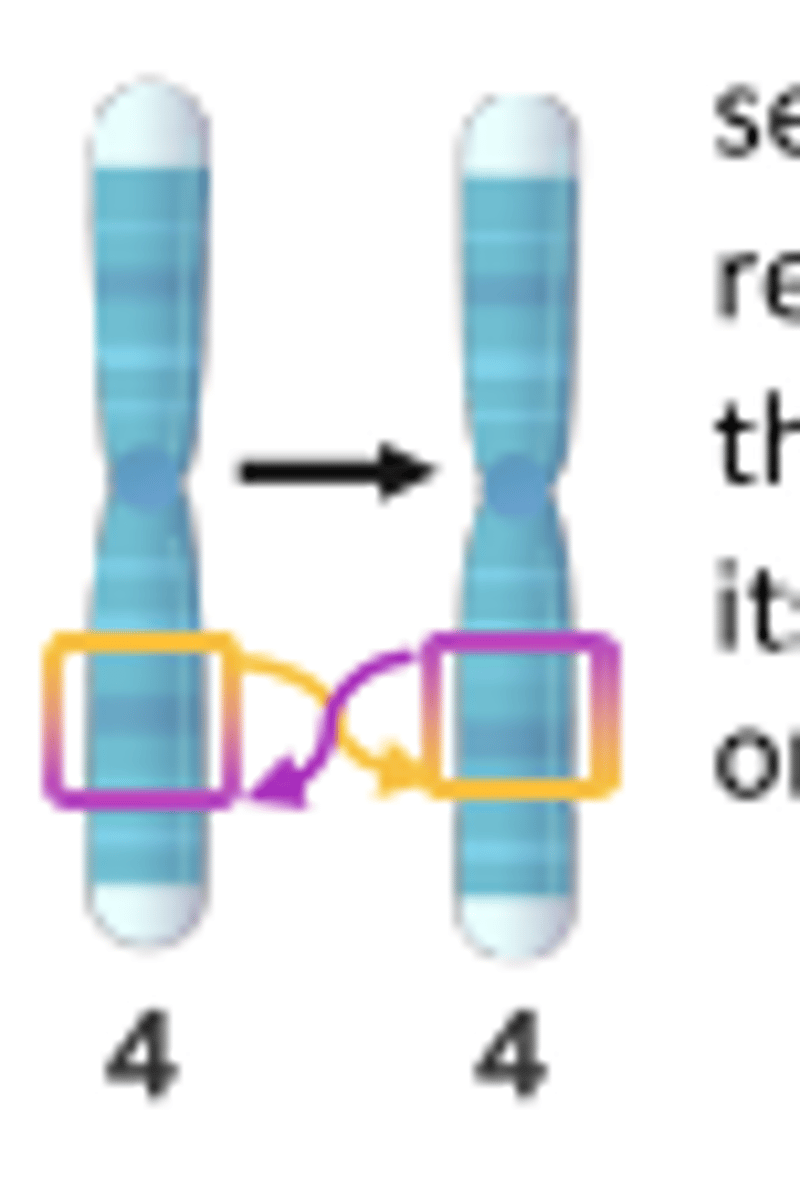
A chromosome
segment is
rearranged in
the reverse of
its original
orientation
Inversions

A chromosome
segment is
missing or
deleted
Deletions
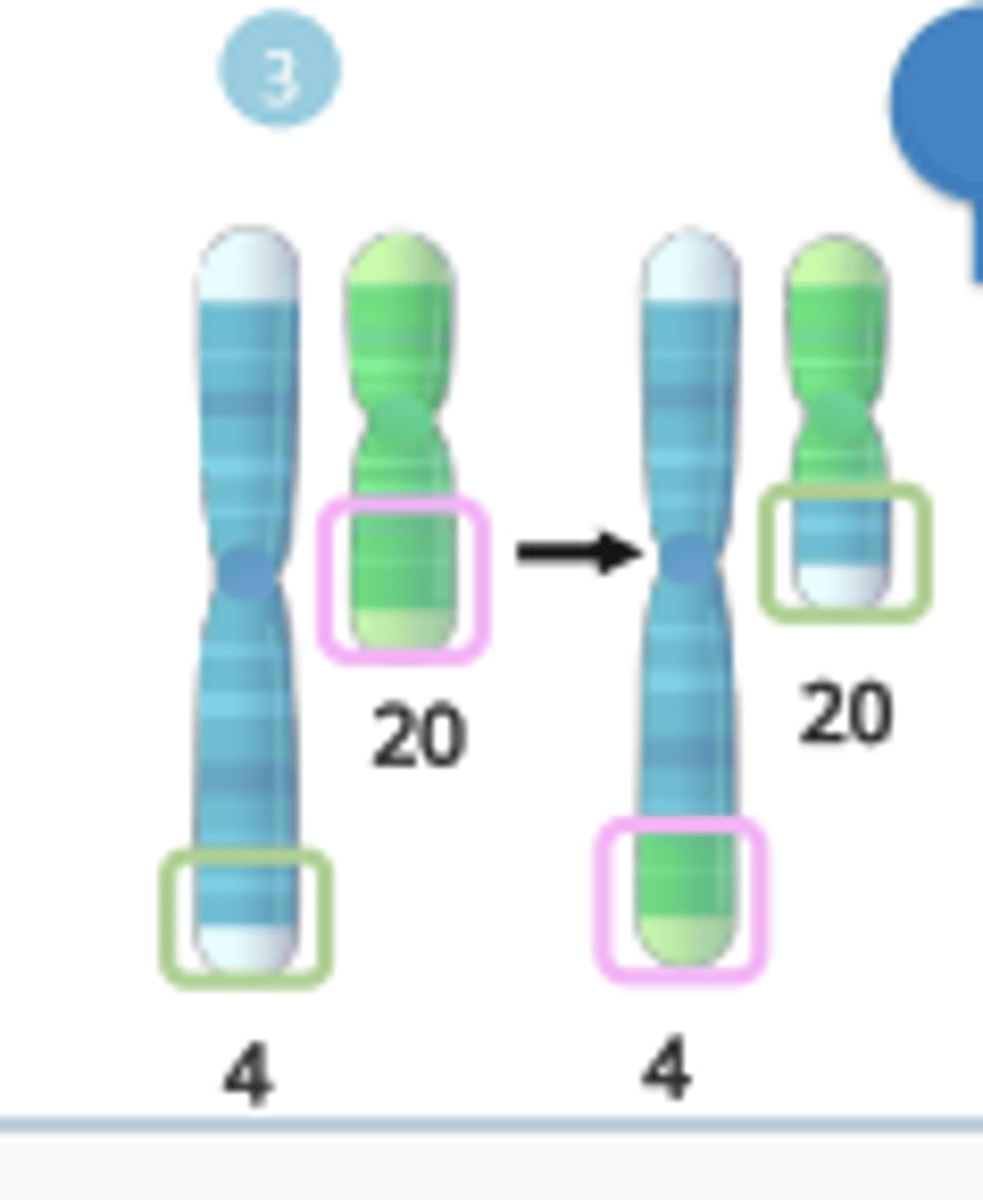
segment is moved
to another; it can be
reciprocal or
nonreciprocal
(substitution)
Translocation
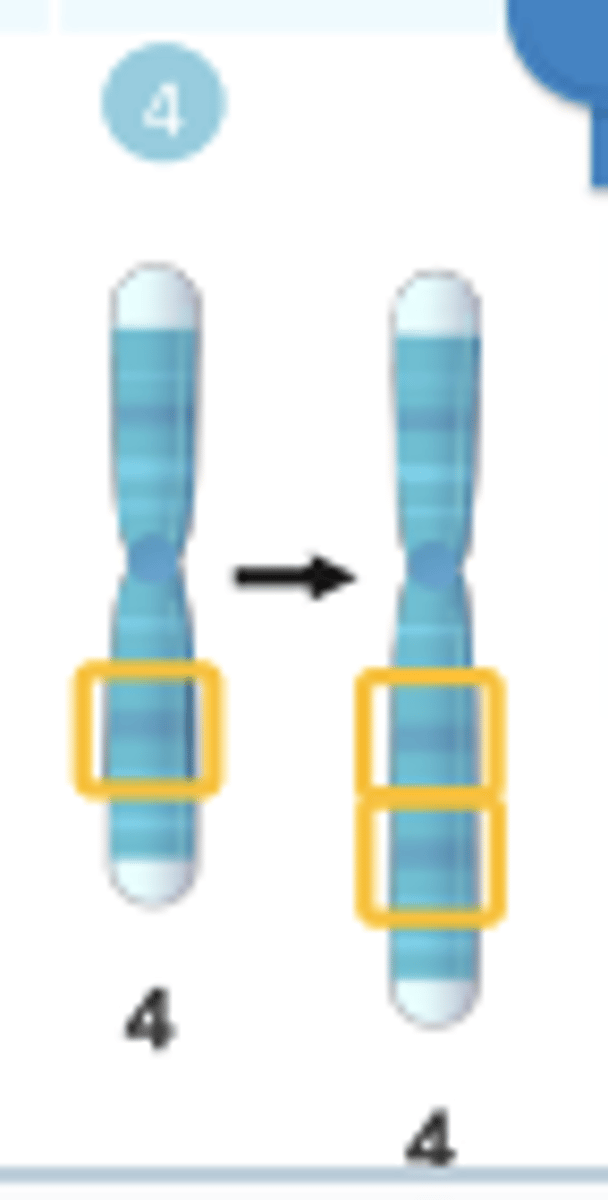
A chromosome
segment is
repeated on the
same chromosome
Duplication
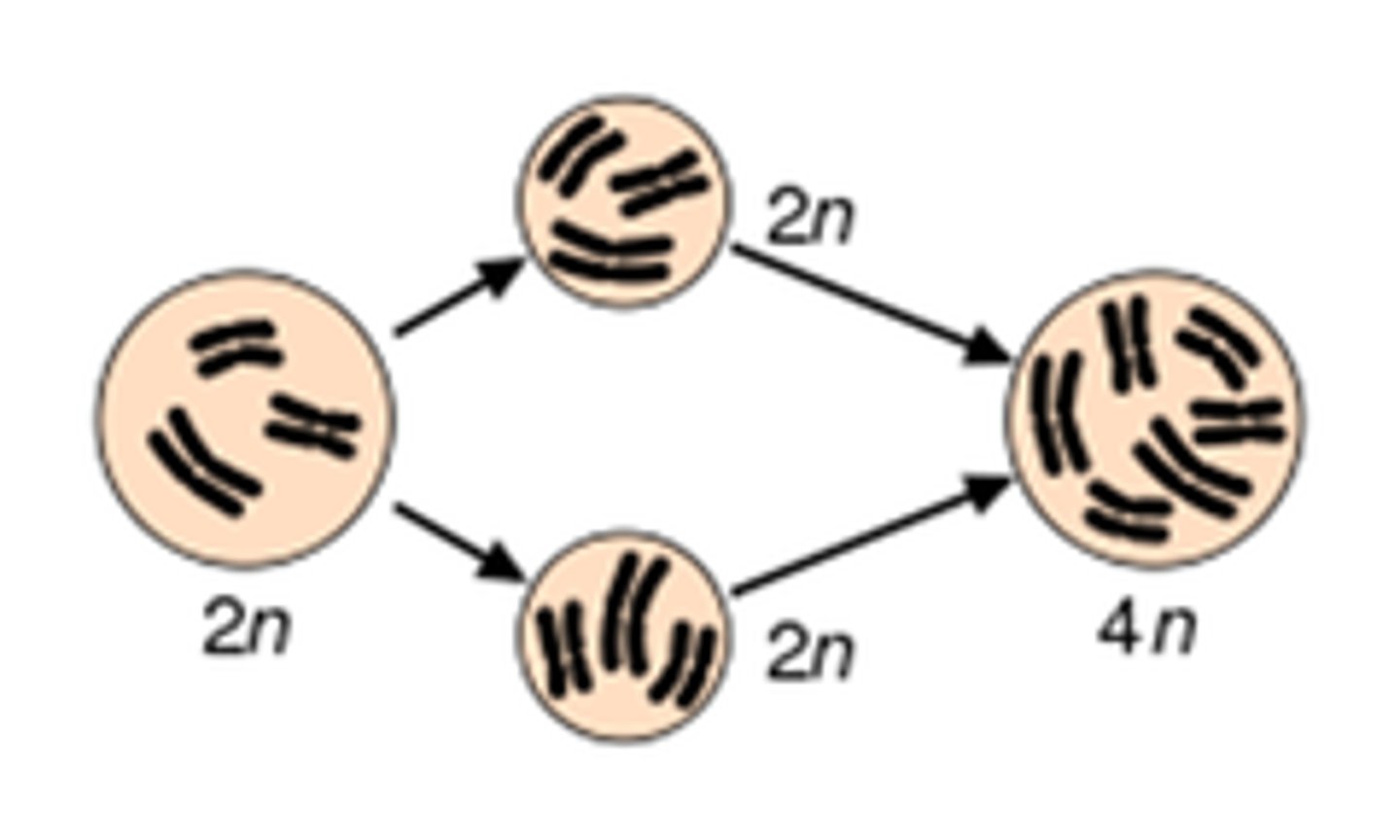
arrests mitosis by interfering with mitotic spindle formation; it can prevent cells from replicating and has anticancer effects
Colchicine
stimulate normal growth; if mutated become oncogenes (cancer-causing genes)
Proto-oncogenes
make proteins that help control cell growth; if mutated may lead to cancer
Tumor suppressor genes
 Note
Note  Flashcards (182)