Exam 2: Deep Thermal Agents
 Call Kai
 Learn
Learn Practice Test
 Spaced Repetition
 Match
Match Flashcards
 Knowt Play
1/92

There's no tags or description
Looks like no tags are added yet.
Name | Mastery | Learn | Test | Matching | Spaced | Call with Kai |
|---|
No analytics yet
Send a link to your students to track their progress
93 Terms
Deep Heating Agents
Heat Tissues at depths up to 5 cm
Common modality used to deliver deep heat:
- Therapeutic Ultrasound (US)
- Phonophoresis
- Short Wave Diathermy (SWD)
Physical Principles: US
- US machine produces a high frequency alternating current at 1-3 million cycles per second (MHz)
- The alternating current travels through the coaxial cables into the transducer head
Transducer
- Houses a vibrating piezoelectric crystal and converts electrical energy into ultrasonic or acoustic energy
- The vibration of the crystal generates sound waves which are transmitted to a small volume of tissue
- This causes molecules within the tissue to move
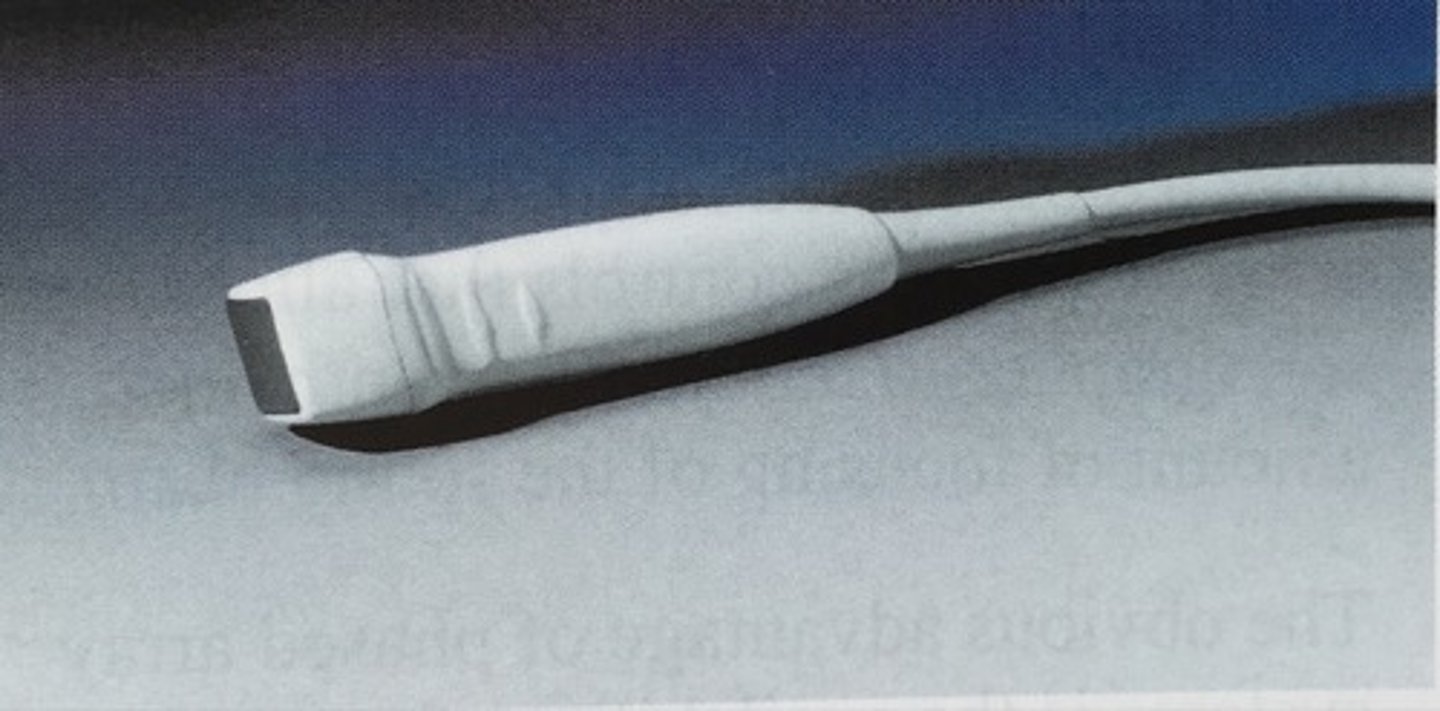
US travels poorly through
air
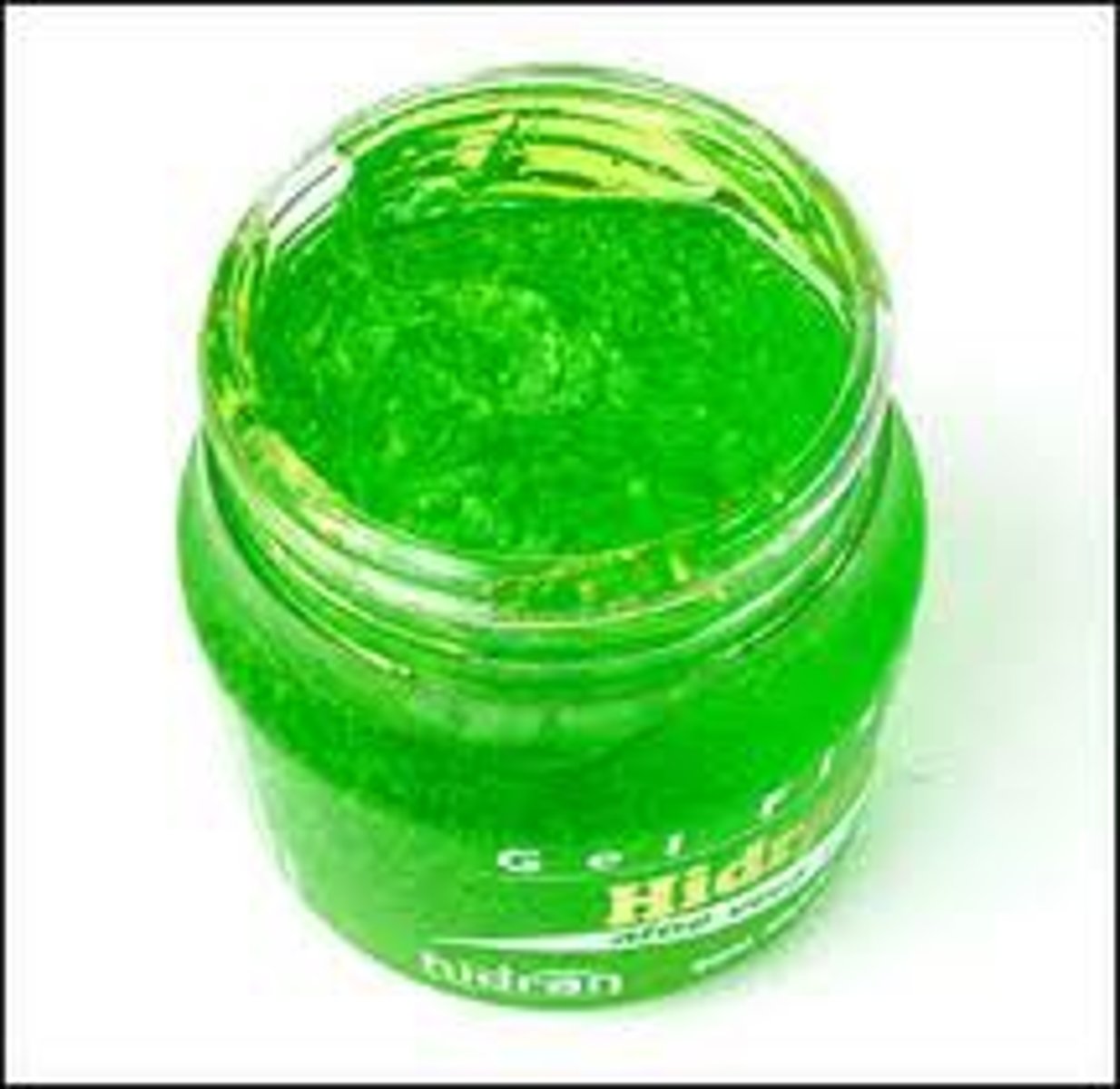
- so a lubricant must be used to maintain contact between the transducer and the tissue, ensuring that the energy is dispersed into the tissue
Deep Heating Agents: Ultrasound
Acoustic energy (sound waves) used in medicine for diagnosis and in rehabilitation to help restore and heal soft tissues
Inaudible high frequency acoustic vibration that produces thermal and/or nonthermal (mechanical) physiologic effects on tissue (over 20,000 Hz)
Effects of US
Thermal Effects (heating deeper tissues with high collagen content)
- Biophysiological changes produced by cellular heating
Nonthermal Effects (tissue healing and repair)
- AKA: mechanical effects
- Biophysiological changes produced by the cellular effects of
-- Cavitation
-- Microstreaming
-- Acoustic streaming
Both Thermal and Nonthermal US can be used to facilitate healing and occupational functioning
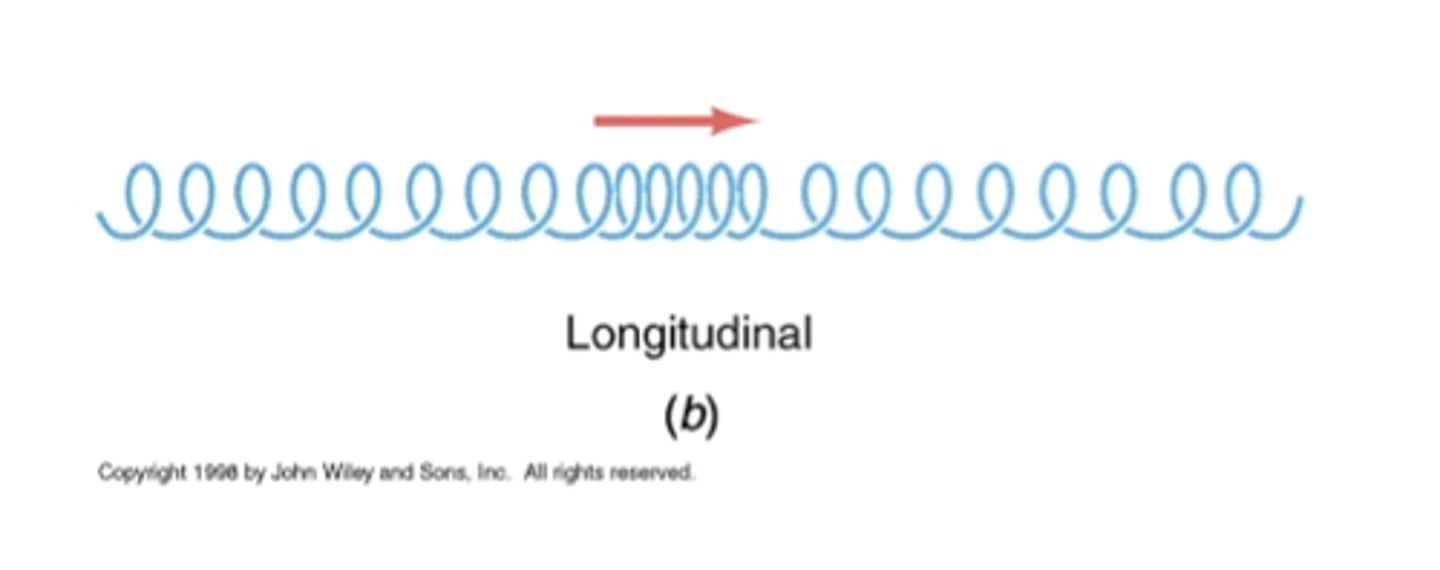
Longitudinal Wave
When the sound waves are generated rapidly and dispersed into the tissue, the molecules in the waves' path are pushed back and forth by the alternating phases of successive waves until the wave runs out of energy
A wave moving in one direction and compressing and decompressing the molecules in its way
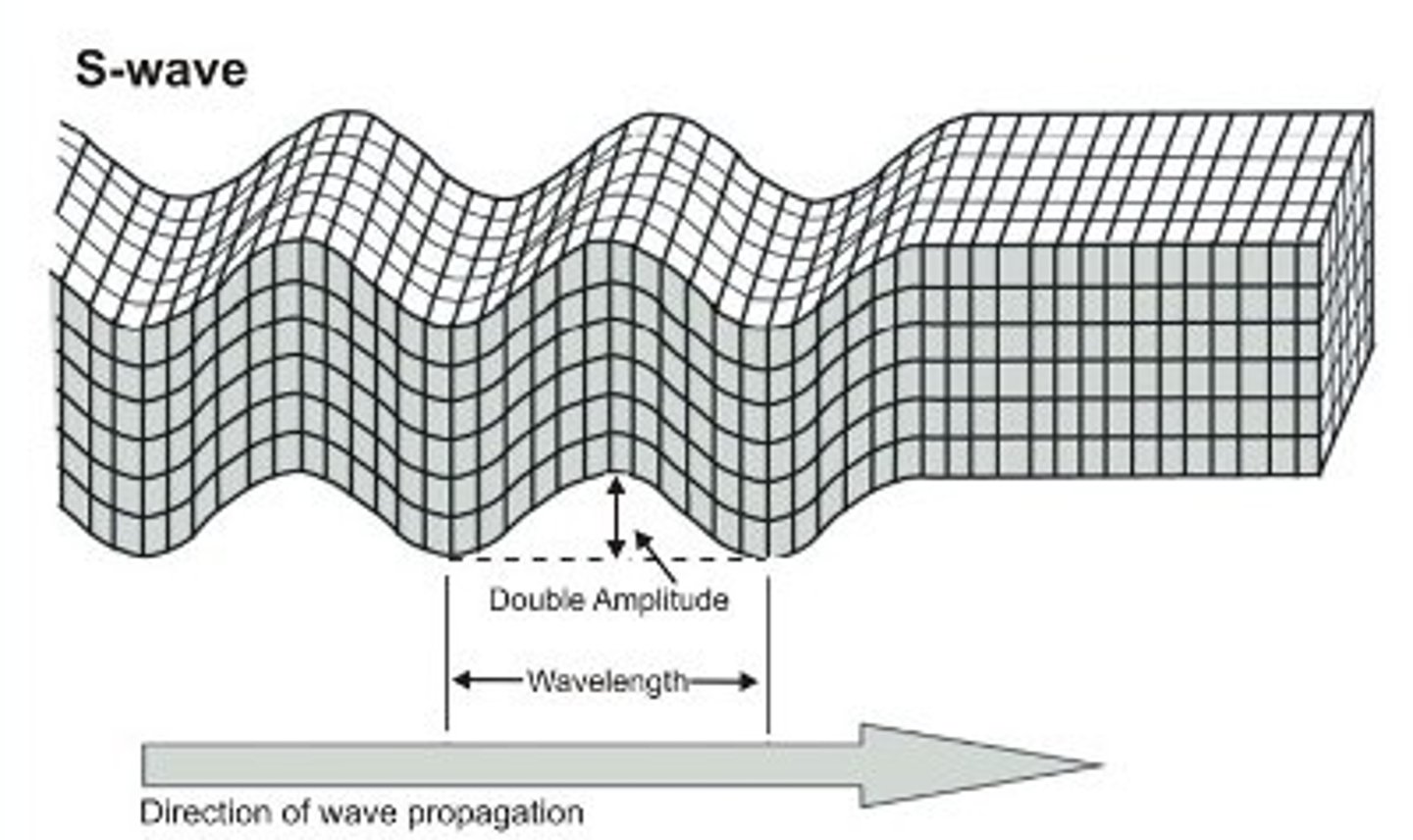
Shear Wave
When the wave encounters bone, the sound energy is transferred along the periosteum and is then deflected up at a right angle causing a shear wave
Shear waves occur when the sound energy strikes a solid substance
This may cause heating of the outer covering of the bone but is negligible in terms of tissue temperature elevation
Never do US on dorsum of hand (not deep enough) and will cause this
Waves deflect back off bone which can cause a deep burn
Standing wave
Occurs when the sound head is not moved adequately and the incoming sound waves encounter the reflected sound waves moving back up toward the surface
This can create hot spots and potential overheating of tissue
Each tissue in the body transmits and absorbs ultrasound energy according to its
unique properties (absorption coefficients)
- The rate at which the sound wave travels depends on the density of the molecules of the tissue
Low impedance vs high impedance
Low Impedance
- Body fluids such a blood and water have the lowest impedance and lowest acoustic absorption coefficient (adipose tissue, muscle tissue, nerve, blood and blood vessels)
High impedance
- Bone and other protein dense structures (scars, joint capsules, ligaments, tendons, bone, fascia) possess high impedance and absorption coefficients
- Tissue with high impedance are good absorbers of US energy
US doesn't work well for low impedance
Note bone has high impedance but we don't want the bone absorbing this
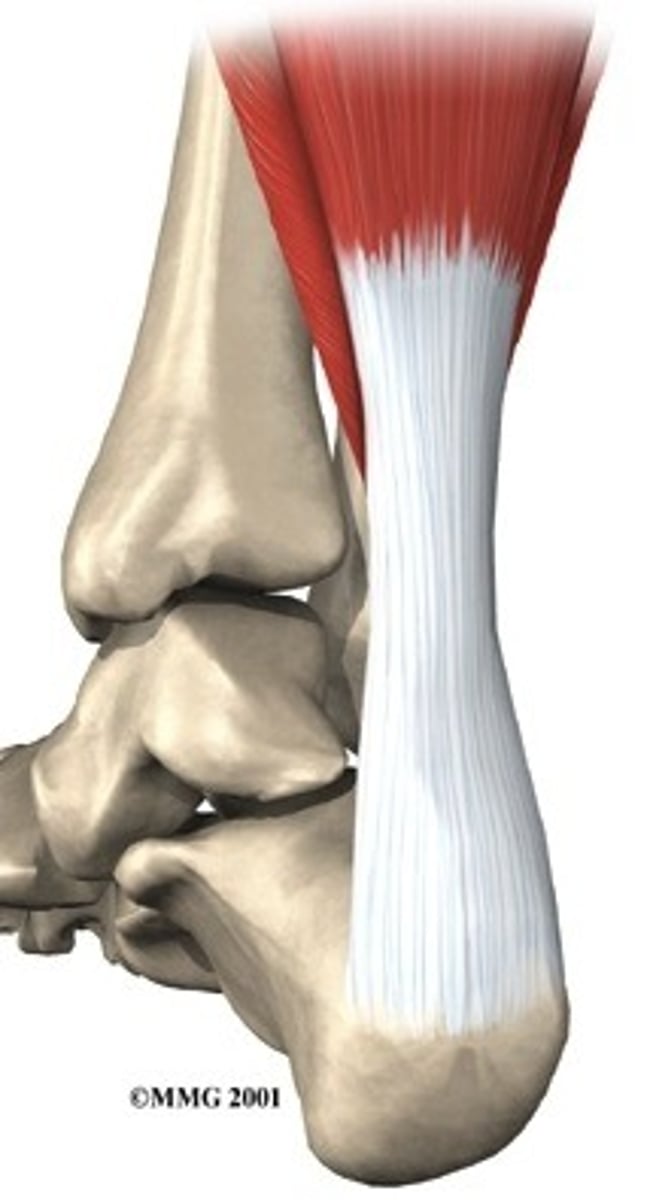
US is absorbed into tissue, causing tissue molecules to
rotate and bounce
- This results in thermal or nonthermal effects depending on parameter settings
Ultrasound (US) parameters
Frequency
Intensity
Duty Cycle (continuous vs pulsed)
Time
Treatment goals (thermal vs nonthermal)
Area being treated
Frequency
The number of times per second that the crystal changes shape
Frequency determines the depth of penetration and rate of heating
- 1 MHz: depth of penetration = 2.5-5cm
- 3MHz: depth of penetration = surface-2.5cm
(Heats 3x faster than 1 MHz)
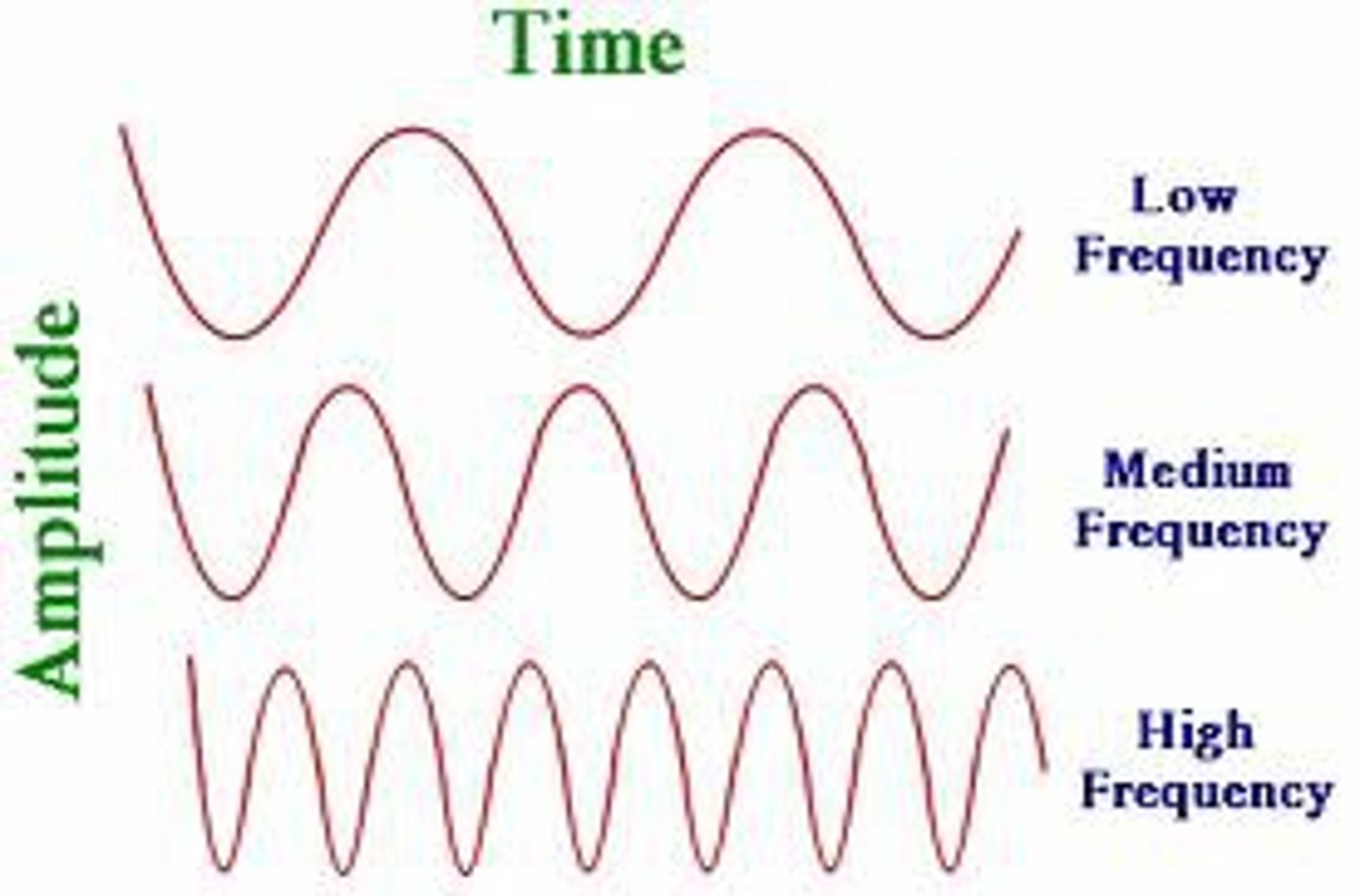
The spread of US waves into tissue is affected by
the frequency (produced by the generator) and size of the crystal (mounted inside the transducer head)
Intensity
Intensity of the beam of energy varies within the sound wave: beam nonuniformity ratio (BNR)
BNR is a measure of the homogeneity of the therapeutic US wave
Crystal performance is measured in beam non-uniformity ratio (BNR)
The intensity of the beam of energy is a significant factor in determining tissue response
*how much ultrasound
and how consistent is it diving down into the tissues*
Important consideration with intensity and the transducer head
IMPORTANT to keep the sound head (transducer) moving to avoid hot spots
In general, there is greater tissue temperature elevation with
higher intensities
Intensity is documented as
watts per square cm (W/cm²)
0-2.5 W/cm²
can go up to 2.5 W/Cm2 (but Kate said she never got this high, she said her highest was 1.5)
US energy will decrease as it passes through
different layers of tissue
- This is related to the absorption of energy by tissue and the scattering of the beam
Continuous US vs Pulsed US
Continuous US
- 100%
- the whole time you are doing ultrasound, waves are on 100% of the time
is going to create a thermal effect
Pulsed US
- could vary (20%, 50%)
- so like for 20%, waves are only going for 20% of treatment time and off 80%
- 20% duty cycle is the most common setting for pulsed US to achieve nonthermal effects
Duty Cycle (Pulsed or Continuous)
Amount of time the US is on
Use depends on the pathology, stage of wound healing, and area being treated
Determines the overall amount of acoustic energy a patient receives (on-time of US)
Continuous (100% duty cycle)
- Sound wave and energy are constant or continuous
Pulsed
- A percentage or ratio of time that the US energy is actually being introduced in the body
Duration for US
(0-16 minutes)
- Typically 8-15 minutes per treatment
Depending on treatment parameters and size of the area to be treated
Number of treatment sessions will vary based upon patient characteristics and goals of treatment
can't bill for heat or ice but can bill for US
Thermal US
US is a deep heating agent capable of elevating tissue temperatures to a depth of 5cm
Typically achieved with continuous (100% duty cycle)
Thermal Effects
Patients should feel gentle warmth with thermal treatments
Avoid in areas with bone or minimal muscle mass
3 MHz heats faster than 1 MHz so treatment times will be longer at the same intensity level with 1 MHz in order to obtain the same desired increase in tissue temperature
Indications for use of Thermal US
Pain reduction: chronic trigger points, muscle spasms
Increase ROM: Collagen remodeling
- Use prior to stretching of adaptively shortened tissues
- Joint capsule, tendon, scar tissue
Increase blood flow
Decrease viscosity of fluids
Thermal Dosage Parameters
- Continuous
- Delta T of 1-2 degrees C
- Treatment time 8-15 minutes
- Use comfortable output
- Treatment area is twice the head size
- Monitor patients' thermal sensation
- Do not use in desensitized areas; instead use subthermal
Nonthermal US
Exerts mechanical effects at the cellular level such as:
- Increased skin and cellular permeability and diffusion
- Does not elevate tissue temperature/generate heat
- Duty cycle of 20% (20% on, 80% off)
can be used at any stage of healing
Tissue Effects: Nonthermal US
Promotes healing of soft tissues (tissue inflammation)
Aids in bone healing
- different frequency than what we are talking about
Effective in wound care
- around the wound (obviously not in the wound)
Structural changes in the cell membrane
Increased cell membrane permeability vs continuous US
Destabilization of the cellular membrane
- More molecules are able to enter the cell and facilitate increased intercellular calcium and protein synthesis and release of histamine (histamine can facilitate resolution of the inflammatory phase of healing)
Tissue Effects: Nonthermal US cont...
Supports the inflammatory process by promoting mast cell function and macrophage activity, promoting serotonin release' augments chemotaxis
Activates fibroblasts and collagen formation in connective tissues
Increases synthesis of nitric oxide in endothelial cells (vasodilation and increased blood flow)
Improves blood flow in healing fractures (beyond our scope)
Stimulates proteoglycan synthesis in cartilaginous tissue
Subthermal Dosage Parameters
Everyone has a different definition of subthermal → always specify what the person means if they say they used subthermal
20% duty factor with pulse rate of 100 PPS
See chart located on equipment
When using thermal level US
nonthermal effects are likely taking place as well
EBP Indications for Nonthermal
Soft tissue trauma-pain
- Reduces pain, increase local circulation, tx over edematous tissues, increase cell permeability
Rheumatoid Arthritis - pain
- Increase strength & ROM, decrease edema
Muscle tone - spasm reduction
- Treat both agonist and antagonist GTO, stimulate GTO to inhibit muscle tone
Thermal US Effects
Increases extensibility of collagen fibers
Decreases muscle stiffness
Reduced muscle spasm
Alters nerve conduction velocity/diminishes pain perception
Increases metabolism and blood flow
Provides all of the effects of nonthermal US
Nonthermal US Effects
Increases phagocytic activity of macrophages/attracts immune cells to tissue
Increases protein synthesis
Increases capillary density
Regenerates tissue
Heals wounds
Clinical Use of US
Location/Anatomy involved
Stage of healing
Depth
Area
Type of tissue to be treated:
Ex: Lateral Epicondylitis
- Best treated with 3 MHz b/c it's a superficial condition
Ex: Upper Trap pain
- Best treated with 1 MHz b/c it's a deeper condition
The size of the treatment area should be limited to
2x the size of the sound head
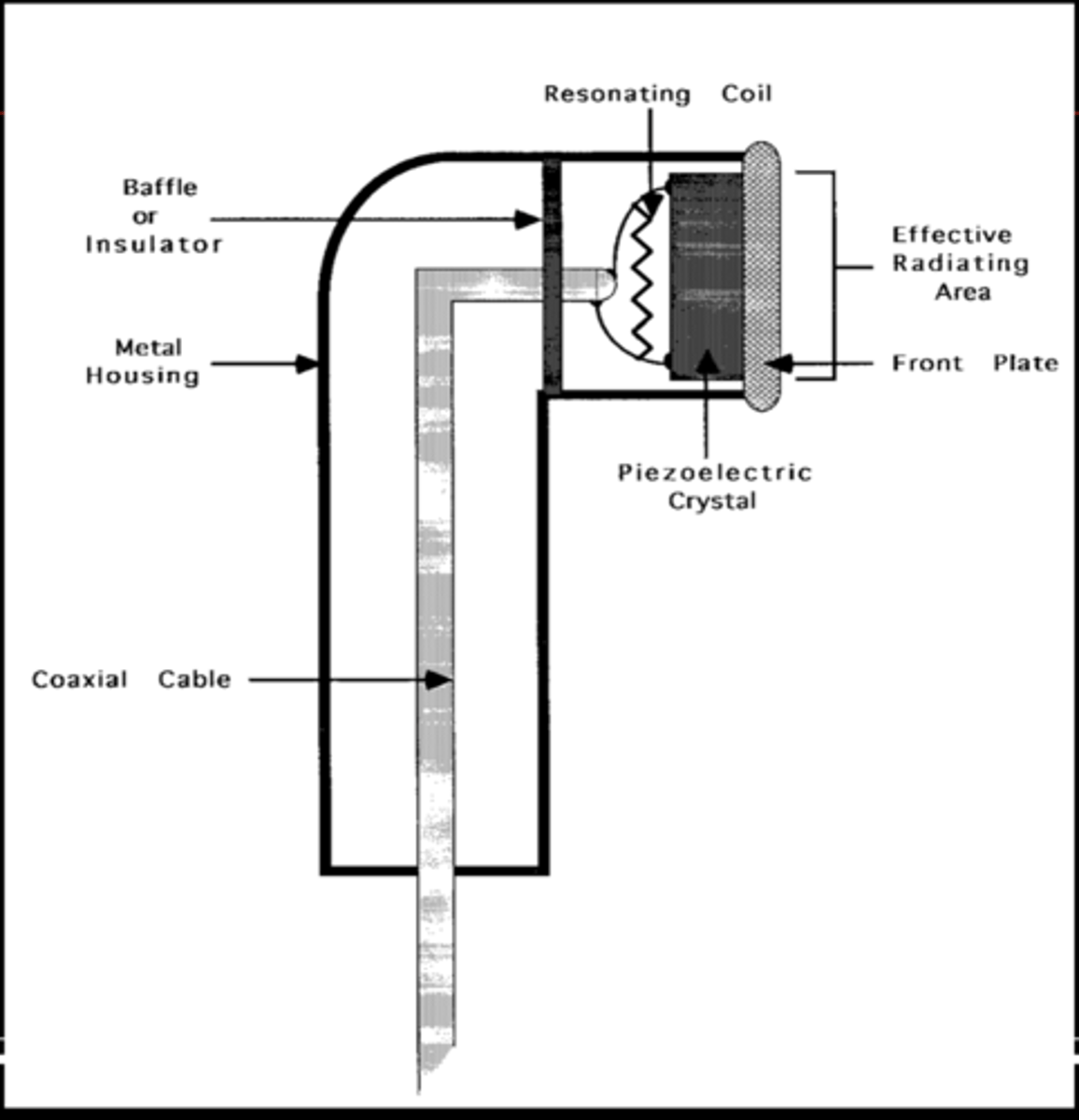
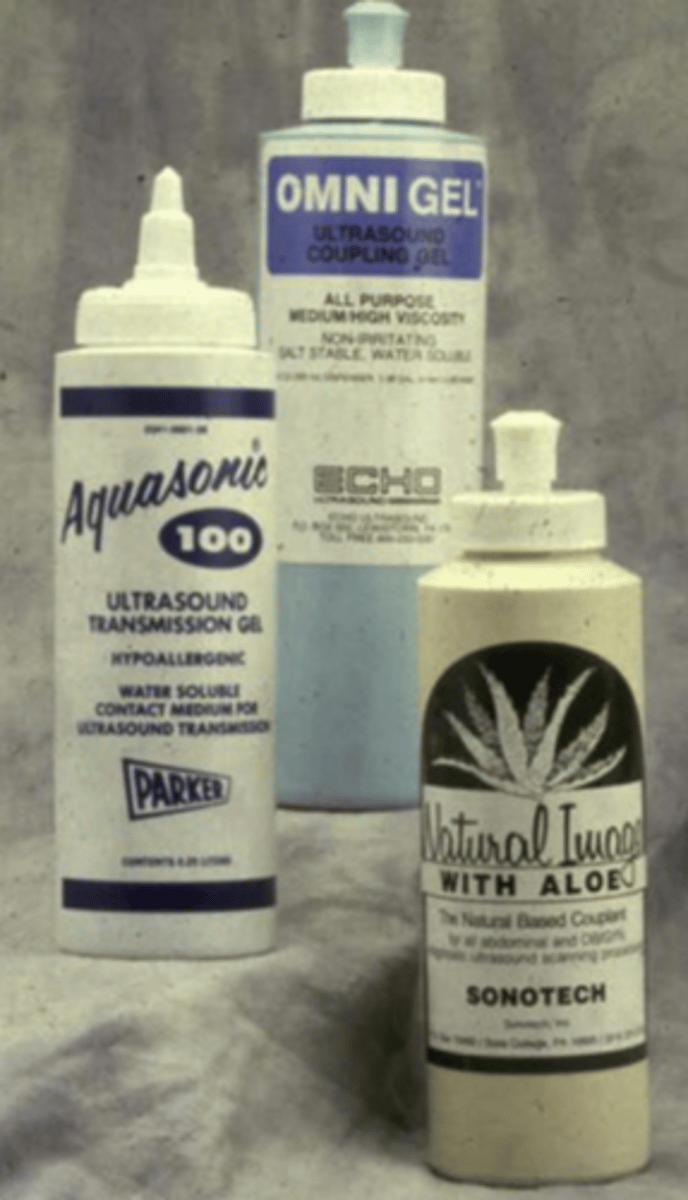
Coupling Medium
Lotion or gel (at least 1/8 inch-more if client is hairy)
- Apply enough pressure to provide contact with gel without displacement of gel
Transducer movement should cover approximately
4cm/sec using back and forth or circular strokes
- Face of sound head should be kept flat to decrease US reflection
US intensity should be decreased if
patient reports any pain or sensation of deep aching or during treatment
Water immersion is appropriate for
small areas
- Water used vs lubricant
- Will not go into depth in this class with this treatment application
Phonophoresis
Use of US to facilitate the delivery of topically applied drugs or medication to selected tissue
Requires physician order to use medication
Different delivery of Ultrasound
- Using ultrasound to drive medication into the skin
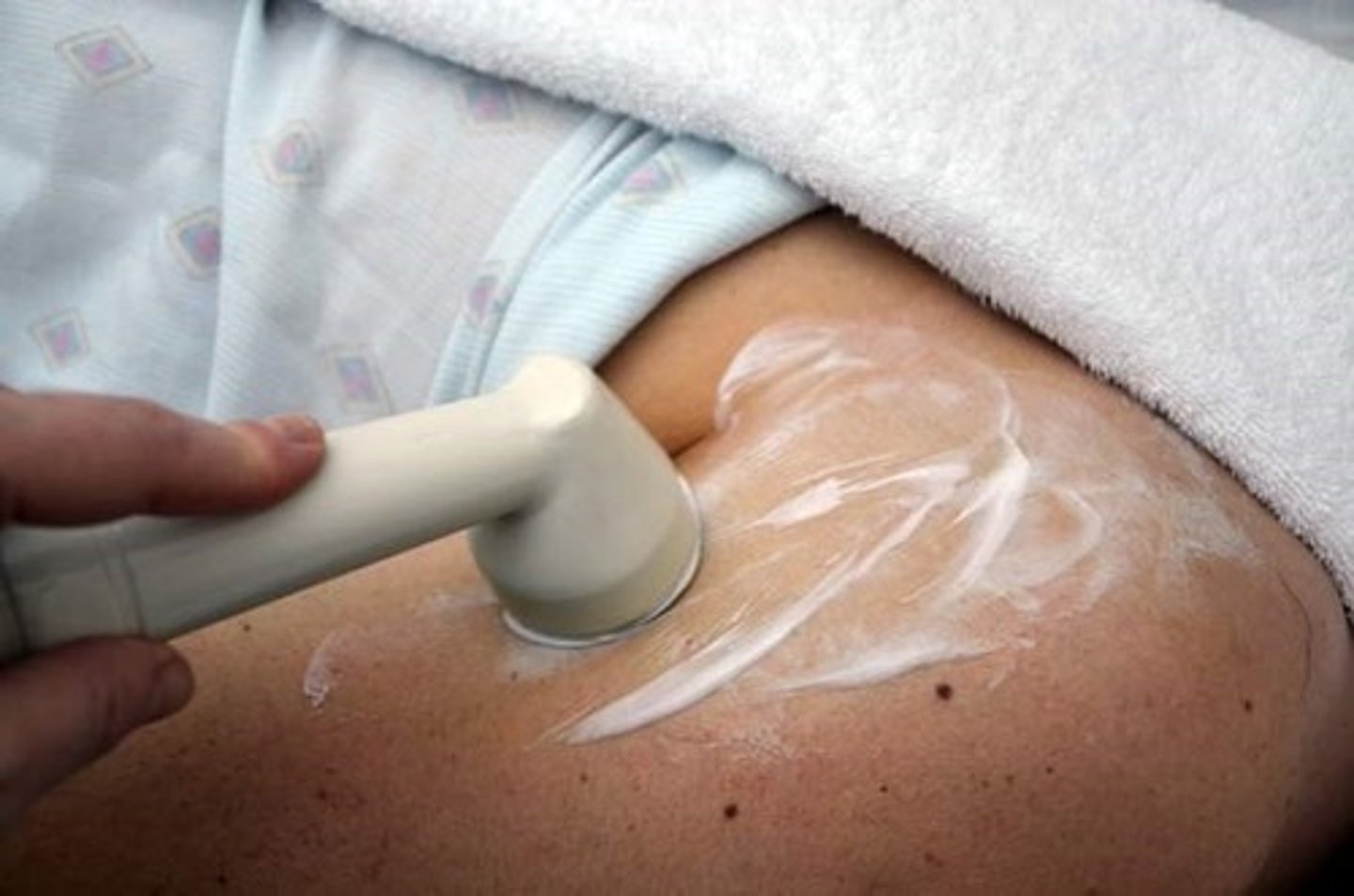
Questionable evidence regarding its effectiveness of phonophoresis
Anti-inflammatory
- Hydrocortisone cream
- dexamethasone sodium phosphate sonic gel mixture
Analgesics
- 100% Flexall or 25% Flexall and 75% US gel
What percent pulse for phonophoresis
Ultrasound at a 50% pulse is best for medication
- more effective than 100 and 25
- however, this does give a mild thermal effect → so keep that in mind
Phonophoresis is a noninvasive use of therapeutic ultrasound to facilitate
the delivery of topically applied drugs, most frequently corticosteroids, hydrocortisone acetate, and dexamethasone sodium, as well as other medications such as erythromycin and lidocaine.
Phonophoresis actively transports the medication into
the underlying targeted tissue through both a thermal and nonthermal mechanism.
Transmissivity of ultrasound is directly related to the conducting gel being utilized, with wide variability
Medication stays more localized in the area being treated rather than having a systemic effect.
Many of the popular analgesic creams, such as Bio-Freeze (Performance Health) and Flexall (Chattem), are used as coupling agents with the intention of
decreasing pain perception.
Warnings with US/Phonophoresis
Do NOT use when there is:
- Severe infection
- DVT
- Cancer
- Do not apply directly over epiphysis of growing bones, eyes, heart, testes
- Do not use with Pacemaker
- Do not use directly over implants
- Do not use directly over anterior neck, carotid sinus, vagus nerve, laryngeal or pharyngeal muscles
- Do not use with diathermy
- Do not use directly over abdomen
- Do not use directly over exposed spinal cord (i.e. post laminectomy or spinal fusion)
US Precautions for phonophoresis and US
Unhealed fracture sites (high does US)
Over breast implants
Patients with impaired cognition or mentation
Over regenerating peripheral nerves
Early stages of tendon or ligament repair
Marked demineralization or osteoporosis
Plastic and metal implants
Drug allergies (phono)
Rx precautions
Children
Active bleeding
Hypersensitivity and/or Impaired Sensation
Pain during recent treatment
Medicated patches, salves, creams
Hot/cold packs in conjunction
Over areas of acute inflammation
US Contraindications for phonophersis & US
Suspected DVT
Over exposed CNS tissue (laminectomy, spina bifada)
Over bone cements or plastic implants
Over implantable-type diffibrillator
Bleeding and edema; areas with a tendency to hemorrhage
Reduced sensation or if a person cannot report heat sensations accurately
Very old/very young: due to compromised body temperature regulation
Skin or lymphatic cancers; tumors or malignancies
Over a cardiac pacemaker or surrounding adjacent tissue
Pregnancy (over low back, abdomen, pelvis areas)
Infected areas
Epiphyses of growing bone (high intensity needs to be less than 1.0 W/cm²)
In conjunction with radium or radioactive isotopes treatment for cancer within 6 mos
Over the heart, eyes, testes (reproductive organs)
Over carotid sinuses and cervical ganglion
Over spinal column or inadequate protection over spinal cord
Considerations Prior to Use (PHIMM)
Pregnancy
Hemorrhaging/Bleeding
Infection
Malignancy
Metal
Considerations cont...
Regularly check and monitor patient status during treatment
Check skin and prep skin prior and after
Check power cords prior
Cross contamination of US head between patients
Do not immerse any part of the operator's body into the water bath during underwater ultrasound therapy.
Underdosing US treatment may result in little to no therapeutic benefit
High-intensity continuous US can cause deep burns if US head is not moved constantly during treatment
- Most common over bony tissue
What will US feel like to the patient
Shouldn't really feel anything but waves are vibrating tissues to bring good things in and take the bad out
- with thermal, we will tell them heat will help with muscle soreness hopefully
Electromagnetic Radiation (EMR)
Synchronized oscillations of electrical and magnetic fields
Used in rehab settings to expedite the healing of soft tissues or relieve pain
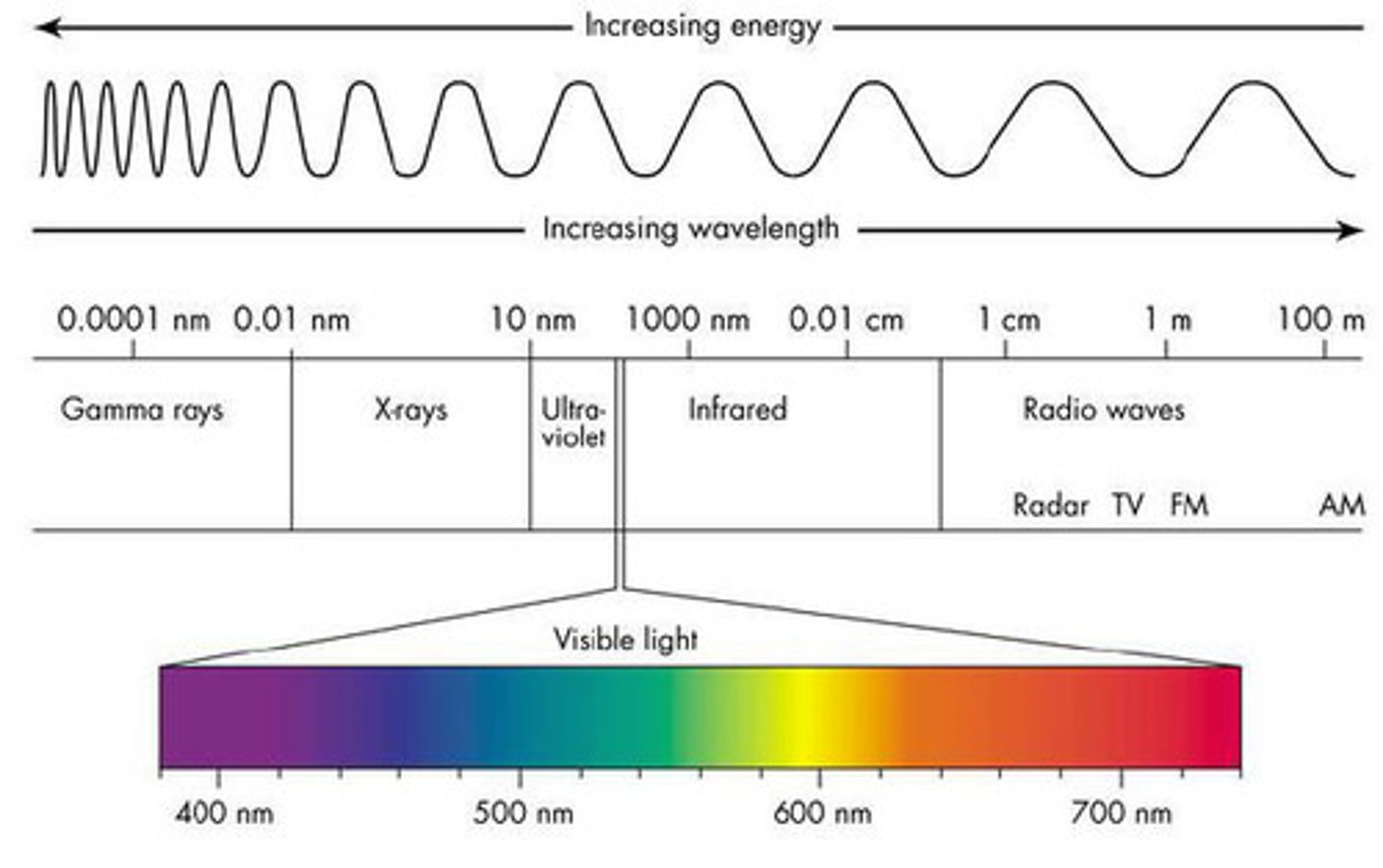
Low-frequency EMR
Nonionizing radiation and can be used therapeutically
- Shortwaves
- Microwaves
- Infrared
- Visible light
- UV A and B
High-frequency EMR
Ionizing radiation
Able to break molecular bonds and form ions
- X-rays, gamma rays
- Used for imaging
- Used to destroy pathological cells
- Not used in the rehabilitation setting
SWD: What Does It Do??
Electromagnetic energy is converted to thermal energy
Produces thermal and non-thermal (mechanical) response with physiological and therapeutic effects
Purpose of short wave diathermy
To significantly heat larger areas of deep tissue with minimally affecting superficial tissues
Average power output of over 38 watts will cause tissue temperature to increase
- Thermal
- Nonthermal
Heats deeper tissues compared to a superficial heating sources such as a moist hot pack
Heats larger and deeper areas compared to US
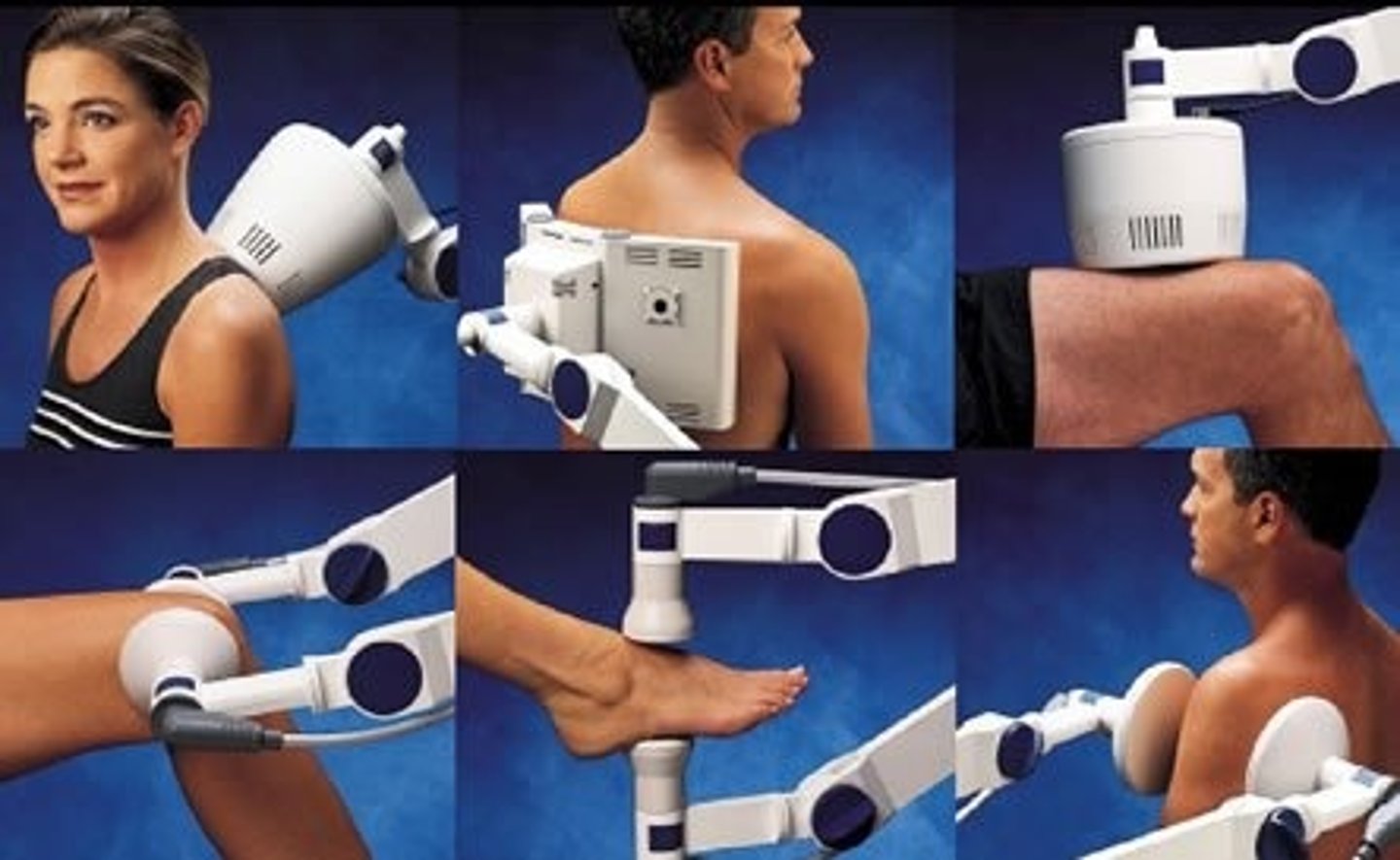
Short Wave Diathermy (SWD) breakdown
Diathermy: Greek word meaning "through heat"
Shortwave: refers to the shortwave electromagnetic band of the electromagnetic spectrum. High frequency but short in wavelength
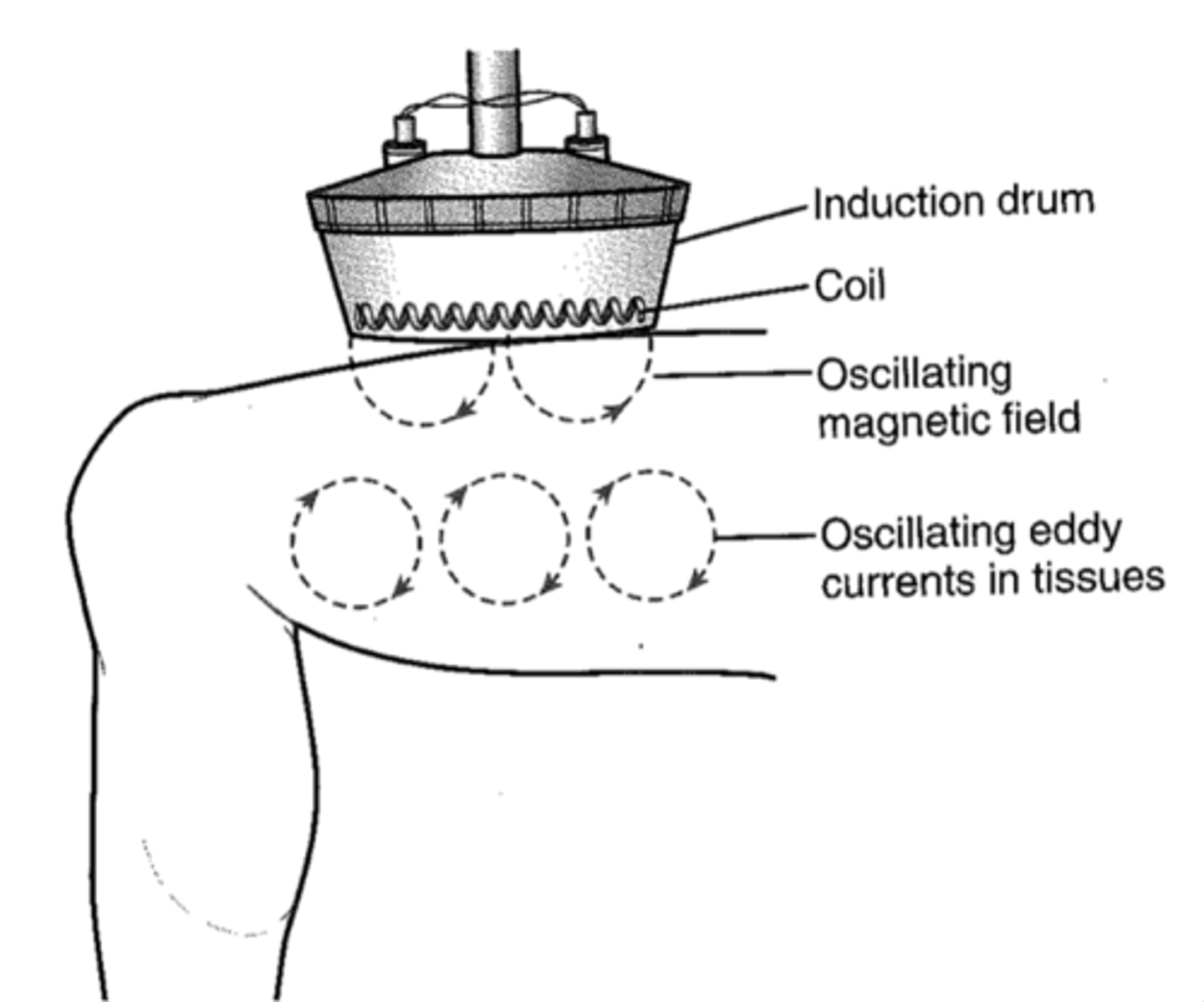
Short Wave Diathermy (SWD)
Application of high radiofrequency current/electromagnetic field to underlying tissue
Deep heating is caused by the conversion of energy into heat as it passes through tissue, due to the resistance of the tissue to the passing of the energy
Heating of deeper structures can be obtained through the application of high frequency electrical currents
Different frequency ranges will affect specific tissue types at different depths
The advantage to SWD is that the overall area that can be heated will be larger than those covered by a hot pack or US
can also do non thermal setting
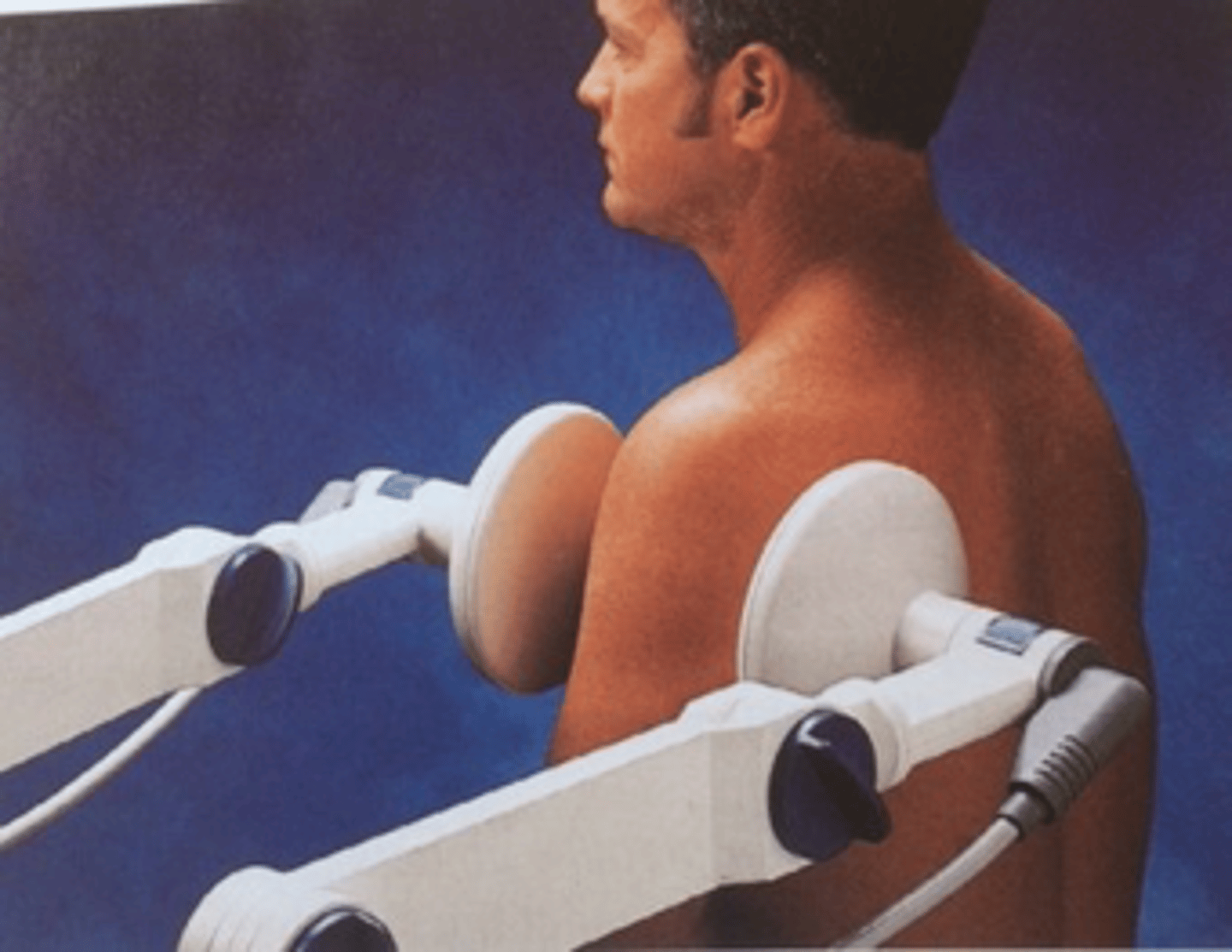
Application of SWD: Induction is the most common method of application
The drum is placed over the treatment area and with the flow of electrical current in the coil produces a magnetic field and current in the tissue
Tissue that offers the greatest resistance to current flow develops higher levels of heat
Subcutaneous fat and tissue that has a high fat content insulates and resist the flow of electrons and have a tendency to overheat
Pulsing the signal allows the tissue to cool as the heat dissipates during the off cycle of the pulse
Uses coils housed in a drum
Produces both electrical and magnetic energy (ratio of one to the other depends on type of machine)
Electrical field
Charged ions in the tissue move from one pole to the other
Magnetic field
A conductor is exposed to a changing magnetic field that causes circulating flow of electrons
SWD can be delivered in either a continuous or pulsed mode
Continuous
- Heats tissue to a depth of 2-5cm
Pulsed
- Non-thermal effects
SWD Physiologic Effects: thermal effects
Shortwave diathermy heats large, deeper tissues
Often used for pain control and to improve soft tissue extensibility
SWD Physiologic Effects: nonthermal effects
Pulsed diathermy
Often used for tissue healing and repair
Physiologic effects believe to bed related to cell functions:
- Changes cell membrane permeability
- Changes in protein structure and transport across membranes
- Acceleration of ATP synthesis and action by cells
SWD is not capable of producing
depolarization and contraction of muscle because the wavelengths are too short
Therefore the primary effects of SWD are thermal
Vasodilation
Reduced pain
Increased soft tissue extensibility
The high frequency energy creates a vibration of molecules which in turn produces heat
Control for treatment are not precise, so it is impossible to accurately measure or Rx the amount of heating the patient will receive
The amount of heating is determined by the current density and resistance of the tissue being treated.
Thermal SWD Dosage Parameters
10-33% duty factor with pulse rate of 800 PPS and pulse duration between 100-400 uSEc
10-40 watts of average power, Peak 150 watts
20 minute treatment duration
Treatment area is drum size
Monitor for thermal sensation
Do not use with desensitized areas.
Non-thermal Effects of SWD
Electromagnetic energy allows damaged cells to return to their normal function
Non-thermal effects occur at the cell membrane as the electromagnetic energy affects ion attraction and cell function (cell membrane function)
Restores the normal function of damaged cells through repolarization
Increases cell growth and division
Increases microvascular circulation
Modulate pain
Modulate inflammation
Augment tissue healing (including bone tissue)
Improve perfusion to microvasculature to facilitate wound healing
looks very similar to ultrasound
Subthermal SWD Dosage
4% duty factor with pulse rate of 400 PPS and duration of 65uSec
150 watts is peak output power
Average power is 3.9 watts
30 minute treatment duration
Treatment area is the drum size
Subthermal SWD Indications
Subthermal typically means non-thermal or subthermal effect
Post traumatic / surgical
- Post/op pain reduction
- Post traumatic pain and edema reduction
Osteoarthritis pain reduction
Increasing circulation to improve tissue healing
- Ligament
- Cartilage
- Wound
Muscle
Why can wound can be performed better with diathermy
can't use ultrasound since you have to touch skin
but with diathermy → don't have to touch skin so works for wound (non-thermal level)
Physiological Effects of SWD
Increased tissue temperature
Increased blood flow
Increased membrane permeability
Increased enzymatic reactions
Increased metabolic rate
Tissue extensibility
Decreased joint stiffness
Increased pain threshold
Facilitation of tissue healing
Application Technique of SWD
Pt needs to remain still during tx
Use shower cap over drum for intermediate infection control applications
After tx, clean with disinfectant wipe
Drape exposed area with towel to absorb surface sweat in thermal application and for additional privacy and warmth.
Place center of drum directly over target tissue and towel.
Position drum within 1/8th of an inch from skin without touching the skin or towel.
Drum is not be in contact with skin: patient will either have a layer of clothing or a towel over skin
Pain Reduction Benefits of SWD
Post op -Treatment on the day of surgery significantly reduces the number of pain medications and length of hospital stay.
Post traumatic pain and edema - SWD accelerates the absorption of hematoma, decreasing swelling and bruising, reducing pain
Facilitates cartilage repair
Thermal SWD Indications
Pain reduction
- Subacute and chronic
Decreasing muscle tone: spasms
Circulation deficits
Increasing ROM: Collagen remodeling
- Joint capsule
- Muscle fascia
- Scar tissue
Reflection of the waves can lead to
hot spots and must be monitored for
SWD generates a high-frequency electrical current producing both
an electrical current and magnetic field within/around the treatment tissue
With SWD, the patient should only feel a
comfortable level of heat during the treatment
Treatment time for SWD
Treatment times vary between 15-20 minutes or up to a maximum of 30 minutes long to achieve desired physiological effects
Indications for SWD use
Heating joint structures
Decreasing stiffness
Increasing tissue extensibility
Improving blood flow
Decreasing pain
Indications for pulsed SWD
Facilitate tissue healing
Decrease edema
Decrease inflammation
Reabsorb hematomas
Decrease pain
SWD Contraindications
ALL WITHIN 10ft OF MACHINE
- Traumatic, acute inflammatory conditions
- Ischemia
- Pregnancy
- Application of areas of decreased sensitivity
- Metal implants (or within 10 ft of implant)
- Cardiac Pacemakers (or if individual with a pacemaker is within 10 ft)
- Implanted or transcutaneous neural stimulators (or within 10 ft of implant) (deep brain stimulator)
- Watches and jewelry should be removed prior to application
- Do not position patient on metal furniture during application of SWD
- Keep SWD units away from other medical equipment (TENS units, electrical units)
- Never apply SWD to eyes, testes, scrotum
- Epiphyseal plates of children
- Areas of malignancy
SWD Warnings
Directly over anterior neck, carotid sinus, vagus nerve, laryngeal or pharyngeal muscles
Do not use with monitoring equipment
Do not use with e-stim or within 5 ft of e-stim (some say 20 ft)
Do not use in proximity of electrical or magnetic equipment
Directly over abdomen
Do not use directly over metal in field
Directly over head and heart
Do not use directly over exposed spinal cord (i.e. post laminectomy or spinal fusion)
Severe infection
DVT
Cancer
Do not apply directly over epiphysis of growing bones
Eyes, heart, testes
SWD Precautions
Prescribing precautions
Children (just avoid this)
Active bleeding
Healing bones (thermal)
Hypersensitivity
Impaired circulation/sensation
Pain during treatment
Medicated patches, salves, and creams
Hot/cold packs in conjunction (avoid this too as desensitization can occur with cold and heat makes a double thermal)
Obesity (nonthermal)
Metal implants
Pregnancy
Skeletal immaturity
Excessive perspiration or we skin during treatment
Check skin and prep skin prior and after
Check power cords prior
Ensure proper head placement
Remove hearing aids
Do not apply to body if wet.
What should a patient feel with SWD
shouldn't feel anything on non-thermal but must sit still
with thermal should feel a MILD heat → anything more needs to be taken off
Can you perform ROM with patient during diathermy
no, must remain still
can fill time with questions, occupational profile type things, etc → we can't be doing movement
- sometimes the patient will need silence and relaxation during this time and that's okay too
If they start getting fidgety and trying concentrate when answering questions OR keep trying to gesture when talking to you → might need to be silent
Length of SWD
This PAM takes a long time (20-30 min) so keep that in mind if you only have a 45 min session → just have to consider what works best
- Weigh the benefit or is this something a hot pack could cover
- Have to prove this modality is preparing for occupation
Documenting SWD
have to document a PAM was used (even if it was only for 30 sec)
- have to say it was attempted and then not taken well
- that way others know not to try it again in the future
Could go in O & A → potentially P
O: how the skin looks
A: could say "patient appears to tolerate modality well"
P: do not recommend continuing with modality in future session

