Bio 1B 3.1 Seedless Plants
 Studied by 0 people
 Call Kai
 Learn
Learn Practice Test
 Spaced Repetition
 Match
Match Flashcards
 Knowt Play
1/33

There's no tags or description
Looks like no tags are added yet.
Name | Mastery | Learn | Test | Matching | Spaced | Call with Kai |
|---|
No analytics yet
Send a link to your students to track their progress
34 Terms
Describe the challenges to plant life on land
unfiltered UV harmed plants, desiccation, lack of structural support, couldn't easily disperse reproductive cells, lacked soil
What are the four adaptations that early plants evolved to live on land?
alteration of generations, apical meristem tissue in roots and shoots, waxy cuticle, and lignin
Plants are _________
haplodiplontic
what does it mean to be haplodiplontic?
Half of the organism's life is spent as a haploid and the other half as diplod
Describe the traits shared by green algae and land plants
chloroplasts contain same carotenoids and chlorophyll a and b, store carbohydrates as starch, and cell walls contain cellulose
Explain why charophytes are considered the closest algal relative to land plants
They lack supportive tissue like xylem and phloem that lands plants have, are haplontic, and have flagellated sperm
Identify the main characteristics of byrophytes
nonvascular, seedless, homosporous, they lack lignin, don't have true leaves or roots, and the gametophyte is dominant
what are the distinguishing traits of liverworts?
have air pores but not stomata, has rhizoids not roots, grows across the plant body not at the buds
what are the distinguishing traits of hornworts?
has pipe-like sporophyte, air pores are on the gametophyte but stomata are on the sporophyte
what are the distinguishing traits of mosses?
has a stalk with primitive conductive system, has leaflike blades with air pores, rhizoids act as its roots, sporophyte has stomata
Describe the events in the bryophyte life cycle
haploid spores germinate in the gametophyte to make gametospores, the sperm swim to and fertilize the egg in archegonium where a diploid embryo develops and turns into a sporophyte which produces haploid spores through meiosis
Identify the new traits that first appear in seedless vascular plants
large heights, has true roots stems and leaves, can be homosporous or heterosporous, posseses lignin cuticle and apical growth, diploid sporophyte dominant
Which plants are considered non-vascular?
Liverworts, hornworts, mosses
Which plants are vascular?
Club mosses, quillworts, spike mosses, whisk ferns, horsetails, and ferns
Which classes of plants are both seedless and vascular?
club mosses, quillworts, spike mosses, whisk ferns, horsetails, and ferns
What are the distinguishing traits of club mosses, quill worts, and spike mosses?
the sporophyte is dominant, consists of a small stem and microphylls, has strobili with sporangia
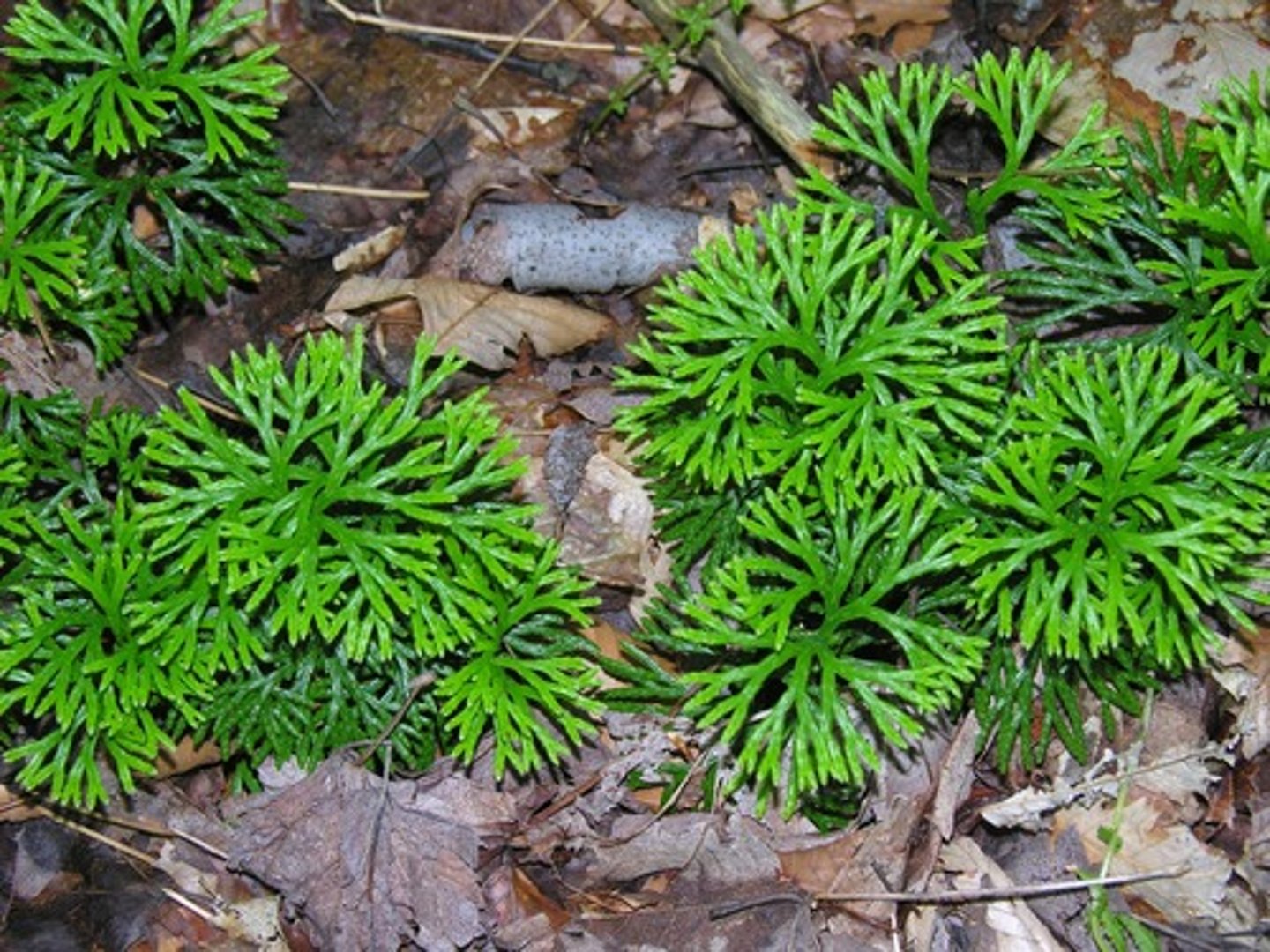
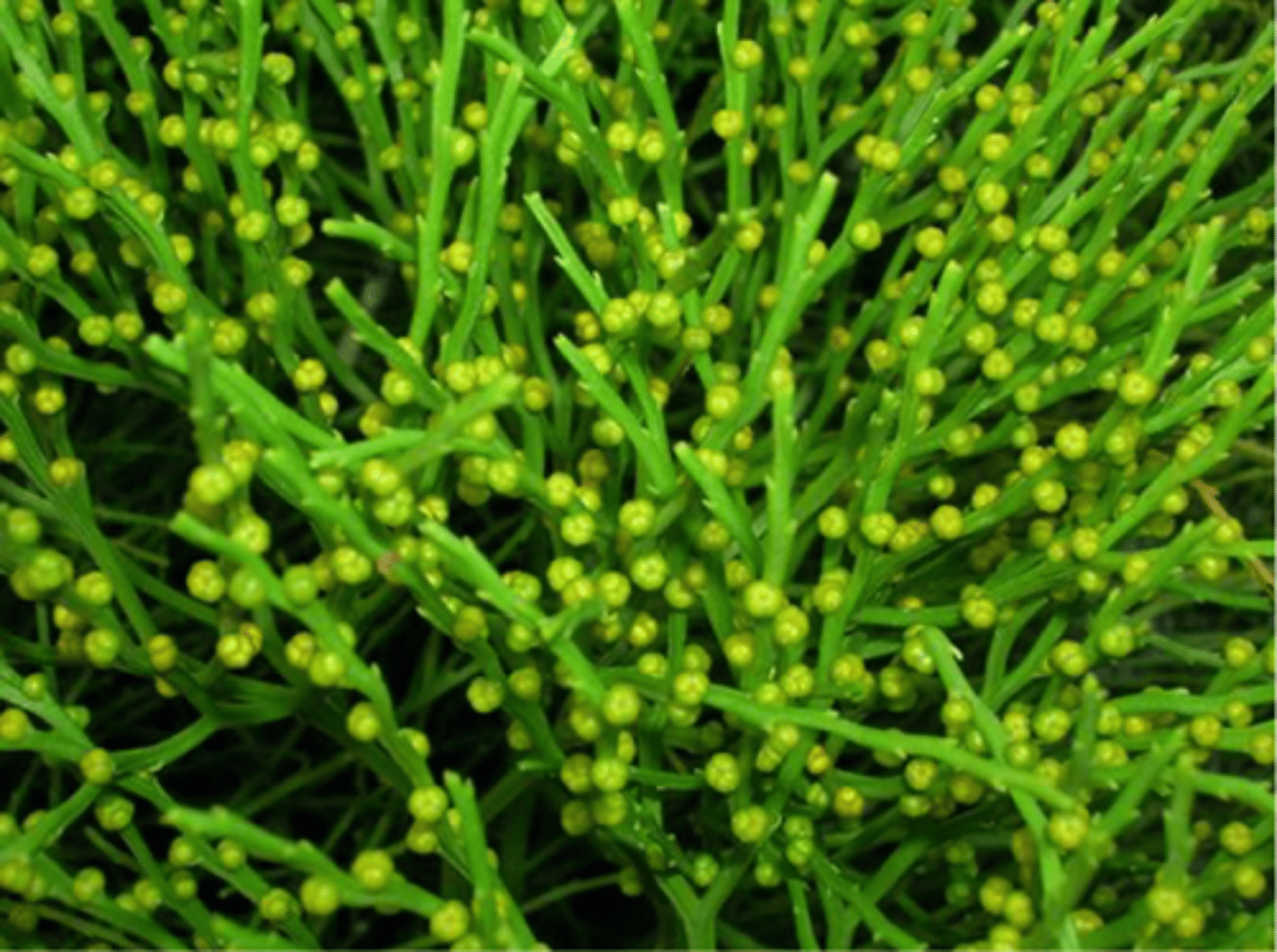
what are the distinguishing traits of whisk ferns?
photosynthetic stems with knob shaped sporangia, lacks roots and leaves
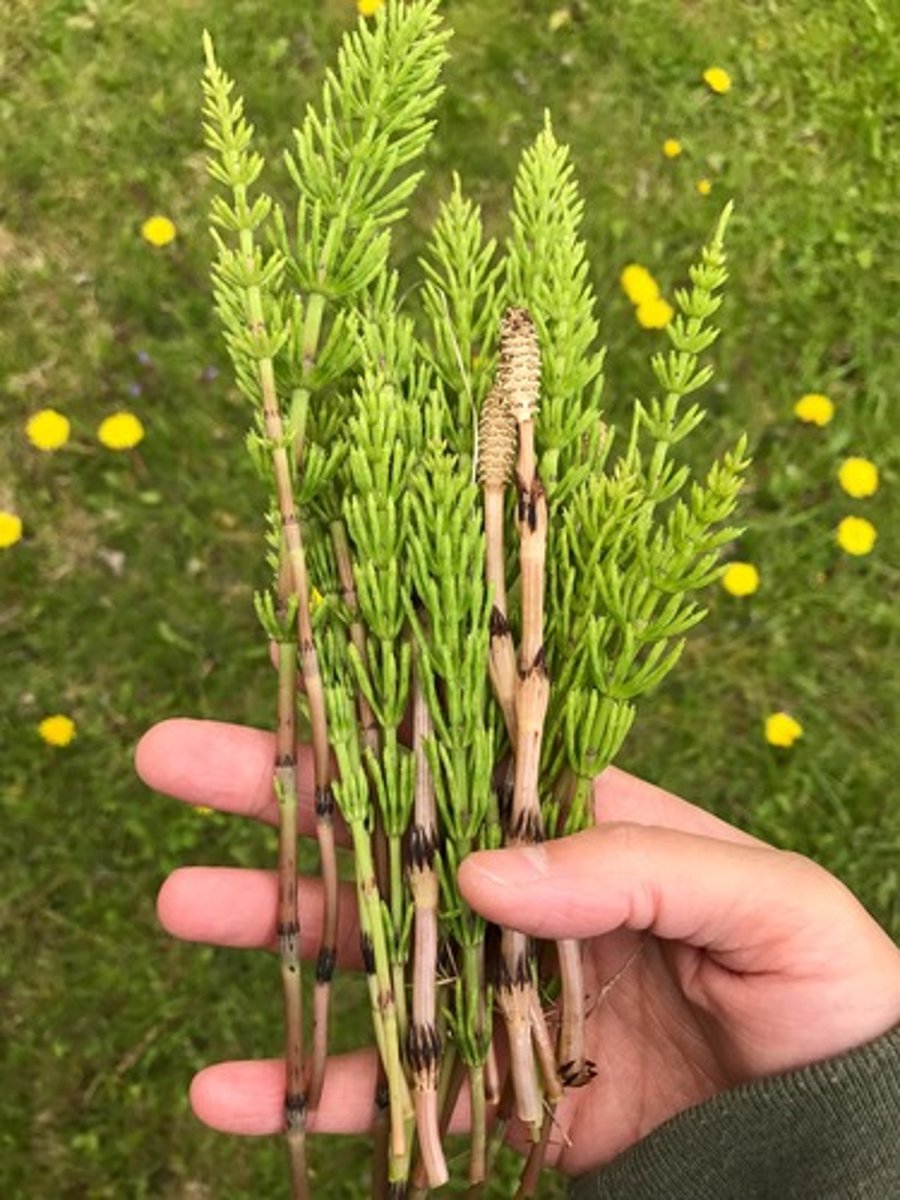
what are the distinguishing traits of horsetails?
thin leaves, toxic to livestock, contains silica in epidermic cells
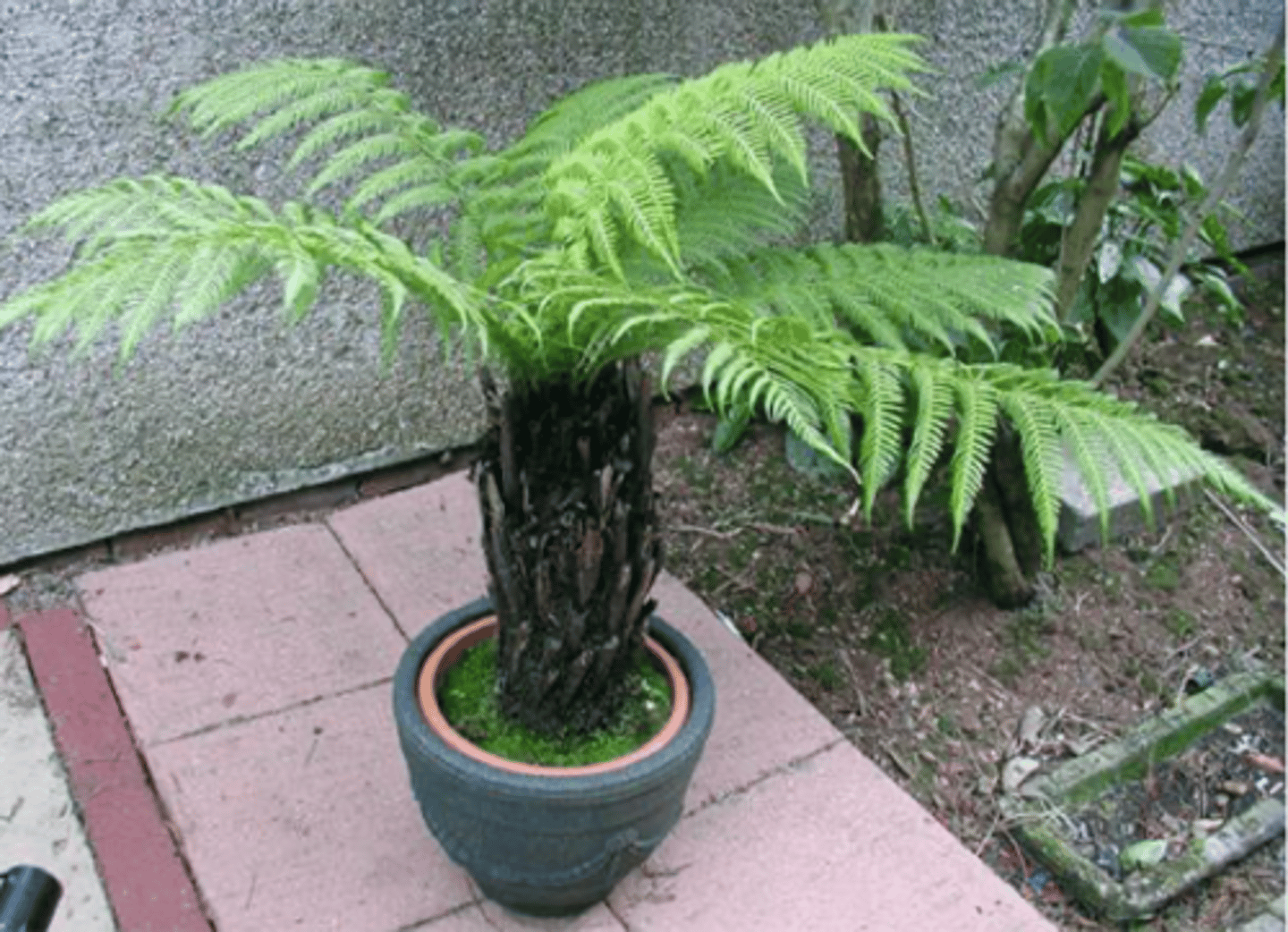
what are the distinguishing traits of ferns?
dominant sporophyte, has true roots, stems, and leaves, has flagellated sperm
Describe the life cycle of a fern
spores from the sporangium release and fertilize the eggs in the archegonium, then it develops into a sporophyte which grows roots from the gametophyte that then touches the ground and is able to support itself
Explain the role of seedless plants in the ecosystem
seedless plants make the earth easier for other plants to grow on and provide resources to the environment
Liverworts, hornworts, and mosses are all ______phytes
byrophytes
club mosses, quillworts, and spike mosses are _____phytes
lycophytes
whisk ferns, horse tails, and ferns are ________phytes
Pterophytes
Define gametophyte
haploid form that produces haploid gametes by mitosis
define sporophyte
diploid form that produced haploid spores by meiosis
define sporangia
reproductive sac for spore production
define gametangia
structure that gives rise to gametes by mitosis
what is an antheridium?
male reproductive structure of a plant, produces flagellated sperm
what is an archegonium?
female reproductive structure of a plant, produced eggs and protects developing embryo
what does lignin do?
reinforces cell walls to prevent water loss and provide strength
what are megaphylls?
large leaves with a branching vein pattern
What are sporophylls?
leaves modified to bear sporangia
what are microphyll?
small leaf like stricture with a single unbranched vein through the center
 Note
Note  Flashcards (46)