LECTURE 1
0.0(0)
 Studied by 0 people
 Call Kai
 Learn
Learn Practice Test
 Spaced Repetition
 Match
Match Flashcards
 Knowt Play
Card Sorting
1/121

Earn XP
Last updated 6:34 PM on 3/24/23
Name | Mastery | Learn | Test | Matching | Spaced | Call with Kai |
|---|
No analytics yet
Send a link to your students to track their progress
122 Terms
1
New cards
Pain is…
1. a perception
2. an emotion
3. a strong motivator
2
New cards
Inguinal hernia
occurs when intestines are poking through abdominal wall
3
New cards
Henry Beecher
a physician who studied the comparison of the use of narcotics in 2 situations: war veterans and civilian surgical wounds
4
New cards
Findings of Henry Beecher
War veterans were less likely to ask for narcotics than civilians with surgical wounds
5
New cards
Possible confounds in Henry Beecher’s study
1. war veterans were younger than the civilians
2. war veterans under a lot more stress\*\* (stress plays a role on inhibition of pain)
6
New cards
osteoarthritis
joint space is narrowing which leads to bones touching each other
7
New cards
Bedson and Croft Study
Their study shows that not everyone with an injury experiences pain.
8
New cards
What magnifies the experience of pain?
rumination and pain catastrophizing
9
New cards
top 10 reasons to seek health care
1. **cough****
2. **back pain****
3. **abdominal pain****
4. sore throat
5. **dermatitis (itch)****
6. fever
7. **headache****
8. leg pain
9. respiratory
10. fatigue
10
New cards
explanation of pain can kill
* pain can kill indirectly.
* individuals with chronic pain have a shorter life span.
* pain highly contributes to morbidity hence the quote of Albert Schweitzer: “*Pain is a more terrible lord of mankind*
*than even death itself.”*“
* individuals with chronic pain have a shorter life span.
* pain highly contributes to morbidity hence the quote of Albert Schweitzer: “*Pain is a more terrible lord of mankind*
*than even death itself.”*“
11
New cards
morbidity
suffering; everything that is bad that is not mortality
morbidity affects the quality of life
morbidity affects the quality of life
12
New cards
prevalence of pain
prevalence = how common
pain is ubiquitous i.e. it is everywhere
pain is ubiquitous i.e. it is everywhere
13
New cards
prevalence of chronic pain
out of the whole population
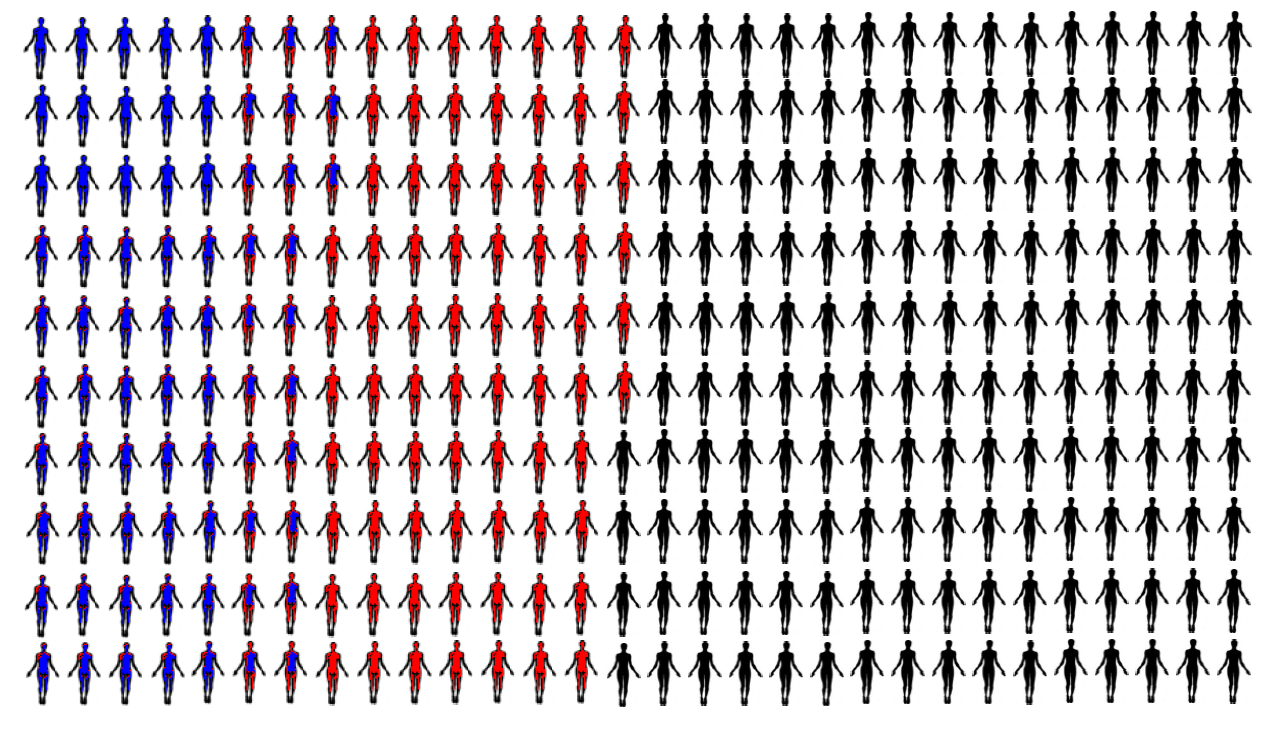
→ about 50% = lifetime prevalence of having chronic pain (once in your lifetime, you have a 1/2 of experiencing chronic pain)
→ about 20% = individuals experiencing chronic pain at this moment
→ about 50% = lifetime prevalence of having chronic pain (once in your lifetime, you have a 1/2 of experiencing chronic pain)
→ about 20% = individuals experiencing chronic pain at this moment
14
New cards
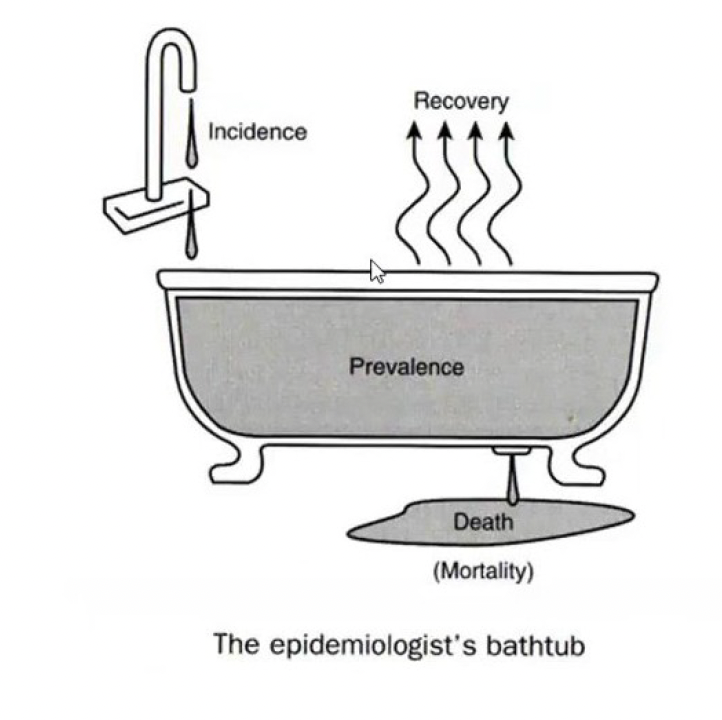
epidemiologist’s bathtub
prevalence: how much water there is in the bathtub
incidence: how fast the faucet is dripping (new cases of something in a time period)
how much of the bathtub is filled depends on how fast the faucet is going (under normal circumstances)
incidence: how fast the faucet is dripping (new cases of something in a time period)
how much of the bathtub is filled depends on how fast the faucet is going (under normal circumstances)
15
New cards
variables that influence prevalence
1. death
2. recovery
16
New cards
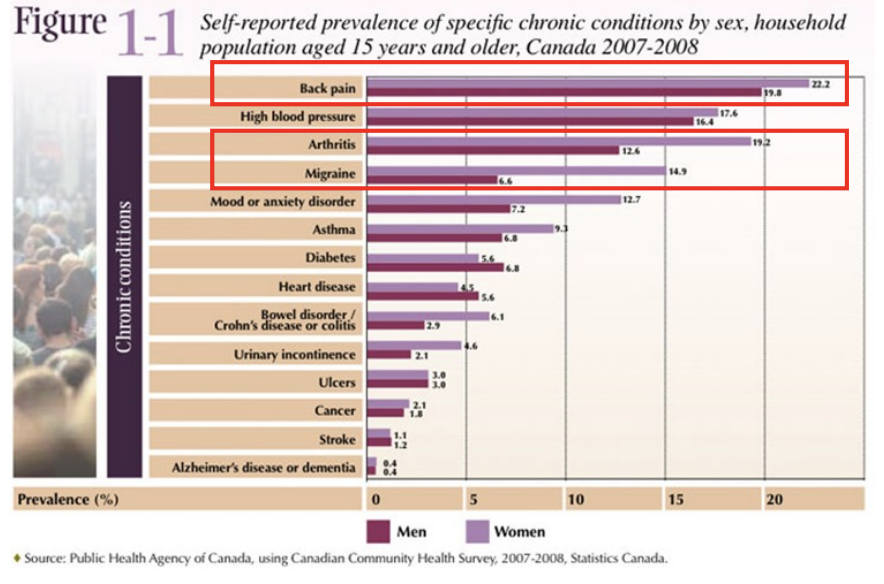
prevalence of pain and the difference in men and women
huge difference of prevalence of pain in migraine, back pain and arthritis
17
New cards
prevalence vs incidence
prevalence: how much
incidence: new cases over a time span
incidence: new cases over a time span
18
New cards
why do women suffer more from chronic pain?
* stigma (men are less prone to notifying about pain)
* women outlive men
* women outlive men
19
New cards
out-patients vs in-patients
out-patients: patients prescribed medication (no stay in hospital)
in-patients: patients that were hospitalized (stay in hospital)
in-patients: patients that were hospitalized (stay in hospital)
20
New cards
epidemiology
***Epidemiology*** is the study of how often diseases occur in different groups of people and why.
21
New cards
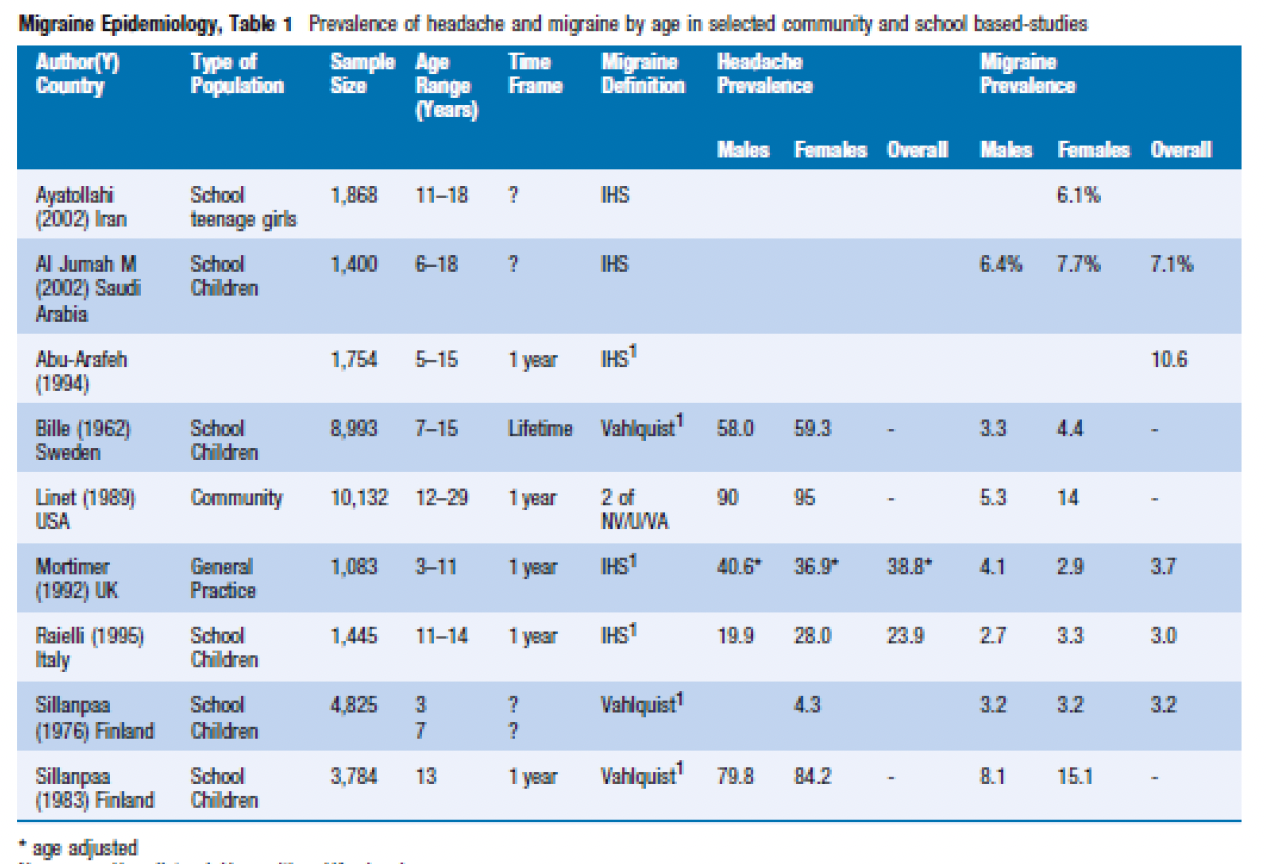
Migraine Epidemiology: Lipton and Bigal
* prevalence of headache and migraine in children
* children are defined in different way
* headaches are defined in different ways
→ different definitions allow for different numbers
* children are defined in different way
* headaches are defined in different ways
→ different definitions allow for different numbers
22
New cards
prevalence of pain in women vs men
* women have higher prevalence in pain which increases as they age
23
New cards
![why does the prevalence in chronic pain for men peak at \[70-74\] range and then decrease?](https://knowt-user-attachments.s3.amazonaws.com/4cf69d89e8bc47478b5b0ba23351e941.jpeg)
why does the prevalence in chronic pain for men peak at \[70-74\] range and then decrease?
men with chronic pain die (men have a lower life expectancy than women)
24
New cards
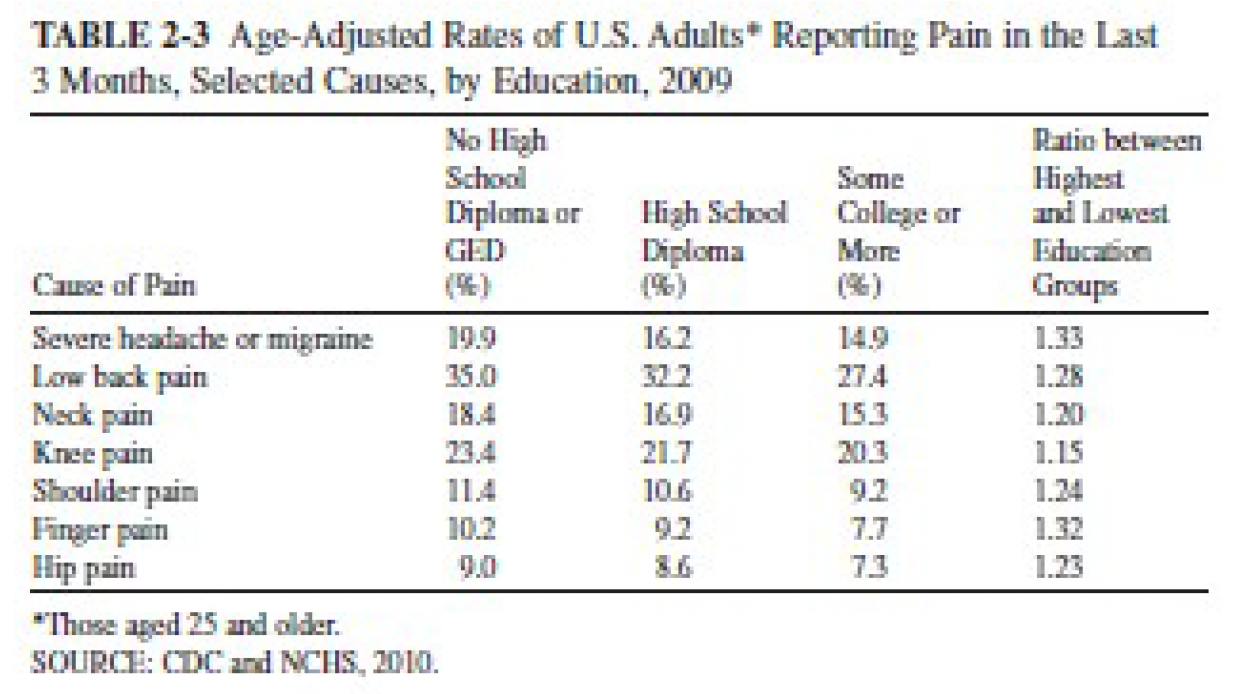
prevalence of pain by education level
25
New cards
why is pain more prevalent among people with lower levels of education?
* Having chronic pain might not allow you to pursue higher education.
* People with lower levels of education might have jobs requiring more physical effort leading to injury
* High SES is protective against chronic pain (to some degree)
* Better lifestyle
* Access to better healthcare
* Access to health insurance
* People with lower levels of education might have jobs requiring more physical effort leading to injury
* High SES is protective against chronic pain (to some degree)
* Better lifestyle
* Access to better healthcare
* Access to health insurance
26
New cards
why is prevalence of pain in lower back the highest?
The vertebrae that are at the bottom take on more pressure due to gravity
27
New cards
effect and burden of chronic pain
chronic pain can have an effect on the following:
* functional activities i.e. sleep, leisure activities, household chores
* social consequence i.e. marital relations, intimacy, etc.
* socioeconomic consequences i.e. heath-care cost, lost productivity
* emotional functioning i.e. irritable, angry, depression, anxiety
* functional activities i.e. sleep, leisure activities, household chores
* social consequence i.e. marital relations, intimacy, etc.
* socioeconomic consequences i.e. heath-care cost, lost productivity
* emotional functioning i.e. irritable, angry, depression, anxiety
28
New cards
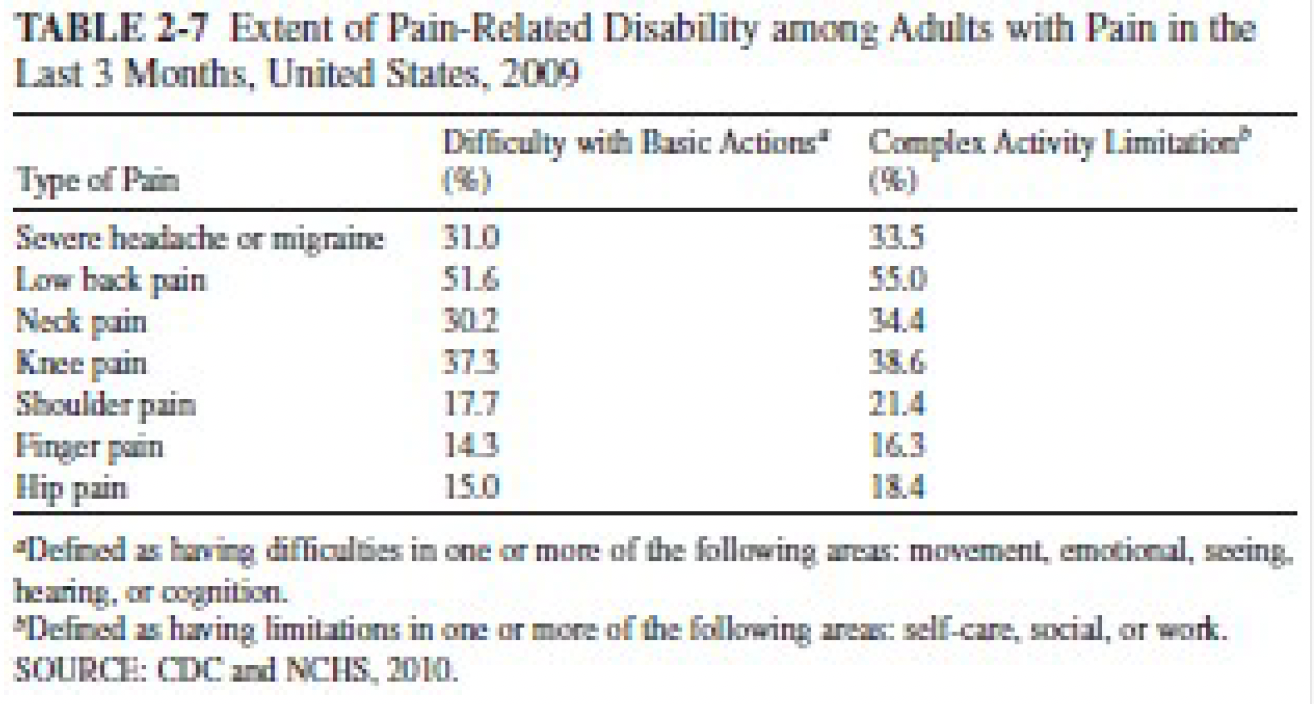
pain and disability
* low back pain is highly associated with disability
* knee pain is second highest
* knee pain is second highest
29
New cards
definition of disability
having difficulty and limitations in doing things
30
New cards
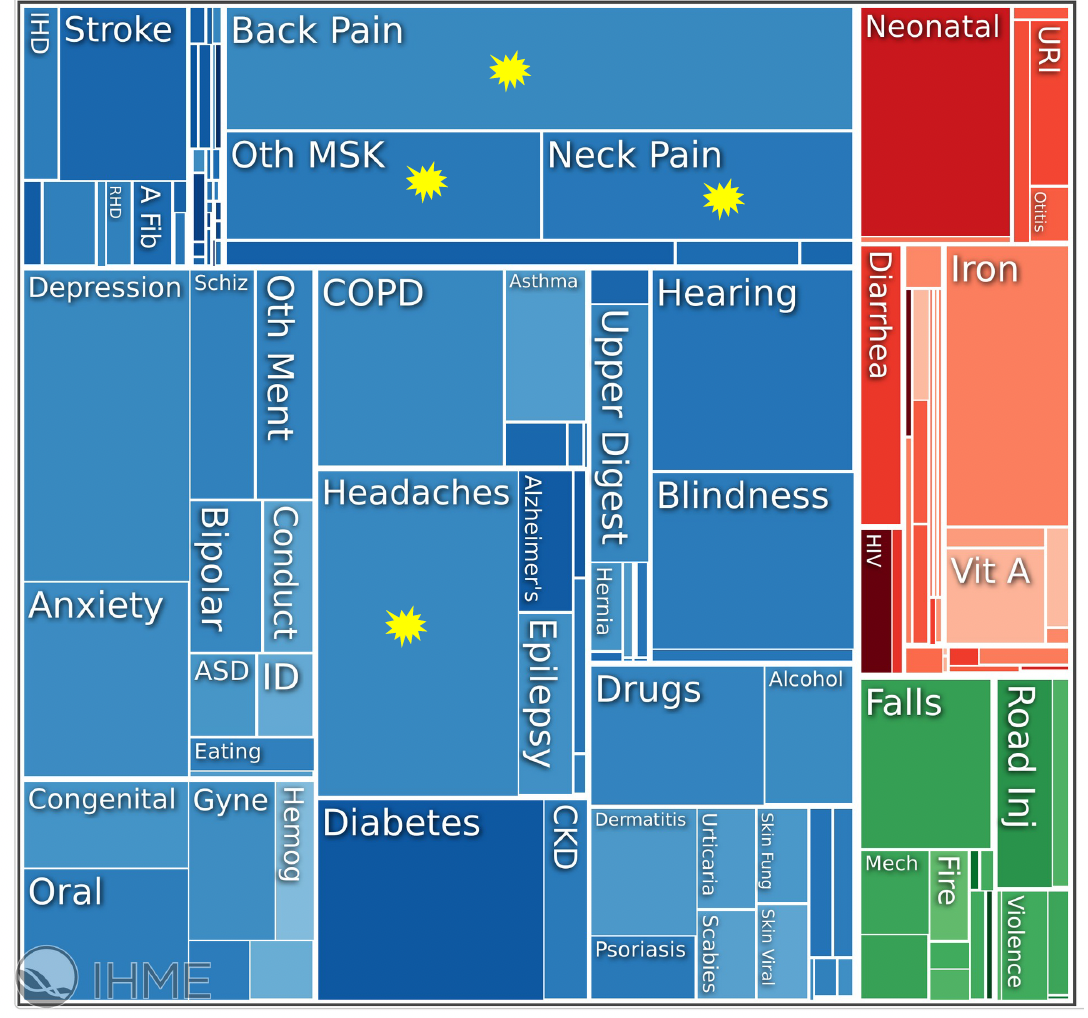
global burden of disease
The Global Burden of Disease (GBD) provides a tool to **quantify health loss** from hundreds of **diseases, injuries, and risk factors**, so that health systems can be improved and disparities can be eliminated.
GBD research incorporates both the ***prevalence*** of a given disease or risk factor and the ***relative harm*** it causes, in addition to just estimating disease prevalence
GBD research incorporates both the ***prevalence*** of a given disease or risk factor and the ***relative harm*** it causes, in addition to just estimating disease prevalence
31
New cards
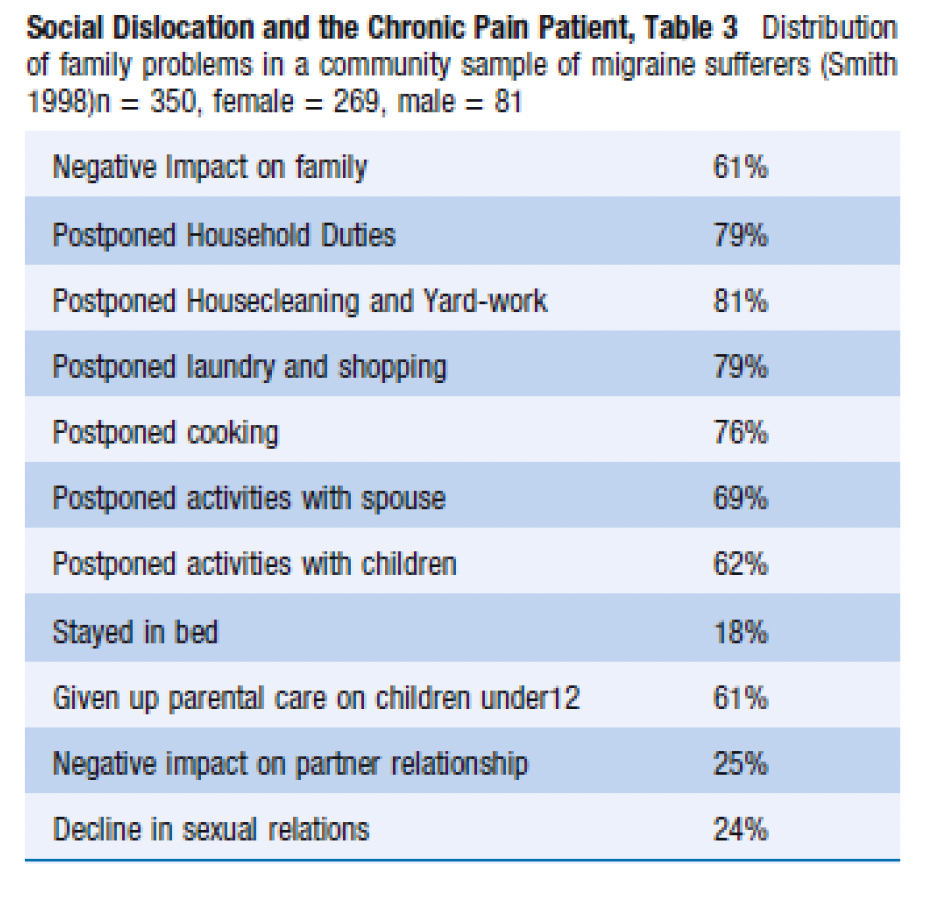
effect of pain on social functions (study by Roy)
32
New cards
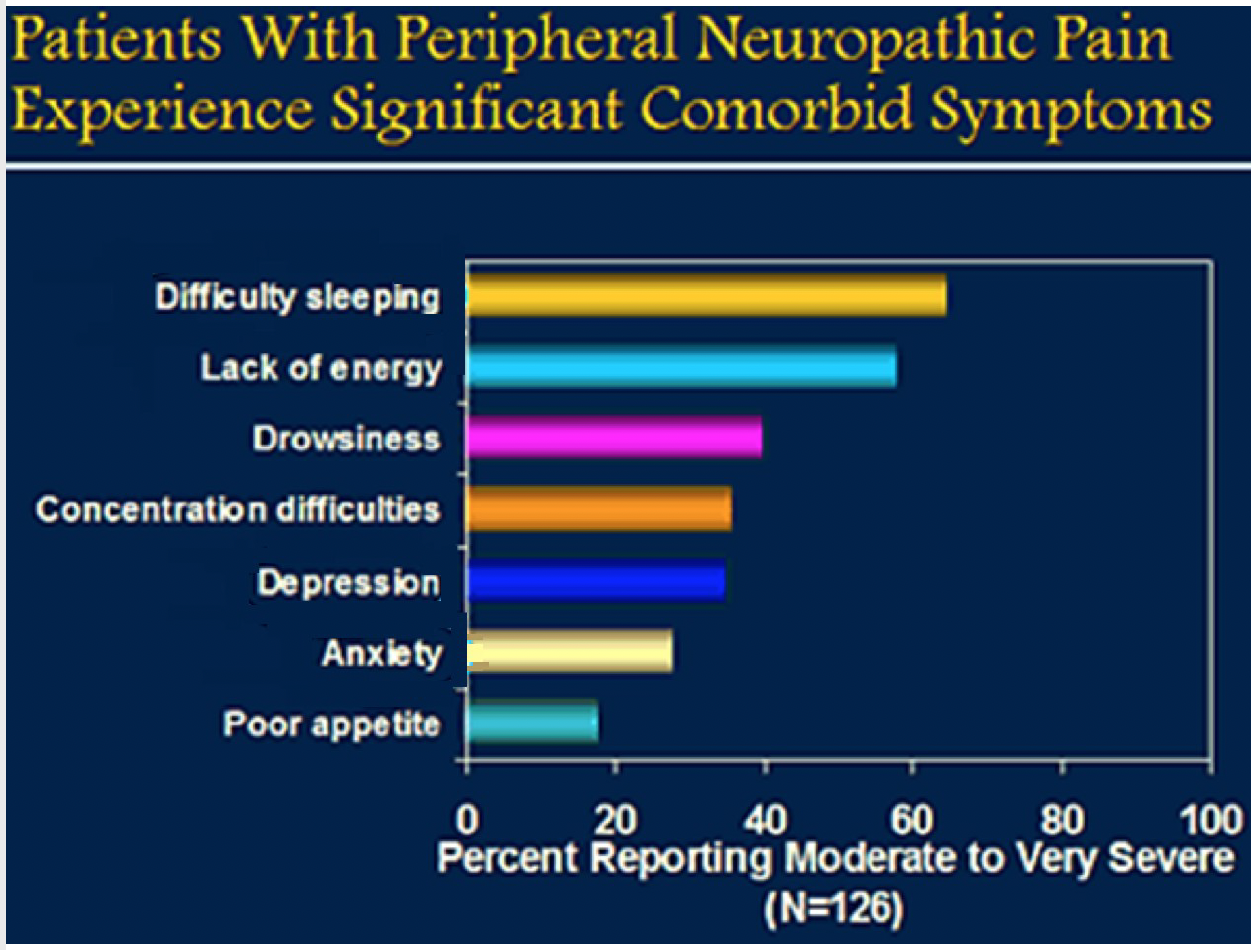
pain comorbodities
==Co-morbidity== = if you have 1 condition, what other conditions are you more likely to have
* can also be correlational => you might not be able to sleep because of your back pain or you may get back pain due to not getting a good night’s sleep
* can also be correlational => you might not be able to sleep because of your back pain or you may get back pain due to not getting a good night’s sleep
33
New cards
comorbidity
* The condition of having two or more diseases at the same time.
* can be correlational i.e. difficulty sleeping can be a cause or a consequence of pain
* can be correlational i.e. difficulty sleeping can be a cause or a consequence of pain
34
New cards
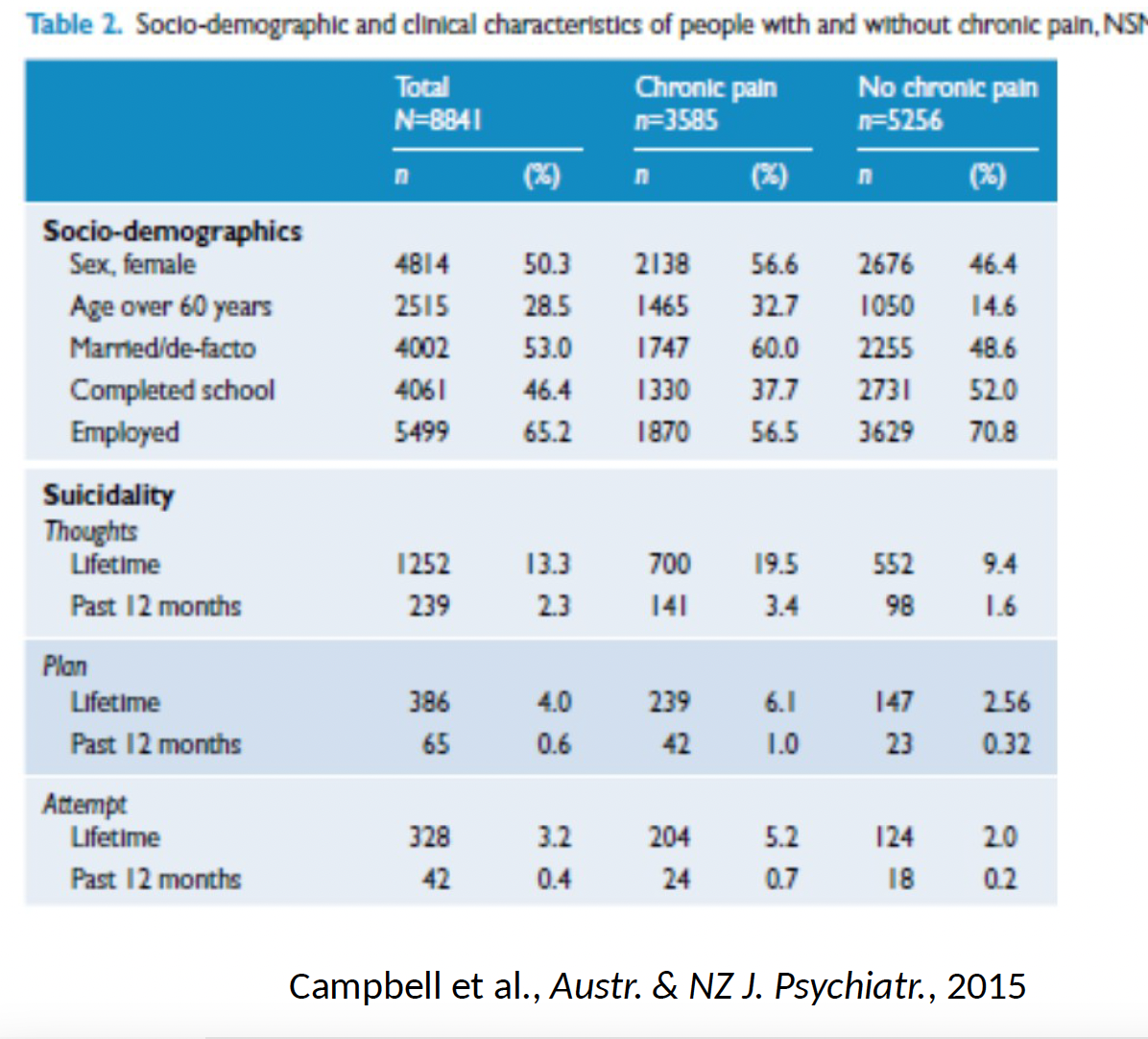
3 types of suicide risk
1. thoughts
2. suicide plans
3. suicide attempts
35
New cards
chronic pain and suicide risk (study by Campbell)
table shows us that having chronic pain puts you at a greater risk for suicide risk
36
New cards
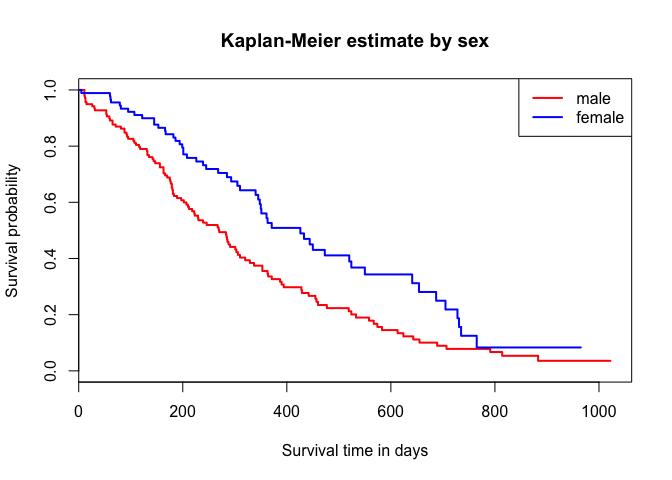
Kaplan-Meier plot
shows us survival function: it graphically displays the probability that a subject will survive up to time t
37
New cards
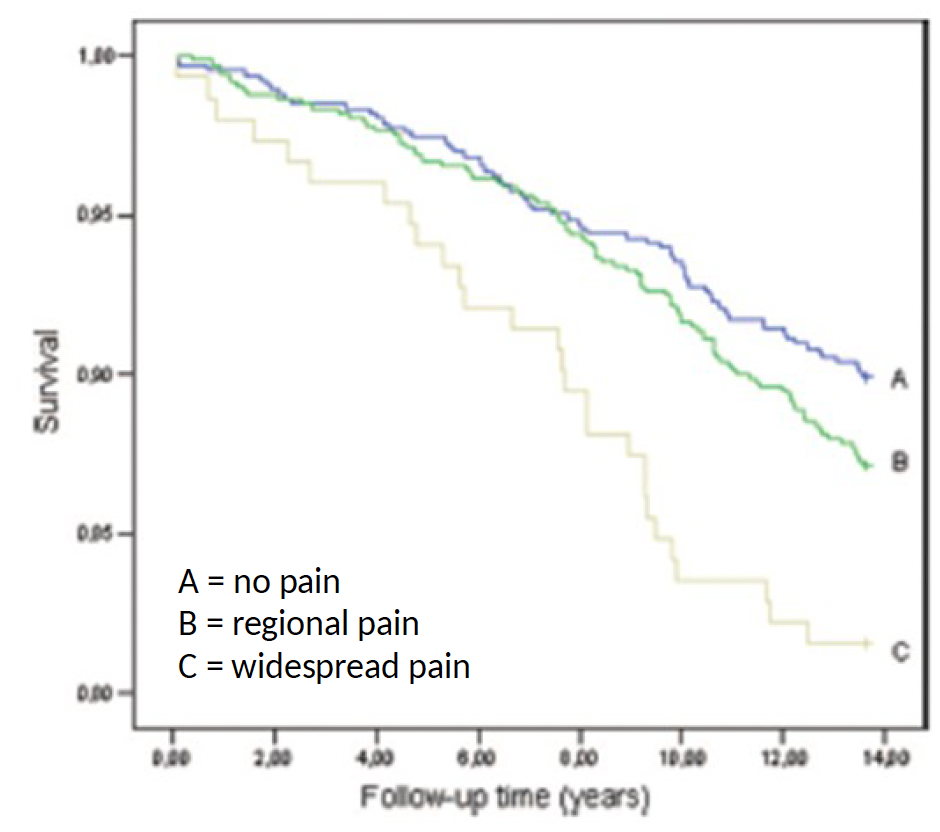
effect of chronic pain on lifespan
20% of those with widespread pain died vs 10% in control group
=> people w/ more pain have a lower probability of surviving
\
=> people w/ more pain have a lower probability of surviving
\
38
New cards
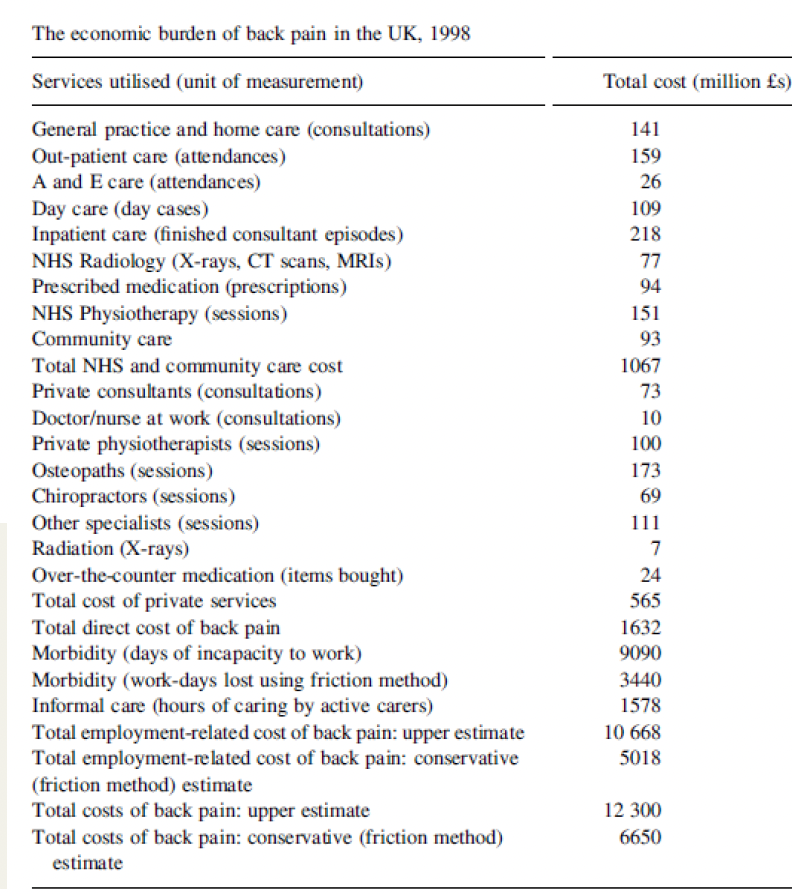
economic burden of pain
pain can have direct and indirect burden on the economy
39
New cards
which service has the most economic burden
listed high to low
* employment-related cost (inability to come to work due to pain)
* community care cost
* cost of private services
* inpatient care
* employment-related cost (inability to come to work due to pain)
* community care cost
* cost of private services
* inpatient care
40
New cards
pain in Abrahamic religions
1. pain as atonement
2. pain for sin
3. pain as redemption
41
New cards
pain in philosophy (AGAD)
Aristotle (384-322 BCE) → pain is an emotion in the heart (partially right, pain has a duality)
Galen (130-201) → pain is a sensation in the brain
Avicenna (980-1037) → pain is an independent sensation different from touch/temperature
Descartes (1596-1650) → presence of pain pathway from body to brain (the actual pathway is wrong but the concept is correct)
Galen (130-201) → pain is a sensation in the brain
Avicenna (980-1037) → pain is an independent sensation different from touch/temperature
Descartes (1596-1650) → presence of pain pathway from body to brain (the actual pathway is wrong but the concept is correct)
42
New cards
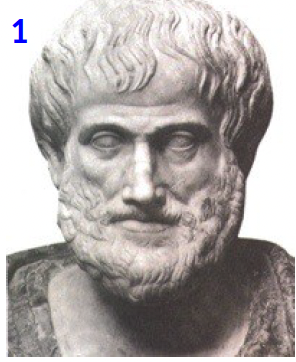
Aristotle
43
New cards
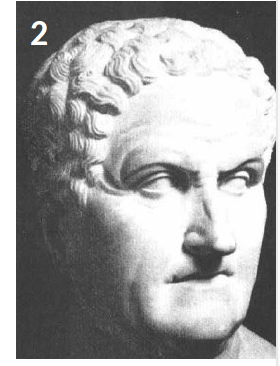
Galen
44
New cards
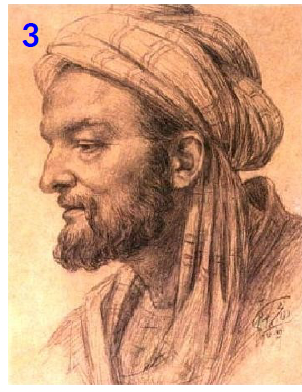
Avicenna
45
New cards
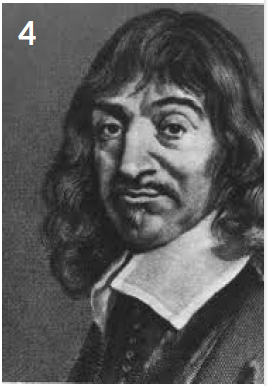
Descartes
46
New cards
theodicy
the job of theodicy is to demonstrate the justice of God in ordaining or allowing the existence of moral and physical evil.
i.e. why is God allowing pain is God = good/protector?
i.e. why is God allowing pain is God = good/protector?
47
New cards
Pain and utilitarianism
Classic utilitarianism rests on 3 propositions
1. Actions are to be judged right/wrong solely in virtue of their consequences → right actions are those that have the best consequences (stealing from the rich to give to the poor would maximize happiness)
2. In assessing consequences, the only matter is the amount of (un)happiness caused → right actions are those that produce the greatest balance of happiness over unhappiness
3. No one person’s happiness is to be counted as more important than another’s → everyone counts equally, everyone’s welfare is important
1. Actions are to be judged right/wrong solely in virtue of their consequences → right actions are those that have the best consequences (stealing from the rich to give to the poor would maximize happiness)
2. In assessing consequences, the only matter is the amount of (un)happiness caused → right actions are those that produce the greatest balance of happiness over unhappiness
3. No one person’s happiness is to be counted as more important than another’s → everyone counts equally, everyone’s welfare is important
48
New cards
principle of utility
* term honed by Jeremy Bentham (1748-1832)
* **Principle of utility** then approves/disapproves of every action according to the ability to promote or oppose the happiness/interest of the person/group → by utility he means something the produces benefit, advantage, pleasure good or happiness while at the same time preventing pain, evil or mischief
* **Principle of utility** then approves/disapproves of every action according to the ability to promote or oppose the happiness/interest of the person/group → by utility he means something the produces benefit, advantage, pleasure good or happiness while at the same time preventing pain, evil or mischief
49
New cards
the mind-body problem
\
the problem of understanding what the relation between the mind and body is, or more precisely
→ are mental phenomena a subset of physical phenomena or not?
i.e. phantom-limb pain
the problem of understanding what the relation between the mind and body is, or more precisely
→ are mental phenomena a subset of physical phenomena or not?
i.e. phantom-limb pain
50
New cards
Phantom limb-pain
* limb can be amputated but the individual can still experience pain
* evidence for a soul (wrong); if pain can be perceived without a body part, then what does the body have to do with pain? pain has to do with the soul
* supports dualism
* evidence for a soul (wrong); if pain can be perceived without a body part, then what does the body have to do with pain? pain has to do with the soul
* supports dualism
51
New cards
dualism
* theory to explain the mind-body problem
* mind and body are seperate
* mind and body are seperate
52
New cards
monism
* mind is simply an output of the body (more specifically, output of the brain)
* mental and corporeal phenomena are merely different manifestations of what is really one and the same Reality.
* mental and corporeal phenomena are merely different manifestations of what is really one and the same Reality.
53
New cards
pain and the problem of other minds
I exist, but I can not say for sure you exist”, the same is for pain → I don’t know what kind of pain you are experiencing because I can not leave my mind to get into yours.
54
New cards
pain and human rights
* the ends justify the means: is used to suggest that any activity, whether or not that activity could be considered ethically or morally bad, is worth doing so long as a desired end result is achieved.
* peter singer: philosopher + advocate for animal rights
* peter singer: philosopher + advocate for animal rights
55
New cards
declaration of montreal (2010)
declaration that access to pain management is a fundamental human right
56
New cards
the 3 human rights in Declaration of Montreal
__**Article 1.**__ The right of all people to have access to pain management without discrimination.
__**Article 2.**__ The right of people in pain to an acknowledgment of their pain and to be informed about how it can be assessed and managed.
__**Article 3.**__ The right of all people with pain to have access to appropriate assessment and
treatment of the pain by adequately trained health care professionals.
__**Article 2.**__ The right of people in pain to an acknowledgment of their pain and to be informed about how it can be assessed and managed.
__**Article 3.**__ The right of all people with pain to have access to appropriate assessment and
treatment of the pain by adequately trained health care professionals.
57
New cards
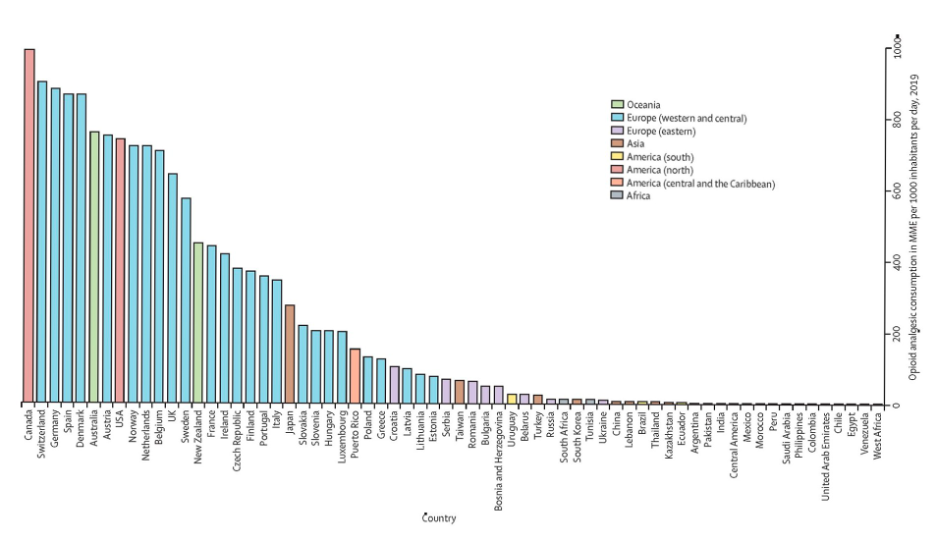
opioid consumption by country
* opioid consumption is high in industrialized countries
* no opioids in developing countries
* no opioids in developing countries
58
New cards
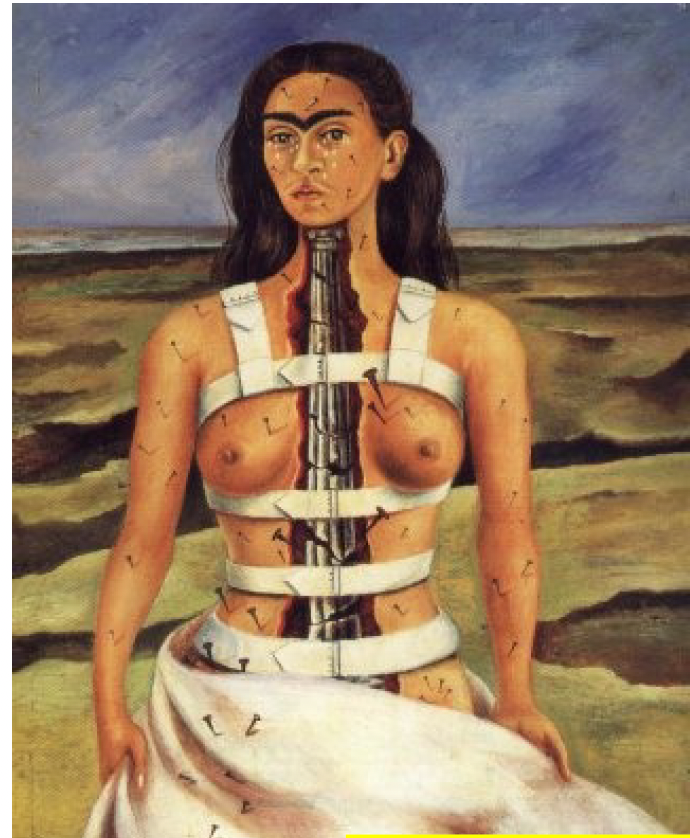
Broken Column by Frida Kahlo: painting representing her pain following her bus accident
59
New cards
old definition of pain
An unpleasant sensory and emotional experience associated with actual or potential tissue damage, or described in terms of such damage.
60
New cards
new definition of pain
An unpleasant sensory and emotional experience associated with, or __resembling__ that associated with, actual or potential tissue damage.
61
New cards
pain and unpleasantness
* pain has a negative valence
* **Masochism**: masochists don’t find pain unpleasant, to some degree they find pain pleasant (this would make the definition not applicable) vs for biological/ environmental, ppl find pain stimulating, the trade-off is worth making (pain to achieve orgasm)
* self-harm
* exercise: another example of a trade-off (no pain, no gain)
* spicy food
* itch
* **Masochism**: masochists don’t find pain unpleasant, to some degree they find pain pleasant (this would make the definition not applicable) vs for biological/ environmental, ppl find pain stimulating, the trade-off is worth making (pain to achieve orgasm)
* self-harm
* exercise: another example of a trade-off (no pain, no gain)
* spicy food
* itch
62
New cards
Sensory and emotional part of pain
* Sensations = energy in env, that turn into electrical signals so that your brain can interpret it
* sensations habituate (when entering a kitchen for the first time, you will hear the fridge hum, 5 mins later, you don’t “hear the humming” because brain becomes habituated), pain does not
* Pain does not habituate, the longer the pain lasts, the more you will feel it
* Stimulus of same intensity, you will have a higher perception = problem with chronic pain
* Pain sensitizes instead of habituates
* pain = emotion
* sensations habituate (when entering a kitchen for the first time, you will hear the fridge hum, 5 mins later, you don’t “hear the humming” because brain becomes habituated), pain does not
* Pain does not habituate, the longer the pain lasts, the more you will feel it
* Stimulus of same intensity, you will have a higher perception = problem with chronic pain
* Pain sensitizes instead of habituates
* pain = emotion
63
New cards
pain is a drive state (homeostatic emotion)
* drive state – something that compels action i.e. thirst (it compels you to drink liquid); you don’t need to do something about rage, fear, sadness
* hunger compels you to eat
* thirst compels you to drink
* Pain trumps all other drive states (not necessarily true as a little amount of pain might not trump a lot of hunger/thirst)
* hunger compels you to eat
* thirst compels you to drink
* Pain trumps all other drive states (not necessarily true as a little amount of pain might not trump a lot of hunger/thirst)
64
New cards
Actual or potential tissue damage and pain
Injury is minimized with the “potential tissue damage”
i.e. Cut skin with knife, individuals will experience pain before you actually damage tissue
i.e. Cut skin with knife, individuals will experience pain before you actually damage tissue
65
New cards
adequate stimulus for pain
* noxious cold temperatures
* inflammation
* mechanical pressure
* heat
* natural compounds i.e. chili
* cell rupture
* inflammation
* mechanical pressure
* heat
* natural compounds i.e. chili
* cell rupture
66
New cards
why does surgery hurt after patient wakes?
* inflammation
* actual tissue damage
* actual tissue damage
67
New cards
__Described in terms of such damage__ (old definition of pain)
* phrase is here because of neuropathic pain (nerve damage; people with nerve damage still experience pain w/o actually having tissue damage)
* nerves are not tissue damage
* nerves are not tissue damage
68
New cards
neuropathic pain
pain due to damage of the nervous system (usually peripheral nervous system)
69
New cards
tissue damage
damage to skin, muscle, organs or joints (nerves not included)
70
New cards
issue with the old definition of pain
* The issue with the old definition → **“described” implies verbal communication.**
* implies babies don’t feel pain, mutes don’t feel pain
* implies babies don’t feel pain, mutes don’t feel pain
71
New cards
pain is not
* somatosensation (touch)
* emotional pain (exceptions)
* social rejection causes inflammation → example of cyber ball
* social suffering (via cyber ball or rejection by romantic partner) activates “pain matrix“
* acetaminophen (administered to those who just experiences social rejection) reduces social pain and fear of death
* pain is not suffering
* pain is not disability
* pain behaviour (moaning, stooping, etc.)
* nociception (workings of the nervous system that eventually lead to the perception of pain)
* emotional pain (exceptions)
* social rejection causes inflammation → example of cyber ball
* social suffering (via cyber ball or rejection by romantic partner) activates “pain matrix“
* acetaminophen (administered to those who just experiences social rejection) reduces social pain and fear of death
* pain is not suffering
* pain is not disability
* pain behaviour (moaning, stooping, etc.)
* nociception (workings of the nervous system that eventually lead to the perception of pain)
72
New cards
difference between anesthesia vs. analgesia
o Anesthesia (local): mouth frozen for a tooth extraction, no sensation felt (no touch, no vibration, no cold, no heat) \*no sensory information transmitted\*
o Analgesia refers to pain, specifically
o All anesthetics are analgesics, but the opposite isn’t true
o Analgesia refers to pain, specifically
o All anesthetics are analgesics, but the opposite isn’t true
73
New cards
nociception
working of nervous system that eventually lead to the notion of pain/ firing of neurons => the biology behind the pain; pain is the sensation at the end
\
Nociception refers to the central nervous system (CNS) and peripheral nervous system (PNS) processing of noxious stimuli which activate nociceptors and their pathways.
\
Nociception refers to the central nervous system (CNS) and peripheral nervous system (PNS) processing of noxious stimuli which activate nociceptors and their pathways.
74
New cards
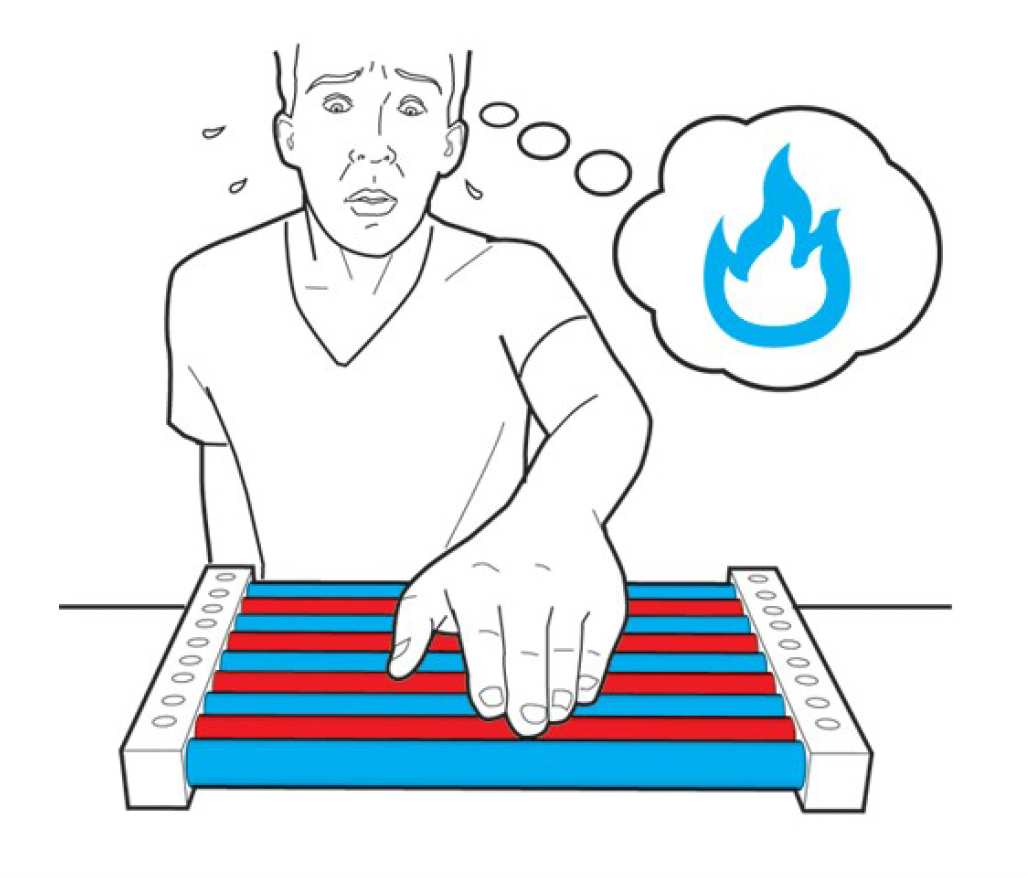
thermal grill
* example of how perception of pain can be created in the brain w/o the actual presence of noxious stimulants
* each tube either cool or warm temperatured water
* hand over multiple tubes causes pain
* each tube either cool or warm temperatured water
* hand over multiple tubes causes pain
75
New cards
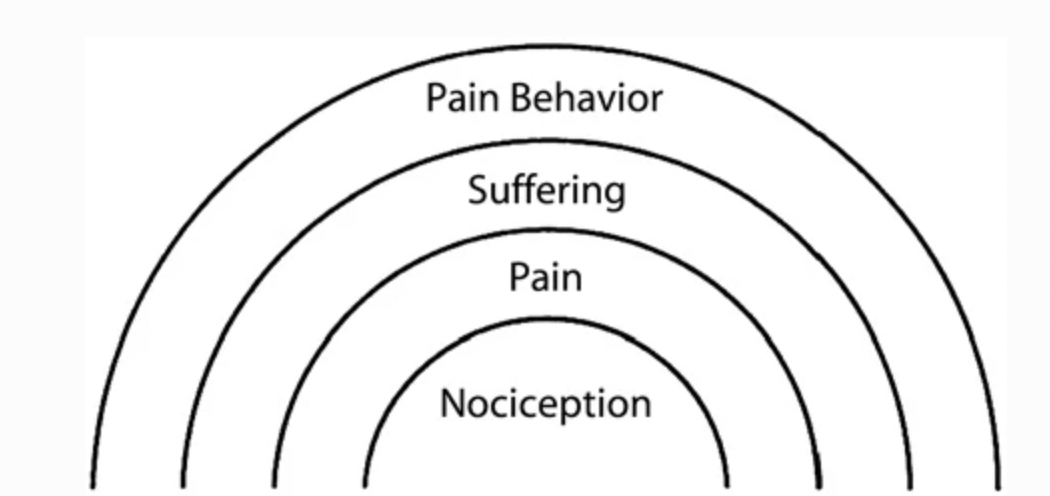
Fordyce’s behavioural model of pain
pain behavior reflects the influence of three important factors:
1. suffering
2. pain
3. nociception
1. suffering
2. pain
3. nociception
76
New cards
three types of pain
1. acute pain
2. tonic pain
3. chronic pain
77
New cards
acute pain
seconds to minutes
o Acute pain enables us to avoid tissue damage or minimize it
o It’s a teaching signal (allows to learn physical limitations of limbs)
o Acute pain enables us to avoid tissue damage or minimize it
o It’s a teaching signal (allows to learn physical limitations of limbs)
78
New cards
tonic pain
hours to weeks
o To enforce us to rest i.e. when we break a bone
o Casts enforces mobility
o DOMS: delayed onset muscle soreness (pain after workout)
o To enforce us to rest i.e. when we break a bone
o Casts enforces mobility
o DOMS: delayed onset muscle soreness (pain after workout)
79
New cards
chronic pain
o Classic reason: no reason; it’s pathological => something has gone wrong with your body. Like a broken smoke alarm that is stuck in the on position
80
New cards
congenital insensitivity to pain
no feeling of pain
* short life span
* Most common cause of death: keep fracturing hip over and over, which increases the likelihood of infection (sepsis)
* short life span
* Most common cause of death: keep fracturing hip over and over, which increases the likelihood of infection (sepsis)
81
New cards
congenital insensitivity to pain with anhidrosis
anhidrosis = inability to sweat
82
New cards
pain and the lumping vs splitting problem
* lumping and splitting are both problematic
* Splitting is complicated and so is lumping (we don’t know if pain is multiple things or whether its one big lump)
* Splitting is complicated and so is lumping (we don’t know if pain is multiple things or whether its one big lump)
83
New cards
how long does an individual have to experience pain in order for it to be considered chronic?
3 months
84
New cards
etiology
the underlying cause of a disease
85
New cards
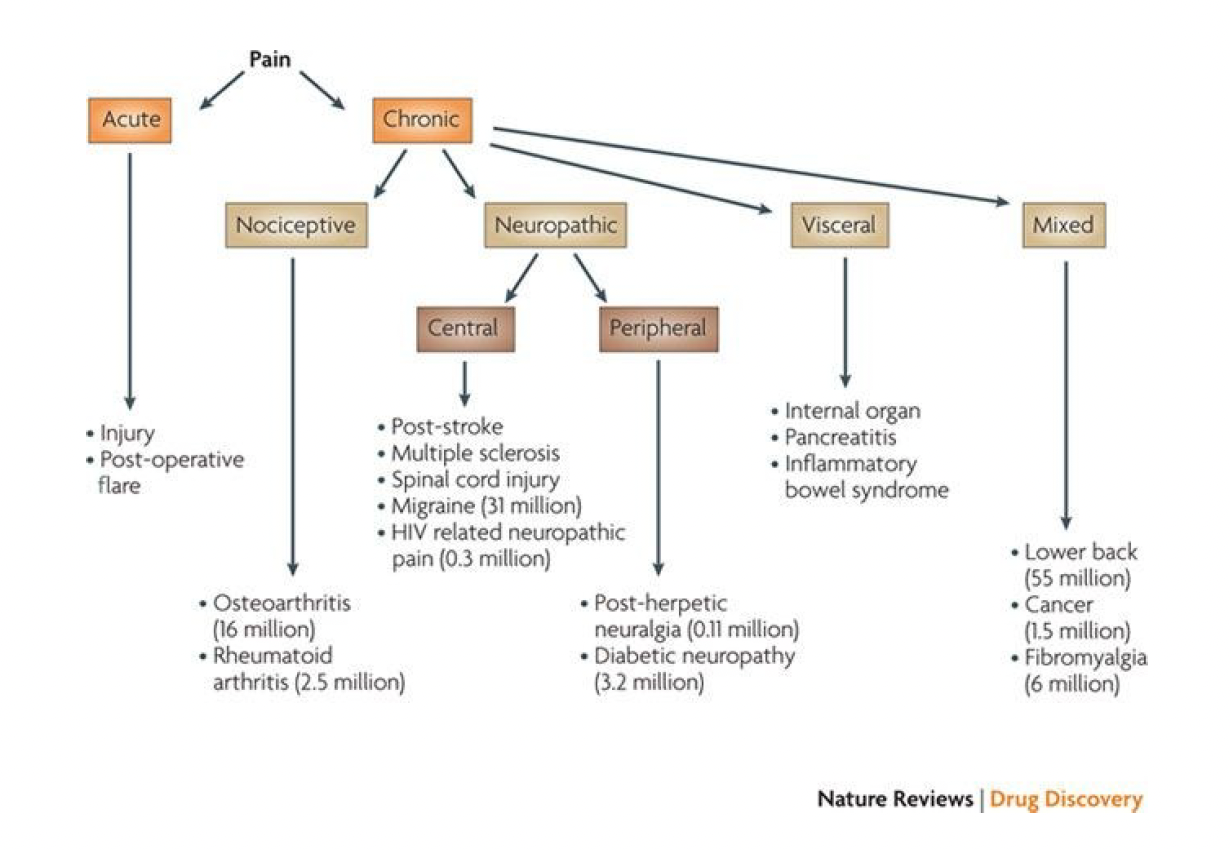
etiology of pain
\*reminder\*
nociceptive pain: pain from tissue damage
\*reminder\*
nociceptive pain: pain from tissue damage
86
New cards
what is nociceptive pain
* not neuropathic (no nerve damage)
* inflammation
* inflammation
87
New cards
2 types of ^^neuropathic^^ pain
1. damage to the nerves of the central nervous system (^^CNS^^)
2. damage to the nerves of the peripheral nervous system (^^PNS^^)
88
New cards
central nervous system
CNS is composed of the brain and spinal cord
\
\
89
New cards
peripheral nervous system
PNS is composed of all the nerves branching out from the spinal cord and extending to the different body parts
90
New cards
4 types of chronic pain
1. neuropathic
2. nociceptive
3. visceral
4. mixed
91
New cards
causes of acute pain
1. injury
2. post-operative flare
92
New cards
different ways to split up pain
1. time duration (acute vs tonic vs chronic)
2. causes of pain
3. pain location
93
New cards
cause of nociceptive chronic pain
* rheumatoid arthritis
* osteoarthritis (more common)
* osteoarthritis (more common)
94
New cards
causes of central neuropathic pain
* post-stroke
* multiple sclerosis
* spinal cord injury
* migraine (most common)
* HIV related pain
* multiple sclerosis
* spinal cord injury
* migraine (most common)
* HIV related pain
95
New cards
causes of peripheral neuropathic pain
* post-herpetic neuralgia
* diabetic neuropathy
* diabetic neuropathy
96
New cards
causes of visceral chronic pain
1. internal organ
2. pancreatitis
3. inflammatory bowel syndrome (IBS)
97
New cards
causes of mixed chronic pain
* lower back (most common)
* cancer
* fibromyalgia
* cancer
* fibromyalgia
98
New cards
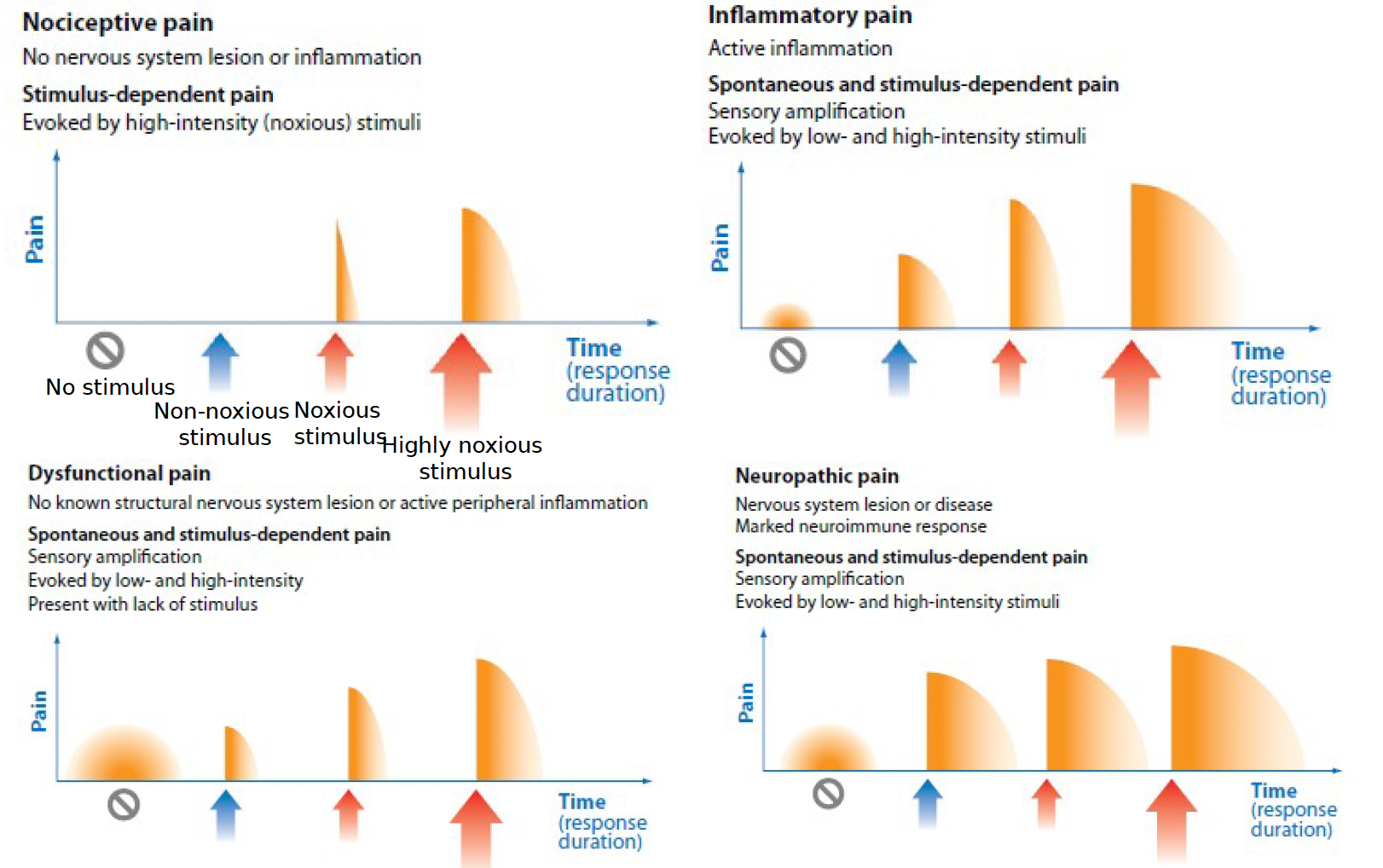
Pain etiologies (Costigan et al)
\
99
New cards
4 types of pain in Costigan’s pain etiologies
1. nociceptive (no nervous system lesion + no inflammation i.e. light punch)
2. inflammatory (active inflammation)
3. dysfunctional ()
4. neuropathic (nervous system lesion)
100
New cards
the 4 different symptom profile in Costigan’s study
1. no stimulus
2. non-noxious stimulus
3. noxious stimulus
4. highly noxious stimulus
 Note
Note  Flashcards (20)