ARTH 374 TEST 2 STUDY GUIDE (GMU)

0.0(0)
studied byStudied by 0 people
0.0(0)
full-widthCall Kai
learnLearn
examPractice Test
spaced repetitionSpaced Repetition
heart puzzleMatch
flashcardsFlashcards
GameKnowt Play
Card Sorting

1/40

encourage image

There's no tags or description

Looks like no tags are added yet.

Study Analytics
Name
Mastery
Learn
Test
Matching
Spaced

No study sessions yet.

41 Terms

1
New cards

Institutional Critique

The act of critiquing an institution as an artistic practice, the institution usually being a museum or an art gallery

2
New cards

Performance Art

An art form that combines visual art with dramatic performance.

3
New cards

Postmodernism

A condition characterized by a questioning of the notion of progress and history, the replacement of narrative within pastiche, and multiple, perhaps even conflicting, identities resulting from disjointed affiliations

4
New cards

Pictures Generation

Photographers influenced by the negative social/political realities of the 60s and 70s and wanted to explore and often recontextualize popular images

5
New cards

Subjects of History

Individuals, groups, events, or themes that are represented in artworks as significant components of historical narratives

6
New cards

Pictorial Photography

An approach to photography that emphasizes beauty of subject matter, tonality, and composition rather than the documentation of reality

7
New cards

Body Art

Art in which the human body is used in art and "as" art

8
New cards

Pastiche

A mix of incongruous parts; artistic work imitating the work of other artists, often satirically

9
New cards

Drawing as Erasure

An artistic process or concept where erasing becomes a primary method of creating or altering an image

10
New cards

Identity

The sense of who a person or group is, shaped by characteristics, beliefs, experiences, and social roles

11
New cards

Feminism

The belief that women should have economic, political, and social equality with men

12
New cards

Textuality

The incorporation or exploration of written text, language, or the idea of "text" within artistic works

13
New cards

Abject Art

A style of art that explores themes of discomfort, disgust, and the breakdown of boundaries, often focusing on bodily functions, decay, or taboo subjects

14
New cards

Installation Art

An artistic genre of three-dimensional works that often are site-specific and designed to transform the perception of a space

15
New cards

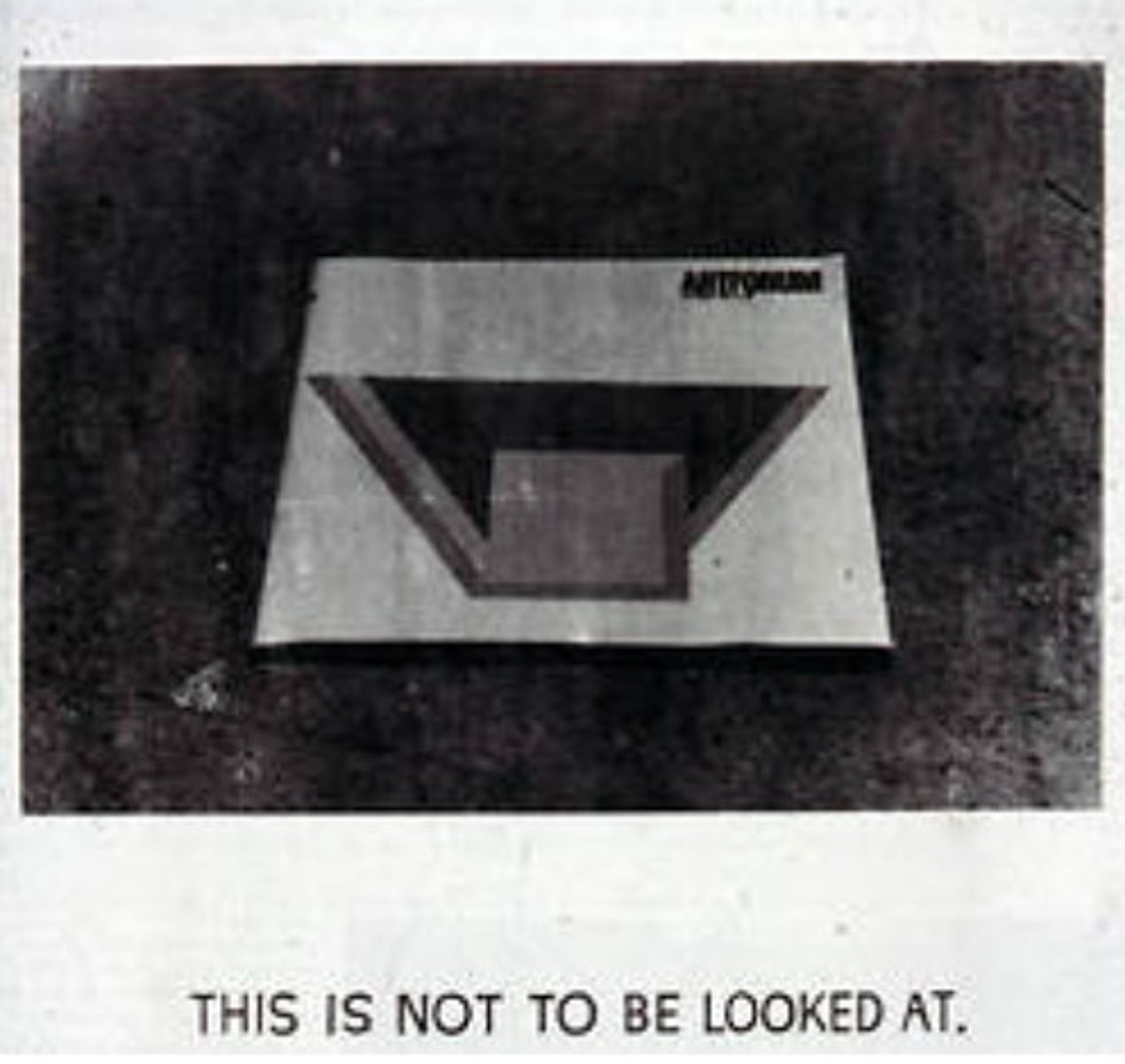
This Is Not to Be Looked At, 1968

John Baldessari (Conceptual Art)

  • multivalent terms

  • -invokes play, irony, parody, problematizing art & appropriation/re-contextualization

  • 1 Story: Replaces image with text, performing what Art Since 1900 calls the “linguistic turn” in which the idea supersedes the visual object.

  • 2 Changes: Enacts Conceptualism’s dematerialization of art (Joselit), breaking with Greenbergian medium specificity.

  • 3 Context: Responds to late-1960s skepticism toward modernist visual authority and belief in language as critique.

  • 4 New Approaches: Uses language as medium, aligning with LeWitt’s “art as idea” and rejecting authorship through deadpan text.

<p>John Baldessari (Conceptual Art)</p><ul><li><p>multivalent terms</p></li><li><p><span>-invokes play, irony, parody, problematizing art &amp; appropriation/re-contextualization</span></p></li><li><p><strong>1 Story:</strong> Replaces image with text, performing what <em>Art Since 1900</em> calls the “linguistic turn” in which the idea supersedes the visual object.</p></li><li><p><strong>2 Changes:</strong> Enacts Conceptualism’s dematerialization of art (Joselit), breaking with Greenbergian medium specificity.</p></li><li><p><strong>3 Context:</strong> Responds to late-1960s skepticism toward modernist visual authority and belief in language as critique.</p></li><li><p><strong>4 New Approaches:</strong> Uses language as medium, aligning with LeWitt’s “art as idea” and rejecting authorship through deadpan text.</p></li></ul><div data-type="horizontalRule"><hr></div><p></p>
16
New cards

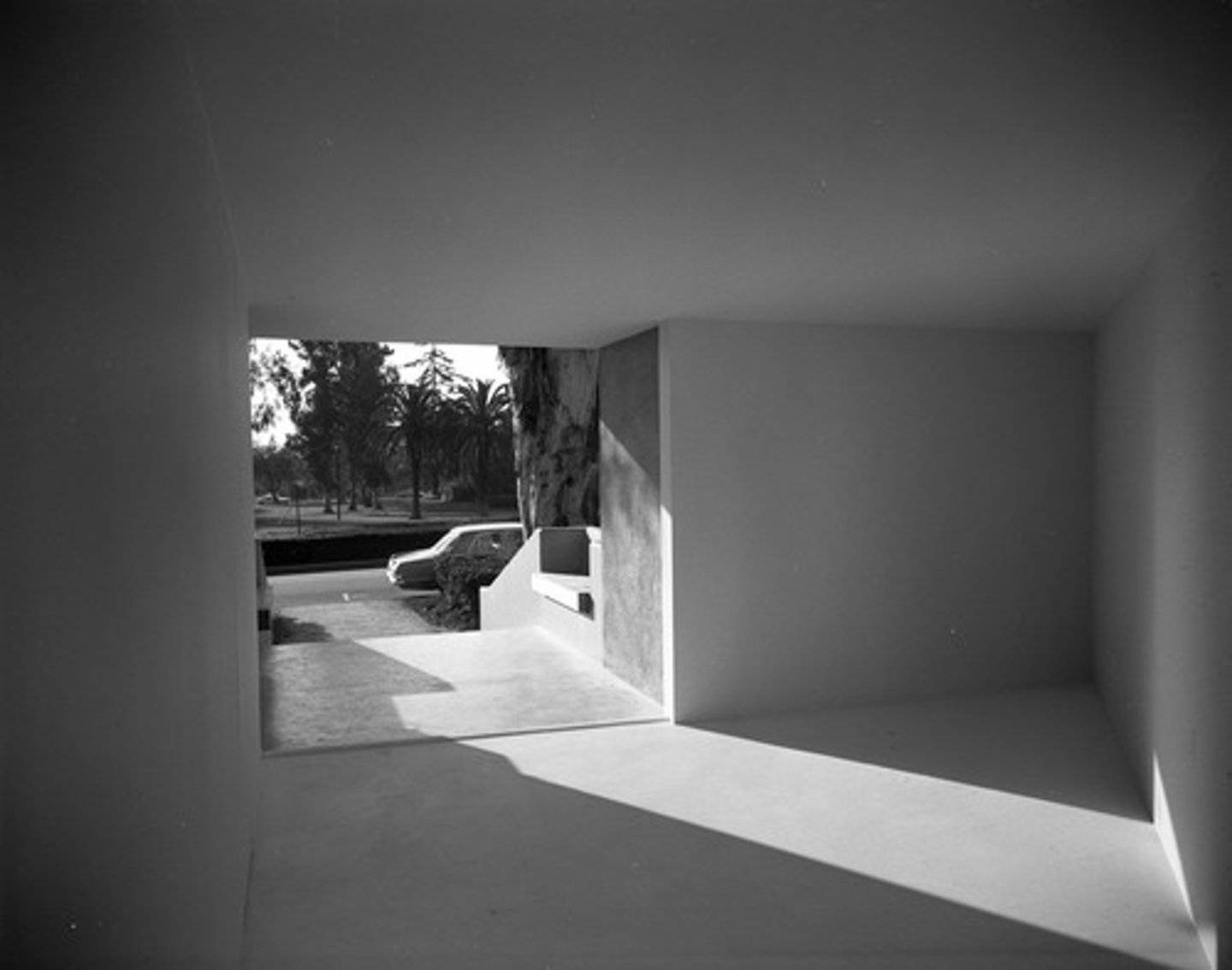
Pomona College Project, 1970

Michael Asher (Conceptual Art)

  • 1 Story: Removed walls to reveal institutional infrastructure—classic case of institutional critique.

  • 2 Changes: Demonstrates the shift from object to context, central to Art Since 1900’s post-1968 analysis.

  • 3 Context: Exposes museum authority, consistent with Joselit’s discussion of art’s role within administrative systems.

  • 4 New Approaches: Site-specificity becomes medium; the institution is the artwork.
<p>Michael Asher (Conceptual Art)</p><ul><li><p><strong>1 Story:</strong> Removed walls to reveal institutional infrastructure—classic case of institutional critique.</p></li><li><p><strong>2 Changes:</strong> Demonstrates the shift from object to context, central to <em>Art Since 1900</em>’s post-1968 analysis.</p></li><li><p><strong>3 Context:</strong> Exposes museum authority, consistent with Joselit’s discussion of art’s role within administrative systems.</p></li><li><p><strong>4 New Approaches:</strong> Site-specificity becomes medium; the institution is the artwork.</p></li></ul><p></p>
17
New cards

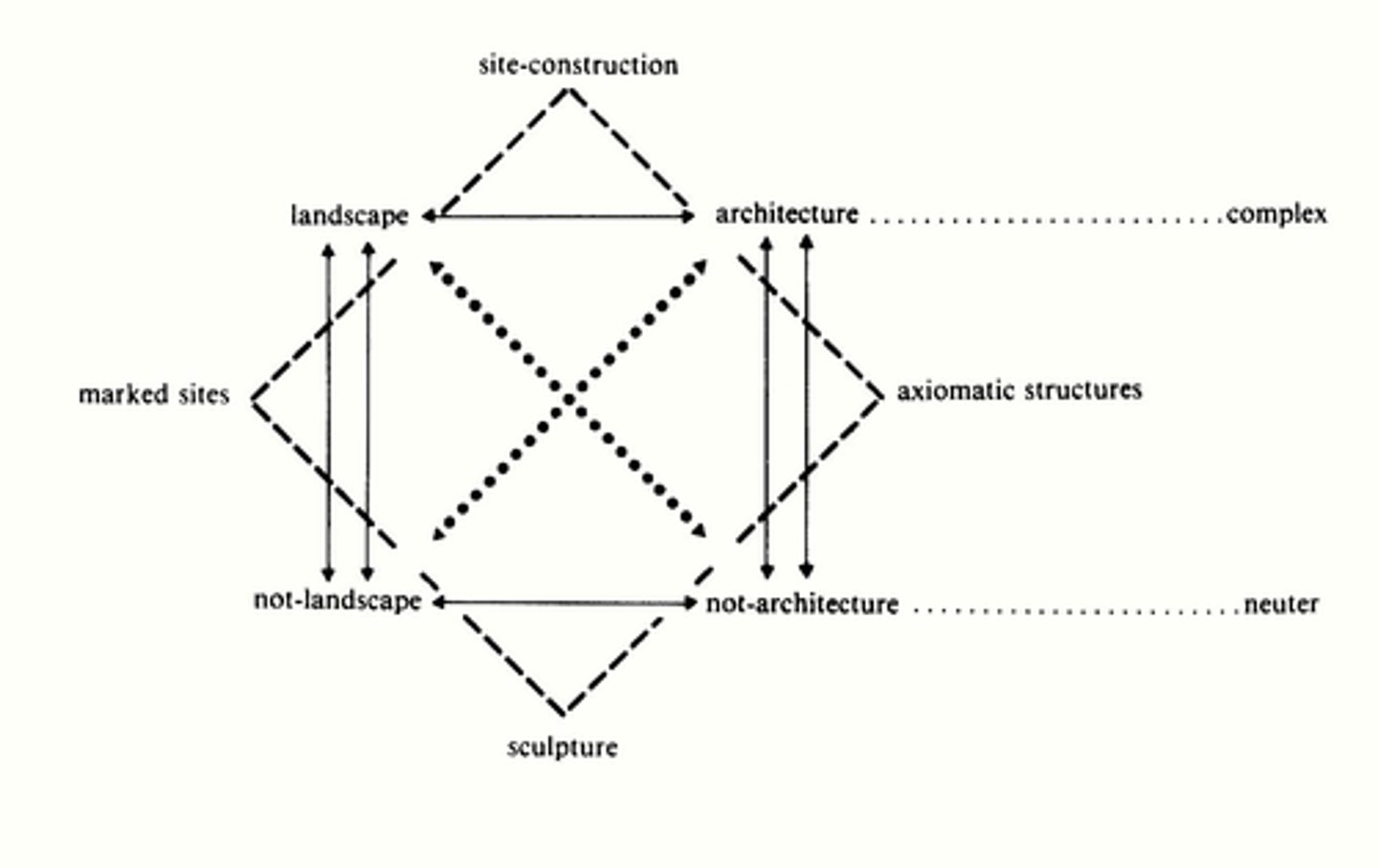
Sculpture in the Expanded Field

Rosalind Krauss (Conceptual Art)

  • 1 Story: Reframes sculpture within oppositions of architecture/landscape, explaining post-1960s sculptural hybridity.

  • 2 Changes: Shows how sculpture moved beyond modernist purity (Greenberg) into pluralistic forms.

  • 3 Context: Responds to Minimalism, Land Art, and Postminimalism’s challenge to medium specificity.

  • 4 New Approaches: Provides a structuralist diagram—text as theoretical tool that reshapes the category of sculpture
<p>Rosalind Krauss (Conceptual Art)</p><ul><li><p><strong>1 Story:</strong> Reframes sculpture within oppositions of architecture/landscape, explaining post-1960s sculptural hybridity.</p></li><li><p><strong>2 Changes:</strong> Shows how sculpture moved beyond modernist purity (Greenberg) into pluralistic forms.</p></li><li><p><strong>3 Context:</strong> Responds to Minimalism, Land Art, and Postminimalism’s challenge to medium specificity.</p></li><li><p><strong>4 New Approaches:</strong> Provides a structuralist diagram—text as theoretical tool that reshapes the category of sculpture</p></li></ul><p></p>
18
New cards

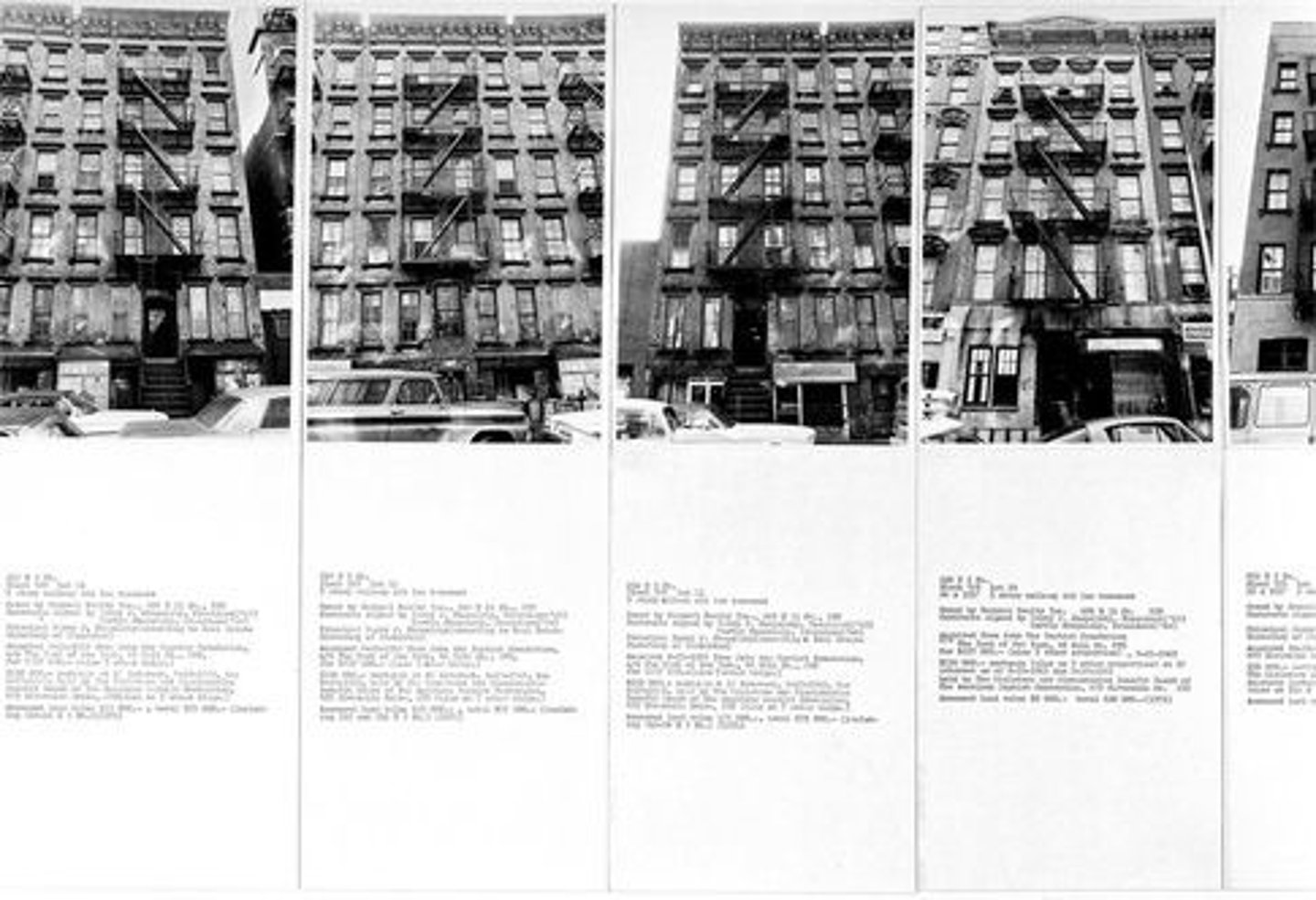
Shapolski et al. Manhattan Real Estate Holdings, a Real-Time-Social System, as of May 1, 1971

Hans Haacke (Institutional Critique)

*1 Story: Documents real estate networks; “real-time social system” exposing capitalist power (Art Since 1900).

  • 2 Changes: Moves art into research and political critique—central to 1970s institutional critique.

  • 3 Context: Addresses NYC slumlords and political corruption during a crisis of urban housing.

  • 4 New Approaches: Treats data and evidence as artistic material—what Joselit calls “administrative aesthetics.”
<p>Hans Haacke (Institutional Critique)</p><p>*<strong>1 Story:</strong> Documents real estate networks; “real-time social system” exposing capitalist power (Art Since 1900).</p><ul><li><p><strong>2 Changes:</strong> Moves art into research and political critique—central to 1970s institutional critique.</p></li><li><p><strong>3 Context:</strong> Addresses NYC slumlords and political corruption during a crisis of urban housing.</p></li><li><p><strong>4 New Approaches:</strong> Treats data and evidence as artistic material—what Joselit calls “administrative aesthetics.”</p></li></ul><p></p>
19
New cards

Eye Body, 36 Transformative Actions for Camera, 1963

Carolee Schneemann (Performance Art, Action)

  • performance as action

  • 1 Story: Uses her nude body to reclaim authorship, countering the male gaze—anticipates Mulvey.

  • 2 Changes: Breaks with modernist disembodiment, inserting sensual female subjectivity into art.

  • 3 Context: Early feminist response to objectification, aligning with second-wave consciousness raising.

  • 4 New Approaches: Body-as-medium anticipates performance, body art, and feminist visual politics.

<p>Carolee Schneemann (Performance Art, Action)</p><ul><li><p>performance as action</p></li><li><p><strong>1 Story:</strong> Uses her nude body to reclaim authorship, countering the male gaze—anticipates Mulvey.</p></li><li><p><strong>2 Changes:</strong> Breaks with modernist disembodiment, inserting sensual female subjectivity into art.</p></li><li><p><strong>3 Context:</strong> Early feminist response to objectification, aligning with second-wave consciousness raising.</p></li><li><p><strong>4 New Approaches:</strong> Body-as-medium anticipates performance, body art, and feminist visual politics.</p></li></ul><p></p>
20
New cards

Trademarks, 1970

Vito Acconci (Performance Art, Task)

  • 1 Story: Bites himself to create prints—performance as task, a key 1970s form.

  • 2 Changes: Exemplifies Postminimalism’s emphasis on procedure and body-as-system (Art Since 1900).

  • 3 Context: Responds to interest in self-surveillance and the body in crisis (post-’68 cultural anxiety).

  • 4 New Approaches: Collapses drawing, printmaking, and performance into one conceptual action.
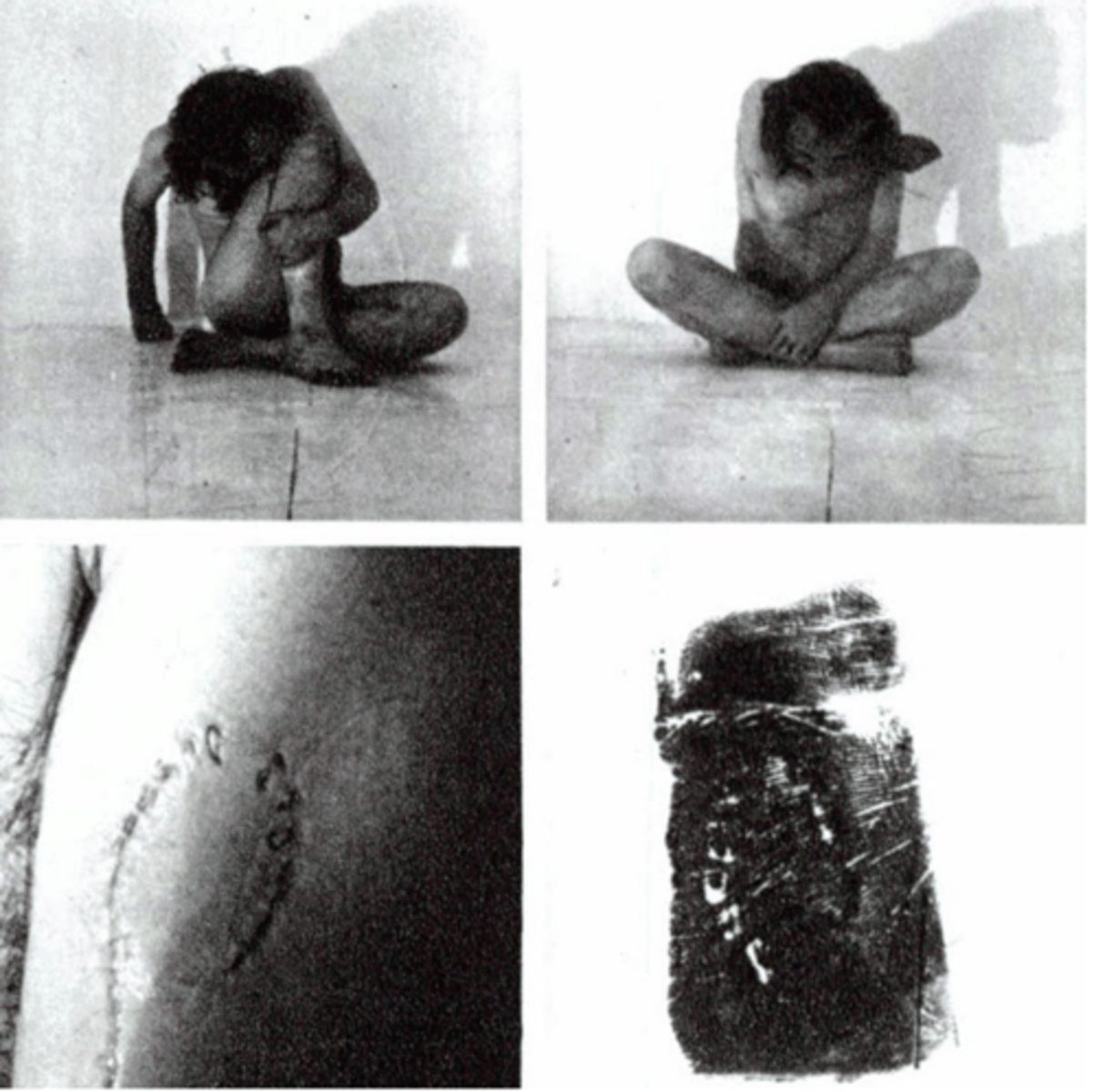
<p>Vito Acconci (Performance Art, Task)</p><ul><li><p><strong>1 Story:</strong> Bites himself to create prints—performance as task, a key 1970s form.</p></li><li><p><strong>2 Changes:</strong> Exemplifies Postminimalism’s emphasis on procedure and body-as-system (Art Since 1900).</p></li><li><p><strong>3 Context:</strong> Responds to interest in self-surveillance and the body in crisis (post-’68 cultural anxiety).</p></li><li><p><strong>4 New Approaches:</strong> Collapses drawing, printmaking, and performance into one conceptual action.</p></li></ul><p></p>
21
New cards

Transfixed, 1974

Chris Burden (Performance Art, Ritual)

  • 1 Story: Burden crucifies himself to a car; performance as ritual and danger.

  • 2 Changes: Raises body art to extreme risk—Art Since 1900 frames this as ethical/political confrontation.

  • 3 Context: Vietnam-era violence, masculinity, and martyrdom imagery.

  • 4 New Approaches: Treats bodily harm as sculptural event; “real time” replaces representation.
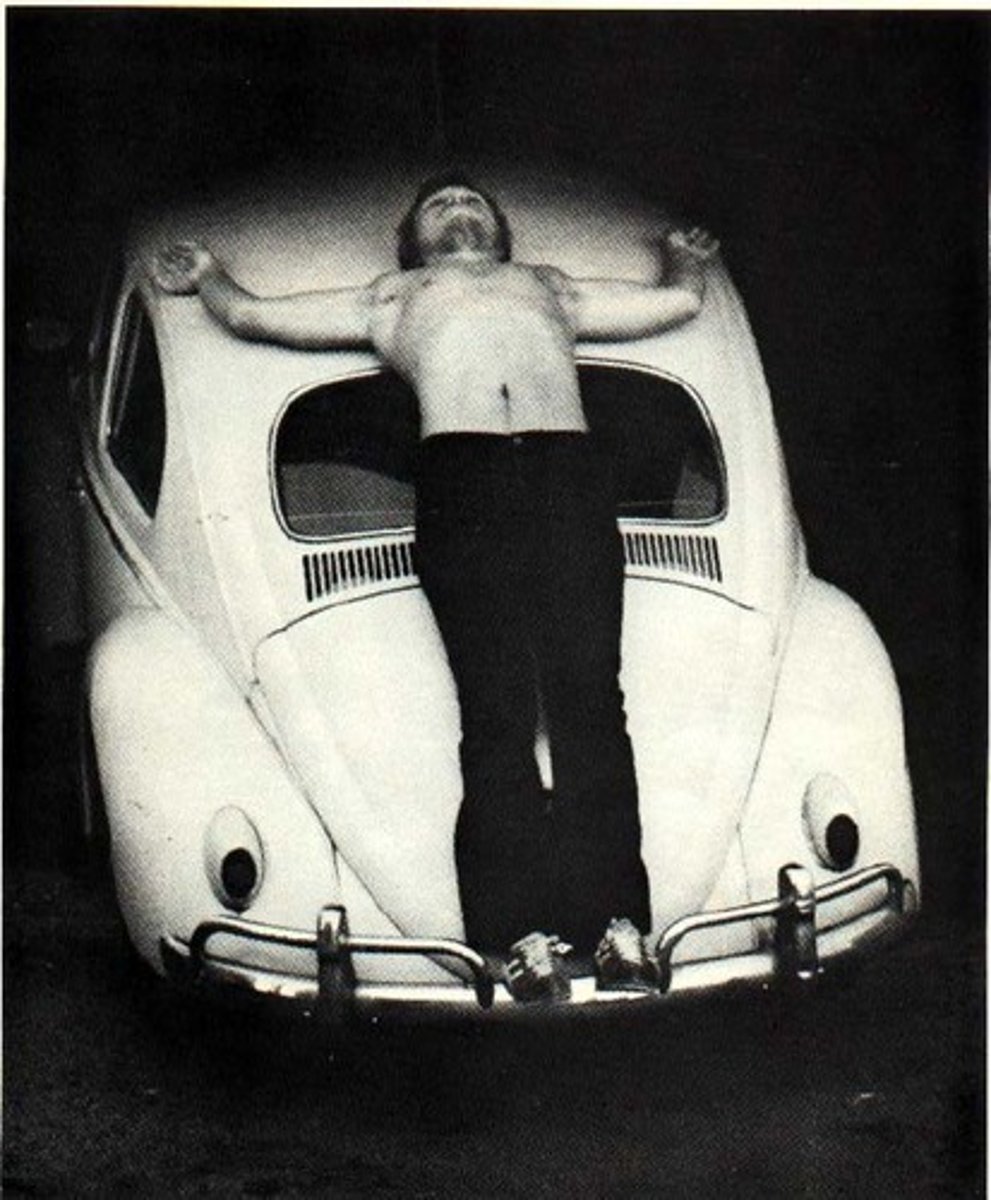
<p>Chris Burden (Performance Art, Ritual)</p><ul><li><p><strong>1 Story:</strong> Burden crucifies himself to a car; performance as ritual and danger.</p></li><li><p><strong>2 Changes:</strong> Raises body art to extreme risk—<em>Art Since 1900</em> frames this as ethical/political confrontation.</p></li><li><p><strong>3 Context:</strong> Vietnam-era violence, masculinity, and martyrdom imagery.</p></li><li><p><strong>4 New Approaches:</strong> Treats bodily harm as sculptural event; “real time” replaces representation.</p></li></ul><p></p>
22
New cards

Womanhouse, 1972

Judy Chicago and Miriam Shapiro (Feminism)

  • 1 Story: Domestic spaces transformed into feminist critiques of gender roles.

  • 2 Changes: Exemplifies collaborative, installation-based feminism discussed in Art Since 1900: 1975.

  • 3 Context: Responds to the “personal is political” ethos of second-wave feminism.

  • 4 New Approaches: Integrates performance, pedagogy, and environment into feminist practice.
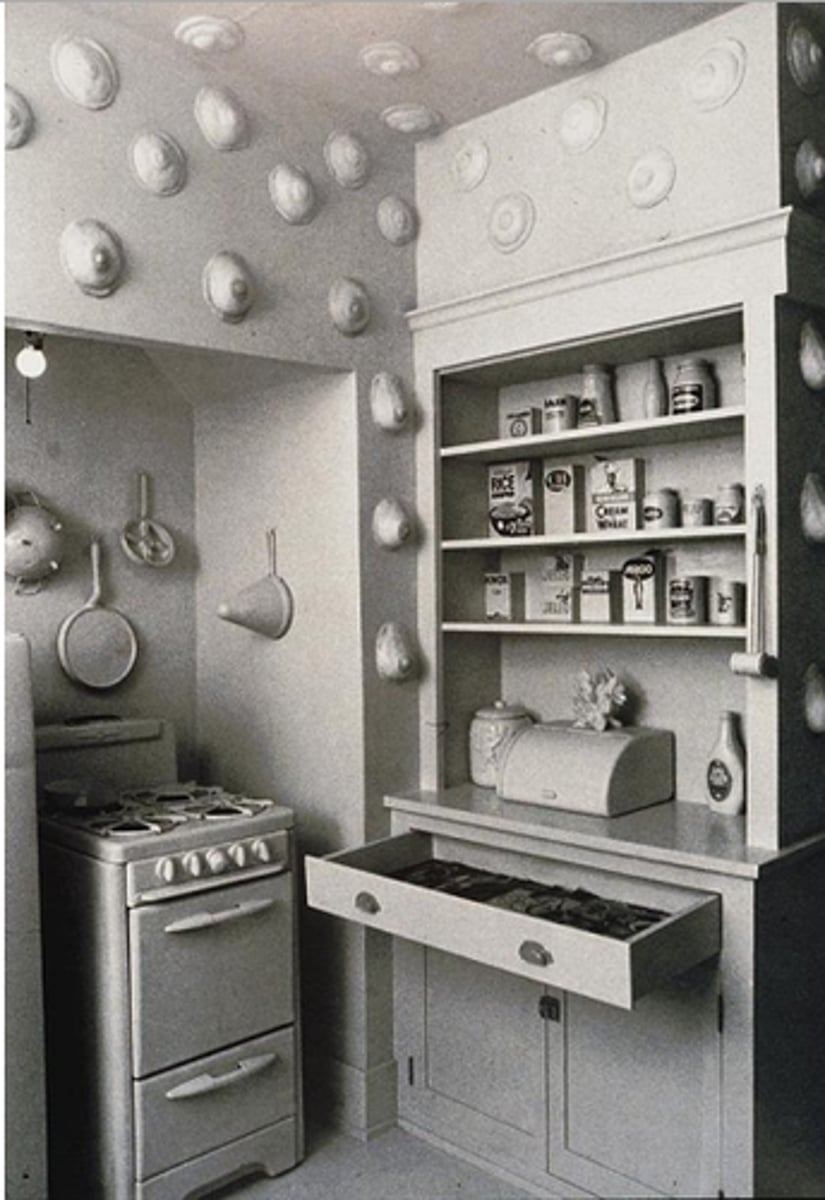
<p>Judy Chicago and Miriam Shapiro (Feminism)</p><ul><li><p><strong>1 Story:</strong> Domestic spaces transformed into feminist critiques of gender roles.</p></li><li><p><strong>2 Changes:</strong> Exemplifies collaborative, installation-based feminism discussed in <em>Art Since 1900: 1975</em>.</p></li><li><p><strong>3 Context:</strong> Responds to the “personal is political” ethos of second-wave feminism.</p></li><li><p><strong>4 New Approaches:</strong> Integrates performance, pedagogy, and environment into feminist practice.</p></li></ul><p></p>
23
New cards

The Dinner Party, 1974-9

Judy Chicago (Feminism)

  • 1 Story: Monumental banquet table celebrating women’s history.

  • 2 Changes: Elevates “craft” to high art—directly challenging modernist hierarchies (Joselit).

  • 3 Context: Feminist recovery of erased histories; identity politics roots.

  • 4 New Approaches: Collaborative labor and decorative media as radical feminist strategy.
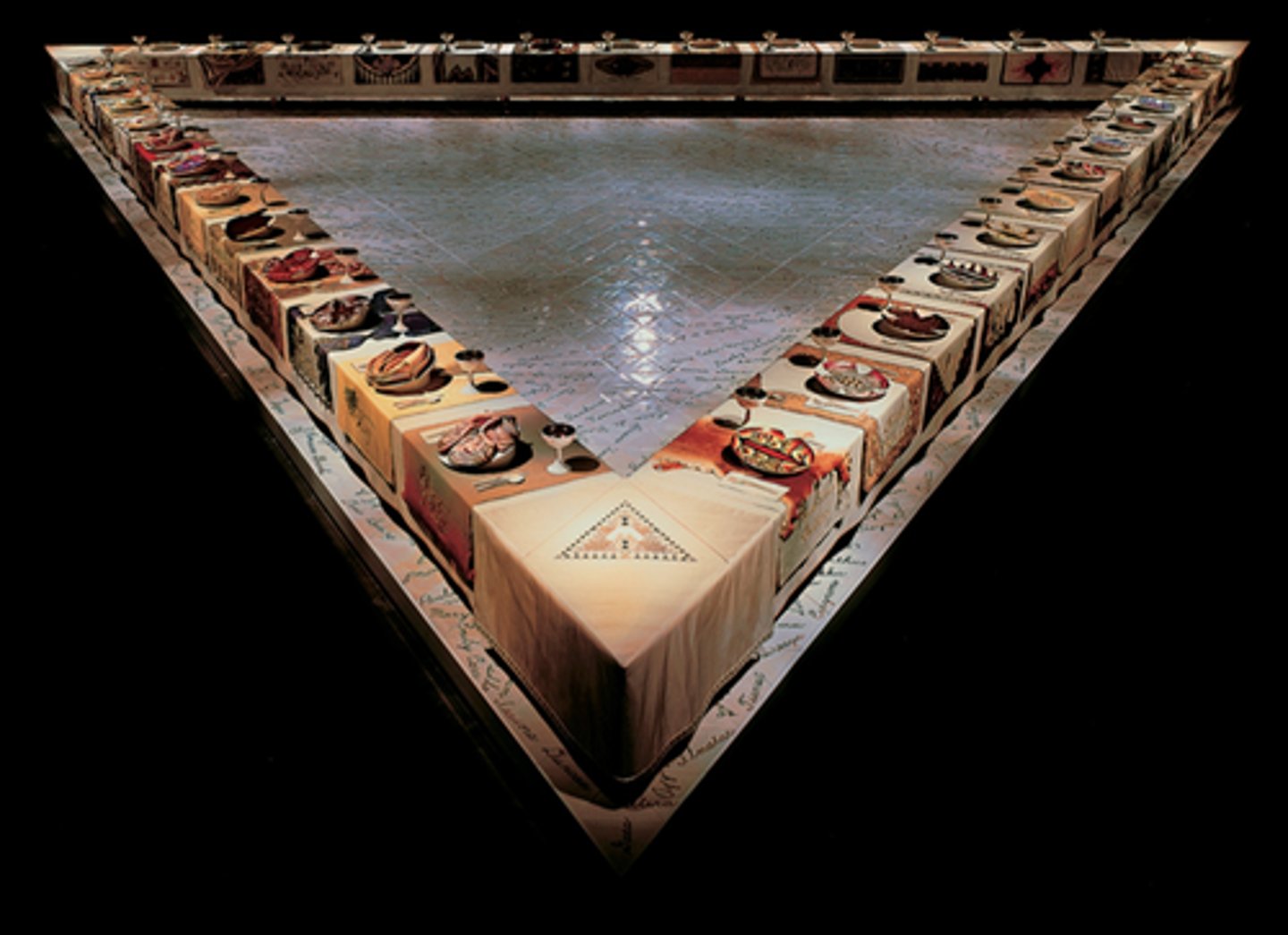
<p>Judy Chicago (Feminism)</p><ul><li><p><strong>1 Story:</strong> Monumental banquet table celebrating women’s history.</p></li><li><p><strong>2 Changes:</strong> Elevates “craft” to high art—directly challenging modernist hierarchies (Joselit).</p></li><li><p><strong>3 Context:</strong> Feminist recovery of erased histories; identity politics roots.</p></li><li><p><strong>4 New Approaches:</strong> Collaborative labor and decorative media as radical feminist strategy.</p></li></ul><p></p>
24
New cards

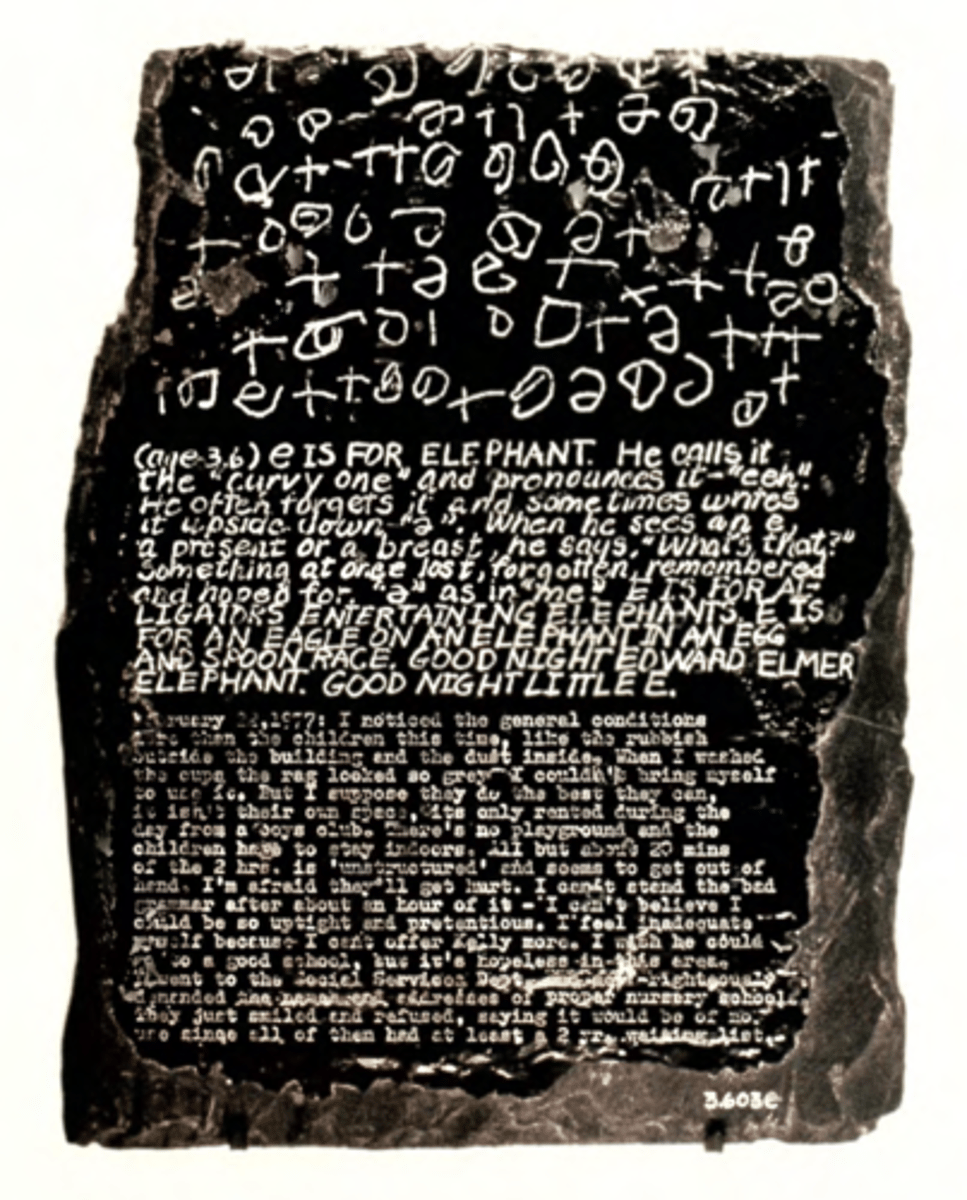
Post-Partem Document: Documentation VI, Pre-Writing Alphabet, Exergue and Diary, 1978

Mary Kelly (Feminism)

  • 1 Story: Uses conceptual methods to analyze mother-child relationship.

  • 2 Changes: Unites conceptualism with feminism—what Art Since 1900 terms “post-structuralist feminism.”

  • 3 Context: Feminist critique of domestic labor and linguistic formation.

  • 4 New Approaches: Uses documentation, charts, and text to treat maternal labor as intellectual content.
<p>Mary Kelly (Feminism)</p><ul><li><p><strong>1 Story:</strong> Uses conceptual methods to analyze mother-child relationship.</p></li><li><p><strong>2 Changes:</strong> Unites conceptualism with feminism—what <em>Art Since 1900</em> terms “post-structuralist feminism.”</p></li><li><p><strong>3 Context:</strong> Feminist critique of domestic labor and linguistic formation.</p></li><li><p><strong>4 New Approaches:</strong> Uses documentation, charts, and text to treat maternal labor as intellectual content.</p></li></ul><p></p>
25
New cards

Visual Pleasure and Narrative Cinema (1975)

Laura Mulvey (Pictures Generation) ESSAY

  • Story / What’s going on: Introduces the concept of the male gaze, arguing that classical cinema positions women as objects of visual pleasure and men as controlling subjects.

  • Changes in art / context: Marks a shift toward post-structuralist, feminist critiques of representation, challenging modernist neutrality and exposing ideological structures in film and photography.

  • Political / societal context: Written during second-wave feminism, analyzing how Hollywood reinforces patriarchal power through narrative and looking relations.

  • New approaches to artmaking: Provides the theoretical basis for artists to disrupt, critique, and appropriate media images, directly informing the Pictures Generation’s strategies of staging, fragmentation, and deconstructing the gaze.

26
New cards

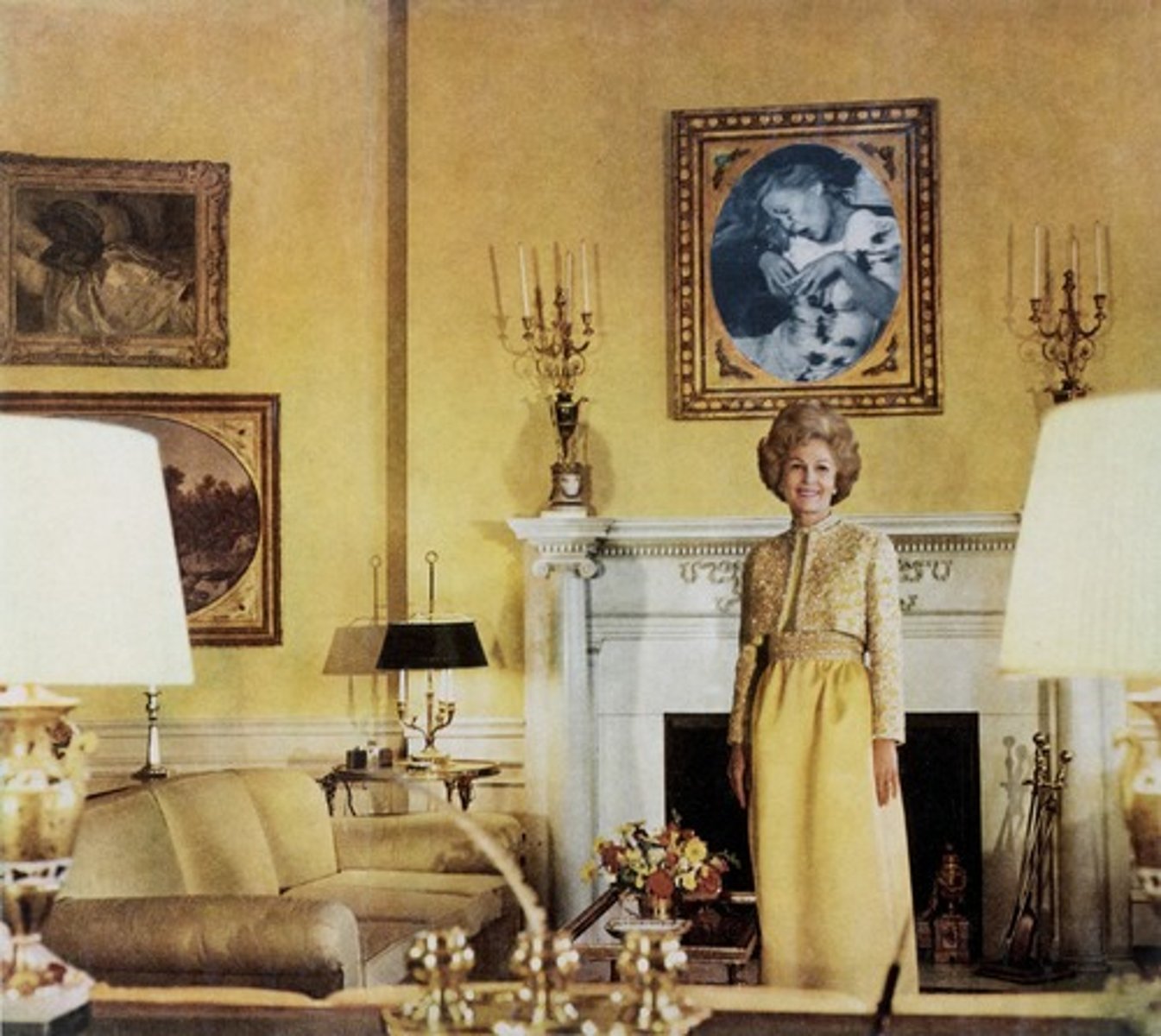
First Lady (Pat Nixon), from the series Bringing the War Home: House Beautiful, 1967-72

Martha Rosler (Pictures Generation)

  • 1 Story: Photomontage linking domesticity with foreign-policy violence.

  • 2 Changes: Exemplifies media critique and anti-war art.

  • 3 Context: Critiques spectacle culture and political propaganda.

  • 4 New Approaches: Appropriation + collage becomes political tool—anticipates Pictures Generation.
<p>Martha Rosler (Pictures Generation)</p><ul><li><p><strong>1 Story:</strong> Photomontage linking domesticity with foreign-policy violence.</p></li><li><p><strong>2 Changes:</strong> Exemplifies media critique and anti-war art.</p></li><li><p><strong>3 Context:</strong> Critiques spectacle culture and political propaganda.</p></li><li><p><strong>4 New Approaches:</strong> Appropriation + collage becomes political tool—anticipates Pictures Generation.</p></li></ul><p></p>
27
New cards

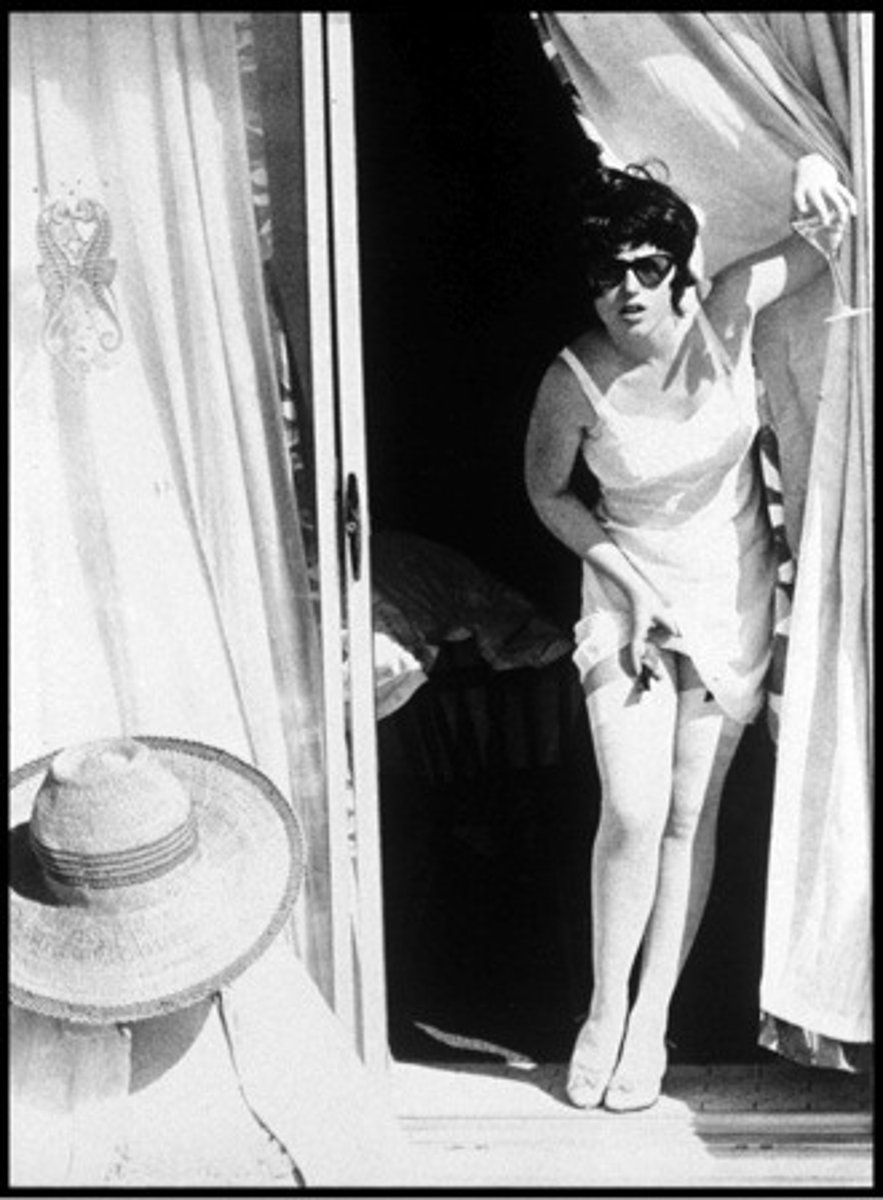
Untitled Film Still #7, 1978

Cindy Sherman (Pictures Generation)

  • 1 Story: Self-staged persona exposes constructed femininity—central to Mulvey’s “male gaze.”

  • 2 Changes: Art Since 1900 frames Sherman as a key postmodern appropriation artist.

  • 3 Context: Responds to mass media stereotypes and gender performativity.

  • 4 New Approaches: Photography becomes a site for staging, not capturing, identity.
<p>Cindy Sherman (Pictures Generation)</p><ul><li><p><strong>1 Story:</strong> Self-staged persona exposes constructed femininity—central to Mulvey’s “male gaze.”</p></li><li><p><strong>2 Changes:</strong> <em>Art Since 1900</em> frames Sherman as a key postmodern appropriation artist.</p></li><li><p><strong>3 Context:</strong> Responds to mass media stereotypes and gender performativity.</p></li><li><p><strong>4 New Approaches:</strong> Photography becomes a site for staging, not capturing, identity.</p></li></ul><p></p>
28
New cards

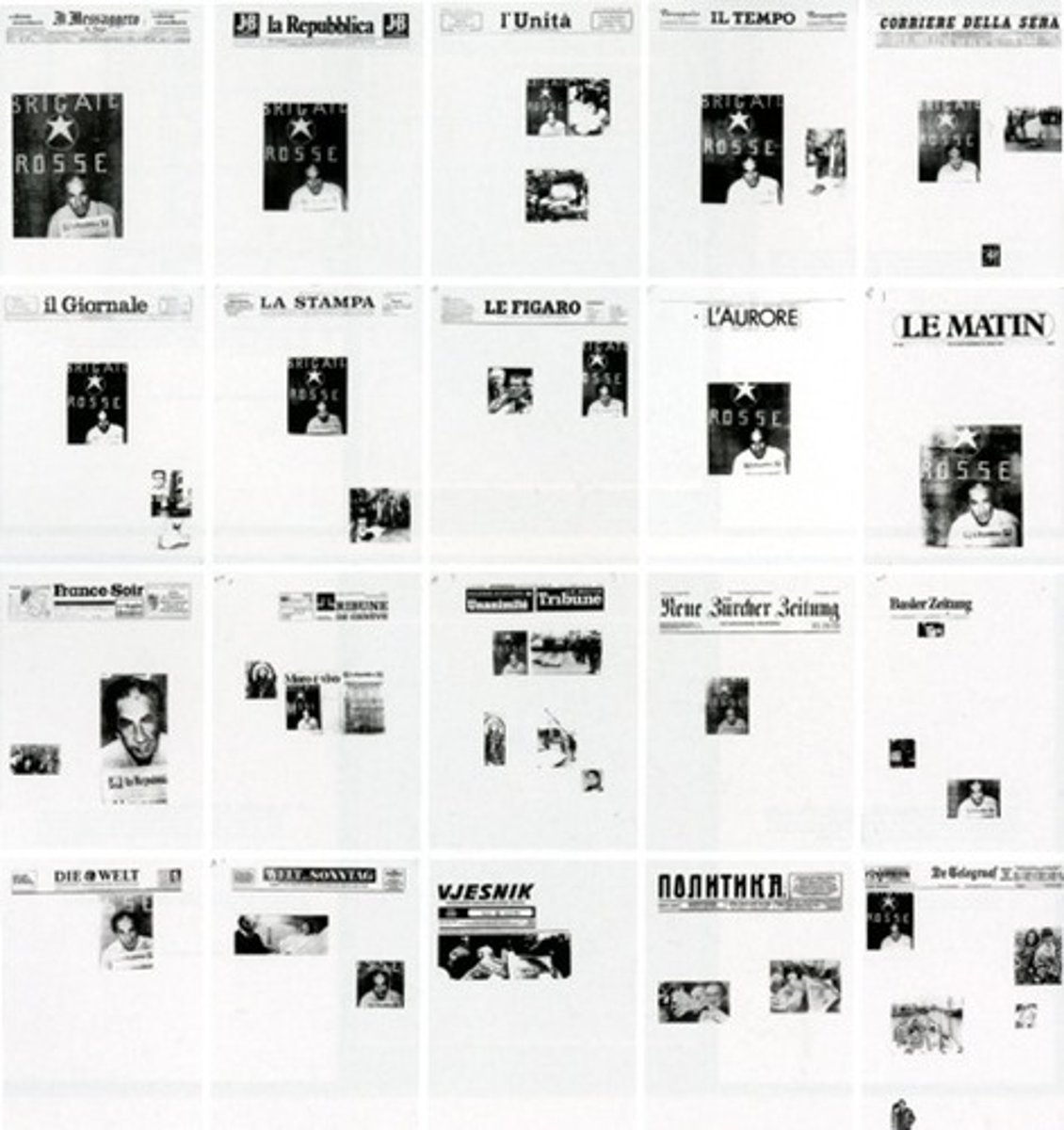
April 21, 1978, 1978

Sarah Charlesworth (Pictures Generation)

  • 1 Story: Erases photographic images from newspapers to reveal media structures.

  • 2 Changes: Exemplifies post-structural postmodernism’s emphasis on textuality and sign systems.

  • 3 Context: Media-saturated moment of political fear (terrorism, kidnappings).

  • 4 New Approaches: Treats the newspaper as ideological architecture.
<p>Sarah Charlesworth (Pictures Generation)</p><ul><li><p><strong>1 Story:</strong> Erases photographic images from newspapers to reveal media structures.</p></li><li><p><strong>2 Changes:</strong> Exemplifies post-structural postmodernism’s emphasis on textuality and sign systems.</p></li><li><p><strong>3 Context:</strong> Media-saturated moment of political fear (terrorism, kidnappings).</p></li><li><p><strong>4 New Approaches:</strong> Treats the newspaper as ideological architecture.</p></li></ul><p></p>
29
New cards

Exile, 1980

Julian Schnabel (Neoconservative Postmodernism, Pastiche)

  • 1 Story: Neo-expressionist return to gesture and mythic scale.

  • 2 Changes: Represents “neoconservative postmodernism” (Art Since 1900 1984b) reacting against conceptual austerity.

  • 3 Context: Reflects 1980s art-market boom and return to heroic painting.

  • 4 New Approaches: Combines kitsch materials and painterly excess.
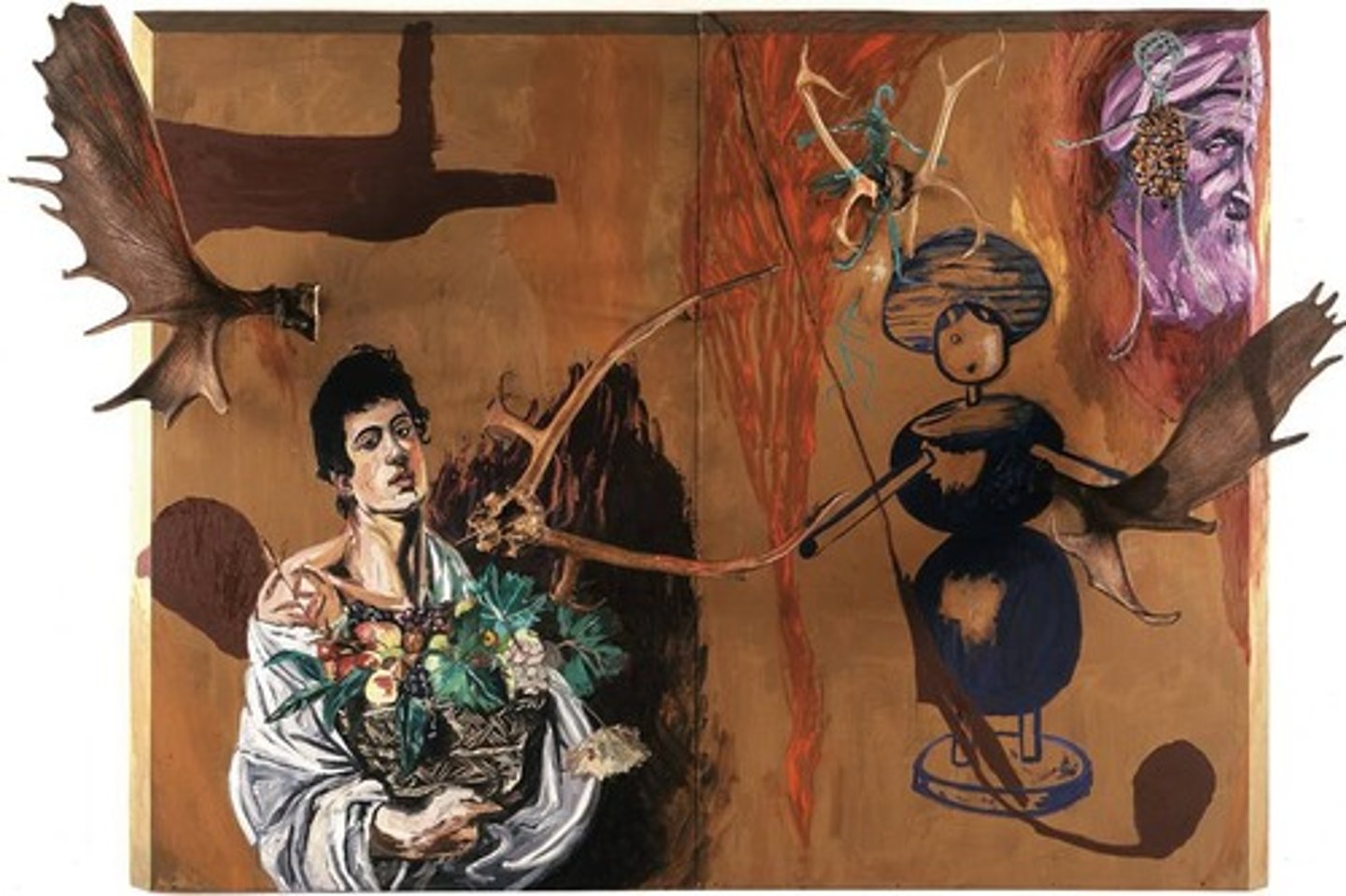

<p>Julian Schnabel (Neoconservative Postmodernism, Pastiche)</p><ul><li><p><strong>1 Story:</strong> Neo-expressionist return to gesture and mythic scale.</p></li><li><p><strong>2 Changes:</strong> Represents “neoconservative postmodernism” (Art Since 1900 1984b) reacting against conceptual austerity.</p></li><li><p><strong>3 Context:</strong> Reflects 1980s art-market boom and return to heroic painting.</p></li><li><p><strong>4 New Approaches:</strong> Combines kitsch materials and painterly excess.</p></li></ul><div data-type="horizontalRule"><hr></div><p></p>
30
New cards

We Won’t Play Nature To Your Culture , 1983

Barbara Kruger (Post-structural Postmodernism, Textuality)

  • 1 Story: Confronts viewer with feminist critique using advertising style.

  • 2 Changes: Exemplifies post-structural postmodernism’s focus on language + power.

  • 3 Context: Responds to gender stereotypes perpetuated by mass media.

  • 4 New Approaches: Appropriation + text = ideological intervention (Joselit).
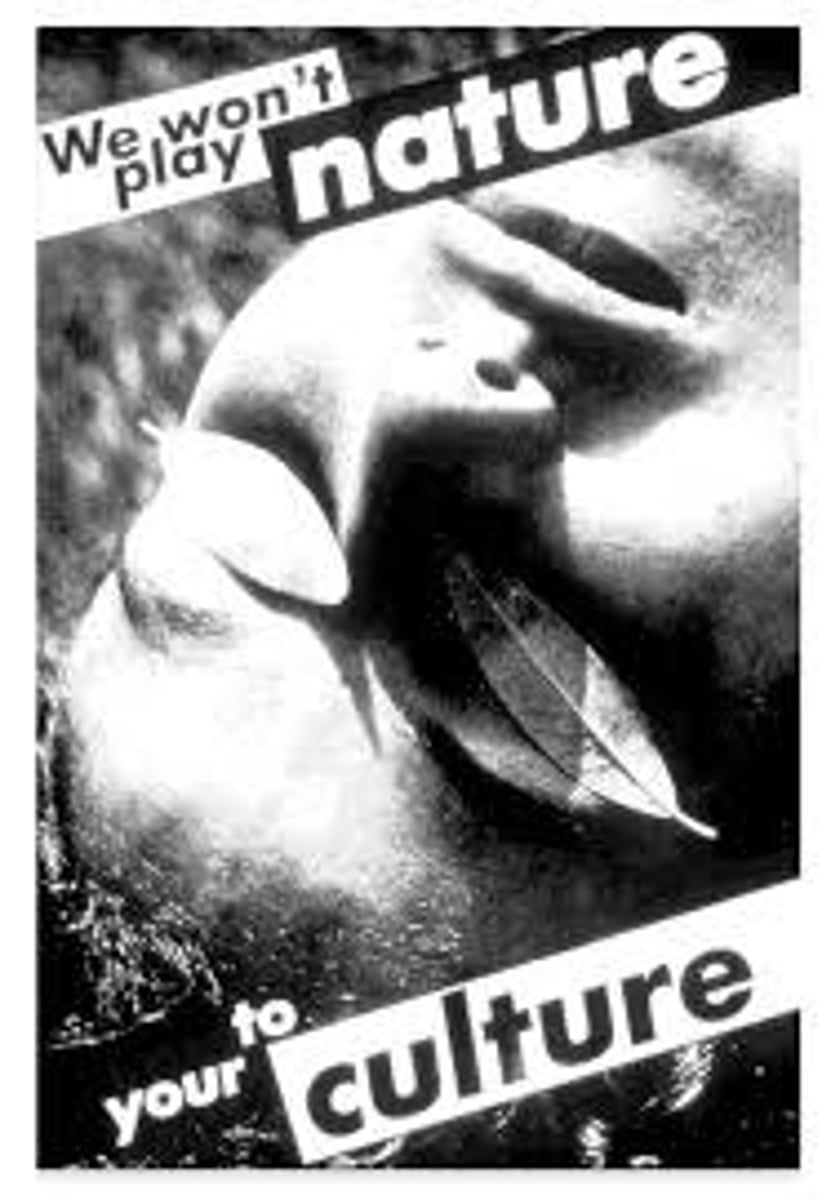
<p>Barbara Kruger (Post-structural Postmodernism, Textuality)</p><ul><li><p><strong>1 Story:</strong> Confronts viewer with feminist critique using advertising style.</p></li><li><p><strong>2 Changes:</strong> Exemplifies post-structural postmodernism’s focus on language + power.</p></li><li><p><strong>3 Context:</strong> Responds to gender stereotypes perpetuated by mass media.</p></li><li><p><strong>4 New Approaches:</strong> Appropriation + text = ideological intervention (Joselit).</p></li></ul><p></p>
31
New cards

AIDS Timeline, 1989

Group Material (Reconsidering History, Subjects of History)

  • 1 Story: Archival installation mapping AIDS crisis politically and socially.

  • 2 Changes: Marks rise of activism-based art of the 1980s.

  • 3 Context: Responds to government neglect and cultural stigma (Art Since 1900: 1989).

  • 4 New Approaches: Collective authorship and community documents as art.
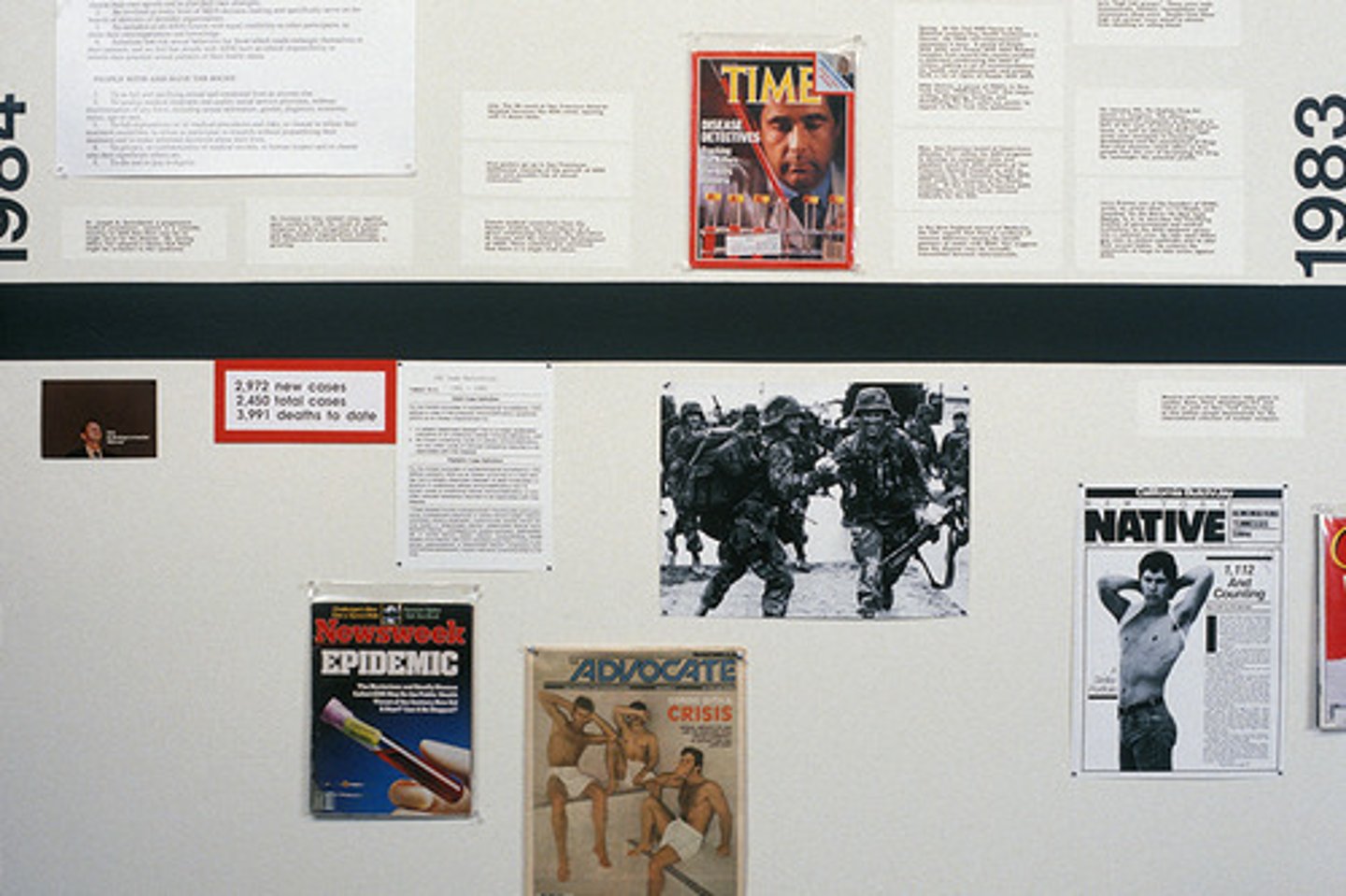
<p>Group Material (Reconsidering History, Subjects of History)</p><ul><li><p><strong>1 Story:</strong> Archival installation mapping AIDS crisis politically and socially.</p></li><li><p><strong>2 Changes:</strong> Marks rise of activism-based art of the 1980s.</p></li><li><p><strong>3 Context:</strong> Responds to government neglect and cultural stigma (Art Since 1900: 1989).</p></li><li><p><strong>4 New Approaches:</strong> Collective authorship and community documents as art.</p></li></ul><p></p>
32
New cards

Untitled (USA Today), 1990

Felix Gonzalez-Torres (Reconsidering History, Subjects of History)

  • 1 Story: Constellation of candy piles referencing bodies, loss, and nationhood.

  • 2 Changes: Embodies minimalism + personal narrative = 1990s “aesthetic of disappearance.”

  • 3 Context: Queer identity and AIDS crisis (Joselit).

  • 4 New Approaches: Participatory sculpture that dissolves materially over time.

<p>Felix Gonzalez-Torres (Reconsidering History, Subjects of History)</p><ul><li><p><strong>1 Story:</strong> Constellation of candy piles referencing bodies, loss, and nationhood.</p></li><li><p><strong>2 Changes:</strong> Embodies minimalism + personal narrative = 1990s “aesthetic of disappearance.”</p></li><li><p><strong>3 Context:</strong> Queer identity and AIDS crisis (Joselit).</p></li><li><p><strong>4 New Approaches:</strong> Participatory sculpture that dissolves materially over time.</p></li></ul><p></p>
33
New cards

Mining the Museum, 1992

Fred Wilson (Reconsidering History, Subjects of History)

  • 1 Story: Re-curates museum objects to reveal structural racism.

  • 2 Changes: Central example of institutional critique in the 1990s.

  • 3 Context: Multiculturalism debates and revisionist history movements.

  • 4 New Approaches: Curatorial practice becomes artistic medium.
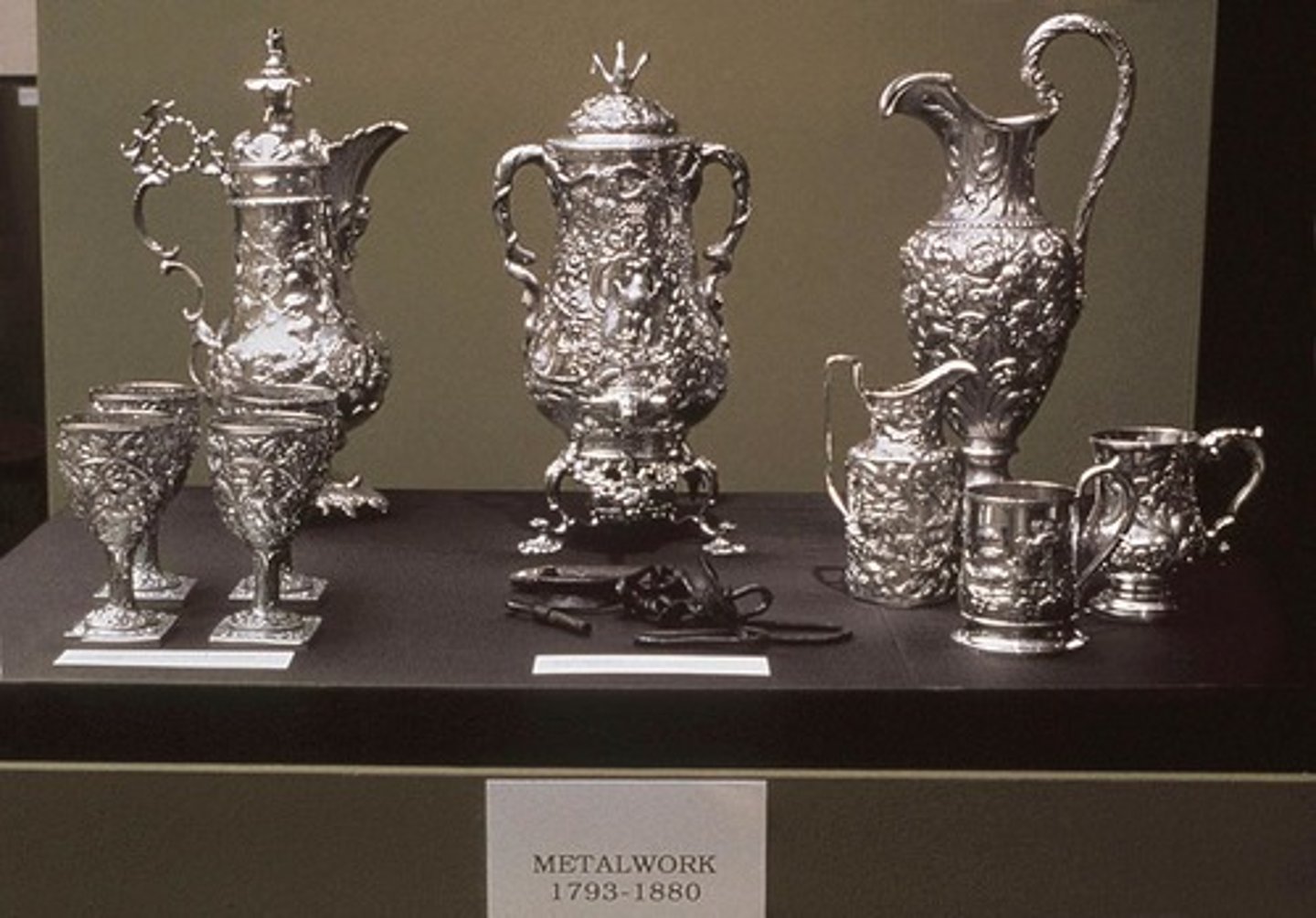
<p>Fred Wilson (Reconsidering History, Subjects of History)</p><ul><li><p><strong>1 Story:</strong> Re-curates museum objects to reveal structural racism.</p></li><li><p><strong>2 Changes:</strong> Central example of institutional critique in the 1990s.</p></li><li><p><strong>3 Context:</strong> Multiculturalism debates and revisionist history movements.</p></li><li><p><strong>4 New Approaches:</strong> Curatorial practice becomes artistic medium.</p></li></ul><p></p>
34
New cards

Untitled (Man Reading Newspaper), from the Kitchen Table Series, 1990

Carrie Mae Weems (Identity and Narrative)

  • 1 Story: Photographs staged scenes exploring Black womanhood, domesticity, and power.

  • 2 Changes: Part of 1990s identity-based narrative photography.

  • 3 Context: Intersection of race, gender, and domestic life (Joselit).

  • 4 New Approaches: Uses serial tableaux to challenge documentary truth.

<p>Carrie Mae Weems (Identity and Narrative)</p><ul><li><p><strong>1 Story:</strong> Photographs staged scenes exploring Black womanhood, domesticity, and power.</p></li><li><p><strong>2 Changes:</strong> Part of 1990s identity-based narrative photography.</p></li><li><p><strong>3 Context:</strong> Intersection of race, gender, and domestic life (Joselit).</p></li><li><p><strong>4 New Approaches:</strong> Uses serial tableaux to challenge documentary truth.</p></li></ul><p></p>
35
New cards

An Economy of Grace, 2014

Kehinde Wiley (Identity and Narrative)

  • 1 Story: Black women assume poses of European portraiture, rewriting art history.

  • 2 Changes: Joins post-identity/post-black debates (after the 1990s canon).

  • 3 Context: Addresses race, beauty standards, and representation politics.

  • 4 New Approaches: Uses Old Master styles to critique exclusionary traditions.

<p>Kehinde Wiley (Identity and Narrative)</p><ul><li><p><strong>1 Story:</strong> Black women assume poses of European portraiture, rewriting art history.</p></li><li><p><strong>2 Changes:</strong> Joins post-identity/post-black debates (after the 1990s canon).</p></li><li><p><strong>3 Context:</strong> Addresses race, beauty standards, and representation politics.</p></li><li><p><strong>4 New Approaches:</strong> Uses Old Master styles to critique exclusionary traditions.</p></li><li><p></p></li></ul><p></p>
36
New cards

Untitled, 1991

Robert Gober (Abject Art)

  • 1 Story: Hand-made sink evokes cleansing/contamination anxieties.

  • 2 Changes: Part of abject art confronting bodily trauma and social taboo.

  • 3 Context: AIDS crisis and American fear of bodily fluids (Art Since 1900).

  • 4 New Approaches: Hypercrafted domestic objects made uncanny.
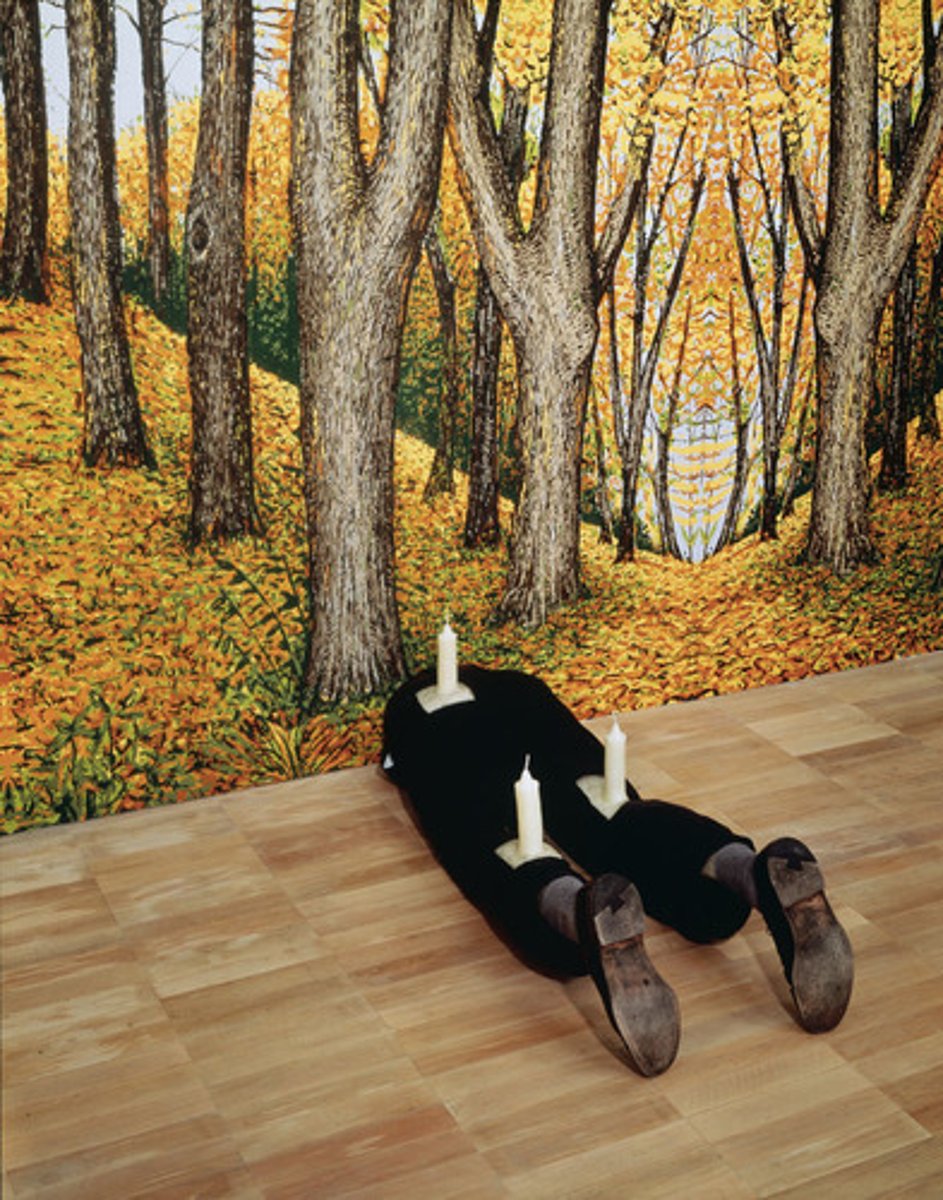
<p>Robert Gober (Abject Art)</p><ul><li><p><strong>1 Story:</strong> Hand-made sink evokes cleansing/contamination anxieties.</p></li><li><p><strong>2 Changes:</strong> Part of abject art confronting bodily trauma and social taboo.</p></li><li><p><strong>3 Context:</strong> AIDS crisis and American fear of bodily fluids (Art Since 1900).</p></li><li><p><strong>4 New Approaches:</strong> Hypercrafted domestic objects made uncanny.</p></li></ul><p></p>
37
New cards

Felix in Exile, 1994

William Kentridge (Renewal of Drawing)

  • 1 Story: Charcoal animation of erasure and memory addresses violence in South Africa.

  • 2 Changes: Represents post-apartheid reconsiderations of historical narrative.

  • 3 Context: Political transition and collective trauma.

  • 4 New Approaches: Uses erasure as drawing method—renewal of drawing as temporal medium (Art Since 1900).
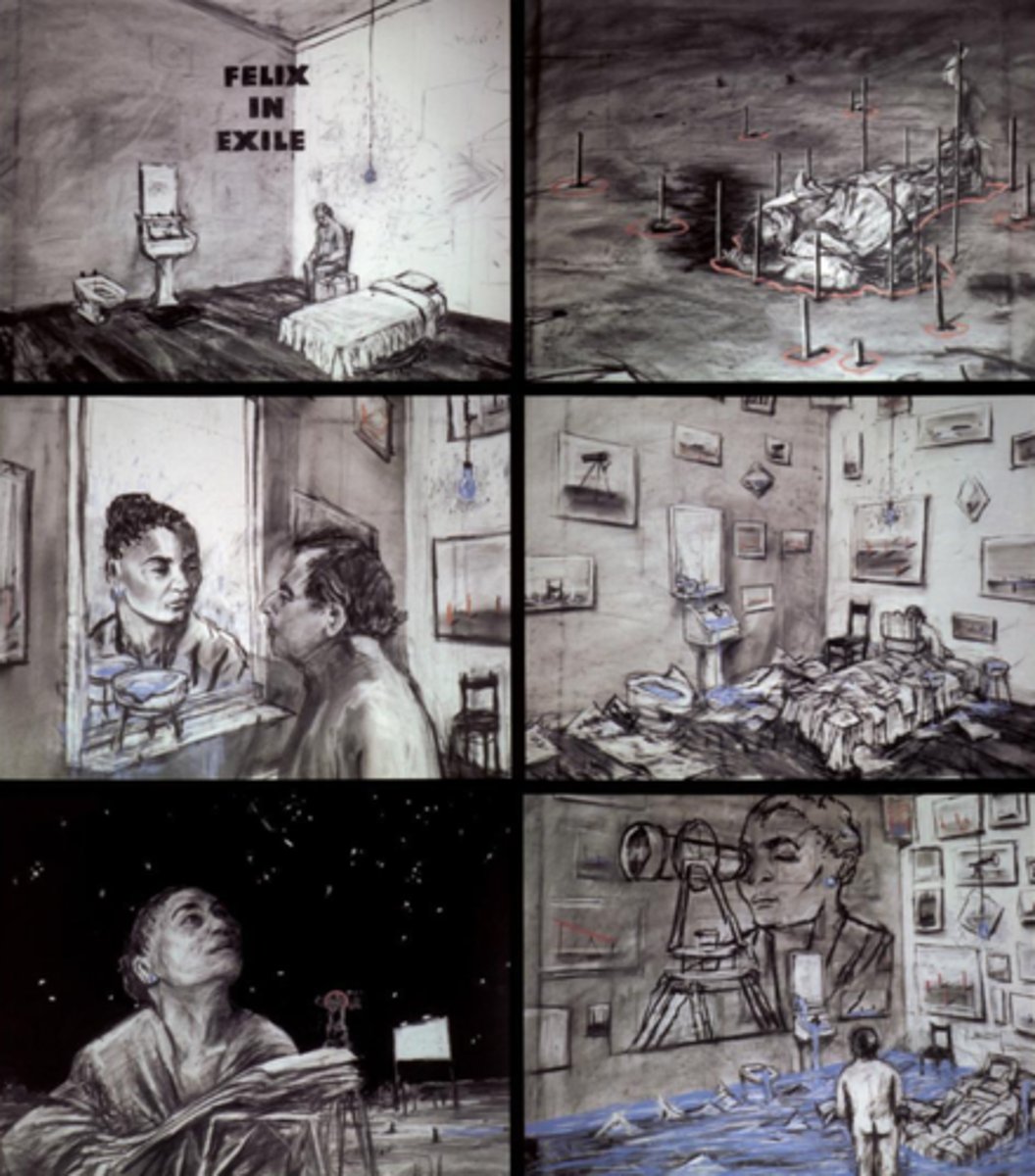
<p>William Kentridge (Renewal of Drawing)</p><ul><li><p><strong>1 Story:</strong> Charcoal animation of erasure and memory addresses violence in South Africa.</p></li><li><p><strong>2 Changes:</strong> Represents post-apartheid reconsiderations of historical narrative.</p></li><li><p><strong>3 Context:</strong> Political transition and collective trauma.</p></li><li><p><strong>4 New Approaches:</strong> Uses erasure as drawing method—renewal of drawing as temporal medium (Art Since 1900).</p></li></ul><p></p>
38
New cards

24 Hour Psycho, 1993

Douglas Gordon (Installation, Large-Scale Video Art

  • 1 Story: Slows Psycho to 24 hours; suspense becomes meditation.

  • 2 Changes: Demonstrates postmodern appropriation’s deconstruction of narrative.

  • 3 Context: Media saturation and film theory’s critique of spectatorship.

  • 4 New Approaches: Turns cinema into sculptural installation through altered duration.
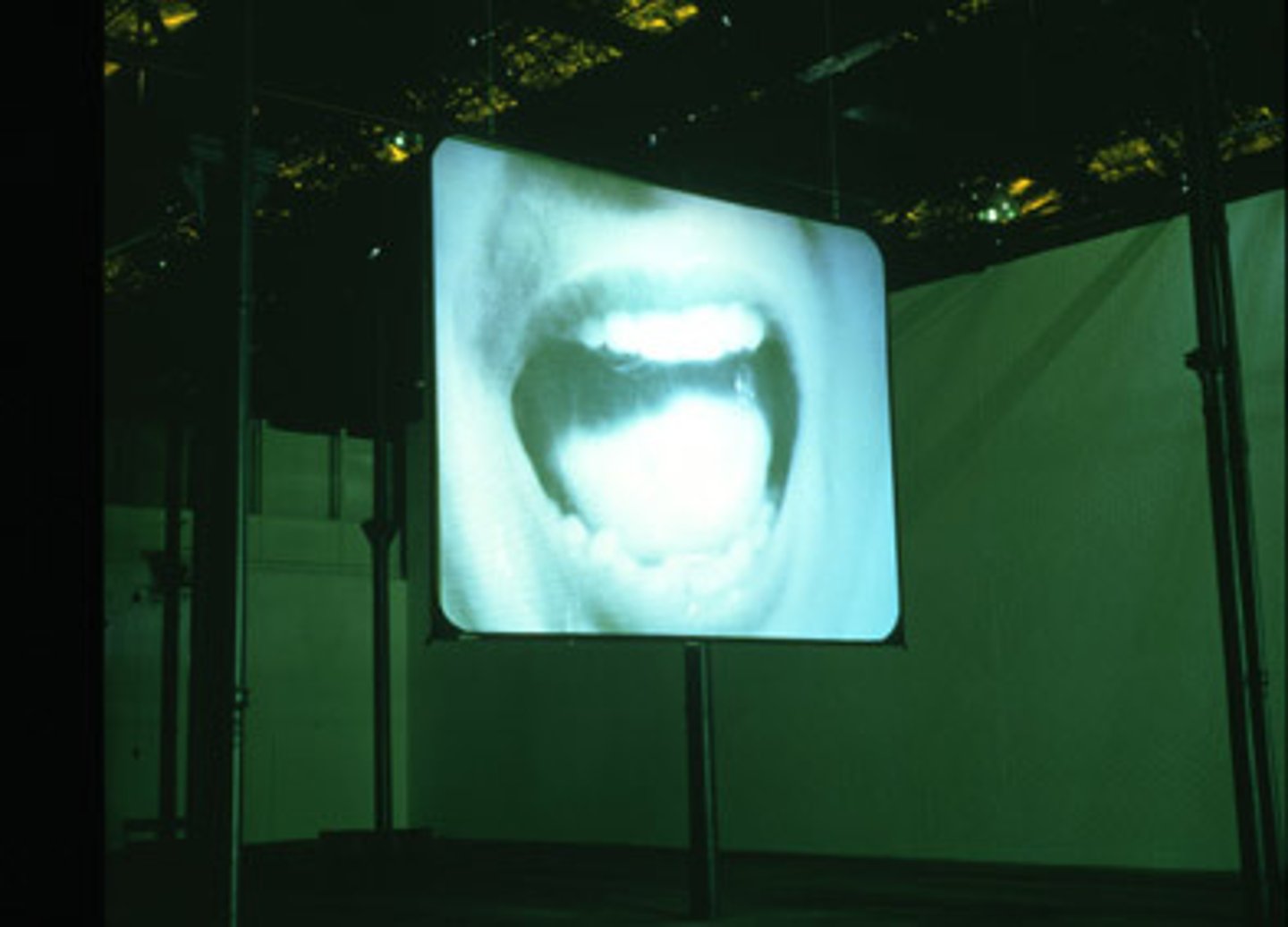
<p>Douglas Gordon (Installation, Large-Scale Video Art</p><ul><li><p><strong>1 Story:</strong> Slows <em>Psycho</em> to 24 hours; suspense becomes meditation.</p></li><li><p><strong>2 Changes:</strong> Demonstrates postmodern appropriation’s deconstruction of narrative.</p></li><li><p><strong>3 Context:</strong> Media saturation and film theory’s critique of spectatorship.</p></li><li><p><strong>4 New Approaches:</strong> Turns cinema into sculptural installation through altered duration.</p></li></ul><p></p>
39
New cards

The Crossing, 1996

Bill Viola (Installation, Large-Scale Video Art)

  • 1 Story: A man engulfed by fire/water in ultra-slow motion invokes transcendence.

  • 2 Changes: Marks rise of video installation as immersive environment.

  • 3 Context: Draws on global religious traditions and spiritual renewal.

  • 4 New Approaches: Uses monumental scale, sound, and time to create affective experience.
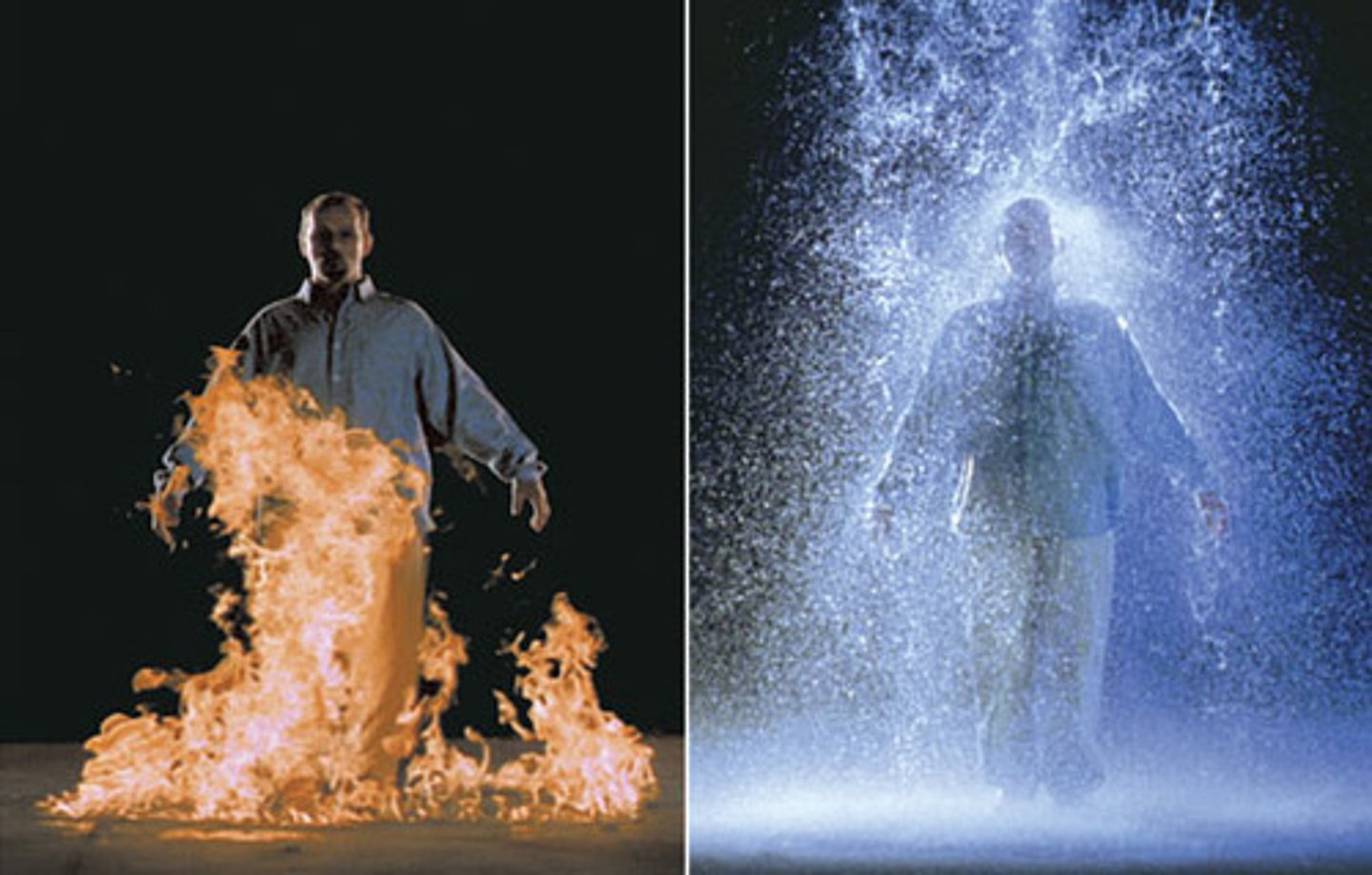
<p>Bill Viola (Installation, Large-Scale Video Art)</p><ul><li><p><strong>1 Story:</strong> A man engulfed by fire/water in ultra-slow motion invokes transcendence.</p></li><li><p><strong>2 Changes:</strong> Marks rise of video installation as immersive environment.</p></li><li><p><strong>3 Context:</strong> Draws on global religious traditions and spiritual renewal.</p></li><li><p><strong>4 New Approaches:</strong> Uses monumental scale, sound, and time to create affective experience.</p></li></ul><p></p>
40
New cards

Soliloquy I, 1998

Sam Taylor Wood (Pictorial Photography)

  • contrasts celebrity/fantasy vs. reality

  • reflects late 1990’s trends of cinematic photography,

  • 1 Story: Large portrait with “dream strip” portraying internal fantasy narrative.

  • 2 Changes: Part of pictorial/post-cinematic photography (Art Since 1900: 1990s).

  • 3 Context: Addresses subjectivity, desire, and media staging of identity.

  • 4 New Approaches: Combines cinematic montage with still photography.
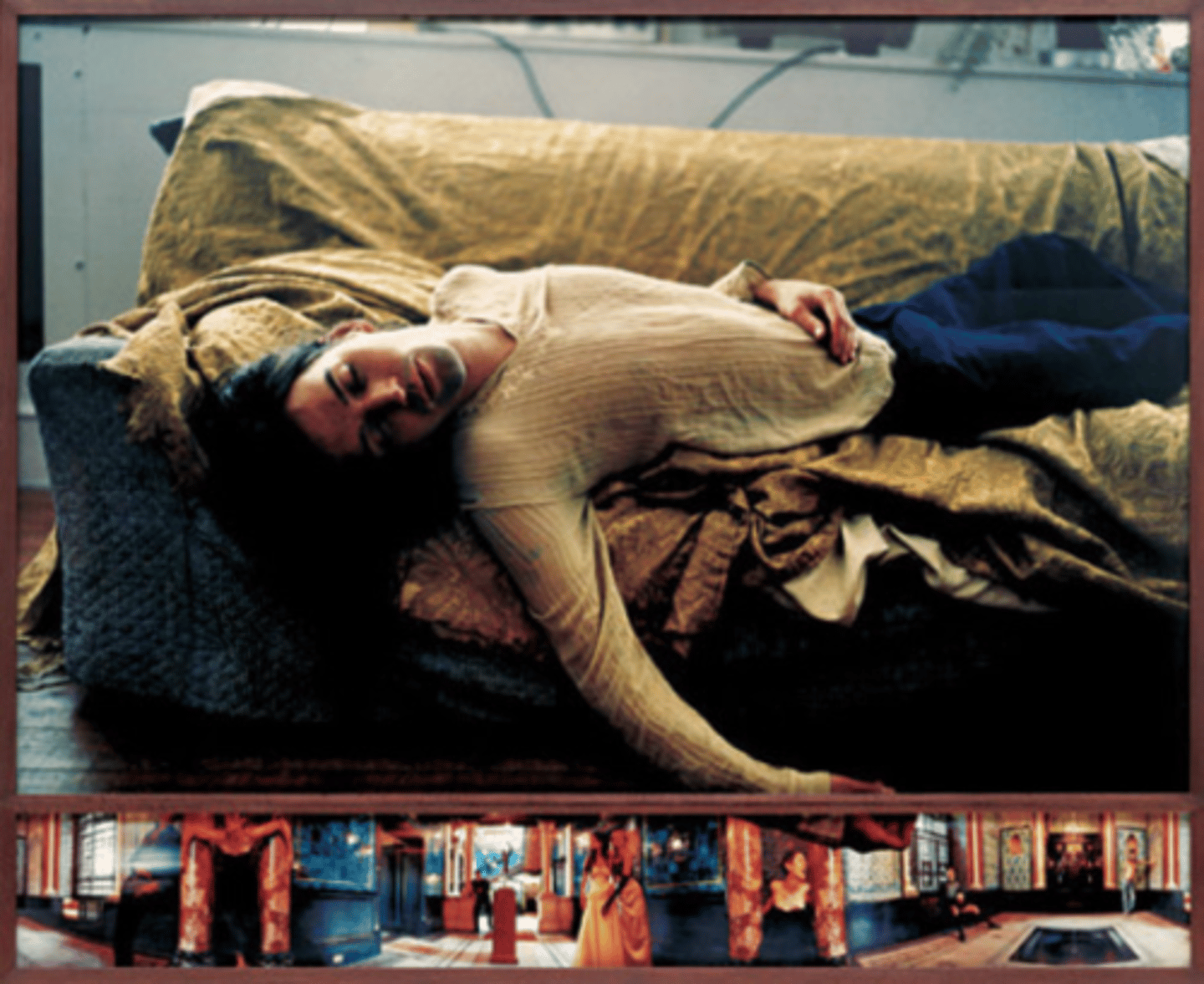
<p>Sam Taylor Wood (Pictorial Photography)</p><ul><li><p>contrasts celebrity/fantasy vs. reality</p></li><li><p>reflects late 1990’s trends of cinematic photography,</p></li></ul><ul><li><p><strong>1 Story:</strong> Large portrait with “dream strip” portraying internal fantasy narrative.</p></li><li><p><strong>2 Changes:</strong> Part of pictorial/post-cinematic photography (Art Since 1900: 1990s).</p></li><li><p><strong>3 Context:</strong> Addresses subjectivity, desire, and media staging of identity.</p></li><li><p><strong>4 New Approaches:</strong> Combines cinematic montage with still photography.</p></li></ul><p></p>
41
New cards

Gramsci Monument, 2013

Thomas Hirschhorn (Narratives)

  • art as investigation

  • very individual is a powerful learner, there is no observer

  • * every person is an intellectual

  • community built installation inside forest houses

  • rhizome

  • seeks to collaple boundaries between art, education, activism, and daily experience as a pushback to elitism

  • 1 Story: Community-built monument dedicated to Gramsci; daily social interactions are the artwork.

  • 2 Changes: Exemplifies socially engaged art (post-Relational Aesthetics).

  • 3 Context: Public housing, class struggle, and collective political education.

  • 4 New Approaches: Uses participation and social processes as medium (Joselit: “the administrative and social turn”).
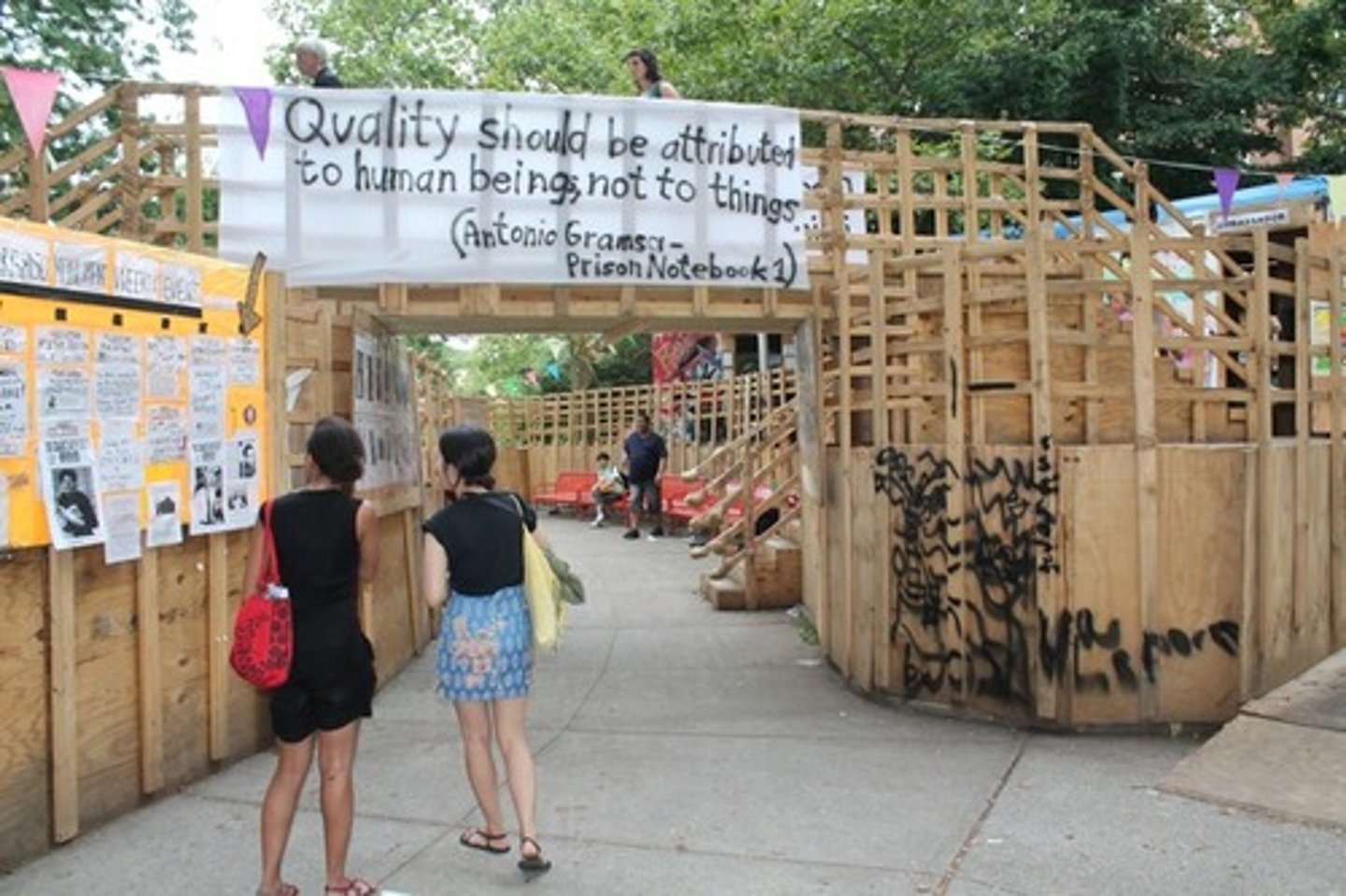
<p>Thomas Hirschhorn (Narratives)</p><ul><li><p>art as investigation</p></li><li><p>very individual is a powerful learner, there is no observer</p></li><li><p>* every person is an intellectual</p></li><li><p>community built installation inside forest houses</p></li><li><p>rhizome</p></li><li><p>seeks to collaple boundaries between art, education, activism, and daily experience as a pushback to elitism</p></li><li><p><strong>1 Story:</strong> Community-built monument dedicated to Gramsci; daily social interactions are the artwork.</p></li><li><p><strong>2 Changes:</strong> Exemplifies socially engaged art (post-Relational Aesthetics).</p></li><li><p><strong>3 Context:</strong> Public housing, class struggle, and collective political education.</p></li><li><p><strong>4 New Approaches:</strong> Uses participation and social processes as medium (Joselit: “the administrative and social turn”).</p></li></ul><p></p>